

Gaming
Lenovo Legion 7i Hands-On: Power with reservations
The company’s flagship has its upside, for now

What’s it like to receive a big crate one day, while working from home? I opened it with the expectation that it’s something big, powerful, and expensive. Otherwise, it wouldn’t have been sent to me via crate, right?
Lo and behold, Lenovo sent me one of their new flagship gaming devices. This time around, they’ve decided to go for a simpler way of naming things. Meet the Lenovo Legion 7i in all its fame and glory, which was announced back in April.
What exactly does this entire package bring to the table? Well, here are some initial thoughts I have on the Lenovo Legion 7i.
A pretty straightforward unboxing
For what it’s worth, unboxing the Legion 7i was as straightforward as it could ever be. The big Legion box came with two other boxes inside it: one for the laptop itself, the other for the 230W charging brick. One thing that immediately jumps ahead here is that, well it doesn’t come with any other peripherals.
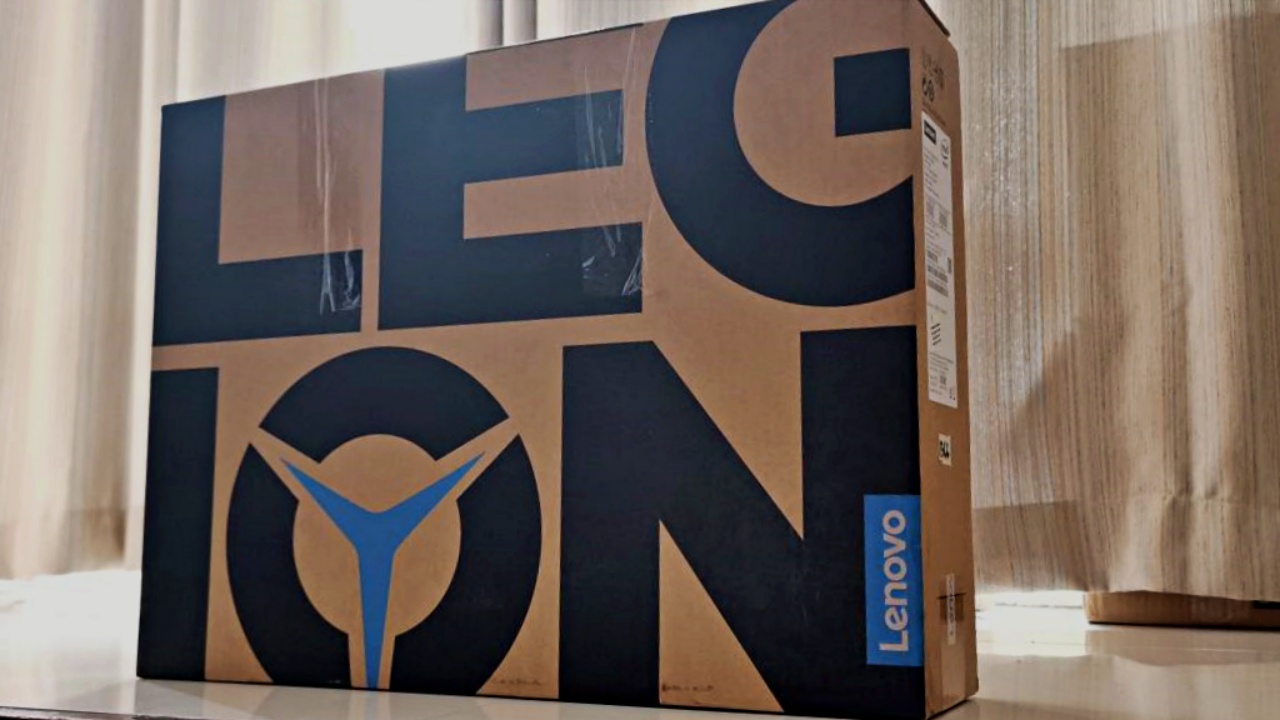
If there was anything I could give Lenovo props on, it’s the black cloth-like sleeve that covered the device. I get it, it’s not that much since you’re more interested in getting the laptop out of the box. But, I acknowledge that some consideration was given even to that level.
Out of the box, it’s a pretty well-designed device
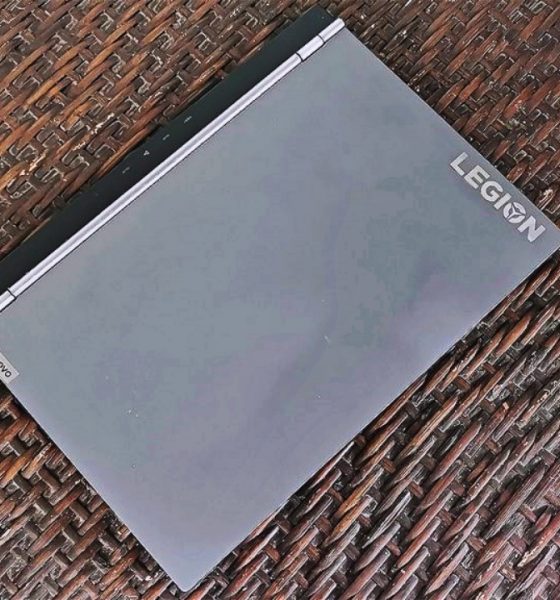
I felt that the Lenovo Legion 7i was built quite nicely. It’s not a device that just screams in its size or color choice, but it adds some subtlety to it. The near-Space Gray aluminum chassis just looks sexy to me, along with the metallic Legion logo on the lid. Although, these are fingerprint magnets so you should definitely wash your hands first.

L to R: HDMI, USB-A, RJ45 LAN, USB-A, charging port, Kensington lock
I applaud Lenovo Legion for actually putting the more important I/O ports at the back. I didn’t mind that it added just a few more inches to the overall length of the device. Honestly, placing the charging, USB-A, and HDMI ports at the back lessens any obstruction while playing. This also comes with two USB-C ports, with only one of them having Thunderbolt 3 support.

A 720p webcam with its own physical privacy shutter
Upon opening the lid, it’s what I expect out of most Legion laptops: full-size RGB-backlit keyboard, FHD display with the webcam placed above. At least they incorporated the physical webcam shutter, so no need for those sticky notes. Although, there was a portion of the keyboard, near the power button that felt loose or hollow.
Initial performance run seems promising
The unit that was sent to me actually comes with the 10th-generation Intel Core i7-10750H processor. It also came with an NVIDIA RTX 2070 Super Max-Q, a 240Hz FHD display, and 16GB of DDR4 RAM. It’s not the most powerful configuration out there, but I felt that it could still get the job done.
And so far, it actually has lived up to expectations. Most work applications run smoothly with the hardware this device is rocking. Gaming on it also feels like a breeze, as even more modern AAA titles look fantastic. I mean, it hasn’t won me a full game of Fall Guys yet but we’re getting there.

A 240Hz FHD display fit for both streaming content and gaming
Although, I will need to look into several more things before anything else. The thermal situation is one of them, but so far it hasn’t reached boiling hot levels. Of course, there’s the laptop’s battery life but I’m already experiencing a fast-draining battery.
Pricing and availability
So far, the Lenovo Legion 7i works like the true flagship that it is. It’s all compressed in one simple package, but with incredibly beefy hardware. Also, its build quality is honestly one of the more well-thought off ones I’ve seen in a while. Let’s just see if it fully stacks up to the competition. Keep in mind that this is priced at PhP 134,995, and will come with the Legion Recon backpack.
If you want to be the first to get this device, Lenovo Legion is opening pre-orders from August 19-23, 2020. As a bonus, all pre-orders of the Legion 7i will come with a set of peripherals worth PhP 12,980. Those who wish to pre-order the device may do so in the following participating stores:
- Legion SM North EDSA
- Legion SM City Cebu
- Complink SM Mall of Asia
- PC Corner Gilmore
- PC Express SM Megamall
- Thinking Tools SM Davao






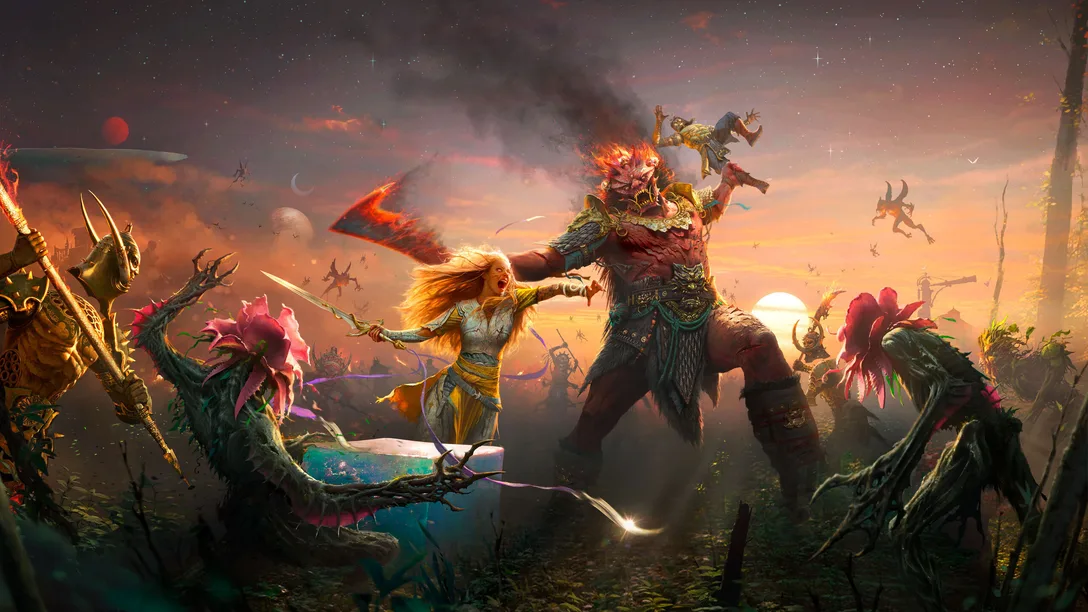
Pre-orders for God of War Laufey pre-orders are now live with new details on editions and Faye’s Serpent Bow. are now live on the PlayStation Store and at participating retailers across Southeast Asia ahead of its February 16, 2027 release on PlayStation 5.
Sony also detailed the game’s pre-order bonuses and Digital Deluxe Edition, alongside new footage and information about Faye’s combat abilities.
Players who pre-order God of War Laufey will receive the Last Wish Armor Set, Phranque Golden Leaves Appearance, and an in-game resource pack. The physical Standard Edition includes these items through a download code.

The Digital Deluxe Edition adds the Dark Alchemy Armor Set, Dark Alchemy Blade, Dark Alchemy Bow Scales, Dark Alchemy Catalyst, an in-game resource pack, a digital mini artbook, and the official digital soundtrack.

Faye gets a new weapon
Faye will wield the Serpent Bow, an enchanted weapon that lets her switch between close-range and ranged attacks.
The bow has two firing modes. Full-aim provides more precise shots and greater range, allowing Faye to target specific parts of enemies and charge up to five arrows for a powerful volley. Half-aim switches to a more mobile hip-fire stance for rapid attacks at close range.
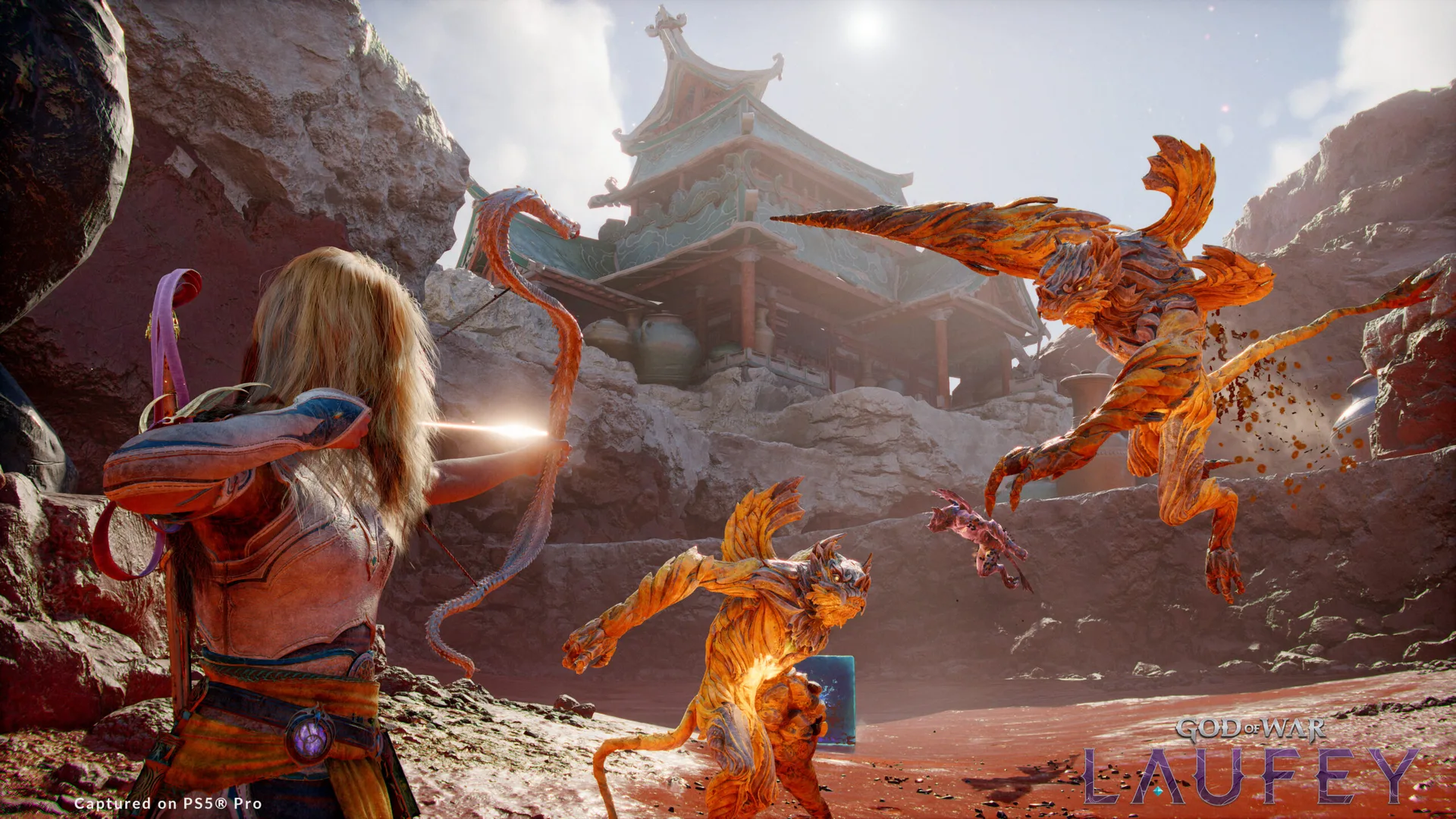
Different arrow types support various combat approaches, including rapid-fire, explosive, and multi-target attacks. Players can also equip different Serpent Scales, which change the bow’s appearance and provide unique perks. Additional skills further expand its capabilities.
Faye’s other equipment can also be customized. Her Blade, Serpent Bow Scales, and Catalysts can be configured to support different playstyles.
God of War Laufey follows Faye after her death as she awakens in the Everywhen, an afterlife where gods and creatures from different mythologies converge. Santa Monica Studio previously revealed that Faye will fight through the realm alongside Phranque and Rue as she searches for a way home.
God of War Laufey launches exclusively on PS5 on February 16, 2027.
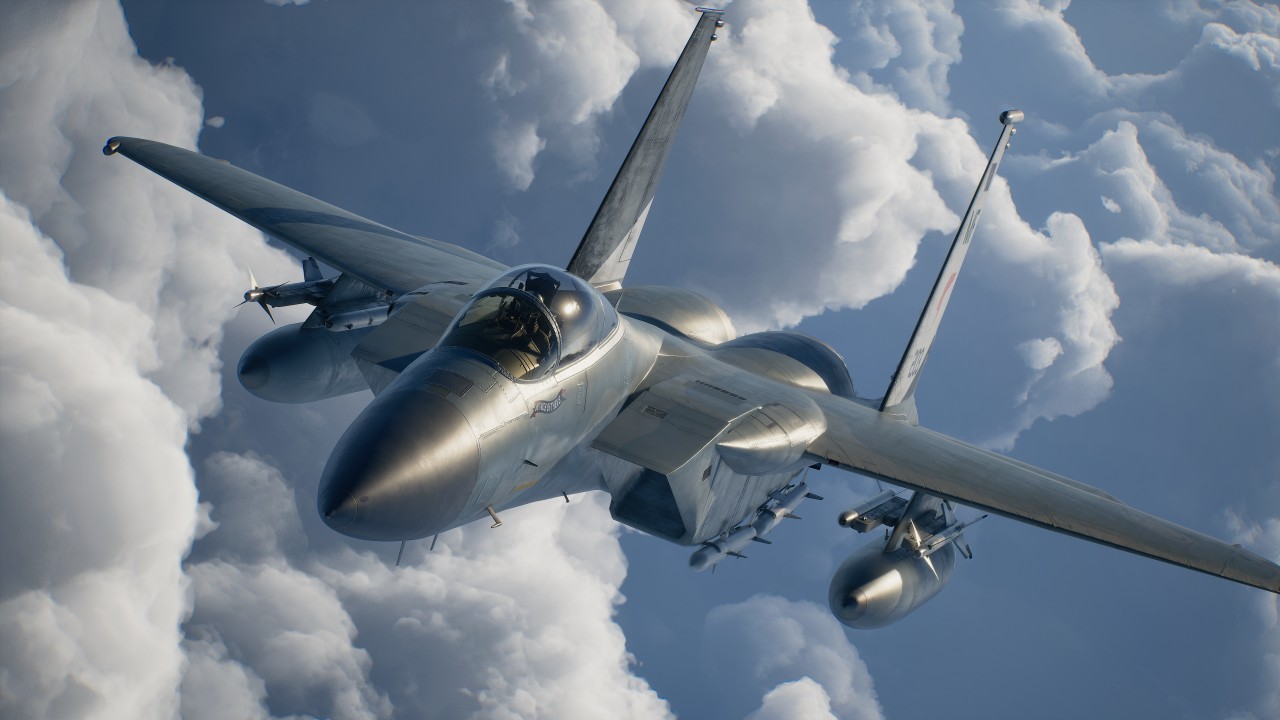
I came into ACE Combat 8: Wings of Theve completely blind.
I knew very little about the franchise outside of the fact that it’s a fighter plane game. My entire exposure was limited to a handful of press releases from Bandai Namco and, of course, the noise the pink-haired character made on social media when she was first revealed.
So, I had no idea what to expect when I climbed into the cockpit.
What surprised me most wasn’t the flying. It was everything that happened outside of it.
A surprisingly beautiful presentation
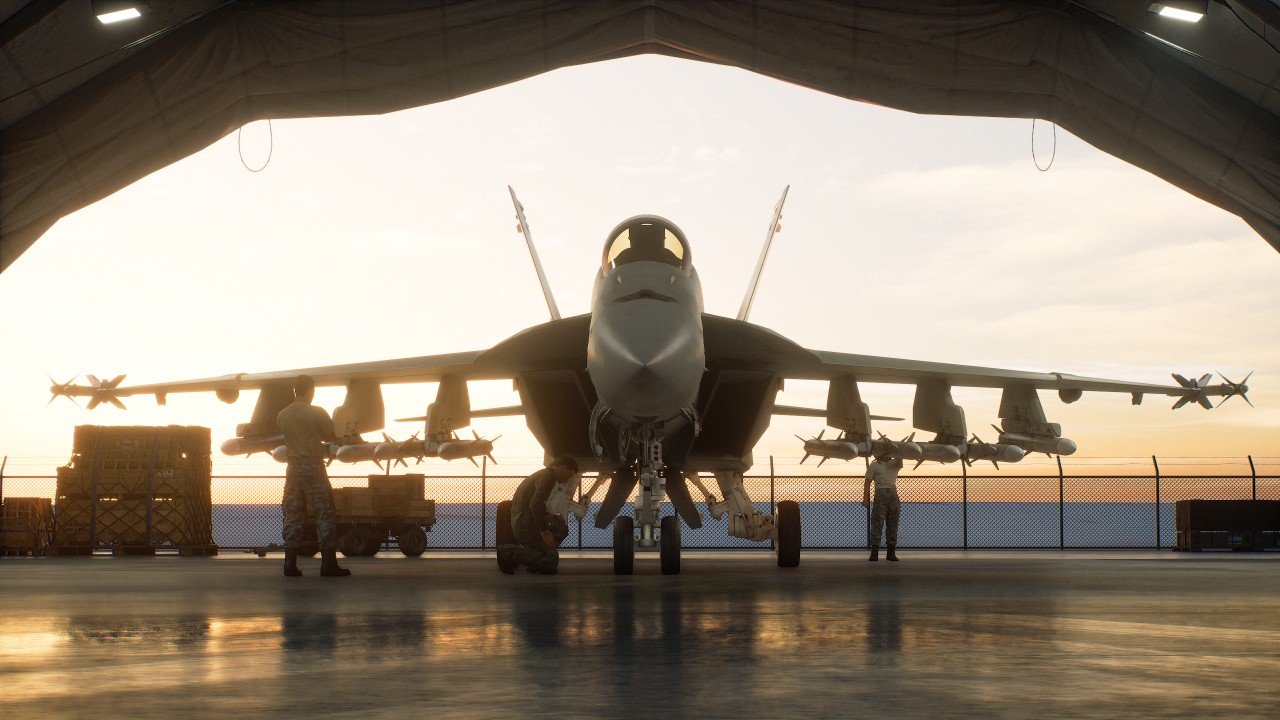
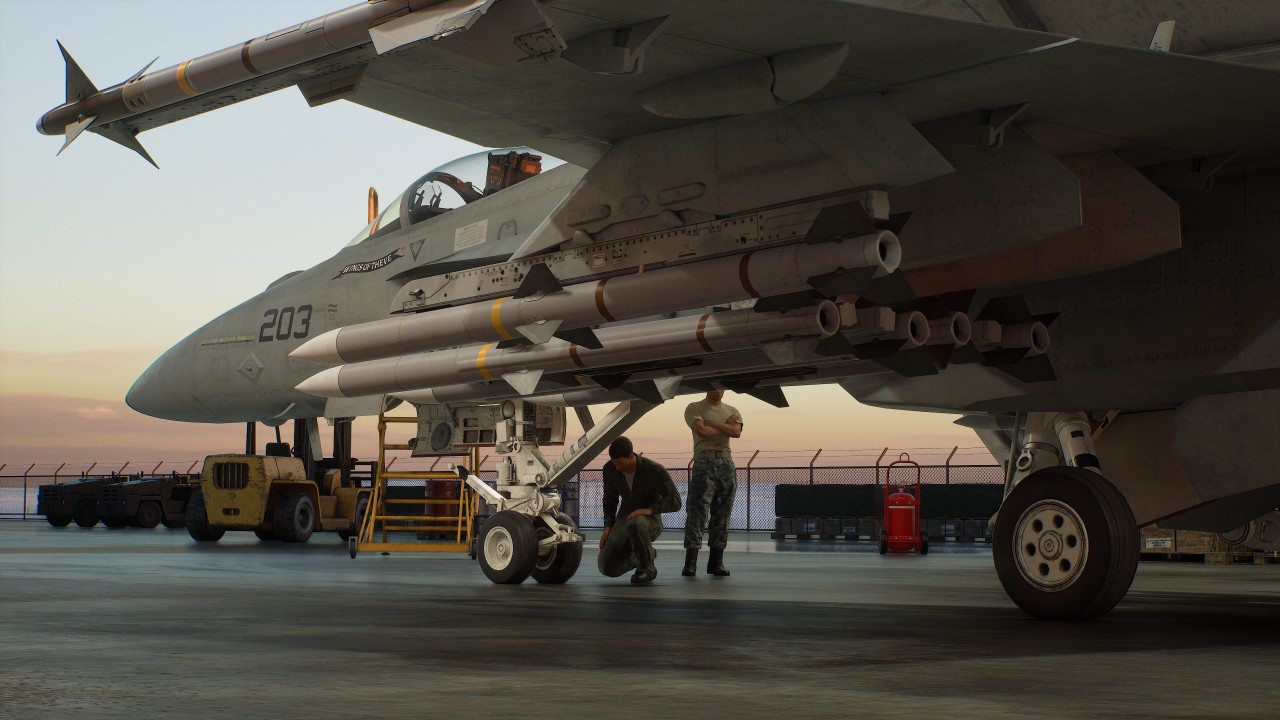
I was floored by the story segments of the game, particularly the visuals and presentation.
A lot of these scenes are presented from a first-person perspective. The characters and environments you interact with are beautifully rendered, and there’s an impressive level of detail to the world around you.
It looks like a AAA game. It just doesn’t move like your typical AAA action game or RPG. That threw me off a bit.

There’s something intentionally different about how ACE Combat 8 presents its story and world. You’re not controlling a character running around a beautifully rendered environment. Instead, you’re mostly observing the world from a grounded first-person perspective before getting back into the cockpit.
It’s an unusual approach, but one I found myself appreciating.
Learning how to fly

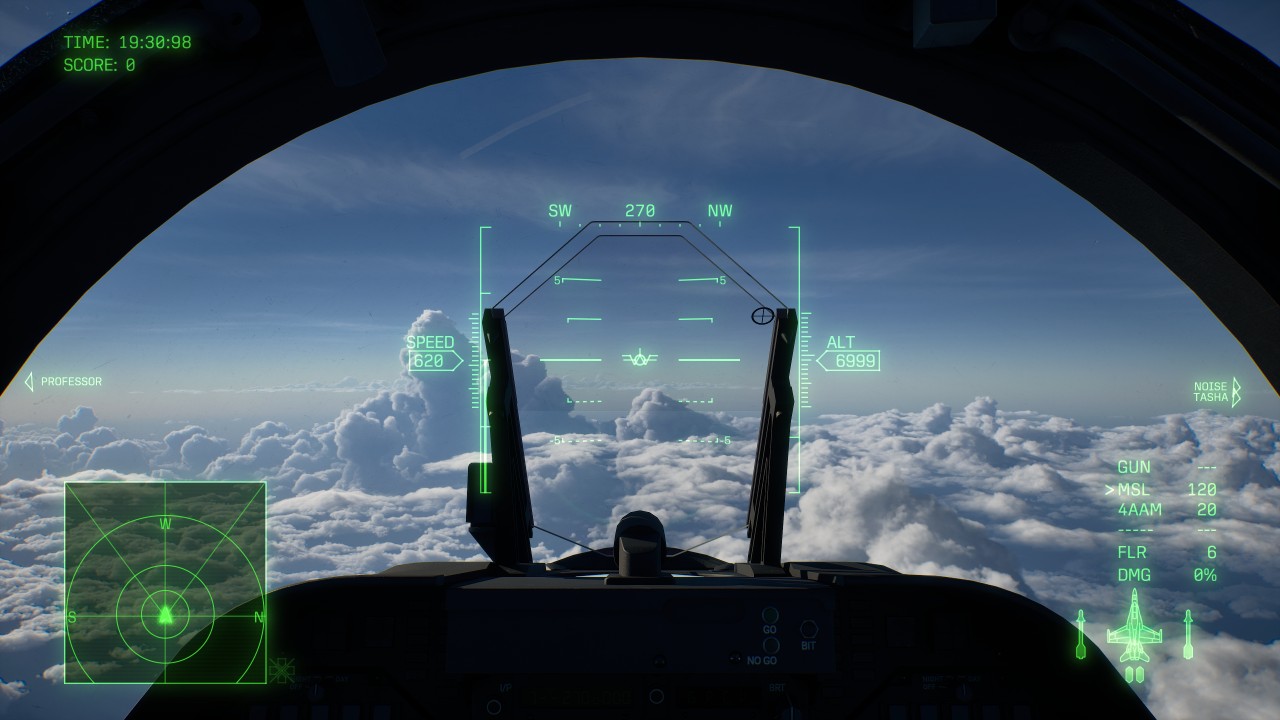
The bigger adjustment was actually flying the plane.
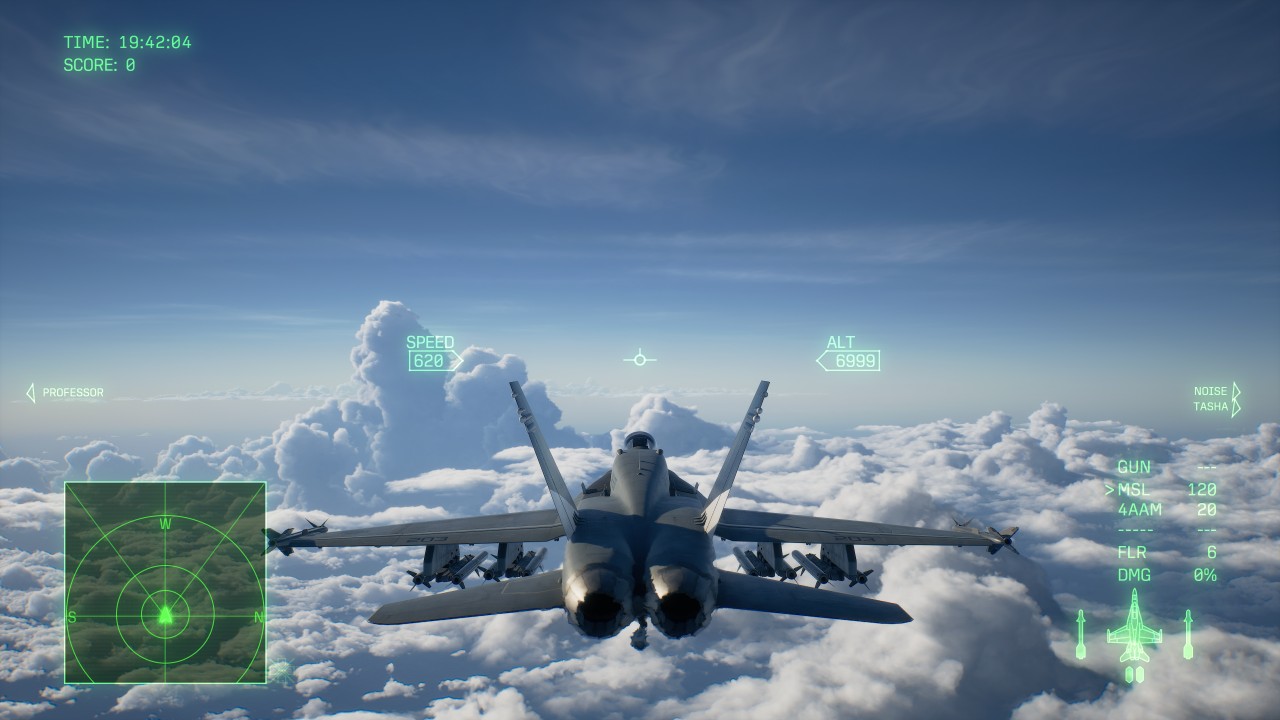
I had trouble getting used to the controls and the structure of the missions. I failed the first one quite a few times because I couldn’t fully understand the radar or the environment I was flying in.
It took plenty of getting used to on my part.
Even after a few hours of play, I can’t say I got fully used to it.
The game offers STANDARD and EXPERT control schemes. STANDARD is designed to be more intuitive, while EXPERT gives you more control over the aircraft through traditional roll-and-pitch inputs.
I still had plenty to learn regardless of the control scheme. There’s a lot of information to process at once: your aircraft’s position, altitude, speed, radar, targets, incoming missiles, objectives, and everything happening around you.
It takes time to develop a feel for how everything moves.
Missions aren’t just about shooting everything

The mission structure is quite specific.
You have to do things a certain way in each mission. It’s not just “blast everything in your path.”
That offered a lot of variety and made the game more engaging.
Some missions asked you to maintain a certain altitude to avoid detection. Others demanded expert flying. Some also felt like full-on aerial combat.
Objectives can range from destroying targets and protecting allies to earning a certain number of points, with some missions changing objectives while you’re already in the air.
That keeps the campaign from feeling like a series of identical dogfights.
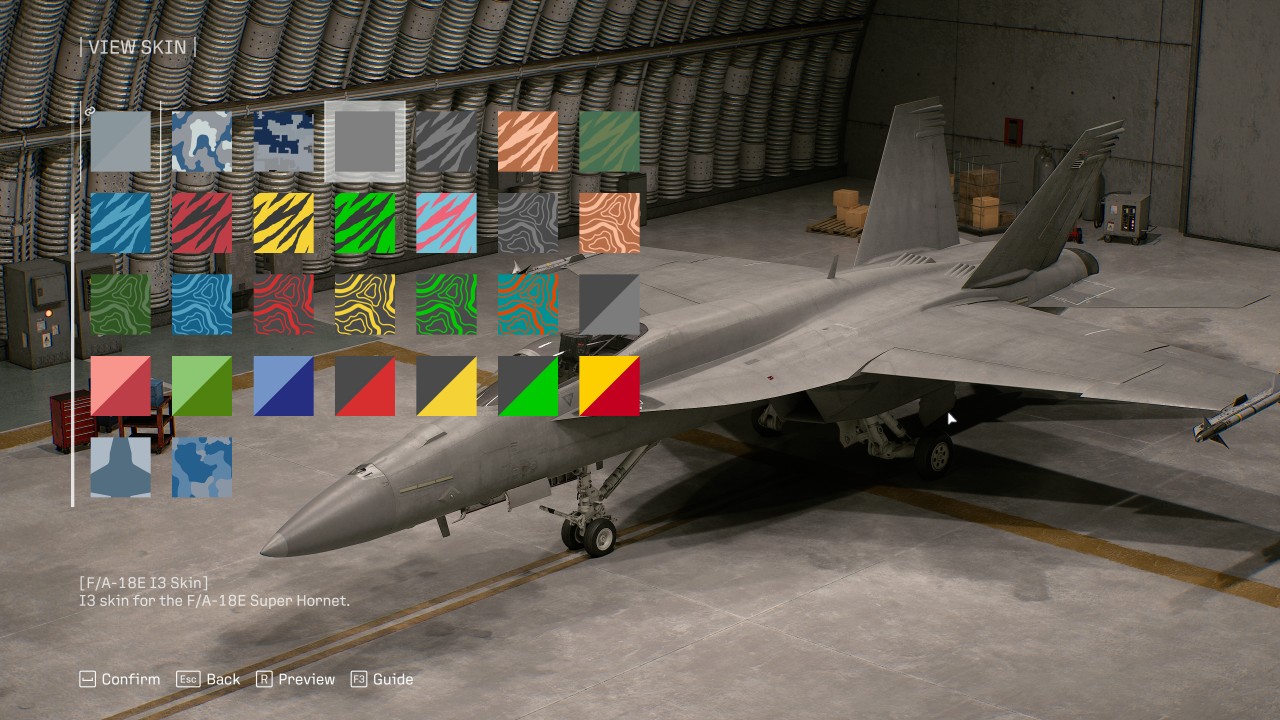
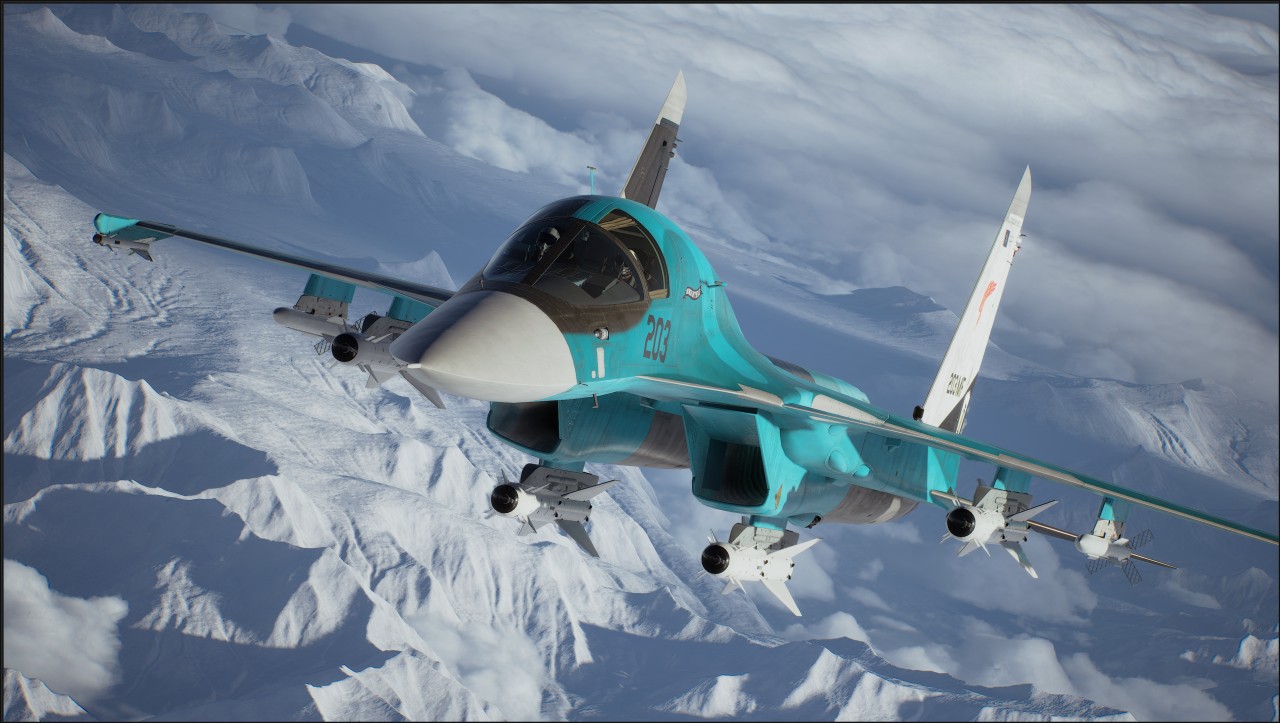
There’s also a progression system built around different aircraft types, including fighters, attackers, multirole aircraft, and electronic warfare planes. More than 30 aircraft are available, with new planes, upgrades, and special weapons unlocked through the Aircraft Tree.
Your choice of aircraft and weapons can also change how you approach a mission. A fighter makes sense when the skies are packed with enemies, while an attacker can be better suited to ground targets. Multirole aircraft offer a middle ground when you’re unsure what you’ll encounter.
Wingman commands add another layer to combat. You can order your pilots to attack, spread out, provide support, or use their special weapons.
The result is a game that asks you to pay attention to what’s happening instead of simply holding down the trigger.
A story worth sticking with
The story I’ve encountered so far isn’t something to write home about.
Its presentation, however, is engaging enough that I feel a lot of people can easily soldier on to see it through to the end.
The first-person story segments, radio chatter, briefings, and events that unfold during missions give the campaign more personality than simply jumping from one dogfight to another.
There’s clearly a larger conflict unfolding, and the game does a good job of making its missions feel like part of something bigger.
The presentation does a lot of the heavy lifting here.
Is ACE COMBAT 8: Wings of Theve your Play Match?
The campaign has 30 missions that run at around 15 minutes each, give or take. Your mileage, naturally, will vary.
For me, those first few hours took longer because I was still trying to figure out how to move, where to look, and what the game actually wanted me to do.
ACE Combat 8 isn’t immediately intuitive if you’re coming into it completely blind like I did. The game does give you training options for practicing flight controls and special weapons, which can help you get comfortable before throwing yourself into tougher missions.
Once things start clicking, though, the experience becomes quite distinct from the type of game most people gravitate towards.
Overall, ACE Combat 8: Wings of Theve feels like a nice break from the usual games where you control a single character and go through linear levels or an open world.
It’s the perfect palette cleanser.
I didn’t expect to spend my first few hours struggling with radar, movement, altitude, and mission objectives. Those struggles also made the moments when I finally understood what I was supposed to do feel more rewarding.
I’m still not fully comfortable in the cockpit.
I’m also ready for another sortie.
Verdict: Swipe Right.

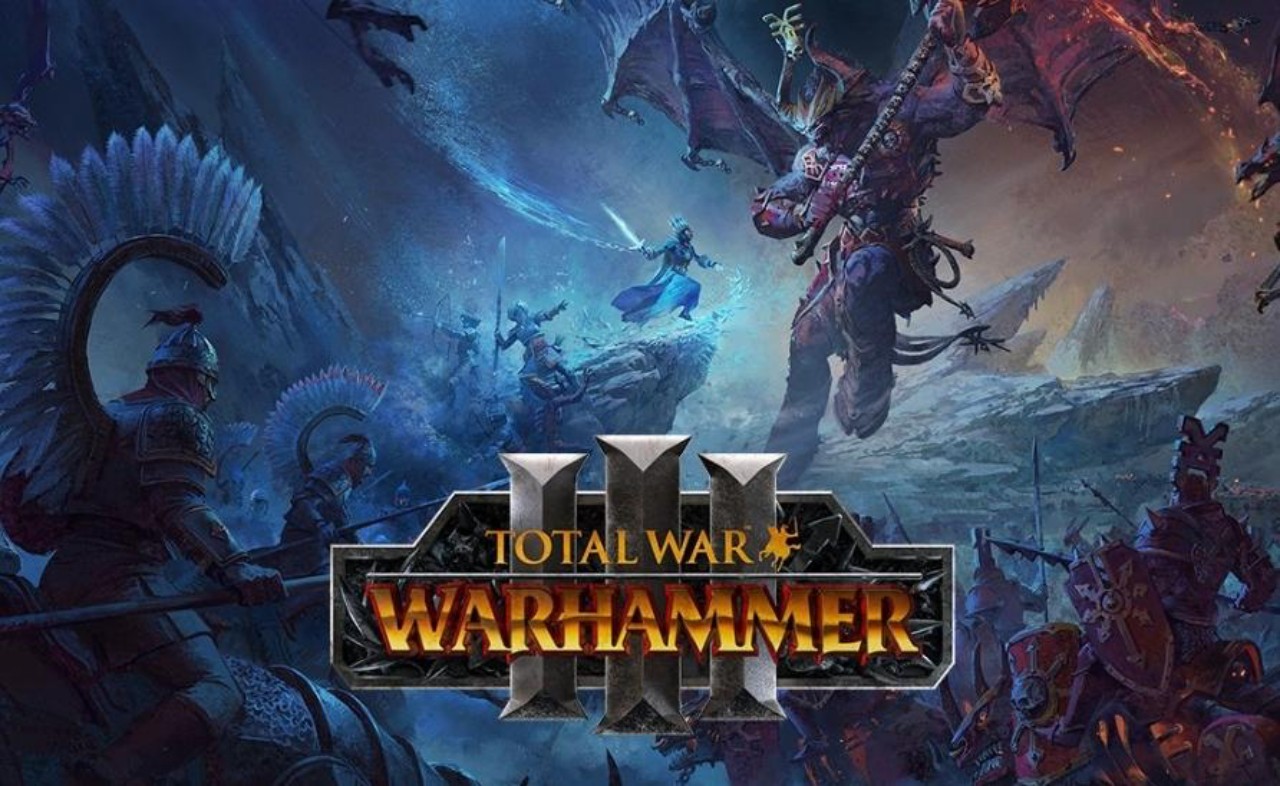
Lords of the End Times brings four new Legendary Lords, new units, and a major update to Total War: Warhammer III. More importantly, it gives players another excuse to return to the sprawling Immortal Empires campaign.
For anyone who has spent time with Total War, the appeal is familiar. You spend turns building your empire, managing armies, negotiating with rival factions, and deciding where to strike next. Eventually, all that planning leads to the part where thousands of soldiers meet on the battlefield and you have to make those decisions work in real time.
That combination remains the core of Total War: Warhammer III. Lords of the End Times doesn’t fundamentally change that formula. Instead, it gives the existing sandbox more characters, units, and ways to approach its battles.
Two layers of strategy

The campaign map is where much of Total War‘s strategy happens.
You have time to consider where to move your armies, which provinces to develop, what to build, and how to deal with other factions. Those decisions can seem slow compared to the battles themselves, but they’re what give the real-time encounters their weight.
A battle isn’t happening in isolation. The army you bring with you reflects the choices you’ve made on the campaign map. Your available units, resources, reinforcements, and strategic position all affect what happens once the fighting starts.
That creates a useful rhythm. The campaign gives you room to plan before the pace suddenly changes when two armies collide.
It also means a victory isn’t simply about having more units. Bringing the right army to the right fight matters, and the battlefield can quickly punish a poor decision.
The battlefield is where things get hectic
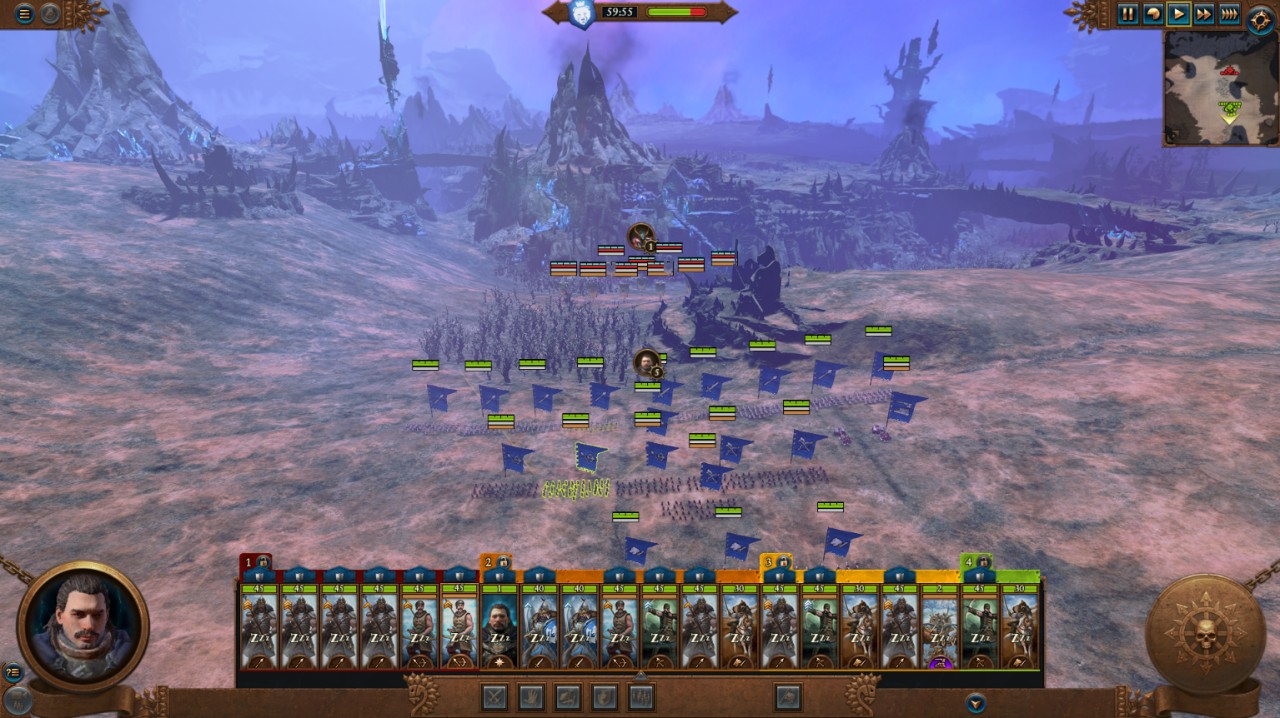
Once the fighting begins, Total War: Warhammer III becomes much more immediate.
Positioning matters. Infantry can hold a line while cavalry looks for an opening. Ranged units become more effective when placed where they can actually see their targets. High ground can give artillery a better angle, while terrain can create opportunities for a flank.
There is also plenty to manage once the battle gets moving.
You can adjust formations, move individual units, cycle cavalry charges, control flying creatures, and time spells around the rest of your army. The amount of information on screen can be intimidating at first, but it becomes easier to read once you understand what each unit is supposed to be doing.
That’s where the comparison to older real-time strategy games makes sense. The fundamentals of positioning, unit control, counters, and timing are still here. Total War simply operates at a much larger scale.
The difference is that battles can become considerably more chaotic. A plan that looked sensible a few minutes earlier can fall apart once several units engage at once.
Warhammer is doing a lot of the heavy lifting
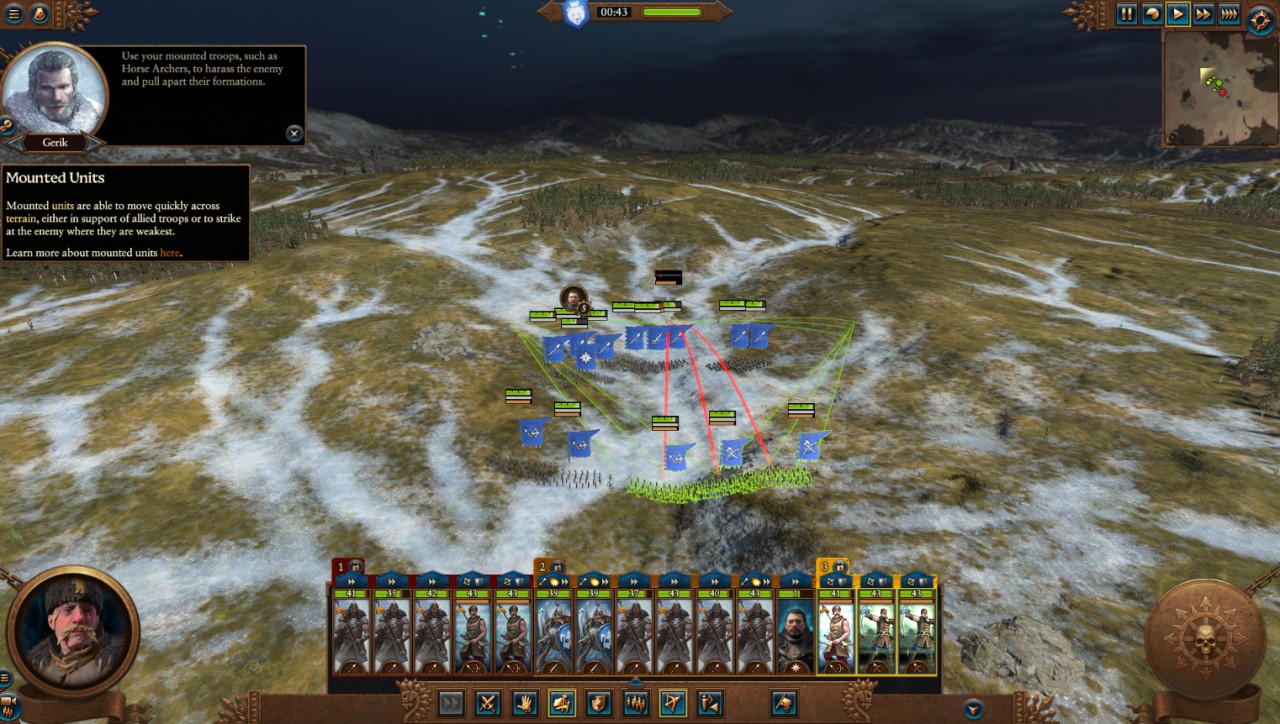
The biggest strength of Total War: Warhammer III is arguably how much variety the Warhammer setting gives the formula.
Different factions don’t simply use different models. They can change how you approach the campaign and the battlefield.
The undead, for example, play very differently from the Skaven or the Empire. Their units, abilities, heroes, and mechanics encourage different approaches to combat. That variety gives the Immortal Empires campaign plenty of room for experimentation.
It’s also where the spectacle comes into play.
There is something inherently entertaining about watching enormous monsters, heavily armored troops, magic users, and entire infantry formations collide in the same battle. Spells can reshape an engagement in seconds, while a well-timed charge can turn a losing fight around.
The Warhammer setting gives Creative Assembly plenty of toys to work with, and Lords of the End Times adds even more of them.
A lot to take in for newcomers

The scale can also make Total War: Warhammer III look more intimidating than it actually is.
You don’t need to know every faction or understand decades of Warhammer lore before starting a campaign. There is certainly a lot of lore to discover, but the game can be enjoyed simply by learning what your army does and figuring out how to make it work.
The visual spectacle helps, too.
Seeing enormous creatures fight alongside conventional troops makes even routine battles feel distinctly Warhammer. A battlefield can go from an organized formation to complete chaos surprisingly quickly once magic and monsters enter the equation.
That doesn’t mean the game is immediately simple. There are a lot of systems to learn, particularly once you start digging deeper into the campaign. But there’s a natural progression from figuring out basic formations to experimenting with more complicated strategies.
Lords of the End Times gives the sandbox more room to play

Lords of the End Times works best when viewed as another expansion of the Total War: Warhammer III sandbox rather than a reinvention of it.
The appeal is still the same: plan on the campaign map, build an army, pick your battles, and then try to execute that plan once everything starts moving.
The new Legendary Lords and their accompanying mechanics give players more ways to approach that loop, while the scale of the battles remains one of the game’s biggest attractions.
For longtime Total War players, that’s probably the most important thing. Lords of the End Times doesn’t need to reinvent the series to be interesting. It just needs to give players another reason to start another campaign and see what happens.
And, considering how easily a carefully planned campaign can descend into battlefield chaos, there is usually plenty to see.


Now Playing: ACE Combat 8: Wings of Theve
A refreshing change of pace


TECNO POVA 8 Pro Tonino Lamborghini review
Truly a rare gem in 2026


DJI Lito X1 review: Is this the best lightweight drone for creators?
Making a strong case as a travel companion and a capable B-cam!

God of War Laufey pre-orders are now live

Nothing launches the Headphone (1) Pro

HUAWEI WATCH GT 7 Pro: What’s actually under the hood?

HONOR Magic9 Pro Max launches in China with ARRI-powered imaging

TECNO and Angélica Dass visit the Philippines next for its grand portrait project

HUAWEI Pura X View is 2026’s first WIDE slab-type smartphone

The CAMON Slim 5G is TECNO’s latest ultra-slim smartphone

iPhone 18 Pro series: Price, availability in the Philippines

DJI Osmo 360 II review: Going all-in on the ecosystem

iPhone 18 Pro series: Price, availability in Singapore


-

 News1 week ago
vivo X500 Series launches with major imaging upgrades
-

 News7 days ago
OPPO Find X10 Pro Max is the first phone with a triple 200MP camera system
-

 Reviews2 weeks ago
REDMI Note 17 Pro Max review: A new breed born from AI greed
-

 Singapore1 week ago
Epson Lifestudio Grand Plus EH-LS970B with 4K projection, more launches
-
Drones2 weeks ago
DJI Lito X1 review: Is this the best lightweight drone for creators?
-

 News1 week ago
vivo introduces OriginOS 7 with smarter multitasking and AI features
-

 Philippines2 weeks ago
REDMI NOTE 17 Series: Price, availability in the Philippines
-

 Automotive1 day ago
BYD says that way better EV batteries are coming next year