
Computers
Intel announces 11th-Gen chips with new company branding
Directly competes with AMD Ryzen series

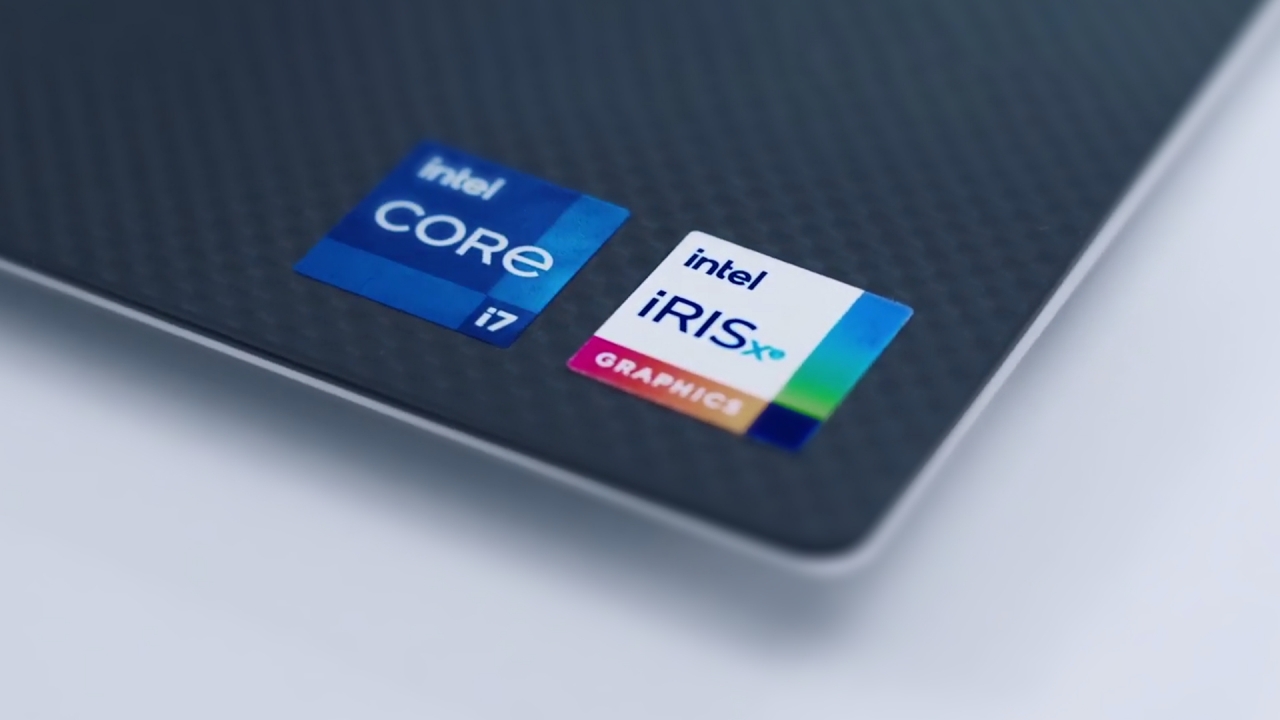
Intel has finally announced their newest 11th-gen chipsets that directly rival AMD’s powerful yet inexpensive Ryzen series. Though these aren’t the new 7nm processors that are rumored to come as late as 2022, these are still new chips based on their 10nm SuperFin process technology.
Other than the annual chipset announcement, Intel also announces a major rebrand after almost a decade — all before Apple ditches Intel with their first in-house ARM-based Apple Silicon chipset that will run on the new MacBook by the end of 2020.
New branding
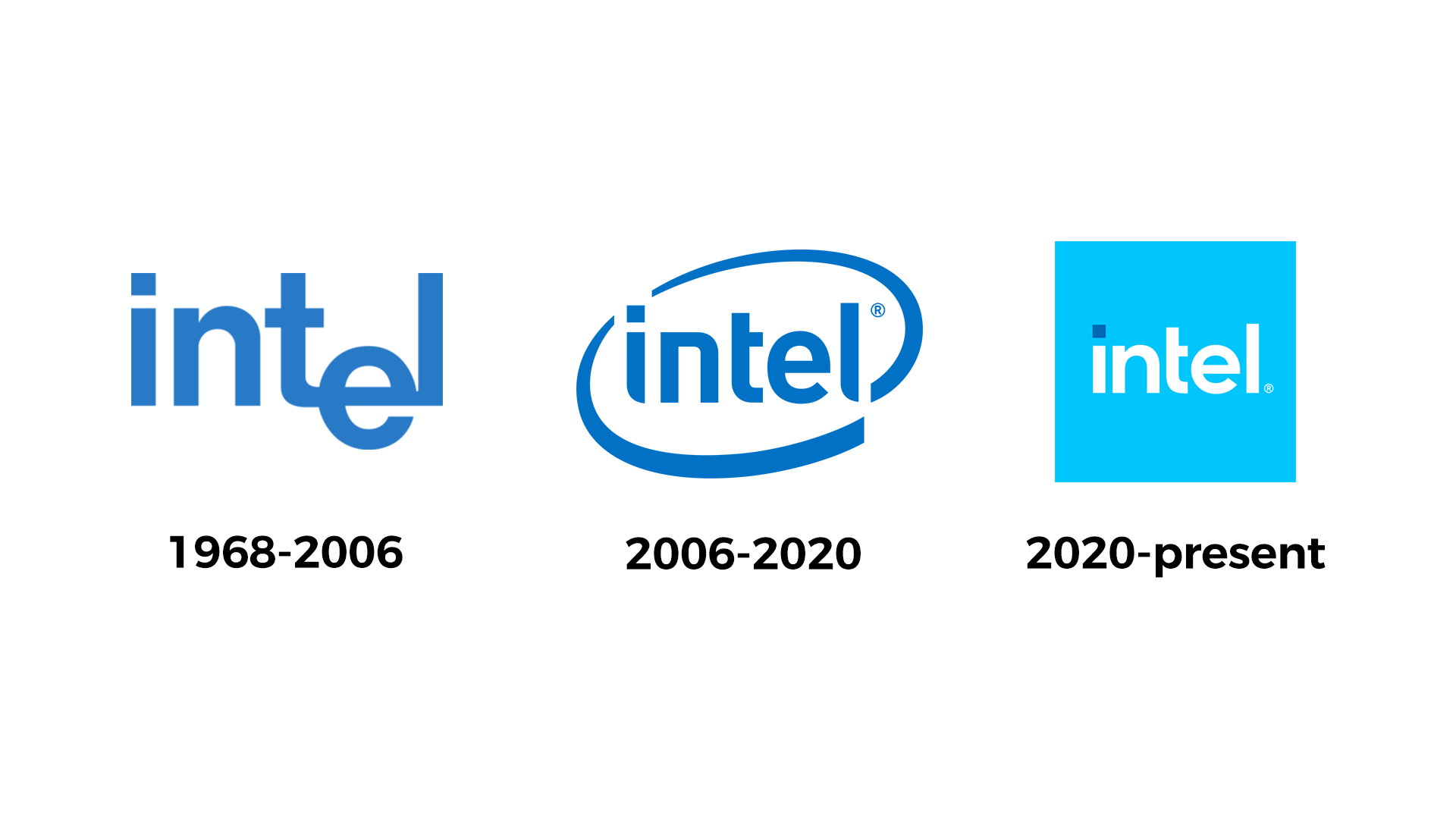
Image by GadgetMatch
For half a century, Intel has undergone three major logo overhauls. The oldest logo was used for 38 years while the post-millennium logo was utilized for just 14 years. In this new decade, they decided to re-do their logo. Just like any other manufacturer, the COVID-19 pandemic isn’t stopping them from doing a major rebrand.
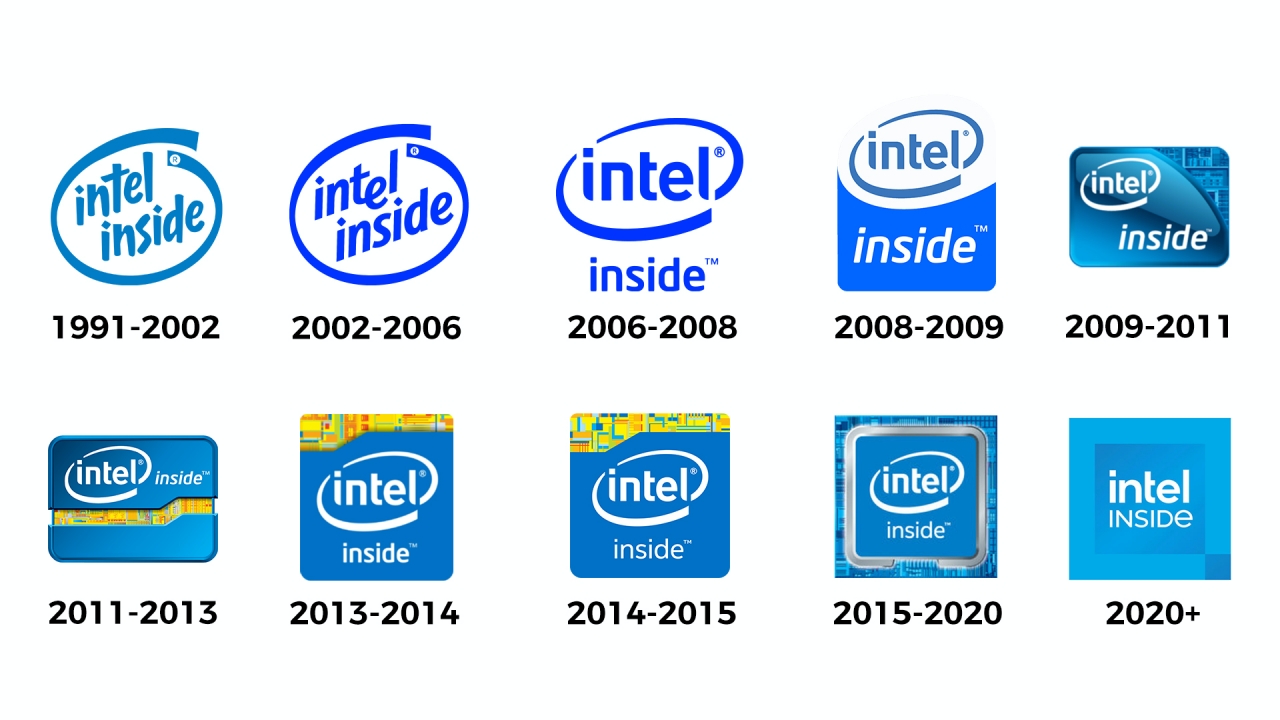
Image by GadgetMatch
Alongside the company logo, they also did several iterations of the “Intel Inside” campaign that was launched in 1991. The new logo leans more into a flat, minimalist style — a trend you can see among company logos nowadays.

Image by GadgetMatch
While the new branding may not be totally flat because of the gradient styling, it’s still a major rebrand that changes the overall look of their chipset lineup in contrast to the older generation that heavily relied on images of system internals and silver gradient combinations that imitate the metallic texture of processors.
New chipset lineup

As expected, Intel has revealed their latest Intel chipset lineup. It uses Willow Cove cores with a maximum speed of up to 4.8GHz (faster than last year’s 3.8GHz) but still at 4-cores and 8-threads. Future motherboards can support up to two 64GB of DDR4 RAM on PC rigs, while four 32GB LPDDR4x RAM on portable machines.
The new Tiger Lake architecture equips the 11th-gen chipsets with the next-gen Wi-Fi 6 standard for faster internet/wireless transfer speeds. The PCI Express 4.0 support will also be able to handle the latest SSDs and discrete graphics cards with low latency and higher bandwidth.

For video editors and content creators, the new chipset has a Thunderbolt 4 support that can plug one 8K/60Hz display or up to four 4K/60Hz displays altogether. It will also be able to read 4K/90p videos and up to 42-megapixels of still image. The new Thunderbolt standard can also reach 32GB/s of transfers and faster charging in higher voltages through Power Delivery.
There’s also an integrated AI-based engine that reads tasks faster such as image and text processing or video playback.
New (real) integrated graphics

As said earlier, Intel is directly hitting AMD with their new line of chips. A diagram shows that everything’s faster with the latest 11th-gen Core i7 chipset — that’s in comparison with AMD’s latest Ryzen 7 4th Gen. A significant boost can be seen when running Office apps and Adobe apps. It also shows that there are improvements while browsing and downloading files.

With Intel’s Iris Xe graphics integrated into the new-gen Core chipsets, 1080p Full HD gaming will be more accessible. Mainstream games such as Valorant, League of Legends (LoL), Dota2, CS:GO can be played over 100 frames per second (fps) .
Moreover, graphics-intensive games such as Grand Theft Auto (GTA) V, Overwatch, Fortnite, PUBG, and other titles can run around 40-60fps depending on game settings and processor power. Playing these titles usually require dedicated graphics card such as NVIDIA’s GeForce and AMD’s Radeon series.
The new integrated graphics will also be able to read 4K HDR10 and Dolby Vision-certified videos with minimal power consumption.
New platform

Evo is Intel’s new platform that can fit in upcoming thin and light ultrabooks without compromising their overall performance. With the new chips’ improved power-efficiency, you can expect no less than nine hours of use with Full HD displays. 40% responsiveness will also be present via Instant Wake.
Cuts in cords doesn’t mean you will be less connected. The platform will also support Thunderbolt 4 through USB-C ports and Wi-Fi 6 for consistent internet and data transmission.
Machines that will run this platform will feature either an 11th-Gen Core i5 or i7 chipset coupled with Iris Xe graphics. That’s a better alternative for bulky gaming laptops that are equipped with thick dedicated graphics cards.
New machines
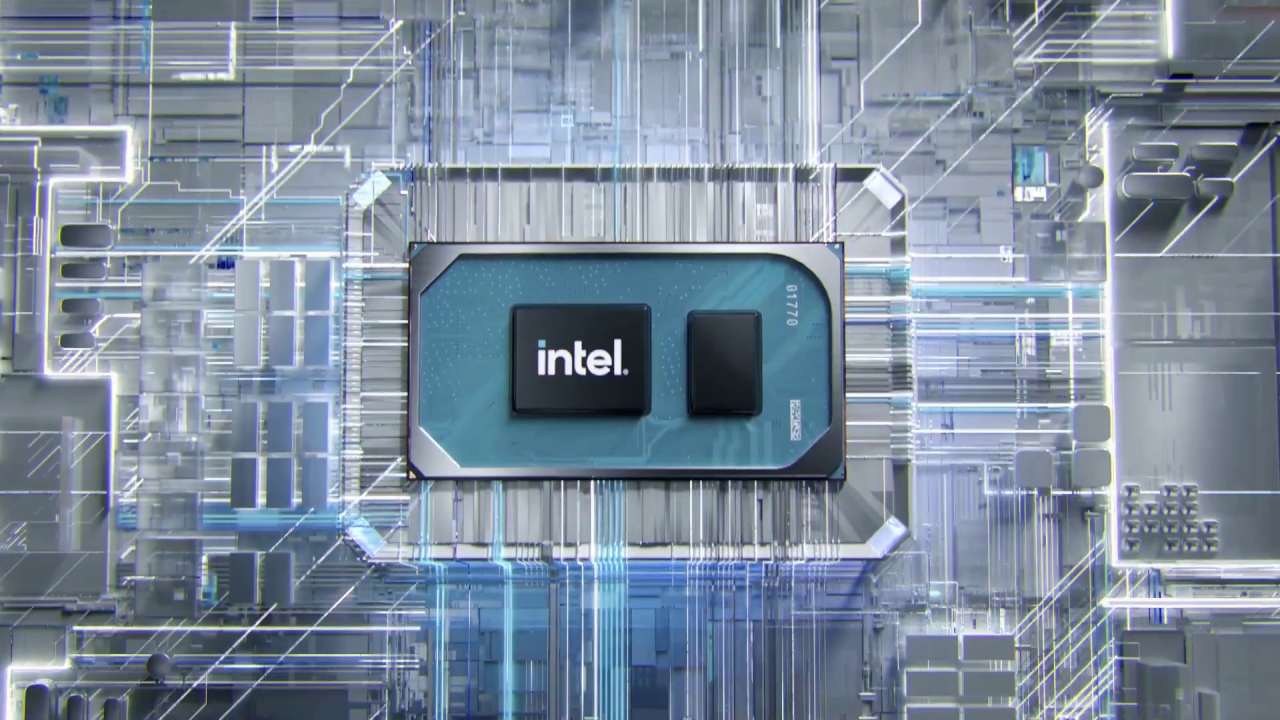
Intel’s 11th-generation chipsets are expected to be shipped by the end of 2020 alongside brands like Acer, Asus, Dell, HP, Lenovo, MSI, Razer, Samsung, and many more in the list. Sourced from a tweet, there will be 50 new machines that will run Intel’s latest chipset family — including 20 devices that run the Evo platform.
It is expected to run most (if not all) Windows 10 laptops in the coming months and years plus several ChromeOS-based Chromebooks as well.







GIGABYTE has launched two new AORUS INFINITY graphics cards in celebration of its 40th anniversary, giving PC builders more options for their custom builds.
These are the AORUS GeForce RTX 5080 INFINITY 16G and the unique, nature-inspired AORUS GeForce RTX 5080 INFINITY WOOD 16G.
These high-end components are genuine design objects meant to elevate the look of one’s entire setup, while also providing topnotch GPU performance.
The new models build on the design language of the AORUS GeForce RTX 5090 INFINITY and further evolve the signature aerospace turbine-inspired aesthetic with integrated RGB lighting elements.
Particularly, the WOOD edition integrates wood-grain elements as its core design language, blending the warmth of natural textures with high-performance hardware.
As such, it is a crown jewel for lifestyle-focused users and interior design lovers, bringing a sense of warmth and emotional resonance.
At the same time, both are absolute powerhouses inside. GIGABYTE packed the new AORUS INFINITY models with the WINDFORCE Hyperburst cooling system.
The patented Hawk fan design minimizes airflow turbulence and noise while achieving higher air pressure and greater air volume.
In the thermal design is a large vapor chamber making direct contact with the GPU. This is paired with composite copper heat pipes to effectively accelerate heat transfer efficiently.
Both new AORUS INFINITY graphics cards support the Project Stealth series for a streamlined building experience.
The concealed power connector design neatly hides cables within the graphics card structure for a cleaner, less cluttery look.

At WWDC 2026, Apple unveiled Siri AI, a smarter version of Siri powered by Apple Intelligence, with personal context, onscreen awareness, deeper app integration, and a brand-new experience across iPhone, iPad, Mac, Apple Watch, and Vision Pro.
Apple also announced new Apple Intelligence features, Google Gemini-powered foundation models, smarter photo editing tools, improved parental controls, faster performance across iPhone and iPad, and the next version of macOS: Golden Gate.
In this WWDC 2026 Rewind, Michael Josh breaks down the biggest announcements, what actually matters. And, whether Apple finally delivered on the promises it made last year.
Computers
ASUS at COMPUTEX 2026
NVIDIA RTX Spark ProArt laptops, Zenbook 14, ROG XBOX Ally X20 Bundle, and more!


ASUS had a packed COMPUTEX 2026.
in this video we’re taking a look at our favorite announcements from the show: the ultra-portable and colorful Zenbook 14 all the way to the practical Vivobook S series.
There are also some cool new stuff including the debut of NVIDIA RTX Spark-powered ASUS ProArt laptops. PLUS, ROG’s 20th Anniversary!
To celebrate that, they announced a whole bunch of Edition 20 collection — including the nostalgic yet futuristic ROG XBOX Ally X20 with a bundled XREAL R1 Edition 20 Gaming AR Glasses.
Check them out here:


realme C100: Enduring and durable in spite of entry-level realities
Enough power but needs more agility


The ASUS ExpertBook Ultra wins you over
The laptop sneaks up on you


Nexal Watch Sport review: A rugged watch for small budgets
I couldn't believe that watches this good could come for this cheap.

Mercedes-Benz celebrates 140th anniversary at the Presidential Car Museum

Street Fighter 6’s first Filipina fighter arrives August 3

Samsung releases teaser with Spider-Man: Brand New Day Easter eggs

iOS 27 public beta gives us our first taste of Siri AI

The case for traveling without a plan

New York becomes first state to ban smart glasses

vivo X300 Ultra review: A “Whole Different Animal”

DJI Osmo Pocket 4P launches with dual lenses and a 1-inch sensor

Lenovo says RAM prices are not coming back down again

Camera Shootout: HONOR 600 Pro vs OPPO Reno15 Pro


-
 News1 week ago
New York becomes first state to ban smart glasses
-

 Singapore1 week ago
Sony launches IER-M500 in-ear monitors
-

 Gaming1 week ago
Microsoft dictates that a new Fallout game is coming
-

 Computers2 weeks ago
GIGABYTE releases new AORUS RTX 5080 INFINITY graphics cards
-

 Gaming2 weeks ago
HoYo FEST 2026 details announced; tickets on sale from July 16
-
Reviews1 week ago
realme C100: Enduring and durable in spite of entry-level realities
-

 Gaming2 weeks ago
Assassin’s Creed Black Flag Resynced available worldwide now
-

 Automotive2 weeks ago
The Kia Carnival Hybrid is a gentle giant