

Government warning: Cigarette smoking is dangerous to your health.
The following is intended for readers 18+
Over the past decade, we’ve seen various changes in the smoking and tobacco industry. Technology played a key role in developing new ways of smoking that, surprisingly, people are adopting. From traditional cigarettes, e-cigarettes, vape pens, and other vaping devices emerged.
The revolution doesn’t stop, seeing how Heat-not-Burn (HnB) devices arrived. This innovation is setting the stage for a smoke-free smoking experience. Such an example is MOK — which is now conquering Asia and Europe.
A bit of history, MOK arrived last 2019 in the Philippines. With a disturbing issue in second-hand smoking, the arrival of this HnB device was promising for the archipelago. I’ve always wanted to test it, but it was only a year later when I got my hands on MOK’s revolutionary devices: MOK and MOK Mini.
MOK
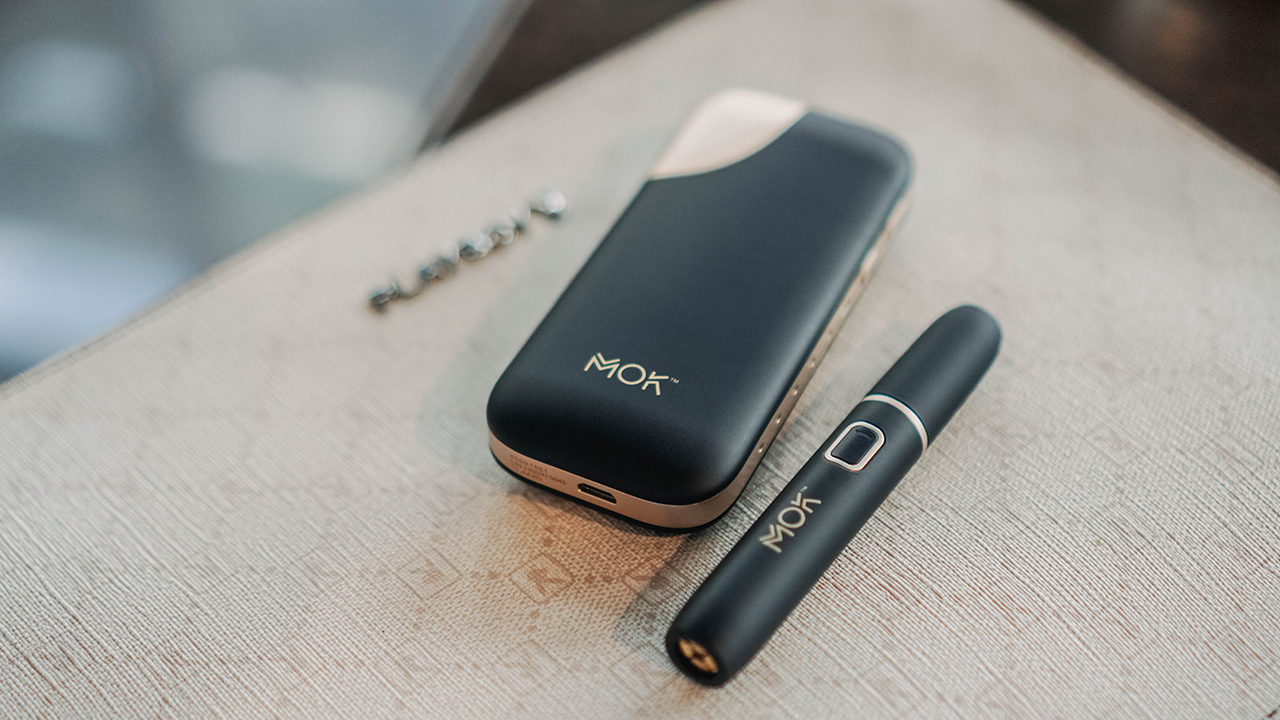
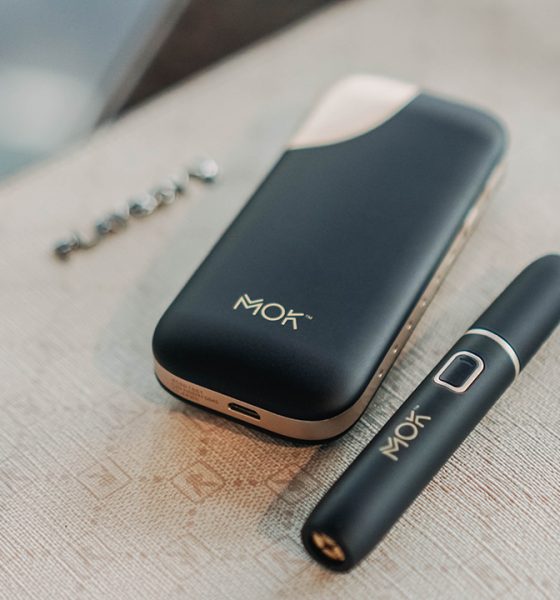
The first HnB device MOK offers… is named MOK. It’s a split device comprised of a holder (which I call a heating stick for sticks) and a pocket-sized charger where you can insert the holder for charging and safekeeping.

The unit I have came in Navy Blue with gold accents. However, its shade of Navy Blue looks like Onyx in most circumstances. Nonetheless, it came in a matte finish for an easy grip.
The combination of gold accents and matte finish made it look fancy, allowing MOK to evoke a classy and luxurious appeal. It complemented my accessories and didn’t look out-of-place when placed together with my Playboy Clutch bag.
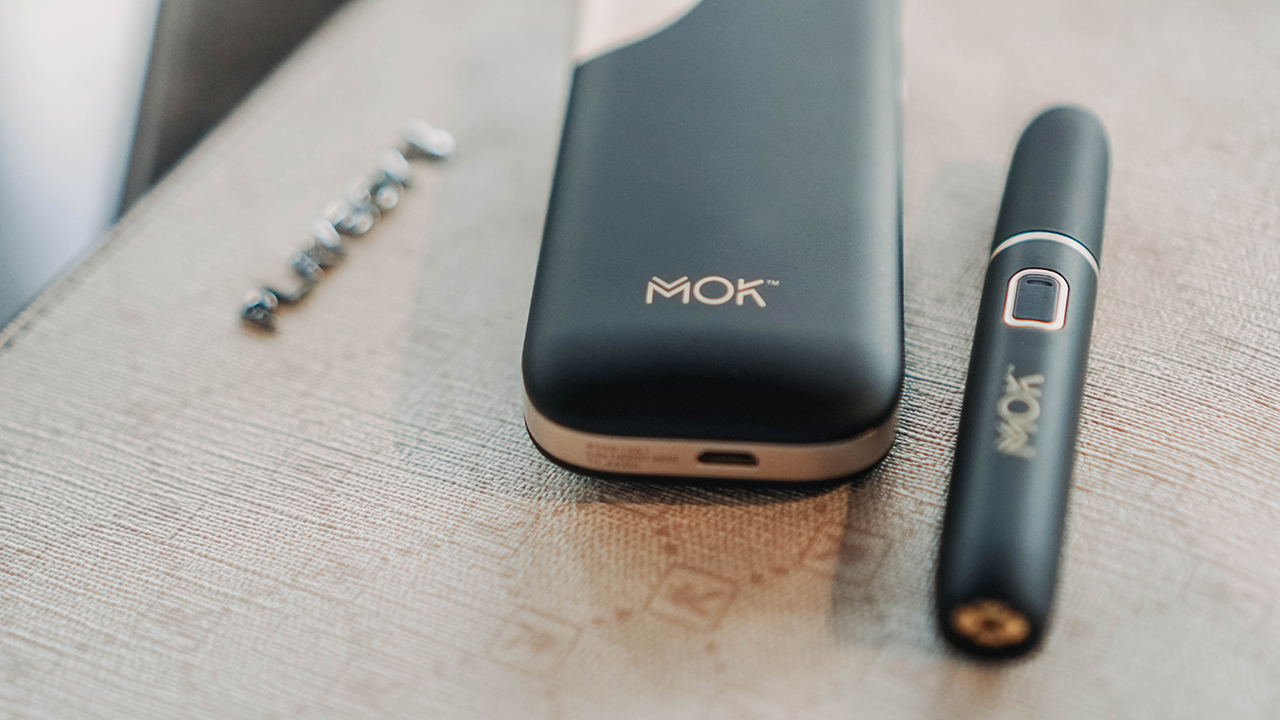
Using MOK is pretty straightforward. Simply insert its specially-designed COO sticks in the holder, then press the button for two seconds to turn it on. The light will turn blue and blink to tell you it’s turned on.
Once the blue light stopped blinking, it will start the heating process. Afterward, the light indicator will turn from blue to red to signify that it’s safe for you to start using the device. MOK makes it easy for you by vibrating every time the mode changes, so you don’t have to count or wonder when it’s ready to use.
When the light indicator is gone, that’s when you know the holder needs to recharge. The holder can last up to four minutes. This is where the pocketable charger comes in handy — to allow you to consume up to 20 sticks if it’s at 100% capacity, which can last for one hour and 40 minutes. That is if you’re a heavy smoker.
From my own and my smoker friends’ experience, we got lazy to charge the holder every time we need to consume a new stick. The laziness that comes can make or break the smoker’s experience: either we learn how to reduce consuming more than one stick, or we go back to using traditional cigarettes.
What’s in the box?
MOK comes in a fancy box. Inside is a pocket charger, a holder, 10 cleaning sticks, a cleaning brush, a micro USB charging cable, an instruction manual, and a quick how-to guide.
MOK Mini
MOK Mini is the smaller version of MOK, which makes it more pocketable than its sibling. It can easily slide to pretty much anything, which makes it perfect for my girl friend who doesn’t like carrying anything that won’t fit in her compact sling bag.
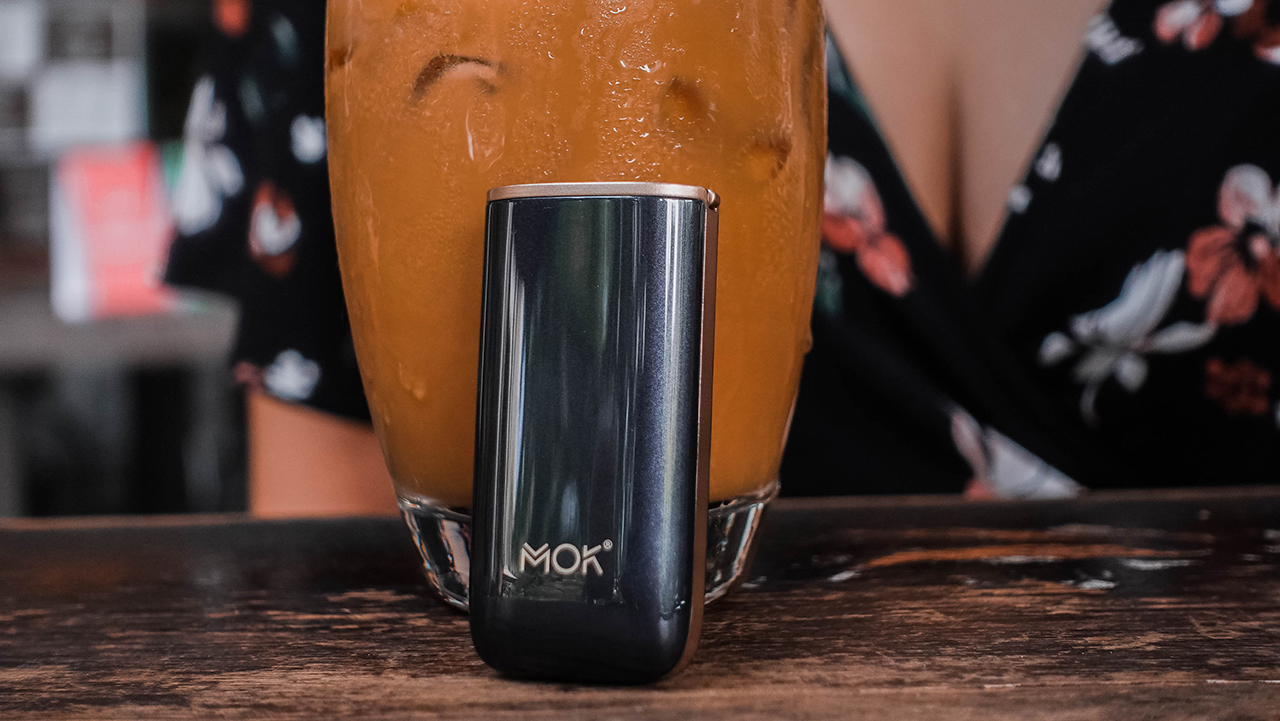
It’s currently the smallest HnB device available, working smartly to deliver the same satisfying flavorful experience. It preheats faster at just 12 seconds while allowing you to consume up to 12 sticks at 100 percent battery capacity. Every stick can be experienced for at least 4 minutes, so you can do the math.
Just kidding, we don’t like to do the math. The MOK Mini lasts for less than an hour in continuous usage. It doesn’t come with a separate charger so its battery life can be easily depleted. Although, it charges fairly quickly for an hour and a half using its USB-C cable.
What’s in the box?
MOK Mini comes in a smaller box. Inside, you can find MOK Mini, a MOK cleaning brush, a USB-C charging cable, and a quick how-to guide.
Heat, not burn! What’s the process like?
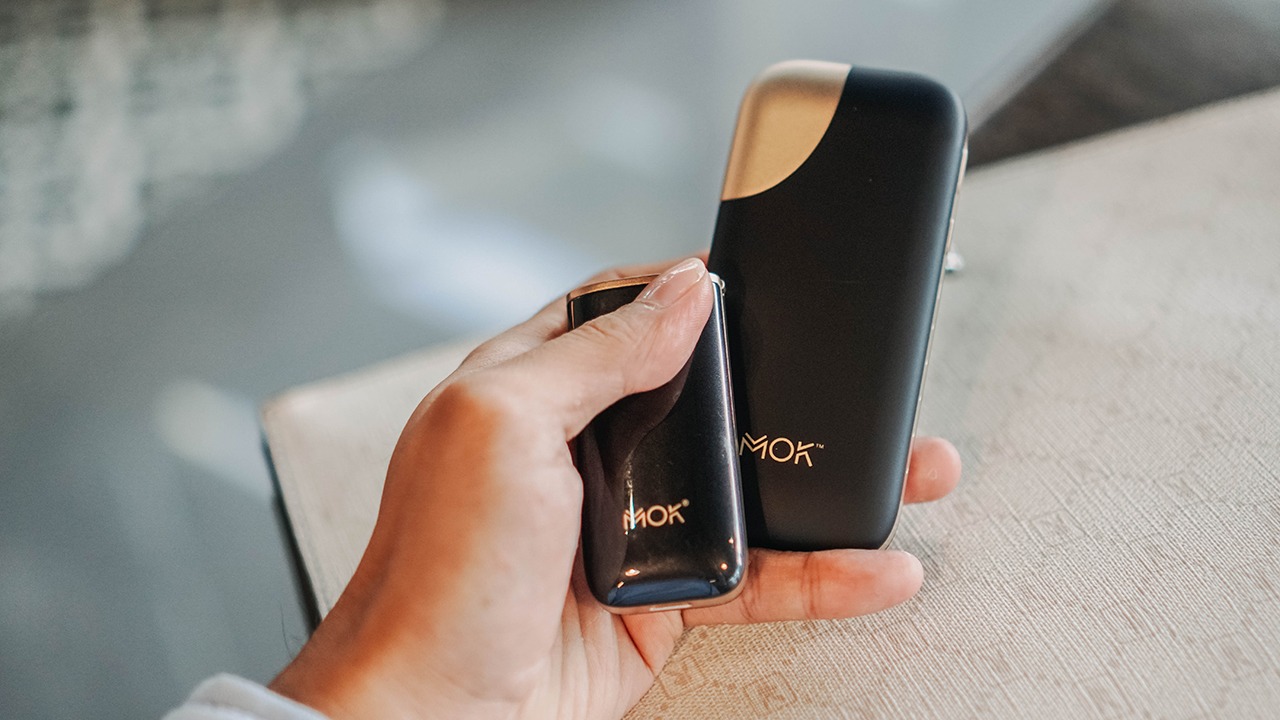
Both devices use MOK’s proprietary Heatmaster system — a cutting-edge technology designed to heat specially-designed tobacco, instead of burning it. It’s a flavorful experience similar to traditional cigarette smoking, only without the smoke produced.
When there’s no smoke, you get to puff the nicotine to yourself without inhaling harmful chemicals passing toxins (created by smoke) into an innocent individual near you. In essence, the non-combustible process made MOK’s promise true: a smoke-free, enjoyable experience.
The future of tobacco?
MOK is exclusively enjoyed with COO — specially-designed Heat-Not-Burn sticks that offer the same tobacco experience. It uses real tobacco leaves and comes in three variants: Golden Hue for a balanced, classic tobacco taste; Blue Hue for a refreshing hit of menthol; and New Wave Capsule, mint with a bit of lime.
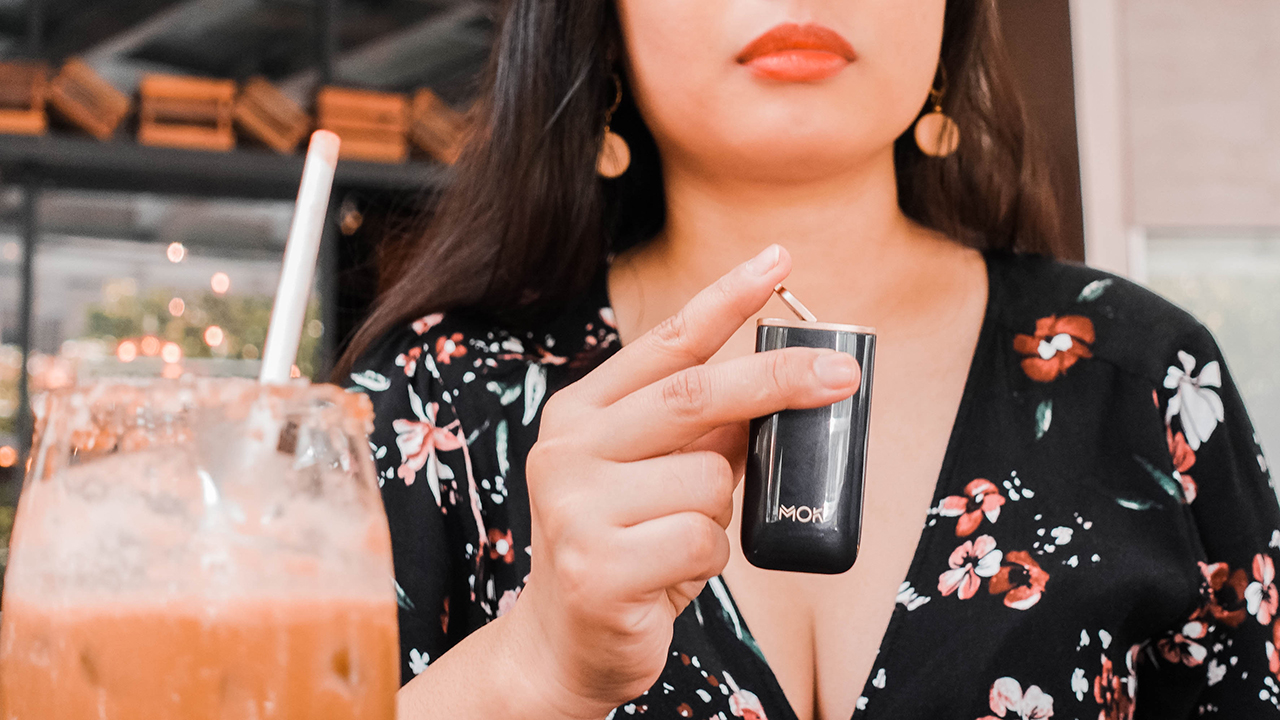
If you’re wondering if you can use existing cigarettes in the market, no, they won’t fit. I tried it first-hand out of curiosity. Although, having MOK and using exclusive sticks made it feel like I’m part of an exclusive community — of casual and heavy smokers switching to an alternative with lesser risks.
In some countries, HnB devices are being used to swing heavy smokers into consuming less. For MOK, they aim to capture the existing smokers as their market, to help make the world smoke-free, one smoker at a time. They don’t even sell to consumers who aren’t smokers.
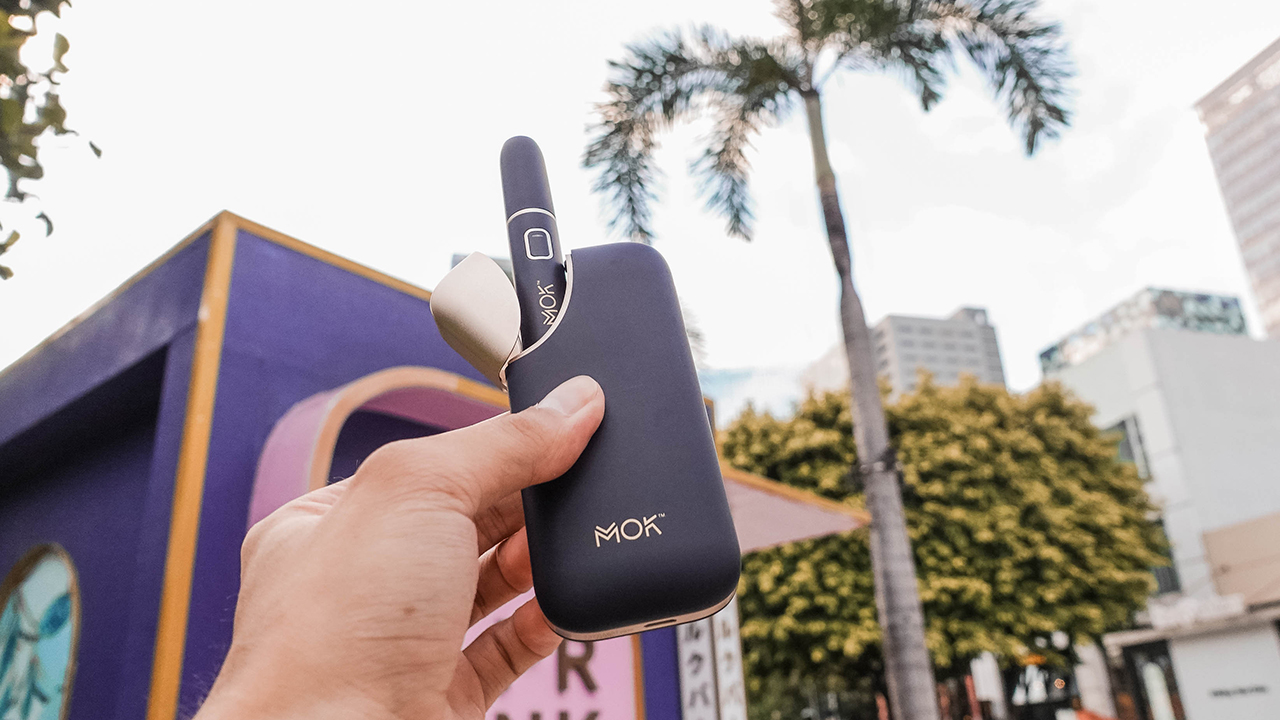
The goal is simple: reduce smoke and then hopefully quit someday. Slowly, but surely. If this is the future of tobacco, then it’s a future worth considering.
Maybe one day, second-hand smoke will be a thing of the past and all we have are battered lungs of smokers who really don’t have it in them to quit. Just kidding. Or maybe not.
Is the Mok Mini your GadgetMatch?
MOK and MOK Mini offers an alternative to smokers wanting to reduce their tobacco consumption and hopefully quit one day. For others, these HnB devices allow them to enjoy a guilt-free tobacco experience: no more second-hand smoke for other people. Yay?
For the right reason, MOK and MOK Mini makes for a revolutionizing accessory. The two HnB devices’ differences in size, battery capacity, and design can surely fit any smoker’s lifestyle. Here’s to hoping it can pave the way to a better future.
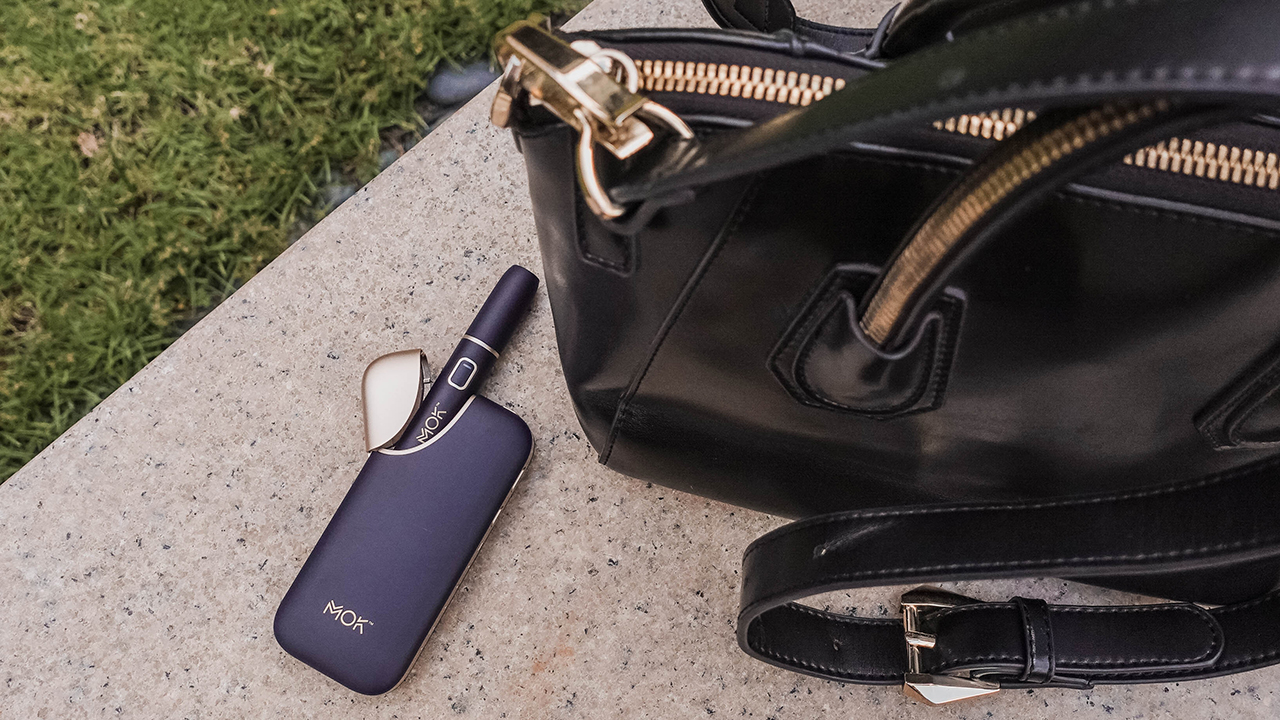
MOK and MOK Mini is available in Japan, Korea, Maldives, and European Countries.
In the Philippines, MOK and MOK Mini retails for PhP 3,490 and PhP 2,490 respectively. Its COO HnB sticks are priced at PhP 120 for a pack and PhP 1,200 for a ream. It is currently available at MOK specialty kiosks in Eastwood Mall, MetL!ve, SM North EDSA, SM Manila, and SM Sta Mesa.
You can get it online through MOK’s official stores in LazMall and Shopee Mall, as well as from 60 major vape shops within Metro Manila. Nearly 500 branches of 7-11, Family Mart, and Lawson offers MOK’s HnB devices, too.
It’s also conveniently available in selected GrabMart hubs. Delivery of orders is guaranteed within 90 minutes or less, that is if the hub is near you. Purchasing from official retail partners promises a twelve-month warranty.
SEE ALSO: 9 gift ideas for the man of your life


Accessories
JBL brings a soundtrack to every room
The new lineup spans portable speakers, home audio, earbuds, gaming, and PartyBox.
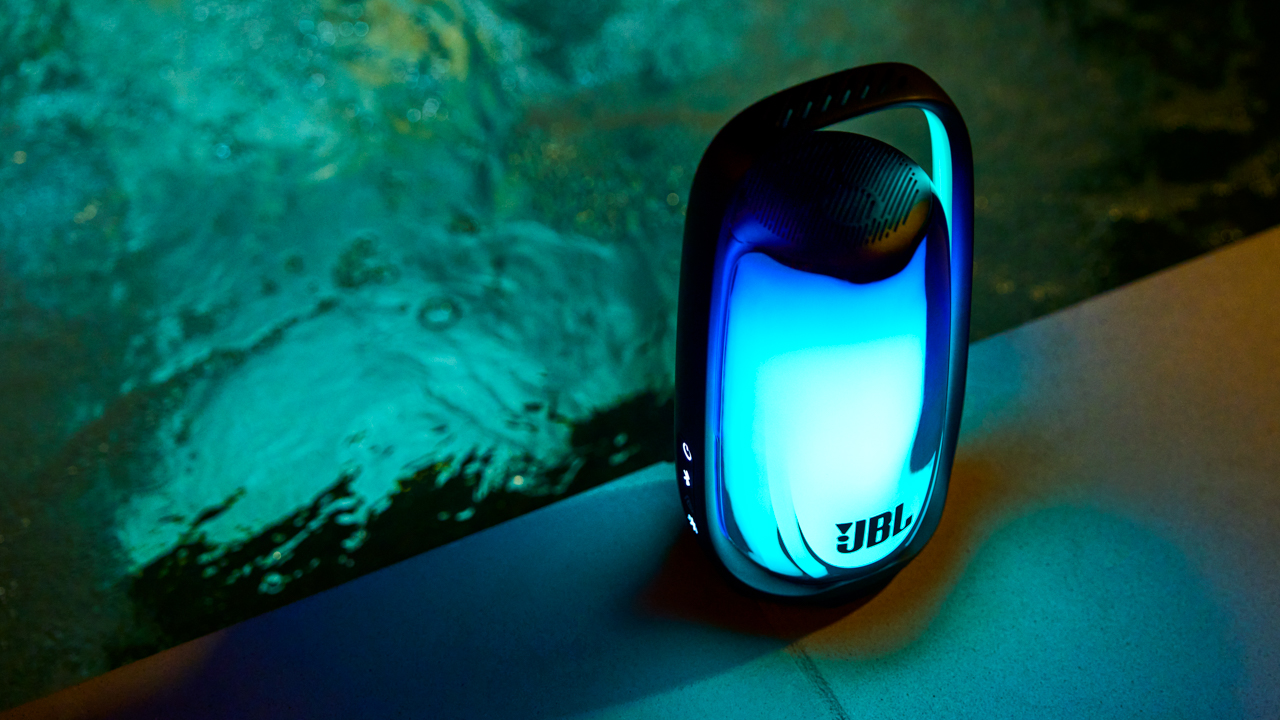
A home has a mood for every room. The living room comes alive when friends arrive. The bedroom gets quieter at the end of the day. The kitchen has its own soundtrack while coffee is brewing and dinner is coming together. Then there is that one space where the volume inevitably goes up once the party starts.
JBL turned this idea into the setting for Sound Amplified, transforming Élan by the Bay into a home where every room had its own way of experiencing sound.
The new lineup moved through different parts of everyday life, bringing together portable speakers, home audio, earbuds, gaming headsets, and PartyBox systems under one roof.
Let the room set the mood
At the center of the experience was the JBL Pulse 6. Its latest evolution combines JBL Legendary Sound with AI Sound Boost and a customizable 360-degree lightshow that moves with the music.
The Pulse 6 itself has become part of the visual experience, with an illuminated handle and new lighting effects that make it feel at home.
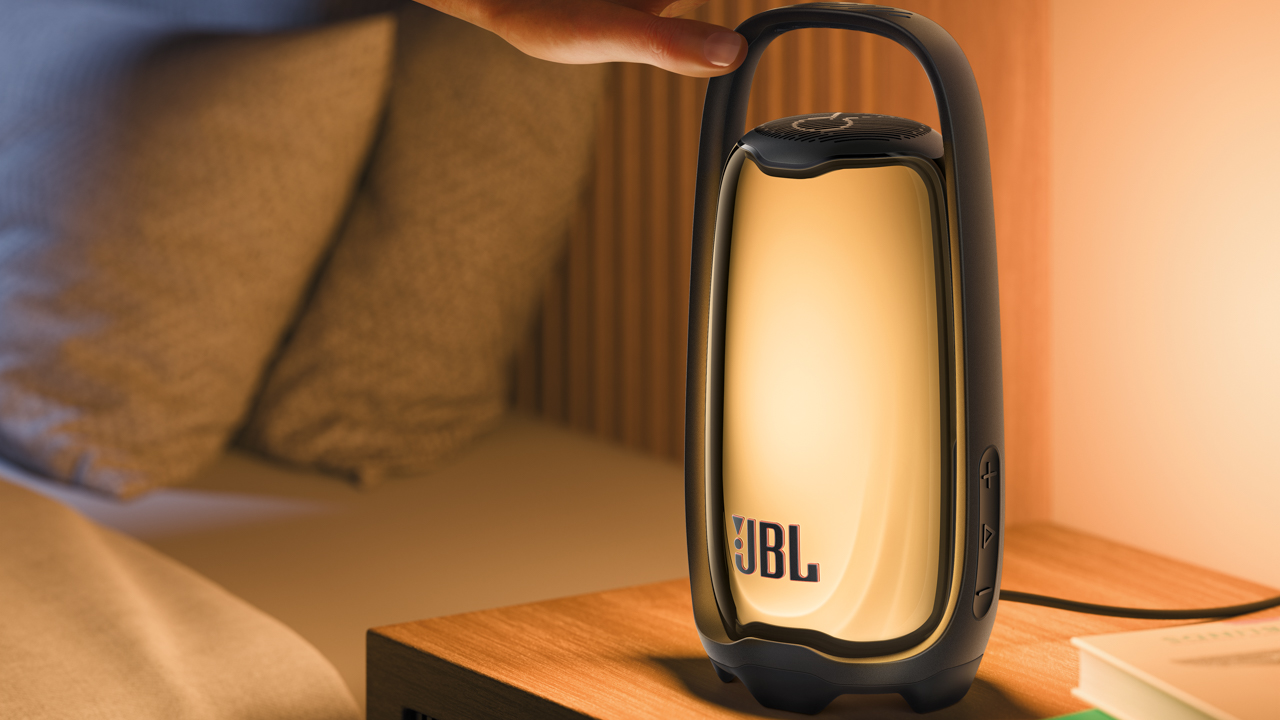
There are party and ambient lighting modes for different moments, while Sunset Mode gradually dims the lights for winding down. A double tap activates Bedside Lamp, giving the speaker another life entirely as a soft light beside the bed.

With up to 12 hours of playtime and IP68 waterproof and dustproof protection, the Pulse 6 is also ready to move beyond the living room.
Through the JBL One app, users can customize the sound and lighting, while Auracast connectivity lets compatible JBL speakers connect and play together.
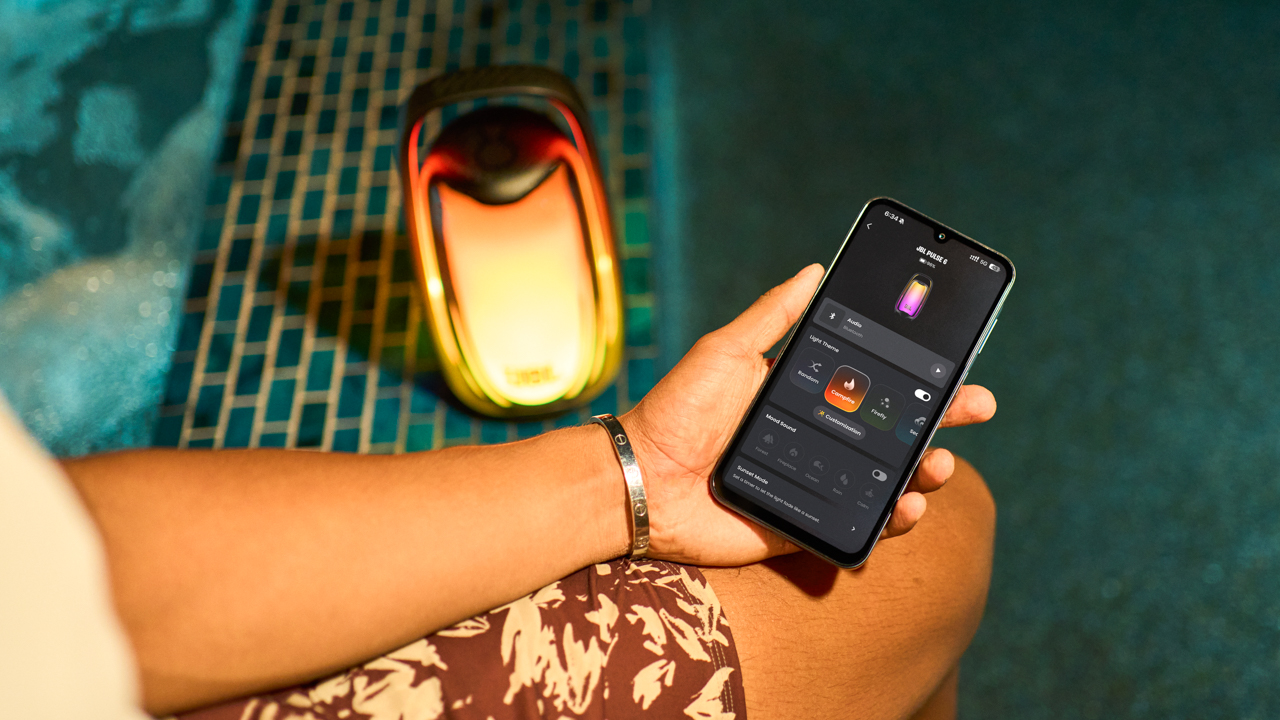
Select PartyBox speakers and JBL PartyLight products can also synchronize their lighting with the Pulse 6 for a larger sound-and-light setup.
When the living room becomes the party
JBL expands its PartyBox lineup with the PartyBox 330 and PartyBox Ultimate 2, bringing bigger sound and more visual energy to gatherings that have outgrown the playlist on someone’s phone.
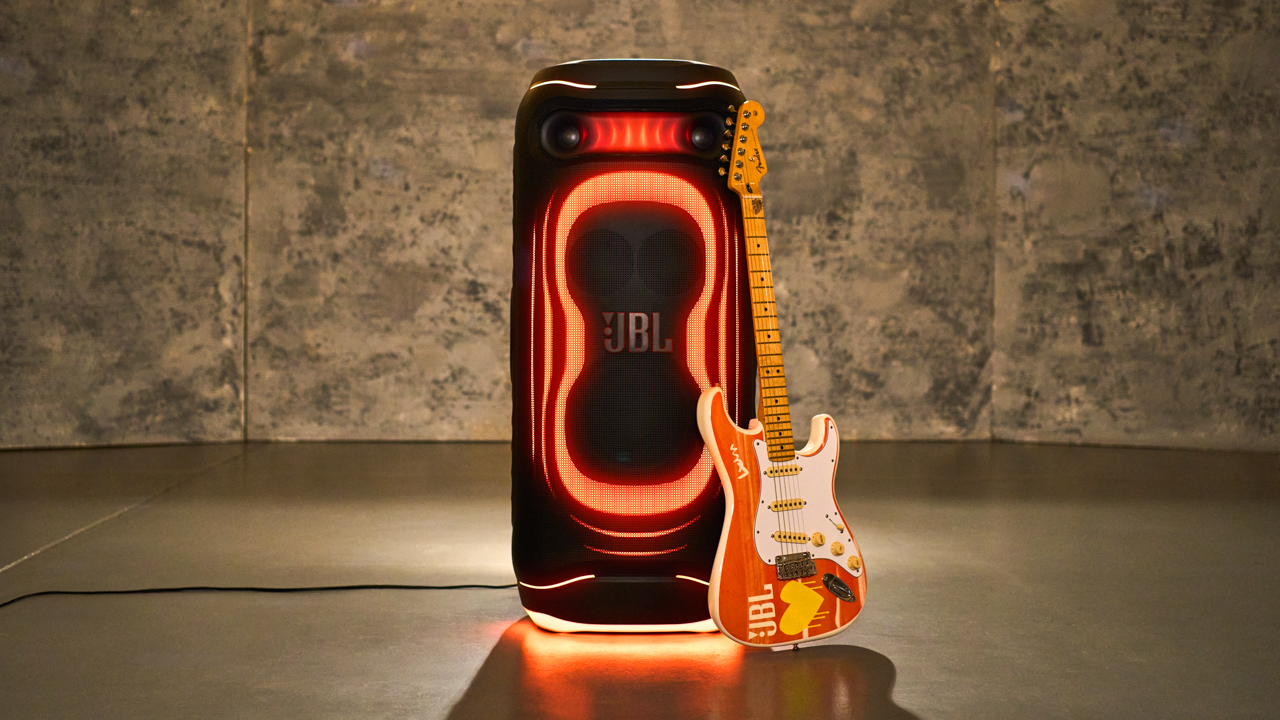
The PartyBox 330 delivers deeper bass, clearer highs, and a redesigned lightshow that reacts to the music. With up to 18 hours of playtime, it’s made to move with the party. Karaoke-ready inputs and compatibility with JBL EasySing Mics also make it easy to turn a casual gathering into a full performance.
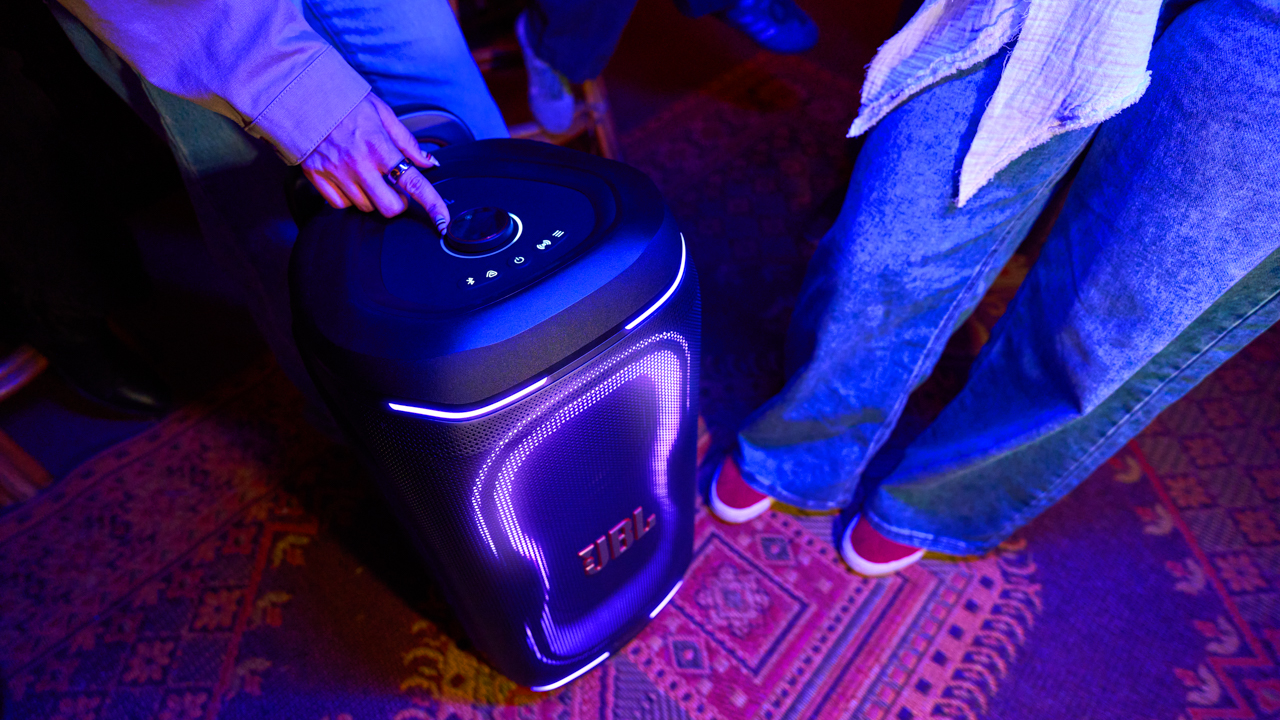
There’s also the PartyBox Ultimate 2, JBL’s most powerful and advanced PartyBox yet. It delivers 1500W of JBL Legendary Sound, with an upgraded acoustic system combining professional-grade tweeters, mid-range drivers, and powerful woofers for deeper bass, richer vocals, and more detail.
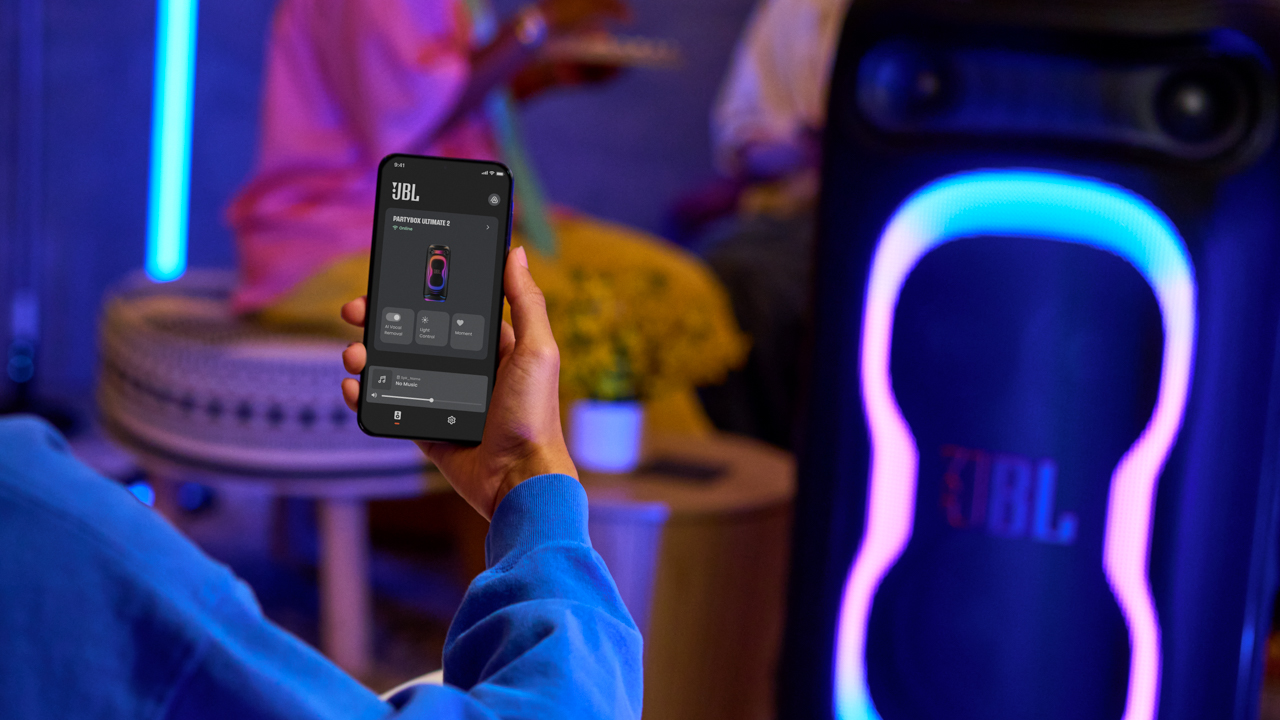
Its full-panel lightshow gives the speaker a presence of its own, while touchscreen controls keep the experience within reach.
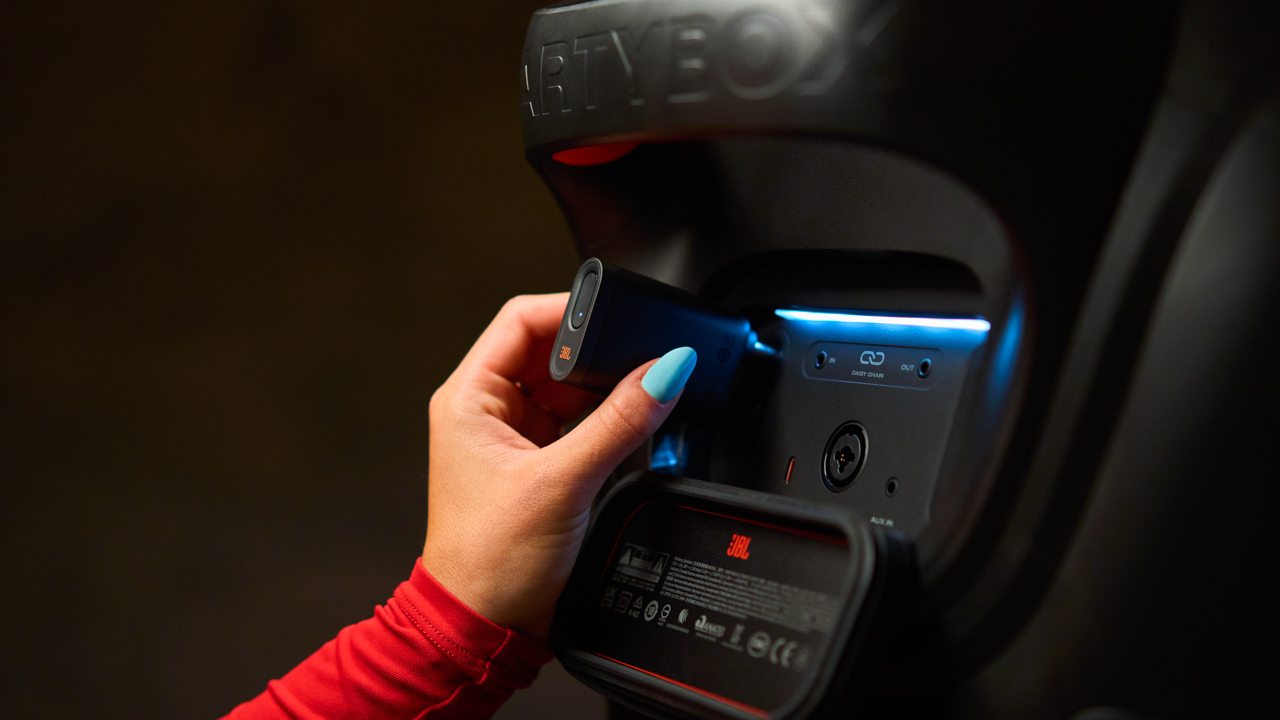
Built-in EasySing AI Vocal Removal can turn favorite songs into karaoke tracks, while interactive party games add another way to keep everyone around the speaker.
A soundtrack for every room
JBL Cove introduces a new whole-home Wi-Fi audio system designed around the way music moves through a house. The JBL Cove M1, Cove P1, and Cove X1 offer different approaches to everyday listening.
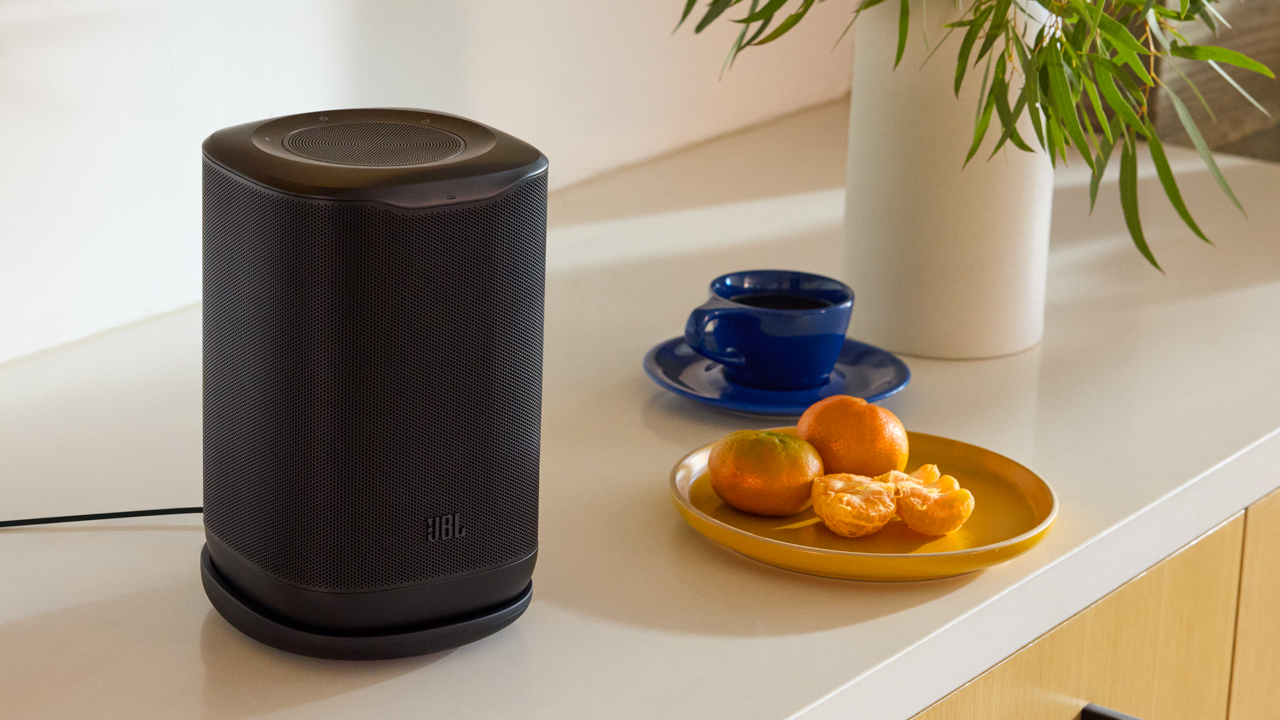
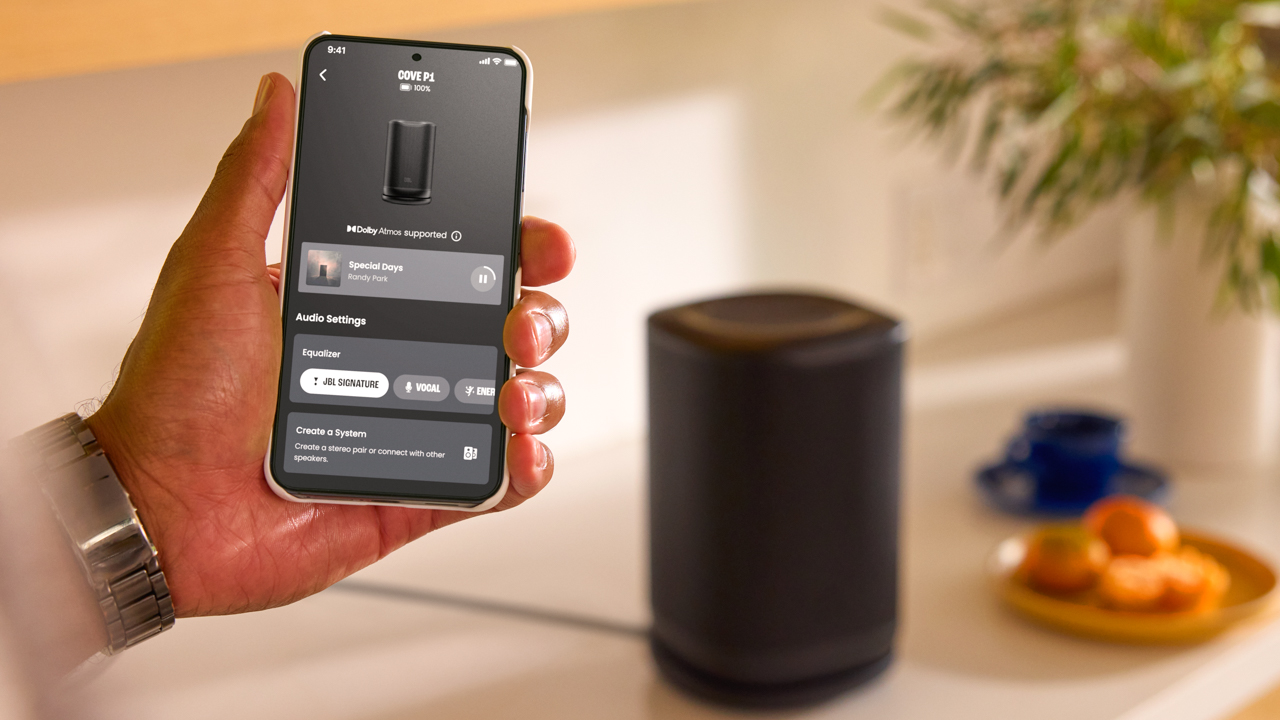
Each speaker can work on its own, as a stereo pair, or as part of a connected system through the JBL One app. Music can follow you around the house, with the option to have the same soundtrack playing throughout or different music in different rooms.
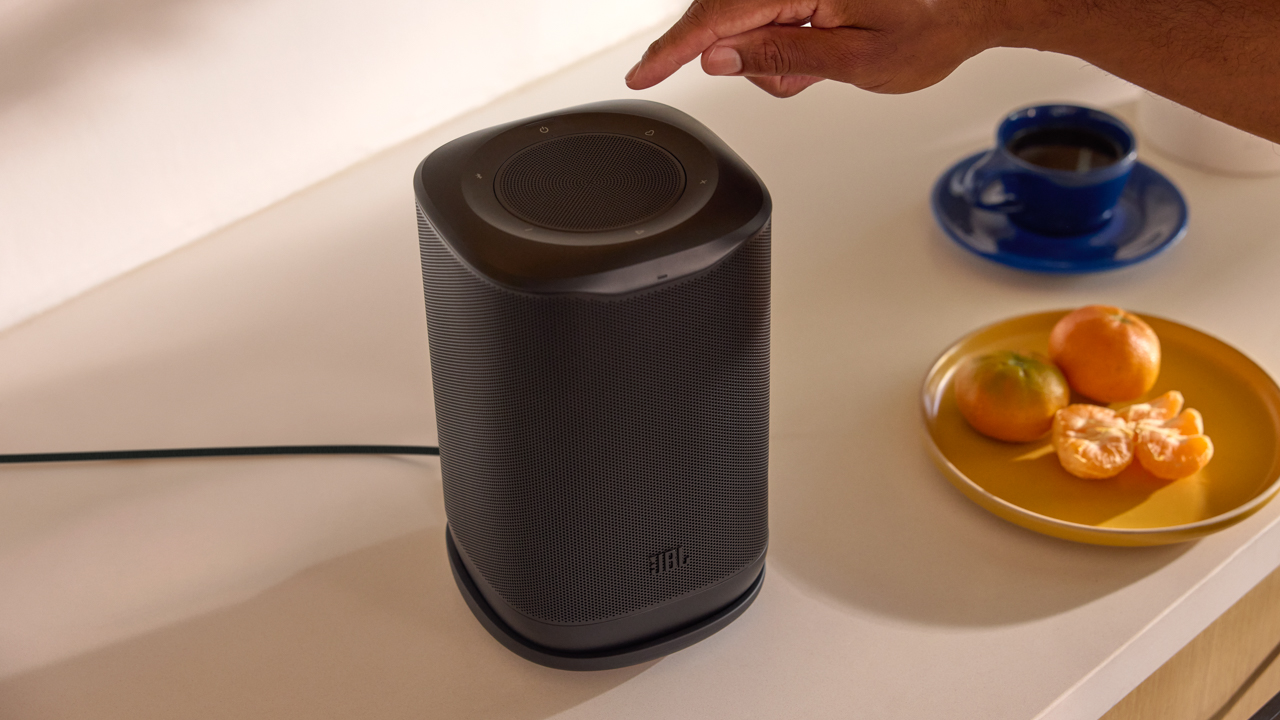
The Cove P1 adds portability with up to 14 hours of playtime, while both the P1 and X1 support Dolby Atmos for greater depth and dimension.
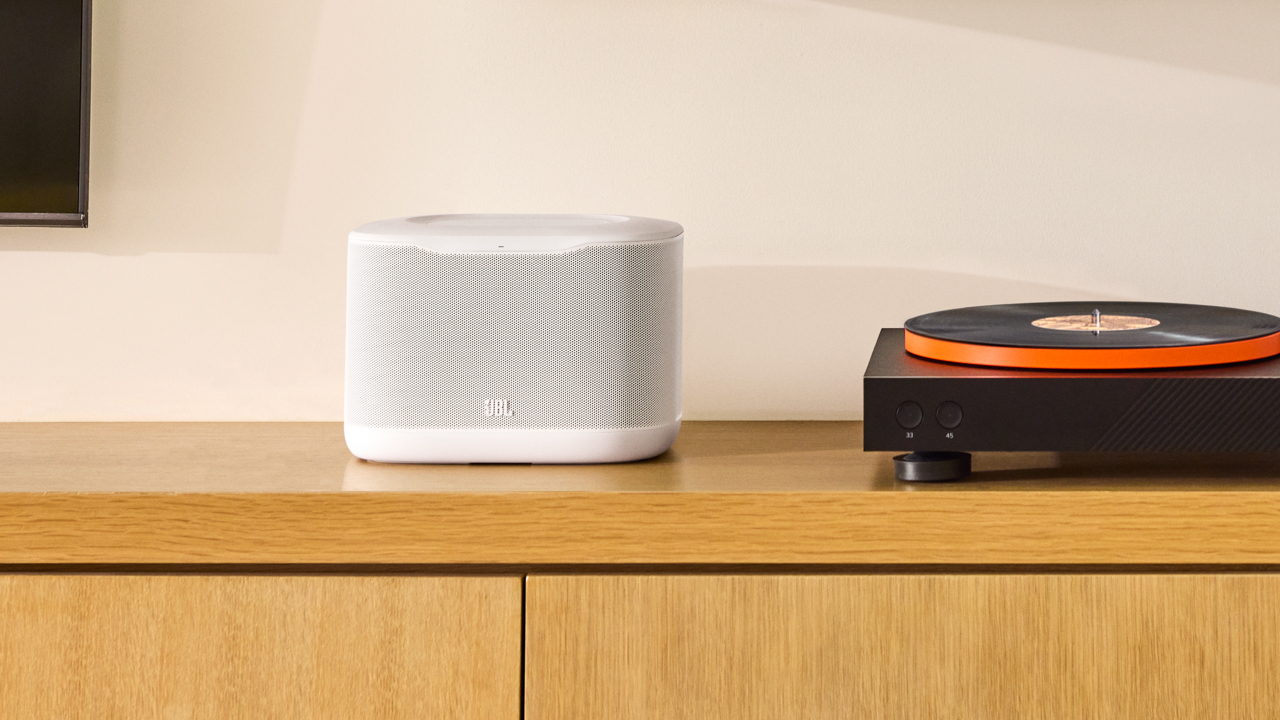
Then there is “Music Follows Me,” a feature that feels particularly suited to the way people actually move around their homes. Press the Moment button and your music can transfer to another room without having to reach for your phone or open an app.
For a more complete home entertainment setup, Cove speakers can also work with compatible JBL Bar Series MK2 soundbars.
The JBL Cinema SB510MK2 and SB550MK2 take that home theater experience further, with dedicated center channels, Dolby Audio, and straightforward connectivity designed to make dialogue clearer and sound more immersive.
Both also feature JBL SurroundPlay technology, allowing users to wirelessly connect compatible JBL portable speakers as rear surround channels. At launch, the JBL Flip 7 is the compatible model, giving movie nights a more complete surround setup.
When the room is in your pocket
JBL’s latest generation of true wireless earbuds comes through the Tune Beam 3, Tune Buds 3, and Tune Flex 3, bringing JBL Pure Bass Sound, immersive spatial audio, and adaptive noise cancelling into everyday listening.
Six built-in microphones with advanced beamforming technology are designed to keep calls clear, while the JBL Headphones app gives users more ways to personalize their listening experience.
The choice between the three comes down partly to fit. The Tune Beam 3 and Tune Buds 3 offer a more sealed in-ear design, while the Tune Flex 3 lets users switch between open and sealing ear tips depending on how much of the outside world they want to let in.
For everyday listening, the JBL Wave Beam 3, Wave Buds 3, and Wave Flex 3 bring JBL Deep Bass Sound, up to 40 hours of total playback, clear calls, and easy connectivity into lightweight designs.
The Wave Beam 3 and Wave Buds 3 feature Active Noise Cancelling with Smart Ambient. The open-style Wave Flex 3 uses Active Noise Reduction with Smart Ambient, keeping the listening experience more connected to the surroundings.

The room where game time happens
The JBL Quantum 120 and Quantum 520 bring JBL Quantum Spatial Sound and customizable audio through JBL QuantumENGINE.
Both feature a detachable 6mm cardioid boom microphone designed to keep voices clear and focused during multiplayer sessions.
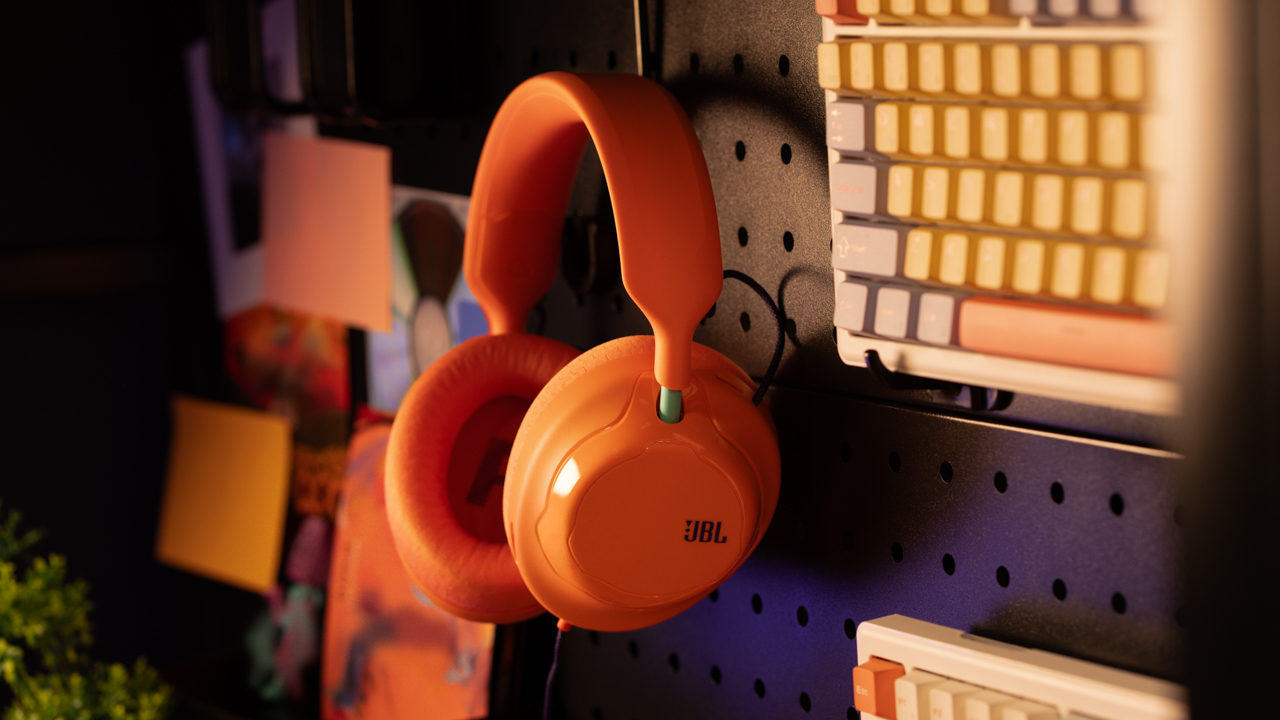
The wired Quantum 120 offers straightforward connectivity across multiple platforms, while the wireless Quantum 520 brings flexible connectivity and up to 37 hours of playback.
Sound that lives with you
JBL’s latest lineup makes the case that sound is no longer confined to a single part of the home. Rather than treating audio as something that sits in one corner, JBL built its latest collection around the different ways sound becomes part of everyday life.
Because a home is never really one atmosphere. The mood changes from room to room, and JBL wants to make sure the soundtrack can keep up.
Her GadgetMatch
TECNO and Angélica Dass visit the Philippines next for its grand portrait project
100 Faces, 100 Stories


A portrait can show what someone looks like, but what about the story behind the face?
TECNO and visual artist Angélica Dass are exploring that question through “100 Portraits of Becoming,” a two-year global portrait project featuring 100 people across Kenya, the Philippines, Saudi Arabia, Türkiye, and Brazil.
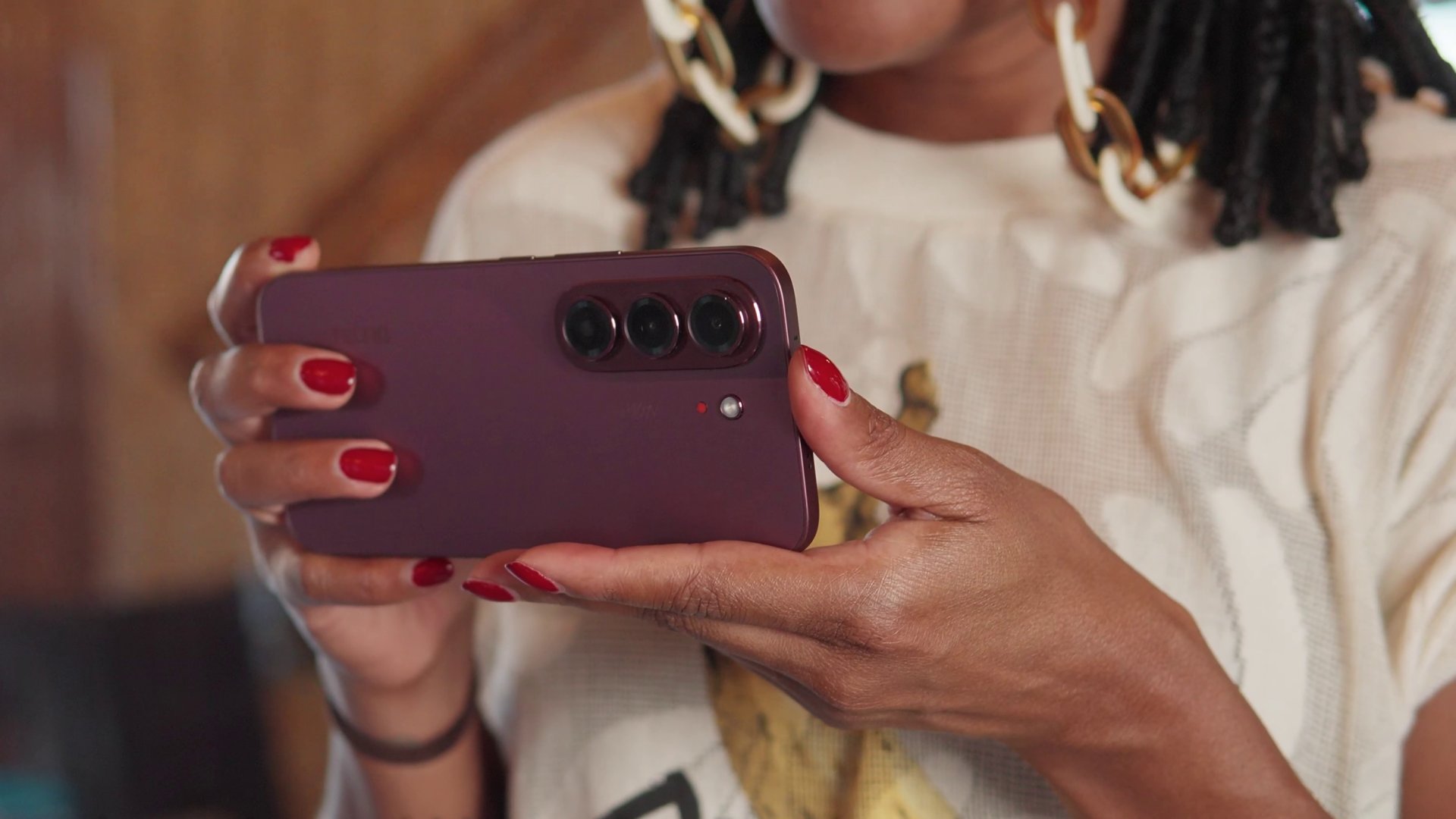
The project begins with 20 portraits from Kenya, each paired with a personal story about identity, choices, change, and growth. Rather than having participants represent an entire culture or generation, the project focuses on their individual experiences.
Beyond inclusive imaging
The project builds on TECNO’s work with Universal Tone, its imaging technology designed to represent diverse skin tones more naturally and accurately.

But “100 Portraits of Becoming” takes that idea further. With AI increasingly involved in capturing, recognizing, and generating images of people, TECNO and Dass want to explore how technology can better represent the individual behind the image.
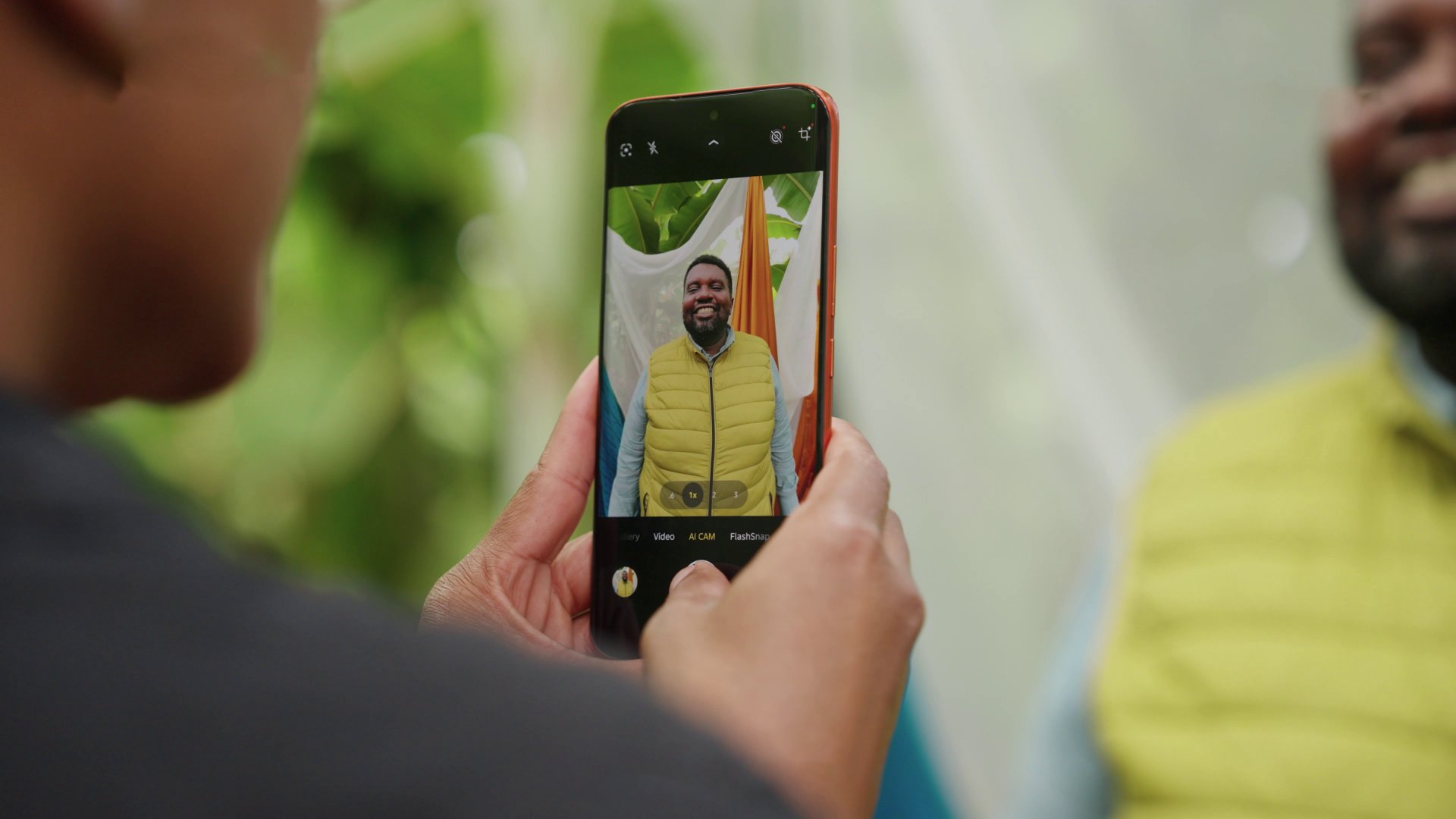
For Dass, meaningful portraiture starts with human connection.
“Meaningful portraits are never created by technology alone.”
She says her experience in Kenya reinforced the importance of trust, listening, and the willingness of people to share their stories.
The Philippines is next
Following Kenya, the project heads to the Philippines for a chapter called “Beyond Many Labels.”
It will feature 20 individuals, including working solo mothers and people whose lives are closely connected to solo parenthood.

Their stories will look beyond labels such as “single mother,” “breadwinner,” and “strong woman,” while exploring their ambitions, relationships, and personal growth.
The chapter will also explore “diskarte” — the ways Filipinos adapt, make choices, and find practical ways forward in everyday life.
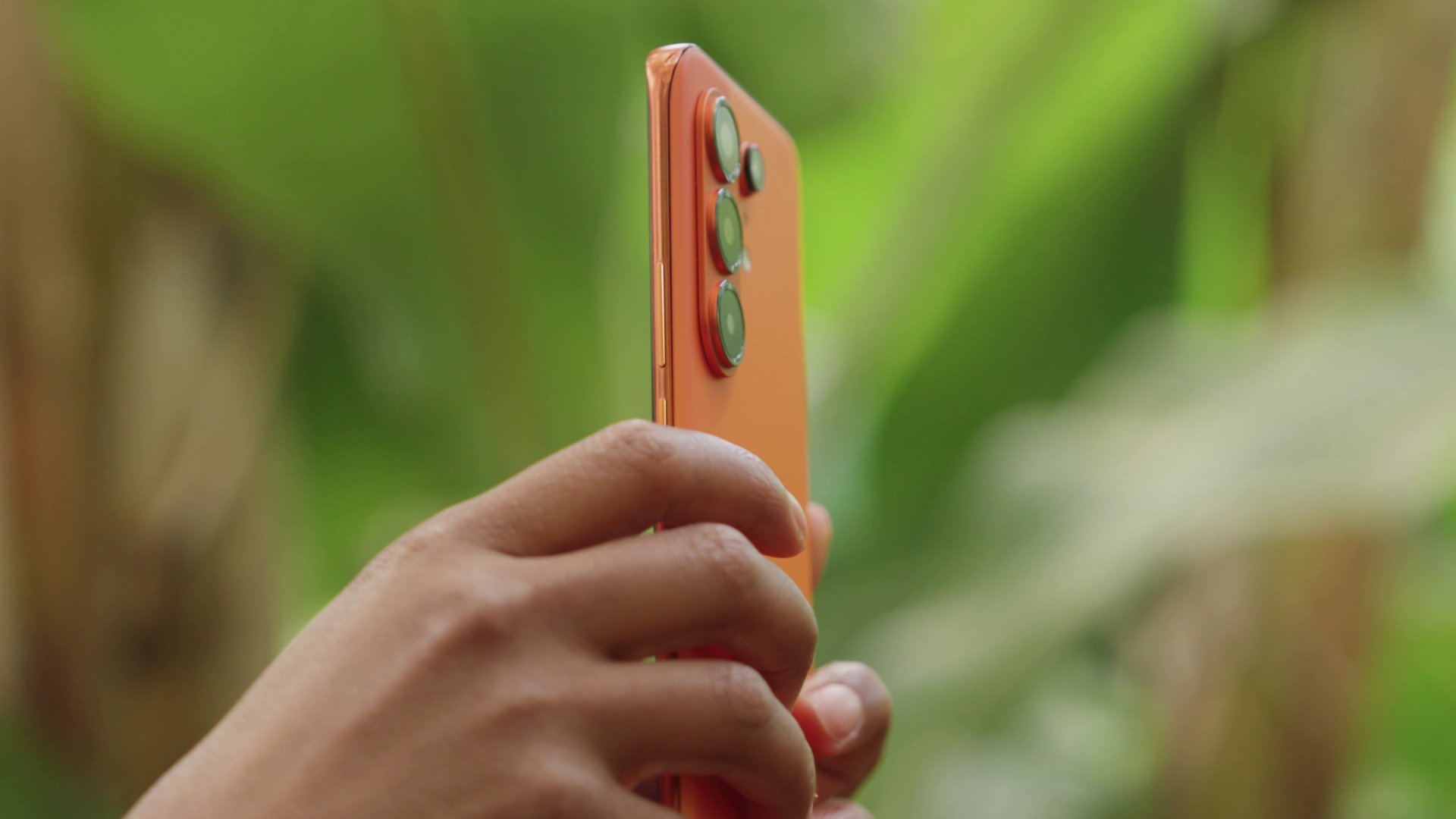
After the Philippines, “100 Portraits of Becoming” will continue to Saudi Arabia, Türkiye, and Brazil.
By the end of the project, TECNO and Dass hope the 100 portraits will offer exactly what the title suggests: 100 different ways of seeing humanity.
Smartphones
When TECNO-logy meets Tonino Lamborghini legacy
Meet the TECNO POVA 8 Pro Tonino Lamborghini Limited Edition
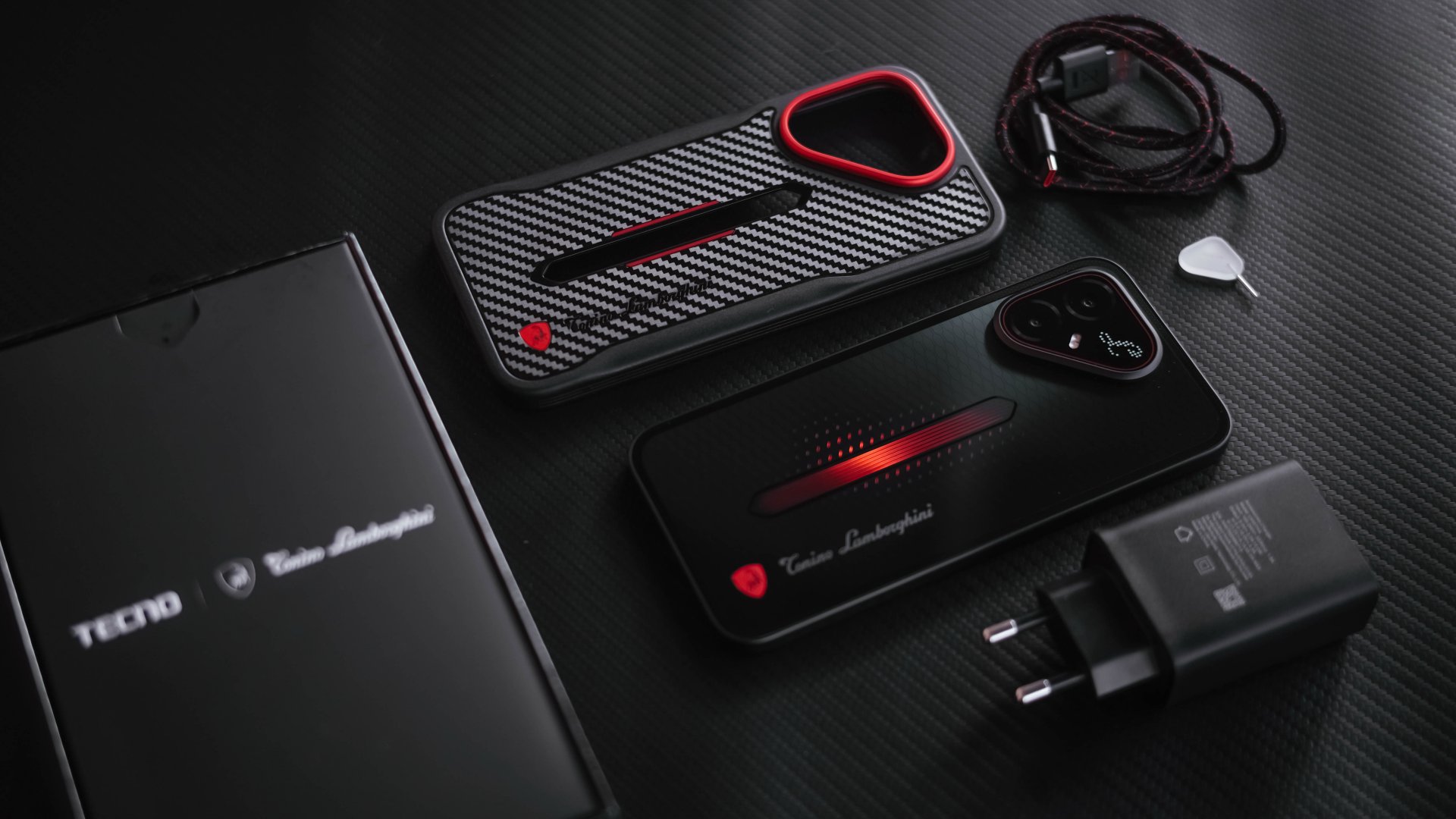
Tonino Lamborghini has built an identity around Italian design, craftsmanship, and a bold sense of individuality. Now, that identity is being translated into a smartphone through its collaboration with TECNO.
The result is the TECNO POVA 8 Pro 5G Tonino Lamborghini Limited Edition.
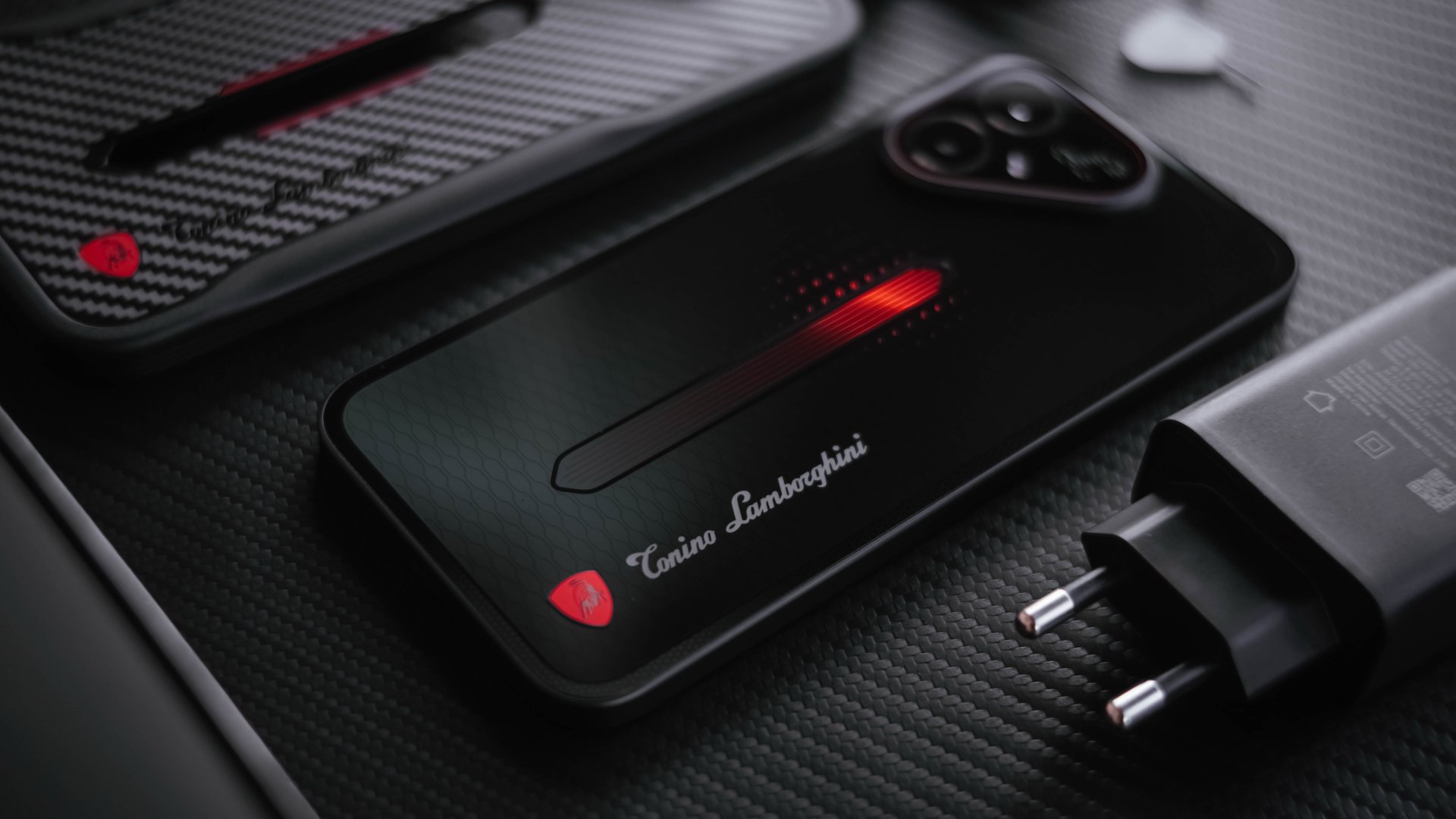
Rather than simply placing a recognizable logo on a phone, the two brands worked to bring Tonino Lamborghini’s distinctive design language into the POVA experience. And there’s more to it than its black-and-red color scheme.
A design built around bold expression
The POVA 8 Pro 5G Limited Edition takes inspiration from Tonino Lamborghini’s visual language, incorporating elements such as geometric patterns, structured lines, and layered textures.
The rear panel uses black as its dominant color, accented by red details.
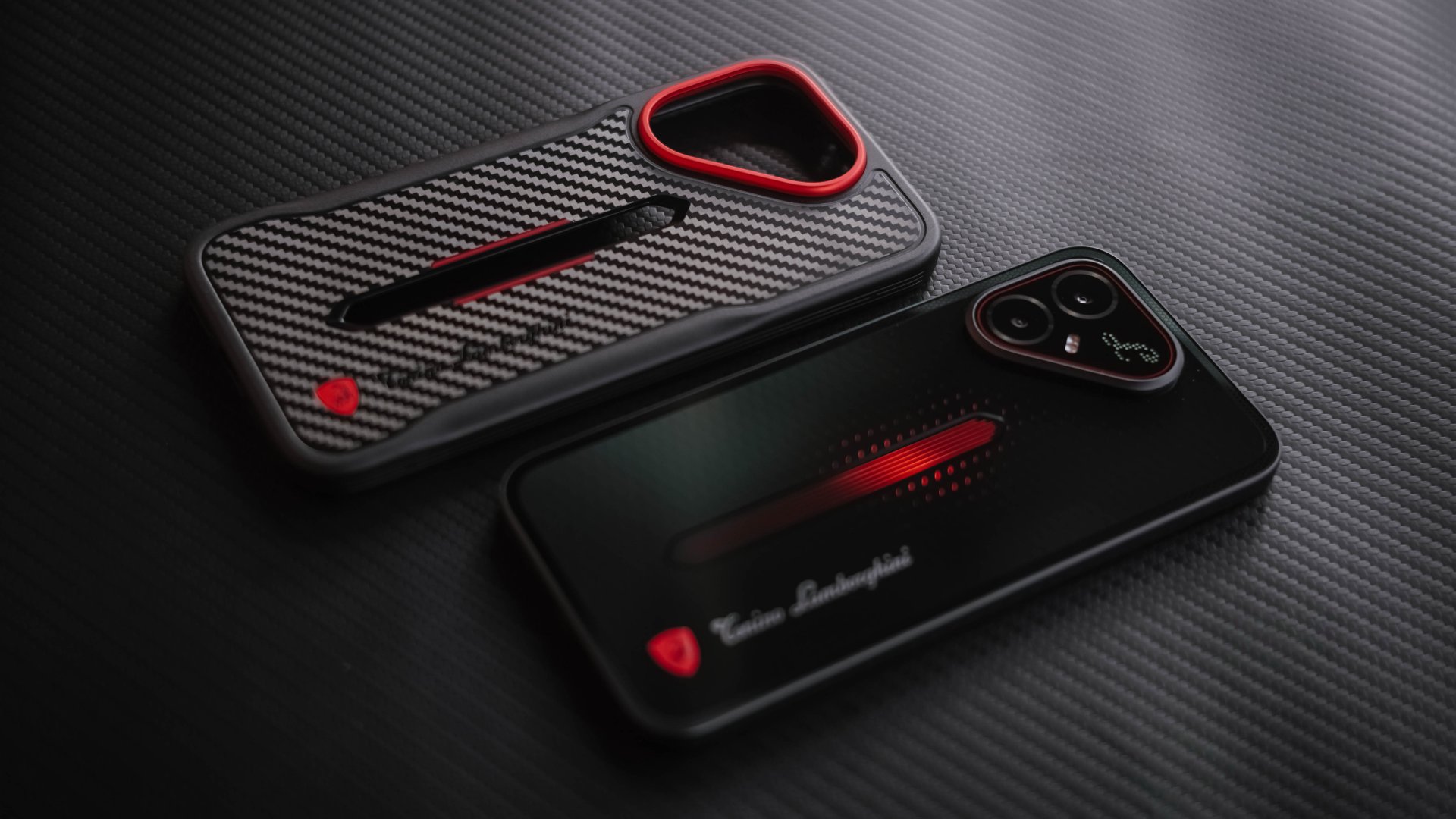
At the center is the Pulse Line, representing energy and movement. Meanwhile, the Signature Shield draws from Tonino Lamborghini’s distinctive shield identity.
Then, a metallic Tonino Lamborghini logo completes the composition. Together, these elements give the phone a recognizable personality without relying solely on the branding.
The rear panel reveals more as you move it
One of the more interesting aspects of the design is how TECNO created depth on the rear panel.
The company developed a dual-layer stacking process that combines different treatments and material layers. Internal mirror structures allow hidden red elements to appear differently depending on how light hits the phone.
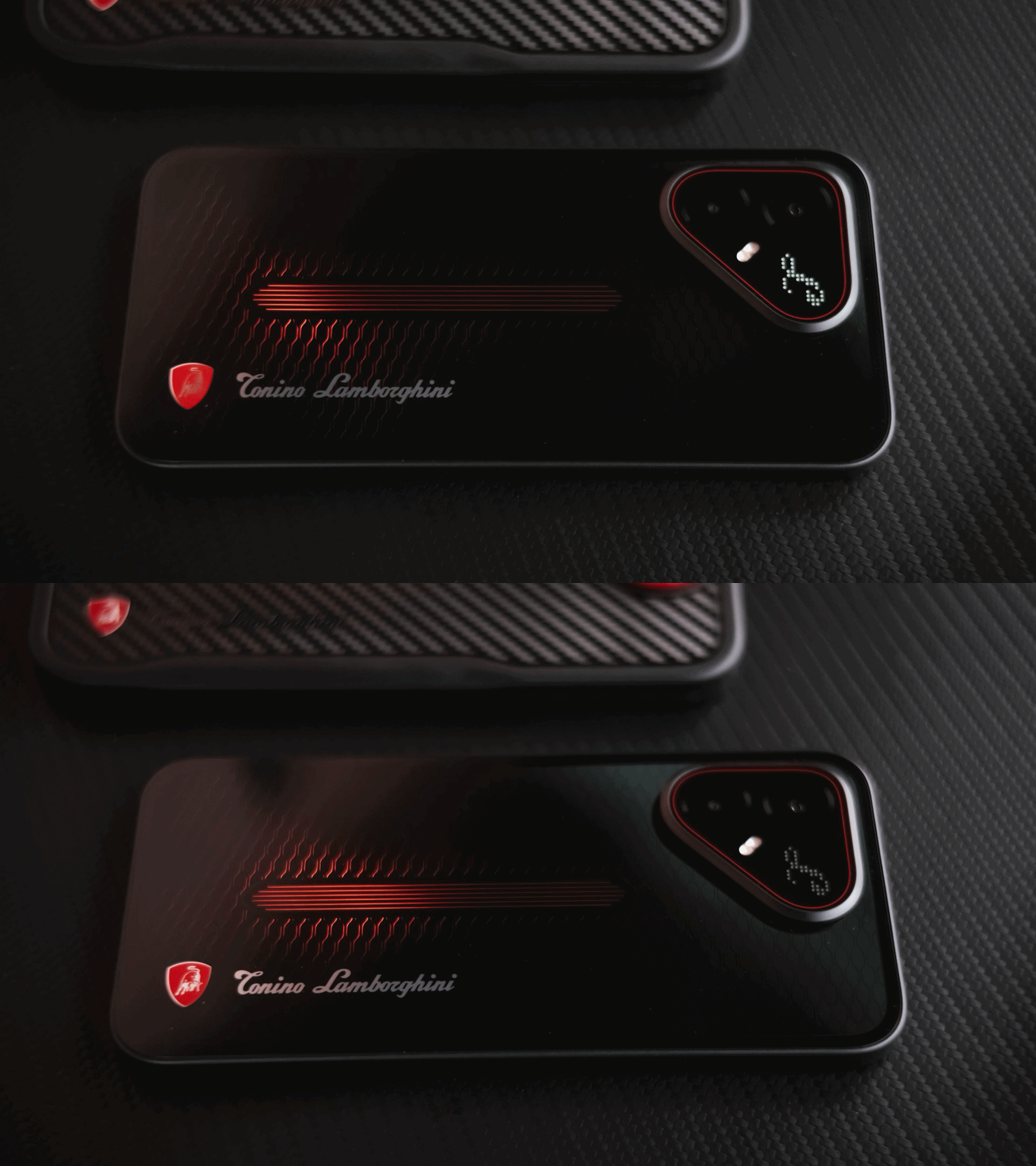
There is also a physical difference in height between the layers, creating a three-dimensional effect rather than a completely flat surface.
It’s a subtle detail, but one that makes the design feel more dynamic in the hand.
The experience continues beyond the hardware
TECNO also carried the Tonino Lamborghini identity into the software.
The customized interface uses the same black-and-red palette, while icons feature sharper, more geometric shapes inspired by the brand’s visual identity.
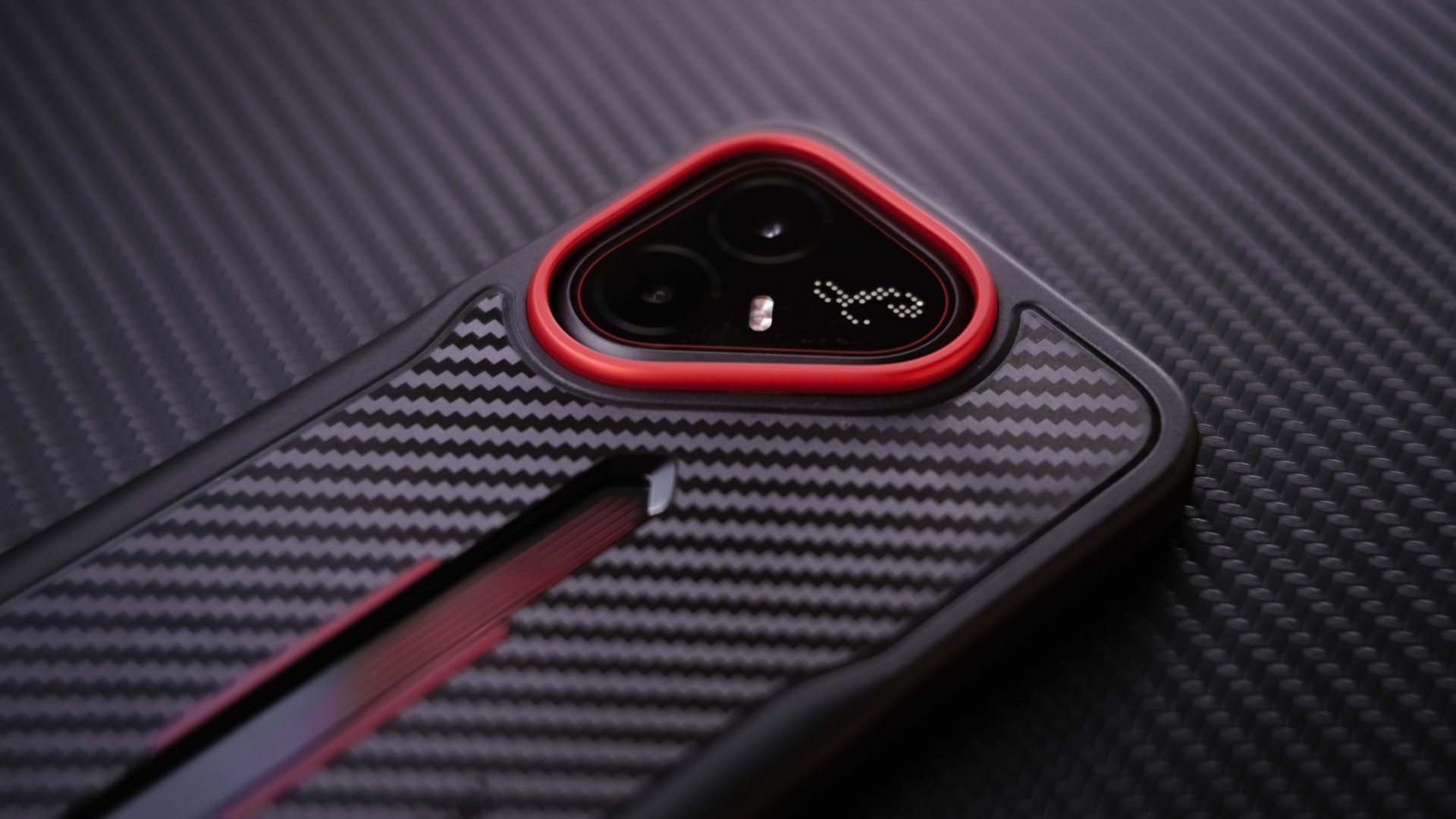
TECNO says it spent nearly four months developing the customized experience, including dynamic wallpapers, ringtones, and an Alive Matrix Display featuring a Tonino Lamborghini “L” effect.
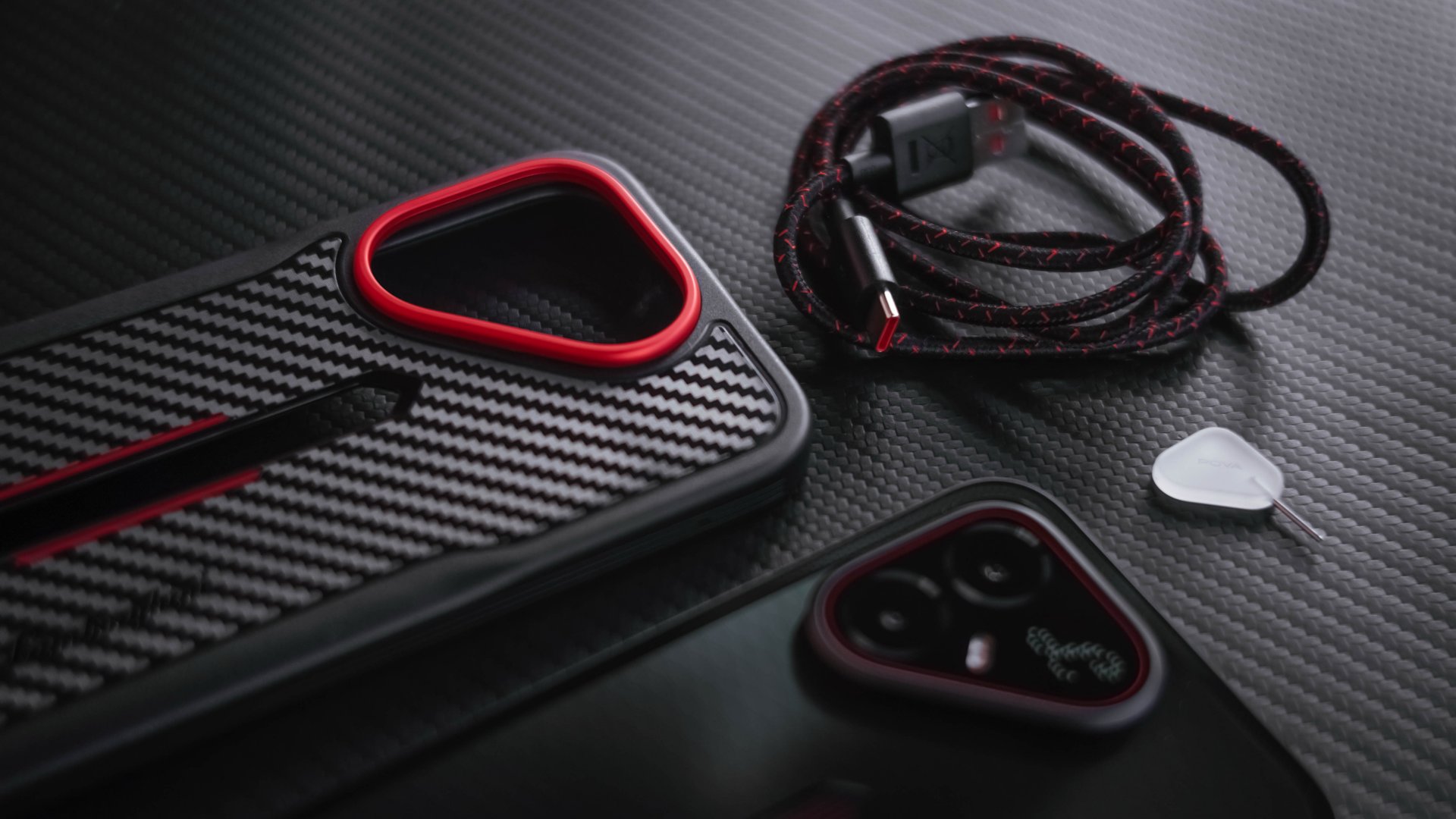
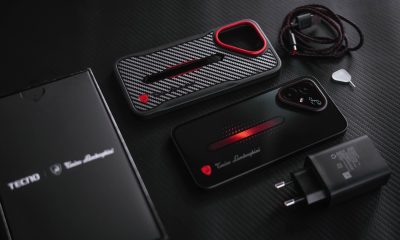
The accessories follow the same design direction, with a black-and-red braided cable, customized charger, and protective case. The case combines TPU and PC with a precision-carved, Kevlar-inspired carbon-fiber texture.
More than just a co-branded smartphone
What makes this collaboration interesting is that Tonino Lamborghini’s identity isn’t limited to a logo or a special colorway.
The Pulse Line, Signature Shield, layered rear panel, customized interface, and accessories all contribute to one cohesive visual language.
For TECNO, it brings a distinct design identity to the POVA 8 Pro 5G. For Tonino Lamborghini, it offers another way to express its approach to Italian design, craftsmanship, and individuality.
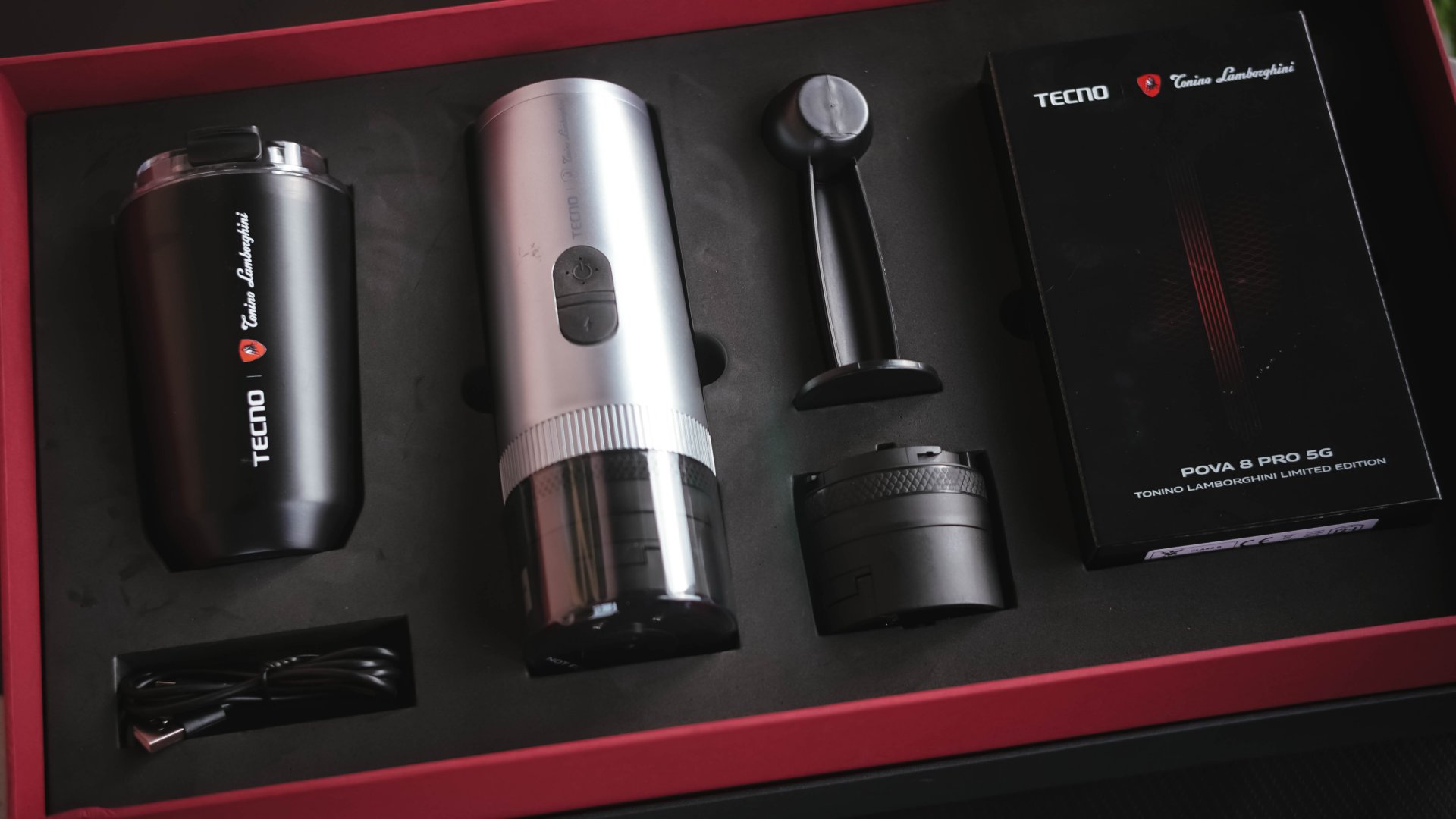
The result is a smartphone designed to stand out on its own terms — all while showing how two distinct design philosophies can come together in a single product.
SEE ALSO: TECNO POVA 8 Pro Tonino Lamborghini Limited Edition review

HONOR 600S review
The battery is the highlight.

TECNO CAMON Slim 5G review: Slim on size, big on surprise
Still with some compromise

UGREEN Nexode Pro 160W review: One mighty brick with a powerful trick
All the speed you need in one charging brick
HONOR 600S review

HONOR 600S price, availability in the Philippines

iPhone 18 Pro series pre-orders now open via Power Mac Center

Apple wants to release new iPhones more regularly
TECNO CAMON Slim 5G review: Slim on size, big on surprise

HUAWEI Pura X View is 2026’s first WIDE slab-type smartphone

The CAMON Slim 5G is TECNO’s latest ultra-slim smartphone

iPhone 18 Pro series: Price, availability in the Philippines

DJI Osmo 360 II review: Going all-in on the ecosystem

iPhone 18 Pro series: Price, availability in Singapore


-
 News1 week ago
vivo X500 Series launches with major imaging upgrades
-

 News1 week ago
OPPO Find X10 Pro Max is the first phone with a triple 200MP camera system
-

 Automotive3 days ago
BYD says that way better EV batteries are coming next year
-
 Singapore2 weeks ago
Epson Lifestudio Grand Plus EH-LS970B with 4K projection, more launches
-

 News1 week ago
vivo introduces OriginOS 7 with smarter multitasking and AI features
-
 News3 days ago
HONOR Magic9 Pro Max launches in China with ARRI-powered imaging
-
 Smartphones5 days ago
When TECNO-logy meets Tonino Lamborghini legacy
-
 Accessories1 week ago
70mai launches the A900 series with 4K front, rear recording