
Smart Home
The Nanoleaf Lines introduces modularity to smart lighting
Configured any way you want it

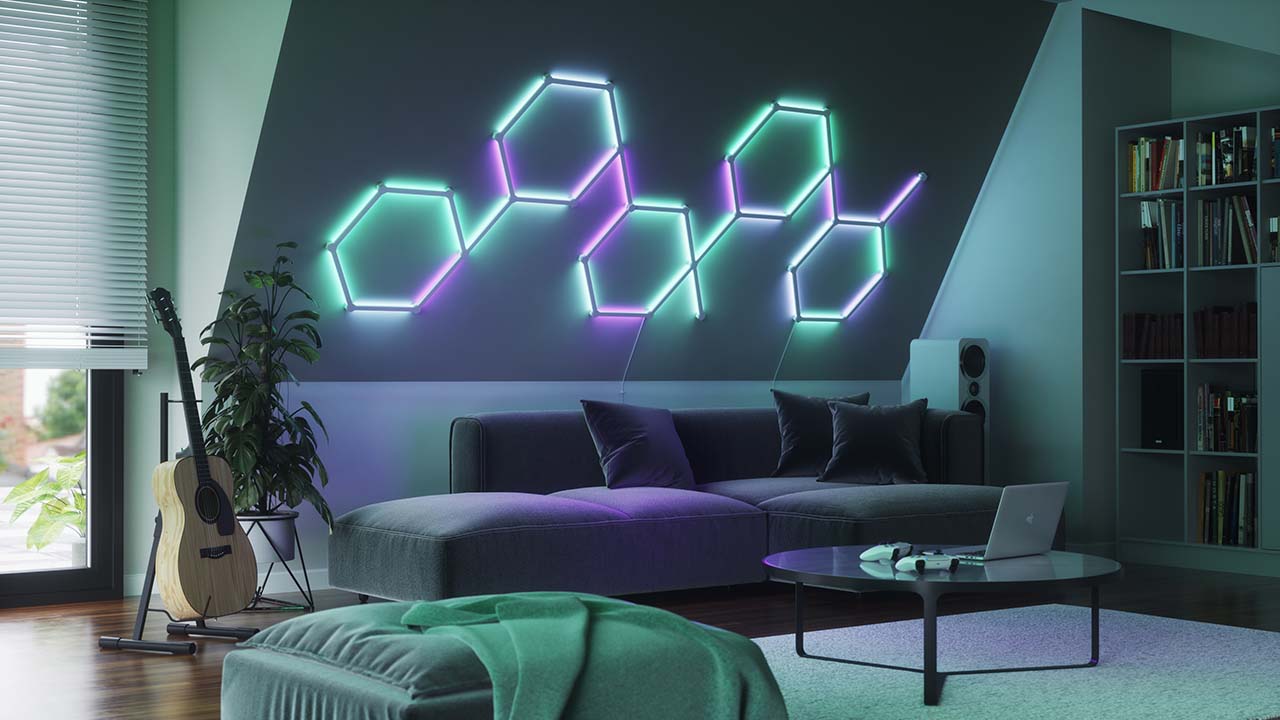
Smart lighting has always been an important part of smart home technologies. Since the introduction of the first wirelessly controllable bulb, the smart home world has always tried to make lighting more efficient for the modern, everyday home. Now, contemporary smart lighting companies want you to play around with more than just efficiency. The new Nanoleaf Lines encourages homeowners to experiment with how playful they want their homes to look.
The Nanoleaf Lines’ premise is simple: modularity. With a configurable line and connector setup, users can create their own shapes or mount their setups anywhere. Each line can display two colors simultaneously, and users can choose from over 16 million color options.
Further, the lighting’s app can create different dynamic configurations for the setup including modes like Kaleidoscope and Neon Dreams. A built-in Rhythm function can also adjust the dynamic lighting like a music visualizer that can adapt to different genres. The Nanoleaf Lines can also mirror a PC or TV screen, creating another level of immersion for users.
For those struggling to create their own layouts, Nanoleaf also offers a Layout Assistant which uses AR technology to help users manually design their own setups from their smartphones. The app also has a Discover feature which showcases how other users configured their Lines.
The starting kit, which comes with nine Lines, will retail for US$ 199.99. An expansion pack with three additional Lines will retail for US$ 69.99. Starting December, Nanoleaf will also release black/pink skins and flex connectors for getting around corners and objects.
SEE ALSO: Nanoleaf launches Learning Series for smarter home lighting




Philippines
TCL unveils C7L SQD-Mini LED TV, new entertainment lineup
TCL Game Night gives 1st glimpse of new offerings

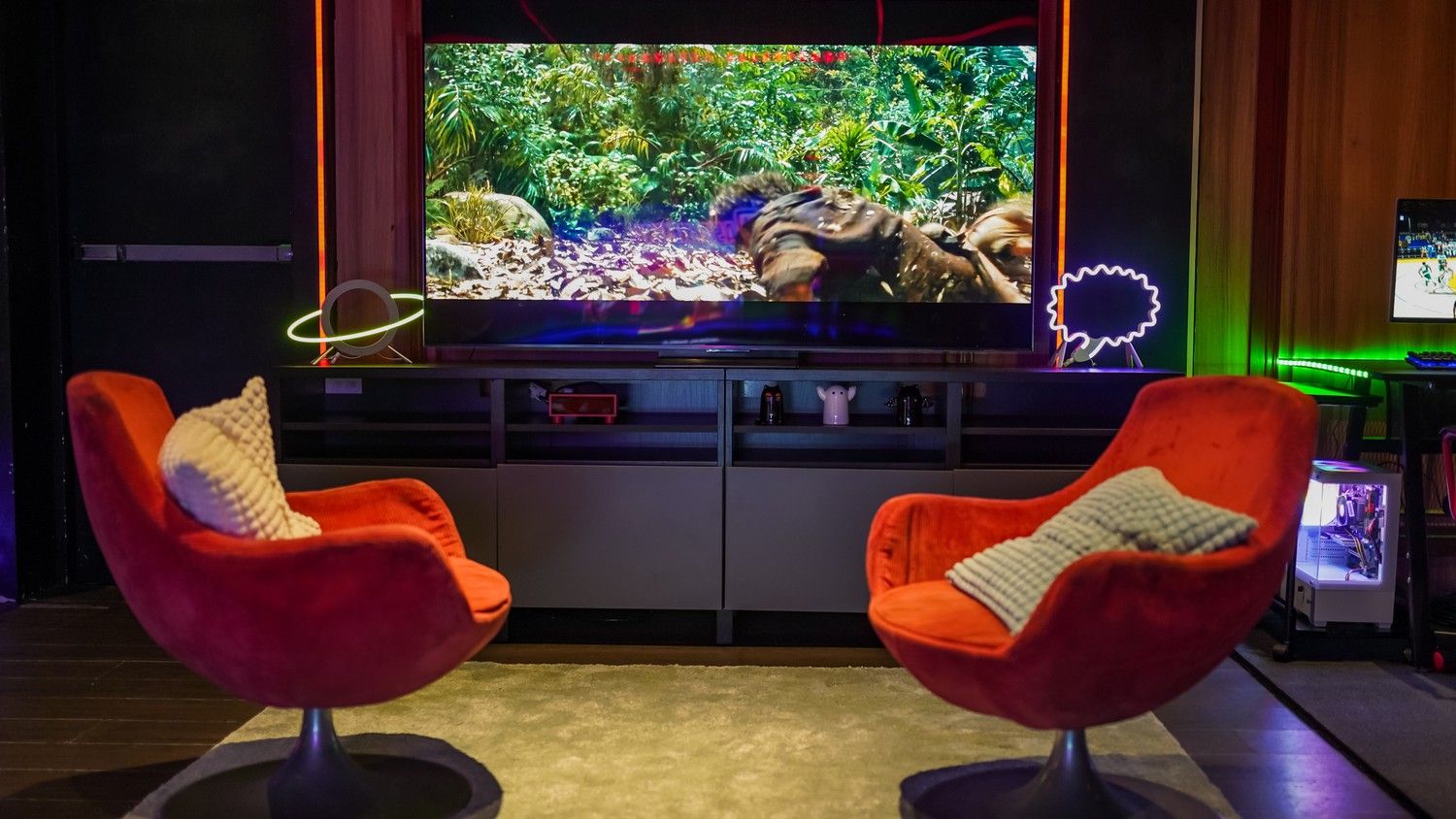
TCL has unveiled the TCL C7L SQD-Mini LED TV along with the company’s new entertainment lineup.
The offerings were launched through a special TCL Game Night for visitors to be able to immerse themselves and have a closer look at the new products.
There were three distinct zones: the TCL C7L TV Zone, Party Speaker Zone, and Gaming Monitor Zone.
At the TCL C7L TV Zone, guests had a glimpse of how SQD-Mini LED technology enhances the viewing experience.
The C7L features up to 100% BT.2020 wide color gamut, HDR 3,000 nits, audio by Bang & Olufsen, and 288 VRR Game Accelerator. It is powered by the TSR AiPQ processor.
The TV’s largest model (85 inches) was also used as the main screen throughout the game night.
Meanwhile, the Party Speaker Zone introduced the new TP200K and TP300K party speakers.
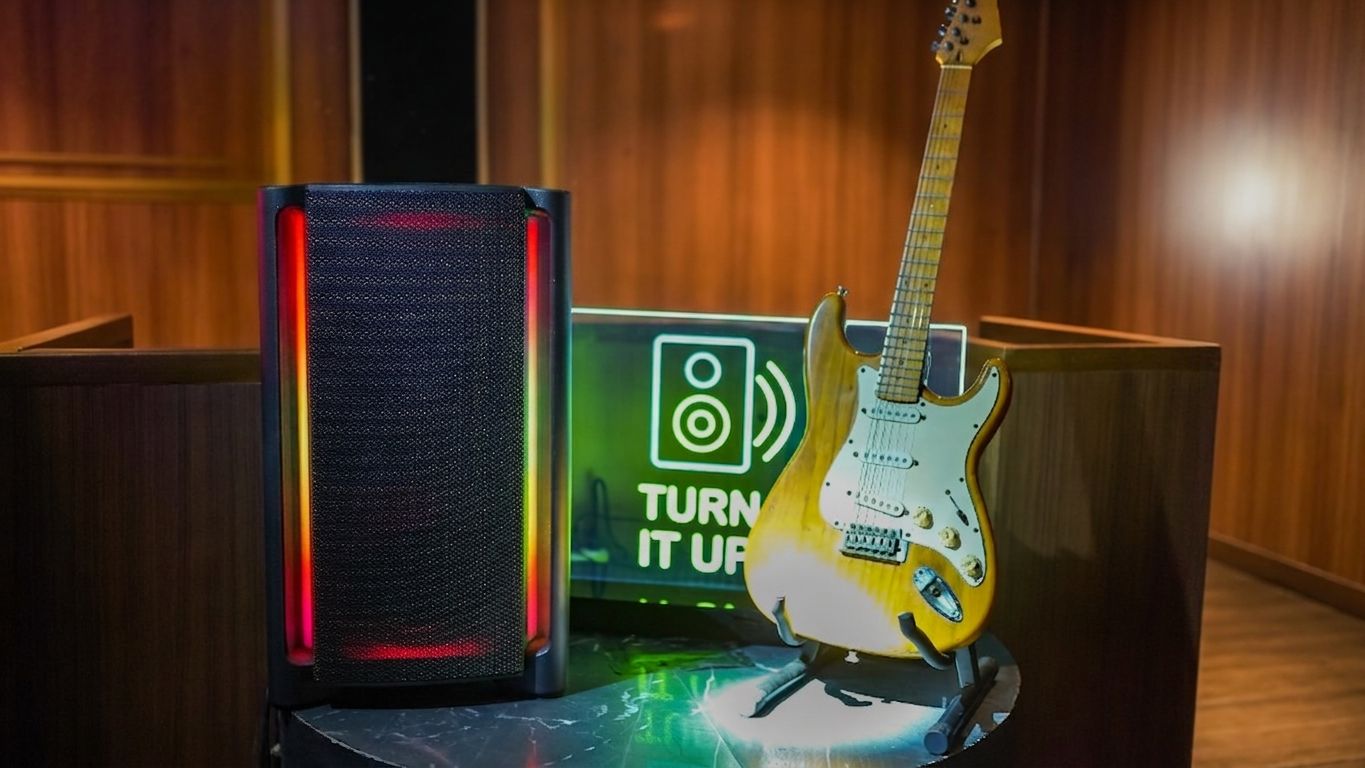
The TP200K variant is equipped with 220W maximum audio power, five light show presets, and 12 hours playtime.
Meanwhile, the TP300K has 340W of maximum power, eight light show presets, and up to 18 hours of playtime.
Throughout the program, everything from music to host announcements and questions from the quiz proper were blasted loud on the TCL speakers.
These speakers also provided the atmosphere during the afterparty.
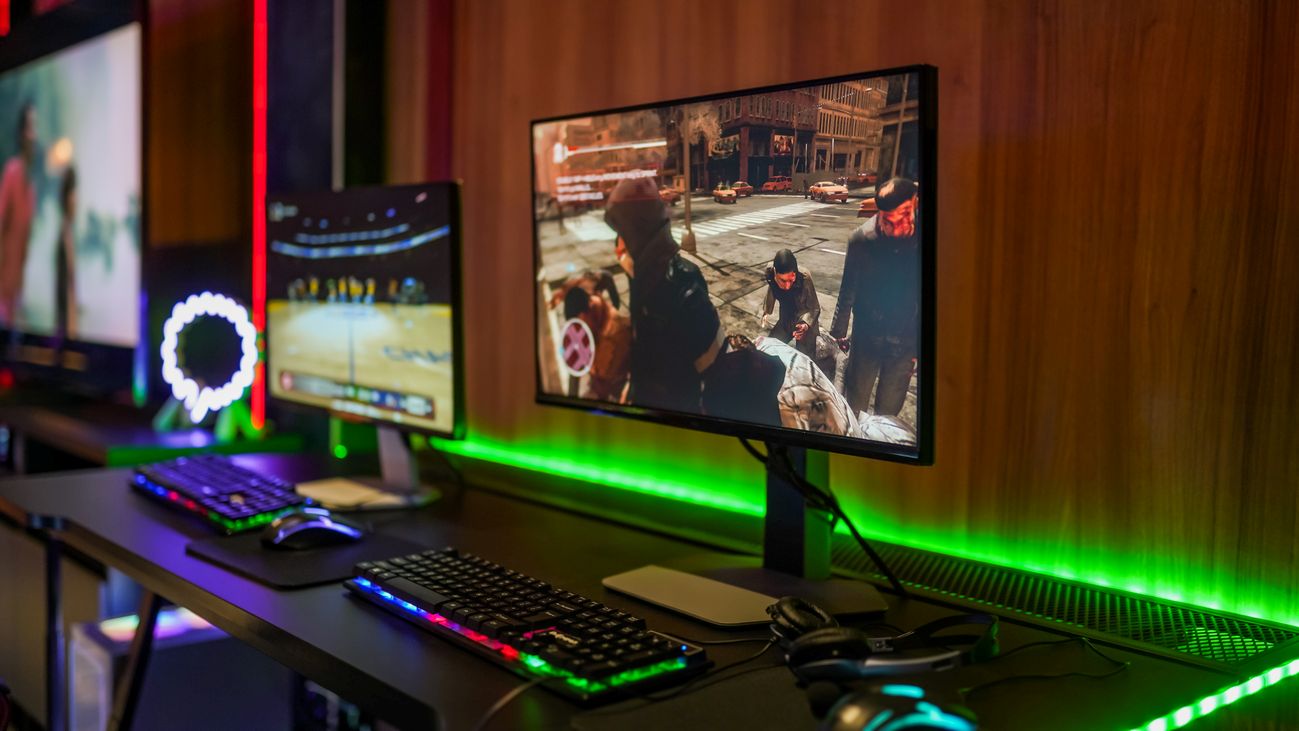
Furthermore, at the Gaming Monitor Zone were the TCL G64 and TCL G54 monitors.
They were presented in complete gaming setups so guests could try some popular titles, like NBA 2K and Counter-Strike.
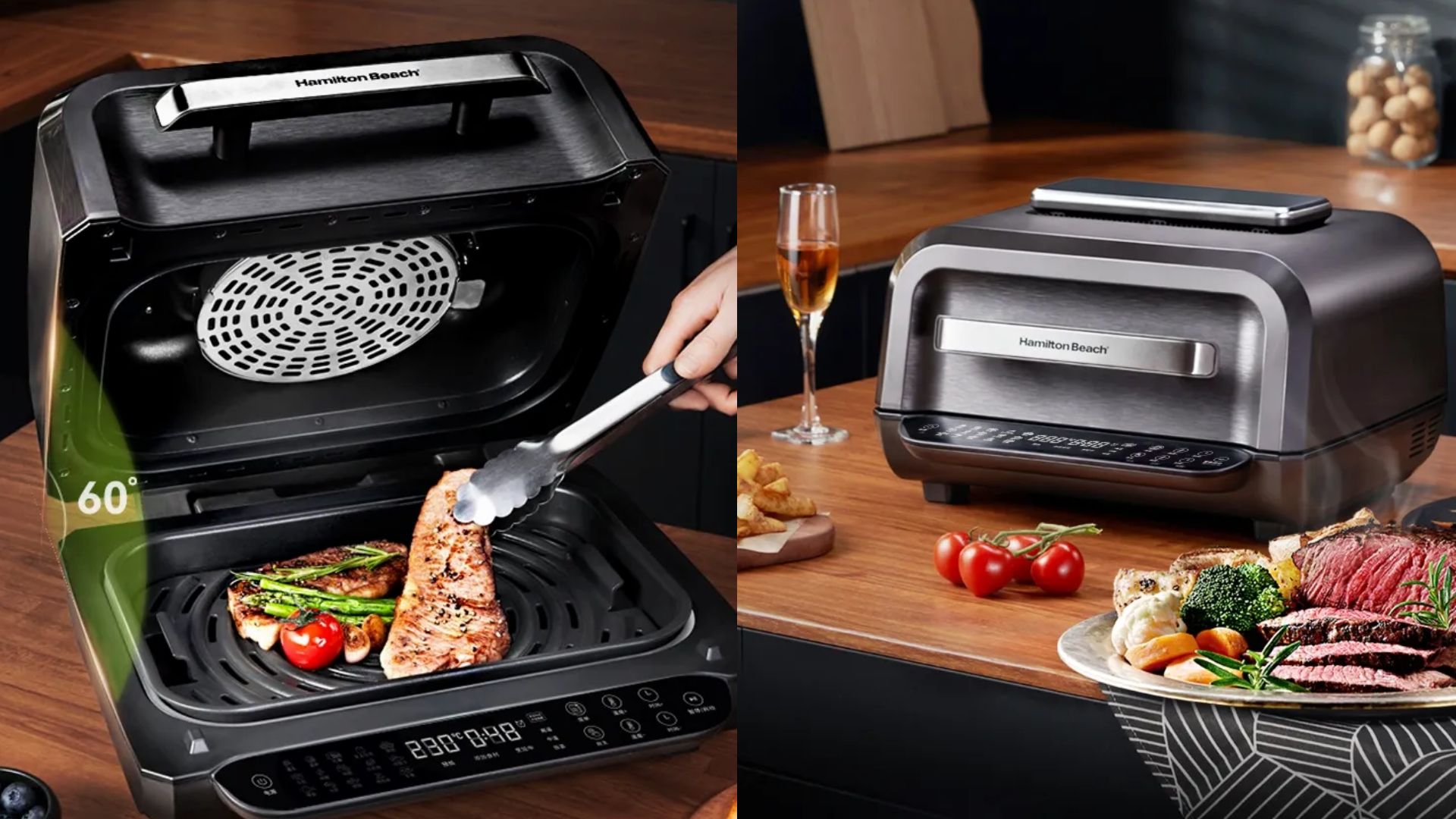
American small kitchen appliance brand Hamilton Beach is making its Hamilton Beach Air Grill available in the Philippines.
The Air Grill AF06201 elevates the casual cooking experience, fusing smart griller and air fryer capabilities into one tool designed for modern kitchens.
This sleek countertop companion lets households enjoy authentic, restaurant-quality grilled and fried favorites at home. It combines high-velocity air circulation with a heavy-duty, high-heat, and non-stick ceramic grill plate and basket.
The Air Grill infuses authentic grill marks and smoky char into various recipes, minus the smoke, charcoal prep, and messy clean up.
It utilizes 360° Air Turbo technology to cook food thoroughly, with ultra-high temperature control and a maximum searing temperature of 230°C quickly sealing natural juices.
Users have 15 versatile present menus to choose from: French fries, pizza, sweet potato, cheese toast, egg tart, steak, drumstick, chicken wings, duck, eggplant, fish, shrimp, sausage, kebab, and dried fruit.
Consumers in the Philippines can get the Hamilton Beach Air Grill via Lazada for an SRP of PhP 12,000 (~ US$ 195). In-app discounts are available.
Singapore
Xiaomi Singapore expands lineup of smart washing machines
With different capacities and functions to suit modern household needs

Xiaomi has expanded its range of smart washing machines in Singapore. These laundry offerings come with different capabilities and functions to suit modern household needs.
The new products include the Mijia Front Load Washer 8kg, Mijia Front Load Washer Dryer 10.5kg, and Mijia Front Load Washer Dryer 9kg.
Both of the Mijia washer-dryer combos are designed for superior cleaning and drying performance.
An ultra-slim and extra large drum offers more tumbling space and strong centrifugal force for fast and efficient drying.
Xiaomi’s Power Wash technology creates deep and effective cleaning, with a dedicated Steam function to remove up to 99.99% of bacteria, viruses, and mites.
There are over 30 programs to choose from on the user-friendly touch control panel, including Baby Care and Underwear. Users can also connect via the Xiaomi Home app for extra care on specific materials.
In addition, both come with a fast 59-minute wash-and-dry cycle, 24-hour delay timer, and function to add clothes during a mid-cycle, further enhancing convenience.
Meanwhile, the ultra-slim Mijia Front Load Washer 8kg is big on cleaning capabilities and energy efficiency.
It is similarly equipped with Power Wash technology and Steam cleaning functions to remove stubborn stains and protect everyone’s health.
With a 15-min super fast Quick Wash, its load-sensing system automatically detects laundry weight to optimize water volume and cycle time, improving energy efficiency.
Price, availability
Depending on the model, the latest Xiaomi Mijia washing machines are available on mi.com, Xiaomi Stores, Lazada, and Shopee.
Pricing are as follows:
- Mijia Front Load Washer 8kg: SG$ 349
- Mijia Front Load Washer Dryer 10.5kg: SG$ 699
- Mijia Front Load Washer Dryer 9kg: SG$ 599

TECNO MEGAPAD 2 review: Eyes on the size
The MEGA pad for two base users


MARVEL Tōkon: Fighting Souls review: Easy to pick up, hard to put down
Welcomes casual and experienced fighting game players


Now Playing: Assassin’s Creed Black Flag Resynced
Nostalgia does a lot of heavy lifting.
TECNO MEGAPAD 2 review: Eyes on the size

UNDERTALE: The Determination Symphony gets two more shows

HUAWEI Pura X View is 2026’s first WIDE slab-type smartphone

These Polaroid x Pokémon cameras are just the cutest things
MARVEL Tōkon: Fighting Souls review: Easy to pick up, hard to put down

VinFast debuts two-wheeler models, opens 21 e-motorcycle showrooms

OnePlus officially leaves the United States and Canada

Xiaomi debuts SkyNomad Series featuring new Kunlun platform

REDMI Note 17 Series focuses on long-term reliability

ROG STRIX G16 Review: Building for the moment


-
 Singapore7 days ago
REDMI Note 17 Series focuses on long-term reliability
-
 Laptops2 weeks ago
ROG STRIX G16 Review: Building for the moment
-
 Laptops2 weeks ago
30 days later with the ASUS ExpertBook Ultra: Like seeing an ex
-
 News7 days ago
realme 16T to come with 8,000mAh battery, 7-year battery health guarantee
-

 Philippines2 weeks ago
Smart opens HUAWEI Pura 90s Series pre-orders with exclusive freebies
-
 News2 weeks ago
TCL expands mobile lineup with latest NXTPAPER series
-
 Gaming2 weeks ago
Marvel Wolverine Limited Edition PS5 bundle SEA pricing
-
 Reviews1 week ago
Samsung Galaxy Z Fold8 Review