
Automotive
Xiaomi SU7: Everything you need to know
Xiaomi’s first EV offering


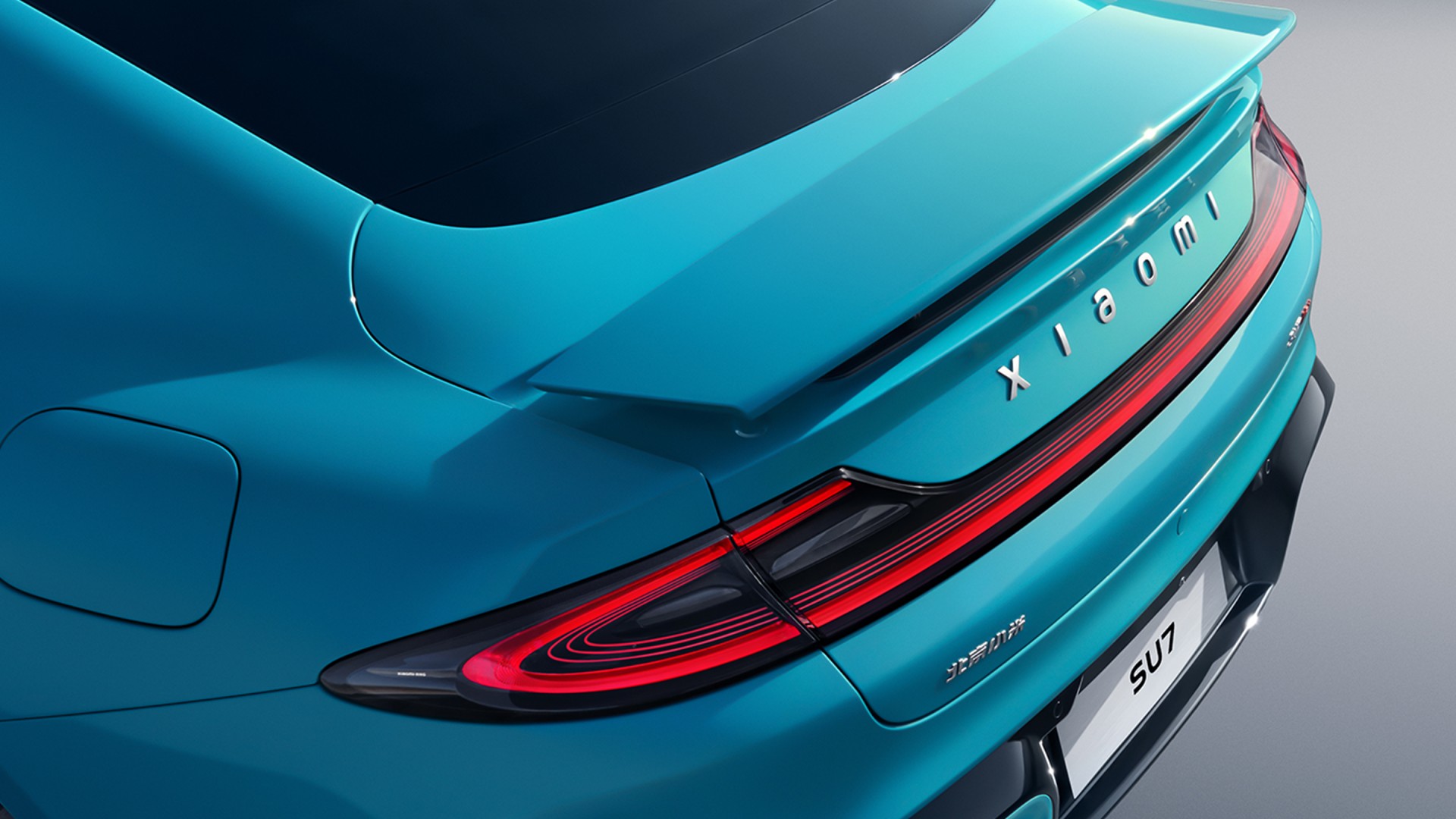
Xiaomi has recently “pre-launched” the Xiaomi SU7 electric car. This completes its venture into the EV scene. The company is moving further beyond producing just smartphones and AIoT devices.
On paper, the Xiaomi SU7 is positioned as a “full-size high-performance eco-technology sedan.” It aims to push the limits performance, ecosystem, and mobile smart space.
To ensure that this EV offering is indeed ready to redefine the automotive industry, Xiaomi has worked on five core technologies that serve as the foundation of the Xiaomi SU7, working on a “bottom-up” approach by consulting key sectors and investing over US$ 1.4 million (CN ¥ 10 million) to develop these cores.
The result is the highly-anticipated Xiaomi SU7 in its flesh. So far, here’s what we need to know about the upcoming EV from the Chinese consumer electronics giant.
E-motor
The Xiaomi SU7 boasts of three Independently-developed motors: the HyperEngine V6, HyperEngine V6s, and HyperEngine V8s.
These e-motors feature a bi-directional Full Oil Cooling Technology and an S-shaped oil circuit design for cooling and better heat dissipation.
In terms of performance, these motors help the vehicle achieve record-breaking numbers when it comes to e-motors, as measured in rpm, output, and peak torque.
Specifically, the HyperEngine V8s logged a maximum rotational speed of 27,200 rpm, 425kW output, and 635Nm peak torque.
The HyperEngine V8s is in development and set to be mass-produced and implemented in Xiaomi EVs by 2025.
Battery
The battery inside the Xiaomi SU7 likewise has a self-developed CTB Integrated Battery Technology through Inverted Cell Technology.
Xiaomi claims a 77.8% battery integration efficiency and 24.4% overall performance improvement with this battery, leading to a maximum capacity of 150 kWh and about 1,200-kilometer range on one full recharge.
To ensure stability throughout travel, a 14-layer robust physical protection system safety design and dual-side water cooling solution have been employed.
Xiaomi Die-Casting

For its die-casting, Xiaomi came up with the Xiaomi T9100 cluster and proprietary casting alloy material called Xiaomi Titans Metal.
This material is a high-strength, high-resilience, heat-treated die-casting material that was a product of Xiaomi’s research and development.
The application of the T9100 cluster allows the Xiaomi EV’s rear underbody to integrate 72 components into one, reducing welded joints by 840 and decreasing the overall car weight by 17%.
When the car gets mass produced, the innovation will reduce the production hours by 45%.
Xiaomi Pilot Autonomous Driving

Not to be outdone in intelligent software, Xiaomi will employ three key technologies for autonomous driving. These are: Adaptive BEV Technology, Road-Mapping Foundational Model, and Super-Res Occupancy Network Technology.
The first technology focuses on perception algorithms based on scenarios. It is aided by an expanded recognition range for better visibility in urban, high-speed, and parking situations.
The Road-Mapping Foundational Model revolutionizes traditional methods of perceiving road conditions. This helps drivers recognize them in real-time to switch to a more reasonable driving trajectory. All the while navigating smoothly in complex intersections based on interaction and driver habits.
Lastly, the Super-Res Occupancy Network Technology achieves unlimited categories of recognition for irregular obstacles. Compared to traditional networks that interpret obstacles as blocks, the vector algorithm for this will simulate all visible objects as continuous curved surfaces. This improves the recognition accuracy to as low as 0.1m.
For parking, Xiaomi has also developed the world’s first End-to-End Sensing and Decision-Making AI model for automated parking that puts premium on real-time observation and dynamic adjustment when parking in difficult scenarios.
These software advancements are complemented by an equally-innovative set of hardware that consists of NVIDIA Orin high-performance chips, one LiDAR, 11 HD cameras, three millimeter-wave radars, and 12 ultrasonic radars.
Smart Cabin
To cap off the five cores, the Xiaomi EV Smart Cabin adopts a human-centric interaction architecture. That’s represented by its 16.1-inch 3K central console, a 56-inch HUD head-up display, 7.1-inch rotating dashboard, and two backseat extension mounts for two tablet devices.
This Smart Cabin system is equipped with an in-car Snapdragon 8295 chip. It has a computing power enough to link all five different screens. That should provide the ultimate interactive experience.





Automotive
Ford revs up Truck Month with extended 5-star care offers
Explore exclusive cash discounts, flexible downpayment plans, and showroom activations in the Philippines.
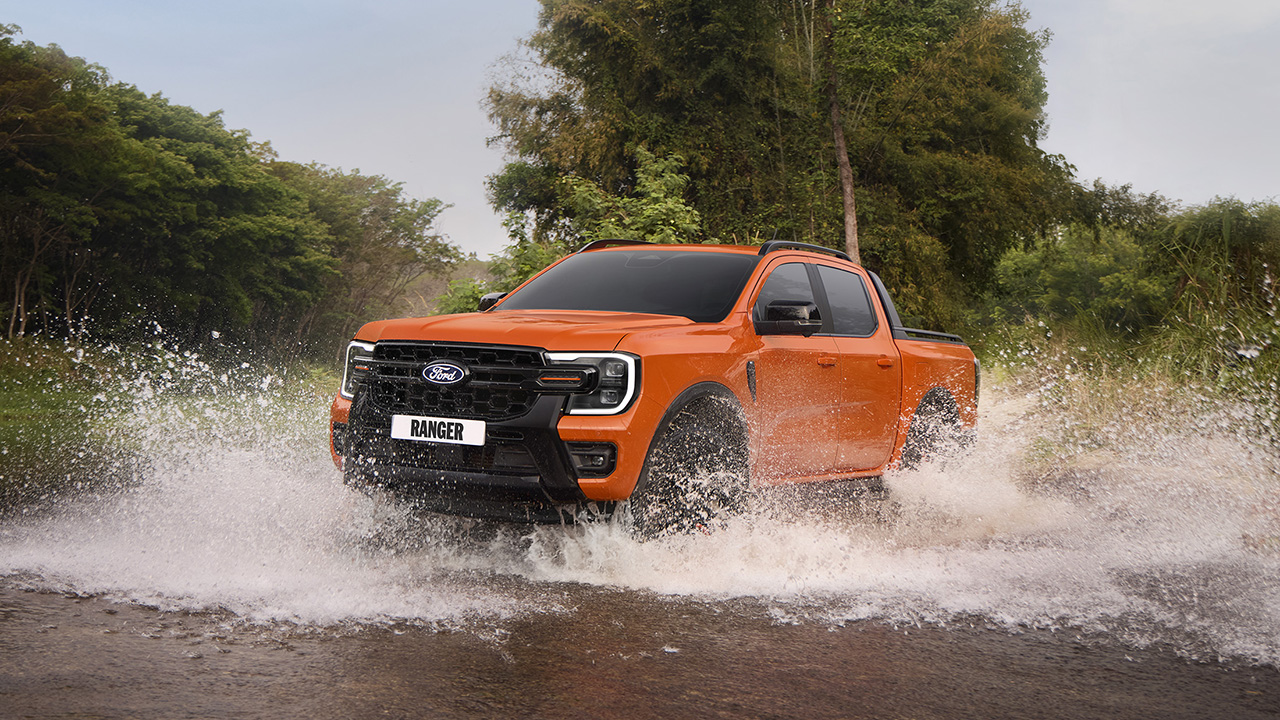
Ford Philippines brings back its annual Truck Month this September, pairing special financing and cash savings with extended service coverage across the updated Ranger and Everest lineups.
The month-long program shifts the focus toward long-term ownership peace of mind. This ensures drivers feel supported well beyond the showroom floor.
Comprehensive coverage for every journey
For drivers who view their truck or SUV as an essential partner for travel and daily routines, maintenance clarity brings genuine confidence.
Select variants in the lineup now include Ford’s 5-Star Care Package, bundling a five-year warranty, five-year scheduled service plan, and five-year roadside assistance.
Flagship performance models built for challenging roads, including the Ranger Raptor 3.0L V6, Ranger Wildtrak X 3.0L V6, and Ranger Wildtrak 3.0L V6, pair this complete service coverage with PhP 20,000 in cash savings. On another note, the Raptor 3.0L V6 also offers a PhP 150,000 all-in downpayment option.
Versatile family vehicles receive identical long-term backing, with the Everest Platinum 3.0L V6, Everest Wildtrak 2.0L, Everest Sport+ 2.0L, and Everest Active 2.0L all bundling the five-year care plan. Meanwhile, the Everest Wildtrak 2.0L Turbo includes an additional PhP 20,000 cash discount.
Financing designed around daily routines
Flexibility plays a central role in fitting a vehicle into personal budgets and busy lifestyles.
For the first time, the practical Ranger XLS 4×2 introduces access to the 5-Star Care Package, allowing buyers to select between long-term maintenance coverage, a PhP 50,000 cash discount, or a PhP 49,000 all-in downpayment.
Drivers drawn to the Ranger Sport 4×2 can opt for a PhP 59,000 all-in downpayment or zero percent interest financing. By providing multiple ownership paths, Ford aligns purchase incentive options directly with driver priorities, prioritizing lasting value throughout the lifetime of the vehicle.
Bringing the experience to dealerships and malls
The Truck Month celebration extends further with the Super September event, taking place from September 16 to 20 across nationwide dealerships and key shopping centers.
Customers who reserve any Ford vehicle during this five-day showcase receive an extra PhP 20,000 in cash savings on top of ongoing Truck Month offers.
Display venues including Virra Mall Greenhills, SM Southmall, SM Seaside Cebu, Robinsons Dumaguete, and SM City Sta. Rosa feature interactive showroom activities and refreshments, offering drivers an accessible way to explore their next vehicle companion.
Automotive
ACMobility launches EV safety program to help drivers make the switch
The new “Drive Electric” curriculum covers everything from charging safety to actual EV ownership costs.

ACMobility, the Ayala Group’s mobility arm, launched its “Drive Electric. EV Safety Program,” and it’s aimed at pretty much anyone curious about EVs.
That means advocates, people thinking about buying one, fleet operators, and just regular folks who want to understand what they’re getting into.
The goal is straightforward: clear up the misconceptions around EVs by giving people practical, easy-to-follow information on how the technology and charging infrastructure actually work.
The program covers safety guidelines, the real costs of ownership, and how charging works, so people can decide for themselves if going electric makes sense for them.
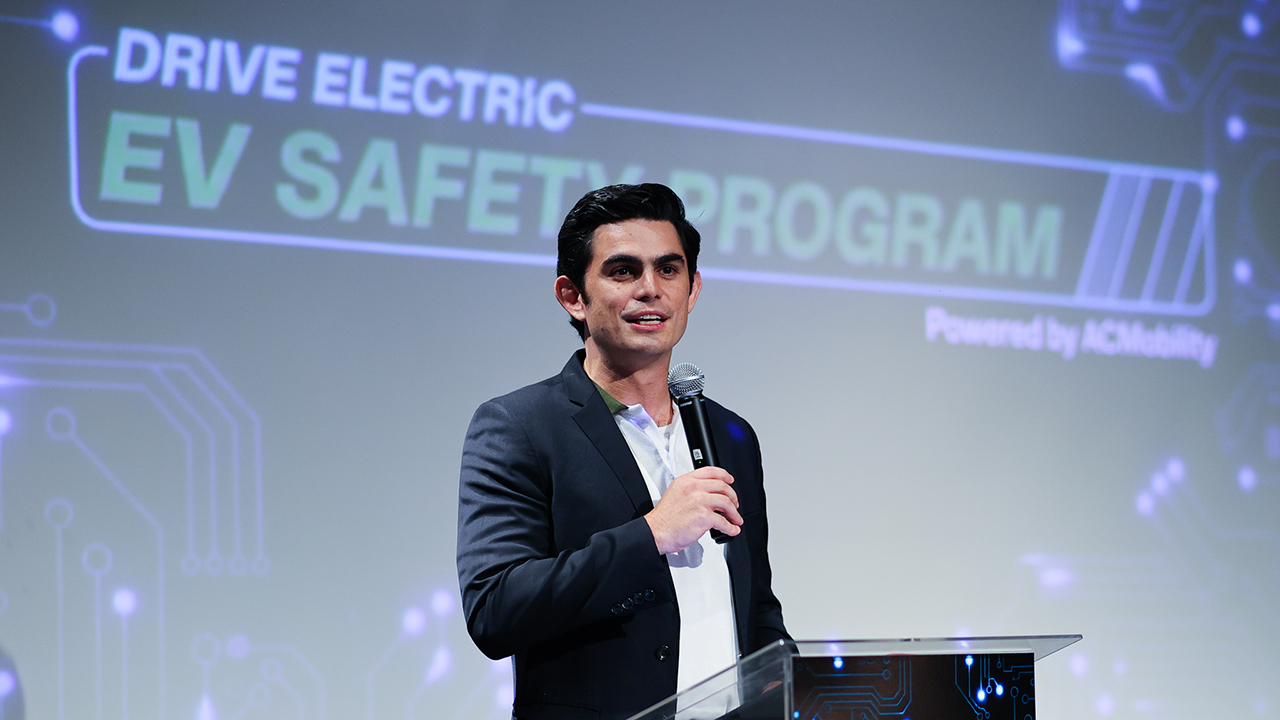
At the launch, ACMobility CEO Jaime Alfonso Zobel de Ayala talked about the bigger picture, saying the company’s priority is to empower drivers to shift to a more sustainable and cost-effective transport option.
He framed the program as part of that commitment, aiming to give drivers practical tools and accessible technical knowledge on EVs.
Building the curriculum with actual experts
ACMobility didn’t build this alone. The program came together with professional instruction partners and close coordination with the Department of Energy, the Bureau of Fire Protection, the Electric Vehicle Association of the Philippines, and the Philippine EV Community.
The curriculum runs five modules deep, and it tackles the questions people actually ask before buying an EV: what it really costs to own one long-term, how much you can save, how to charge safely, what to do in an emergency, and how the technology itself works.
What comes after the launch
ACMobility says this is just the start. The company plans to roll out educational seminars nationwide for drivers looking to make the switch, expanding into corporate sessions, community workshops, and showcases at bigger industry events.
Future sessions will pair the technical side with actual test drives, so people get hands-on time with EVs alongside the expert guidance.
Automotive
Ford’s new Everest lineup brings V6 engine to the top, tech down the line
A new V6-powered Platinum flagship leads the range, while driver-assist tech spreads further down to the Sport and Active.
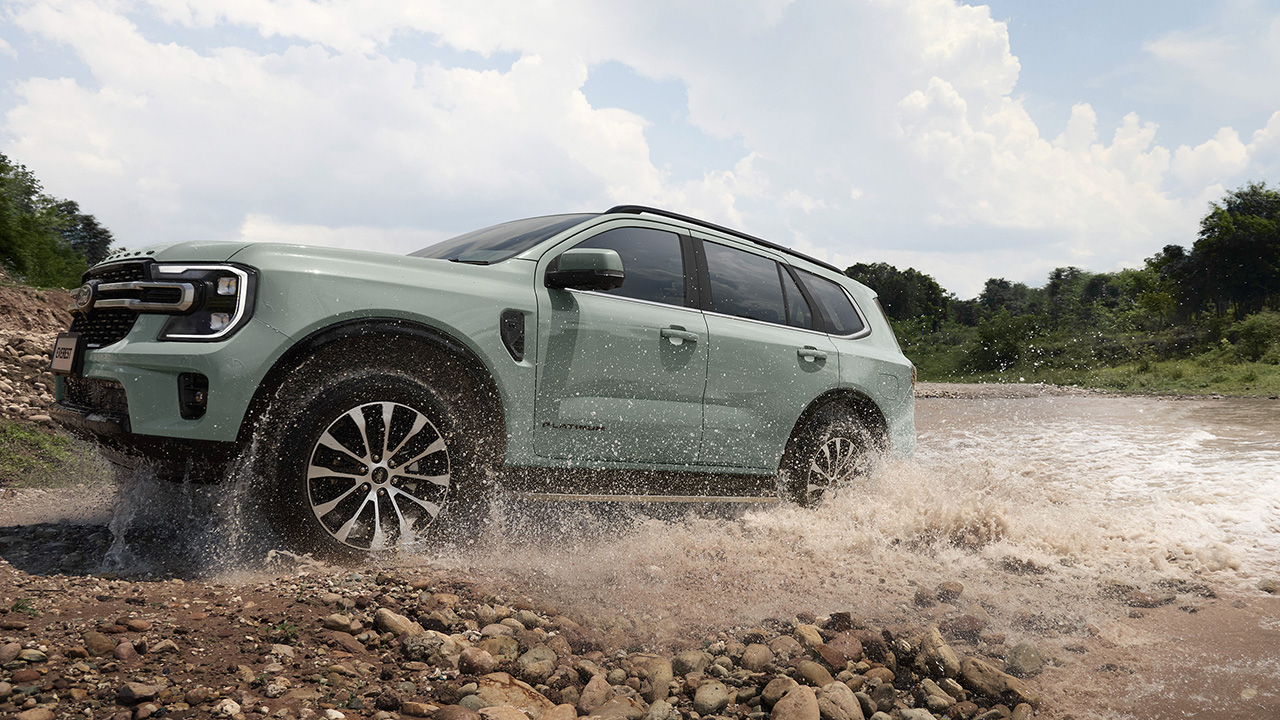
Modern mobility is no longer defined strictly by mechanical horsepower. Instead, intelligent software, sensor suites, and connected interfaces shape how we move through the world.
Ford Philippines is recalibrating the Everest lineup for 2027, putting advanced vehicle technology at the heart of the daily commute and weekend escapes.
Intelligence at the Core
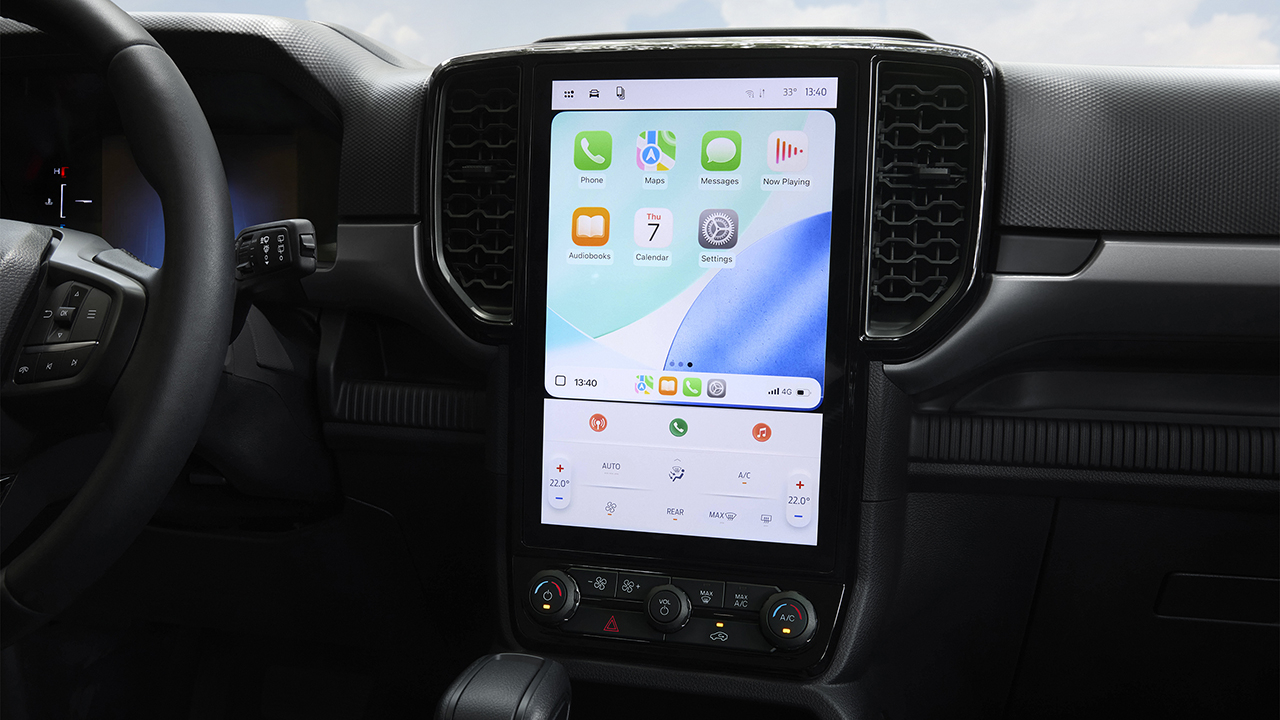
The most significant shift happens inside the cabin, where driver-assist features transition from luxury upgrades to non-negotiable standards.
The Active trim redefines entry-level technology by embedding Autonomous Emergency Braking with Pedestrian Detection and Forward Collision Warning into the baseline drive for PhP 1,949,000.
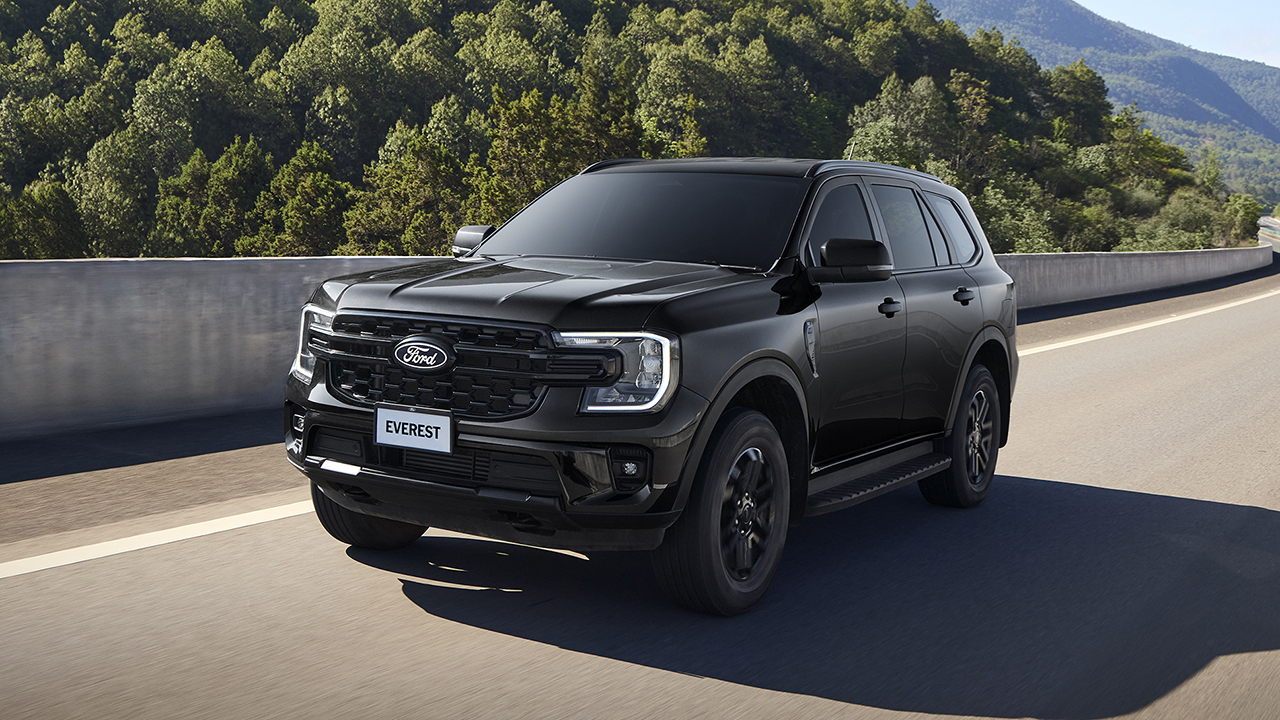
New Ford Everest Active
Combined with a central 12-inch infotainment screen, dual-zone climate control, and rain-sensing wipers, the system processes environment data continuously to protect passengers before a driver even reacts.
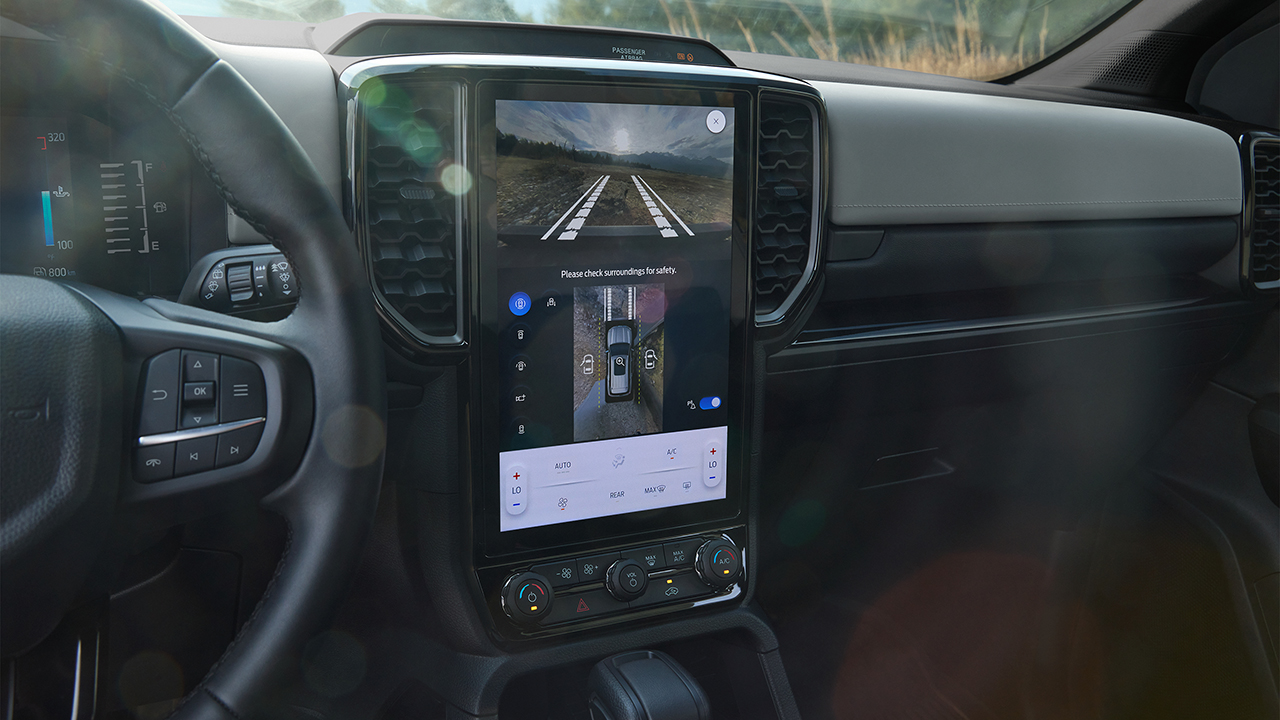
Stepping up to the Sport trim at PhP 2,219,000 expands this digital protective bubble. Here, the 12-inch ecosystem integrates Adaptive Cruise Control with Stop and Go, Lane Centering, and a 360-degree camera system.
Blind Spot Information with Cross-Traffic Alert and automatic braking turns tight urban parking and congested highway navigation into effortless single-button maneuvers.
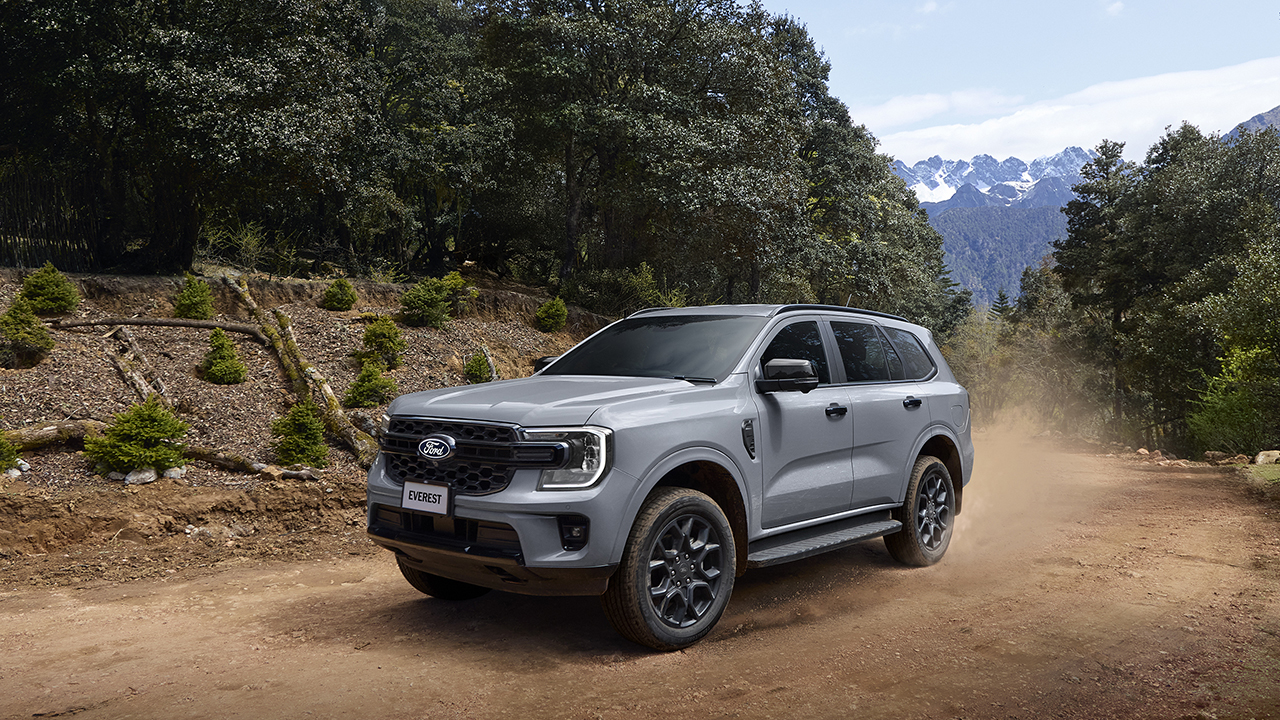
New Ford Everest Sport
Power engineered for precision
At the top of the technical spectrum sits the new V6 Platinum flagship, priced at PhP 2,849,000.
Its 3.0-liter Turbo Diesel V6 engine generates 250PS and 600Nm of torque, governed by an intelligent full-time four-wheel-drive system that actively routes traction across variable terrain.
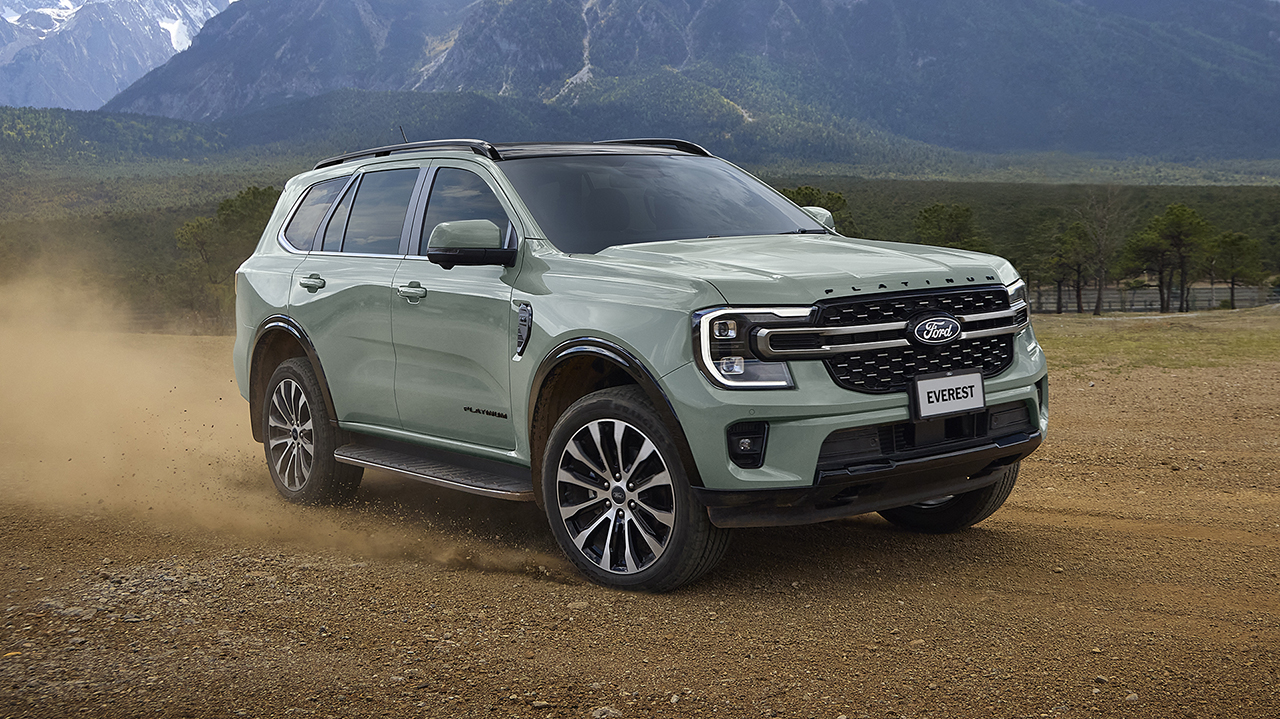
New Ford Everest Platinum
Matrix LED headlamps adapt lighting patterns dynamically to prevent glare for oncoming traffic while maximizing peripheral visibility.
Inside, a 12-speaker Bang & Olufsen sound system, 10-way power memory seats, and active heating and ventilation create a high-tech sanctuary on wheels.
Refined aesthetics and ecosystem support
The design-focused Wildtrak trim continues to pair its proven 2.0-liter Turbo 4×4 platform with updated visual cues at PhP 2,669,000. Featuring 20-inch alloy wheels and Ignite Orange accents, it bridges functional hardware with distinctive styling.
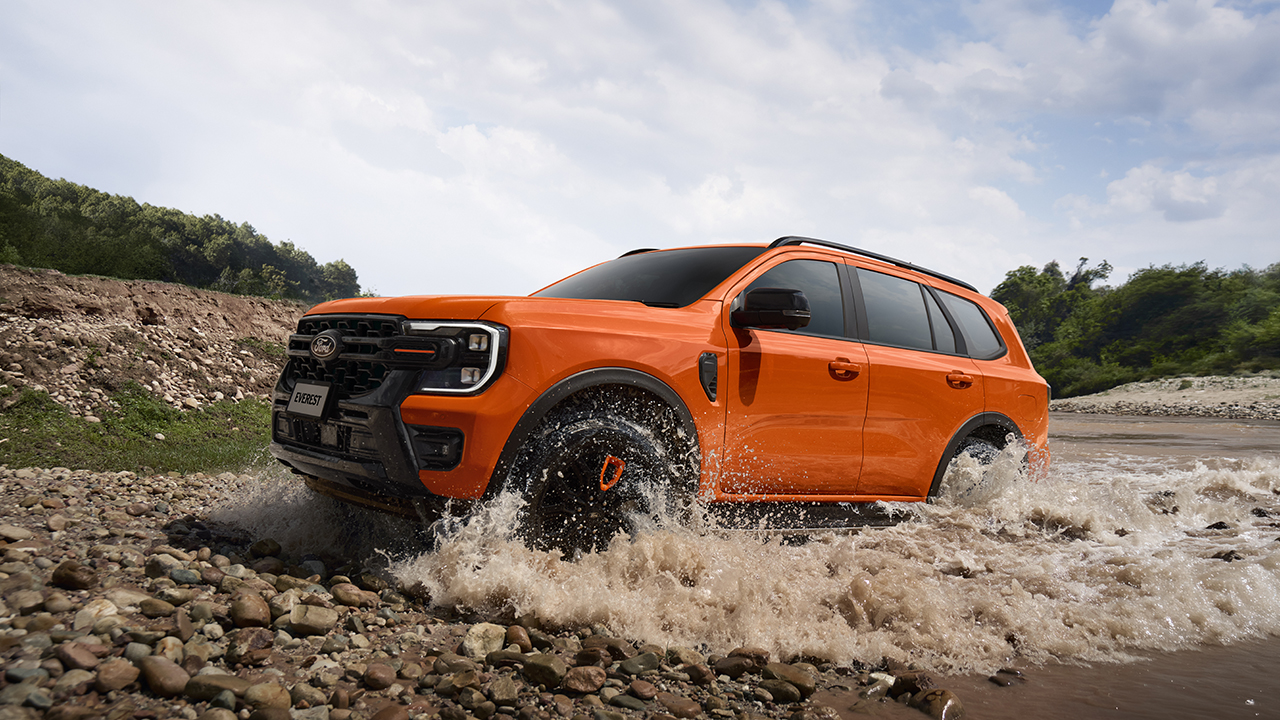
New Ford Everest Wildtrak
Reservations across all four variants is now open nationwide. To back its hardware and digital infrastructure, Ford includes its 5-Star Care Package through September 30, providing five years of warranty, scheduled maintenance, and roadside assistance.
Coupled with the Ford Family Guarantee digital service platforms, the refresh ensures the technology on board remains supported long after you leave the showroom floor.


DJI Lito X1 review: Is this the best lightweight drone for creators?
Making a strong case as a travel companion and a capable B-cam!


REDMI Note 17 Pro Max review: A new breed born from AI greed
Welcome to the new normal


Marvel’s Wolverine review: When the claws come out
A brutal, cinematic superhero adventure

Smart launches LiveSmart App for exclusive deals
DJI Lito X1 review: Is this the best lightweight drone for creators?

Now Playing: Resident Evil

HONOR, Fidesmo partner for contactless payments across Europe, Middle East

Ford revs up Truck Month with extended 5-star care offers

TECNO MEGAPAD 2 review: Eyes on the size

realme 16T 5G with 8000mAh battery, IP69 Pro rating launches in PH

HUAWEI Pura X View is 2026’s first WIDE slab-type smartphone

REDMI reveals the refreshed Note 17 and Note 17 Pro series

REDMI Note 17 Series: Price, availability in Singapore


-
 News2 weeks ago
HUAWEI Pura X View is 2026’s first WIDE slab-type smartphone
-

 News2 weeks ago
The CAMON Slim 5G is TECNO’s latest ultra-slim smartphone
-
 News1 week ago
iPhone 18 Pro series: Price, availability in the Philippines
-

 IFA 20262 weeks ago
TECNO’s POVA 8 Pro gets a stealthy makeover
-

 Automotive2 weeks ago
Ford’s new Everest lineup brings V6 engine to the top, tech down the line
-

 Singapore1 week ago
iPhone 18 Pro series: Price, availability in Singapore
-

 Gaming2 weeks ago
Now Playing: Elden Ring Tarnished Edition
-

 Philippines2 weeks ago
Smart cuts 5G Home WiFi price