
Accessories
JBL unleashes new party speakers, earbuds, audio glasses
Enjoy legendary sound, epic moments

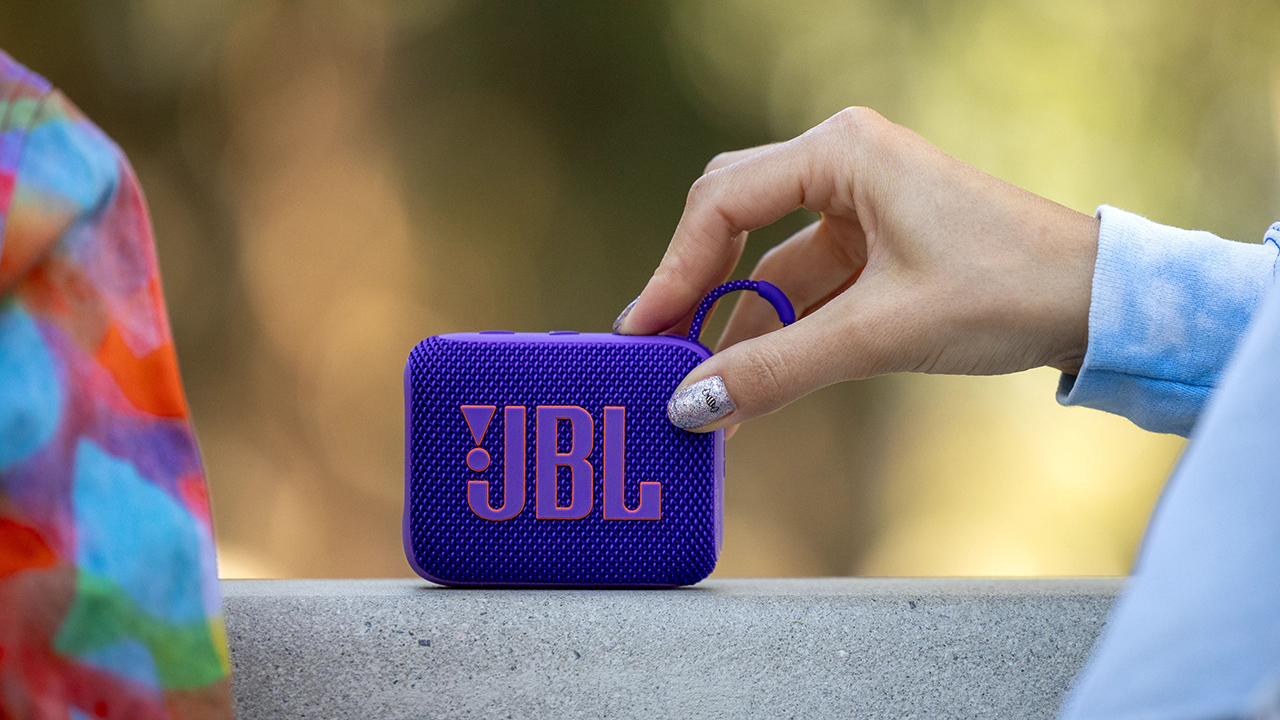
JBL has just expanded its portfolio of audio offerings by releasing a wide variety of essentials. The latest lineup includes new portable and party speakers, earbuds, and even audio glasses. Whether just alone, at home, on a road trip, or at a big party that needs a boost, JBL has a product to fit your need.
These new products also feature cutting-edge innovations like OpenSound technology, Auracast, AI Sound Boost, and more. Aside from the readily available products announce, JBL will also be launching more products soon so stay tuned. For now, here’s a rundown:
JBL Soundgear Frames
Headlining the releases is the new JBL Soundgear Frames audio glasses. You read that right: while people have been “wearing” sound since the dawn of earphones, this is a brand new way to do just that.
These audio glasses are crafted from thermoplastic materials, and come in sleek, flexible, and lightweight frames, as well as a unique translucent design. The product is also water-resistant, and can be used for eight (8) hours of playtime.
The JBL Soundgear Frames come with ultra-thin speakers powered by JBL OpenSound technology for immersive audio while on the move. Controls, meanwhile, are user-friendly. For instance, one simply needs to open the temples to activate the speakers. They may also tap the JBL logo for various functions.

Portrait of a beautiful young woman laughing in a natural setting
JBL Live 3 Series
For smart audio essentials, JBL is introducing the JBL Live 3 series, which comes in the following variants:
- JBL Live Beam 3 (closed-stick earbuds)
- JBL Live Flex 3 (open-stick earbuds)
- JBL Live Buds 3 (bud-type earbuds)
All three true-wireless, noise-cancelling earphones debut the Smart Charging Case. This novel feature allows users to navigate everything from the charging case, without needing to open their devices’ screens. They may adjust the volume and EQ, control the music, take phone calls and receive messages, and even customize the screensaver. It even supports wireless charging.
As for their sound quality, the Live 3 series variants come with JBL Signature Sound and Spatial Sound technologies. Moreover, they have six (6) built-in mics for True Adaptive Noise Canceling (ANC). Together with their respective charging cases, the earbuds can last from 40 to 50 hours on a single charge.
JBL PartyBox
For those needing bigger speakers to power up a party, JBL has also unveiled the JBL PartyBox Stage 320 and JBL PartyBox Club 120. These portable speakers boast of JBL Pro Sound and AI Sound Boost. Users may also connect multiple units at once via Auracast for a truly spectacular immersion, whatever the occasion may be.
Both also feature PartyLights Stick and Beam to add visual flair. They may also use the PartyBox wireless microphone and guitar inputs for sessions that require unleashing the inner idol or rockstar in them.
There’s also the JBL PartyBox On-The-Go Essential variant, which is recommended for outdoor fun. The speaker supports 100 watts of JBL Pro Sound. It comes with built-in lights, a wireless mic, and more features like a bottle opener, padded shoulder strap, and even IPX4 splash-proof protection.
More speakers, headphones coming soon
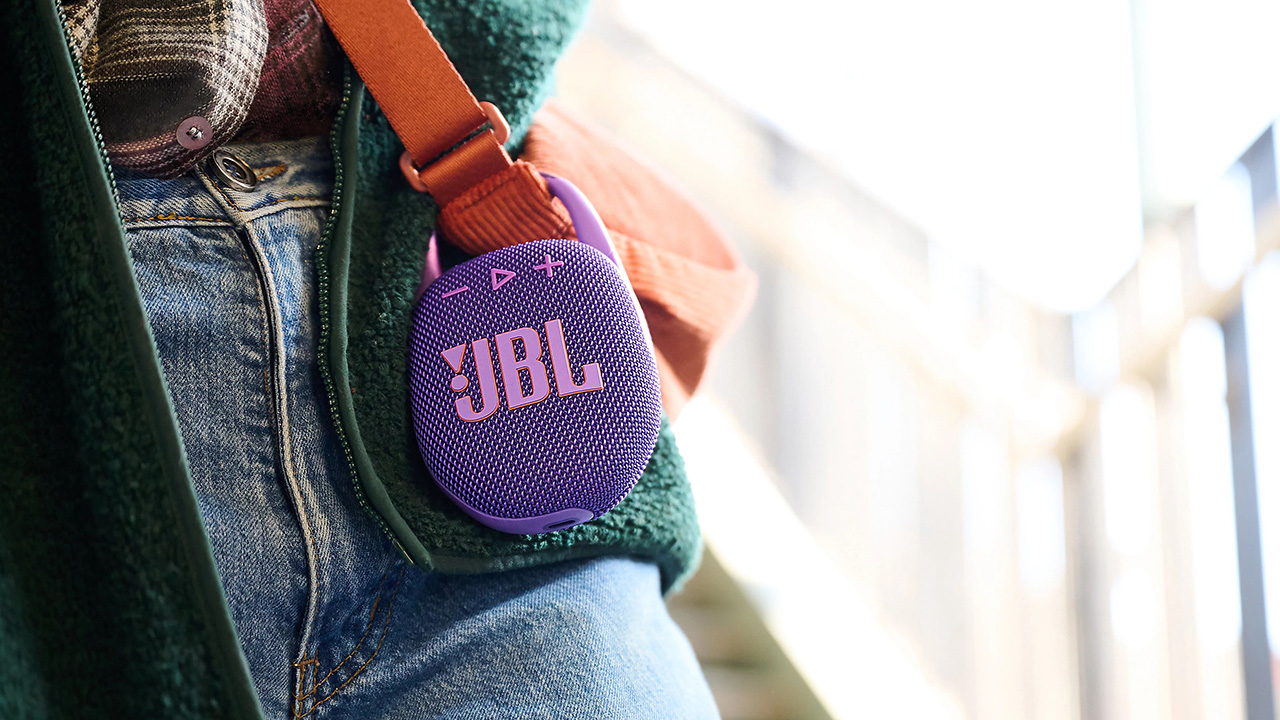
In addition to three series mentioned above, JBL is dropping more topnotch products soon. That includes the USB-C compatible JBL Tune 310C in-ear headphones. Also releasing soon are the ultra-portable JBL Go 4 and JBL Clip 5 speakers, as well as the JBL Xtreme 4 speaker with deep bass.

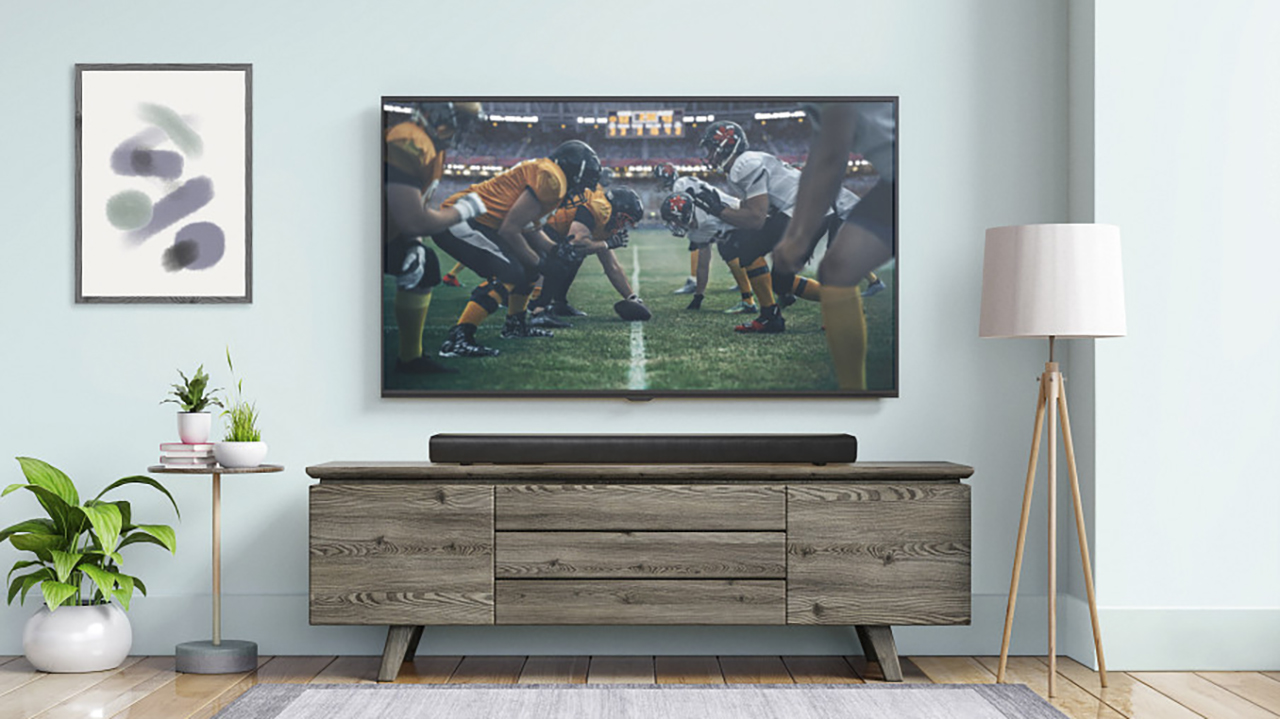
For an elevated home entertainment experience, the sleek JBL Cinema SB510 and JBL Cinema SB550 soundbars shall also be added to JBL’s lineup soon.
Lastly, gamers will soon be able to enjoy JBL’s Quantum roster, which are all designed to enhance the setup with precise audio and seamless connectivity.
The following will be under the Quantum lineup:
- Quantum Stream Studio
- Quantum Stream Talk
- Quantum Stream Wireless (lightning)
- Quantum Stream Wireless (USB-C)
- Quantum 50 C






Accessories
Samsung joins the clip-on earbud trend with the Galaxy Buds On
But it’s exclusive to South Korea for now.

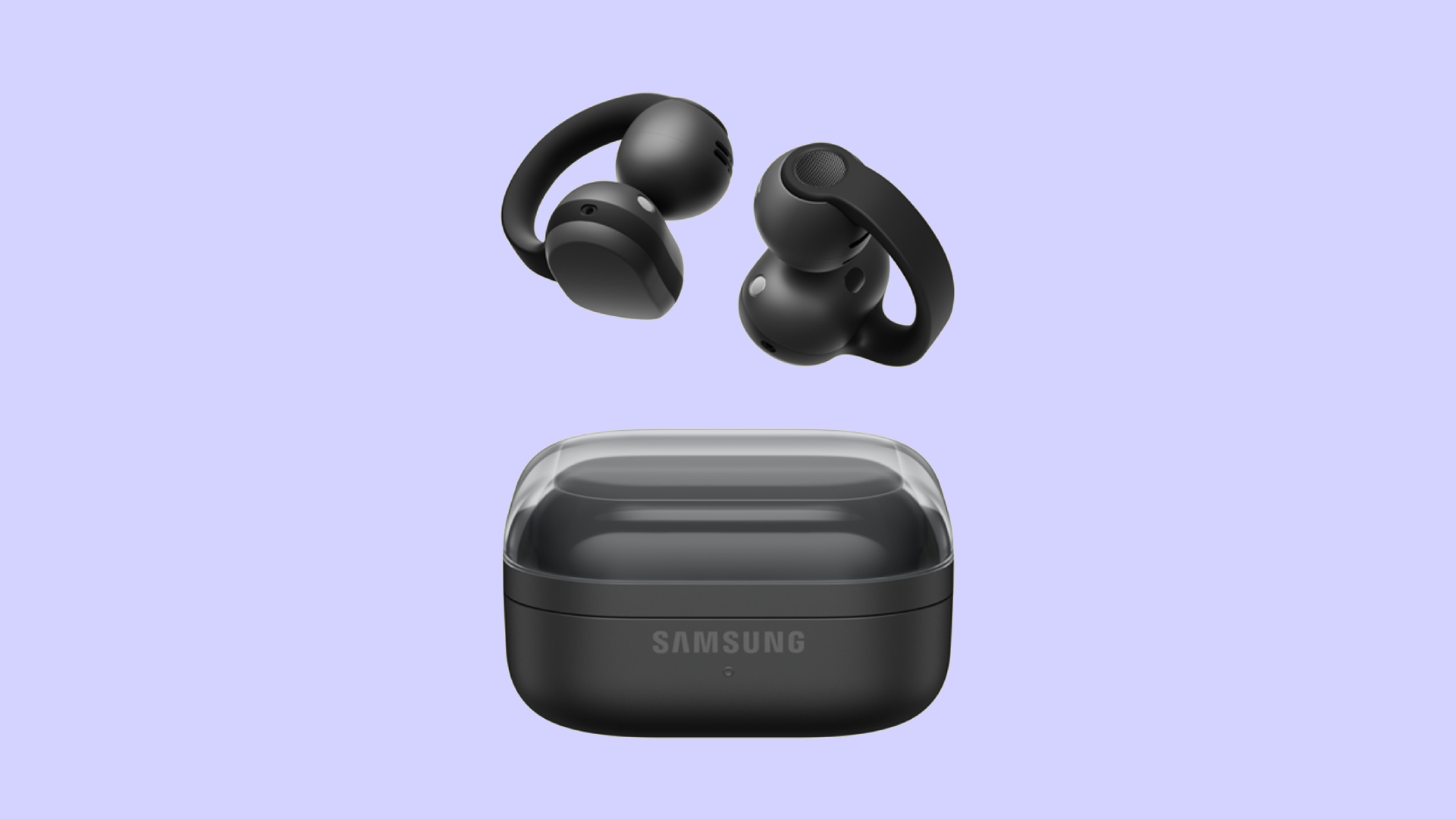
Audio wearables have been getting makeovers as of late. Besides the traditional form factors, the segment is experimenting with bone conduction and clip-on headphones. Today, Samsung is joining that trend with the Galaxy Buds On.
Debuting in South Korea, the Galaxy Buds On is Samsung’s first-ever clip-on earbuds. You’re likely familiar with how these earbuds look like, having seen them grace the ears of many a passerby today. Instead of plugging right into your ear canals, they actually do clip onto your earlobes. Samsung’s take, however, is a little bit heftier, which the brand claims gives it a wider surface area to balance the weight for your ears.
Additionally, the new earbuds has a TwinBoost speaker system. While the system adds better bass to the earbuds, it also adds automatic voice adjustments to better attune the sound according to your environment. It also has an Audio Leakage Reduction feature, so others won’t be able to hear what you’re listening to.
The Galaxy Buds On has a charging case almost identical to the Galaxy Buds4 case. Powered by the Snapdragon S7 Gen 1 Sound Platform, the earbuds can reportedly last up to 9.5 hours on a single charge.
Right now, the wearable is exclusive to South Korea, but Samsung says that a global rollout will happen in the future. In South Korea, the Galaxy Buds On costs KRW 299,000 (or approximately US$ 220).
SEE ALSO: Galaxy Buds4 Pro review: I thought I was done with in-ears


Between YouTube, travel, work, and marathon training, life gets chaotic.
So THE Michael Josh tried the Nori AI Family Hub to see if it could actually help him stay organized.
He let a digital calendar manage his schedules, marathon training, and daily tasks.
Check out @Nori-family and see how it can simplify your everyday life too.
* Visit https://go.heynori.com/Gadget23 and use code Gadget23 to get the best deal possible.
Accessories
UGREEN Nexode Pro 160W review: One mighty brick with a powerful trick
All the speed you need in one charging brick

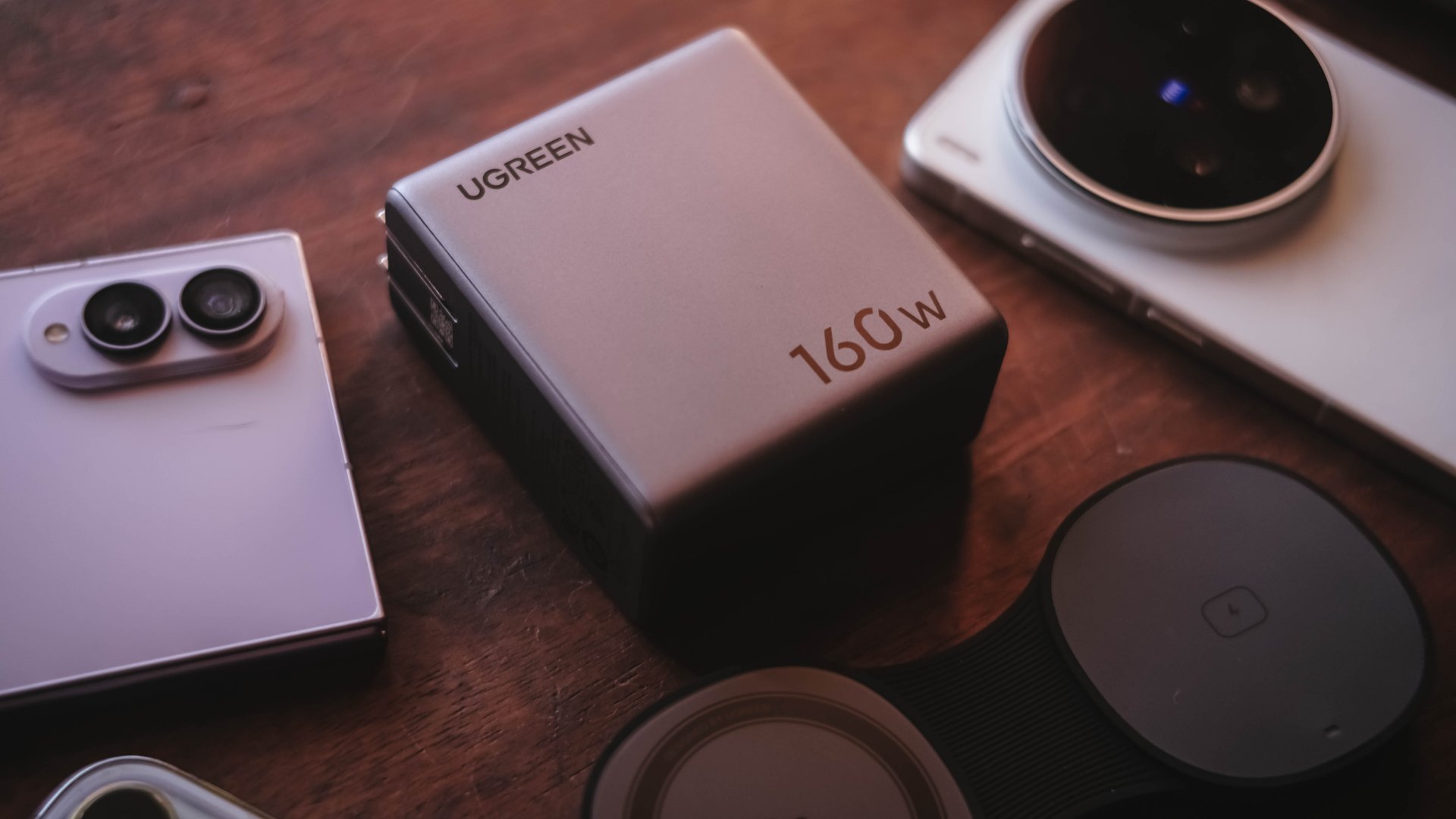
Chargers aren’t just tiny bricks we plug into the wall anymore.
As our everyday gadgets become hungrier in power, chargers have gotten mightier, too.
More wattage, more ports, and apparently, more brains. The UGREEN Nexode Pro 160W takes all of those in one thicc body.
A heavy charger with plenty of power
Let’s address the elephant in the room — literally and figuratively. The UGREEN Nexode Pro 160W is one CHONKY charger.
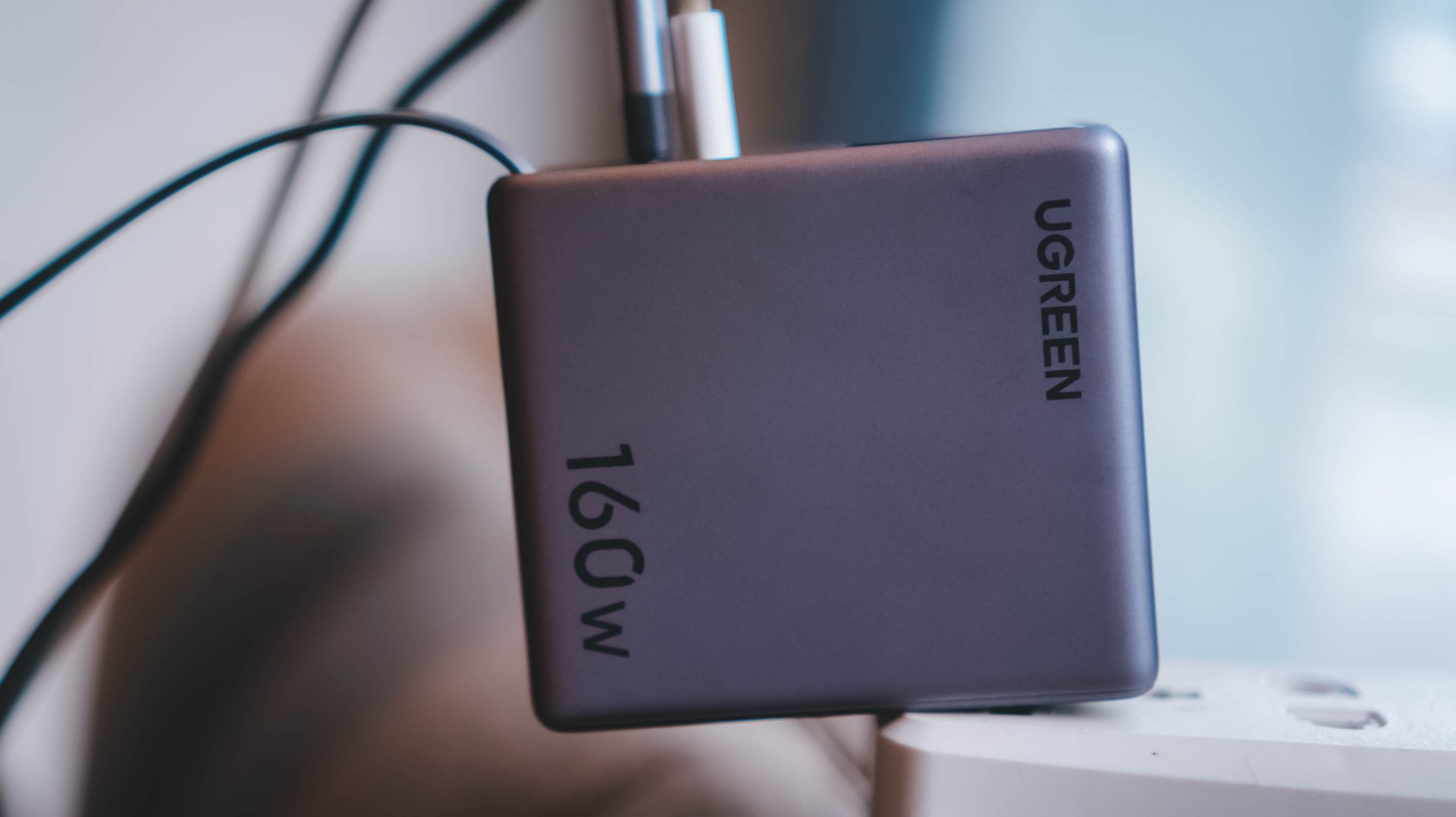
The US version weighs 310 grams, which is heavier than usual charging bricks you’d bring with you.
Visual comparison alone, this is how it tries to dwarf its 100W Uno cousin.
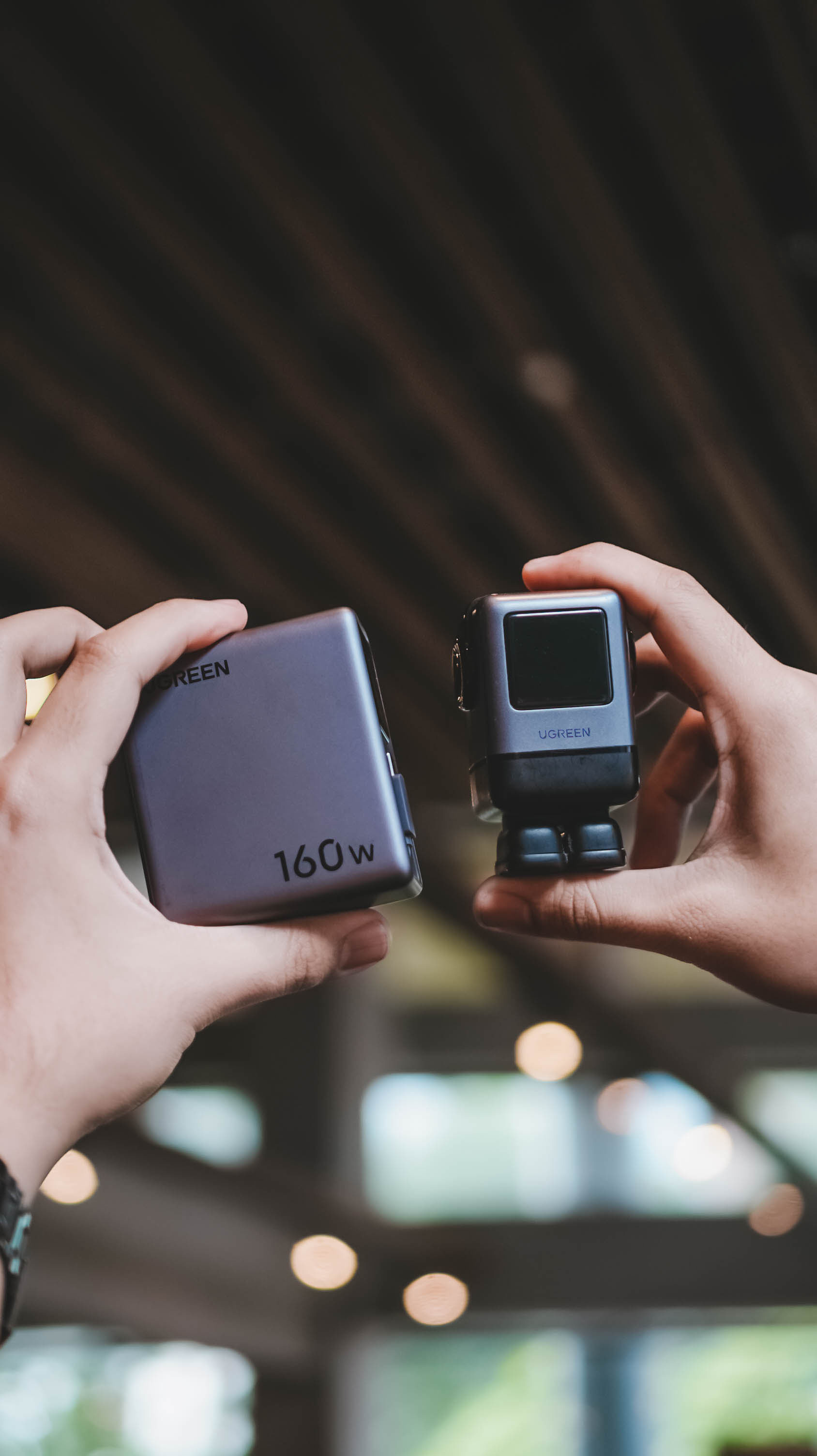
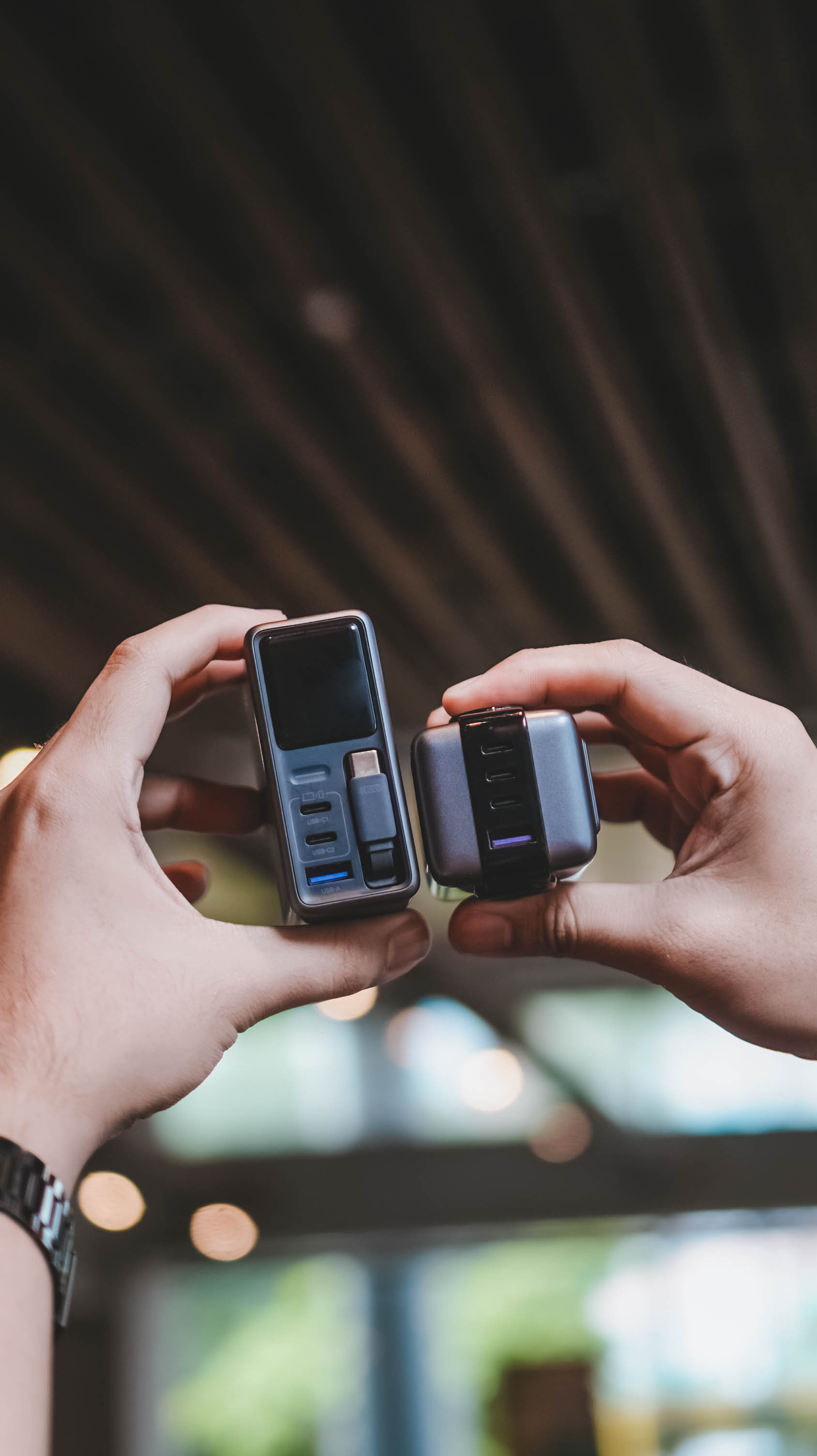
Then again, UGREEN’s Nexode Pro isn’t your conventional charger. And by that, it boasts a total output of 160W — though not saying every port gives a 160W output.
The first USB-C port (C1) is capable of delivering up to 140W. Meanwhile, USB-C2 supports up to 100W, while the lonesome USB-A port can supply up to 22.5W.
To make it even crazier, it also has a retractable USB-C cable — more on that later.
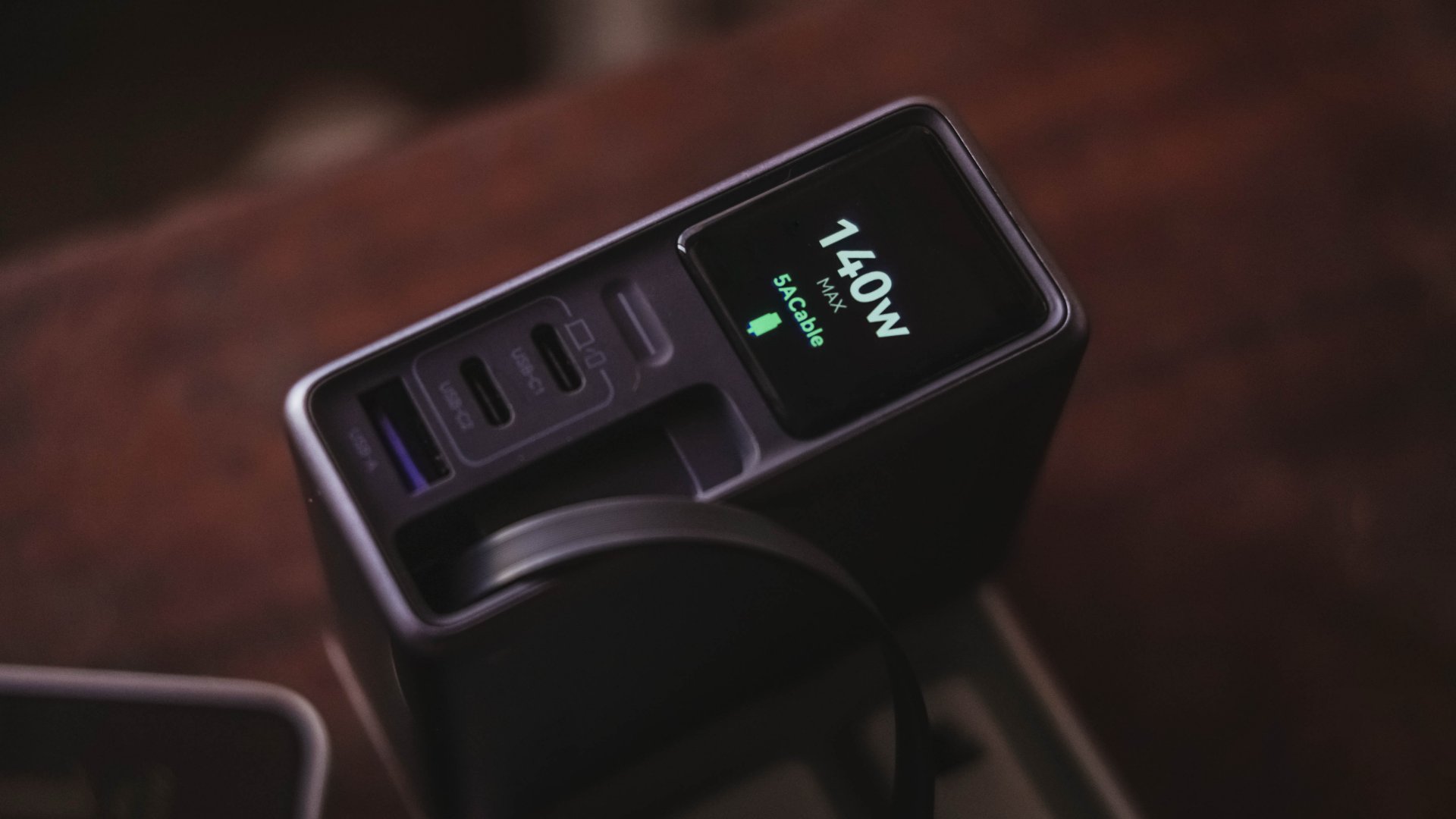
These all mean I can plug in my MacBook Pro, high-end Android flagship, iPhone, and other accessories without ever bringing separate charging bricks for each one.
And honestly, when there’s so much power inside one brick, I’ll generously accept that added heft.
Watt you see is watt you get
One trick up in Nexode Pro 160W’s sleeves is that, it has a front display.
With a touch capacitive button above the USB-C1 port, the display can show not just the general (or combined) charging wattage. It can also show real-time speeds in watts (W), voltage (V), and even ampere (A).
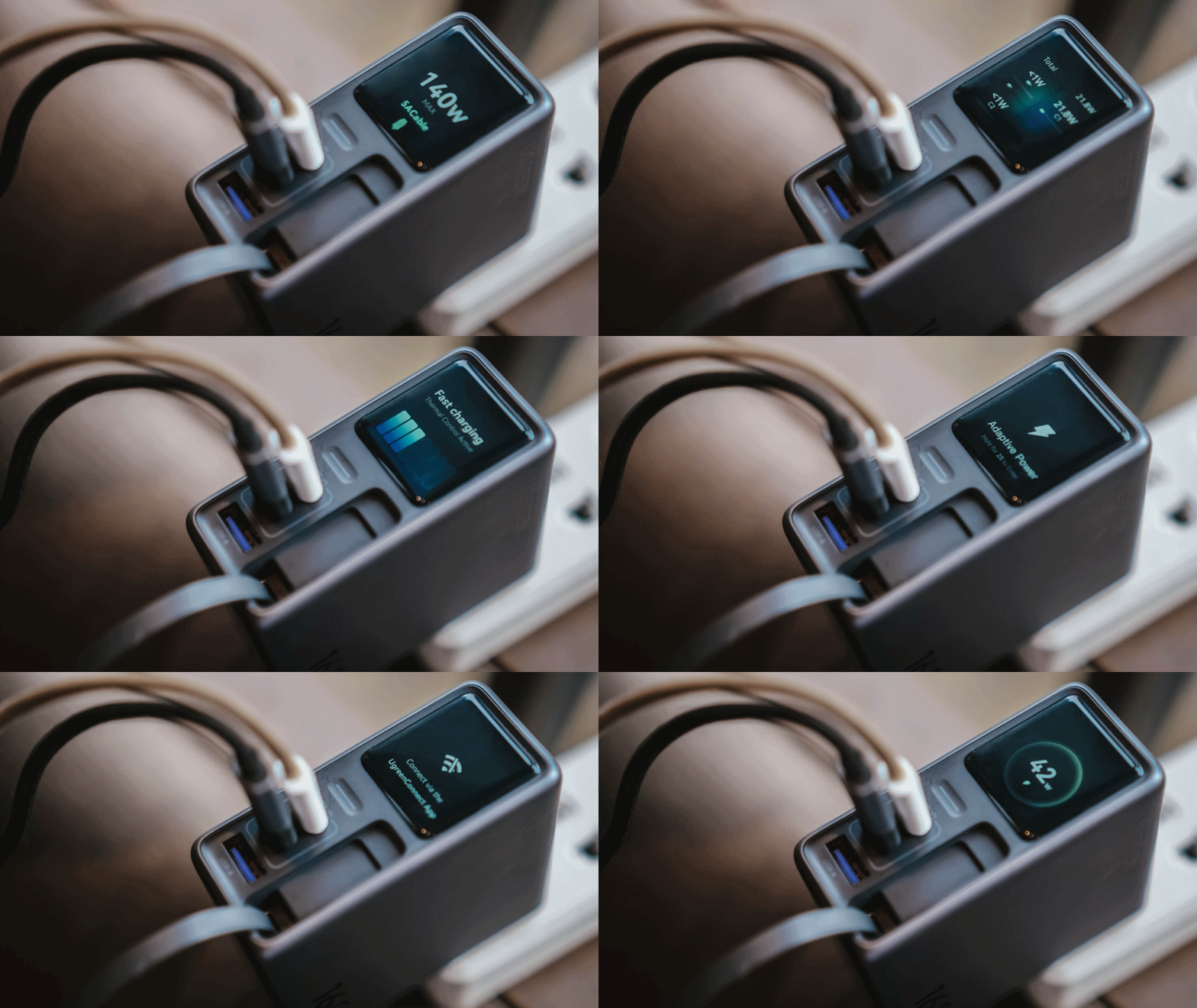
For regular users, it’s probably something you’ll glance at occasionally. For stats nerds? It’s eye candy. For a gadget reviewer like me? A charge test companion.
Seeing real-time charging data gives me a better idea if I have the best charging cable possible for each device. More so, if those devices actually get the charging speeds they require.
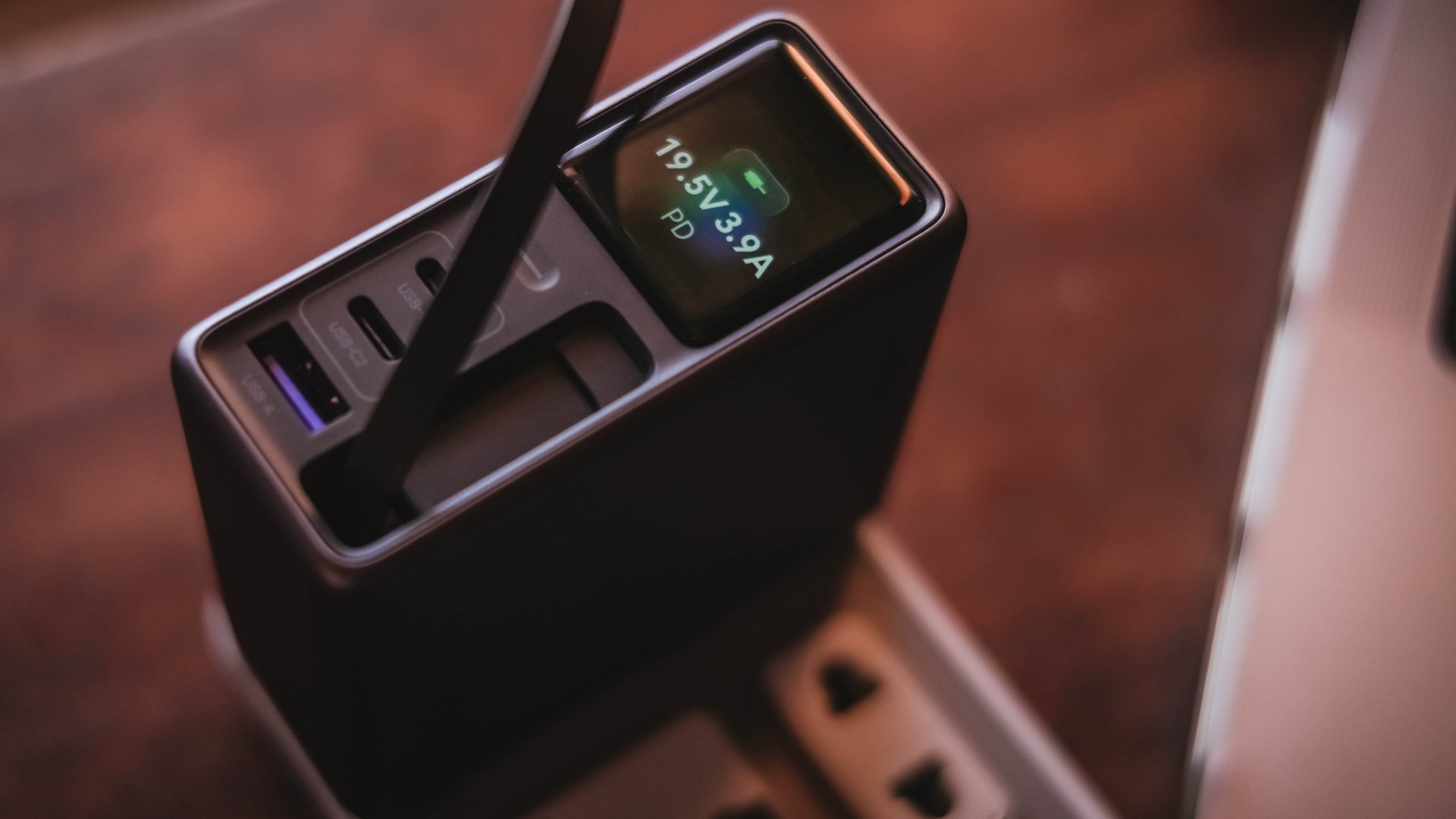
And, if something suddenly starts charging slower than usual, those numbers can help me determine whether the device, charger, or cable might be the culprit.
I can only have my sigh of relief when I see it’s pulling the amount of power I expect.
Even if I always say numbers aren’t everything, the real-time charging data I see with my two eyes is more believable than just relying on that “Fast Charging” indicator.
So, watt did I even get?
Of course, I couldn’t just take that 160W figure just at its face value.
In a not-so-typical GadgetMatch Charge Test, I tried and tested the charger by occupying all ports with the devices I regularly use and watched the numbers fly.
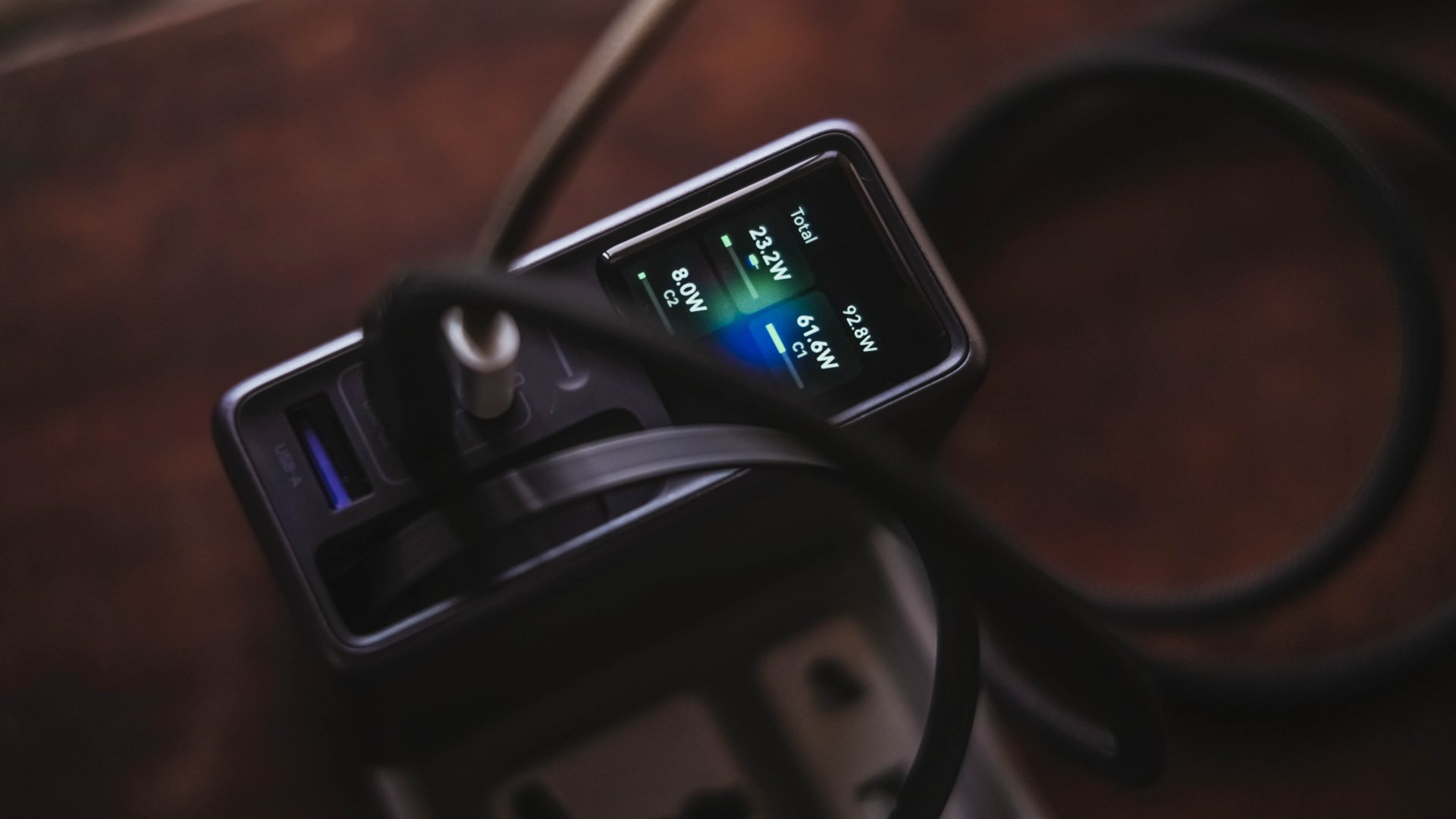
Mind you, I tried my best to make them as equal as possible by draining every device down to 0%. Just so the actual charge test starts at the very base.
From a lengthy documentations in my Notes app, I tried simplifying the results into these table instead:
| Port | Device | Cable Type | 10-minute charge | 30-minute charge | 1-hour charge |
| USB-C1 | 14” M2 Max MacBook Pro | Apple MagSafe 3 to USB-C | 15% | 45% | 84% |
| USB-C2 | Apple iPhone 13 Pro Max | USB-C to Lightning | 7% | 21% | 42% |
| Retractable USB-C | vivo X300 Ultra* *wireless charging |
USB-C to UGREEN MagFlow 2-in-1 Foldable Magnetic Wireless Charger | 2% | 3% | 7% |
| USB-A | HONOR Watch 5 Ultra | USB-A to wireless charging base | 18% | 58% | 76% |
Aside from the charger itself, there are more factors that contribute to a device’s charging output.
One is basically how many devices are connected. Another would be the type of cable used (standard 3A cable or faster yet thicker 5A or 6A cord).
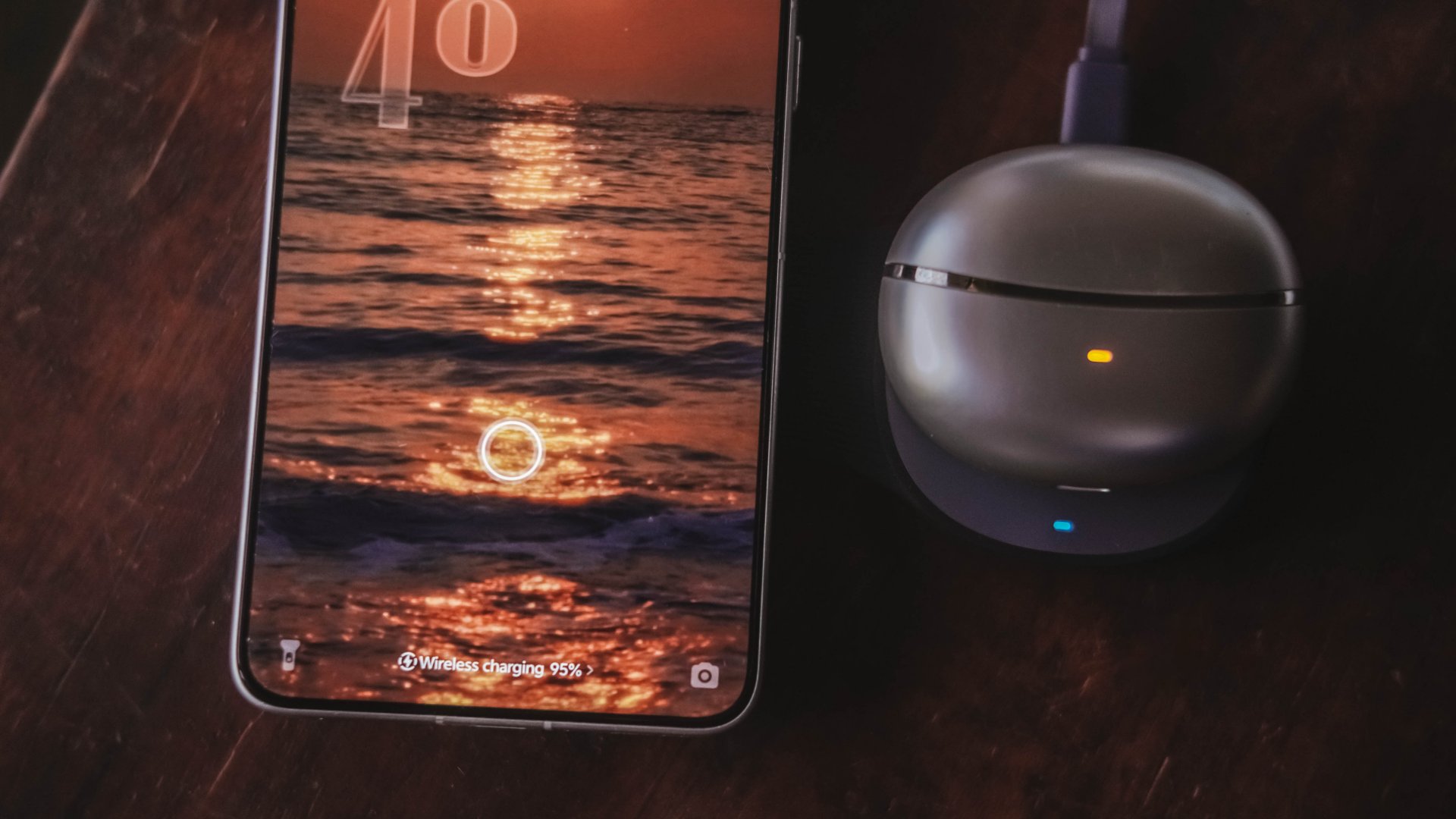
More so, if the best charging mode is used. Even actual room and device temperatures matter, too.
In easier words, a charger boasting 160W power doesn’t mean every device gets its maximum charging speeds simultaneously.
The charger still has to distribute its available power between everything connected.
Pull it, use it, and never lose it
Perhaps its most “secretive” trick is hidden within.
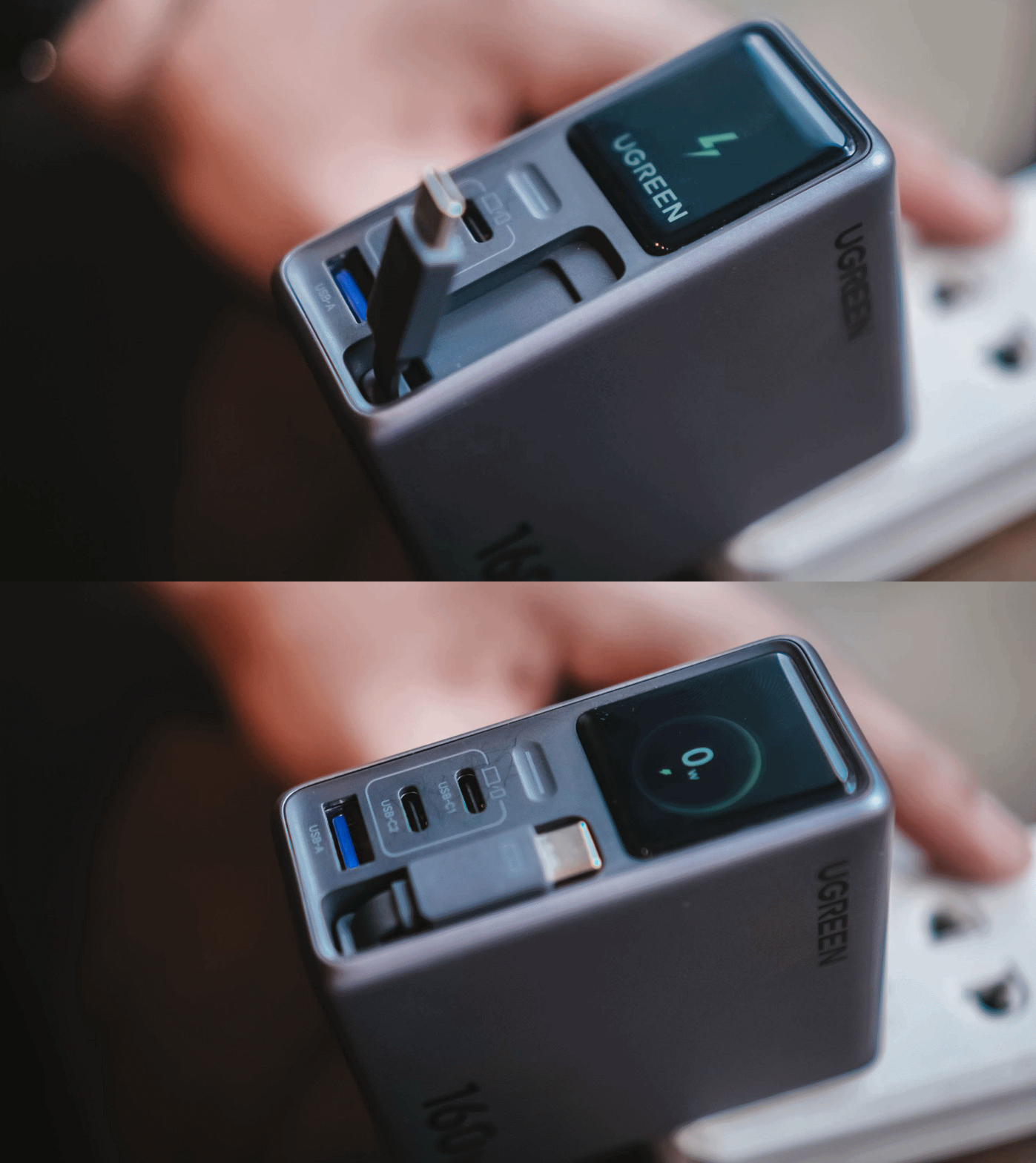
UGREEN has managed to fit a 70cm retractable USB-C cable in its squarish body. Pull it whenever you need it and retract it back inside once you’re done.
It’s incredibly handy when I don’t want to dig through my big and messy backpack.
Worst case scenario? Whenever I forget to bring a cable — which already happened numerous times as an aging young adult who keeps being unnecessarily forgetful.
Vincenz’s two cents? He would NOT always rely on using it.
For one, there’s the matter of longevity.
A regular USB-C cable eventually breaks? Replace it. A retractable cable permanently attached to your charger? That’s a different story.
Another would be all about its actual charging speed output. Not every device behaves the same way with that built-in cable.
| Device | Max Charging | Observed Power | 30-minute charge | 1-hour charge |
| 14” M2 Max MacBook Pro | 96W | 68.6W | 53% | 87% |
| vivo X500 Pro Max | 90W | 20.2W~23.6W | 34% | 62% |
| vivo X300 Ultra | 100W | 9.6W~12.9W | 26% | 52% |
| HONOR 600 Pro | 80W | 16.5W | 35% | 64% |
| Samsung Galaxy Z Fold8 | 45W | 17.8W | 41% | 74% |
For instance, my vivo X300 Ultra supports 90W FlashCharge speeds. Yet, I observed only around below a 13W output during one test. Thus, only achieving 26% in thirty minutes.
Even the shiny new vivo X500 Pro Max wasn’t exempted in the list with only being able to achieve 34% in the same time frame.
For added context, using their bundled FlashCharge adapters would have already filled the phones way past the 60% mark.
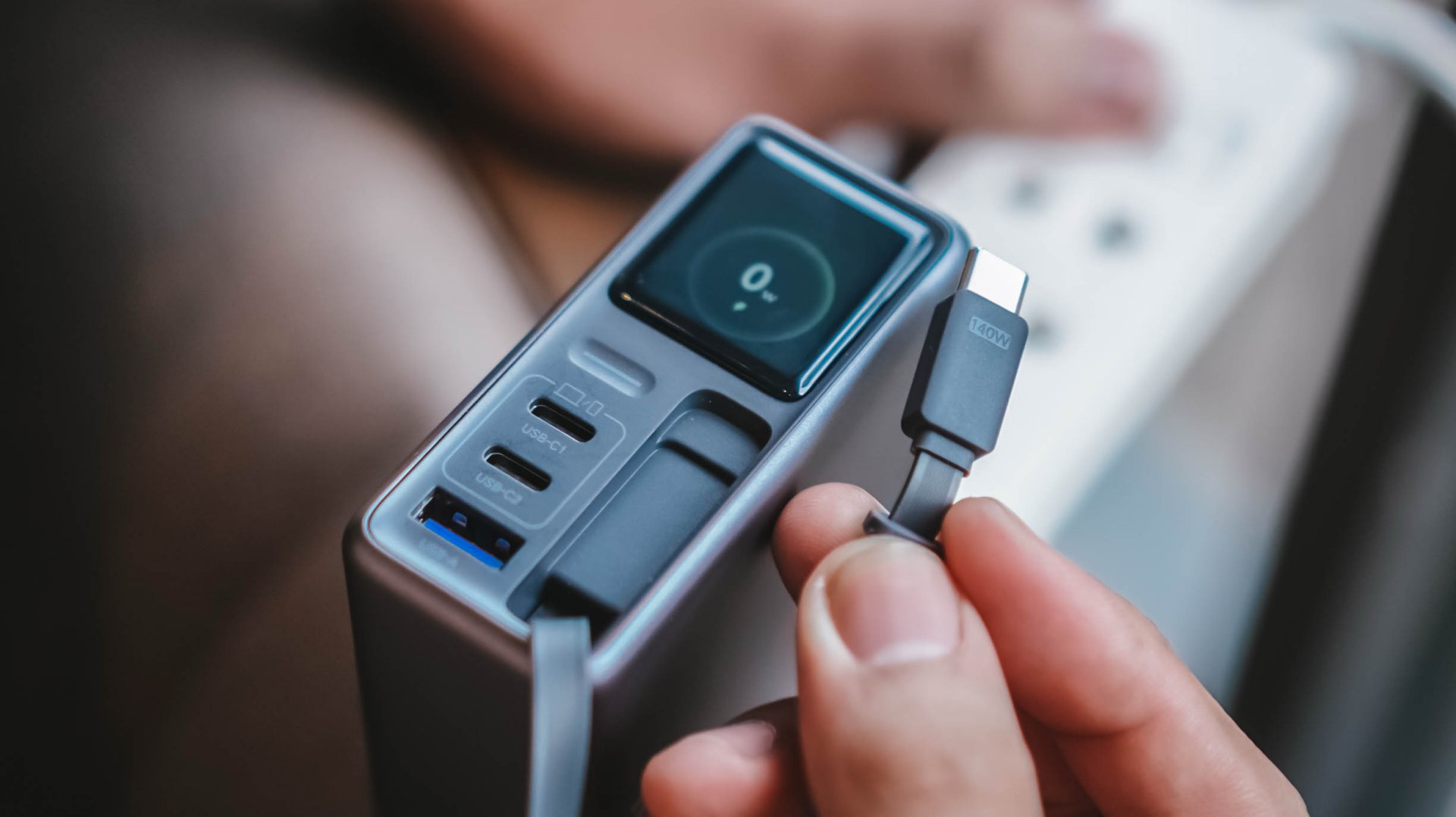
This doesn’t necessarily mean the built-in cable is bad. It just means you shouldn’t expect every proprietary charging standard to hit its advertised maximum just with the cable alone.
So while it’s one of my favorite conveniences here, I still see it as a handy backup rather than the only cable one would ever need.
Connect to inspect
I can’t believe I’m saying this. A charger can now be connected via an app.
Just like me, you’re probably scratching your head the moment you are reading this. Well, after much use, it actually made sense to me.
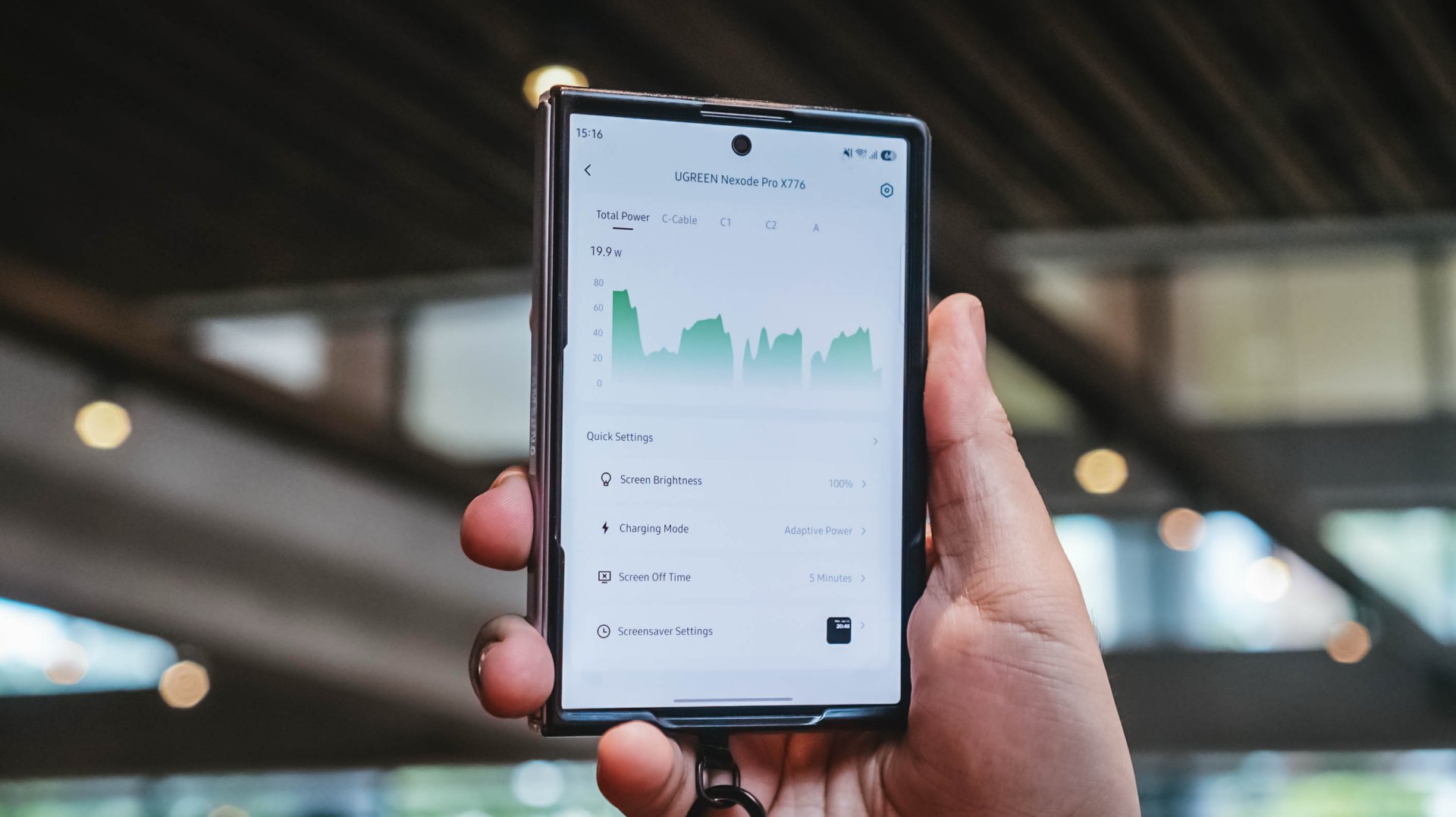
With their new and very own UgreenConnect app, not only you can see and capture charging stats, UGREEN lets you switch between charging modes as well depending on your charging needs.
Heck! You can even turn off ports individually without affecting other devices being charged.
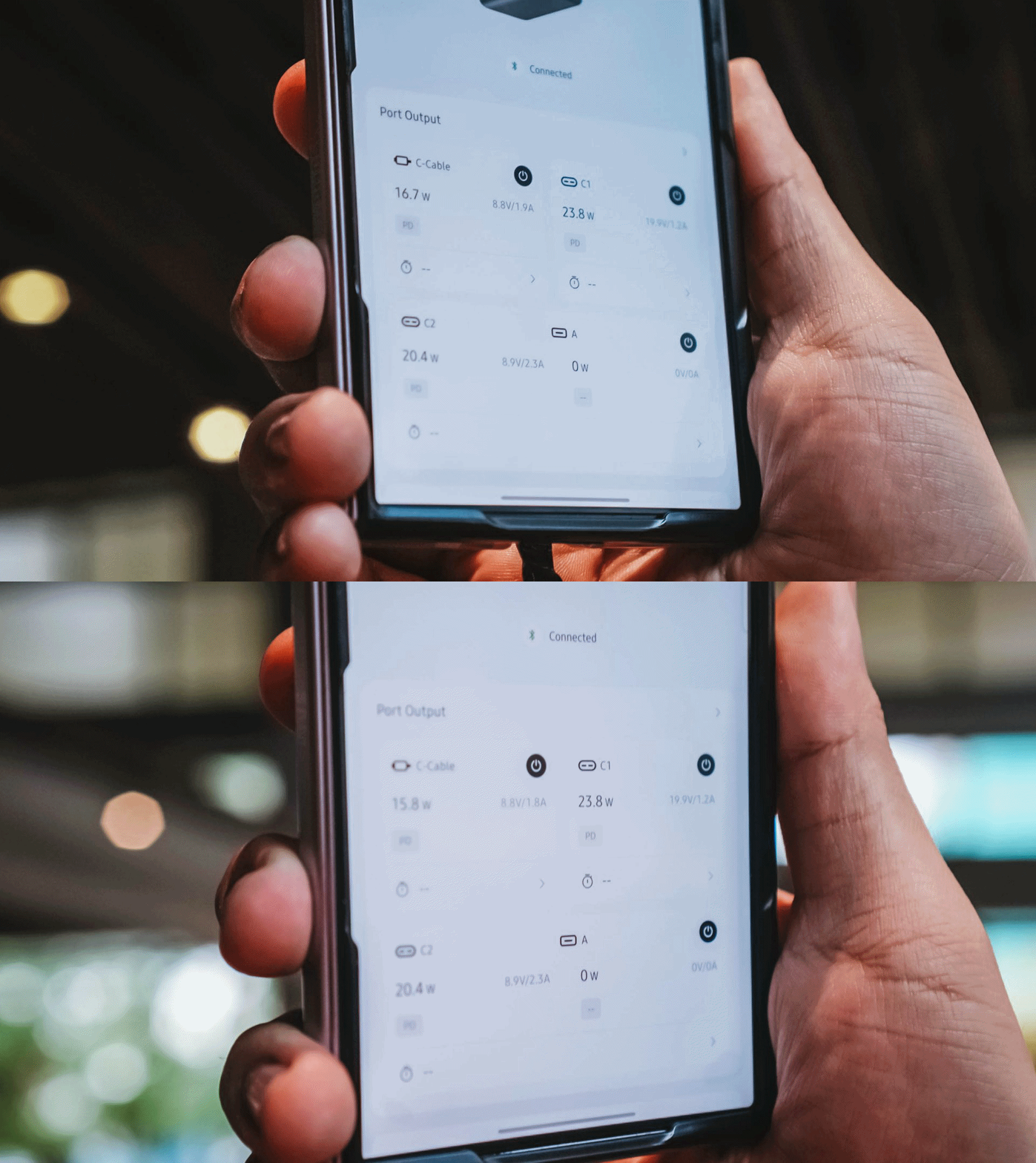
Furthermore, you can also change the display’s brightness and sleep time, customize wallpapers. The Nexode Pro 160W also supports OTA updates.
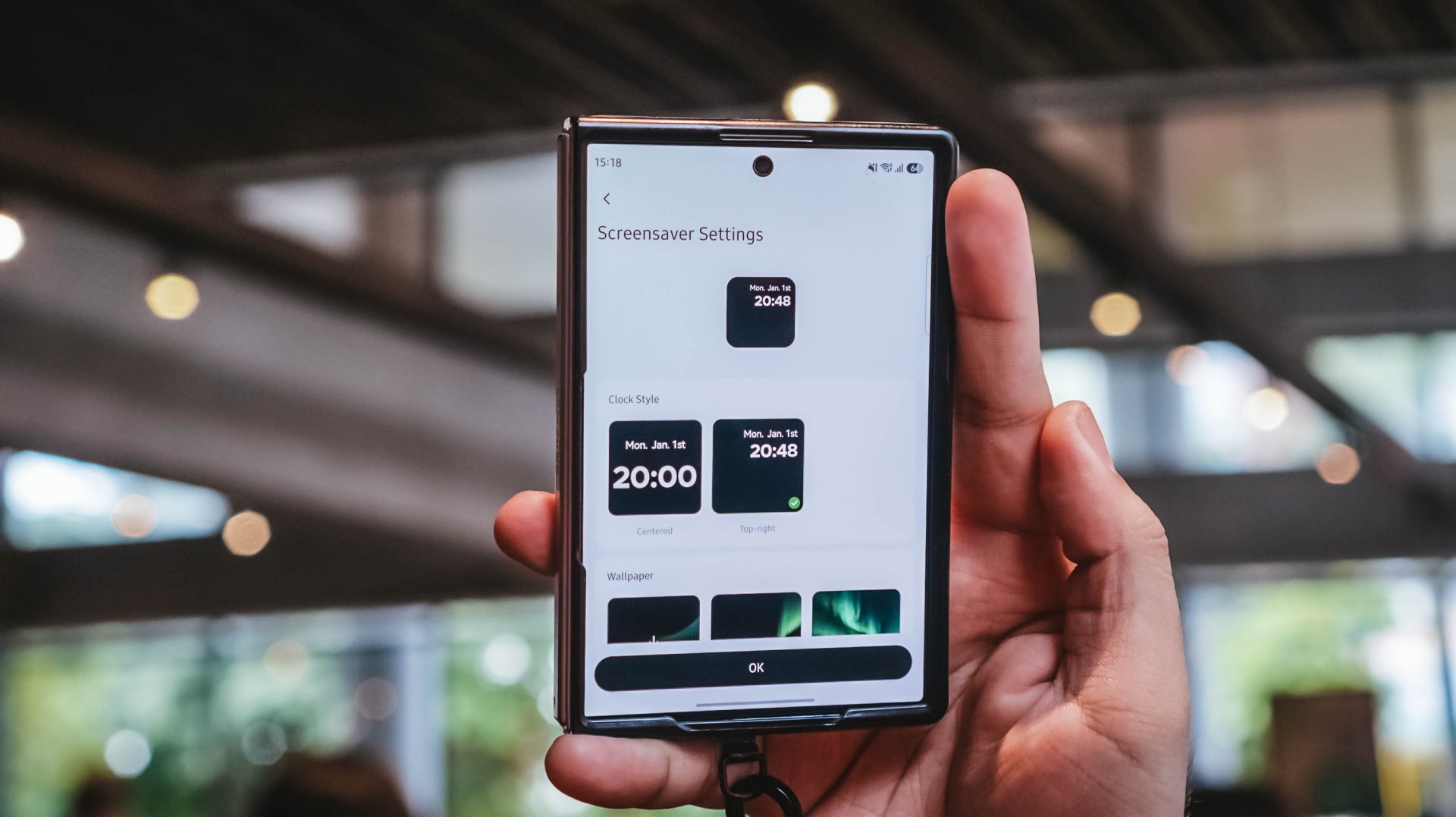
Again, it’s mostly nerdy. But that’s precisely why I like this charger more than what I already have and use.
Feel the heat, keep it neat
The Nexode Pro gets warm. Quite warm, actually.
But, with a charger this large and powerful, that’s hardly surprising given all the charging components packed inside.
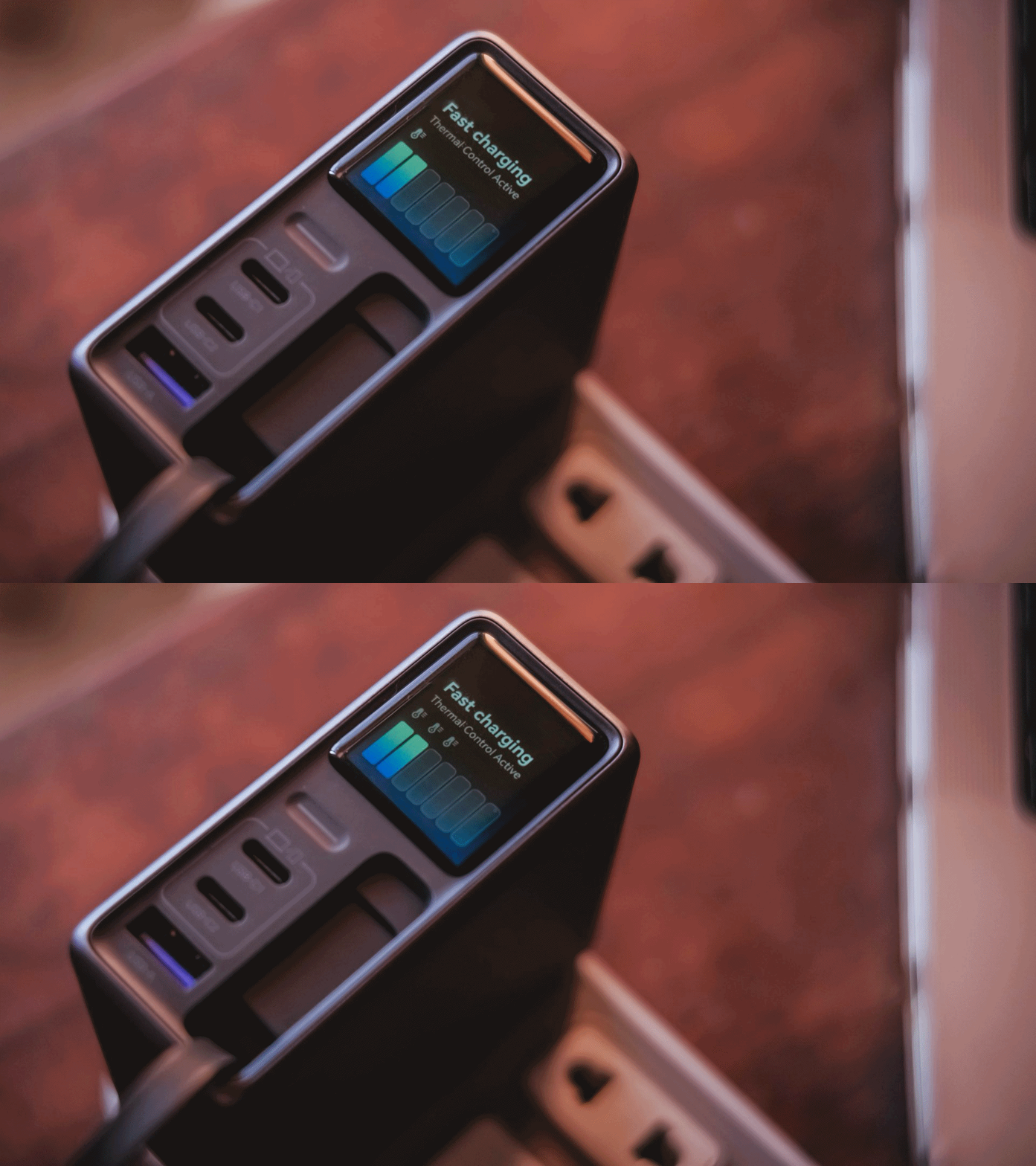
Thankfully, the temperature remained manageable throughout my use. UGREEN also lists Thermal Guard Temperature Control alongside GaN Infinity technology and SmartCharge power distribution.
The different charging modes can also help manage and lessen that heat further.
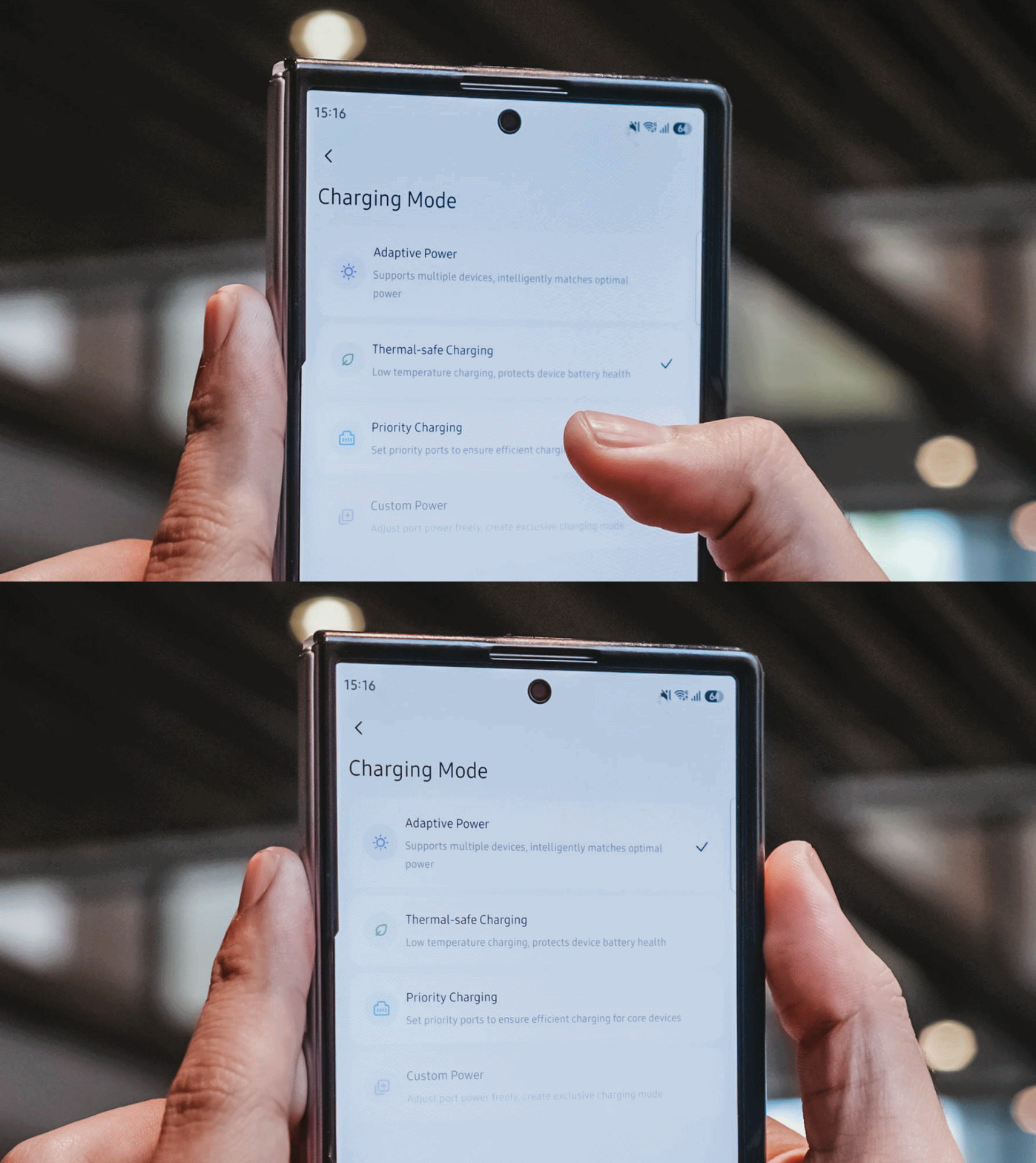
If I don’t need something charged immediately, I can opt for smarter or lower-temperature Thermal-safe charging instead of constantly pushing as much power as possible. Power when I need it. Less heat when I don’t.
Although for my day-to-day use-case, Priority Charging makes the most sense.
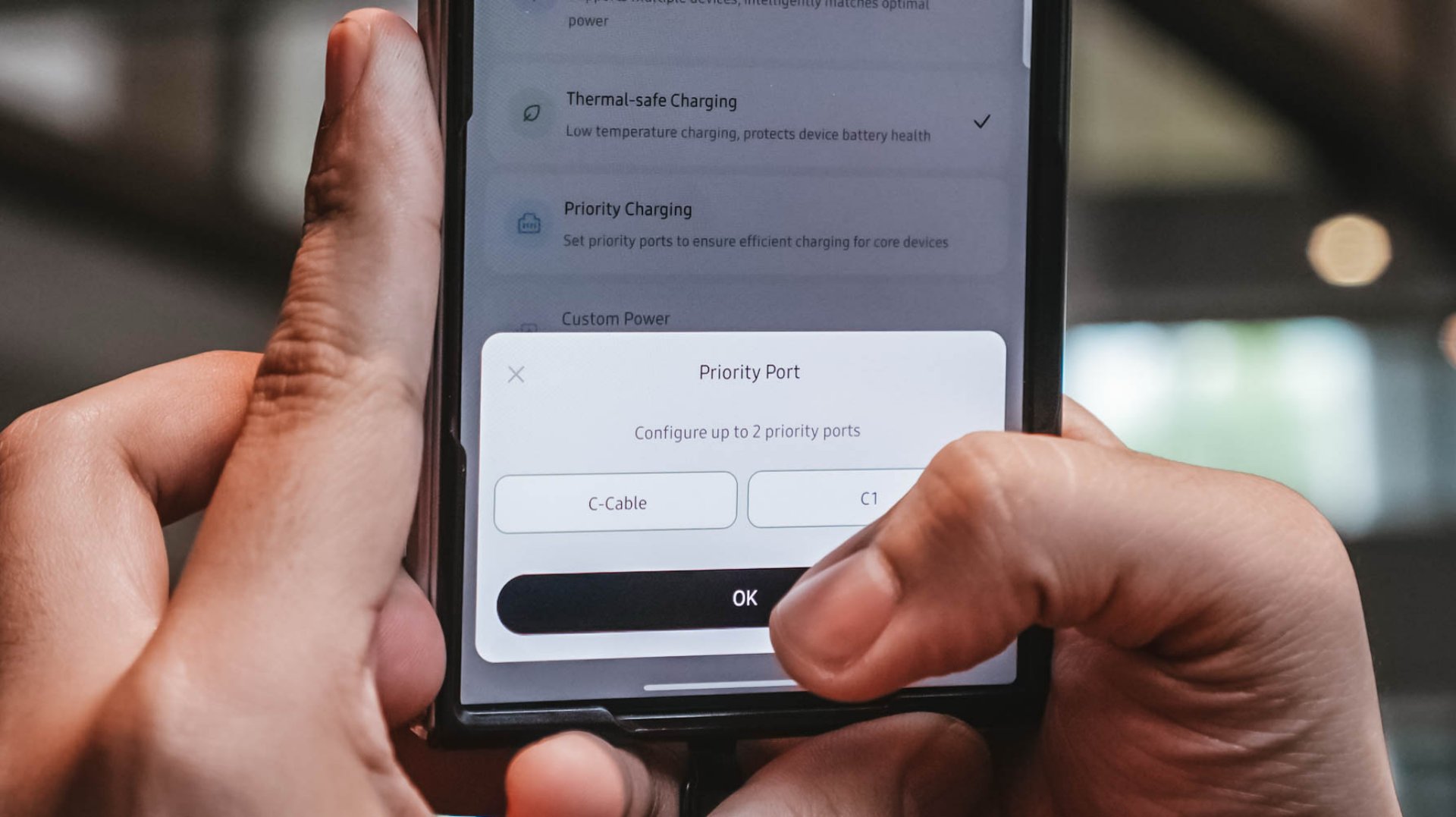
Case in point: I tested this with the vivo X300 Ultra I’m dilly dallying.
| vivo X300 Ultra | Adaptive Charging | Priority Charging |
| Charging Output | 9.6W ~ 12.9W 8.1V / 1.6A |
26.8W ~ 27.2W 7.9V / 3.5A |
| START TIME (from 0%) | 9:11PM | 12:31AM |
| 3 minutes | 4% | 6% |
| 5 minutes | 5% | 8% |
| 10 minutes | 9% | 16% |
| 15 minutes | 13% | 21% |
| 30 minutes | 26% | 42% |
| 45 minutes | 39% | 61% |
| 1 hour | 52% | 80% |
Adaptive Charging obviously charged it slower than ever. But when I enabled Priority Charging, it initially pulled around 30.8W to 31.2W for the first two minutes before settling around 26.8W to 27.2W. That’s still higher than the output through Adaptive Mode.
More so, it was able to reach 42% after 30 minutes and 80% after an hour in contrast to the 26% and 52% level of the former.
My MacBook Pro and flagship Android phones need significantly more power than smaller accessories. So, instead of letting everything fight equally for those watts, I can prioritize whichever device actually needs the extra juice.
Is the UGREEN Nexode Pro 160W your GadgetMatch?
At PhP 4999 / SG$ 140 / MYR 419, the UGREEN Nexode Pro 160W might sound like an overkill if all you need is something to charge your phone every night.
But, if you’re someone like me who owns lots of gadgets and constantly switches between a laptop, several smartphones, at least one tablet, a smartwatch, wireless headphones, and many other gadget ever imaginable, owning this charger quickly makes sense.
That’s most especially for the ultimate convenience it brings by only using one socket and fits right inside your bag’s tight pocket. I can fully rely on one brick instead of carrying multiple clunky chargers around.
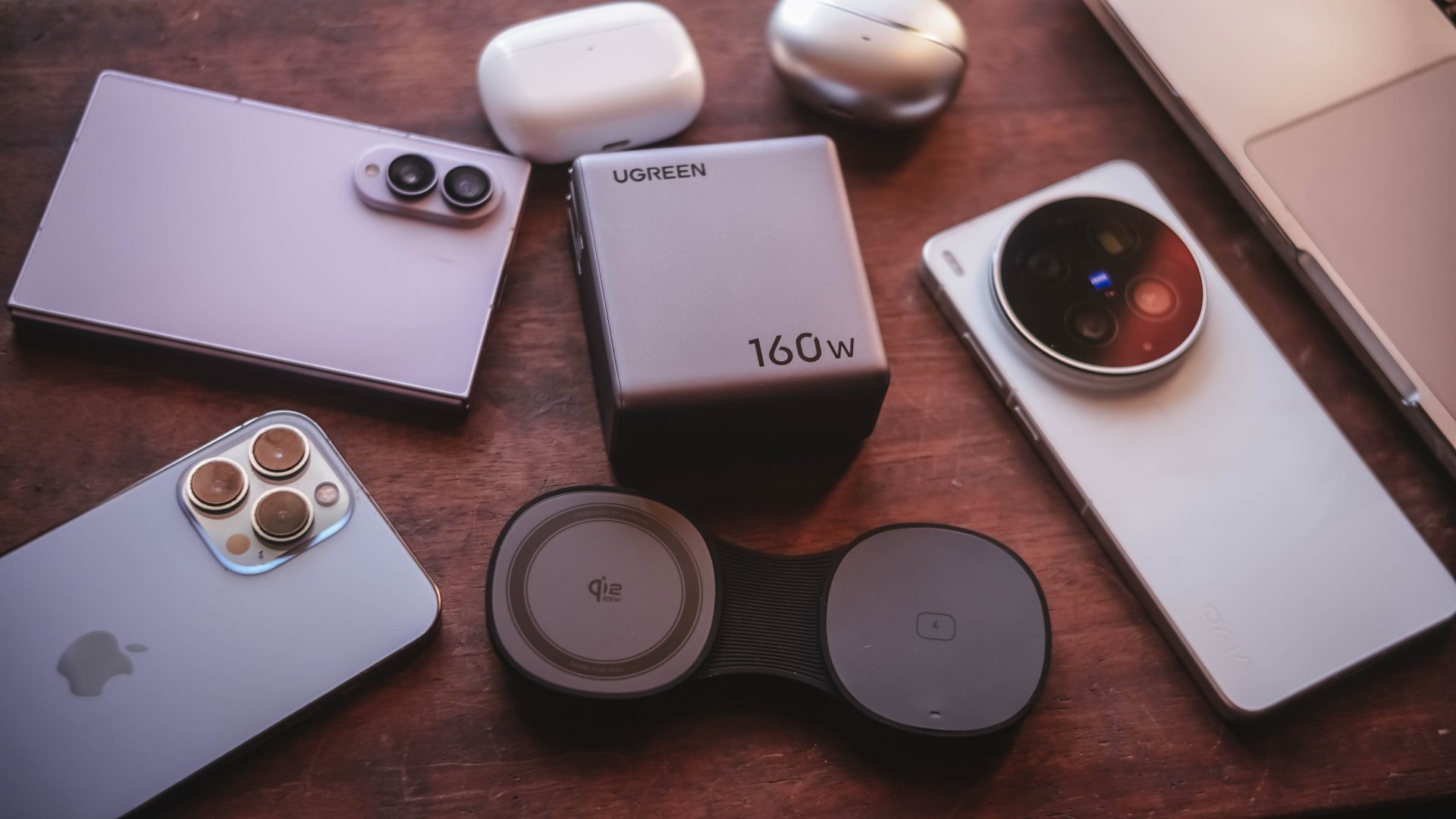
Additives include its display that lets me see stats while doubling as a useful review tool to legitimize the charge tests in the reviews I do.
Charging modes lets me decide which power-hungry device deserves more juice. Priority when I see one getting slow. Thermal-charging if I sense that it’s getting warmer than the usual.
That retractable cable? It’s a real wonder as it will truly save me whenever I forget one in another unintentional scenario.
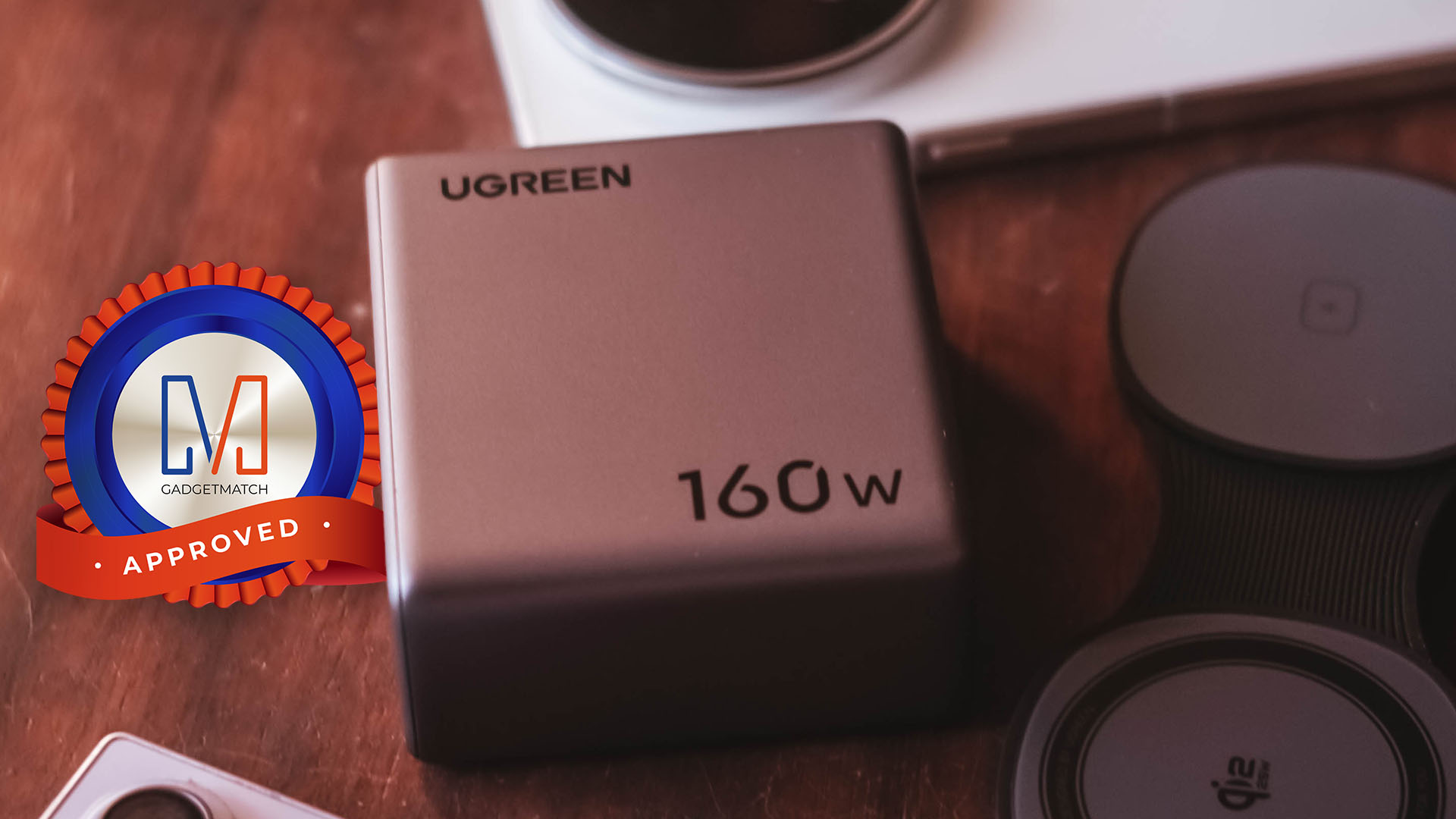
The UGREEN Nexode Pro 160W now has a permanent spot in my charging arsenal. It is a Swipe Right, Super Swipe, and definitely a worthy recipient of the GadgetMatch Seal of Approval.




Psst! You can test drive BYD and DENZA EVs for free this week, but not for long

FFVII Revelation: 11 things you missed

Sony teams up with Hello Kitty for exclusive limited-edition collection

iPhone 18 series breaks records in Vietnam as pre-orders triple

The Ace Combat 8: Wings of Theve launch event is happening this week

iPhone 18 Pro series: Price, availability in the Philippines

vivo X500 Series launches with major imaging upgrades

iPhone 18 Pro series: Price, availability in Singapore

OPPO Find X10 Pro Max is the first phone with a triple 200MP camera system

BYD says that way better EV batteries are coming next year


-
 Automotive1 week ago
BYD says that way better EV batteries are coming next year
-
 News1 week ago
HONOR Magic9 Pro Max launches in China with ARRI-powered imaging
-

 Philippines7 days ago
TECNO CAMON Slim 5G: Price, availability in the Philippines
-
 Reviews7 days ago
TECNO CAMON Slim 5G review: Slim on size, big on surprise
-

 Smartphones1 week ago
TECNO CAMON Slim 5G teases an ultra-slim design ahead of launch
-
 Reviews2 weeks ago
TECNO POVA 8 Pro Tonino Lamborghini review
-
 Smartphones2 weeks ago
When TECNO-logy meets Tonino Lamborghini legacy
-

 News7 days ago
Apple wants to release new iPhones more regularly