

Gaming
Call of Duty Black Ops 6 review: Ambitious but reliably good
Thanks to a refreshingly experimental campaign

There is only so much you can do with the first-person shooter genre before it all boils down to just shooting at targets. With decades of experience under its belt, it’s easy – or perhaps, expected – to assume that the Call of Duty series has reached the end of its bag of tricks. Black Ops 6 can prove this assumption wrong, though. But it’s not so much a reinvention as it is a loving tribute to the greatest hits of the genre.

A campaign to (shoot, sneak, survive, and) die for
As someone who’s played the original campaigns of the very first Call of Duty games, the franchise relies on a few strategies to set each game apart from one another. They can tell a compelling story, design intricate maps, or – as is common in today’s game – showcase what players can do in multiplayer mode.
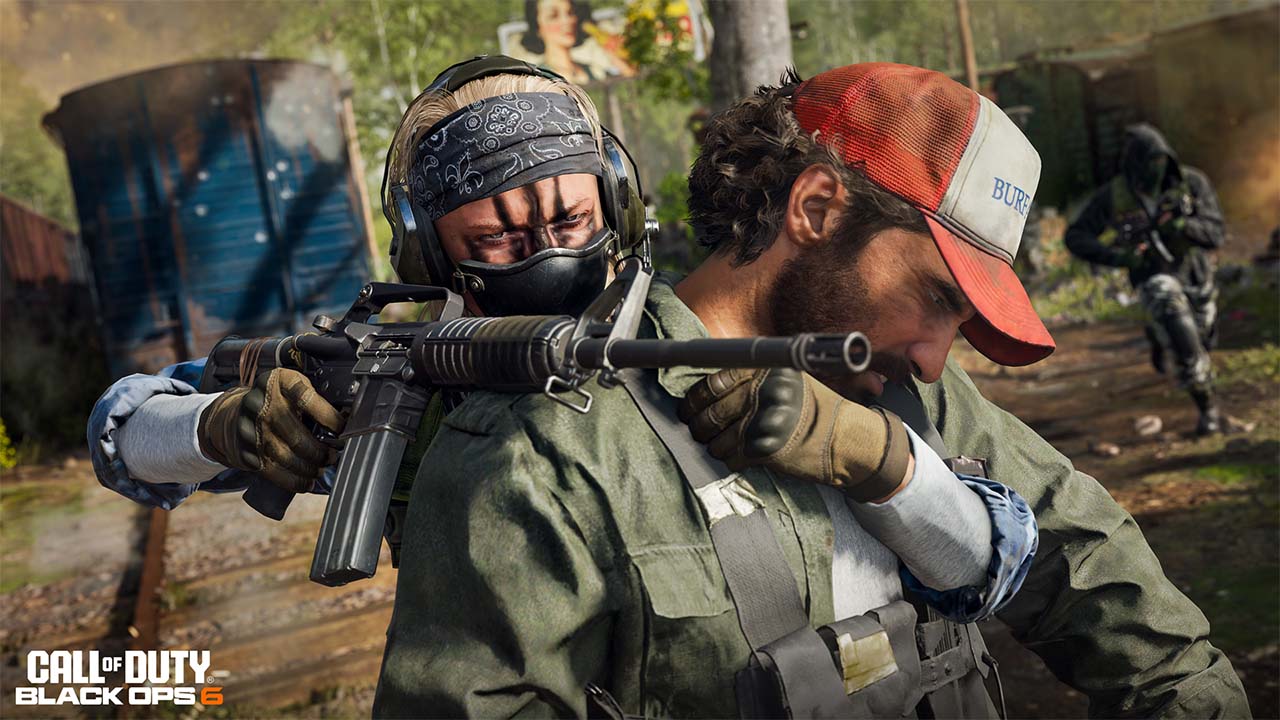
Black Ops 6, on the other hand, takes a more experimental approach, rather than going for the traditional run-and-gun levels. After a brief prologue of the latter, the campaign opens up to a cornucopia of variety. One level has players stealthily infiltrate a political event hosted by Bill Clinton. The next chapter then takes players to the front door of Saddam Hussein’s palace in a Halo-like open-world map. Each level is fundamentally different from the rest. But, if you miss the old run-and-guns, every level usually ends in a straight-up gunfight.
This is definitely a bold approach for a very traditional series. The campaign effectively borrows its ideas from the best of the genre: the aforementioned Halo, Bioshock, and Dishonored, for example. Amid its boldness, it’s also refreshing after years trudging through similar-looking shooting levels.
What makes Black Ops 6 a Call of Duty game?
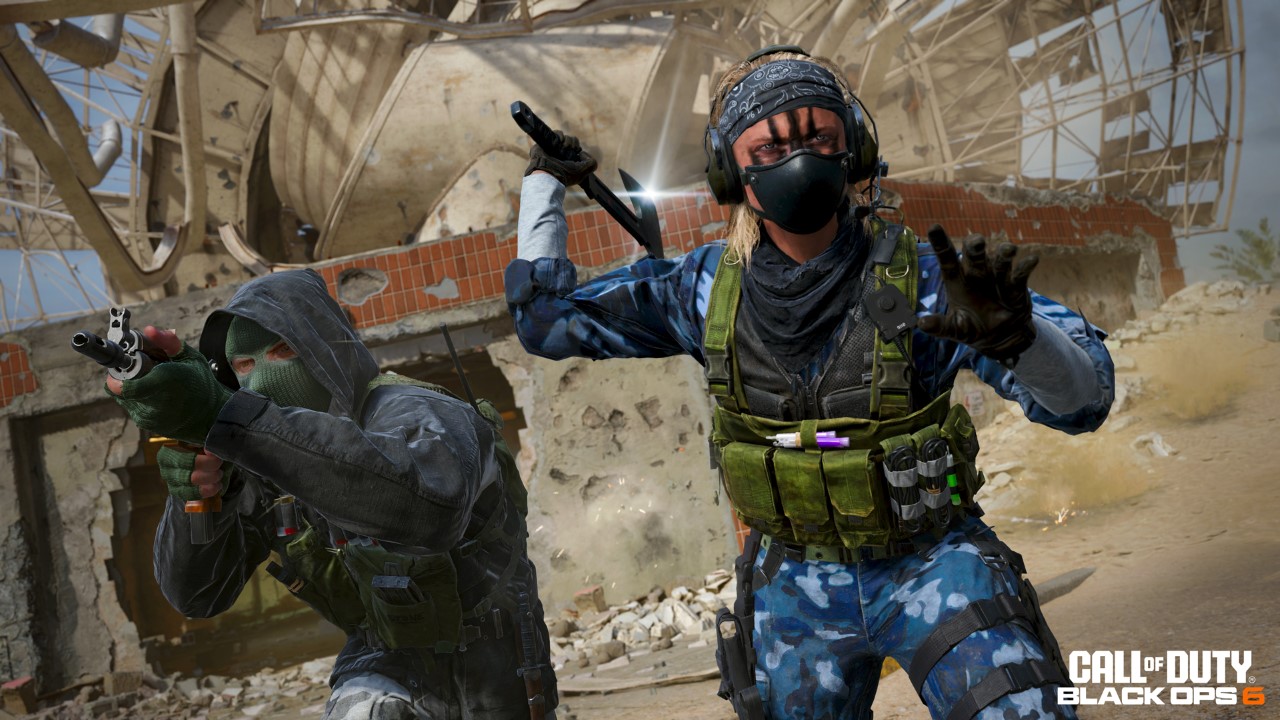
Though Black Ops 6’s campaign is easily the most fun I’ve had in a Call of Duty campaign, it’s a bit difficult to sniff out its essence as a Call of Duty game. A lot of times, I kept forgetting that I was playing one.
It’s not a knock on Black Ops 6, to be fair. Rather, it’s a comment on the entire series. The game could have been tighter if it had a stronger fiber that bridges levels together into one cohesive unit.
Now, the campaign does have a few ways of doing this. The story, for one, has the makings of a traditional political thriller, as is expected from the Black Ops series. Another way is the safe house in between missions, a hub world stylized as “The Rook”. This is where the game can do a bit more.
The Rook is a safe house where the main crew rests in between missions. It’s where you, the playable character named Case, can learn more about your teammates. Additionally, it also offers upgrades you can take for missions, purchasable through collectible currency, which is difficult to obtain through the campaign.
While these are all what you would expect from a hub world, it doesn’t feel valuable in the overall game. Each upgrade, offered by improving the safehouse, offers only marginal benefits like reducing recoil by a small percentage. All of them are just tiny adjustments that can make the campaign a tad bit better but are ultimately unnecessary. Plus, since the game goes through different genres, an upgrade tree that focuses mainly on shooting doesn’t seem as useful.
Where do zombies go?
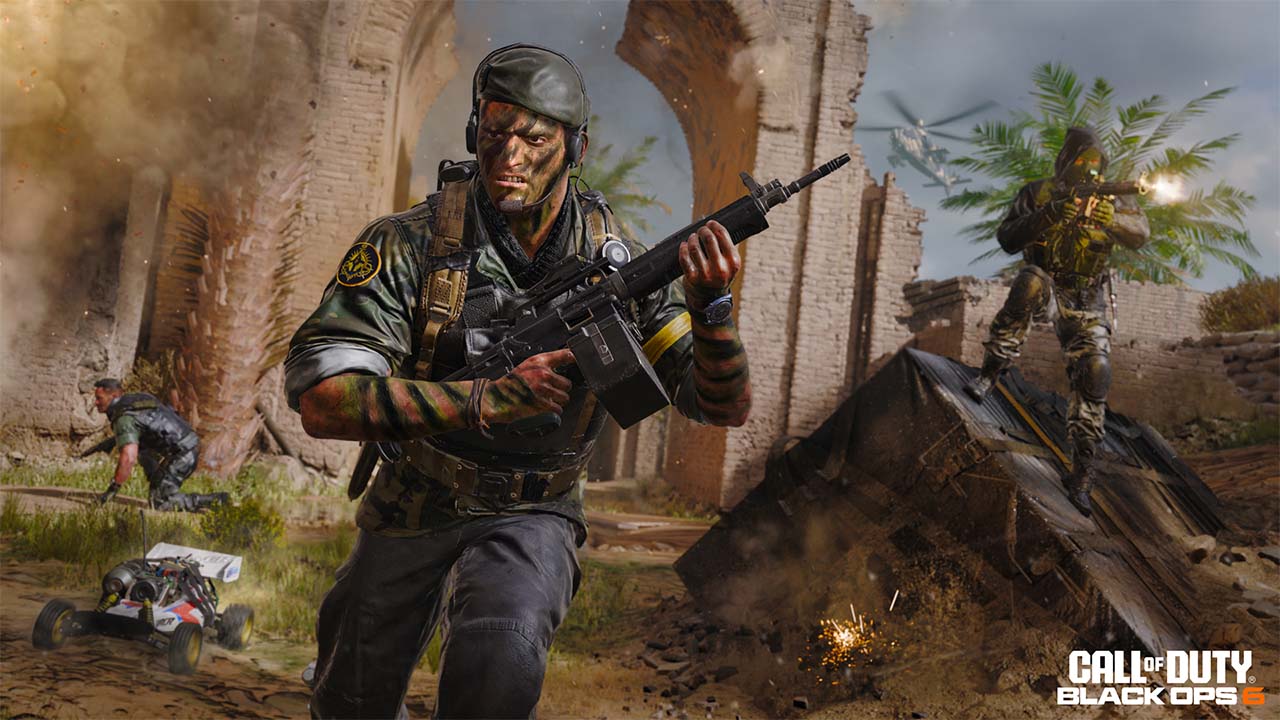
Leaving the campaign aside, it’s time to look at another Black Ops classic, the Zombies mode. Much like its previous iteration, Black Ops 6’s Zombies is an arcade mode that has players fight through never-ending hordes of ghouls.
As I’ve played over the years, the Zombies mode is always an enjoyable time, especially with friends. Black Ops 6 is no different. The game currently has two different maps: Terminus and Liberty Falls. It doesn’t reinvent the wheel, but it doesn’t really need to. The formula is still tried-and-tested for a coop experience.
It’s still a difficult journey for solo players, though. If you’re playing the mode without much experience of the maps, finding where to go is almost impossible. A guide was practically a necessity when I tried the new maps alone for the first time.
A multiplayer so fast, your head spins
As I mentioned, I played through the original Call of Duty a lifetime ago, which automatically puts me in an age group whose reflexes trail behind today’s younger players. Climbing through the leaderboard is more difficult. That said, Black Ops 6’s multiplayer mode retains the same trait that makes it popular year after year: being easy to pick up.
A multiplayer match rarely needs an introduction. Just click “Multiplayer” and fly immediately into a lobby. On-screen prompts and a voiceover tell you what to do, but the flow is simple enough to follow even without instructions.
Yes, I died a lot more often than I got a kill, but there was never any frustration of losing. The fun was always present, whether it’s watching others get amazing kills or getting the occasional one yourself.
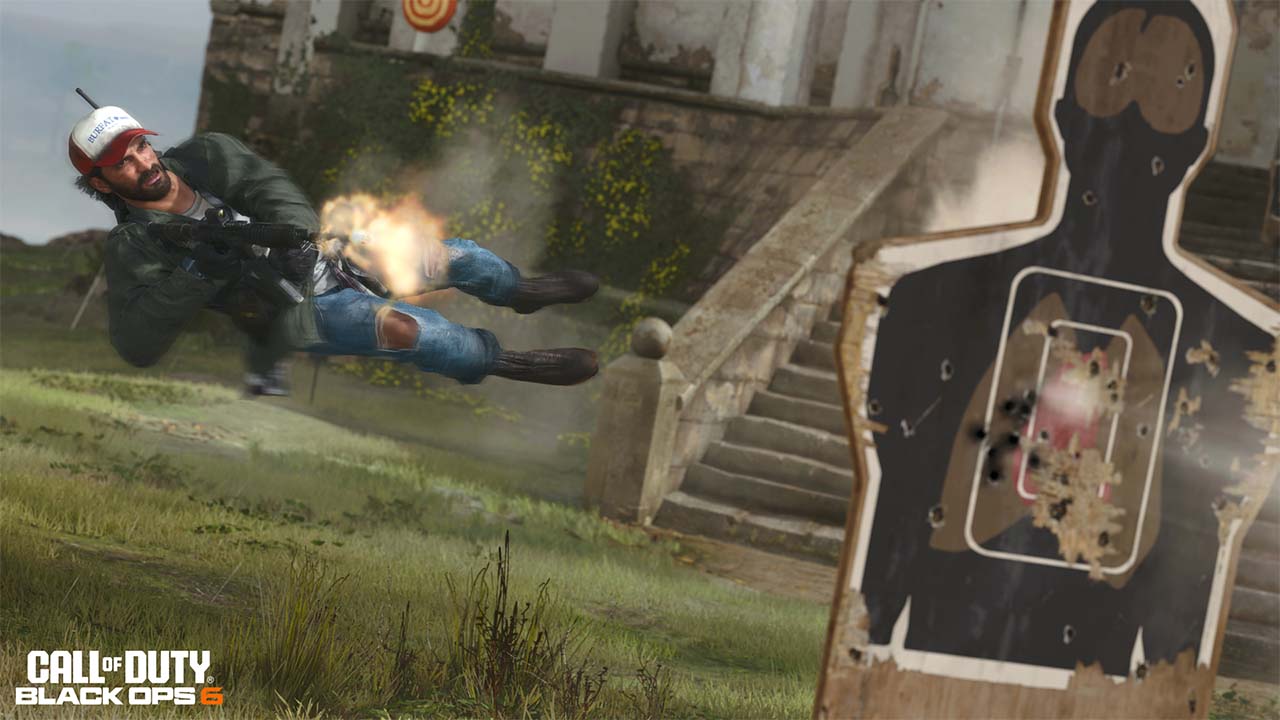
Also, though I’ve waxed poetic about this before, it bears repeating that the new omnidirectional movement plays so fluidly on Black Ops 6’s system. The new maps are also fun to discover as they add more verticality in king-of-the-mountain-style layouts. Finally, the current map rotation includes an almost-identical recreation of Nuketown, the classic map from the original Black Ops.
Is this your GaMeMatch?
The Black Ops series is a bright spot for the entire Call of Duty franchise. The original featured the franchise’s most memorable story and other game modes to keep you playing for some time. Now, more than a decade later, Black Ops 6 regains the series its reputation as the most ambitious title to date. The game’s singleplayer experiments combines seamlessly with tried-and-tested multiplayer and zombie modes, making it worth playing for the whole year.








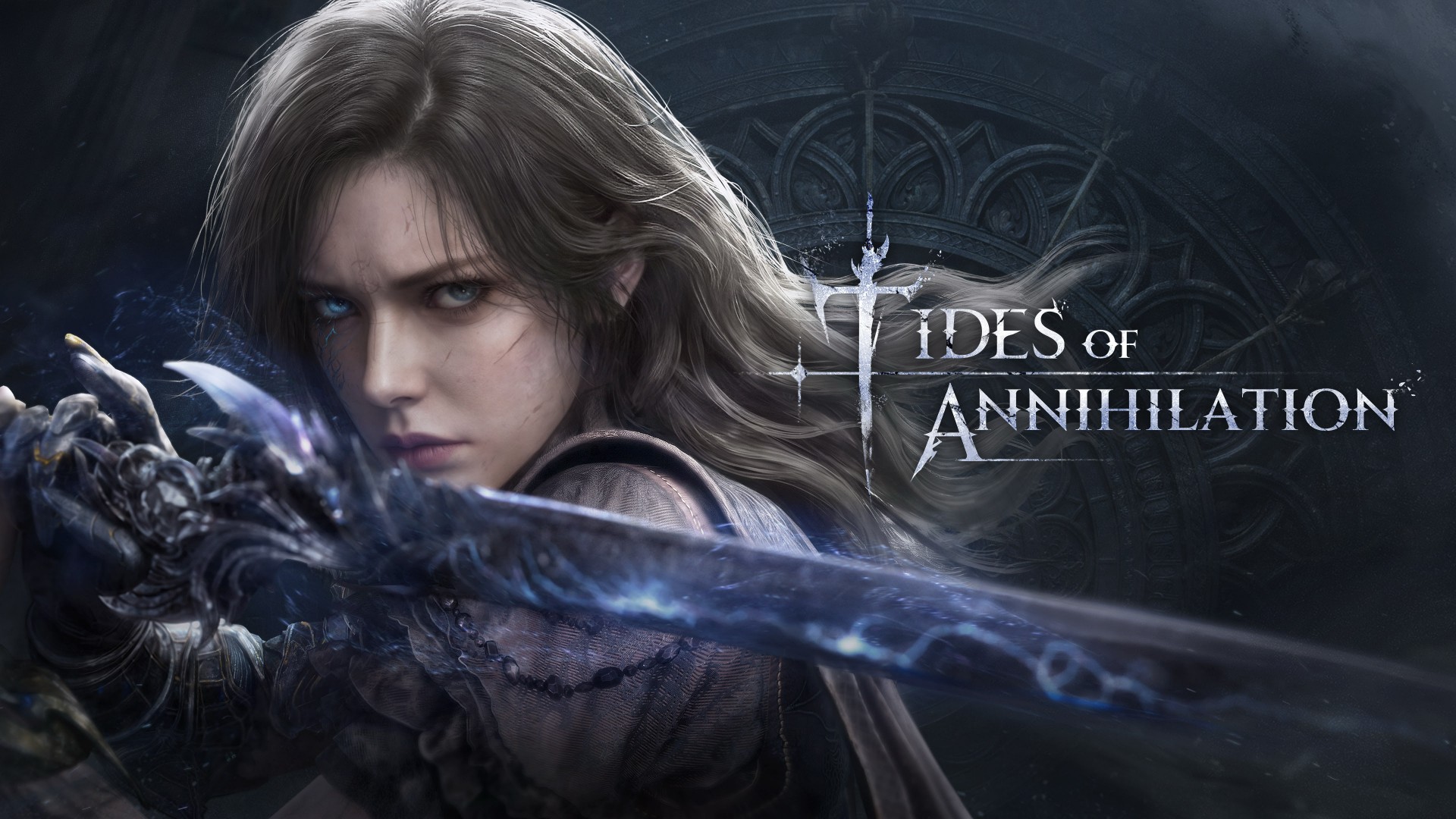
Tides of Annihilation will make its public playable debut at Gamescom 2026.
Developer Eclipse Glow Games announced that attendees can try an extended demo of the upcoming action-adventure game during the event in Cologne, Germany. Players can find the demo at Hall 6, Booth B-050 inside Koelnmesse.
The studio will also reveal a new trailer during Gamescom Opening Night Live on August 25, before the show floor opens.
Demo offers more exploration and combat
The Gamescom demo gives players a longer look at Tides of Annihilation. It features branching paths that lead to different exploration routes and combat encounters. Players can also explore key locations and experience several of the game’s biggest set pieces.
“Gamescom will be an incredibly important moment for our team since this will be our first global playtest and we’re excited to see how first-time players experience our game,” said Ary Chen, Game Director and Co-CEO of Eclipse Glow Games.
“The team has poured heart, soul, and maybe even a few tears into developing the game over the last few years, and it’s finally our opportunity to share it with players. We’re looking forward to seeing their reaction.”
Members of the press and content creators can also schedule private hands-on sessions with the development team during the event.
Arthurian-inspired adventure
Tides of Annihilation blends fast-paced action with a Neo-Medieval vision of modern London. The story follows Gwendolyn after an Outworld invasion leaves the city in ruins.
Driven by a mission to save her sister, she travels between a shattered London and the mythical realm of Avalon. Along the way, she uncovers the mystery behind her newfound powers. She must also decide the fate of reality itself.
Eclipse Glow Games is developing Tides of Annihilation for PC via Steam and the Epic Games Store, Xbox Series X|S, and PlayStation 5.
Gaming
Street Fighter 6 adds first Filipino fighter Yasmine to its roster
Eskrima fighter joins battle

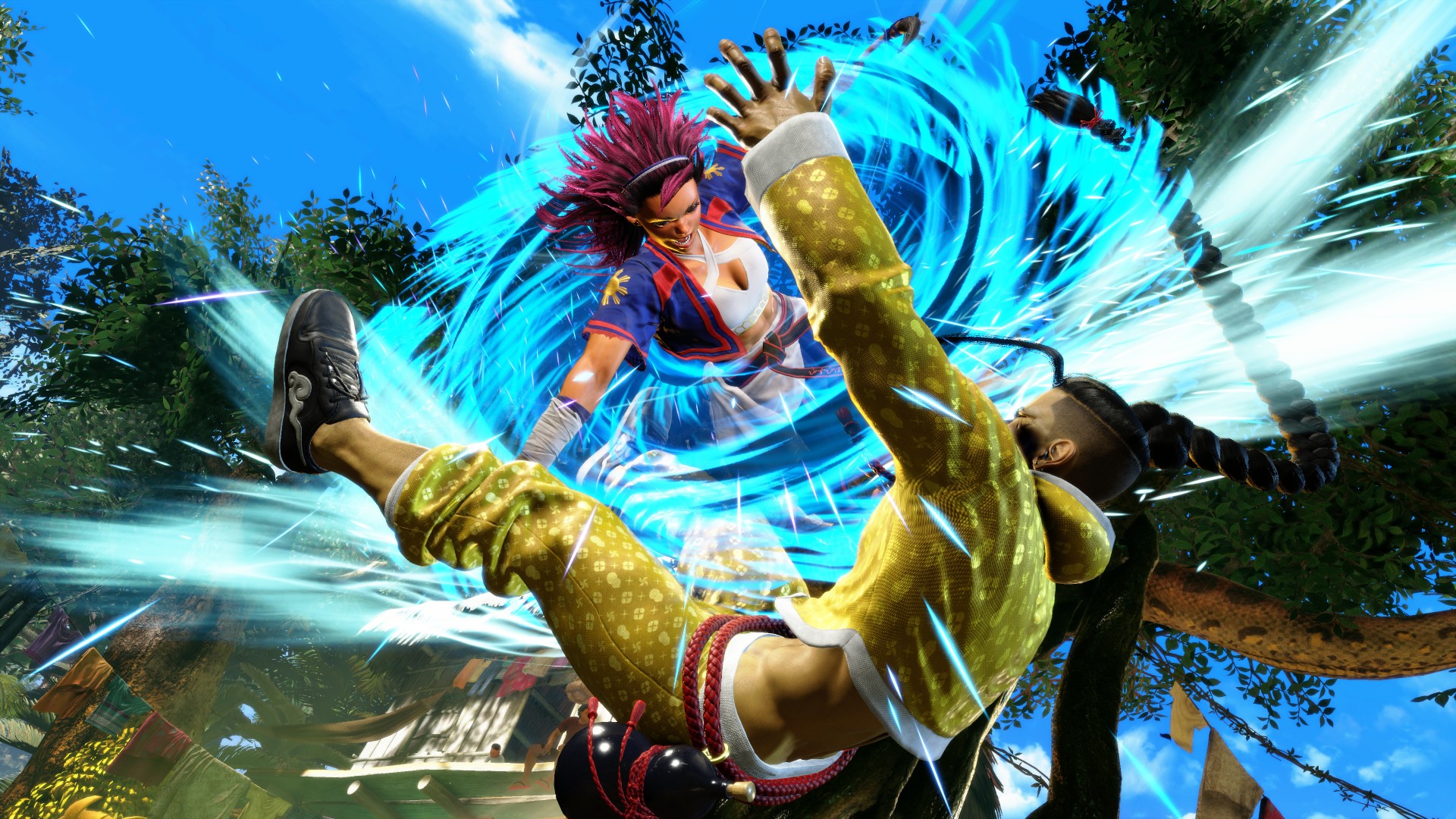
Street Fighter 6 has officially welcomed Yasmine, making history as the first Filipino martial artist to join the franchise’s playable roster. The new character is now available across PlayStation 5, PlayStation 4, Xbox Series X|S, PC, and Nintendo Switch 2 as part of the game’s Year 4 content.
Yasmine practices Eskrima, having learned the Filipino martial art alongside her older brother under their grandfather’s guidance. She wields Karambit knives in battle and embarks on a journey to find her missing brother.
Players can access Yasmine by purchasing the Year 4 Character Pass or Year 4 Ultimate Pass. Her default outfit features traditional Eskrima-inspired combat attire, while a school uniform serves as her second costume. In combat, she specializes in fast, aggressive attacks that build toward an enhanced Bayani Mode.
Yasmine is the first of four Year 4 fighters, followed by Arjun, Tifa from the Final Fantasy VII Remake series, and Bosch. Her release also arrives alongside battle balance adjustments affecting the entire roster.
Onimusha crossover arrives this week
Capcom also announced a limited-time collaboration between Street Fighter 6 and Onimusha. Running from August 7 to August 31, 2026, the event introduces Oni EX character colors, themed Battle Hub decorations, avatar items, and additional rewards for players who log in during the event.
The update also adds new Avatar Arcade courses, additional ending scenes, a Frame Meter option for Avatar Random Match, and refreshed Master ACT rewards.
Philippine launch event set for August 9
Capcom will celebrate Yasmine’s debut with an official Philippine community launch event on Sunday, August 9, at Salud! by Primera Bar & Restaurant in Palanan, Makati. The event runs from 2:00 PM to 9:00 PM and features a double-elimination tournament, gameplay showcases, giveaways, and community activities.
Attendees can also receive limited-edition Yasmine merchandise, including event T-shirts, lanyards, and collectible keychains while supplies last. Special guests and cosplayers are also scheduled to appear. Admission will be on a first-come, first-served basis and is subject to venue capacity.
Gaming
Gangstar Mirage City launches on August 20 with SEA localization
Join a faction now for a chance to win rewards


Gangstar Mirage City is set for a full regional launch on August 20, with localization for the Southeast Asia region.
Published by Level Infinite, the free-to-play multiplayer, urban, open-world action game is available for download on iOS and Android.
The full regional release features an expanded open world, a new PvP Arena mode, and local languages.
In Gangstar Mirage City, players can team up for up to 4-man co-op heists, drive powerful vehicles, customize their arsenal, build an empire, and fight for control of Rooklyn City.
Players can register on gangstarmiragecity.com for in-game rewards.
In Southeast Asia, players can also register as a member of their respective local faction and get an exclusive in-game Avatar to represent their loyalty:
- Philippines: Manila Brigade
- Indonesia: War Kanda
- Malaysia: Taiko Tedung
- Thailand: SIAM APEX
Factions will be ranked based on how many players join and support them. The winning faction will enable all members to get 300 Diamonds, sent directly to their accounts.
Meanwhile, all players, including those who already began their journey in Rooklyn City with the soft launch last July, are invited to join the Global Vault Heist.
Reaching the final Registration Milestone will unlock the Full Tilt Vehicle Pack. These are the rewards up for grabs per milestone:
- 5 million players: 100 Diamonds
- 10 million players: 200 Diamonds
- 20 million players: Vehicle Upgrade Vouchers x5
- 30 million players: Full Tilt Vehicle Pack
All Global Vault Heist and Faction rewards can be claimed via the in-game mail system on August 20.


30 days later with the ASUS ExpertBook Ultra: Like seeing an ex
Felt exactly as I remembered.


ROG STRIX G16 Review: Building for the moment
Setting it up however you want to make the most out of it


realme C100: Enduring and durable in spite of entry-level realities
Enough power but needs more agility
30 days later with the ASUS ExpertBook Ultra: Like seeing an ex

TCL expands mobile lineup with latest NXTPAPER series
ROG STRIX G16 Review: Building for the moment

Smart opens HUAWEI Pura 90s Series pre-orders with exclusive freebies

Apple Watch, AirPods get exclusive offers via Beyond the Box

Hands-on: Samsung Galaxy Z Fold8, Flip8, Ultra

Garmin launches its first screenless fitness band

VinFast debuts two-wheeler models, opens 21 e-motorcycle showrooms

Samsung releases teaser with Spider-Man: Brand New Day Easter eggs

Most of the world’s PlayStations will be officially useless by 2028


-
 Automotive1 week ago
VinFast debuts two-wheeler models, opens 21 e-motorcycle showrooms
-

 Computers2 weeks ago
AMD launches Radeon RX 9050 graphics card
-

 Automotive1 week ago
Xiaomi debuts SkyNomad Series featuring new Kunlun platform
-

 News5 days ago
OnePlus officially leaves the United States and Canada
-

 Gaming2 weeks ago
NBA 2K27 gameplay trailer showcases new dunk mechanics, Rucker Park, and more
-

 Gaming1 week ago
Call of Duty: Modern Warfare 4 clip shows Losing Ground 1st look
-

 Automotive2 weeks ago
BYD Atto 2 launches with EV, plug-in hybrid options
-

 Automotive1 week ago
GAC launches new trio of MPVs