
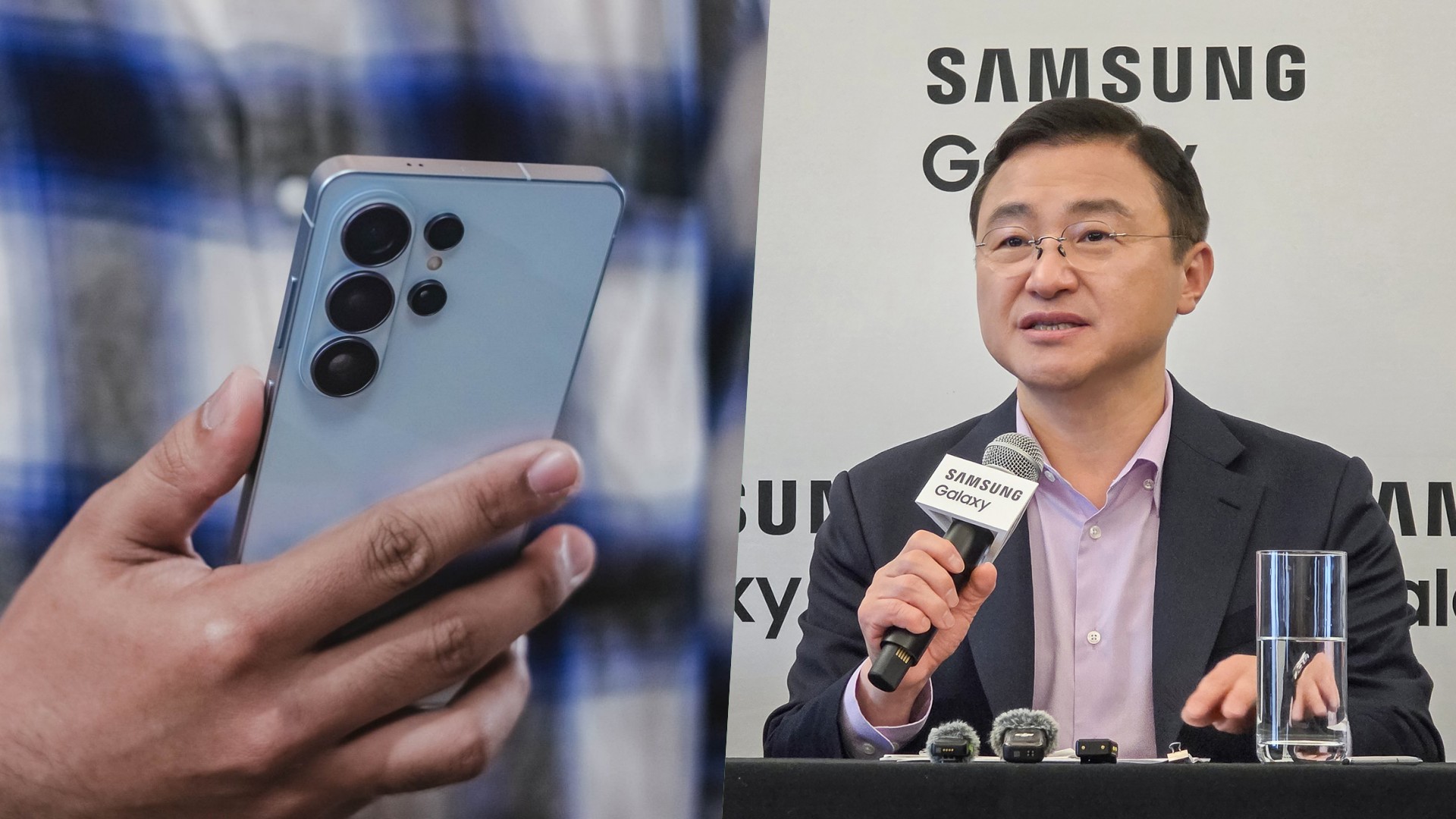

For more than a decade, the smartphone industry has been defined by a familiar race. More megapixels. Faster processors. Bigger batteries. Thinner designs. Being first. Being the most. And being the fastest.
The industry rewarded brands that appeared to be chasing specs. Bigger numbers meant progress. At least on paper.
But if you ask Samsung, the days of chasing specs may no longer define the future of Galaxy smartphones.
During a regional roundtable following the launch of the latest Galaxy devices, I asked TM Roh how the company decides when it’s time for a major hardware upgrade if it isn’t simply chasing specs.
His answer revealed how Samsung now approaches the future of its flagship smartphones.
According to Roh, hardware upgrades are increasingly tied to how well they support Galaxy AI.
“To make Galaxy AI run smoothly, it must be backed by strong hardware,” Roh said during the session, speaking through a translator. He added that Samsung develops its hardware, software, and AI capabilities together — and that major upgrades tend to arrive only when the company reaches what he described as the “desired level of excellence.”
(Quotes are approximate translations.)
“To make Galaxy AI run smoothly, it must be backed by strong hardware.”
(Approximate translation from TM Roh during the roundtable)
In short, Samsung says it’s no longer chasing specs for the sake of winning spec-sheet battles. Not anymore.
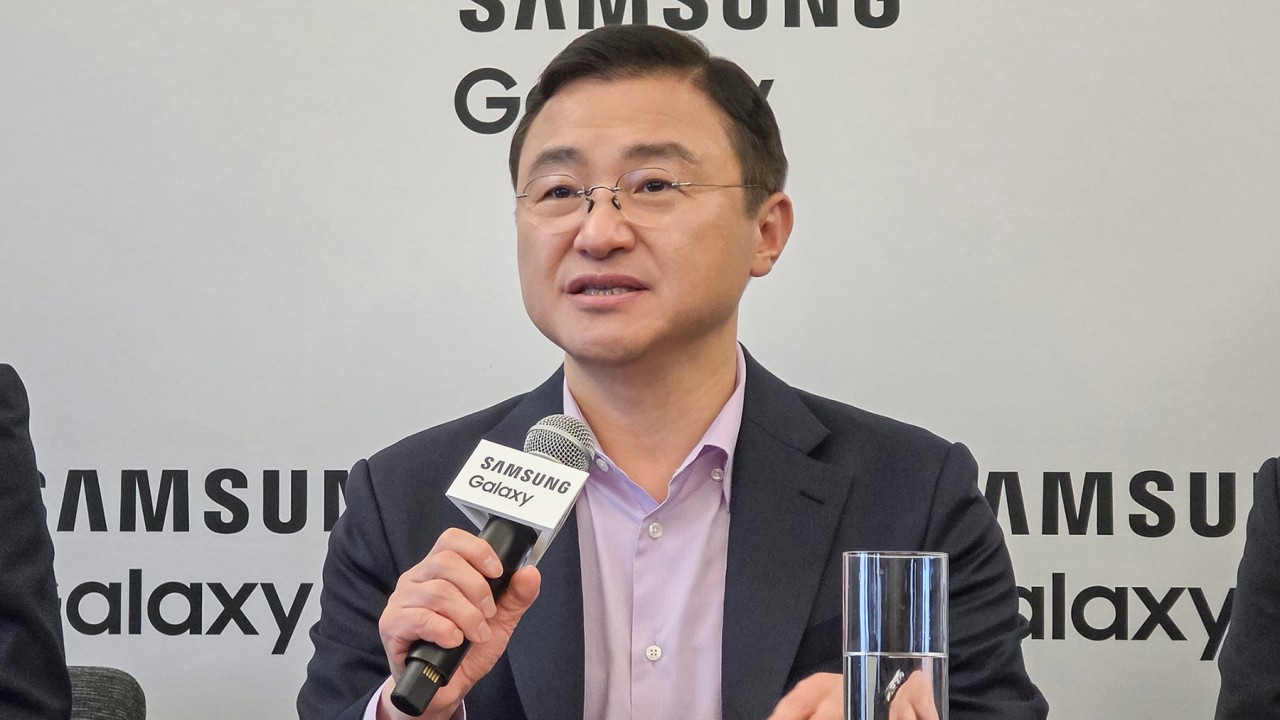
Samsung CEO TM Roh answering questions at a media roundtable in San Francisco
When hardware stops chasing numbers
Hardware innovation still matters. But Samsung increasingly frames those improvements as tools that enable smarter software experiences.
During the roundtable, Roh pointed to Samsung’s custom application processors, which now include stronger neural processing capabilities designed to handle AI workloads more efficiently. Dedicated hardware is also being introduced to strengthen privacy and security — including technologies embedded directly into the display. (See: Privacy Display)
Even cameras, historically one of the biggest battlegrounds for smartphone innovation, are evolving in the same direction.
Roh noted that while sensors and lenses remain important, modern smartphone photography now relies heavily on AI-powered image processing working alongside the hardware. This could also explain why, as of writing, Samsung has resisted the extra telephoto lens accessories that is prevalent with other brands.
The shift is subtle but important. Instead of emphasizing bigger numbers on spec sheets, Samsung positions hardware upgrades as part of a broader system designed to support intelligent software.

Why Samsung gets dunked on online
That philosophy, however, exists in tension with how smartphones are often discussed online.
In a landscape driven by benchmark charts and viral comparisons, incremental refinement rarely generates the same excitement as dramatic hardware leaps. Over the past few years, the Galaxy S series has occasionally become an easy target for criticism — especially as rival Android manufacturers compete to deliver the biggest numbers, the fastest charging speeds, or the thinnest designs.
The temptation in tech media, particularly on platforms like YouTube, is often to dunk on Samsung rather than examine the nuance behind its approach. Spectacular upgrades and dramatic spec sheets make better thumbnails.
Yet listening to Samsung executives across multiple briefings reveals something interesting: the messaging is remarkably consistent. Whether discussing cameras, processors, or ecosystem features, the company repeatedly returns to the same principle. Hardware innovation matters most when it unlocks a better overall experience.
A company that knows its role
That consistency suggests Samsung knows exactly who it is in the smartphone industry.
As the largest Android smartphone manufacturer globally, Samsung occupies a position where competitors often measure themselves against it. Many brands differentiate by pushing aggressive specifications or experimenting with bold hardware changes.
In many ways, everyone else is punching up.
Scale changes priorities. When you’re building devices for hundreds of millions of users, the focus shifts toward reliability, ecosystem integration, and increasingly, AI-powered experiences that work consistently across products.
Why Southeast Asia matters in Samsung’s AI strategy
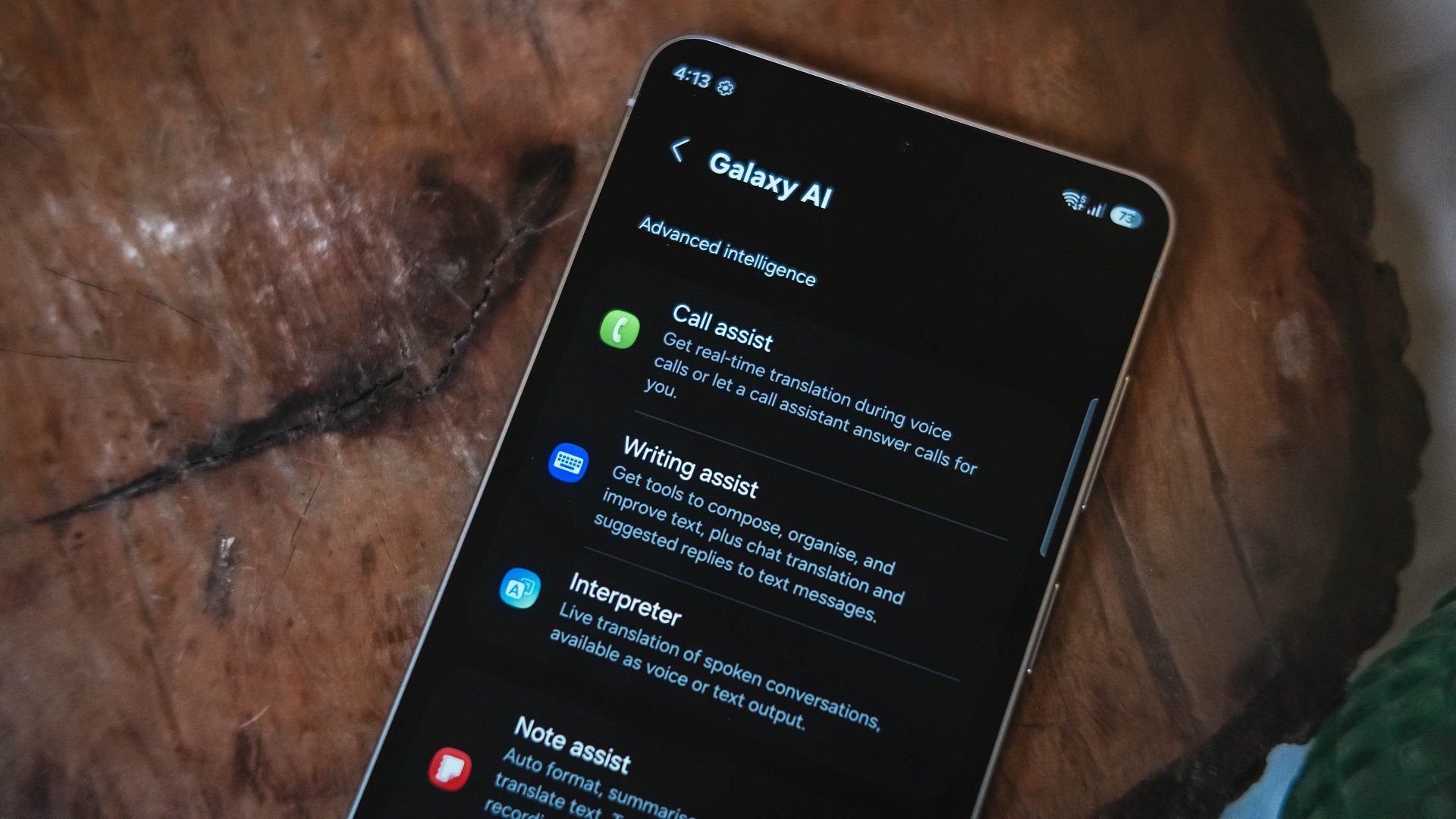
During the roundtable, Roh also emphasized the importance of Southeast Asia and Oceania to Samsung’s AI strategy.
According to the company’s internal research, the region ranks among the most receptive markets for AI-powered mobile features. Younger demographics and heavy social media usage are driving adoption.
In markets where smartphones are central to communication, content creation, and digital services, AI-powered tools — from translation features to image editing — have found strong traction.
That context helps explain why Samsung continues to position AI as the defining layer of its next-generation devices.
Is the smartphone spec race ending?
For years, smartphone makers built their identities around chasing specs.
Bigger numbers meant better phones. Faster chips meant progress.
Samsung, it seems, is chasing something else.
Whether that bet ultimately reshapes the smartphone experience remains to be seen. But if Roh’s comments are any indication, the next major leap in Galaxy hardware won’t happen simply because the numbers can go higher.
It will happen when Samsung believes the experience — not the spec sheet — is ready to move forward.




Hands-On
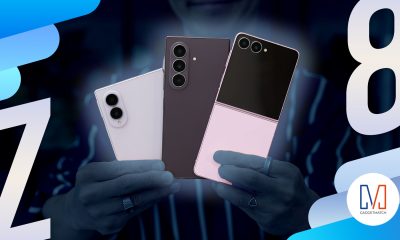
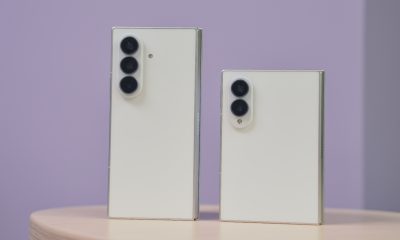
Hands-on: Samsung Galaxy Z Fold8, Flip8, Ultra
Samsung’s freshest foldables come out of the oven


Three foldables. Three very different people.
Samsung’s Galaxy Z Fold8 Ultra — the productivity maximizer. Heritage form factor, everything cranked to the max.
The Galaxy Z Flip8, pure style. The smallest, loudest, most you one of the bunch.
And finally, the Samsung Galaxy Z Fold8 — the new beginning.
Built for the way most of us actually use our phones: watching, reading, scrolling. The one I keep reaching for and have a feeling THE Michael Josh will be using a lot.
Same family. Three ways to experience it.
Head over to our hands-on video on the latest and greatest Galaxy Z8 family for you to know your best bet.
Apps
The case for traveling without a plan
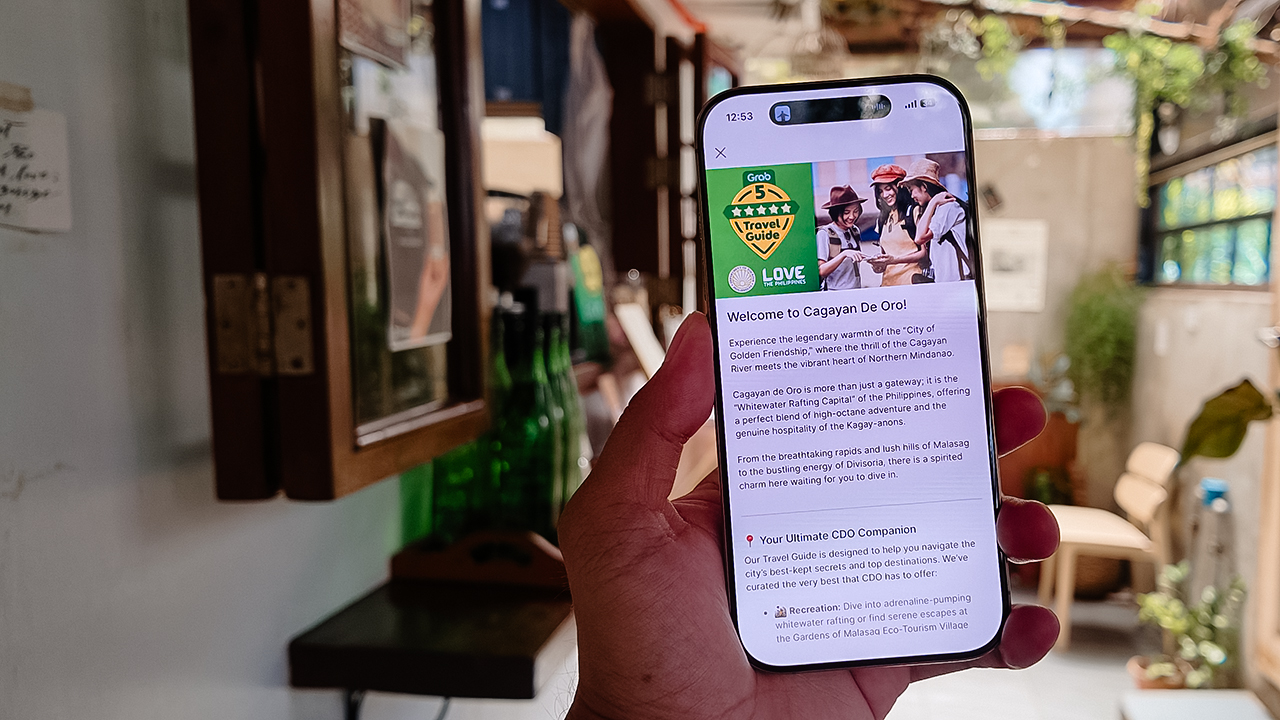
How Grab’s 5-Star Travel Guide replaced my spreadsheets, for personal travel anyway

I have somehow acquired the reputation of a man permanently in transit.
Fill your feed with airport check-ins, road trips, hotel rooms, and race bibs for a decade, and people stop seeing travel as a hobby. They start treating it like a personality trait. And naturally, everyone is always breathless to know: “MJ, how on earth do you manage it all?”
Here’s the truth: every trip begins long before I pack a bag. A good itinerary takes time. Flights, hotels, transfers, backup plans, restaurant lists all have to fit together well enough to make the trip feel worthwhile.
My colleagues would probably call me a Type A traveler. They’ve watched me run international coverages and high-stakes business trips entirely off spreadsheets. Spreadsheets!
Timed down to the exact micro-second, complete with contingency plans for every possible disaster short of an alien invasion.
And they are completely right. For work. But personal travel? Oh, darling, personal travel plays by a completely different set of rules.
The luxury of letting go (and the panic that follows)
A month before departure, I am all about securing the basics. But once the flights and rooms are locked in? I completely let go.
I would much rather leave room for fabulous, unexpected curiosity than fill every single hour with another rigid destination.
Part of it is sheer decision fatigue. I spend so much of my professional life making executive decisions that the last thing I want to do on vacation is have a minor existential crisis at 2:00 p.m. over which artisanal café deserves the honor of my afternoon. I want to wake up, look at the sunlight filtering through the curtains, and let the universe decide.
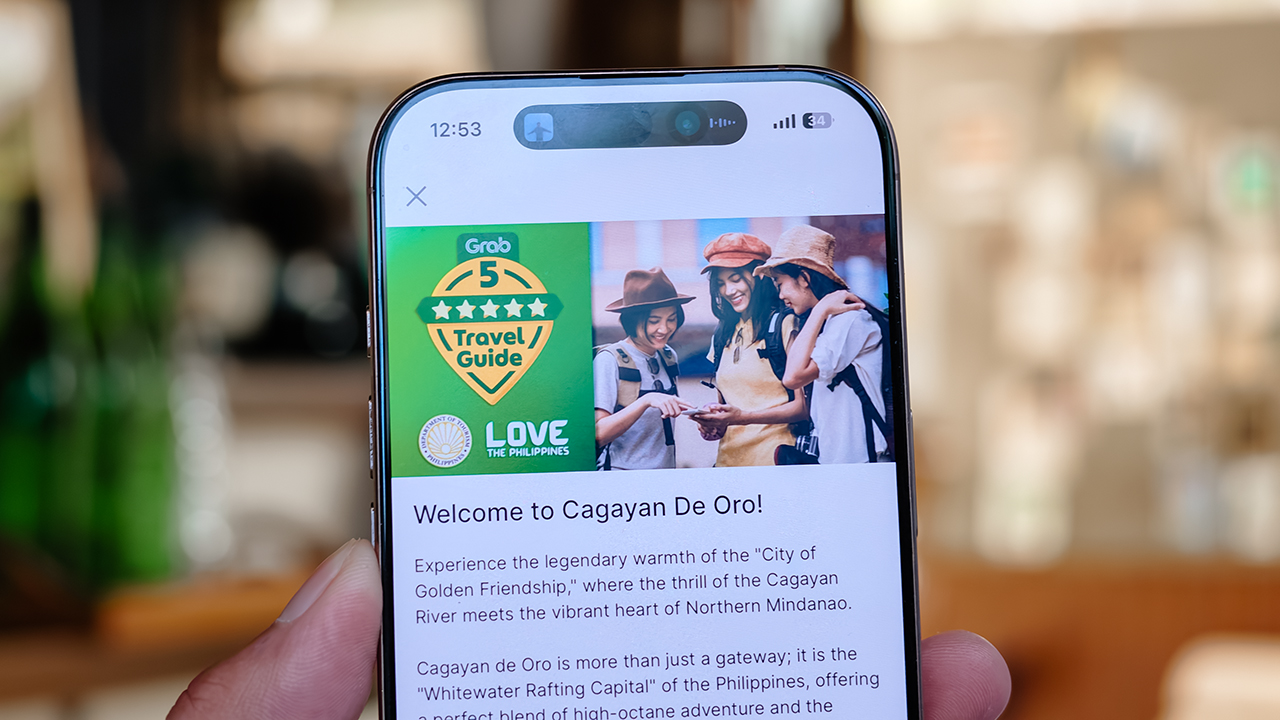
Of course, ironically, that absolute freedom can spiral into its own fabulous brand of panic. I know I want to go somewhere chic. I just have absolutely no idea where.
Which is precisely how Grab’s 5-Star Travel Guide quietly became the most indispensable accessory of my latest getaway.
Finding somewhere to spend the afternoon
I recently flew to Cagayan de Oro to spend some quality time with my long-term, long-distance, low-commitment, casual boyfriend. (Yes, it’s complicated, but the mystery keeps it glamorous.)
I arrived with absolutely zero plans, and this was entirely deliberate. If there is one thing a strong, independent person must never do, it is rely on someone else to dictate his day — even if that someone is technically his own handsome, local tour guide.
Instead of waiting around for an itinerary to be handed to me, I simply opened my Grab app while I’m in downtown and slithered over to their Travel Guide.
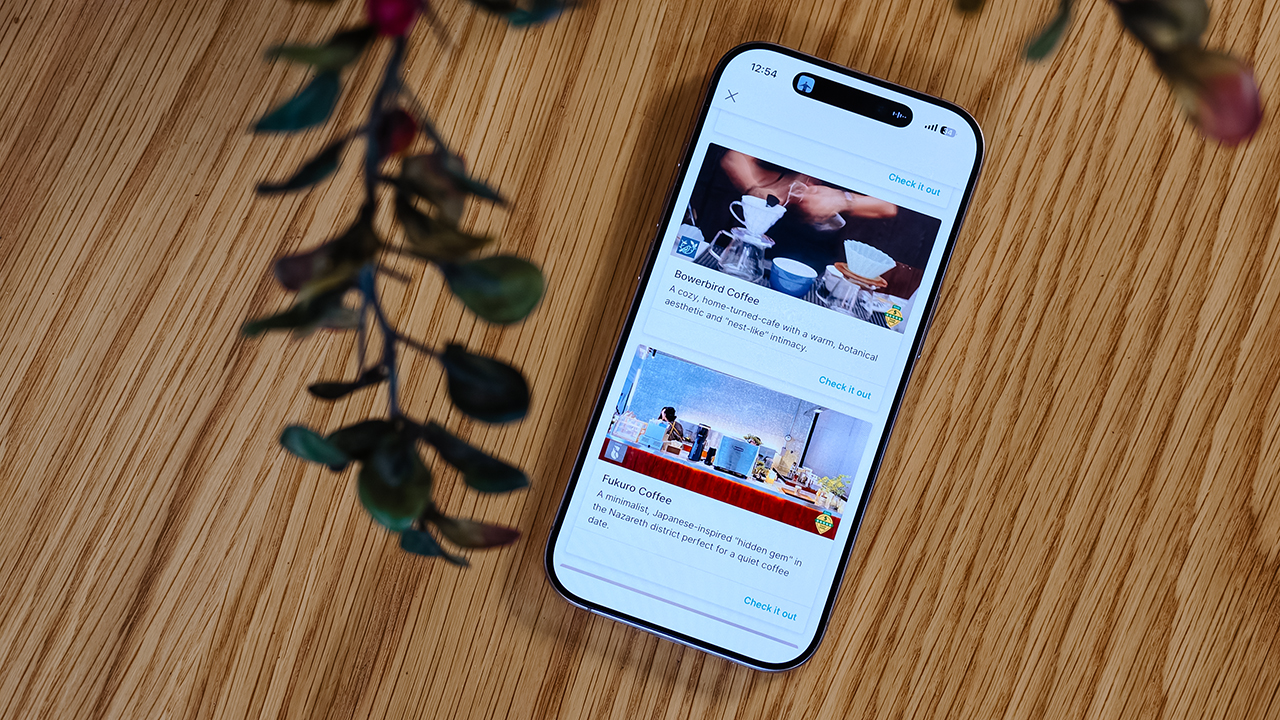
My fabulous friend, Syra, glided over from Midtown, and we agreed to rendezvous in Uptown to finally check out H Proper Coffee, which was practically screaming at me from the top of the Grab list.
It’s the city’s legendary third-wave coffee pioneer — complete with a deeply impressive roastery — and it has recently, thank goodness, expanded to Makati.
-
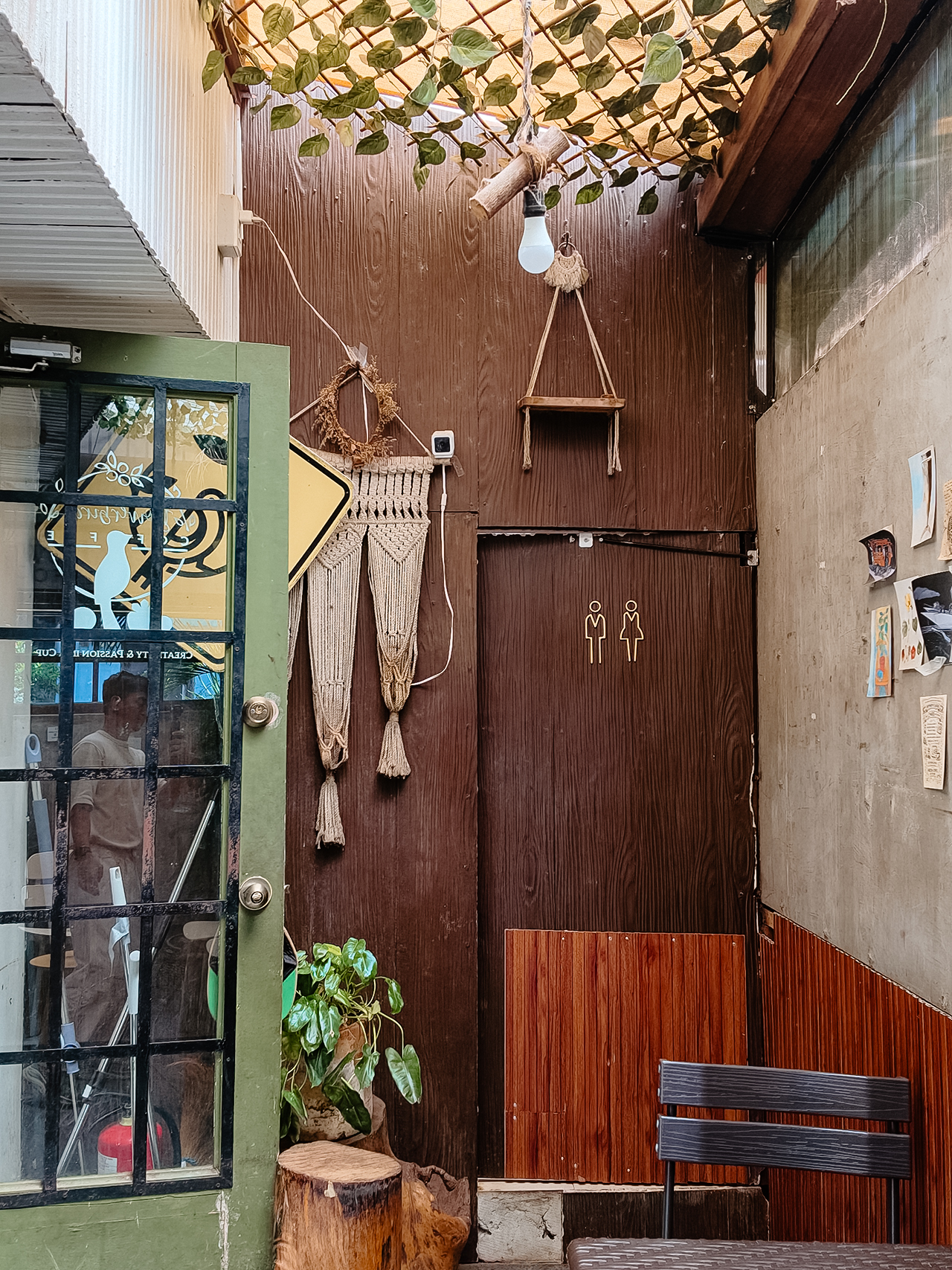
- Bowerbird Coffee
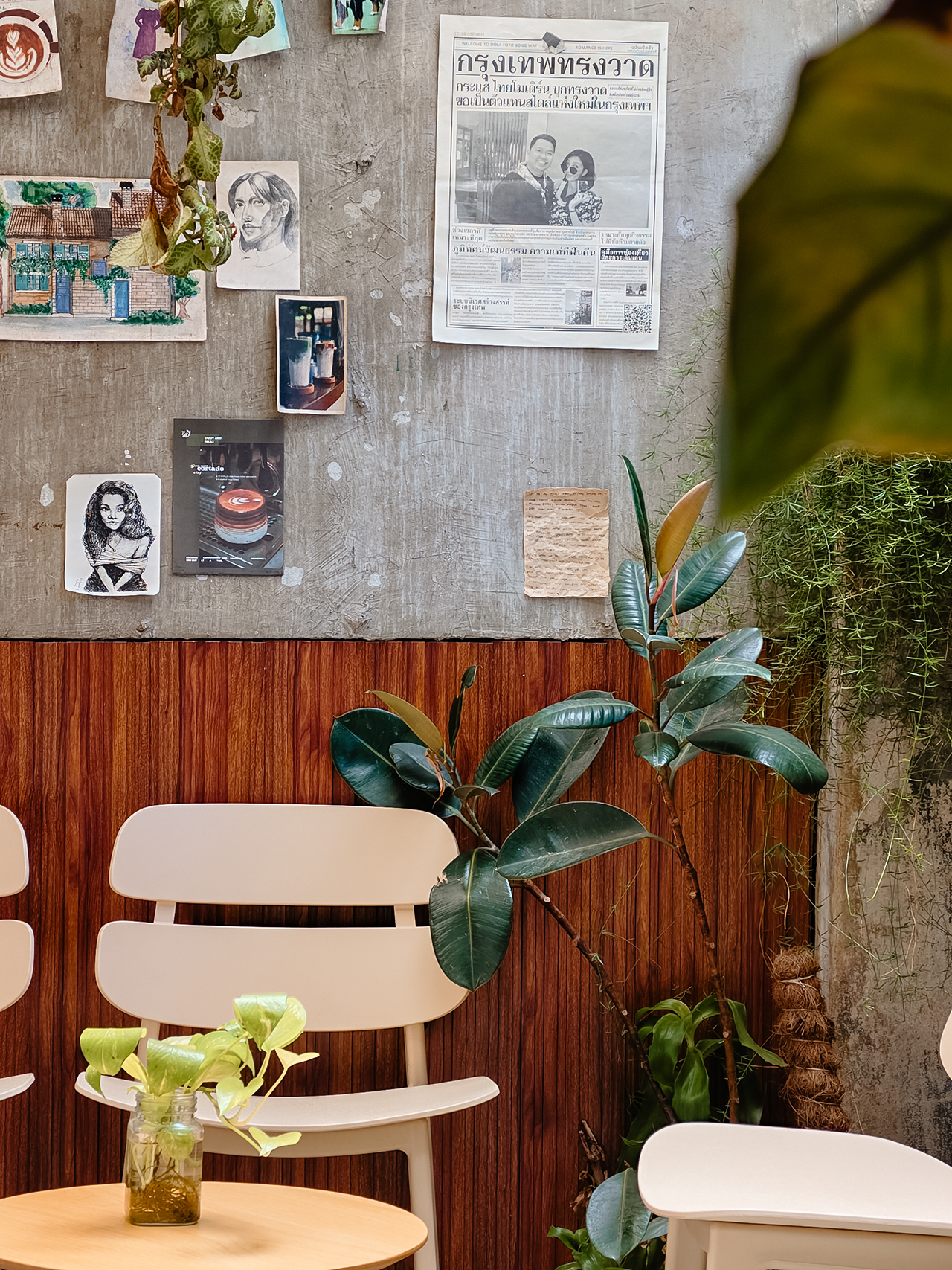
The guide also flirted with other familiar, delicious names like Milestone Coffee (where Syra and I had gossiped over lattes just six months prior), alongside Bowerbird Coffee, Fukuro, Apostrophe Café, The Lone Wolf, and Grae Coffee.
I must say, the recommendations were utterly spot-on. They weren’t just highly rated by random bots; these were the actual enclaves that the city’s stylish locals genuinely know and love.
Dinner dilemma (solved!)
The Travel Guide came through yet again when the sun began to set and the crucial question of dinner arose. Now, I absolutely adore discovering hidden neighborhood gems and family-run eateries. They possess a soul that no luxury restaurant could ever replicate.
That said, every proper holiday demands at least one evening where you put on a sharp blazer, splash on some Tom Ford, and indulge in a truly beautiful meal.
Unsurprisingly, Cucina Higala seduced me all over again. Look, I am a creature of habit. If I know an establishment delivers perfection, I will return.
Seeing it sitting proudly near the top of Grab’s curated list felt like a delicious little pat on the back; a quiet validation that my impeccable taste is worth trusting after all.
Beyond the plate
Refreshingly, the guide doesn’t stop at flat whites and fine dining. Grab’s Travel Guide also highlights local luxury hotels.
Though, fair warning, a few of them are the sort that make your credit card wince slightly. (But darling, they are five-star for a reason.)
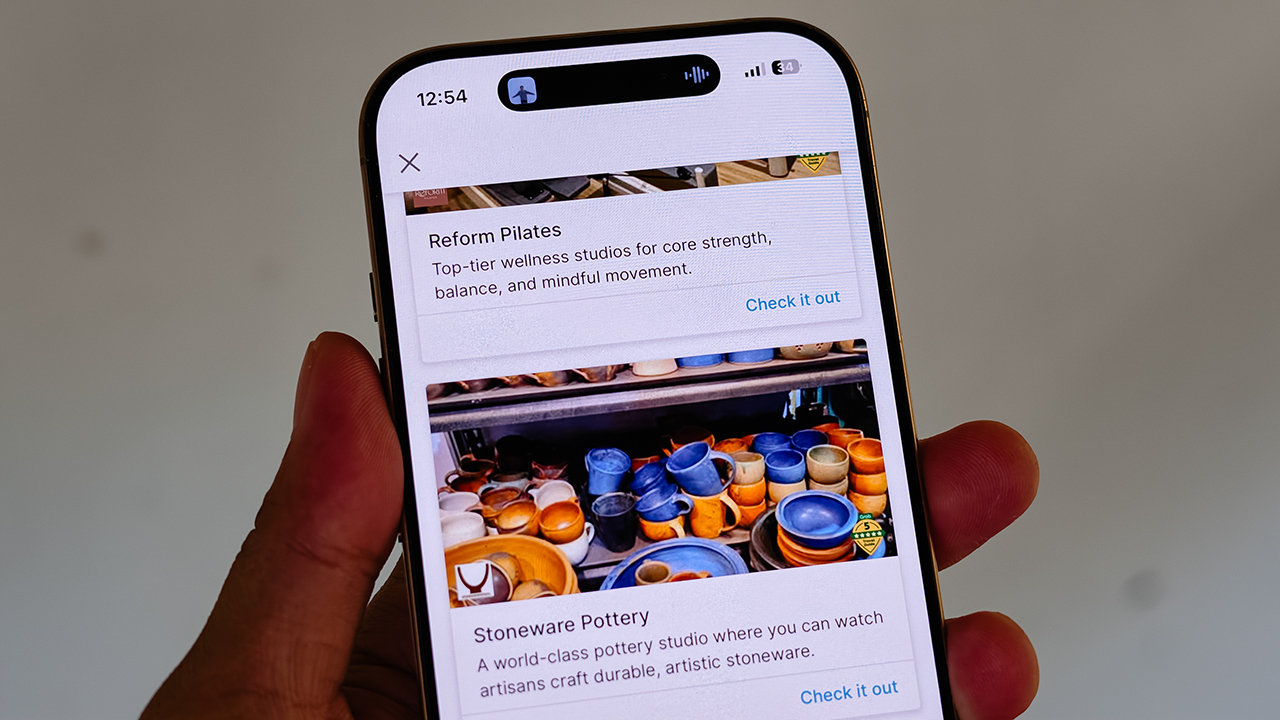
It also curates actual experiences. Browsing through the app, I found options for everything from heart-pounding whitewater rafting and sharp Pilates studios, to a world-class pottery atelier, a folkloric museum, and a sweeping, adventure-filled mountain retreat.
Some were already on my radar, but others? I would never, in a million years, have stumbled upon them myself. And that is the thrill of traveling this way. You leave just enough empty space in your diary to be utterly surprised.
For the spontaneous traveler
Let’s be clear: planning every detail down to the last centavo is not a flaw. When you’re younger or traveling on a strict budget, every single peso counts, and a meticulously plotted itinerary ensures you maximize both your wallet and your time.
But eventually, thank heavens, you reach a stage in life where the itinerary matters just a little bit less. A stage where time and budget stop being the terrifying monsters standing between you and a boarding pass.
You learn that not every single meal requires three weeks of intense counter-research. Not every hour requires a reservation confirmation number.
Sometimes, the most breathtaking, unforgettable moments happen simply because you wandered into a doorway you weren’t even looking for.
So, book the flight. Secure the hotel. Figure out how you’ll get around. Then let your feelings, and Grab’s Travel Guide, decide the rest.
Features
Spotlight: HUAWEI WATCH GT Runner 2 Racing Legend Edition
A marathon coaching system wrapped in the lightest titanium running smartwatch.
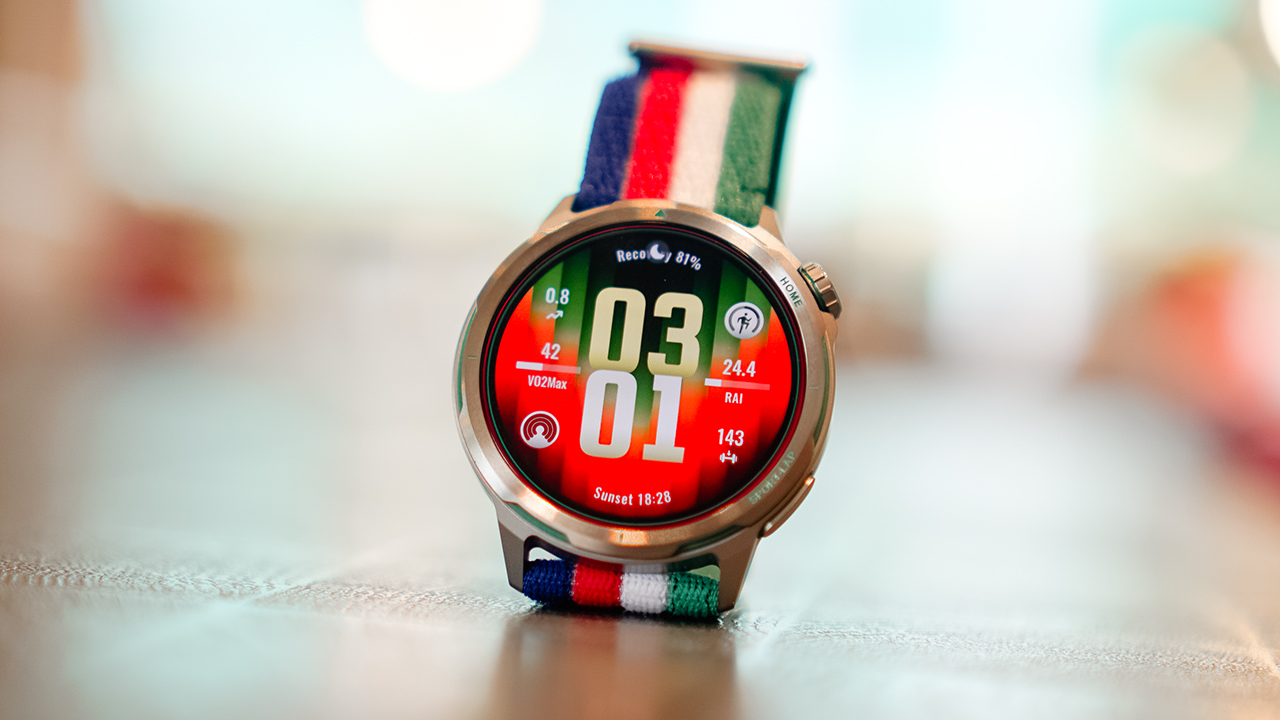
@gadgetmatchEliud Kipchoge, the world’s greatest marathon runner, helped design this watch. The HUAWEI WATCH GT Runner 2 Racing Legend Edition is the lightest titanium smartwatch built for runners, featuring the most accurate GPS in its class. It packs an AI-powered marathon coaching system alongside comprehensive health and fitness tracking built right into your wrist. #HUAWEIWATCHGTRunner2RacingLegendEdition HUAWEI Online Store – https://tinyurl.com/479ee4zk Shopee – https://tinyurl.com/yex4dvp9 Lazada – https://tinyurl.com/yu47bktt TikTok – https://tinyurl.com/yxsjsyhw♬ original sound – GadgetMatch
Eliud Kipchoge ran a marathon in under two hours. That’s not a marketing line. It’s one of the most significant feats in the history of human endurance.
So when Huawei says the HUAWEI WATCH GT Runner 2 Racing Legend Edition was designed with his input, that detail deserves more than a passing mention. It shapes what this watch actually is, and more importantly, what it’s trying to do.
The GT Runner 2 isn’t a smartwatch that happens to track runs. It’s a running tool built from the ground up, wrapped in titanium, and finished in a colorway that carries Kipchoge’s energy in its gradient and clean lines.
Lightest titanium watch
The first thing you notice when you put the GT Runner 2 on is how little you notice it.
At 43.5 grams for the watch body, it’s Huawei’s lightest metal running watch to date. For reference, that’s roughly the weight of a small packet of sugar.
On paper that sounds like a marketing metric. On a long run, it’s the kind of thing you actually feel — or more accurately, the kind of thing you stop feeling, which is the point.
The case is aerospace-grade titanium alloy, the same material used in aircraft construction. It’s strong without adding bulk, and at 10.7mm thick, it slides under a long sleeve without a second thought.
The display is a 1.43-inch AMOLED panel with 3,000 nits of peak brightness, enough to read clearly under direct sunlight mid-run, which is where it needs to perform.
The Racing Legend Edition colorway is the visual anchor of the whole package. It doesn’t read as a sports watch in the traditional chunky sense.
The strap situation is thoughtful, too. The in-box AirDry woven strap is designed to breathe.
There’s also a Fluororubber quick-release strap included for race days when you want something more locked in against your wrist.
Accurate GPS
This is the centerpiece of the GT Runner 2, and Huawei has invested the most engineering effort here.
To understand why the GPS on this watch is different, you need to understand a basic problem with how most GPS watches work.
Satellites broadcast signals in a circular, spiral pattern. Most smartwatches are built to receive signals linearly, meaning they’re only catching part of what’s being sent. The result is data loss, and data loss means inaccurate tracking.
The GT Runner 2 addresses this at the hardware level with what Huawei calls a 3D Floating Antenna Architecture. The titanium bezel and metal middle frame of the watch itself function as external receivers, which expands the antenna surface area significantly.
More of the watch is actively listening for satellite signals, which means it captures more of those spiral broadcasts. Huawei positions this as a 50% improvement in antenna performance.
Then there’s the software layer, which is arguably more interesting for anyone running in an urban environment.
Anyone who’s tracked a city run knows the problem: you go under an overpass, cut through a tunnel, or run between towers, and your GPS trace goes straight. The watch gives up and draws a line where your route should be.
The GT Runner 2 has an AI system — Huawei calls it the XDR Inertial Navigation AI Algorithm — that fills that gap intelligently.
It learns your movement patterns: your stride length, your arm swing, your pace. When satellite signal drops out, it uses that accumulated knowledge to estimate your route accurately. When the signal returns, it stitches the two together seamlessly.
Marathon mode
The Marathon Mode on the GT Runner 2 was co-developed with Eliud Kipchoge’s team. That partnership matters because it means the feature set was shaped by people who actually race at the highest level, not just engineers working from data.
The system covers the full race cycle. Before your event, the watch builds you a personalized training plan and tracks your lactate threshold in real time, the point at which your body starts accumulating fatigue faster than it can clear it.
Knowing where that threshold sits is how serious runners train in the right zones and avoid hitting the wall during a race. The GT Runner 2 brings that metric to your wrist without requiring a lab visit or a coach.
During a race, the pace guidance isn’t a static target you set and follow. It adjusts in real time based on how you’re actually performing. The watch also sends smart refueling alerts — not based on a generic timer, but on your personal health data and international nutrition guidelines. So when it tells you to eat or drink, it’s working from your numbers, not a one-size-fits-all schedule.
After the race, it gives you dynamic recovery guidance and exports your full session automatically to Strava and Komoot.
Health tracking that actually goes beyond the basics
The GT Runner 2 tracks your health around the clock, and a few of its features stand apart from what most smartwatches offer.
Heart rate accuracy is rated at 98%. For a wrist-worn device, that’s a serious number. The watch achieves this through Huawei’s TruSense system, which uses an upgraded NPU and advanced algorithms to pull more precise readings from the sensor.
The ECG monitoring is CE-certified, which means it meets the regulatory standard for detecting early signs of irregular heart rhythms.
More importantly, the GT Runner 2 does this in the background — passively, while you’re awake or asleep — without requiring you to manually activate a check.
Sleep tracking includes breathing awareness to flag potential signs of sleep apnea.
HRV — heart rate variability, one of the most reliable indicators of how recovered your body actually is — gets tracked across 24 hours.
There’s also a stress and emotional wellbeing tracker that categorizes your state in real time. When you’re deep in a training block and everything feels harder than it should, this is the kind of data that tells you something concrete rather than just confirming that you’re tired.
Battery life that doesn’t ask you to compromise
Running watches live or die by their battery, and the GT Runner 2 doesn’t disappoint here.
Continuous GPS tracking lasts 32 hours. To put that in running terms, that’s enough to cover five to six full marathons without stopping to charge. Enable Trail Run mode and that extends to 35 hours. Under normal daily use, you’re looking at up to 14 days on a single charge. When it does need power, it charges wirelessly.
Storage comes in at 64GB, which holds thousands of offline songs and heavy map data simultaneously. You can leave your phone behind on a long run and still have music and navigation on your wrist. It works with both Android and iOS, and syncs automatically to Strava and Komoot after every session.
For users in the Philippines, there’s one more practical addition worth calling out: GCash Watch Pay. You can pay at any GCash QR terminal directly from your wrist. For anyone who stops mid-run to refuel, this removes the friction of digging through a bag or pocket to complete a transaction.
Is the HUAWEI WATCH GT Runner 2 Racing Legend Edition your GadgetMatch?
The HUAWEI WATCH GT Runner 2 Racing Legend Edition was built around one clear premise: give runners access to the kind of data and guidance that previously lived inside expensive coaching programs and professional setups, and put it on a wrist that doesn’t feel like it’s carrying anything.
The titanium build, the GPS architecture, the Marathon Mode co-developed with the world’s greatest marathon runner — none of these are incidental features. They’re the point. And the way the watch surfaces all of that information keeps it accessible.
Every purchase comes with a complimentary three-month HUAWEI Health+ membership, which unlocks professional coaching videos, custom sleep music, and personalized nutrition and training plans.
The HUAWEI WATCH GT Runner 2 is available at HUAWEI Experience Stores nationwide, the HUAWEI Online Store, and Huawei’s official stores on Shopee, Lazada, and TikTok Shop.
Purchases made from June 30 onwards come with an exclusive bundle worth up to PhP 11,384 — including a free fluoroelastomer strap, a free pair of HUAWEI FreeArc earphones (on a first-come, first-served basis), the three-month Health+ membership, and a two-year warranty with accidental damage protection.
There’s also a PhP 2,000 trade-in token for buyers coming from an older device.
This feature is a collaboration between GadgetMatch and Huawei Philippines.

realme C100: Enduring and durable in spite of entry-level realities
Enough power but needs more agility


The ASUS ExpertBook Ultra wins you over
The laptop sneaks up on you

Nexal Watch Sport review: A rugged watch for small budgets
I couldn't believe that watches this good could come for this cheap.

GCash future-proofs MSMEs with new payment innovations

Smart announces postpaid offers for Samsung Galaxy Z8 series

OPPO Reno16 Series 5G is coming soon to the Philippines

Resident Evil movie reboot finally gets a scary trailer

FINAL FANTASY X | X-2 HD Remaster launches on Nintendo Switch 2

New York becomes first state to ban smart glasses

DJI Osmo Pocket 4P launches with dual lenses and a 1-inch sensor

Lenovo says RAM prices are not coming back down again

Sony launches IER-M500 in-ear monitors

The vivo X Fold6 is the first foldable to support teleconverter lens


-

 News1 week ago
Samsung releases teaser with Spider-Man: Brand New Day Easter eggs
-

 Wearables3 days ago
Garmin launches its first screenless fitness band
-

 Gaming1 week ago
Most of the world’s PlayStations will be officially useless by 2028
-

 News2 weeks ago
FIFA World Cup: Lenovo’s Referee View received positively by fans
-
 Apps1 week ago
Plot twist: Starbucks PH is letting you actually pick your reward now
-

 Gaming2 weeks ago
Assassin’s Creed Black Flag Resynced comes to life at Skypark Macau
-
 Features2 weeks ago
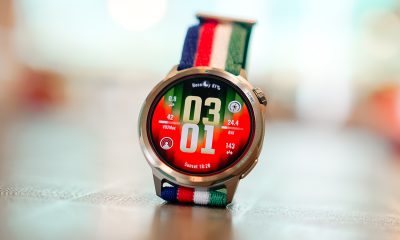
Spotlight: HUAWEI WATCH GT Runner 2 Racing Legend Edition
-

 Apps1 week ago
iOS 27 public beta gives us our first taste of Siri AI