
Automotive
VinFast extends free unlimited charging in 3 markets amid rising fuel prices
Customers in India, Indonesia, and the Philippines to enjoy 3 years of free unlimited charging

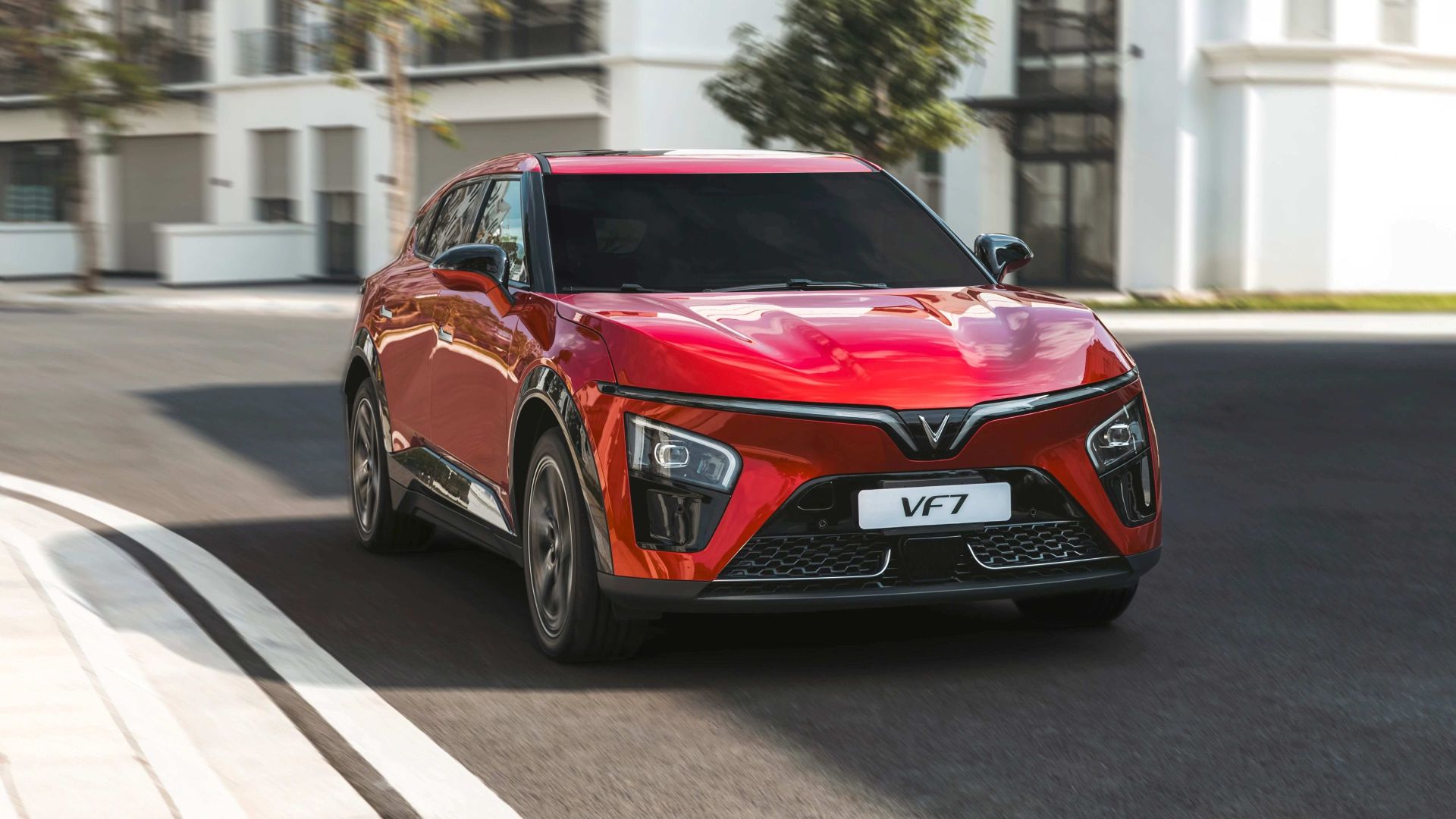
VinFast has announced the extension of its free unlimited charging program in three key Asian markets: India, Indonesia, and the Philippines.
Customers purchasing electric vehicles (EVs) in these countries (or currently own a VinFast EV) can enjoy the zero-fuel-cost advantage for three years, or until March 31, 2029.
This is amid the rising fuel costs in these countries, primarily due to the U.S./Israel-Iran war. Under the new policy, customers can charge for free at authorized V-Green charging stations.
By removing one of the largest operating costs of driving, VinFast aims to help motorists experience the economic advantages of electric vehicles (EVs) while supporting the countries’ transitions toward more sustainable mobility.
The program will be extended broadly to all customers, including both existing owners and future buyers. It will cover both private customers as well as those using their vehicles for transportation services, like the Green GSM EV taxi service network.
Alongside the free charging policy, the charging network developed and operated by V-Green is continuously expanding across the markets where VinFast operates.
This expansion helps create favorable conditions for consumers to confidently transition to greener and more sustainable transportation.
In addition to the free charging incentive, VinFast is already implementing multiple policies to promote the green transition in key Asian markets.
These include a battery subscription program that lowers upfront investment cost, a resale value guarantee policy, flexible payment options, and market-leading warranty coverage.





Automotive
Ford revs up Truck Month with extended 5-star care offers
Explore exclusive cash discounts, flexible downpayment plans, and showroom activations in the Philippines.
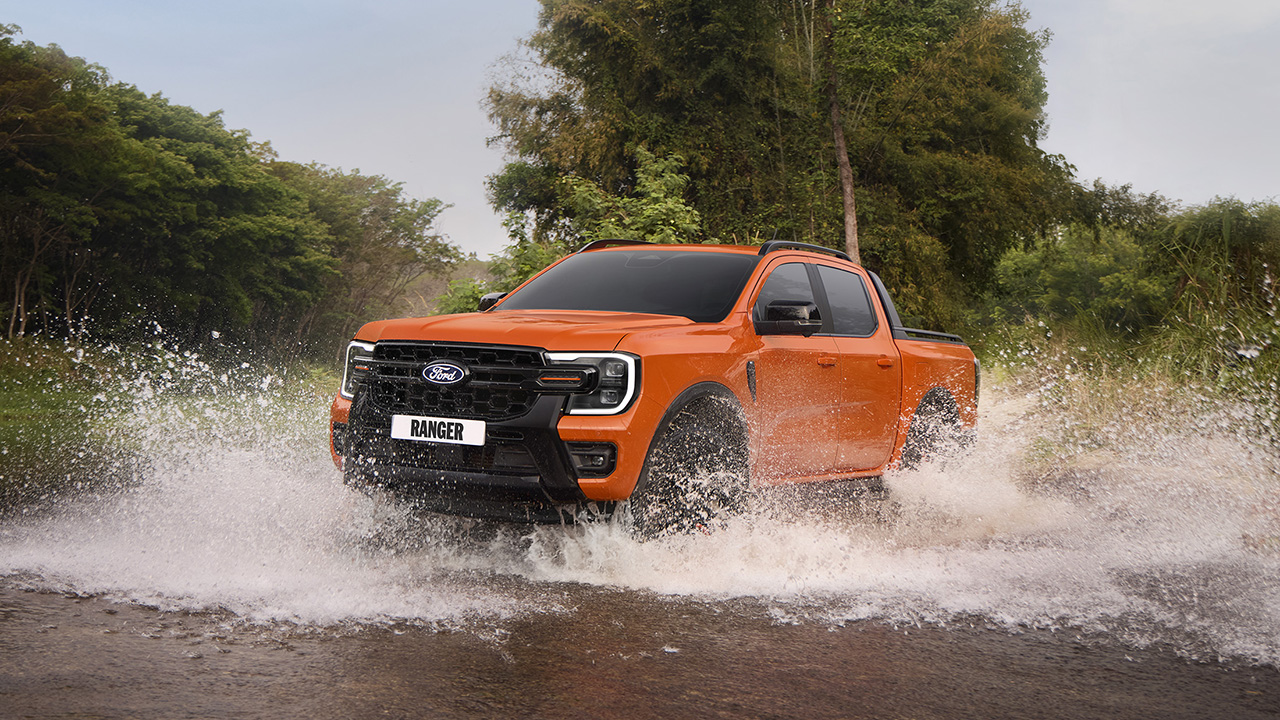
Ford Philippines brings back its annual Truck Month this September, pairing special financing and cash savings with extended service coverage across the updated Ranger and Everest lineups.
The month-long program shifts the focus toward long-term ownership peace of mind. This ensures drivers feel supported well beyond the showroom floor.
Comprehensive coverage for every journey
For drivers who view their truck or SUV as an essential partner for travel and daily routines, maintenance clarity brings genuine confidence.
Select variants in the lineup now include Ford’s 5-Star Care Package, bundling a five-year warranty, five-year scheduled service plan, and five-year roadside assistance.
Flagship performance models built for challenging roads, including the Ranger Raptor 3.0L V6, Ranger Wildtrak X 3.0L V6, and Ranger Wildtrak 3.0L V6, pair this complete service coverage with PhP 20,000 in cash savings. On another note, the Raptor 3.0L V6 also offers a PhP 150,000 all-in downpayment option.
Versatile family vehicles receive identical long-term backing, with the Everest Platinum 3.0L V6, Everest Wildtrak 2.0L, Everest Sport+ 2.0L, and Everest Active 2.0L all bundling the five-year care plan. Meanwhile, the Everest Wildtrak 2.0L Turbo includes an additional PhP 20,000 cash discount.
Financing designed around daily routines
Flexibility plays a central role in fitting a vehicle into personal budgets and busy lifestyles.
For the first time, the practical Ranger XLS 4×2 introduces access to the 5-Star Care Package, allowing buyers to select between long-term maintenance coverage, a PhP 50,000 cash discount, or a PhP 49,000 all-in downpayment.
Drivers drawn to the Ranger Sport 4×2 can opt for a PhP 59,000 all-in downpayment or zero percent interest financing. By providing multiple ownership paths, Ford aligns purchase incentive options directly with driver priorities, prioritizing lasting value throughout the lifetime of the vehicle.
Bringing the experience to dealerships and malls
The Truck Month celebration extends further with the Super September event, taking place from September 16 to 20 across nationwide dealerships and key shopping centers.
Customers who reserve any Ford vehicle during this five-day showcase receive an extra PhP 20,000 in cash savings on top of ongoing Truck Month offers.
Display venues including Virra Mall Greenhills, SM Southmall, SM Seaside Cebu, Robinsons Dumaguete, and SM City Sta. Rosa feature interactive showroom activities and refreshments, offering drivers an accessible way to explore their next vehicle companion.

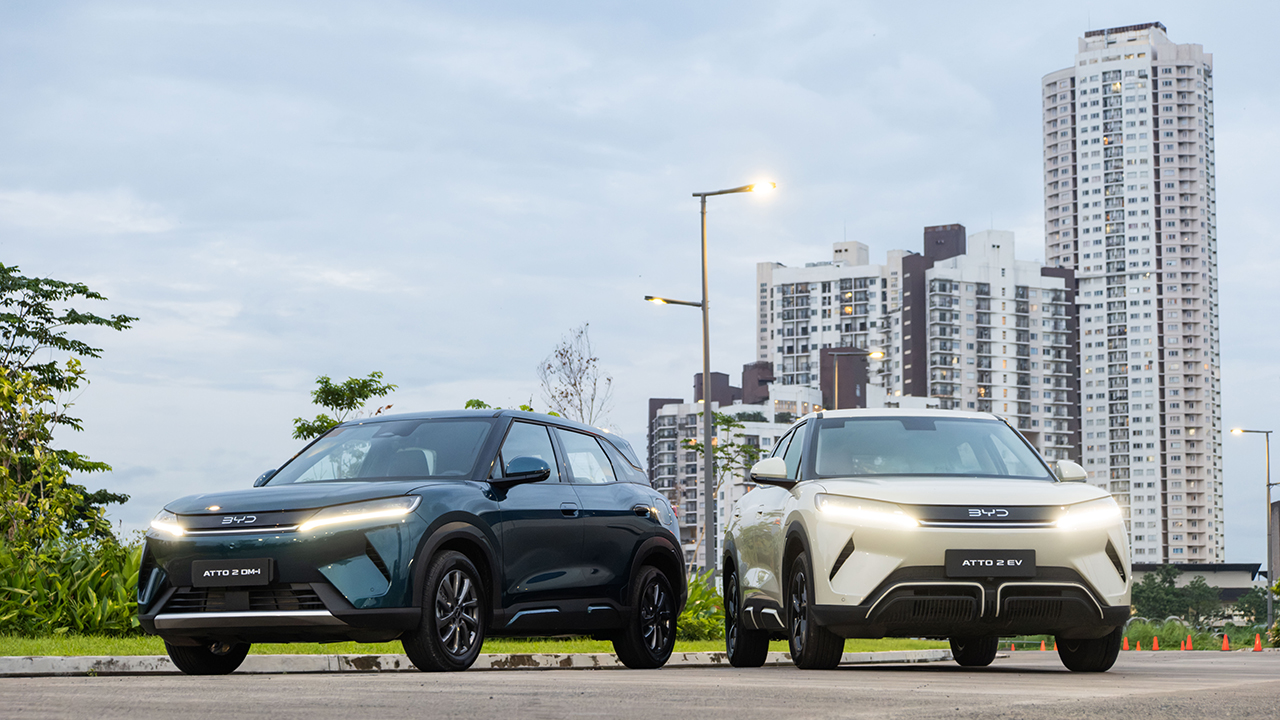
BYD Cars Philippines has launched the BYD Cool & Fresh Combo aircon care promo, happening from September 9 to October 31, 2026.
Under the promo, customers who avail of the Vehicle Aircon Cleaning Package will receive a free cabin air filter and free CarTul Air & Surface Disinfecting Mist.
This gives BYD the time to introduce the new ancillary product as well, which comes in a three-steps cleaner package.

It kills bacteria and viruses, enhances airflow efficiency, and eliminates unpleasant odors. And that’s without having to remove the dashboard.
So owners who avail of the aircon cleaning package throughout the promo period will be able to try the product first hand, without having to spend for it.
For reference, the aircon cleaning package is priced at PhP 5,262.
The offer is available to all BYD vehicle owners who are due for their 1-Year Preventive Maintenance Service (PMS) or have reached 20,000 kilometers on their odometer.
Automotive
ACMobility launches EV safety program to help drivers make the switch
The new “Drive Electric” curriculum covers everything from charging safety to actual EV ownership costs.

ACMobility, the Ayala Group’s mobility arm, launched its “Drive Electric. EV Safety Program,” and it’s aimed at pretty much anyone curious about EVs.
That means advocates, people thinking about buying one, fleet operators, and just regular folks who want to understand what they’re getting into.
The goal is straightforward: clear up the misconceptions around EVs by giving people practical, easy-to-follow information on how the technology and charging infrastructure actually work.
The program covers safety guidelines, the real costs of ownership, and how charging works, so people can decide for themselves if going electric makes sense for them.
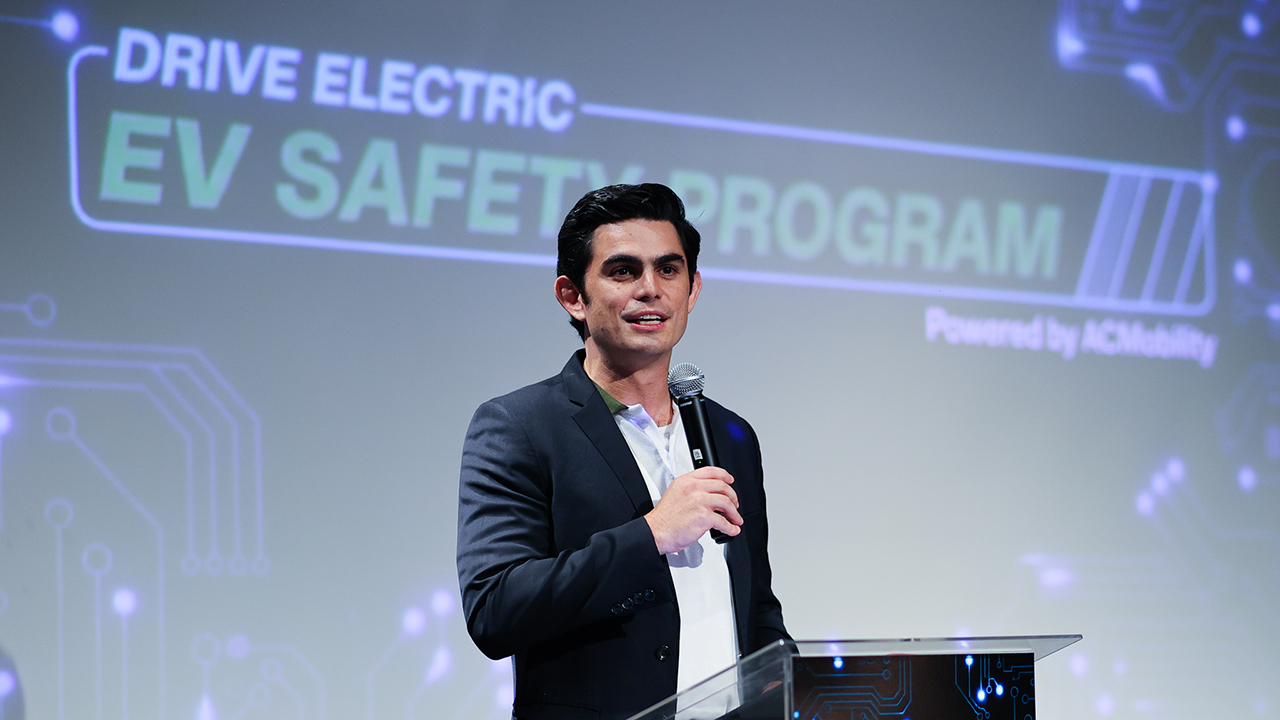
At the launch, ACMobility CEO Jaime Alfonso Zobel de Ayala talked about the bigger picture, saying the company’s priority is to empower drivers to shift to a more sustainable and cost-effective transport option.
He framed the program as part of that commitment, aiming to give drivers practical tools and accessible technical knowledge on EVs.
Building the curriculum with actual experts
ACMobility didn’t build this alone. The program came together with professional instruction partners and close coordination with the Department of Energy, the Bureau of Fire Protection, the Electric Vehicle Association of the Philippines, and the Philippine EV Community.
The curriculum runs five modules deep, and it tackles the questions people actually ask before buying an EV: what it really costs to own one long-term, how much you can save, how to charge safely, what to do in an emergency, and how the technology itself works.
What comes after the launch
ACMobility says this is just the start. The company plans to roll out educational seminars nationwide for drivers looking to make the switch, expanding into corporate sessions, community workshops, and showcases at bigger industry events.
Future sessions will pair the technical side with actual test drives, so people get hands-on time with EVs alongside the expert guidance.


DJI Lito X1 review: Is this the best lightweight drone for creators?
Making a strong case as a travel companion and a capable B-cam!


REDMI Note 17 Pro Max review: A new breed born from AI greed
Welcome to the new normal


Marvel’s Wolverine review: When the claws come out
A brutal, cinematic superhero adventure

vivo introduces OriginOS 7 with smarter multitasking and AI features

vivo X500 Series launches with major imaging upgrades

Manila turns up the volume at COVE

Epson Lifestudio Grand Plus EH-LS970B with 4K projection, more launches

Jackery Explorer 300D: Power and portability in one

realme 16T 5G with 8000mAh battery, IP69 Pro rating launches in PH

HUAWEI Pura X View is 2026’s first WIDE slab-type smartphone

REDMI reveals the refreshed Note 17 and Note 17 Pro series

REDMI Note 17 Series: Price, availability in Singapore

The CAMON Slim 5G is TECNO’s latest ultra-slim smartphone


-

 News2 weeks ago
iPhone 18 Pro series: Price, availability in the Philippines
-

 Singapore2 weeks ago
iPhone 18 Pro series: Price, availability in Singapore
-

 News2 weeks ago
iPhone Duo: Price, availability in the Philippines
-

 News2 weeks ago
vivo introduces refurbished versions of X300 FE, X300 Ultra for less
-

 News2 weeks ago
iPhone Duo: Price, availability in Singapore
-

 Accessories2 weeks ago
CASETiFY upgrades iPhone 18 cases, teases iPhone Duo lineup
-

 News2 weeks ago
HONOR teases Magic9 Pro Max at Venice
-

 Editors' Choice2 weeks ago
GadgetMatch Awards: Best of IFA 2026