
Lifestyle
Samsung Galaxy J7+ hands-on review

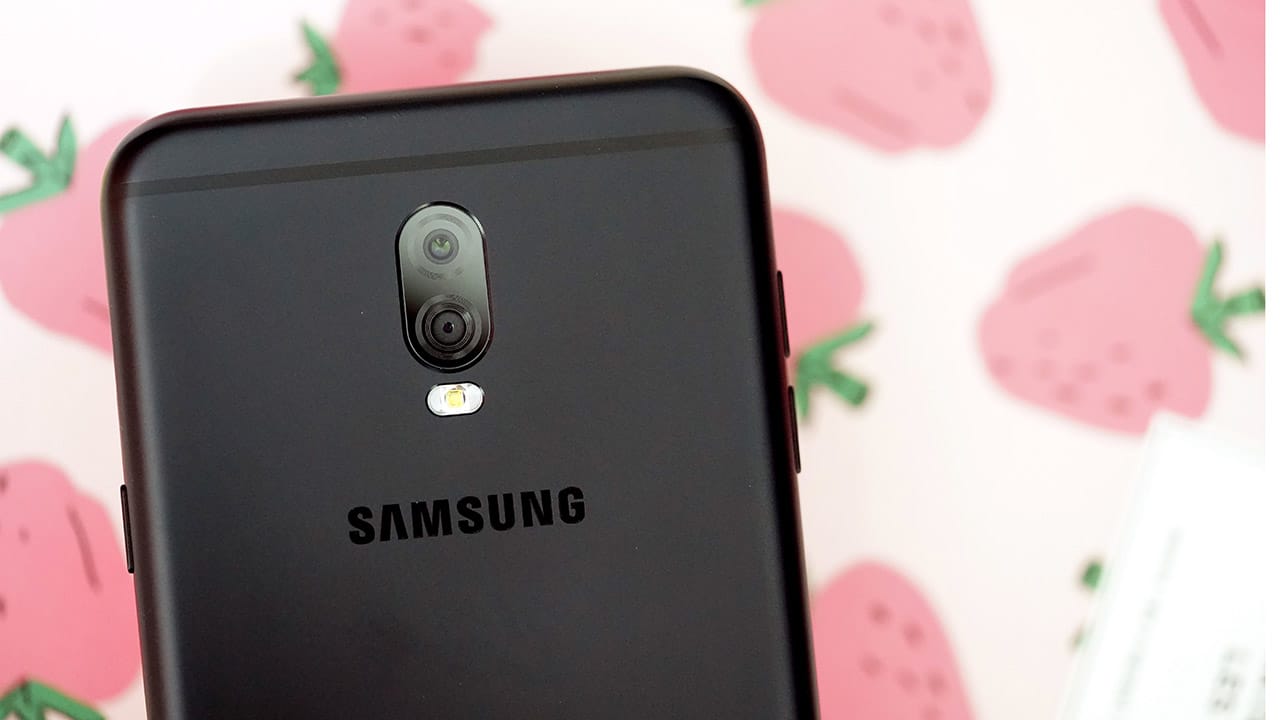
Samsung’s firm belief in the saying “the more, the merrier” stands true as yet another phone is launched under the J7 banner. This saying also applies to the number of cameras on their phones: The Samsung Galaxy J7+ is Samsung’s second dual-camera phone and this time, you don’t have to shell out US$ 1,000 to own it.
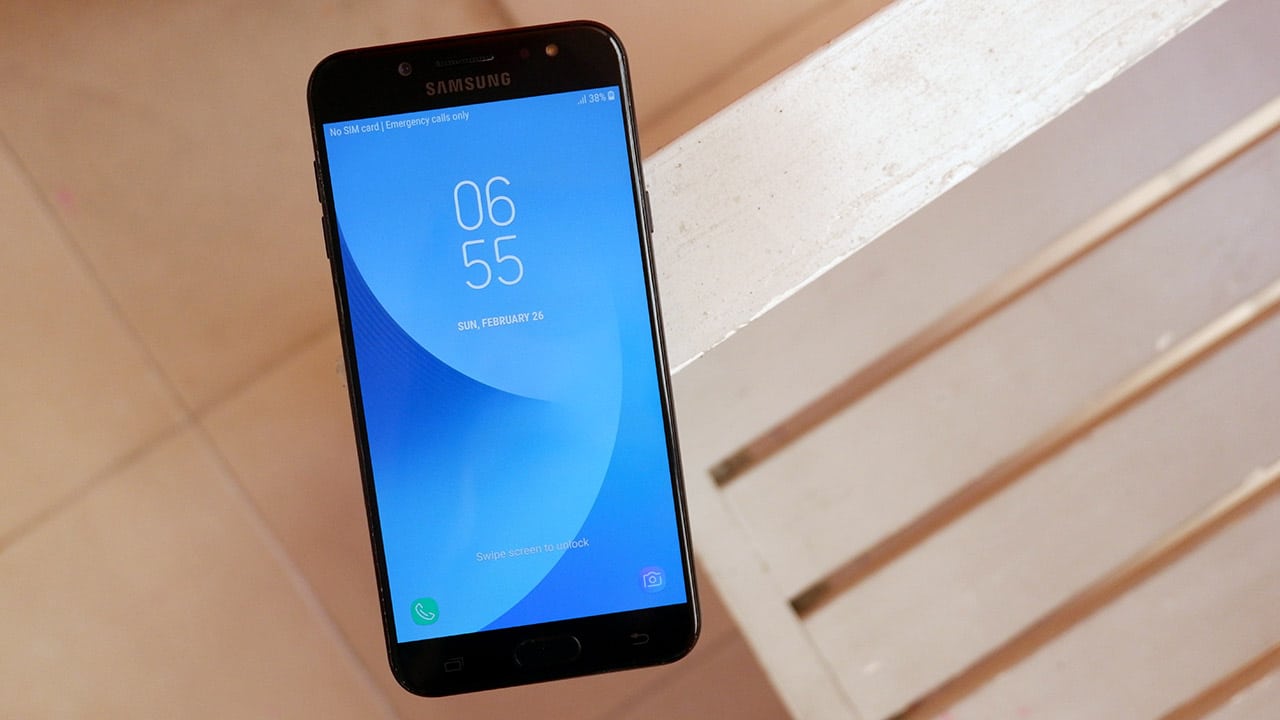
The phone looks good
With a 5.5-inch AMOLED display, the Galaxy J7+’s screen wows.
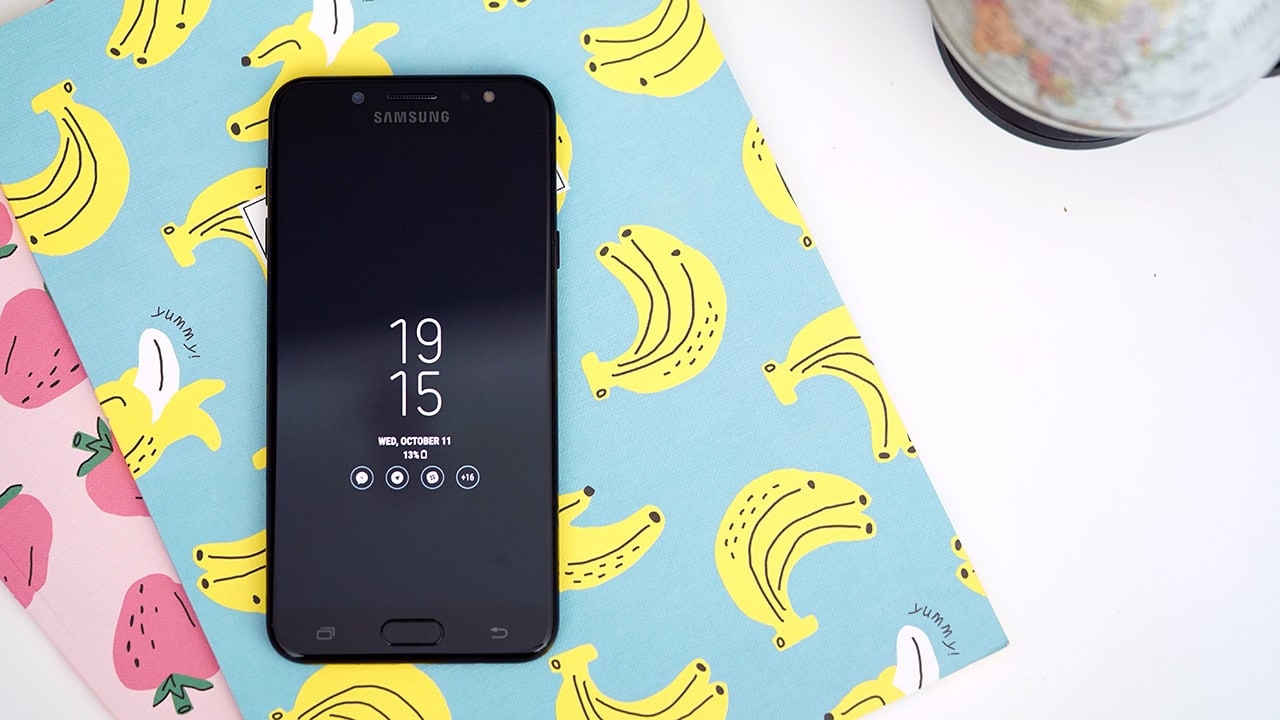
This also means you get an Always On display which can be pretty useful, TBH.
The screen is bright and the images look crisp. The phone is pretty responsive — it does well for a midrange phone — though it’s obviously not as snappy as flagship devices, but that is to be expected.
And it feels good, too
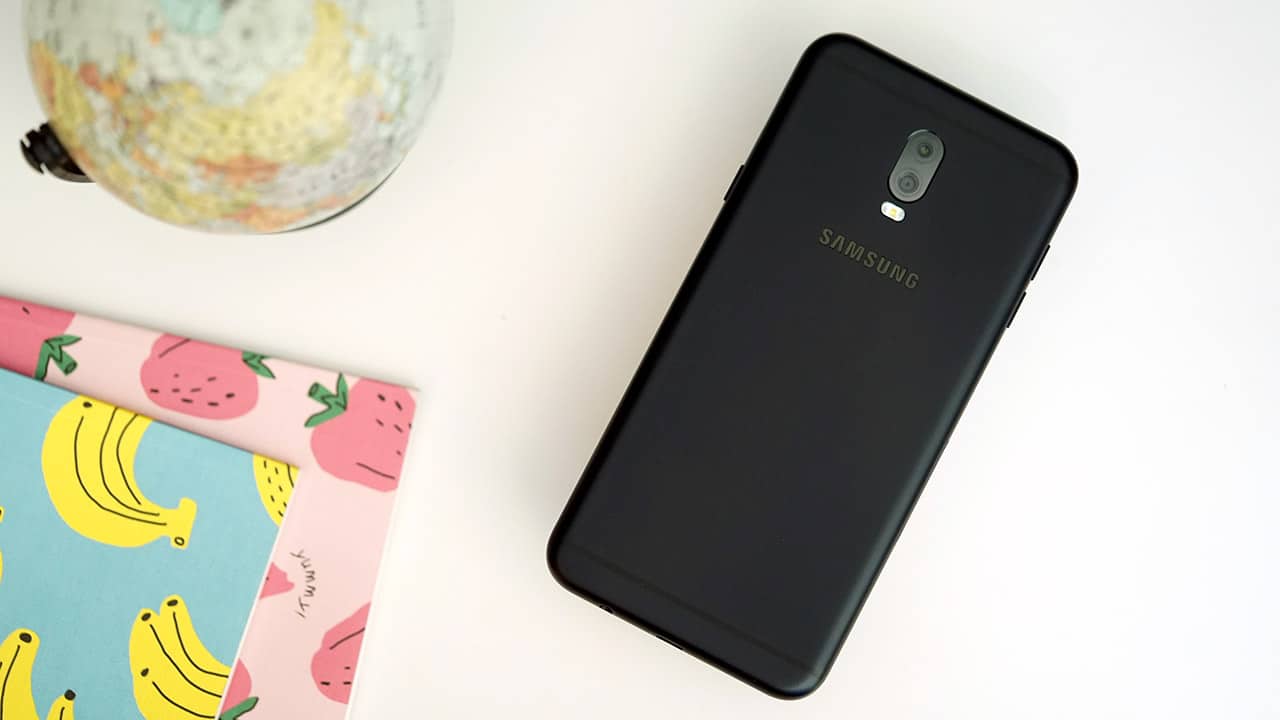
It has a good weight and an aluminum body which means it’s a delight to hold — I don’t like light and plastic-y phones as they usually tend to feel cheap.
Speaker grilles are still at that spot we love
That spot is at the top-right side of the phone, above the power button.
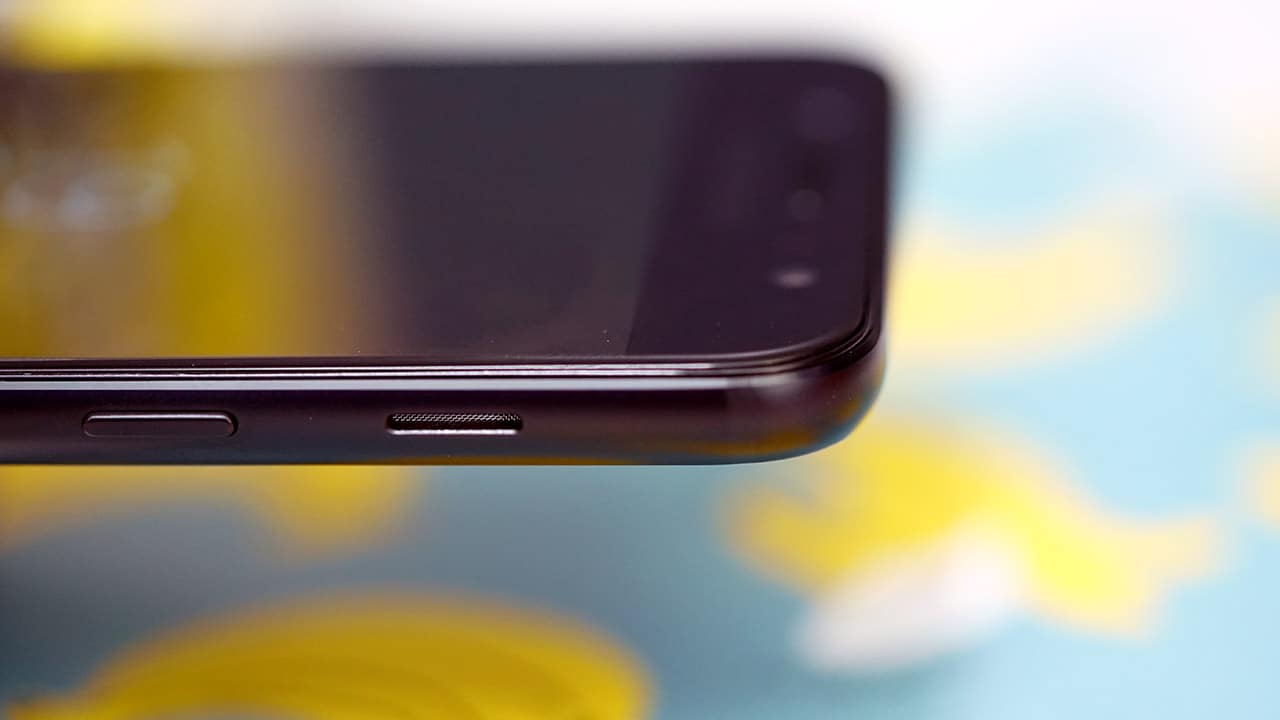
Marvin and Dan have raved about this speaker placement, but I never really appreciated it until I used the phone. Clear audio all the way, and no issues with accidentally covering speakers way up there, even when I’m on the phone while lying in bed.
Still pretty old school with a micro-USB and (yay!) audio jack
It’s 2017 and while I’d love to see USB-C in new devices, it’s still pretty common for more affordable phones such as the Galaxy J7+ to have a micro-USB port.

The chin of the phone houses a physical home button with a built-in fingerprint scanner which unlocks the phone in a second. There are two capacitive buttons (back and recent apps) to the sides of the home button.
More choices with a dual-SIM slot
Again, the more the merrier! Two nano-SIM cards can be inserted on the phone, with one convertible slot that can house a microSD card for added storage as much as 256GB.
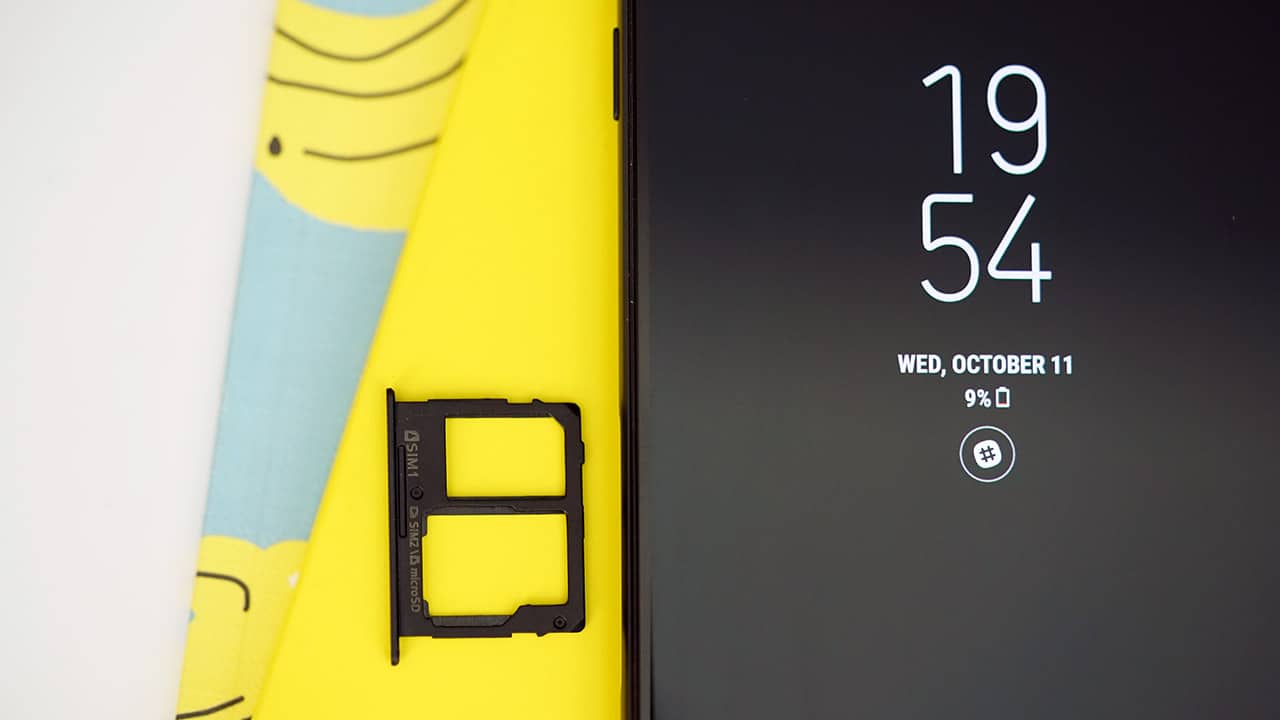
The volume buttons are on the top-right of the phone.
Of course, there’s the dual-cam rear setup
The rear packs 13- and 5-megapixel shooters, the latter camera designed to capture depth on photos.
Here are a few test shots:

The Galaxy J7+ cameras prove to be very capable with photos coming out with great color and detail in normal daylight scenarios.

The phone was even able to capture my dog in this pose — and doggies are rarely very still!

Another new feature that comes to the Galaxy J7+ is its Live Focus view, which allows you to adjust the bokeh or blur on a particular photo during or even after the photo had been taken. I’ve tried this mode on the Galaxy Note 8 and it’s a pretty fun feature!
Unfortunately, because this is a pre-production unit and some bugs are to be expected, I wasn’t able to try the mode out on this phone. The photos I took were tagged as “processing,” and this went on for a long time. After 30 minutes of waiting, I still couldn’t edit or open them.
The selfie camera is cool, too
This phone’s front-facing camera is a 16-megapixel shooter and has a built-in beauty mode which allows you to slim down your face, smoothen it out, adjust skin tone, or even increase your eye size.

There are also bundled stamps and stickers that make for the cutest selfies, and if you’re not impressed, well then you’re missing out on some serious millennial fun. I will never tire of these Samsung filters!
Here are more sample shots from the front and rear cameras:
-

- This pie tastes as good as it looks
-

- Harsh and complicated lighting but still good photos
-

- But first, a selfie!
-

- Chandelier!
-

- Bokeh on auto mode
-

- Just another afternoon snapping photos!
All other things worth noting
The Samsung Galaxy J7+ is powered by a MediaTek Helio P20 processor with 4GB of RAM and 32GB of expandable storage. I had no issues running multiple apps and games that aren’t so heavy, like Stranger Things and Plants vs Zombies, played smoothly. A single charge on its 3000mAh battery lasted me a whole day’s worth of use.
At the end of the day, the Samsung Galaxy J7+ is good for what it is: a midrange smartphone with good cameras on it.

This dual-camera phone comes at a way cheaper price point than the other dual-camera Samsung alternative (the Galaxy Note 8), but it’s worth noting that there are other phones in the market with specs that rival this for even less.
For those who know and love the Samsung brand, however, it’s a no-brainer. If you’re looking for a Samsung smartphone and only a Samsung, this may be the dual-cam handset for you.
The Samsung Galaxy J7+ retails for PhP 19,990 in the Philippines and THB 12,900 in Thailand.
SEE ALSO: Samsung Galaxy J7+ launches in the Philippines
[irp posts=”21809″ name=”Samsung’s Galaxy J7+ ad will give you all the feels”]




Her GadgetMatch
What your smartphone color choice reveals about you
Eight colors, eight personalities. Here’s how to pick.

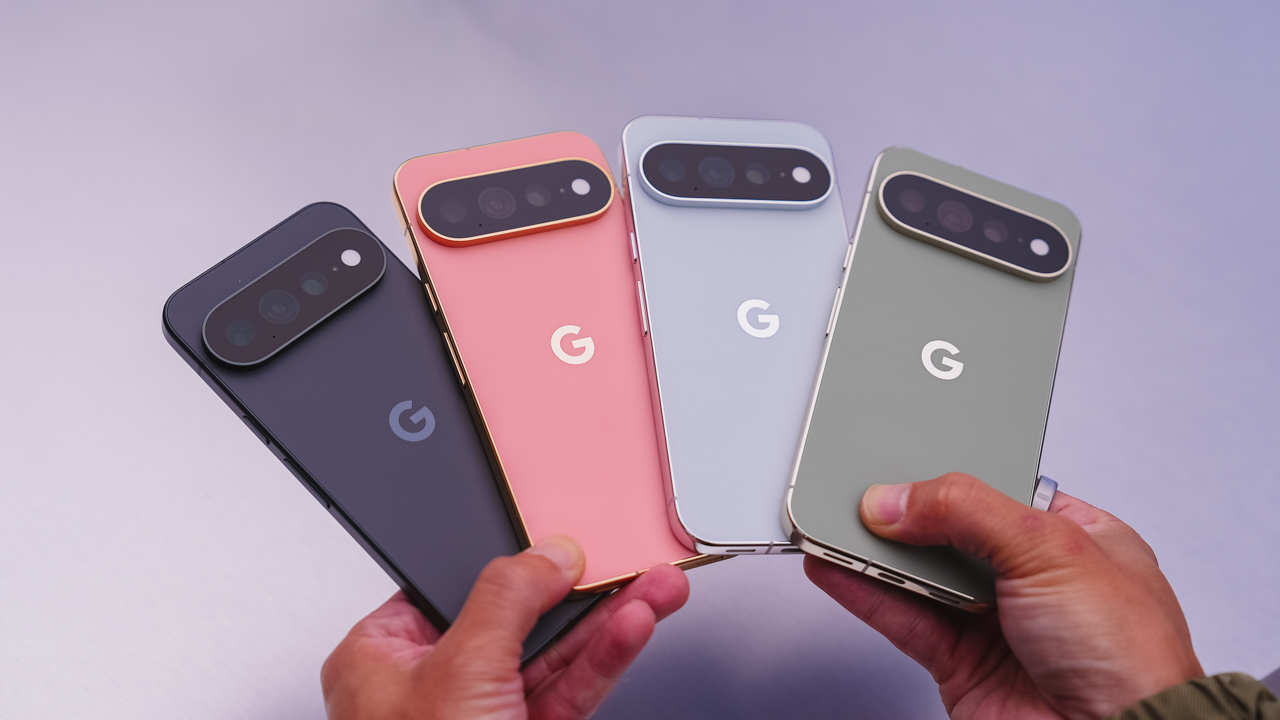
Your phone color says more than you think. With the Pixel 11 series, Google’s giving you eight ways to make that statement, and there’s genuinely one for every kind of person.
Hibiscus
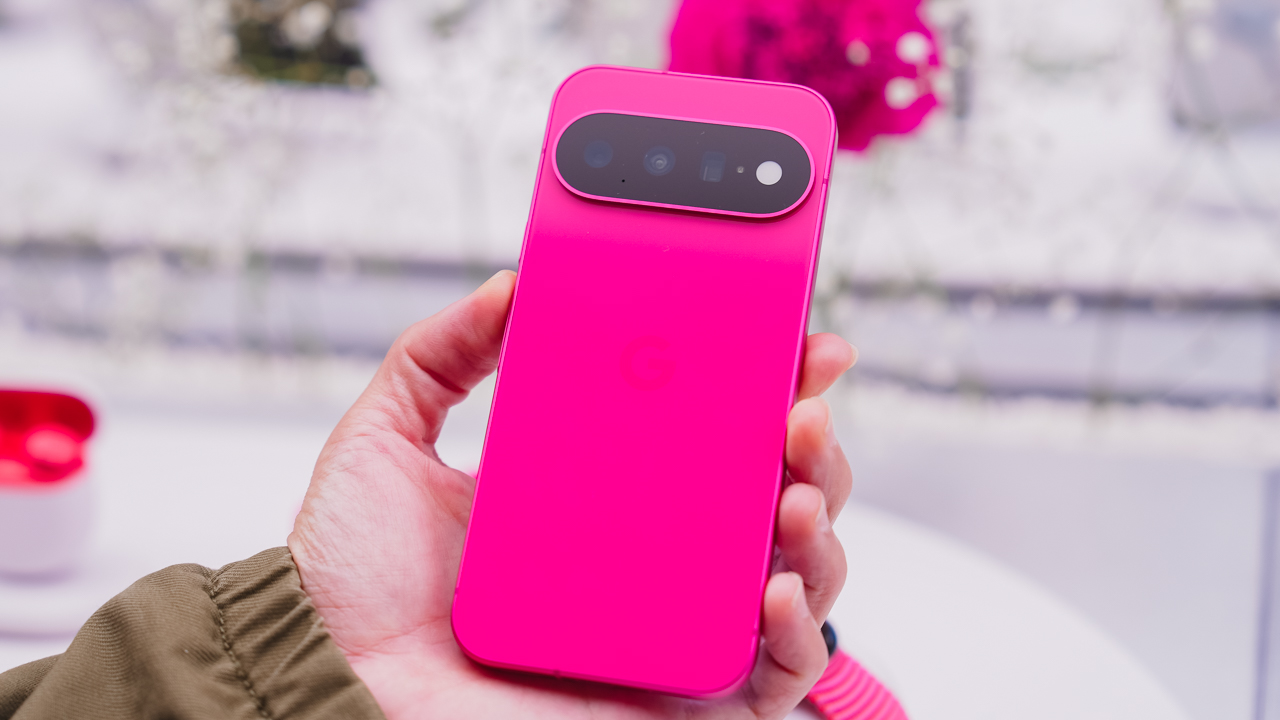
You’re never the quiet one in the room. Hibiscus doesn’t ask for attention; it just takes it, and if that sounds like you, you’re probably not planning to start hiding now. This is the pick for anyone who’d rather stand out than blend in.
Pistachio
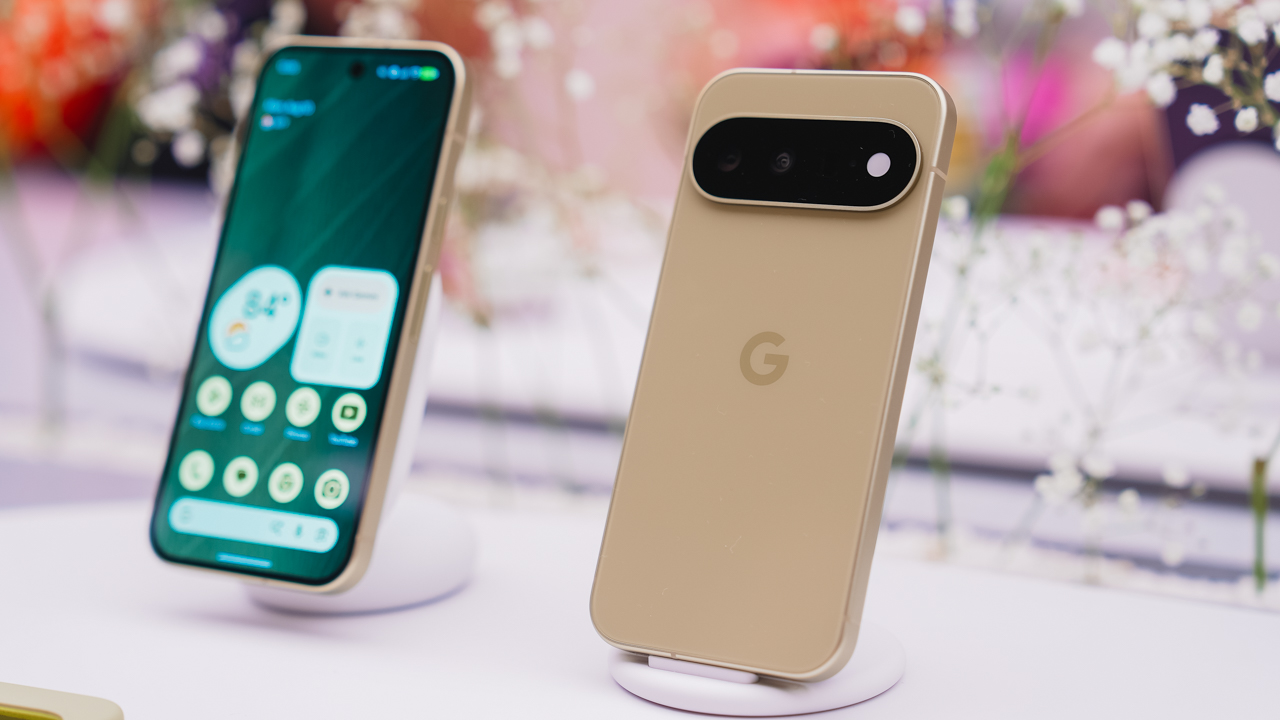
You’re the one who remembers everyone’s coffee order. Pistachio is soft and easy; the one whom people gravitate toward without quite knowing why. It doesn’t try hard to be liked. It just is.
Frost
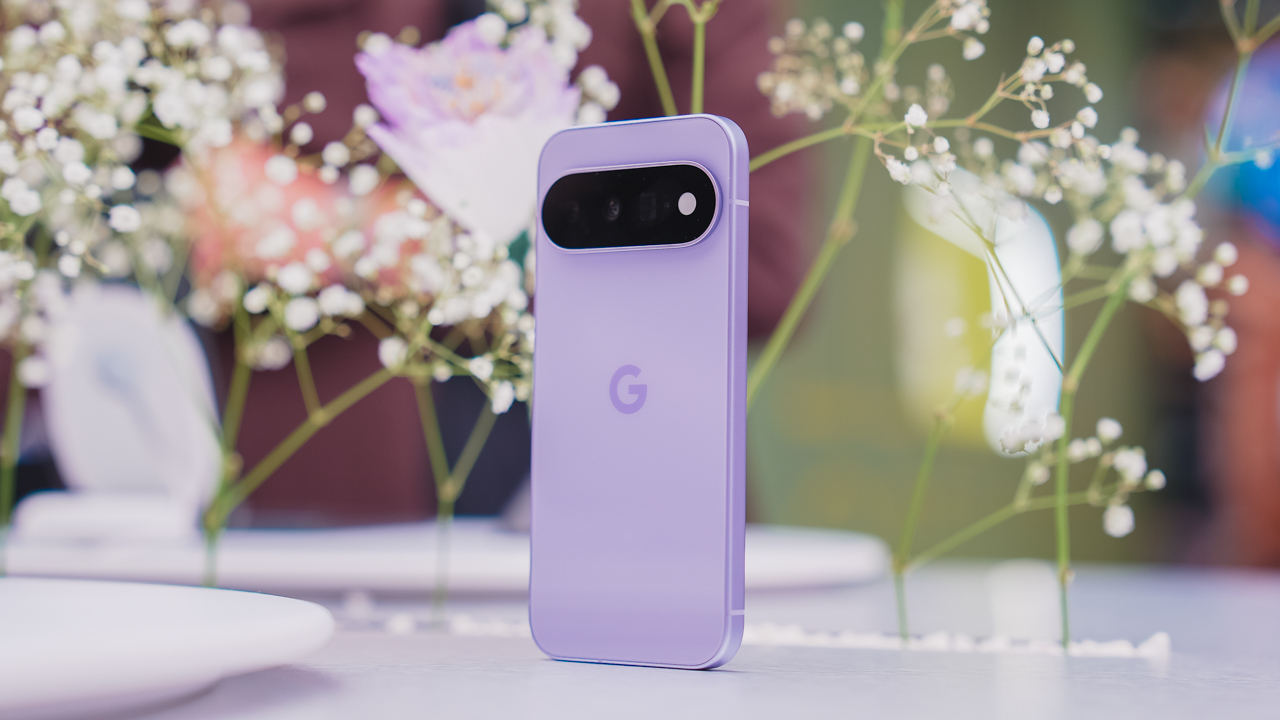
You like things a little too organized. Frost means clean lines and a clear head, the color equivalent of a camera roll with zero mess in it. If your notes app has color-coded folders, this one’s calling your name.
Obsidian
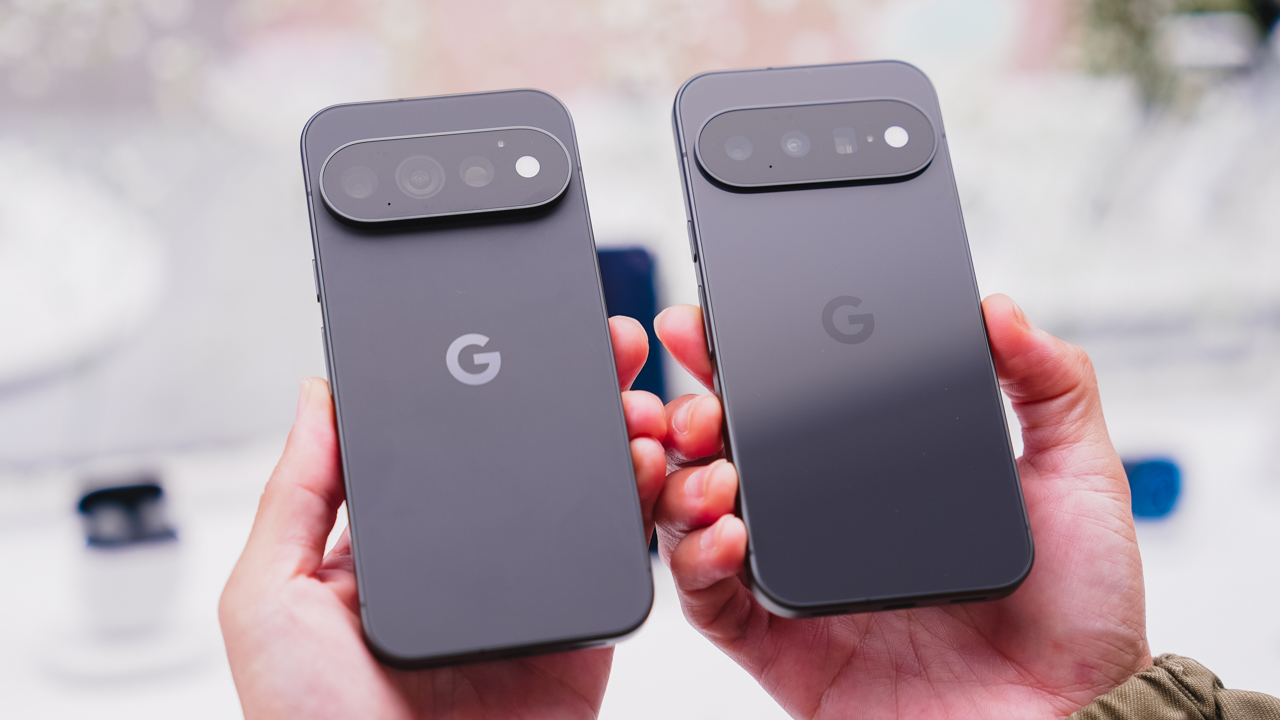
You let the work speak for itself. No flash needed, because when you show up, the room adjusts anyway. Obsidian is the classic choice, the one that’s never trying too hard because it doesn’t have to.
Canyon
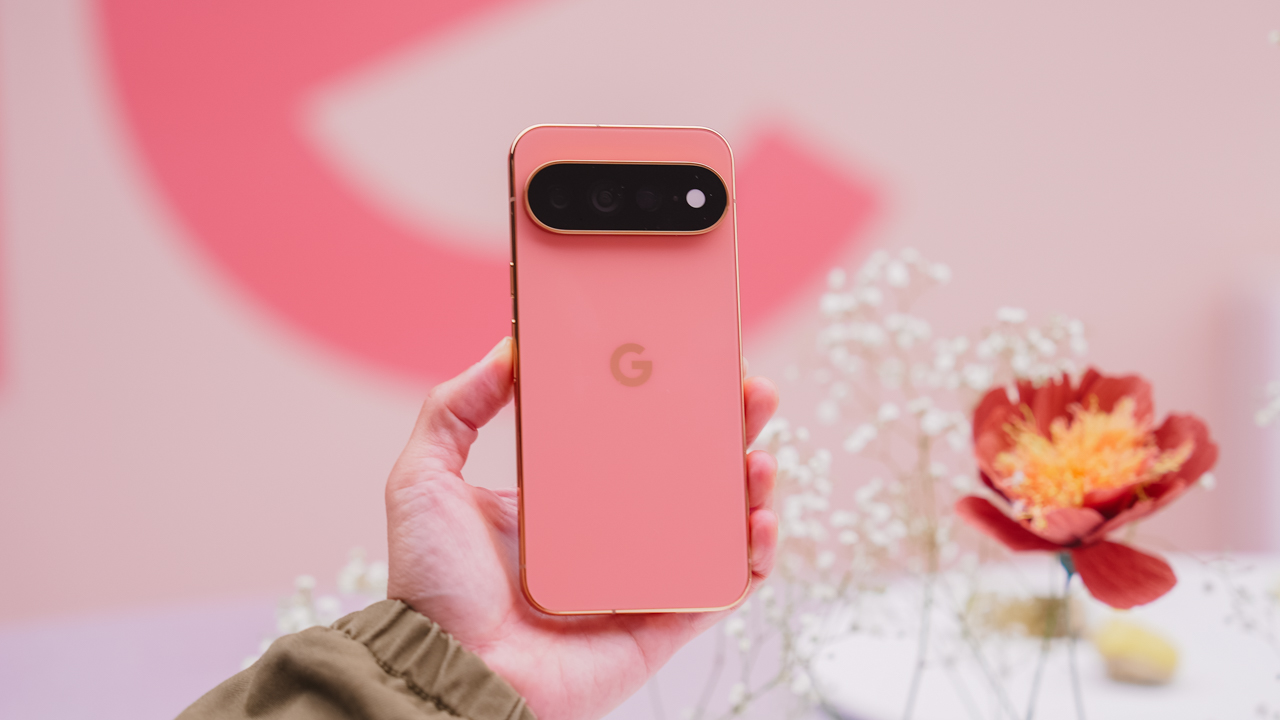
You’re the one who suggests the sunset drive. Canyon is warm and a little restless, always chasing golden hour whether or not anyone else is up for it. Available on the Pro and Pro XL, it’s built for people who treat every evening like it might be a good one.
Olive
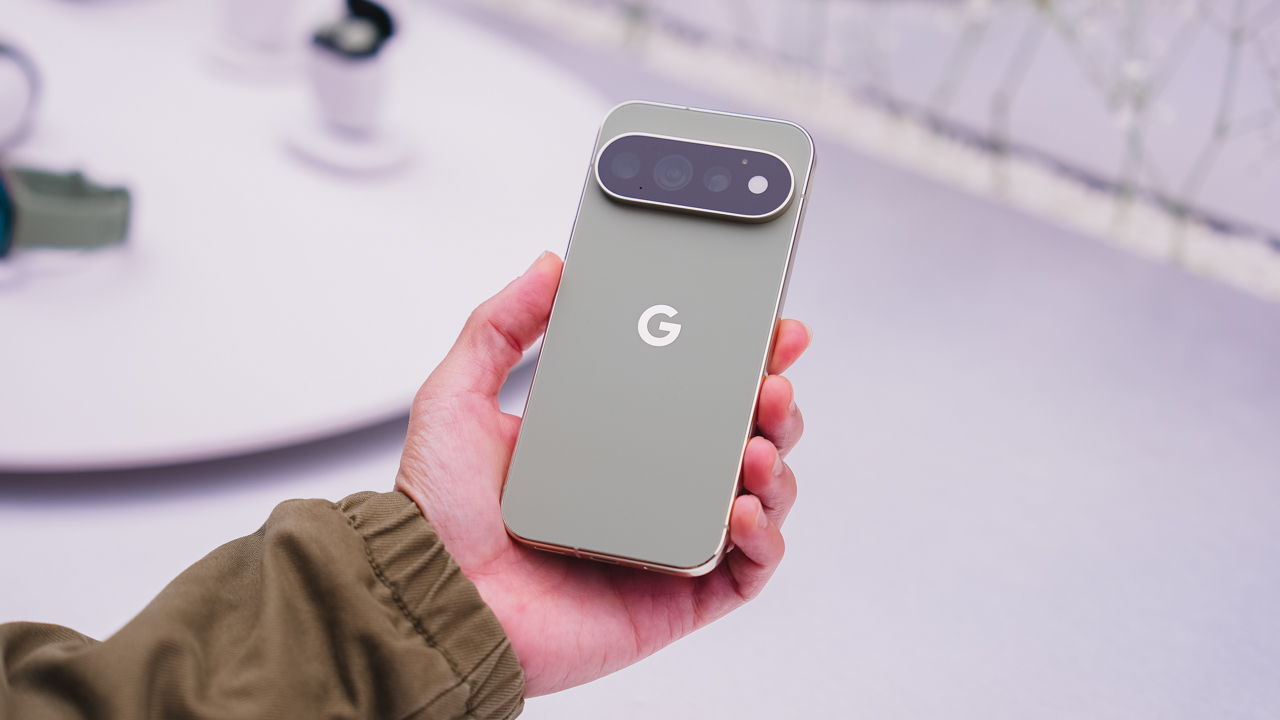
You’re outdoorsy, but you’ll still show up looking put together. Olive is low-key and grounded, the one who doesn’t try too hard because it’s already comfortable in its own skin. Another Pro and Pro XL exclusive.
Fog
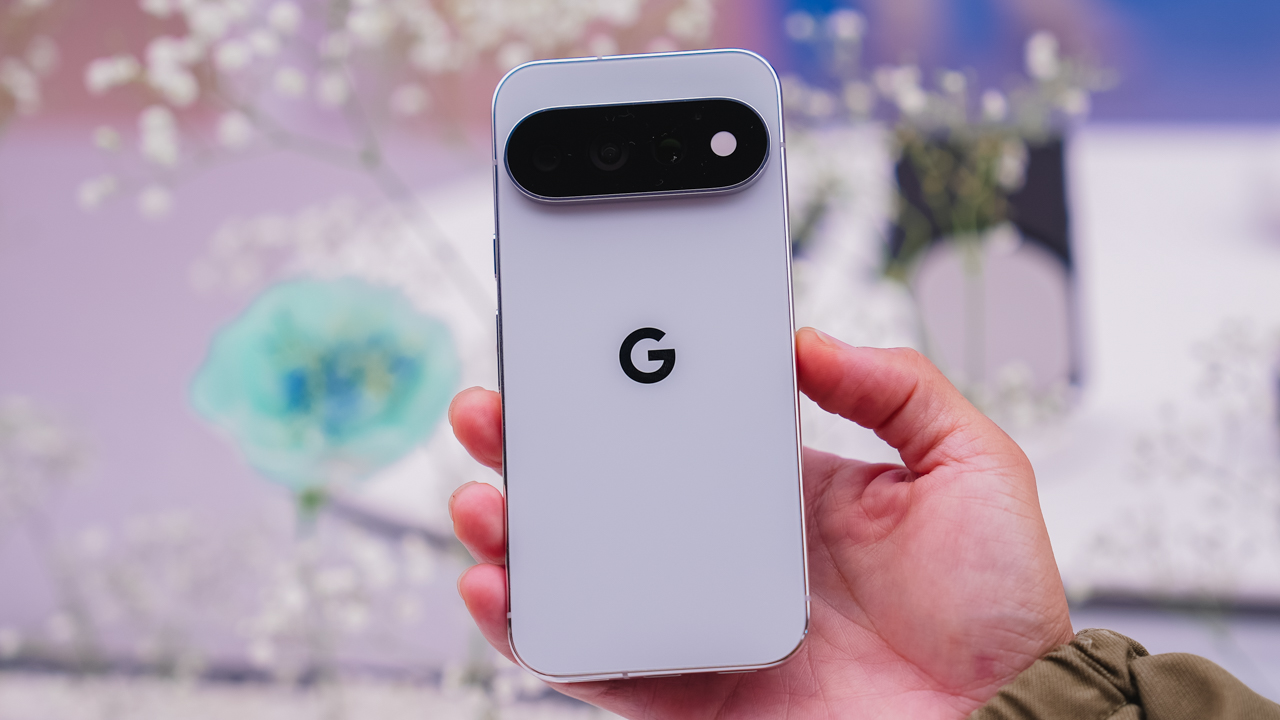
You’re hard to read, and you like it that way. Fog is understated on purpose, a Pro and Pro XL colorway for anyone who’d rather keep people guessing.
So, which one’s you?
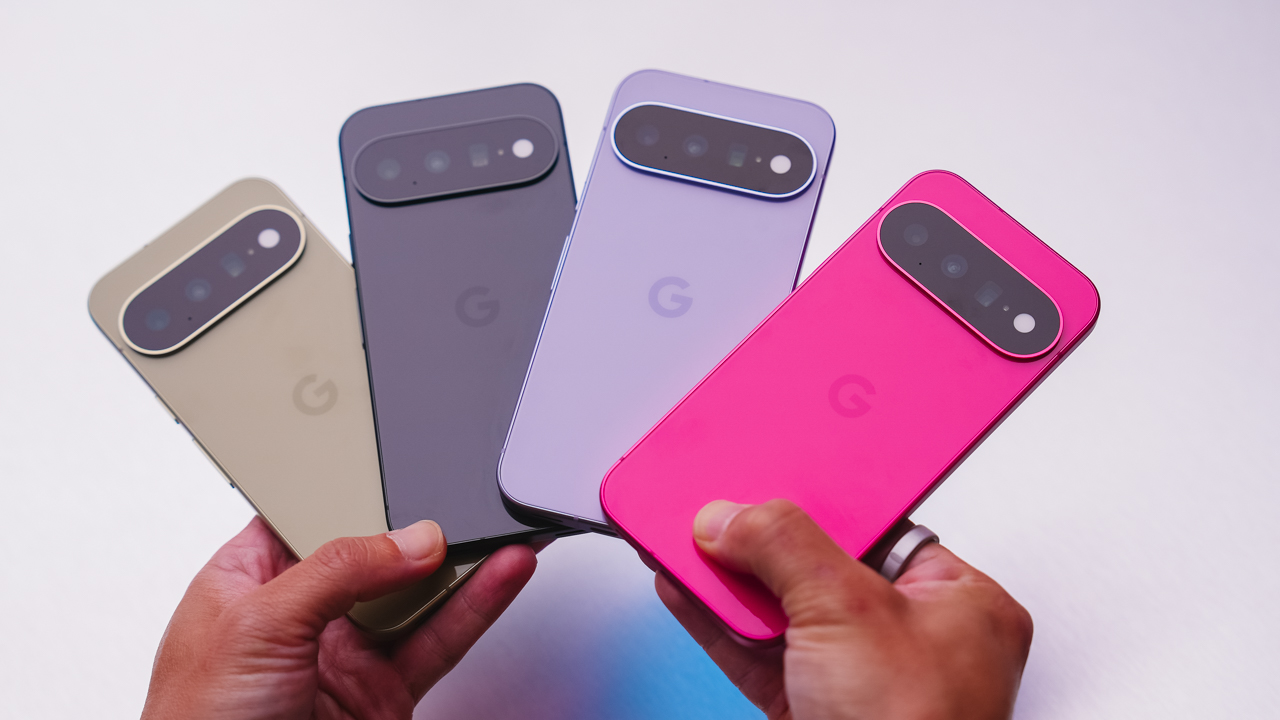
Eight colors, three phones, one very personal decision. Pixel 11, Pixel 11 Pro, and Pixel 11 Pro XL goes on sale starting August 20 — with Pistachio, Hibiscus, Frost, and Obsidian on the base model; and Canyon, Fog, Olive, and Obsidian on the Pro line.
Which one’s calling your name?
Entertainment
Box office: Brand New Day set to surpass US$ 2 billion, drives Marvel’s Spider-Man 2 resurgence
Sony Pictures’ fourth Tom Holland feature film sets records


The box office performance of Spider-Man: Brand New Day has been nothing short of spectacular.
Sony Pictures’ fourth feature film featuring Tom Holland as the titular protagonist broke the domestic opening day record.
This feat narrowly beat the previous record set by another Marvel Cinematic Universe (MCU) film in Avengers Endgame.
That strong opening continued in the next few weeks as Brand New Day became became the fastest to reach the US$ 500 million mark, breaching the milestone in just seven days, per LA Times.
The movie is already the highest grossing film of 2026, beating Toy Story 5.

Which such massive success so far, Spider-Man: Brand New Day is on pace to beat Avengers: Infinity War for worldwide total gross.
With over US$ 1.7 billion grossed in just two weeks, the film is projected to surpass any point between the US$ 2.1 billion to US$ 2.3 billion mark.
It will become only the eighth ever film to surpass that mark once it reaches at least US$ 2 billion.
The others are: Avatar (2009), Endgame (2019), Avatar: The Way of Water (2022), Ne Zha (2025), Titanic (1997), Star Wars: The Force Awakens (2015), and Infinity War (2018).
However, Endgame still holds an advantage, thanks to its international launch in major markets. The epic conclusion to the MCU’s Infinity Saga grossed US$ 2.79 billion during its 2019 run. And you will have to adjust that value slightly due to inflation.
In the Philippines, a strong market, Brand New Day has just eclipsed the PhP 1 billion mark, which is roughly about US$ 17.2 billion.
For comparison, it will definitely surpass Infinity War at some point, while Endgame grossed PhP 1.8 billion total or about US$ 34.56 billion at the time.
Marvel’s Spider-Man 2 experiences resurgence

Moreover, the film’s success also triggered a transmedia halo effect with Insomniac Games’ Marvel’s Spider-Man 2 also experiencing a resurgence in sales and player engagement.
Per IGN citing Alinea Analytics, since the film’s release, the game sold over 300,000 more copies across PlayStation 5 and Steam within a two-week span.
This is the equivalent to over US$ 11 million in revenue for Sony and Insomniac Games.
Plus, for the first time since the title’s launch in 2023, it experienced more than one million daily active users.
A combination of movie hype plus some timely discounts contributed to the game’s resurgence, also proving that the Spider-Man franchise has always been one of the biggest and most relevant IPs of all time.
Cameras
Insta360 X6 brings 8K 360 capture, AI-powered editing
Sharper 360 footage, longer battery life, and an AI that edits your clips while you charge?!
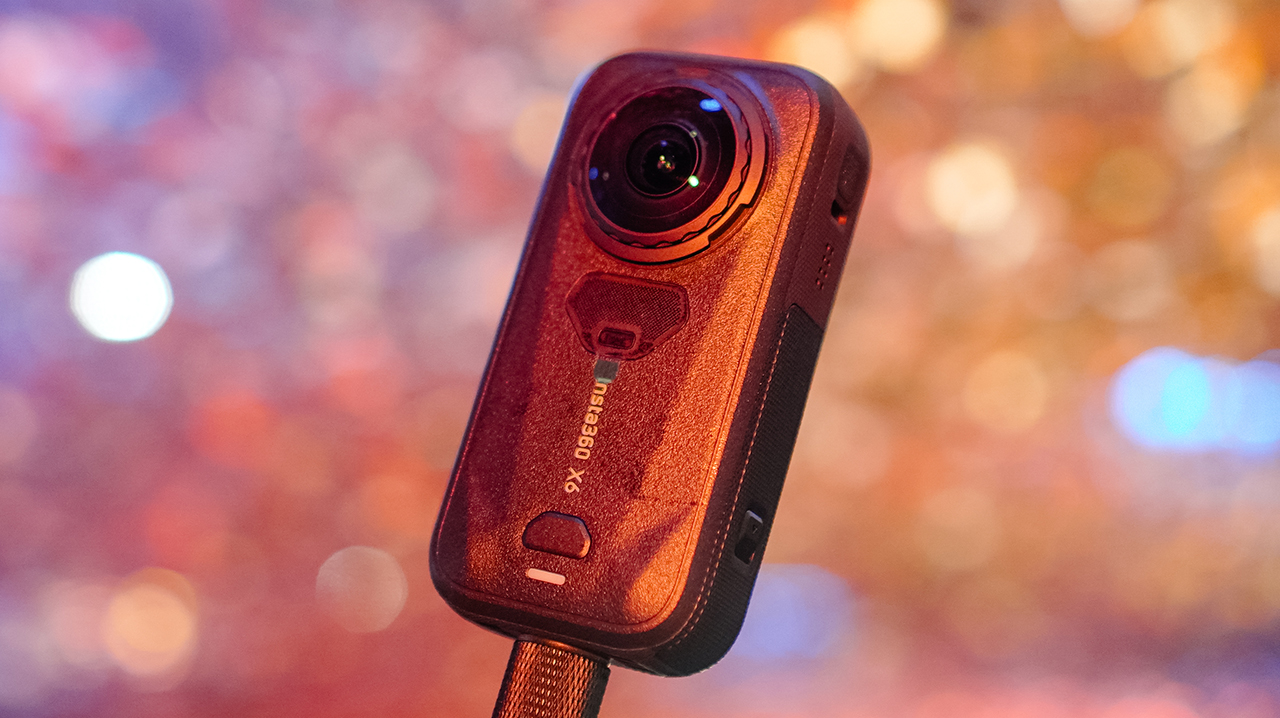
Fresh off its global release, Insta360 brings its latest entry in the X series, the Insta360 X6, to the Philippines.
Upgraded imaging for every moment
The headline upgrade lands straight in the image sensor. Dual custom Sony 1/1.1-inch square sensors power the Insta360 X6, delivering a full 1-inch equivalent 360 imaging experience.
This hardware update brings noticeably sharper detail and stronger low-light performance compared to older X Series cameras. It shoots up to native 8K at 50fps with 10-bit color and native in-camera Dolby Vision, giving creators maximum flexibility during post-production.
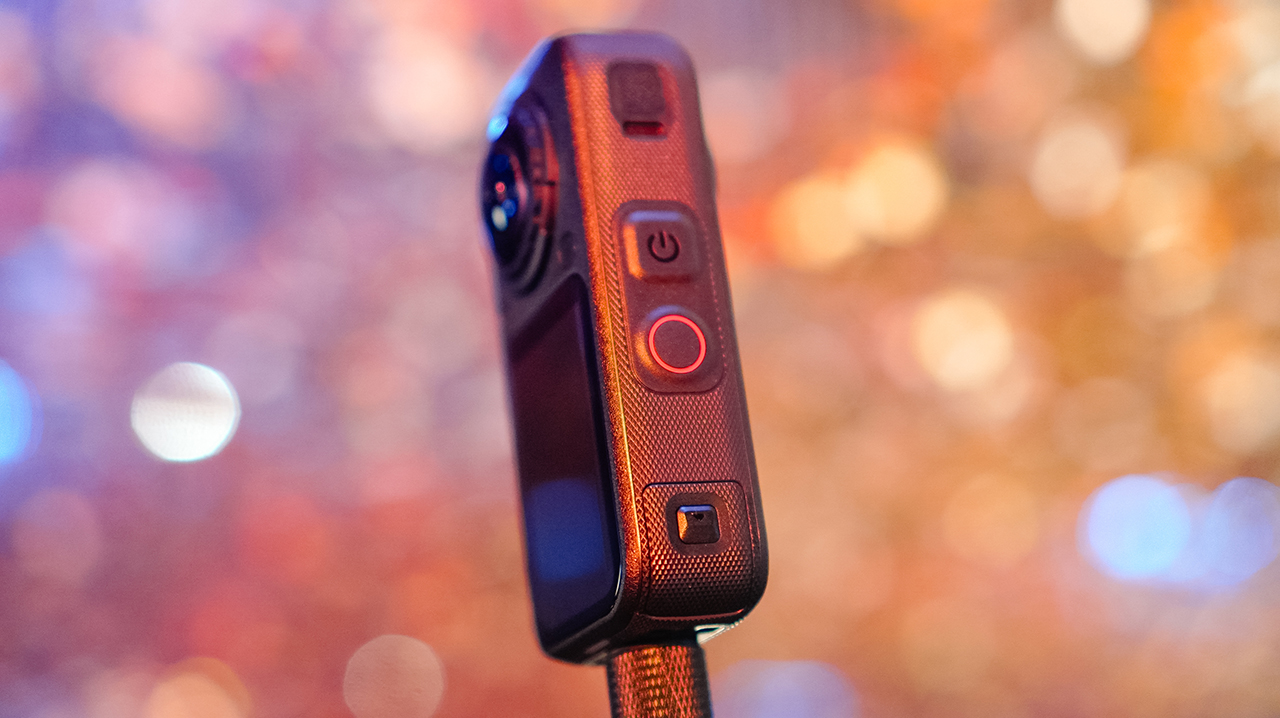
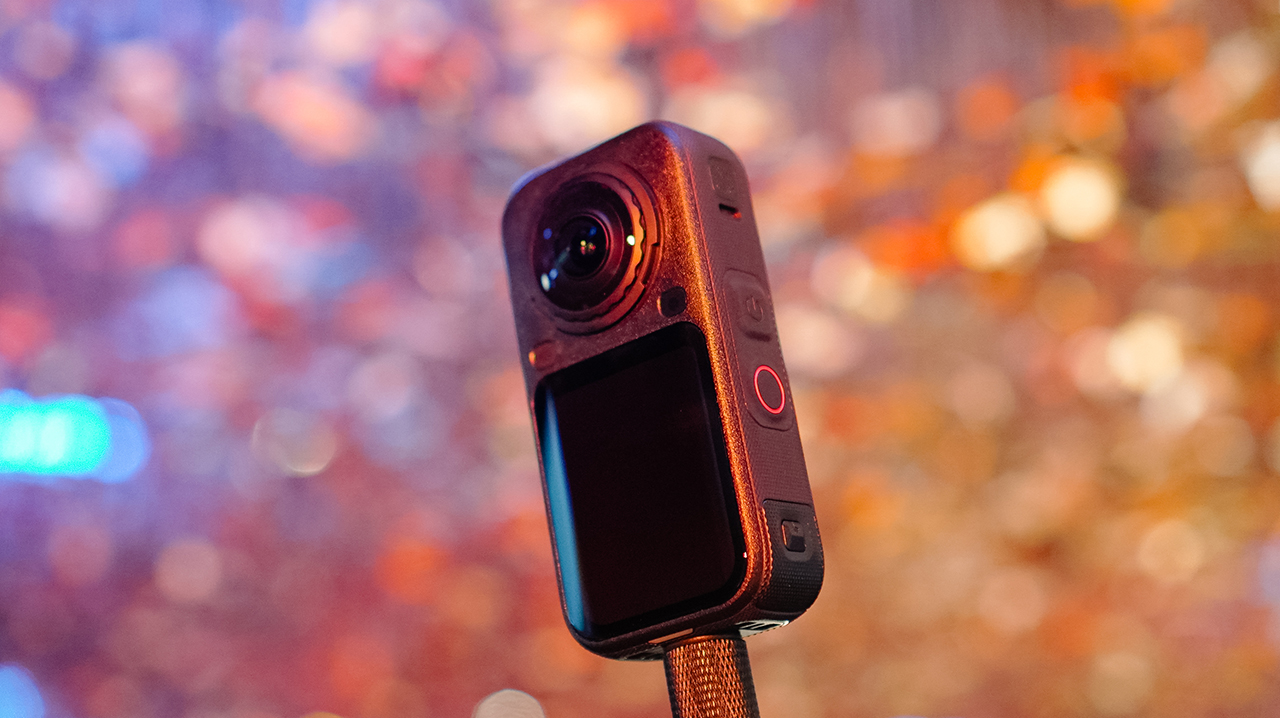
Beyond the larger sensor, the X6 functions as three cameras in one: a full 360 shooter, a subject-tracking camera, and a single-lens action camera. You can capture everything around you now and pick your angle later. Alternatively, you can pull flat 4K footage through InstaFrame 2.0 or switch to single-lens mode for a traditional action cam experience.
Battery life sees a major boost as well. The new 2600mAh Xtreme Battery offers up to 140 minutes of continuous 8K30fps recording. Meanwhile, a Star-Ridge cooling system keeps the camera cool during longer 8K sessions. You also get 64GB of built-in storage (47GB usable), allowing you to start shooting immediately without a microSD card on hand.
For anyone building out a rig, the X6 supports over 100 accessories. It easily adapts to travel, motorcycle rides, cycling, diving, and other high-action pursuits.
Intelligent AI editing
Software plays an equally big role in this launch. Insta360 introduces PanoMind, its first AI model built specifically for 360 footage. Instead of analyzing a flat frame, PanoMind reads full spherical scenes.
Through AI Director, the X6 reviews your footage while charging, generates highlight edits on its own, and sends them directly to the Insta360 app. This feature saves you from spending hours scrubbing through raw clips for key moments.
If you want more say in the final cut, Auto Edit 2.0 turns single or multiple clips into finished videos, handling framing, camera movement, cuts, music, and transitions automatically. For deeper workflows, the X6 still supports I-Log, 10-bit recording, Insta360 Studio, and Insta360+ cloud editing tools.
Price, availability in the Philippines
The Insta360 X6 is now available in the Philippines through authorized retailers and official online channels.
The Standard Bundle costs PhP 45,390 and includes the X6 camera, a USB-C cable, a protective pouch, and a lens cloth.
Meanwhile, the Essentials Bundle costs PhP 49,990. It adds an extra Xtreme Battery, a 114cm Invisible Selfie Stick, a lens cap, and a Fast Charge Case on top of the base package.
Insta360 Philippines is also expanding its retail footprint across key cities while hosting hands-on community workshops tailored for travel, riding, cycling, and filmmaking enthusiasts.


Samsung Galaxy Z Fold8 Review
8 Galaxy Folds later, Samsung finally nailed It!


30 days later with the ASUS ExpertBook Ultra: Like seeing an ex
Felt exactly as I remembered.


ROG STRIX G16 Review: Building for the moment
Setting it up however you want to make the most out of it

OBSBOT Meet Flip Hands-on
Samsung Galaxy Z Fold8 Review

Smart showcases cloud gaming platform in partnership with Blacknut

What your smartphone color choice reveals about you

New EV player XPENG to launch in the Philippines in September

Hands-on: Samsung Galaxy Z Fold8, Flip8, Ultra

VinFast debuts two-wheeler models, opens 21 e-motorcycle showrooms

Garmin launches its first screenless fitness band

Sony announces new FX5 full-frame camera

Mercedes-Benz celebrates 140th anniversary at the Presidential Car Museum


-
 Automotive2 weeks ago
VinFast debuts two-wheeler models, opens 21 e-motorcycle showrooms
-

 News2 weeks ago
OnePlus officially leaves the United States and Canada
-

 Gaming2 weeks ago
Call of Duty: Modern Warfare 4 clip shows Losing Ground 1st look
-

 Gaming2 weeks ago
Genshin Impact opens Snezhnaya in Version 7.0 this August 12
-

 News1 week ago
Google will force Android users to use Gemini next month
-
Laptops6 days ago
ROG STRIX G16 Review: Building for the moment
-

 Gaming1 week ago
Tides of Annihilation opens first public demo at Gamescom 2026
-

 Gaming1 week ago
Street Fighter 6 adds first Filipino fighter Yasmine to its roster