
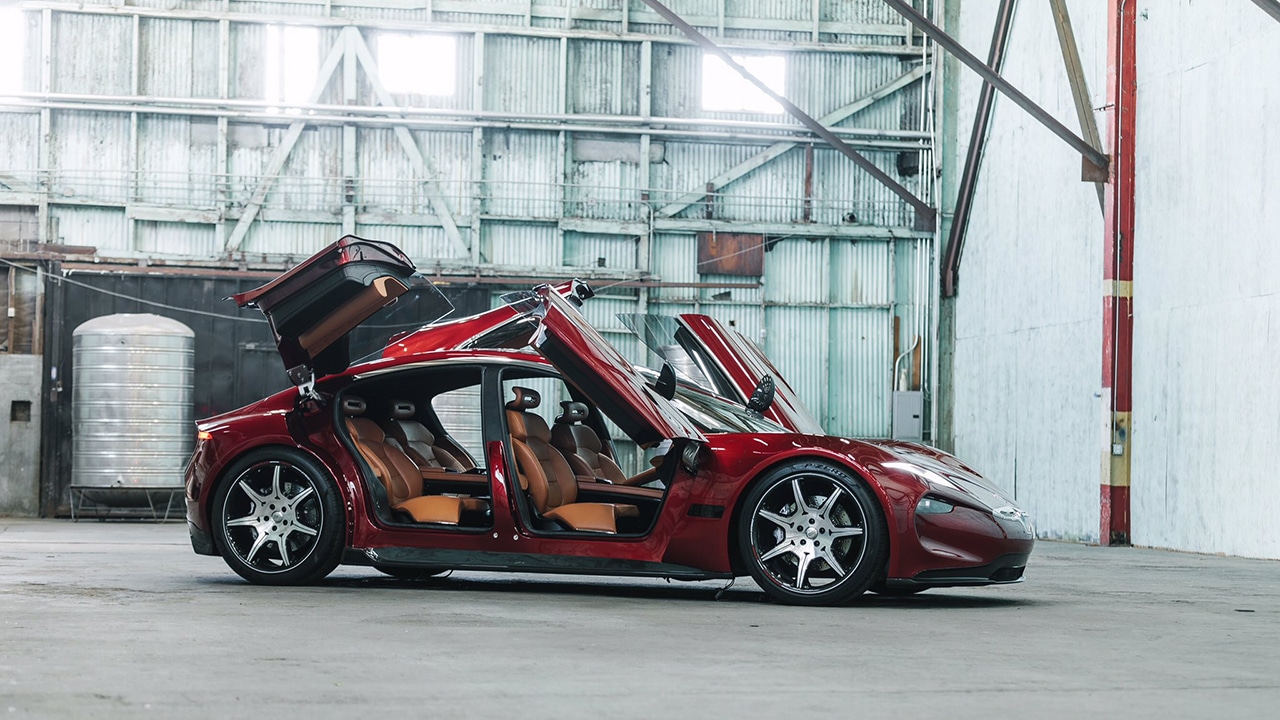

We recently wrapped up CES 2018 (see our top picks) and even though the trade show originally revolved around consumer electronics, a big chunk of what was introduced was directed towards connected cities with a focus on making driving a lot smarter.
The idea of self-driving cars surely isn’t new and has been around for quite some time now. It’s basically the concept of what the future is like in addition to flying cars. At this year’s CES, brands who participated made us realize that this “future” isn’t too far away.
Here are some of the most promising cars and car technology that we’re excited to see in the near future.
Assistance
Multiple brands showed off their new toys left and right. There’s the announcement of Amazon’s Alexa coming to cars for voice assistance and content consumption. Toyota will be the next to adapt voice assistance in addition to BMW, Ford, and Hyundai. Meanwhile, Waze has also been integrated into select infotainment systems.

Nissan, on the other hand, is taking the user-machine a step further by introducing the brain-to-vehicle (B2V) technology. It basically uses a system that could read your brain patterns and signals to better prepare for what you’re about to do next while driving.
Platforms
In terms of services, Ford is slightly stepping out of the shadow of car-making and plans to be the new platform for autonomous vehicles. It has partnered with Lyft, Domino’s Pizza, and Postmates to create an operating system which small to large businesses can use for their unique services.
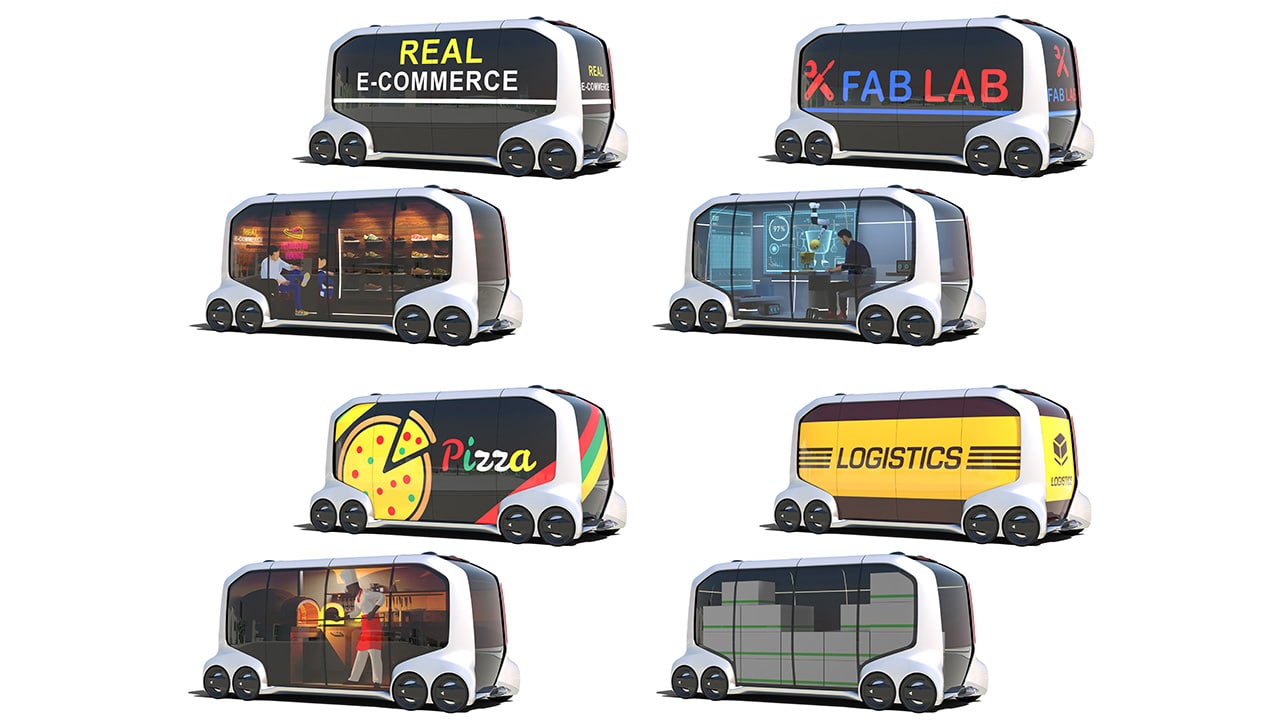
Speaking of unique services, Toyota unveiled its e-Palette concept vehicle which has all the potential to go big in the future of mobility. It’s envisioned as a self-driving vehicle running on Toyota’s tech and platform that other brands can use for food deliveries, as a moving boutique, or even a mobile hotel that you can rent.
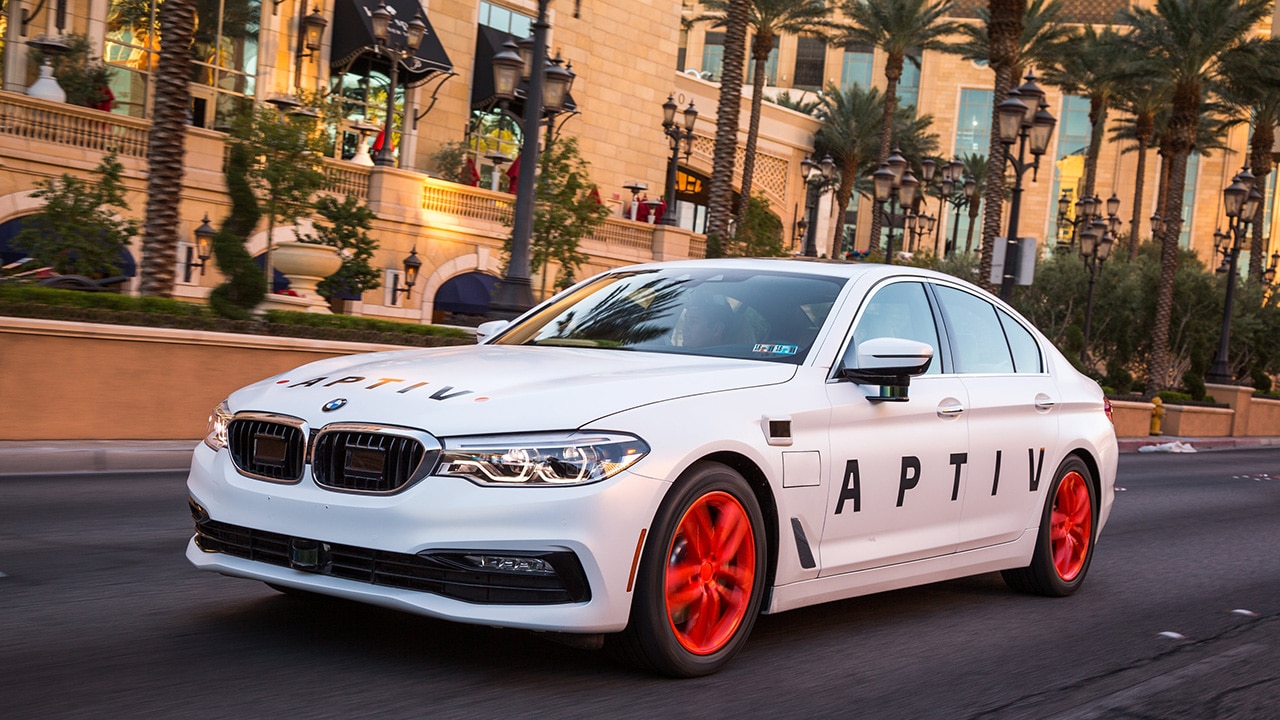
As far as ride-sharing goes, expect it to join the bandwagon as smart cities are developed. During the trade show, car tech company Aptiv was present and was hand-in-hand with Lyft as they demonstrated their self-driving cars to the participants of CES. The public could just hail a ride from the Las Vegas Convention Center using the app and enjoy the view of the Strip to their destination.
Additionally, NVIDIA has also added Uber and Volkswagen to their growing roster of brands that will run on the company’s self-driving computer platform.
Cars
Apart from the new platforms, there were cars — quite a lot, actually. From concept to actual models on display, we got a peek at these vehicles that probably want to take on Tesla.
Derived from Bytes on Wheels, BYTON wants to blur the line between digital and automotive with their electric intelligent SUV concept. The new-gen smart device communicates with users and pedestrians via lights and patterns on its grille and recognizes the driver and passengers by face.
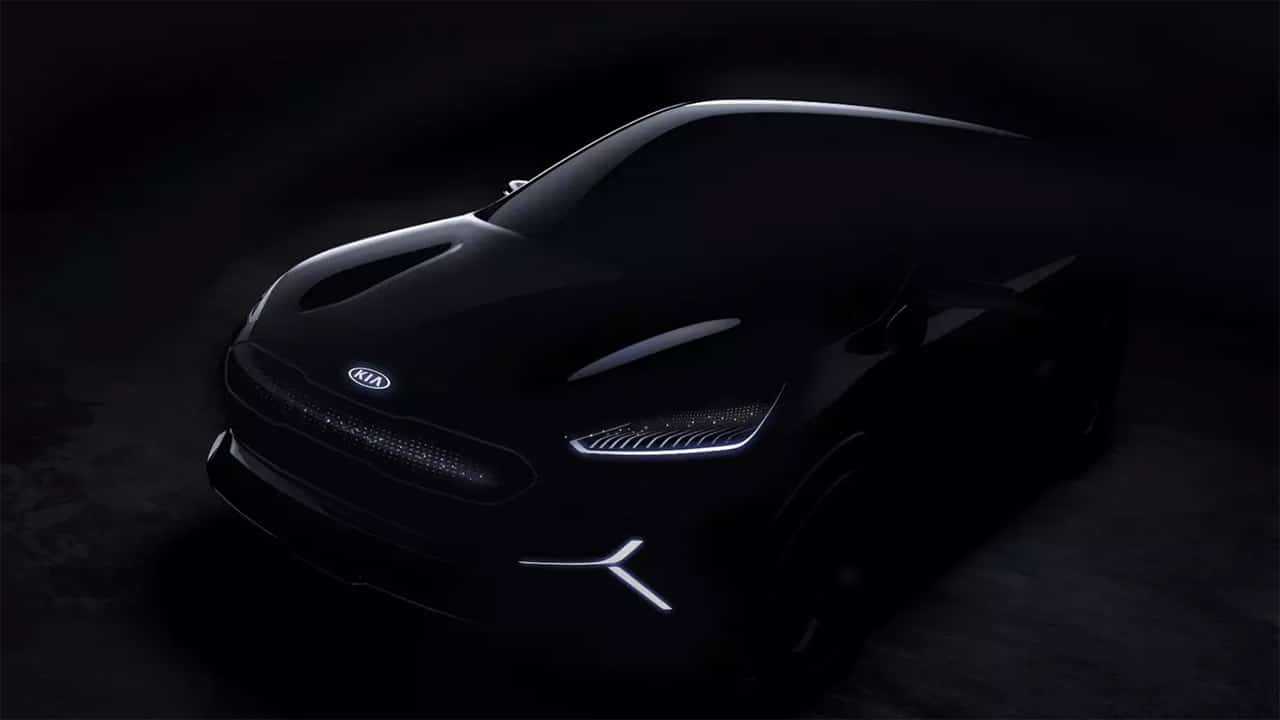
Kia was also present with its very own Niro electric crossover. This concept is basically an electric version of the Niro Hybrid but gets a new grille design. Like BYTON, it is now an interactive panel with a built-in Active Pedestrian Warning System, but what makes this something to look forward to is its range. It can go as far 383km (238 miles) before needing to charge again — beating what the Tesla Model 3 can offer.
Car designer Henrik Fisker gave another shot at making vehicles; this time in the form of the EMotion luxury sedan. The vehicle is a level 4 autonomous car and is equipped with the world’s first Butterfly Doors. Fisker also wants to set standards for other EVs so they made the vehicle last up to 644km (400 miles) on the road.
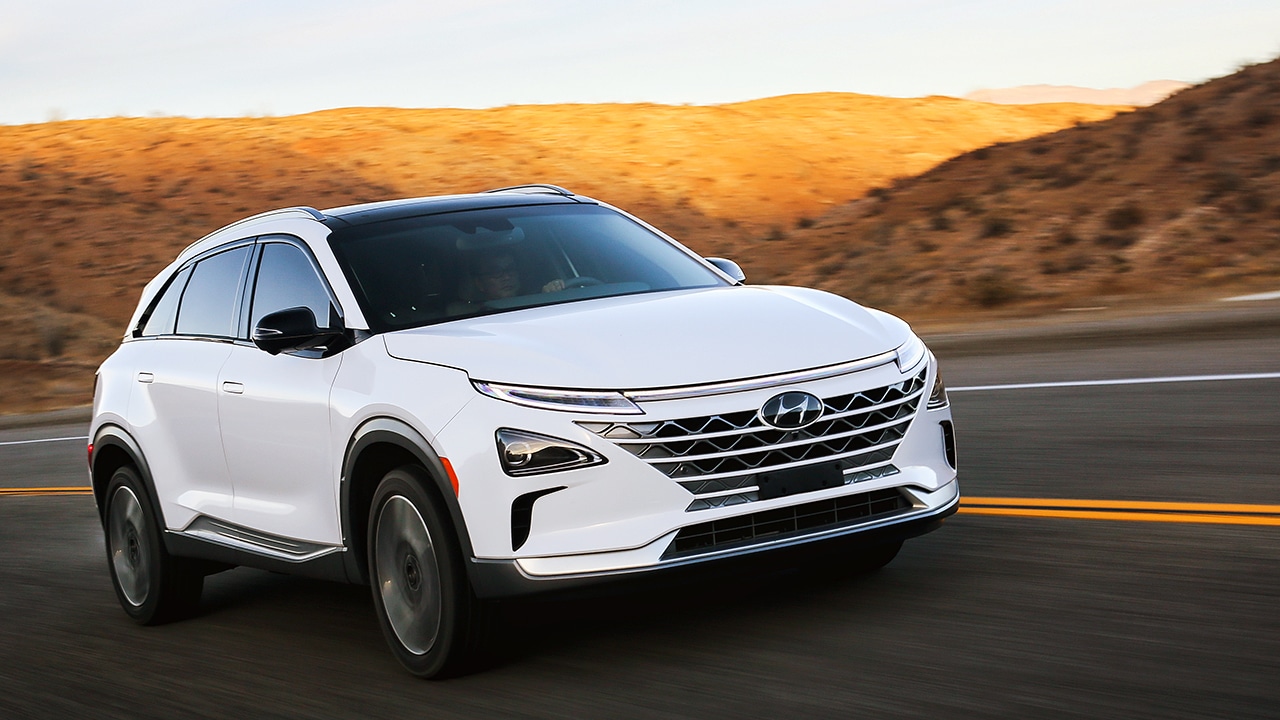
Meanwhile, Hyundai is continuing its push to go green and introduced the NEXO fuel cell electric vehicle. It has a more efficient engine, is a lot quieter, and maintenance is kept to a minimum. Although the best thing about it is that it emits nothing but water vapor. Features-wise, it has autonomous driving, self-parking, self-retrieval — the whole shebang.
In-vehicle Networking
Software updates are an important aspect of vehicles relying on digital systems. Tesla has somehow established its system already but for other car brands, updating hundreds, even thousands of vehicles across a country, is still not an easy task.
Hyundai and Cisco addressed this and aims to overhaul the process of in-vehicle networking. With the use of Ethernet connectivity and the Automotive Linux platform, they promise to be able to roll out updates remotely and it’s as simple as pushing a button.






Automotive
New EV player XPENG to launch in the Philippines in September
XPENG to unveil two models in the market

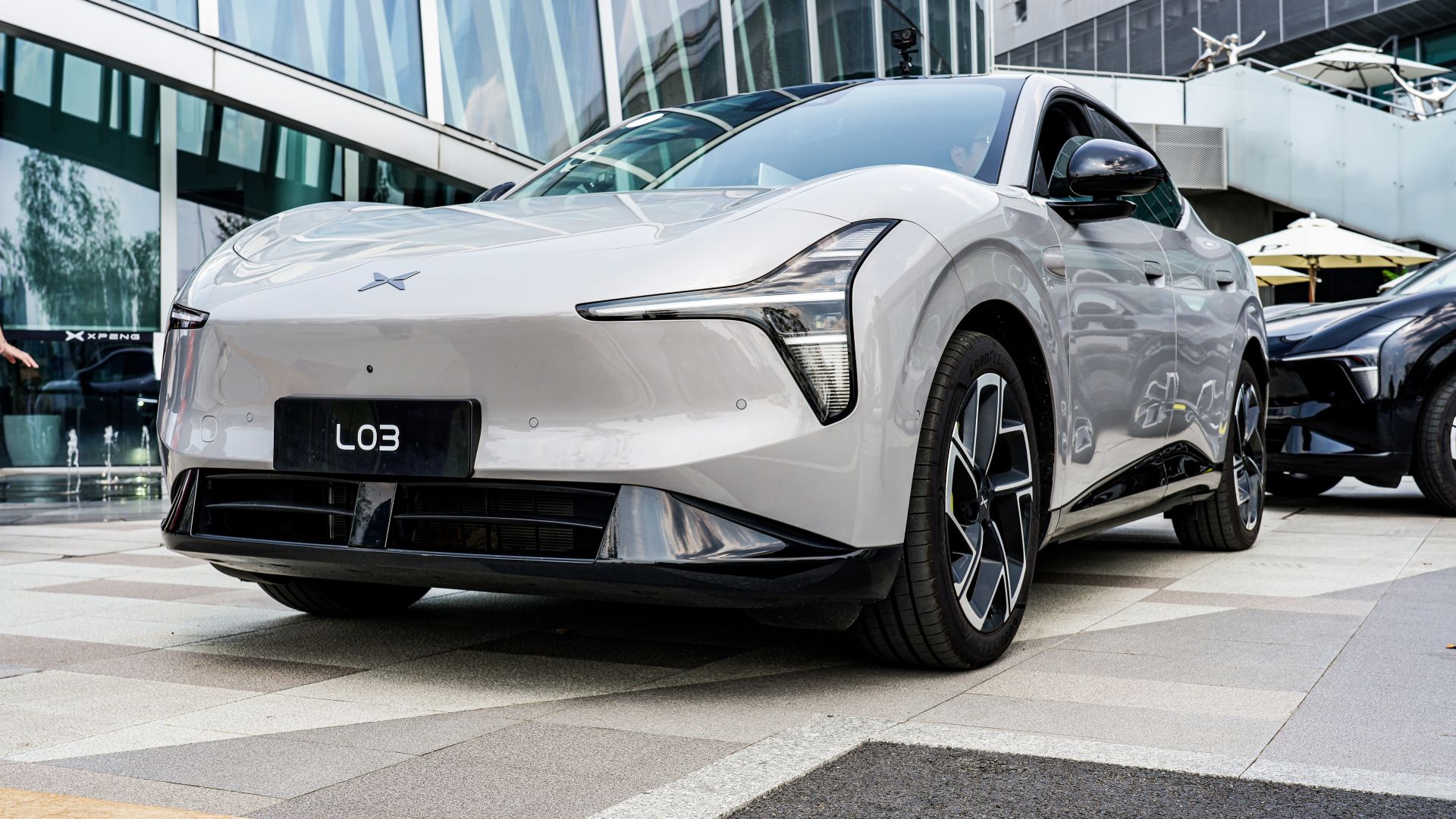
AI-driven mobility company XPENG is launching in the Philippines next month, adding to the list of smart electric vehicle (EV) players in the market.
XPENG Philippines will commence operations as the country’s direct subsidiary, as well as national sales and marketing company.
As part of the launch, XPENG will launch two smart EV models: the XPENG X9 and XPENG L03.
The XPENG X9 is the brand’s flagship intelligent seven-seater. It is positioned as an EV for executive-class comfort, featuring AI-powered technologies and a premium cabin for modern families, businesses, and professionals.
Meanwhile, the XPENG L03 is an intelligent SUV coupe that brings together a contemporary design, AI-powered innovation, and software-defined mobility. It promises to deliver a smarter, more intuitive driving experience for today’s car owners.
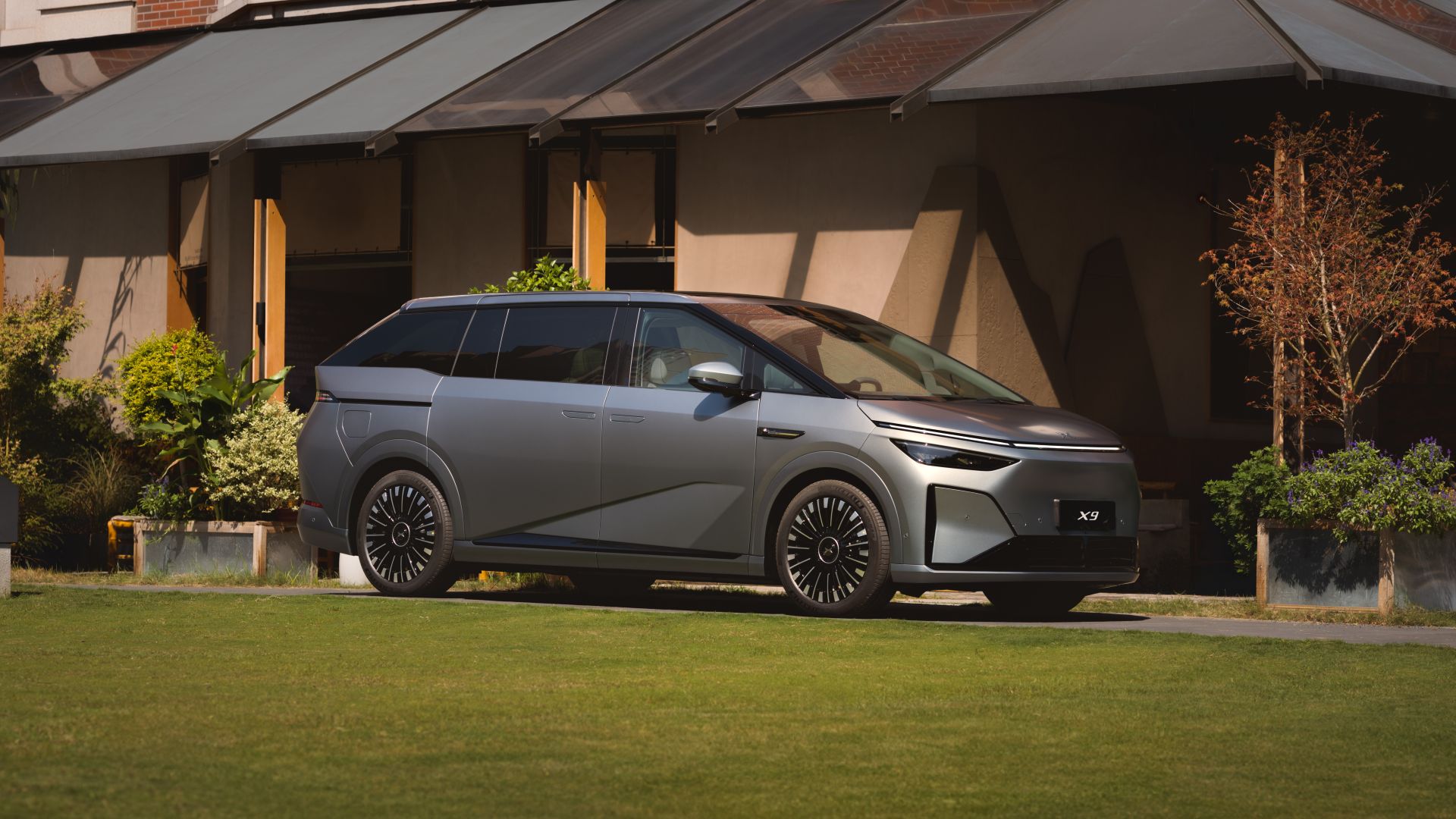
Additional pricing details, variants, and complete specifications of each model, as well as their availability, will be unveiled soon.
XPENG is a global AI technology company based in Guangzhou, China. It specializes in smart EVs, driven by a mission to shape the future of mobility through innovation.
The company designs, develops, manufactures, and markets such vehicles, supported by its in-house, full-stack, advanced driver-assistance system, smart in-car OS, and core vehicle technologies.
The brand has a presence in more than 60 countries and regions across Europe, the Middle East, Southeast Asia, Oceania, and Latin America.
Automotive
VinFast debuts two-wheeler models, opens 21 e-motorcycle showrooms
Evo, Feliz II, Viper officially launched
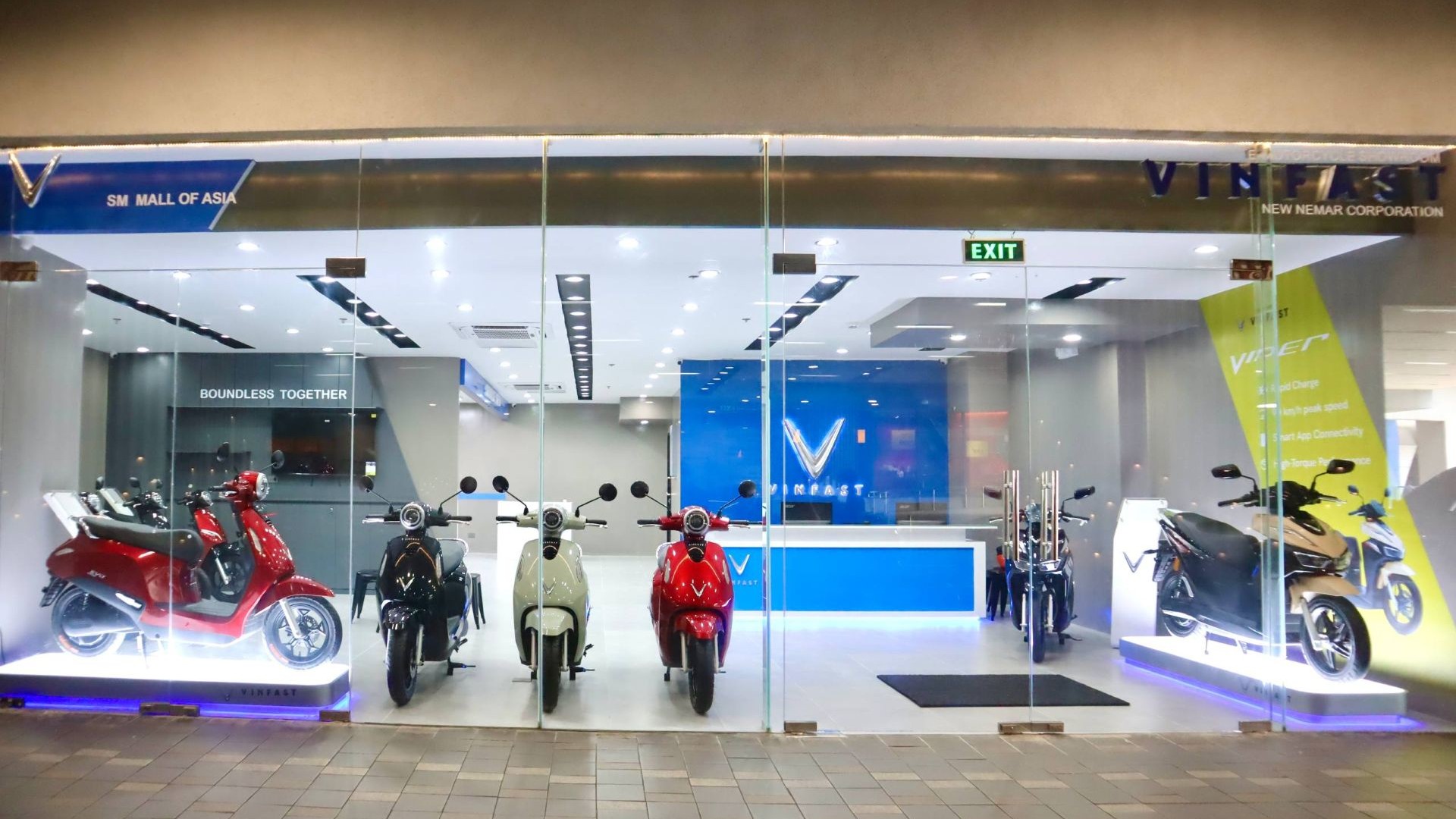
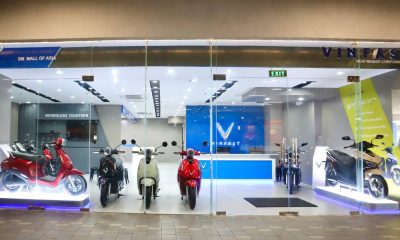
VinFast is pouncing on its growing presence in the Philippines, expanding with 21 electric motorcycle showrooms housing its new two-wheeler offerings.
The electric vehicle company just launched three two-wheeler offerings in the market: the VinFast Evo, Feliz II, and Viper.
Such milestone marks an important step in VinFast’s expansion in one of Southeast Asia’s largest two-wheeler markets.
The introduction of the three VinFast two-wheeler models offer drivers a modern, cost-effective, and sustainable mobility alternative.
Evo, Feliz II, and Viper each offer distinct characteristics designed to meet a wide range of mobility needs and riding styles.
Evo has a top speed of 80 km/h and a range of up to 150 km with two fully charged batteries. The Feliz II emphasizes practicality and versatile performance, with a top speed of 90 km/h.
Rounding out the lineup is Viper, featuring a sporty design, maximum power output of 5,200W, and a top speed of 90 km/h.
The aforementioned 21 pioneer dealerships will begin operations in major cities nationwide. This allows VinFast to offer products and authorized services directly to consumers.
The network is expected to grow further in the coming period, progressively expanding with VinFast’s presence in the country.
Just over a month ago, VinFast’s early booking program drew thousands of customers nationwide.
The strong market response can be attributed to VinFast’s battery-swapping approach, contributing to the appeal of the e-scooters.
Following the launch, the public can expect immersive experience activities across the new dealerships throughout August 2026.
Customers will be able to see and test ride the three models. They can also learn about battery technology and sales policies, and explore flexible ownership options.
Automotive
Xiaomi debuts SkyNomad Series featuring new Kunlun platform
Intelligent, reconfigurable large-space SUV
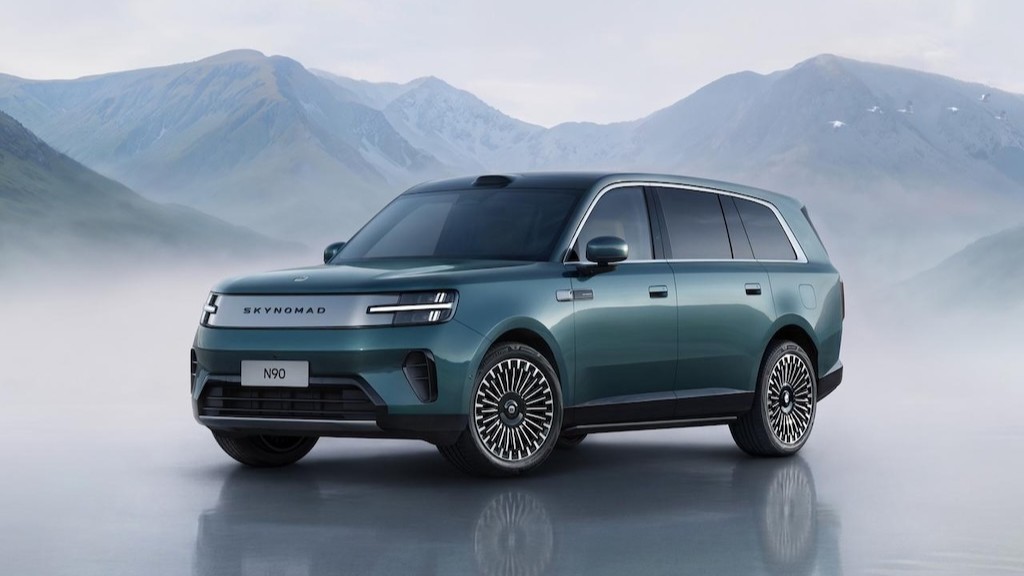
Xiaomi EV is ushering in a new era with the launch of the Xiaomi SkyNomad Series in China, the first model built on the new Xiaomi Kunlun Platform.
The new EV is positioned as an intelligent, reconfigurable large-space SUV built around on three core strengths: expansive interior space, completely flat cabin floor, and reconfigurable seating.
It is paired with the Xiaomi Kunlun HyperRange, Xiaomi Armor Scale Battery, and Xiaomi Kunlun Total Safety.
The SkyNomad’s cabin electronics run on a four-in-one domain control model built on the Snapdragon 8 Gen 3 platform. It features Dual 5G and Wi-Fi 7 connectivity.
The launch unveiled two models: the first is the flagship 7-seater extended-range SUV Xiaomi SkyNomad N90 Max (RMB 299,900) while the other is the 5-seat AWD SUV Xiaomi SkyNomad N70 Max (RMB 259,900).
These EVs have a battery capacity range of 52 to 76kWh. On CLTC, the N70 Max can reach up to 505 kilometers of EV-only range. Dual-motor all-wheel delivers 310kW of peak power.
Design born for space
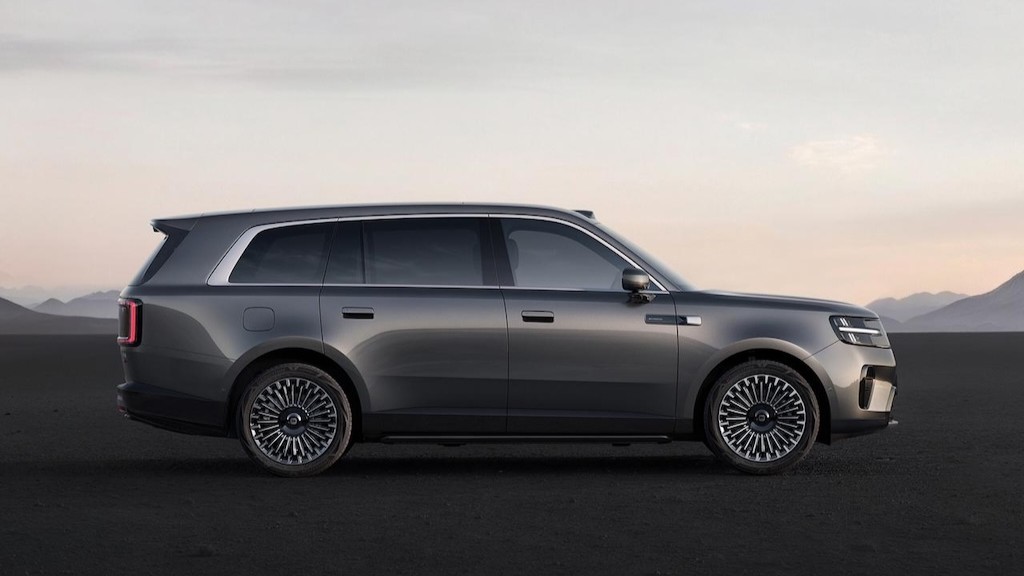
The Xiaomi SkyNomad’s design philosophy is based on prioritizing function, while form complements it.
Every design feature traces back to a specific spatial need. And the spatial logic shows up directly in the body, through squared-off proportions.
Three lines define the upright stance: a flat roofline for maximized second and third-row headroom, a continuous waistline, and a rising sill line to lift the visual center of gravity.
A rounded-rectangle motif carries theough the headlights, taillights, door handles, and side cameras for a cohesive design language that features over 140 aerodynamic optimizations.
Smart electric doors open by touch or voice, while rear doors open to nearly 90° for easy passage.
Xiaomi Kunlun built for space
Where the Xiaomi Kunlun architecture comes in is for optimizing packaging across three axes to minimize structural intrusion in the cabin.
The front cabin integration includes a five-in-one EREV system, integrated water-cooling module, mid-mounted HVAC unit, and PTC-compressor two-in-one, compressing the front cabin length to just 1,265mm.
Springs and shock absorbers, on the other hand, are separated into a split layout. This releases 15mm of wheel-arch height for the third row.
Moving the shock absorbers outward optimizes the overall wheel-arch packaging for a full-cabin spatial experience.
Lastly, the rear electric drive unit comes with a highly integrated rear coaxial electric drive to free up 145mm of vertical space.
An integrated-linkage independent suspension uses an H-arm structure to lower the floor by an extra 37mm. Additionally, the large battery pack control module relocated inside reduces floor thickness by 180mm.
The N90 Max comes with 2,760mm of total occupant space and 1,831L of cargo space.
The cabin also includes 34 storage compartments, including an 18.4L front passenger glove box and extended door-panel storage.
Elevated cabin experience
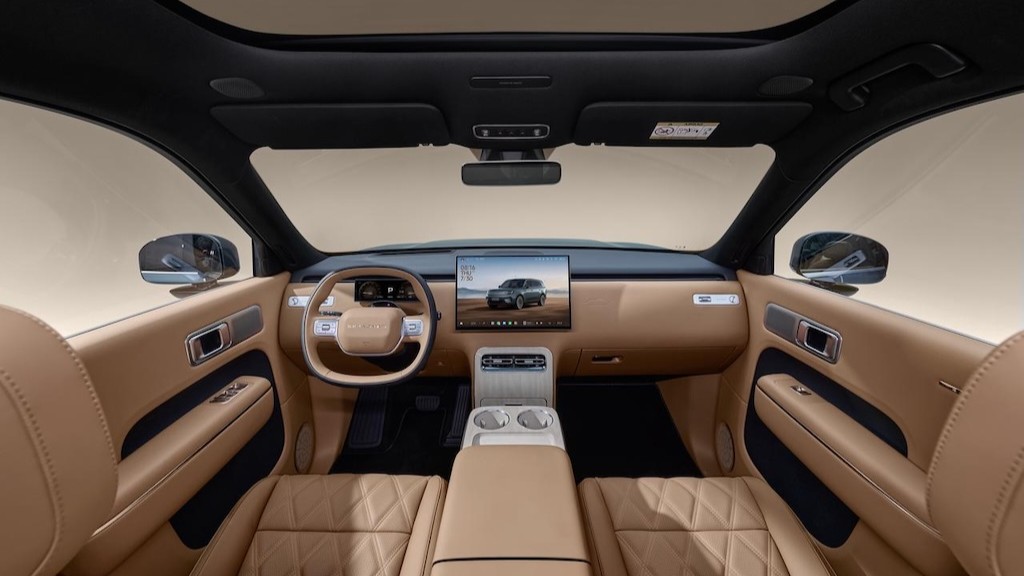
Inside, the SkyNomad’s cabin has an elevated and homelike atmosphere. A cabinet-style center console extends 1,530mm horizontally for a wider visual and physical footprint.
Hidden mechanical air vents keep the dashboard clean while retaining precise manual adjustment. There’s also an accessory port for 27W fast charging, along with mounts for phones, action cameras, and more small devices.
There is a customizable head-up display, 25-speaker audio system, and 6.9-inch rear control screen for full control from the back seat.
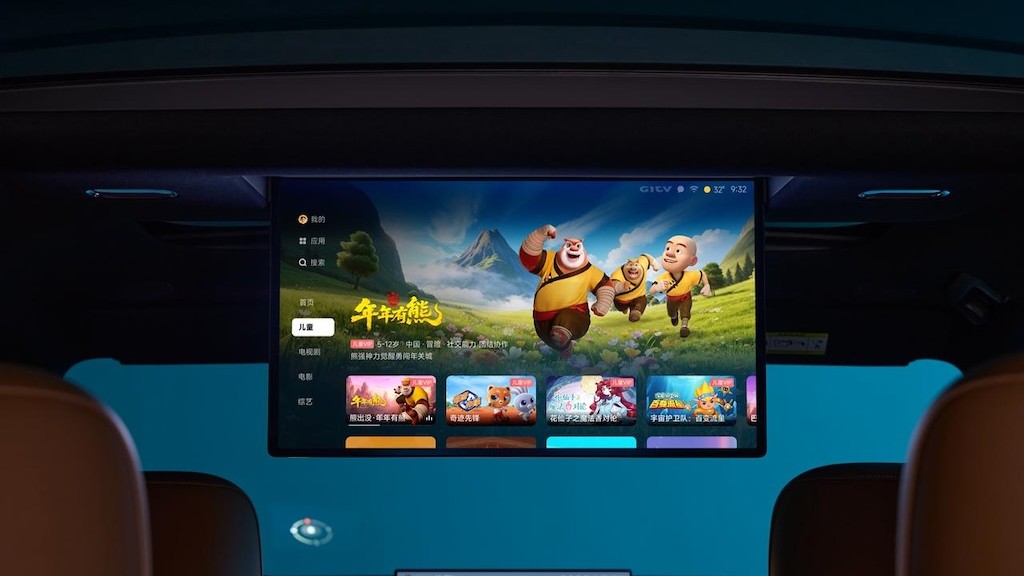
Moreover, the front and second row backseats use a 12-layer comfort structure, with the front seats coming with 16-point massage ventilation and heating.
Built on a flat floor, every model comes with extra-long seat slide rails with up to 900mm of travel for both second and third rows.
These rails use aerospace-grade 7-series reinforced aluminum alloy, validated through 15,000 cycles.
The entire interior varries OEKO-TEX certification, applying to infant-grade safety standards.
Extensive personalization options
The Xiaomi SkyNomad comes in three colorways: Volcanic Gray, Mountain Green, and Valley Blue.
Meanwhile, owners can choose from Cream Beige and Mocha Brown for the interior.
The N90 Max wheel options include standard 21″ Prism-shaped Rims, plus optional 21″ Beam-shaped Rims, and 21″ Starbust-shaped Rims Stealth Black Edition for a sportier look.
The variable space inside is designed around real usage patterns. There are plenty of seating configurations, which can all be accessed through the Xiaomi HyperXiaoAi AI assistant.
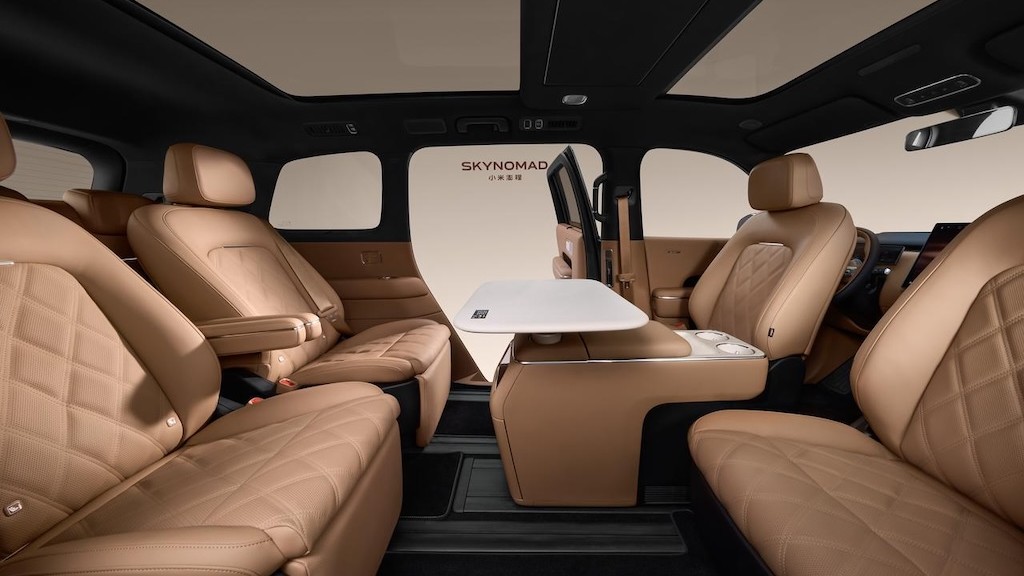
The independent first and second row seats can face each other. The second and third rows can slide all the way back for even more leg room like a first-class cabin.
Moreover, one touch can turn the second and third rows into a bed. The front seats can be rotated as well to extend the bed’s length.
For transporting plenty of cargo, one touch can activate Ultimate Storage Mode as well.
Safety features
Through Xiaomi Kunlun Total Safety, the SkyNomad’s engineering comes with a system spanning materials, structure, airbags, battery, and the variable-space design itself.
Safety features include:
- high-strength steel and aluminum alloy (90.4% of the EV’s body)
- 2,200 MPa ultra-high-strength steel in 16 critical locations
- 2,200 MPa embedded roll cage for roof-crush load of nearly 14 tons
- 2,200 MPa anti-collision beams
- 13-in-1 integrated hot-formed door ring
- 2,000 MPa integrated hot-formed front floor frame
- 12 airbags across all rows
- 9 collision sensors including added front and C-pillar sensors
- triple-redundant door handles
- dual emergency pull handles
- emergency wading up to 750mm
- 26 standard driver assistance safety features
- 39 anti-pinch points
- Sentry Mode


Samsung Galaxy Z Fold8 Review
8 Galaxy Folds later, Samsung finally nailed It!


30 days later with the ASUS ExpertBook Ultra: Like seeing an ex
Felt exactly as I remembered.

ROG STRIX G16 Review: Building for the moment
Setting it up however you want to make the most out of it

OBSBOT Meet Flip Hands-on
Samsung Galaxy Z Fold8 Review

Smart showcases cloud gaming platform in partnership with Blacknut

What your smartphone color choice reveals about you

New EV player XPENG to launch in the Philippines in September

Hands-on: Samsung Galaxy Z Fold8, Flip8, Ultra

VinFast debuts two-wheeler models, opens 21 e-motorcycle showrooms

Garmin launches its first screenless fitness band

Sony announces new FX5 full-frame camera

Mercedes-Benz celebrates 140th anniversary at the Presidential Car Museum


-
 Automotive2 weeks ago
VinFast debuts two-wheeler models, opens 21 e-motorcycle showrooms
-

 News1 week ago
OnePlus officially leaves the United States and Canada
-

 Gaming2 weeks ago
Call of Duty: Modern Warfare 4 clip shows Losing Ground 1st look
-

 Gaming2 weeks ago
Genshin Impact opens Snezhnaya in Version 7.0 this August 12
-

 News1 week ago
Google will force Android users to use Gemini next month
-

 Gaming1 week ago
Tides of Annihilation opens first public demo at Gamescom 2026
-
Laptops5 days ago
ROG STRIX G16 Review: Building for the moment
-

 Gaming1 week ago
Street Fighter 6 adds first Filipino fighter Yasmine to its roster