
Laptops
Acer announces new Chromebook Spin 11 for a cheaper price
Fully compatible with a Wacom pen


It’s a case of déjà vu. A year after the first one, Acer has announced the Chromebook Spin 11 for a second time. This time, it has better parts, a cheaper price, and more consumer-friendly availability.
Previously, the Spin 11 was launched exclusively for the education sector, offering the needed durability and flexibility for a student. The new Spin 11, however, packs more punch for a lower price. The announcements comes only a few weeks removed from Acer’s other announcements at CES 2018.
The new Chromebook Spin 11 (CP311-1H/CP311-1HN) comes in three flavors of processors — Intel Pentium quad-core N4200, quad-core Celeron N3450, or dual-core Celeron N3350. It’s a bit more than the previous model which came only with the N3350.
Acer also offers variability with storage and memory. It is available in either 4GB or 8GB LPDDR4 for RAM. Meanwhile, it offers 32GB or 64GB variants for internal storage.
It also comes with a 11.6-inch IPS display with a 1366 x 768-pixel resolution. Like the previous model, the notebook is fitted with a 360-degree hinge that allows for laptop, tablet, display, and tent modes.
The Spin 11 pushes the emerging trend for USB Type-C charging. While it does reduce variability, it will boast of an uptime that lasts “all day.”
Besides charging, it sports two USB-C 3.1 ports, two USB-A 3.0 ports, and a microSD reader for connectivity. Likewise, Wi-Fi 802.11ac and Bluetooth 4.2 round the laptop out for wireless connectivity.
However, the new notebook’s biggest upgrade is its compatibility with a Wacom EMR stylus, which comes packaged with the CP311-1HN model. It doesn’t require a battery and is resistant to trauma. Before the Spin 11, only a handful of hybrid notebooks came with a stylus.
The Acer Chromebook Spin 11 will start shipping out in March. It’ll come with a price tag of US$ 349.




Computex 2026
Here’s all the RTX Spark notebooks announced at COMPUTEX 2026
We got notebooks from ASUS, Dell, HP, Lenovo, Microsoft, and MSI.
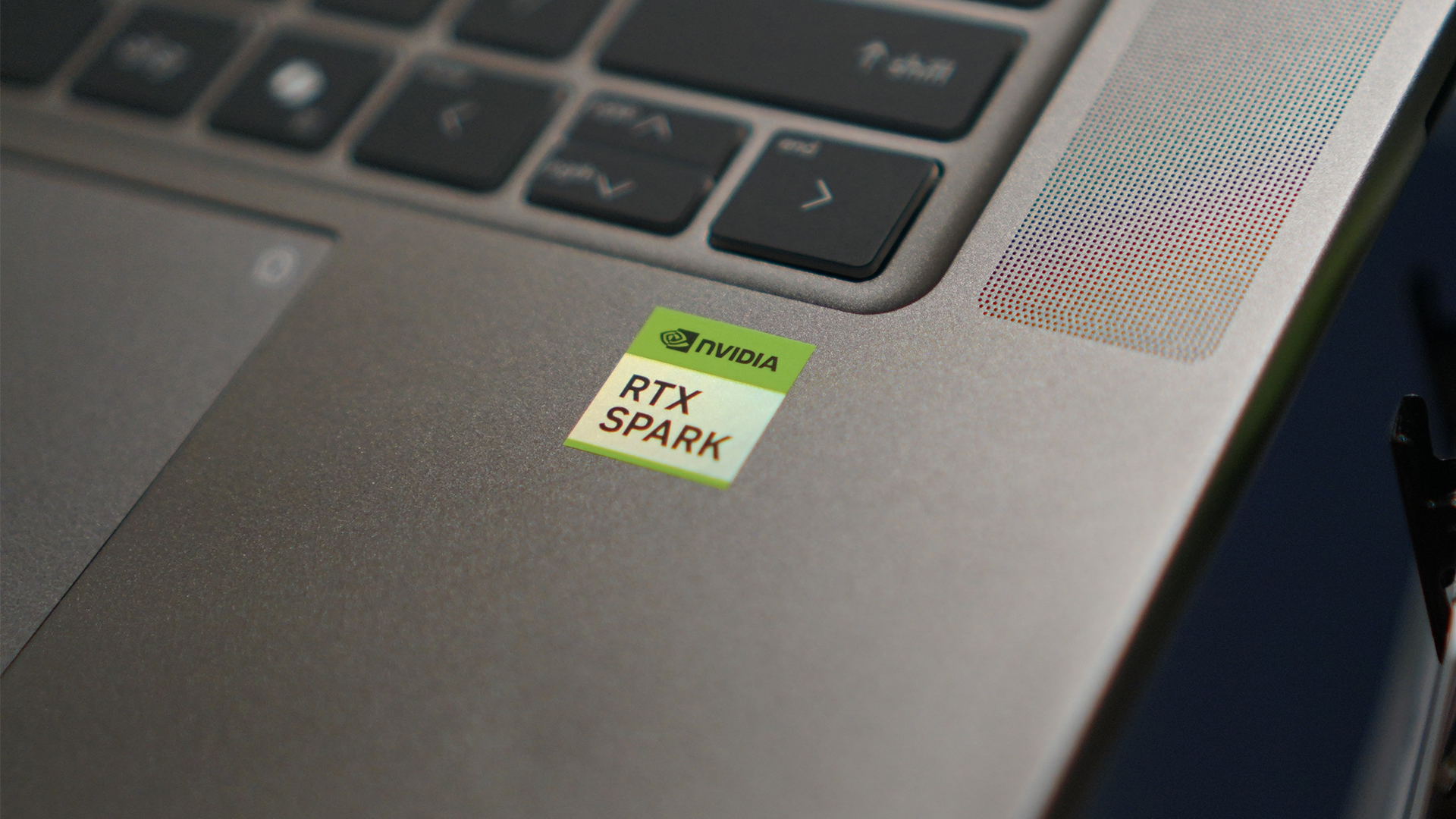
There’s been much ado about the NVIDIA RTX Spark. By now, you’ve probably heard a lot about the upcoming reinvention of PCs. But, as a regular consumer, it’s hard to visualize just how this revolution looks like. Thankfully, in NVIDIA’s demo suites, a few manufacturers got to showcase their take on an RTX Spark notebook. And all of them are coming out in the fall.
ASUS ProArt P14 and P16
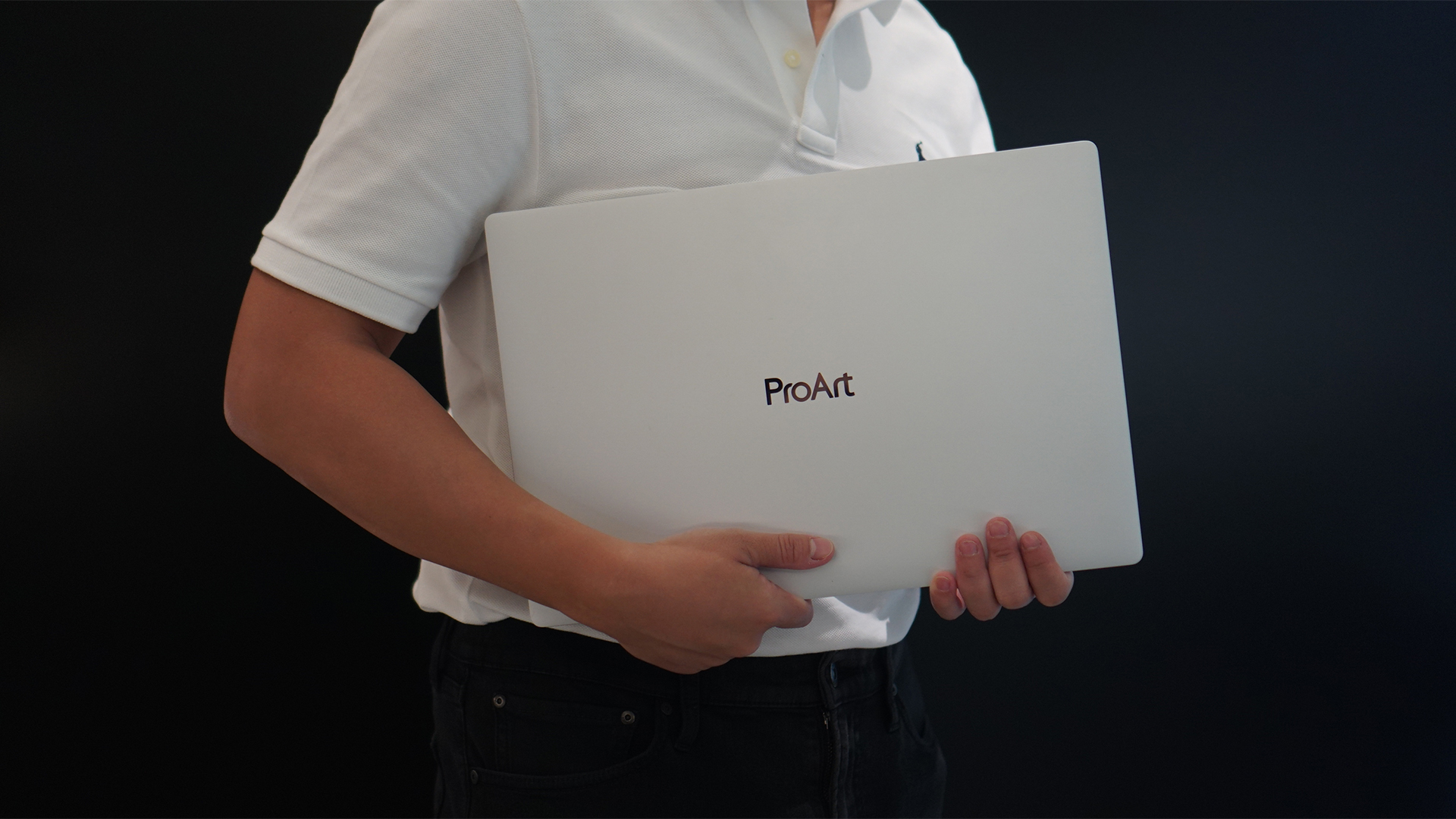
ASUS ProArt P16
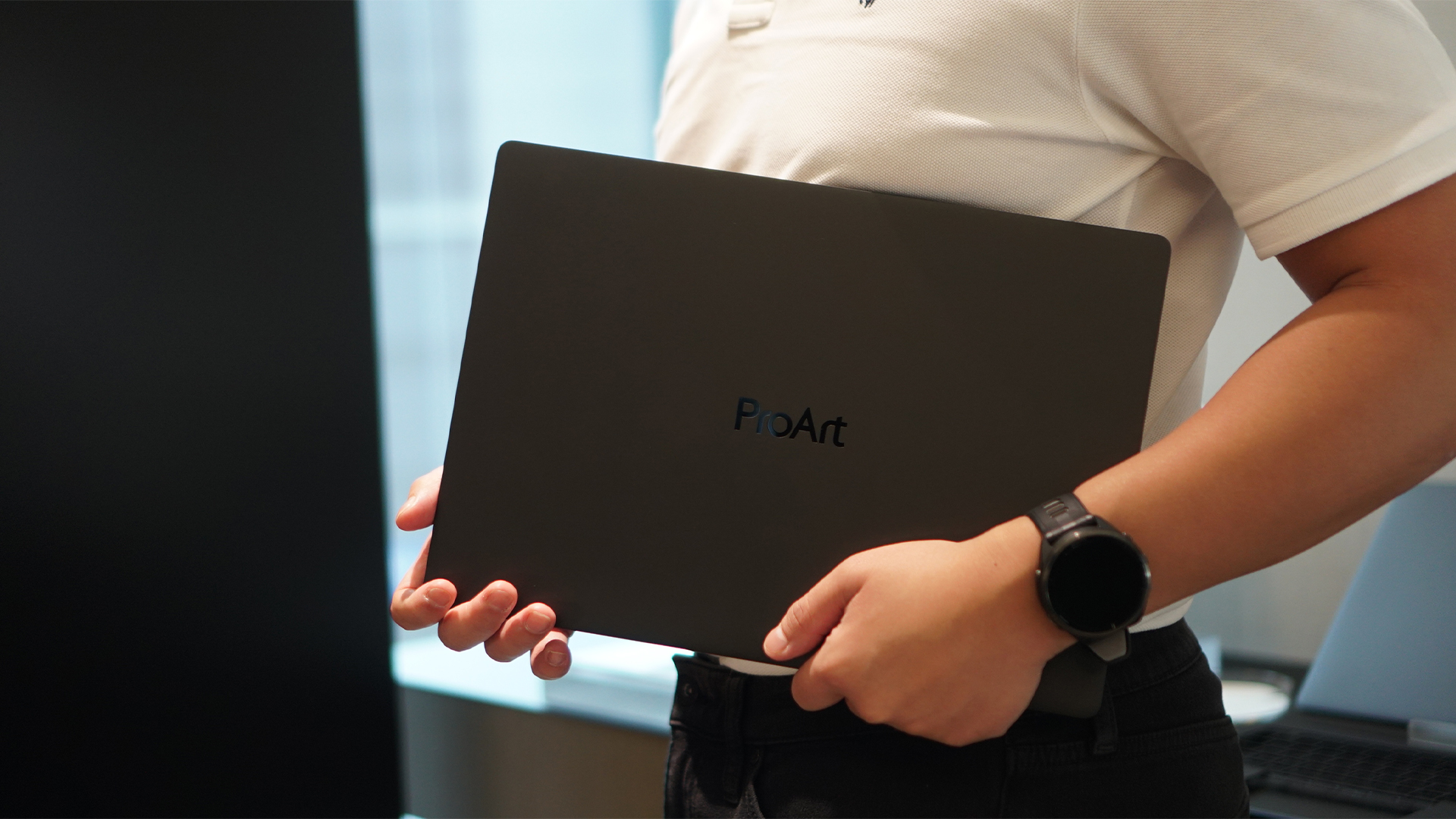
ASUS ProArt P14
Dell XPS 16 Creator Edition
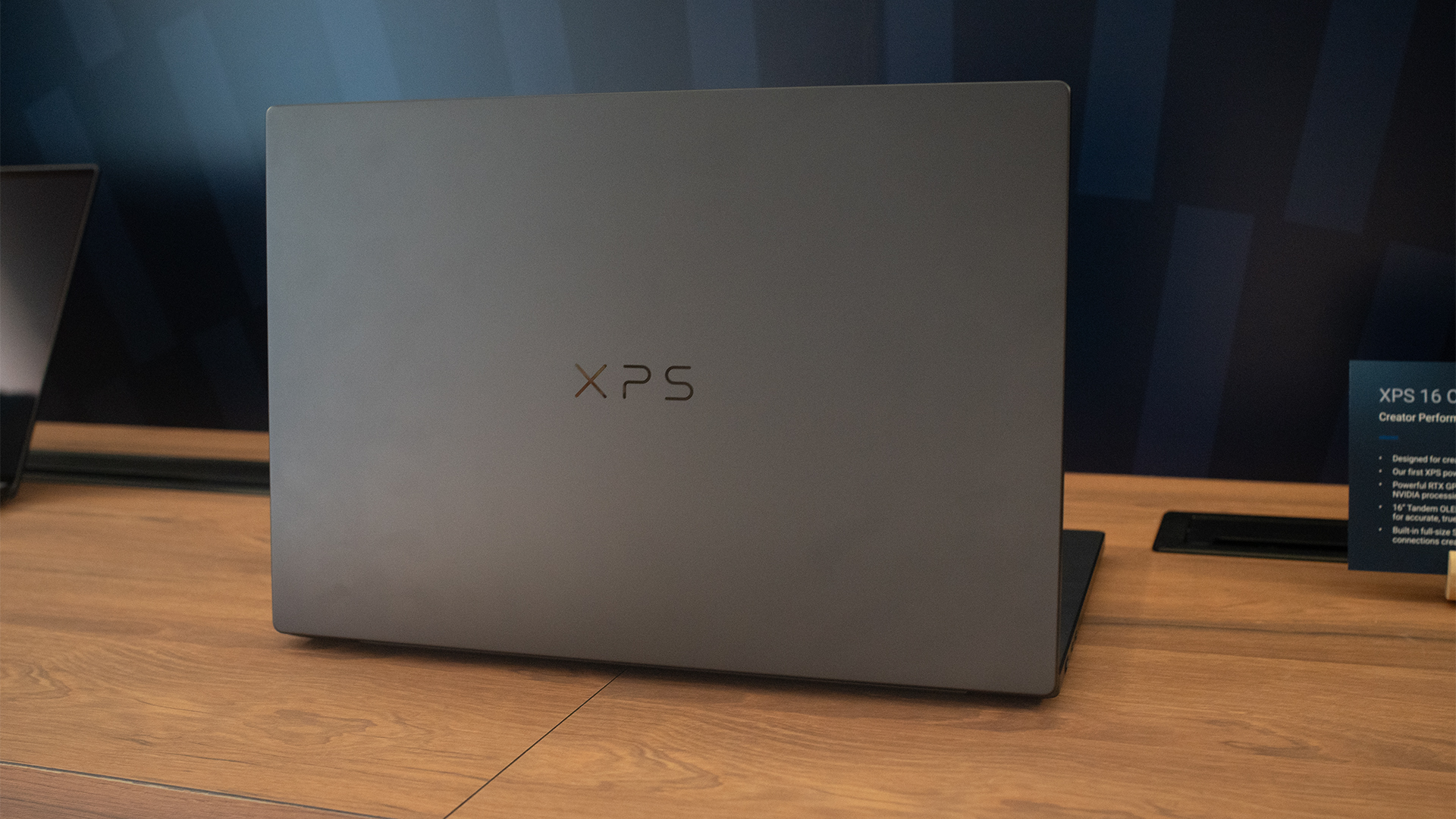
Dell XPS 16 Creator Edition
HP OmniBook X 14 and Ultra 16
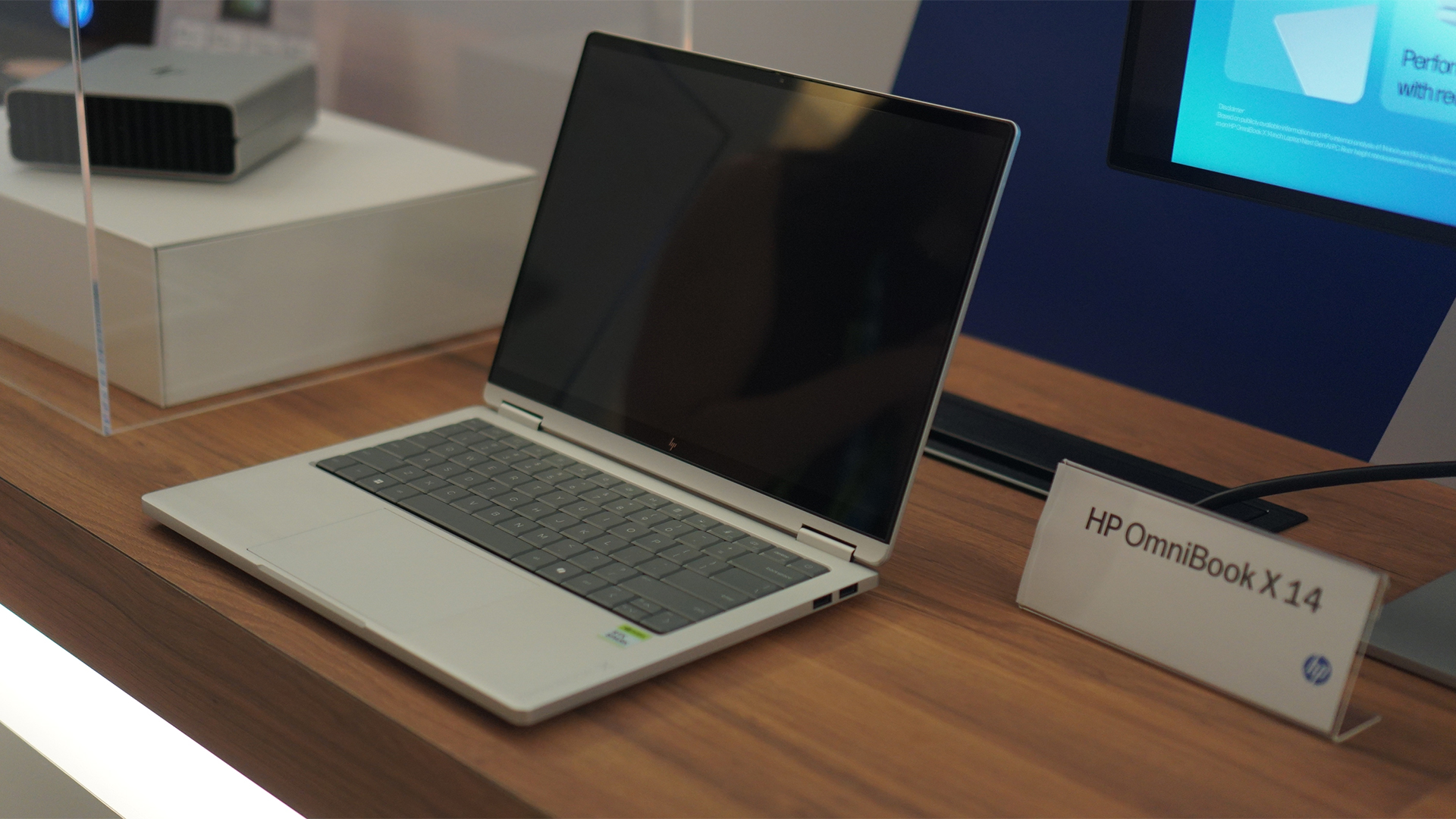
HP OmniBook X 14
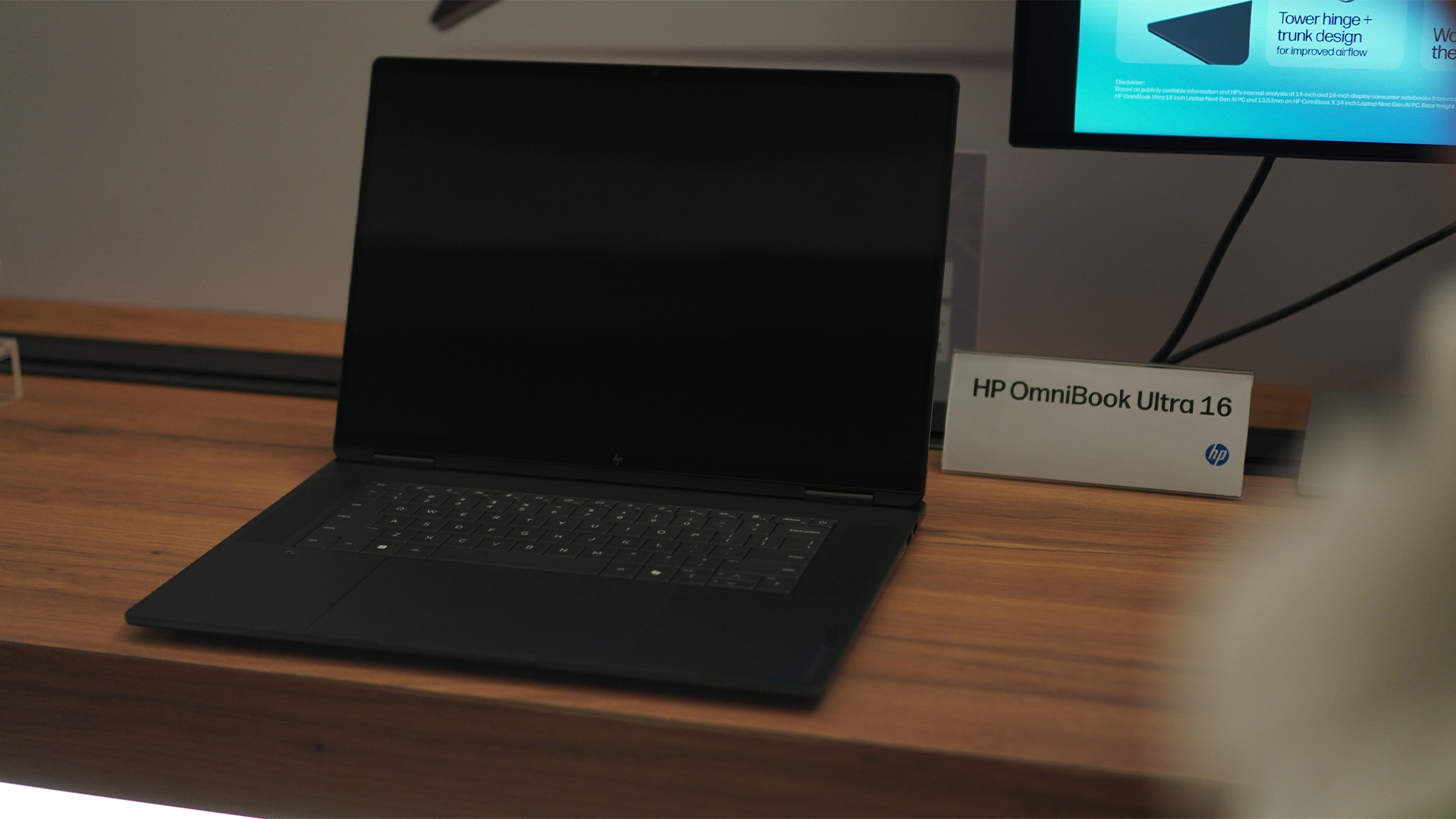
HP OmniBook Ultra 16
Lenovo Yoga Pro 9n
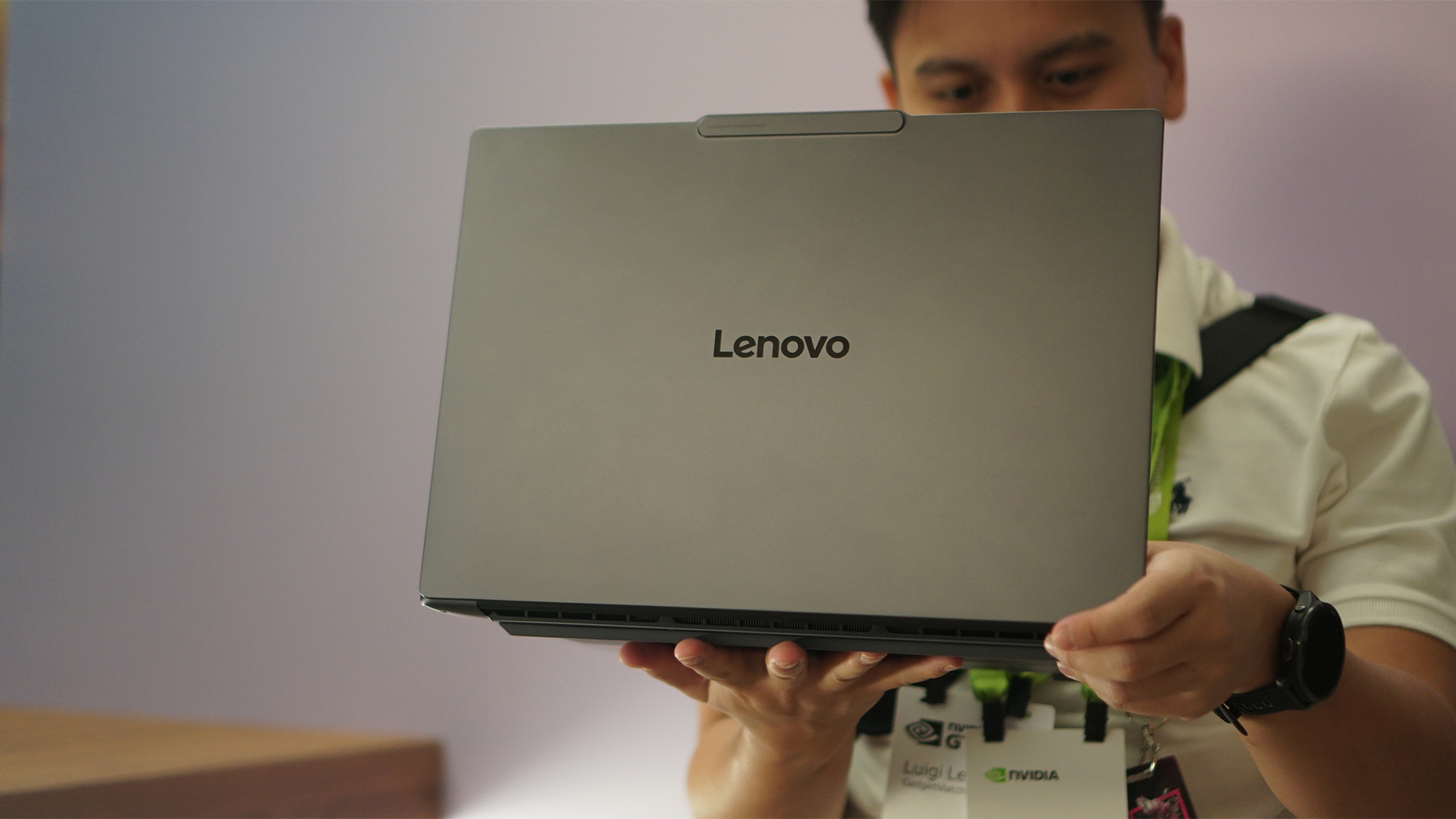
Lenovo Yoga Pro 9n
Microsoft Surface Laptop Ultra
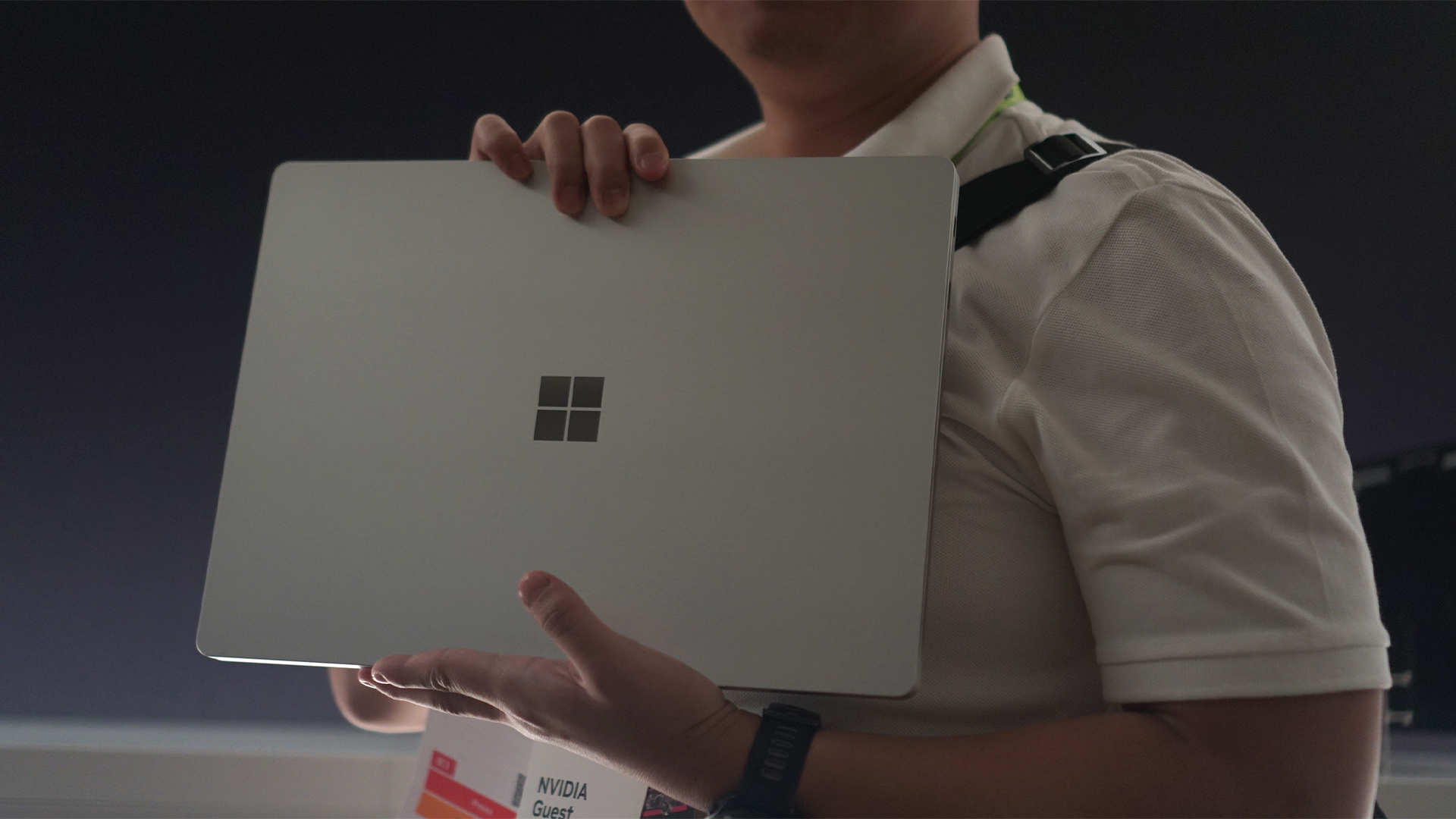
Microsoft Surface Laptop Ultra
MSI Prestige N16 Flip AI+

MSI Prestige N16 Flip AI+
Unfortunately, none of these brands could share comprehensive details about their laptops beyond a promise for raw power. All of these models aren’t the final version yet.
However, just from what we can tell, these notebooks do feel different from the standard fare of laptops today. For one, they are deceptively heavier. Though all of the OEMs promise a much thinner profile, they’re either packing a lot of tech inside or are using denser materials for their chassis. But again, these are engineering units, so who knows how heavy these things will actually be?
Secondly, based on NVIDIA’s demos, they can do a lot of heavy lifting. NVIDIA says that these superchips are meant for developers and creators, but gamers will also find joy in their performance. DLSS 4.5, in particular, feels like a true revolution in terms of graphics.
Thankfully, fall isn’t too far away. If you can wait, the next evolution of PCs is just around the corner.
Computex 2026
The Dell XPS 13 is the lineup’s thinnest notebook to date
It’s only 12.7mm thin and 2.2lbs light.
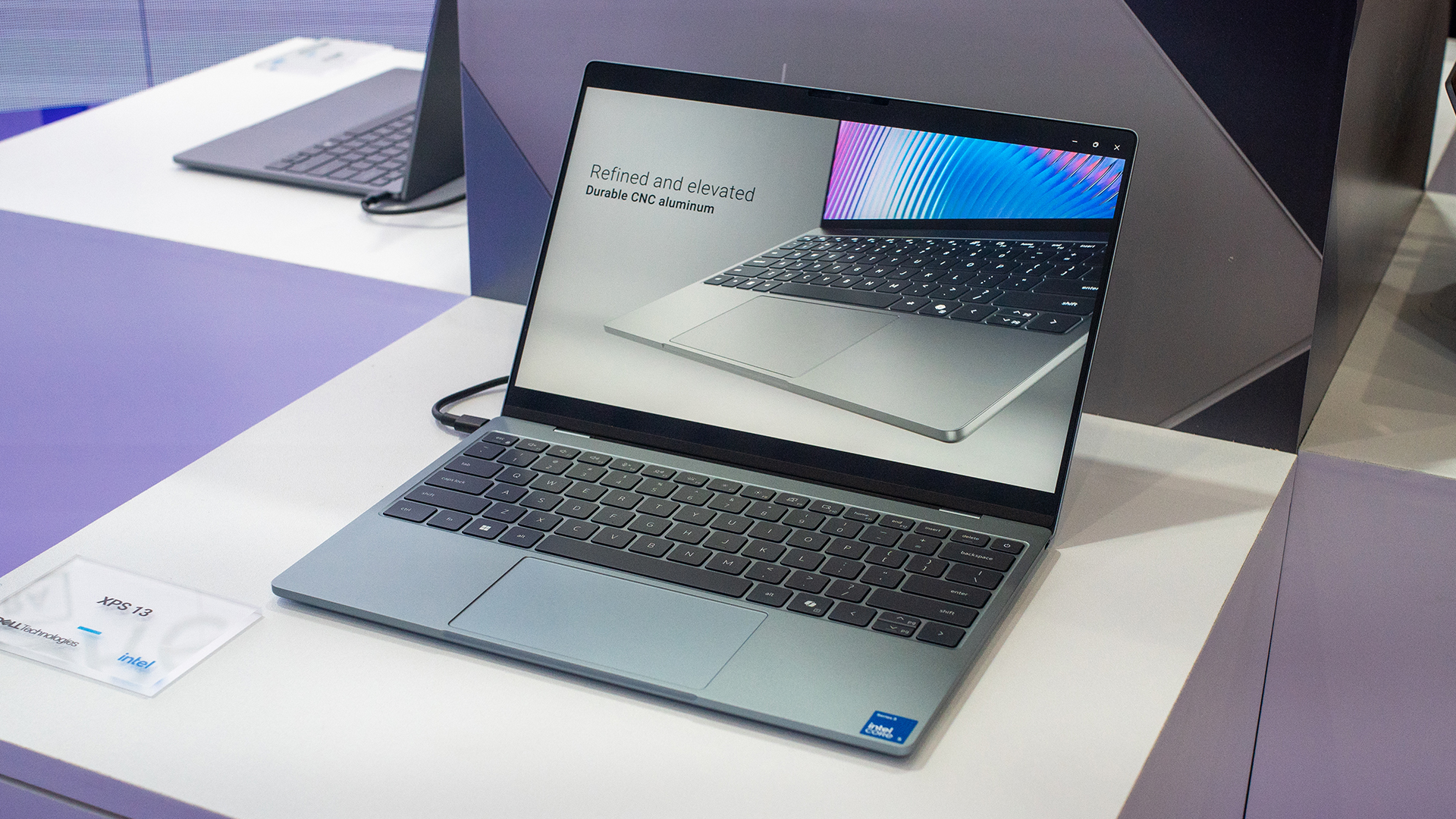
Last year, Dell killed off the XPS lineup. However, the brand quickly learned the error of its ways and resurrected the lineup this year. When the XPS 14 and 16 launched last January, the XPS 13, touted as the lineup’s thinnest laptop to date, made some interesting teases. Now, at COMPUTEX 2026, the new 13.4-inch notebook finally made an appearance.
Though the number in the name says “13,” the XPS 13 is defined by more than just its screen size. It’s the thinnest notebook in the entire XPS lineup, measuring at only 12.7 millimeters and weighing only 2.2 pounds. And yet it’s still remarkably durable with a premium CNC aluminum construction.
Inside, the XPS 13 can carry up to a Series 3 Intel Core Ultra 7 chipset. This is paired with up to 32GB of memory and up to 1TB of storage.
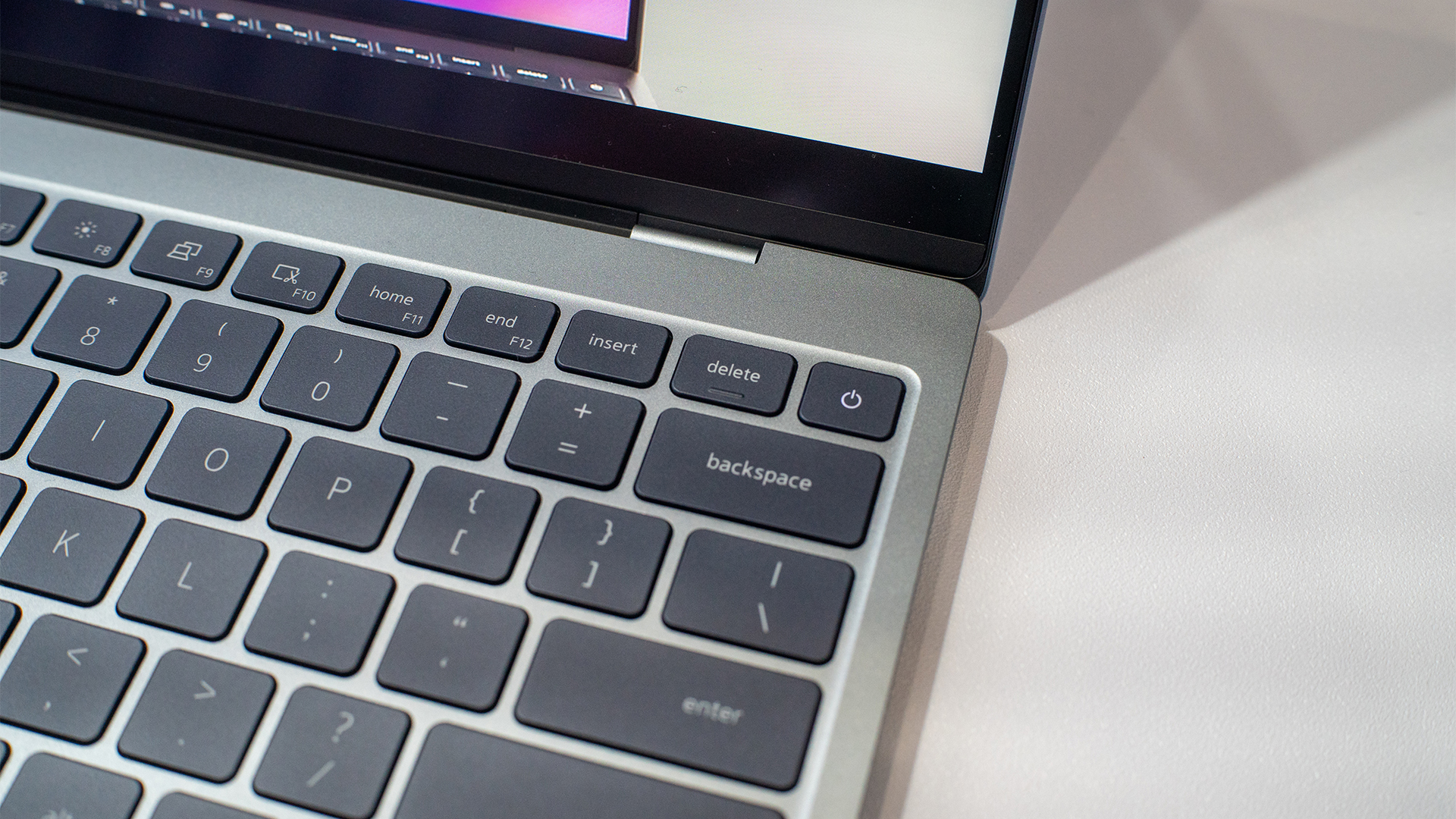
Meanwhile, the 13.4-inch display touts 2.5K resolution and an InfinityEdge touchscreen display. It has a 500nit typical brightness, up to 120Hz VRR, and Dolby Vision. You’re also getting a quad speaker setup with two main speakers and two tweeters, all of which are compatible with Dolby Atmos.
Despite its size, the notebook is fitted with 2 USB-C ports with DisplayPort 2.1 and power delivery. Finally, the XPS 13 comes with a 52Whr battery, providing up to 17 hours of charge and is compatible with the included 65W charger.
It will start at only US$ 599 for eligible students.

“Useful AI has arrived,” NVIDIA CEO Jensen Huang proclaimed in his monumental keynote speech to kick off COMPUTEX 2026, essentially admitting to the state of AI prior to today. But don’t let the past mess with how you view the present. AI today, according to the graphics-turned-AI company, will now serve everyday users, rather than procuring abstract and intangible benefits. For us normal people, it all starts with the new RTX Spark.
Rarely does a new product claim to reinvent the entire industry. Confident in its own abilities, that’s just what the RTX Spark wants to do. But what is it exactly?
Think of it like Microsoft’s Copilot+ PCs but on AI-powered steroids. NVIDIA wants to bring the power of a supercomputer into the hands of regular consumers, just like how the personal computer (PC) brought gigantic computers to the comfort of everyone’s homes.
Co-engineered with Microsoft, RTX Spark will run autonomous AI agents the entire day. The agent is tied to you and your intent but will orchestrate all your devices under one roof.
Let’s get down to the nitty-gritty. The new series will leverage a Blackwell RTX GPU and a 20-core Grace CPU from MediaTek. It can also support up to 128GB of unified memory, delivering several of the most powerful (and most expensive) PCs available to consumers today. With the capabilities comparable to an RTX 5070, the series can supposedly play modern games with ease.
Inside, it will come with CUDA, the trove of information that powers AI technology today. Finally, despite how slim NVIDIA promises the series will be, the RTX Spark should come with a battery that lasts the entire day.
The first NVIDIA RTX Spark laptops will launch later this fall with six premium laptops for various brands. This, along with the 30 models launching soon after, will include Acer, ASUS, Dell, HP, Lenovo, and MSI. No word yet on how much these will cost, though.


Close without crossing: A Xiaomi 17T Pro photo essay
Distance and closeness are not always opposites.


Spring reset: Growing more at home with Auk Mini
From kitchen counter experiment to everyday habit


UGREEN MagFlow Air review: Airy Yet Mighty
Slim and light power bank with a strong suit and core

Here’s all the RTX Spark notebooks announced at COMPUTEX 2026

realme launches P4 Series 5G, including Power with 10,001mAh battery

Win a trip to Shanghai Disney Resort with this Disney+ raffle promo

Postcards from MSI’s 40th anniversary expo

The Surface Laptop Ultra wants to bring “unmetered intelligence” to you


-

 Computers2 weeks ago
Samsung’s SECRET That Made OLED Even Better
-

 Events2 weeks ago
Recap: Google I/O 2026
-
 Accessories2 weeks ago
Anker’s soundcore Liberty 5 Pro series is powered by an AI chip
-
Reviews7 days ago
Close without crossing: A Xiaomi 17T Pro photo essay
-

 Deals1 week ago
Sony Days 2026: Unmissable deals, exclusive roadshows, and experiences
-

 Apps2 weeks ago
Meta quietly launches Forum app for Facebook Groups
-

 Accessories6 days ago
UGREEN launches FineTrack Series with Apple Find My support
-

 Philippines7 days ago
Xiaomi 17T series Philippines price, availability, offers