
Enterprise
Philippines improves 4G LTE availability but falls short at rankings
Still one of the slowest in the world


It’s no surprise that internet in Southeast Asia hasn’t caught up with 2018 standards. Based on several OpenSignal reports throughout the years, the region still rattles out poor ratings in 4G availability and speed.
Sadly, the most recent report shows more of the same. Though improving in reliability, internet in the region is still the slowest in the world.
The data was collected from over 4.8 million devices and almost 59 billion measurements throughout October to December last year.
The latest findings, which show definite improvements over last year’s results, offers eye-opening insights about the current state of 4G internet and its uncertain future.
South Korea still on top, but stumbles in speed
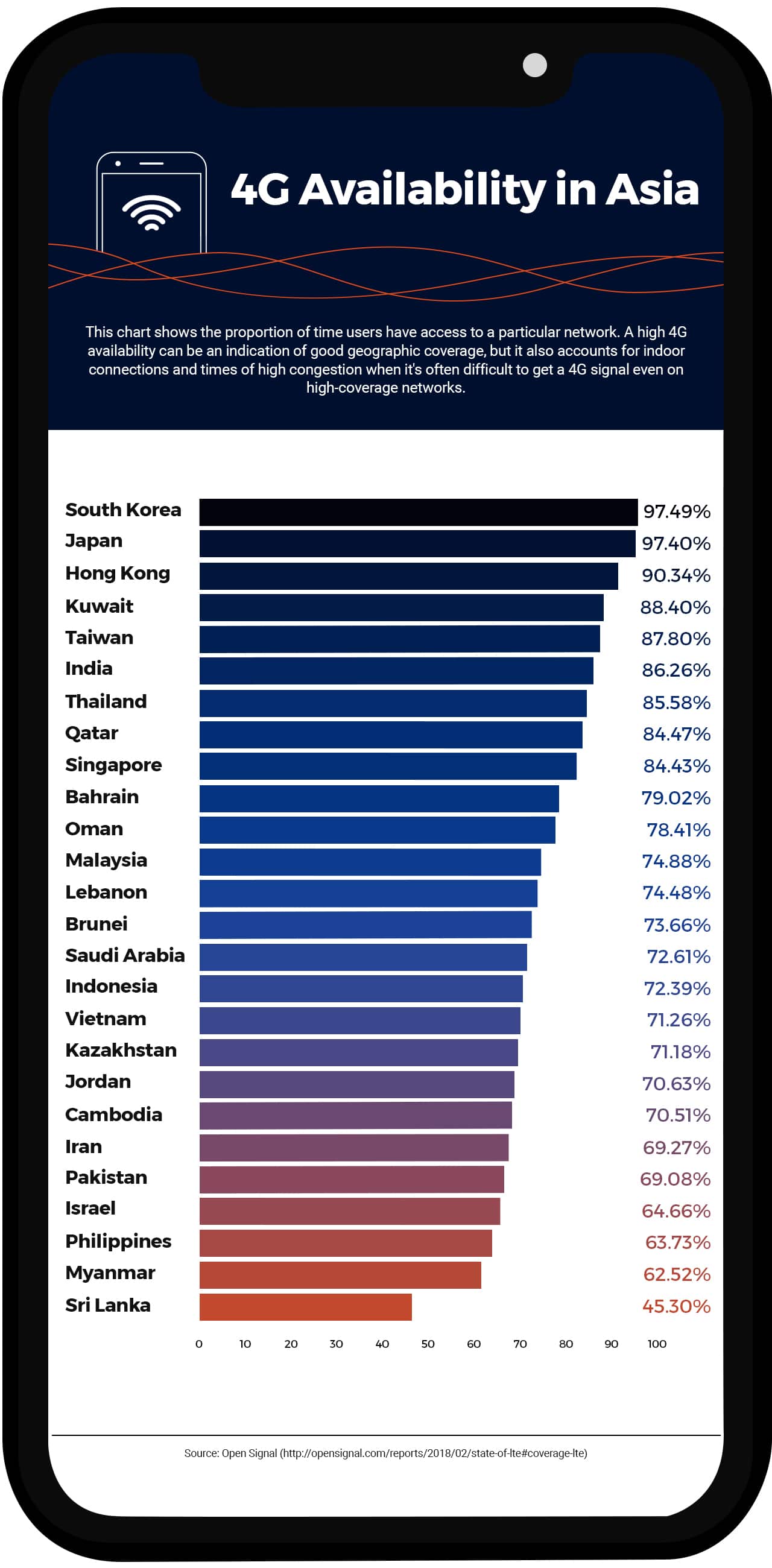
As with previous years, it’s no surprise that Singapore and South Korea dominate the boards once again. The world’s prime destination for eSports tops 4G availability; internet users in South Korea enjoy 4G connections for 97.49 percent of the time — a huge feat when around half of the recorded nations struggle to move past the 75 percent mark. Unfortunately, the country falls off a bit in terms of speed. Whereas the previous report clocked speeds of 43.46Mbps, this report measures a lower but still speedy 40.44Mbps.
On the other hand, Singapore tops the rankings for speed again with 44.31Mbps. Also, the country slightly improved their reliability at 84.43 percent.
The Philippines improves, but still a lower-tier country
Learning from their years-long stint at the bottom of the rankings, the Philippines finally improves their rankings with a marked upgrade on reliability. From a paltry 52.77 percent last year, the archipelagic nation now enjoys 63.73 percent 4G availability. As a result, the Philippines is no longer in the bottom 10 nations of the world, but is still the third lowest in Asia.
Unfortunately, the same can’t be said about the country’s speed. Despite an upgrade (from 8.59Mbps to 9.49Mbps), the Philippines is the fourth slowest country in the world (and third slowest in Asia). This year’s ranking is also slightly worse than last year’s list where the country placed as only the fifth slowest.
India barely moves up
Despite a brilliant showing in 4G availability, India still holds the unfortunate title of “slowest 4G internet in the world.” Indian internet speeds average only 6.07Mbps. The sub-par speeds slightly improved from last year’s showing, which only clocked in 5.14Mbps. This may be attributed to India’s status as one of the most populous nations in the world. On the bright side, the South Asian country marginally improved its reach — 86.26 percent from 81.56 percent last year.
4G internet speeds are plateauing

4G technology started in 2010. Since then, countries continue to edge closer but miss the vaunted 50Mbps mark. As of 2018, it’s safe to assume that everyone’s hitting the hay in the hunt for speed. Most, if not all, upgrades in speed this year were marginal at best. With the apparent plateau, the world focused on providing more reliable 4G internet across the globe. Countries fared better in improving their 4G reliability.
Too little, too late?
5G is just on the horizon. Tech companies are already pushing for 5G-compatible devices; 5G will soon obliterate the 4G speed plateau. With a more efficient solution coming, we should ask whether the race for the best 4G service shows an alarming trend.
Before we know it, the race to the best 5G network will kick off. Developed countries already have a leg up. Unfortunately, those who trailed in the 4G race will fall behind even further as 5G passes them by. Even if 5G will be easy to implement, the lack of reliable 4G in developing countries will only widen the gap between 5G-ready and 4G-ready countries.
SEE ALSO: Philippines still ranks near bottom for 4G LTE speeds and availability




Apps
Salesforce introduces Slack Frontline for deskless workers
Simple, secure, mobile-first way for deskless teams across retail, healthcare, manufacturing, field service

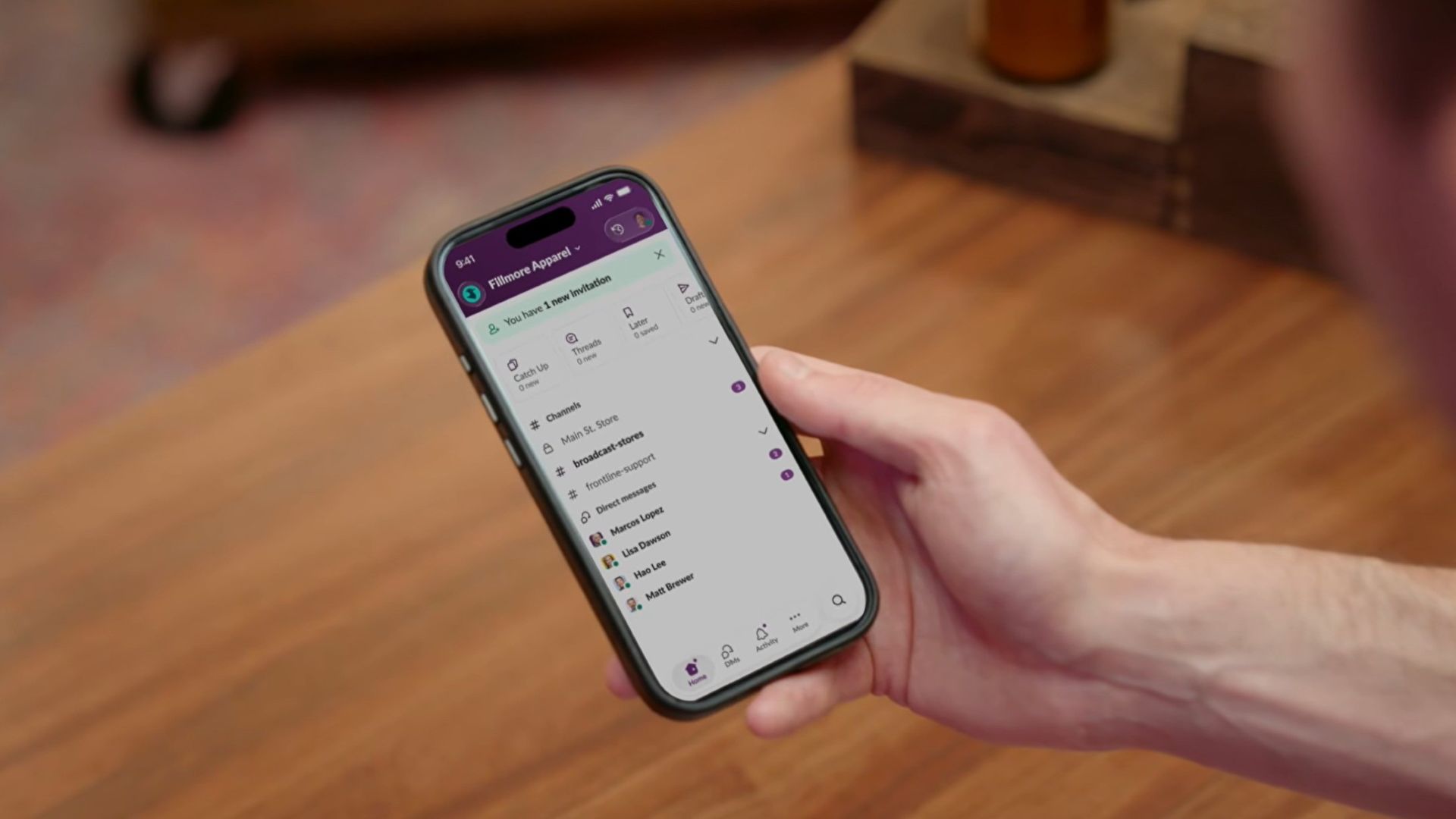
Salesforce is bridging the massive divide between corporate headquarters and deskless workers with the launch of Slack Frontline.
This new solution is designed specifically for retail associates, healthcare providers, factory workers, and field crews.
The mobile-first workspace brings communication, data, role-specific tools, and AI together in a single clutter-free app.
While frontline employees make up about 80 percent of the global workforce, they have historically been left out of workplace transformation, often relying on paper checklists, group texts, and broken communication loops.
Slack Frontline addresses these challenges by giving mobile workers up to 10 role-relevant channels, instant Huddles with headquarters, on-demand AI agents, and automated workflows.
Backed by Salesforce data and enterprise-grade security, the platform lets IT teams govern the entire workforce under one secure layer with employee ID sign-ins, multifactor authentication, and compliance configurations like HIPAA.
This ensures that critical updates, training materials, and shift handoffs reach workers directly in their pockets without needing corporate email addresses or shared terminals.
Moreover, the platform is tailored to transform operations across multiple industries, including retail, home healthcare, manufacturing, hospitality, and field services.
For instance, retail teams can instantly sync promotions and monitor inventory, while healthcare professionals can securely review patient histories and coordinate care on the go.
Manufacturing and hospitality teams benefit from drastically reduced downtime and faster issue resolution, cutting response times significantly.
Slack Frontline is available now as an add-on for businesses on the Slack Enterprise+ plan.
Enterprise
Google illegally destroys 250,000 trees for a single AI data center
This is what we stand to lose with data centers.

In the Philippines, it’s illegal to cut down a single tree without a permit. It’s a constant reminder that the preservation of nature should be a civil, besides being a moral, obligation. And yet, corporations are seemingly immune from obligations and morals. Google, the company that used to stand for “Don’t be evil,” shows off its true colors by illegally cutting down 250,000 trees in Finland for a datacenter.
As first reported by The Guardian, Finland is now staring at 330 hectares of land suddenly denuded of around 250,000 valuable trees, all thanks to Google. A local ecologist has also said that the company killed a further 150,000 trees at a separate site.
The environmental desecration is part of Google’s multibillion-dollar push to build data centers all over the world for artificial intelligence. Google has since been ordered to stop the development in the country after Finland found that the company acted without securing the needed assessments and permits to clear the area.
Google brushed away the report by saying that they acted “on the best understanding we had of the legislation at the time.” The company also said that they are protecting the water quality at the affected sites and committed to replanting trees across 130 hectares, a pale comparison to the total area affected.
Other AI companies are also trying to weasel their way into other countries to build data centers. An example is the controversial Pax Silica in the Philippines. Finland now stands as a cautionary tale against the unimpeded and unsupervised growth of data centers for a service that no one asked for.
Don’t be evil, my ass.
Enterprise
Chimelong’s newest attraction might be the robots themselves
The future of travel is here, and it knows tai chi!

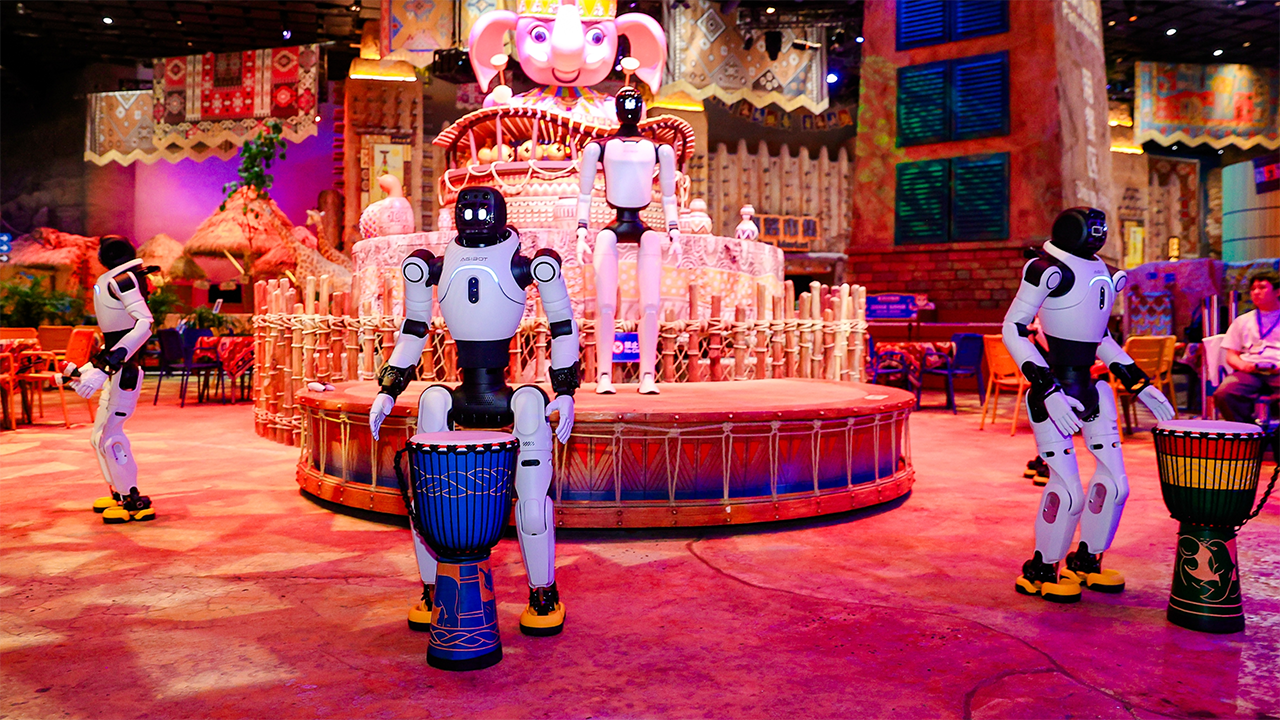
Imagine checking into a theme park and greeting a humanoid robot. A few hours later, you watch one perform tai chi. Another challenges you to table tennis. Yet another helps you navigate to the next attraction. By nightfall at your hotel, robots enhance the experience again.
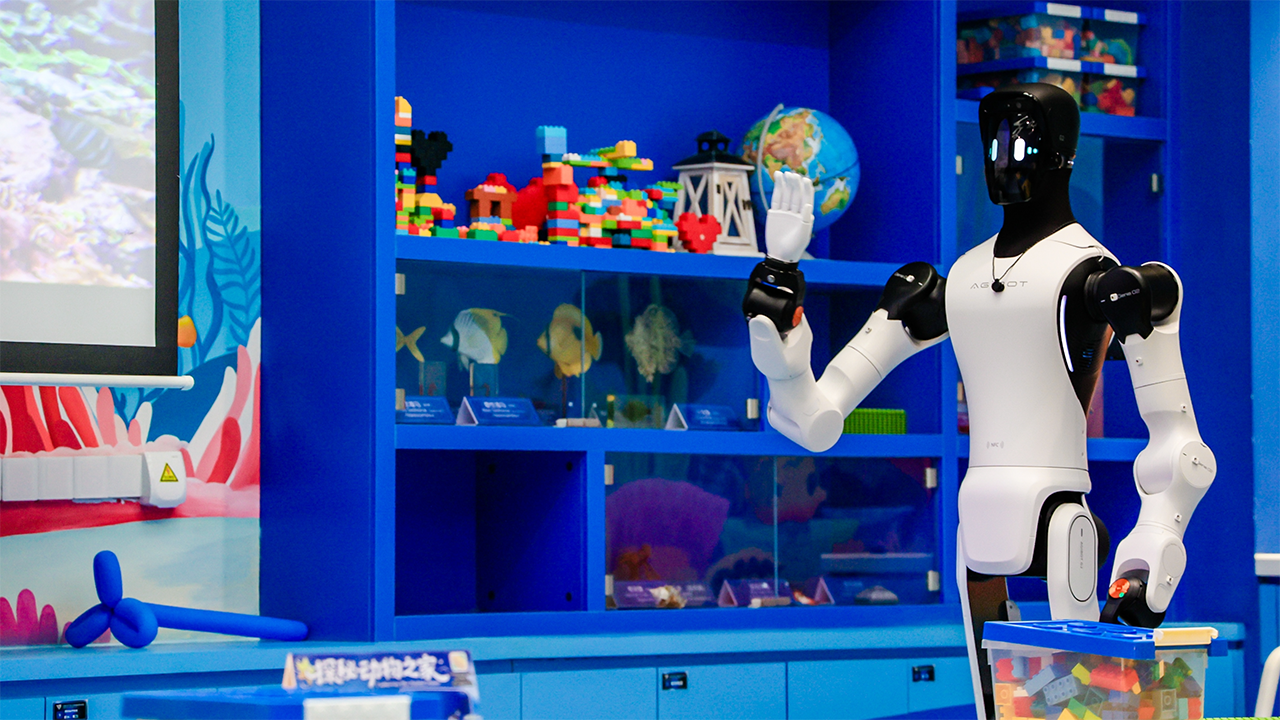
This vision drives the latest collaboration between AGIBOT and Chimelong Group. Together, they brought over 300 robots to Chimelong Spaceship Park in Zhuhai, China.

This launch represents a massive real-world application of embodied AI in tourism. AGIBOT and Chimelong integrated these robots across entertainment, education, visitor services, retail, and hospitality. They act as active participants rather than remaining confined to a single demonstration area.
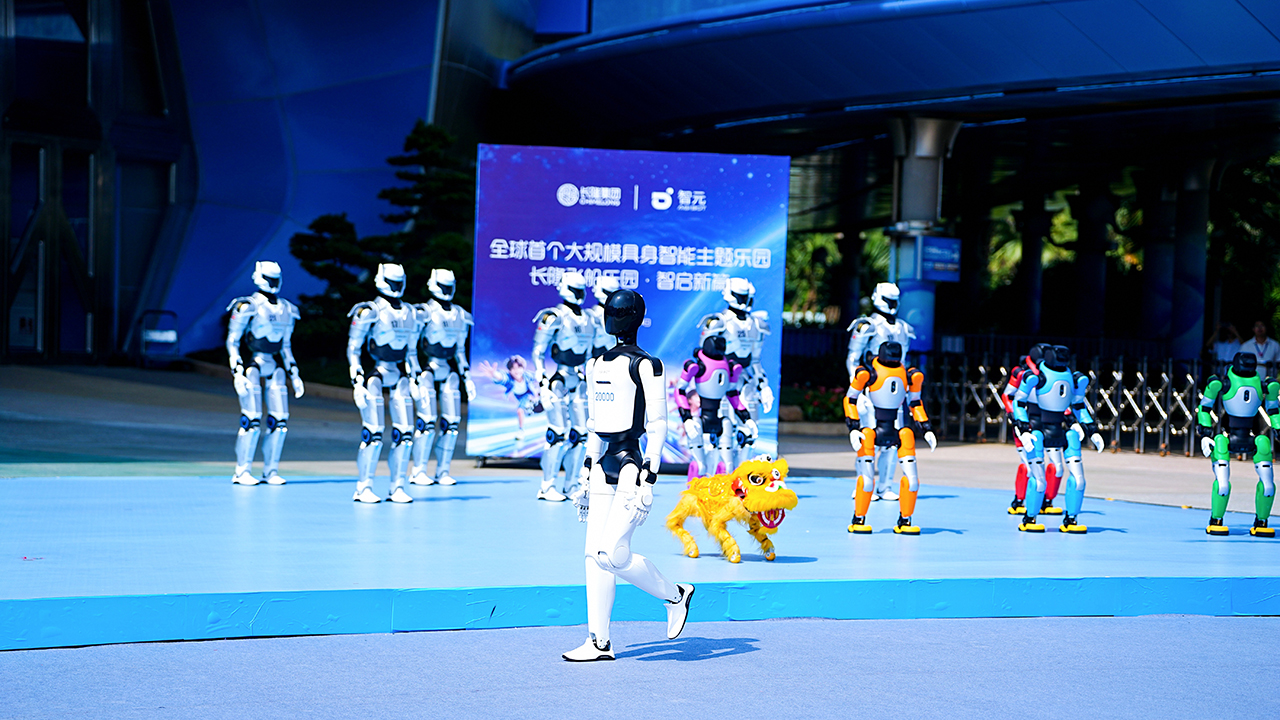
The timing celebrates a notable milestone, too. During the launch, Chimelong received the 20,000th robot to roll off AGIBOT’s production line.
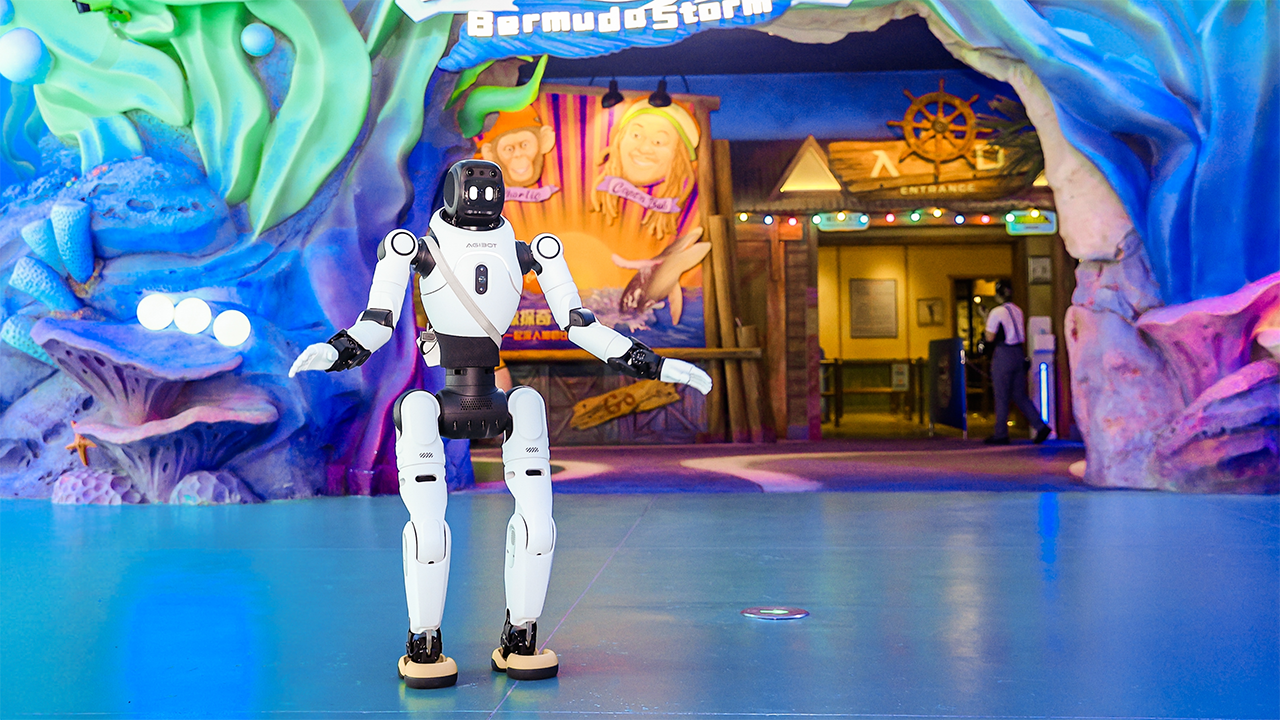
Your next theme park companion could be a robot
At Chimelong Spaceship Park, robots act as part of the total visitor experience. Guests don’t just stop to watch them from afar.
Some take on entertainment roles by performing martial arts, gymnastics, and tai chi. Others interact directly with guests through table tennis and hands-on manipulation challenges.
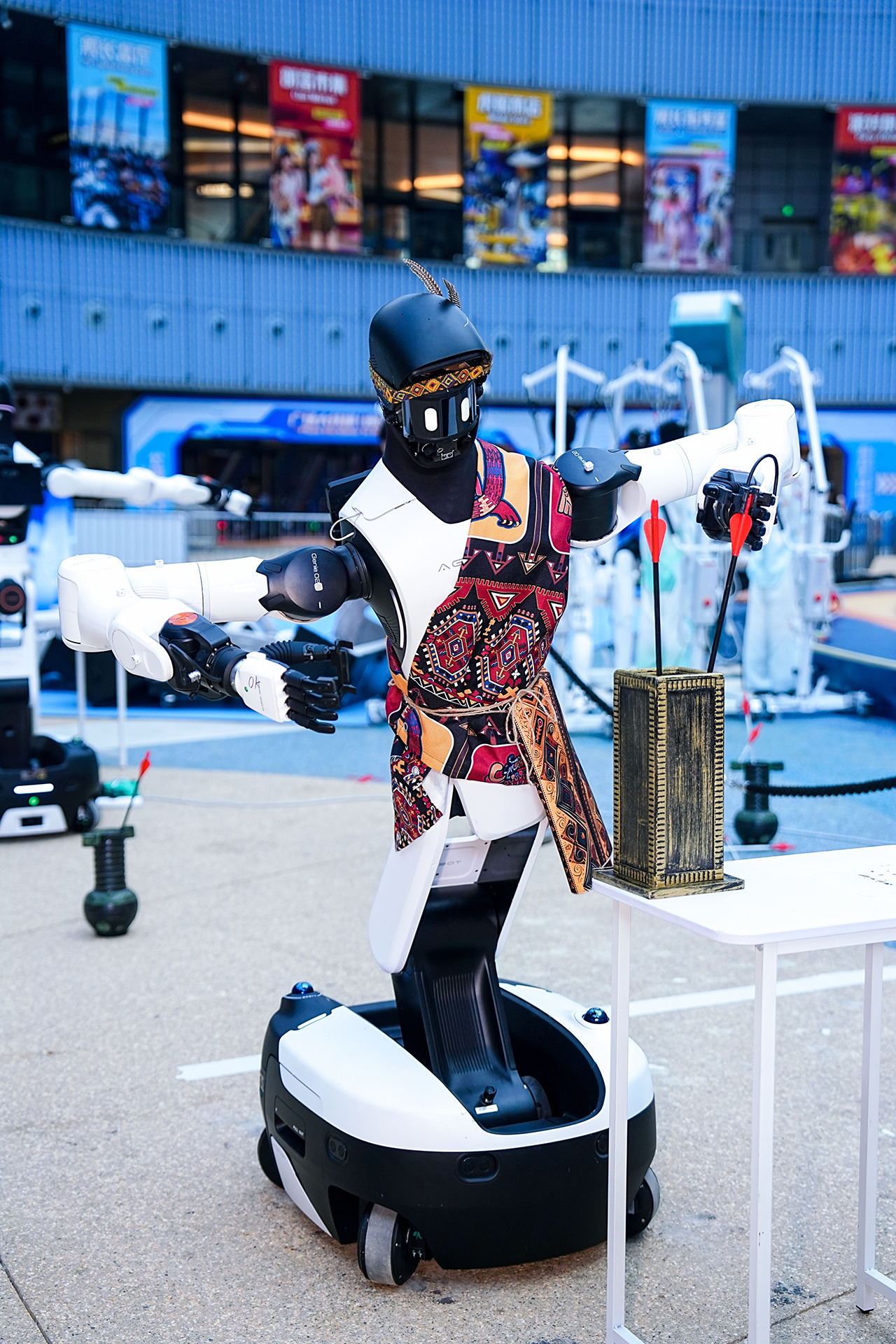
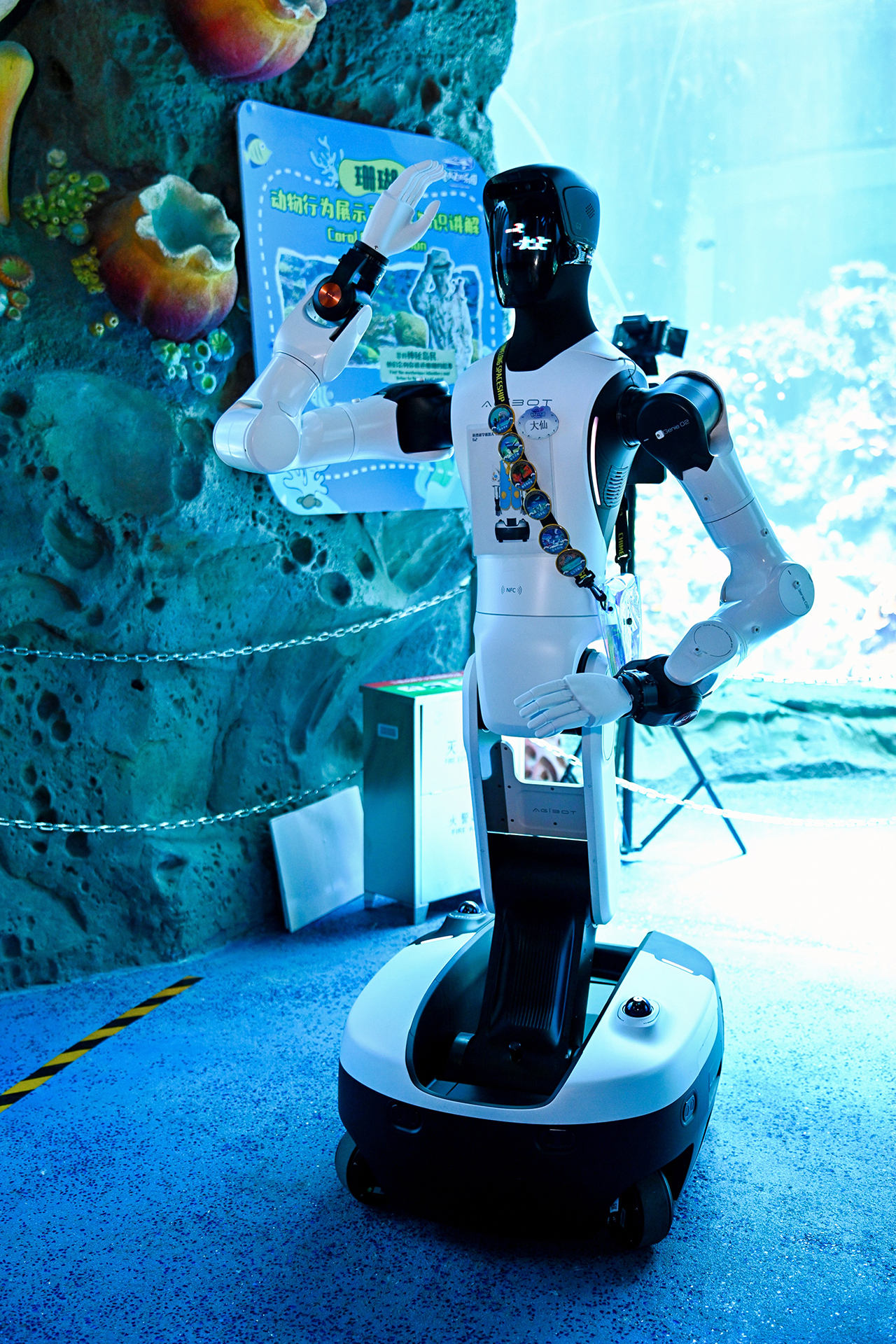
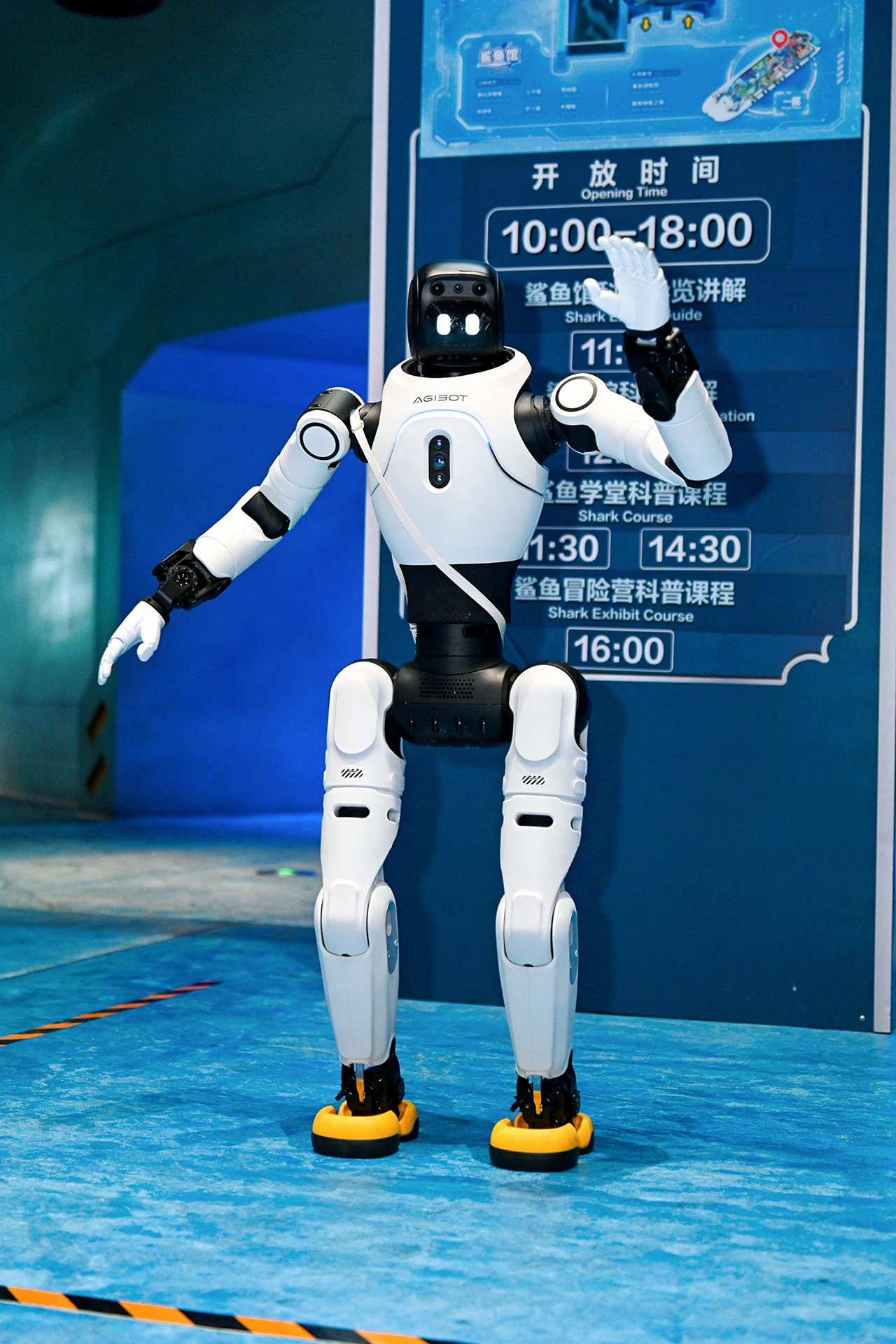
Designers also created robots for the quieter moments of a park day. They answer questions, introduce exhibits, and guide visitors through designated areas.
In retail settings, robots assist shoppers with their purchases. Meanwhile, hotel deployments place them in guest-facing roles to welcome visitors and hold multi-turn conversations.
Consequently, your trip involves encountering robots in several different contexts. The journey stretches seamlessly from your park arrival to your hotel return.
When the robots become part of the show
Theatrical applications are perhaps the easiest to picture. AGIBOT and Chimelong incorporate robots into live performances alongside human actors, music, and lighting.
Rather than treating a humanoid robot as a mere technological curiosity onstage, creators coordinate multiple robots into fluid routines.

Elsewhere, visitors engage with robots through games and educational activities. This creates a highly interactive, hands-on introduction to embodied AI.
Theme parks offer a perfectly fitting setting for this technology. Parks historically excel at making technology disappear into the magic. Engineers design animatronics, immersive environments, special effects, and automated rides to serve the story.
Humanoid robots push this idea into new territory. They communicate, navigate physical spaces, respond to people, and adapt to different settings with ease.

A robot-filled day does not stop at the park gates
The collaboration naturally extends into Chimelong’s hospitality operations.
Robots welcome hotel guests, hold complex conversations, and offer highly personalized interactions. This introduces an interesting possibility for resorts. Technology can now follow visitors beyond the main attraction and enhance the broader destination.

Travelers will soon experience trips where the boundaries between attraction, service, and technology blur entirely.
A robot might serve as your tour guide. Next, you could watch a robotic entertainment performance. Finally, a mechanical host could wait downstairs in your hotel lobby.
Potentially, the robot you meet in one area connects directly to the wider system operating backstage.
Making hundreds of robots work together
Deploying over 300 robots into a busy tourism destination requires massive coordination.
AGIBOT, Chimelong, and China Mobile established a dedicated 5G network. This ensures stable connectivity across high-traffic areas. The team uses centralized coordination to manage robots moving through various park and hotel environments.

Comprehensive operational systems also handle network security, privacy protection, charging, and fire safety.
Guests easily overlook this infrastructure while watching a robot perform tai chi. Yet, this backend framework remains one of the most fascinating aspects of the project. A theme park represents a highly complicated environment. Thousands of people constantly move through spaces shifting rapidly from one experience to another.
Making robots useful here means teaching them to embody the destination itself.
The beginning of a bigger experiment
AGIBOT and Chimelong are establishing a joint research institute for embodied AI in tourism.
This institute will explore new applications, operating models, and technologies. Researchers will draw directly from the experience of this massive deployment. The first project phase lays the groundwork to expand robot usage across all Chimelong properties.

For now, the appeal remains fairly simple. Creators build theme parks on the promise of making ordinary life feel extraordinary.
Chimelong bets that humanoid robots will increasingly spark that exact magic.


Apple iPad mini OLED review
Has the mini gone PRO?!


ROG G700 review: The best prebuilt PC you can get off the shelf
This PC will make you stop worrying about specs.


HP OMEN Max 16 review: Gamer-maxxing in deep black
Peripherals deemed necessary to max this out

Sony revives classic Walkman headphones with USB-C MDR-3R

IKEA, Xbox launch nine-piece YXSTABY gaming collection

Smart Infinity launches PureVoice

The Fellowship of the Ring in Concert finally arrives in Manila
Apple iPad mini OLED review

Your coffee nook is getting a makeover with Starbucks’ holiday collections

vivo V80 debuts with ZEISS cameras

Garmin Enduro 4 promises up to 320 hours of battery life

Dragon’s Dogma 2: Dark Arisen launches with new Official Pawns

vivo V80 review: Good phone, tough sell


-
 Lifestyle1 week ago
Your coffee nook is getting a makeover with Starbucks’ holiday collections
-

 Lifestyle1 week ago
Sticker season is back, and so is the planner your ~friends~ might fill in for you
-

 Gaming1 week ago
Wild Rift Patch 7.3, celebrates K/DA comeback
-
Gaming2 weeks ago
ROG G700 review: The best prebuilt PC you can get off the shelf
-

 Gaming2 weeks ago
PlayStation unveils Prism Collection
-
 News3 days ago
Sony revives classic Walkman headphones with USB-C MDR-3R
-

 News2 weeks ago
Apple unveils its biggest iPad mini update yet
-

 Laptops2 weeks ago
Apple unveils MacBook Pro with PROLED XDR display and Touch