
News
Xiaomi Mi Mix 3 scores high on DxOMark with 103 points
On par with Galaxy Note 9 and HTC U12+


Xiaomi just announced their latest flagship phone — the Mi Mix 3. Most of the attention is on its display, but that’s not its only feature to brag about. The Mi Mix 3 also has great dual rear cameras as measured by DxOMark.
The imaging authority gave the Mi Mix 3 an overall score of 103 points with an independent score of 108 for photo and 93 for video.
DxOMark praises the still performance of the Mi Mix 3 in imaging due to its fast and accurate autofocus, white balance accuracy, wide dynamic range both indoors and outdoors, and lastly, excellent flash performance.
Although, they do point out that it has high levels of noise in high-contrast scenes. Also, the portrait mode is quite inconsistent and there visible color banding when indoors.
As for video, Mi Mix 3’s autofocus performance tops the list along with good dynamic range and vivid colors. When in low-light environment though, noise is pretty visible and there are some exposure issues.
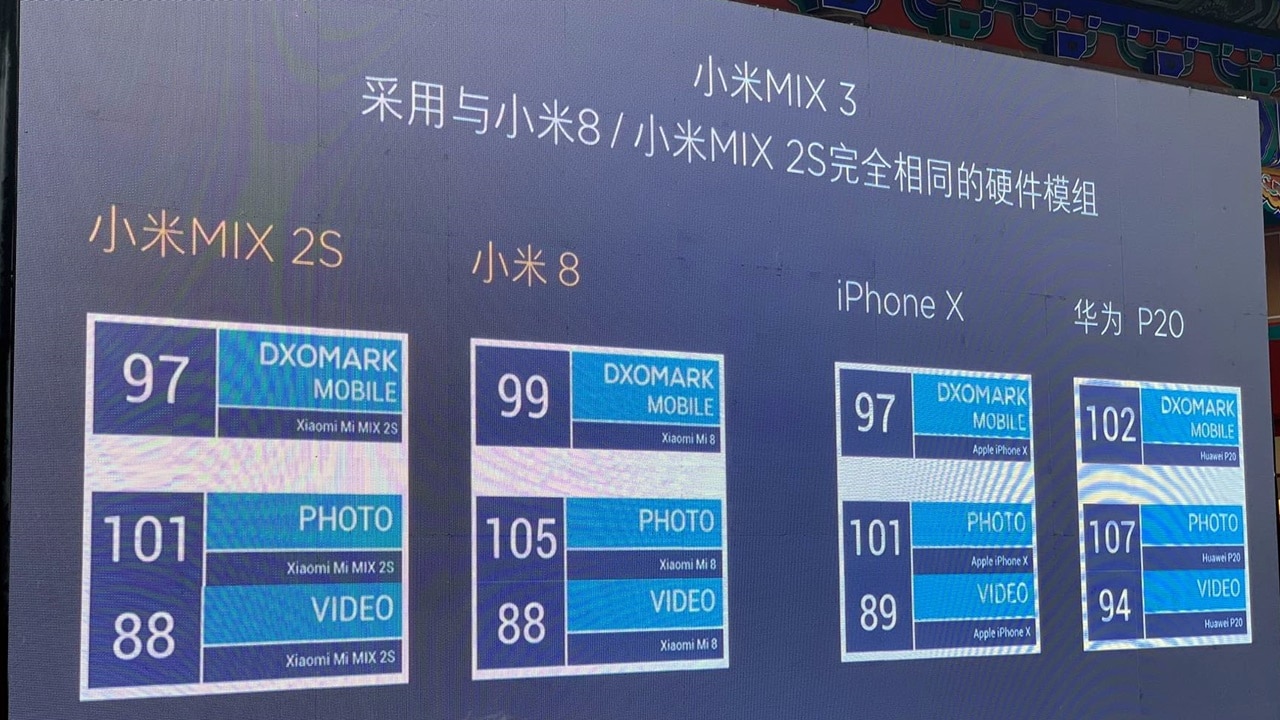
The Mi Mix 3 is equipped with dual 12-megapixel rear cameras. The main sensor has an f/1.8 lens and optical image stabilization, while secondary sensor offers 2x zoom and a slightly slower f/2.4 aperture.
The new Mi Mix model actually has the same camera hardware as the Mi 8’s, which has an overall score of 99, so the improvements done by Xiaomi are in software and image processing algorithms.
You may read more about the review of DxOMark here.
SEE ALSO: Xiaomi Mi Mix 3 goes all screen with magnetic camera slider


News
Xiaomi 18 Pro series is launching globally, Xiaomi confirms
Xiaomi’s phone with two screens is finally going global.

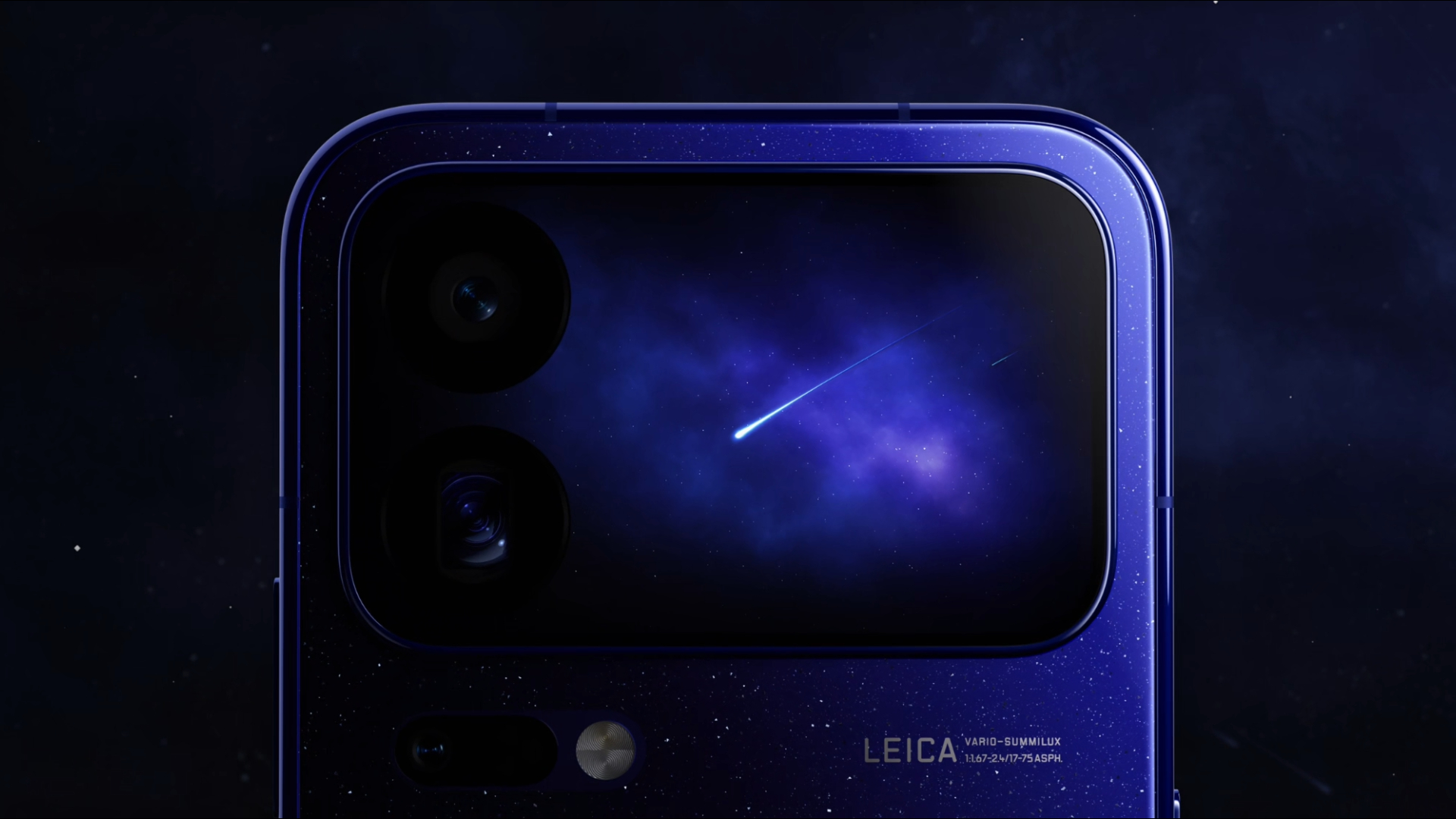
As you can probably read from our reviews, we were impressed with the Xiaomi 17 series. Like previous years, the Chinese brand knows how to make impressive flagships. Unfortunately, despite our raving, the world didn’t get the complete flagship experience because the Xiaomi 17 Pro and Pro Max were exclusive for Chinese users. This year, however, the Xiaomi 18 Pro and Pro Max will finally grace the entire world with their presence.
Recently, Xiaomi unveiled the Xiaomi 18 Pro duo. Normally, the launch of the Pro series doesn’t make waves outside of China because of the exclusive release. However, soon after the series’ debut, Xiaomi CMO Xu Fei officially confirmed that the duo will make a global debut sometime this year.
Now, the launch of the two smartphones should catch your eye. While the regular Xiaomi 18 series belongs to the more traditional form factors for smartphones, the two Pro models feature a smaller 2.7-inch (or a 2.9-inch) LTPO AMOLED rear screen, adding that extra bit of spice even if the phone is facing downwards. Other than that, the series comes with up to a Snapdragon 8 Elite Extreme Gen 6 chipset, up to 16GB of RAM, and up to 1TB of storage. It also features a trio of rear cameras including a 200-megapixel main sensor, a 200-megapixel periscope lens, and a 50-megapixel ultrawide sensor. In front, it has a 50-megapixel selfie shooter. Finally, the series goes up to an 8500mAh battery.
To be clear, there is a chance that the global version won’t match these specs. Regardless, it’s surely an impressive phone when it does launch elsewhere.
Apps
Google Photos can now censor your kid’s face better
The new Redact feature can censor sensitive information.

Censoring photos is heavy work. Either you stick on random emojis or draw an indiscriminate splotch of doodles to cover sensitive information. It’s an imperfect art but an essential one to protect privacy. Today, Google Photos is getting a Redact feature which can censor sensitive bits with pixelated blocks.
An addition to the Markup tool, Redact acts like a nifty pen that can hide information that you don’t want seen. Unlike a ghastly emoji or a splotch, the censored bar mixes better with the surrounding elements. In the example that Google used, a censored license plate blends well with the car it’s attached to, making the photo look more cohesive. Besides license plates, it’s the perfect tool for covering other information like phone numbers, addresses, and the faces of your loved ones.
Google Photos is also rolling out Moods, a set of filters that give photos a nostalgic look, including a 2000s night digicam vibe that’s popular today. There are also 15 new Remix templates to add more creation options.
Both the Redact and the Moods features will roll out to Android users starting today. The new Remix templates, however, will be limited to some countries on both Android and iOS.
SEE ALSO: Google will force Android users to use Gemini next month
News
Power Mac Center SM Aura is now an Apple Premium Partner store
With a new protection plan dubbed as “1Protect” for your precious new iPhones


Power Mac Center has upgraded its SM Aura branch into an Apple Premium Partner (APP) store. The “APP” designation is the highest tier for reseller stores worldwide.
Originally opened in 2014, the redesigned store now houses its retail space, training center, and a service center in one.

The new space also puts more emphasis on learning. Free group demos will be held every Friday to Sunday. These will cover topics such as iPad creativity, or camera features, personalization, and Continuity for the latest iPhone series.
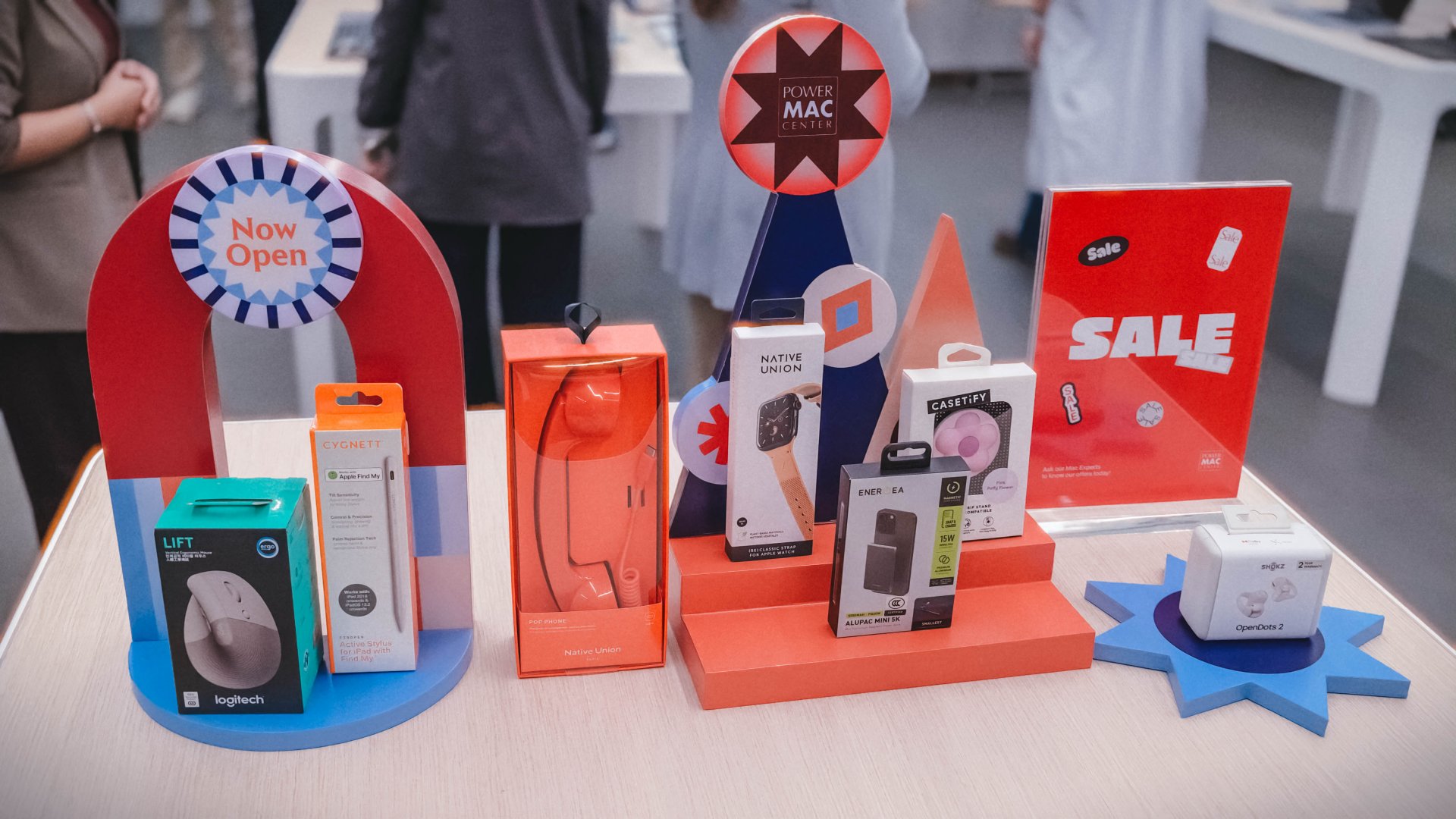
To celebrate the opening, customers can also score discounts on select Apple devices and accessories until September 27, 2026.
Deals include up to:
- ₱PhP 36,000 off MacBook Pros
- PhP 19,500 off iPads
- PhP 3000 off Apple Watches; and
- PhP 11,000 off iPhone models
There are also service discounts until September 25. Plus, new iPhones purchases here are also covered with 1Protect device protection.
ICYMI, it’s a partnership between PMC and Bolttech. It’s basically a new way to protect your precious new iPhones.
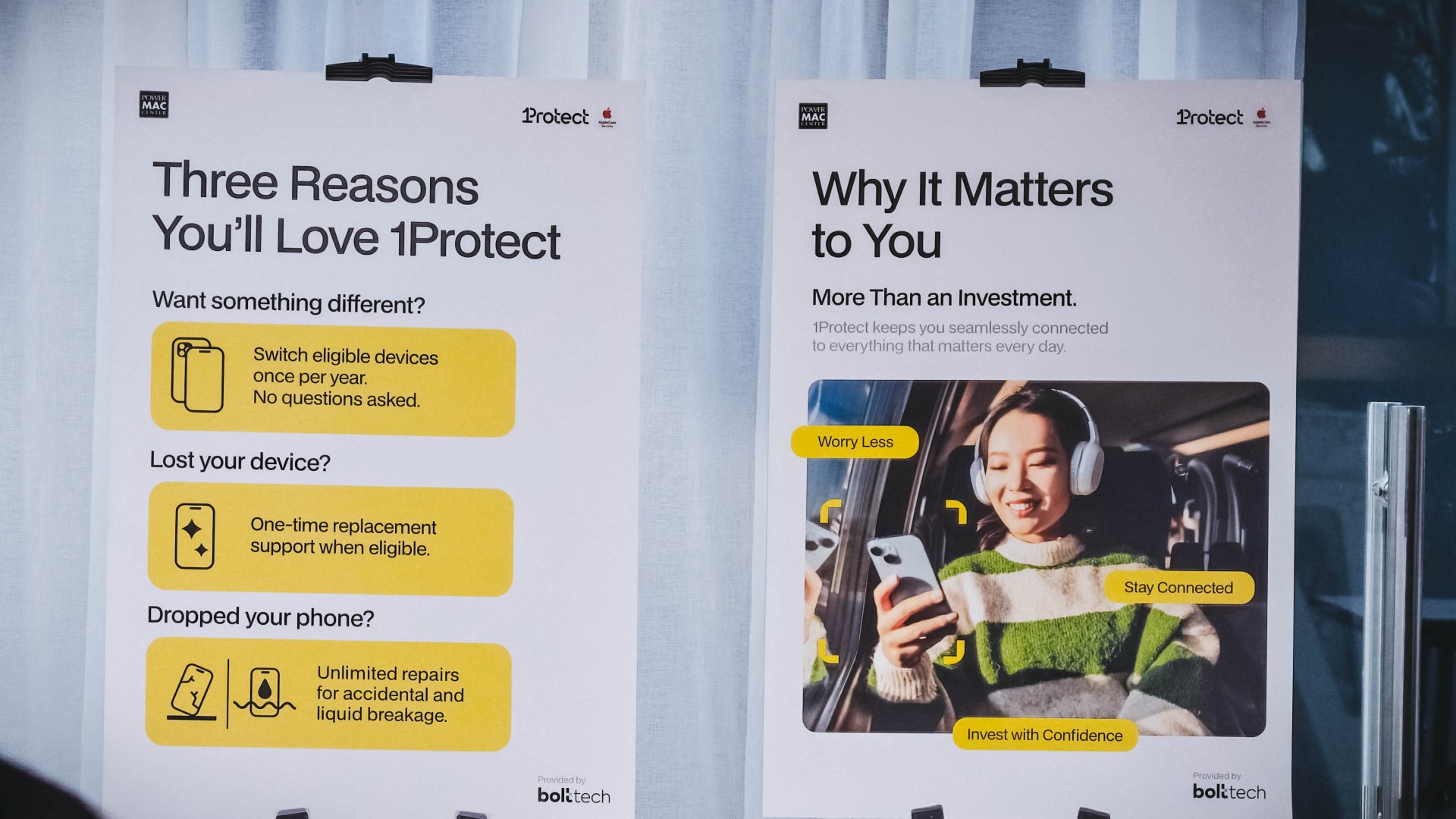
Your regular one-year warranty does not cover accidental drops and water damage. Purchasing this new device protection plan (good for one year) gives you an unlimited dose of that.
Parts are guaranteed original and is an official part of AppleCare Services.
This protection program also covers one-time unwarranted exchanges (or change of mind returns) from micro scratches to color options. It will even replace your iPhone (of the same model and configuration) if it was stolen once.

There’s also the 1 Infinite loyalty program. Members can earn points from purchases and redeem them for devices, accessories, services, and training.
The Power Mac Center SM Aura APP store is located on Level 2 and is open daily from 10AM to 10PM.

TECNO POVA 8 Pro Tonino Lamborghini review
Truly a rare gem in 2026


DJI Lito X1 review: Is this the best lightweight drone for creators?
Making a strong case as a travel companion and a capable B-cam!


REDMI Note 17 Pro Max review: A new breed born from AI greed
Welcome to the new normal
TECNO POVA 8 Pro Tonino Lamborghini review

When TECNO-logy meets Tonino Lamborghini legacy

Spotlight: Amazon Kindle Scribe Colorsoft

Chimelong’s newest attraction might be the robots themselves

Xiaomi 18 Pro series is launching globally, Xiaomi confirms

realme 16T 5G with 8000mAh battery, IP69 Pro rating launches in PH

HUAWEI Pura X View is 2026’s first WIDE slab-type smartphone

The CAMON Slim 5G is TECNO’s latest ultra-slim smartphone

iPhone 18 Pro series: Price, availability in the Philippines

DJI Osmo 360 II review: Going all-in on the ecosystem


-
 News5 days ago
vivo X500 Series launches with major imaging upgrades
-
 Hands-On2 weeks ago
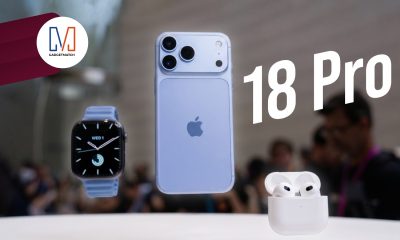
Apple iPhone 18 Pro Series Hands-on
-

 News4 days ago
OPPO Find X10 Pro Max is the first phone with a triple 200MP camera system
-

 Gaming2 weeks ago
BlizzCon 2026 announces World of Warcraft: Forever and Diablo V
-
Reviews2 weeks ago
REDMI Note 17 Pro Max review: A new breed born from AI greed
-

 Singapore1 week ago
Epson Lifestudio Grand Plus EH-LS970B with 4K projection, more launches
-

 News5 days ago
vivo introduces OriginOS 7 with smarter multitasking and AI features
-

 Gaming2 weeks ago
Valve unveils price of the Steam Frame