
Cameras
The Fujifilm X100V makes viewfinder-shooting fun again
Classic-looking, packed with modern features

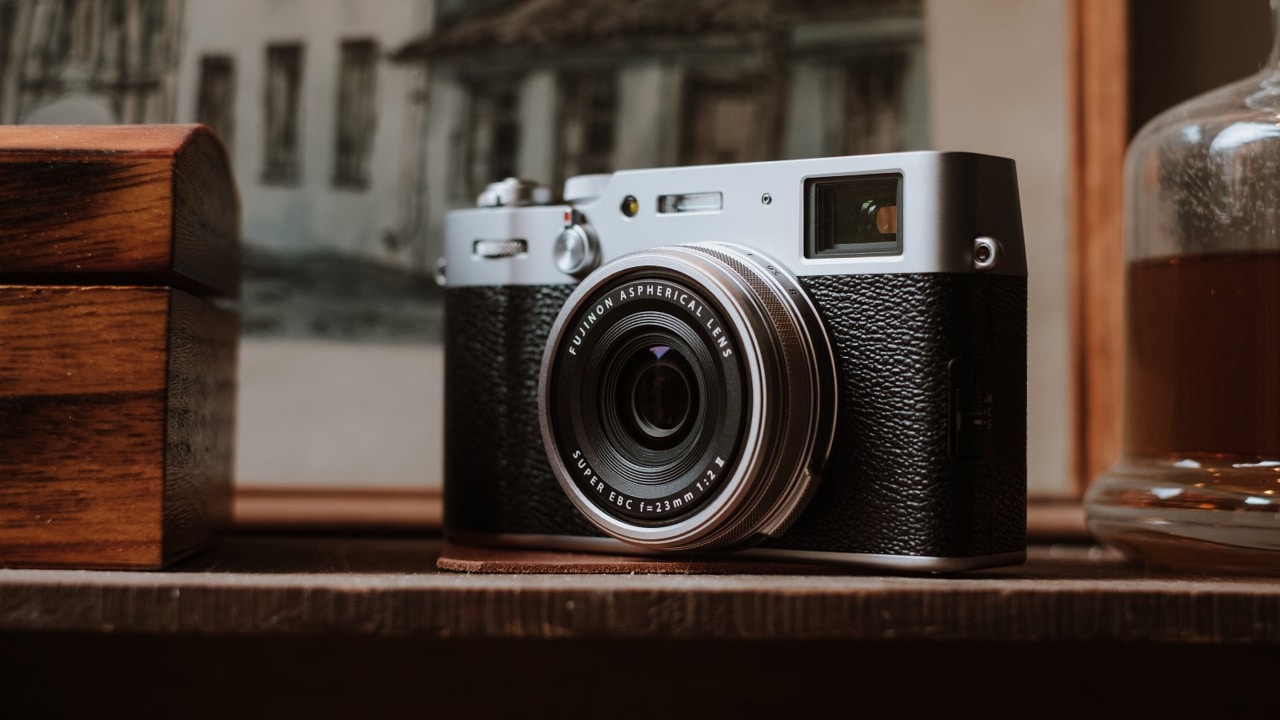
Fujifilm just announced the fifth-generation of X100 — the Japanese company’s premium compact digital camera. With its classic and sophisticated design, the X100V exudes a vintage vibe while packing modern features.

For starters, it has a tilting rear LCD monitor, enabling easier shooting in difficult scenarios. However, it also has an evolved version of its Advanced Hybrid Viewfinder. It lets you switch between optical and electronic viewfinders.
If that sounds martian to you, optical viewfinder lets you capture your subject as it is. On the other hand, electronic viewfinder reflects any adjustments you make to suit different shooting conditions.

Additionally, the X100V is equipped with the latest X-Trans CMOS 4 sensor and X-Processor 4 for better image processing, combined with Fujifilm’s signature color reproduction technology. Now, everything will look premium!
Lastly, Fujifilm specifically designed a lens for the X100V, which uses two aspherical lens elements to deliver extreme sharpness in high resolution and contrast.
The Fujifilm X100V will retail for Php 79,990 (US$ 1575).





Cameras
Insta360 X6 brings 8K 360 capture, AI-powered editing
Sharper 360 footage, longer battery life, and an AI that edits your clips while you charge?!
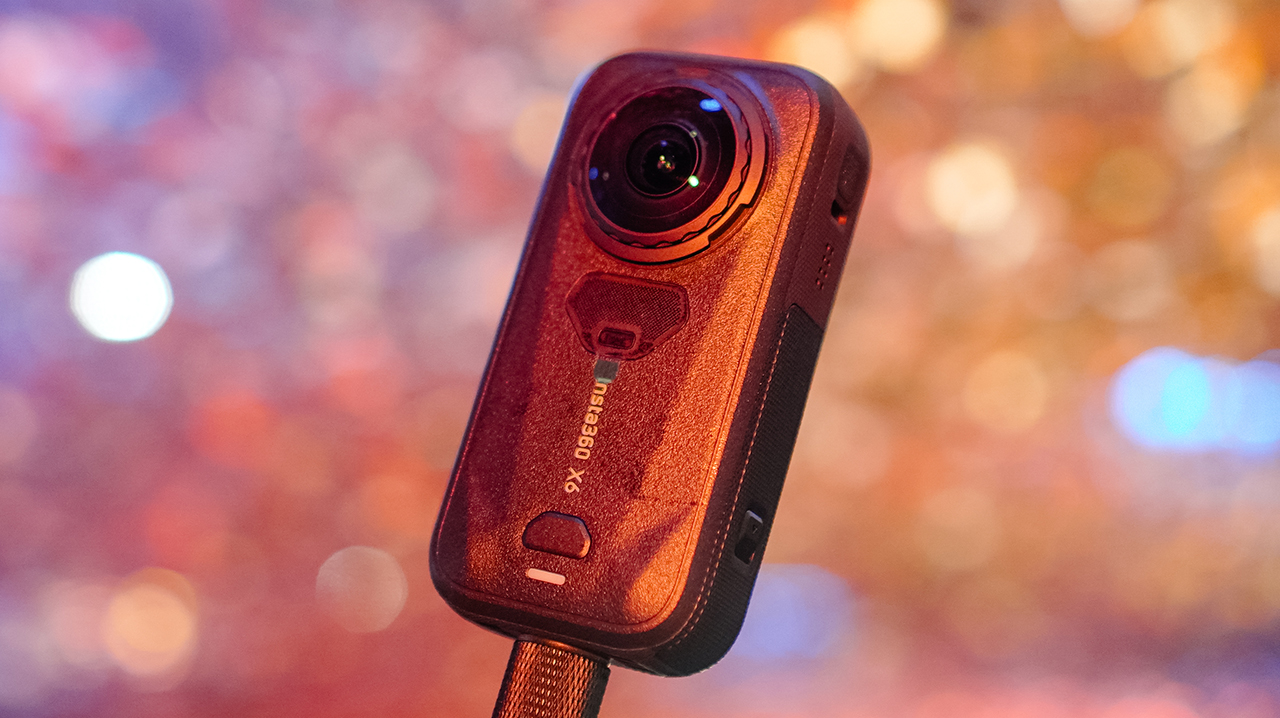
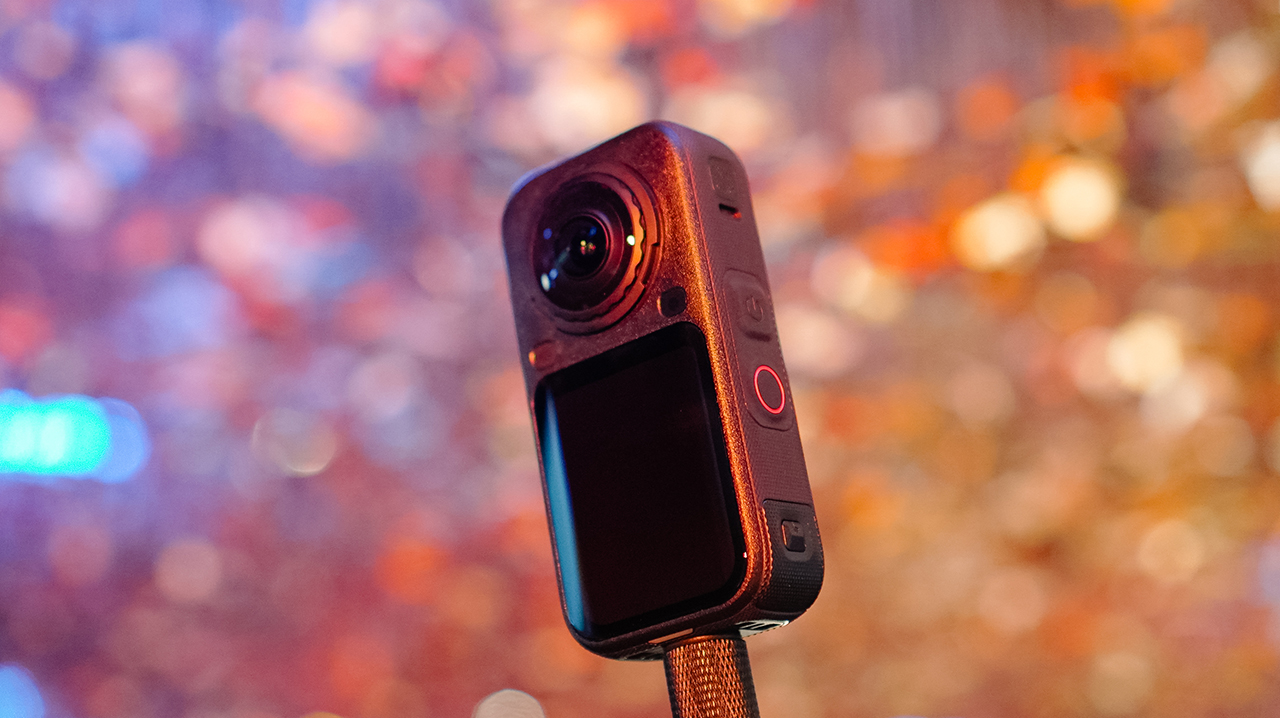
Fresh off its global release, Insta360 brings its latest entry in the X series, the Insta360 X6, to the Philippines.
Upgraded imaging for every moment
The headline upgrade lands straight in the image sensor. Dual custom Sony 1/1.1-inch square sensors power the Insta360 X6, delivering a full 1-inch equivalent 360 imaging experience.
This hardware update brings noticeably sharper detail and stronger low-light performance compared to older X Series cameras. It shoots up to native 8K at 50fps with 10-bit color and native in-camera Dolby Vision, giving creators maximum flexibility during post-production.
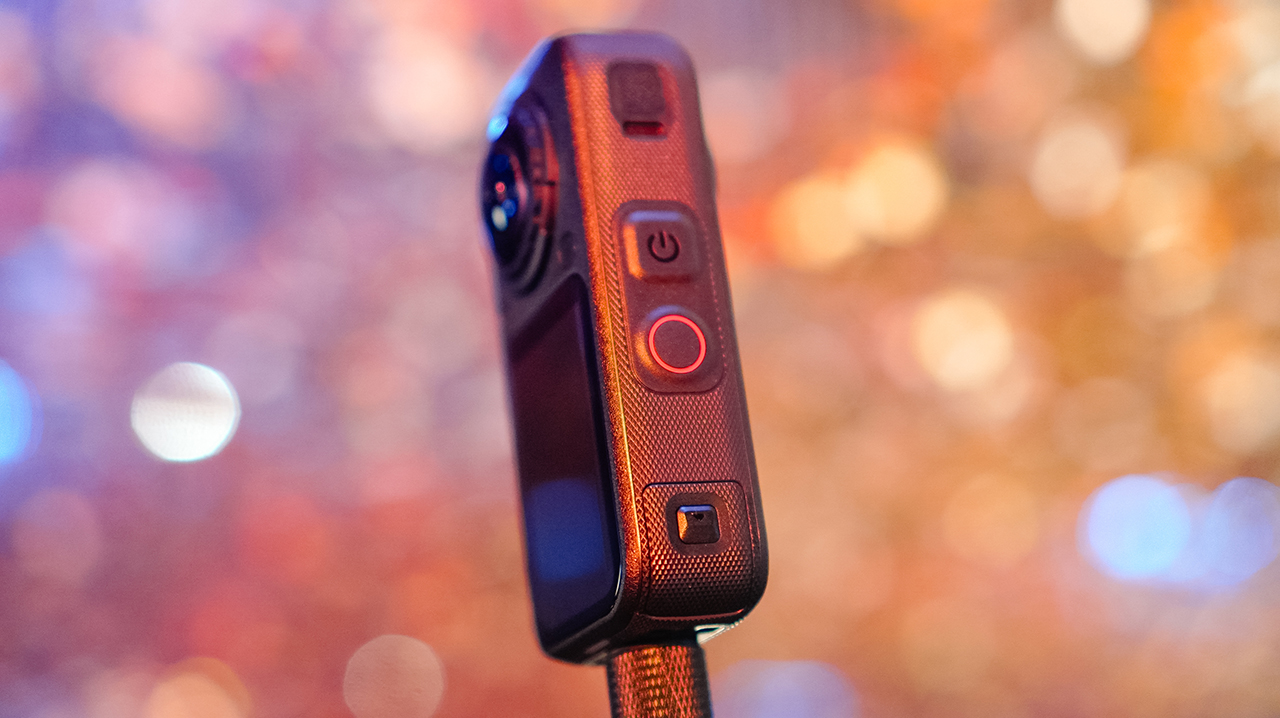
Beyond the larger sensor, the X6 functions as three cameras in one: a full 360 shooter, a subject-tracking camera, and a single-lens action camera. You can capture everything around you now and pick your angle later. Alternatively, you can pull flat 4K footage through InstaFrame 2.0 or switch to single-lens mode for a traditional action cam experience.
Battery life sees a major boost as well. The new 2600mAh Xtreme Battery offers up to 140 minutes of continuous 8K30fps recording. Meanwhile, a Star-Ridge cooling system keeps the camera cool during longer 8K sessions. You also get 64GB of built-in storage (47GB usable), allowing you to start shooting immediately without a microSD card on hand.
For anyone building out a rig, the X6 supports over 100 accessories. It easily adapts to travel, motorcycle rides, cycling, diving, and other high-action pursuits.
Intelligent AI editing
Software plays an equally big role in this launch. Insta360 introduces PanoMind, its first AI model built specifically for 360 footage. Instead of analyzing a flat frame, PanoMind reads full spherical scenes.
Through AI Director, the X6 reviews your footage while charging, generates highlight edits on its own, and sends them directly to the Insta360 app. This feature saves you from spending hours scrubbing through raw clips for key moments.
If you want more say in the final cut, Auto Edit 2.0 turns single or multiple clips into finished videos, handling framing, camera movement, cuts, music, and transitions automatically. For deeper workflows, the X6 still supports I-Log, 10-bit recording, Insta360 Studio, and Insta360+ cloud editing tools.
Price, availability in the Philippines
The Insta360 X6 is now available in the Philippines through authorized retailers and official online channels.
The Standard Bundle costs PhP 45,390 and includes the X6 camera, a USB-C cable, a protective pouch, and a lens cloth.
Meanwhile, the Essentials Bundle costs PhP 49,990. It adds an extra Xtreme Battery, a 114cm Invisible Selfie Stick, a lens cap, and a Fast Charge Case on top of the base package.
Insta360 Philippines is also expanding its retail footprint across key cities while hosting hands-on community workshops tailored for travel, riding, cycling, and filmmaking enthusiasts.
Cameras
Sony launches FE 100-400mm F5.6-8 OSS telephoto zoom lens
Super telephoto zoom lens for hobbyists

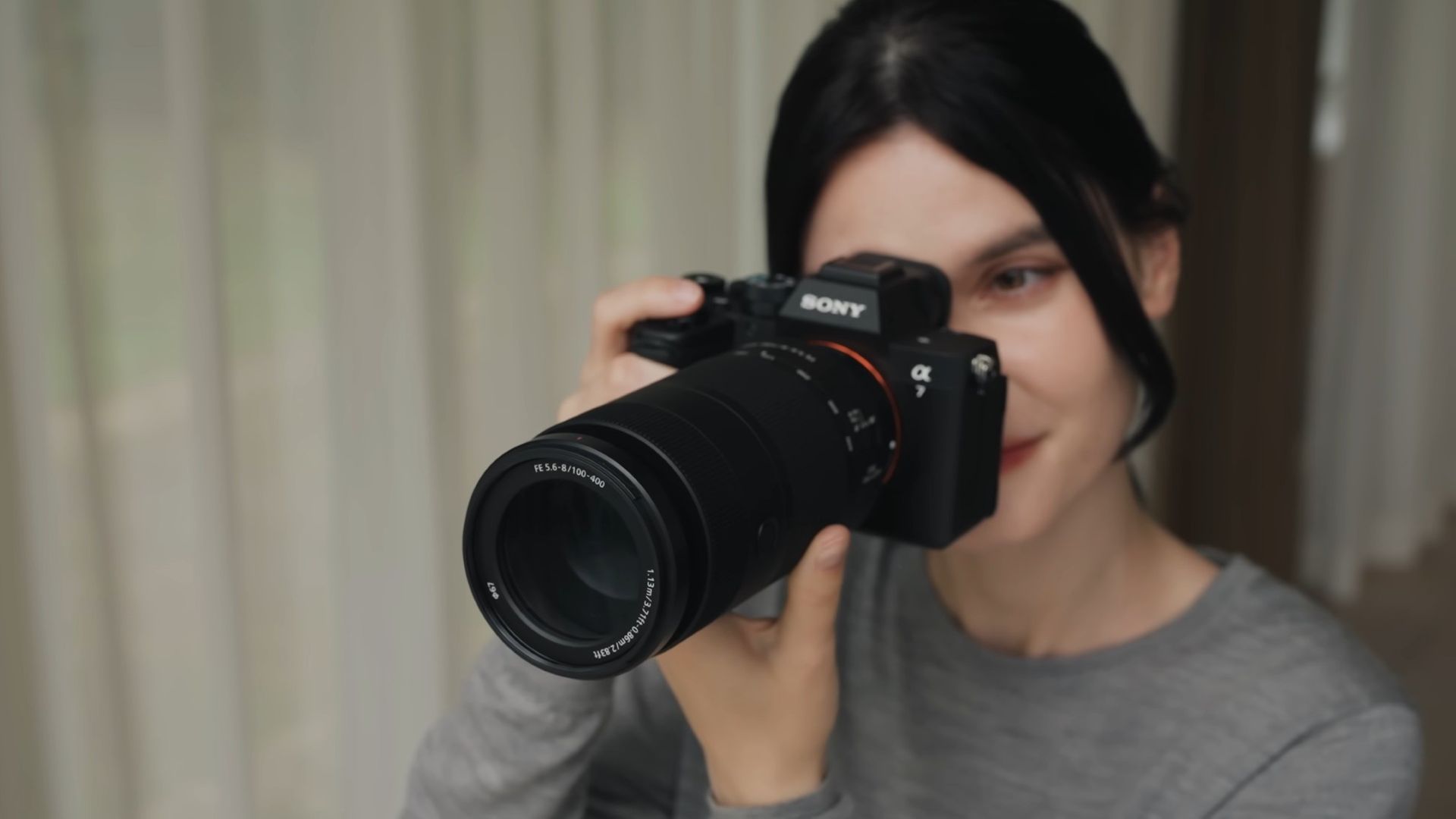
Sony has launched the FE 100-400mm F5.6-8 OSS super telephoto zoom lens tailored for hobbyists and for a competitive price.
The compact and lightweight lens (approx. 654 grams) is meant for 35mm full-frame Alpha E-mount cameras, making it easy to carry to capture subjects that are difficult to appraoch.
This includes birds, sports scenes, and more. Landscape photography unique to super-telephoto lenses can also be enjoyed by making use of the compression effect. This makes the distance between nearby subjects and distant background elements appear closer together.
When used with a teleconverter, users can double the distance they can capture, with the lens supporting focal lengths of up to 800mm or up to 1,200m in APS-C mode.
With the latest optical design incorporating two ED glass elements and two aspherical elements, excellent image quality is achieved across the entire zoom range. These elements reduce chromatic and other aberrations for clear rendering.
Subject shooting can stand out as well in a natural and soft bokeh, with the lens’ 9-blade circular aperture. This makes the lens also ideal for close-up photography of flowers, insects, and other nearby objects.
In addition, the lens features a linear motor drive for fast, precise, and quiet AF performance to help capture moving objects. The lens also supports high-speed continuous shooting with AF/AE tracking at up to approximately 120 frames per second when used with the Alpha 9 III.
Built-in optical image stabilization also supports handheld shooting in the super-telephoto range, suppressing camera shake. Users can also utilize the camera body’s Active Mode image stabilization and coordinate image stabilization control.
In Singapore, the Sony FE 100-400mm F5.6-8 OSS will be available by the end of August for SG$ 1,099.
Accessories
OBSBOT’s Meet Flip is your next best pocketable 4K webcam
Fold the Flip for further protection

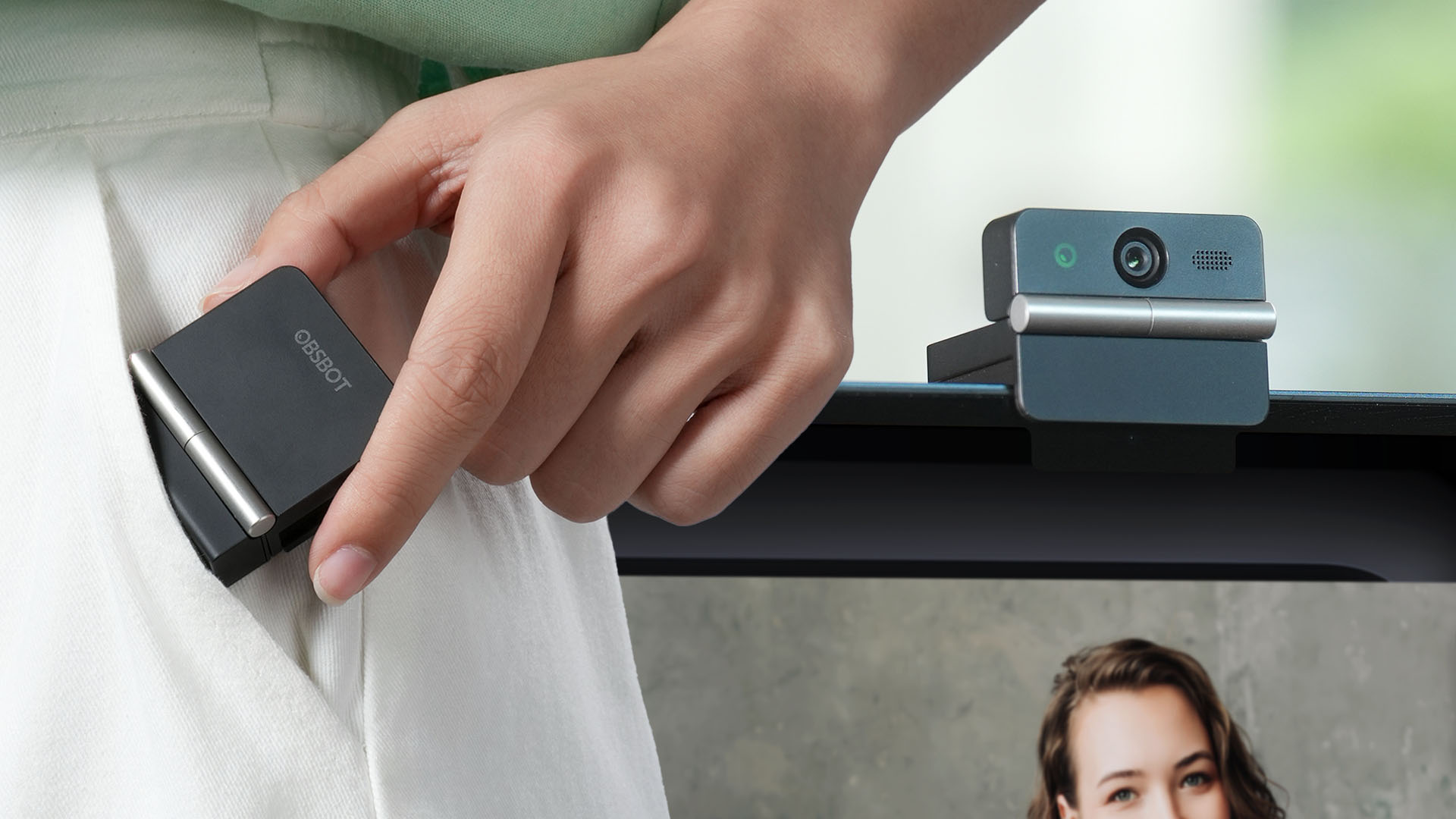
Several months ago, you might remember that OBSBOT revealed the Tiny 3 series of web cameras.
Six months after, they also unveil the all-new Meet Flip. From the name itself, it’s the company’s latest foldable 4K webcam that puts hardware privacy front and center.
Foldable and pocketable
Despite weighing just 37.7 grams, the Meet Flip aims to deliver premium webcam features for all types of users. Be it remote workers, professionals, or content creators.
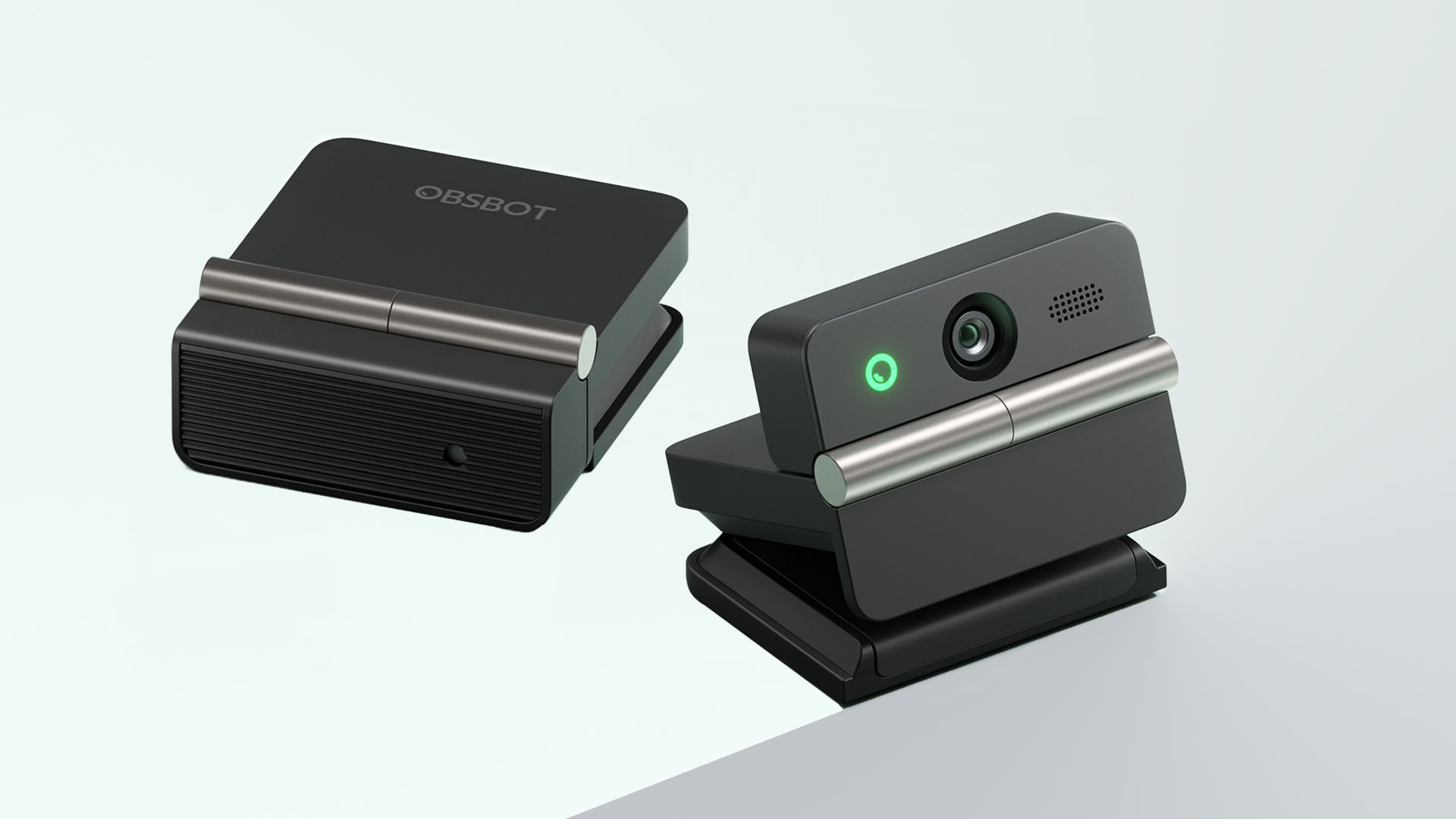
Graphics by Vincenz Lee | GadgetMatch
Undoubtedly, the biggest highlight has got to be the webcam’s folding design. Not only it’s portable, it protects your privacy too.
Closing the device physically blocks the lens, giving users a visual confirmation that the camera is no longer active. When it’s time for a meeting, simply unfold it and it’s ready to go.
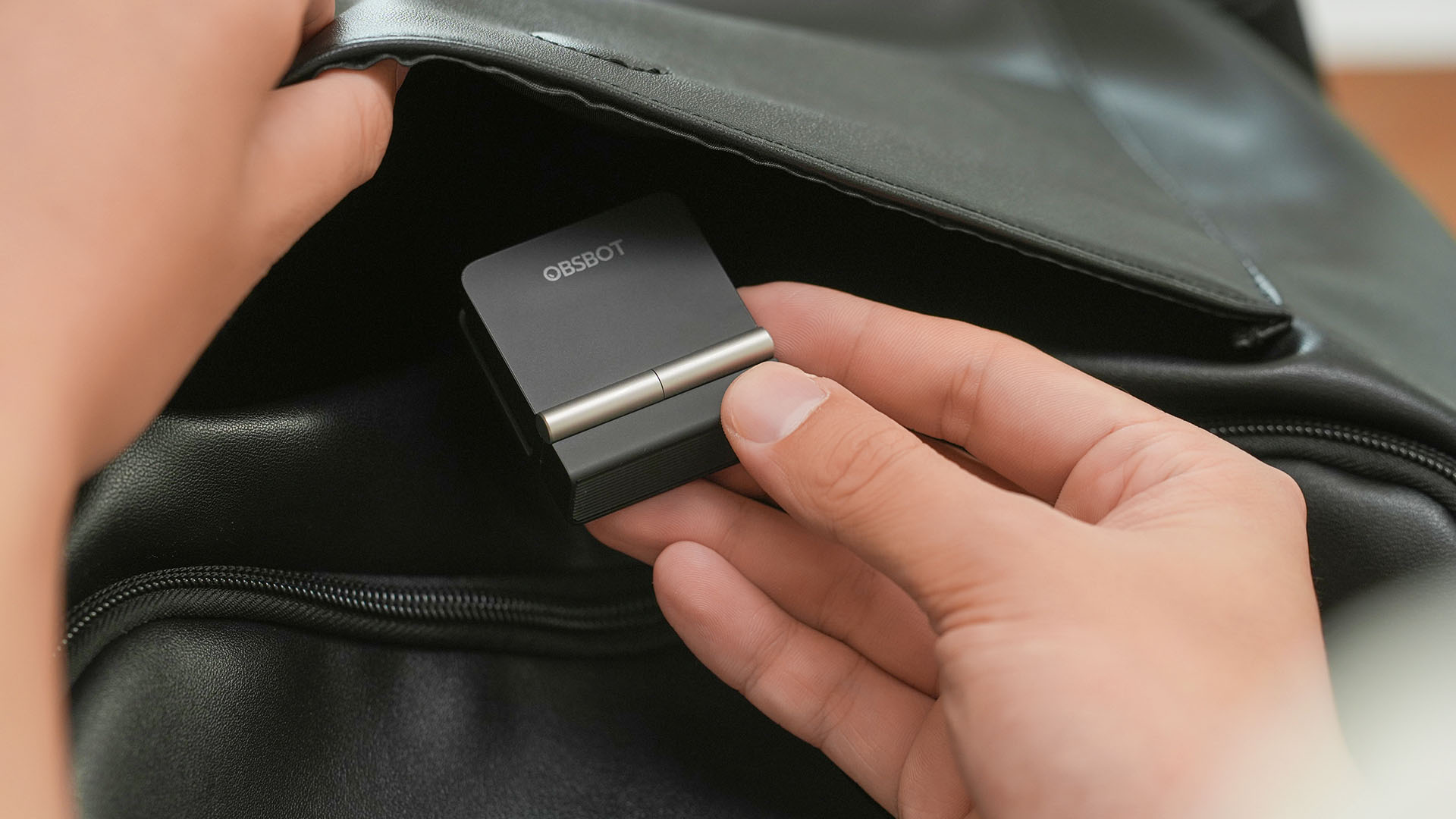
That lightweight body also features a built-in mounting clip that works with laptops, monitors, and tripods. Users can mount it in landscape, portrait, or even upside-down orientations depending on their setup.
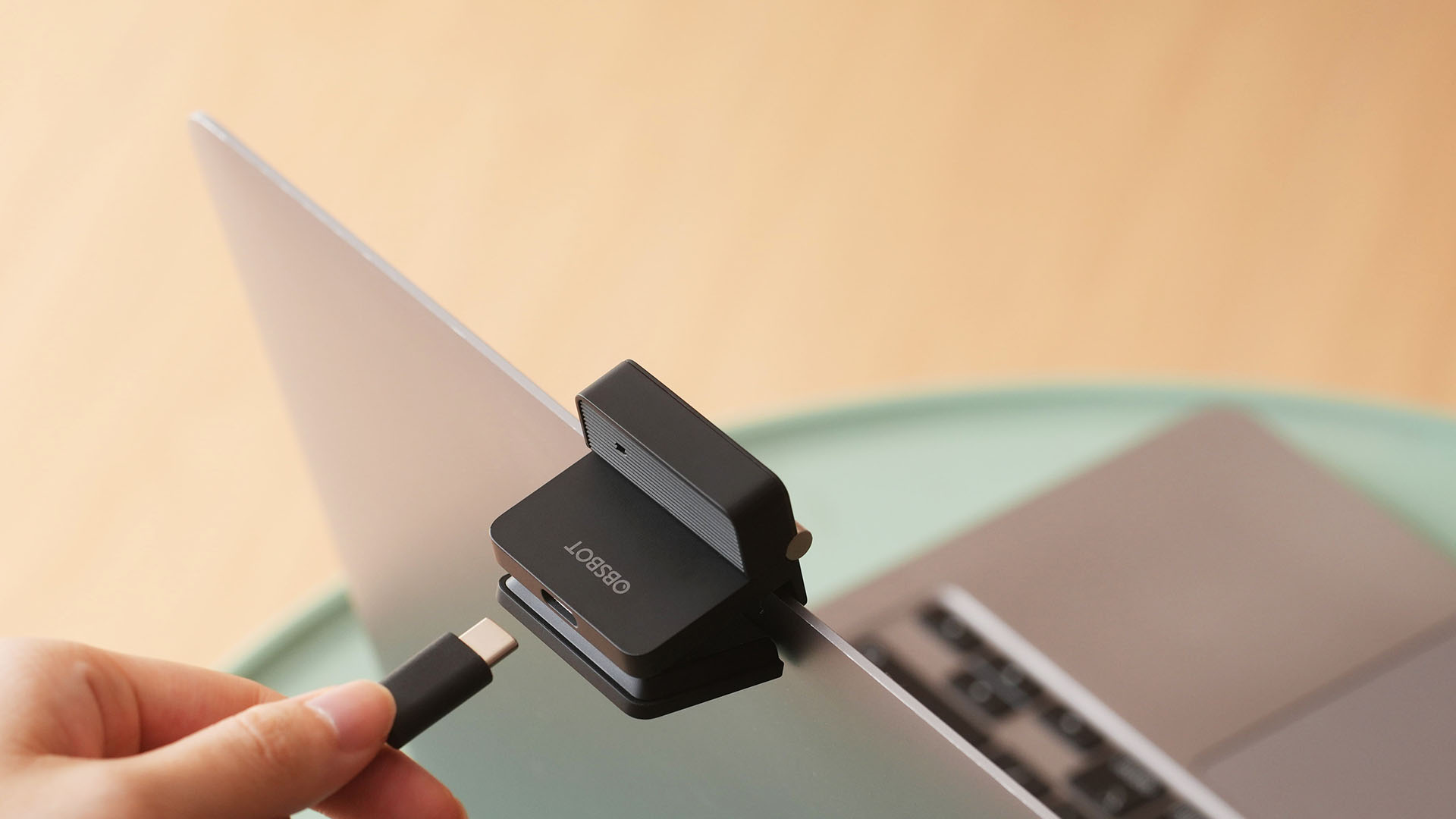
Despite that absurd amount of lightweightness, the OBSBOT Meet Flip is still able to house a 1/2-inch Exmor RS stacked CMOS sensor with Quad Bayer technology. That’s something more commonly found among bigger and higher-end web cameras.

Other camera features include:
- 4K video recording / 30fps
- 1080p recording / up to 60fps
- HDR support for challenging lighting
- Phase Detection Autofocus (PDAF)
- 4x digital zoom
- f/1.8 aperture with ISO 100-6400 support for low-light environments
Beyond just video calls
The OBSBOT Meet Flip isn’t just packed with serious camera hardware, it’s seriously intelligent as well.
The Meet Flip supports AI Auto Framing. This automatically keeps users centered during meetings — regardless if they are presenting alone or with a group. Gesture controls also let users activate framing or adjust zoom without touching the keyboard or mouse.
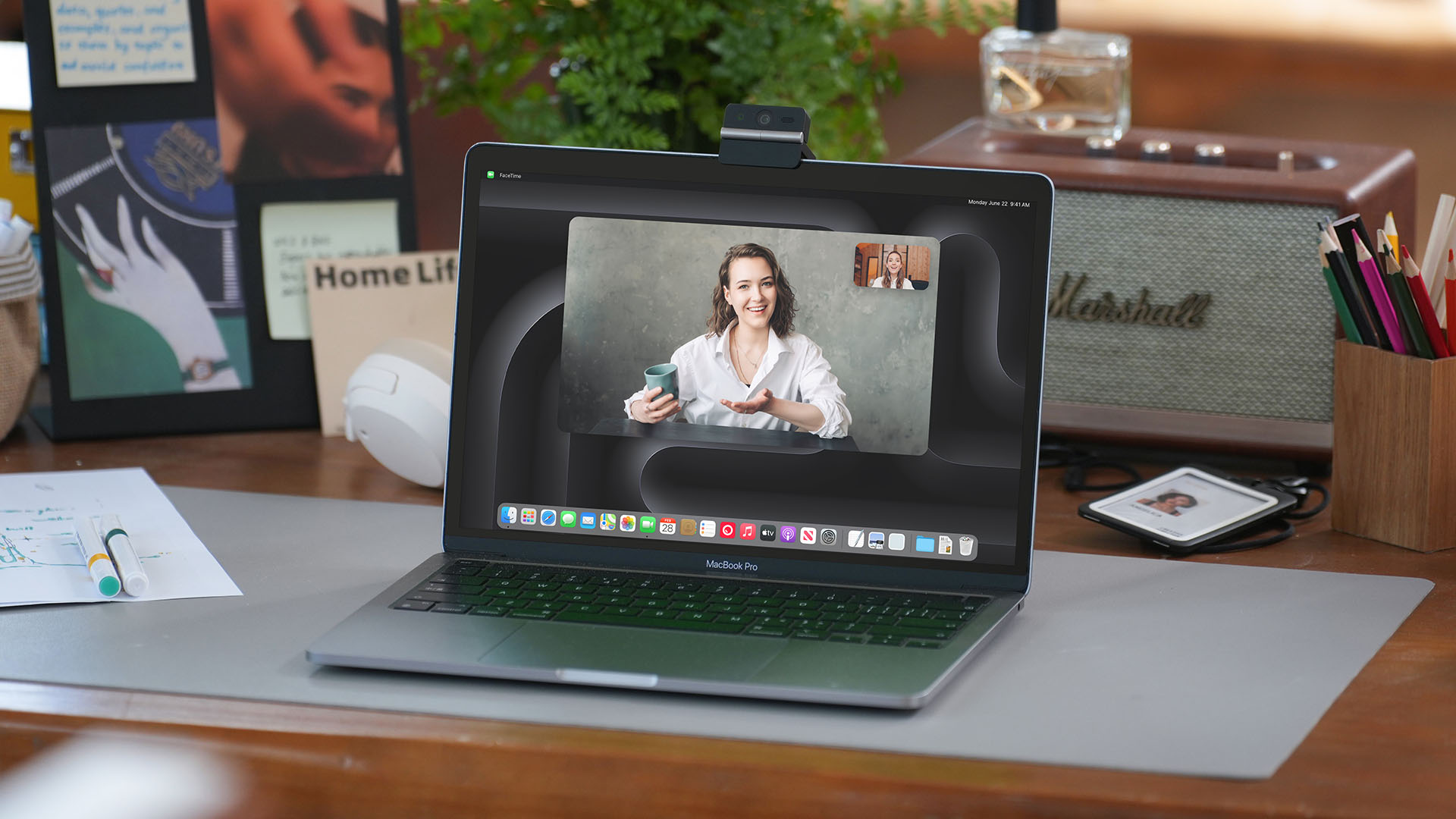
Another standout feature is AI Magic Notes which provides real-time meeting transcription and automatically generates summaries, action items, and key discussion points.
The feature works with Google Meet, Zoom, and Microsoft Teams through OBSBOT Center. Every webcam includes complimentary transcription of 120 minutes.

With that being mentioned, OBSBOT Center also makes users gain access to software features such as background blur, virtual backgrounds, beauty mode, and picture-in-picture overlays for presentations.
Those who want more advanced controls can enable Smart Eye Tracking, teleprompter support, and manual image adjustments.

Audio also gets an upgrade through an intelligent dual-microphone system that offers four recording modes:
- Directional Mode / solo calls
- Dual-Directional Mode / interviews
- Smart Omni Mode / group meetings
- Pure Audio Mode / unprocessed stereo recording
AI Noise Reduction and Automatic Gain Control are also available across most modes to help improve voice clarity.
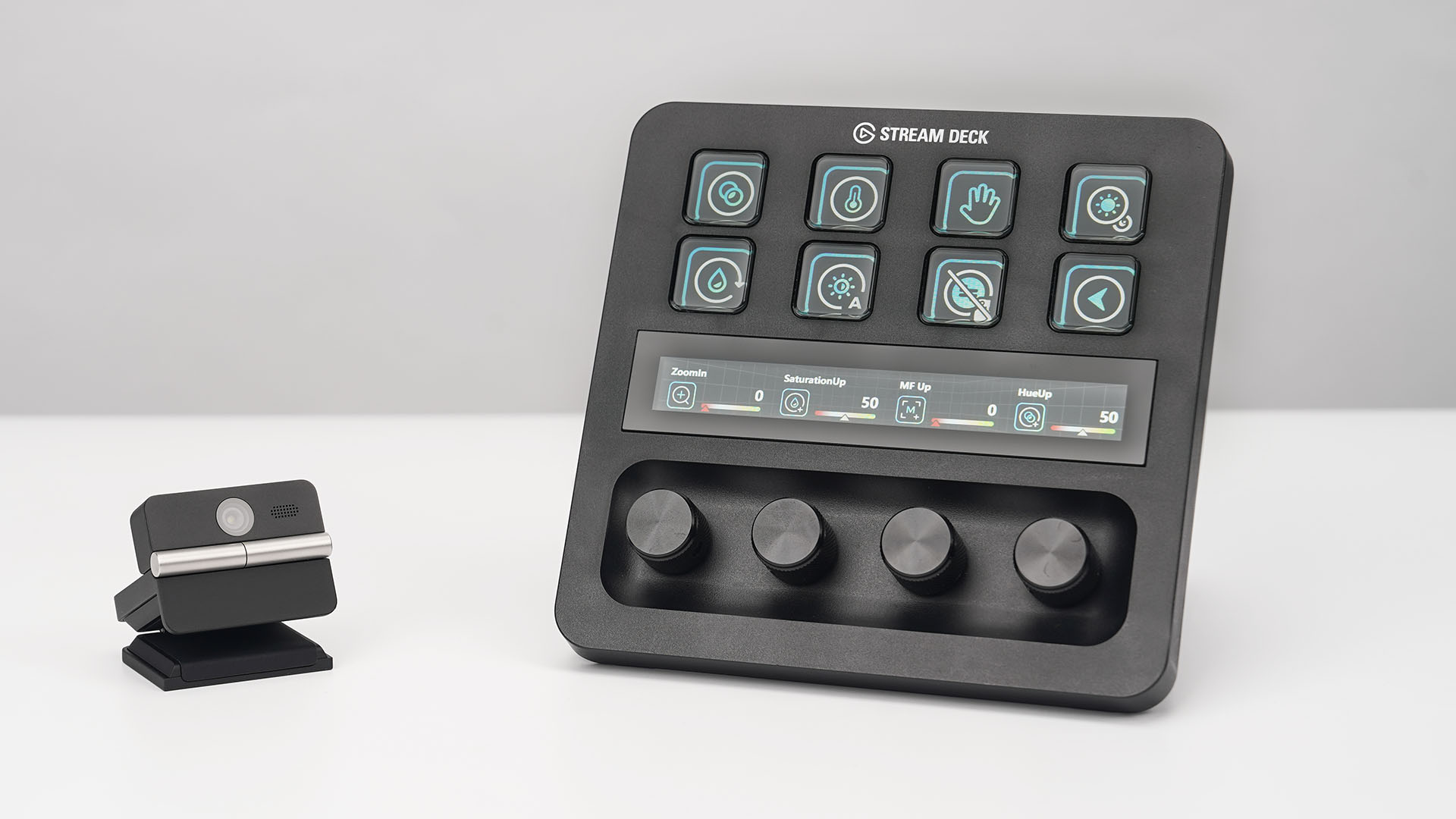
OBSBOT’s Meet Flip is also compatible with mobile devices through the OBSBOT Live app and supports integrations with accessories including Elgato Stream Deck, Nintendo Switch 2, and UVC-to-NDI/HDMI adapters.
Pricing and Availability
The OBSBOT Meet Flip is available starting today for US$119 through OBSBOT’s online store, Amazon US, and select retailers worldwide. Regional pricing may vary.


Samsung Galaxy Z Fold8 Review
8 Galaxy Folds later, Samsung finally nailed It!


30 days later with the ASUS ExpertBook Ultra: Like seeing an ex
Felt exactly as I remembered.

ROG STRIX G16 Review: Building for the moment
Setting it up however you want to make the most out of it

Marvel Studios unveils new X-Men cast

Marvel’s VisionQuest to premiere this October

Kingdom Hearts gets 1st-ever original anime series on Disney+

Asia to get its own D23; tickets on sale this November

OBSBOT Meet Flip Hands-on

Hands-on: Samsung Galaxy Z Fold8, Flip8, Ultra

VinFast debuts two-wheeler models, opens 21 e-motorcycle showrooms

Garmin launches its first screenless fitness band

Sony announces new FX5 full-frame camera

NBA 2K27 cover athletes unveiled: Wemby, Clark, DRose


-
 Automotive2 weeks ago
VinFast debuts two-wheeler models, opens 21 e-motorcycle showrooms
-

 News2 weeks ago
OnePlus officially leaves the United States and Canada
-

 Gaming2 weeks ago
Genshin Impact opens Snezhnaya in Version 7.0 this August 12
-
Laptops7 days ago
ROG STRIX G16 Review: Building for the moment
-

 Gaming2 weeks ago
Tides of Annihilation opens first public demo at Gamescom 2026
-

 News2 weeks ago
Google will force Android users to use Gemini next month
-

 Gaming2 weeks ago
Street Fighter 6 adds first Filipino fighter Yasmine to its roster
-
 Accessories2 weeks ago
DJI Osmo Mobile 8P: From a videographer’s perspective