
Lifestyle
AlphaBake launches first-ever virtual try-ons for online shopping
Redefining the customer experience, impacting business outcomes


Shopping for clothes and other fashion products online can be tricky, as customers do not know how specific pieces of clothing would look on them, nor if they would fit nicely.
But in India, generative AI solutions provider for the fashion industry AlphaBake has launched a virtual try-on option for online clothing brands.
The solution was launched commercially with Indian e-commerce fashion platforms Prashanti Sarees, JadeBlue, and Maatshi.
This solution combines the best of GenAI foundational models with proprietary AI models and workflows, to create a seamless and scalable customer experience. Customers will also save time and energy in the process.
The new virtual try-ons offer much more promise in personalization and real business impact on ground, compared to all the previously implemented versions of kiosks or life-size mirror-like implementations in the past.
AlphaBake’s efficiency and personalization give customers better control over selection. All customer have to do is upload their image and instantly see how the garment looks on them.
Clothing brands can integrate this intuitive interface with their websites, and is especially easy for those brands who have built their D2C website on Shopify. Application Programming Interface (APIs) are also available for non-Shopify platform.
Prashanti Sarees founder and CEO Anand Krishnamoorthy already noted a sharp increase in customer engagement on their online shopping platform. The executive also mentioned a “noticeable” improvement on conversion rates.
AlphaBake furthered that it will continue to close the gap between digital and virtual spaces for online retailers by making the virtual try-on experience feel as real as possible.
In the future, the company wants the try-on experience becoming a default feature for online fashion shopping.




Computers
Lenovo tech behind DreamWorks Animation hit ‘Forgotten Island’
Partnership powers modern demands of animation production
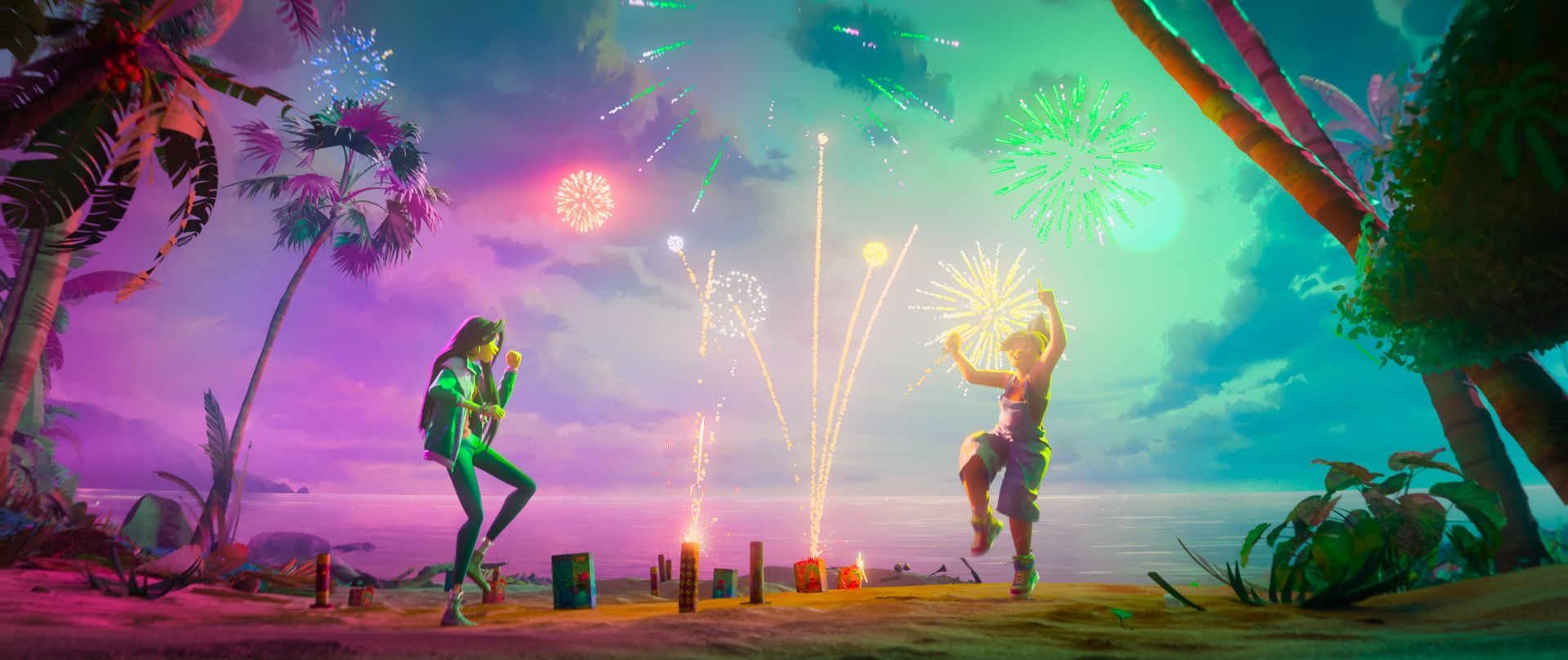
DreamWorks Animation’s Forgotten Island has definitely become a big screen hit, debuting with a 100% Rotten Tomatoes score and being well received particularly by a large Filipino fanbase.
And behind the movie is DreamWorks Animation’s partnership with tech giant, Lenovo. The collaboration is helping power the former’s production slate, including the studio’s animated feature inspired by Filipino culture, mythology, and experiences.
In 2025, DreamWorks expanded its relationship with Lenovo by naming the company its preferred compute services, workstation, and solutions provider.
Such partnership brings together Lenovo workstations, high-performance infrastructure, data center technology, and services to support the demanding needs of modern animation production.
It is a collaboration that builds on years of work between the two companies. DreamWorks has used Lenovo workstations as part of workflows across the studio.
Lenovo infrastructure has also supported the large-scale computing requirements involved in creating animated worlds and characters.

Still in cinemas, Forgotten Island follows lifelong best friends Jo and Raissa, voiced by Grammy and Academy Award winner H.E.R. and Filipino actress Liza Soberano.
As the two prepare to take different paths after high school, they unexpectedly find themselves transported to Nakali, a fantastical island populated by magical and mythological creatures rooted in stories from their Filipino families.
The film is written and directed by Academy Award nominee Joel Crawford and Januel Mercado and produced by Academy Award nominee Mark Swift, the filmmaking team behind Puss in Boots: The Last Wish.
Its voice cast also includes Dave Franco, Jenny Slate, Manny Jacinto, Dolly de Leon, Jo Koy, Ronny Chieng, and Lea Salonga.
Accessories
JBL brings a soundtrack to every room
The new lineup spans portable speakers, home audio, earbuds, gaming, and PartyBox.

A home has a mood for every room. The living room comes alive when friends arrive. The bedroom gets quieter at the end of the day. The kitchen has its own soundtrack while coffee is brewing and dinner is coming together. Then there is that one space where the volume inevitably goes up once the party starts.
JBL turned this idea into the setting for Sound Amplified, transforming Élan by the Bay into a home where every room had its own way of experiencing sound.
The new lineup moved through different parts of everyday life, bringing together portable speakers, home audio, earbuds, gaming headsets, and PartyBox systems under one roof.
Let the room set the mood
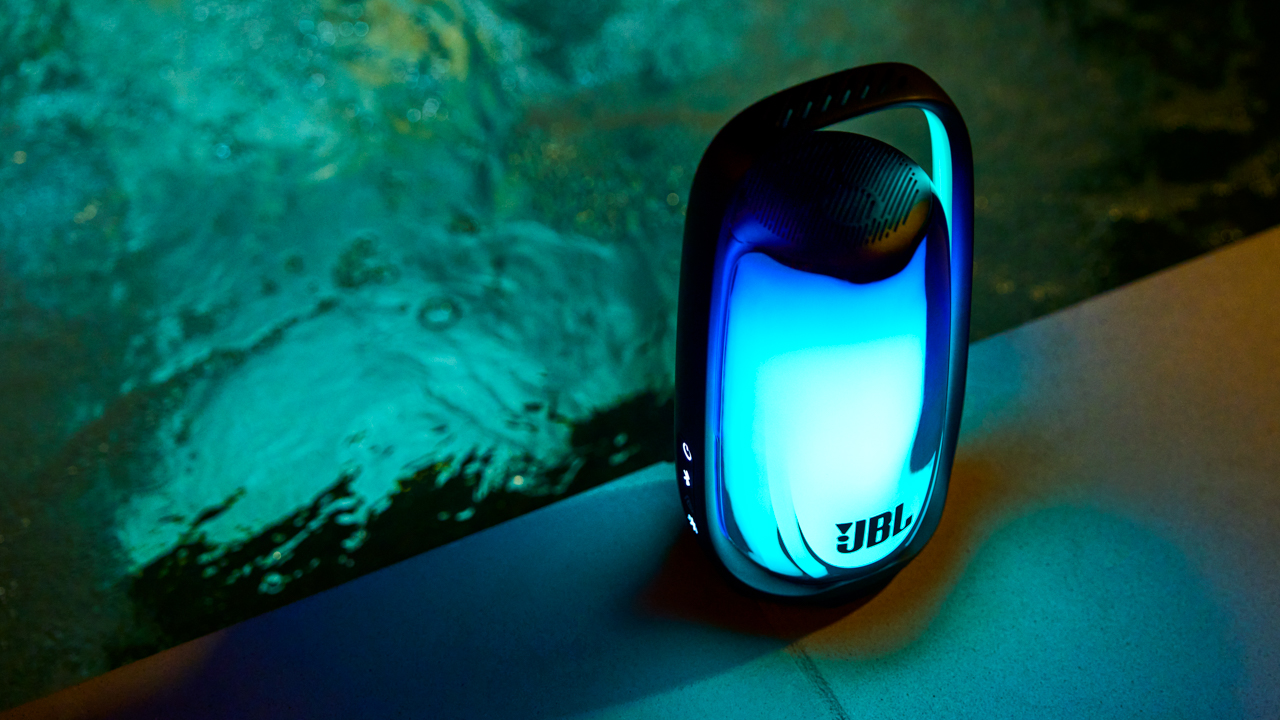
At the center of the experience was the JBL Pulse 6. Its latest evolution combines JBL Legendary Sound with AI Sound Boost and a customizable 360-degree lightshow that moves with the music.
The Pulse 6 itself has become part of the visual experience, with an illuminated handle and new lighting effects that make it feel at home.
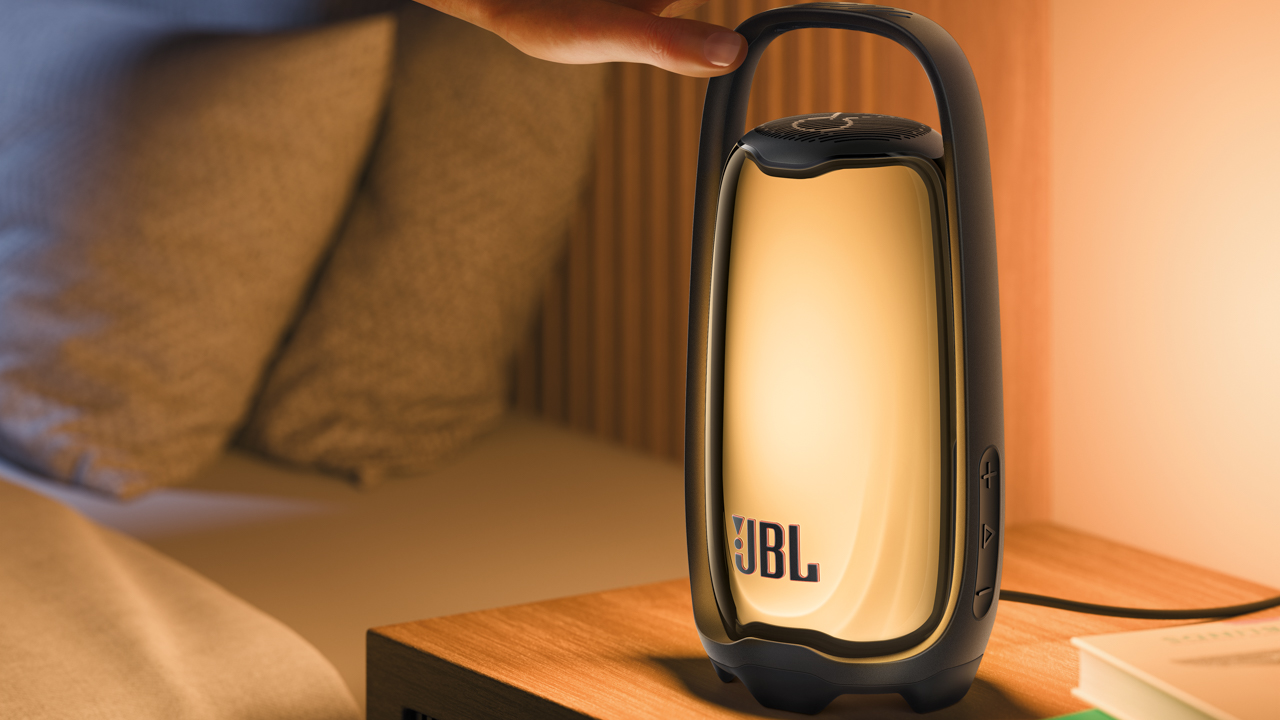
There are party and ambient lighting modes for different moments, while Sunset Mode gradually dims the lights for winding down. A double tap activates Bedside Lamp, giving the speaker another life entirely as a soft light beside the bed.

With up to 12 hours of playtime and IP68 waterproof and dustproof protection, the Pulse 6 is also ready to move beyond the living room.
Through the JBL One app, users can customize the sound and lighting, while Auracast connectivity lets compatible JBL speakers connect and play together.
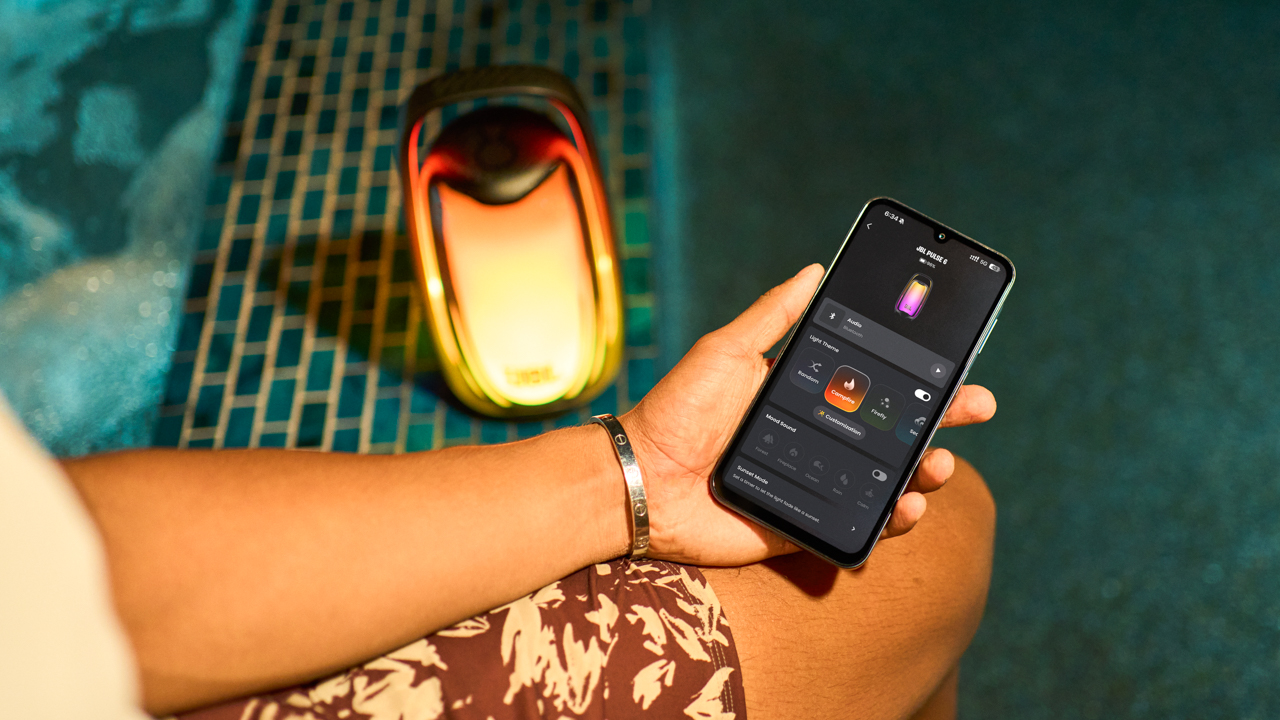
Select PartyBox speakers and JBL PartyLight products can also synchronize their lighting with the Pulse 6 for a larger sound-and-light setup.
When the living room becomes the party
JBL expands its PartyBox lineup with the PartyBox 330 and PartyBox Ultimate 2, bringing bigger sound and more visual energy to gatherings that have outgrown the playlist on someone’s phone.
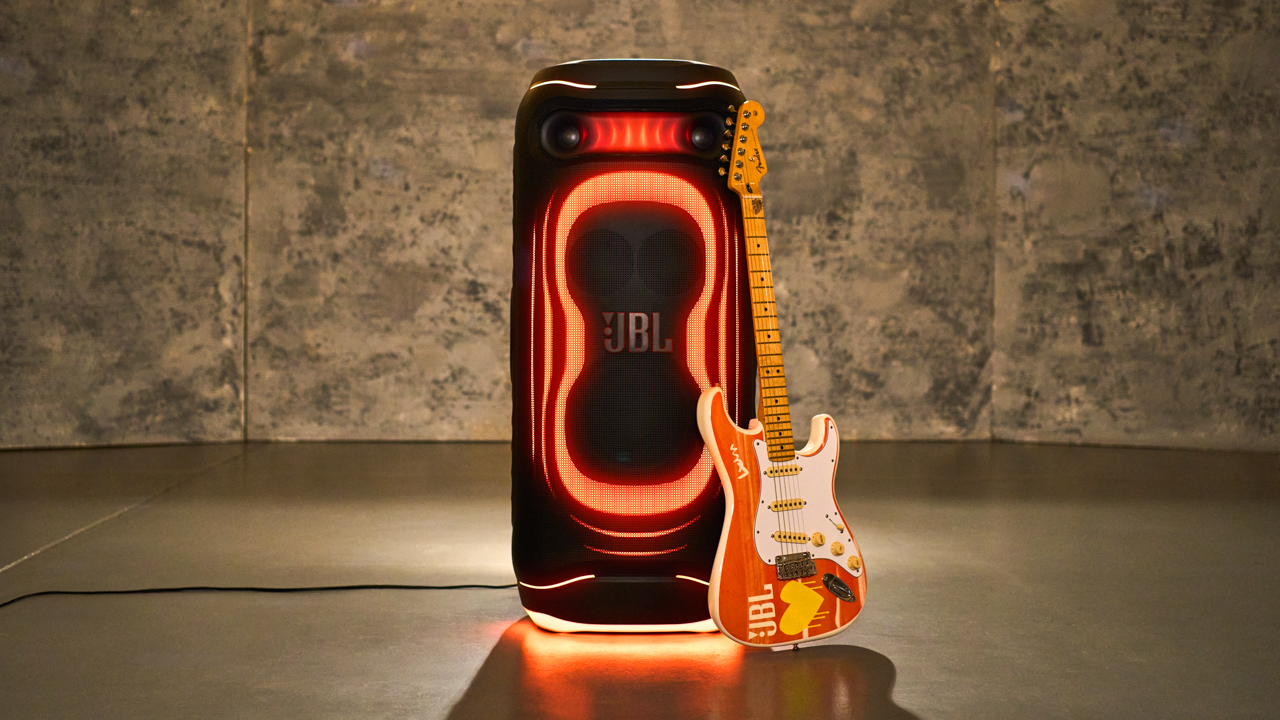
The PartyBox 330 delivers deeper bass, clearer highs, and a redesigned lightshow that reacts to the music. With up to 18 hours of playtime, it’s made to move with the party. Karaoke-ready inputs and compatibility with JBL EasySing Mics also make it easy to turn a casual gathering into a full performance.
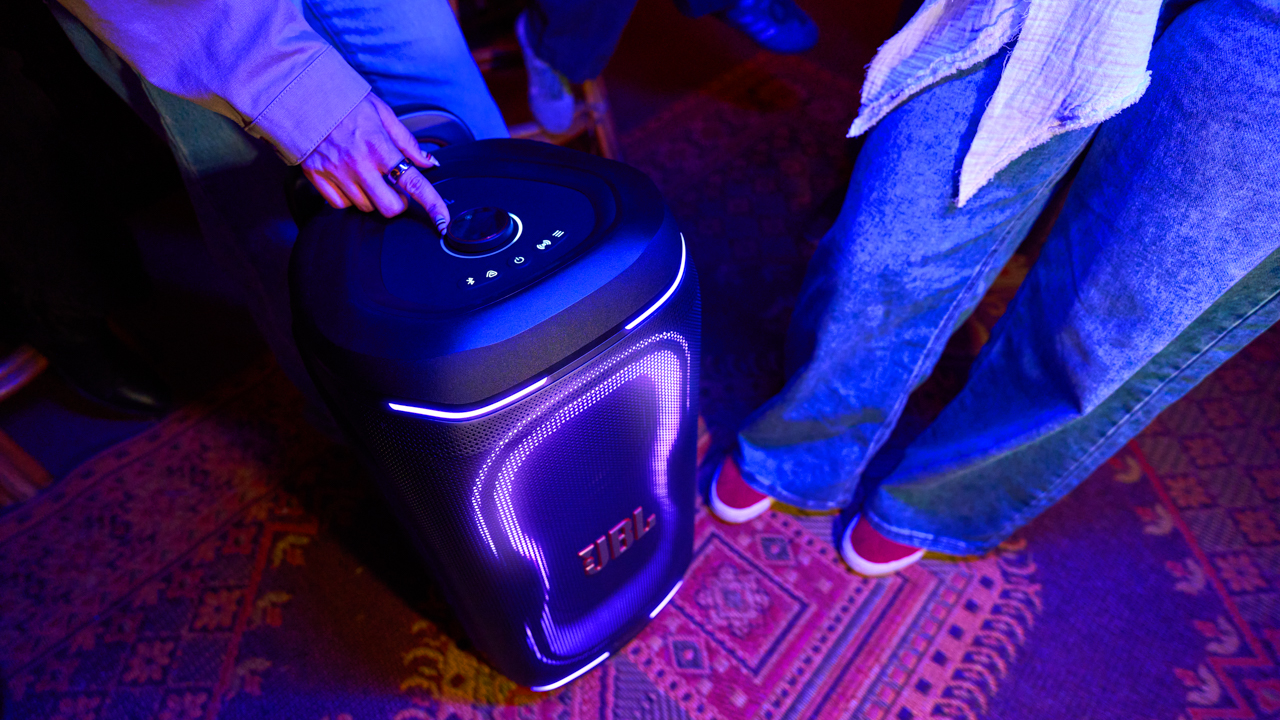
There’s also the PartyBox Ultimate 2, JBL’s most powerful and advanced PartyBox yet. It delivers 1500W of JBL Legendary Sound, with an upgraded acoustic system combining professional-grade tweeters, mid-range drivers, and powerful woofers for deeper bass, richer vocals, and more detail.
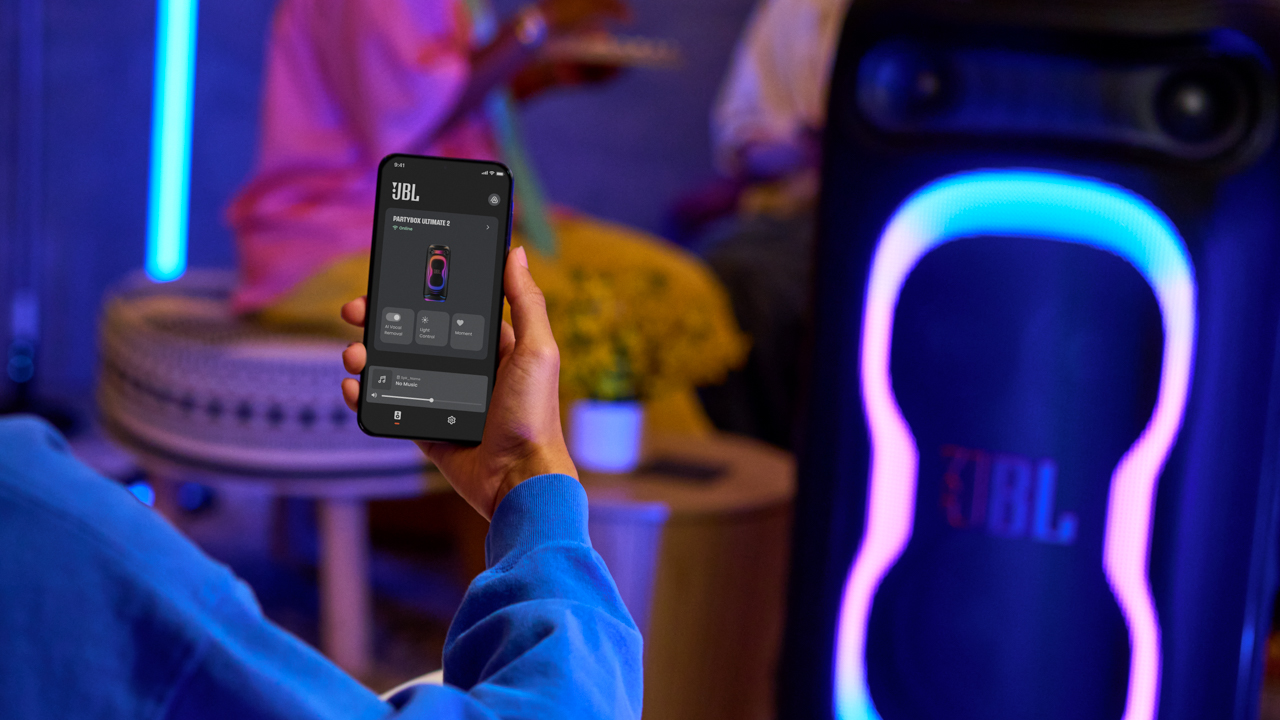
Its full-panel lightshow gives the speaker a presence of its own, while touchscreen controls keep the experience within reach.
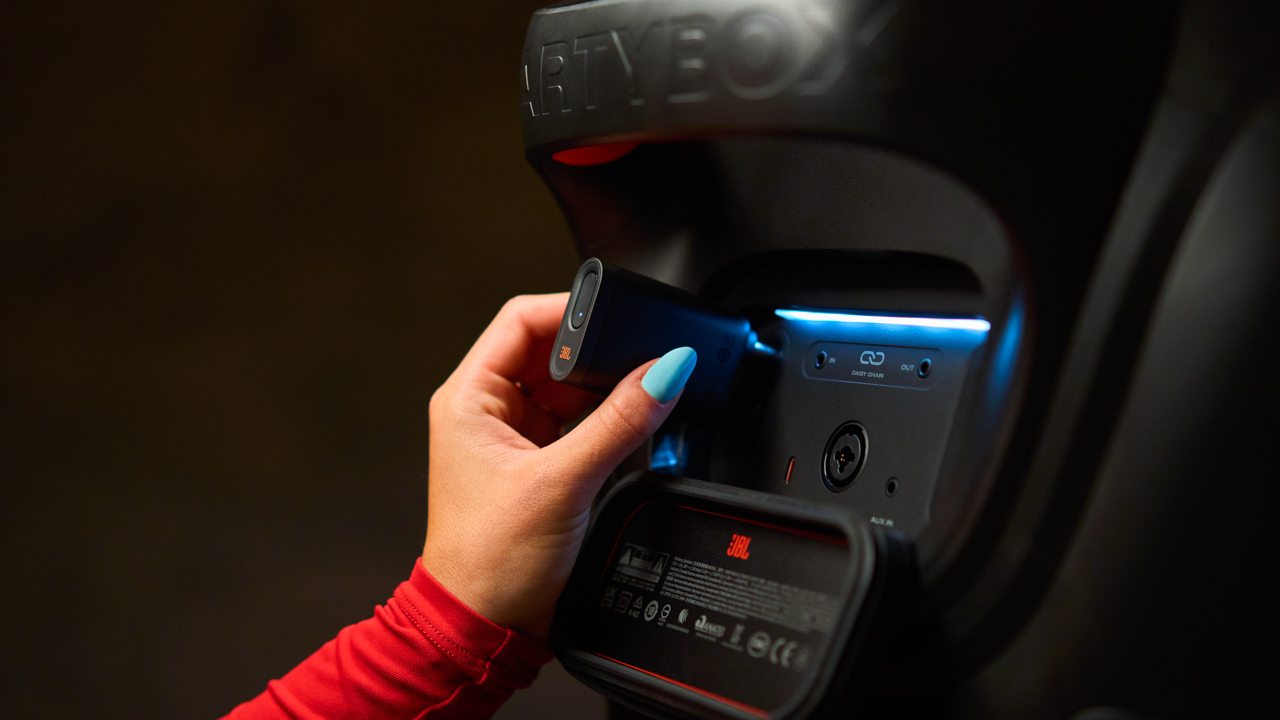
Built-in EasySing AI Vocal Removal can turn favorite songs into karaoke tracks, while interactive party games add another way to keep everyone around the speaker.
A soundtrack for every room
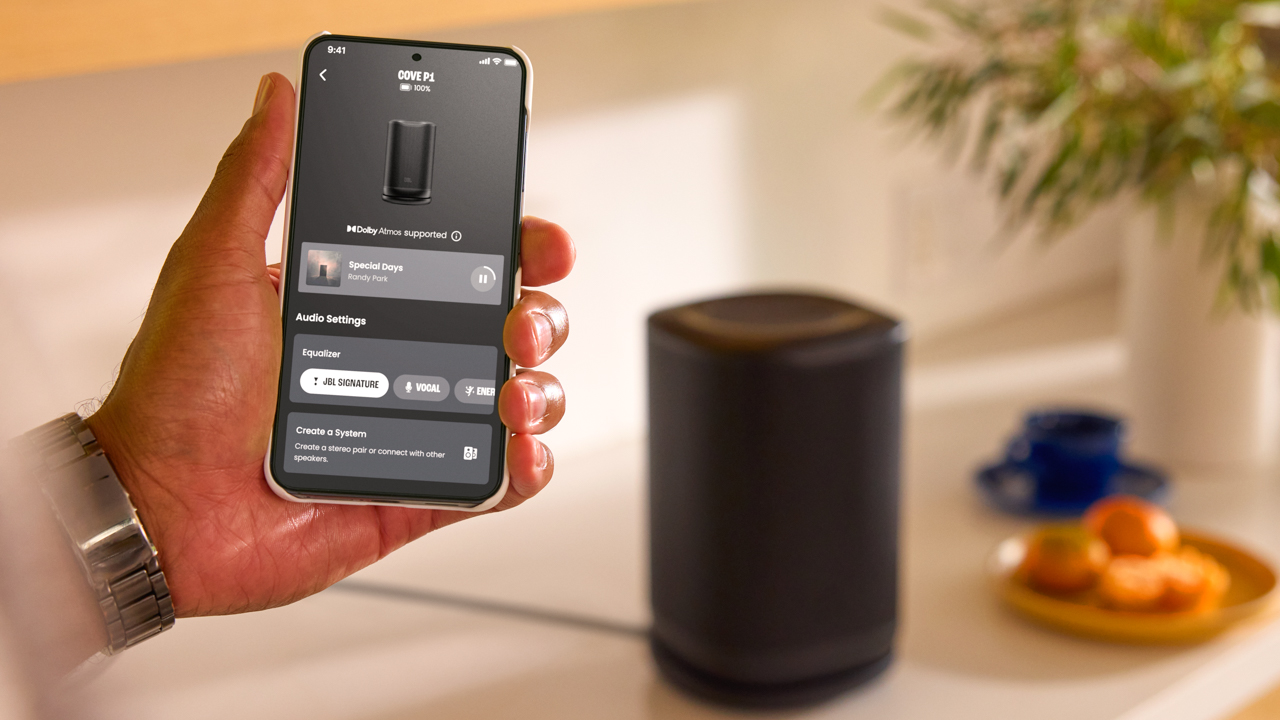
JBL Cove introduces a new whole-home Wi-Fi audio system designed around the way music moves through a house. The JBL Cove M1, Cove P1, and Cove X1 offer different approaches to everyday listening.
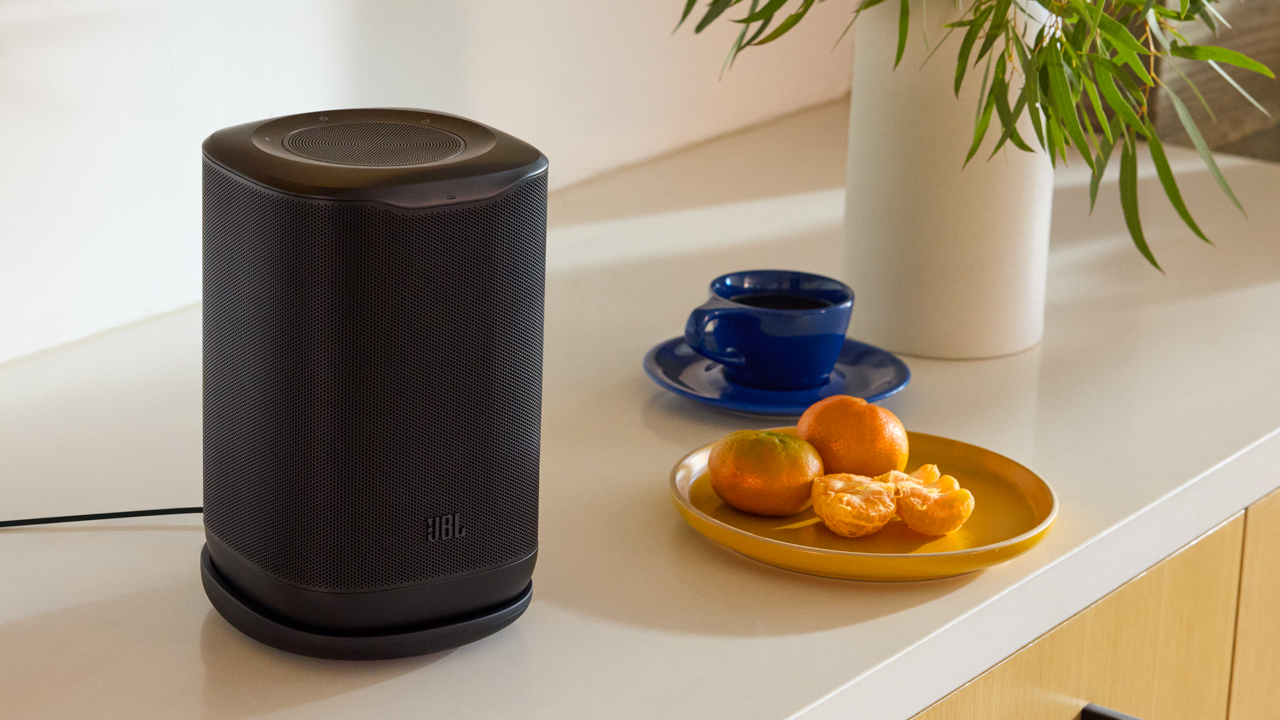
Each speaker can work on its own, as a stereo pair, or as part of a connected system through the JBL One app. Music can follow you around the house, with the option to have the same soundtrack playing throughout or different music in different rooms.
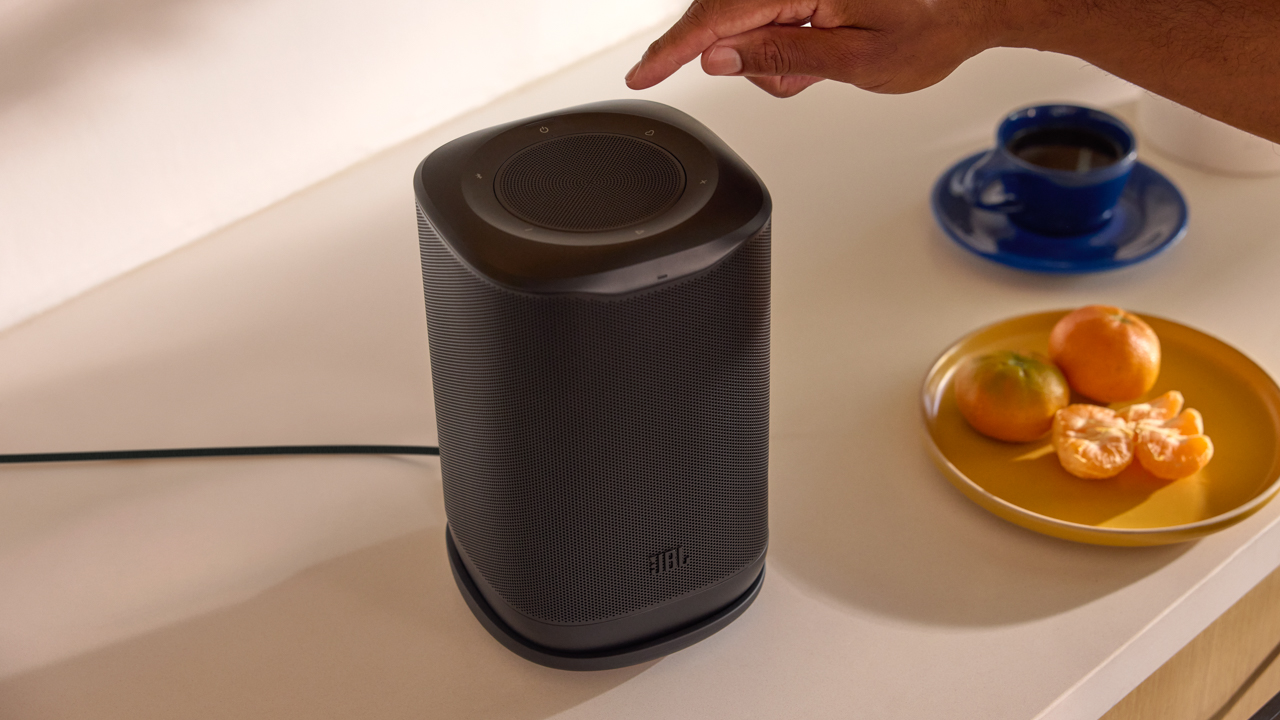
The Cove P1 adds portability with up to 14 hours of playtime, while both the P1 and X1 support Dolby Atmos for greater depth and dimension.
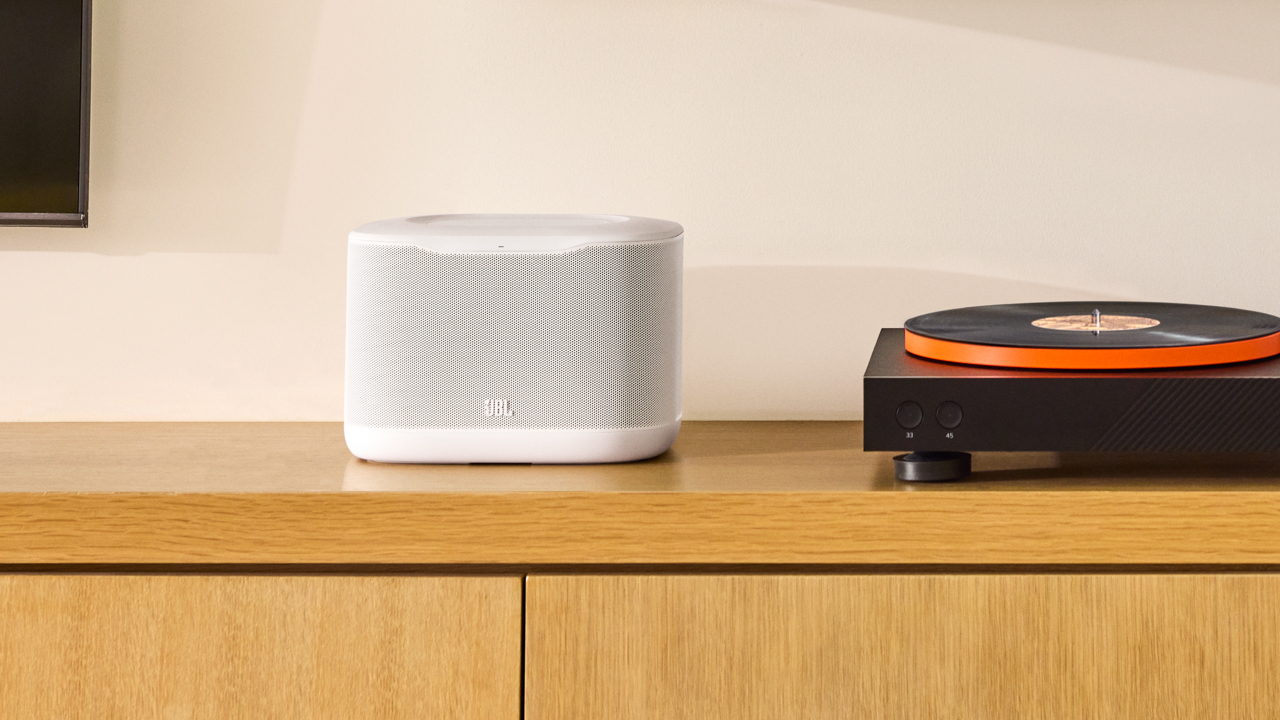
Then there is “Music Follows Me,” a feature that feels particularly suited to the way people actually move around their homes. Press the Moment button and your music can transfer to another room without having to reach for your phone or open an app.
For a more complete home entertainment setup, Cove speakers can also work with compatible JBL Bar Series MK2 soundbars.
The JBL Cinema SB510MK2 and SB550MK2 take that home theater experience further, with dedicated center channels, Dolby Audio, and straightforward connectivity designed to make dialogue clearer and sound more immersive.
Both also feature JBL SurroundPlay technology, allowing users to wirelessly connect compatible JBL portable speakers as rear surround channels. At launch, the JBL Flip 7 is the compatible model, giving movie nights a more complete surround setup.
When the room is in your pocket
JBL’s latest generation of true wireless earbuds comes through the Tune Beam 3, Tune Buds 3, and Tune Flex 3, bringing JBL Pure Bass Sound, immersive spatial audio, and adaptive noise cancelling into everyday listening.
Six built-in microphones with advanced beamforming technology are designed to keep calls clear, while the JBL Headphones app gives users more ways to personalize their listening experience.
The choice between the three comes down partly to fit. The Tune Beam 3 and Tune Buds 3 offer a more sealed in-ear design, while the Tune Flex 3 lets users switch between open and sealing ear tips depending on how much of the outside world they want to let in.
For everyday listening, the JBL Wave Beam 3, Wave Buds 3, and Wave Flex 3 bring JBL Deep Bass Sound, up to 40 hours of total playback, clear calls, and easy connectivity into lightweight designs.
The Wave Beam 3 and Wave Buds 3 feature Active Noise Cancelling with Smart Ambient. The open-style Wave Flex 3 uses Active Noise Reduction with Smart Ambient, keeping the listening experience more connected to the surroundings.

The room where game time happens
The JBL Quantum 120 and Quantum 520 bring JBL Quantum Spatial Sound and customizable audio through JBL QuantumENGINE.
Both feature a detachable 6mm cardioid boom microphone designed to keep voices clear and focused during multiplayer sessions.
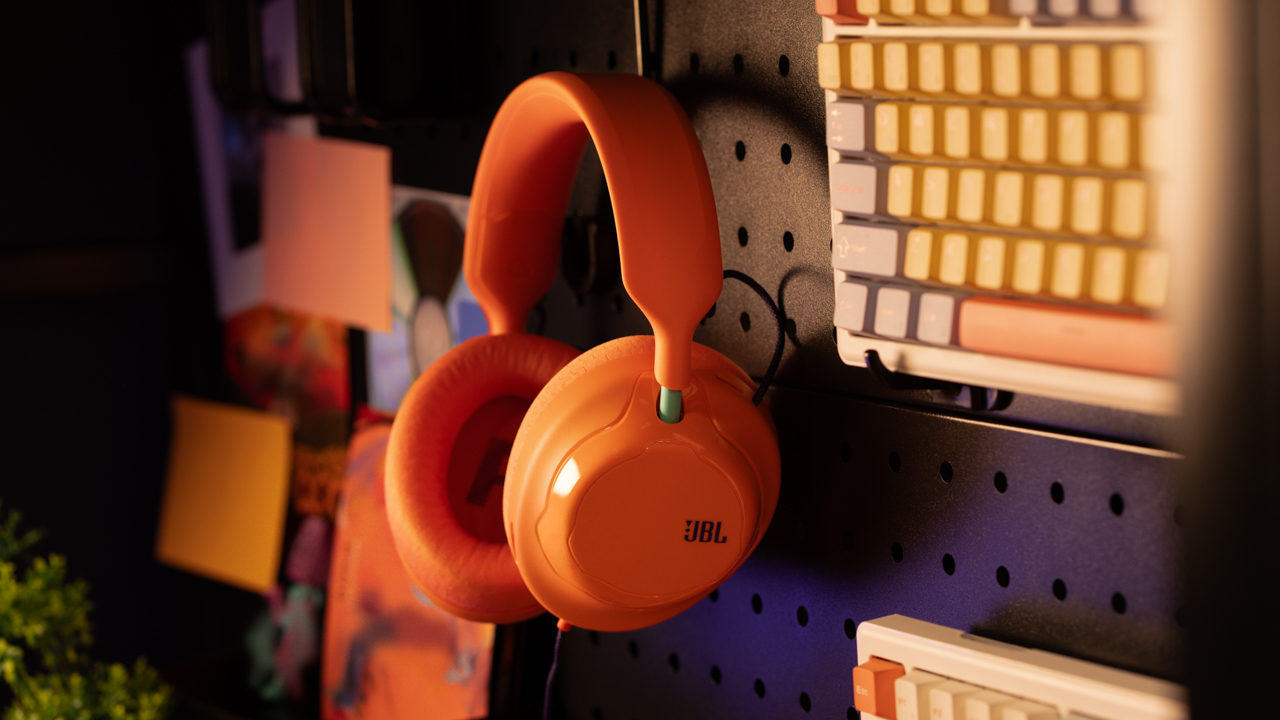
The wired Quantum 120 offers straightforward connectivity across multiple platforms, while the wireless Quantum 520 brings flexible connectivity and up to 37 hours of playback.
Sound that lives with you
JBL’s latest lineup makes the case that sound is no longer confined to a single part of the home. Rather than treating audio as something that sits in one corner, JBL built its latest collection around the different ways sound becomes part of everyday life.
Because a home is never really one atmosphere. The mood changes from room to room, and JBL wants to make sure the soundtrack can keep up.
Her GadgetMatch
TECNO and Angélica Dass visit the Philippines next for its grand portrait project
100 Faces, 100 Stories


A portrait can show what someone looks like, but what about the story behind the face?
TECNO and visual artist Angélica Dass are exploring that question through “100 Portraits of Becoming,” a two-year global portrait project featuring 100 people across Kenya, the Philippines, Saudi Arabia, Türkiye, and Brazil.
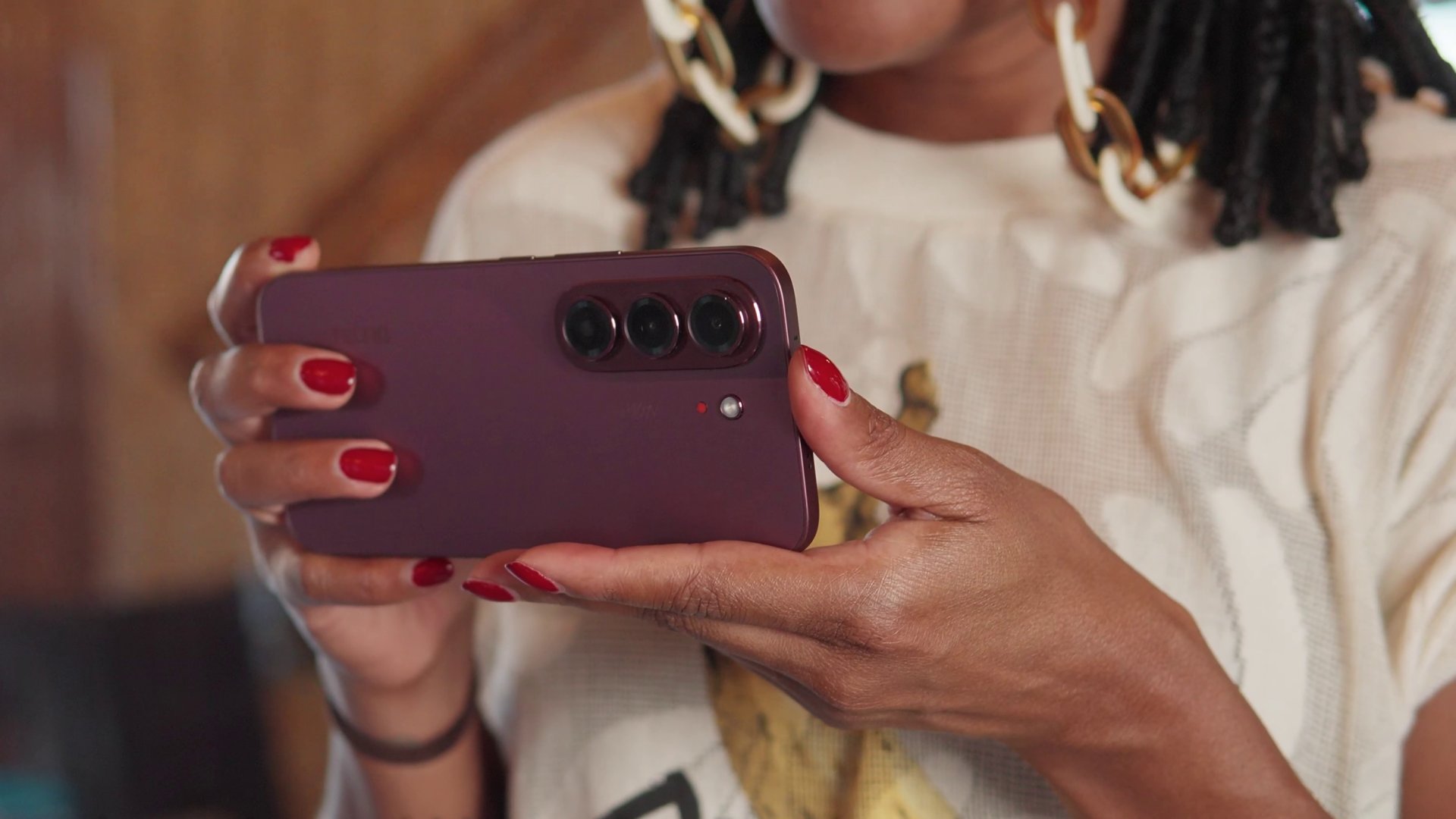
The project begins with 20 portraits from Kenya, each paired with a personal story about identity, choices, change, and growth. Rather than having participants represent an entire culture or generation, the project focuses on their individual experiences.
Beyond inclusive imaging
The project builds on TECNO’s work with Universal Tone, its imaging technology designed to represent diverse skin tones more naturally and accurately.
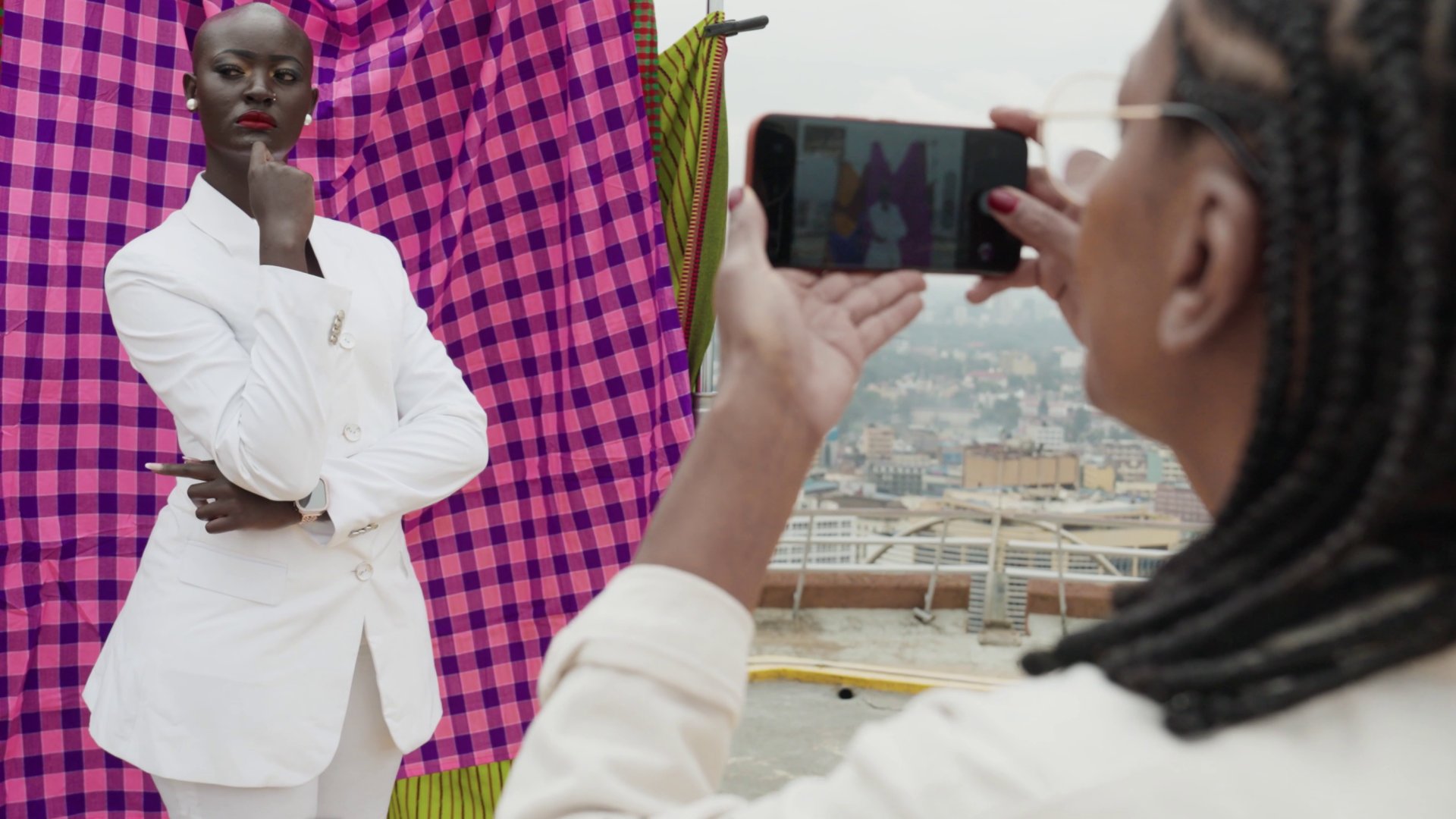
But “100 Portraits of Becoming” takes that idea further. With AI increasingly involved in capturing, recognizing, and generating images of people, TECNO and Dass want to explore how technology can better represent the individual behind the image.
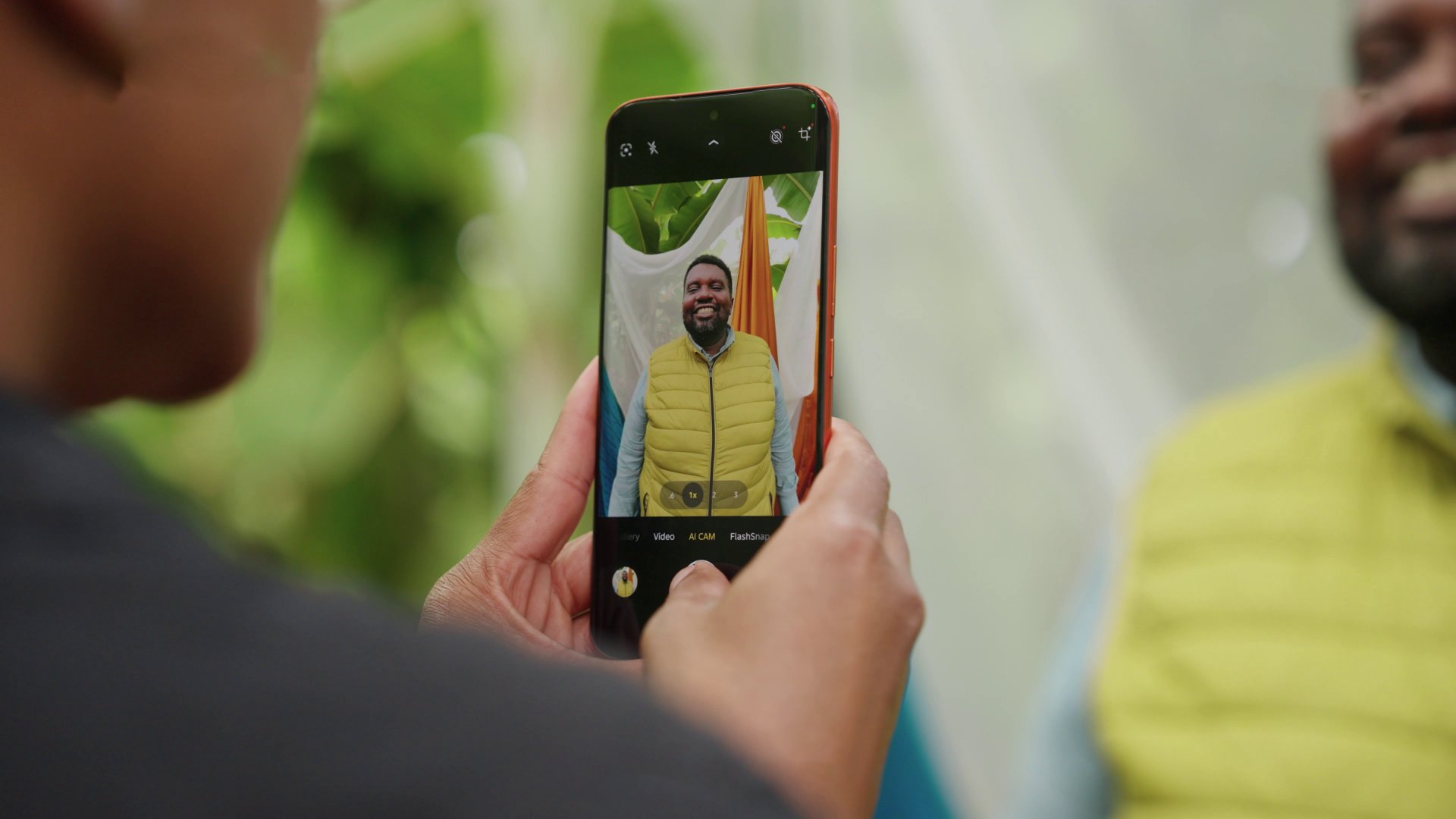
For Dass, meaningful portraiture starts with human connection.
“Meaningful portraits are never created by technology alone.”
She says her experience in Kenya reinforced the importance of trust, listening, and the willingness of people to share their stories.
The Philippines is next
Following Kenya, the project heads to the Philippines for a chapter called “Beyond Many Labels.”
It will feature 20 individuals, including working solo mothers and people whose lives are closely connected to solo parenthood.
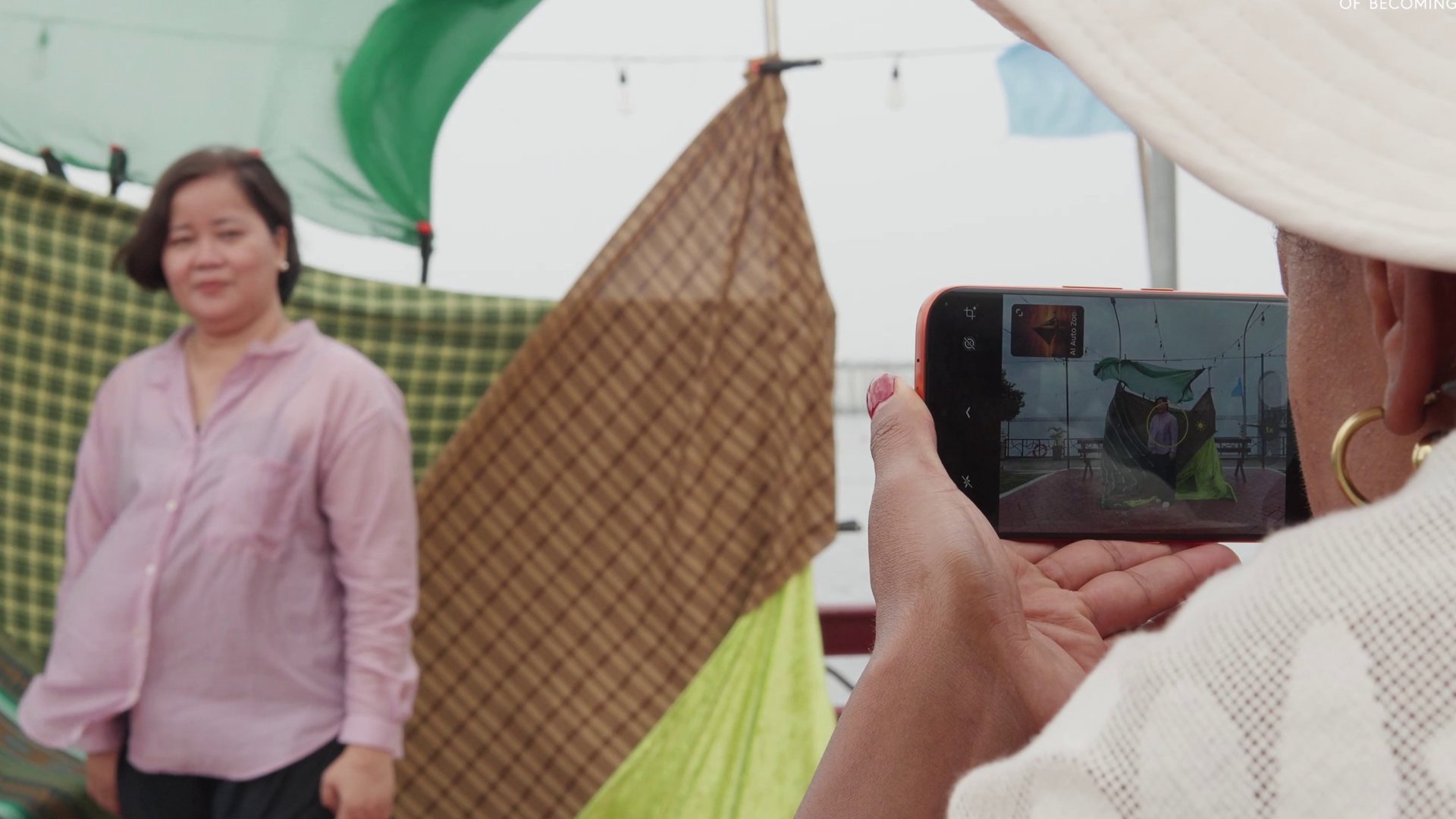
Their stories will look beyond labels such as “single mother,” “breadwinner,” and “strong woman,” while exploring their ambitions, relationships, and personal growth.
The chapter will also explore “diskarte” — the ways Filipinos adapt, make choices, and find practical ways forward in everyday life.
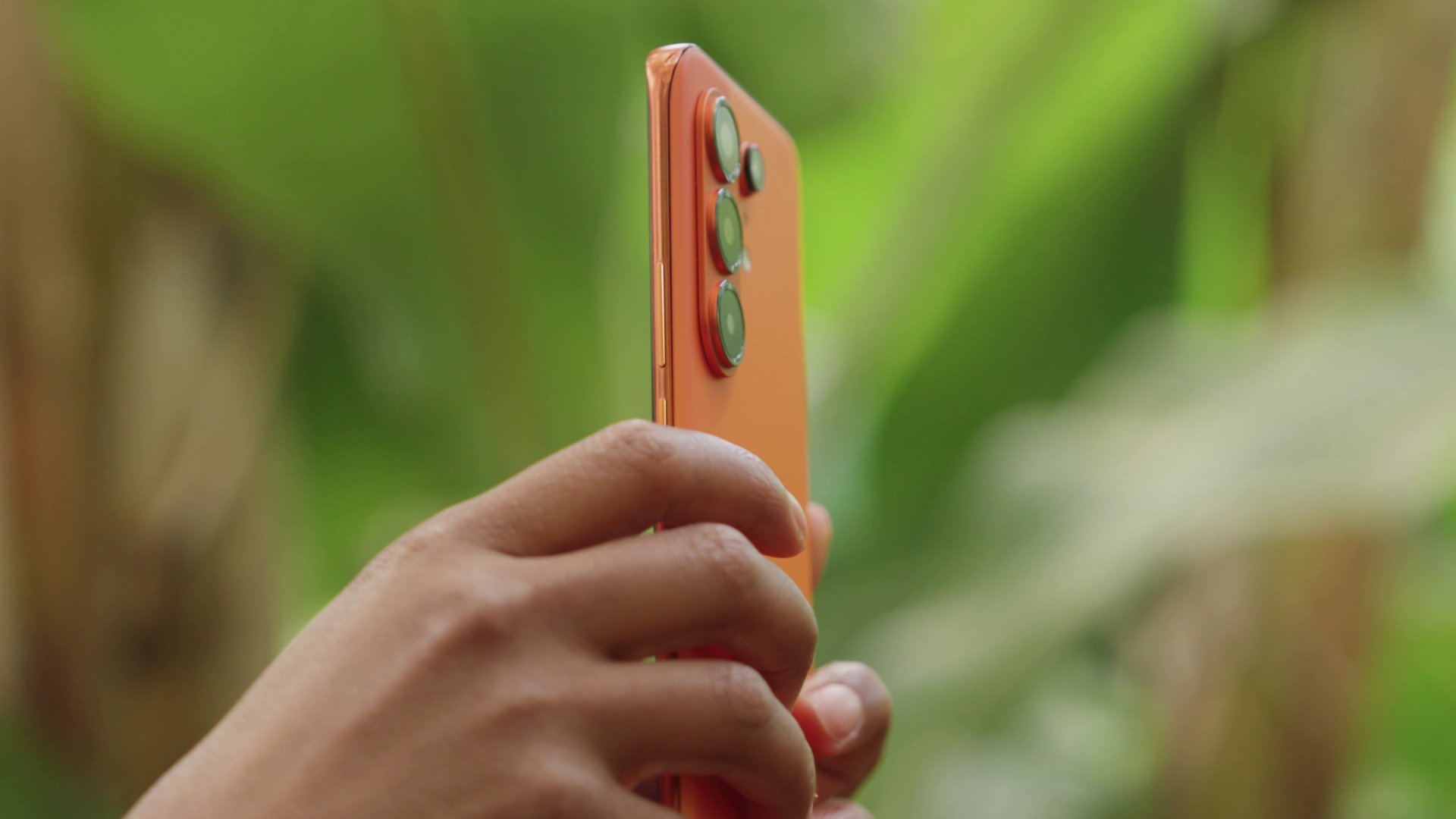
After the Philippines, “100 Portraits of Becoming” will continue to Saudi Arabia, Türkiye, and Brazil.
By the end of the project, TECNO and Dass hope the 100 portraits will offer exactly what the title suggests: 100 different ways of seeing humanity.





Lenovo tech behind DreamWorks Animation hit ‘Forgotten Island’

Samsung joins the clip-on earbud trend with the Galaxy Buds On

vivo X Fold6 makes global debut with 200MP camera and 6900mAh battery

Smart opens iPhone 18 Series pre-orders in the Philippines

The regular PlayStation 5 is getting an AI upscaling feature

HUAWEI Pura X View is 2026’s first WIDE slab-type smartphone

The CAMON Slim 5G is TECNO’s latest ultra-slim smartphone

iPhone 18 Pro series: Price, availability in the Philippines

iPhone 18 Pro series: Price, availability in Singapore

vivo X500 Series launches with major imaging upgrades


-
 News2 weeks ago
vivo X500 Series launches with major imaging upgrades
-

 News2 weeks ago
OPPO Find X10 Pro Max is the first phone with a triple 200MP camera system
-

 Automotive5 days ago
BYD says that way better EV batteries are coming next year
-
 Singapore2 weeks ago
Epson Lifestudio Grand Plus EH-LS970B with 4K projection, more launches
-

 News2 weeks ago
vivo introduces OriginOS 7 with smarter multitasking and AI features
-
 News5 days ago
HONOR Magic9 Pro Max launches in China with ARRI-powered imaging
-

 Accessories2 weeks ago
70mai launches the A900 series with 4K front, rear recording
-
 Smartphones7 days ago
When TECNO-logy meets Tonino Lamborghini legacy