
News
Apple is asking for a USB-C exemption for older iPhones
In India

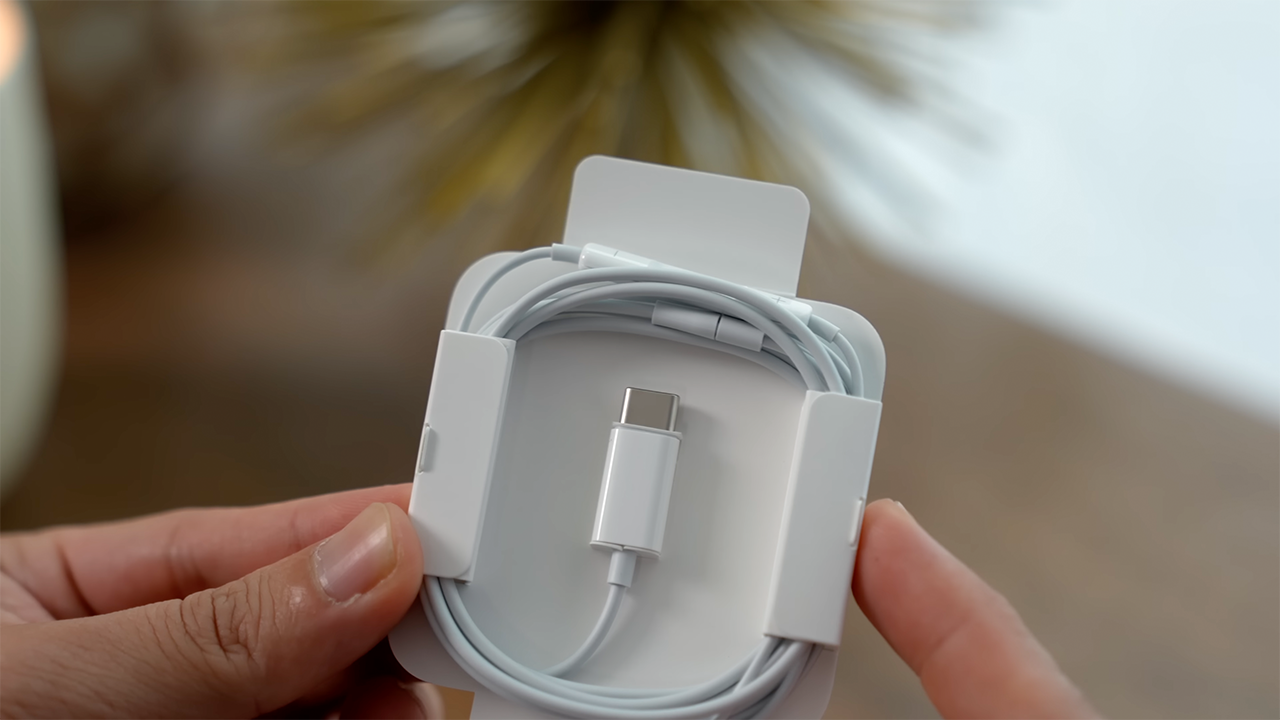
After persistent pressure from Europe, Apple caved in and traded its Lightning cable for a USB-C port. However, though the iPhone is not firmly in the USB-C family, the company is still hesitant to completely adopt the standard. It is requesting India to delay its new law which forces older smartphones to also adopt USB-C.
Currently, Apple is already complying with the European Union’s version of the new law. To promote pro-consumer behavior and reduce waste, smartphones must adopt USB-C as a standard by the start of 2025. Obviously, the iPhone is the device most affected by the new rule. Responding to the rule, the iPhone 15 series finally switched to the universal standard.
The new regulations go beyond newer phones, though. Older smartphone models are affected, too. Apple isn’t as receptive to the idea. In India, a country which implemented similar regulations recently, the company is asking a delay or an exemption for its older iPhone models.
Companies are mandated to completely switch to USB-C by June 2025. According to Apple, converting older models to the standard will take more time back in the drawing board. As such, the company is asking for 18 more months beyond 2024 for the switch, as reported by Reuters. Alternatively, it is also asking the Indian government to just exempt the older lineups. Failing to secure an exemption will cause Apple to miss its production targets.
Compared to the European market, Indian consumers are still invested in older iPhone models. As such, the Lightning cable is still casting quite a shadow on users, especially those using older iPhones.
SEE ALSO: iPhone 15 series will get the first Qi2 wireless chargers





News
TECNO EllaClaw wants to make mobile AI feel more personal
What if your phone’s AI could actually learn how you work?

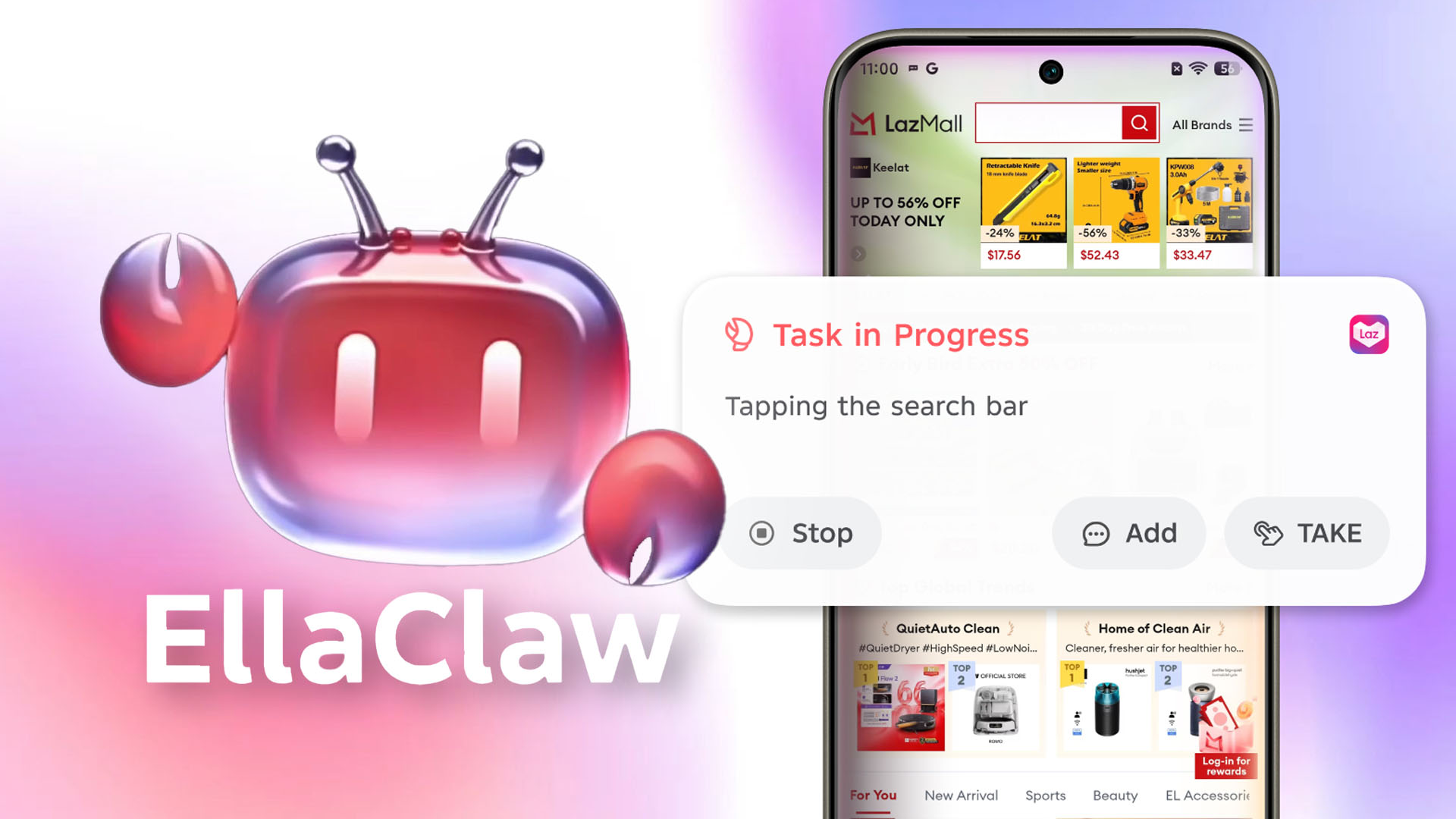
AI assistants are getting smarter, but TECNO wants them to become more useful, too.
The company recently showcased EllaClaw, its exploratory mobile AI agent, with a set of customized workflows built with Digital Trends specifically for journalists and content creators.
Instead of simply asking an AI chatbot a question, EllaClaw can handle entire workflows.
For instance, News Background Research can take a developing story, search selected news sources, and turn the findings into a structured brief. The results can also be saved to Notes or converted into audio for a quick listen.
There’s also Research-to-Script. This turns research findings into storyboards, script suggestions, and creative assets.
EllaClaw can also learn how you write. Its Personal Writing Style workflow analyzes writing samples and builds a reusable style profile that can evolve with more samples and feedback.
And before you hit publish, Social Media Risk-Word Check can review your content for platform-specific concerns.
The interesting part? TECNO isn’t positioning EllaClaw as something that takes over your work. It’s designed to be a digital co-pilot, not an autopilot. Users can still review and approve AI-generated content before publication.
For now, these workflows are built around content creators. But they offer a glimpse of where mobile AI could be heading: less generic assistance, more AI that actually fits the way you work.

The stage is set for next year’s smartphones. Both MediaTek and Qualcomm have unleased their upcoming flagship chipsets for the coming generation. If you’re looking for the Qualcomm side of things, go here. But if you’re looking for MediaTek, then you’re in the right place.
The Dimensity 9600 Pro adopts the 2nm process mode, which makes MediaTek one of the first companies to use it. The chip itself features a 2+3+3 All Big Core CPU. Specifically, it has two C2-Ultra cores going up to 4.55GHz, three C2-Pro cores going up to 4.35GHz, and three C2-Pro ones going up to 3.1GHz. This configuration can reportedly achieve 17 percent better single-core performance and 15 percent higher multi-core performance.
Besides all that power inherently built in, the chipset also has the G2-Ultra NX GPU. This GPU can deliver 27 percent higher peak performance, 24 percent lower power consumption, 18 percent faster raytracing, and gaming at up to 185 frames per second.
Finally, the chipset has the Imagiq 1290 ISP. With this engine, the processor can handle 60fps motion capture and 4K240 direct-output ultra-slow-motion video.
Alongside the Dimensity 9600 Pro, MediaTek is also launching the Dimensity 9600M, a slightly more lightweight option of the Pro that deliver flagship level performance to more users outside of that price point.
Smartphones that will come with the Dimensity 9600 Pro and 9600M will launch sometime in the fourth quarter.
SEE ALSO: MediaTek unveils Dimensity 9500s, 8500 mobile processors
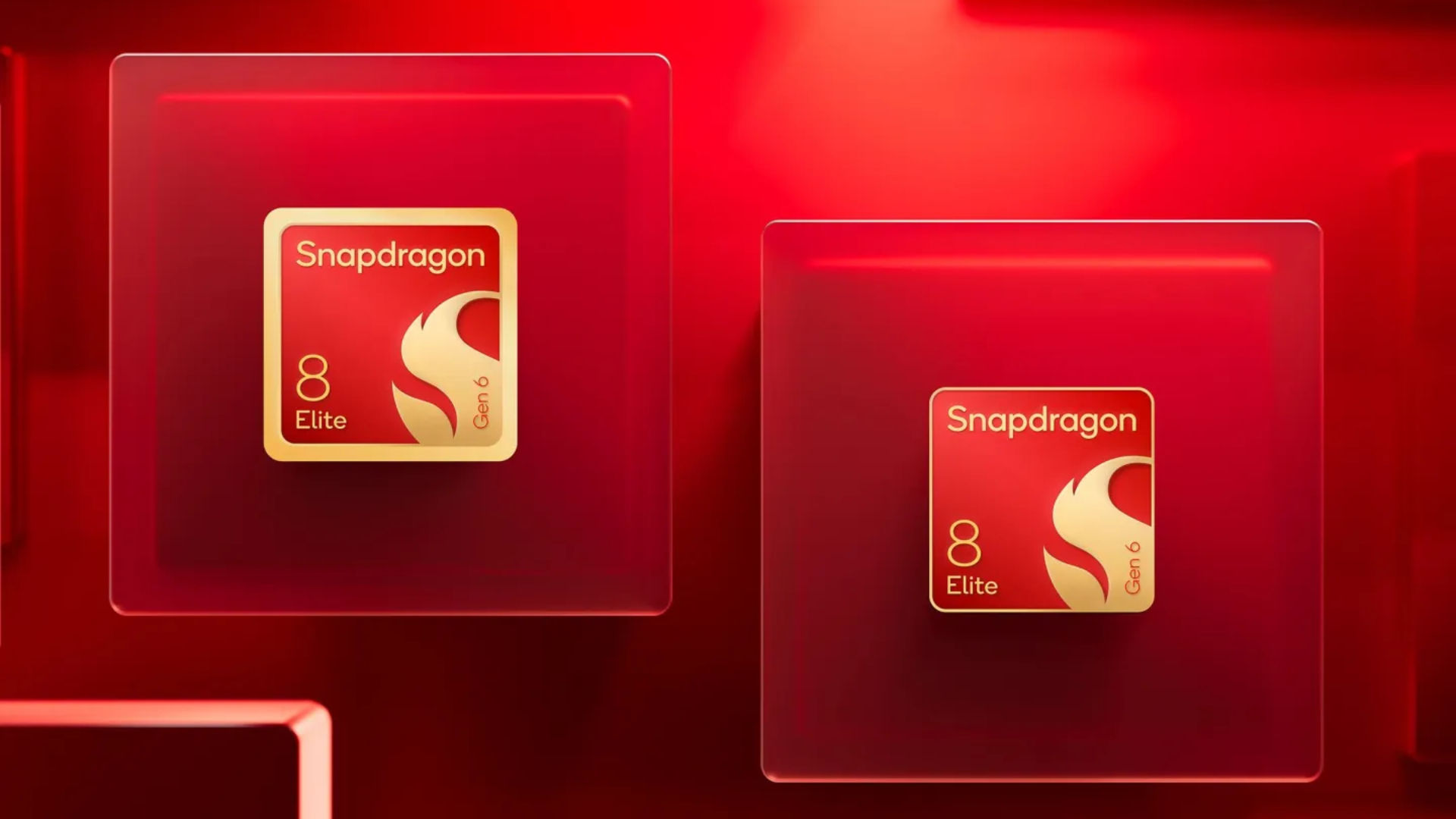
The end of the year always heralds the next step of processors for next year’s smartphones. Besides the oodles of phone rumors we’ll have before the year ends, these new processors give us a powerful hint of what the new machinery can do. Today, Qualcomm has unveiled that next generation, announcing the Snapdragon 8 Elite Gen 6 and the Snapdragon 8 Elite Extreme Gen 6.
Yes, this time, the Snapdragon flagship chipset will come in two flavors. Let’s start with the Snapdragon 8 Elite Gen 6.
The “base” model of the duo has an octa-core Oryon CPU with two prime cores going up to 5GHz. It also has an Adreno GPU that touts 35 percent faster performance compared to the previous generation. Additionally, the chipset has a 16MB Flex Cache which can supposedly leverage the cache better to deliver better single-threaded performance.
The Snapdragon 8 Elite Gen 6 will also have a new Spectra ISP. The engine can support single image capturing at 320 megapixels, or 64 megapixels with a triple rear camera combo. It also supports 8K video capturing at 30fps. Further, Intelligent Pixel Control features better contextualization skills so the camera can more accurately detect what you’re taking a photo or video of.
Finally, the X105 5G modem offers the usual array of 5G connectivity options but also goes up to supporting Bluetooth 6 and Wi-Fi 8.
Meanwhile, the Snapdragon 8 Elite Extreme Gen 6 offers much of the same as the duo’s regular model. However, it features 18MB of high performance memory, video recording that goes up to 60fps at 8K resolution, and new Matrix Cores that boost frame generation for gaming.
As expected, both models will appear in new smartphones from later this year to next year.
SEE ALSO: Qualcomm is raising its prices this year


DJI Lito X1 review: Is this the best lightweight drone for creators?
Making a strong case as a travel companion and a capable B-cam!


REDMI Note 17 Pro Max review: A new breed born from AI greed
Welcome to the new normal


Marvel’s Wolverine review: When the claws come out
A brutal, cinematic superhero adventure

TECNO EllaClaw wants to make mobile AI feel more personal

When your body talks, the Galaxy ecosystem listens

MediaTek launches the Dimensity 9600 Pro

Qualcomm unveils the Snapdragon 8 Elite Gen 6 series

OPPO Find X10 Pro Max is the first phone with a triple 200MP camera system

realme 16T 5G with 8000mAh battery, IP69 Pro rating launches in PH

HUAWEI Pura X View is 2026’s first WIDE slab-type smartphone

REDMI reveals the refreshed Note 17 and Note 17 Pro series

REDMI Note 17 Series: Price, availability in Singapore

The CAMON Slim 5G is TECNO’s latest ultra-slim smartphone


-
 Hands-On2 weeks ago
Apple iPhone 18 Pro Series Hands-on
-

 News3 days ago
vivo X500 Series launches with major imaging upgrades
-
Gaming2 weeks ago
Marvel’s Wolverine review: When the claws come out
-

 Gaming1 week ago
BlizzCon 2026 announces World of Warcraft: Forever and Diablo V
-

 Singapore5 days ago
Epson Lifestudio Grand Plus EH-LS970B with 4K projection, more launches
-
Reviews1 week ago
REDMI Note 17 Pro Max review: A new breed born from AI greed
-

 First Look2 weeks ago
First Look: Apple iPhone Duo
-

 Entertainment2 weeks ago
PH to celebrate 1st ever National Cinema Day; movies start at less than $2