
Apple Vision Pro: Complete Unboxing & Set Up!
What you get from this $3000+ computer from the future







Finally! Michael Josh got his hands on his very own Apple Vision Pro!
In this video, he will unbox all what’s inside the newest spatial computing device.
Those also include his additional ZEISS inserts and a not-so-handy-dandy travel case.
Can’t wait like he did? Head over to his complete unboxing and set-up of the Apple Vision Pro.





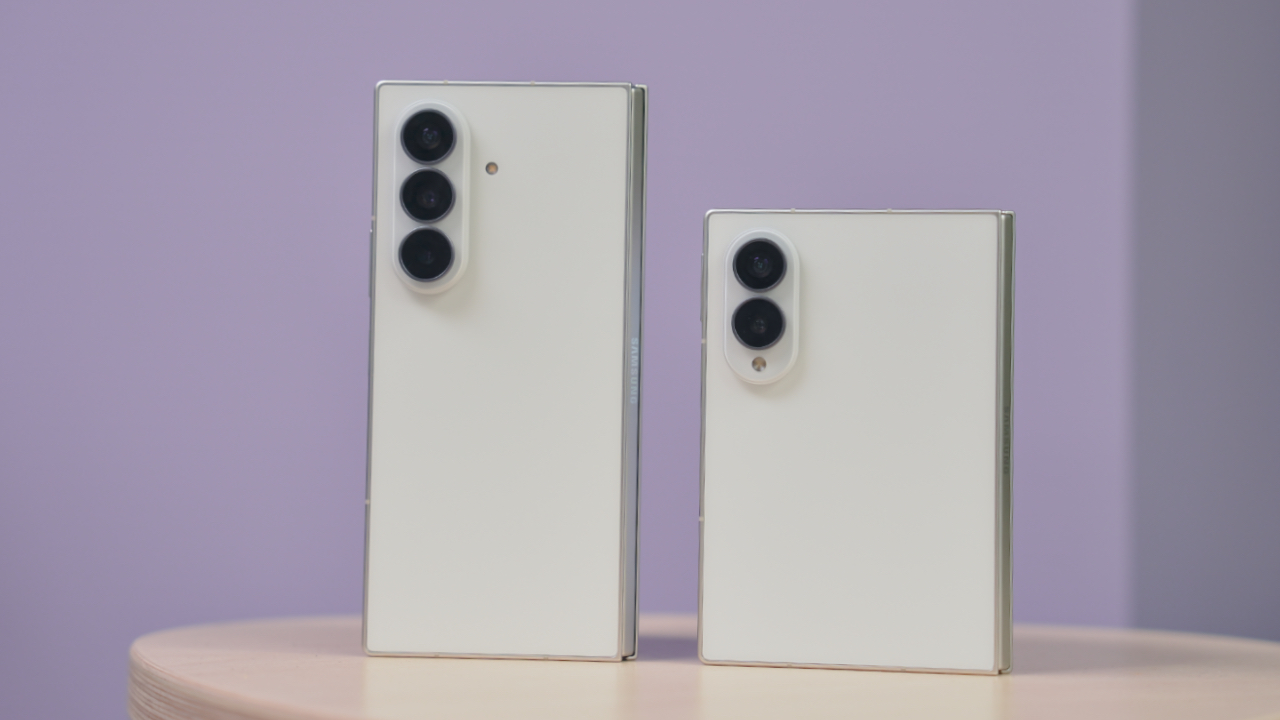
Samsung surprised everyone by introducing not one, but two book-style foldables this year. Alongside the Galaxy Z Fold8 Ultra, the company also unveiled the all-new Galaxy Z Fold8, offering users two distinct takes on the foldable experience.
We’ve only spent a short time with both devices, so this isn’t a full comparison. Think of this as a quick side-by-side look at what immediately stood out during our first hands-on.
In the hand

The biggest difference becomes apparent before you even unfold either device.
Folded shut, the Galaxy Z Fold8 immediately feels more natural in the hand. It’s easier to grip, feels better balanced, and slips into a pocket more comfortably. If you’ve been waiting for a foldable that behaves more like a conventional smartphone when closed, the Fold8 leaves a strong first impression.
The Galaxy Z Fold8 Ultra, on the other hand, feels more familiar. It carries forward the traditional book-style Fold experience with a larger footprint that longtime Fold users will instantly recognize.
When it’s time to work
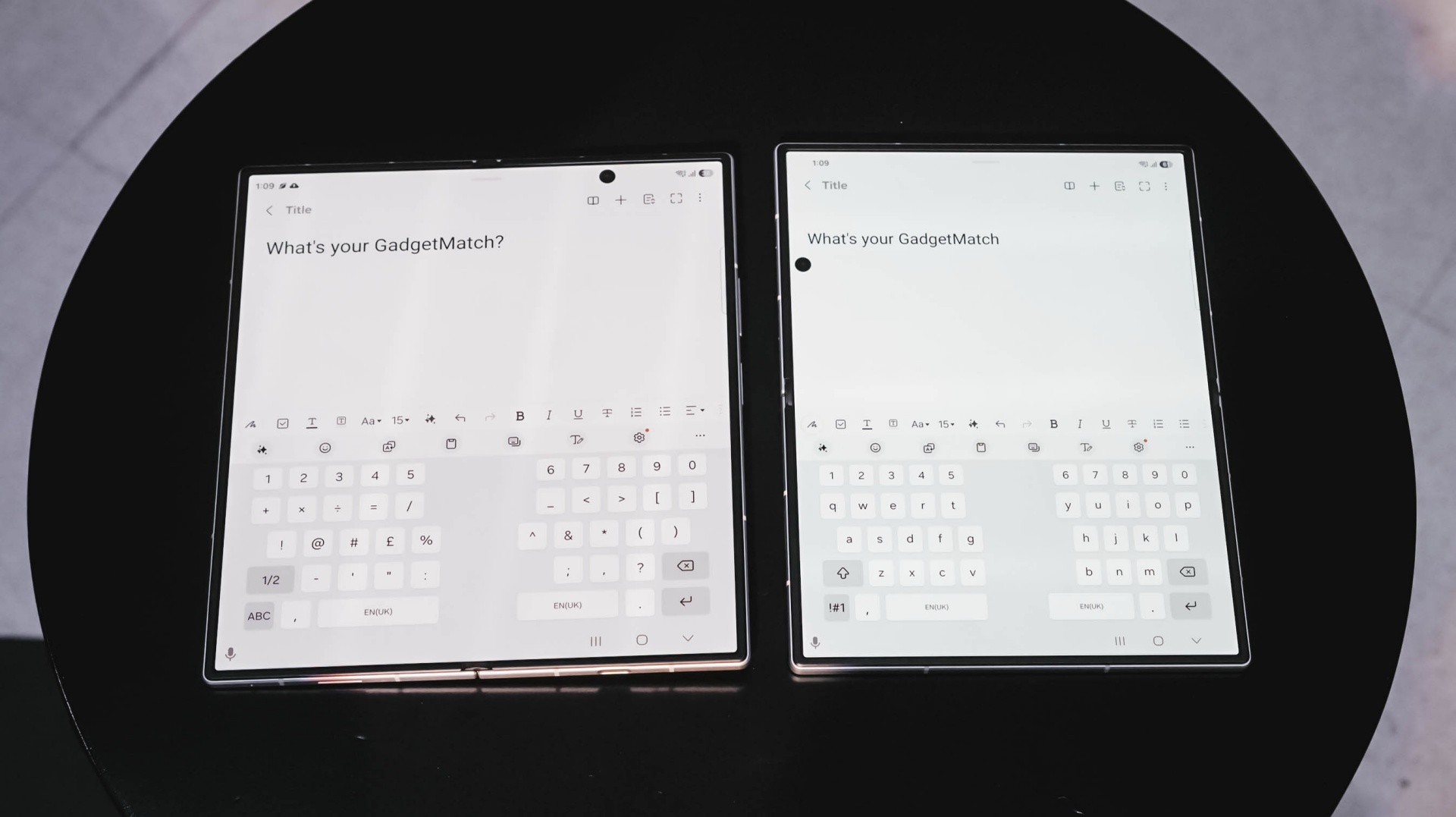
Once unfolded, the gap narrows considerably.
Both devices offer enough room to comfortably write, edit documents, answer emails, or multitask without feeling cramped. During our hands-on, neither device felt noticeably better for productivity.
The same goes for typing. Both provide enough keyboard space to comfortably write articles, answer emails, or even draft letters you’ll never send.
At least from our limited time with both devices, there’s no clear winner here.
Watching videos

Media consumption is where the Galaxy Z Fold8 stands out.
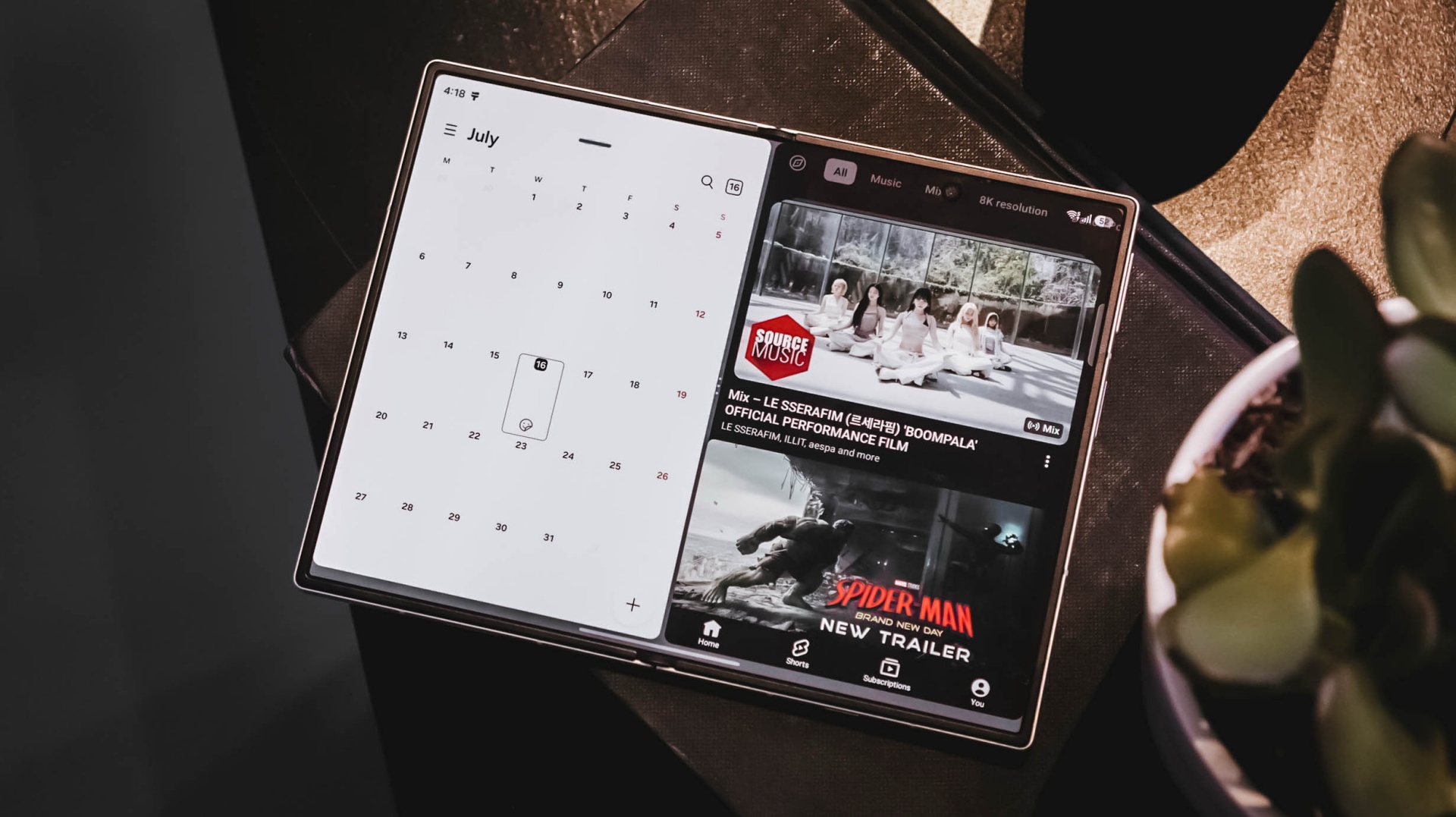
Its wider display makes videos feel more at home, with fewer black bars when watching content like YouTube. It’s a subtle difference, but one that’s immediately noticeable once both devices are unfolded side by side.
The Ultra still offers a larger display overall, but its proportions remain closer to what we’ve come to expect from traditional book-style foldables.
The hinge

Samsung’s two foldables also differ slightly in how they open and close.
The Galaxy Z Fold8 Ultra’s hinge feels firmer and more deliberate. It comfortably holds its position across multiple angles, making Flex Mode feel a little more reassuring.
The Galaxy Z Fold8, meanwhile, feels smoother throughout the motion. Once it reaches a certain point while opening or closing, it naturally continues the movement on its own instead of holding intermediate angles as firmly as the Ultra.
Neither approach is inherently better. They simply offer a different feel in everyday use.
First impressions

After a brief hands-on, it’s clear that Samsung isn’t positioning these devices as direct replacements for one another.
The Galaxy Z Fold8 Ultra continues to refine the company’s established Fold formula. The Galaxy Z Fold8, meanwhile, explores a different direction—one that prioritizes a more familiar in-hand feel while keeping the productivity benefits that make foldables unique.
It’s still too early to draw conclusions about cameras, battery life, or long-term performance. Those answers will have to wait until we’ve spent more time with both devices.
For now, these are the differences that stood out most after our first look.
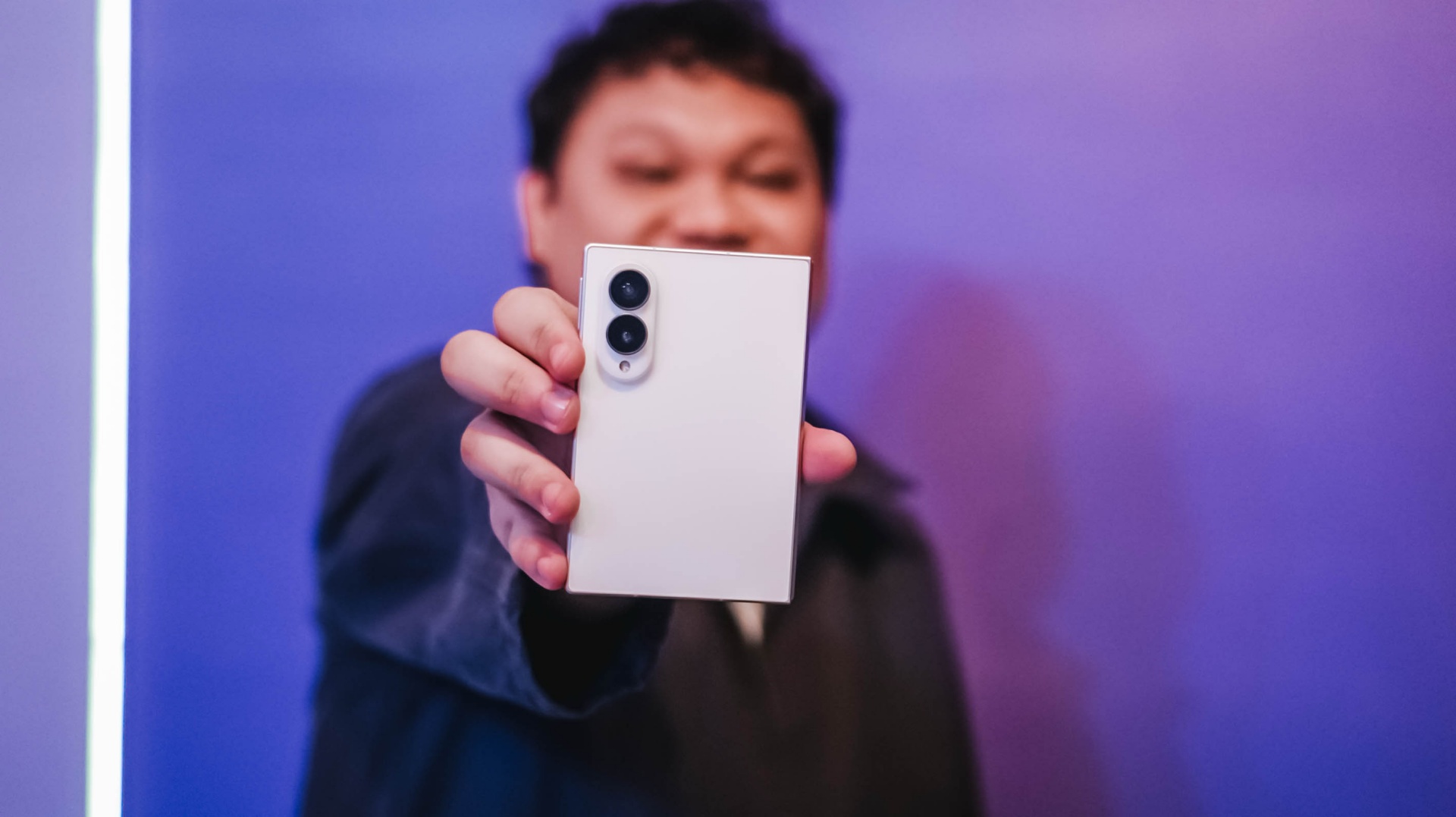
The moment the Galaxy Z Fold8 rested on my palm, I smiled.
Not because it was new. Not because it folded. Not because I was at Galaxy Unpacked (I wasn’t.
I smiled because it finally felt real.
Months ago, I wrote about why wide foldables genuinely excite me. At the time, the Galaxy Z Fold8 was little more than leaks and speculation. I remember feeling eager anticipation with cautious optimism. I wanted Samsung to build this device because I genuinely believed there was room for a different kind of Fold.
The moment someone finally handed it to me, all the experiences I had built up in my head suddenly had something tangible to latch onto.
I remember thinking, “Yes. This is it. This is exactly it.”
It was real. It was one of those rare moments where reality met expectations. And somehow, it even exceeded them.
More than just a wide foldable
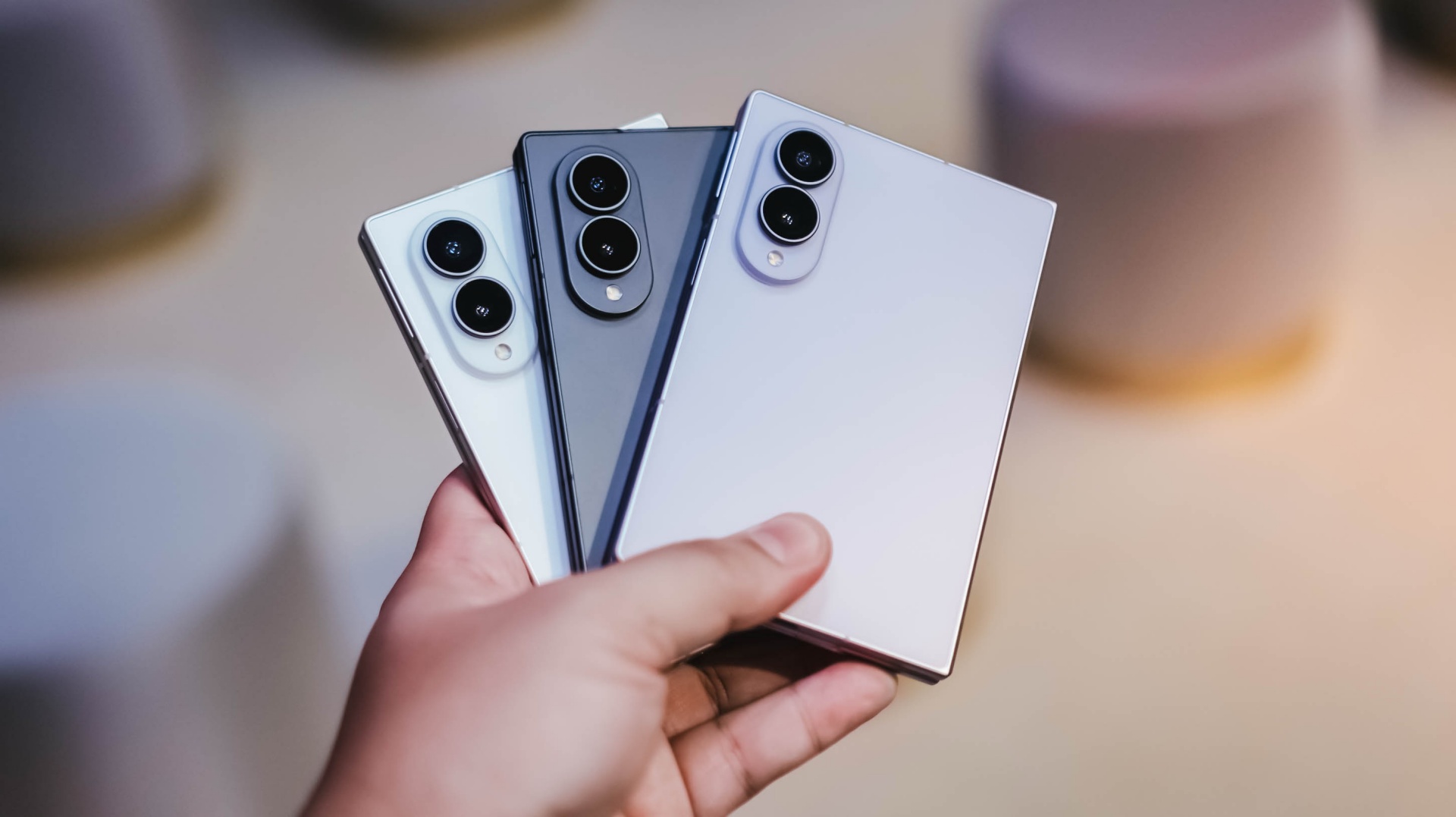
The first thing that struck me wasn’t a spec sheet. It was how the Galaxy Z Fold8 felt.
It’s smaller, thinner, and lighter than I expected. Folded shut, it sits naturally on my palm. It’s balanced. I can browse, swipe, and scroll exactly the way I would on any other smartphone. It never feels awkward or top-heavy.
Then I unfold it.
Suddenly, I have enough room to write comfortably without feeling cramped by the keyboard. I can review articles, respond to emails, and work on documents without constantly wishing I had just a little more screen space.
Turn it sideways and videos feel equally at home. There’s less wasted space and fewer compromises than I’ve come to expect from smartphones.
I keep coming back to one word: Natural.
It surprised me not because Samsung made a foldable that’s easier to use. But because using it felt instinctive.
Maybe we’ve been thinking about smartphones the wrong way
For the longest time, we’ve accepted that smartphones should look like… well, smartphones.
A long rectangular slab that fits in your pocket.
But that’s not really how I use mine anymore. In fact, I rarely use my smartphone as a phone.
It’s where I coordinate conversations across multiple messaging apps. It’s where I answer emails. It’s where I write. It’s where I edit articles, review reels before they go live, leave comments for the team, catch up on news, and occasionally lose myself scrolling through photos and clips of Momo, Chaewon, or whoever happens to make my day a little lighter.
Somewhere along the way, the phone call became secondary. My smartphone quietly became my Palm PC.
Once I looked at it that way, the Galaxy Z Fold8 started making even more sense.
It isn’t trying to be a regular smartphone that unfolds into a tablet. It feels like it’s designed around how many of us already use our devices today.
The part that excites me most

What excites me isn’t that Samsung finally made a wider foldable. It’s that Samsung was willing to try.
The safest thing the company could have done this year was release another refinement of its existing Fold. It would’ve been thinner. Faster. Smarter. We’d all nod in approval before moving on to the next launch.
If Samsung had launched only the Galaxy Z Fold8 Ultra this year, I honestly think it would’ve been an underwhelming announcement.
Instead, Samsung challenged an assumption. It looked at a category it has helped define and asked if there was another way to approach it.
Samsung didn’t invent this form factor. It simply has the scale to make more people pay attention to it. It gives this form factor a legitimate chance to reach more people than ever before. And I’m genuinely excited to see where that leads.
Why this one feels different

New technology should be exciting.
Not simply because it’s new, but because it either solves an obvious problem or asks us to look at something familiar from a different perspective.
The best products leave you thinking, “You know what? That actually makes sense.”
That’s exactly how I felt after spending time with the Galaxy Z Fold8.
Maybe it won’t change how everyone uses a smartphone. But it changed how I think about one. And after waiting for this moment for so long, that’s more than enough.
On my way home, there was one thought I couldn’t shake. I wanted to hand it to someone. Not another journalist. Not someone looking for benchmark scores or camera samples. Just someone whose opinion I genuinely value. Someone who prefers lighter devices.
Someone I’d simply say, “I can’t wait for you to try this. I think this matches how you work and how you use your smartphone.”
Maybe that’s the highest compliment I can give the Galaxy Z Fold8. For all the conversations around AI, performance, cameras, and thinner designs, what I’ll remember most is much simpler.
For the first time in a long time, a piece of consumer tech made me smile the moment I picked it up. Sometimes, that’s the reminder I need about why I fell in love with this industry in the first place.

In a modern world dominated by flagships and midrangers, budget smartphones are often undervalued just because of the mere value they bring to the table.
But, let’s be real. Not everyone chases specs. There are users who simply need a phone they can afford without all the best-in-class bells and whistles often glorified but spec-obsessed nerds.
Well, the TECNO SPARK 50 5G might just be that handy-dandy everyday companion you need.
First Look
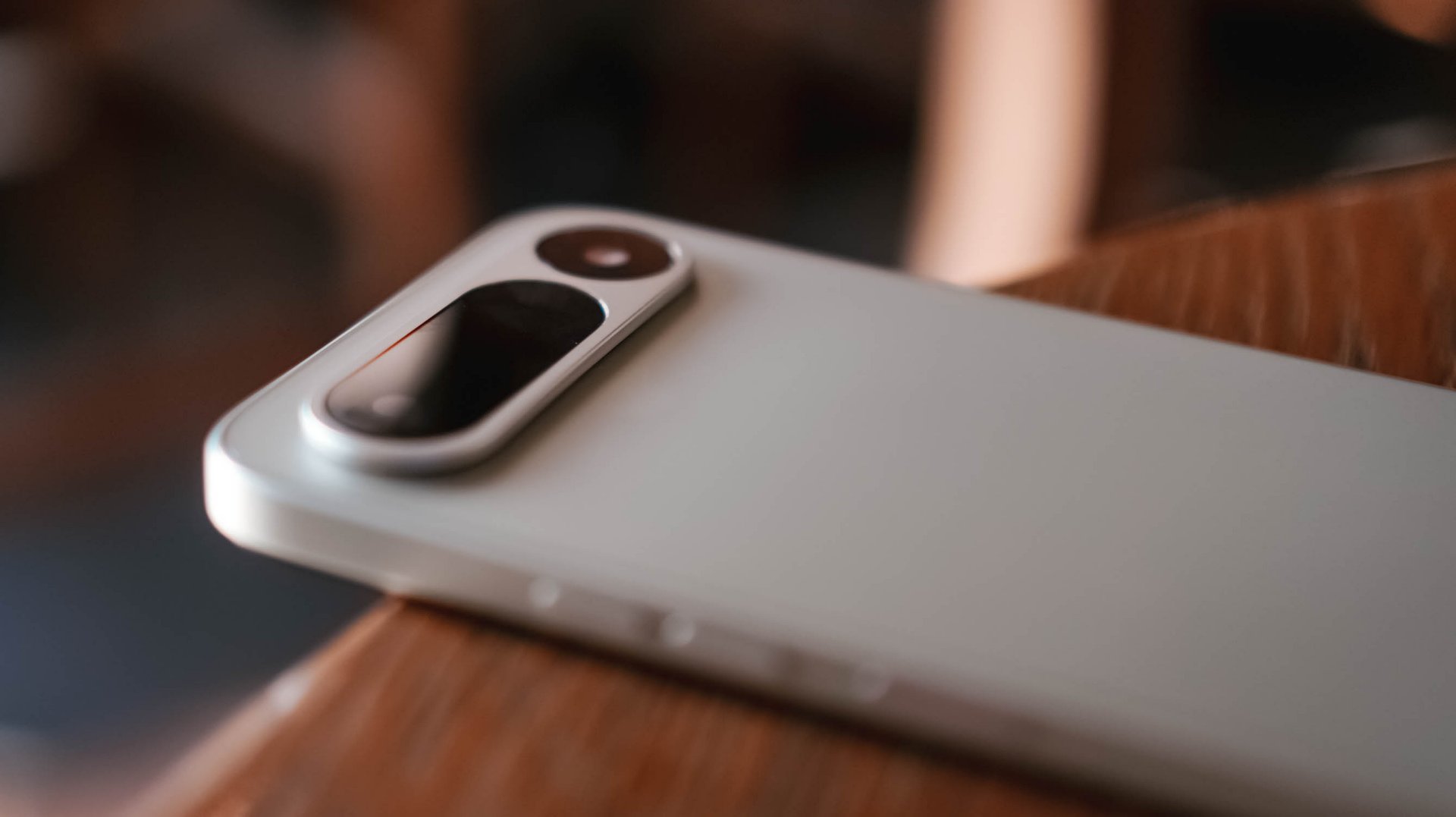
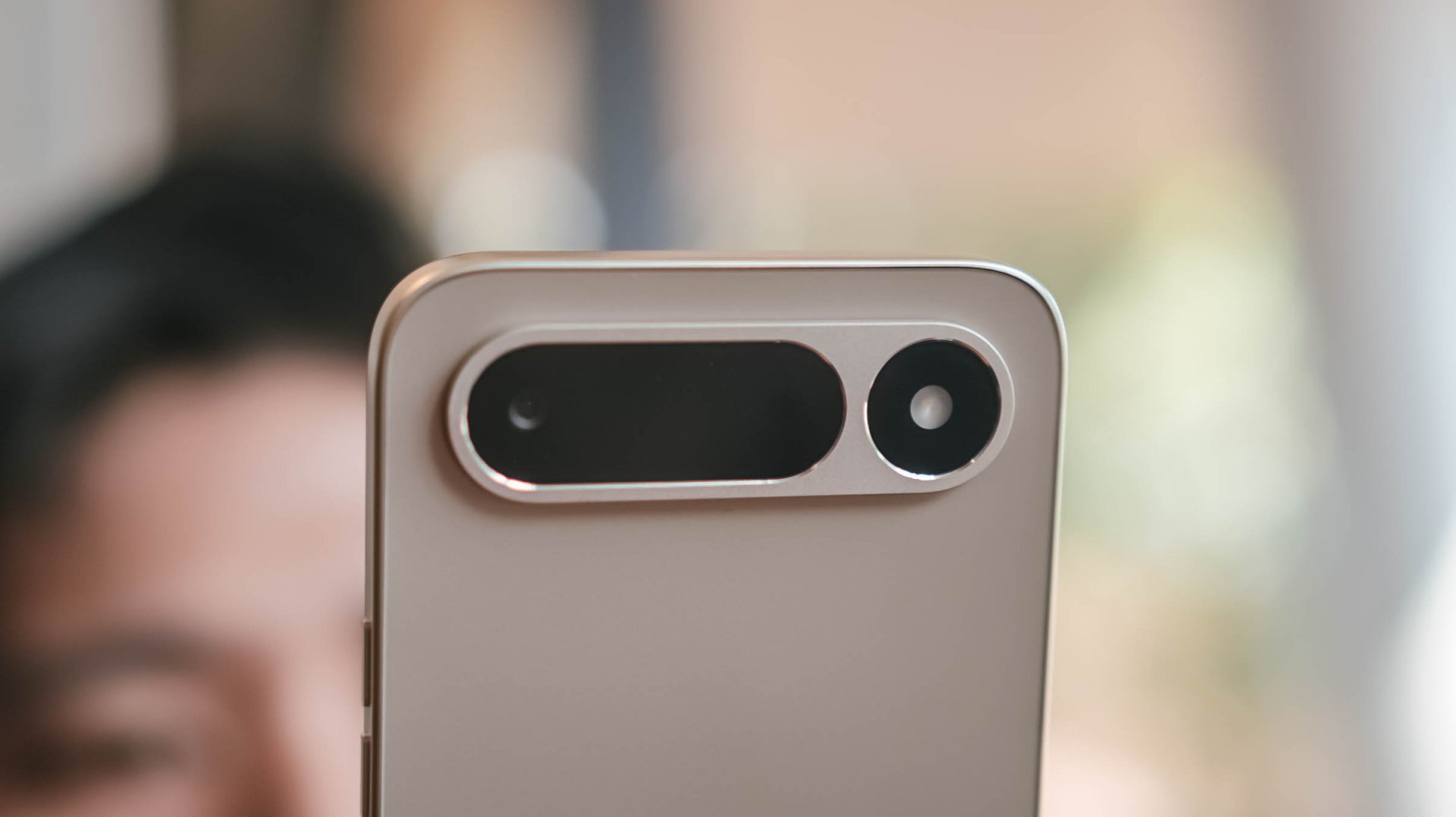
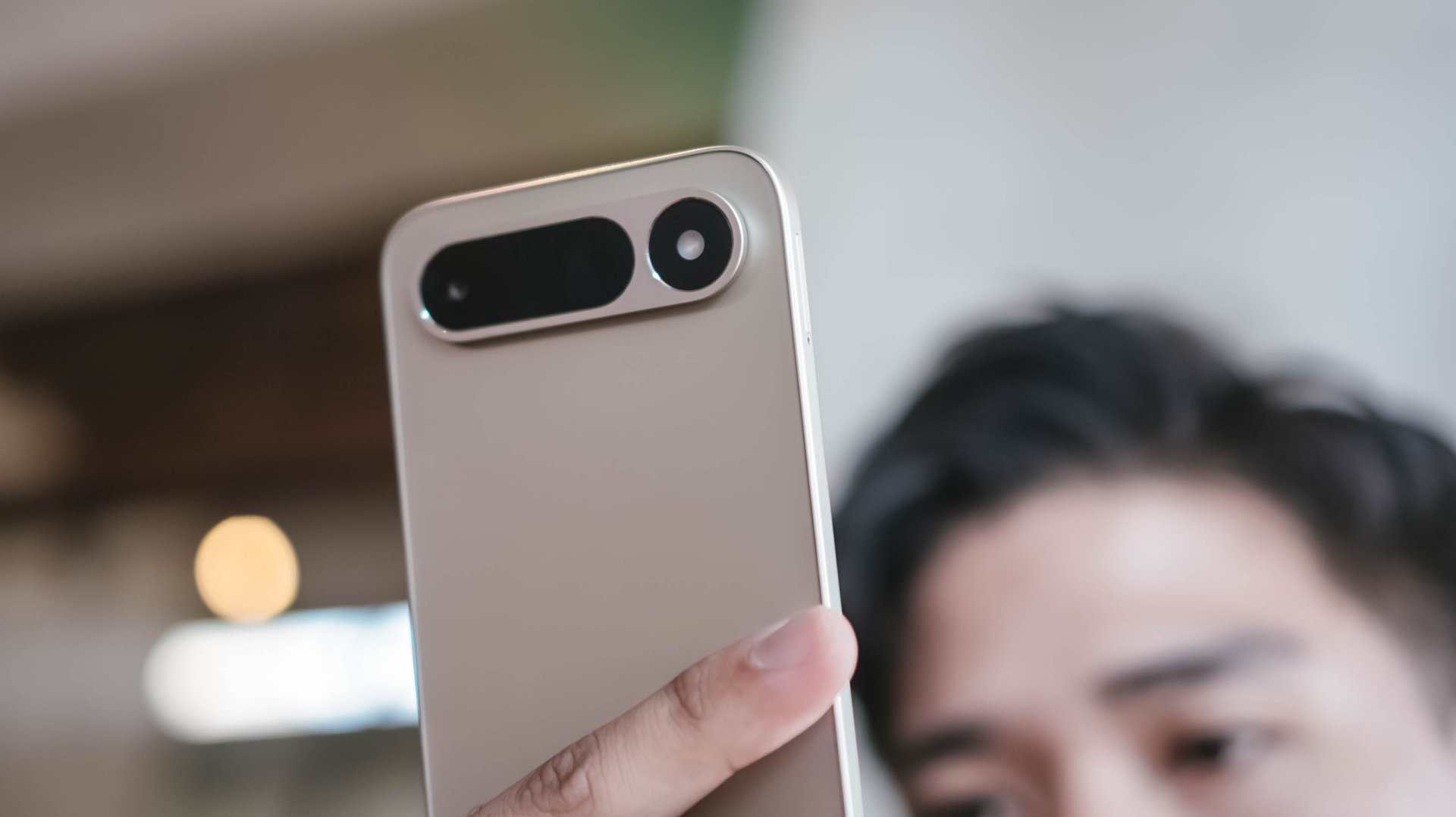
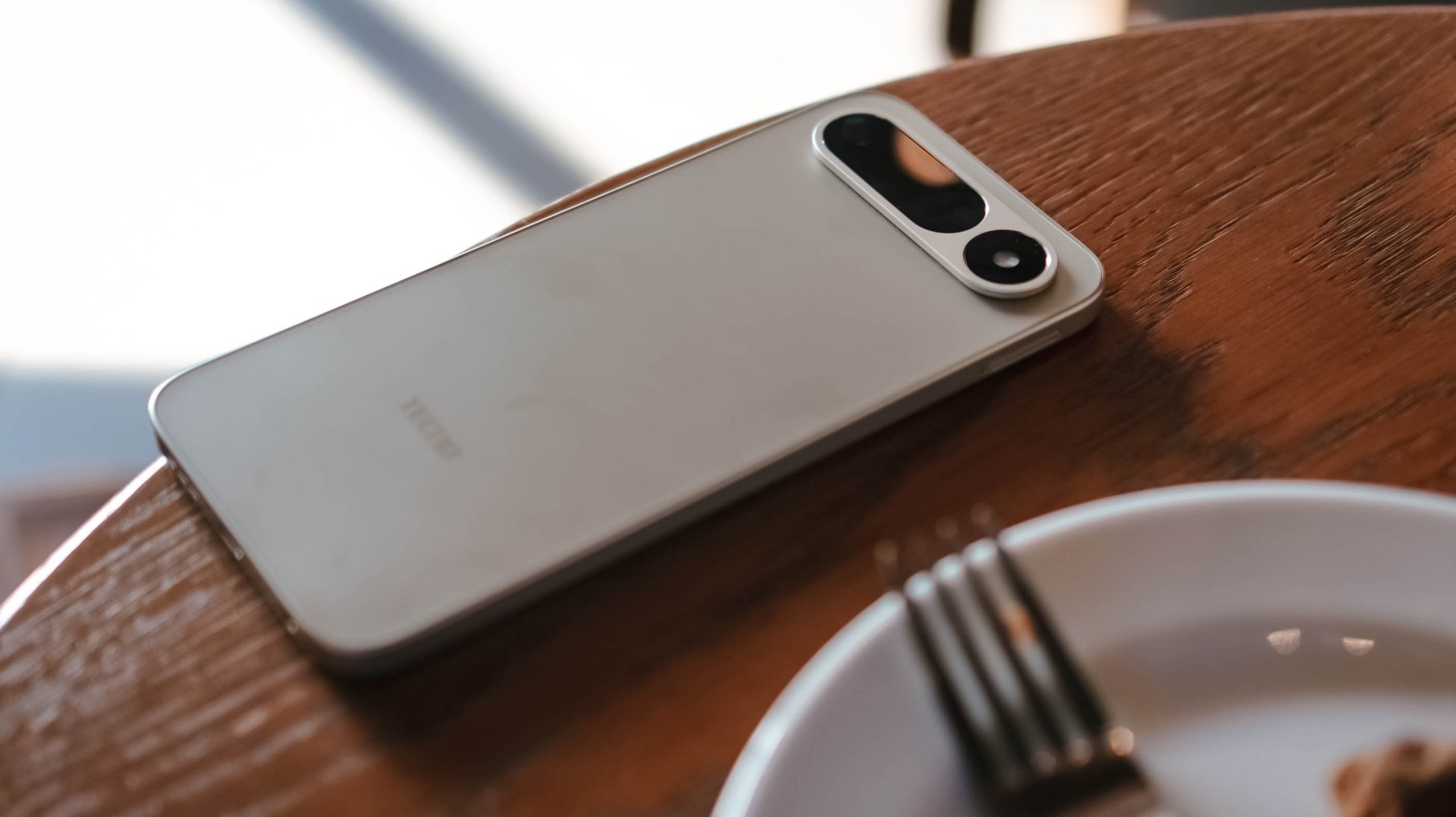
Right off the bat, the TECNO SPARK 50 5G will instantly remind you of Google’s recent Pixel phones. That camera bar is very reminiscent of the Pixel 9 and 10’s camera “visor.”
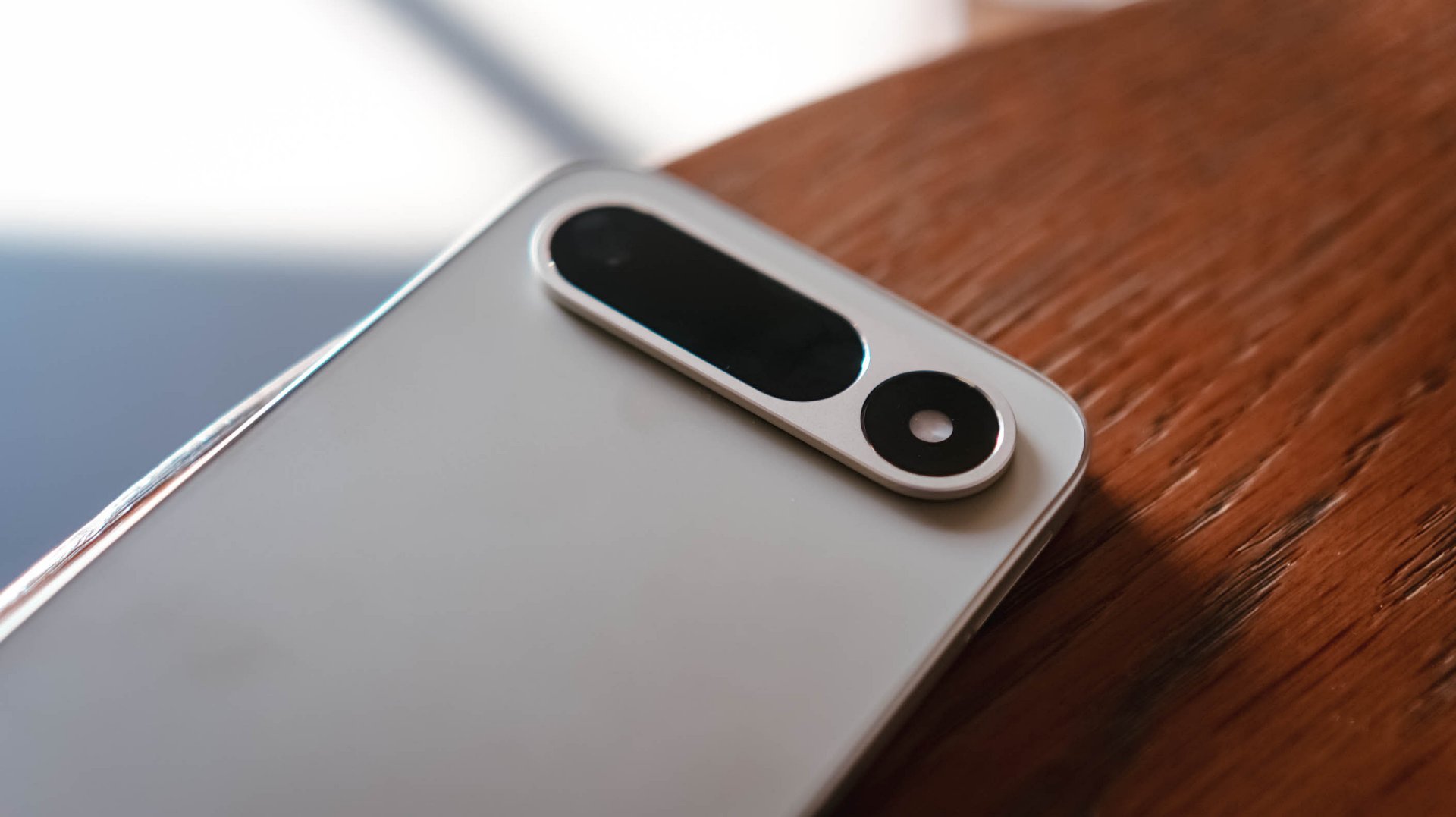
This isn’t a complaint. SPARK 50 5G’s camera island looks cleaner than that overly-used, left-justified square camera cutout popularized by Apple during the reign of their iPhone Pro series.
More so, it avoids joining the bandwagon of phones imitating the all-new “camera plateau” of the iPhone 17 Pro series.
Coincidental or not, it even reminds me of Apple’s pill-shaped Dynamic Island — or that interactive area around the punch-hole cutout that’s found among newer iPhones.
And now that we’re at it, let’s flip the SPARK 50 5G to its front.
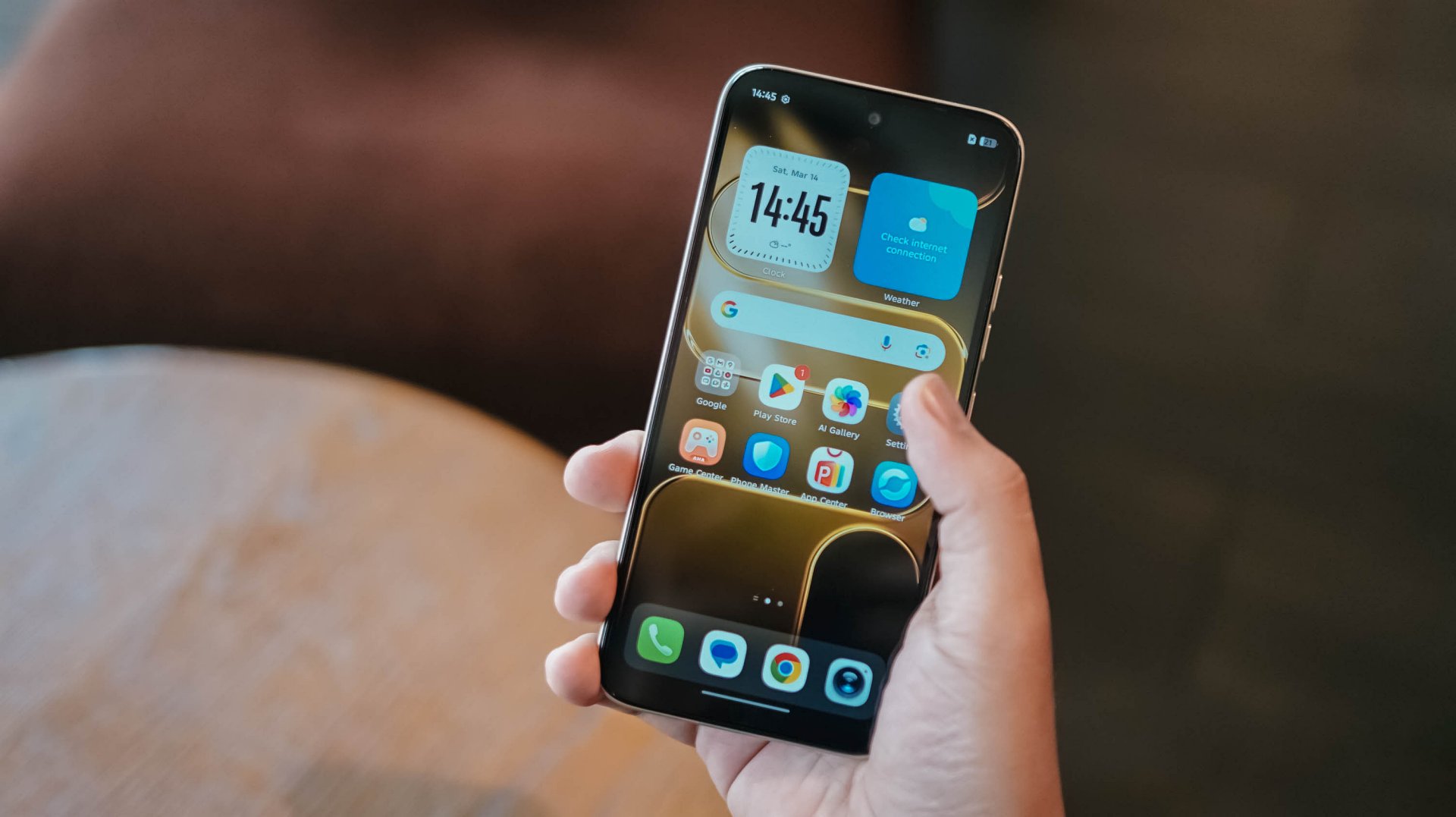
The moment you power on the device, you’d be welcomed by its large 6.78-inch punch-hole display. However, bigger doesn’t always mean better.
Not-so-thin bezels and that awfully-thicc bottom chin aside, I’m more concerned about its display quality.
I’m not trying to be very nit-picky but, my clear eyes can easily distinguish that its 720p screen resolution is quite a stretch for a screen this big.
Ain’t even expecting a class-leading OLED display (this is an IPS LCD type, BTW). However, a 1080p Full HD would have been more plausible.

Don’t even get me started with that subpar max brightness, backlight bleeding, alongside poor viewing angles and legibility.
And, even if it features a 120Hz refresh rate that smoothens day-to-day scrolling and switching, it doesn’t totally override the fact that the display is not up to par.
Still, the choice of punch-hole is heaps better than other phone makers continuously making phones with teardrop notches — which is turning almost a decade next year.
I’m just glad TECNO halted (if not completely stopped) putting it among their recent budget offerings.
First Date
While I have strong feelings against its display, the overall feel of the SPARK 50 5G is of the opposite. Holding the phone for the first time barely looked and felt cheap at all.
Setting the bar high, TECNO’s SPARK 50 5G is made from aviation-grade aluminum — which some other plasticky budget phones can only dream of.
With that durability talk, it’s also worth noting it’s also IP64-rated as well as MIL-STD-810H certified.
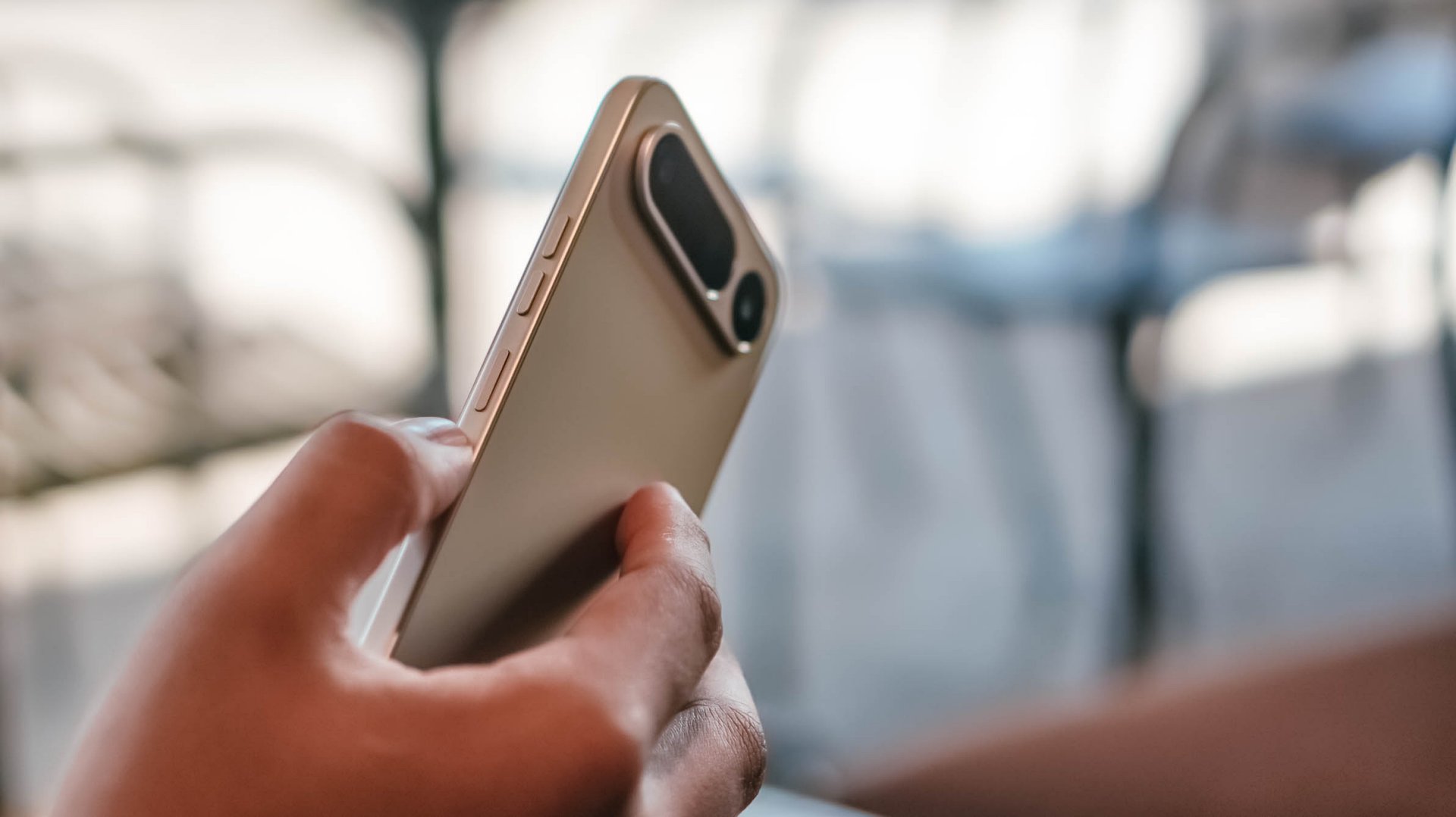
Personally, I love the classy and luxe Champagne Gold colorway that I’ve dated.
There are bolder colors too such as Mint Green and Fantasy Purple. More so, the subdued Titanium Grey and Ink Black options.
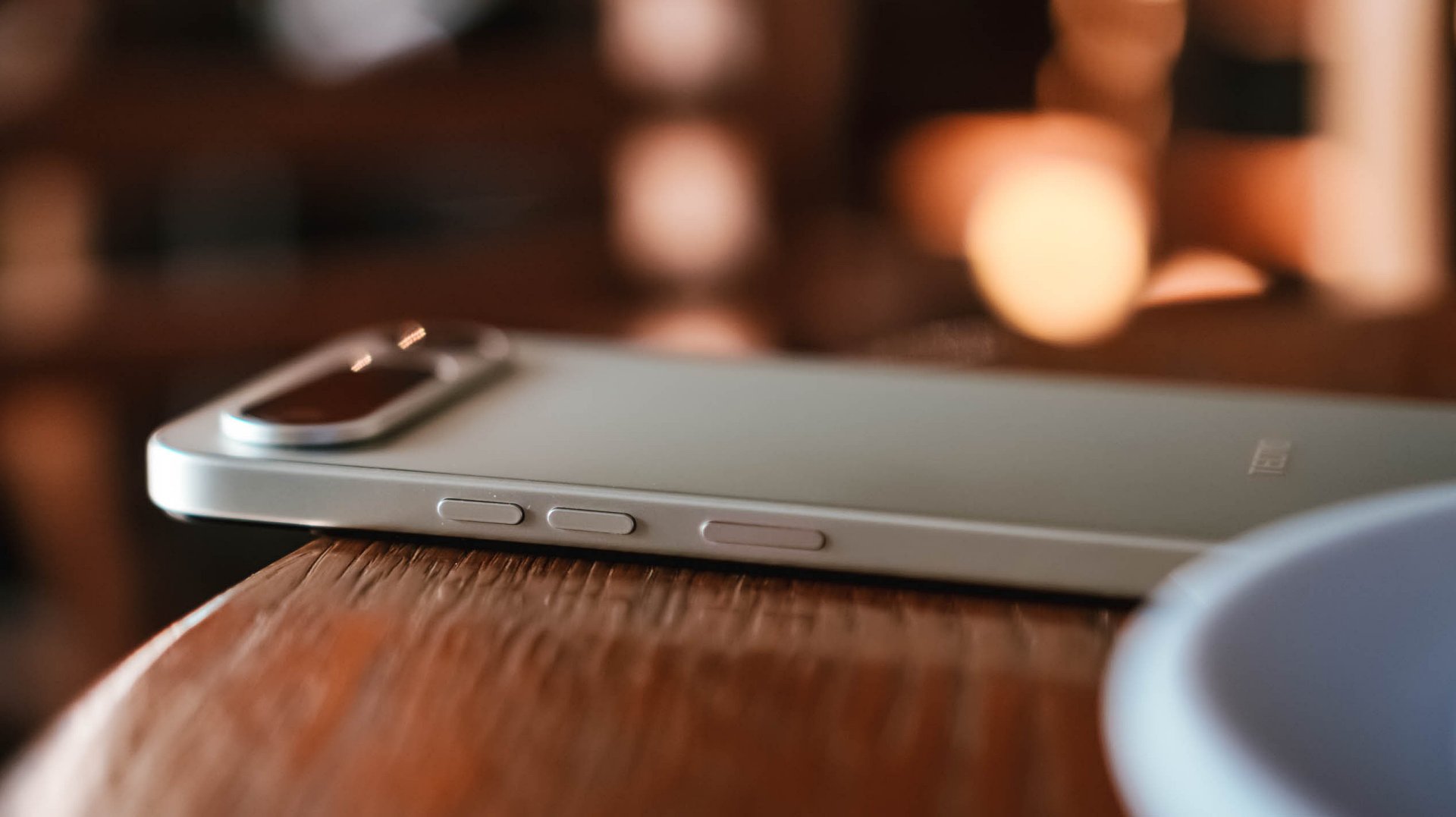
After setting everything up, the phone greets you with TECNO’s latest HiOS 16 based on Android 16.
Despite its price point, TECNO didn’t leave out all the usable AI feats originally announced in the recent CAMON 50 series.

Not only it includes the usual AI Tools and Ella (or its smart AI Assistant), the newer AI FlashMemo as well as AI MindHub are ever-present as well. These intelligently discern content you consume or whatever you’re curious about.
I’m not a total h-AI-ter as I believe that AI, when used responsibly, gives much leverage to users. It balances an individual’s time so s/he can work and focus more on things that need to be prioritized.
Still, I blame AI for the sharp price rise of components among all consumer devices imaginable.
Now that I’ve mentioned it, TECNO’s SPARK 50 5G comes in either 128 or 256GB of storage and memory choices between 4/8/12/16GB (region-dependent).
At its core lies MediaTek’s Dimensity 6400 SoC. For the market it tries to lure, this is a chipset capable of handling most tasks.
It’s a better option if you’re someone like me who relies on 5G connectivity most of the time. Its Helio G200 counterpart, while speedy and reliant, has 4G as its biggest drawback.
Gaming? Well, it’s obviously not built for that.
Still, it’s playable for the not-so-demanding-games: 60fps in PUBG while 90fps with the widely popular Mobile Legends: Bang Bang (MLBB).
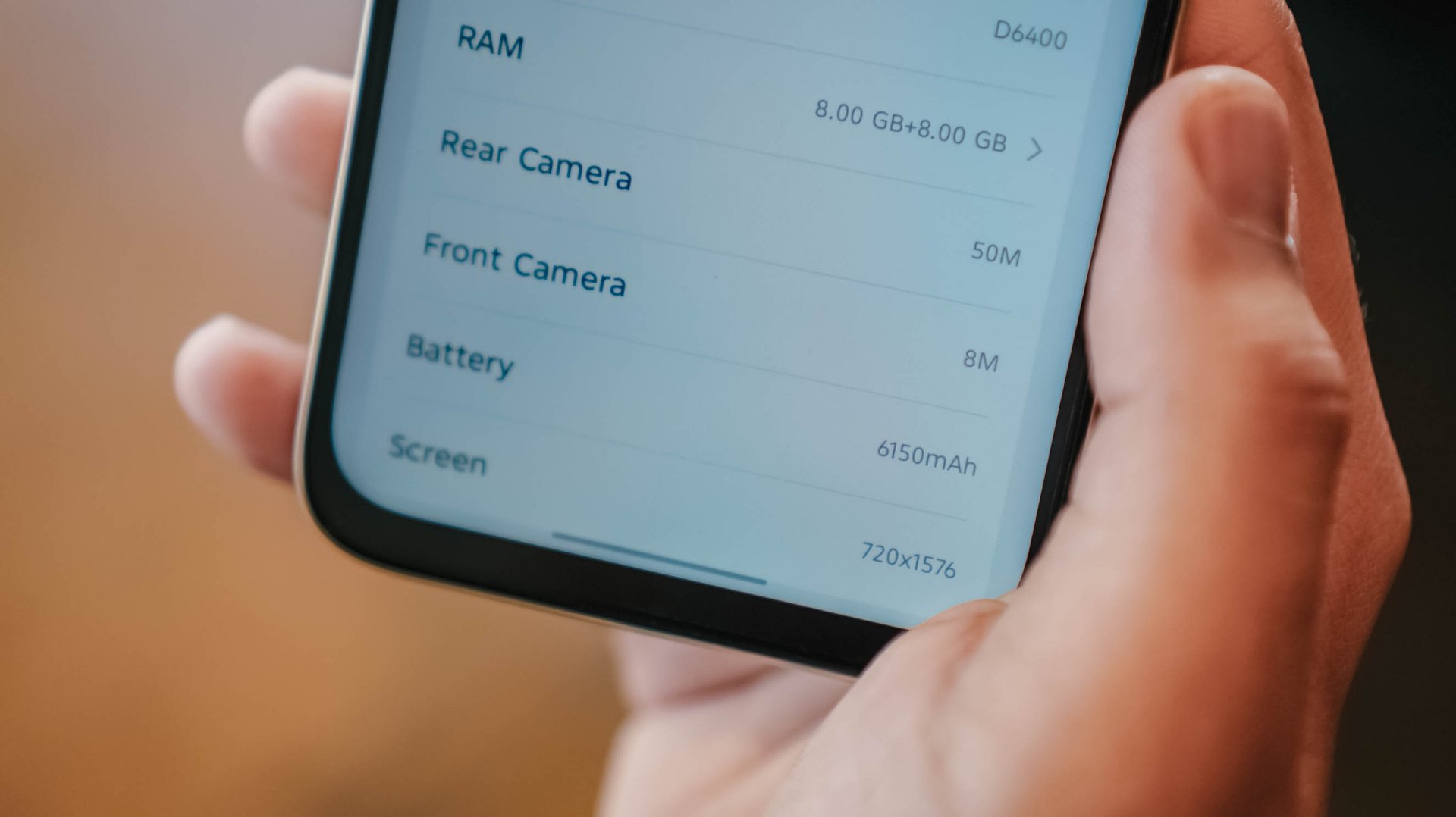
Even with just a chassis of 8.18mm, TECNO has managed to put in a 6500mAh single-cell battery (or a lesser 6150mAh dual-cell variant that I have with me).
Still, the TECNO SPARK 50 5G has outlasted me more — way past midnight after that full-day first date.
If you’re already in a pinch, the phone can be charged through its 45W fast-charging adapter bundled in its box. ICYMI, last year’s SPARK 40 5G relied on a painfully-slow 18W charging.
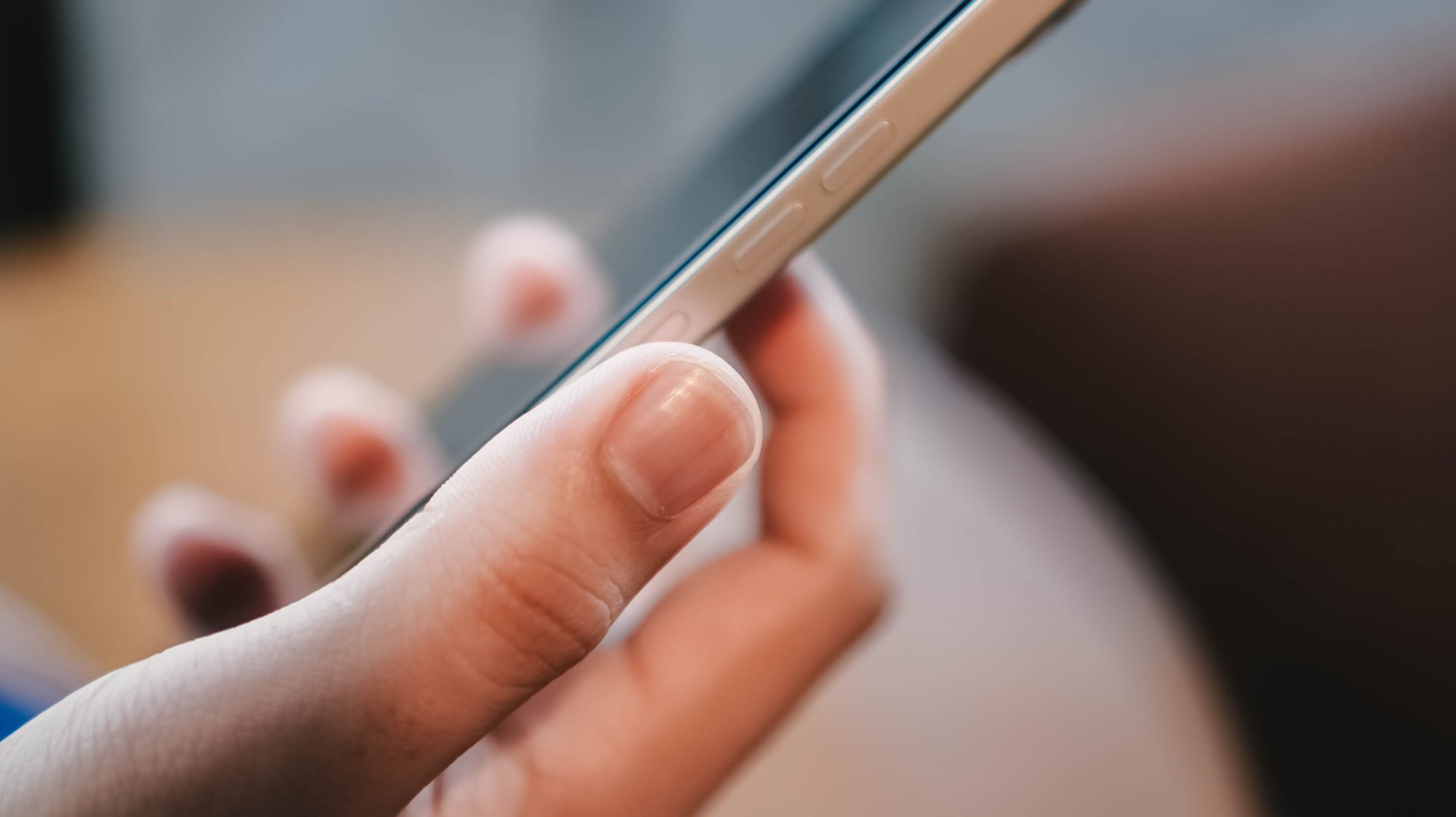
And, before I forget, I just missed the novelty of side-mounted fingerprint scanner. I still consider it better than the optical ones.
Lastly, despite that elongated camera bar at its rear, the SPARK 50 5G is only equipped with a lone 50MP camera.
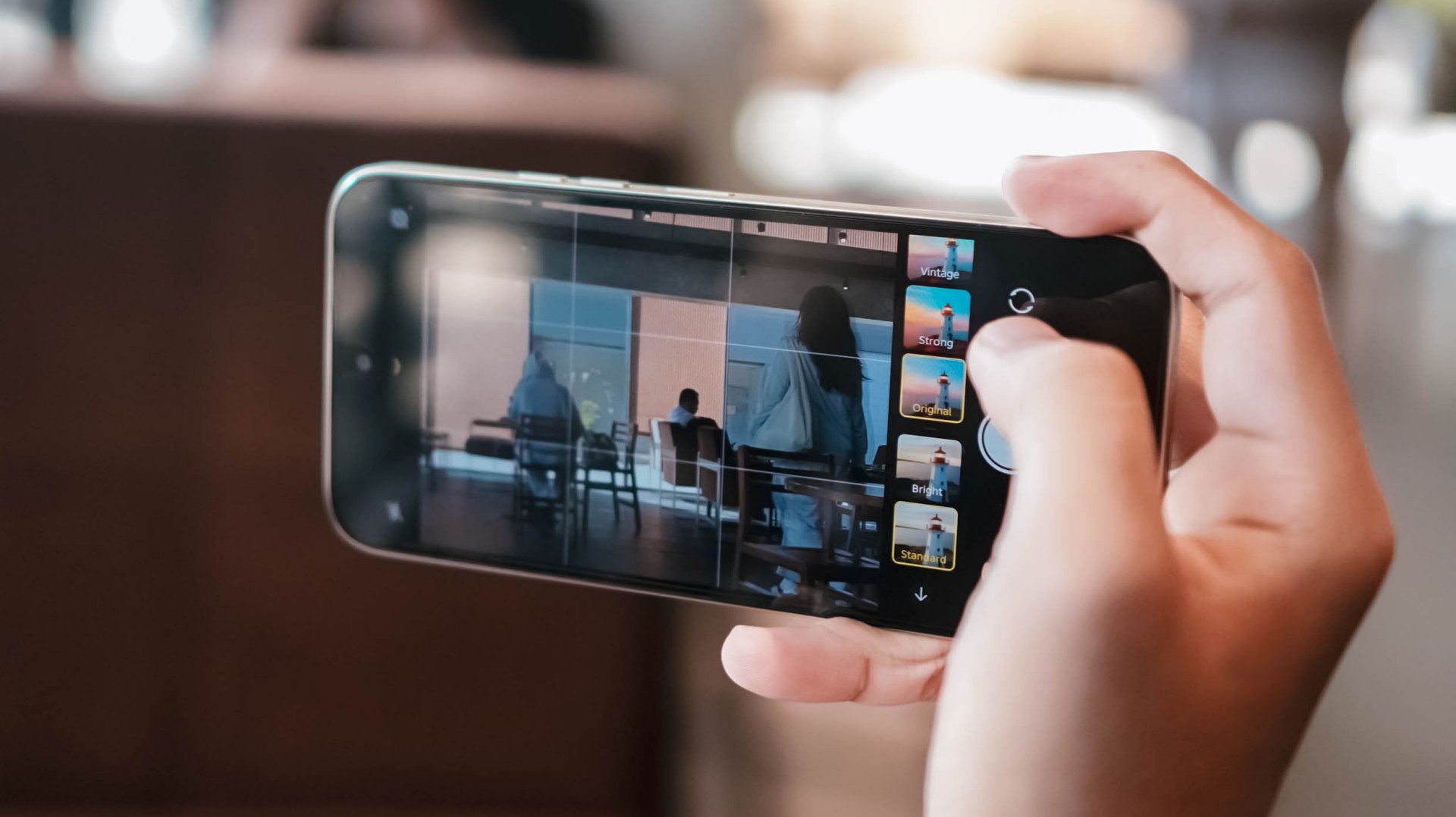
Although AI FlashSnap exists, the camera app being somewhat sluggish evades the purpose of that camera feature per se.
While cameras have never been the strong point of the SPARK series, it should be enough for users who just want a functioning rear camera not just for document-scanning, but for life moments as well.
Its 8MP shooter can still capture selfies — or just be used for those unavoidable school and/or work video calls.
First Impressions
With a starting price (4+128GB base config) of PhP 10,499 / INR 16,999 (approx. US$ 180 / EUR 160 / GBP 135 / SG$ 235 / MYR 735), the TECNO SPARK 50 5G isn’t the most well-rounded budget smartphone around.
However, that introductory price of PhP 8,299 is hard to resist to those who need it.
Overall, this phone will still satisfy the general, non-tech-savvy population. That sophisticated design, solid build quality, ginormous battery with reliable fast charging, smart AI-powered OS. Even 5G-capable chipset in this price range?
Did I even mention that it still rocks the almost obsolete microSD card slot and 3.5mm audio jack?
Obviously, I’m not the target user of this phone. Especially as a creative guy who values display and cameras a lot.

However, technophobes might get the hang of this phone when they take it out on a lovely, more intimate date more than twice. The phone is as straightforward as it can get. Sans, exploring the more complex AI tools within.
Still, this is a phone suitable for a wider range of user base consisting of kids, young students, the elderly, or even everyday workers who just need a reliable phone that they can bring around without sacrificing too much of their hard-earned savings — especially in an economy we live in right now.

realme C100: Enduring and durable in spite of entry-level realities
Enough power but needs more agility


The ASUS ExpertBook Ultra wins you over
The laptop sneaks up on you


Nexal Watch Sport review: A rugged watch for small budgets
I couldn't believe that watches this good could come for this cheap.

GCash future-proofs MSMEs with new payment innovations

Smart announces postpaid offers for Samsung Galaxy Z8 series

OPPO Reno16 Series 5G is coming soon to the Philippines

Resident Evil movie reboot finally gets a scary trailer

FINAL FANTASY X | X-2 HD Remaster launches on Nintendo Switch 2

New York becomes first state to ban smart glasses

DJI Osmo Pocket 4P launches with dual lenses and a 1-inch sensor

Lenovo says RAM prices are not coming back down again

Sony launches IER-M500 in-ear monitors

The vivo X Fold6 is the first foldable to support teleconverter lens

-
 News1 week ago
Samsung releases teaser with Spider-Man: Brand New Day Easter eggs
-

 Wearables3 days ago
Garmin launches its first screenless fitness band
-

 Gaming1 week ago
Most of the world’s PlayStations will be officially useless by 2028
-

 News2 weeks ago
FIFA World Cup: Lenovo’s Referee View received positively by fans
-
 Apps2 weeks ago
Plot twist: Starbucks PH is letting you actually pick your reward now
-

 Gaming2 weeks ago
Assassin’s Creed Black Flag Resynced comes to life at Skypark Macau
-
 Features2 weeks ago
Spotlight: HUAWEI WATCH GT Runner 2 Racing Legend Edition
-

 Apps1 week ago
iOS 27 public beta gives us our first taste of Siri AI