


Lifestyle
Tried and tested: 8 months with the Casetify Bounce Luggage
’tis a carry-on that aged with me through trips across Asia

If there’s anything I’ve learned from years of packing and unpacking, it’s that your suitcase becomes more than storage. It’s a witness to every moment you sprint to make it before boarding closes.
Eight months ago, I decided to give the CASETiFY Bounce 21-inch Carry-On Roller a shot.
I knew CASETiFY for their bold phone cases, the ones designed to survive accidental drops. So, when they introduced their luggage line, I was curious: Could they protect more than our phones?
The answer, I found, lies in the scratches and stories my Bounce Luggage now carries.
A suitcase that travels like I do
This carry-on has seen more than its fair share of boarding gates. It rolled with me through Cebu’s crowded airport, and waited on the ferry dock in Siquijor, dust settling on its shell as I crossed islands.

It followed me through Taipei’s night markets and Bangkok’s busy streets. Each destination left a mark — literally — but the suitcase never faltered.
What I admire most is that it doesn’t try to hide the wear. The German-engineered Bayer Makrolon polycarbonate shell has scratches, yes, but it’s still intact.
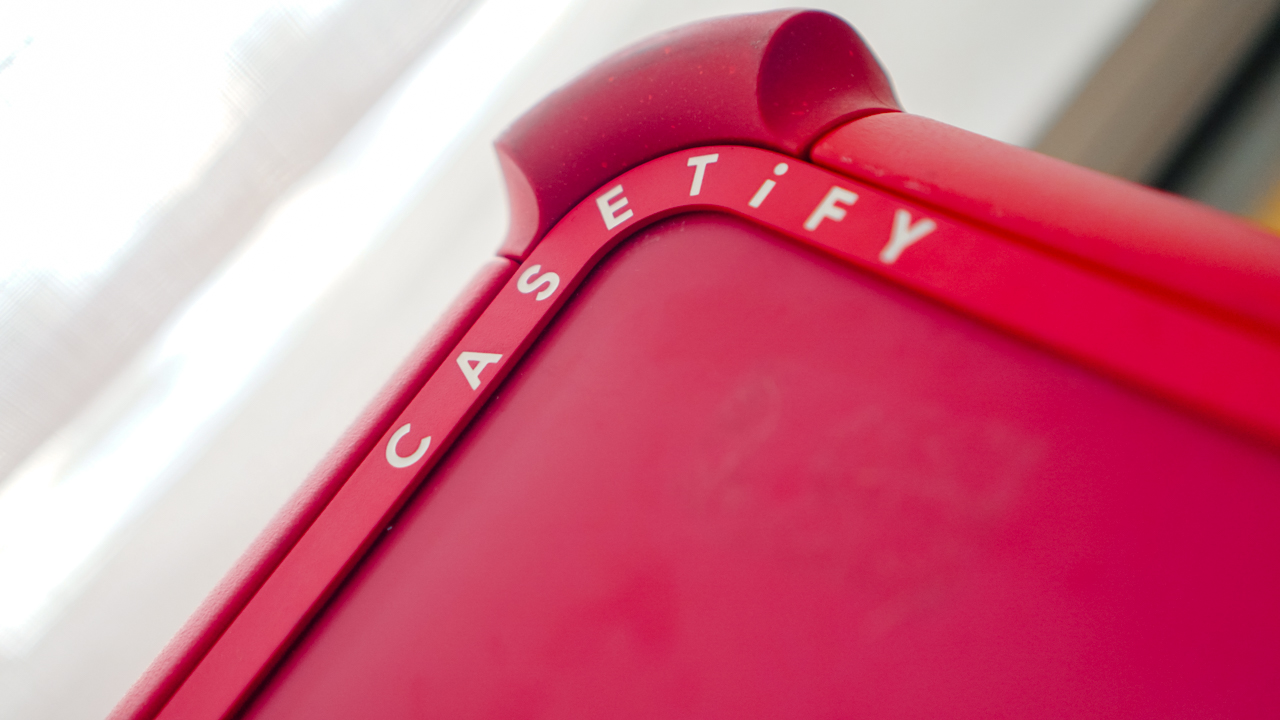
The Bounce Bumpers, placed on each corner, took the brunt of impact when the bag was tossed around. This is the kind of luggage that embraces life on the move, rather than resisting it.
Durability meets design
CASETiFY calls it Bounce Technology, and after months of real-world testing, I believe it.
The reinforced corners absorbed shocks that would have dented or cracked other luggage.

Meanwhile, the 360-degree Hinomoto Lisof wheels kept me moving swiftly, even across less forgiving ground. (Hello, Bangkok!)

The aircraft-grade aluminum handle locked into place without wobbling, giving me control when I needed to weave through the busy airport terminals.
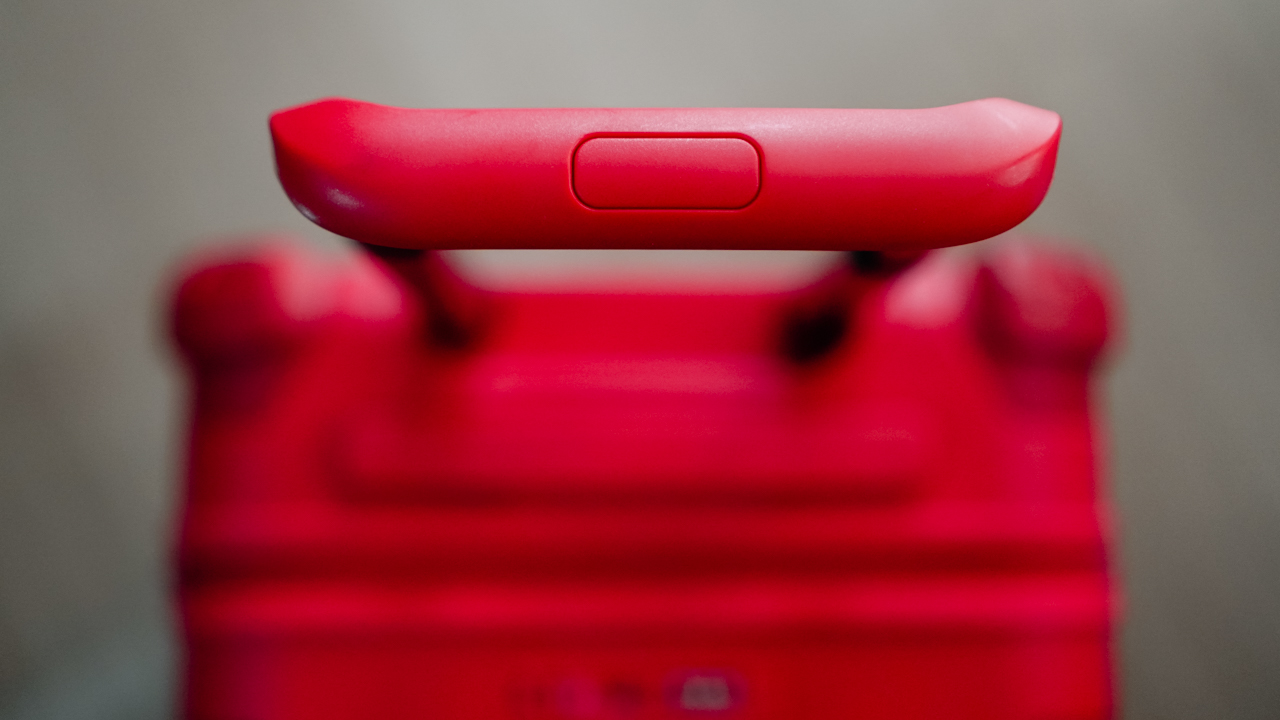
Even the zippers deserve credit. The puncture-resistant YKK double racquet coil design, paired with TSA-approved locks, gave me peace of mind when I had to check in my bag on international flights.
It’s a detail I didn’t think much of before, but when you’re traveling alone, those things matter.

Inside, the Bounce Luggage played well with my habit of organized chaos. The tech pack and packing cubes made sense for someone like me — always carrying gadgets, chargers, and gear, alongside a week’s worth of outfits.
Every trip felt more put together because of it.

A suitcase that feels like mine
Practicality aside, what sets the Bounce Luggage apart is how personal it feels. CASETiFY brought its customization flair into this line, letting travelers design their carry-on with fonts, colors, and accents.
Mine reflects my personality before I even open it. It’s not just another black suitcase spinning on the carousel. It’s painted in red, striking like yours truly.
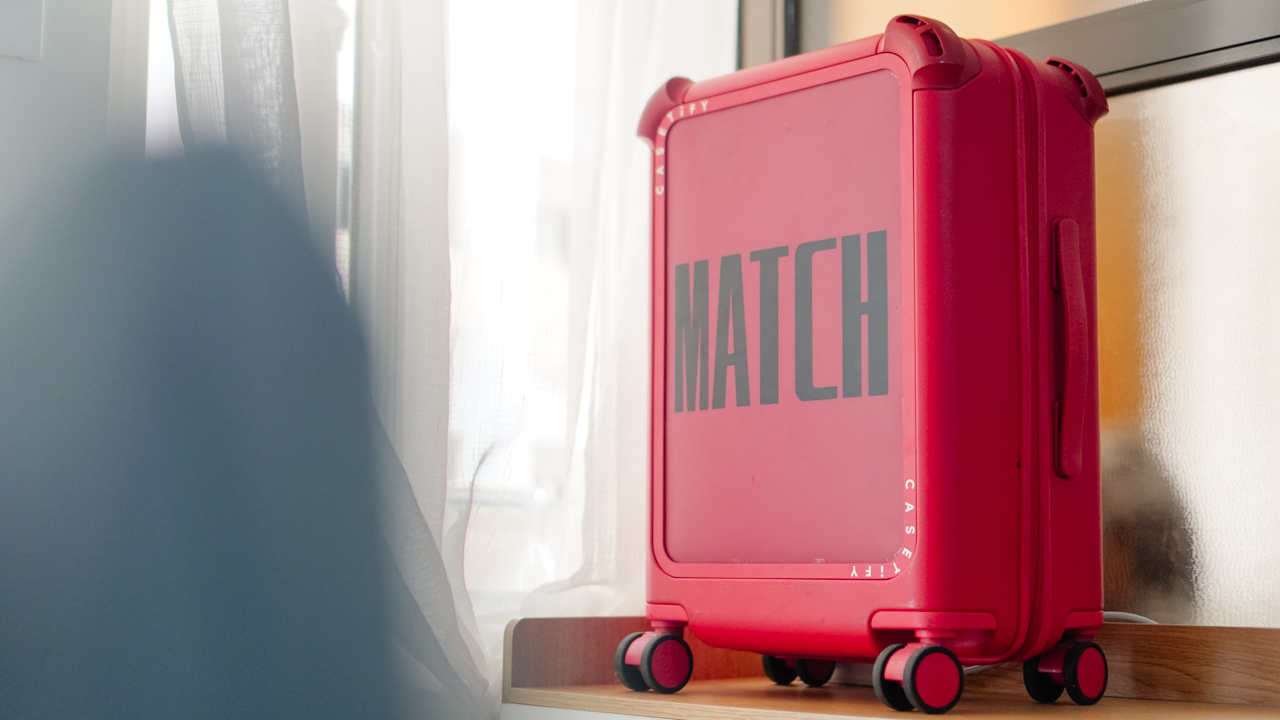
There’s something comforting about knowing my luggage reflects me in a world where airports can make everything feel the same. It turns a functional object into a travel companion.
Beaten but better
Eight months later, my CASETiFY Bounce Luggage doesn’t look new. It’s beaten and bruised. Yes, it’s far from showroom-ready.
Yet I’ve grown to love it even more in this state. Each scratch reminds me of a place I’ve been; each scuff a reminder of what it survived.
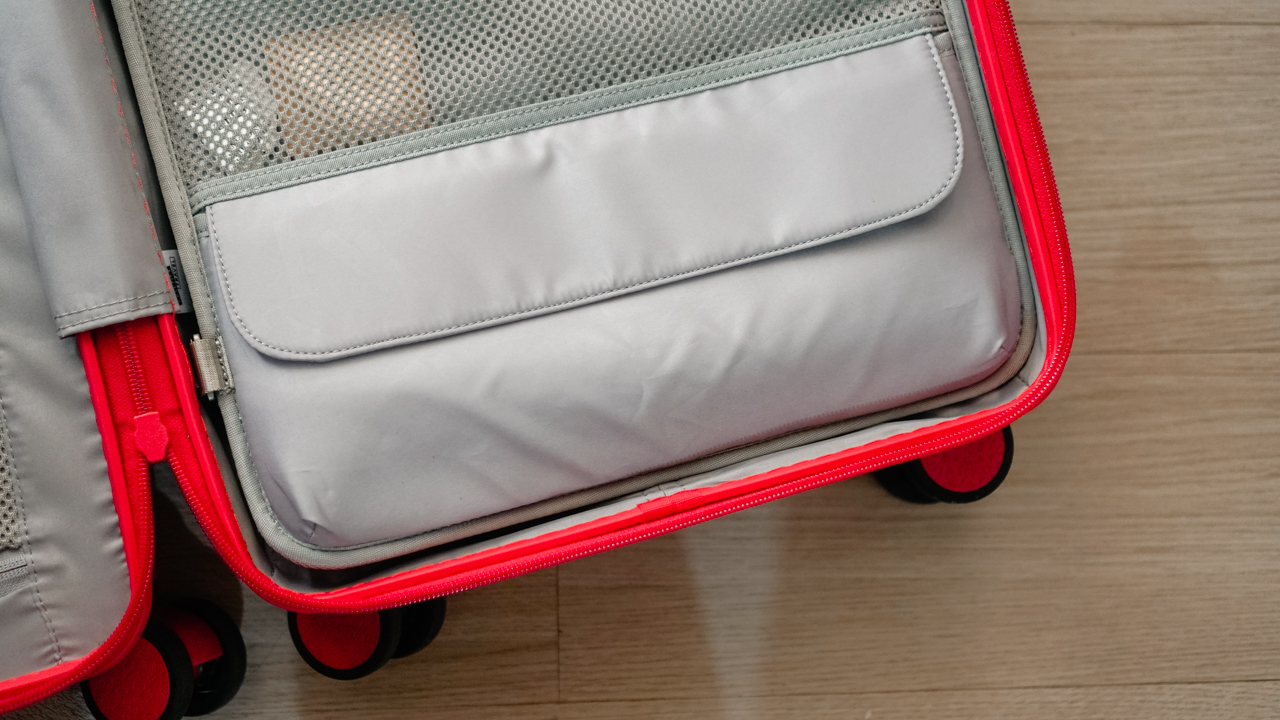
That’s what I want in a suitcase. Not something that stays flawless, but something that endures alongside me.
CASETiFY’s move into travel felt like a gamble at first. After all, who would’ve expected a phone case brand to make a mark in luggage?
And yet, with the Bounce Luggage, they’ve proven that their promise of durability and self-expression can scale up. They made a bag and a reliable partner for people who see travel not as a luxury, but as a way of life.
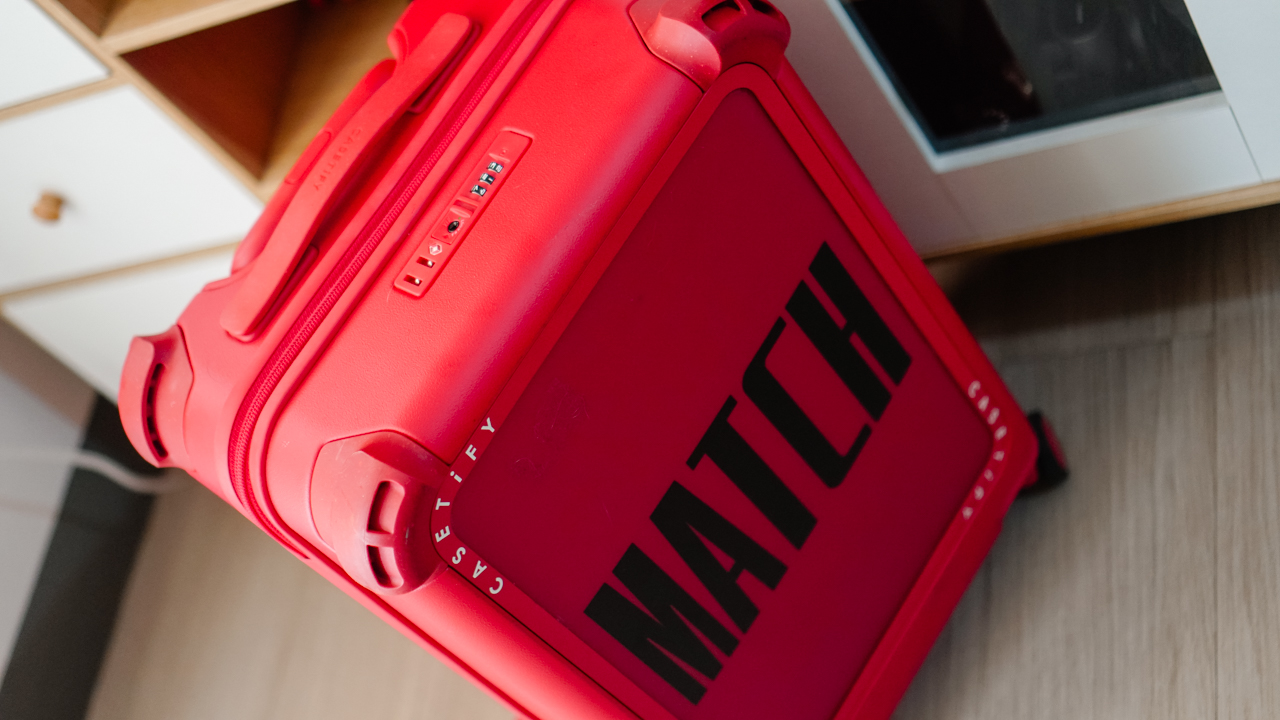
My Bounce Luggage has been with me through countless gates and flights. It has lived through cramped overhead bins, and being tossed around. And it’s still standing, ready for the next adventure.
Travel will always be messy and unpredictable, but it will always be fun and exciting. With the CASETiFY Bounce Luggage, it’s proof that the right gear can help you carry those experiences home.
The CASETiFY Bounce 21-inch Carry On Roller retails for US$ 399. The Tech Pack Organizer is priced at US$ 50, while the Packing Cube Set costs US$ 35.




Her GadgetMatch
TECNO and Angélica Dass visit the Philippines next for its grand portrait project
100 Faces, 100 Stories

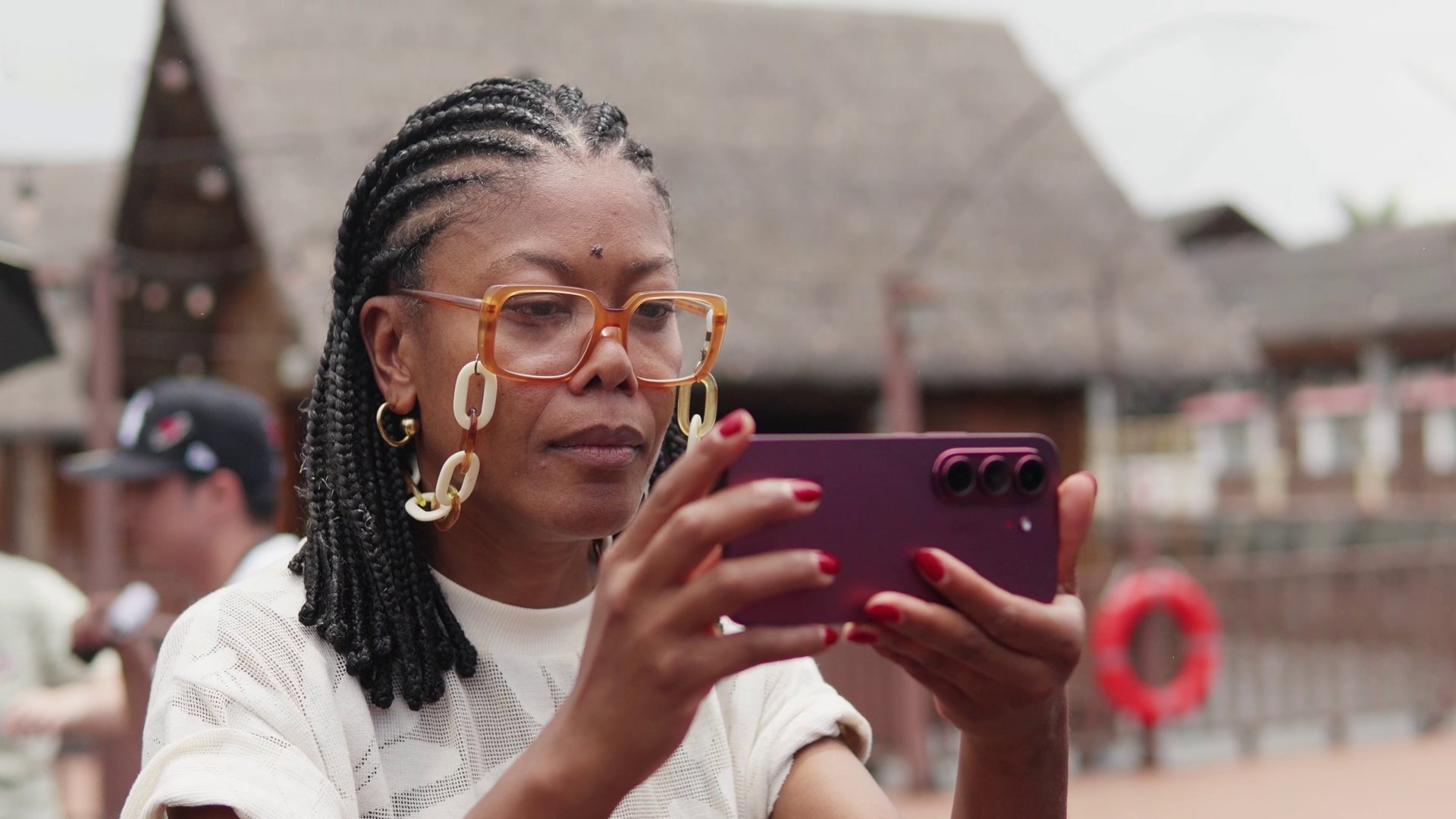
A portrait can show what someone looks like, but what about the story behind the face?
TECNO and visual artist Angélica Dass are exploring that question through “100 Portraits of Becoming,” a two-year global portrait project featuring 100 people across Kenya, the Philippines, Saudi Arabia, Türkiye, and Brazil.
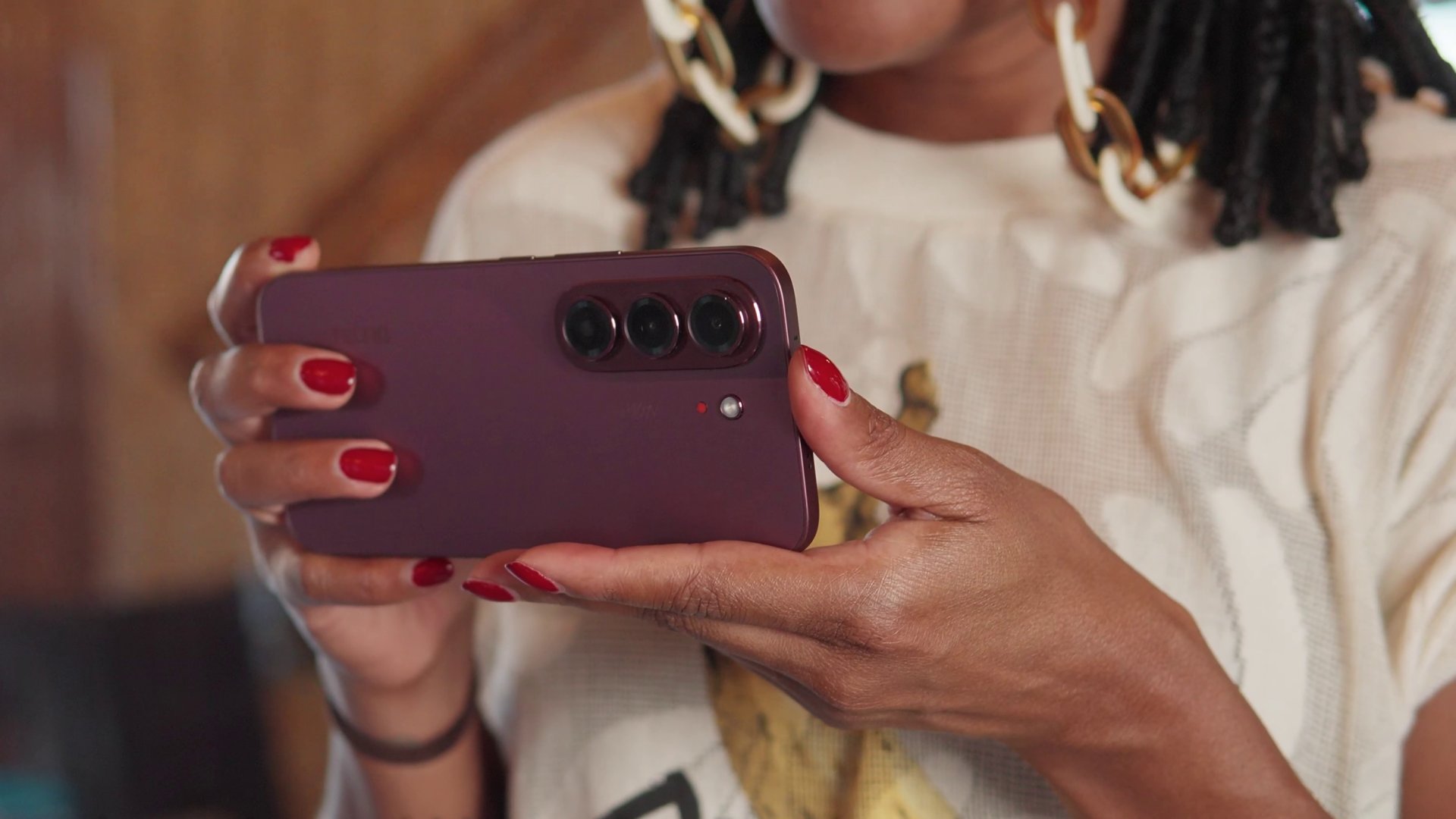
The project begins with 20 portraits from Kenya, each paired with a personal story about identity, choices, change, and growth. Rather than having participants represent an entire culture or generation, the project focuses on their individual experiences.
Beyond inclusive imaging
The project builds on TECNO’s work with Universal Tone, its imaging technology designed to represent diverse skin tones more naturally and accurately.
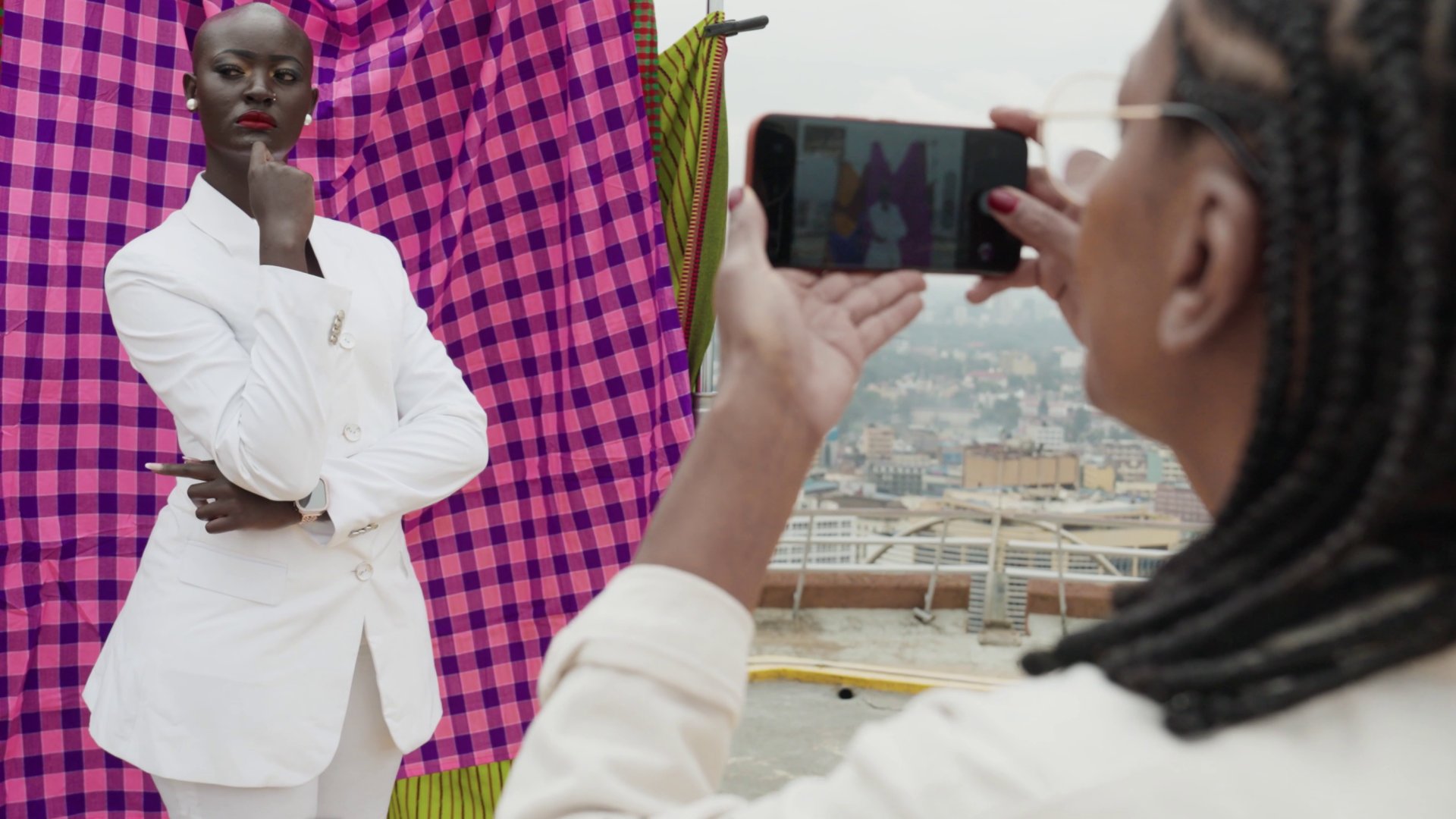
But “100 Portraits of Becoming” takes that idea further. With AI increasingly involved in capturing, recognizing, and generating images of people, TECNO and Dass want to explore how technology can better represent the individual behind the image.
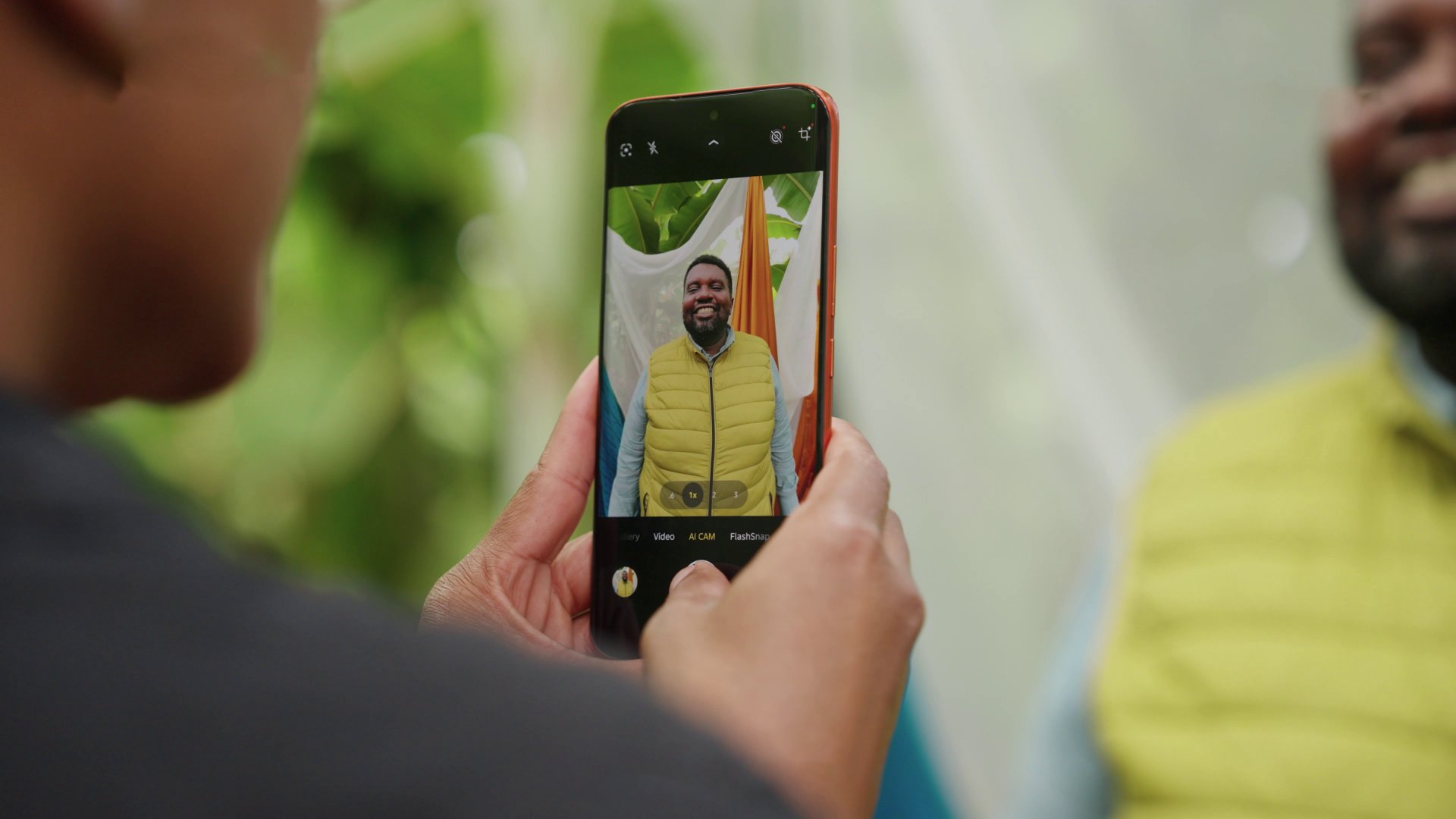
For Dass, meaningful portraiture starts with human connection.
“Meaningful portraits are never created by technology alone.”
She says her experience in Kenya reinforced the importance of trust, listening, and the willingness of people to share their stories.
The Philippines is next
Following Kenya, the project heads to the Philippines for a chapter called “Beyond Many Labels.”
It will feature 20 individuals, including working solo mothers and people whose lives are closely connected to solo parenthood.
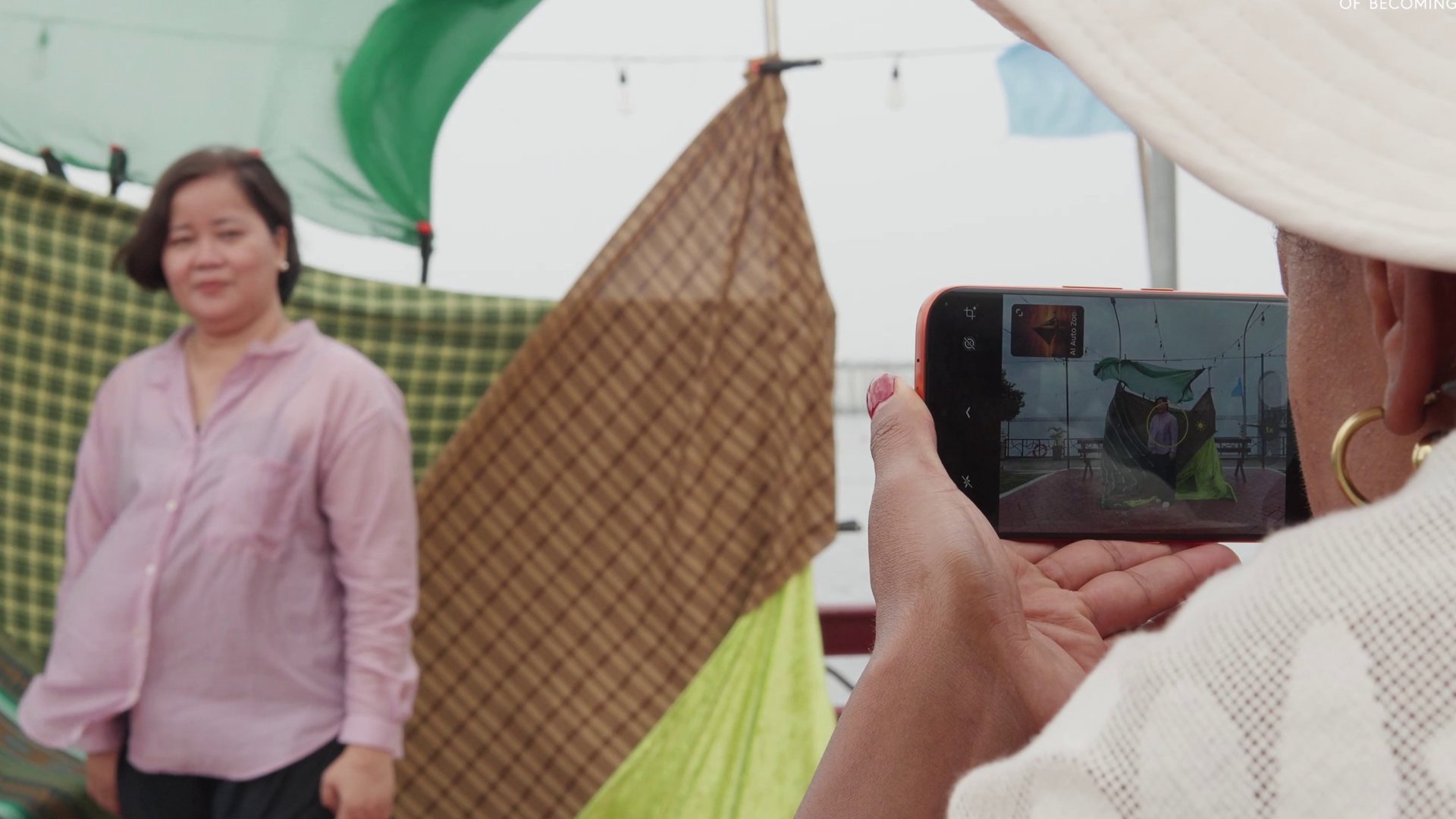
Their stories will look beyond labels such as “single mother,” “breadwinner,” and “strong woman,” while exploring their ambitions, relationships, and personal growth.
The chapter will also explore “diskarte” — the ways Filipinos adapt, make choices, and find practical ways forward in everyday life.
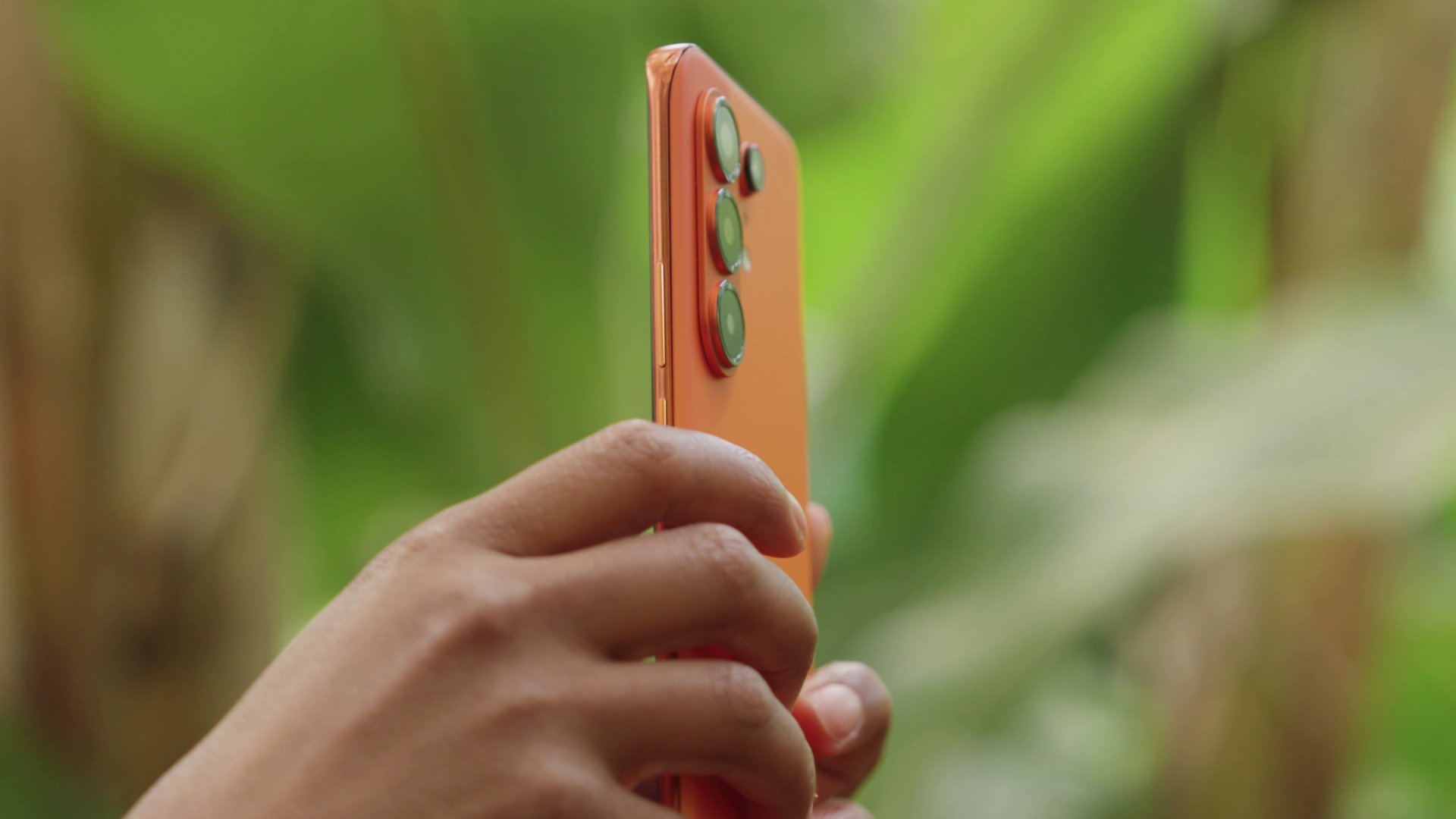
After the Philippines, “100 Portraits of Becoming” will continue to Saudi Arabia, Türkiye, and Brazil.
By the end of the project, TECNO and Dass hope the 100 portraits will offer exactly what the title suggests: 100 different ways of seeing humanity.
Smartphones
When TECNO-logy meets Tonino Lamborghini legacy
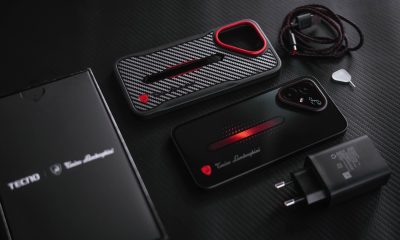
Meet the TECNO POVA 8 Pro Tonino Lamborghini Limited Edition
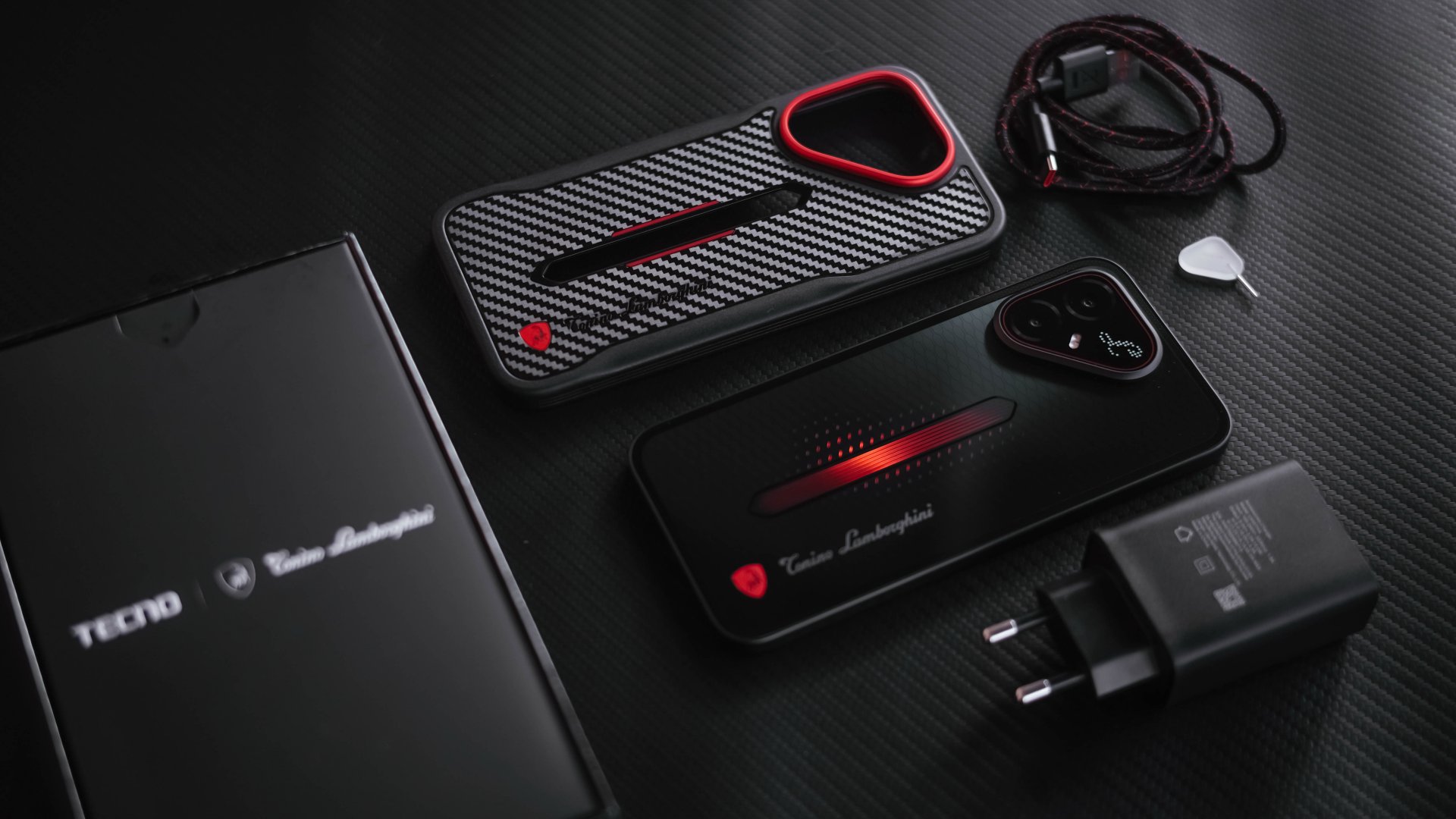
Tonino Lamborghini has built an identity around Italian design, craftsmanship, and a bold sense of individuality. Now, that identity is being translated into a smartphone through its collaboration with TECNO.
The result is the TECNO POVA 8 Pro 5G Tonino Lamborghini Limited Edition.
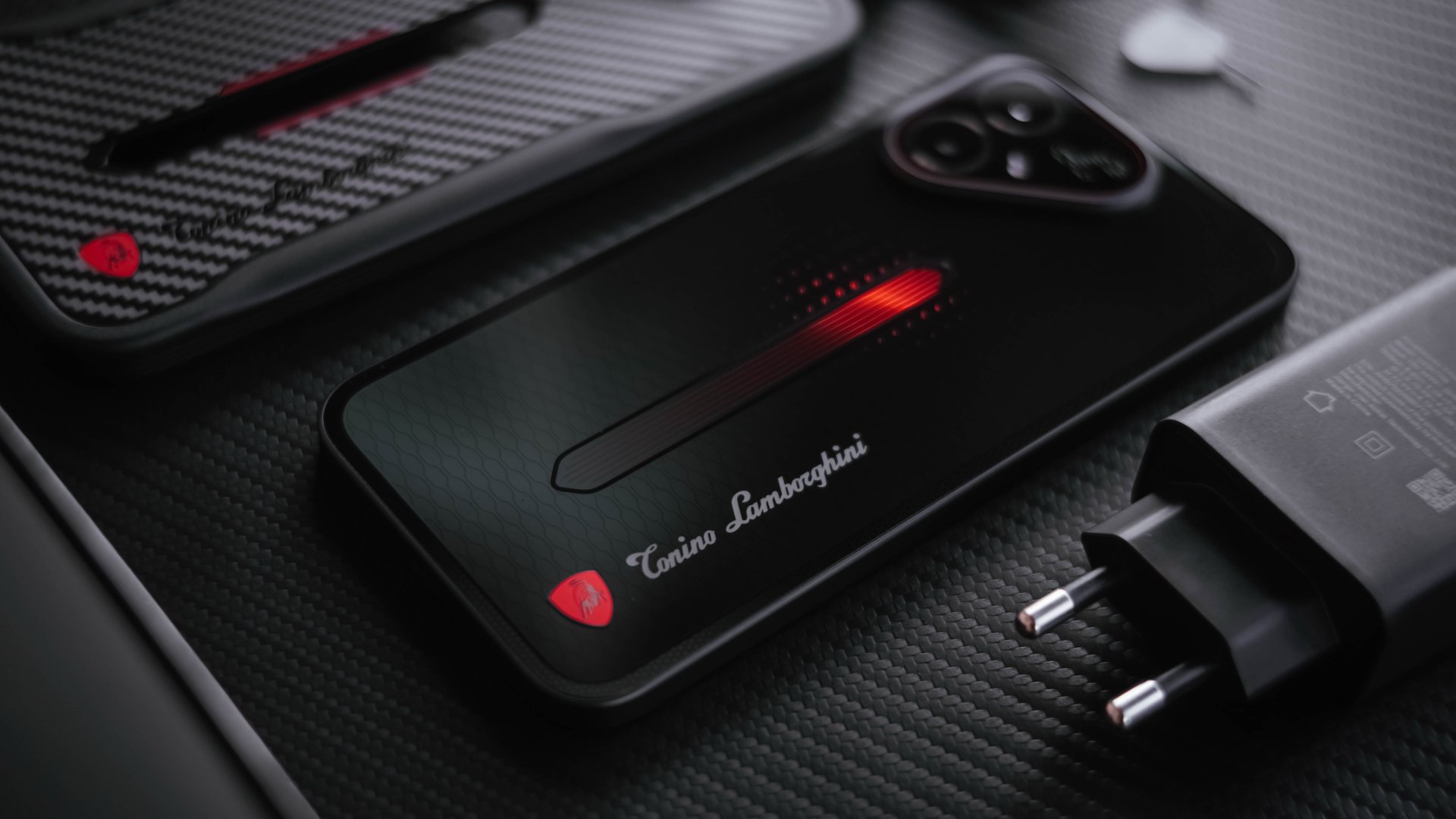
Rather than simply placing a recognizable logo on a phone, the two brands worked to bring Tonino Lamborghini’s distinctive design language into the POVA experience. And there’s more to it than its black-and-red color scheme.
A design built around bold expression
The POVA 8 Pro 5G Limited Edition takes inspiration from Tonino Lamborghini’s visual language, incorporating elements such as geometric patterns, structured lines, and layered textures.
The rear panel uses black as its dominant color, accented by red details.
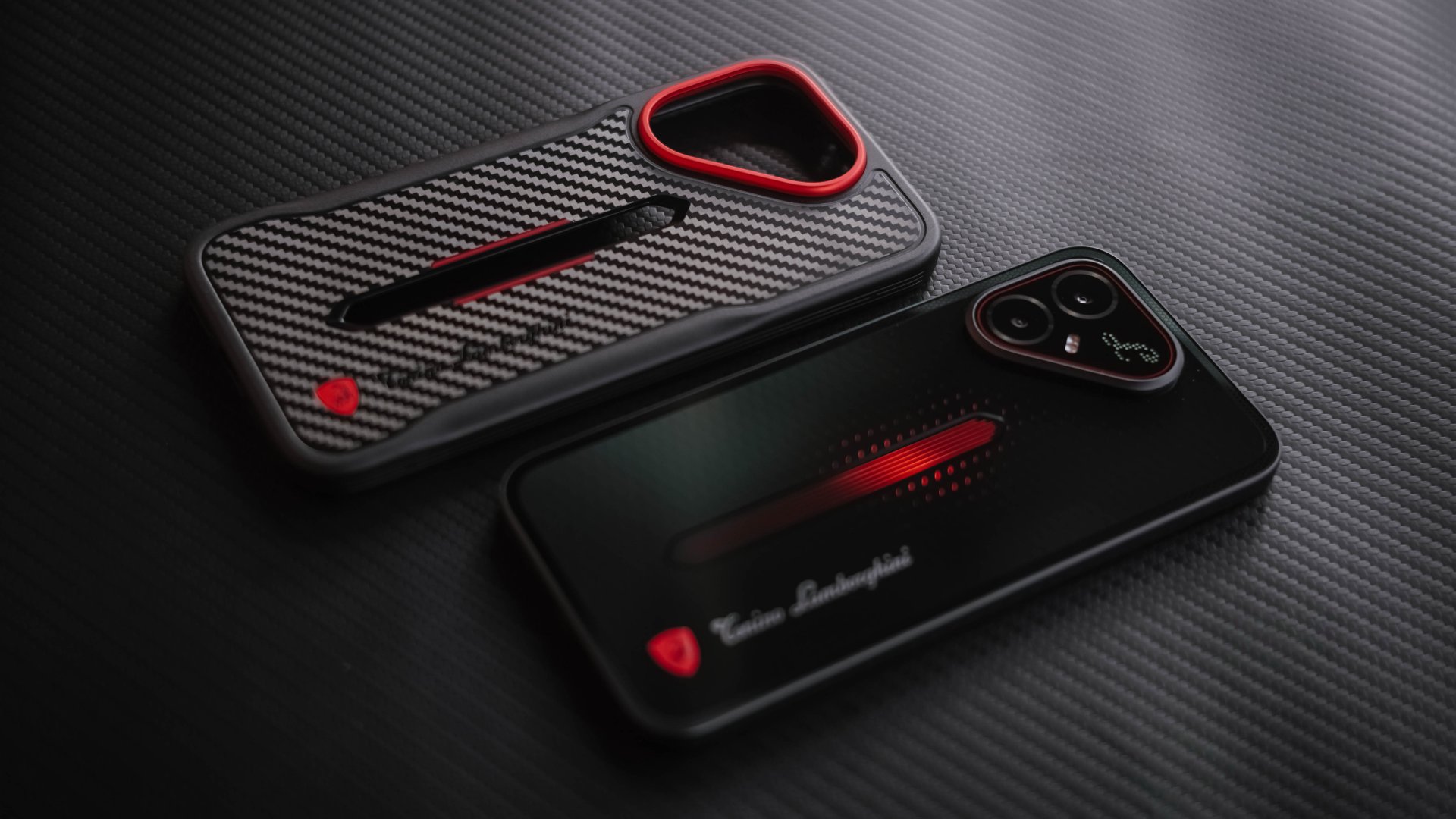
At the center is the Pulse Line, representing energy and movement. Meanwhile, the Signature Shield draws from Tonino Lamborghini’s distinctive shield identity.
Then, a metallic Tonino Lamborghini logo completes the composition. Together, these elements give the phone a recognizable personality without relying solely on the branding.
The rear panel reveals more as you move it
One of the more interesting aspects of the design is how TECNO created depth on the rear panel.
The company developed a dual-layer stacking process that combines different treatments and material layers. Internal mirror structures allow hidden red elements to appear differently depending on how light hits the phone.
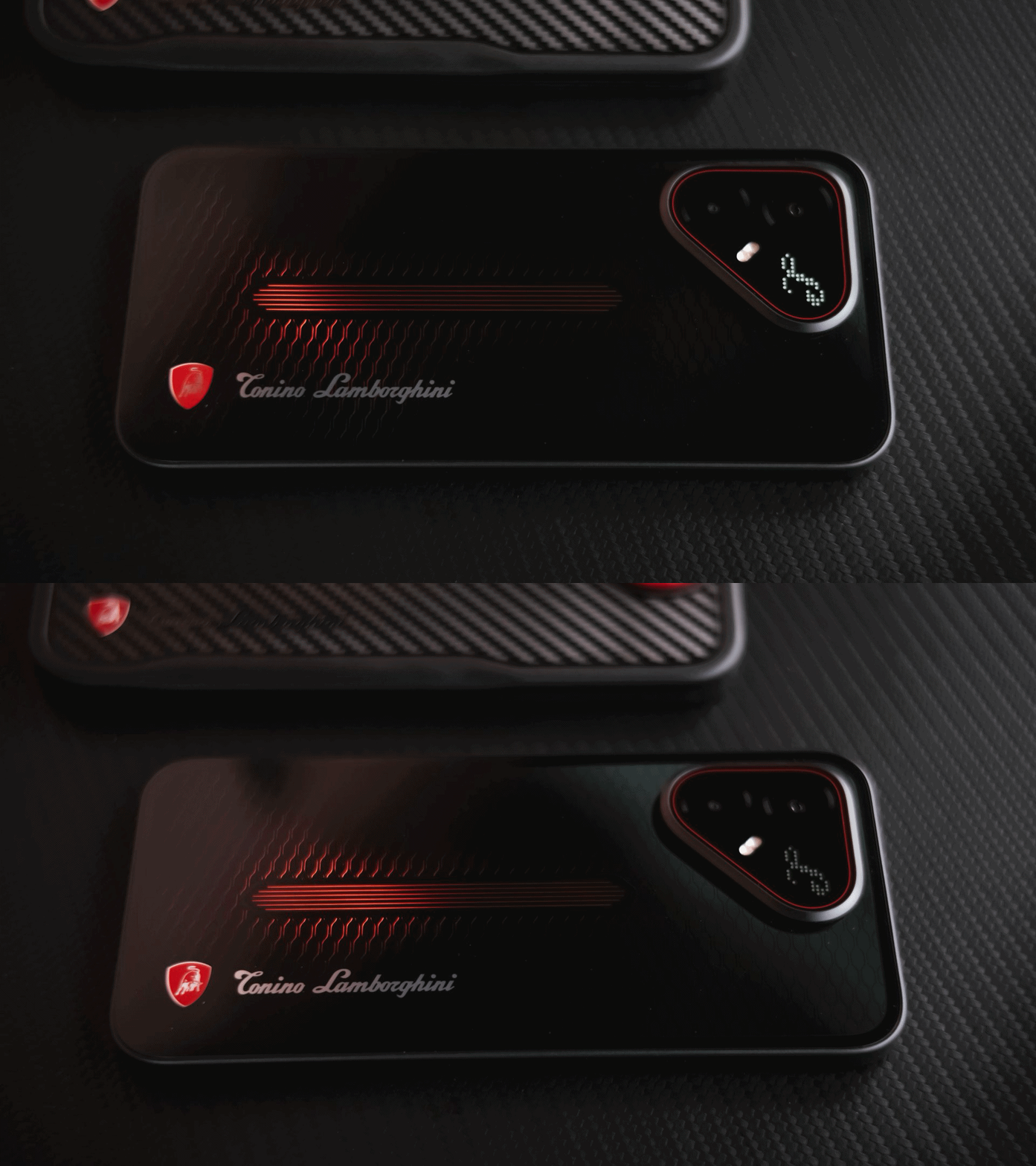
There is also a physical difference in height between the layers, creating a three-dimensional effect rather than a completely flat surface.
It’s a subtle detail, but one that makes the design feel more dynamic in the hand.
The experience continues beyond the hardware
TECNO also carried the Tonino Lamborghini identity into the software.
The customized interface uses the same black-and-red palette, while icons feature sharper, more geometric shapes inspired by the brand’s visual identity.
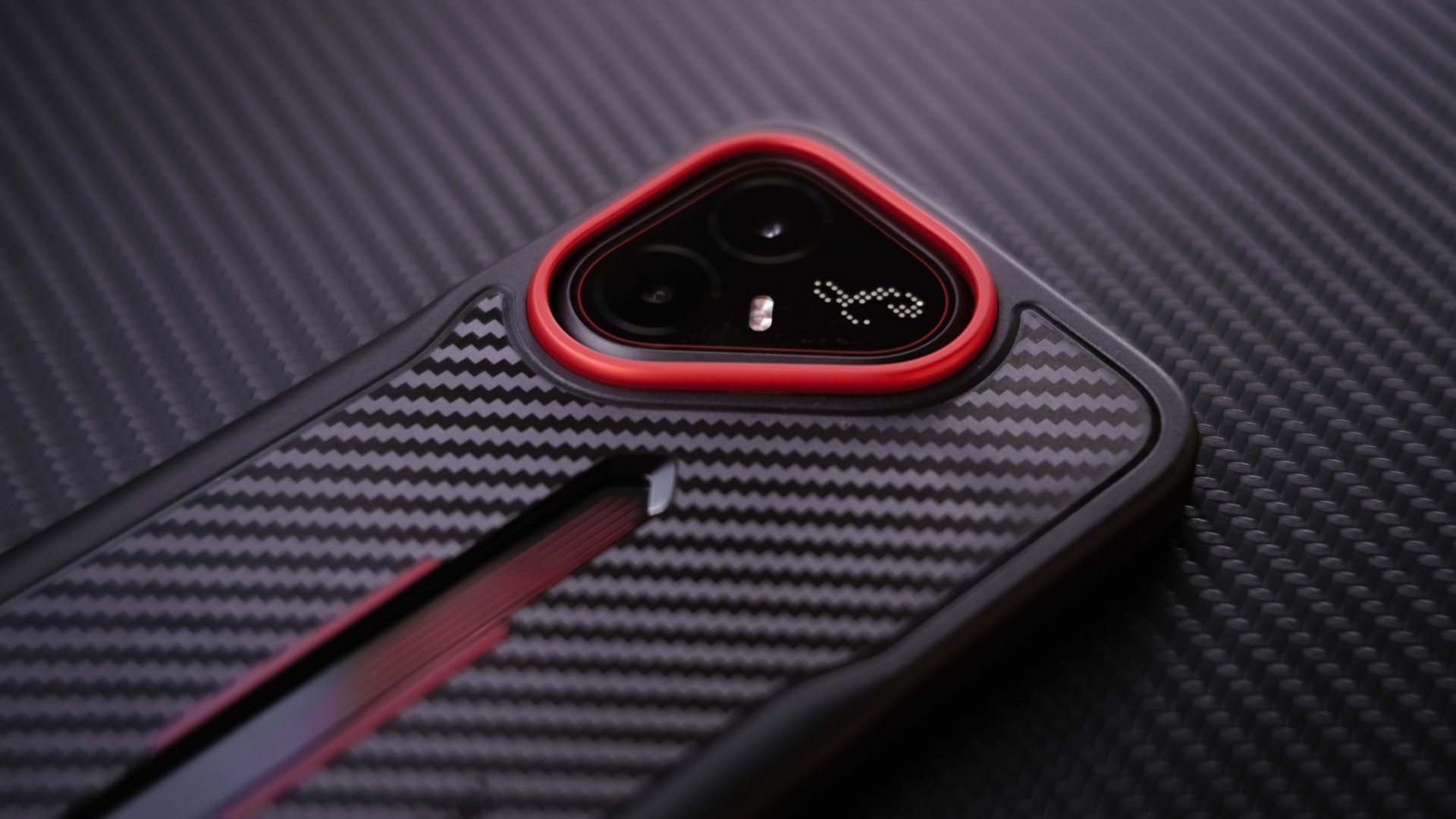
TECNO says it spent nearly four months developing the customized experience, including dynamic wallpapers, ringtones, and an Alive Matrix Display featuring a Tonino Lamborghini “L” effect.
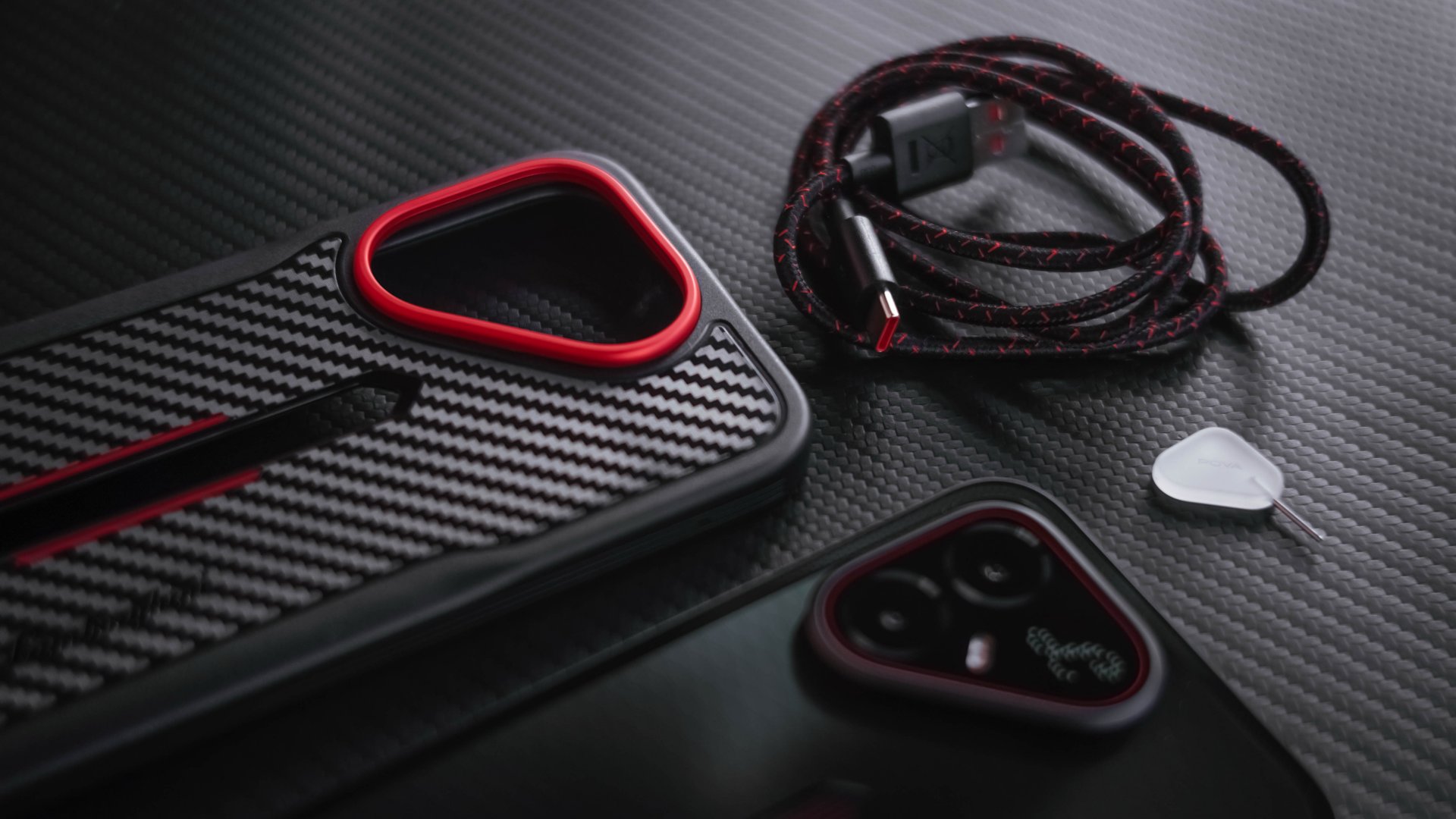
The accessories follow the same design direction, with a black-and-red braided cable, customized charger, and protective case. The case combines TPU and PC with a precision-carved, Kevlar-inspired carbon-fiber texture.
More than just a co-branded smartphone
What makes this collaboration interesting is that Tonino Lamborghini’s identity isn’t limited to a logo or a special colorway.
The Pulse Line, Signature Shield, layered rear panel, customized interface, and accessories all contribute to one cohesive visual language.
For TECNO, it brings a distinct design identity to the POVA 8 Pro 5G. For Tonino Lamborghini, it offers another way to express its approach to Italian design, craftsmanship, and individuality.
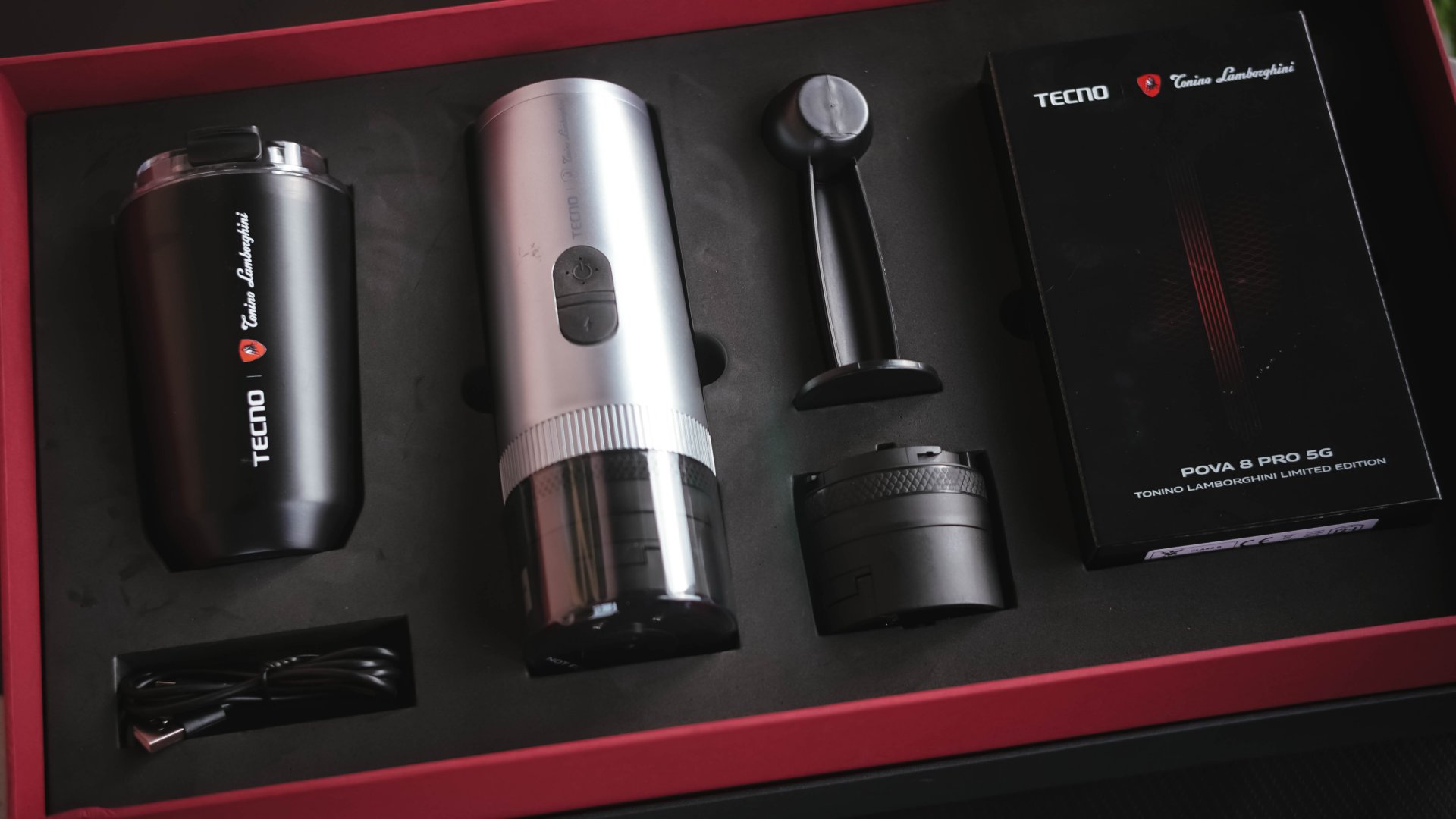
The result is a smartphone designed to stand out on its own terms — all while showing how two distinct design philosophies can come together in a single product.
SEE ALSO: TECNO POVA 8 Pro Tonino Lamborghini Limited Edition review
Enterprise
Chimelong’s newest attraction might be the robots themselves
The future of travel is here, and it knows tai chi!
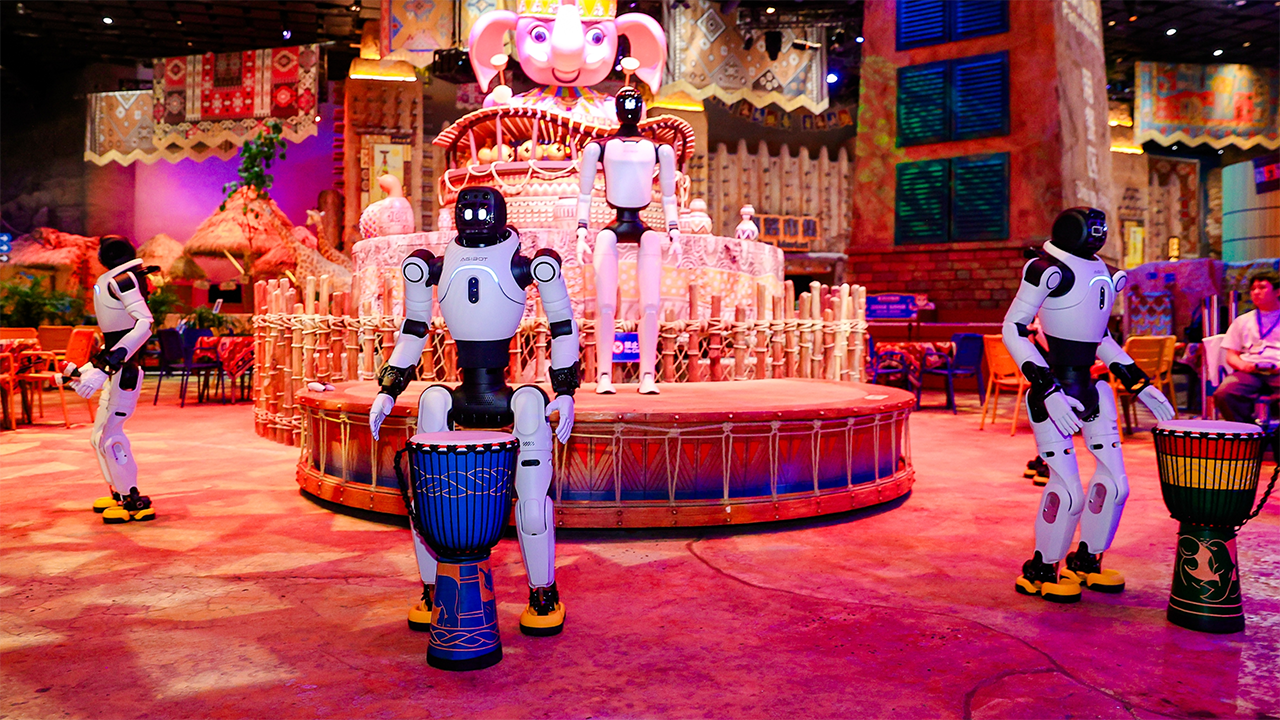
Imagine checking into a theme park and greeting a humanoid robot. A few hours later, you watch one perform tai chi. Another challenges you to table tennis. Yet another helps you navigate to the next attraction. By nightfall at your hotel, robots enhance the experience again.
This vision drives the latest collaboration between AGIBOT and Chimelong Group. Together, they brought over 300 robots to Chimelong Spaceship Park in Zhuhai, China.

This launch represents a massive real-world application of embodied AI in tourism. AGIBOT and Chimelong integrated these robots across entertainment, education, visitor services, retail, and hospitality. They act as active participants rather than remaining confined to a single demonstration area.
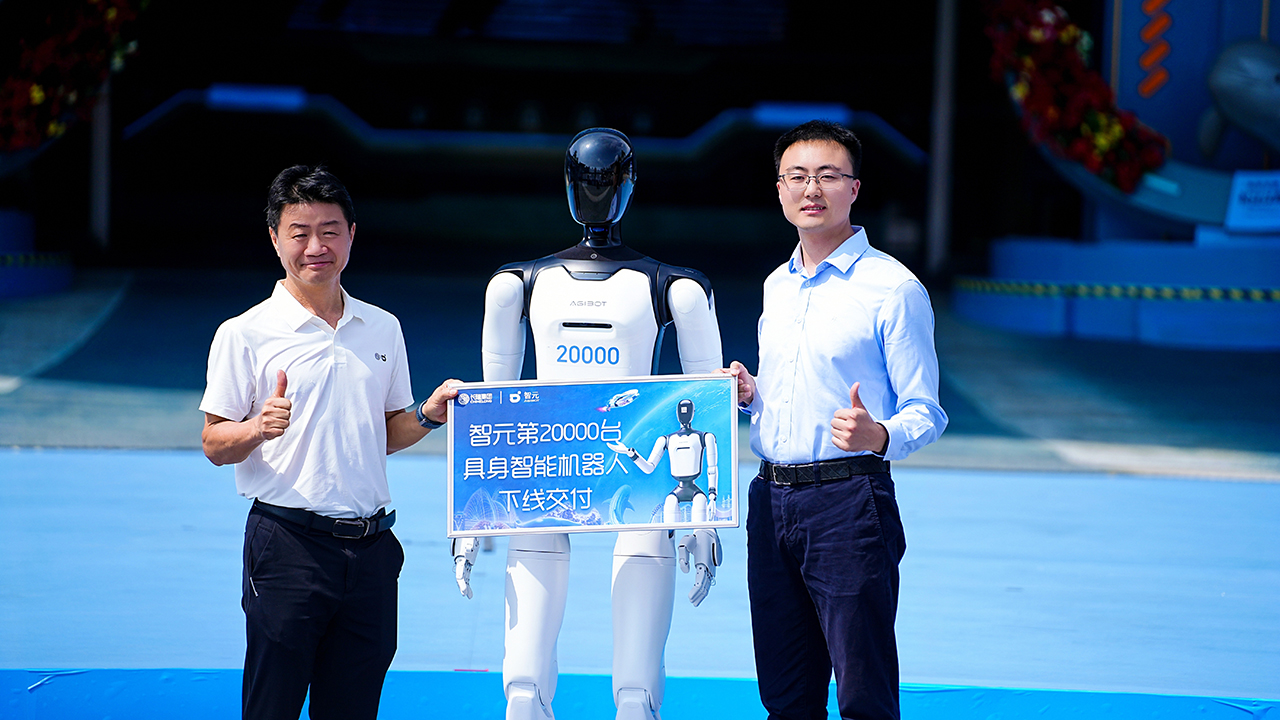
The timing celebrates a notable milestone, too. During the launch, Chimelong received the 20,000th robot to roll off AGIBOT’s production line.
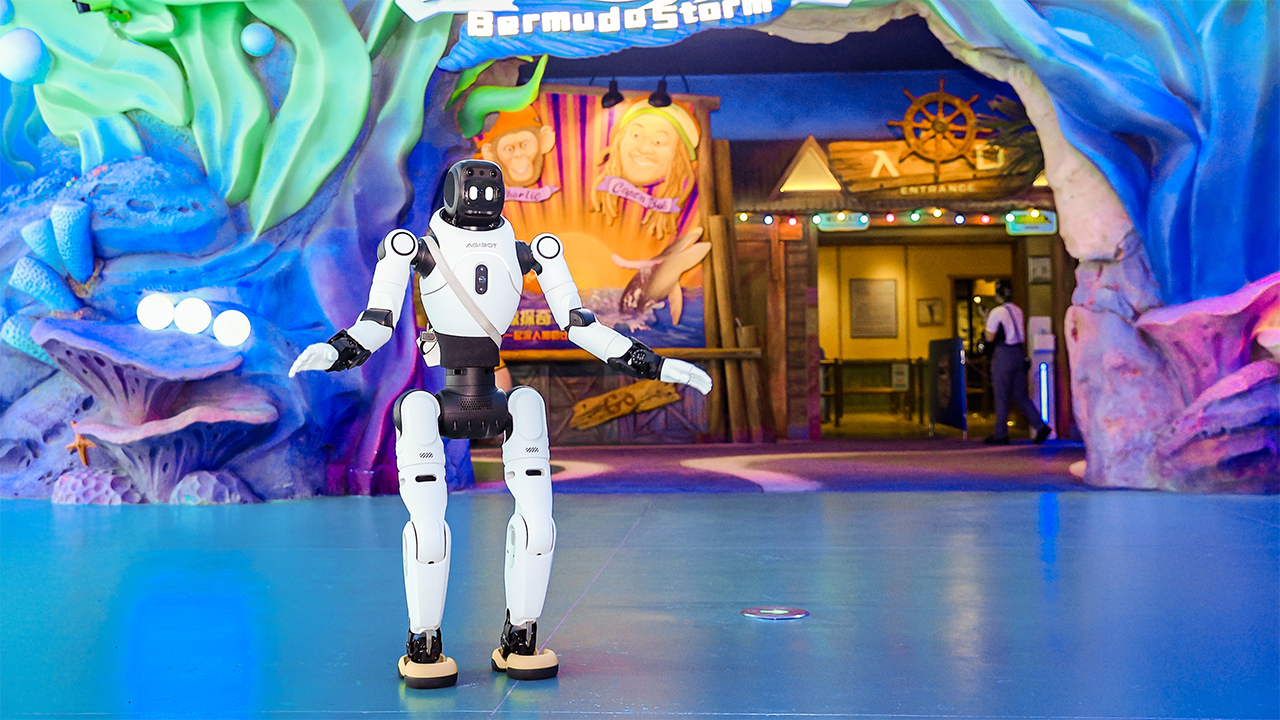
Your next theme park companion could be a robot
At Chimelong Spaceship Park, robots act as part of the total visitor experience. Guests don’t just stop to watch them from afar.
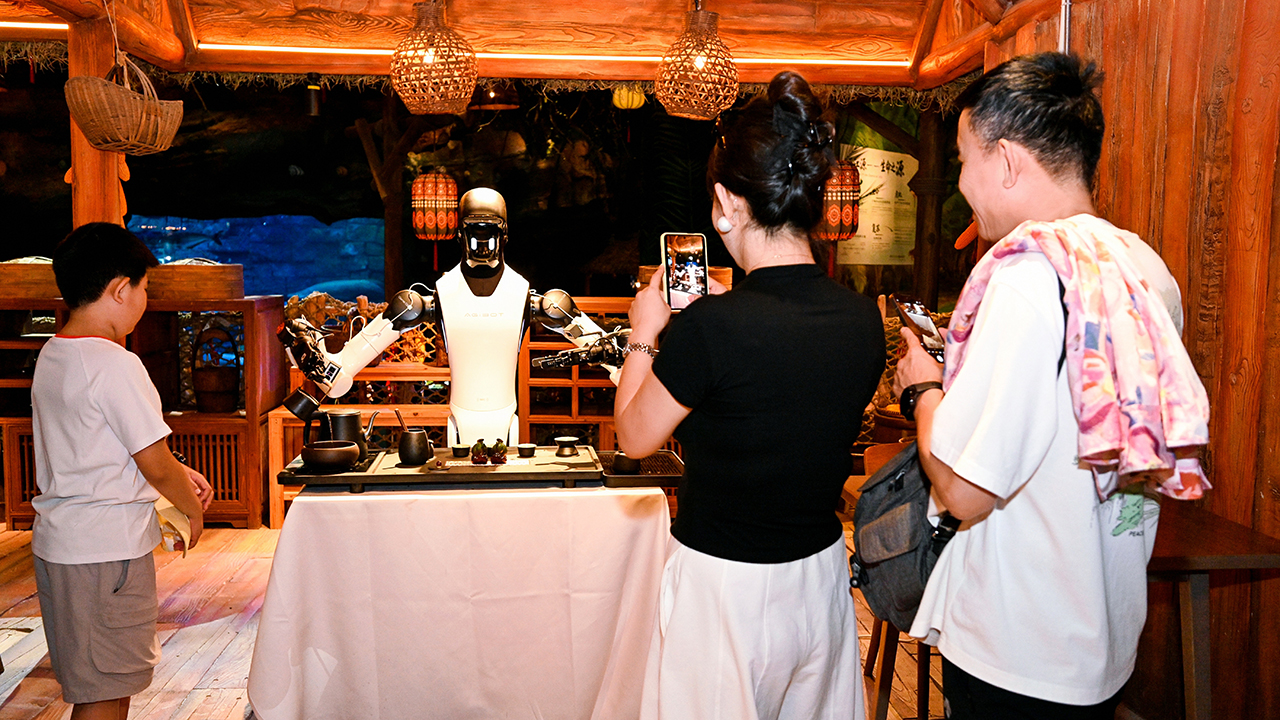
Some take on entertainment roles by performing martial arts, gymnastics, and tai chi. Others interact directly with guests through table tennis and hands-on manipulation challenges.
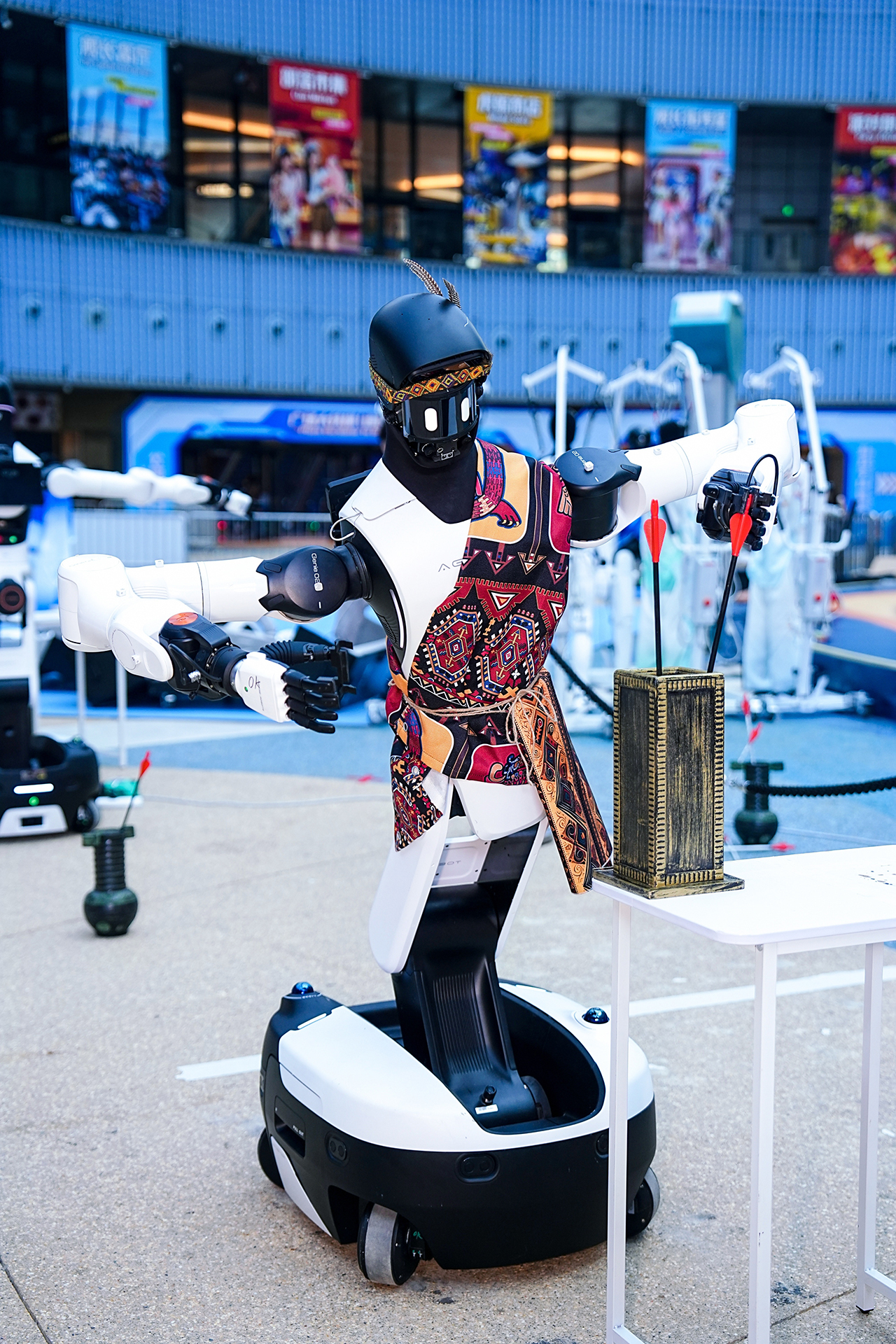
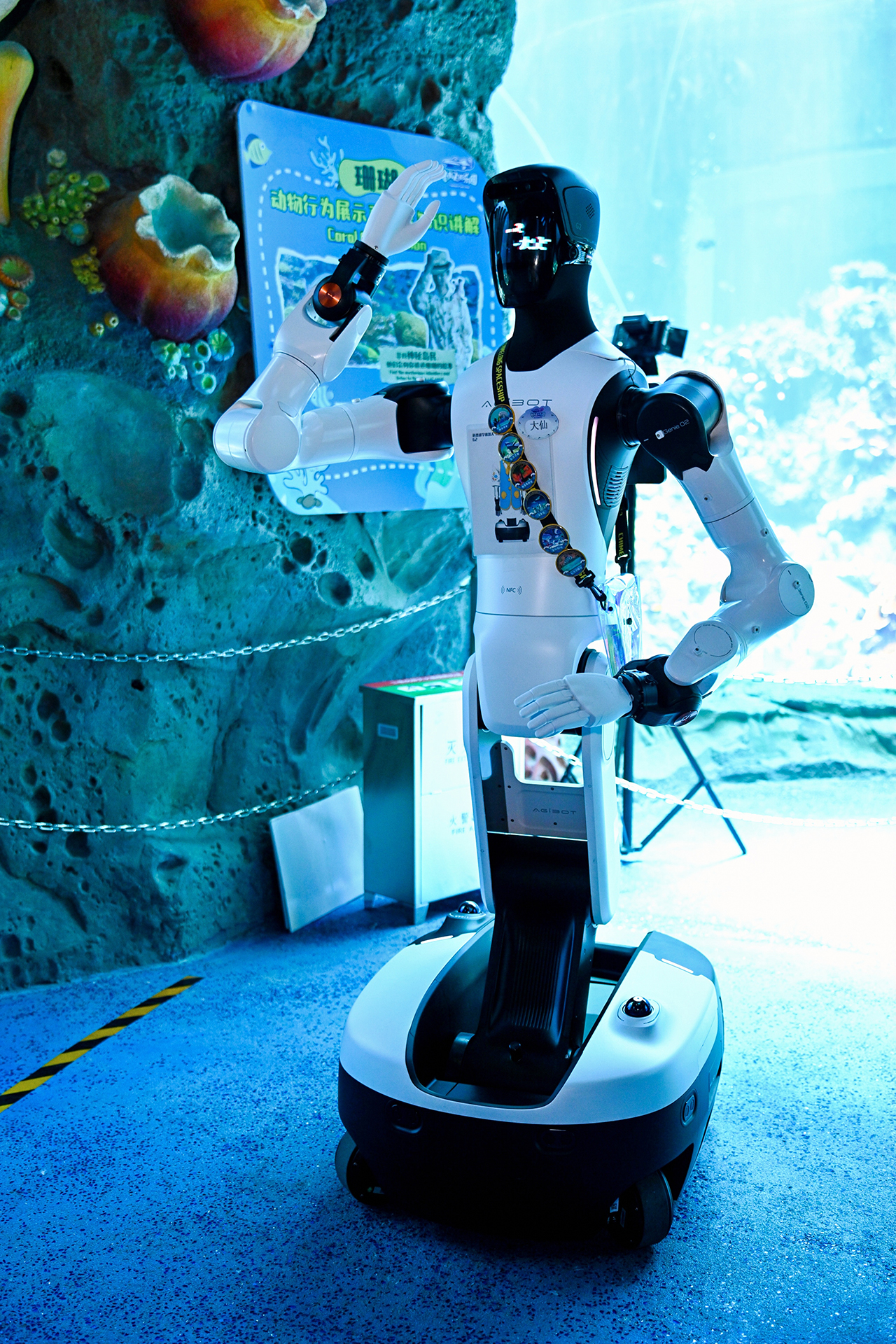
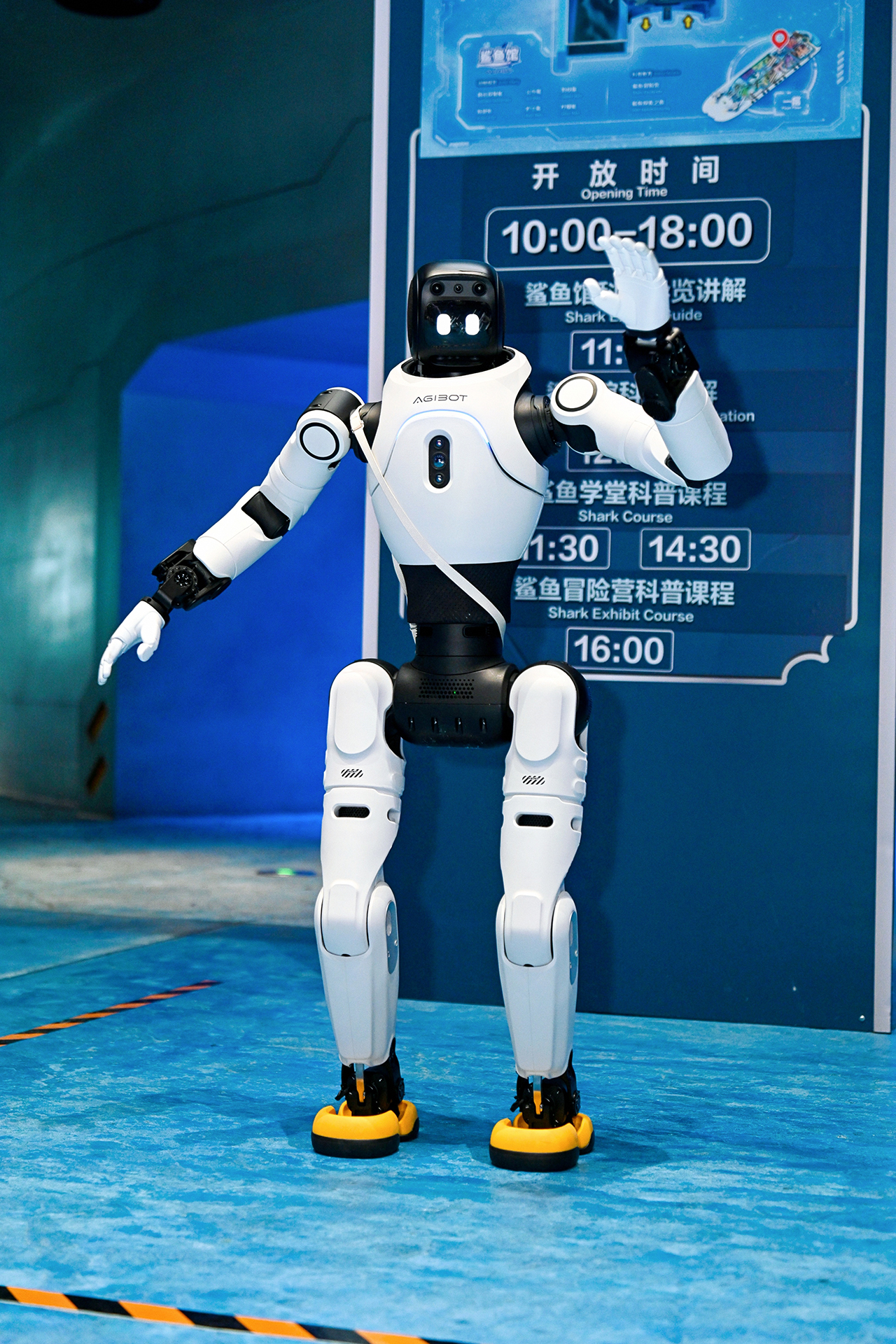
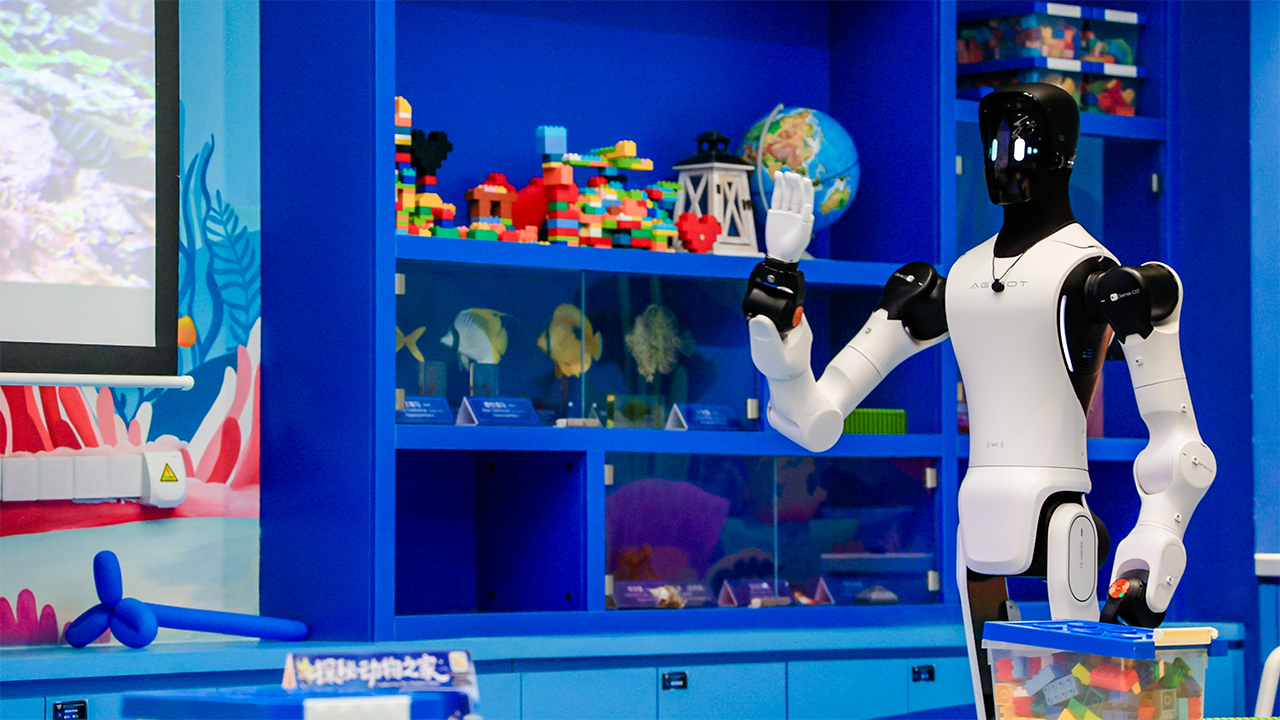
Designers also created robots for the quieter moments of a park day. They answer questions, introduce exhibits, and guide visitors through designated areas.
In retail settings, robots assist shoppers with their purchases. Meanwhile, hotel deployments place them in guest-facing roles to welcome visitors and hold multi-turn conversations.
Consequently, your trip involves encountering robots in several different contexts. The journey stretches seamlessly from your park arrival to your hotel return.
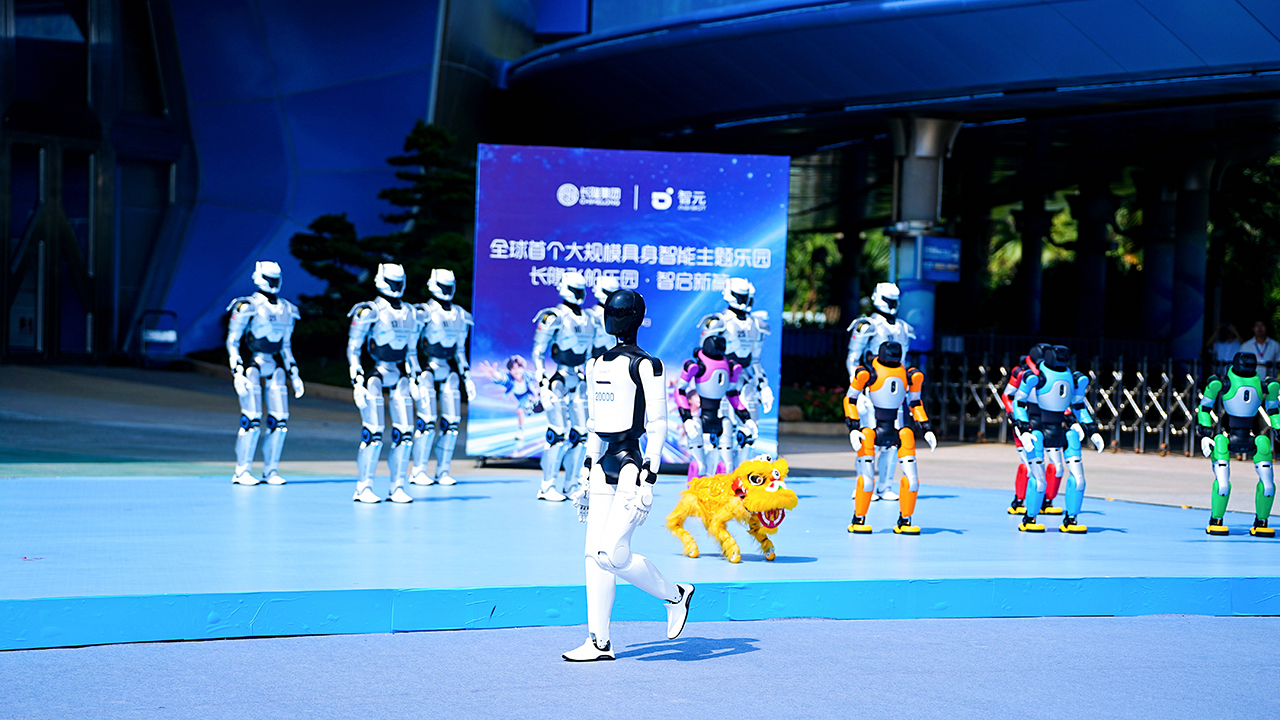
When the robots become part of the show
Theatrical applications are perhaps the easiest to picture. AGIBOT and Chimelong incorporate robots into live performances alongside human actors, music, and lighting.
Rather than treating a humanoid robot as a mere technological curiosity onstage, creators coordinate multiple robots into fluid routines.
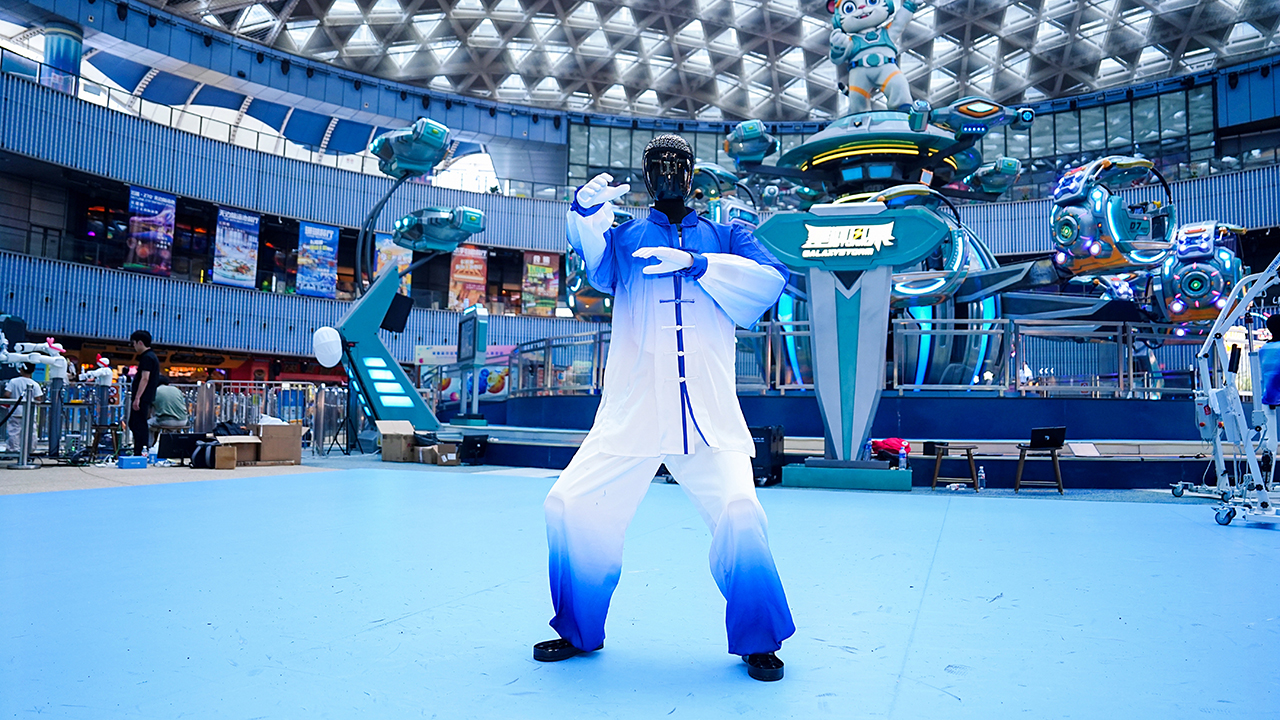
Elsewhere, visitors engage with robots through games and educational activities. This creates a highly interactive, hands-on introduction to embodied AI.
Theme parks offer a perfectly fitting setting for this technology. Parks historically excel at making technology disappear into the magic. Engineers design animatronics, immersive environments, special effects, and automated rides to serve the story.
Humanoid robots push this idea into new territory. They communicate, navigate physical spaces, respond to people, and adapt to different settings with ease.
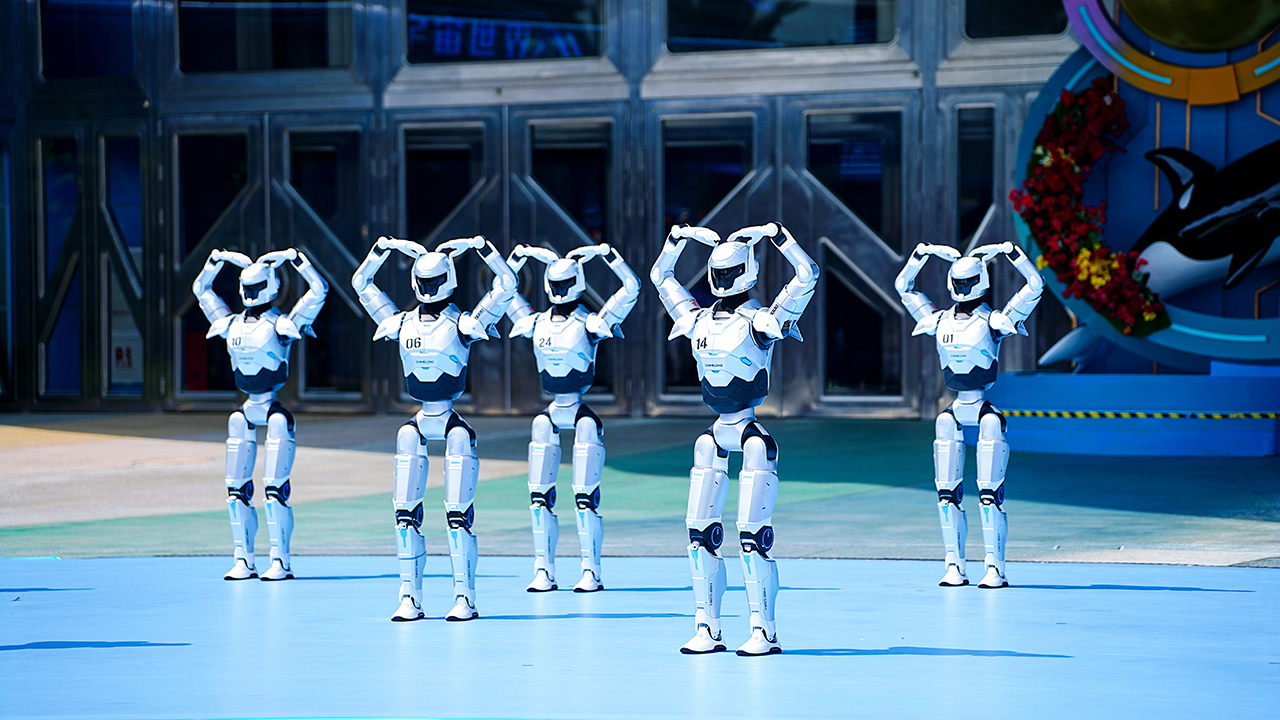
A robot-filled day does not stop at the park gates
The collaboration naturally extends into Chimelong’s hospitality operations.
Robots welcome hotel guests, hold complex conversations, and offer highly personalized interactions. This introduces an interesting possibility for resorts. Technology can now follow visitors beyond the main attraction and enhance the broader destination.

Travelers will soon experience trips where the boundaries between attraction, service, and technology blur entirely.
A robot might serve as your tour guide. Next, you could watch a robotic entertainment performance. Finally, a mechanical host could wait downstairs in your hotel lobby.
Potentially, the robot you meet in one area connects directly to the wider system operating backstage.
Making hundreds of robots work together
Deploying over 300 robots into a busy tourism destination requires massive coordination.
AGIBOT, Chimelong, and China Mobile established a dedicated 5G network. This ensures stable connectivity across high-traffic areas. The team uses centralized coordination to manage robots moving through various park and hotel environments.
Comprehensive operational systems also handle network security, privacy protection, charging, and fire safety.
Guests easily overlook this infrastructure while watching a robot perform tai chi. Yet, this backend framework remains one of the most fascinating aspects of the project. A theme park represents a highly complicated environment. Thousands of people constantly move through spaces shifting rapidly from one experience to another.
Making robots useful here means teaching them to embody the destination itself.
The beginning of a bigger experiment
AGIBOT and Chimelong are establishing a joint research institute for embodied AI in tourism.
This institute will explore new applications, operating models, and technologies. Researchers will draw directly from the experience of this massive deployment. The first project phase lays the groundwork to expand robot usage across all Chimelong properties.
For now, the appeal remains fairly simple. Creators build theme parks on the promise of making ordinary life feel extraordinary.
Chimelong bets that humanoid robots will increasingly spark that exact magic.


Now Playing: ACE Combat 8: Wings of Theve
A refreshing change of pace

TECNO POVA 8 Pro Tonino Lamborghini review
Truly a rare gem in 2026

DJI Lito X1 review: Is this the best lightweight drone for creators?
Making a strong case as a travel companion and a capable B-cam!

Apple might not have given up on the Vision Pro yet

ROG brings out the ultra-stylish G1000 gaming desktop

God of War Laufey pre-orders are now live

Nothing launches the Headphone (1) Pro

HUAWEI WATCH GT 7 Pro: What’s actually under the hood?

HUAWEI Pura X View is 2026’s first WIDE slab-type smartphone

The CAMON Slim 5G is TECNO’s latest ultra-slim smartphone

iPhone 18 Pro series: Price, availability in the Philippines

DJI Osmo 360 II review: Going all-in on the ecosystem

iPhone 18 Pro series: Price, availability in Singapore


-
 News1 week ago
vivo X500 Series launches with major imaging upgrades
-

 News1 week ago
OPPO Find X10 Pro Max is the first phone with a triple 200MP camera system
-
 Singapore1 week ago
Epson Lifestudio Grand Plus EH-LS970B with 4K projection, more launches
-
Drones2 weeks ago
DJI Lito X1 review: Is this the best lightweight drone for creators?
-

 News1 week ago
vivo introduces OriginOS 7 with smarter multitasking and AI features
-
 Automotive1 day ago
BYD says that way better EV batteries are coming next year
-
 Smartphones3 days ago
When TECNO-logy meets Tonino Lamborghini legacy
-
 Finance2 weeks ago
HONOR, Fidesmo partner for contactless payments across Europe, Middle East