
Explainers
ChatGPT Explained: Should we be scared of AI?
Will the talking robot take over the world?

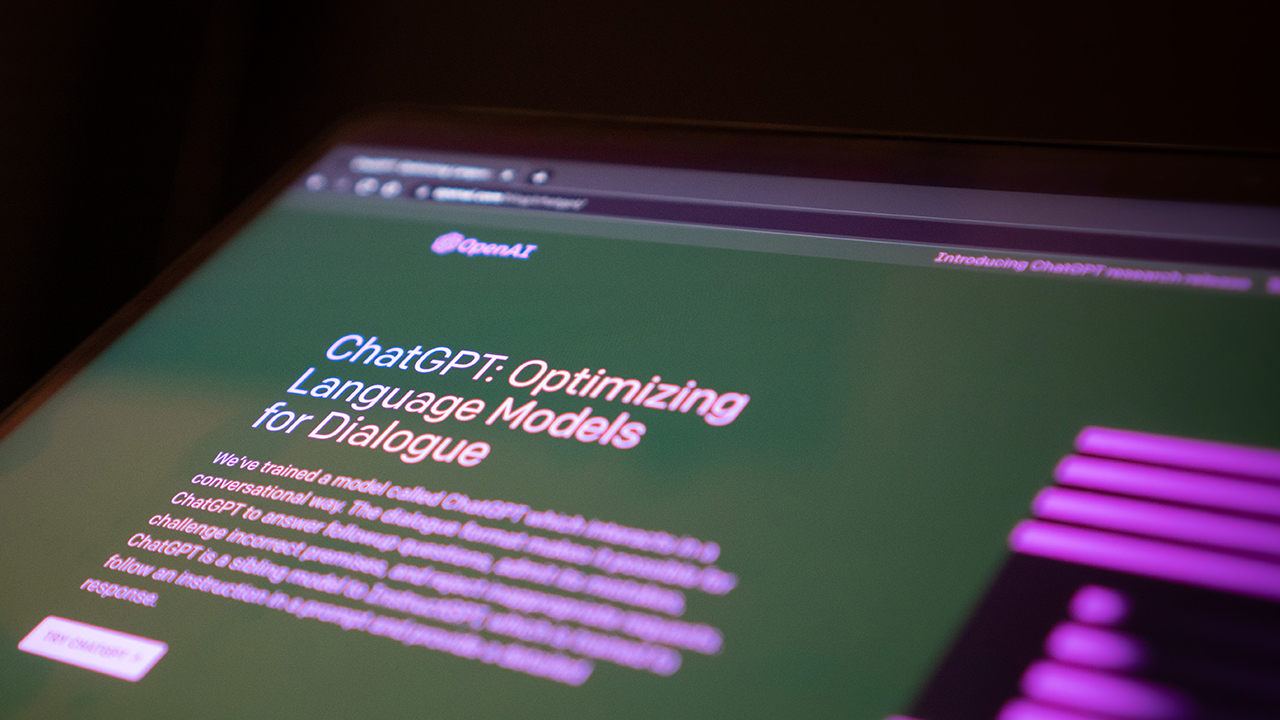
Back in the earlier days of the internet, an emerging but short-lived trend involved chatbots who could generate conversation with whomever it talked to. Does this sound familiar? Today, a similar phenomenon is creating a lot of waves online, headed by the infamous ChatGPT. The exceedingly popular ChatGPT is turning heads out of fear that the technology will eventually upend society and eradicate a lot of jobs.
But what exactly is ChatGPT? How is it different from language programs in the past? Is the world right to worry about them?
On the rise of language learning
ChatGPT is hardly the first software to inexplicably generate comprehensible dialogue without human intervention. Decades ago, the internet hosted rudimentary versions of today’s chatbot technology. The concept is somewhat similar, though. The early versions relied on a database of responses from human users. If you asked about coffee, for example, the answer you get will likely come from the logs of another user who talked about coffee in the past.
Because the system was imperfect in its infancy, part of the appeal was trying to get the software to fumble a conversation. However, if it did mess up, you can count on it asking you what it should have said. The next time someone asks the same question, the software might mirror what you said, creating a learning process between the software and the user.
Today, chatbots — meaning those usually used by businesses today — operate in the same way. If a customer comes with a query, the software will rely on a set of responses to most appropriately address the user’s problem. If the software can’t come up with a solution, the ball usually gets passed on to a human consultant.
Is ChatGPT just another chatbot?
Though the label certainly gets thrown around, ChatGPT isn’t strictly a chatbot. Instead, the software uses GPT-3.5, a specific language model created by OpenAI. Whereas early and more rudimentary versions of the same technology can already store an unbelievable amount of information in its memory, ChatGPT can analyze billions of words and the relationship between them.
Further, OpenAI extensively trains the software, ensuring that comprehension and grammar can live up to today’s standards. The learning is supervised. In fact, the company even has a makeshift reward system to ensure that the software puts out the most appropriate response. With users also contributing to the software’s learning process, ChatGPT is quickly emerging as a powerhouse for the technology.
The results speak for themselves. While users can generate simple conversations with the software, ChatGPT can just as easily answer more extensive queries with lengthier responses. If you ask it to create an essay about Christopher Columbus, for example, it can write a lengthy piece that can easily fool a casual reader. It can even handle more speculative queries. In a sample published by the developer, ChatGPT can answer what would happen if Columbus discovered America in 2015.
What’s it good for?
Based solely on what the software can do, ChatGPT can find its purpose in today’s world. The software can improve voice assistants and chatbots all over the internet. It can make big strides in the world of automation, enabling a more responsive interface between user and software.
On a more human aspect, the software can also handle more professional jobs with simpler prompts such as those involving simple marketing copy. It can help with more ephemeral research efforts, allowing users to get simple answers for otherwise complex questions.
And, on a more technical side, ChatGPT can reportedly analyze and detect what’s wrong with a piece of coding. With the software, developers can use ChatGPT to potentially repair code without having to pore over every single line. Allowing a powerful tool to inspect code speaks volumes for a lot of applications all over the world including smart vehicles and technical machinery.
However, as with every piece of technology, users will always find a way to use something beyond what it was originally designed for. ChatGPT is now changing the world of education as students are using the software to do their homework for them. Though a lot of the sample texts look like they can fool only lower levels of education, a Wharton business school professor (via Business Insider) recently stated that he would have been fooled by a ChatGPT essay, grading a sample with a passable grade of B or B-.
Should we be scared of ChatGPT?
ChatGPT is undoubtedly rocking the world of education. While some schools have banned the technology outright, others are debating on the software’s impact on how schools are taught. Since ChatGPT deals out more factual information, could education reinvent itself to teach more personal, tailored learning, rather than just the ability to spit out memorized facts. (“Factual” might even be an exaggeration. CNET, which recently experimented with AI-written articles, discovered a plethora of errors from using the software.)
Now, education isn’t the only world in peril. The creative industry is facing an extreme challenge wherein ChatGPT can potentially cause workers their jobs. Though the danger certainly seems real, the limitations of technology are also real. ChatGPT can create comprehensible text that can fool a human, but it will likely stumble with conceptualization.
A piece of software is just software. Even if it can write an essay about existentialism, it cannot think of the concept metaphysically. In the same way, even if it can show you a photo of a parrot, it cannot think of that photo as anything but a pattern of pixels. To a language learning software, words don’t mean anything else besides their relationship with each other. It’s the same thought process as a dog learning to run to its human when its name is called. The dog doesn’t know that you just said its name (or even the mere concept of a name); it just knows to do a certain action after hearing a specific sound.
Can ChatGPT change the world? Overall, the jury is still out, but it’s unlikely that a piece of learning software can do much to replace human-centric work. Regardless, it’s important to think of how ChatGPT can improve (or detriment) humanity.
Like with other supposedly dangerous technology, the world of technology is a Pandora’s box. We can never put the genie back into the bottle. Once it’s out, it’s out. Instead of worrying about how technology can destroy the world, the more appropriate response is to figure out how it can better humanity without sacrificing anyone’s wellbeing in the process.





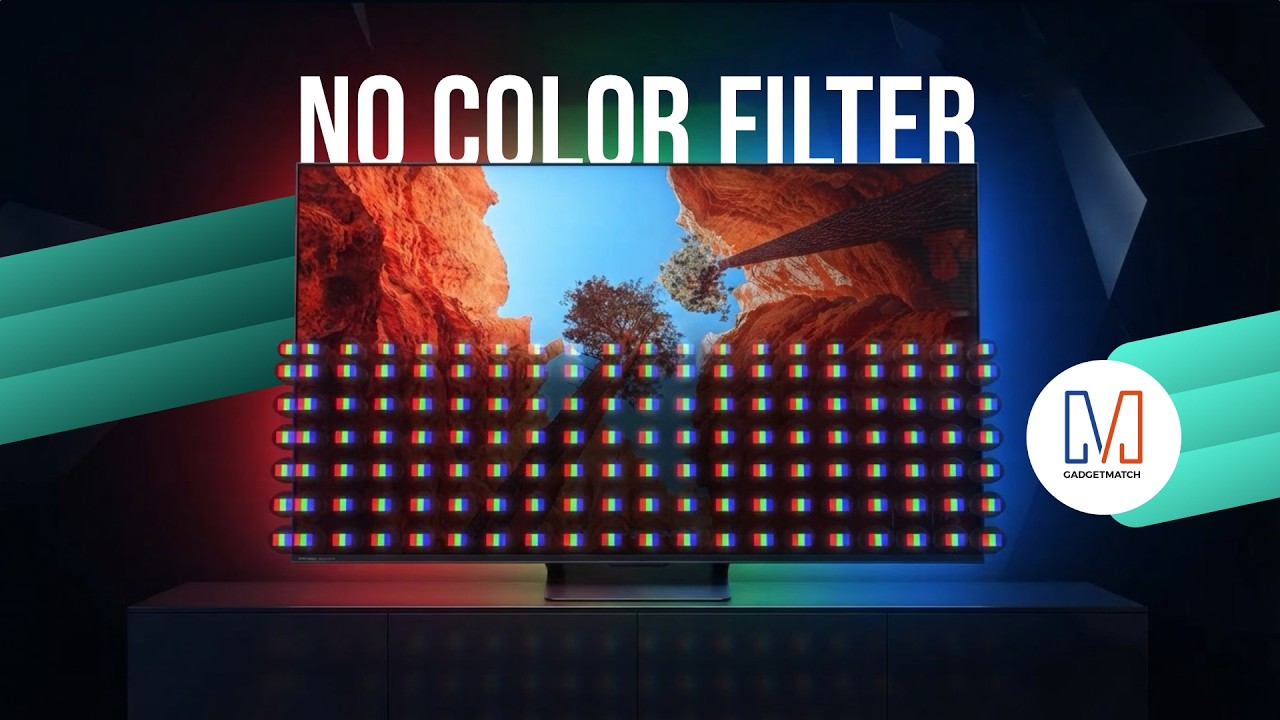
TV technology is changing in a way you can’t see. And it starts with how color itself is made.
Hisense’s new RGB MiniLED technology could change the way we see TVs.
Here’s our spotlight on their latest Hisense UR8 offering.
Check out the Hisense UR8 TV: https://bit.ly/4cxo6xl
Explainers
Everyone’s angry at PlayStation’s new no-disc policy, and this is why
It’s a tragedy for nostalgia, ownership, and preservation.
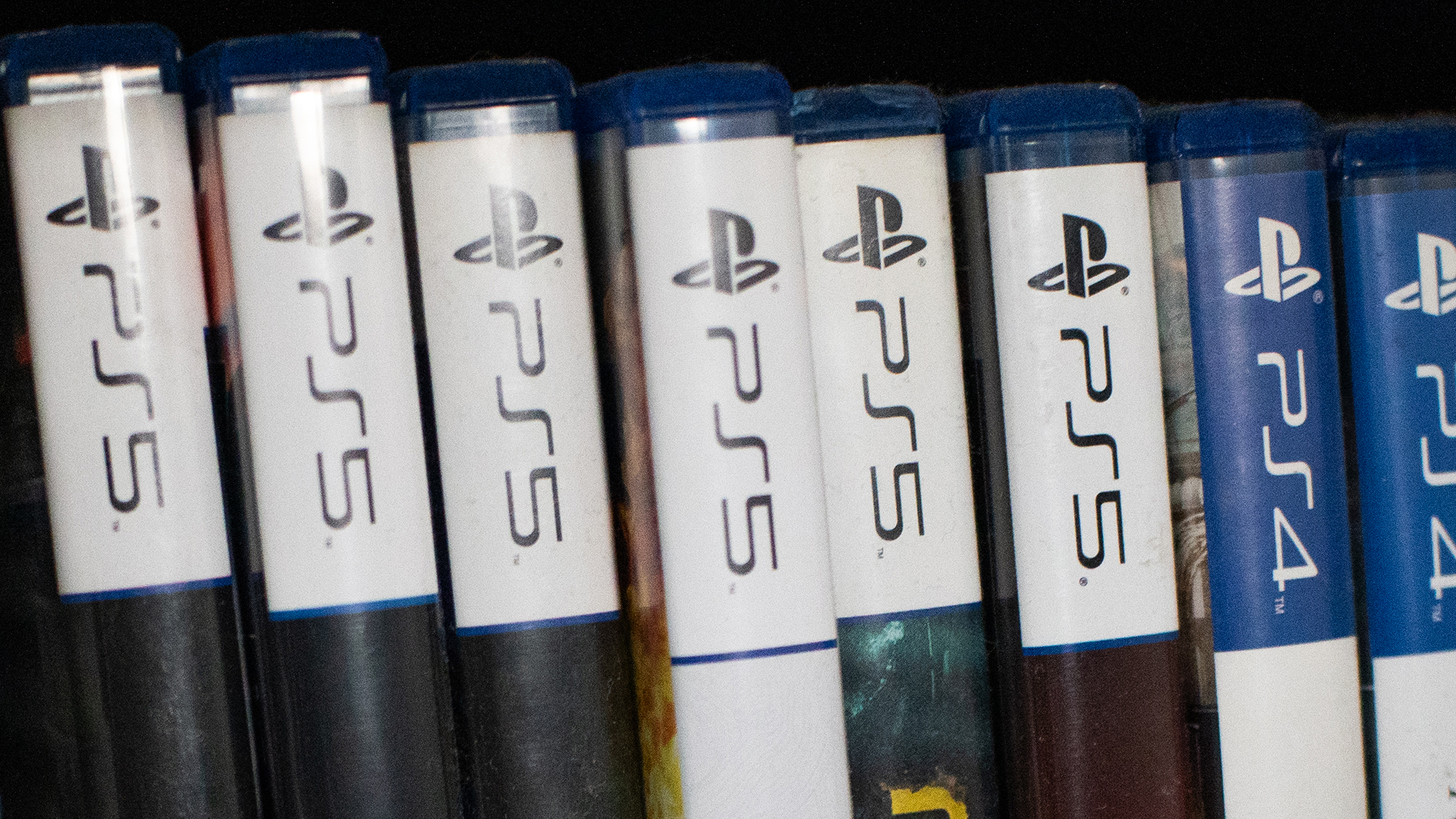
Check in with your gamer friends today. Today, a lot of gamers are up in arms over Sony’s decision to kill the physical game disc starting in 2028. But, if you’re a digital-only gamer or just not a gamer yourself, you might not understand the anger. If you want to understand the ire or just want to relate with your gamer friends, here’s a primer for you.
Ending the era of the physical media
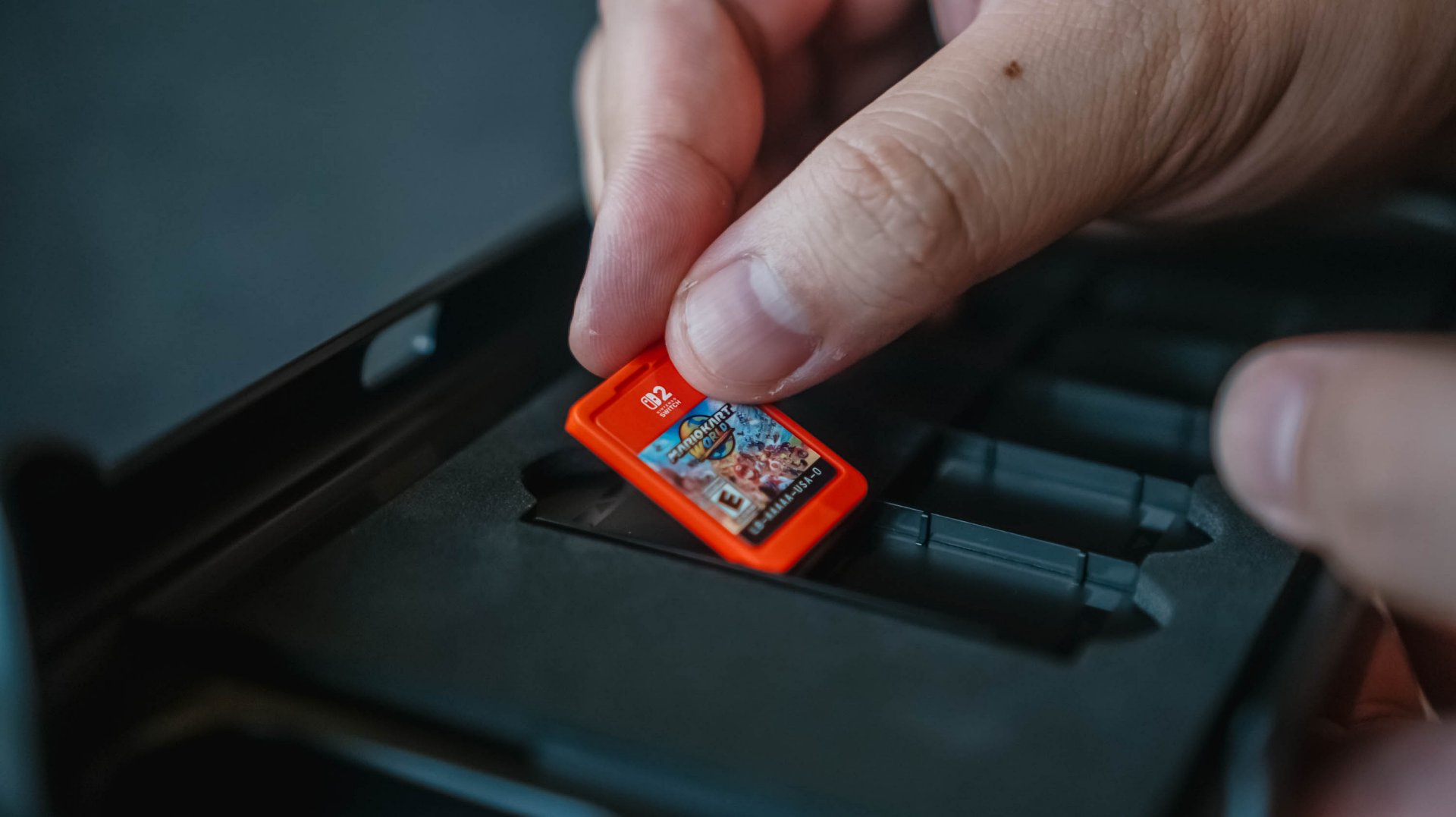
Last year, Nintendo launched the Switch 2. Though the console still has a slot for physical cartridges, the Switch 2 also introduced the Virtual Game Card as a way to digitize your library of games.
Of course, the feature wasn’t positioned as a way to eliminate physical cartridges. In fact, Nintendo just wanted to add the flexibility of physical cartridges to the digital world. In the end, the feature strangely coincided with less cartridges. For example, Pokémon Pokopia, one of the most popular games this year, does not come with a cartridge even if you buy a “physical” copy in a brick-and-mortar store. It was a portent of things to come.
Fast forward to today, Sony has made the monumental decision to stop producing physical game discs starting in 2028. The PlayStation’s future is completely digital.
On a similar note, Microsoft is also experimenting with a disc-to-digital feature. Much like the Nintendo Virtual Game Card, the experiment will digitize libraries and attaches the digital copy to the physical game disc. It sounds awfully like a prelude to killing off the game disc.
Why this matters
The physical disc is synonymous with a simpler time. It represents a time when gamers camped out stores to anticipate midnight releases, when gamers can learn more about their games through an in-box manual, and when gamers can show off their fandom through a beautifully stocked shelf of games.
And yes, that’s part of why this situation sucks, but it’s not the only reason.
If you’re an outsider looking in, this nostalgia factor is the easiest to see. Then again, it’s also the most difficult to relate with, especially if you’ve never had the history of buying physical games.
The more crucial reason — and the one that most people will relate with — is media ownership. By not having a physical copy, you will no longer have ownership of what you bought digitally.
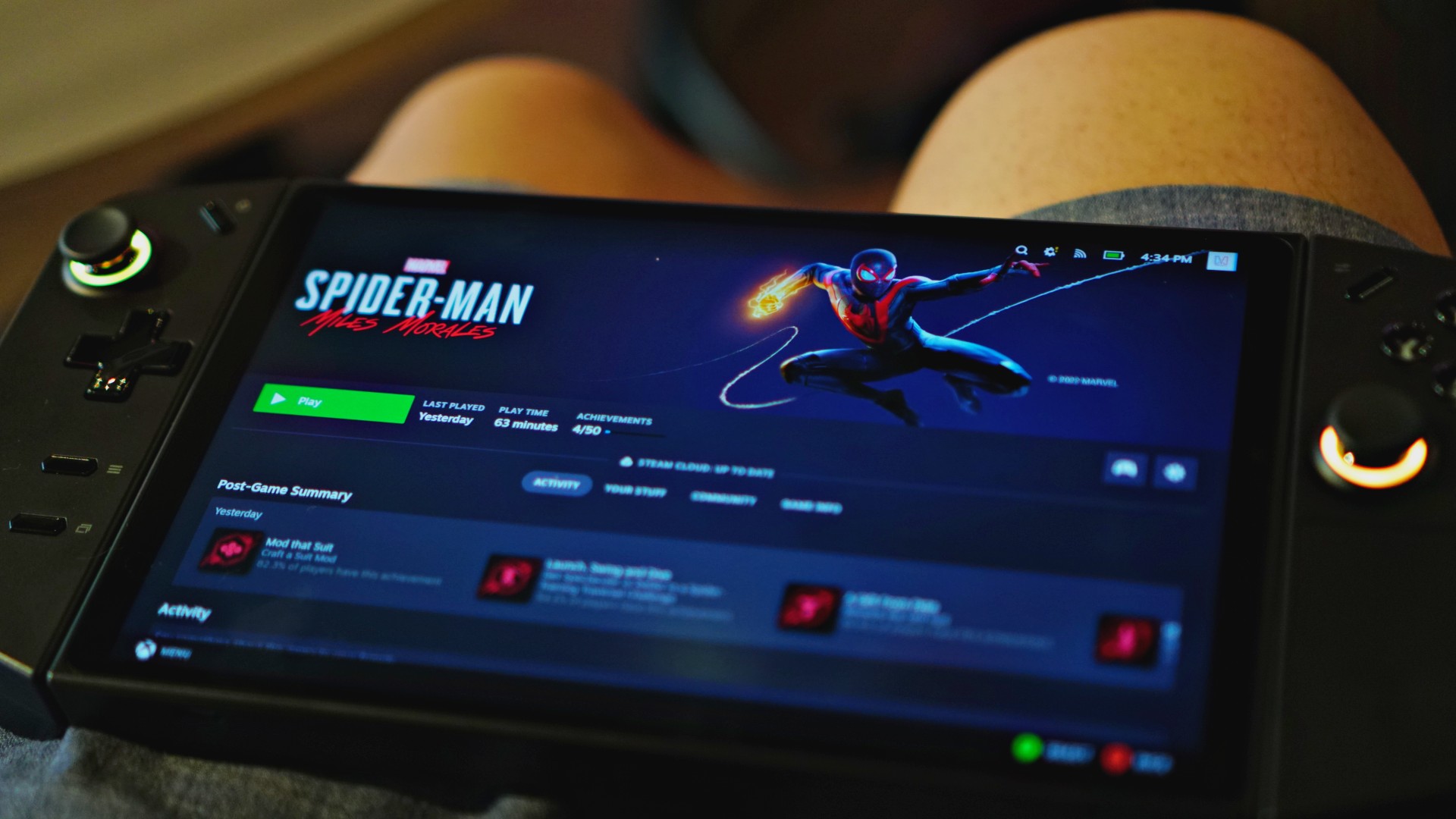
And it’s not an imaginary issue. In 2024, Steam amended its policies to reflect that players do not own the games they buy. Rather, they simply own a license to play the game.
In the same year, Ubisoft delisted The Crew, a sure sign that the new policy means business. Though Steam itself has a relatively good track record of prioritizing its customers, publishers and developers can get rid of games if they choose to.
That limitation doesn’t exist with a physical copy. As long as you have a working disc drive, you can install a game whenever you want, even if the publisher decides to pull it from stores.
Therein lies how much this is a touchy topic. Should you own digital goods in the same way as you own physical ones? If the answer is yes, then selling only the license for the good doesn’t make sense. But if it’s a no, we shouldn’t pay full price for something we don’t own anyway.
Will PlayStation actually delete games?
Now, just because they can, does it mean that they will?
Right now, it’s hard to say. You can certainly go by the optimistic hope that PlayStation would never do something as anti-consumer as that. And yes, there are times when you’d be right.
Plus, there is a good chance that governments, especially those in the European Union, will protect consumers if PlayStation even thinks about deleting a game that others have paid for. Governments have been known to intervene in the past, such as when the EU forced Apple to adopt USB-C as a standard. There are checks and balances available.

Then again, Sony has had recent history of deleting media from a user’s library.
Only a few days ago, PlayStation made headlines for deleting over 500 titles from their library. Starting September 1, users can no longer access movies distributed by Studio Canal, due to licensing agreements. Sony was unapologetic about unceremoniously deleting this content. No refunds, no apologies; just 500 movies, which you thought you bought, gone for good.
No matter how you angle it, Sony’s recent decisions just don’t bode well for media ownership.
You can argue that this is the price we’re paying for not buying enough physical games. Still, losing PlayStation discs, even as an option, is tragic for nostalgia, ownership, and preservation.
The world we live in
Unfortunately, this all comes with precedent. Unless you buy physical games and movies, we already don’t own anything in today’s world.
Outside games, Netflix and Disney+ remove the ownership of movies and shows from us. It’s already common practice for these platforms to remove titles regularly. Some platforms even give you a last chance to catch these titles before they go away. Moreover, they can even restrict access, like with Disney+, if you travel abroad.
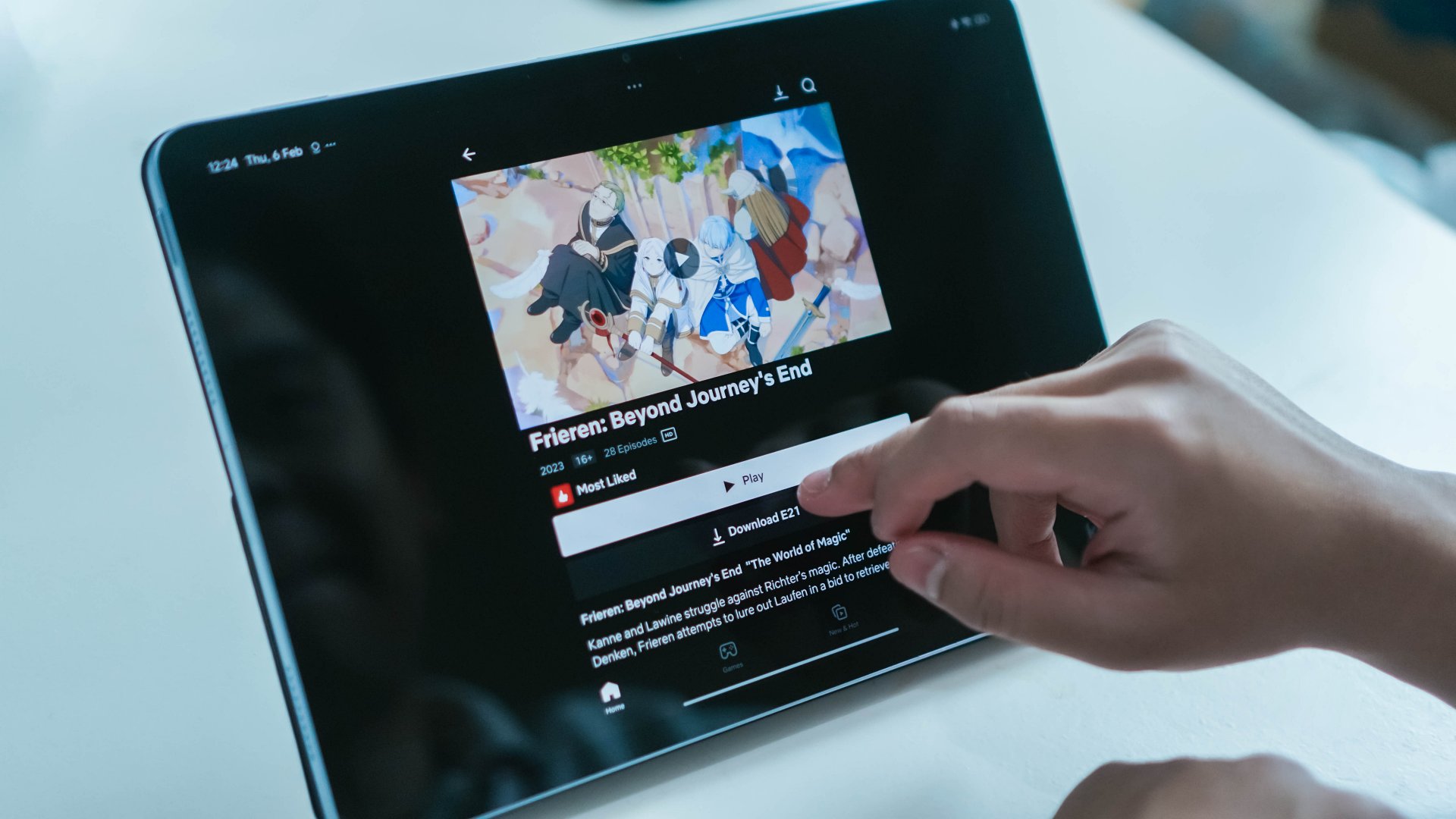
In exchange for convenience, subscription services and digital storefronts have made it all too comfortable to not own media. With a rental service like Netflix, that’s all expected, but we’re now at the inevitable stage when even bought games and movies are at the behest of our corporate overlords.
This is where the fury comes from. Companies are getting more brazen about taking more options from us. Between this and the increasing prices of RAM, it’s getting harder and harder to live as a tech-savvy citizen in today’s age.
Computers
Samsung’s SECRET That Made OLED Even Better
Say hello to the new QD-OLED Penta Tandem display tech by the Korean giant

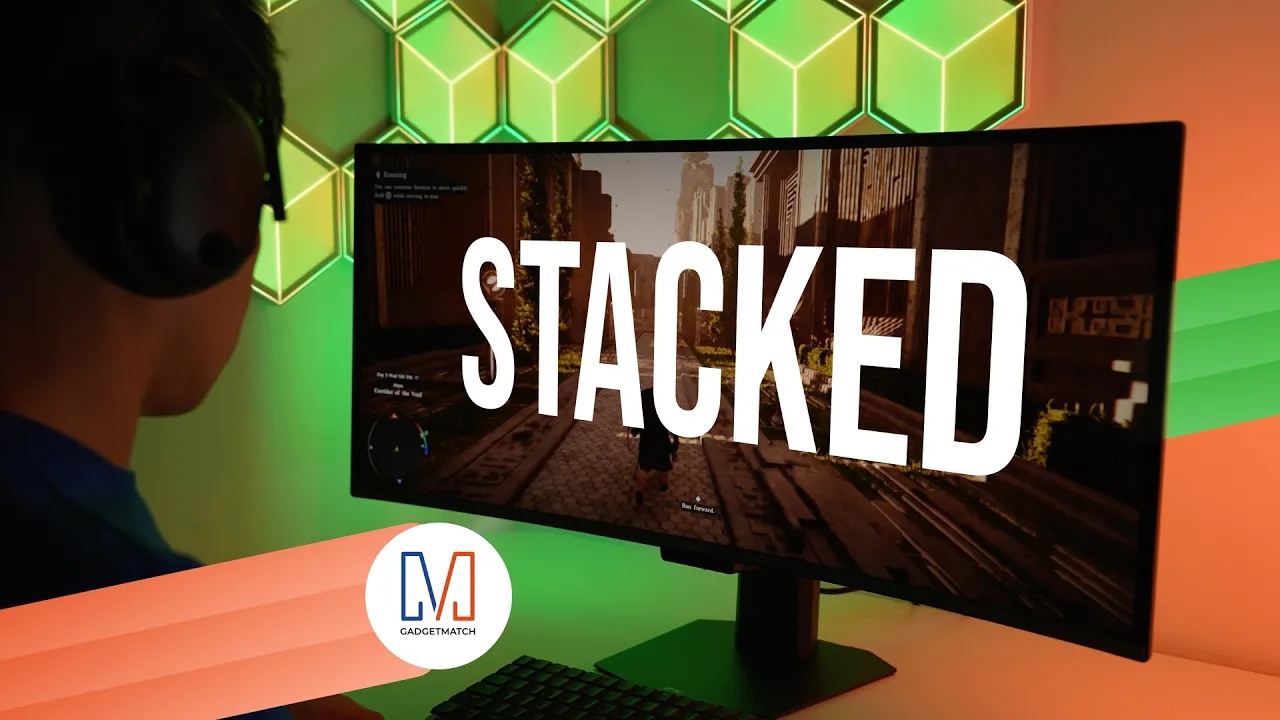
Samsung Display just unveiled QD-OLED Penta Tandem technology. This is a next-generation display structure that stacks five emission layers to improve brightness, efficiency, and overall OLED performance.
In this video, we simplify what Penta Tandem actually is, how it works, and show you two monitors that already have the technology — specifically from MSI and Dell.
For more details, check out Samsung Display here.

TECNO CAMON Slim 5G review: Slim on size, big on surprise
Still with some compromise


UGREEN Nexode Pro 160W review: One mighty brick with a powerful trick
All the speed you need in one charging brick

Apple iPhone 18 Pro Series review
Hype versus Reality
TECNO CAMON Slim 5G review: Slim on size, big on surprise
UGREEN Nexode Pro 160W review: One mighty brick with a powerful trick

Samsung unveils Galaxy Tab S12 series for work, creativity, and life on the go

JBL brings a soundtrack to every room
Apple iPhone 18 Pro Series review

HUAWEI Pura X View is 2026’s first WIDE slab-type smartphone

The CAMON Slim 5G is TECNO’s latest ultra-slim smartphone

iPhone 18 Pro series: Price, availability in the Philippines

DJI Osmo 360 II review: Going all-in on the ecosystem

iPhone 18 Pro series: Price, availability in Singapore


-

 News1 week ago
vivo X500 Series launches with major imaging upgrades
-

 News1 week ago
OPPO Find X10 Pro Max is the first phone with a triple 200MP camera system
-

 Automotive3 days ago
BYD says that way better EV batteries are coming next year
-

 Singapore2 weeks ago
Epson Lifestudio Grand Plus EH-LS970B with 4K projection, more launches
-

 Drones2 weeks ago
DJI Lito X1 review: Is this the best lightweight drone for creators?
-

 News1 week ago
vivo introduces OriginOS 7 with smarter multitasking and AI features
-

 News3 days ago
HONOR Magic9 Pro Max launches in China with ARRI-powered imaging
-

 Smartphones5 days ago
When TECNO-logy meets Tonino Lamborghini legacy