

Every good thing we have today began with an idea. But it didn’t end as just being that.
When you’re in the late stages of college or university education or perhaps about to enter the workforce, this is the time when you’re full of youthful energy and a desire to make a dent in the world.
It’s also around this time that you’re bursting at the seams with ideas on what you want to do, and what you want to contribute to society. You might also be looking for a tool that can help you bring these ideas to life.
It’s a critical time in your life and you may not have the resources for multiple tools. So if you’re putting all your eggs in one basket — or in this case one gadget — let it be something that’s powerful, versatile, and can match all your needs.
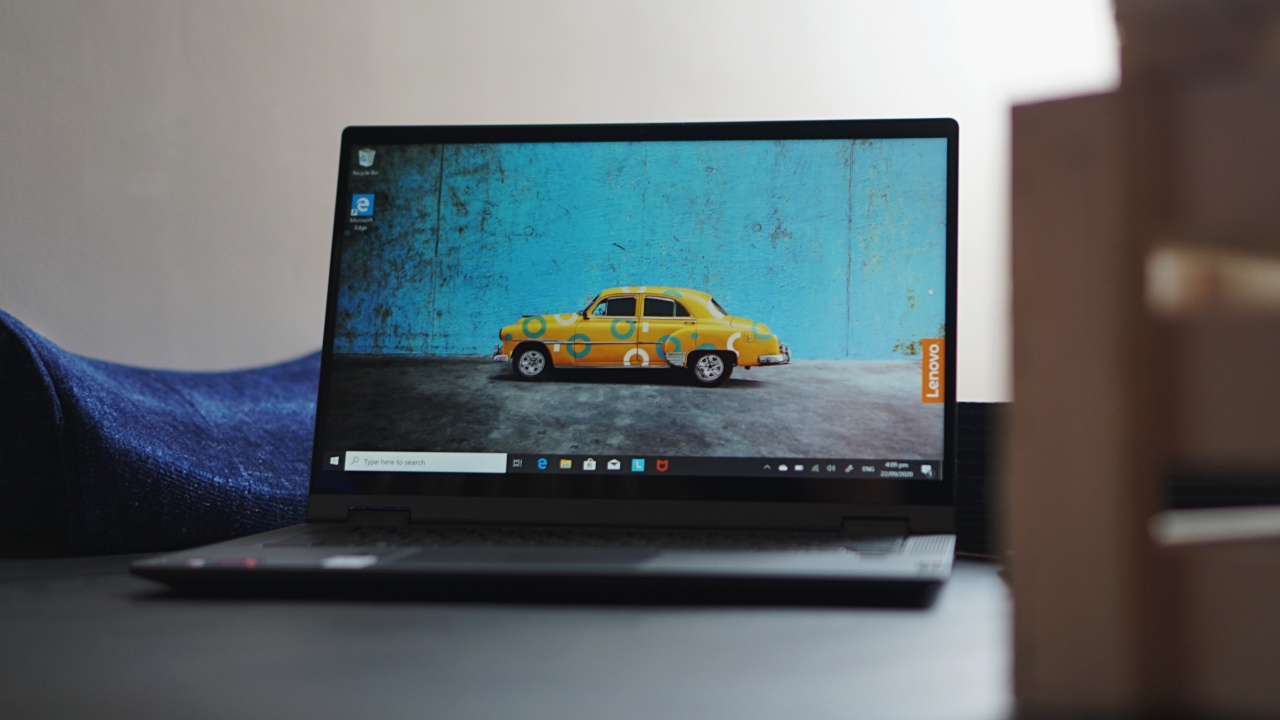
Here’s an idea: Perhaps you should get a Lenovo IdeaPad! We think you should choose the new IdeaPad Slim 5/5i or IdeaPad Flex 5/5i. Read on to know why.

The processing power you need
The IdeaPad Slim 5/5i and Flex 5/5i are equipped with fresh Intel or AMD Ryzen processors to go along with configurations of up to 16GB of DDR4 RAM and up to 1TB of SSD internal storage. That means all the computing power and speed you would need to last you for a few years.
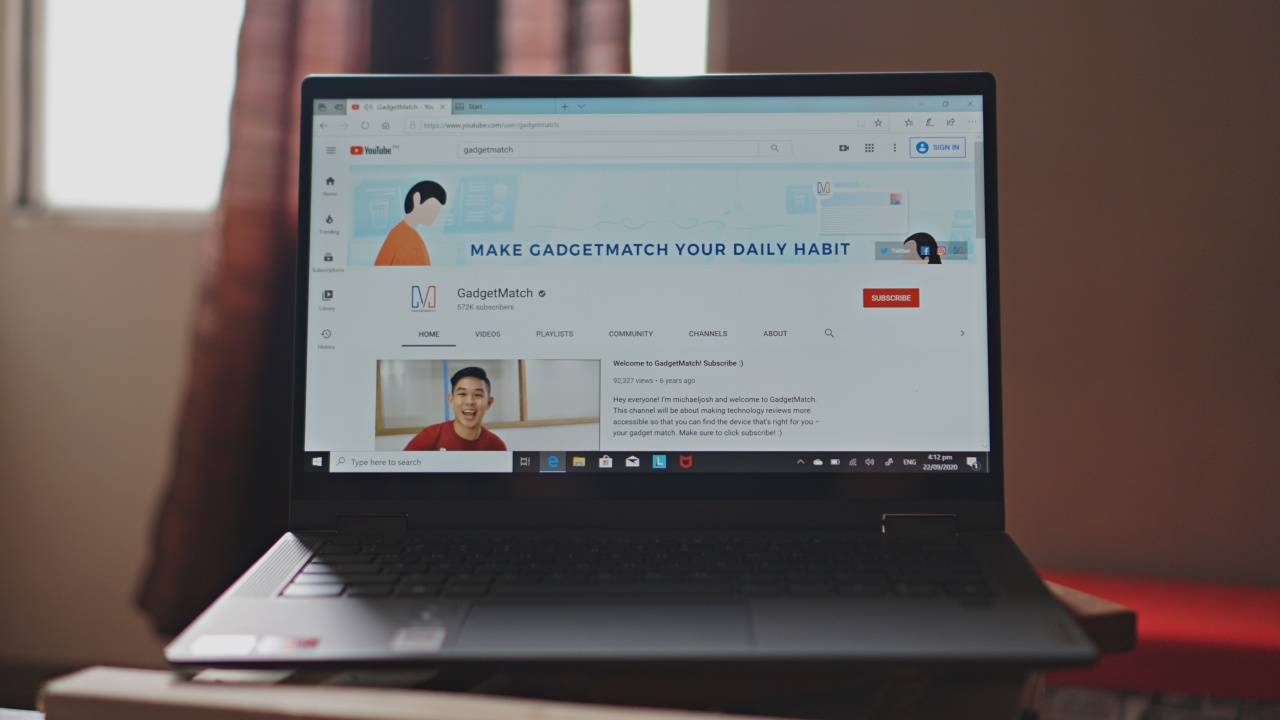
Whether you’re dealing with tons of documents, endless pages of spreadsheets, and slide after slide of presentations, an IdeaPad will have you more than covered.
A workhorse like you deserves a partner that can more than keep up. These IdeaPads come with batteries that can stay with you for over 10 hours. Whether you’re making things happen at home or lugging it around for necessary remote work, it’s a device that has enough juice for a day.
Tools that keep you going
If you’re working with videos and images, the IdeaPad Slim 5/5i and Flex 5/5i will surely help in bringing your ideas to life. The only limit is your imagination.
It’s peppered with ports to unlock the multimedia mage in you. IdeaPads typically have a USB-C port, two USB 3.1 ports, a DisplayPort, an SD card reader, and an audio jack. You’re also equipped with competent connectivity (WiFi 5, Bluetooth 4.2). That’s everything you need to work your magic.
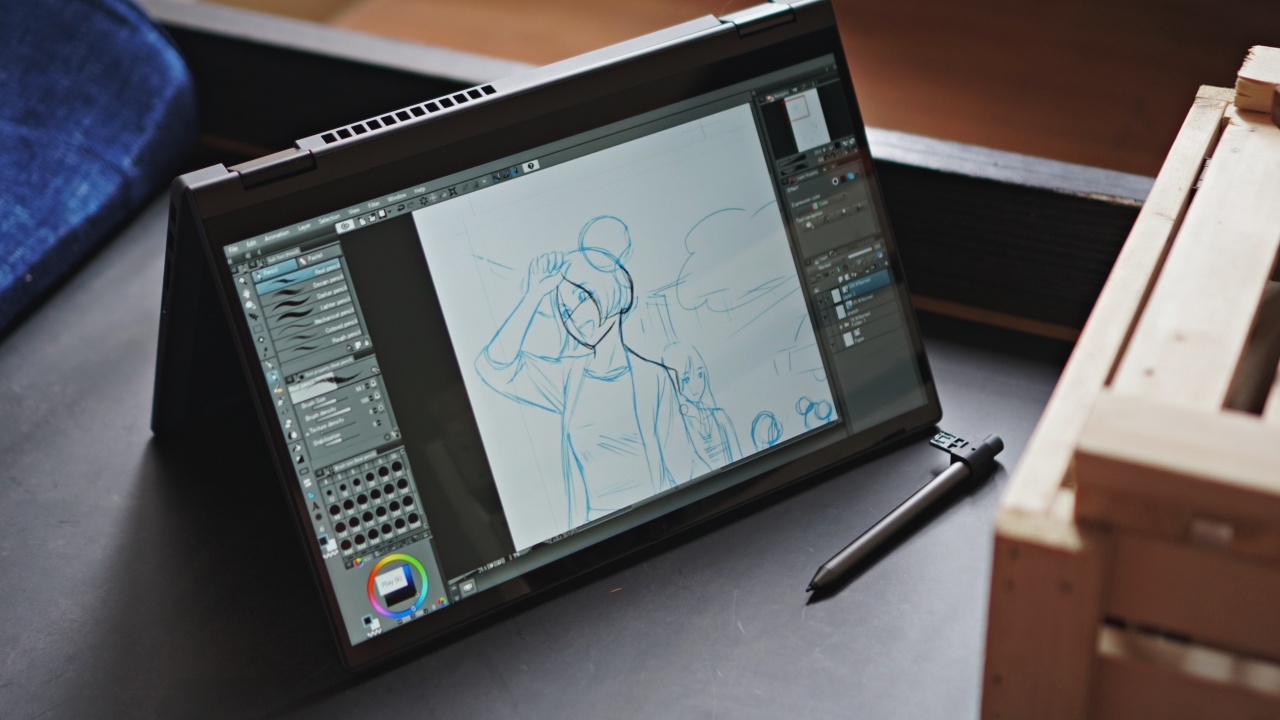
If you’re really deep into the arts, the IdeaPad Flex 5/5i comes with a stylus to give your creativity even more flexibility. Flip it however you like and whatever form you’re comfortable with. This is a gadget line that won’t leave you wanting.
A worthy partner
Life is already difficult enough as it is. Make it easier on yourself by choosing a partner that will help you achieve your goals. A partner that can stay with you through the grind and enable you to do things you probably didn’t think you’re capable of.
You need a partner that you can just let loose on without fear that it will give up on you at a crucial moment. This is what Lenovo IdeaPads are built for. They’re designed to provide you better opportunities, greater connectivity, and the ability to transcend limitations with its smarter technology and solutions that unlock your potential when turning ideas into reality.
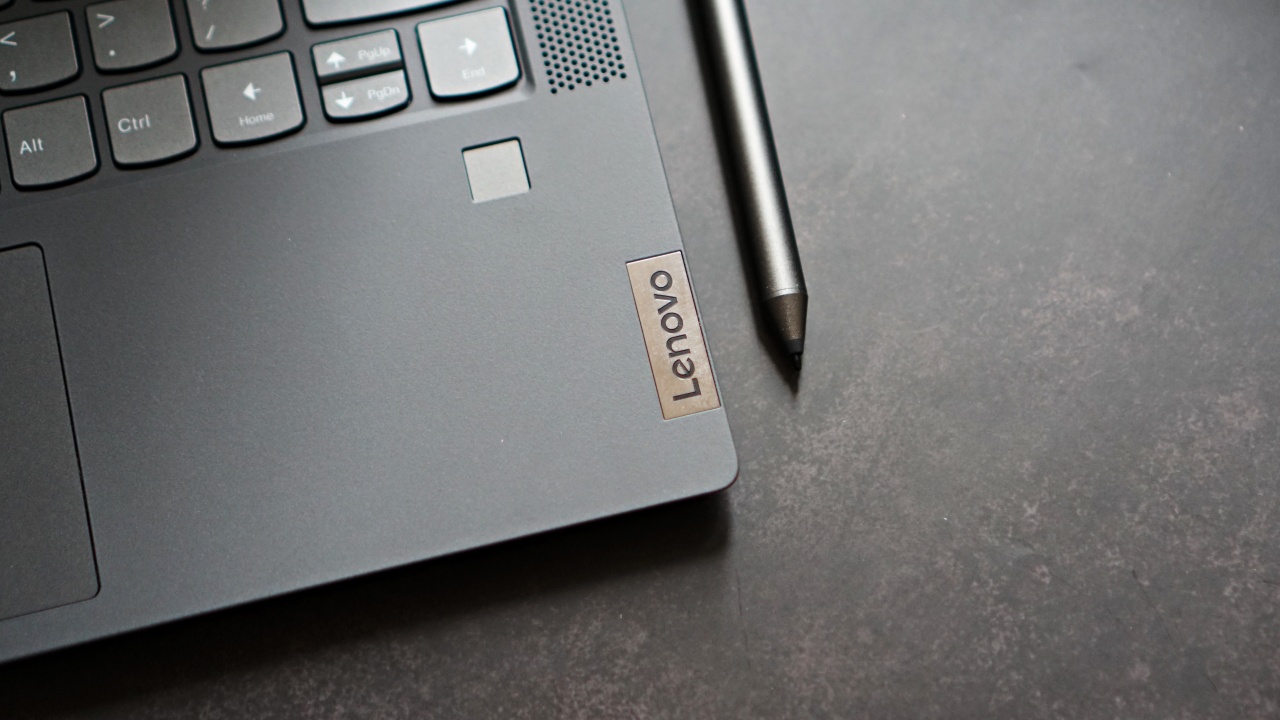
The IdeaPad Slim 5/5i and Flex 5/5i are pre-installed with Microsoft Office Home & Student 2019 and come bundled with Lenovo’s 3-Year Premium Care warranty upon purchase. This top-notch service provides customers with direct access to Lenovo engineers. They can guide you on basic troubleshooting and do an annual PC Health Check, as well as on-site repairs if absolutely necessary.
Don’t let yourself be held back by machines that fall short of the greatness you wish to achieve. With a Lenovo IdeaPad, you’re equipped with the necessary tools to make it big. Once you have one, all you really need is an idea to build on.
Contact any Lenovo authorized reseller to get your hands on an IdeaPad: http://lenovoph.com/authorizedresellers
This feature is a collaboration between GadgetMatch and Lenovo Philippines.







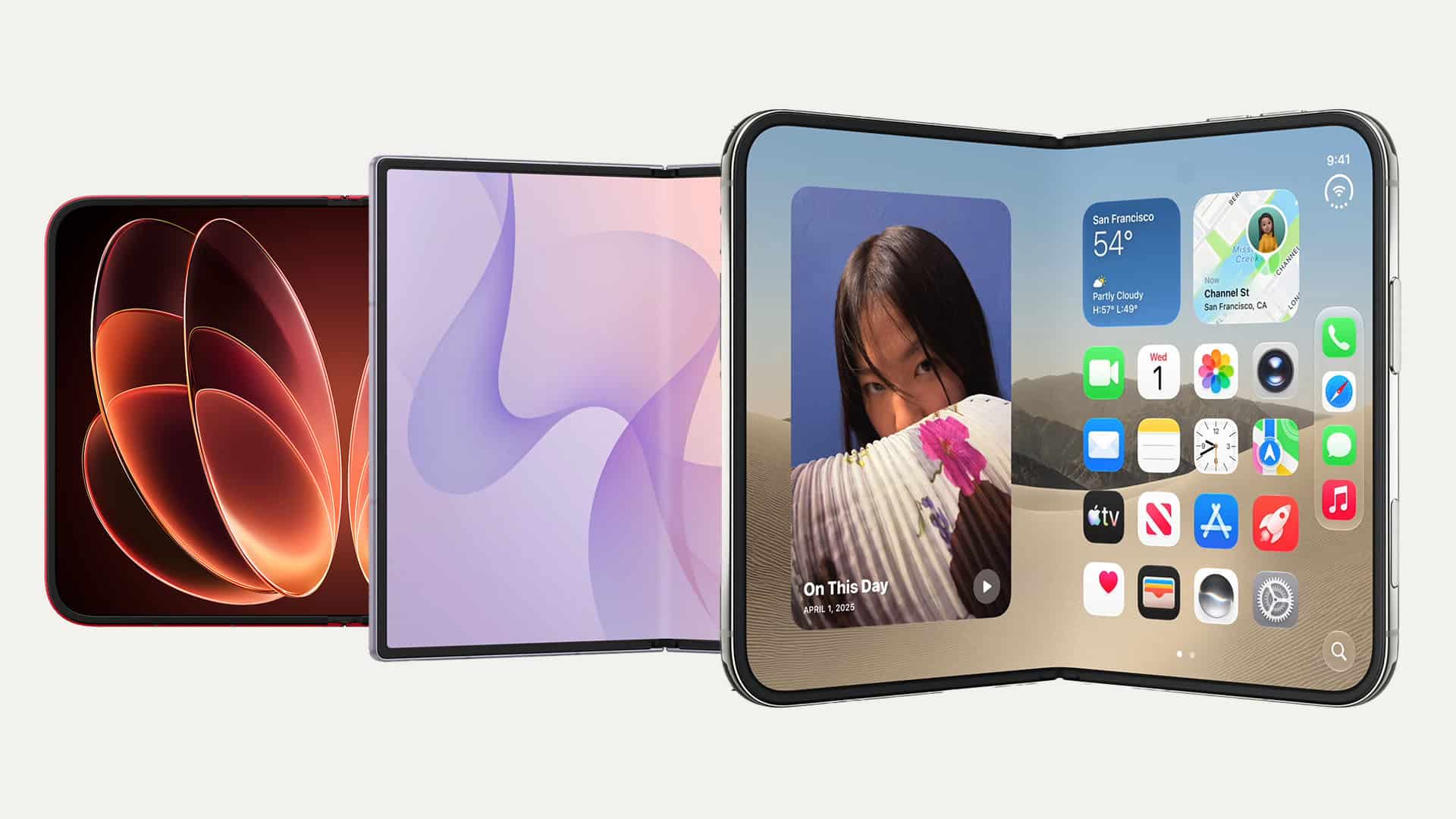
There’s a passport-sized revolution upon us, and we’re here for it.
After the HUAWEI Pura X Max and Samsung Galaxy Z Fold8, September 2026 showed us two more joining the fray: the Xiaomi 18 Fold and the much-awaited and plenty-rumored iPhone Duo.
While all four share a similar form factor, they don’t exactly all share the same approach to it. And while we’ve yet to spend significant time with most of them, we’re gonna go ahead and jump the gun and list what we think each one did right.
Think of this as more of a collective first impression or Match Pulse.
Samsung gets the weight right
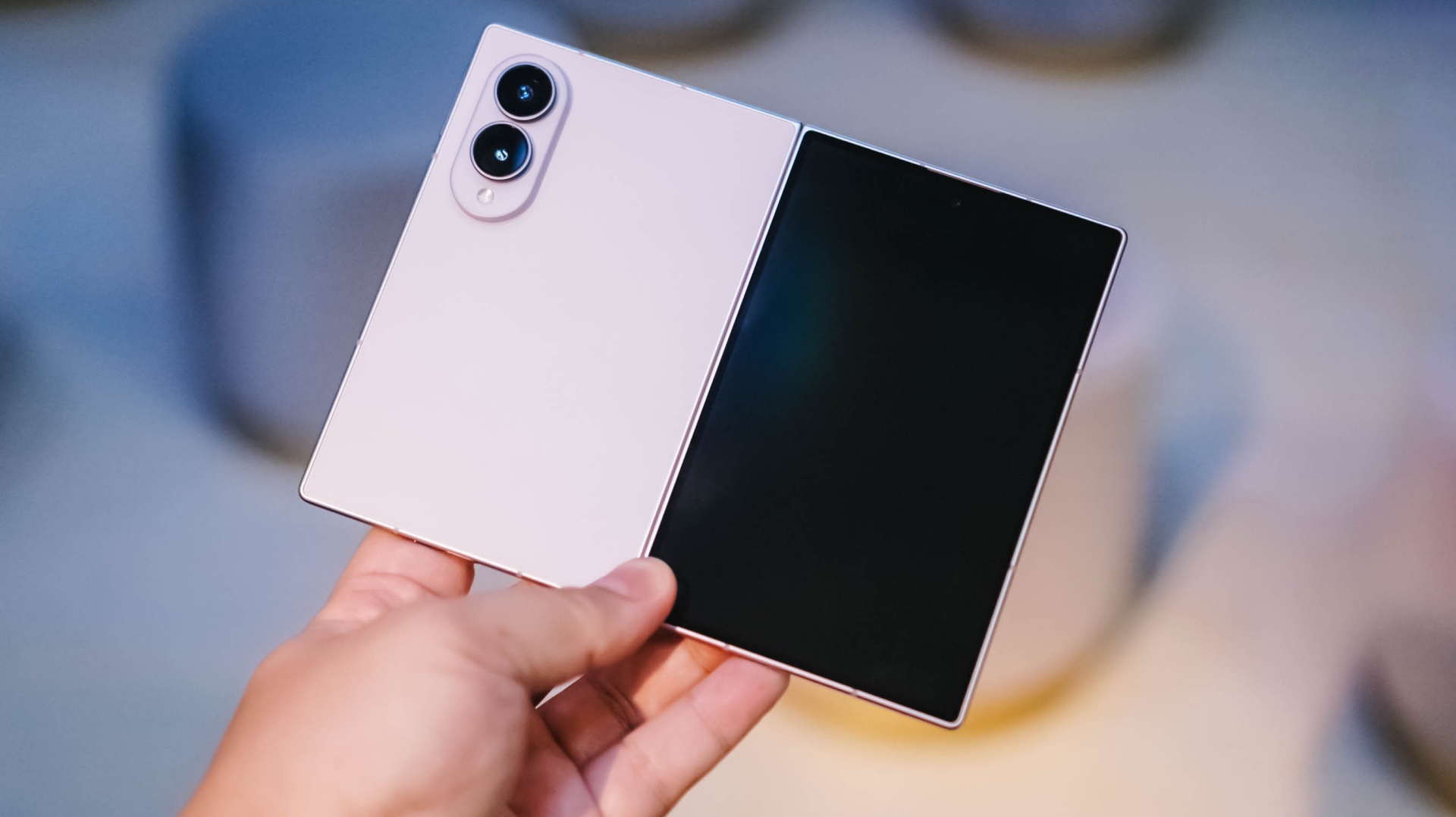
Samsung being a foldie veteran shows up here.
When I first held the Galaxy Z Fold8, I was pleasantly surprised by how light it was. At 201g, it’s the lightest of these four by a pretty significant margin. The Xiaomi 18 Fold comes in at 219g, the HUAWEI Pura X Max at 229g, and the iPhone Duo at 254g.
That’s thoughtful design, and definitely a result of Samsung having at it for years.
This is one of those things that doesn’t necessarily jump out on a spec sheet. But it matters when you actually have the phone in your hand. A passport-sized foldable is supposed to give you more screen without feeling like you’re carrying around a tiny tablet.
Samsung seems to understand that balance particularly well.
Xiaomi gets the cameras right
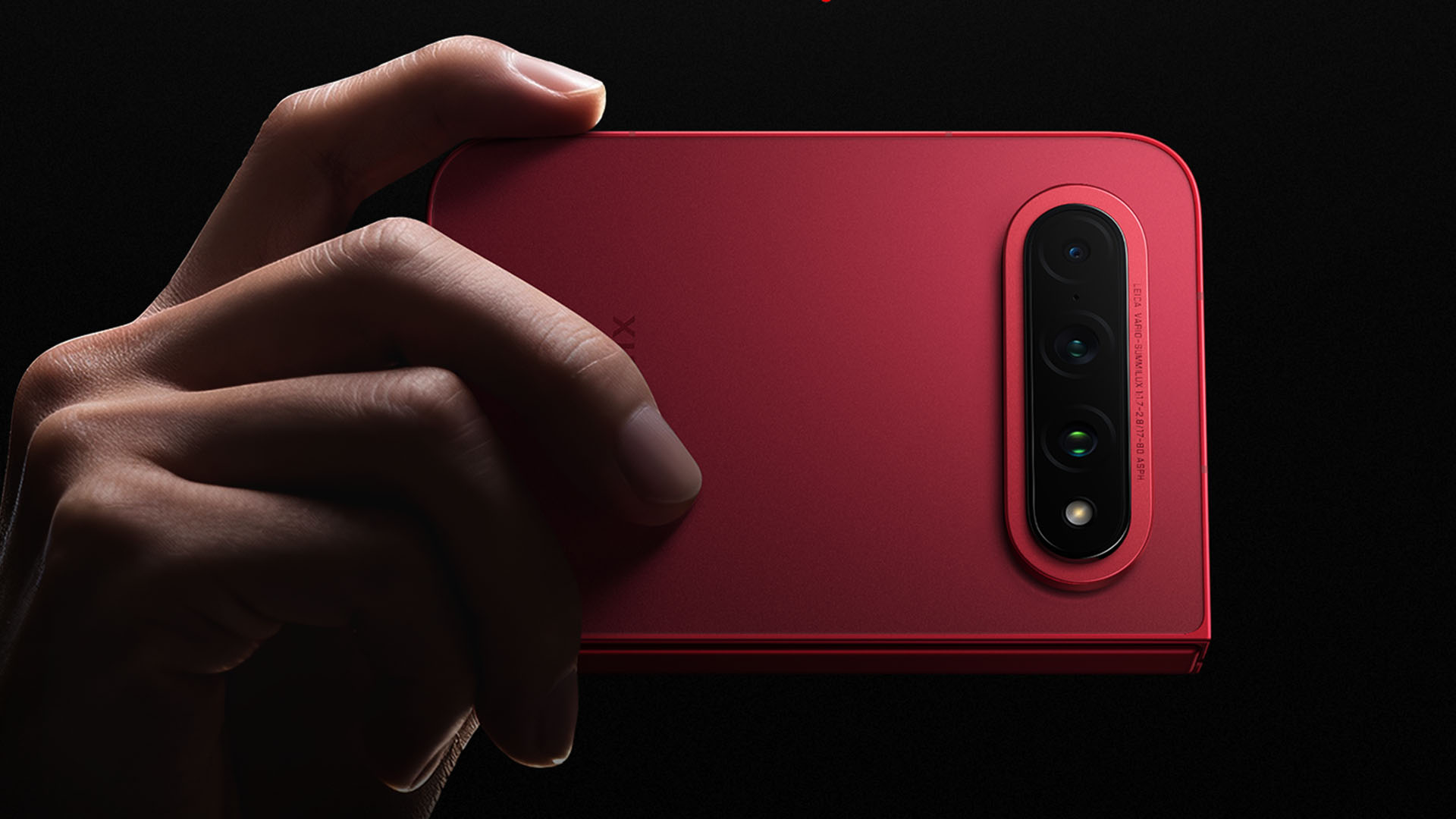
We’re not gonna talk about camera performance here. Just the cameras present and how they’re laid out.
In that regard, the Xiaomi 18 Fold is a runaway winner for me.
It has a 200-megapixel main camera, a 50-megapixel ultrawide, and a 50-megapixel 3.5x periscope telephoto. All three are part of Xiaomi’s Leica camera system.
That telephoto alone makes the setup feel much more complete than what some of the other passport-sized foldables are offering.
Then there’s the physical layout. Xiaomi puts the three cameras in a horizontal arrangement across the upper portion of the rear panel. It looks clean, but more importantly, it should help keep the phone from rocking around as much when you put it down on a flat surface.
That’s the kind of small design decision I appreciate.
You’re not just getting a foldable with cameras slapped onto the back. You’re getting a flagship-style camera system that also happens to fold.
Android gets the big screen right

This is where Android still has Apple beat.
The whole point of opening a passport-sized foldable is getting more screen. Android has spent years figuring out what to actually do with all that extra real estate.
On Samsung, you can run apps side by side, resize windows, use pop-up windows, save app pairs, and take advantage of Samsung’s broader Multi Window and DeX features. Huawei has also built out its own split-screen and floating-window tools.
Apple is finally entering that conversation with the iPhone Duo. Its iOS 27 implementation allows two apps to run side by side (you just can’t resize them like you can on Android), two windows of the same app, quick app swapping, and saved app pairs.
That’s actually a pretty big deal. But Android has been doing this for years.
The passport-sized foldable isn’t just a bigger screen. It should let you do more things at once. Android understands that part of the assignment.
Apple gets the transition right
@gadgetmatchiPhone Duo maxxing 😮💨♬ original sound – GadgetMatch
This might be Apple’s biggest contribution to the passport-sized foldable.
The iPhone Duo doesn’t simply take iOS and stretch it across a bigger display. Apple has reworked the experience around the fact that the phone can physically change shape.
Both displays share the same aspect ratio, which means content can move between the outer and inner screens without feeling like you’re jumping between two completely different phones. iOS 27 also moves controls to the side when the Duo is open, adjusts app layouts for the wider canvas, and introduces Split View for the first time on iPhone.
There’s also the rather clever StandBy implementation. Put the Duo down in a tent orientation and it can turn into a little smart display, even without being plugged in.
Apple Pencil support is coming later this year, too, and it works on both displays.
This is very Apple.
The hardware is new, but the software is doing a lot of the work to make the new thing feel familiar.
Samsung gets the overall shape right
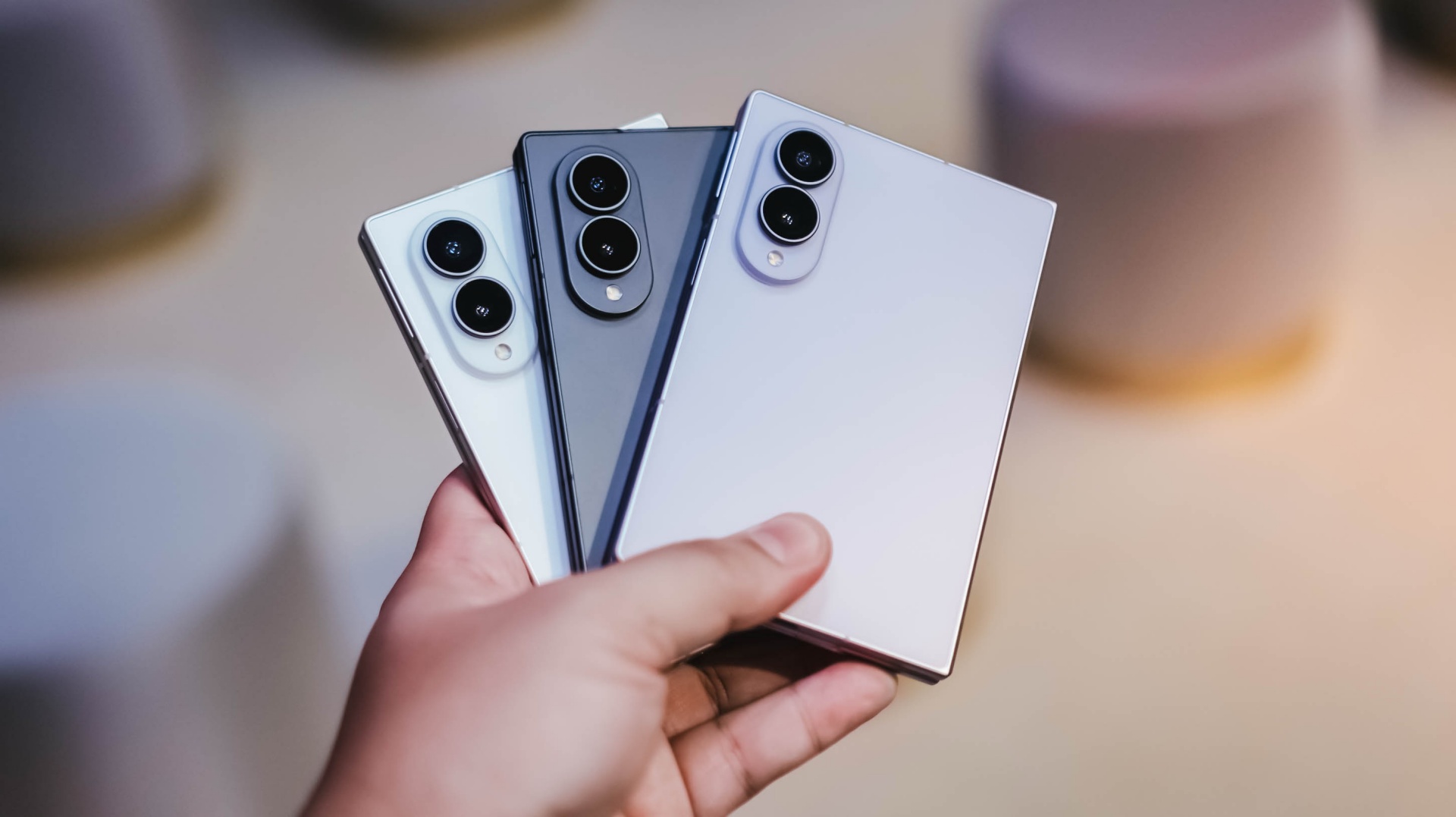
This one is completely subjective.
Personally, I prefer the square-ish, sharp-edge look of the Galaxy Z Fold8. I’ve seen plenty of people praising the D-like shape of the Duo — was that deliberate or just a happy coincidence? — and the more rounded look of the Pura X Max and Xiaomi 18 Fold.
But looks-wise, the Galaxy Z Fold8 just stands out to me.
There’s something about the balance and more symmetrical look of the Fold8 that seems more user-friendly compared to the no-love-for-lefties approach of the Duo, especially software-wise.
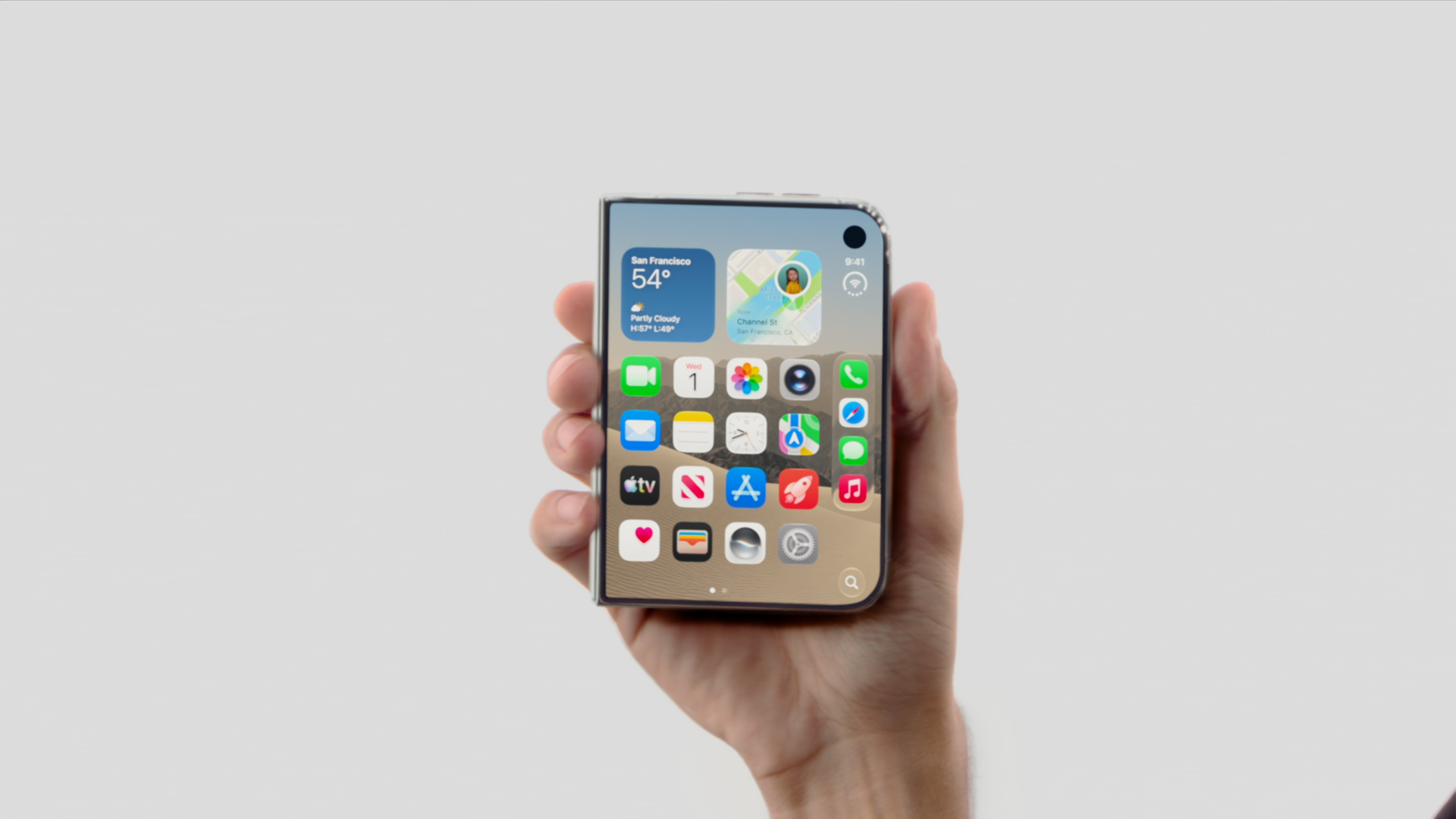
That’s obviously a personal preference. But that’s kind of the point.
We’re now at a stage where these devices aren’t all trying to look like the same thing.
The passport-sized foldable is becoming a design language of its own.
Android gets customization right
@rodneil Galaxy Z Fold8 – 3 different wallpapers: Folded, Landscape unfolded, Portrait unfolded #GalaxyZFold8 ♬ Kitty (MOMO) – MISAMO
Much has been said about the unfolding animation of the iPhone Duo. That’s cool for sure.
But if you’re after making a passport foldie truly feel like yours, Android is still the playground.
With Samsung specifically, Good Lock is your customization best friend.
You can tweak the interface, the lock screen, gestures, multitasking behavior, and plenty of little things that make a Galaxy feel less like the phone Samsung shipped and more like the phone you set up.
It’s not necessarily the sexiest feature to put on a spec sheet.
But after you’ve lived with a foldable for a while, those little things add up.
Samsung dropped the ball on the stylus
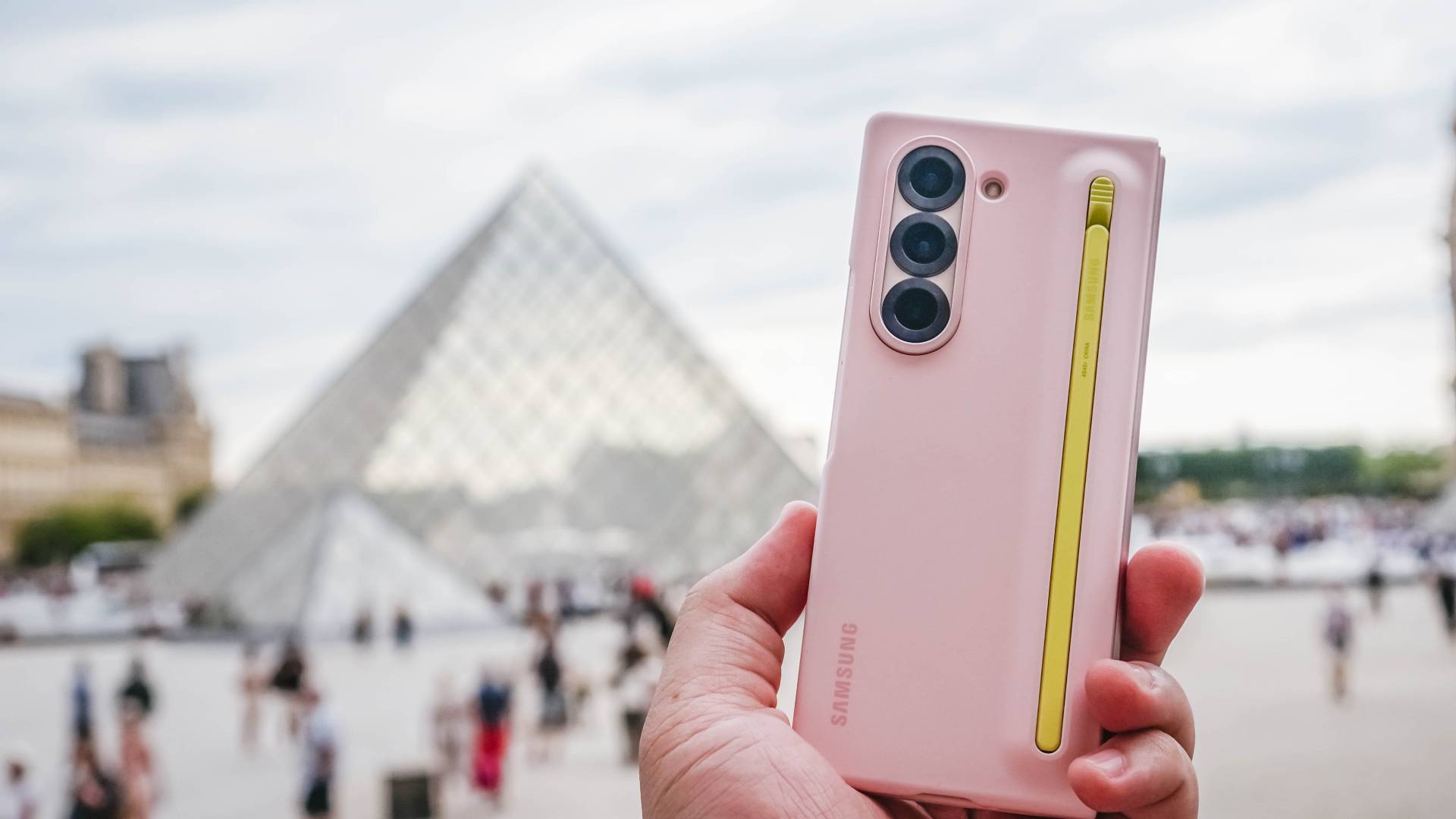
This is a weird one.
Samsung had S Pen support on the Galaxy Z Fold3, Fold4, Fold5, and Fold6. Then it dropped support with the Fold7. The Galaxy Z Fold8 and Galaxy Z Fold8 Ultra doesn’t support the S Pen either.
That’s a pretty significant omission for a device that unfolds into something approaching tablet territory.
The S Pen had plenty of fans. And you can absolutely argue that a stylus makes even more sense on a foldable because you suddenly have a much larger canvas for writing, drawing, editing, and annotating.
Apple, meanwhile, has promised Apple Pencil support for the iPhone Duo later this year.
Now, they’ve broken (or at least delayed) some promises before, so this is still a wait and see.
But it’s funny seeing Apple move toward a feature Samsung had already established on its Fold line.
The battery race is getting interesting
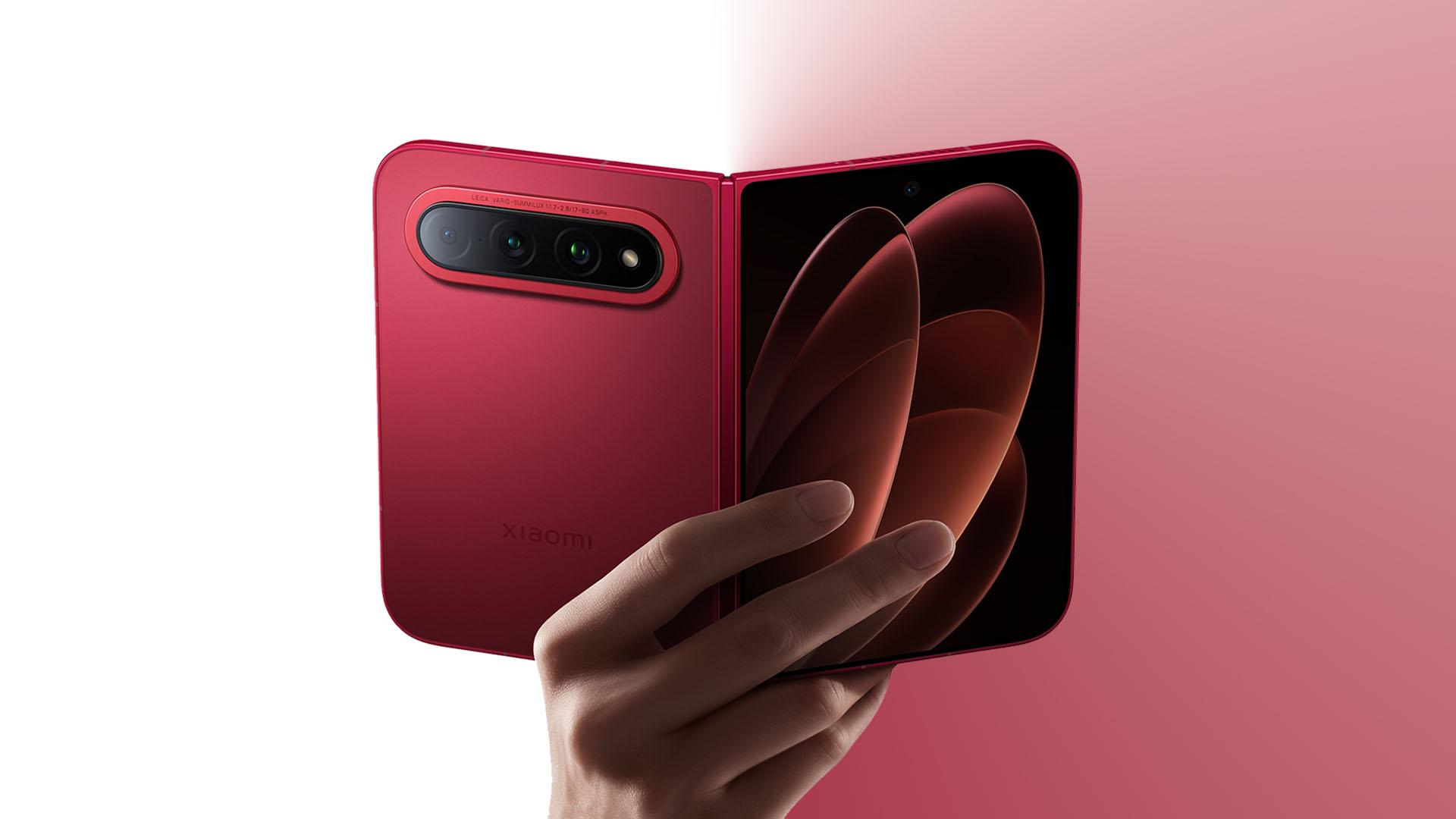
Graphics by Vincenz Lee | GadgetMatch
We still can’t fully compare this usage-wise. We haven’t spent enough time with all four devices to make any meaningful real-world battery call.
So we’re just gonna give you the numbers on paper.
The Xiaomi 18 Fold is the battery monster here with a 6,000mAh cell, alongside 67W wired and 50W wireless charging. Samsung’s Galaxy Z Fold8 has a 4,800mAh battery with 45W wired charging.
Apple doesn’t publish the iPhone Duo’s battery capacity in the same way, so we’ll leave the mAh comparison there rather than pretending the numbers are directly comparable.
This is one area where Xiaomi’s approach is particularly interesting.It has managed to put a 6,000mAh battery into a device that weighs 219g. That’s a pretty compelling combination on paper.
And then there’s performance
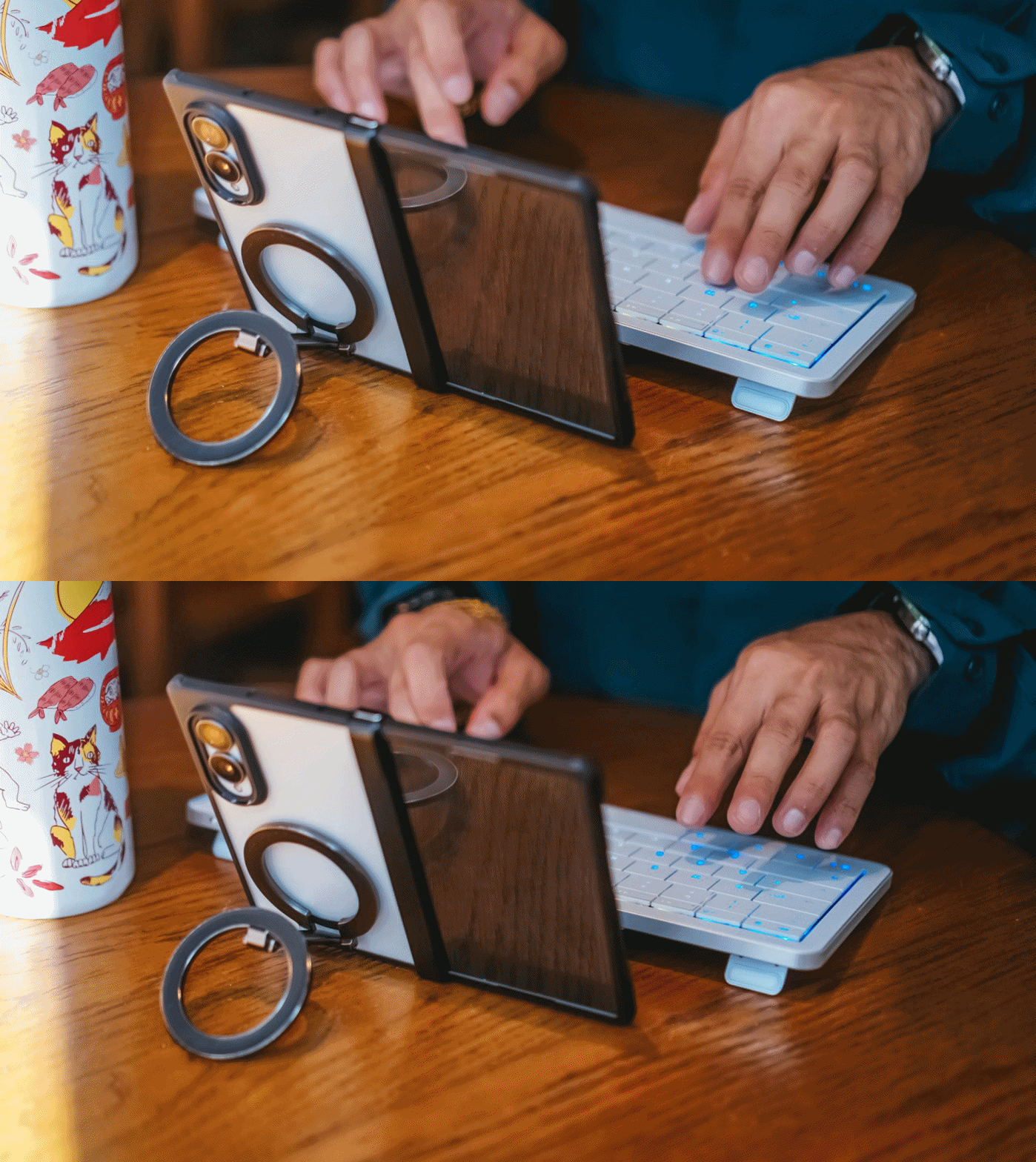
Same refrain as the battery here.
We’re not going to pretend that chipset names alone tell us which phone is going to be faster in actual use. Especially with four different platforms, operating systems, thermal designs, and software stacks involved.
But the hardware underneath is certainly no joke.
The Galaxy Z Fold8 runs on Snapdragon 8 Elite Gen 5 for Galaxy. The Xiaomi 18 Fold introduces Xiaomi’s own XRING O3 processor. And the iPhone Duo gets Apple’s A20 Pro, the same chip family used in the iPhone 18 Pro models.
The interesting part isn’t really which one wins the benchmark race. It’s that none of these companies seem to be treating the passport-sized foldable as a compromise device.
They’re putting flagship-class silicon, serious cameras, big batteries, and increasingly sophisticated software into this format.
And that’s probably the biggest thing to get right.
The passport foldable is becoming a thing
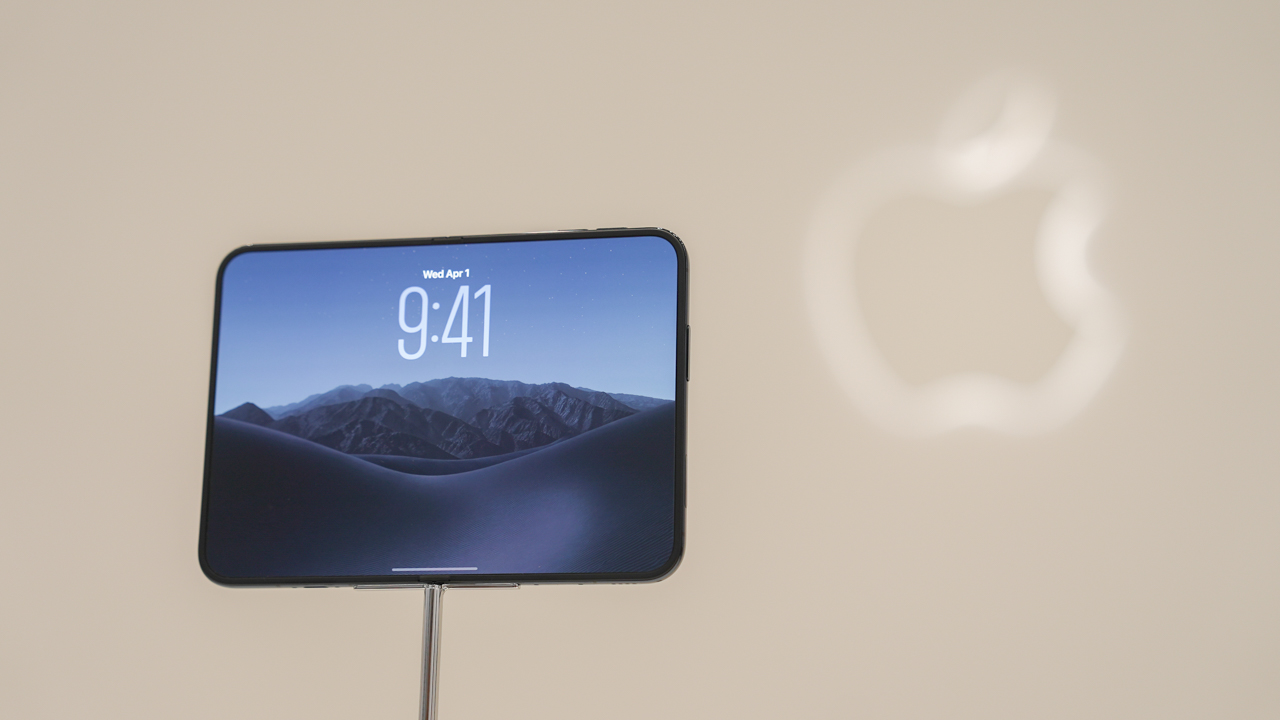
Exciting times are unfolding for the passport-sized foldable.
What’s interesting isn’t that these four phones are similar. It’s that they’re different.
Samsung has spent years figuring out how to make a big foldable thinner and lighter. Xiaomi is going all-in on cameras and battery. Huawei has its own interpretation of the compact, wide form factor. And Apple has arrived with a completely new take on how iOS should behave when the screen itself changes shape.
Between the Galaxy Z Fold8 being a big hit and the buzz generated by the iPhone Duo, it’s not far-fetched to think other brands will throw their own take at the form factor pretty soon.
And we’re totally here for it.

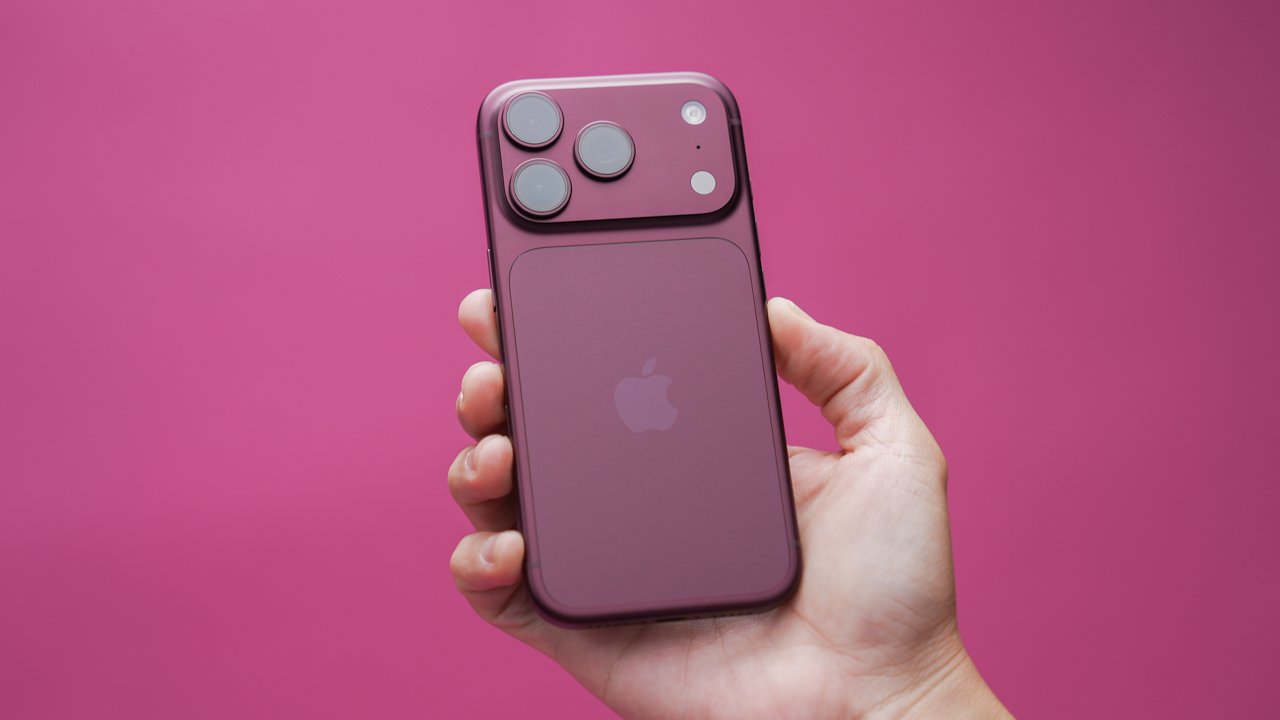
Cosmic Orange had a good run. For one generation, Apple’s “brave” iPhone Pro color turned into the flex color of 2025, and Android brands spent the better part of a year chasing that same citrus glow on everything from budget phones to tablets.
That cycle just repeated itself, except this time the copying started before the original even launched.
Apple made it official recently: the iPhone 18 Pro’s flagship shade is Burgundy, a deep red that leans warm and shifts toward purple depending on the light.
It’s the successor to Cosmic Orange, and Apple’s own language calls it “sophisticated.” Fair enough.
But Burgundy didn’t sneak up on the industry when Apple’s event wrapped. It’s been the worst-kept secret in tech since spring, when the first “dark cherry” and “deep red” leaks started making rounds.
By the time Apple actually confirmed the color on stage, at least four other phone makers had already shipped something wine-toned of their own.
Xiaomi got there first, on purpose
The Xiaomi 18 Fold, the company’s first wide-format foldable, launched with a Cherry Red colorway that multiple outlets pointed out looked a lot like Apple’s rumored shade, months before Apple confirmed anything.
Graphics by Vincenz Lee | GadgetMatch
Xiaomi timed the whole announcement to land just ahead of Apple’s own event, essentially racing to market with the same design language and a matching color story.
Whether that’s coincidence or a very calculated troll depends on how cynical you want to be about the smartphone industry, and honestly, you should be pretty cynical about it.
HUAWEI’s been circling this shade for a while
HUAWEI didn’t need to react quickly because it was already in the neighborhood.
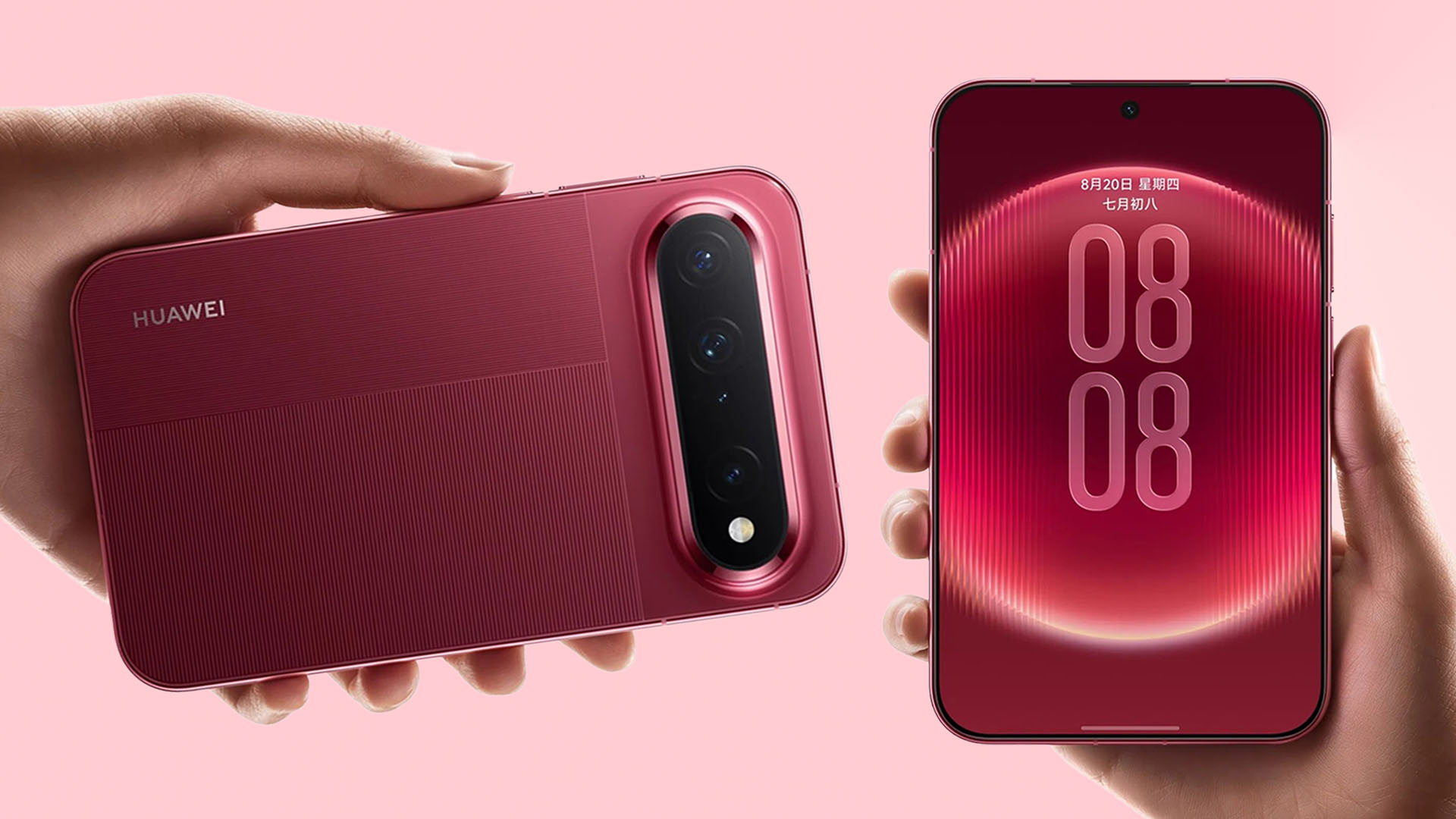
The Pura X Max shipped in a Bordeaux Red, and the newly launched Pura X View came in a Shadow Red variant that sits comfortably in the same wine family.
Graphics by Vincenz Lee | GadgetMatch
HUAWEI has actually been rotating red-adjacent colorways across the Pura X lineup since last year, with Stylish Red and Stylish Orange finishes added as running refreshes rather than one-off marketing stunts.
TECNO didn’t just match the color, it named the reference
The TECNO Camon Slim 5G might be the most self-aware entry in this whole cycle.
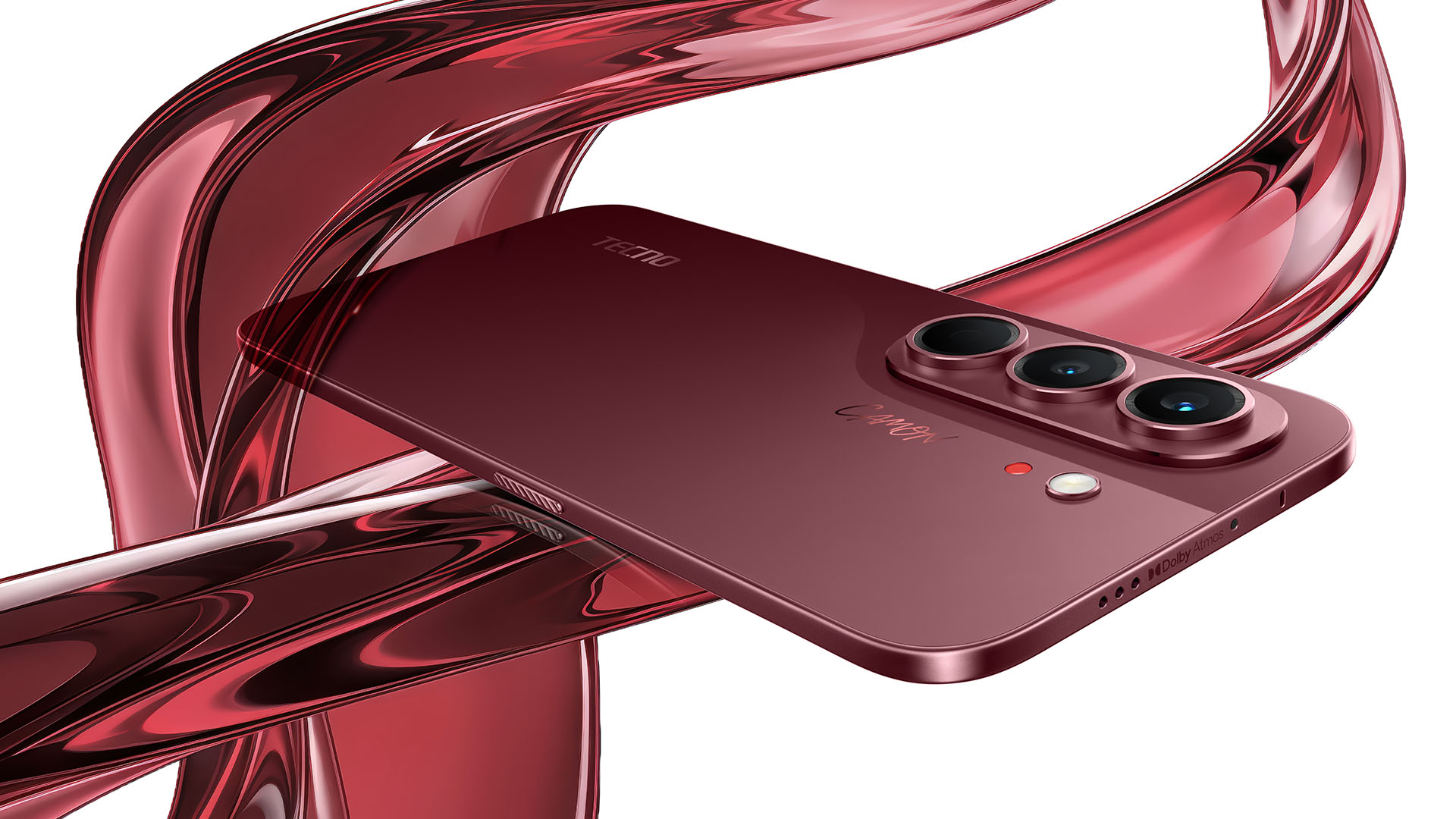
It launched at IFA with a Burgundy Red option sitting alongside artist-inspired finishes like Van Gogh Blue and Neo Mondrian, and GSMArena‘s own unboxing coverage flat out called the color “iPhone 18-anticipatory.”
TECNO wasn’t hiding what it was doing. It saw the leaks, built the phone, and then, shipped it before Apple’s event even happened.
This isn’t Burgundy’s first lap
Wine-colored phones aren’t new, they just don’t usually get a moment like this.
Samsung quietly ran a Burgundy Red Galaxy S8 as a limited South Korea release back in late 2017, then brought the same shade back for the Galaxy S9 and S9+ the following year alongside Sunrise Gold.
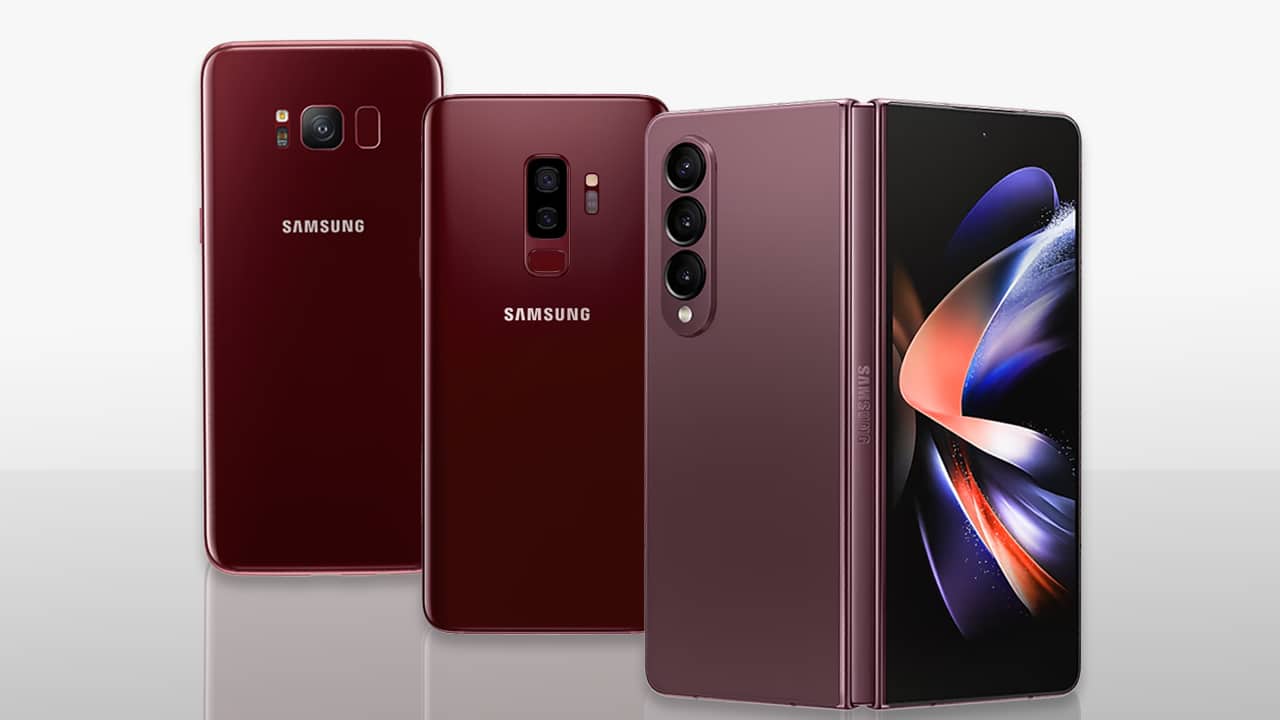
A Burgundy Galaxy Z Fold4 later became an online-exclusive color that didn’t cost extra despite the exclusivity. None of those got the fanfare Apple’s version is getting now, mostly because Samsung treated Burgundy as a nice-to-have rather than the hero shade.
Burgundy used to be the tasteful alternative color buried three options deep in a lineup. Now, it’s the one every brand wants on the box art.
Why burgundy, and why now?
The appeal is pretty straightforward once you look at what came before it. Bright colors like Cosmic Orange photograph well but can feel a little loud on a device you’re carrying around all day.
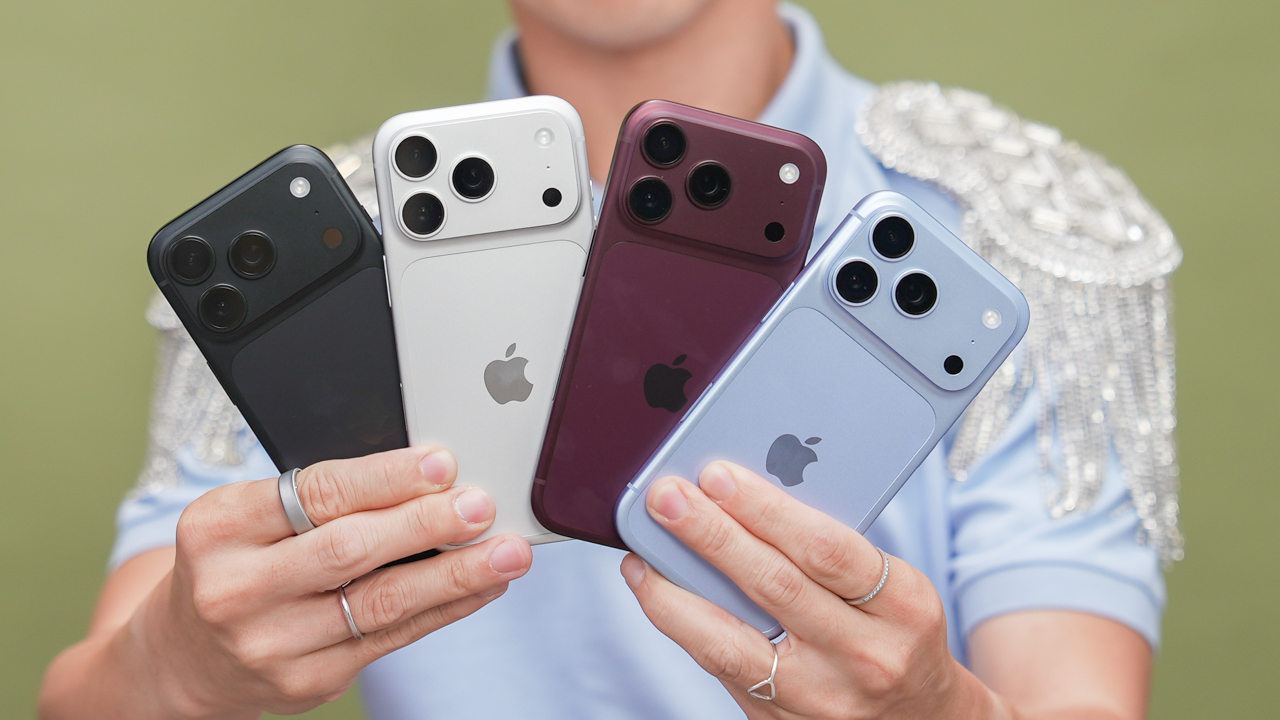
Burgundy splits the difference. It reads as premium in product shots and it doesn’t look like a toy in person. Yet, it still stands out next to a wall of black and silver phones on a shelf.
It’s the color equivalent of a phone trying to look expensive without trying too hard. And after a year of neon everything, that’s clearly what buyers and brands both wanted.
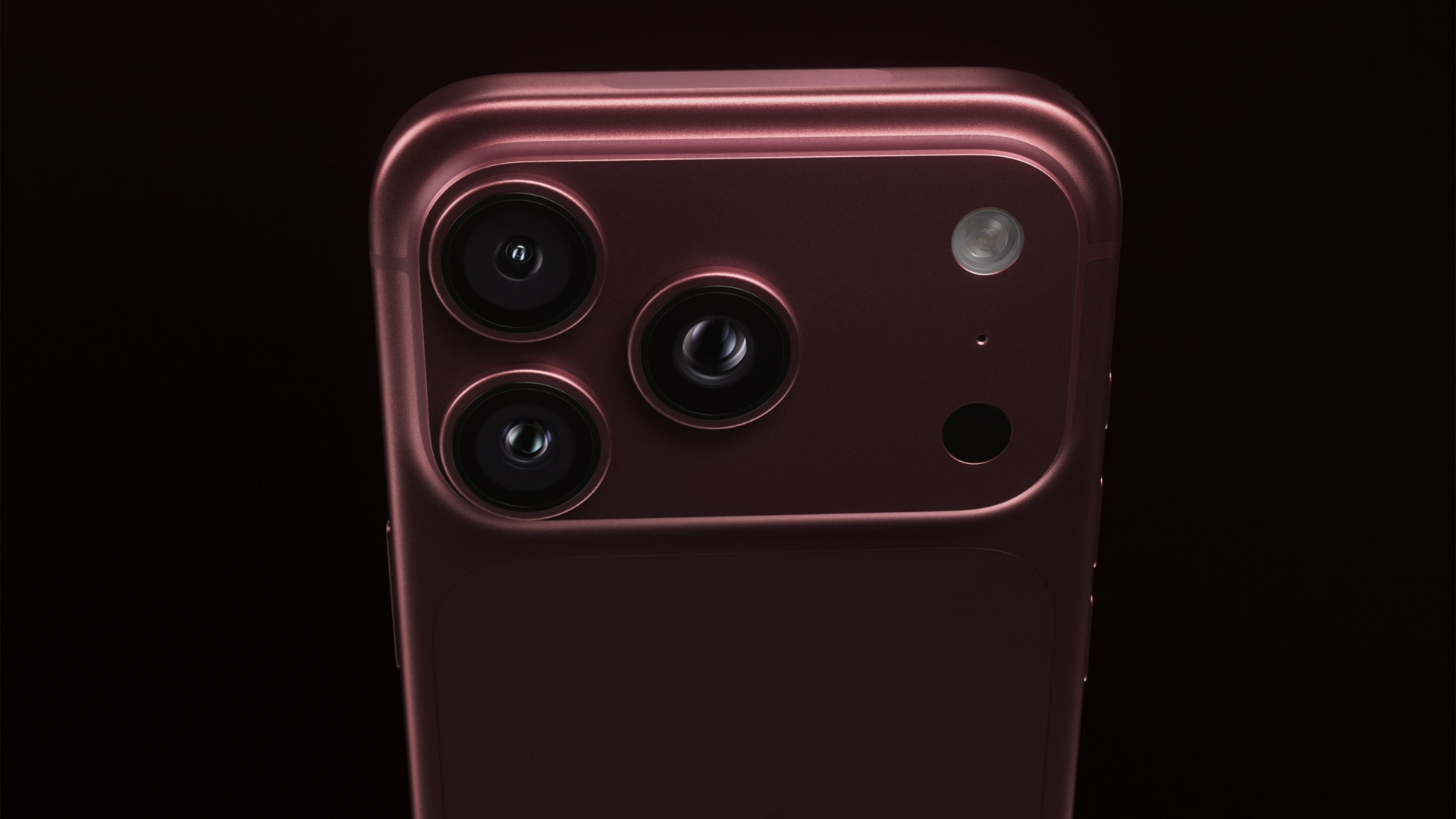
Whether Burgundy becomes as inescapable as Cosmic Orange did remains to be seen. But for a color Apple hadn’t even confirmed until its event, it’s already had one of the busiest years any smartphone shade has had in a while.
Hands-On
Apple iPhone 18 Pro Series Hands-on
And everything announced during Apple’s September 2026 Event
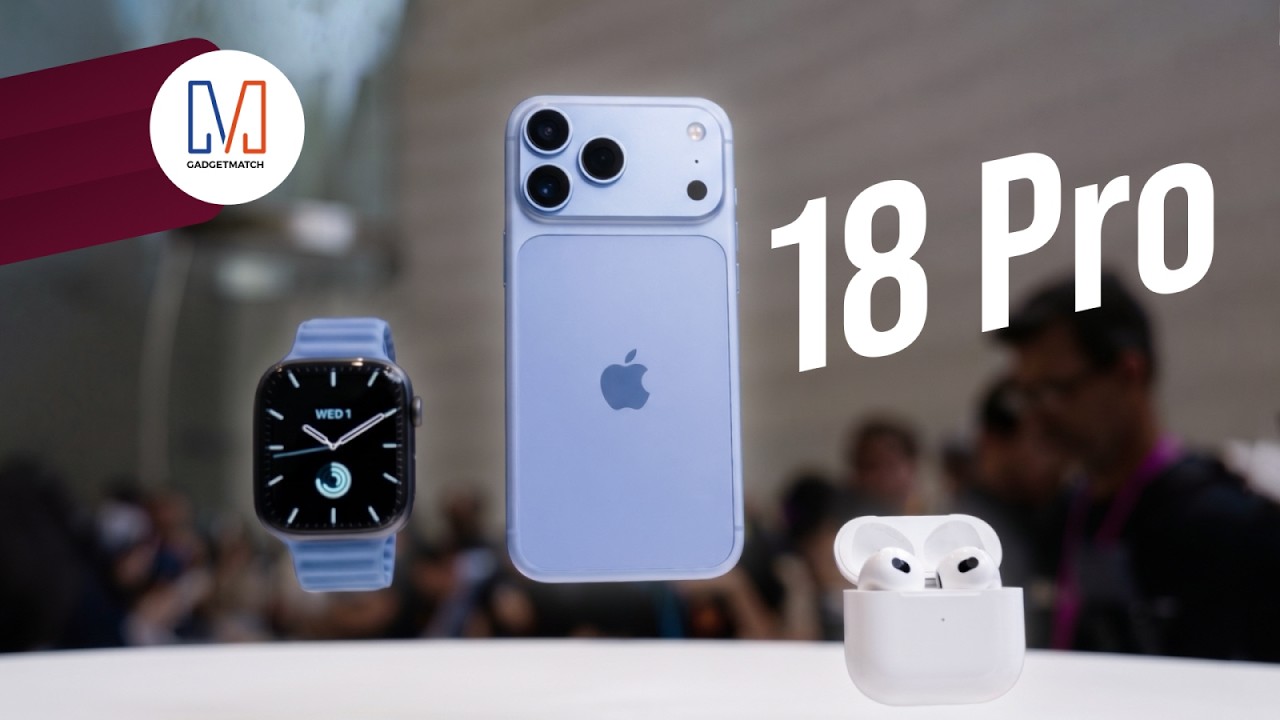
The latest Apple event isn’t just about the shiny new Apple Duo. There’s a lot to talk about!
In this video, we break down everything Apple has announced during their September 2026 keynote.
First, there’s the updated iPhone 18 Pro and 18 Pro Max. That’s alongside their design and color changes, battery and performance improvements. Even that massive camera upgrade.
There’s even the ANC-infused AirPods 5 alongside the newer Apple Watch Series 12 and Apple Watch Ultra 4. Plus, the latest software updates coming to both these wearables.
So, are these worth the upgrade?


Marvel’s Wolverine review: When the claws come out
A brutal, cinematic superhero adventure

Setting your bedsheets ablaze with the Lovense Solace Pro
The closest proxy I could find where I'm guilty as sin


Now Playing: Elden Ring Tarnished Edition
Is the Switch 2 port worth the price?

Match Pulse: Passport-sized foldables

Burgundy is the new Black!

Apple is reportedly working on its own gaming controllers

BlizzCon 2026 announces World of Warcraft: Forever and Diablo V

Apple iPhone 18 Pro Series Hands-on

TECNO MEGAPAD 2 review: Eyes on the size

realme 16T 5G with 8000mAh battery, IP69 Pro rating launches in PH

HUAWEI Pura X View is 2026’s first WIDE slab-type smartphone

REDMI reveals the refreshed Note 17 and Note 17 Pro series

REDMI Note 17 Series focuses on long-term reliability


-
 News1 week ago
HUAWEI Pura X View is 2026’s first WIDE slab-type smartphone
-

 News1 week ago
The CAMON Slim 5G is TECNO’s latest ultra-slim smartphone
-
 Cameras2 weeks ago
DJI Osmo 360 II review: Going all-in on the ecosystem
-
 IFA 20262 weeks ago
TECNO MEGABOOK T15 360 unveiled at IFA 2026
-

 Gaming2 weeks ago
NBA 2K27 review: A two-way All-Star
-
 Reviews2 weeks ago
Samsung Galaxy Z Fold8 Ultra review: It’s time to get a foldable
-
 News5 days ago
iPhone 18 Pro series: Price, availability in the Philippines
-

 IFA 20261 week ago
TECNO’s POVA 8 Pro gets a stealthy makeover