

Automotive
A glimpse on the future of motorcycles
Lycan takes on its ambitious desire to bring the first Filipino smart motorcycle

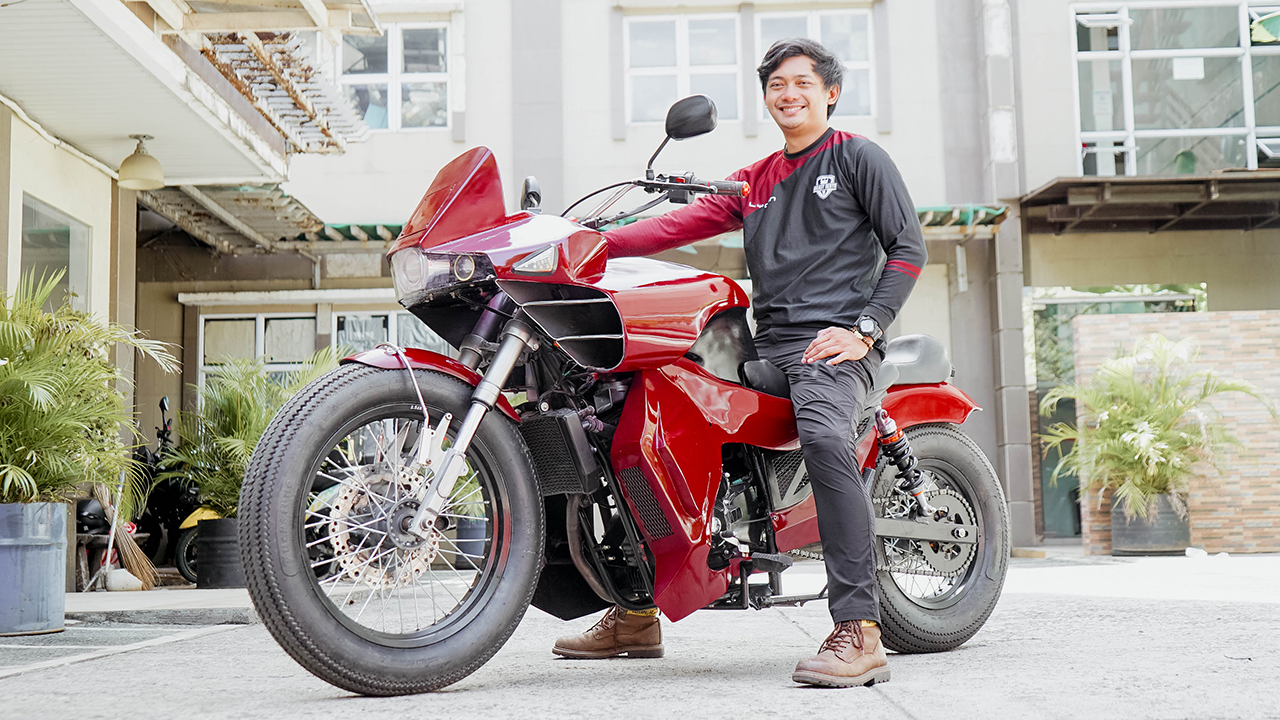
It was like a scene straight out of a sci-fi movie. A futuristic motorbike greets me as I enter the garage of Lycan, the first all-Filipino independent motorcycle and technology company.
The sound of the welding machine fusing the parts of an avant-garde motorbike echoes like a chant in a campaign rally. It was invigorating, filling my body with effervescence; enthusiastic to meet the people behind Lycan in their headquarters in Quezon City.
The promise of a connected tomorrow
A few weeks ago, I caught a glimpse of what could be the future of motorcycles in the Philippines. GadgetMatch had a sit-down with Jaggy Gangat, Chief Executive Officer (CEO) of Lycan Motors, and JM Grefaldo, the company’s Chief Technology Officer (CTO).
Gangat vividly remembered how Lycan started; a custom garage understanding what the market needs. Gangat was certainly part of the market, being a rider before more than an entrepreneur. With his background in business, strategic thinking, love for motorcycles, and desire to create an impact — Gangat was filled with idealism as he birthed Lycan.

Jaggy Gangat, CEO of Lycan Motorcycles, standing in front of the G6 prototype. | Photo by MJ Jucutan, GadgetMatch
But it wasn’t a simple, spontaneous plan that abruptly came to fruition, like those enacted in the movies. Gangat knew having a Filipino-made motorcycle isn’t enough.
Grefaldo came into the picture to make Lycan stand out. The answer was technology, or rather, making motorcycles smart. “Lycan wouldn’t be Lycan without technology and JM,” says Gangat as he vehemently introduced his CTO.
Gangat and Grefaldo believe in putting Filipinos one step closer to the future. The two shared the promise of a connected tomorrow; their eyes flickering with excitement like a star-eyed emoji as they discussed what they were about to bring in the nearest future.
From futuristic experiences of showcasing their motorcycles to a modern approach to purchasing a vehicle — Lycan wants to use technology to propel the Filipinos to a better tomorrow.
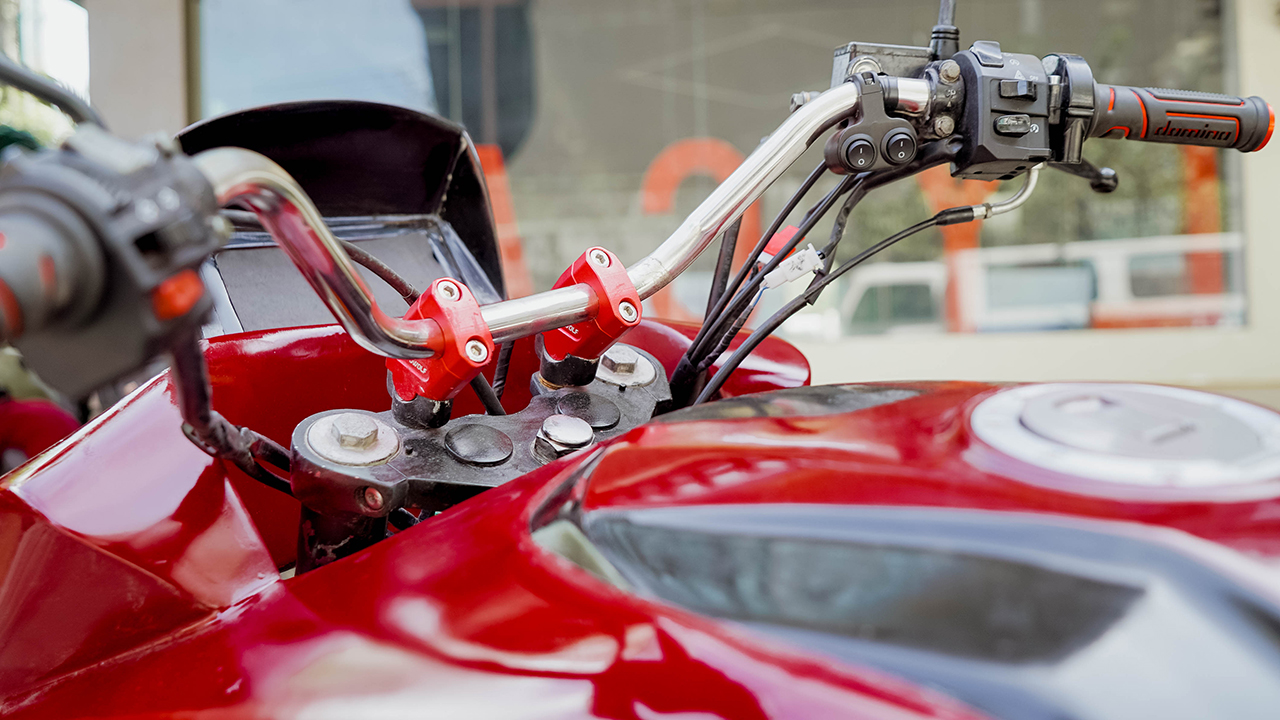
Photo by MJ Jucutan, GadgetMatch
Artificial intelligence (AI) at Lycan’s core
Ah, artificial intelligence. That tech jargon usually gets lost in translation. Lycan believes most people don’t fully understand or grasp the concept of AI. I agreed ardently. People fear what they don’t understand.
But artificial intelligence is found in almost every device we have now. It makes so much sense to see a motorcycle applying the same computer system to make it smart. As a matter of fact, life got easier in terms of communication, social interaction, and doing business — thanks to our smartphones employing AI properly.
In the same way, Lycan aspires to use AI to deliver convenience and ensure safety. The Filipino start-up is working on a proprietary voice assistant akin to Siri and Alexa, dubbed Luna.
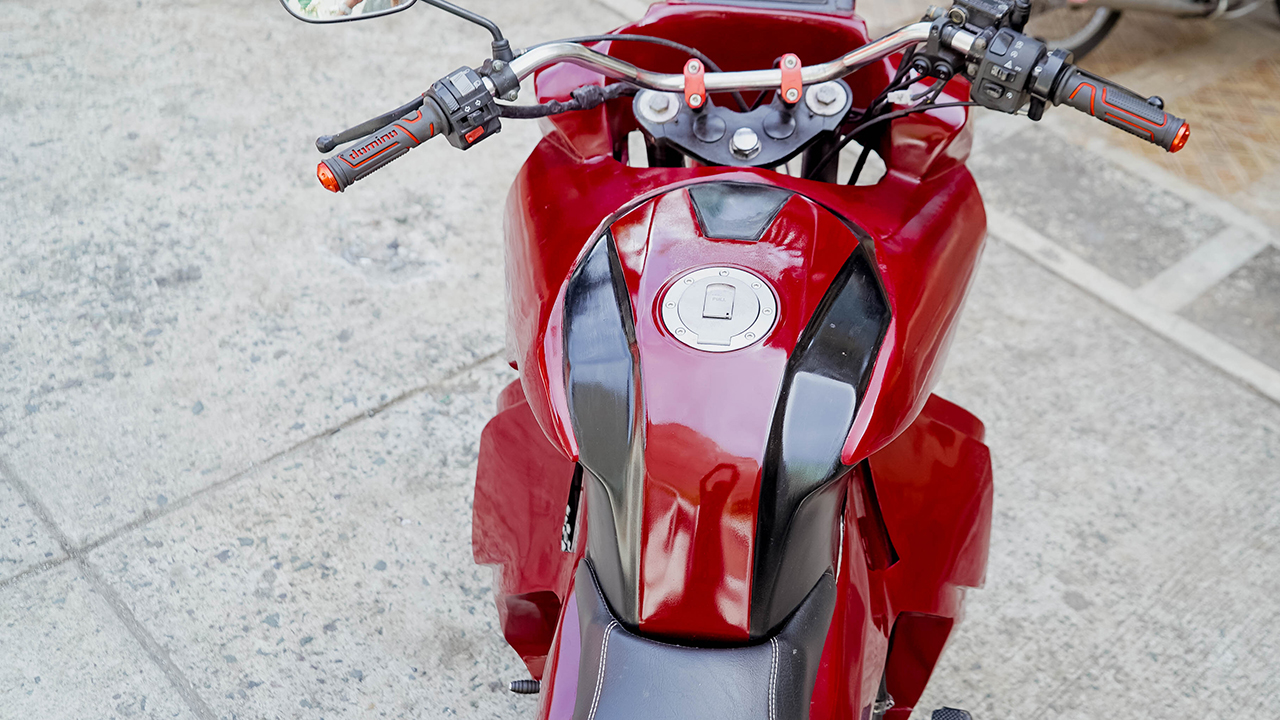
Photo by MJ Jucutan, GadgetMatch
Luna AI is expected to give commands. With machine learning, it aims to hold a conversation with the rider to prevent distracted driving.
It’s bound to be paired with a smart helmet, making Luna the ears and mouth to help operate the system. With one command, Lycan’s motorcycles can activate without throttle assist.
In the nearest future, as Luna takes a more tangible shape after its development, the voice assistant will help navigate maps, exhibit the important statistics from the dashboard, integrate the data between the smartphone and mobile app, access remote diagnostics, and check the overall performance and condition of the motorcycle.
Gangat hopes to make the technology as solid as it can, like Elon Musk’s TESLA. Eventually, hopefully, the CEO dreams of a future where the motorbike can be smart enough to predict a situation, and hopefully, keep more bodies safe.

Photo by MJ Jucutan, GadgetMatch
An integrated experience
Lycan is also developing its own operating system called LmoS. In full, it’s called Lycan Motorcycles Operating System, functioning as the brain of its motorcycles, and eventually, the system for Luna AI.
Aside from the smart motorcycle, the company is developing a mobile app slated to be launched later this year alongside the G6. The app will be integrated into the motorcycle and is expected to work seamlessly with the smart helmet — operated by Luna AI and connected via Bluetooth and/or WiFi connectivity.
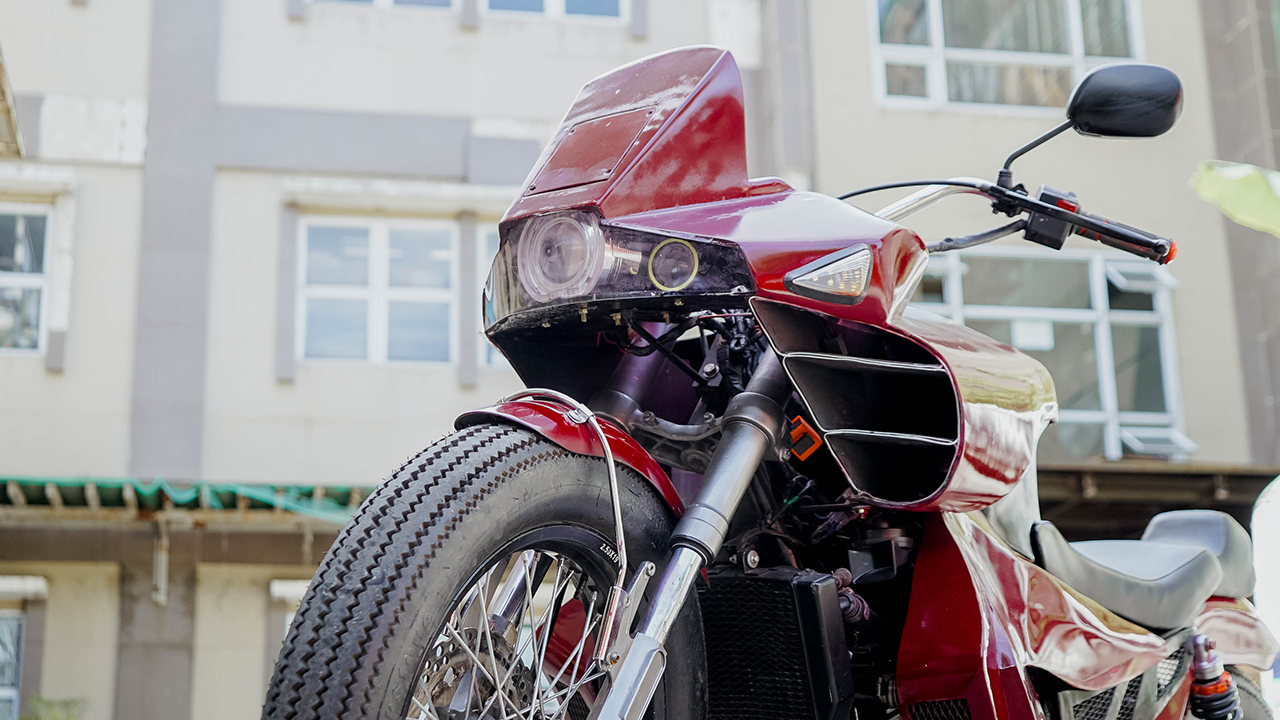
Photo by MJ Jucutan, GadgetMatch
For security purposes, Lycan is considering blockchain as a foundation to safeguard its users and the technology.
Helmet like Iron Man’s
The smart helmet is Lycan’s answer to the problem of distracted driving. A split second of taking your eyes off the road can unravel endless possibilities; one of which could be accidents happening in the blink of an eye.
While still under development, the smart helmet promises an Iron Man-like experience. The visor will have a heads-up display to give an overview of the riding experience, and to communicate with fellow smart helmet users.
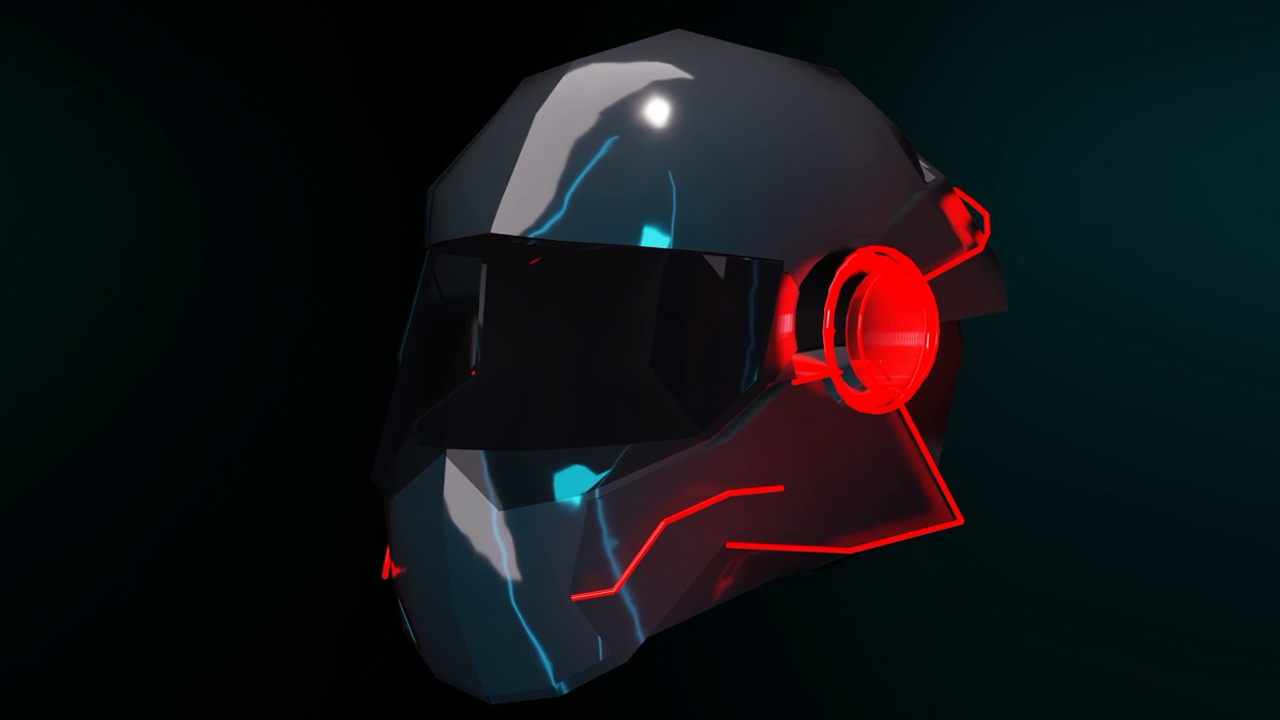
Sensors are equipped inside the helmet, measuring your pulse and heart rate while communicating with the mobile app. One important thing would be its unique Smart Helmet Crash Detection technology. The helmet’s impact sensors will assess the kind of fall and the gravity of the impact.
Different levels will determine the next course of action, whether Luna will update Lycan, alert a local LGU — if the company gets to partner for emergency dispatch — or simply ask the rider about his/her/their current condition.
Personalize your motorcycles
Apart from the infusion of artificial intelligence and the application of Internet-of-Things on its products, Lycan prides itself on another innovative platform. Called BuilderX, the online configurator gives people the ability to design their motorcycles and get them personalized.
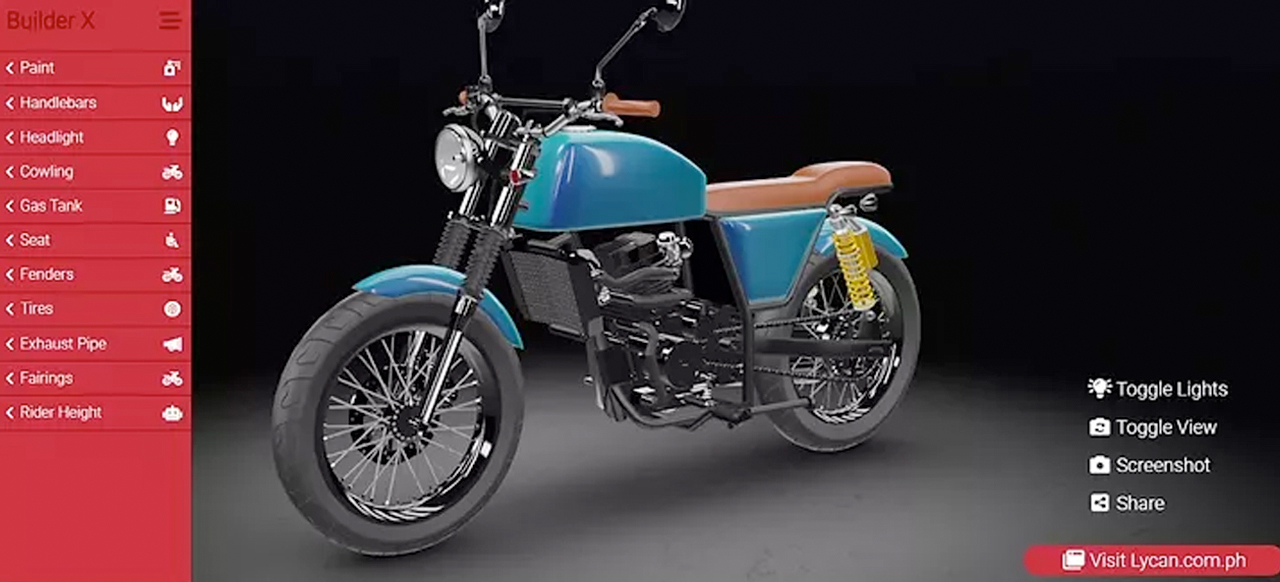
The platform aims to let people customize, save their designs, download, and place their orders. Lycan aspires to make purchasing their vehicles simpler, taking cues from the booming e-commerce platforms. The company promises to make it easy even for non-tech savvy individuals, making the process as easy as three steps: designing, ordering, and receiving.
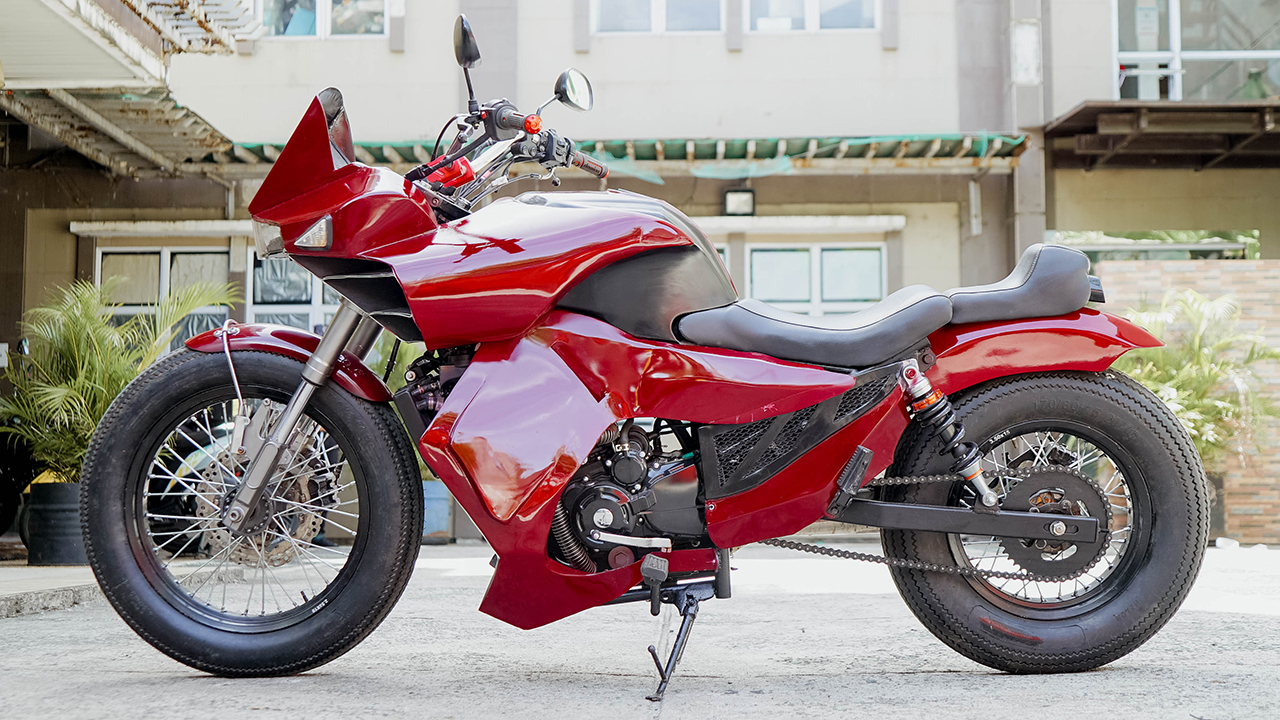
Photo by MJ Jucutan, GadgetMatch
There will also be an option to pick up the motorcycle or receive it at home. The platform was backed by Gangat’s background in customizing motorcycles, reducing costs by tapping into e-commerce instead of opening up several dealerships, and answering people’s desire for a more personalized motorcycle — shying away from designs brought by foreign brands.
Reducing carbon footprint
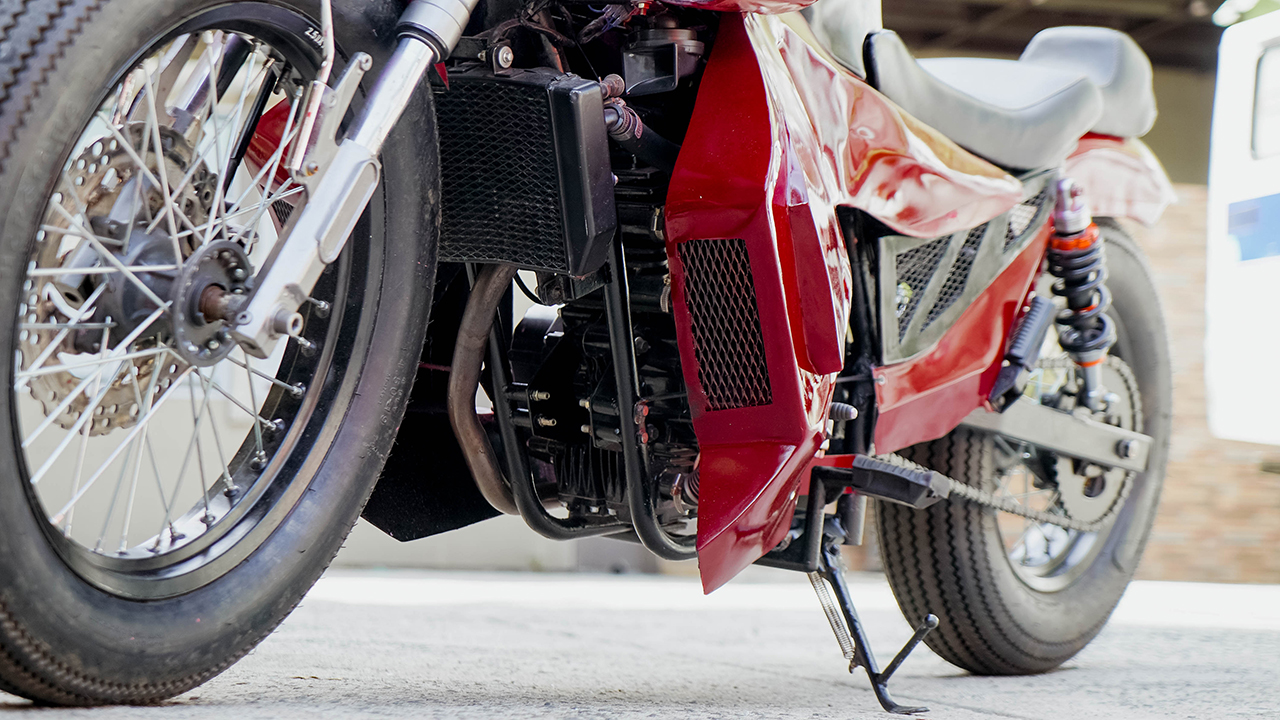
Photo by MJ Jucutan, GadgetMatch
Like any company of tomorrow, Lycan wants to help in reducing its carbon footprint. Currently, the motorcycles are available in gasoline and hydrogen fuel-cell versions. Moving forward, Lycan is looking into a hybrid engine using hydrogen fuel cells and petroleum for internal combustion and eventually transforming into a pure hydrogen vehicle.
Concurrently, Lycan is developing batteries and engines to prepare for an EV variant. The company is looking into a 5000-kilowatt battery for high-speed electric vehicles.
A company that listens
As a start-up, Lycan offers one thing most motorcycle companies don’t: two-way communication with its consumers. Aside from the service and technology, Lycan aims to listen intently to the market. One way to prove this is the retail price that its market can afford (and potentially disrupt the industry).
The 400cc G6‘s MSRP is PhP 179,999 and reservation starts at PhP 9,850. Meanwhile, the 650cc GC6‘s MSRP is PhP 294,999 and reservation starts at PhP 19,720. Prices are subject to change.
Aside from being the company’s consumers, interested investors can take part in the growth of Lycan. See investment opportunities and be part of history as a shareholder.

BYD is lighting up the electric vehicle segment. For a while now, the Chinese automotive brand has been offering affordable alternatives to the so-called giants of the market, in turn becoming a giant itself. The company has since entered other segments, including the luxury market, through its sub-brands Denza and Yangwang. Now, it’s reportedly considering an all-new venture: the world of Formula One.
The new Formula One season saw the debuts of Audi and Cadillac to the racing grid, proving that the sport isn’t averse to expanding beyond the usual ten teams. Naturally, entering the sport is not an easy process, but for the right brand, it could be a very lucrative opportunity.
According to a source from Bloomberg, BYD is currently evaluating an entry into Formula 1. Right now, the Chinese company has not made a decision, but it is an idea floating around.
Besides the rigorous entry process, owning an independent racing team can cost BYD hundreds of millions of dollars per year. It’s not a cheap sport.
That said, there are other ways for the brand to enter the grid. One of the more cost-effective options is to become a title sponsor of an existing team by providing funding and technical expertise without the stress of managing a team directly.
Alternatively, the brand can also skip the red tape by buying an existing team. Audi, for example, entered the current grid by buying the team from Sauber. Of the current grid, Alpine is reportedly considering putting the team up for sale, making it a potential target for newcomers.
Outside of F1, BYD might also have an easier time entering other competitions including the FIA World Endurance Championship.
SEE ALSO: This BYD car is now the world’s fastest car in the market
Automotive
Xiaomi Vision Gran Turismo makes global debut at MWC 2026
Tech giant becomes first technology brand in Vision GT program

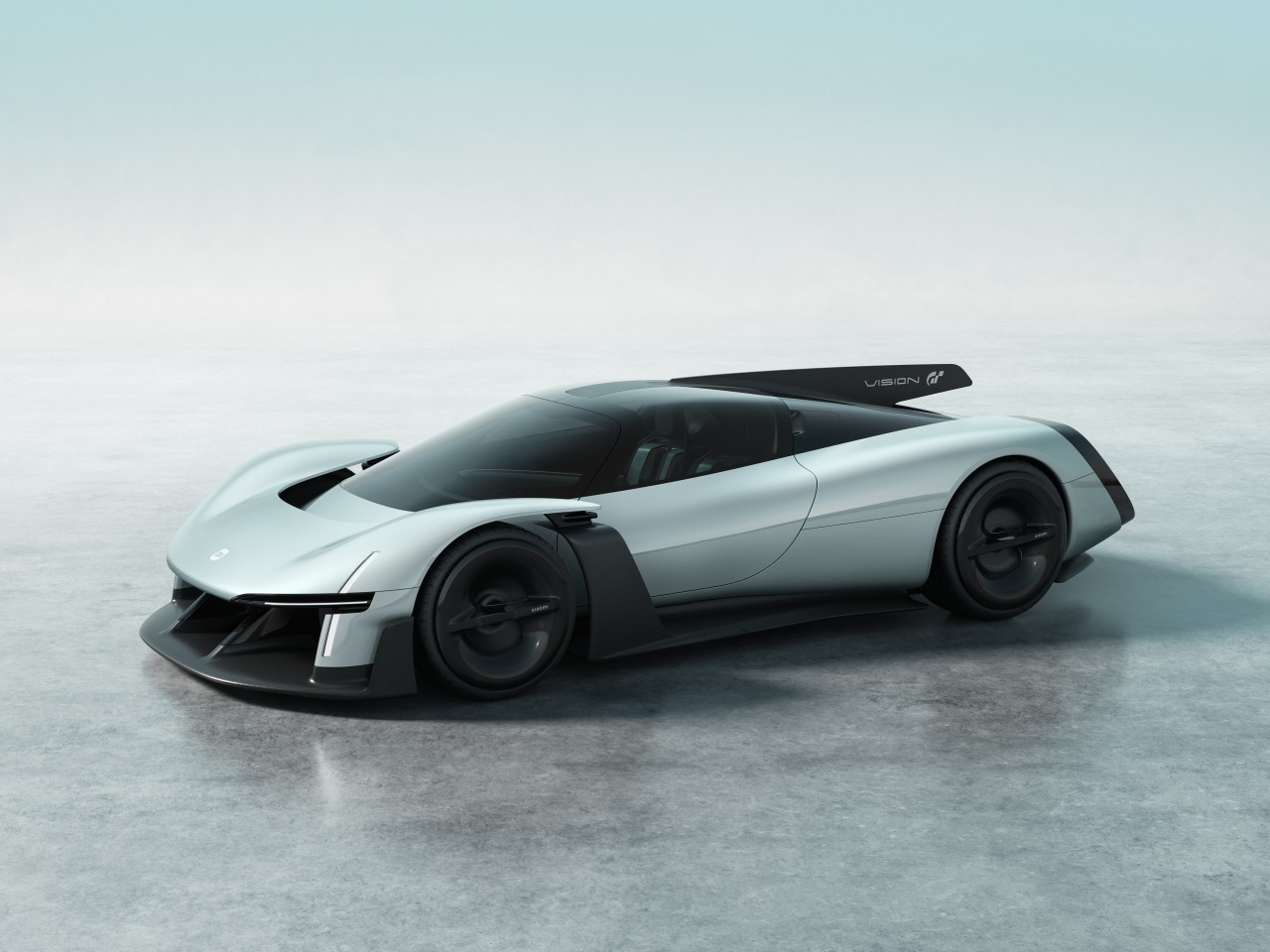
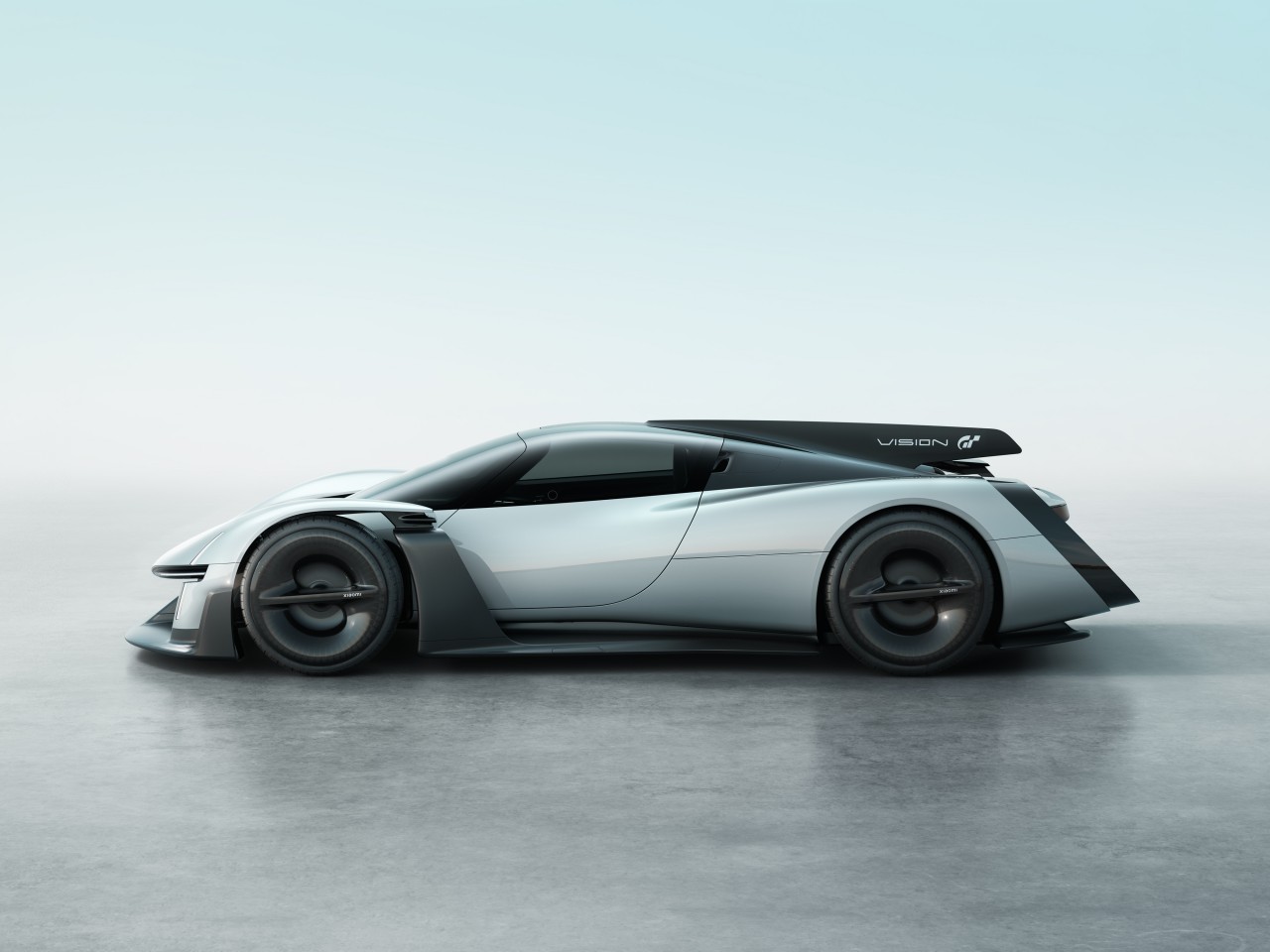
Xiaomi has unveiled the full-scale concept model of the Xiaomi Vision Gran Turismo or Xiaomi Vision GT at MWC 2026 in Barcelona, Spain. This marks the company’s official entry into the elite Vision Gran Turismo project.
Created for the legendary Gran Turismo franchise, the electric hypercar concept represents the first time a technology company has been invited to participate in the Vision GT program. Xiaomi now joins a select group of global automakers, becoming the 36th brand to take part and the creator of the 51st Vision Gran Turismo concept overall.
The project began at the GT World Series in London, where series producer Kazunori Yamauchi personally invited Xiaomi to design its own Vision GT car. For Xiaomi’s global EV design team, the opportunity meant rethinking hypercar development from a technology-first perspective, blending advanced aerodynamics with AI-driven intelligence.
Sculpted by the wind
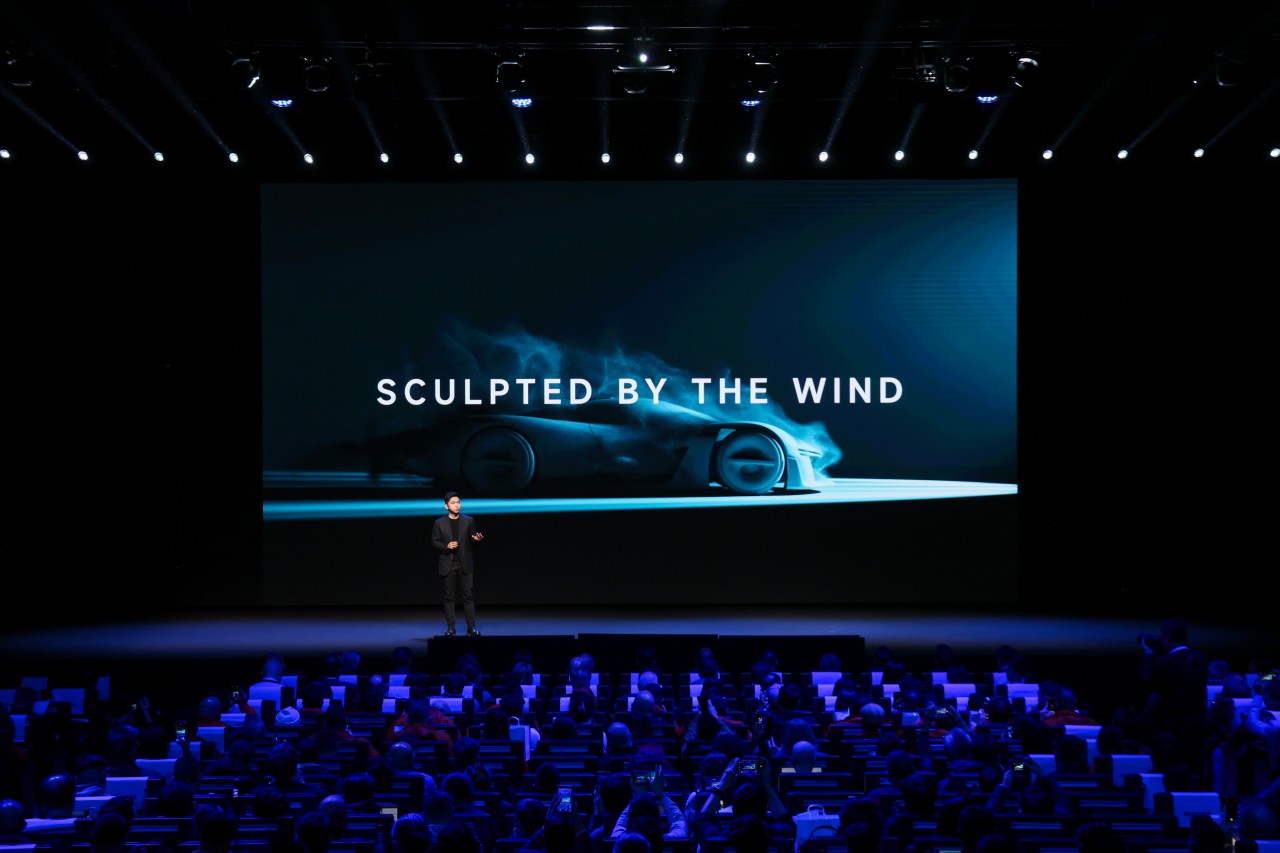
At the core of Xiaomi Vision Gran Turismo is aerodynamic balance. Instead of chasing extreme low drag or maximum downforce alone, Xiaomi pursued efficiency between the two.
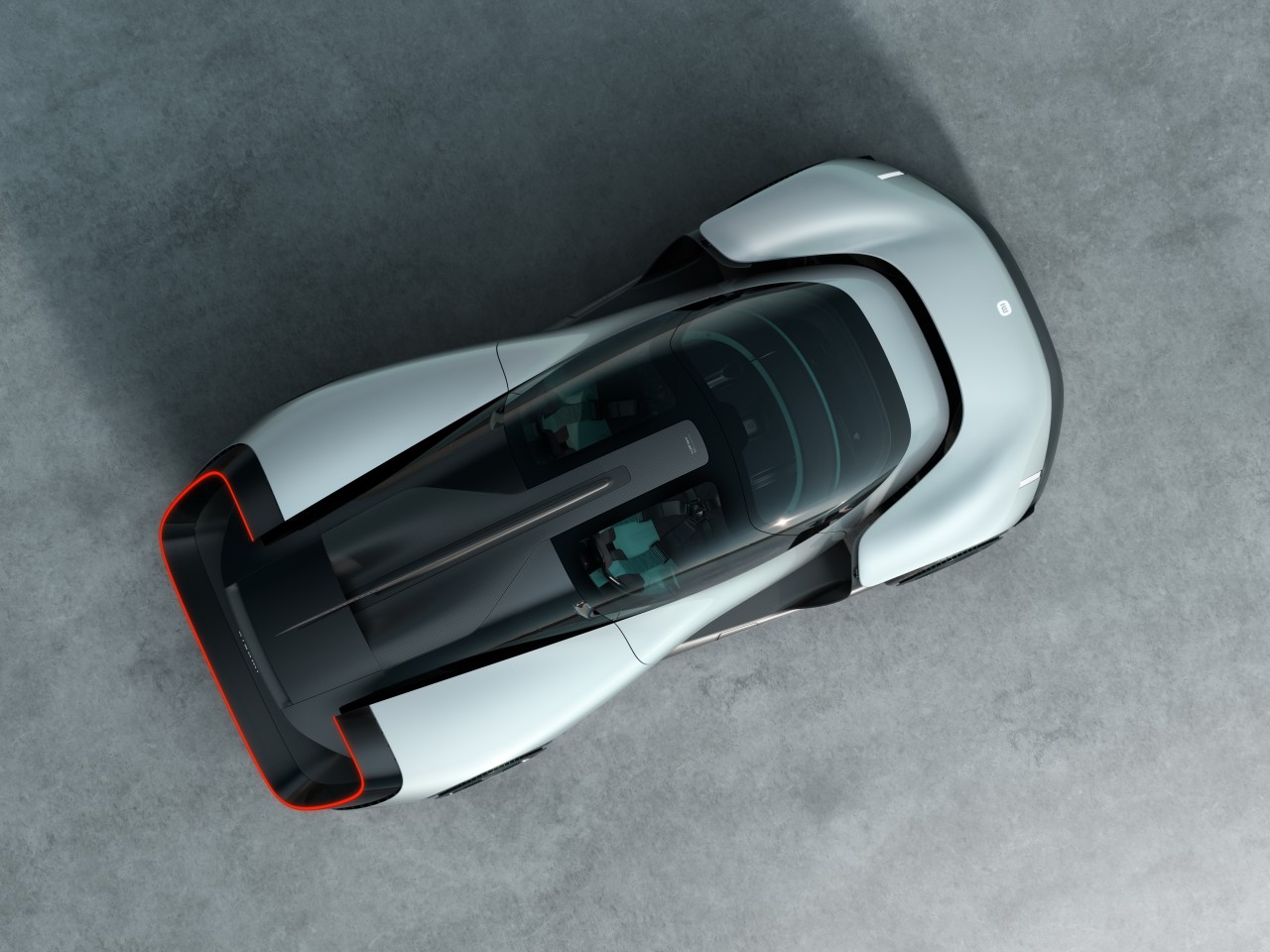
The concept follows a “Sculpted by the Wind” philosophy. Its teardrop cockpit silhouette, integrated air ducts, and airfoil-shaped structural elements guide airflow seamlessly from front to rear. The body avoids excessive add-ons, relying instead on built-in aerodynamic solutions.
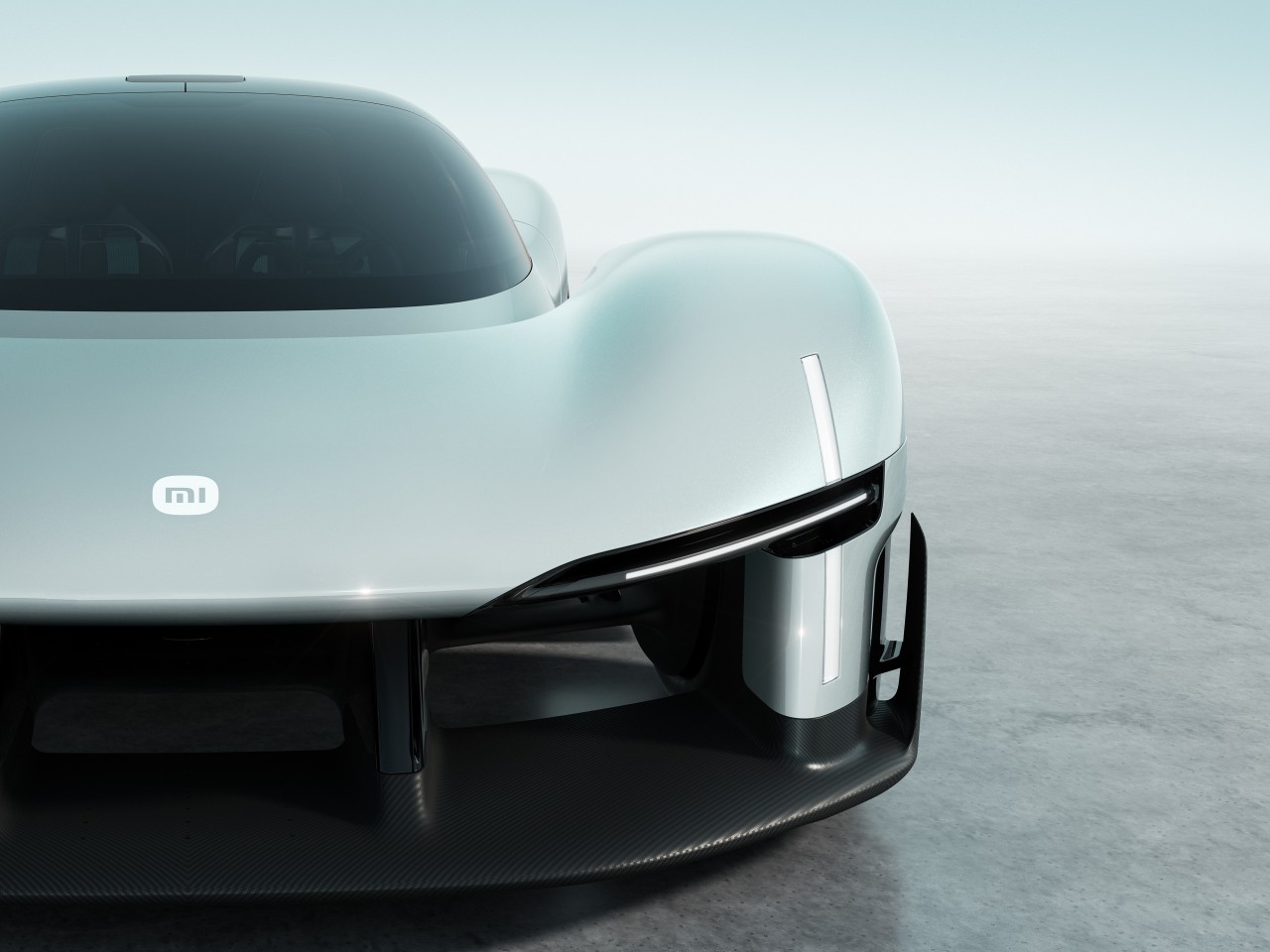
Signature design elements serve dual purposes. Cross-shaped headlights integrate into the airflow system, while the halo-shaped taillight sits within a massive rear air outlet. An Active Wake Control System surrounds the rear with micro-perforations that manage turbulent air using real-time speed and angle data.
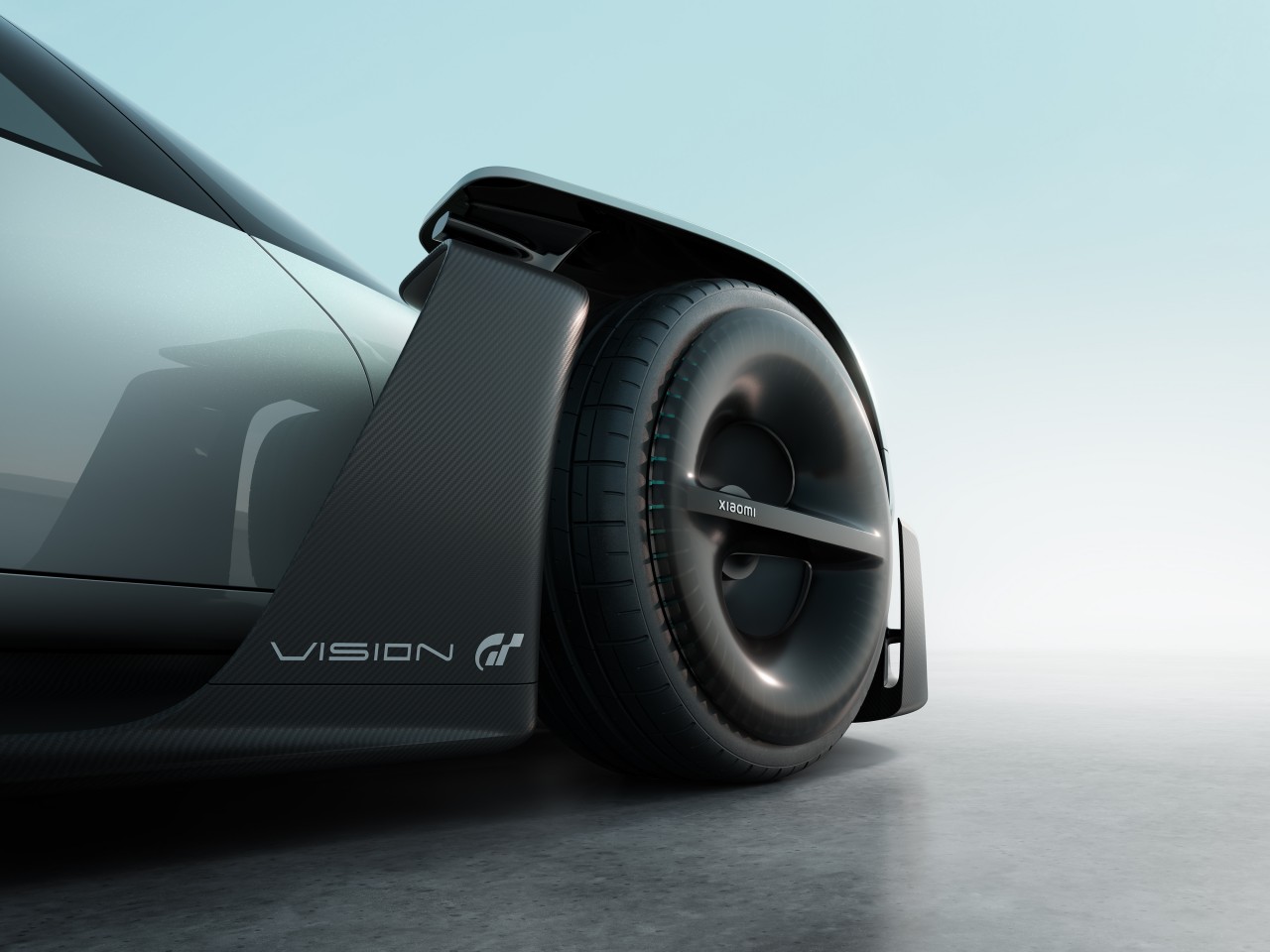
The Accretion Rims feature vortex-style wheel covers that remain visually stationary while the car is in motion, reducing drag from rotating surfaces. Internal turbine fins help cool the brakes during operation.
Through iterative simulation testing, Xiaomi says the concept achieves a drag coefficient of 0.29, downforce of negative 1.2, and an aerodynamic efficiency rating of 4.1 — figures that highlight balance rather than extremes.
A “sofa racer” interior
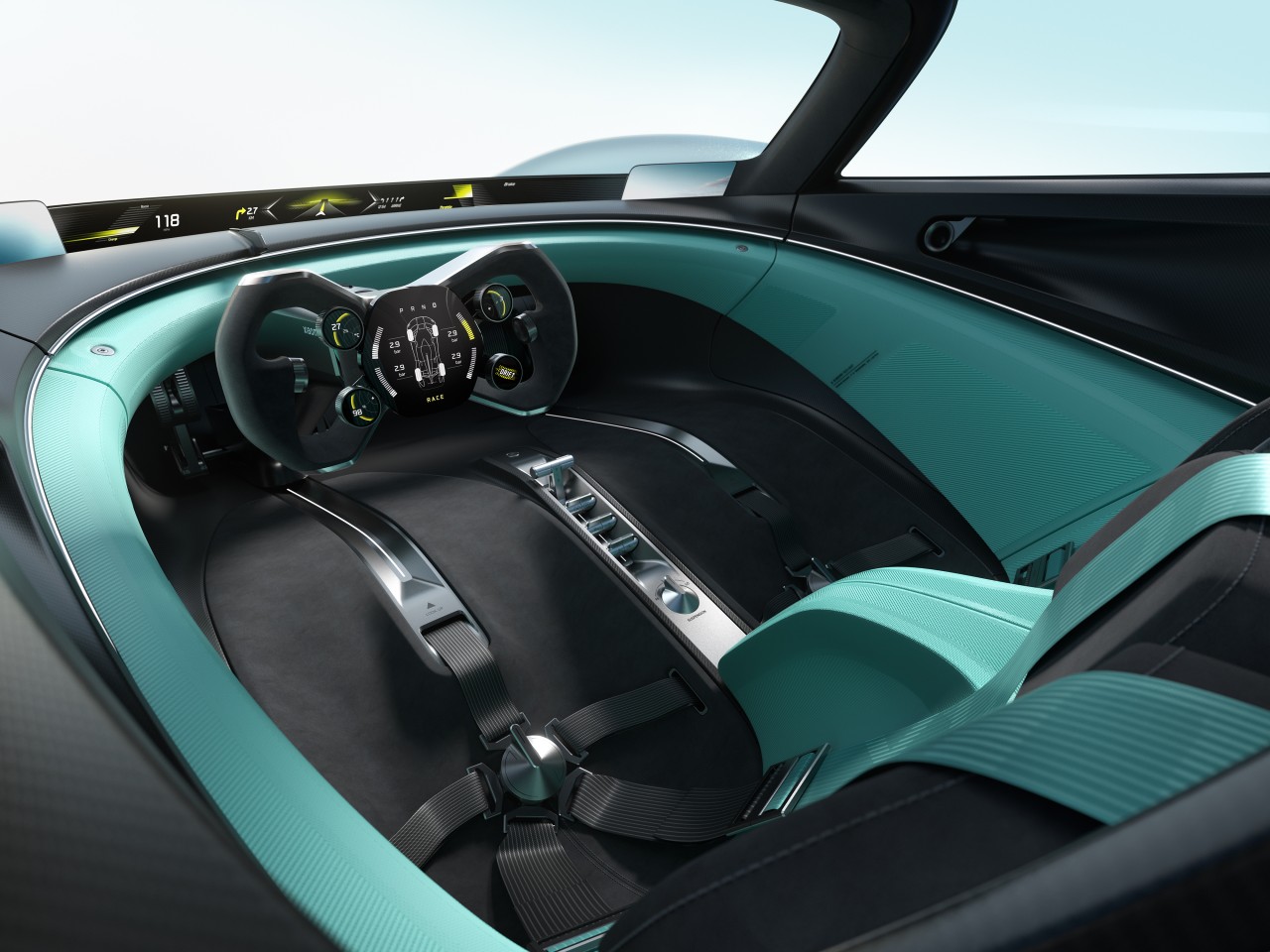
Inside, Xiaomi departs from the rigid, track-focused cabins typical of hypercars. The “Sofa Racer” concept emphasizes comfort without sacrificing control.
A ring-shaped cockpit architecture wraps around the driver, blending dashboard, doors, and seats into one continuous structure. Breathable 3D-knitted fabric materials aim to provide both support and warmth.
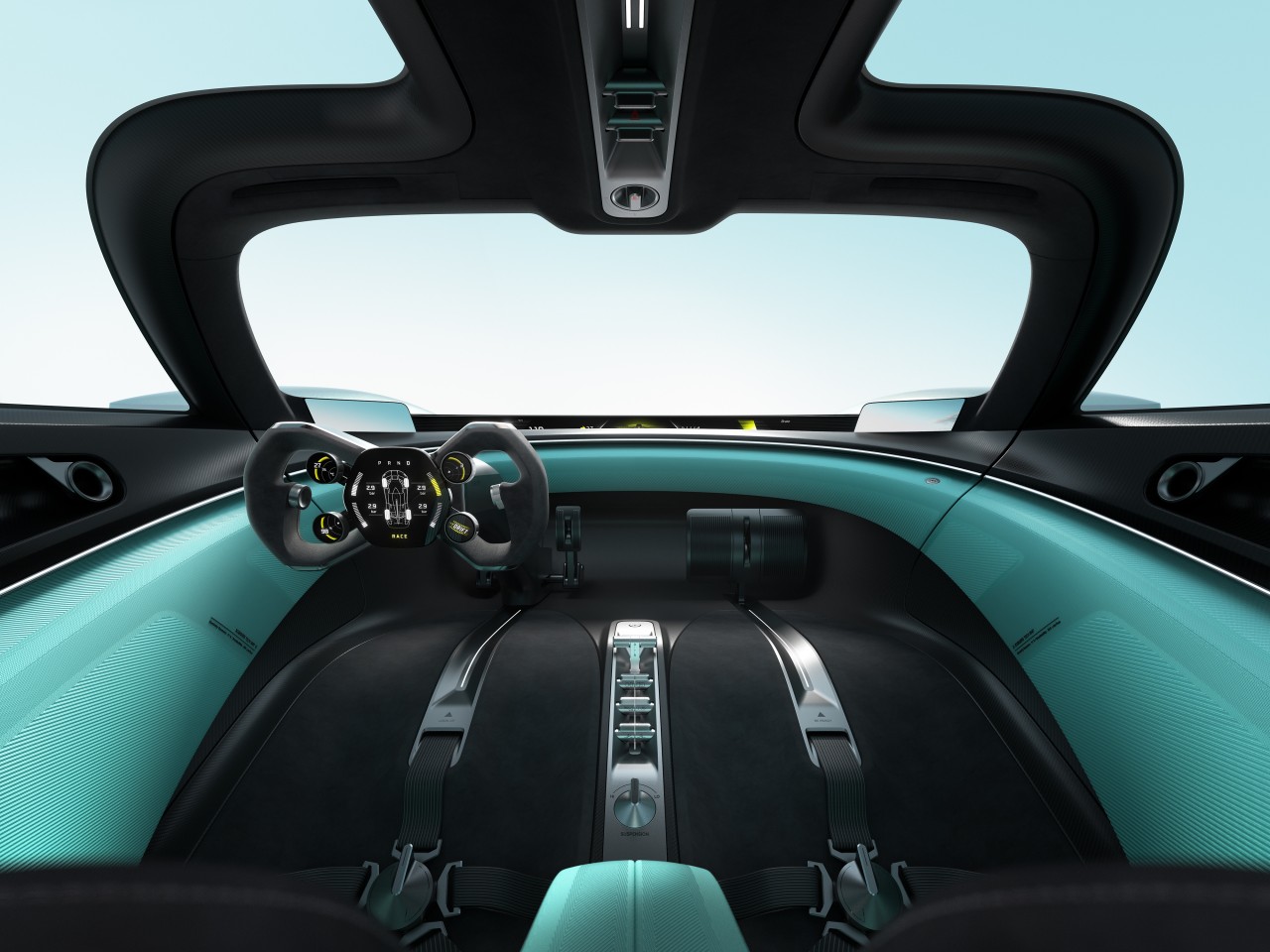
At the center is Xiaomi Pulse, an intelligent assistant integrated into the dashboard. Working alongside Xiaomi HyperVision and the company’s HyperOS platform, the system adapts displays and interactions based on driving mode and environmental data. Physical controls remain tactile and precise, including an infinite-shaped steer-by-wire wheel.
The concept also integrates into Xiaomi’s broader “Human × Car × Home” ecosystem. Powered by XiaoAi AI Assistant and the Xiaomi MiMo foundational model, the car connects with personal devices and smart home products, positioning itself as part of a unified digital lifestyle.
Xiaomi has also envisioned a companion driving simulator designed as furniture for the home, extending the Vision Gran Turismo experience beyond the vehicle itself.
Yamauchi praised the project, noting how the design successfully resolves the tension between low drag and high downforce. Further details about the car’s arrival in Gran Turismo 7 will be announced at a later date.
With its Vision Gran Turismo debut, Xiaomi signals a broader ambition: redefining the electric hypercar through AI integration, ecosystem connectivity, and aerodynamic precision.
Automotive
BYD’s high-end brand Denza launches in the Philippines
The debut starts with the Denza D9, a full-size MPV.

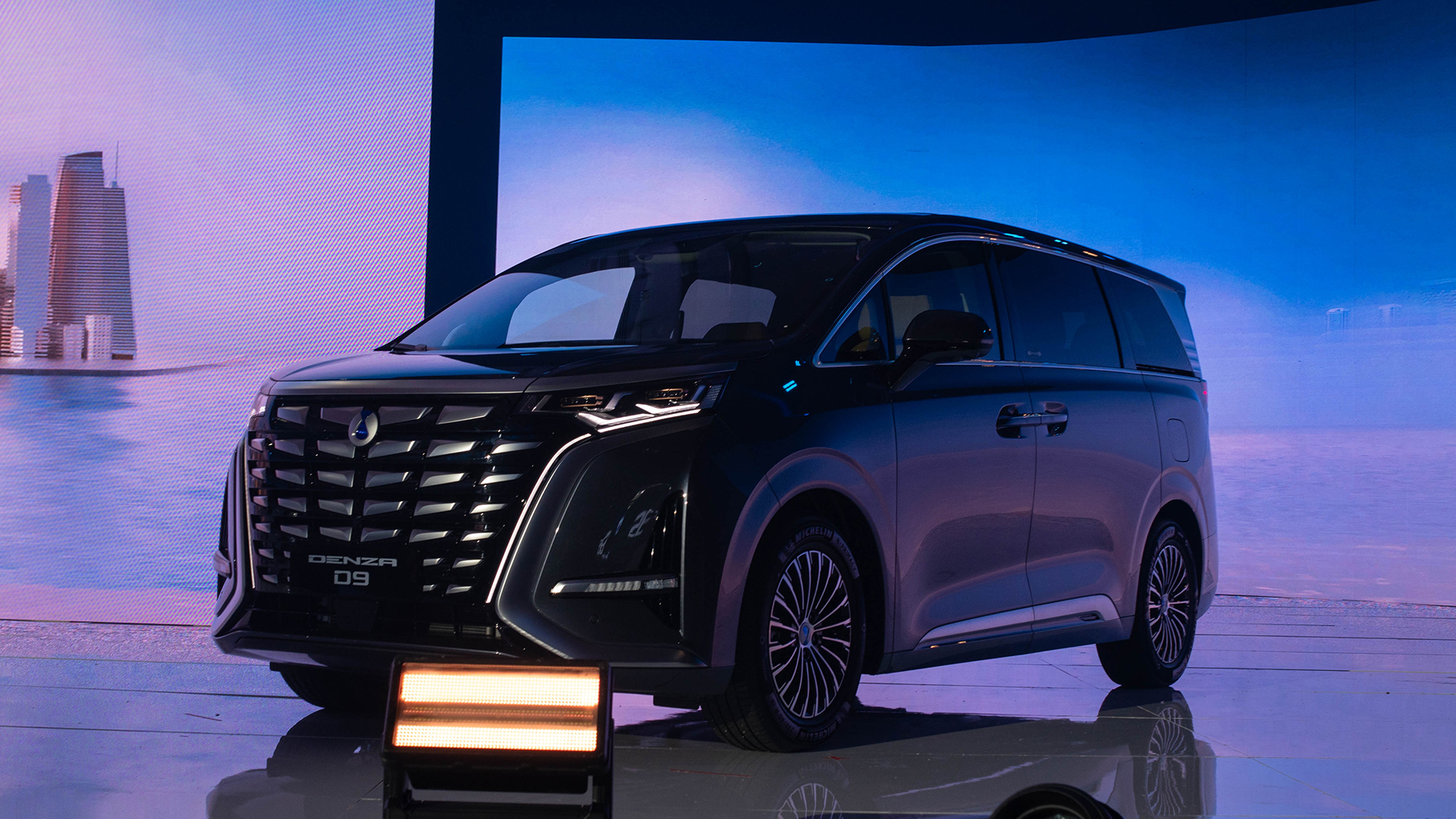
The BYD family in the Philippines just got bigger. After testing the waters and succeeding gracefully with the main brand, the Chinese automotive company is bringing in a new brand to the country: Denza.
Denza started off as a brand co-owned by both BYD and Mercedes-Benz (then known as Daimler). BYD’s meteoric success eventually led to Denza’s concurrent rise as well. Eventually, Mercedes-Benz relinquished all but 10 percent of the brand’s total shares to BYD in 2021. Then, in 2024, the German company withdrew entirely, leading to Denza being completely owned by BYD today.
The brand is known for delivering high-end PHEVs to several markets, which now includes the Philippines. The stint will start off with its ever-popular full-size MPV, the Denza D9.
Introducing the Denza D9
Prior to today’s launch, I already saw the Denza D9 plowing through the streets. The sizable MPV already made quite an impression, to say the least.
Up close, the Denza D9 has a bold front fascia, exuding modern elegance and sleek body lines.
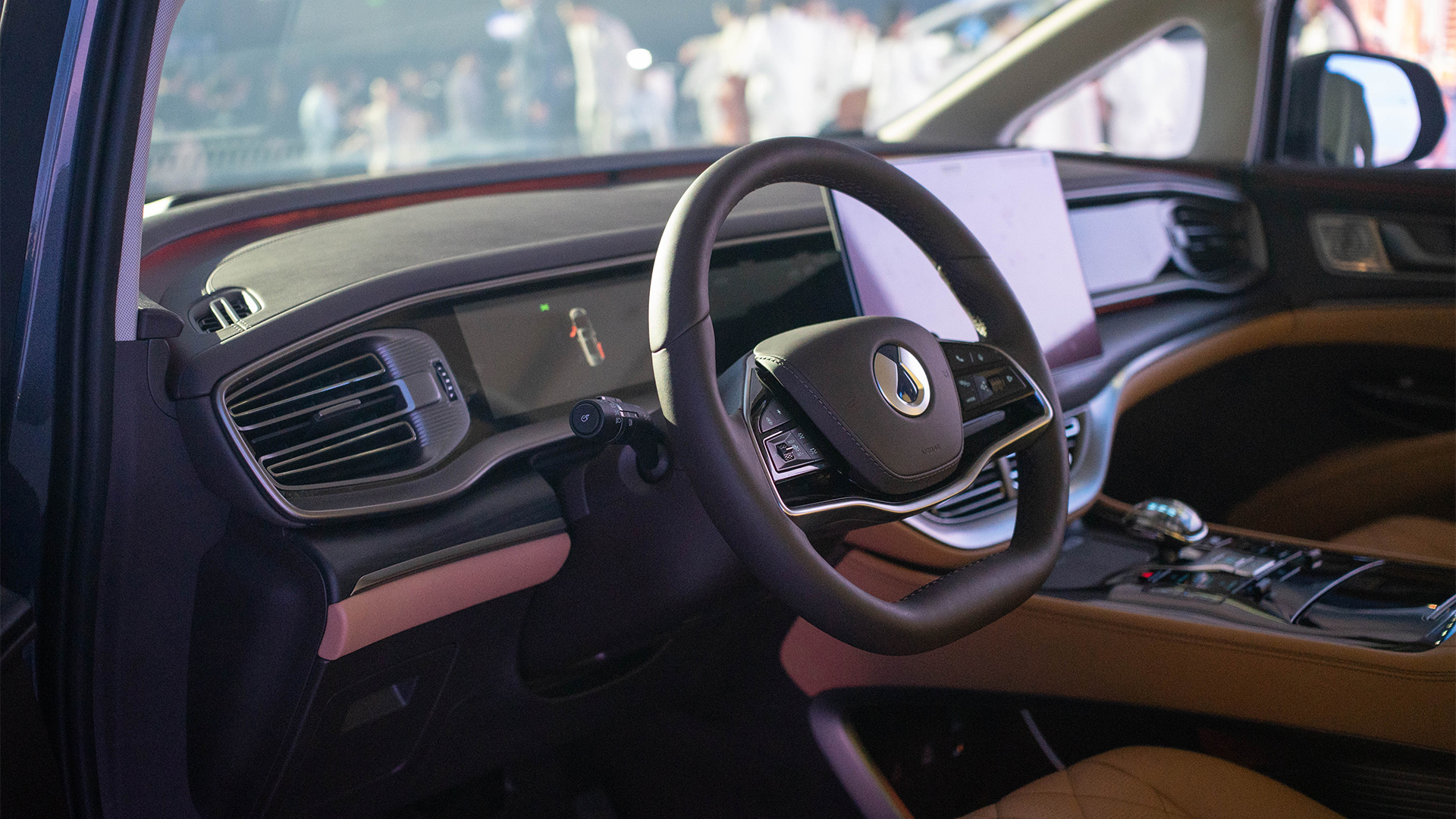
Inside, the car prioritizes comfort for all passengers with luxurious captain seats. Those seats feature a ten-way electric adjustment six-way adjustable headrests, and leg rests. They also come with seat ventilation to get through an intensely sunny day. Finally, each seat comes its own LED panel for maximum control.
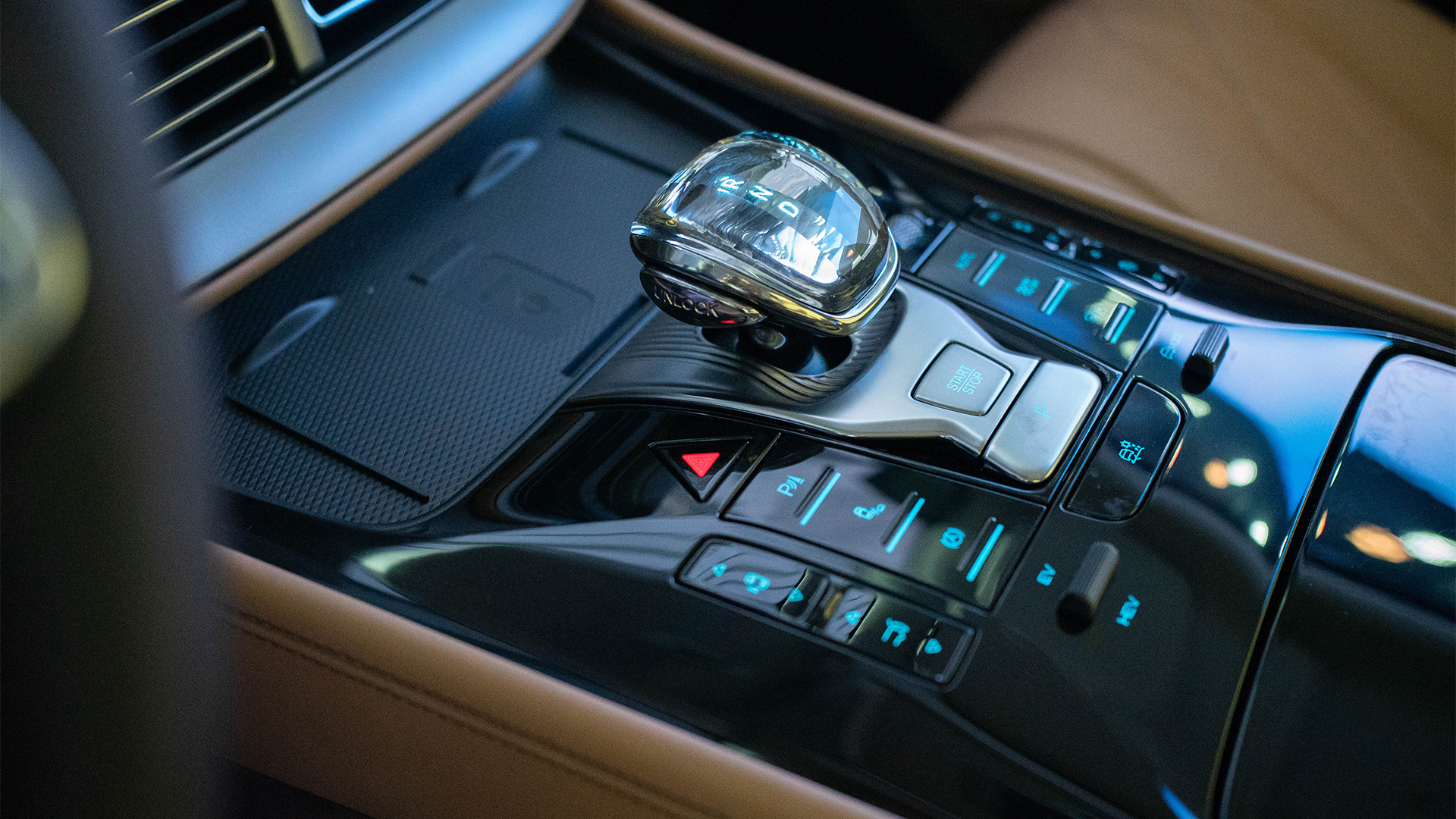
The DiSus system keeps the car balanced throughout any situation. The drive will remain comfortable even during high-speed cornering, full-throttle acceleration, and sudden braking. It will also come with nine airbags to keep all passengers protected.
Price, availability
The Denza D9 is available now in Cosmos Black, Arctic White, Whale Sea Blue, and Starry Sky Grey. It will cost PhP 4,298,000.
Additionally, the MPV will have an exclusive premiere price of PhP 3,998,000 for the first 300 customers.



DJI’s Inspire 3 Basic Package make 8K aerial filmmaking more accessible

Disney+ launches a TikTok-coded vertical feed called Verts

Google Maps is finally getting a 3D mode

KPop Demon Hunters is officially getting a sequel

Bringing Care-a-Lot to my daily carry


-

 Reviews2 weeks ago
TECNO CAMON 50 Ultra review: End of an era?
-
 MWC 20262 weeks ago
Infinix NOTE 60 Ultra makes a motorsport-inspired debut
-
 MWC 20262 weeks ago
TECNO launches the all-new CAMON 50 series
-
 MWC 20262 weeks ago
TECNO showcases cool concepts at MWC 2026
-
 MWC 20262 weeks ago
TECNO unleashes Tonino Lamborghini collection
-
 Computers2 weeks ago
AMD announces Ryzen AI 400, AI 400 PRO series at MWC 2026
-
 MWC 20262 weeks ago
TECNO debuts latest devices, HiOS 16, upgraded Ella at MWC 2026
-
 Automotive2 weeks ago
Xiaomi Vision Gran Turismo makes global debut at MWC 2026