
News
New York becomes first state to ban smart glasses
The ban affects all courtrooms in the state.


Excitement over new technology is normal. However, when the dust settles, the rose-tinted glasses come off and reveal the potential concerns of using this new technology. Smart glasses are going through that phase now. While these glasses are all the rage now, some concerned establishments are now banning them. Case in point, the entirety of New York has just banned smart glasses in all of its courts.
In the United States, it’s already prohibited to record video or capture photos inside a court building. Naturally, the world is more complicated now. Anyone can just flaunt eyewear that can capture images for them, leaving bystanders none the wiser. As a result, the state of New York, according to Syracuse, has introduced a blanket ban for all smart glasses in all courtrooms. It’s the first state to do so across all courts.
Under the ban, users will be forbidden from even bringing these wearables into the building. This also includes smart glasses with prescription lenses. Those with affected eyesight can come back with a regular pair of glasses.
It’s a very interesting time for smart glasses. Especially for creators, the wearables have become a popular way to discreetly record events. Users don’t need to fiddle around with their phones or bring a bulky camera around.
However, it’s also a concern for privacy and cybersecurity. Though most of these wearables have a distinguishable LED indicator when they’re recording, they can also be modified to disable these indicators. As a bystander, you can be recorded without your knowledge.
SEE ALSO: ARTMS Heejin shows KPop concert day through Ray-Ban Meta glasses




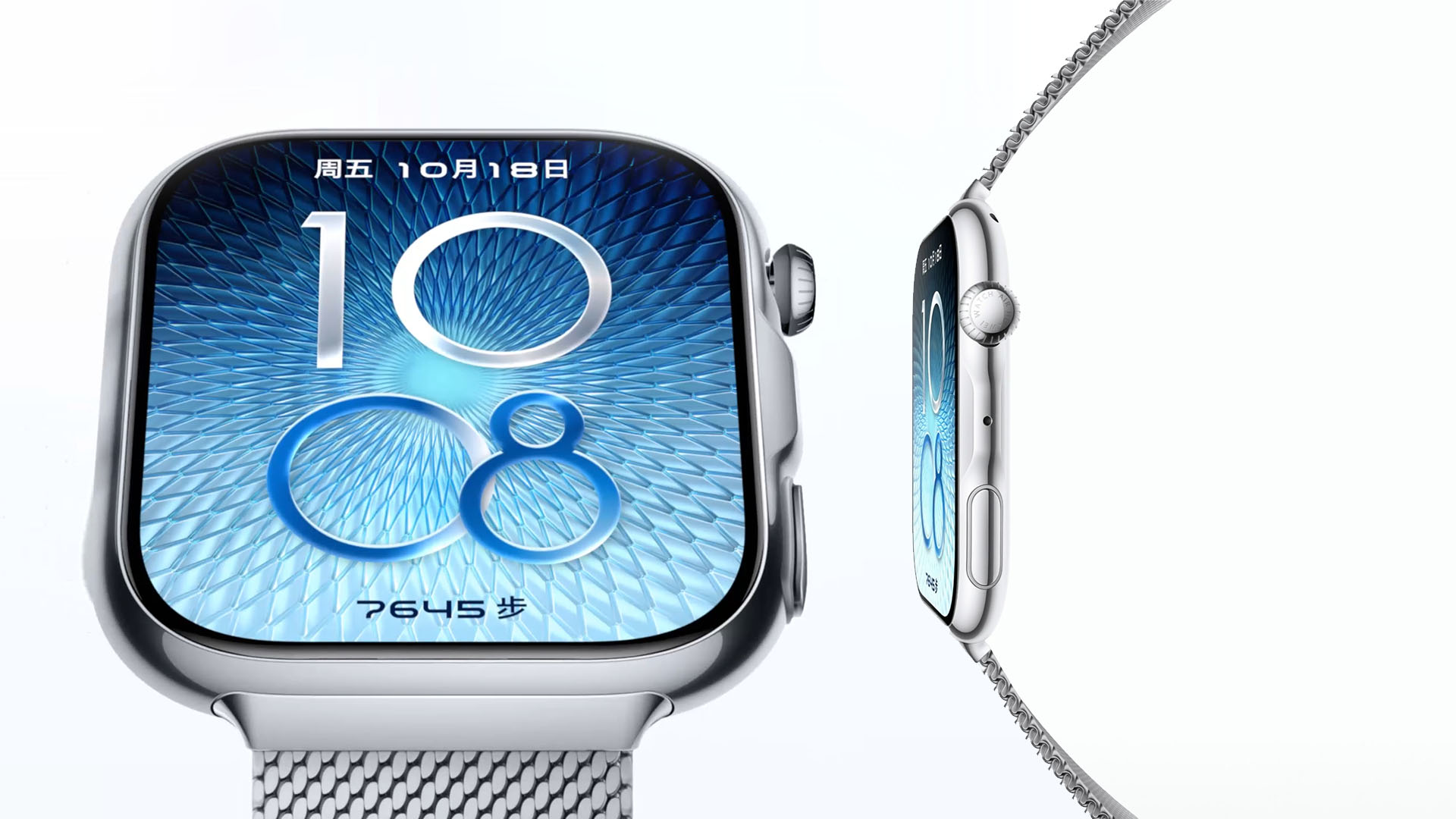
While brands have stopped chasing smartphones thinness over ginormous battery capacity, it seems like HUAWEI isn’t done with the slimness obsession after all. Now in a device where it truly makes sense.
The HUAWEI WATCH Air debuts as the world’s slimmest smartwatch to date.
Slim to the very trim
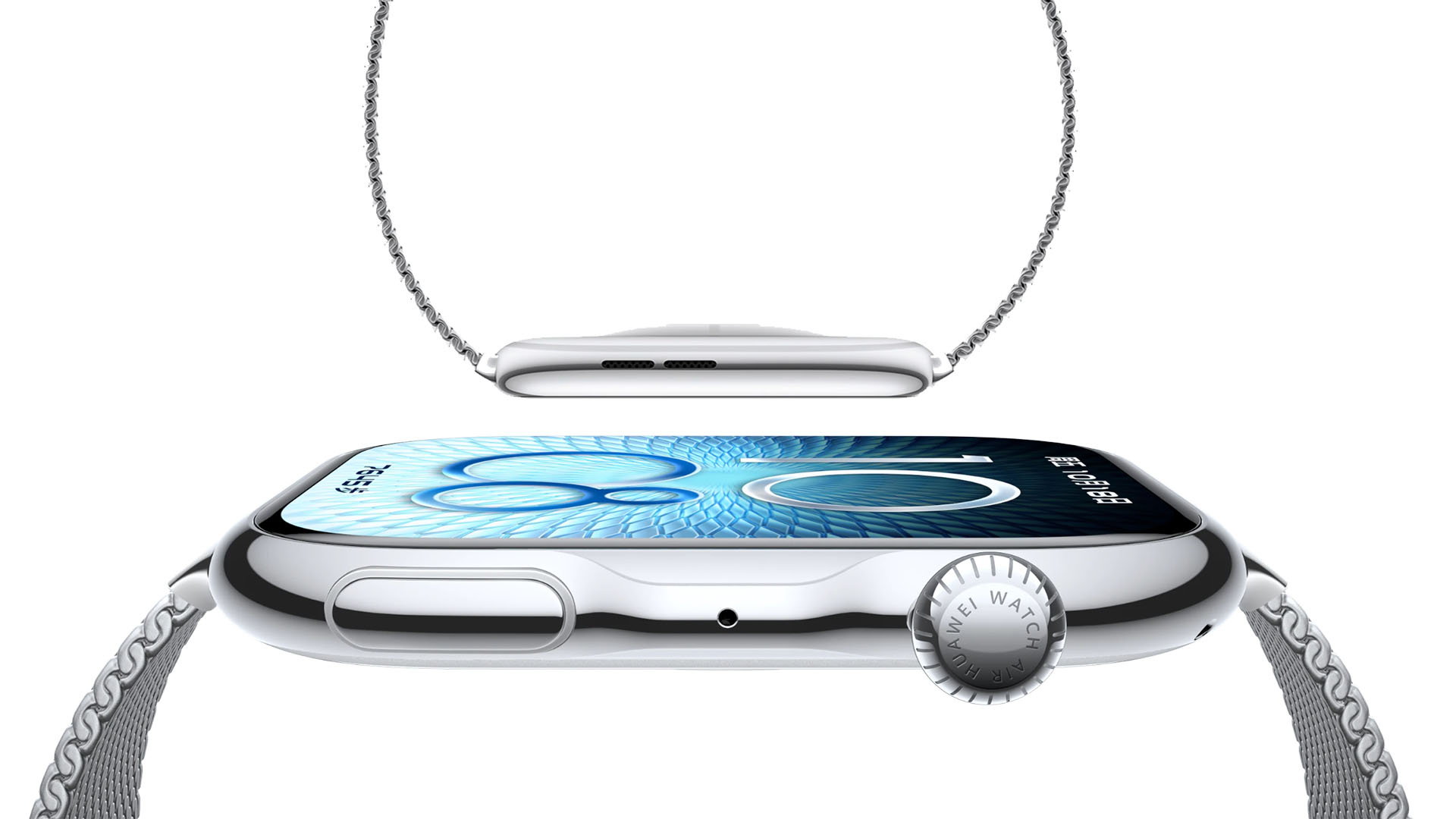
At just 6.9mm thin and only around 27 grams in heft (or lack thereof), the HUAWEI WATCH Air is the thinnest smartwatch not just by HUAWEI, but in the world of smartwatches.
Graphics by Vincenz Lee | GadgetMatch
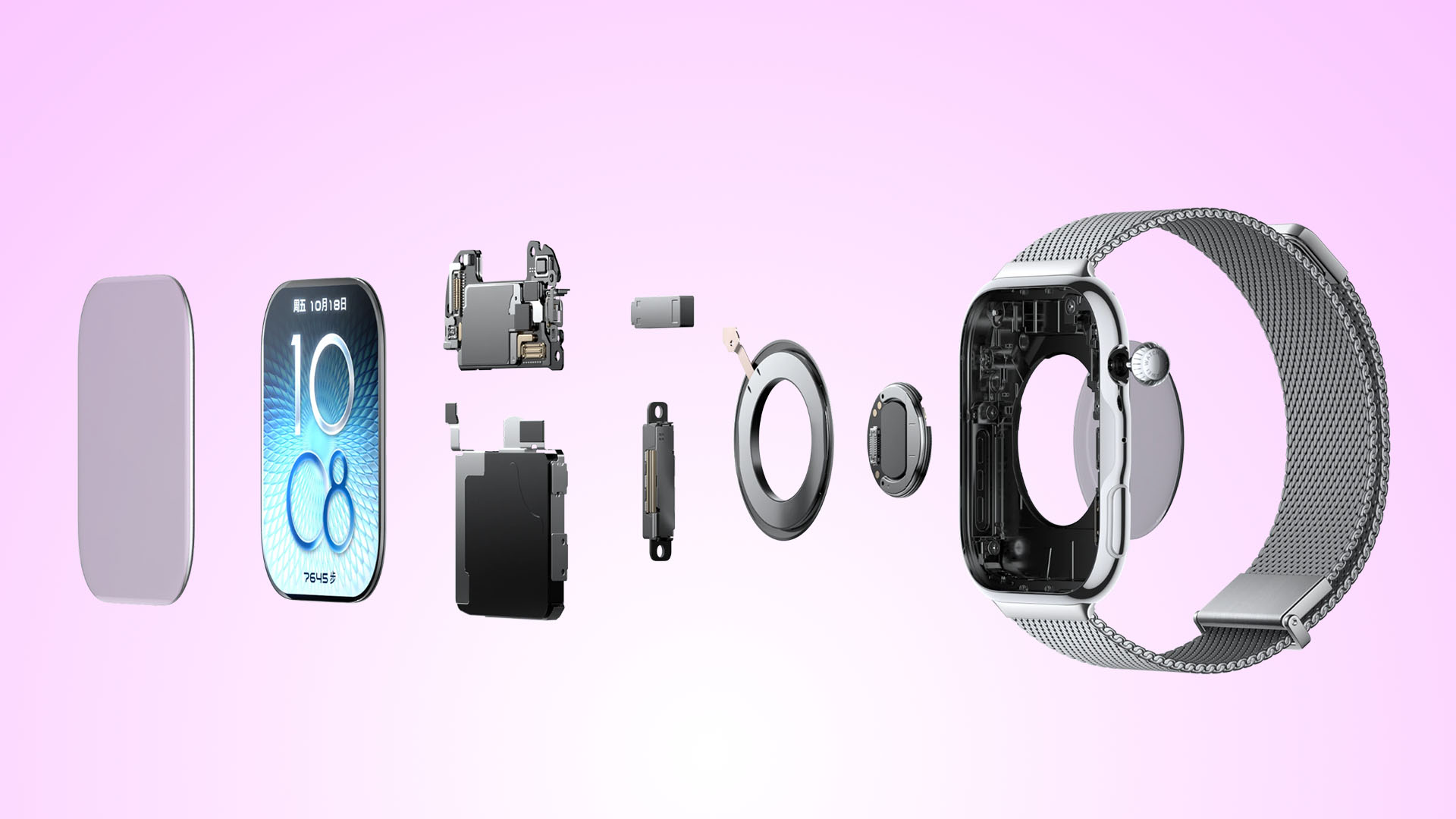
Its frame and rear casing use a high-brightness titanium-alloy construction. HUAWEI says this improves durability while still keeping the wearable lightweight.
The exterior also undergoes 27 manufacturing processes to achieve its polished finish.
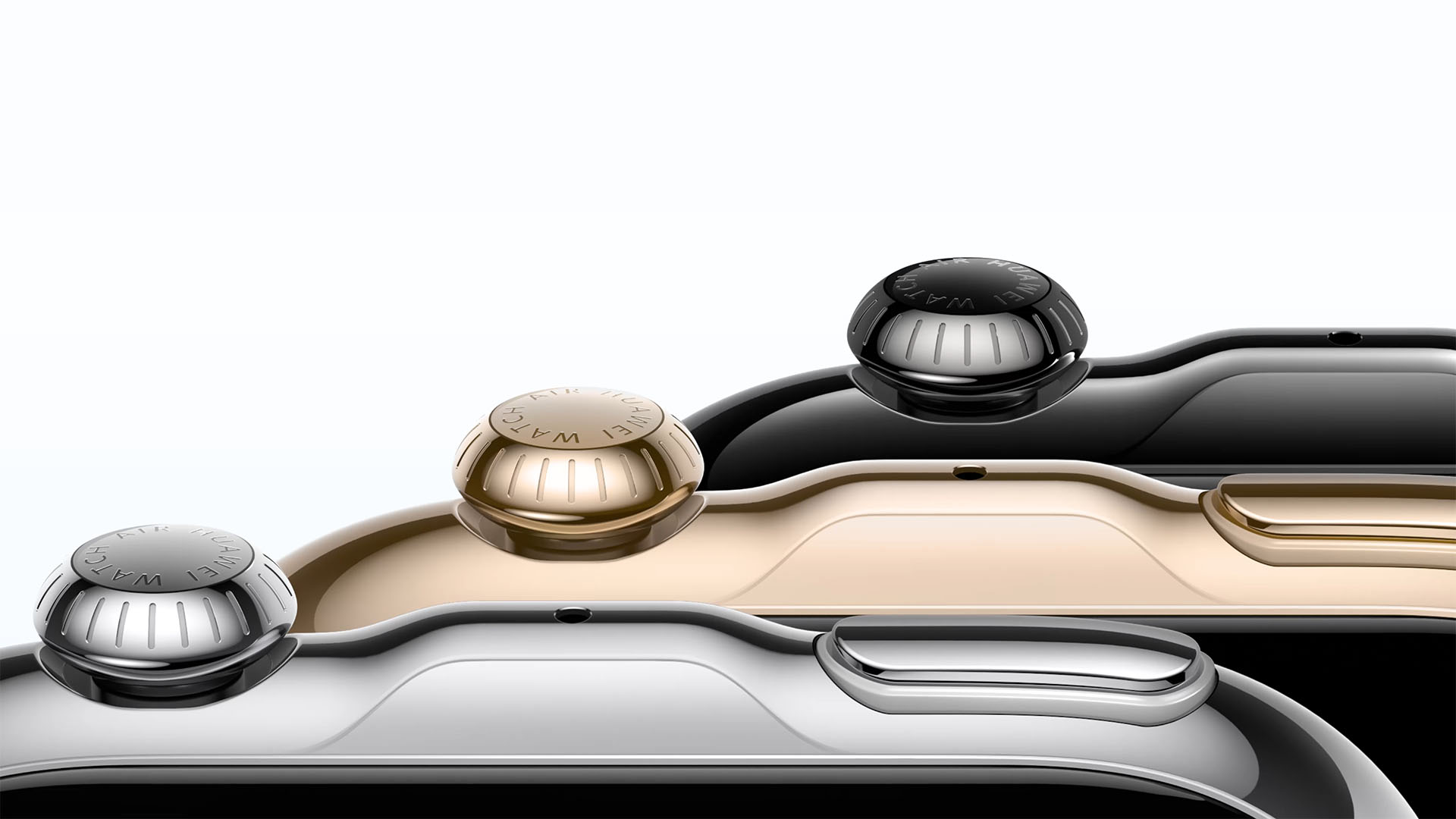
The WATCH Air is offered in various finishes. Those include Phantom Silver, Gold, Spruce Green, Shimmer White, Nebula Apricot, and Midnight Black. Certain variants also come with interchangeable straps, giving users more flexibility when matching their smartwatch with different #OOTDs.
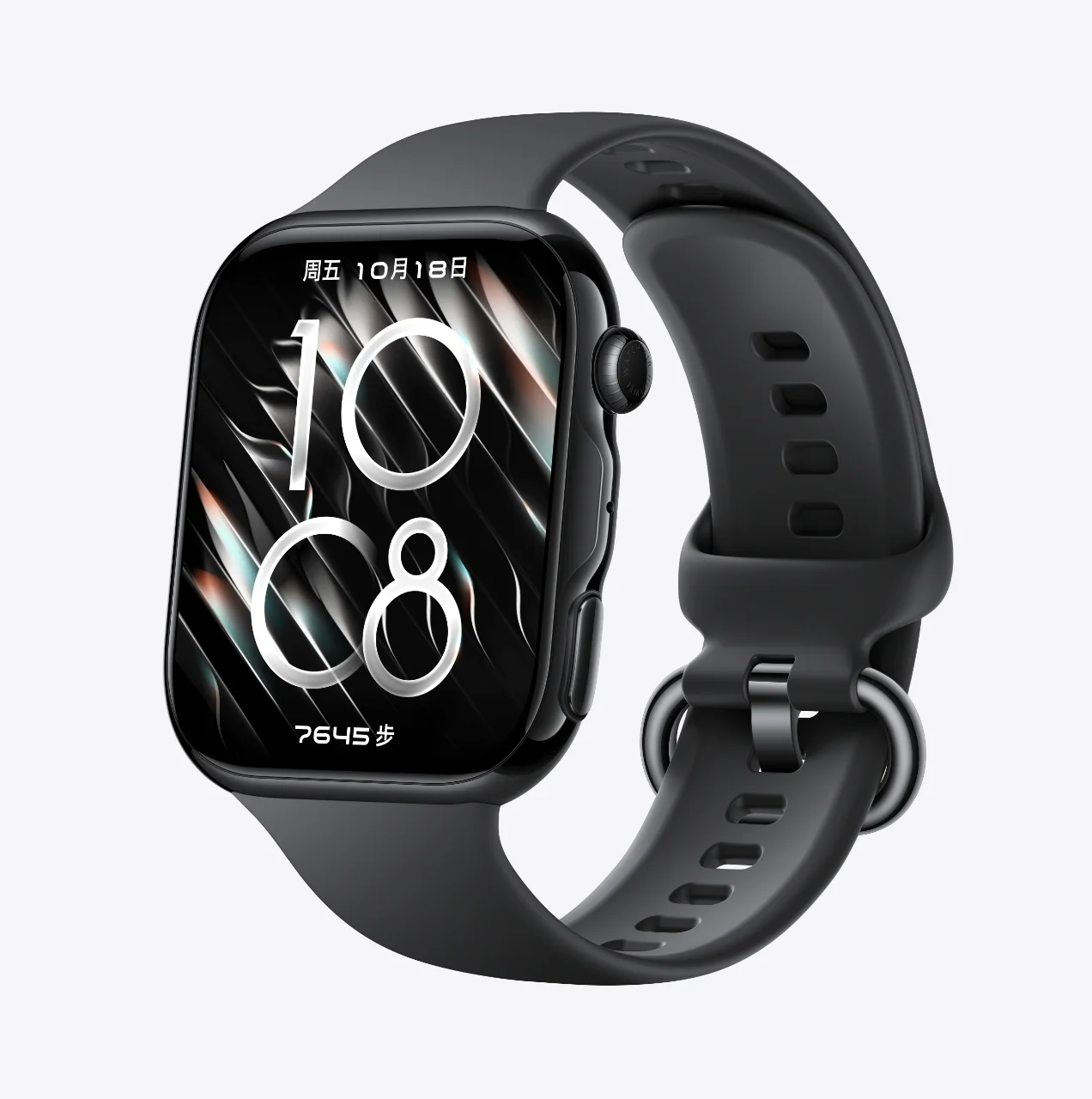

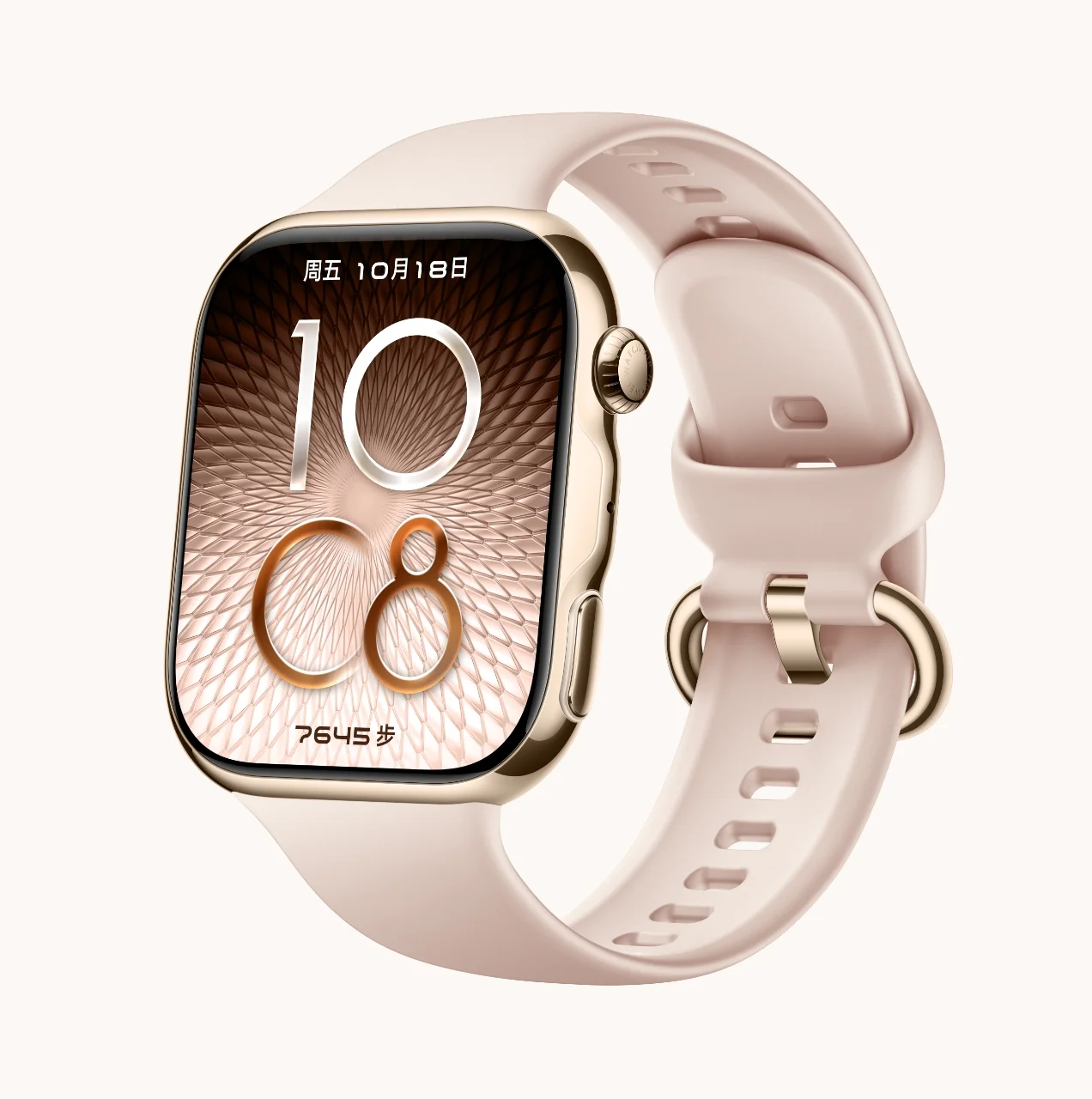
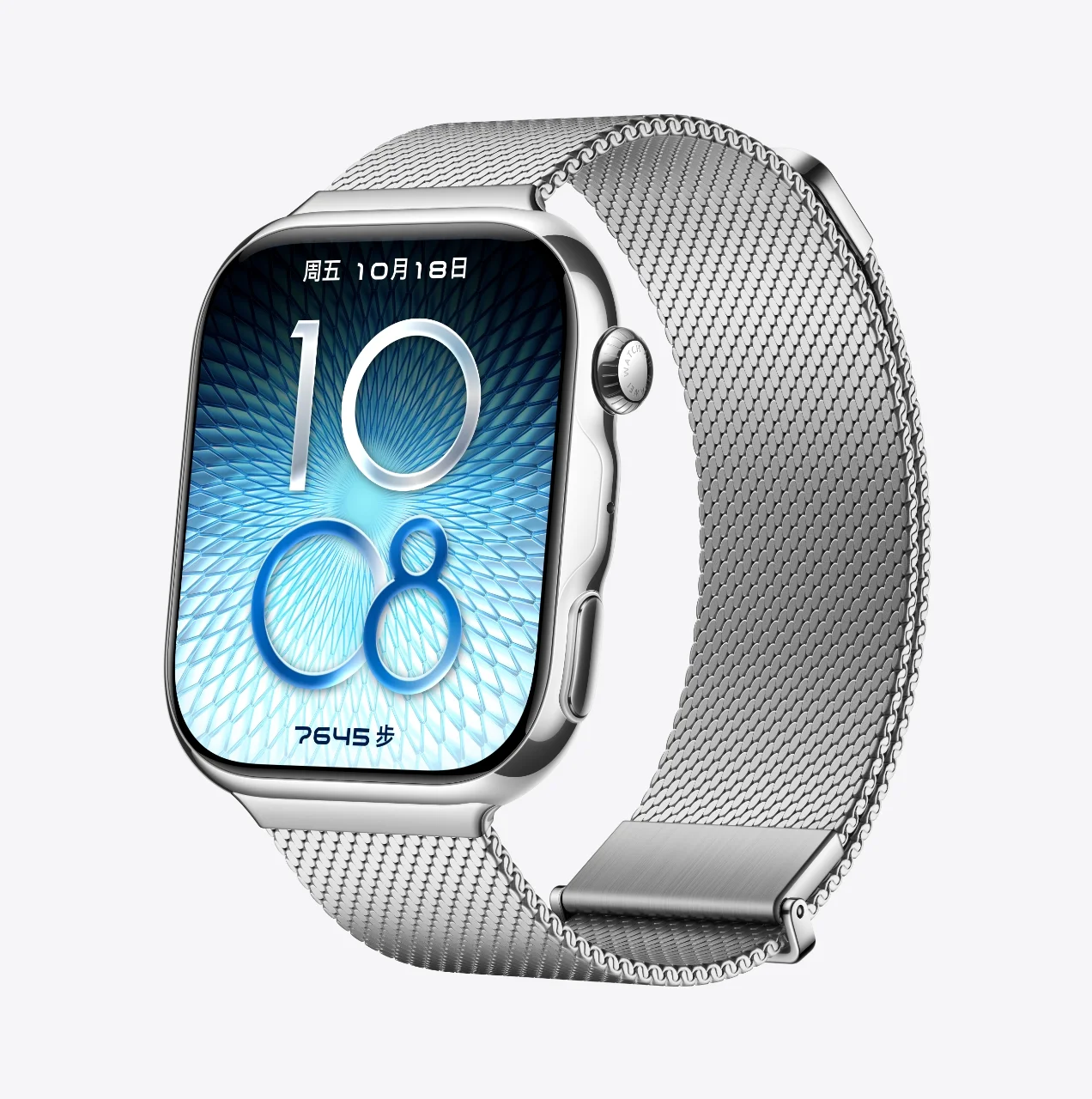

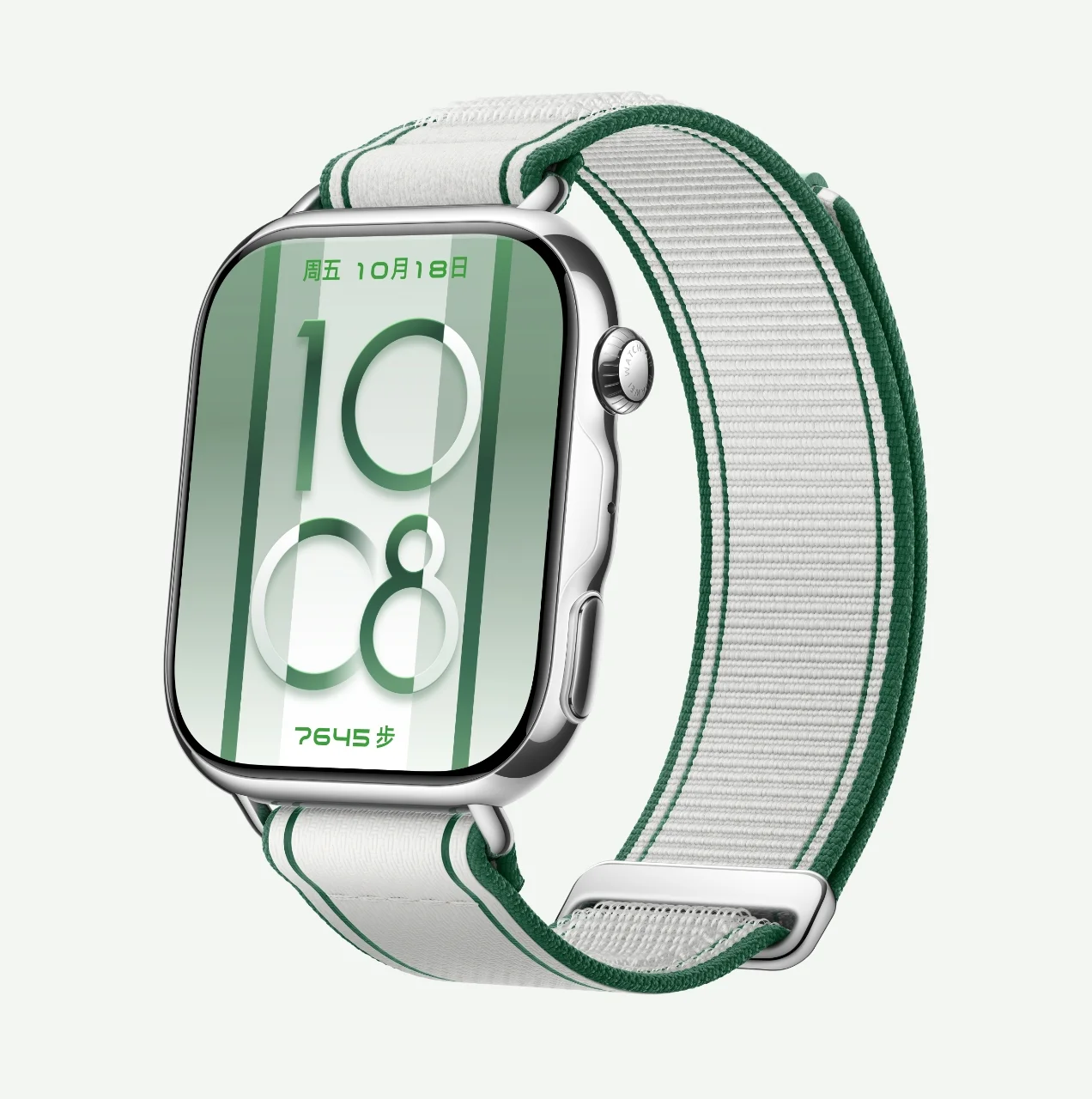
Up front, there’s a 1.92-inch LTPO 2.0 AMOLED display with a crazily narrow 1.4mm bezels on all four sides. It has an 86% StB (Screen-to-Body) ratio and reaches up to 3,500 nits of peak brightness, great for outdoor legibility.
And while we’re at it, that display is also protected by sapphire glass for utmost durability.
Form meets function
Its slim construction isn’t only meant to look good. HUAWEI designed this ultra-slim smartwatch to minimize wrist discomfort during workouts. This slimmer profile is particularly useful for exercises that involve frequent wrist movements, such as weighlifting, strength training, cycling, golf, skiing, racket sports, among other activities.
For strength training, users can monitor real-time heart rate, workout duration, exercise movements, and rest intervals.
Golf enthusiasts also get access to a dedicated golf course mode covering more than 17,000 courses worldwide. Cyclists can import routes through the HUAWEI Health app and view elevation profiles, while skiing modes provide additional workout statistics, including turning patterns and maximum G-force.

It also carries 5 ATM and IP69 water resistance ratings. However, HUAWEI advises against using the device for hot showers, saunas, and diving activities.
It’s also not limited to just health and fitness tracking as it supports Bluetooth calling, message notifications, and wrist-based payments through QR codes, NFC, and barcodes. Users can also locate compatible HUAWEI devices through NearLink technology.
The WATCH Air is compatible not just with HUAWEI’s HarmonyOS, but also towards Android and iOS devices. Available features will just vary depending on the connected smartphone.
Sleep tight, wake up light
Beyond its lightweight construction, the WATCH Air puts considerable emphasis on full health monitoring.
First, there’s the HUAWEI TruSleep 5.0. This analyzes different sleep stages and provides insights into sleep stability. It monitors indicators such as average sleeping heart rate, HRV, blood oxygen saturation, and respiratory rate.
There’s also the AI Health Insights that examines multiple health indicators to identify potential changes in a user’s health data. That includes sleep, exercise, heart rate, and emotional well-being.
There’s also Body Readiness that generates a daily score based on sleep quality, average sleeping heart rate, heart rate variability (HRV), previous activity, and stress levels. Users can use these as reference when deciding whether to push through another workout or take some time to recover.
Graphics by Vincenz Lee | GadgetMatch
For a more comprehensive monitoring, the smartwatch includes a One-Tap Health Checkup that generates a report with up to 16 health indicators across different categories, including cardiovascular, respiratory, endocrine, and women’s health.
There are also other health features including ECG analysis, sleep apnea screening, emotional health monitoring, and menstrual cycle tracking.

Speaking off, that sleep apnea screening is done through its sensors and a dedicated screening software. Additionally, the HUAWEI Health app provides personalized sleep analysis and recommendations to help users improve their sleeping habits.
After seven consecutive days of wearing the smartwatch during sleep, users can establish personalized baseline ranges for these indicators and better understand changes in their sleeping patterns.
Pricing and availability
The HUAWEI WATCH Air starts at CNY 2499 (approximately US$350) in China.
As of writing, HUAWEI did not announce international availability. We have to wait for further announcements regarding its potential arrival in the country.
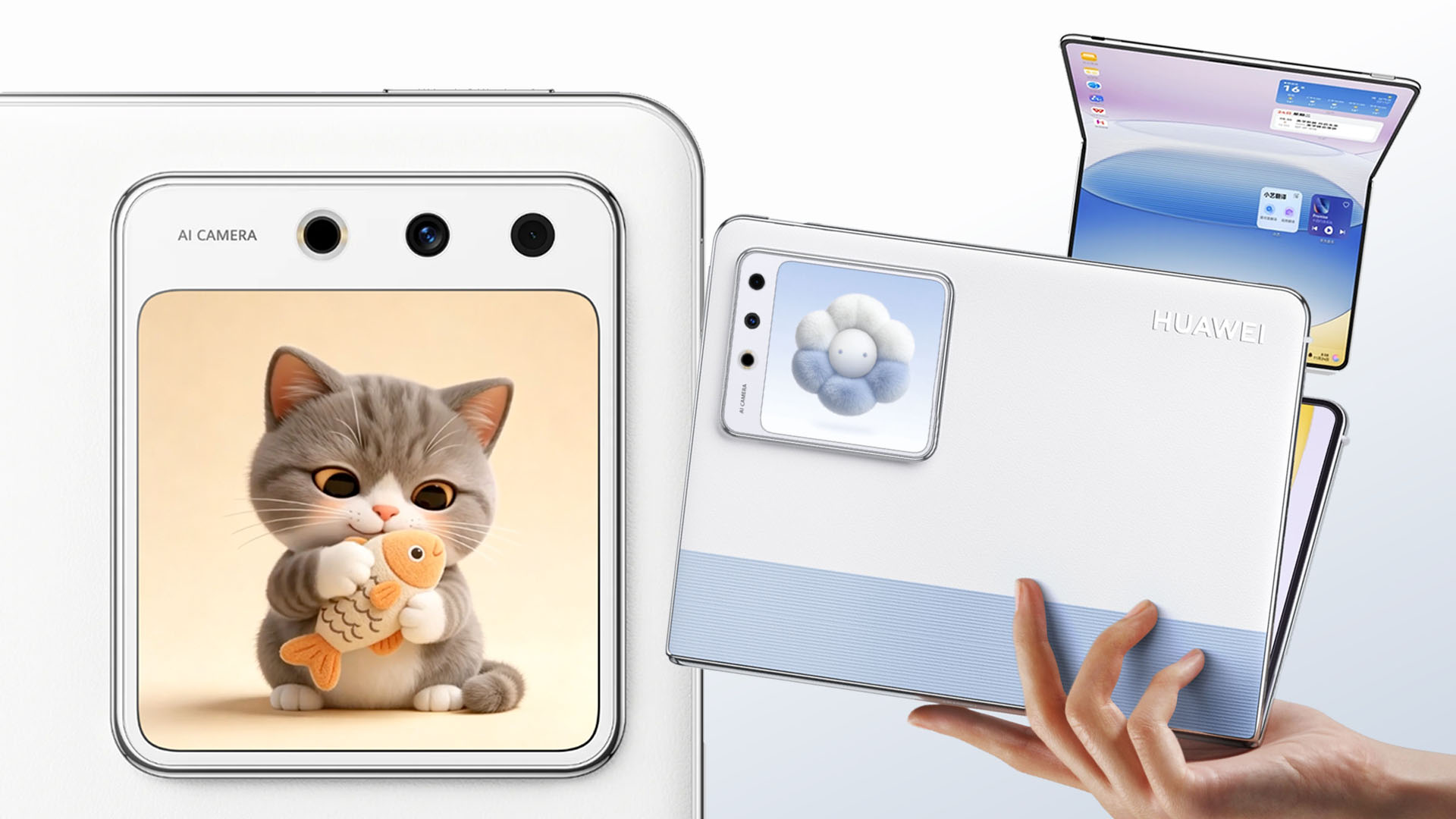
HUAWEI introduced the MateBook Fold as their first foldable laptop slash tablet hybrid last 2025. After 2.6 years, they’re back with the HUAWEI MateBook Fold S.
Keen for that dual screen
Compared to the original MateBook Fold, the MateBook Fold S is equipped with a slightly smaller screen.
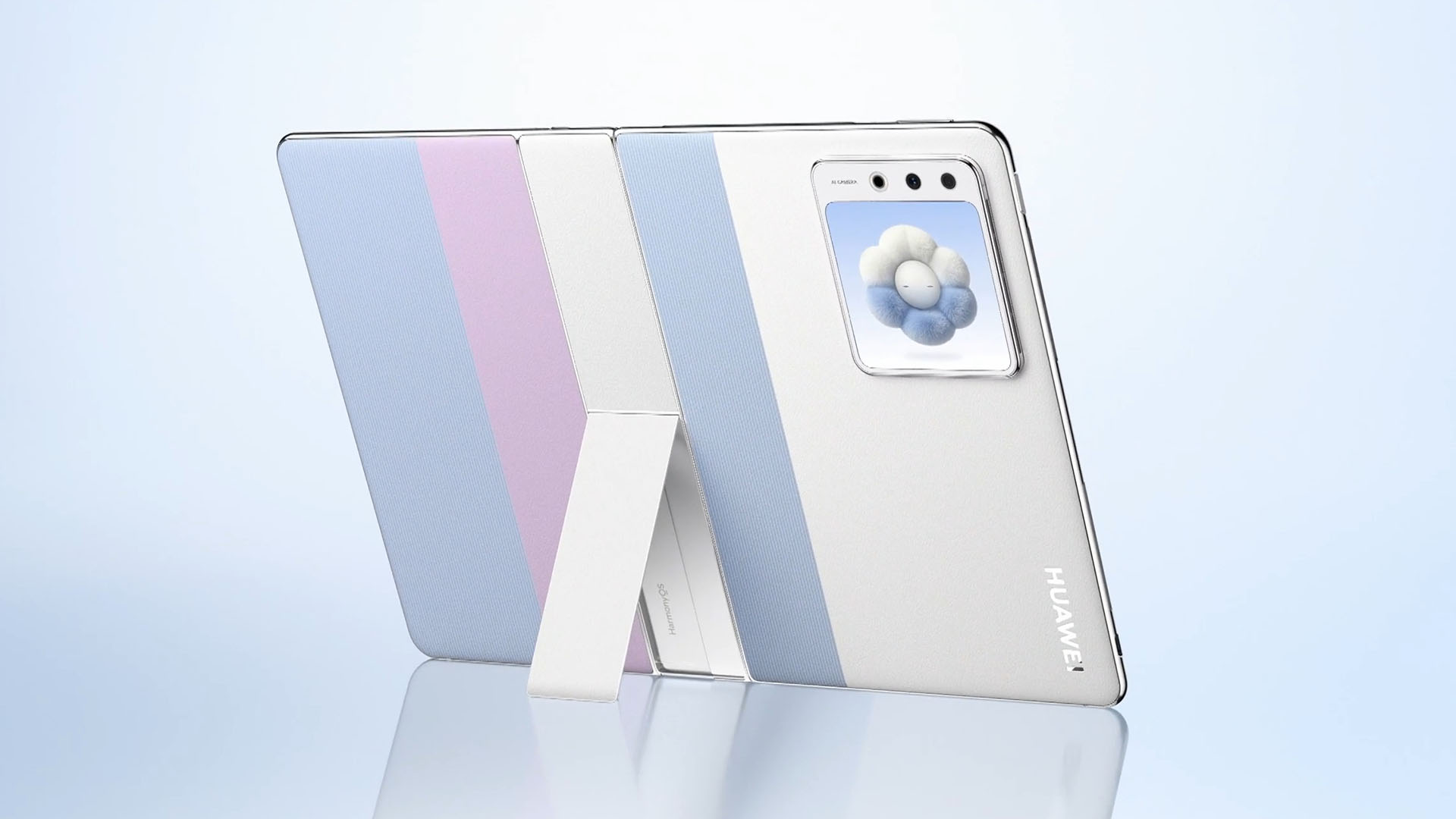
Unfolding it gives users an expansive 14.7-inch 3:2 flexible OLED display (versus 18 inches). When folded in half, it still has a manageable workspace of 10.2-inch 4:3 screen size (in contrast to 13 inches). The other half is app-dependent but it also serves as a virtual keyboard and trackpad combo in one (or just choose one, whichever you like).
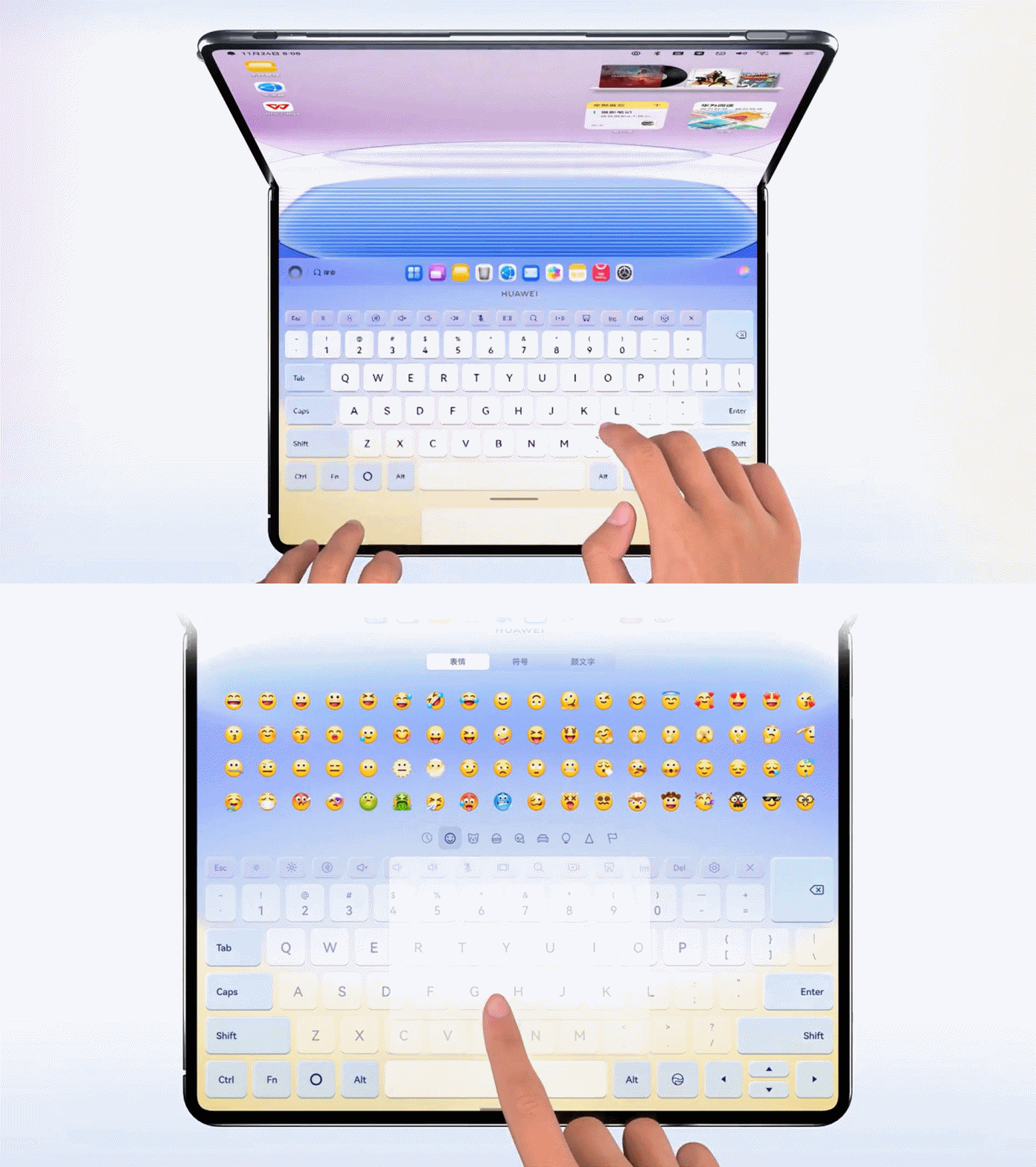
GIF by Vincenz Lee | GadgetMatch
For specifics, it’s an LTPO 2.0 display capable of switching from 120Hz refresh rate all the way down to 1Hz. This screen can also reach up to 1600 nits of peak brightness with a 2,000,000:1 contrast ratio plus DCI-P3 and HDR Vivid support.
On top of that is where the 12MP front camera plus 1MP IR face recognition sensor both sit.
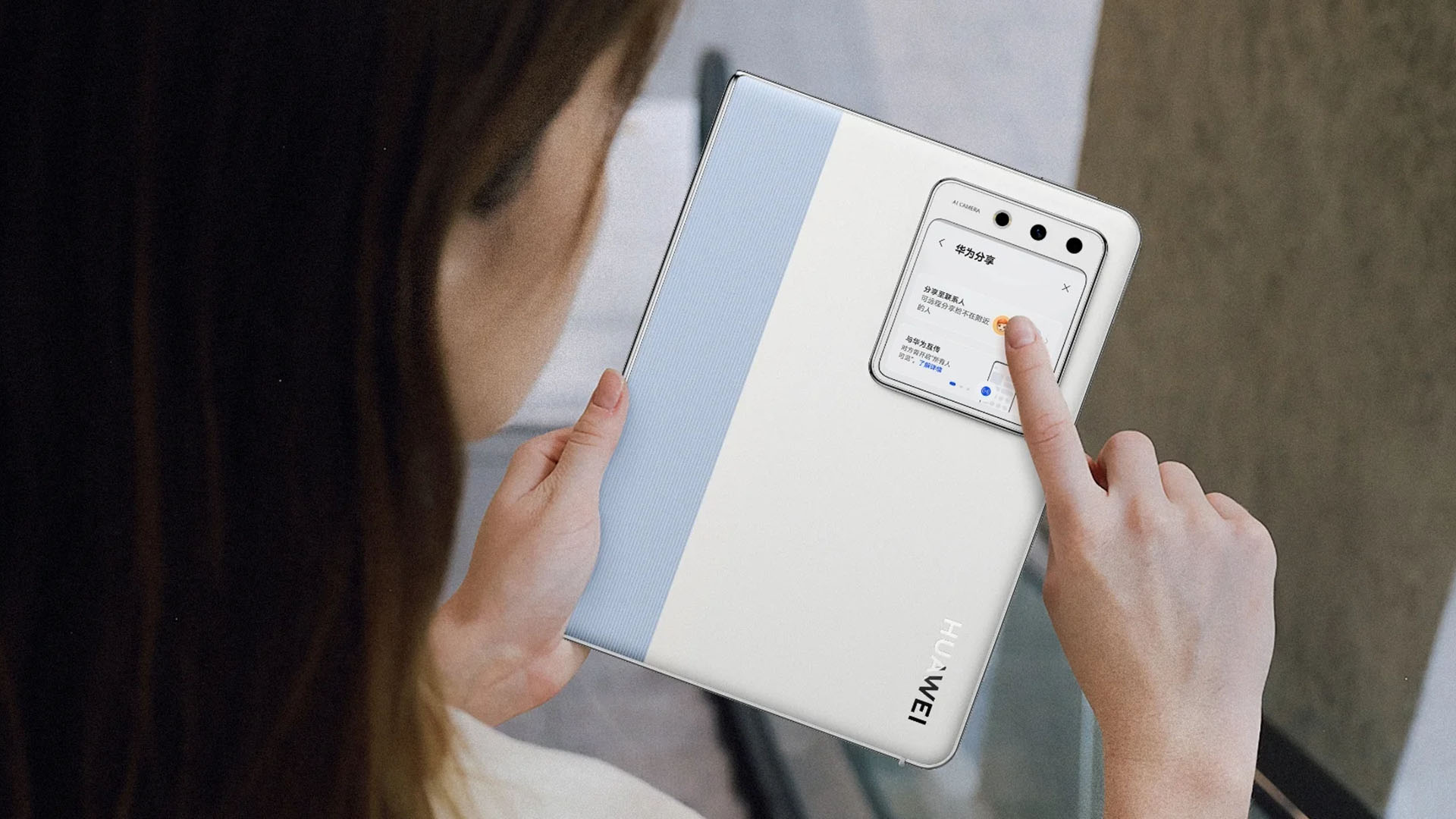
But, the showstopper of the MateBook Fold S has got to be the outer screen at its back.
It’s a 3.5-inch 1:1 OLED display that’s capable of displaying not just custom avatars. It serves as a handy-dandy notepad when needed with its M-Pencil compatibility (which also works in the inner display).
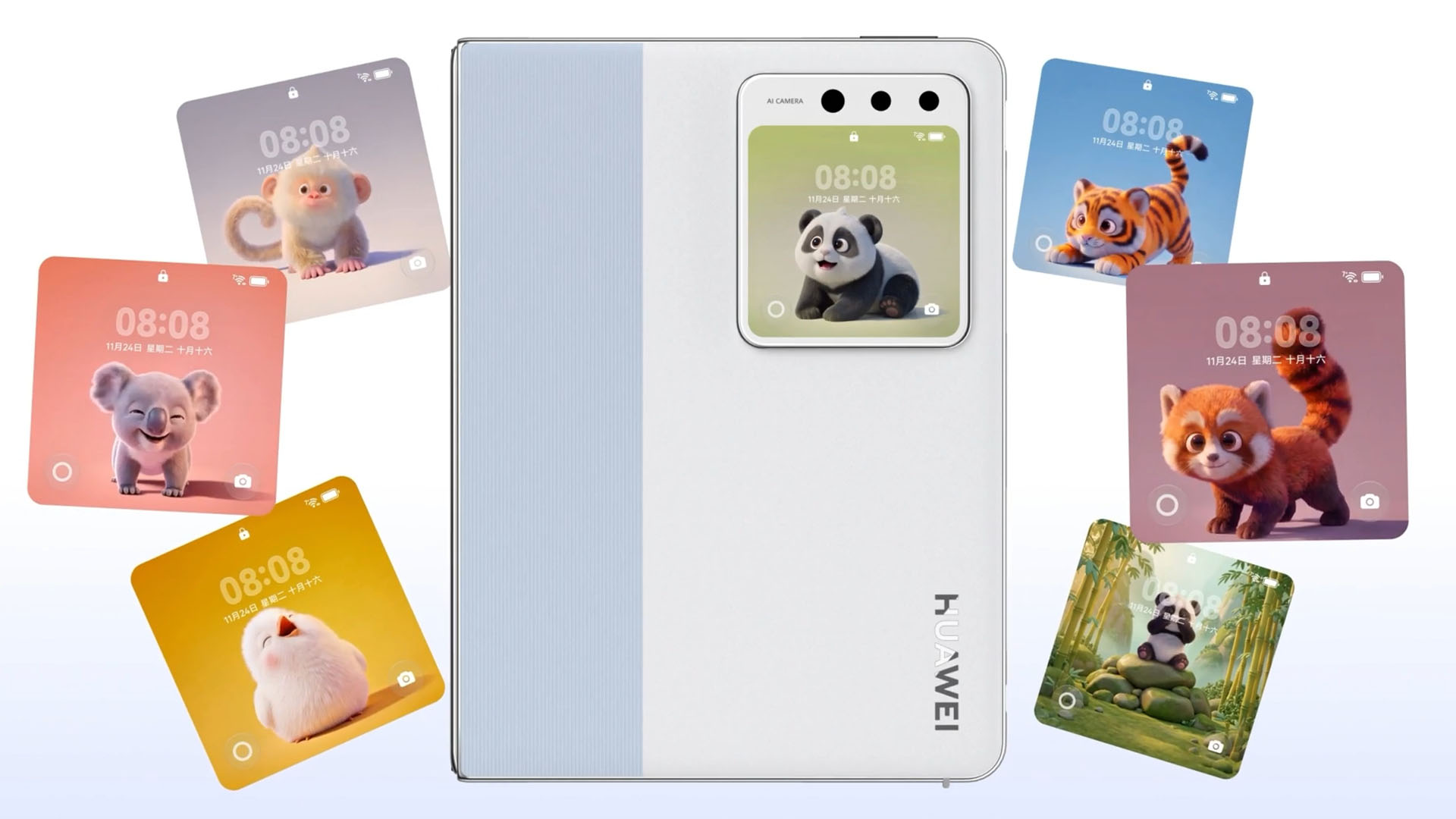
It can also be helpful in opening apps or viewing and sharing files — all without ever opening the foldable tablet slash laptop hybrid itself.
There’s even a 50MP RedMaple camera on it either for answering urgent calls or taking photos like a tablet’s rear camera when the device is unfolded.
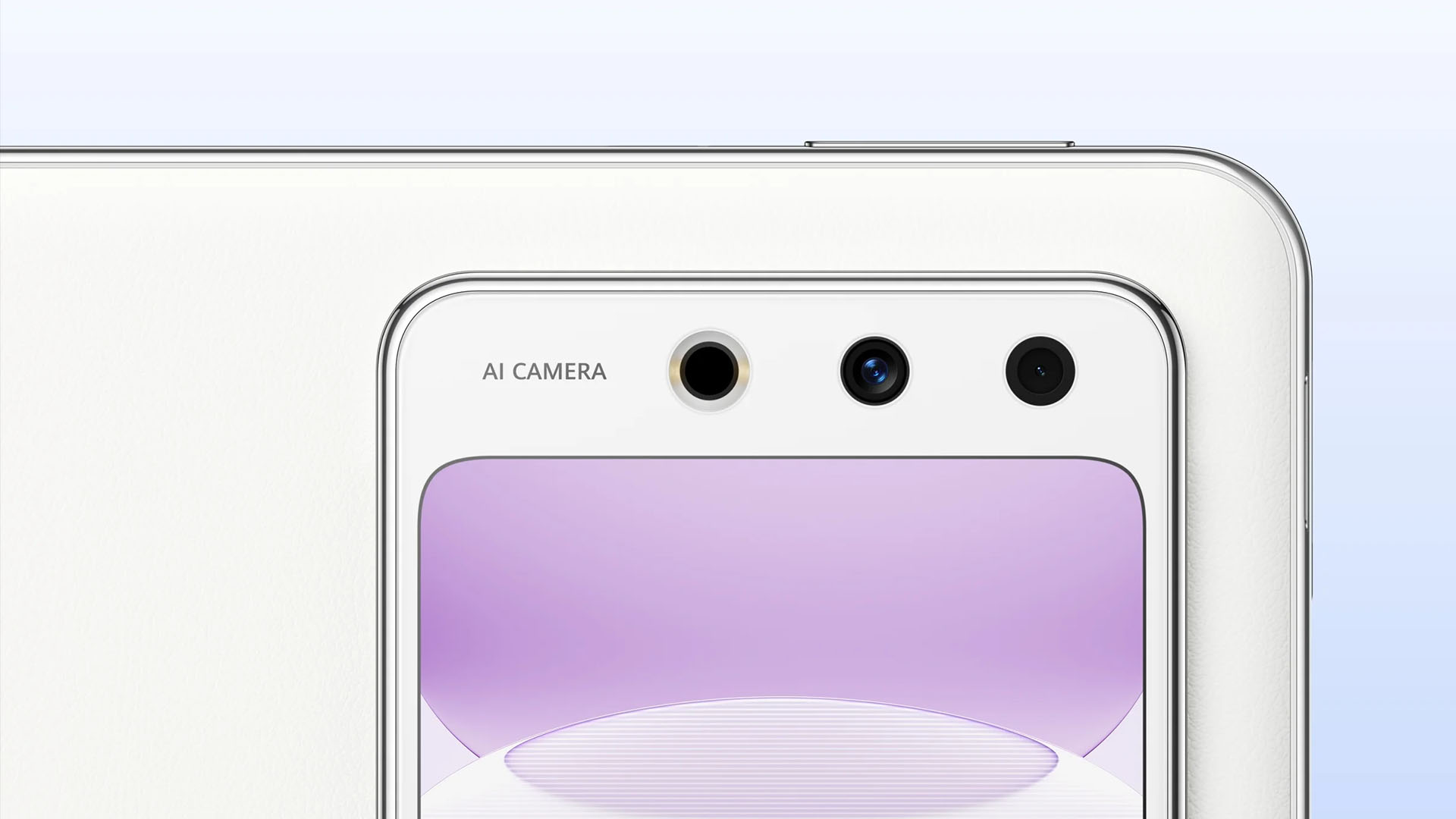
Unfortunately though, that screen is stationary and cannot be detached despite being shaped that way.
Stacked and power-packed
The MateBook Fold S is built with durability in mind. That flexible display is composed of UTG (ultra-thin glass) with a three-layer composite structure. Paired with HUAWEI’s Cloud Falcon architecture and Tiangong hinges, the MateBook Fold S is as durable as it can get.
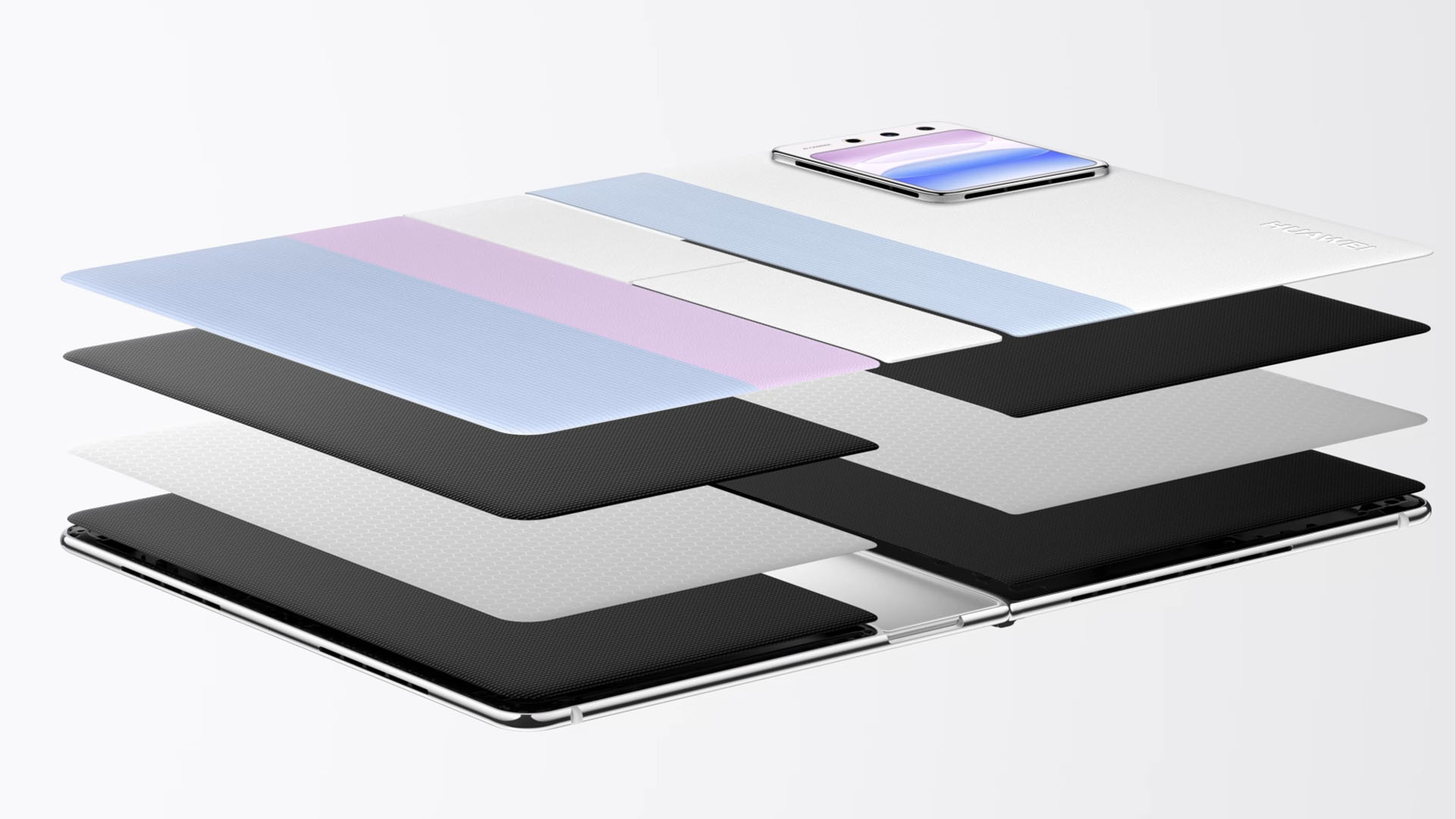
This meant aviation-grade and lightweight composite materials. As well as laser-printed titanium alloy spindle alongside a one-piece carbon fiber door panels for that silky smooth folding and unfolding.
Speaking of, it’s very slim at just 6.49mm when unfolded, or 12.89mm when closed. It’s lightweight too at only 639 grams.
Poweting the MateBook Fold S is HUAWEI’s very own Kirin X90E chip.

This new core promises 23% boost in single-core performance, 25% energy efficiency improvement, and a 40% upgrade in NPU. Together with Ark engine, decompressing a 2GB file or calculating 200,000 rows of data on WPS only takes three seconds to accomplish.
For heat dissipation, it has a 360-degree annular shunt Vapor Chamber with dual evaporation channels. And now that we’re here, it also features four antennas that further strengthens its internet speeds — especially with its Wi-Fi 7 support.
Living in Harmony
As expected, the MateBook Fold S runs HUAWEI’s proprietary HarmonyOS 7 instead of Windows 11.
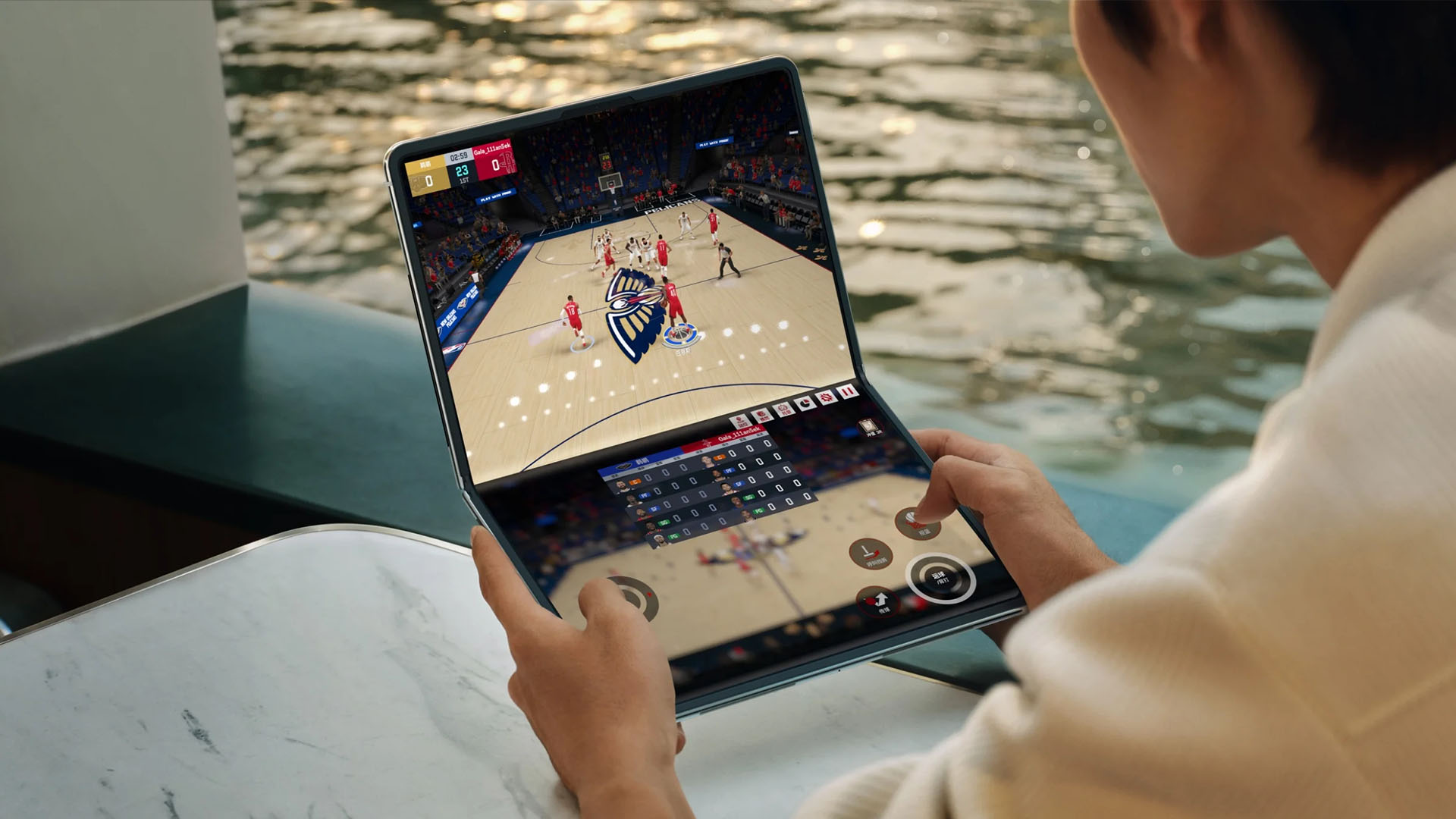
This means that users from the mainland will get to enjoy this foldable tablet (or laptop) with plethora of China-only apps compatible with HUAWEI’s existing OS such as Zhongwang CAD, Qianwen Office, Qoder, WorkBuddy, Kugou Music, and even NBA Summit Showdown.
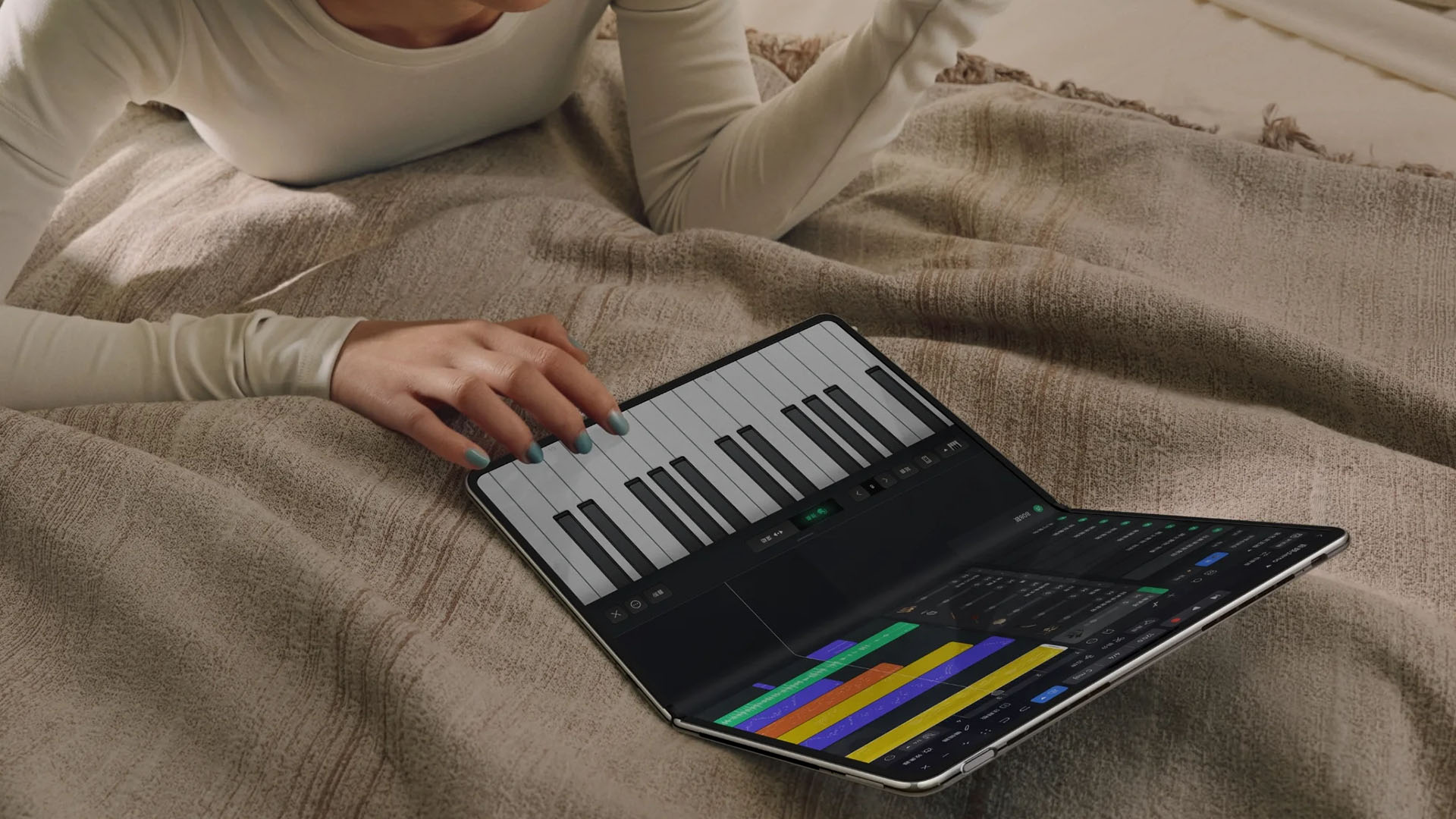
HUAWEI’s built-in Yinyuejia app also serves as a complete companion for musicians. Half-folded, you get the control track layers on top while piano keys are at the bottom. Play it however you want it.

Upgraded with ultra-thin four-wheel drive bass module and equipped with HUAWEI Yuezhang multi-channel near-ear spatial sound field algorithm, the MateBook Fold S is a true multimedia powerhouse.
Lastly, HUAWEI did not forget about the MateBook Fold S’ AI capabilities as it’s powered by their in-house Xiaoyi smart AI assistant.
Pricing and availability
The HUAWEI MateBook Fold S is available in three colorways: Nightfall, Sky White, and Cloud Ocean Blue.
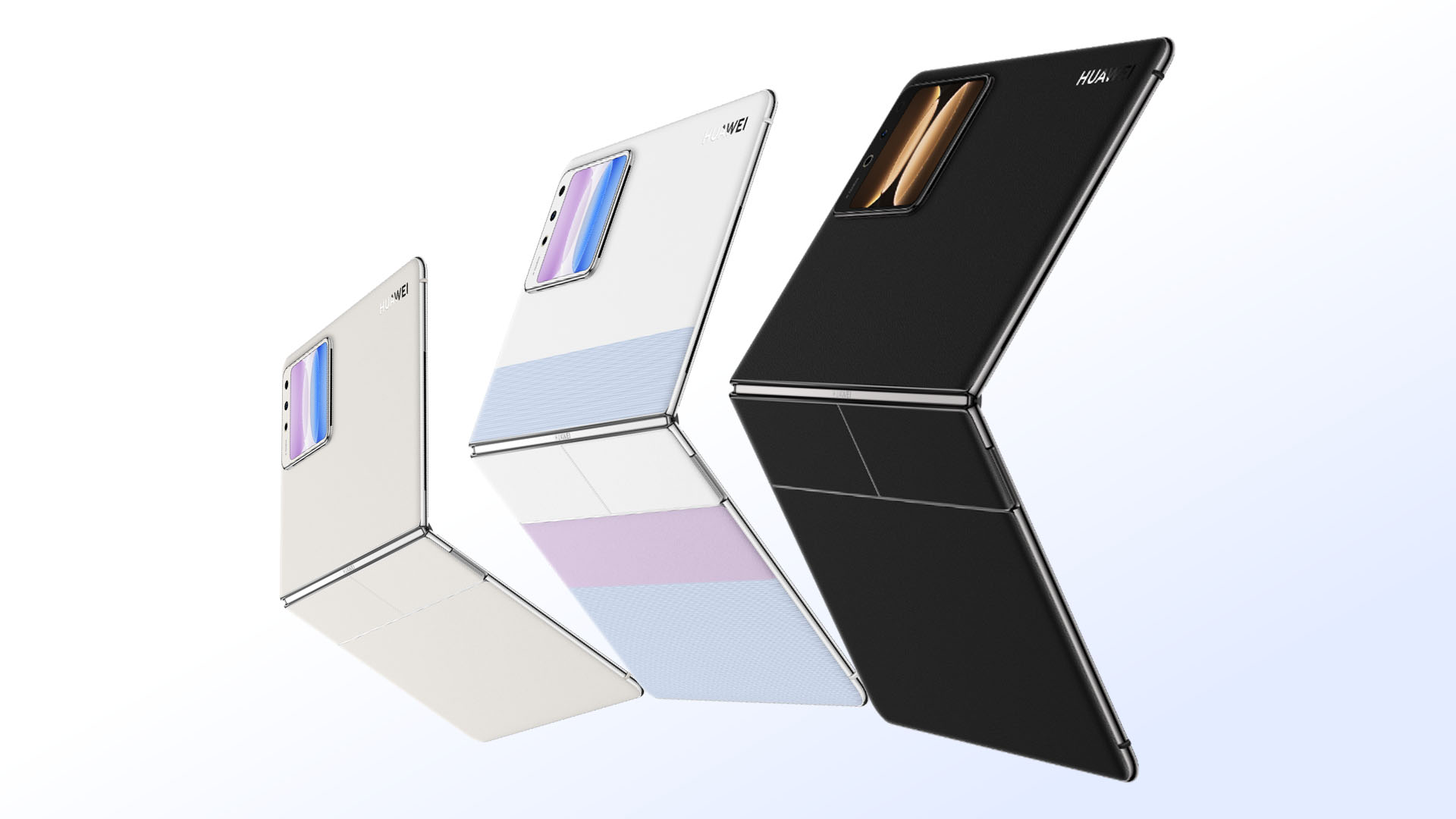
Graphics by Vincenz Lee | GadgetMatch
It’s being sold in China alongside these configurations (and rough pricing conversions):
- 16+256GB = CNY 14,999 (US$ 2235 / EUR 1925 / GBP 1650 / SG$ 2830 / MYR 9045 / PhP 140,000 / INR 211,195)
- 16+512GB = CNY 16,999 (US$ 2535 / EUR 2180 / GBP 1875 / SG$ 3210 / MYR 10,250 / PhP 158,670 / INR 239,355)
- 24+512GB = CNY 18,999 (US$ 2830 / EUR 2435 / GBP 2095 / SG$ 3585 / MYR 11,455 / PhP 177,340 / INR 267,515)
- 32+1TB = CNY 22,999 (US$ 3430 / EUR 2950 / GBP 2535 / SG$ 4340 / MYR 13,870 / PhP 214,680 / INR 323,840)
- 32+1TB Shangxia Limited Edition = CNY 24,999 (US$ 3725 / EUR 3205 / GBP 2755 / SG$ 4720 / MYR 15,075 / PhP 233,345 / INR 352,000)
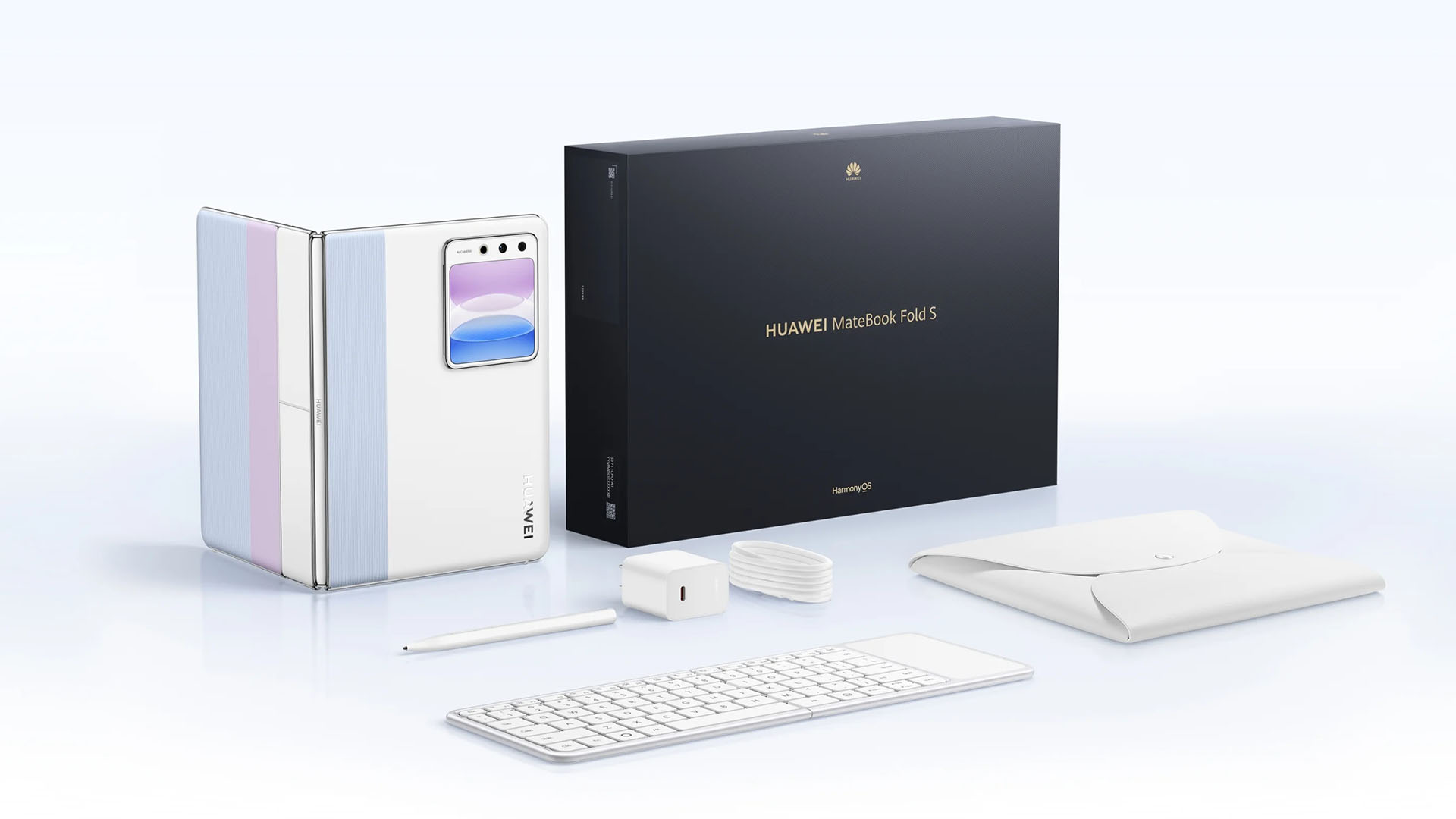
* Shangxia Limited Edition refers to the complete set featuring the StarLeap folding keyboard, storage bag, and M-Pen 3.
HUAWEI even sells this special “Up and Down” bag with a designated cutout for the outer screen itself.

GIF by Vincenz Lee | GadgetMatch
As usual, HUAWEI did not say anything about global availability.
Enterprise
Huawei found guilty of conspiracy to steal trade secrets, bank fraud
The company was not convicted for racketeering, though.
By now, the Huawei saga is a tome thoroughly covered in dust. It’s been a long time since the Chinese company found itself in the headlines for court troubles in the United States. However, even at their smoothest, the legal machine can take time. And so, the company’s saga, which started almost a decade ago, is once again under the limelight after courts finally convicts them for bank fraud and conspiracy to steal trade secrets.
Huawei’s struggles in the United States have been a very prolonged story, involving alleged threats to American cybersecurity and even the arrest of its founder’s daughter, Meng Wanzhou. In the end, everything led to the country banning Huawei from doing business on American soil, hence depriving the brand’s products from accessing Google’s services.
Now, American courts have found Huawei guilty of charges stemming all the way back from 2019 (via AP News). The company was convicted of 10 out of 12 charges, including bank fraud and conspiracy to steal trade secrets.
Likely to the company’s relief, Huawei was spared from the more serious charge of racketeering, an allegation often reserved for organized criminal activity, which would have painted the company as a criminal organization. The other acquittal is the conspiracy to obstruct justice.
Huawei is currently planning to appeal the convictions. If the company isn’t successful beforehand, the United States will proceed with sentencing next September. Though it’s certainly too early to tell, the company might face penalties amounting to billions of dollars.


Now Playing: The Legend of Zelda: Ocarina of Time (2026)
It's a true labor of love.
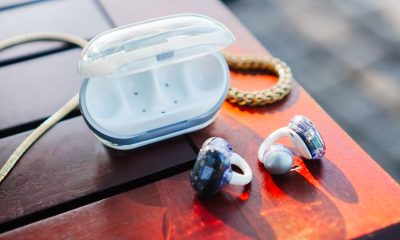

My latest fashion accessory happens to play music
The JBL Soundgear Clips are the finishing touch my outfits needed!


Fujifilm instax Pal 2 review
A tiny digital camera that’s all about the keepsakes.

The HUAWEI WATCH Air debuts as the world’s slimmest smartwatch

HUAWEI’s new foldable laptop has a small screen at its back
Now Playing: The Legend of Zelda: Ocarina of Time (2026)

Huawei found guilty of conspiracy to steal trade secrets, bank fraud

Apple HomeView Unboxing and Hands-on

Your coffee nook is getting a makeover with Starbucks’ holiday collections

Sticker season is back, and so is the planner your ~friends~ might fill in for you

Wild Rift Patch 7.3, celebrates K/DA comeback

ROG G700 review: The best prebuilt PC you can get off the shelf

vivo X500 Pro Max review: 500+ hours later


-
 Reviews1 week ago
vivo X500 Pro Max review: 500+ hours later
-

 Gaming6 days ago
Five new (and better) games you can play instead of GTA VI
-
Cameras3 days ago
Fujifilm instax Pal 2 review
-

 Accessories2 weeks ago
Secretlab brings Pikachu, Gengar, and Eevee to its Pokémon gaming chair collection
-

 Smartphones1 week ago
Spotlight: OPPO Find X10 Pro Max
-
 Smartphones6 days ago
The iPhone Duo is replacing my Kindle
-

 Tablets2 weeks ago
Infinix XPAD 30 launches, comes with AI features and expansive display
-

 Buyer's Guide1 week ago
Buyer’s Guide: 2026 Amazon Kindle