
News
Nokia shares plans for first 4G network on moon
Might arrive later this year

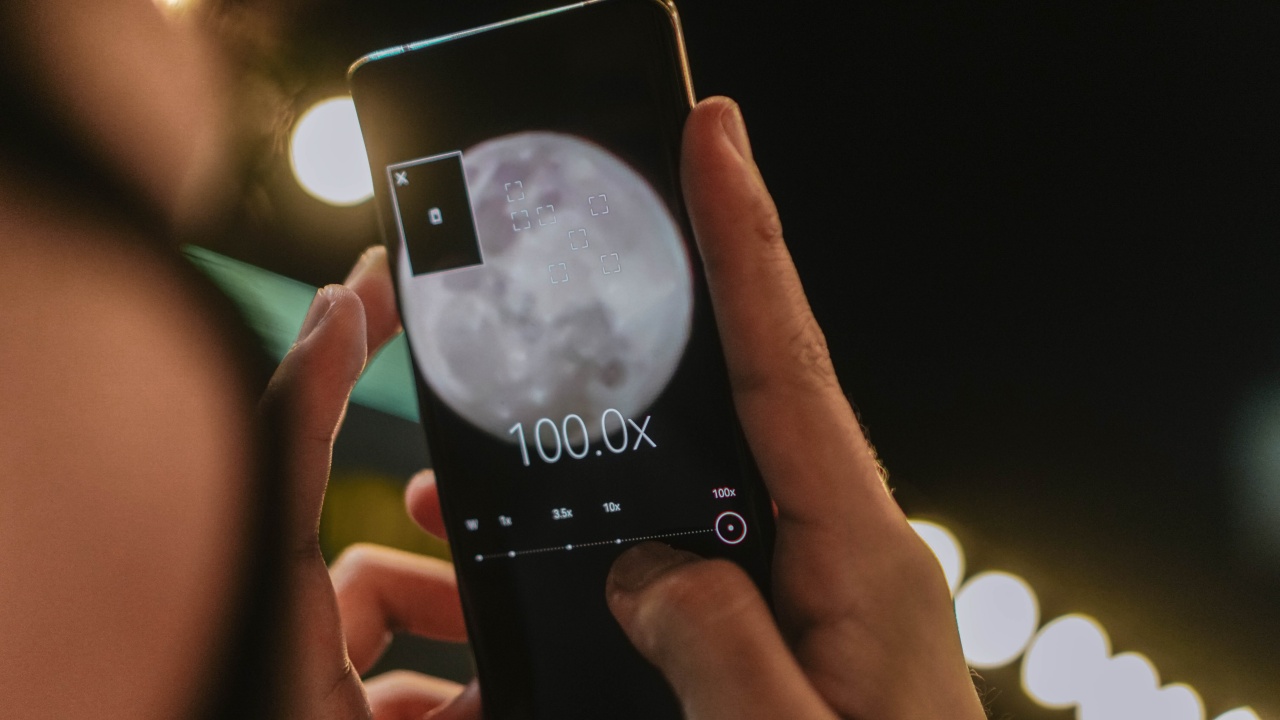
Nokia is more than just a phone. Though the company earned its big break by creating one of the most iconic mobile phones in history, it has sizable reaches in other industries. Now, the company has elaborated more on its latest out-of-this-world (literally) venture: 4G on the moon.
Earlier this month during MWC 2023, Nokia further reiterated its plans to launch a 4G network on the moon. Given the moon’s completely non-existent userbase, the upcoming network will not cater to the general public. Instead, it will help astronauts and rovers to communicate more efficiently with each other and their home base back on earth.

Nokia first announced the project way back in 2020, when NASA awarded the contract to the Finnish company. However, as the space agency ups its efforts to bring humankind back to the moon, Nokia’s project is eking closer and closer to reality.
As reported by CNBC, the company is already planning to go through with the plan as early as later this year. Designed to withstand extreme conditions in outer space, the base station containing the technology will launch on a SpaceX rocket later this year. Once close enough, a lander containing the station and a rover will head to the surface and set up the network.
Upon setup, the network will heavily complement upcoming NASA missions to the moon. Named the Artemis program, the series of moon missions is already well underway. In fact, NASA is about to announce the names of the first astronauts to go back to the moon in 50 years for 2024’s Artemis 2 flyby mission. Artemis 3, to be launched in 2025, will be the first lunar landing since the Apollo missions.
SEE ALSO: Nokia has an all-new logo


Lifestyle
Sony releases two affordable turntables
They’re built for both first-timers and veteran vinyl listeners.
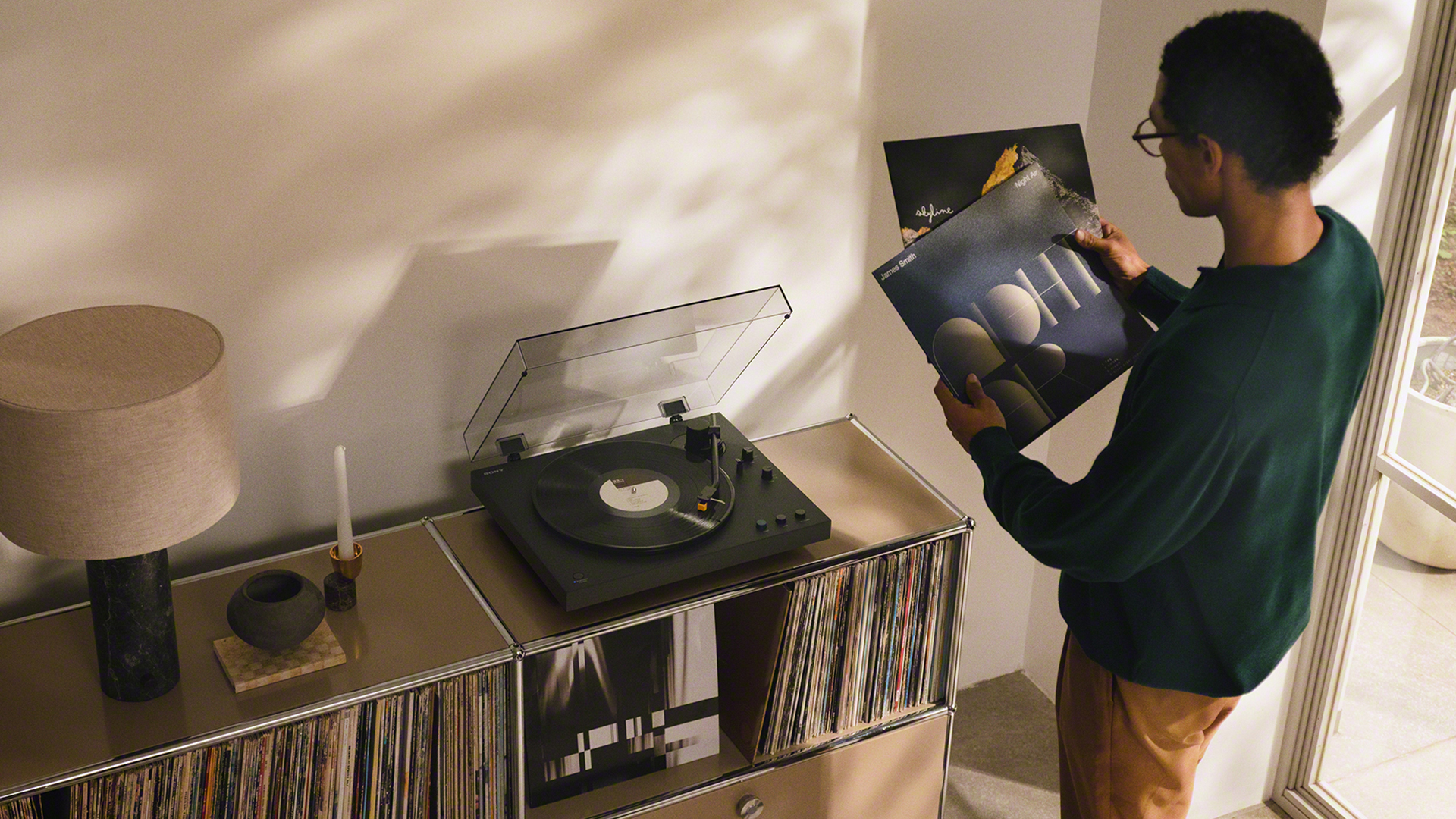
Vinyl records have been going through fits and starts throughout the years. While some years have a tepid collection of releases in the space, some feature new releases we’re very excited about. This year might be one of the latter, because Sony has just launched two new turntables that can bring the classic auditory experience for a competitive price.
First up is the PS-LX3BT. It’s a beginner-friendly turntable that values ease of use, while still prioritizing sleek designs. Right away, users can start listening with the attached audio cable and the built-in phono equalizer.
On the other hand, the PS-LX5BT is built for robustness. It has a rigid one-piece body and an aluminum tone arm. Together with the rubber mat and the circuit design, the entire turntable reduces vibrations and preserves audio quality. The high-grade cartridge delivers a wider soundstage. Finally, the gold-plated audio jack puts the premium on wired connections.
Despite the differences, both models will feature Bluetooth connectivity with aptX, aptX Adaptive, and Hi-Res Wireless Audio. They also have USB output with three-level gain control so you can digitize your library. Finally, they will support 33 1/3 and 45 RPM records.
The Sony PS-LX3BT is already available for presales. It will retail for US$ 399.99.
Meanwhile, the Sony PS-LX5BT will start its pre-sales later this spring. It will retail for US$ 499.99.
Accessories
G-DRAGON is CASETiFY’s first ever Global Brand Ambassador
Right on time with the brand’s 15th-year milestone

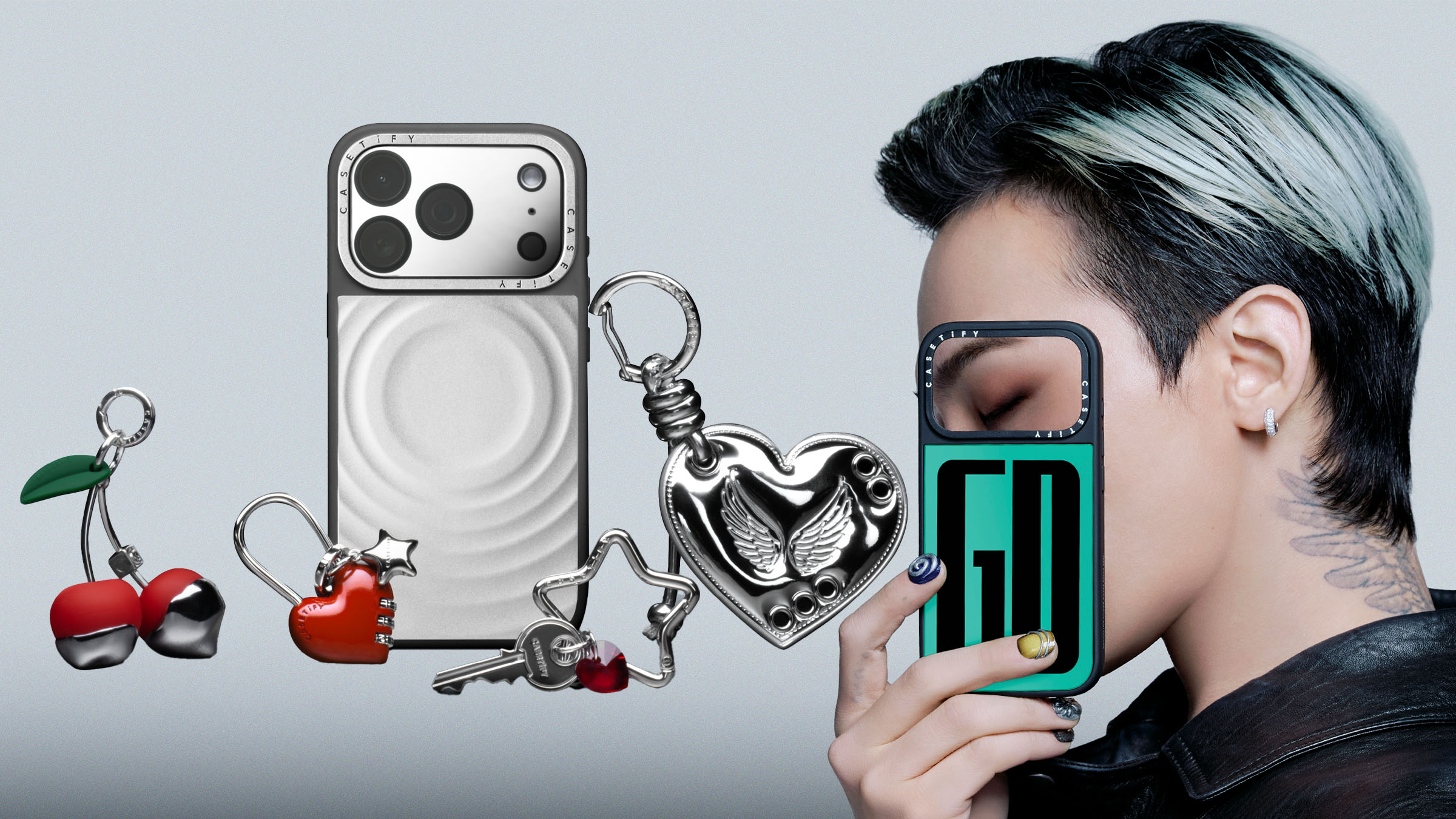
One of K-Pop’s most iconic soloists of all time has finally partnered up with the globally-renowned case maker.
And this isn’t like any other CASETiFY’s K-Pop Collab, this is much grander than that.
i-naugural Brand iCON
You heard that right! CASETiFY reveals their first ever Global Brand Ambassador.
Amassing 25 million Instagram followers, over 1.2 Billion YouTube views, and hitting almost 4 Million Spotify listeners, G-DRAGON has truly marked his footprint as the “King of K-Pop” — more than just being the iconic member of the global hit group BIGBANG.
His long overdue comeback (and world tour) with ‘Übermensch’ last 2025 further proves how massive the VIP (and FAM) community is.
View this post on Instagram
That said, GD’s influence isn’t limited to the music industry alone. Art and fashion have also witnessed his legendary artistry through his PEACEMINUSONE label. That pretty daisy with a fallen petal is the brand’s most iconic emblem you can see around.
The introduction of his fashion line was connected to music as well. It was introduced way back in 2013 during his ‘COUP D’ETAT’ solo promotions which was a true hit. It was totally evident in the album art’s peace symbol minus that one line.
Wesley Ng, CASETiFY’s CEO and Co-Founder (who’s also fashion-savvy), said that “welcoming G-DRAGON as the brand’s first Global iCON is a powerful statement.” This will not only amplify the reach of the already-popular case maker, it will also influence the brand’s creative direction.
After all, one’s artistic expression can be seen easily with the cases we rock out and about.
i-conic CHROMATIC
In line with this milestone also lies a new collection of cases and accessories.
The all-new CHROMATIC Collection is built around two concepts: FORMS & HUES. First, the CHROMATIC: FORMS set is headlined by the premium-made Alloy Ripple Case with an upgraded aluminum material.

Graphics by Vincenz Lee | GadgetMatch
Speaking of aluminum, the accompanying accessories are all metallic — from the 2-in-1 cross-body chain to custom cube charms for bespoke personalization.
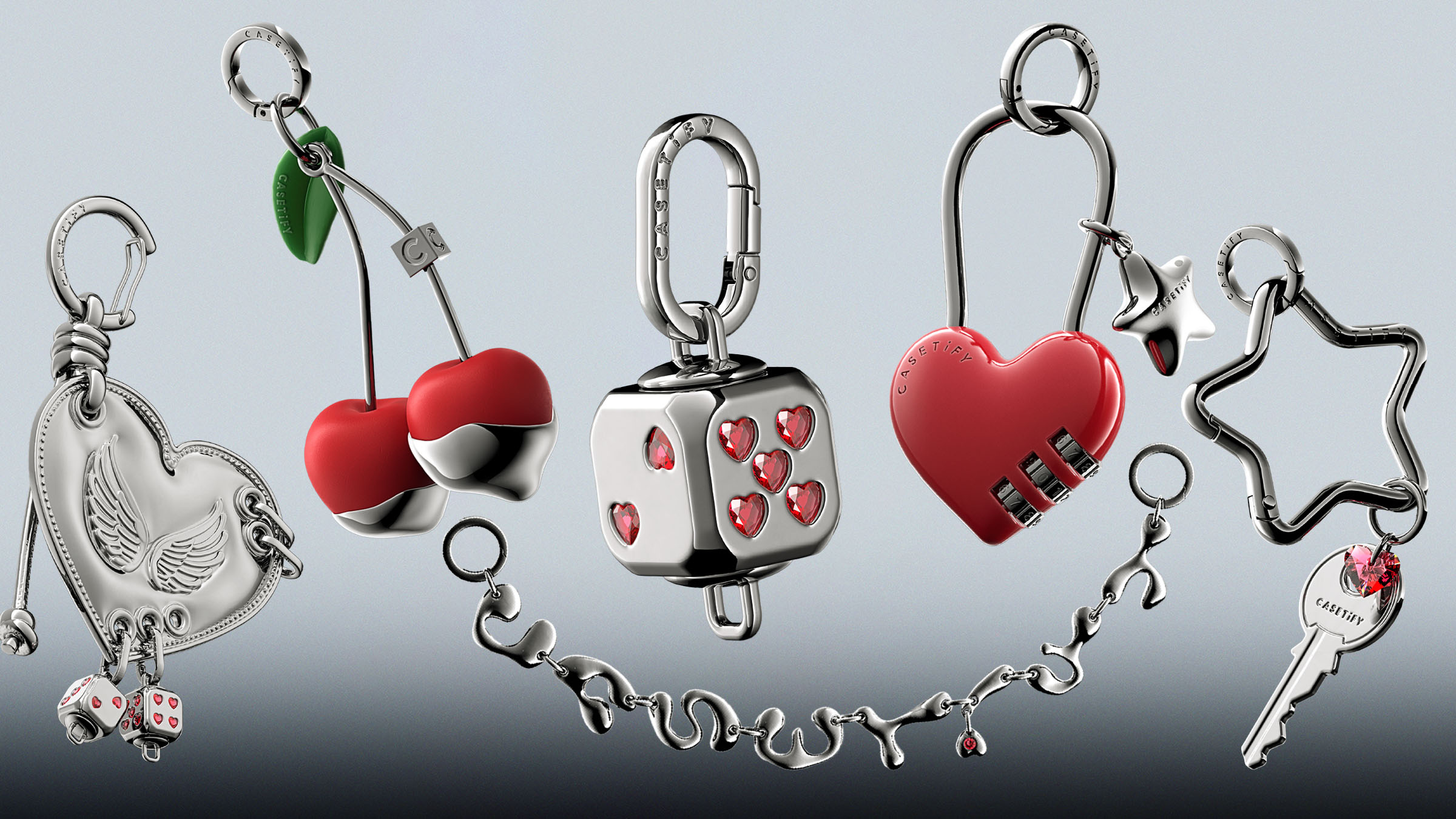
Graphics by Vincenz Lee | GadgetMatch
Meanwhile, the CHROMATIC: HUES adds five new vibrant shades to CASETiFY’s ever-popular Ripple Collection through the Neon Ripple Case. These bold range of colors not only embody users’ creativity and self-expression, it also showcases an individual’s overall aesthetics.

Graphics by Vincenz Lee | GadgetMatch
While this isn’t the PEACEMINUSONE collab some of us have initially thought, crossing fingers that will be the next official CASETiFY collab in line.
Pricing and Availability
The brand new CHROMATIC COLLECTION is expected to hit shelves real soon with prices ranging between US$ 10 to US$ 85,

They will be available for purchase on CASETiFY.com and in select CASETiFY Studio retail stores around the world starting on January 26 (Monday).
Accessories
Razer fully unwraps these limited BLACKPINK Edition gaming gear
They are finally coming in your area!

Initially teased a month ago, the much-awaited BLACKPINK x Razer collab has finally been revealed for all the BLINKs to see (and purchase).
Hitting the ‘DEADLINE’
ICYMI, BLACKPINK (or K-Pop’s biggest female quartet composed of Jennie, Lisa, Rosé, and Jisoo) started their highly-anticipated ‘DEADLINE’ World Tour just last year.
With Razer’s signature dark black styling paired with BLACKPINK’s bold and iconic pink scheme, this collaboration felt like the perfect match.
Now, if you’re the type of BLINK who still has a severe sepanx (like yours truly), all these limited BLACKPINK-themed gaming gear by Razer might just be the cure.
That said, here are all the BLACKPINK Edition gaming accessories you should expect from the Singaporean-American gaming giant.
Ornata V3 Tenkeyless – BLACKPINK Edition
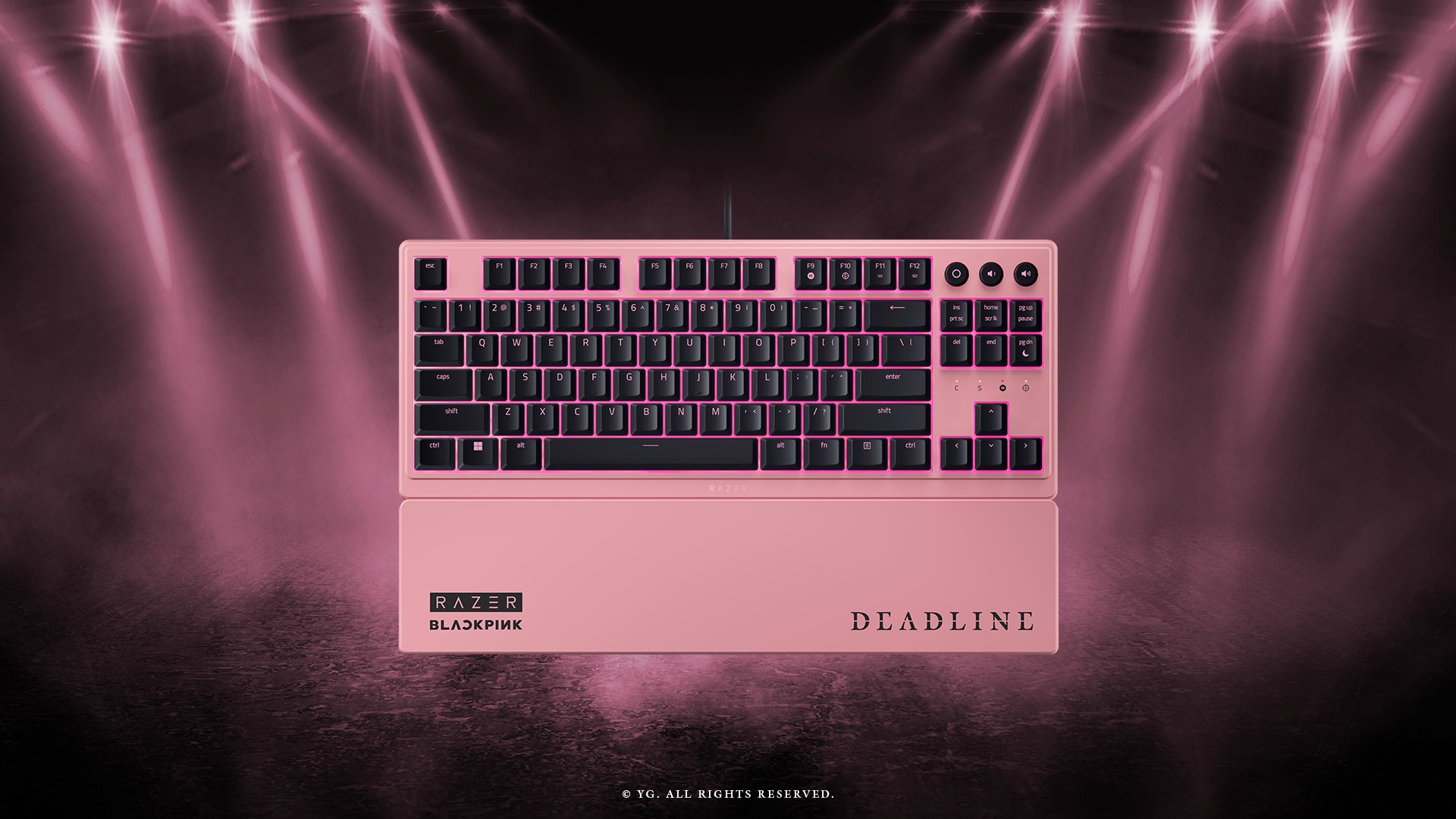
A low-profile RGB keyboard with clicky Mecha-Membrane switches.
DeathAdder Essential – BLACKPINK Edition

Gaming mouse with ergonic comfort and precision alongside mechanical switches and programmable buttons.
Gigantus V2 – Medium – BLACKPINK Edition
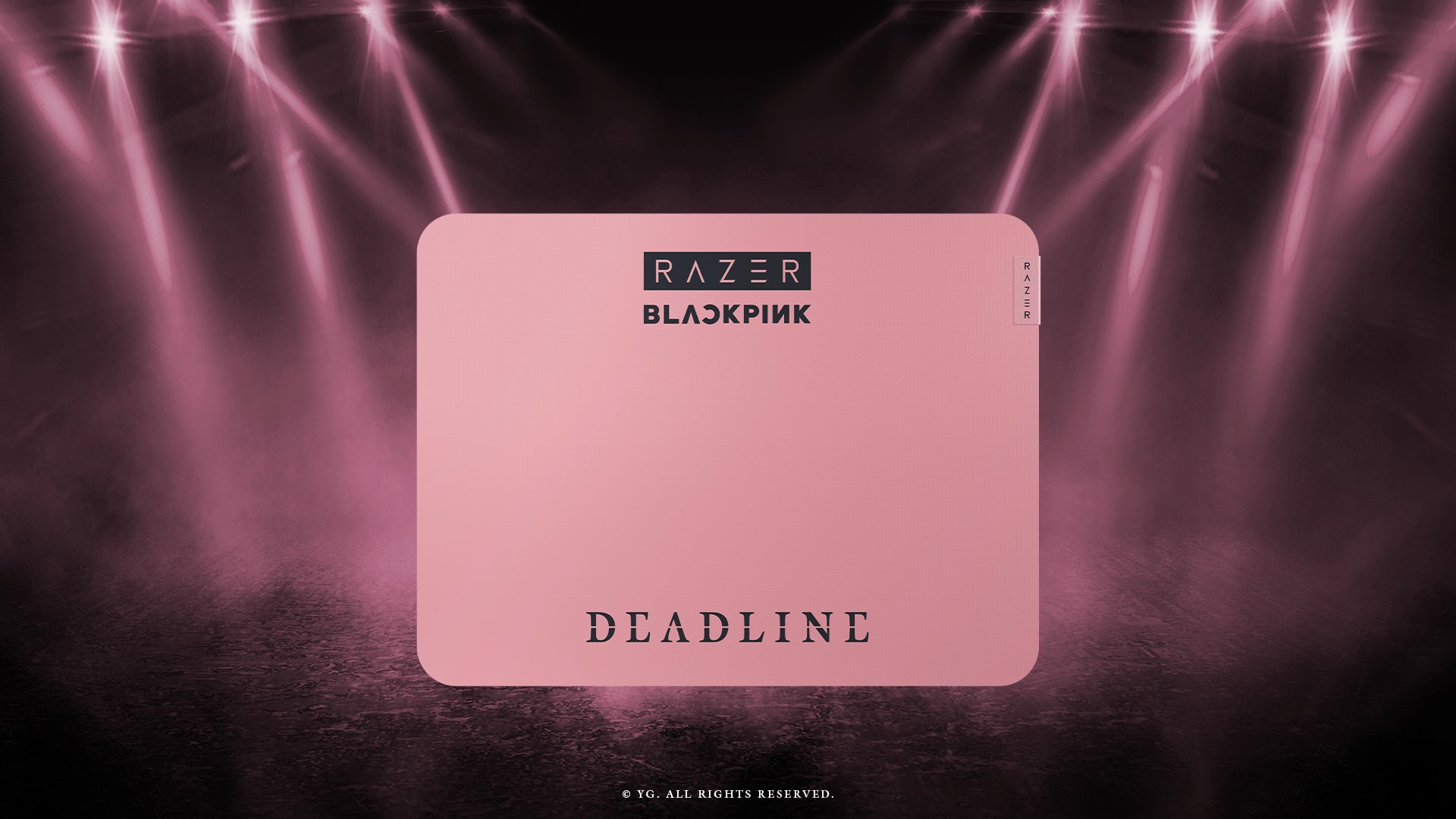
Razer’s smooth and durable mouse mat with that BLACKPINK flair
Enki X – BLACKPINK Edition

Badly-needed gaming chair for all-day comfort combined with BLACKPINK’s aesthetics — made for your marathon gaming sessions.
Pricing and Availability
Here are the SRP of the special Razer x BLACKPINK Edition gaming essentials:
- Ornata V3 Tenkeyless – BLACKPINK Edition = US$ 119.99
- DeathAdder Essential – BLACKPINK Edition = US$ 49.99
- Gigantus V2 – Medium – BLACKPINK Edition = US$ 29.99
- Enki X – BLACKPINK Edition = US$ 499.99
These will all be released worldwide (excluding Canada and Japan) by the 2nd quarter of 2026.
Currently, Razer has set-up a pop-up store in Hong Kong. BLINKs in the area can experience all the special gaming gear with dedicated photo zones in the scene.
View this post on Instagram
This popped right in time as BLACKPINK will hold the Hong Kong stop of their ‘DEADLINE’ tour for three straight days — from January 24 (Saturday) until January 26, 2026 (Monday).
Moreover, these might just be the perfect complement to the quatro’s upcoming ‘DEADLINE’ EP by February 27, 2026.
Might as well, an advanced 10th year anniversary gift this August 2026.


HONOR X9d 5G review: Tougher, more long-lasting and optimized
Beyond all the marketing, it's a compelling all-around smartphone that actually works well


Redmi Note 15 Pro+ 5G review: The midrange fashion piece
Work-ready and style-friendly!


Mijia Smart Audio Glasses review: Immerse yourself in the music
Here's a unique way to listen to music.

Sony releases two affordable turntables
HONOR X9d 5G review: Tougher, more long-lasting and optimized

G-DRAGON is CASETiFY’s first ever Global Brand Ambassador

Razer fully unwraps these limited BLACKPINK Edition gaming gear

Ubisoft cancels Prince of Persia remake, five other games

Razer teams up with BLACKPINK for limited-edition gear

HONOR WIN headlines the first 10,000mAh smartphone with built-in fan

HONOR X9d 5G launches in the Philippines: Price, preorder, availability

Xiaomi 17 Ultra debuts as 2025’s last full-fledged flagship

OPPO A6 Pro: Adequate tool, no definitive punch


-
 News2 weeks ago
HONOR X9d 5G launches in the Philippines: Price, preorder, availability
-
 Reviews1 week ago
POCO M8 Pro review: Goin’ loco over this POCO
-
 Gaming2 weeks ago
The Switch 2 is getting its first Joy-Con color variant
-
Reviews7 days ago
Redmi Note 15 Pro+ 5G review: The midrange fashion piece
-

 CES 20262 weeks ago
Anker, eufy, soundcore unveil next-gen products at CES 2026
-
Reviews1 week ago
Mijia Smart Audio Glasses review: Immerse yourself in the music
-
 News4 days ago
Infinix NOTE Edge debuts: High-end features for accessible pricing
-

 CES 20261 week ago
Best of CES 2026: AI Everything!