
First Look
realme 9 Pro Unboxing and First Impressions
A real pro?

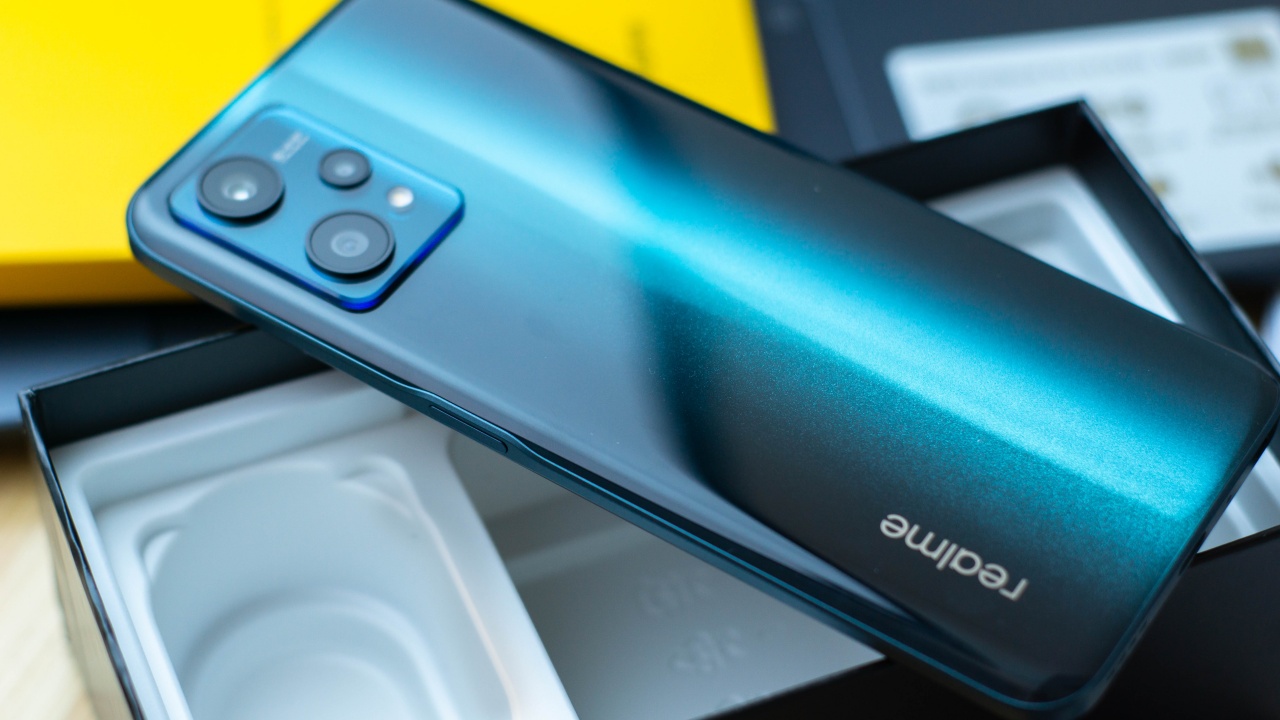
realme redefines the midranger again this year with their release of their camera-focused powerful duo — realme 9 Pro and realme 9 Pro+.
Now, let’s take the realme 9 Pro out of the box and check out what they have in store for us.
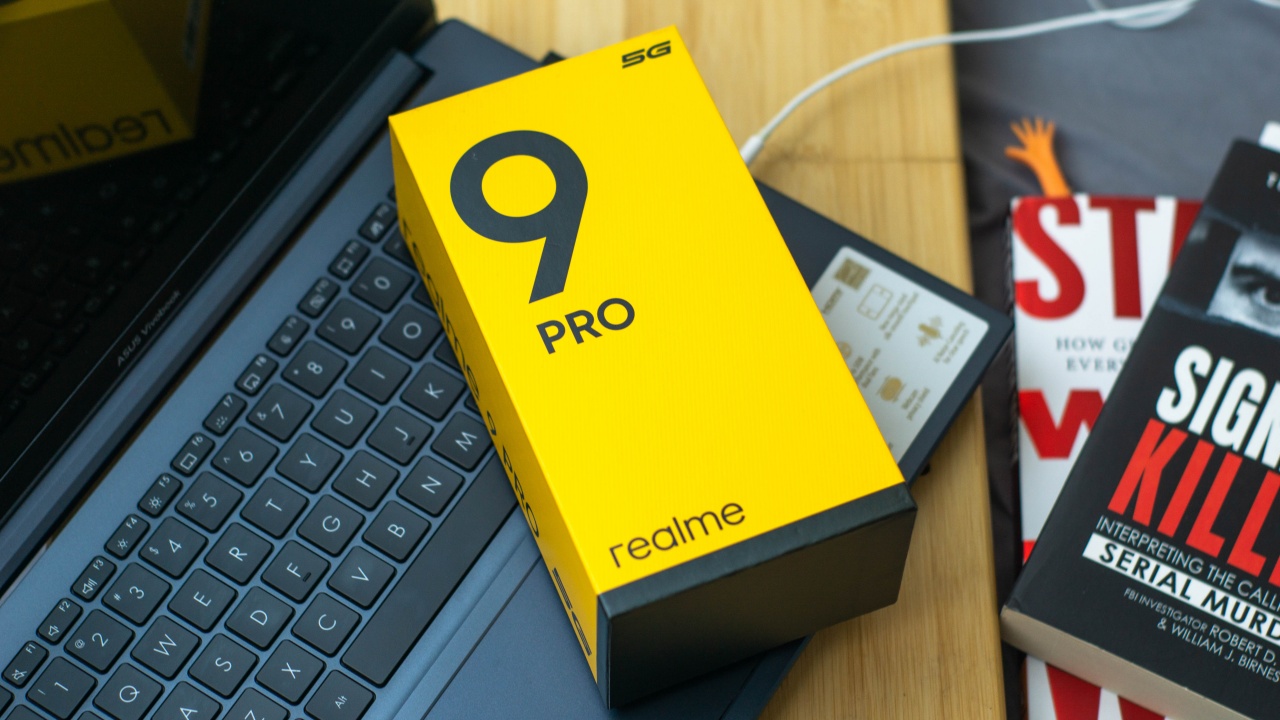
The phone comes in realme’s signature minimalist yellow box with just their branding.
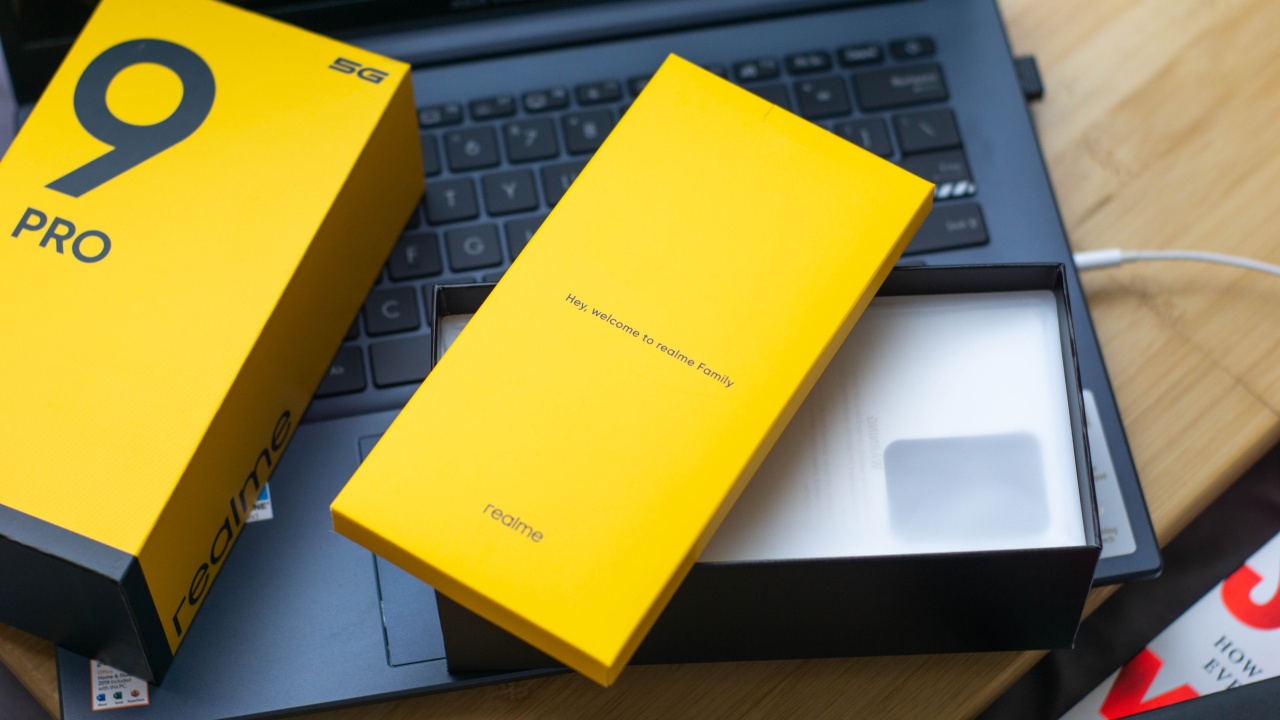
Lifting the lid, you’ll be greeted with a slim yellow box welcoming you to the realme family.
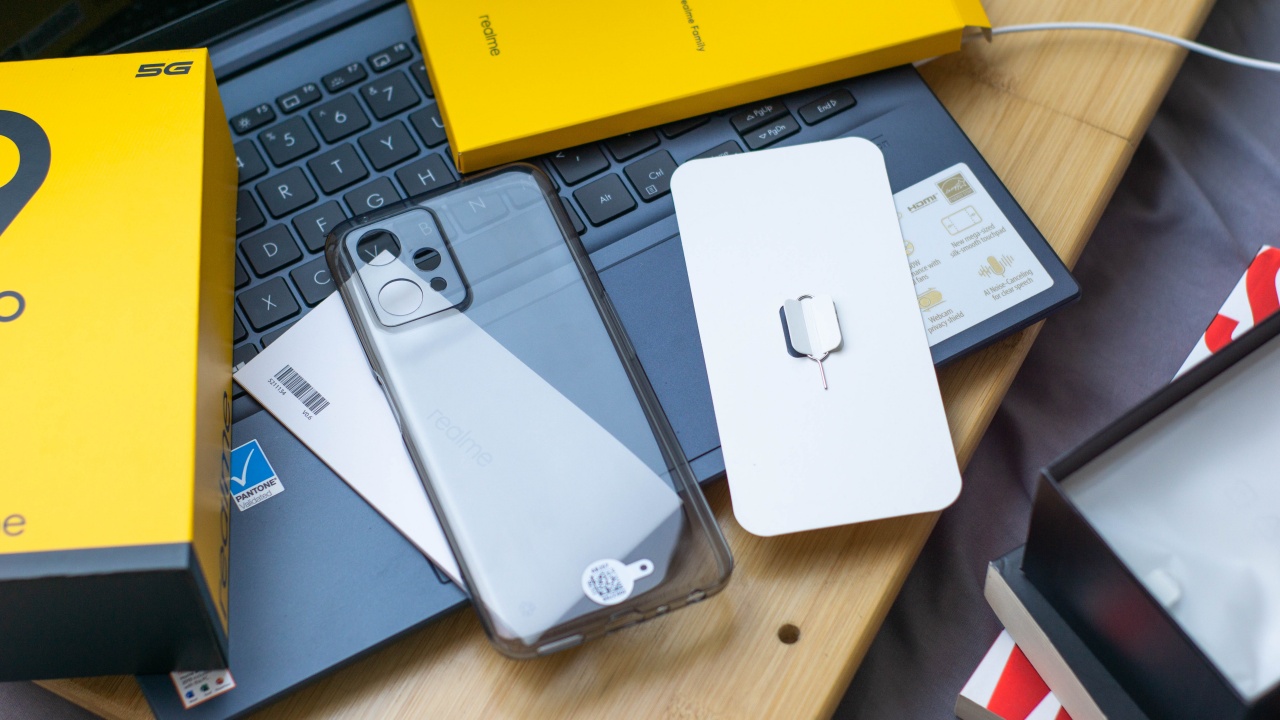
This contains the jelly case that comes with it, SIM ejector tool and manuals.
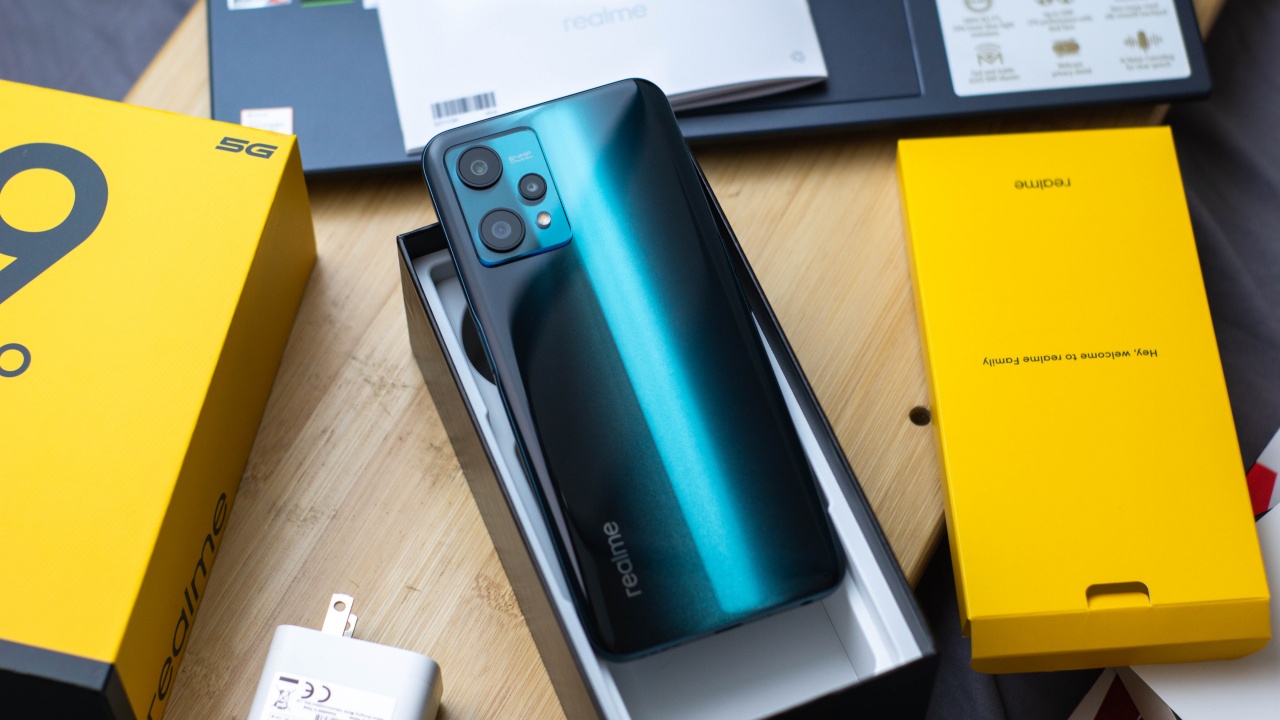
Removing those from the box, you’ll be greeted by the phone.
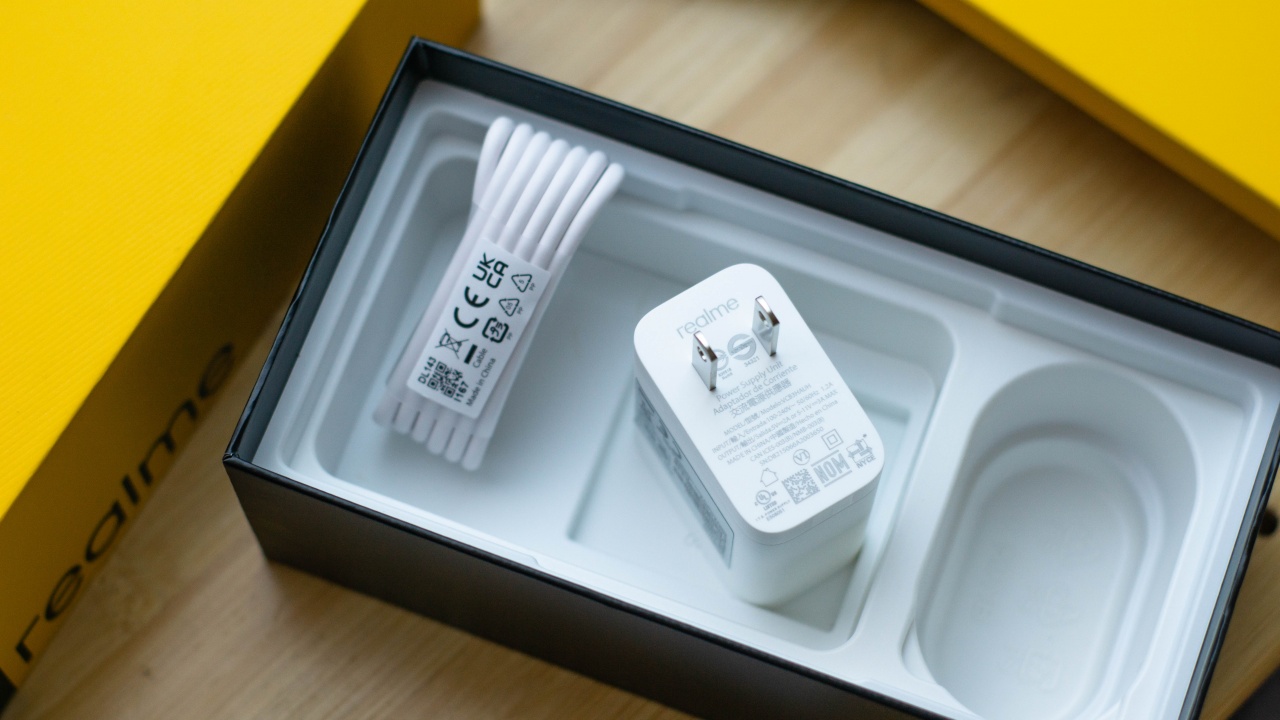
And underneath it, you’ll see the rest of the accessories such as the 33W Dart Charger and USB-C Cable.

Out of the box, you’ll see the unit that we got came in the Aurora Green varian. It looks pretty dazzling.
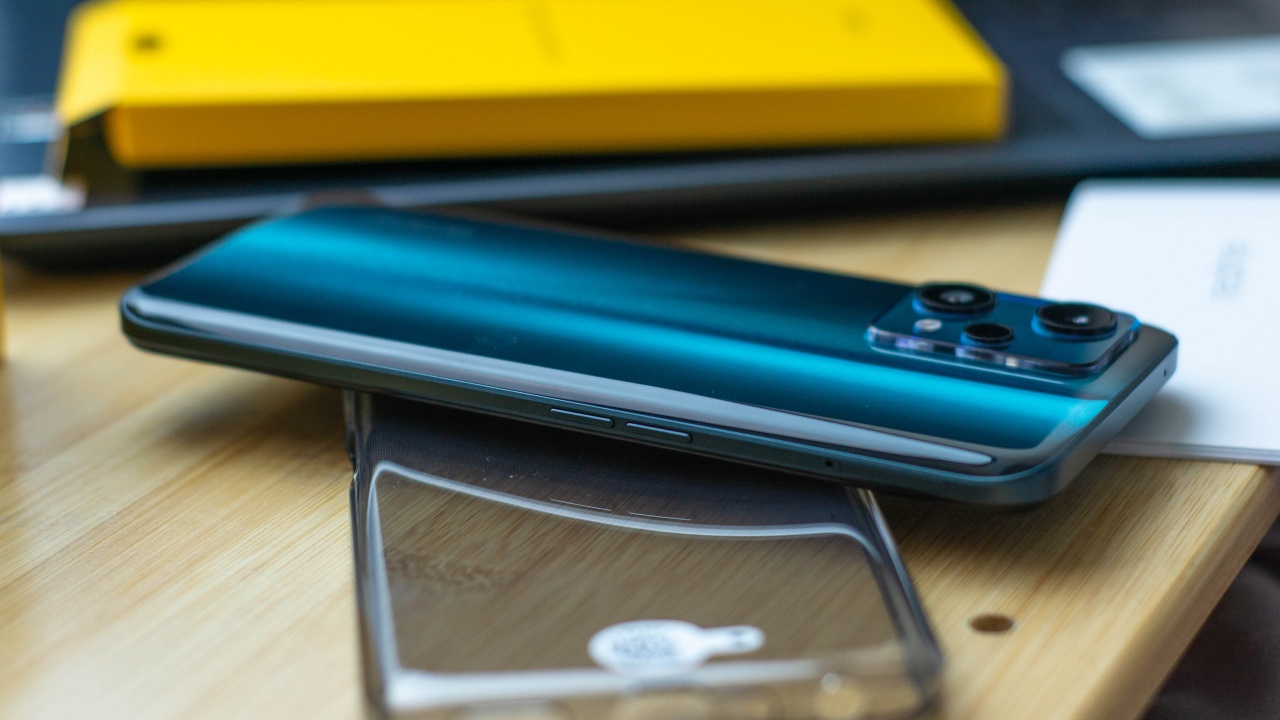
At its left side, you’ll find the volume rockers.
While on the right, you can find the power button that also doubles as a fingerprint scanner.
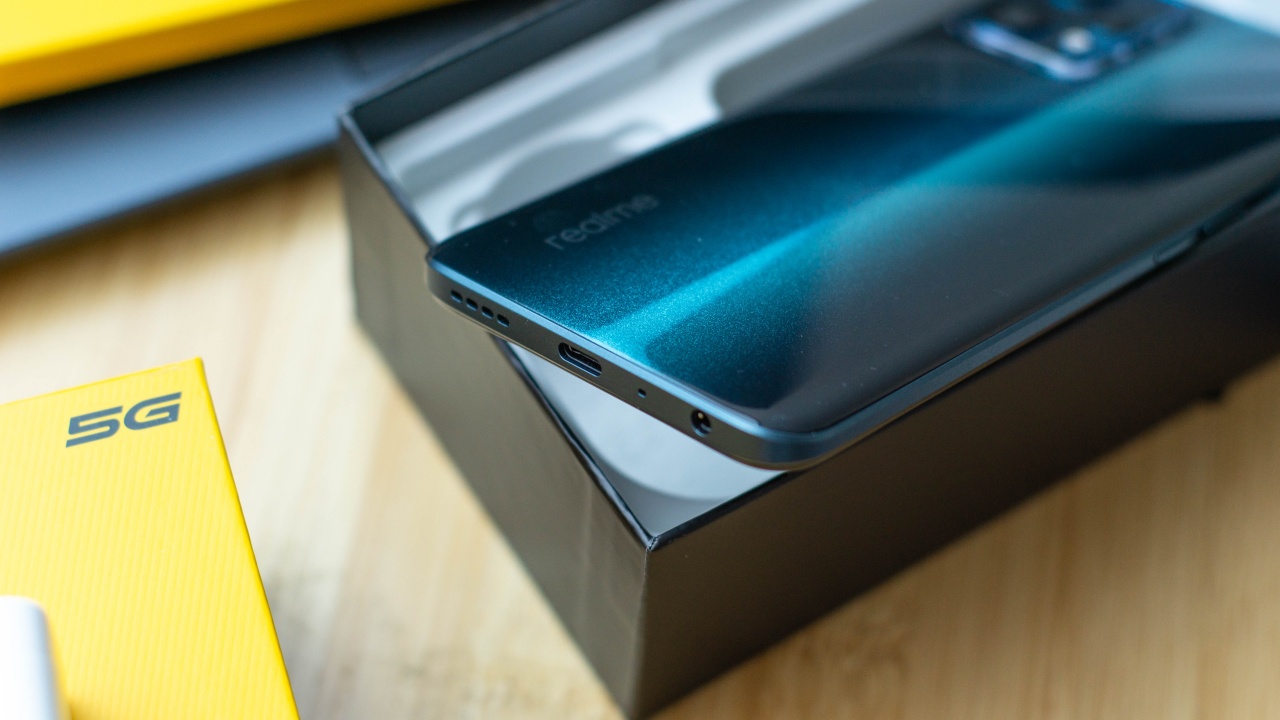
Then at the bottom, you’ll find the 3.5mm audio jack even if there weren’t any earphones that came with the phone. You’ll also find the USB-C port and speaker grille beside it.
The realme 9 Pro is powered up with a 5000mAh battery and a Qualcomm Snapdragon 695 processor with 8GB of RAM + 5GB Dynamic RAM along with 128GB of internal storage.
With this chipset, the realme 9 Pro is a 5G capable smartphone that delivers an ultra-fast all around performance.
First Impressions
Out of the box, the first thing you’ll notice is its pretty design. Especially the back part where you can see a sparkling streak of light that resembles photos of how outer space looks like. Without touching it, it looks like it’s made of glass but it’s actually made of plastic.
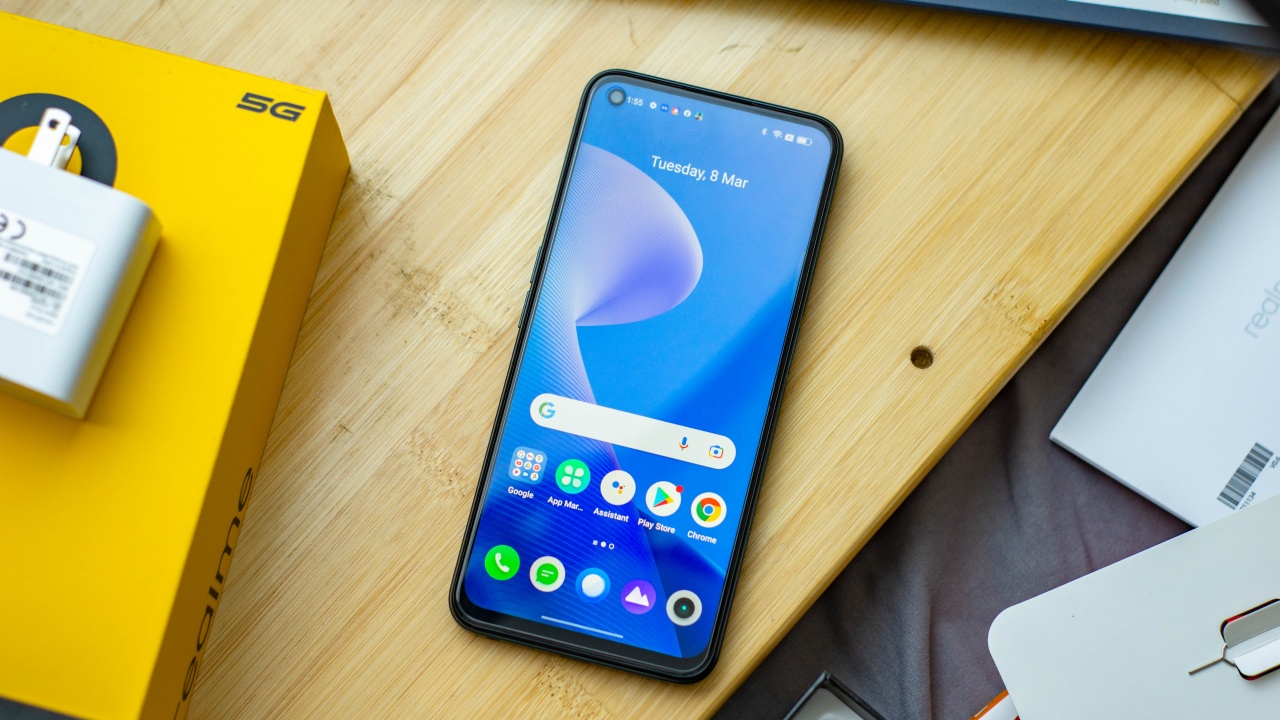
Bezels are pretty thin for this phone’s 6.6-inch FHD+ LCD Display except for the bottom bezels that’s a bit thicker.

I tried browsing through webpages for a quick test run and I quickly noticed how ultra smooth the experience is thanks to its 120Hz refresh rate. With its adaptive technology, every swipe and scroll feels more instant and responsive.
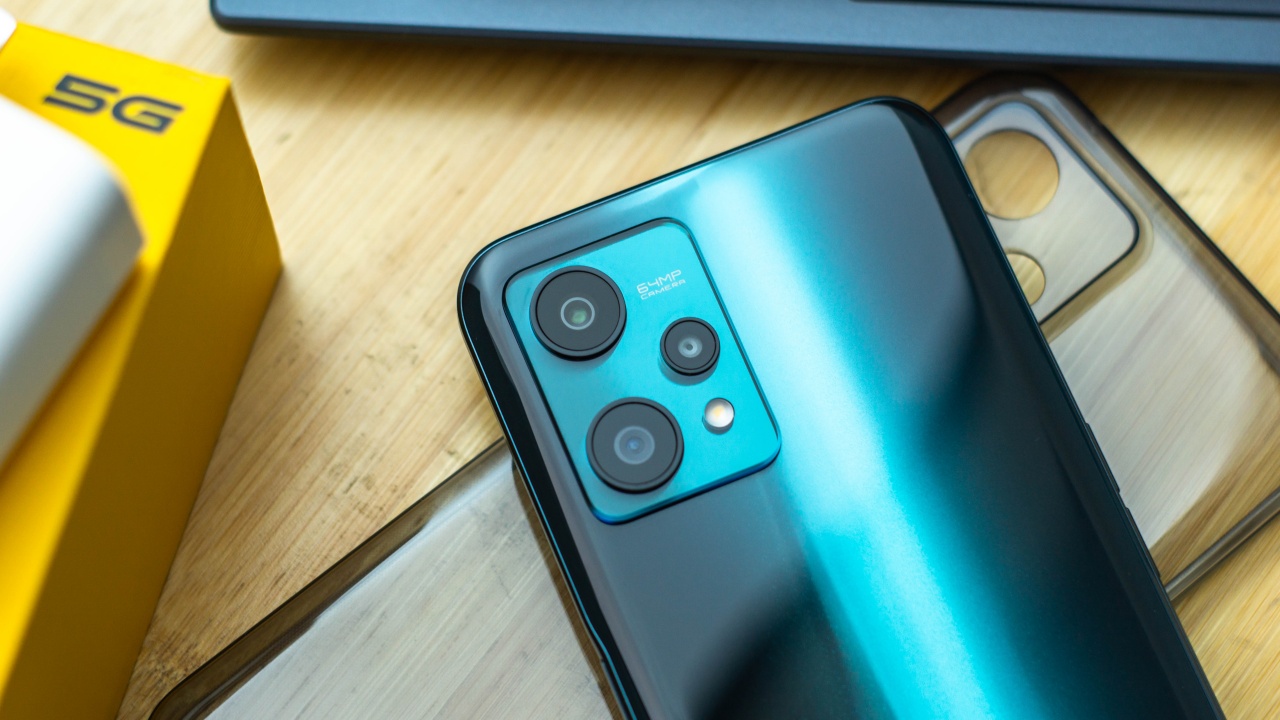
Now onto its cameras. The phone packs a 64MP Nightscape Camera, an 8MP 119° Super-wide Lens, a 2MP Macro Lens and a 16MP Selfie Camera.
Camera samples
I took the phone out for a photowalk and enjoyed it thoroughly. The realme 9 Pro produced really amazing shots, especially with its Street Photography Mode and its filters. I’m actually thrilled at how I can maximize the camera’s capabilities for my content creation.
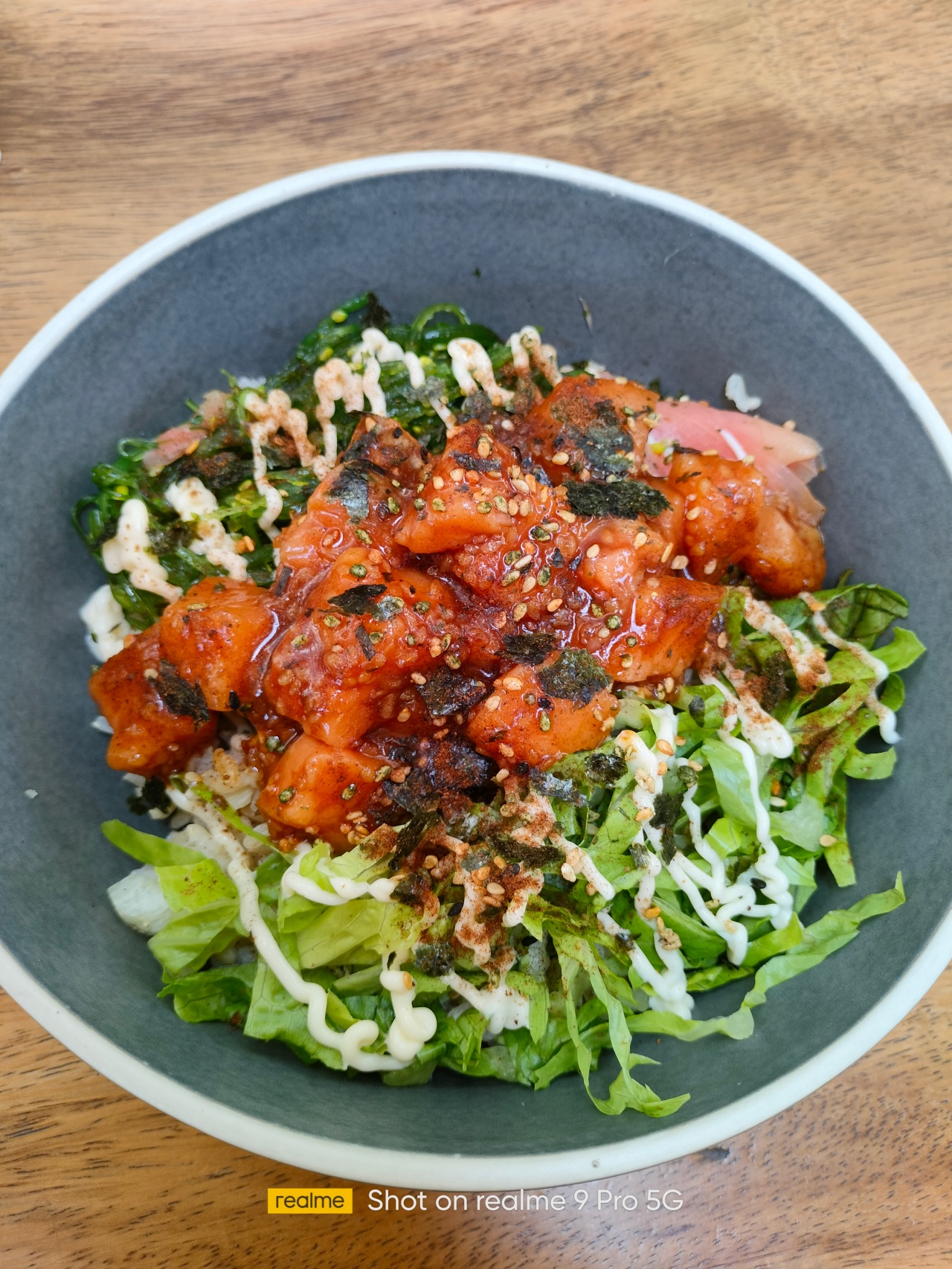
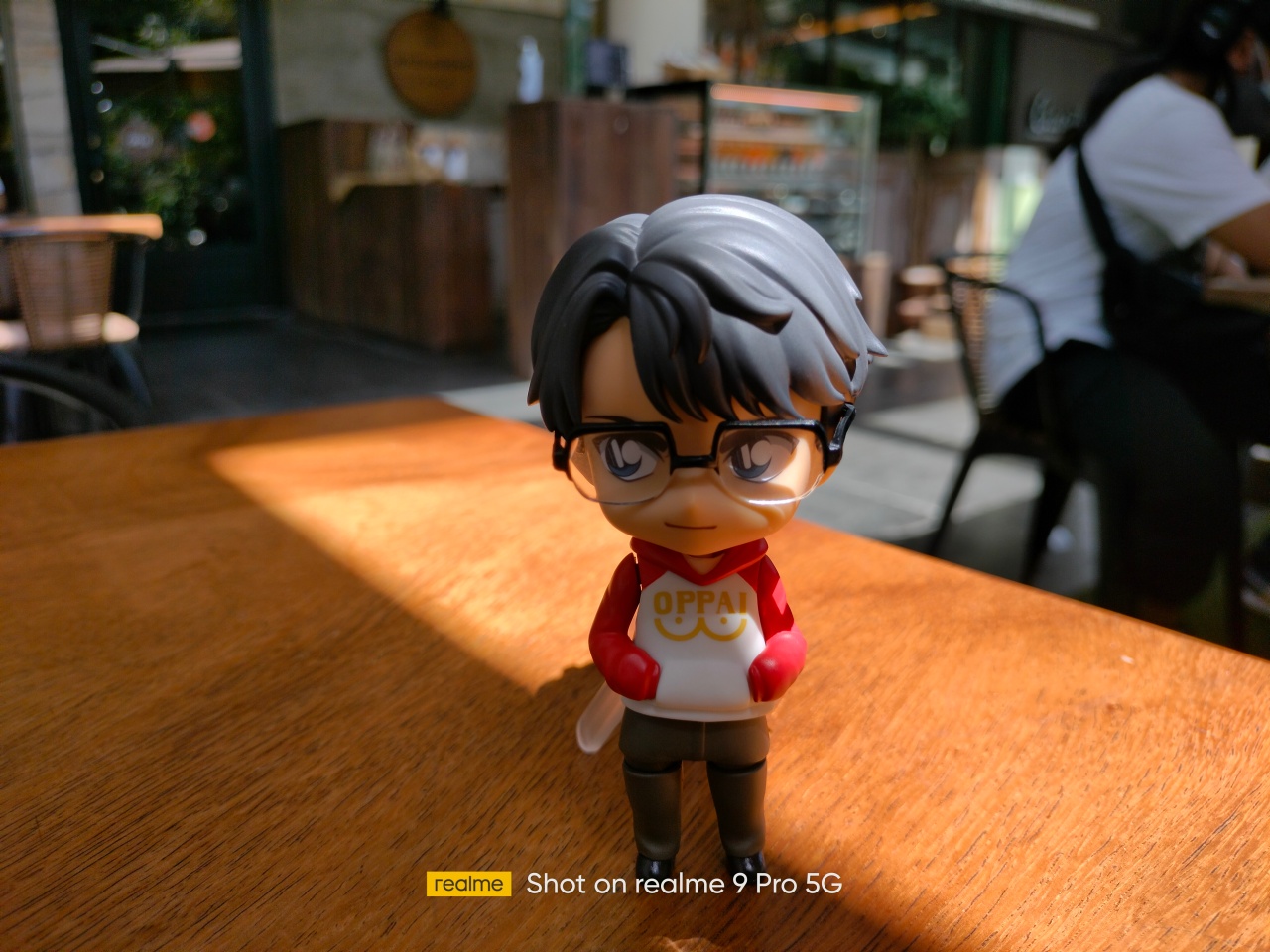
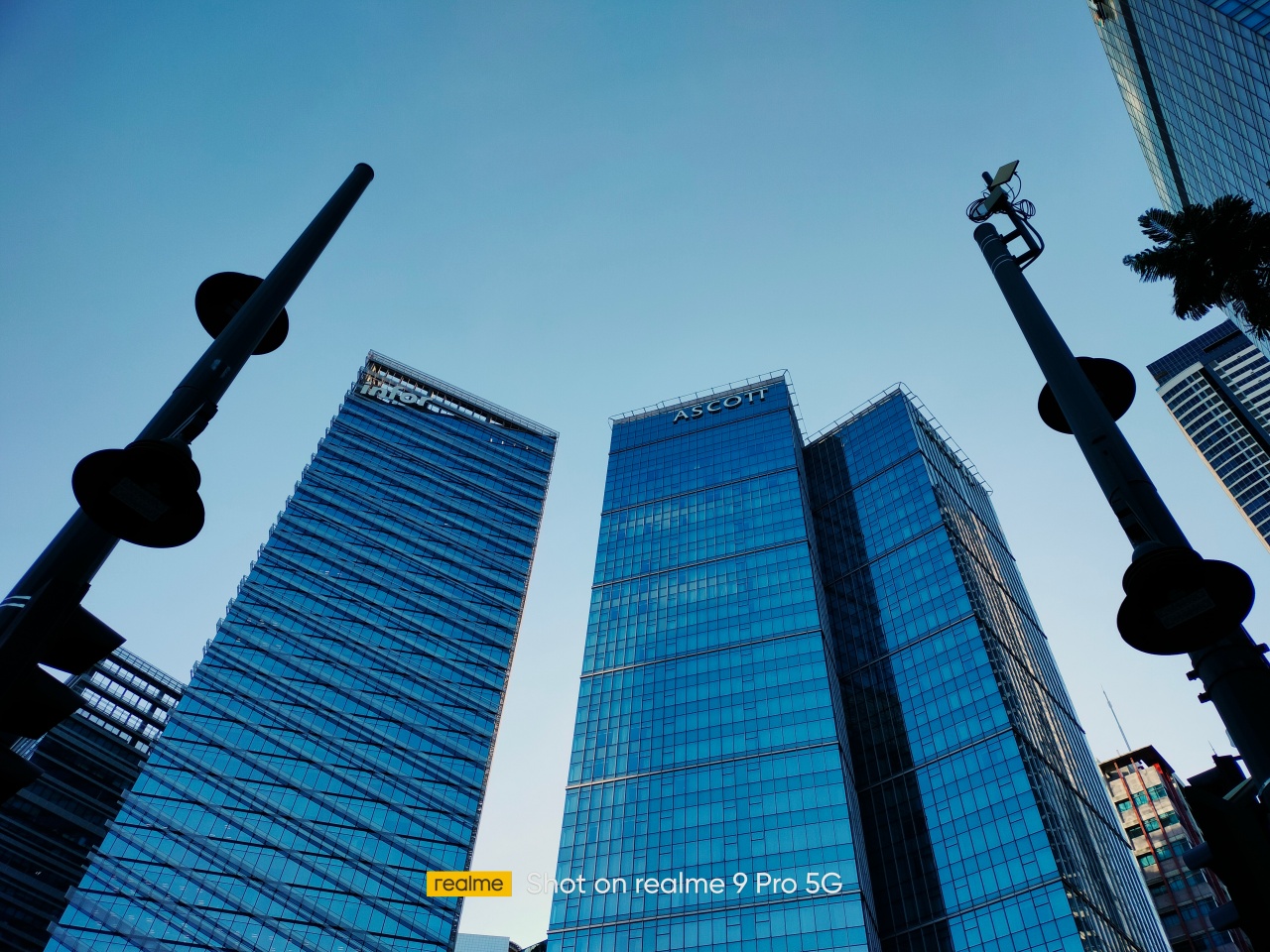

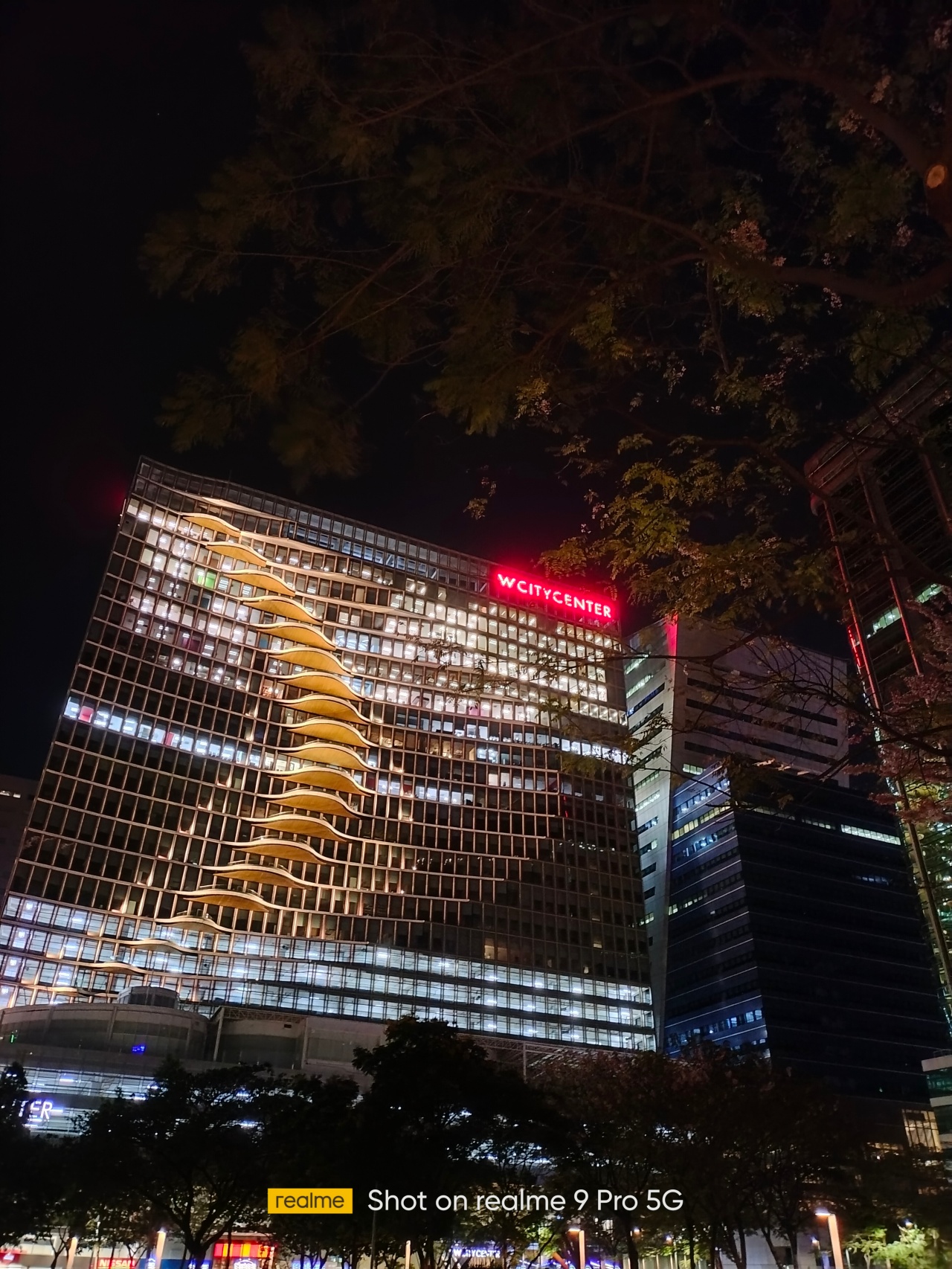
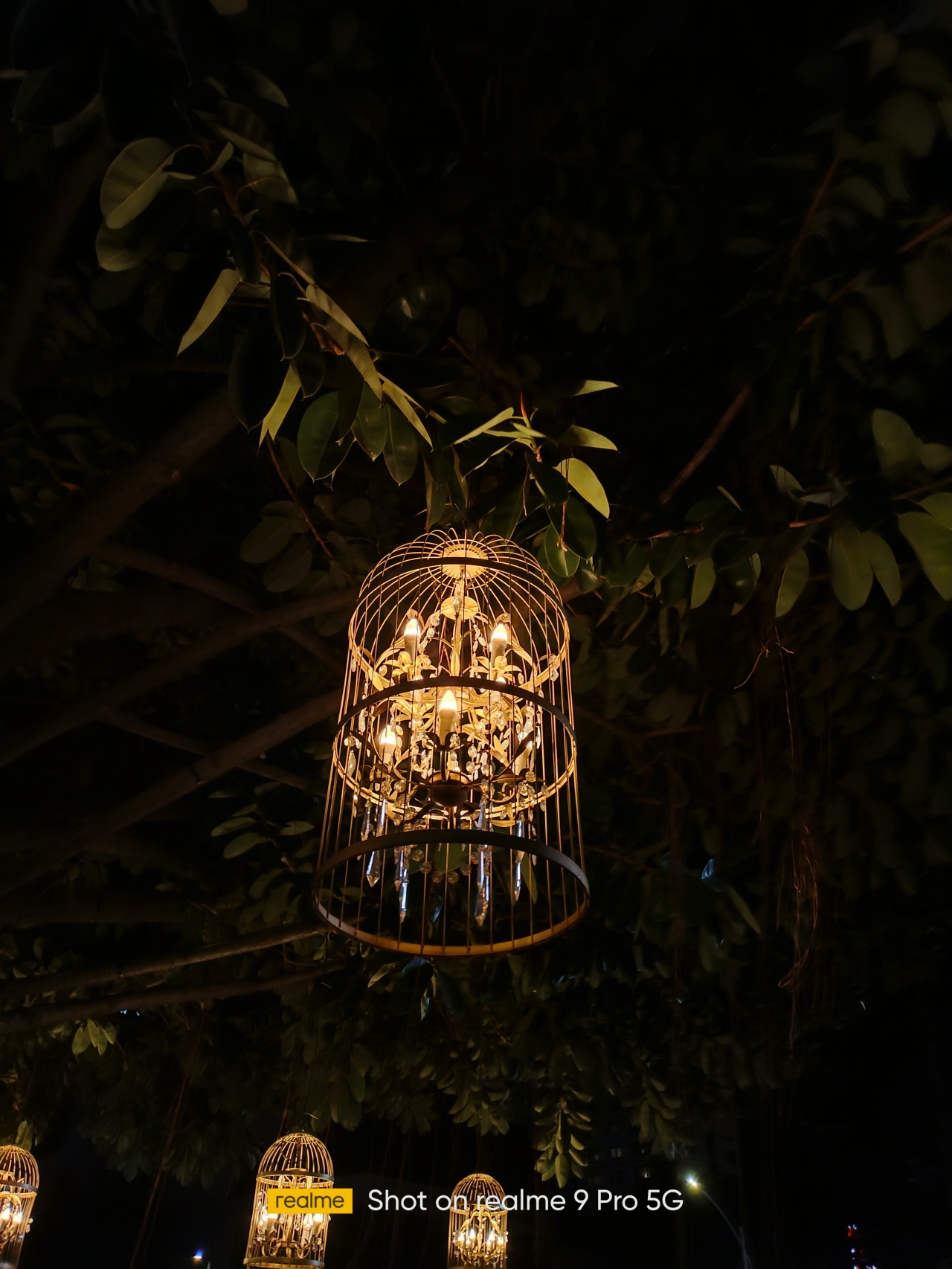
With its early indications, I can say that this is a pretty badass midranger. To know more about the features of the realme 9 Pro and realme 9 Pro+, watch out for our review. Find out whether these power duo can really #CaptureTheLight.
Also, don’t forget to tune in to the realme livestream launch on March 15, 2022 at 6PM on realme’s official Facebook page.





I sometimes admittedly fall into the trap of having some good ideas in my head but never actually writing them down.
And specially in this era where you can easily be distracted by the pace of life, the external stimuli, and pretty much just stressful moments, it pays to have a companion to help you become organized.
Otherwise, those thoughts I mentioned about would just fly above my head.
That’s where the Boya Notra Neo comes in. It’s a pretty straightforward portable AI recorder. As its slogan suggests, it’s for meetings, calls, and ideas.
It’s Boya’s more accessible, more affordable answer to the earlier Boya Notra.
Everyday AI note-taking made accessible
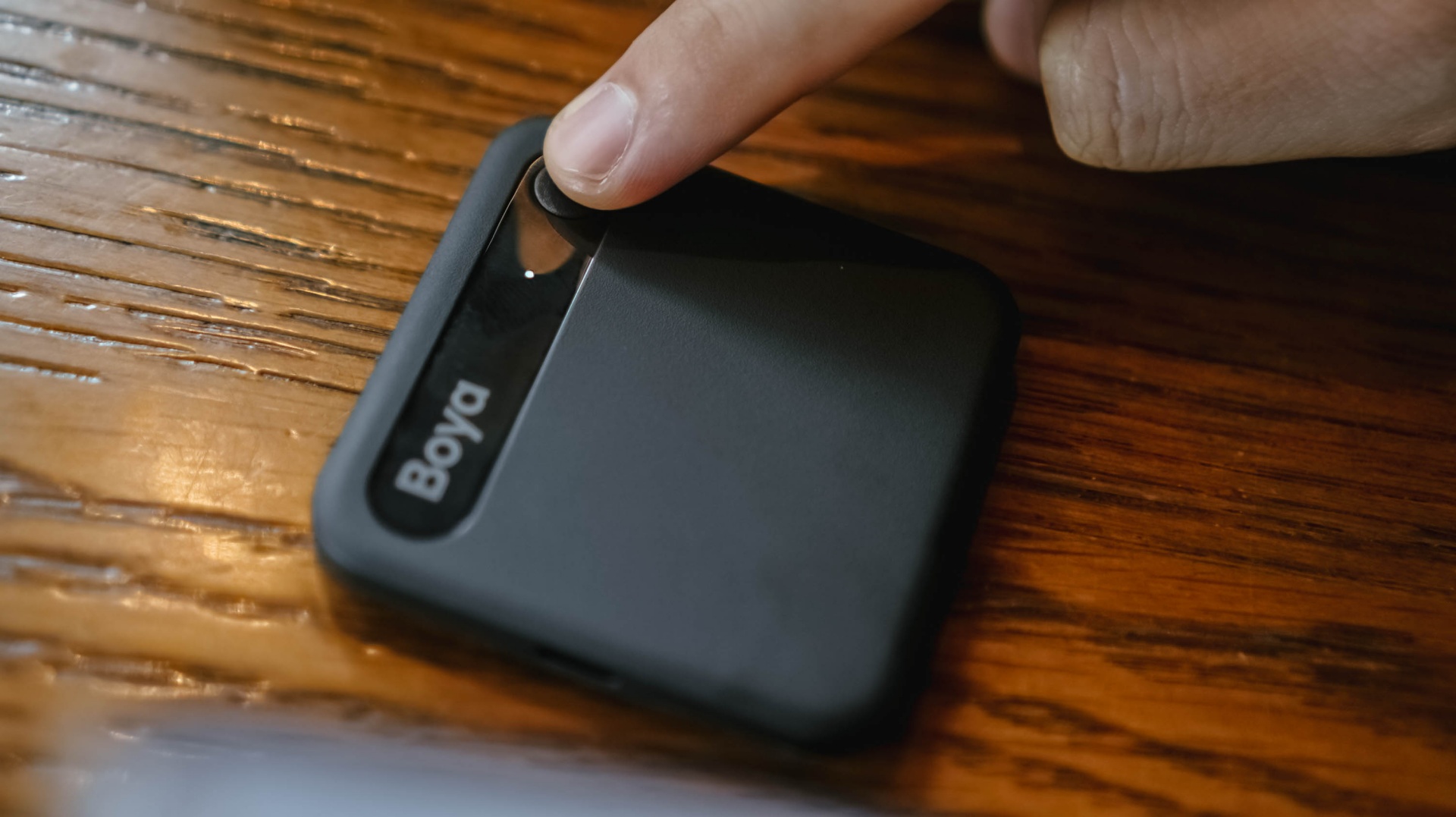
The Neo is incredibly lightweight and something you can sneak into your pocket easily.
I’ve been only able to use it a couple of times in casual settings, when ideas start to flow naturally in the middle of conversations.
Honestly, it’s great to have a companion device for such scenarios.
Although by default, your initial thought when such ideas arise is “Write that down”, sometimes, we are either pre-occupied or distracted by what’s in front of us.
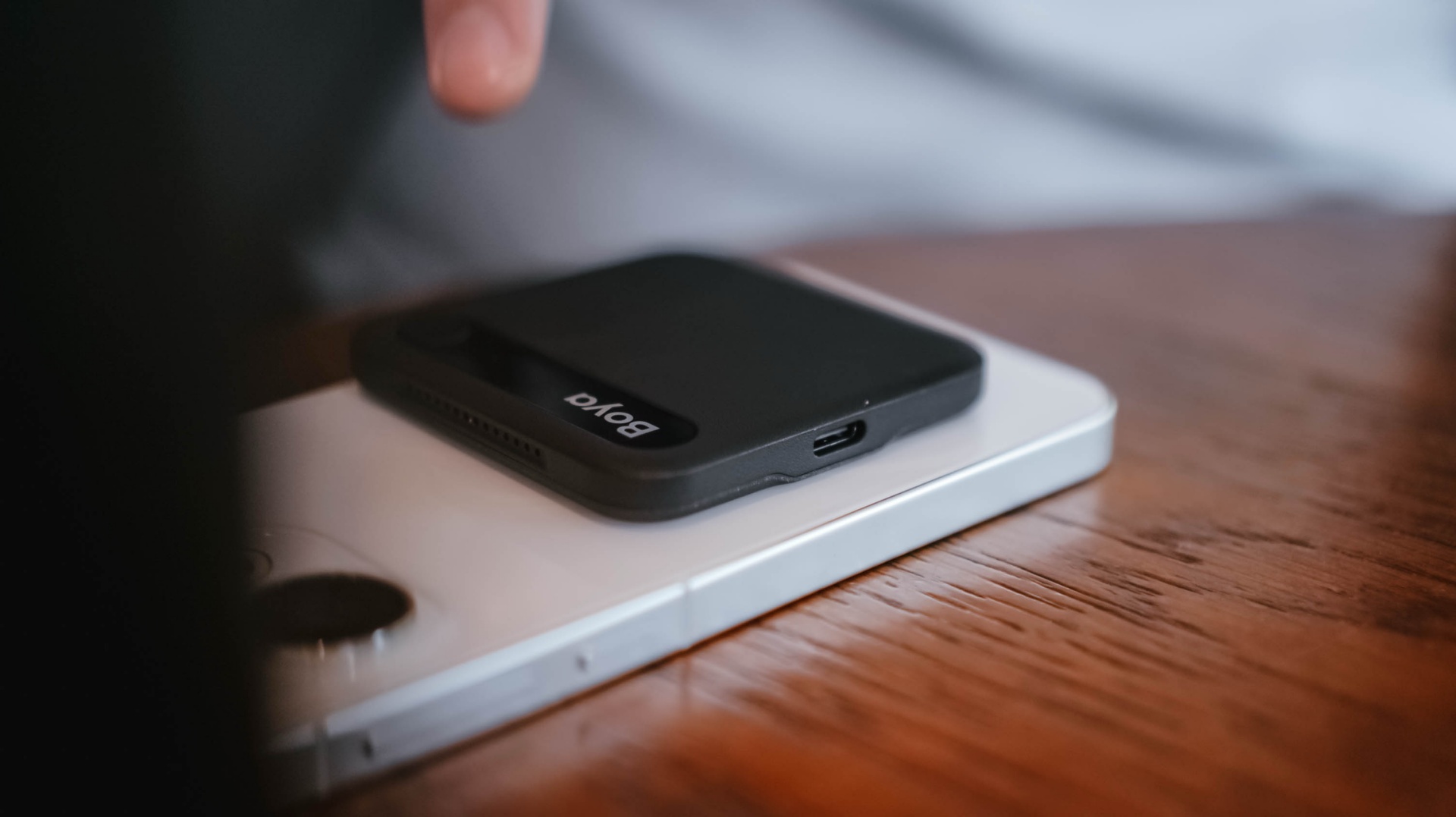
The Boya Notra Neo makes sure we don’t miss note-taking. One tap and it will automatically record audio.
This convenience translates to school group meetings and projects to even more professional settings.
Then, there are journalists like me who occasionally have to interview resource persons and attend press conferences, so this recorder comes in handy.
There are three recording modes to suit real-time needs: Ambient, Phone Call, and Bluetooth.
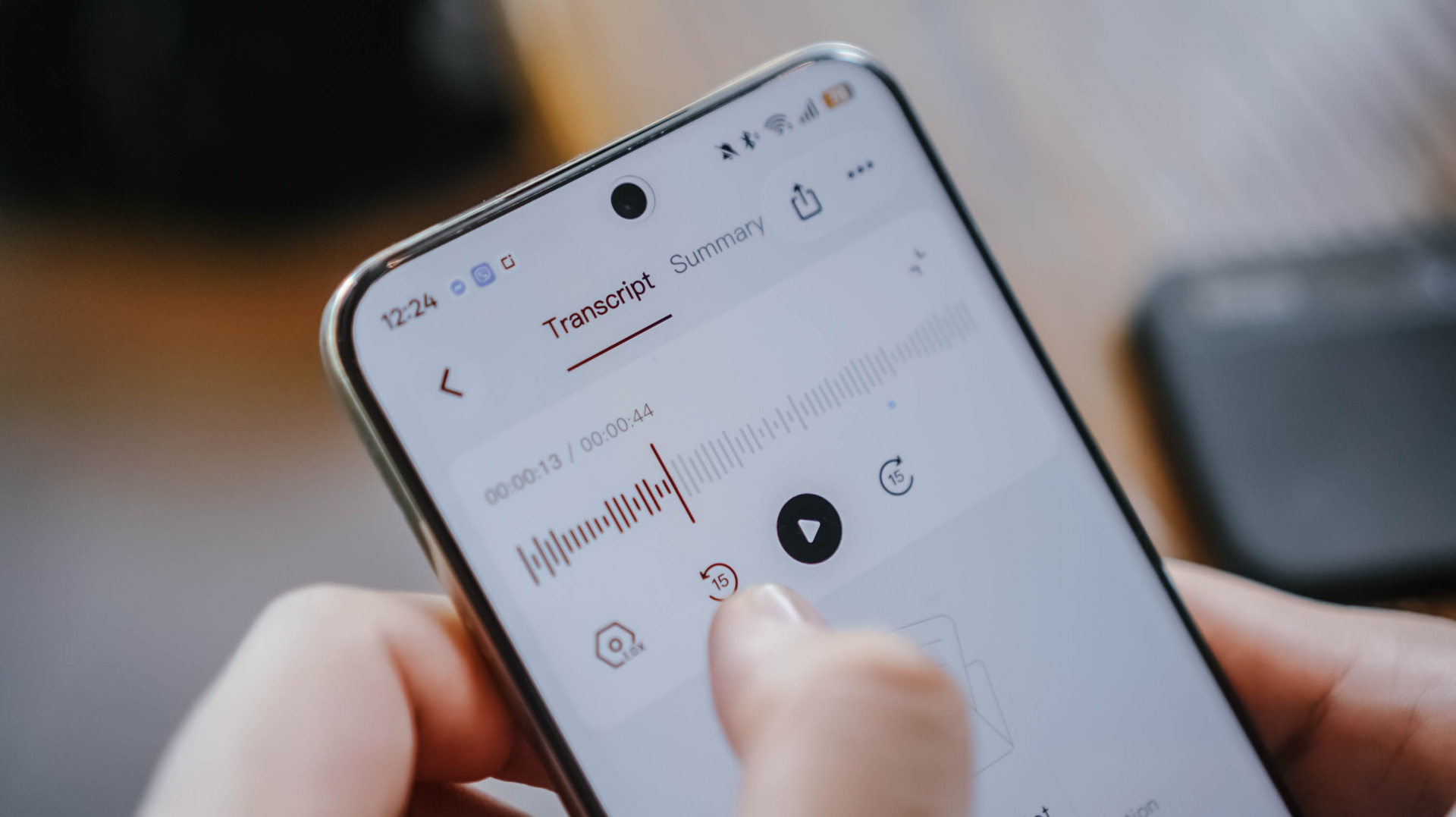
Post-handling of audio recordings are likewise a breeze. Through the Boya OS app, you can connect the device via Bluetooth to sync previous recordings.
If you’re not initially connected to the internet, the device will still be able to record a considerable length with its built-in 8GB memory.
Then, you can just sync the recordings to your device. You can then transcribe the recording on the app with its easy-to-understand interface.
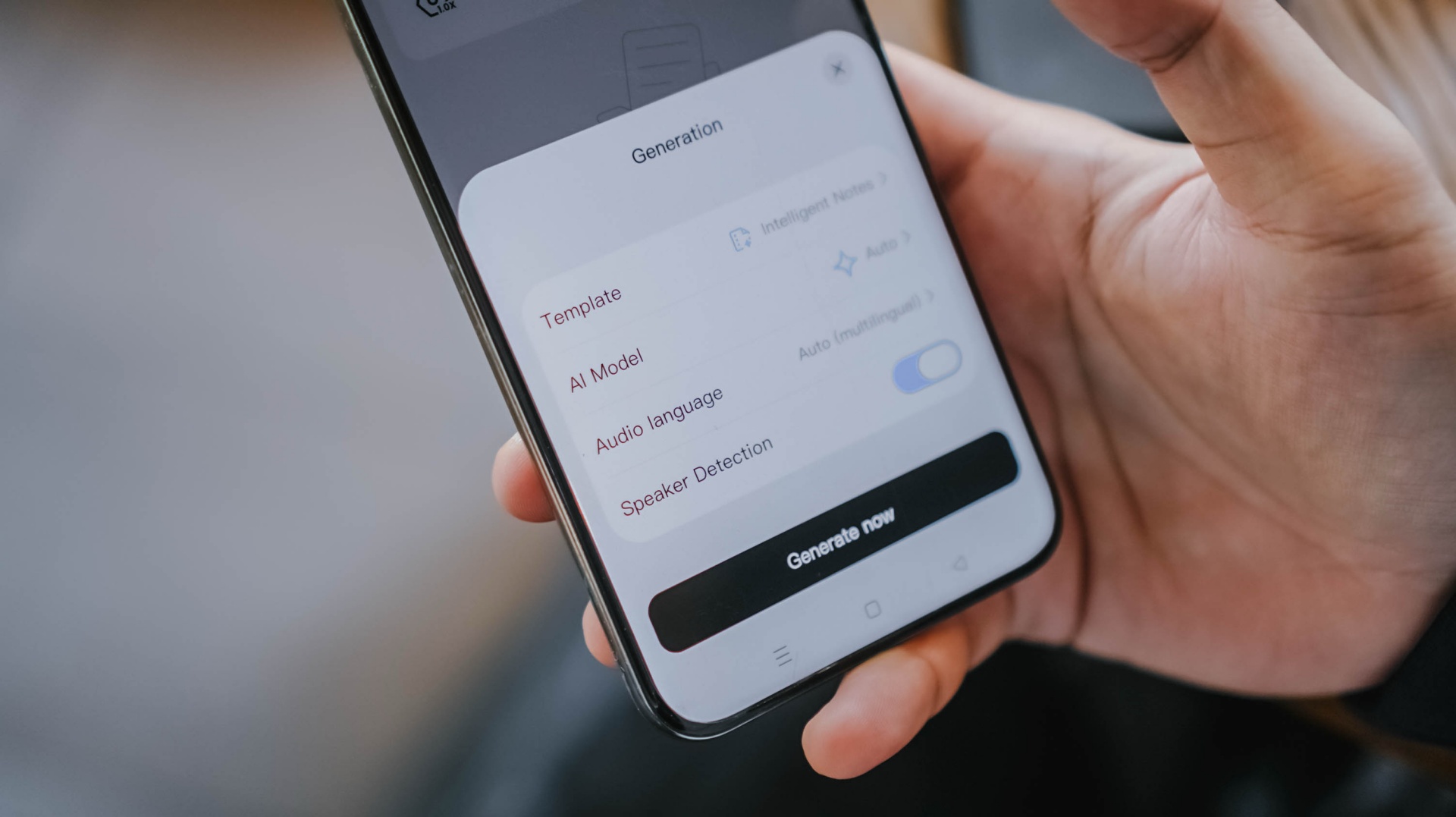
You can even choose from over 140 languages, the style of the transcription from 60 professional templates, and the AI model to help you with generating the text.
Beyond that, you can generate a summary or a mind map to quickly review what has been discussed, be it a meeting, a quick call, or a brainstorming session. You can likewise do an AI search across the recording to find more important notes or quotes and their timestamps.
Boya Notra Neo now available for pre-orders
The Boya Notra Neo is now available for pre-orders, ahead of its September 4 launch at IFA 2026.
Pre-ordering now entitles customers to a discount, so they can get the recorder for just US$ 69.99 (SRP: US$ 79.99).
Customers can purchase here.
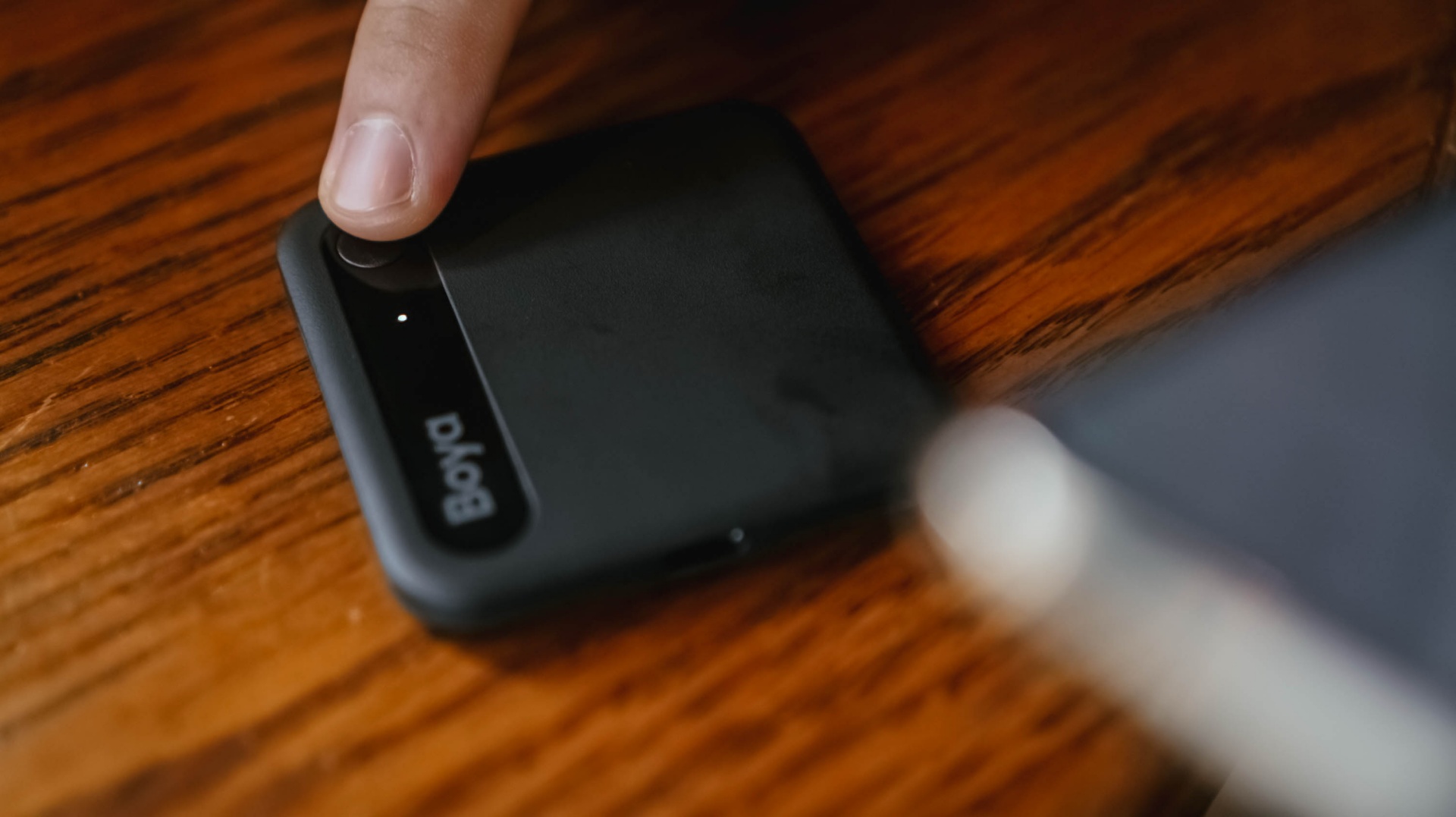
What’s good about the Notra Neo is its ample free recording minutes per month, as it is meant for everyday casual recording to begin with.
This allowance resets every month, so you can start using the device for free.
Subscriptions, on the other hand, are available for those needing more minutes and access to other features.
And oh, there are four colors to choose from to match your smartphone and fashion sense.

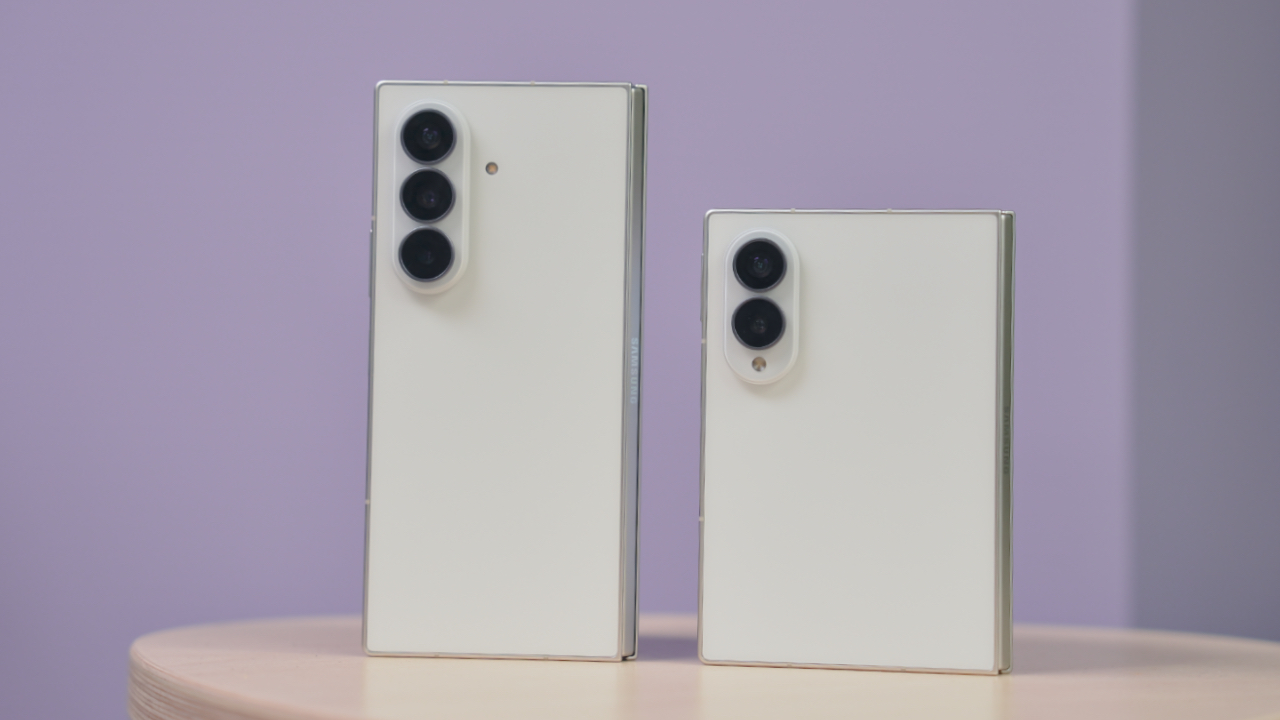
Samsung surprised everyone by introducing not one, but two book-style foldables this year. Alongside the Galaxy Z Fold8 Ultra, the company also unveiled the all-new Galaxy Z Fold8, offering users two distinct takes on the foldable experience.
We’ve only spent a short time with both devices, so this isn’t a full comparison. Think of this as a quick side-by-side look at what immediately stood out during our first hands-on.
In the hand

The biggest difference becomes apparent before you even unfold either device.
Folded shut, the Galaxy Z Fold8 immediately feels more natural in the hand. It’s easier to grip, feels better balanced, and slips into a pocket more comfortably. If you’ve been waiting for a foldable that behaves more like a conventional smartphone when closed, the Fold8 leaves a strong first impression.
The Galaxy Z Fold8 Ultra, on the other hand, feels more familiar. It carries forward the traditional book-style Fold experience with a larger footprint that longtime Fold users will instantly recognize.
When it’s time to work
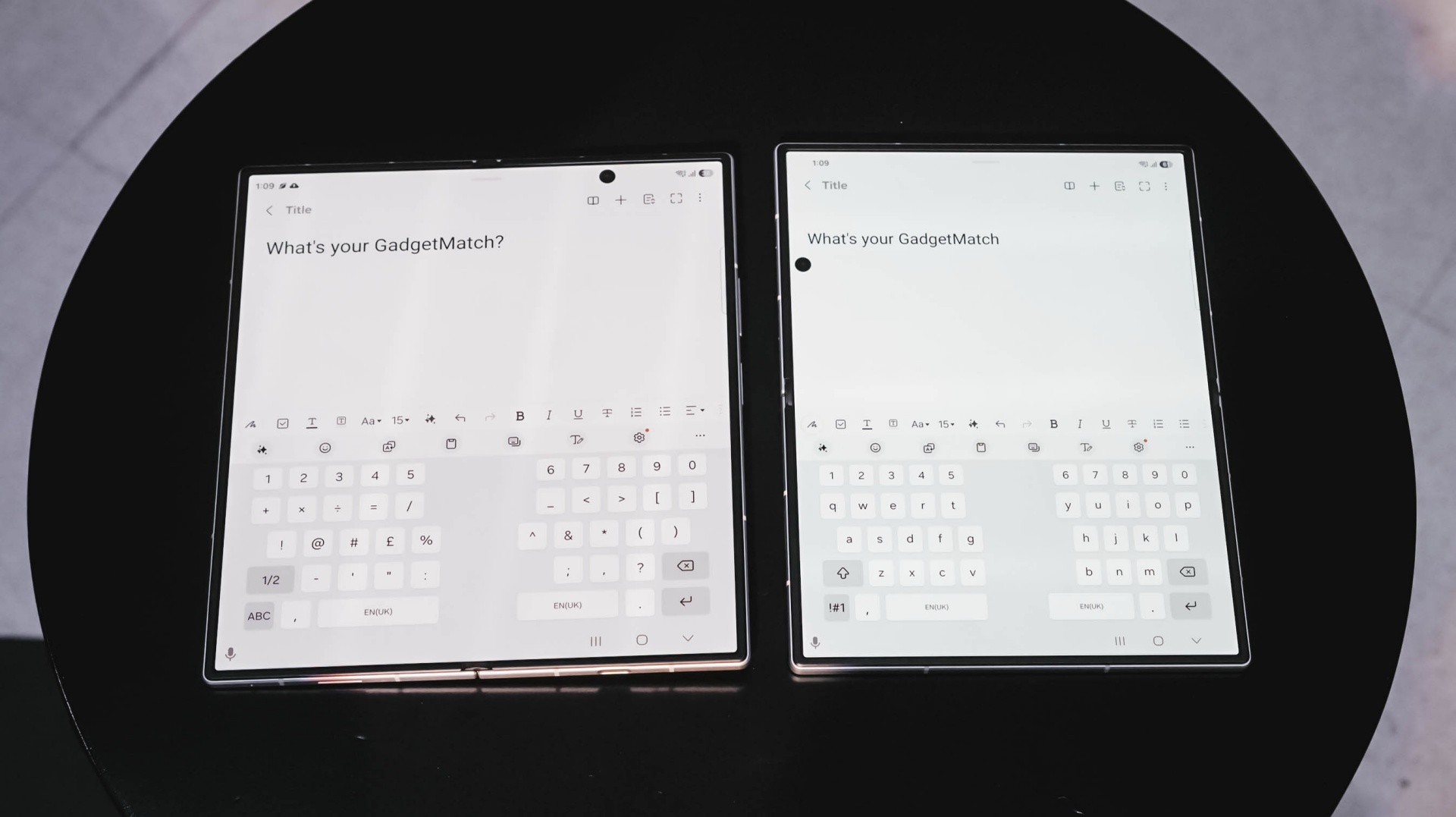
Once unfolded, the gap narrows considerably.
Both devices offer enough room to comfortably write, edit documents, answer emails, or multitask without feeling cramped. During our hands-on, neither device felt noticeably better for productivity.
The same goes for typing. Both provide enough keyboard space to comfortably write articles, answer emails, or even draft letters you’ll never send.
At least from our limited time with both devices, there’s no clear winner here.
Watching videos

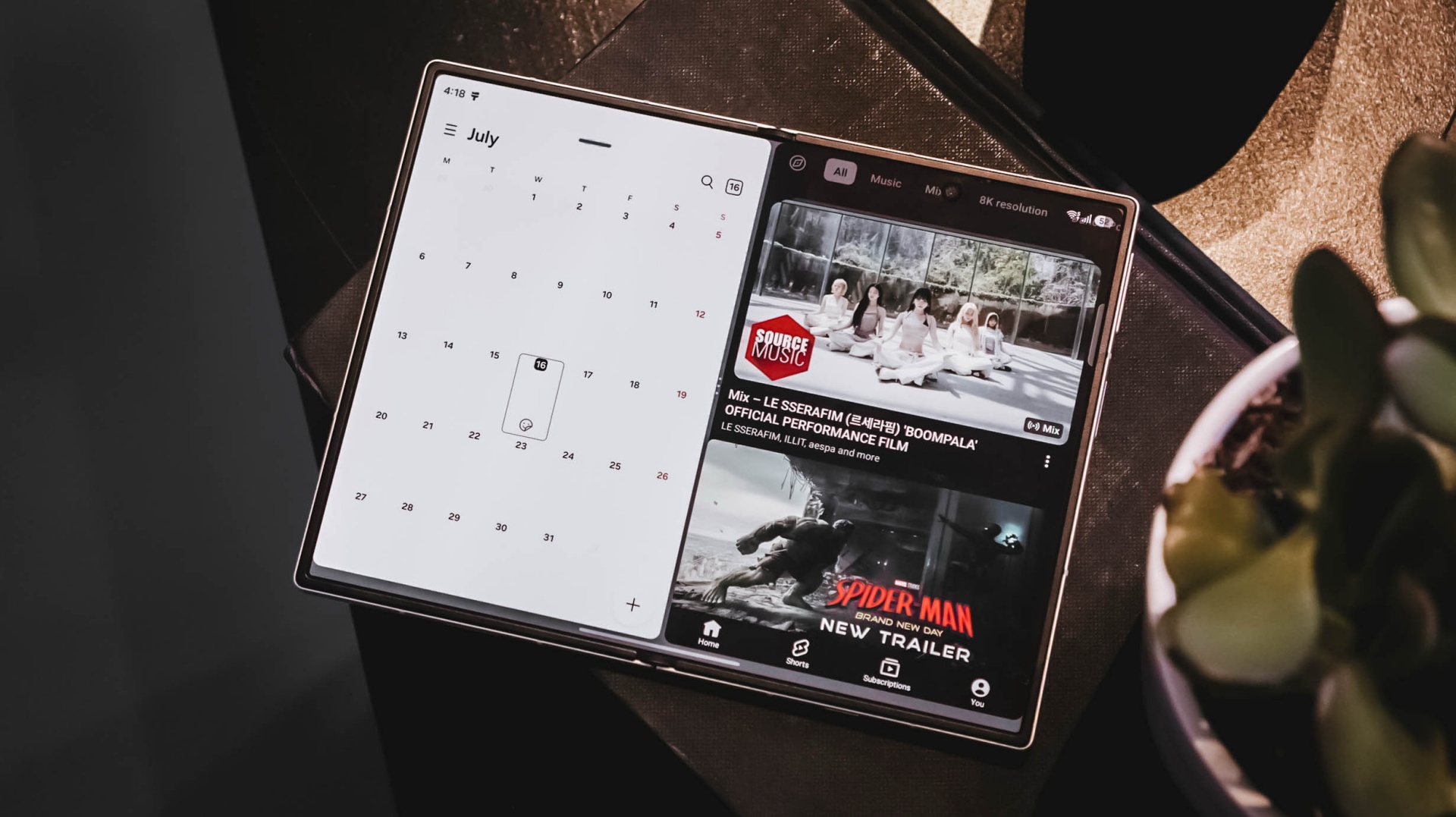
Media consumption is where the Galaxy Z Fold8 stands out.
Its wider display makes videos feel more at home, with fewer black bars when watching content like YouTube. It’s a subtle difference, but one that’s immediately noticeable once both devices are unfolded side by side.
The Ultra still offers a larger display overall, but its proportions remain closer to what we’ve come to expect from traditional book-style foldables.
The hinge

Samsung’s two foldables also differ slightly in how they open and close.
The Galaxy Z Fold8 Ultra’s hinge feels firmer and more deliberate. It comfortably holds its position across multiple angles, making Flex Mode feel a little more reassuring.
The Galaxy Z Fold8, meanwhile, feels smoother throughout the motion. Once it reaches a certain point while opening or closing, it naturally continues the movement on its own instead of holding intermediate angles as firmly as the Ultra.
Neither approach is inherently better. They simply offer a different feel in everyday use.
First impressions

After a brief hands-on, it’s clear that Samsung isn’t positioning these devices as direct replacements for one another.
The Galaxy Z Fold8 Ultra continues to refine the company’s established Fold formula. The Galaxy Z Fold8, meanwhile, explores a different direction—one that prioritizes a more familiar in-hand feel while keeping the productivity benefits that make foldables unique.
It’s still too early to draw conclusions about cameras, battery life, or long-term performance. Those answers will have to wait until we’ve spent more time with both devices.
For now, these are the differences that stood out most after our first look.
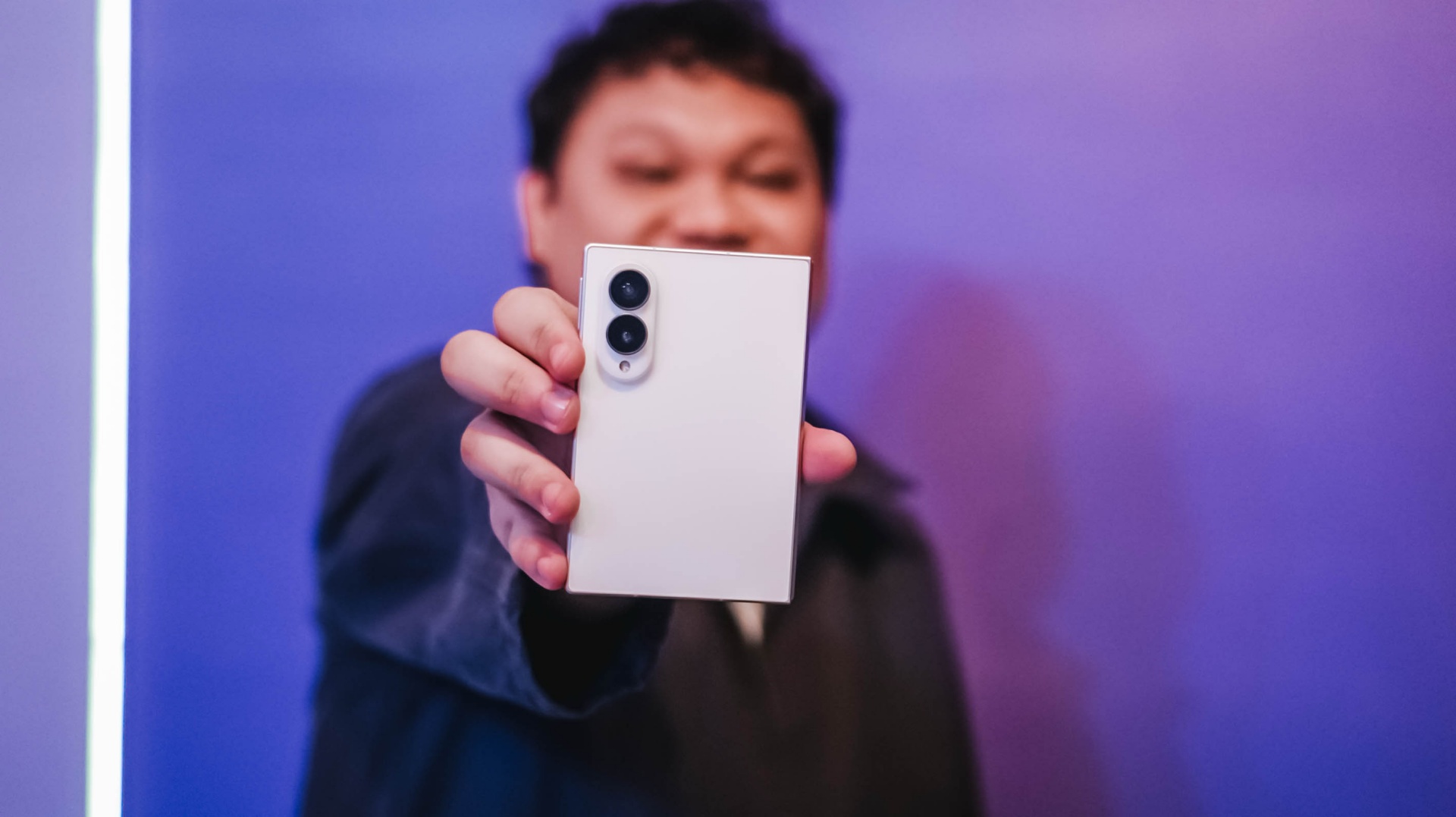
The moment the Galaxy Z Fold8 rested on my palm, I smiled.
Not because it was new. Not because it folded. Not because I was at Galaxy Unpacked (I wasn’t.
I smiled because it finally felt real.
Months ago, I wrote about why wide foldables genuinely excite me. At the time, the Galaxy Z Fold8 was little more than leaks and speculation. I remember feeling eager anticipation with cautious optimism. I wanted Samsung to build this device because I genuinely believed there was room for a different kind of Fold.
The moment someone finally handed it to me, all the experiences I had built up in my head suddenly had something tangible to latch onto.
I remember thinking, “Yes. This is it. This is exactly it.”
It was real. It was one of those rare moments where reality met expectations. And somehow, it even exceeded them.
More than just a wide foldable
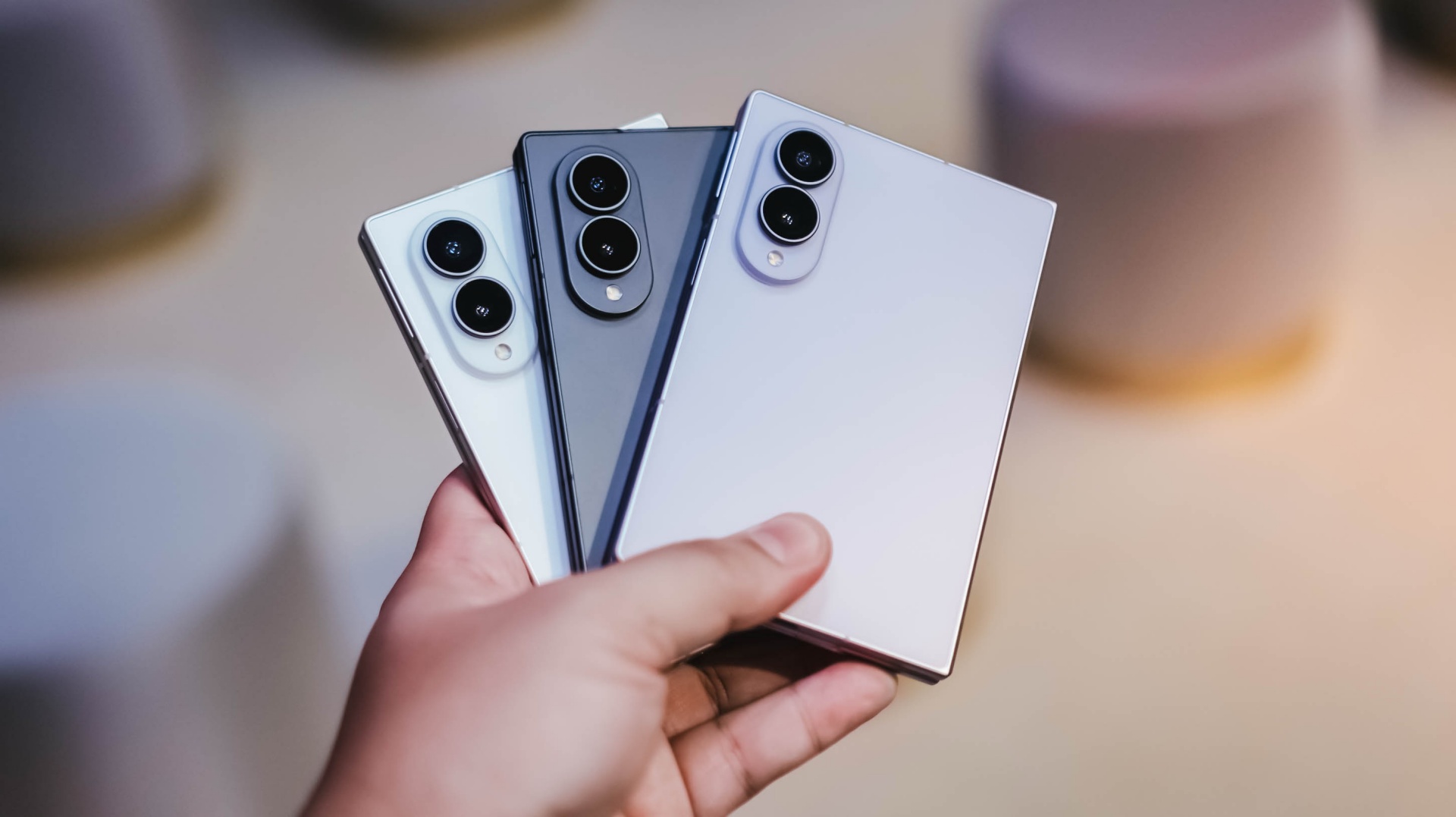
The first thing that struck me wasn’t a spec sheet. It was how the Galaxy Z Fold8 felt.
It’s smaller, thinner, and lighter than I expected. Folded shut, it sits naturally on my palm. It’s balanced. I can browse, swipe, and scroll exactly the way I would on any other smartphone. It never feels awkward or top-heavy.
Then I unfold it.
Suddenly, I have enough room to write comfortably without feeling cramped by the keyboard. I can review articles, respond to emails, and work on documents without constantly wishing I had just a little more screen space.
Turn it sideways and videos feel equally at home. There’s less wasted space and fewer compromises than I’ve come to expect from smartphones.
I keep coming back to one word: Natural.
It surprised me not because Samsung made a foldable that’s easier to use. But because using it felt instinctive.
Maybe we’ve been thinking about smartphones the wrong way
For the longest time, we’ve accepted that smartphones should look like… well, smartphones.
A long rectangular slab that fits in your pocket.
But that’s not really how I use mine anymore. In fact, I rarely use my smartphone as a phone.
It’s where I coordinate conversations across multiple messaging apps. It’s where I answer emails. It’s where I write. It’s where I edit articles, review reels before they go live, leave comments for the team, catch up on news, and occasionally lose myself scrolling through photos and clips of Momo, Chaewon, or whoever happens to make my day a little lighter.
Somewhere along the way, the phone call became secondary. My smartphone quietly became my Palm PC.
Once I looked at it that way, the Galaxy Z Fold8 started making even more sense.
It isn’t trying to be a regular smartphone that unfolds into a tablet. It feels like it’s designed around how many of us already use our devices today.
The part that excites me most

What excites me isn’t that Samsung finally made a wider foldable. It’s that Samsung was willing to try.
The safest thing the company could have done this year was release another refinement of its existing Fold. It would’ve been thinner. Faster. Smarter. We’d all nod in approval before moving on to the next launch.
If Samsung had launched only the Galaxy Z Fold8 Ultra this year, I honestly think it would’ve been an underwhelming announcement.
Instead, Samsung challenged an assumption. It looked at a category it has helped define and asked if there was another way to approach it.
Samsung didn’t invent this form factor. It simply has the scale to make more people pay attention to it. It gives this form factor a legitimate chance to reach more people than ever before. And I’m genuinely excited to see where that leads.
Why this one feels different

New technology should be exciting.
Not simply because it’s new, but because it either solves an obvious problem or asks us to look at something familiar from a different perspective.
The best products leave you thinking, “You know what? That actually makes sense.”
That’s exactly how I felt after spending time with the Galaxy Z Fold8.
Maybe it won’t change how everyone uses a smartphone. But it changed how I think about one. And after waiting for this moment for so long, that’s more than enough.
On my way home, there was one thought I couldn’t shake. I wanted to hand it to someone. Not another journalist. Not someone looking for benchmark scores or camera samples. Just someone whose opinion I genuinely value. Someone who prefers lighter devices.
Someone I’d simply say, “I can’t wait for you to try this. I think this matches how you work and how you use your smartphone.”
Maybe that’s the highest compliment I can give the Galaxy Z Fold8. For all the conversations around AI, performance, cameras, and thinner designs, what I’ll remember most is much simpler.
For the first time in a long time, a piece of consumer tech made me smile the moment I picked it up. Sometimes, that’s the reminder I need about why I fell in love with this industry in the first place.

Insta360 Luna Ultra review: My new solo coverage camera
Changed my workflow

TECNO MEGAPAD 2 review: Eyes on the size
The MEGA pad for two base users

30 days with the DJI Osmo Pocket 4P
This is the camera that made solo travel filmmaking finally feel possible.
Insta360 Luna Ultra review: My new solo coverage camera

Nike’s Pegasus Plus 2 wants to give you supershoe feel ~without the plate~

This Nokia phone can also be a powerbank

Inchcape Philippines and Changan are parting ways

Sony Xperia 10 VIII launches with focus on ease of use

VinFast debuts two-wheeler models, opens 21 e-motorcycle showrooms
TECNO MEGAPAD 2 review: Eyes on the size

REDMI Note 17 Series focuses on long-term reliability

OnePlus officially leaves the United States and Canada

Xiaomi debuts SkyNomad Series featuring new Kunlun platform


-
Reviews5 days ago
TECNO MEGAPAD 2 review: Eyes on the size
-
 Singapore1 week ago
REDMI Note 17 Series focuses on long-term reliability
-
 News1 week ago
realme 16T to come with 8,000mAh battery, 7-year battery health guarantee
-
 Accessories1 week ago
Jackery expands Explorer Series portable power stations
-
 Reviews2 weeks ago
Samsung Galaxy Z Fold8 Review
-

 News7 days ago
HUAWEI Pura X View is 2026’s first WIDE slab-type smartphone
-

 Entertainment2 weeks ago
Box office: Brand New Day set to surpass US$ 2 billion, drives Marvel’s Spider-Man 2 resurgence
-

 Gaming1 week ago
Now Playing: Assassin’s Creed Black Flag Resynced