
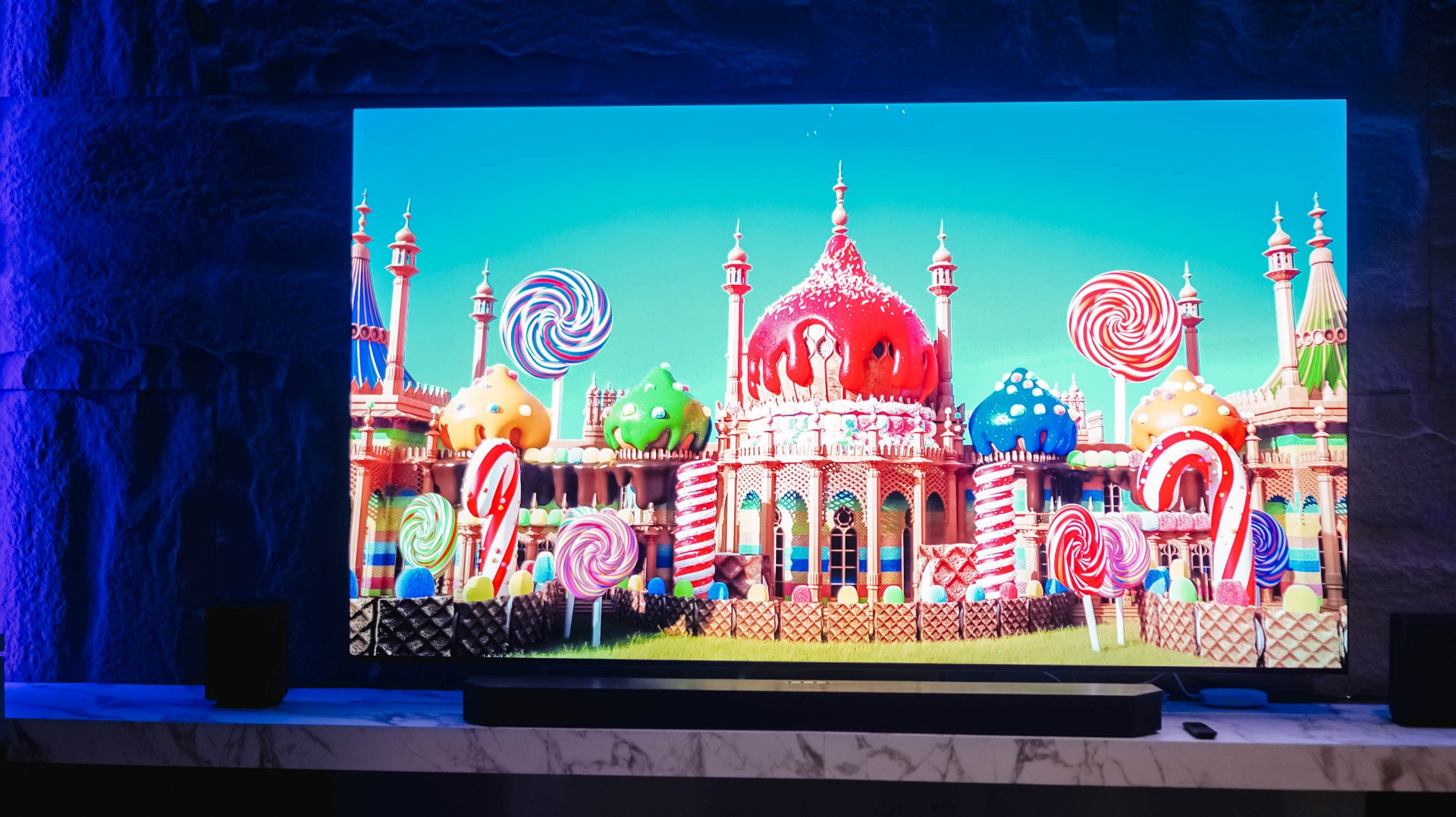


There used to be a time when shopping for a TV meant choosing between small, medium, and big. Now there’s OLED, Neo QLED, Mini LED, Micro RGB — and suddenly buying a TV feels like picking a character class.
Samsung’s latest Vision AI TV lineup makes a case that display technology isn’t just about getting a better picture anymore. Different screens are being matched to different kinds of entertainment and spaces.
So instead of asking which TV is best, maybe the better question is:
What do you actually do with your screen?
Your match if movies come first: Samsung OLED Vision AI TV
Samsung’s OLED Vision AI TV feels built for people who want movie nights to feel special.
The panel uses self-illuminating pixels to create deeper blacks and stronger contrast. Samsung combines this with HDR processing and AI enhancement that adjusts scenes in real time.
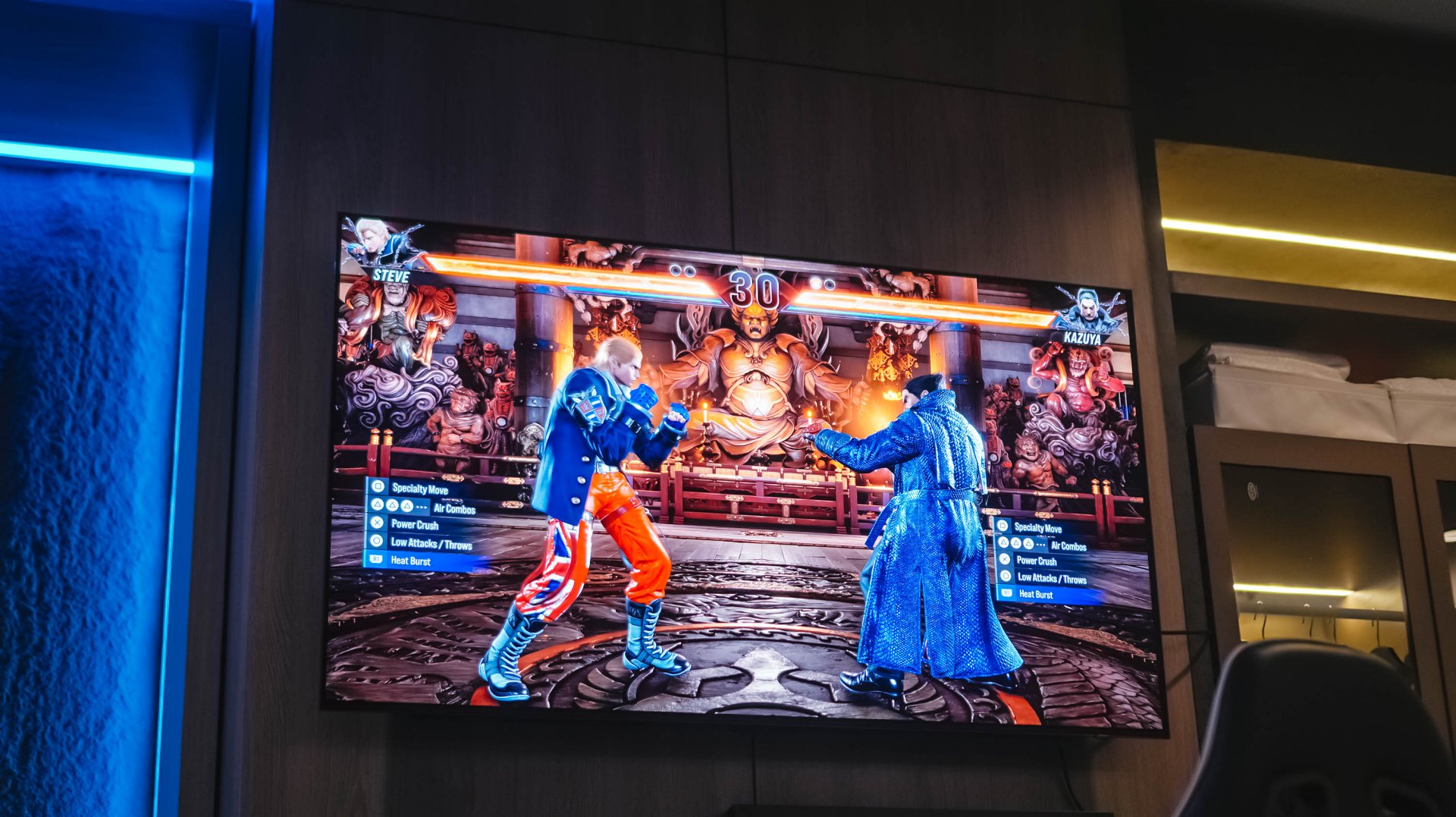
The result isn’t necessarily the brightest image. It’s the one with the most atmosphere. And Samsung made this one friendlier to gamers too.
The current OLED gaming setup supports 4 HDMI 2.1 ports, alongside VRR, ALLM, and refresh rates up to 165Hz depending on model and source. That means you can realistically keep a PS5, Xbox, gaming PC, and sound system connected without cable swapping — something gamers have paid attention to for years. (Samsung be)
Your match if:
- Movies
- Story games
- Dark-room viewing
- Console-heavy setups
Your match if one TV needs to do everything: Neo QLED Vision AI TV
Neo QLED feels like Samsung’s “main character living room” TV.
Samsung talks less about hardcore enthusiasts here and more about everyday enjoyment: sports, documentaries, movies, SmartThings integration, pet monitoring, AI Energy Mode, Art Store, and security.
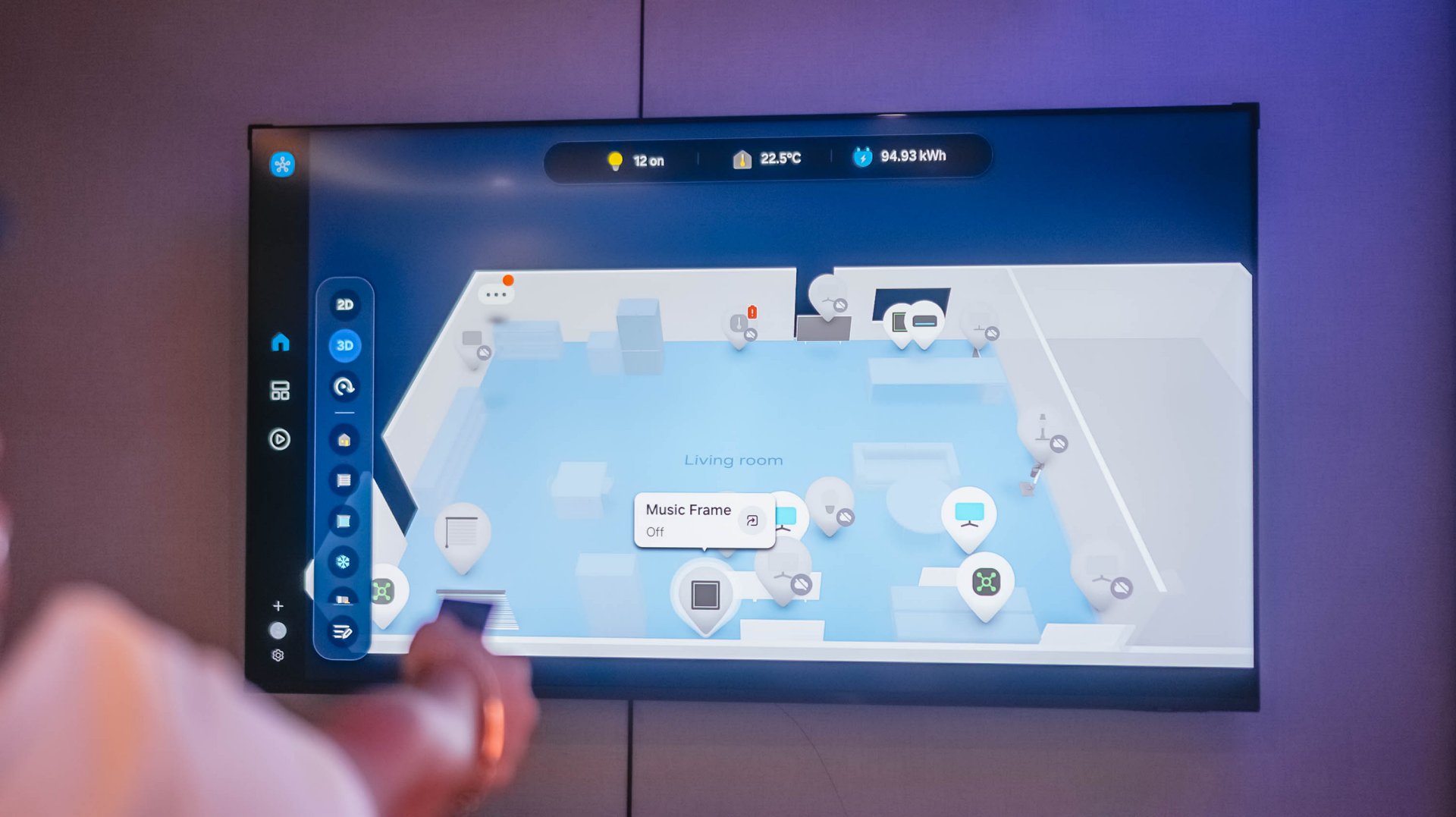
The underlying Quantum Mini LED technology helps improve brightness and contrast while staying flexible across different kinds of content.
This feels like the TV for households where everyone uses it differently.
Your match if:
- Family TV
- Bright rooms
- Sports
- Smart home setups
Your match if entertainment is an event: Micro RGB Vision AI TV
This one feels like Samsung showing off.
Micro RGB uses microscopic RGB backlights to improve color expression, brightness, and precision while reducing color bleeding. Samsung pairs this with Glare Free viewing, AI upscaling, Gaming Hub, and Motion Xcelerator up to 165Hz VRR.
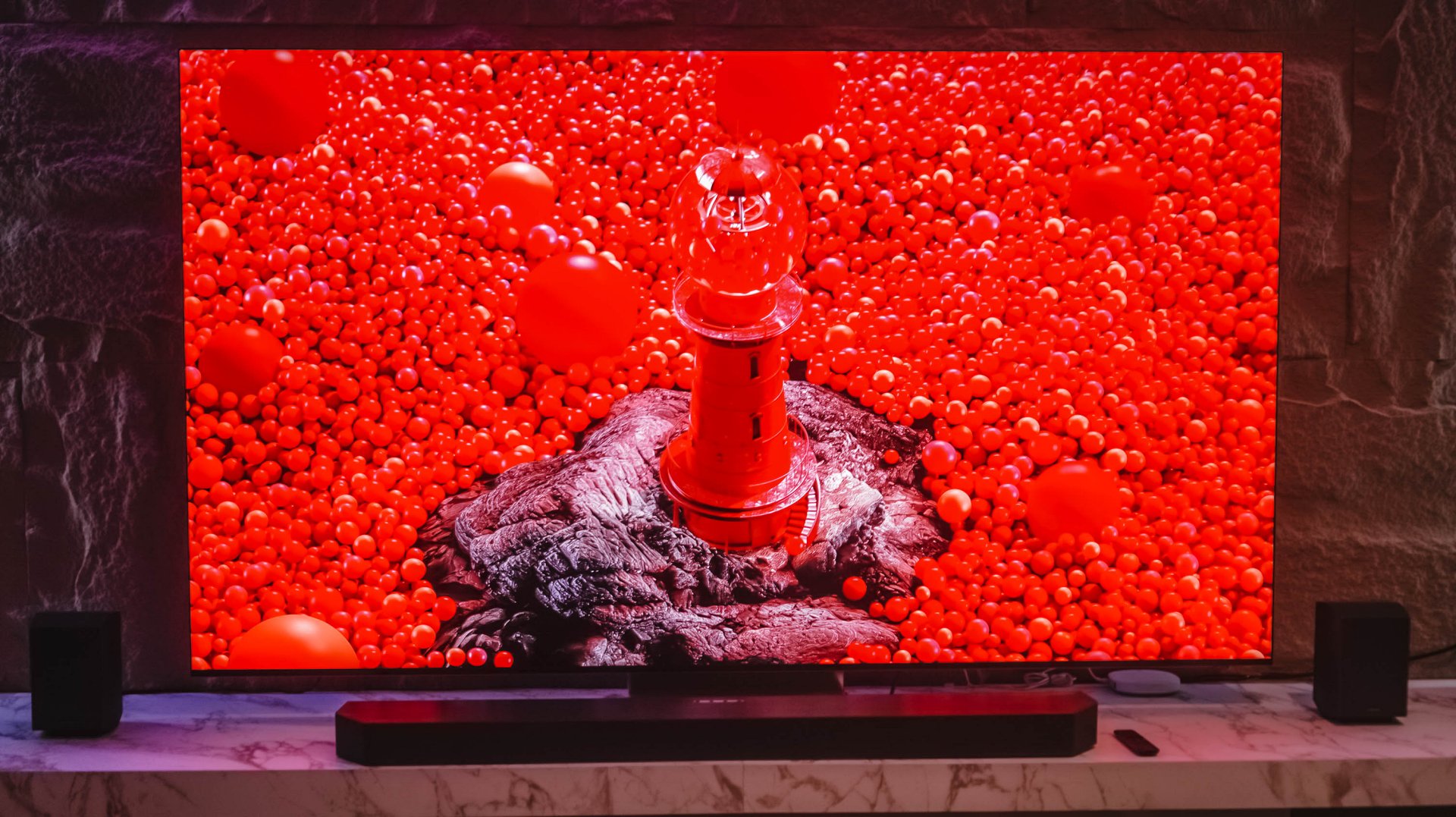
This is also where my gamer brain immediately looked for ports.
The flagship Micro RGB implementation that Samsung has shown publicly supports 4 HDMI 2.1 ports with up to 4K 165Hz, plus one supports eARC. There’s also optional expansion via the wireless box for even more HDMI connectivity depending on model. (SamMobile)
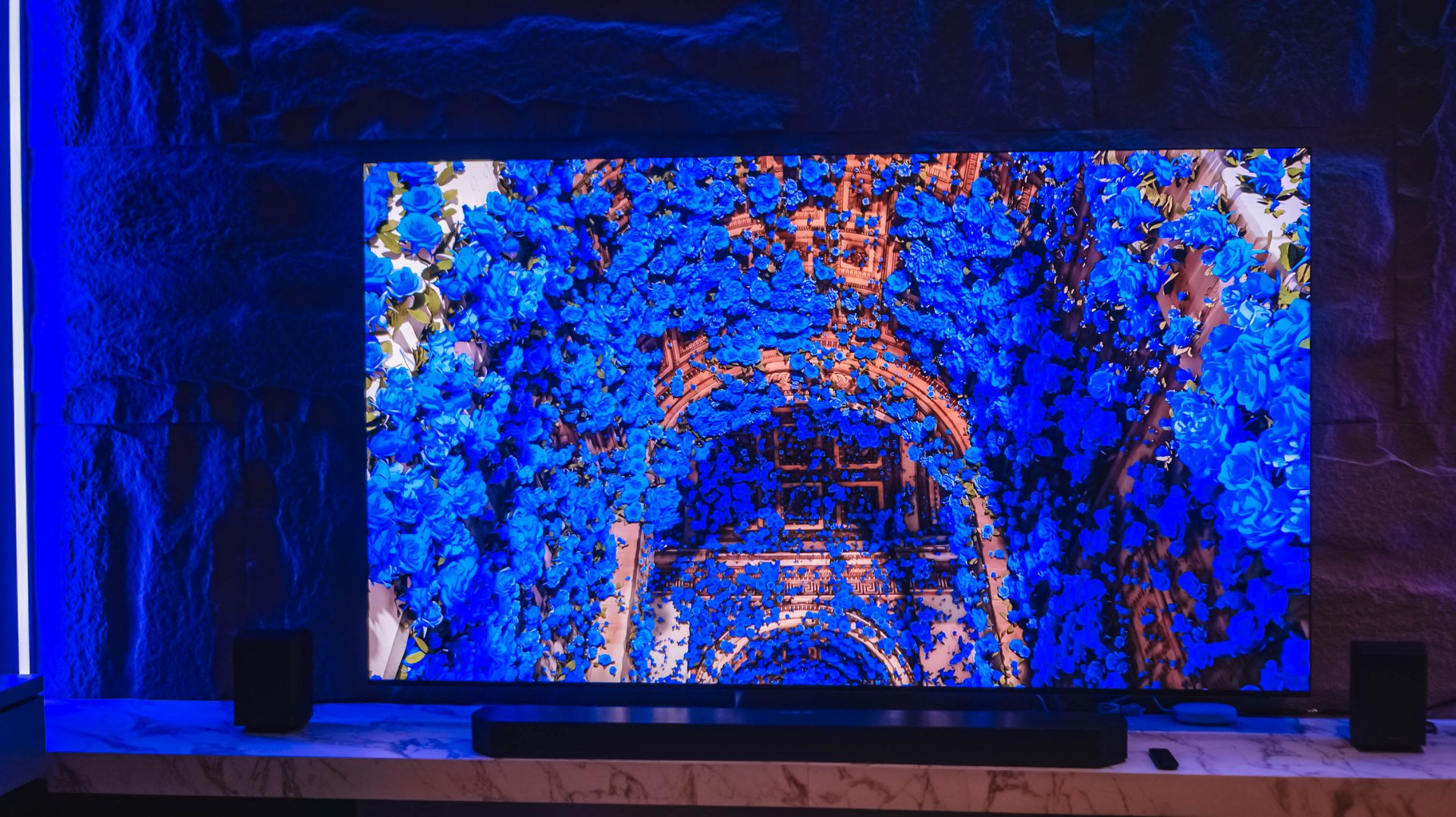
As someone who remembers people choosing TVs partly because of HDMI count, this feels like Samsung saying: we heard you.
Your match if:
- Premium gaming
- Big-screen immersion
- Multiple consoles
- Bright rooms
Your match if you want balance: Mini LED Vision AI TV
Mini LED might be the quiet favorite.
Samsung positions it around realism, AI optimization, and versatility. Smaller backlights improve contrast and detail while gaming features include Motion Xcelerator up to 144Hz and AI Gaming Optimizer.
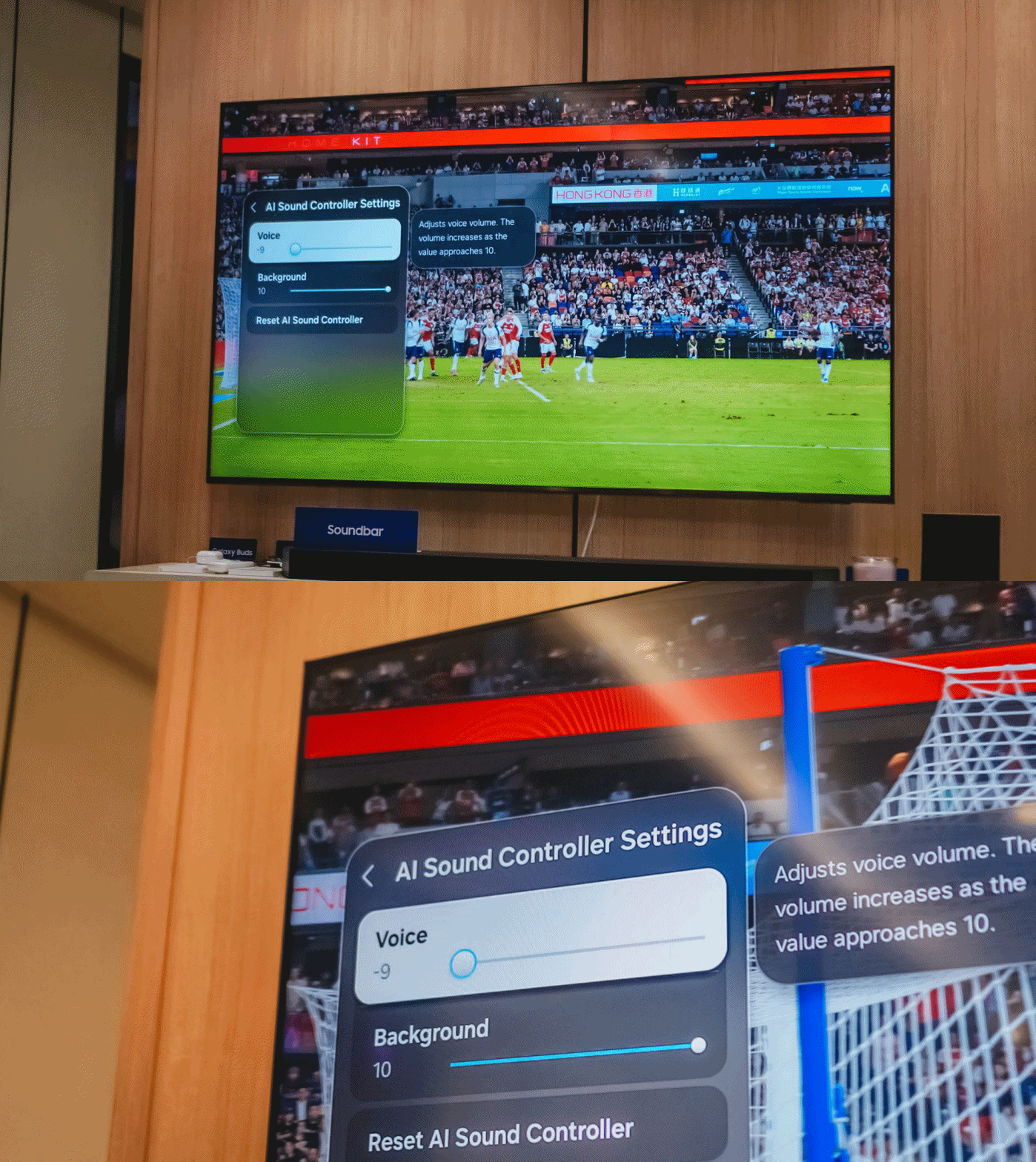
This feels like the TV equivalent of ordering the all-around build.
Your match if:
- Sports
- Streaming
- Gaming
- One-screen households
Your match if your gaming happens at a desk: Odyssey OLED Gaming Monitor
This was the missing piece.
Samsung also launched gaming displays for people whose setup starts with a keyboard instead of a couch.
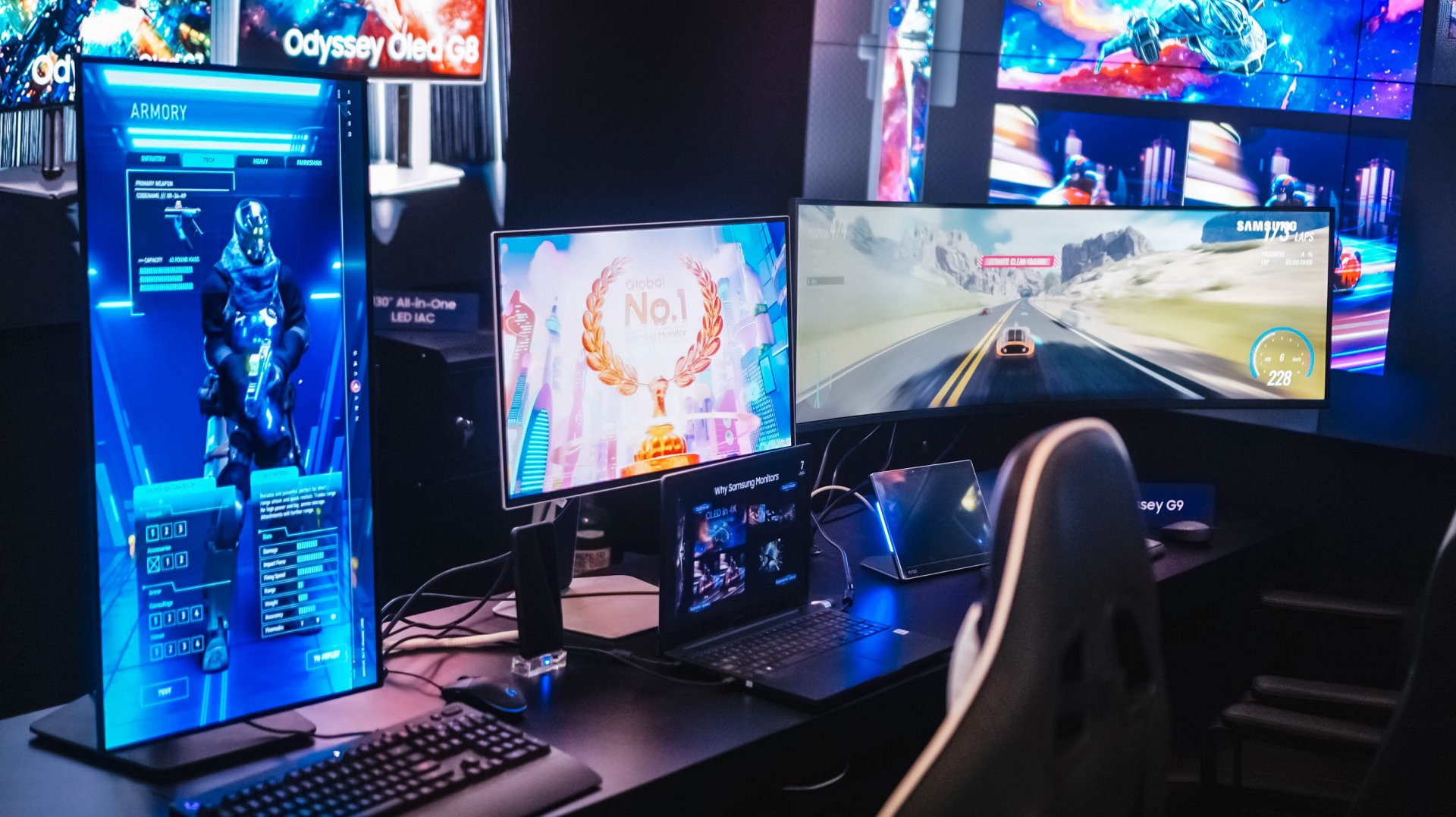
The Odyssey OLED lineup pushes things in a different direction from TVs: smaller field of view, faster response, and competitive focus.
Samsung highlights dual mode support with up to 330Hz at FHD, 160Hz at 4K, and 0.03ms response time, plus an ergonomic stand that supports both landscape and portrait orientation.
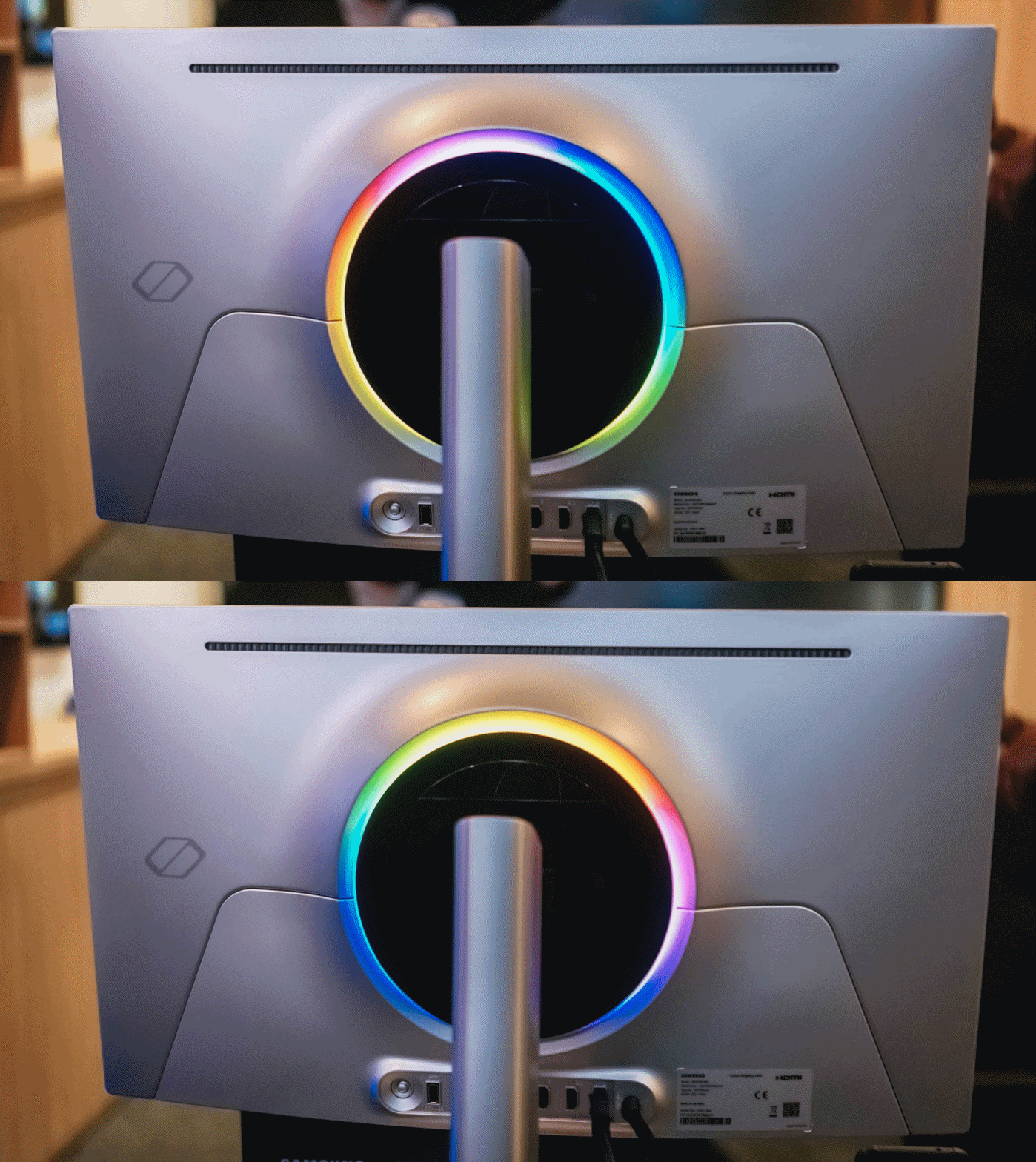
This isn’t the “sit back and relax” display.
This is the “one more game at 1:30am” display.
Your match if:
- Competitive gaming
- Desk setups
- FPS players
- Streaming
Samsung Vision AI
Maybe TVs have become less about size and more about identity. Samsung’s Vision AI lineup doesn’t really ask how much screen you want. It asks what kind of viewer you are.




Singapore
Epson Lifestudio Grand Plus EH-LS970B with 4K projection, more launches
Ultra-short-throw projection, AI-powered image processing, Sound by Bose

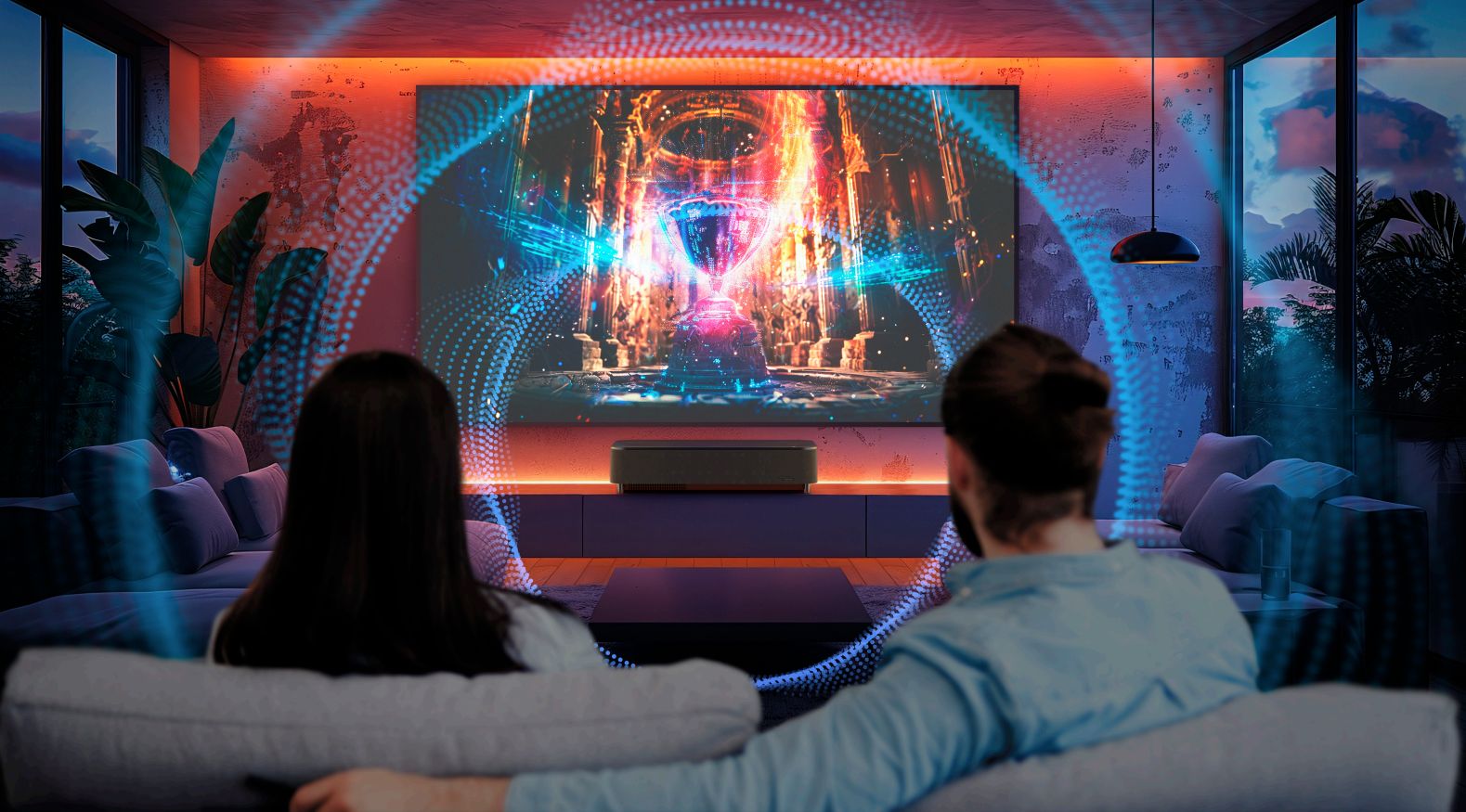
Epson has officially launched the Lifestudio Grand Plus EH-LS970B, its latest all-in-home home entertainment solution.
This new offering combines large-scale 4K projection, AI-powered image processing, and integrated Sound by Bose speakers.
It is designed for consumers seeking a bigger, more immersive viewing experience without compromising their living spaces.
The EH-LS970B can project 4K (8.3 million pixels) content from 80 to 150 inches while positioned just inches from the wall.
Its ultra-short-throw design (0.16 ratio) removes the need to mount a large display or position a conventional projector across the room, giving homeowners greater flexibility in how they use their space.
It has a 3LCD laser projection system for up to 4,000 lumens of color and white brightness, as well as a contrast ratio of more than 5,000,000:1.
In addition, the projector features upgrades across image processing and audio while retaining a compact, all-in-one approach to home entertainment.
At the heart of Epson’s EH-LS970B is a new AI-powered TV chip that analyses content in real time. This automatically optimizes the image for each scene.
AI Super Resolution enhances sharpness and fine details, while AI Picture Quality automatically adjusts the image based on what is being displayed.
Features like Dynamic Colour Booster, Local Contrast and De-contour Processing further optimize color, contrast, and gradients as well.
The visual quality is complemented by an integrated 20W 2.1 channel Sound by Bose speaker system.
This delivers room-filling audio with deep bass, without requiring a separate speaker setup. Bluetooth mode also allows the projector to function simply as an audio system when the display isn’t in use.
The projector comes with Google TV built-in and supports Google Cast and voice control.
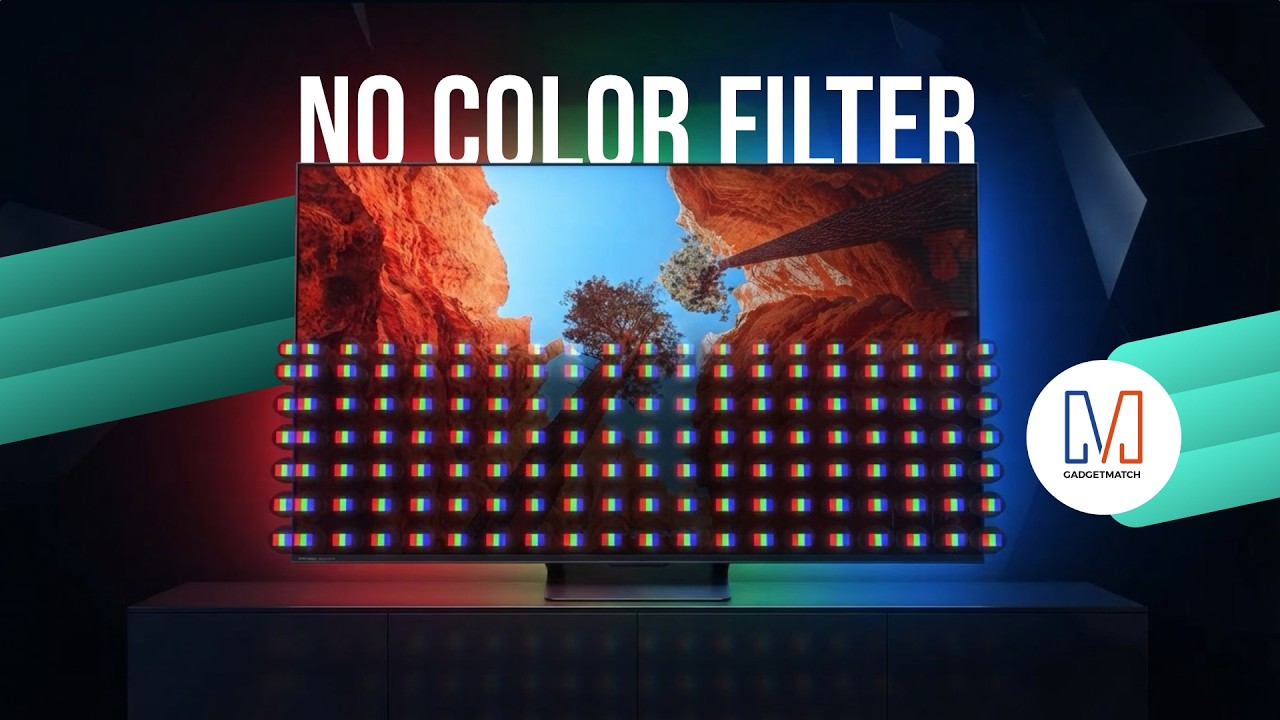
TV technology is changing in a way you can’t see. And it starts with how color itself is made.
Hisense’s new RGB MiniLED technology could change the way we see TVs.
Here’s our spotlight on their latest Hisense UR8 offering.
Check out the Hisense UR8 TV: https://bit.ly/4cxo6xl
Smart Home
Xiaomi unveils new S Mini LED TVs, Mijia washers
Smarter home appliances as ecosystem continues to expand

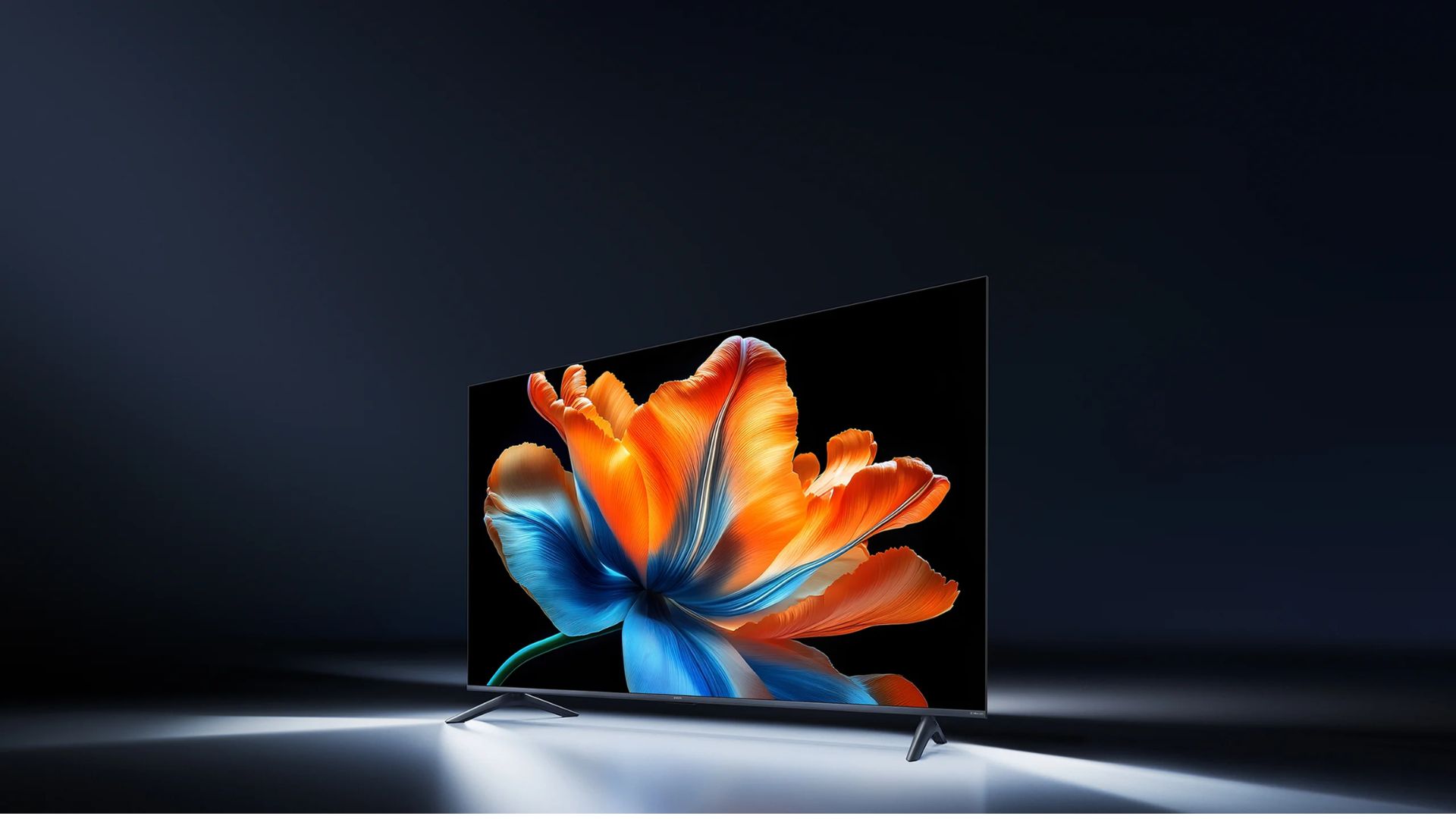
Xiaomi continues to expand its smart home ecosystem, launching the new Xiaomi TV S Mini LED 2026 Series and two new Mijia washers.
Xiaomi’s latest entertainment lineup is available in sizes from 55 to 98 inches. They are built around Xiaomi’s QD-Mini LED technology to deliver deep blacks, vivid colors, and high contrast.
TVs under the lineup feature up to 512 independent backlight zones and 120Hz Game Boost mode. Meanwhile, the 85-inch and 98-inch models offer native 144Hz refresh rates and up to 288Hz under Game Boost with Variable Refresh Rate (VRR).
Across the entire series are 94% DCI-P3 color gamut, 1.07 billion colors, HDR10+, HLG, and Filmmaker Mode, as well as Dolby Vision. The visual experience is complemented by Dolby Audio, DTS:X, and Dolby Atmos on the larger models.
Price:
- 55-inch: PhP 39,990
- 65-inch: PhP 51,990
- 75-inch: PhP 64,990
- 85-inch: PhP 91,990
- 98-inch: PhP 140,990
Smarter Mijia washers
On the smart laundry care end are two new washers: the Mijia Front Load Washer 9kg and Mijia Top Load Washer 13kg.
The first offering combines a spacious drum with features designed for a more thorough and convenient washing.
The steam washing function achieves up to 99.99% bacterial removal. This washer can also be connected to the Xiaomi Home app for seamless management.
And for even larger laundry loads, there’s the Mijia Top Load Washer 13kg. It features a 4-stage 3D water flow for improved washing performance.
Users can also utilize 20-minute quick wash, tub cleaning, fabric softener support, and long-lasting fragrance care.
Price:
- Mijia Front Load Washer 9kg: PhP 20,999
- Mijia Top Load Washer 13kg: PhP 14,999


Now Playing: ACE Combat 8: Wings of Theve
A refreshing change of pace


TECNO POVA 8 Pro Tonino Lamborghini review
Truly a rare gem in 2026


DJI Lito X1 review: Is this the best lightweight drone for creators?
Making a strong case as a travel companion and a capable B-cam!

HONOR Magic9 Pro Max launches in China with ARRI-powered imaging

TECNO and Angélica Dass visit the Philippines next for its grand portrait project

BYD says that way better EV batteries are coming next year

Globe records fastest average download speed of 2026 in August
Now Playing: ACE Combat 8: Wings of Theve

HUAWEI Pura X View is 2026’s first WIDE slab-type smartphone

The CAMON Slim 5G is TECNO’s latest ultra-slim smartphone

iPhone 18 Pro series: Price, availability in the Philippines

DJI Osmo 360 II review: Going all-in on the ecosystem

iPhone 18 Pro series: Price, availability in Singapore


-
 News1 week ago
vivo X500 Series launches with major imaging upgrades
-

 News6 days ago
OPPO Find X10 Pro Max is the first phone with a triple 200MP camera system
-

 Reviews2 weeks ago
REDMI Note 17 Pro Max review: A new breed born from AI greed
-
 Singapore1 week ago
Epson Lifestudio Grand Plus EH-LS970B with 4K projection, more launches
-

 News1 week ago
vivo introduces OriginOS 7 with smarter multitasking and AI features
-
Drones2 weeks ago
DJI Lito X1 review: Is this the best lightweight drone for creators?
-
 Philippines2 weeks ago
REDMI NOTE 17 Series: Price, availability in the Philippines
-

 Gaming2 weeks ago
Valve unveils price of the Steam Frame