
Gaming
NBA 2K27 revamps gameplay with smarter offense and defense
Major gameplay overhaul

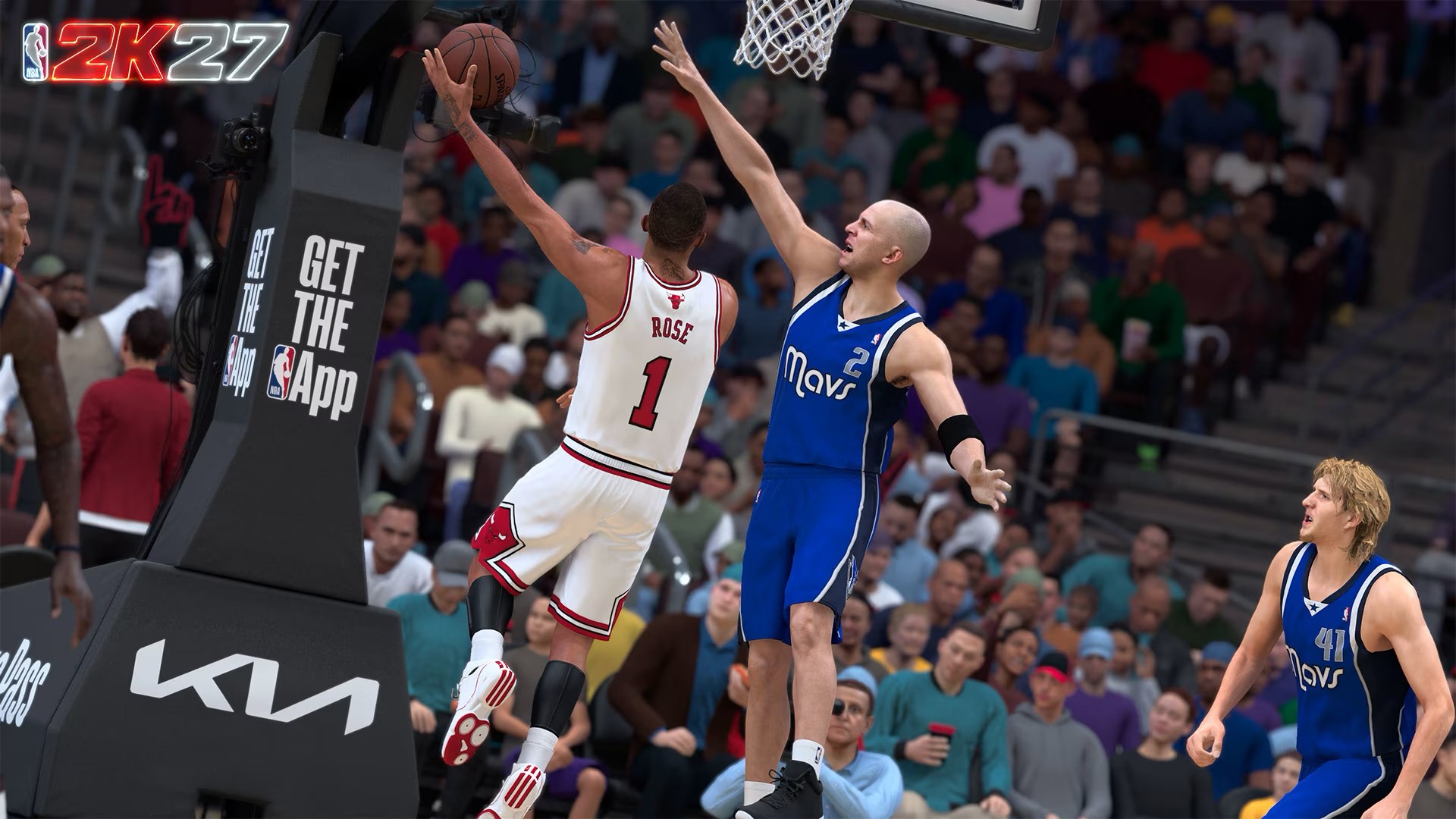
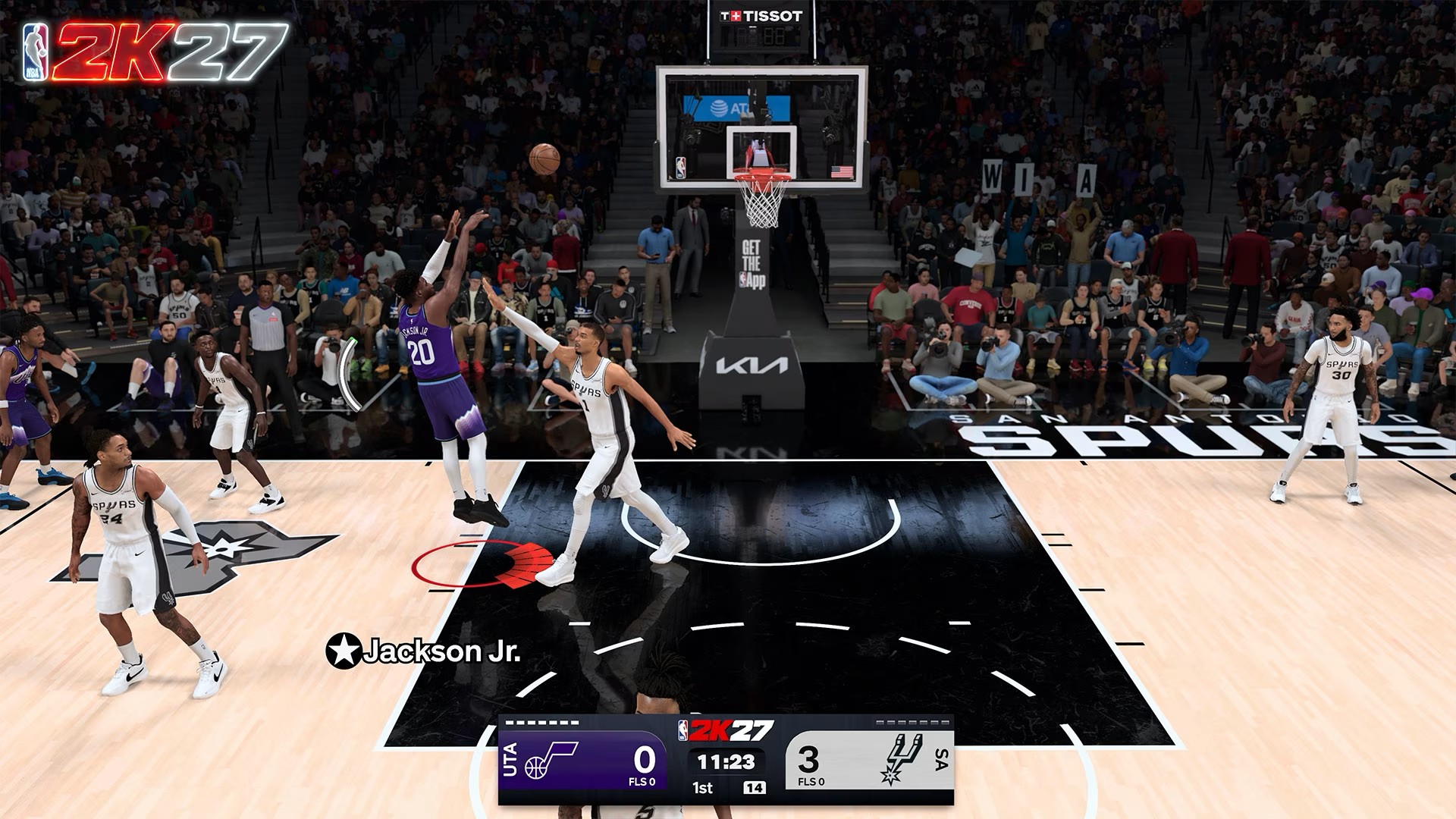
NBA 2K27 is making major changes to how basketball feels on the virtual court.
2K has detailed a sweeping gameplay overhaul for its upcoming basketball game. The update adds new offensive tools, more physical defense, a revamped Takeover system, and smarter AI.
The goal is to make NBA 2K27 more balanced and skill-driven on both ends of the floor.
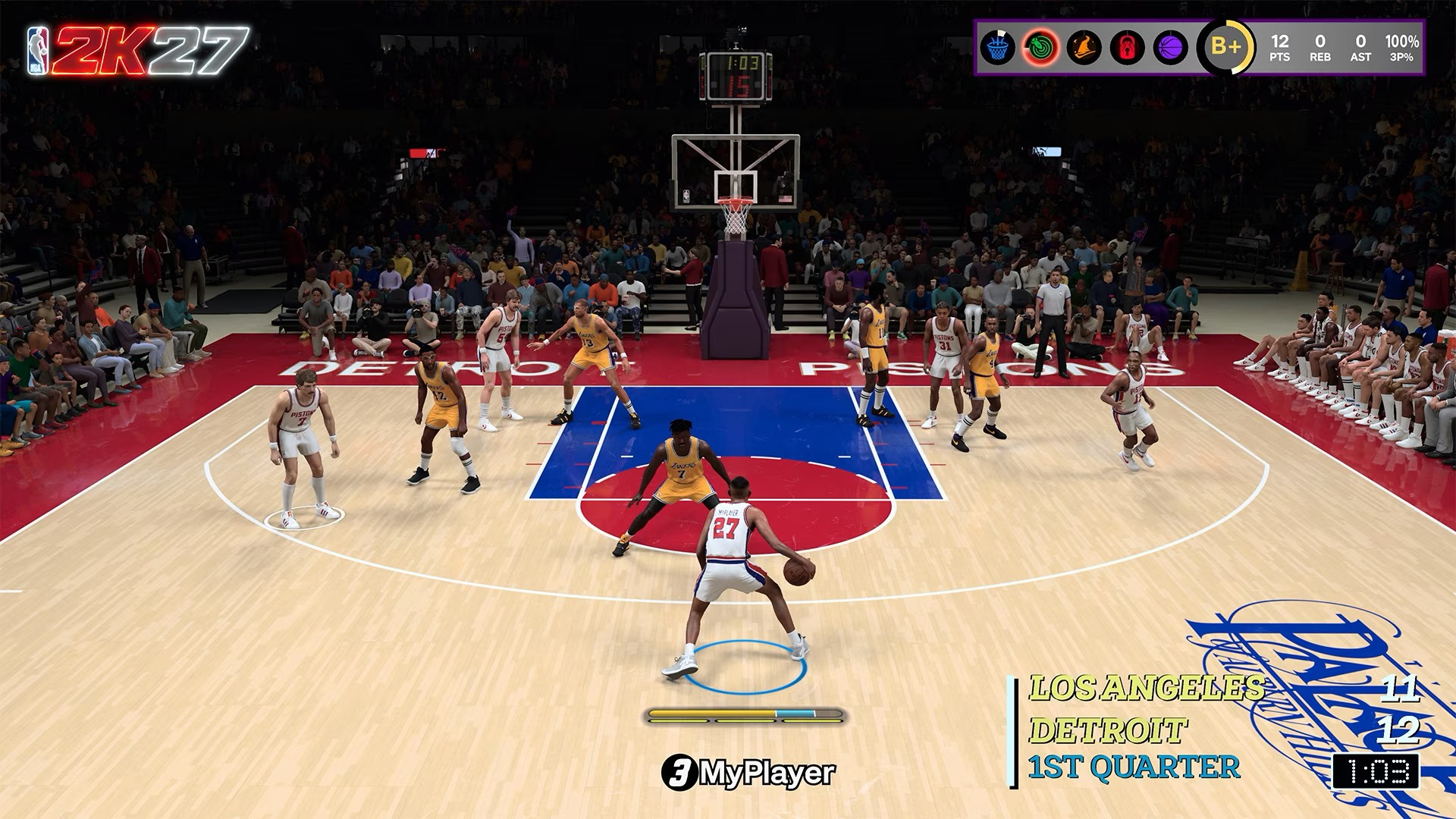
The game also uses ProPLAY to bring more real-world NBA movements into gameplay. 2K says NBA 2K27 adds more than 7,000 new ProPLAY animations.
More control on offense
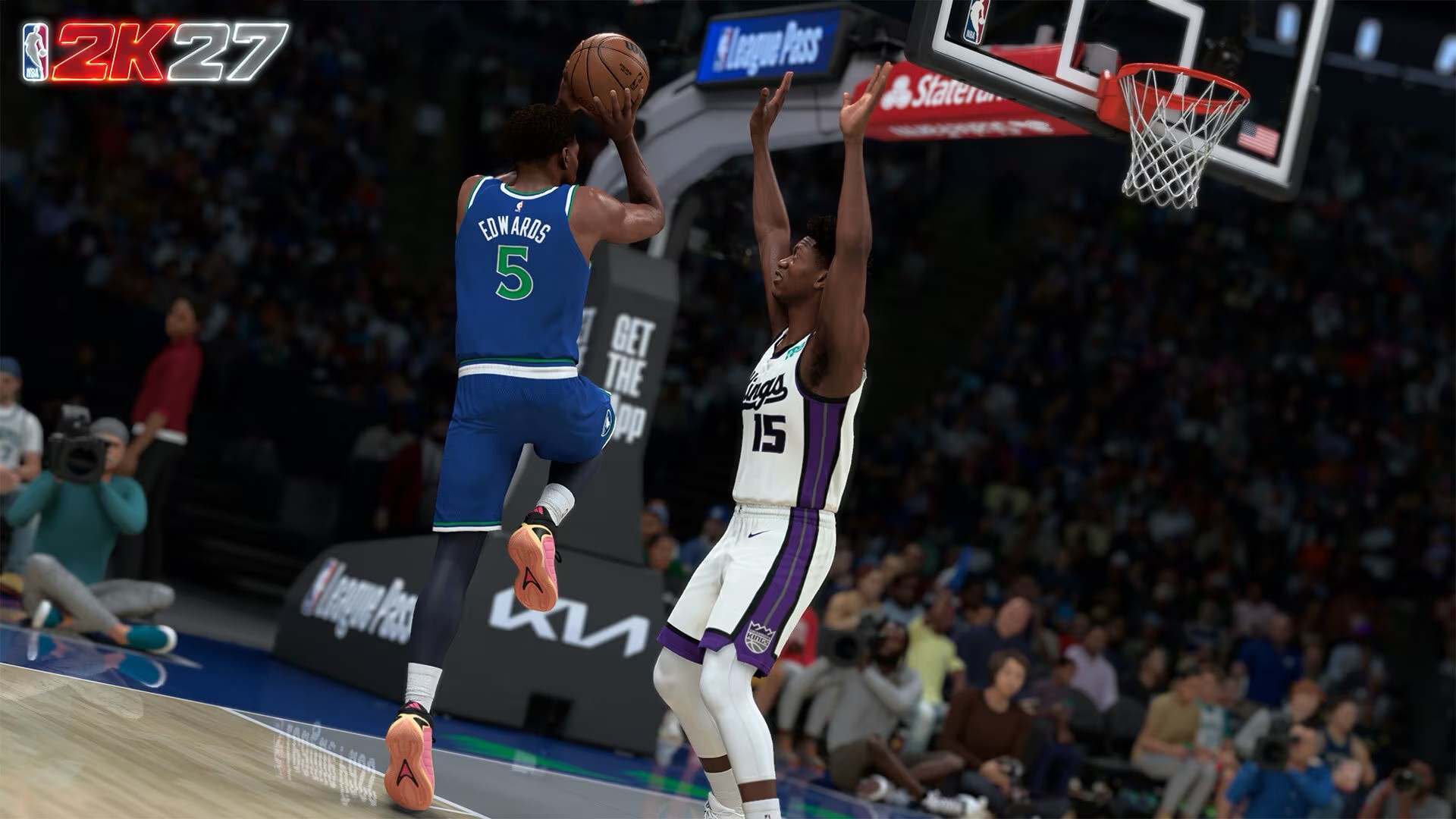
NBA 2K27 adds several new ways to create space and finish plays.
One of the biggest additions is the step-through up-and-under. Players can perform a pump fake before using the Pro Stick to trigger a step-through layup or jumper in one of five directions.
The move draws inspiration from stars such as Shai Gilgeous-Alexander, Anthony Edwards, Luka Dončić, and Donovan Mitchell.
Dribbling is also becoming more customizable.
NBA 2K27 breaks signature dribbling packages into 29 individual movements. Players can mix movements from different stars instead of committing to one complete package.
For example, players can combine Stephen Curry’s behind-the-back slide with Trae Young’s escape crossover. The system covers everything from signature size-ups and crossovers to spins, hesitations, stepbacks, and escape moves.
The game is also introducing a Dynamic Layup Engine.
Layup animations can now adjust in real time based on movement, finishing ability, and defensive pressure. High-rated finishers can even change their shooting hand in mid-air when an elite rim protector contests the attempt.
Advanced gathers such as hop steps, Euro Steps, and spins are also separated from preset animations. NBA 2K27 can combine these moves with different finishes depending on the situation.
Dunking gets a dynamic meter
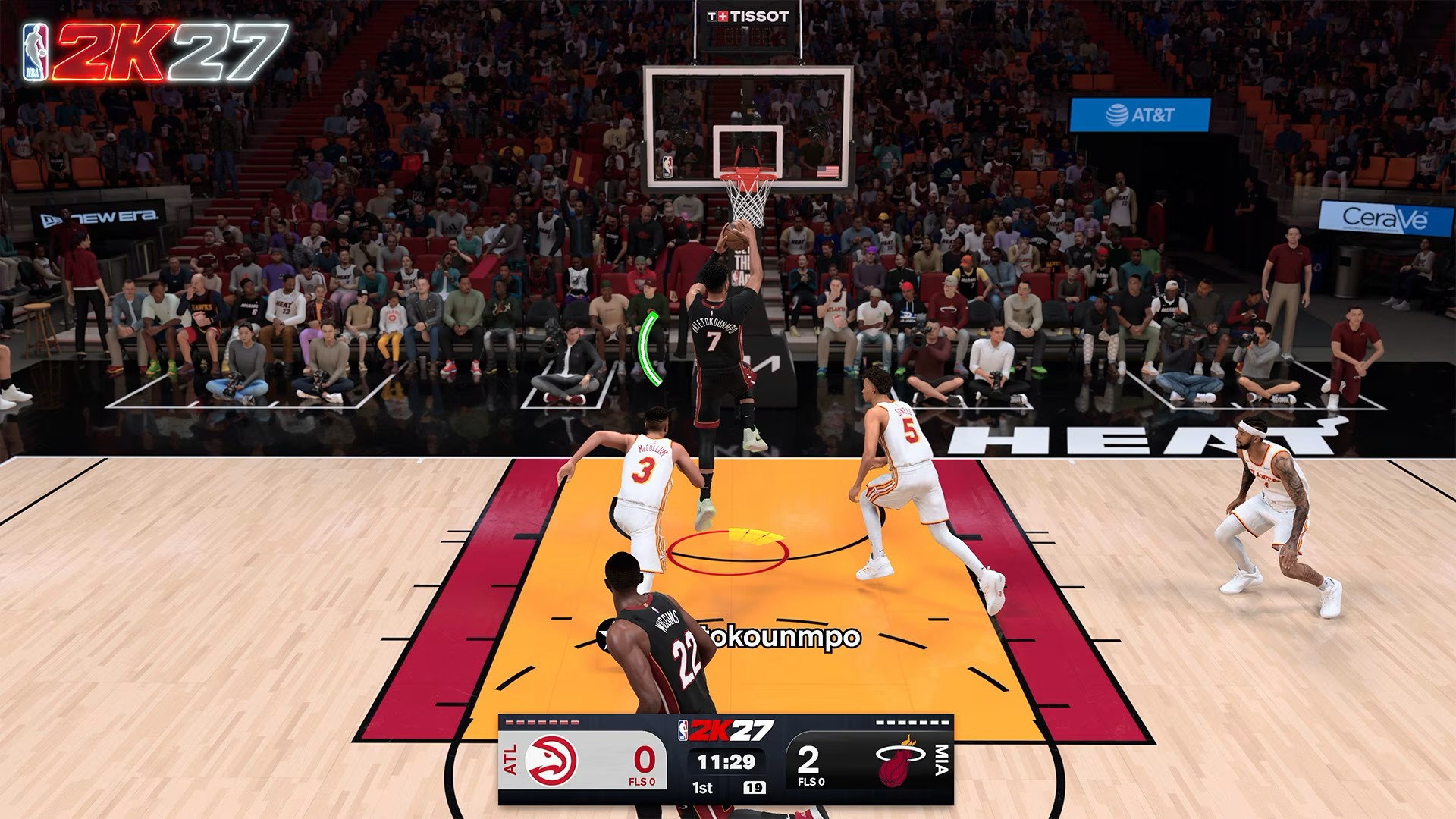
Dunking is also getting a significant change.
Every dunk attempt in NBA 2K27 now requires manual timing through the Dunk Meter. The meter evaluates defensive positioning throughout the entire attempt.
An open lane can produce a larger green window. A late-arriving help defender can shrink it, requiring more precise timing.
The system is designed to make dunk attempts depend more on reading the defense rather than simply triggering an animation.
NBA 2K27 is also adding new advanced controls for playmaking. Players can perform moving breakdowns without stopping their momentum, throw no-look passes, and use more intuitive alley-oop controls.
Rhythm Shooting gets stricter
Rhythm Shooting returns with a new visual guide.
The Shot Meter now displays a real-time tick mark that follows the player’s Pro Stick movement. Players need to match the correct tempo to maximize the timing window.
NBA 2K27 also makes Rhythm Shooting more demanding. Players must now successfully green the Timing portion of the shot to make it.
New feedback shows whether the player’s timing was early or late and whether their tempo was too fast or too slow.
Rhythm Shooting is also being expanded to free throws.
Defense becomes more physical
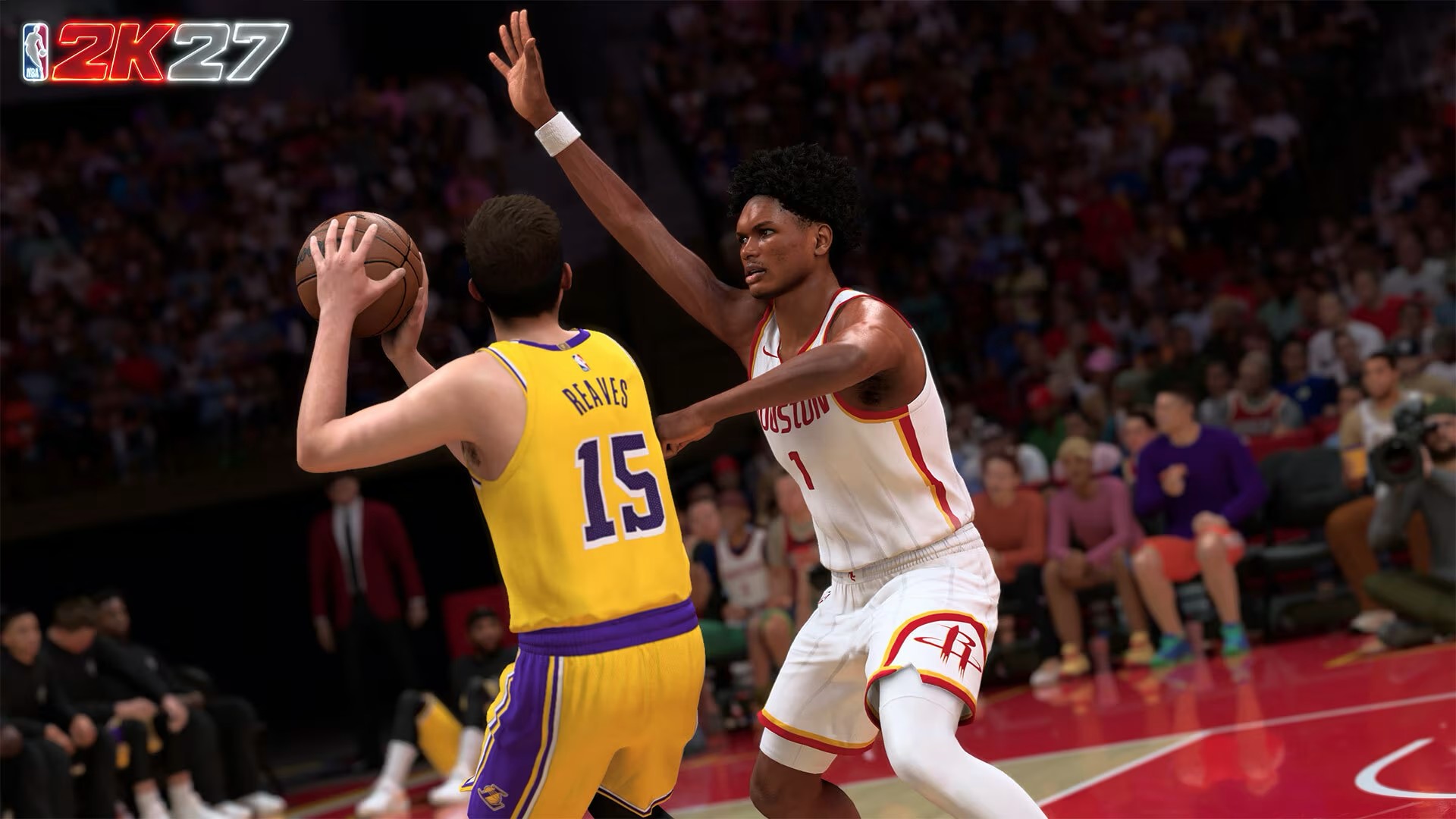
2K is also addressing the other side of the ball with a redesigned defensive system.
Hands-up defense now has aggressive and conservative options. Holding up on the Pro Stick activates aggressive hands-up defense, while holding down provides a more conservative contest with less risk of fouling.
The Block button remains the main option for aggressive shot rejections. Timing and anticipation continue to play a major role.
Shot contests are also getting clearer feedback.
NBA 2K27 uses an eight-tier, color-coded system to show the impact of a contest. A new Defensive Impact Indicator appears beneath the shooter and shows how much the defender affected the shot.
Defensive cutoffs are getting expanded as well. Players can use the Right Stick to perform quick cutoffs against lateral dribble moves. Holding R2 or RT while flicking the stick creates a larger lunging cutoff.
Speed and Agility ratings influence these movements. A successful cutoff can trigger a body-up collision, drain the ball handler’s Adrenaline, and potentially force a fumble or picked-up dribble.
Ankle breakers now depend on skill
Ankle breakers are also being reworked.
Instead of relying primarily on chance, NBA 2K27 considers the defender’s real-time momentum and reaction to changes of direction.
A hard crossover against a defender moving the wrong way can therefore produce a more dramatic result. Defensive ratings also influence how quickly a defender can react and recover.
A new collision system further ties physical defense to player ratings.
Steal targeting has been improved, while larger defenders with low Steal ratings should no longer be able to rely as heavily on cheap bump steals. Ball handlers can also lose control of the ball and recover it during traffic situations.
Takeover gets five disciplines
NBA 2K27 is also replacing its previous Takeover structure with five separate disciplines:
- Shooting
- Finishing
- Playmaking
- Defense
- Rebounding
Each discipline has its own meter. Performance in that area causes the meter to rise or fall throughout a game.
The system has six levels, ranging from Frozen and Cold to Neutral, Warm, Hot, and finally Takeover.
Players can become hot in multiple disciplines simultaneously. Reaching the maximum level in a discipline automatically activates its equipped Takeover Ability.
The abilities cover different play styles. Shooting abilities can improve off-dribble or set-shot performance, while finishing abilities can enhance everything from standing layups to driving dunks and post moves.
Playmaking abilities can improve blow-bys, ankle breakers, or teammates’ finishing and shooting. Defensive abilities focus on forcing pickups and turnovers, while rebounding abilities improve screens, boxouts, putbacks, or rebound prediction.
AI gets smarter
NBA 2K27 is also giving its computer-controlled players a significant intelligence upgrade.
AI teams can now prioritize early offense instead of automatically slowing down into a half-court set. Players will organize into spacing lanes after made baskets, while teams with a faster style can continue attacking even when transition numbers are relatively even.
A new Set AI framework is designed to make star players genuine offensive hubs.
Instead of simply running predetermined plays, the AI can organize actions around players such as Nikola Jokić. Offensive sets can change based on game situations, including close games, quarter endings, and scoring slumps.
Team-level gameplans can also adapt during games. The AI can identify favorable matchups and shift toward more aggressive strategies when its initial approach stops working.
Pick-and-roll and handoff execution are being improved as well, with better passing angles and more intelligent alley-oop opportunities.
Defensively, AI players can make more complex decisions instead of simply rotating to predetermined positions. The system considers matchups, player tendencies, attributes, and badges when deciding who should switch or provide help.
Aiming for a more skill-driven game
Taken together, the changes point to a broader redesign of NBA 2K27’s on-court experience.
2K says the objective is to reduce gameplay bailouts and reward players who make the right reads, execute moves correctly, time their shots, and understand basketball fundamentals.
NBA 2K27 is scheduled to launch worldwide on September 4, 2026, for PlayStation 5, Xbox Series X|S, PC via Steam, and Nintendo Switch 2. Early Access begins August 26 for players who purchase the Deluxe or Ultra Edition.




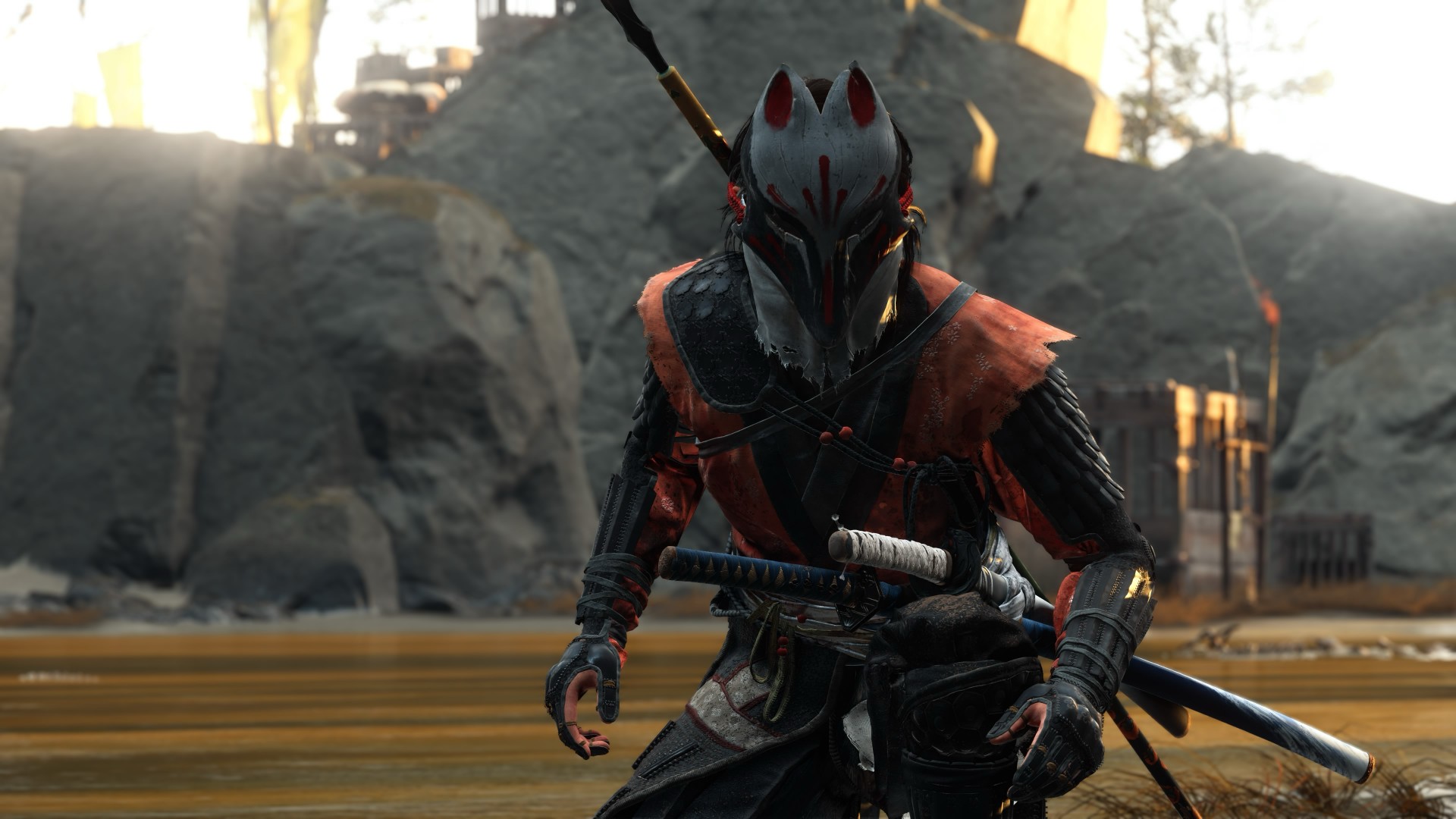
A year away from Ghost of Yōtei was enough to make me rusty. It wasn’t enough to make me forget why I loved it.
What immediately jumped out to me is how beautifully connected this game’s open-world mechanics are. Moving about and exploring felt like picking up where I left off after roughly a year of not really touching the game.
The Guiding Wind, the birds that point you toward locations of interest, and the encounters scattered throughout Ezo all work together to keep you busy without the tasks ever feeling like a chore. There is always something worth looking toward, whether it is a quest, a hidden location, or simply another reason to stop and appreciate the scenery.
And of course, the new area is just as beautiful as everything else we’ve seen in the base game.
That is probably the biggest compliment I can give Ghost of Yōtei Complete Edition. It does not feel like an expansion bolted onto an existing game. It feels like another excuse to step back into a world that already knew how to pull me in.
Picking up where I left off
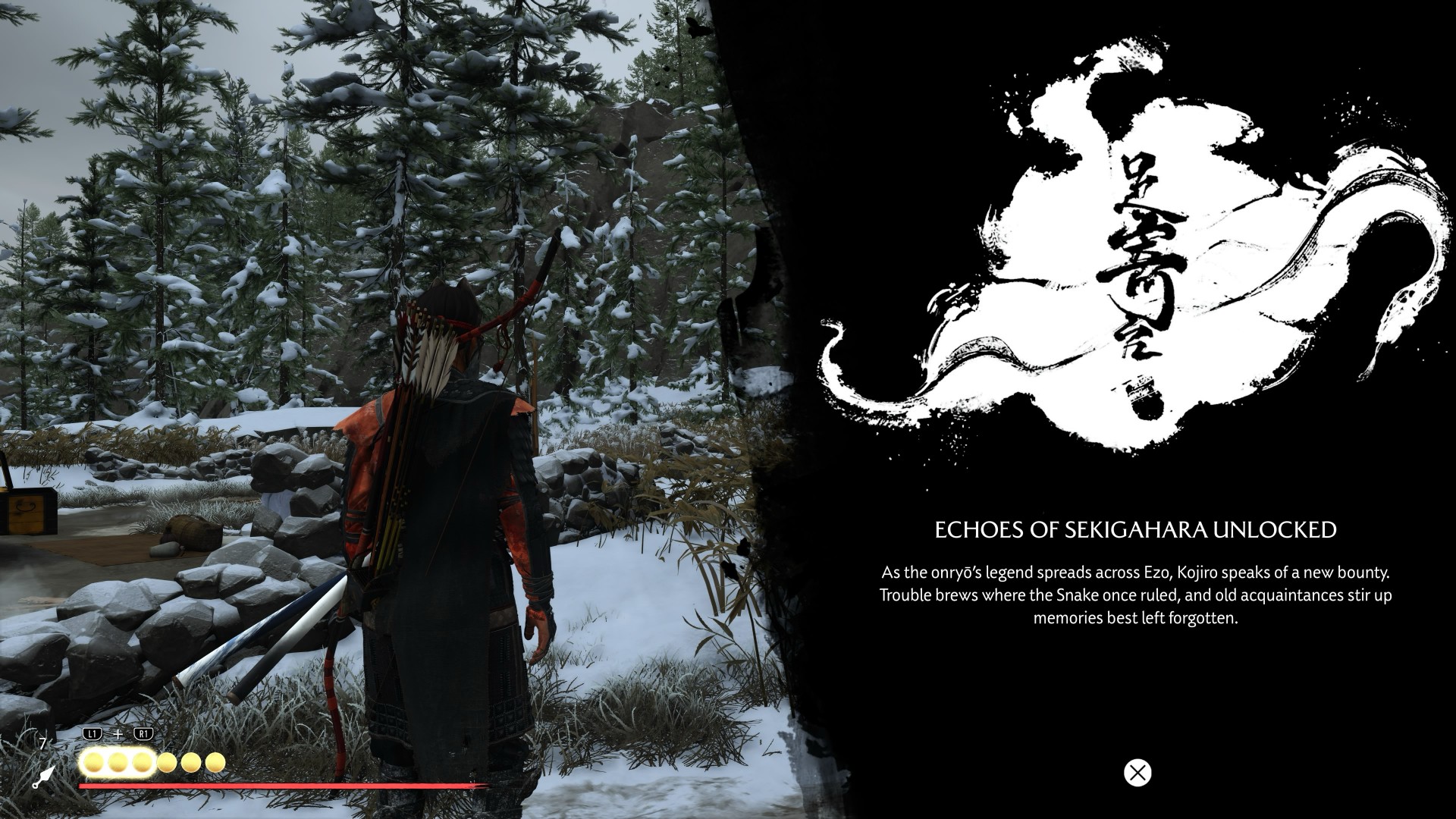
I started my playthrough of the Complete Edition with Echoes of Sekigahara. I thought it was going to be a quick romp, but it’s proving to be a longer experience than I initially thought it would be.
I’ve spent roughly five to six hours playing through it, and I don’t think I’m anywhere near completing the story.
That said, I did get sidetracked quite a bit.
Which tends to happen with these Ghost games.
Not to their detriment, though. Every other quest and encounter in the open world feels like a contained story on its own that is well worth your time. The game has a way of presenting distractions that never really feel like distractions. You can set out with one objective in mind, stumble into something else, and suddenly realize an hour has passed.
That familiarity came back surprisingly quickly.
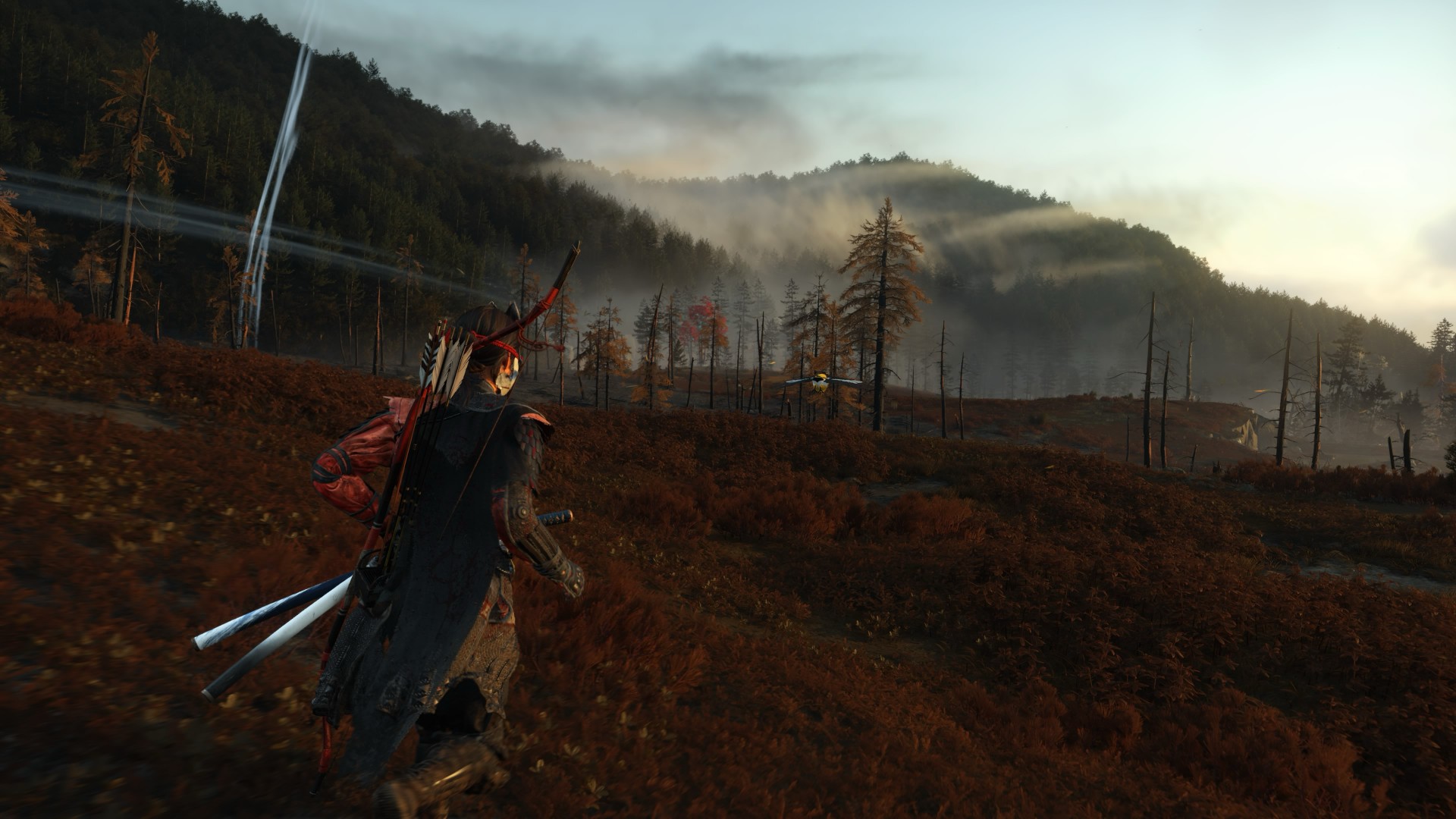
The new region introduced in Echoes of Sekigahara brings unfamiliar enemies, new weapons, and memories tied to Atsu’s past, giving the expansion its own identity while still operating within the systems that made the base game so easy to lose yourself in.
The Wolf quest line in particular was the first one I tackled, and it was quite a ride.
I’m deliberately leaving the details there.
This is the kind of story that is better experienced without knowing too much going in, and the review guidelines themselves ask reviewers to avoid major narrative developments and surprises.
Finding my footing again

While movement and exploration felt natural, it took me a while to get reacquainted with the combat.
My Atsu had many skills mastered, but being a year removed from the game meant I was rusty. I was dying against what I would consider fodder enemies.
There is something humbling about returning to a game where you once felt completely in control, only to discover that your muscle memory has apparently packed its bags and moved somewhere else.
Even now as I write this review, I don’t think I’ve gotten to the level I was when I first completed the game.
But I’m getting by just fine.
And that is partly because Yōtei gives you another toy to play with.
Massive weapons make a massive difference

Massive Weapons
The new wrinkle in combat is the Massive Weapons you get to pick up and swing around.
They are an absolute joy to use.
More importantly, they bailed me out of a few encounters already.
There is a satisfying weight to picking up one of these weapons and simply going to town on enemies. It changes the rhythm of a fight without asking you to relearn the entire combat system. After spending several hours trying to remember how I used to fight as Atsu, having the option to grab something enormous and start swinging was a welcome change of pace.
This was a definite win.
It also highlights one of the strengths of Yōtei’s combat. The foundation is already strong enough that adding another layer does not need to completely reinvent it. Sometimes, giving Atsu something massive to hit people with is enough.
Most Wanted keeps the blade moving
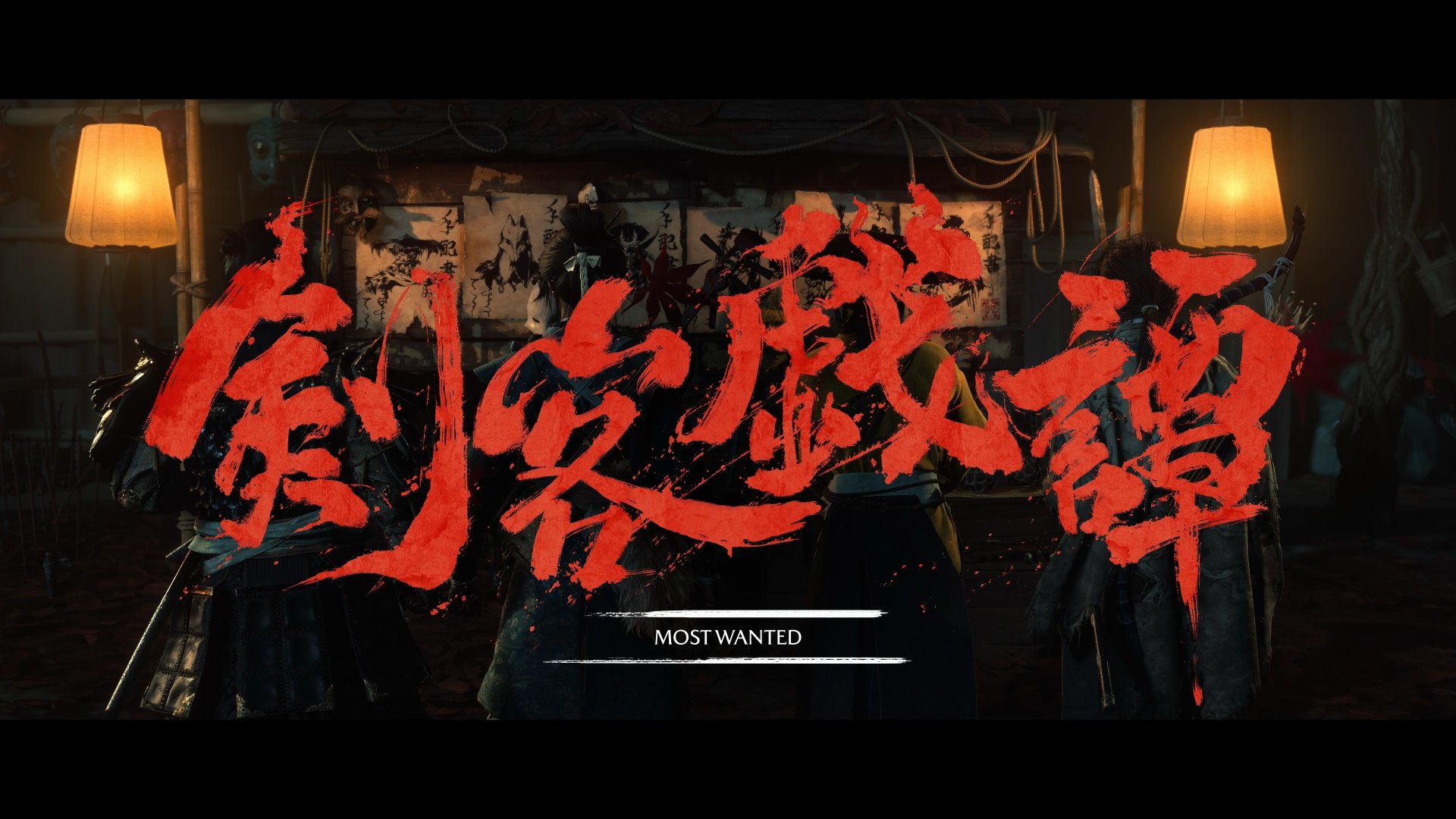
If you want to dive deeper into combat, Most Wanted is where it’s at.
PlayStation first-party games have had a habit of adding these roguelike-inspired modes to some of their games. There’s Valhalla for God of War Ragnarök and No Return for The Last of Us Part II.
Most Wanted takes that idea and puts Yōtei’s combat front and center.
The mode is a single-player combat survival experience built around escalating bounties, different playable characters, and experimenting with the game’s combat system. Unlike Echoes of Sekigahara, you can jump into it immediately without existing save data or base-game progression.
I’ve only had a couple of runs so far, but I can say I thoroughly enjoy the mode.
Mostly because I love the game’s combat mechanics.
That is what you engage with for much of Most Wanted, and it gives you a reason to keep testing yourself. You start a run, make your choices, fight your way through increasingly demanding encounters, and inevitably reach a point where things stop going according to plan.
Then you try again.
And again.
There is a particular satisfaction to a mode like this when the underlying combat is already enjoyable. Losing doesn’t necessarily feel like wasted time because every run gives you another opportunity to get better at the thing you were already having fun doing.
It can also be frustrating.
That is part of the appeal.
More Yōtei is still more Yōtei
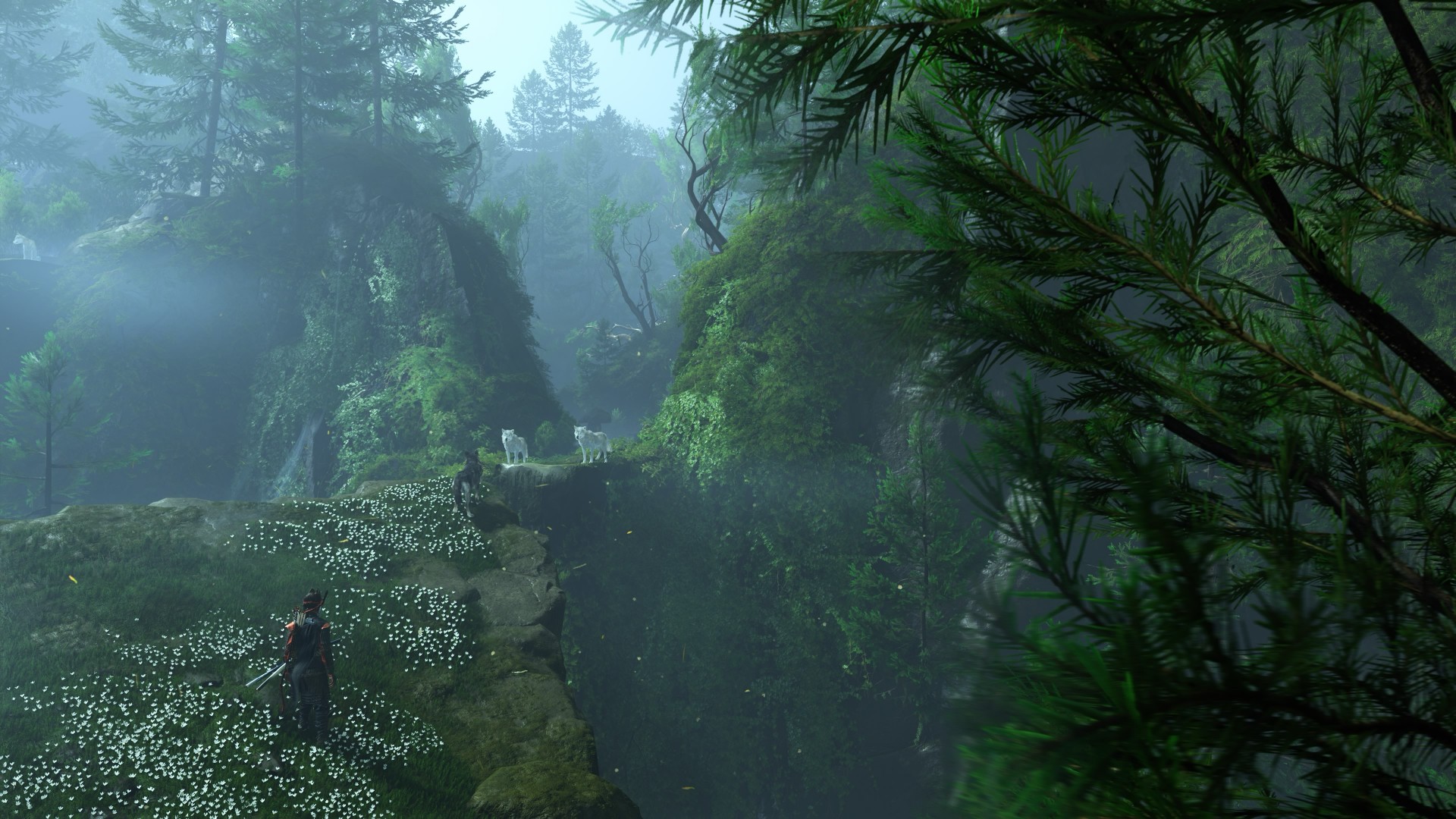
The biggest strength of Ghost of Yōtei Complete Edition is also the simplest.
It gives me more Ghost of Yōtei.
Echoes of Sekigahara gives Atsu another story to tell. Most Wanted gives the combat another place to shine. The Complete Edition also adds cosmetics, Trophies, Photo Mode content, and other extras. Meanwhile, the October 1 update brings additional Watanabe Mode tracks, Beauty of Yōtei mode, quality-of-life improvements, and a new high-contrast accessibility option to all Ghost of Yōtei players.
After roughly a year away, I was surprised by how quickly I settled back into the rhythm.
The wind blew, birds flew, a quest turned into another quest, and a random encounter became a story.
Then I picked up a massive weapon and started remembering why I enjoyed this game so much in the first place.
That cohesion remains Yōtei’s greatest strength. Its world constantly gives you reasons to move forward without making the journey feel like work. The Complete Edition simply gives you more reasons to keep going.
Is Ghost of Yotei Complete Edition your Play Match?

Ghost of Yōtei was already one of the best experiences on PlayStation 5.
The Complete Edition gives you more of it.
Echoes of Sekigahara is shaping up to be a substantial addition rather than a short side adventure, while Most Wanted offers a compelling excuse to keep coming back to Atsu’s combat long after you’ve finished the main story.
I still have plenty more of both to see. But even after only a handful of hours with the new content, I know exactly how I feel about returning to Yōtei.
It feels familiar, fresh, and Most Wanted will both frustrate and hook you.
It’s absolutely thrilling.
Ghost of Yōtei Complete Edition is an easy Swipe Up.
After a year away, I came back rusty.
I’m still swinging. And I’m still having a damn good time.

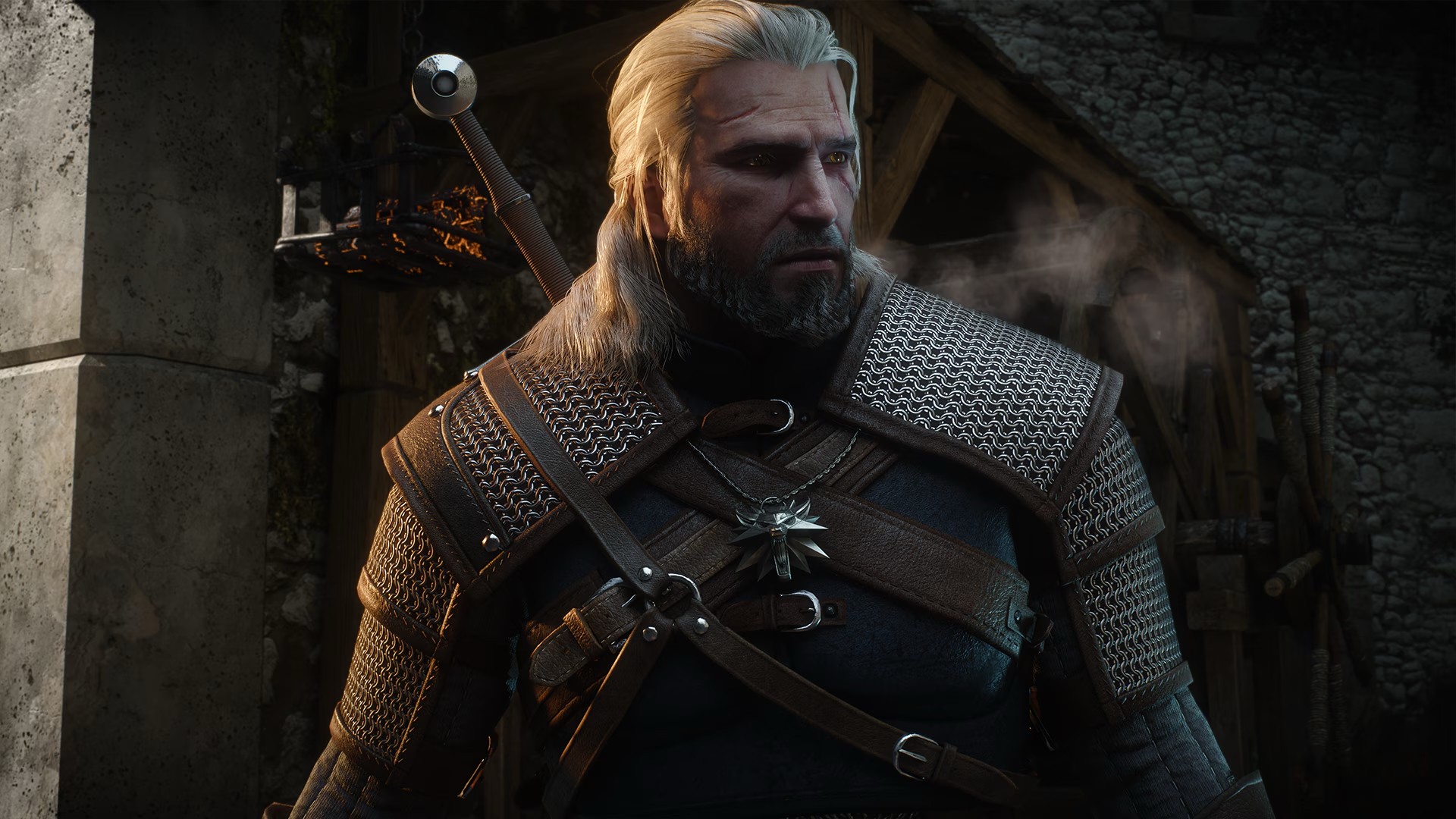
CD PROJEKT RED has released The Witcher 3: Wild Hunt — Remastered, a free upgrade that brings a wide range of visual, performance, and gameplay improvements to the acclaimed RPG.
The remastered version is available as a free upgrade for existing owners on GOG, Steam, Epic Games Store, PlayStation 5, and Xbox Series X|S. Players who own The Witcher 3 on the original Nintendo Switch can also upgrade for free to the native Nintendo Switch 2 version.
The upgrade also includes both expansions, Hearts of Stone and Blood and Wine, even for players who originally owned only the base game.
PC and PS5 Pro
On PC, The Witcher 3 now supports Path Tracing alongside improved textures, foliage, lighting, rendering, and ray tracing. The remaster also adds dedicated PlayStation 5 Pro support, with PSSR enabling ray tracing at 60fps and a performance mode that can reach up to 90fps with VRR.
Gameplay also gets an overhaul. CD PROJEKT RED has rebalanced the skill system, revamped combat animations, added new finishers, and introduced an adaptive camera. Geralt and Roach also receive updated animations, including more fluid traversal, vaulting, and ladder climbing.
The remaster adds cross-platform mod support through mod.io on consoles. Players can access custom content ranging from new quests and equipment to balance changes.
Switch 2
Nintendo Switch 2 gets additional features through its native version. These include motion controls, gyro aiming, mouse controls, and touchscreen support. Players can use motion controls for actions such as aiming the crossbow, throwing bombs, casting Signs, and controlling Roach. The touchscreen can also be used to navigate menus and play Gwent.
The Witcher 3: Wild Hunt — Remastered is also available to purchase on Battle.net and the Microsoft Store, where it supports Xbox Play Anywhere.
The remaster replaces the Complete Edition on supported platforms and includes Hearts of Stone and Blood and Wine as standard. It was developed in close collaboration with Yigsoft.
Computers
ROG brings out the ultra-stylish G1000 gaming desktop
Plus, here’s a couple of sleek transport options from ROG.


Despite how much higher prices are going today, there are still so many options if you want a PC for yourself. However, only a handful of brands will offer you quite as much style doing so as ASUS. Today, ROG has revealed the new G1000 gaming desktop.
For the first time ever in a prebuilt PC, the ROG G1000 comes with a built-in AniMe Holo, a holographic fan with customizable visuals using Armoury Crate and Aura Sync. Additionally, the holographic fan is inside its own chamber, preventing it from interfering with the main system. Instead, the desktop uses the ROG Thermal Atrium, which uses three fans to channel fresh air through a 420mm AIO liquid cooler.
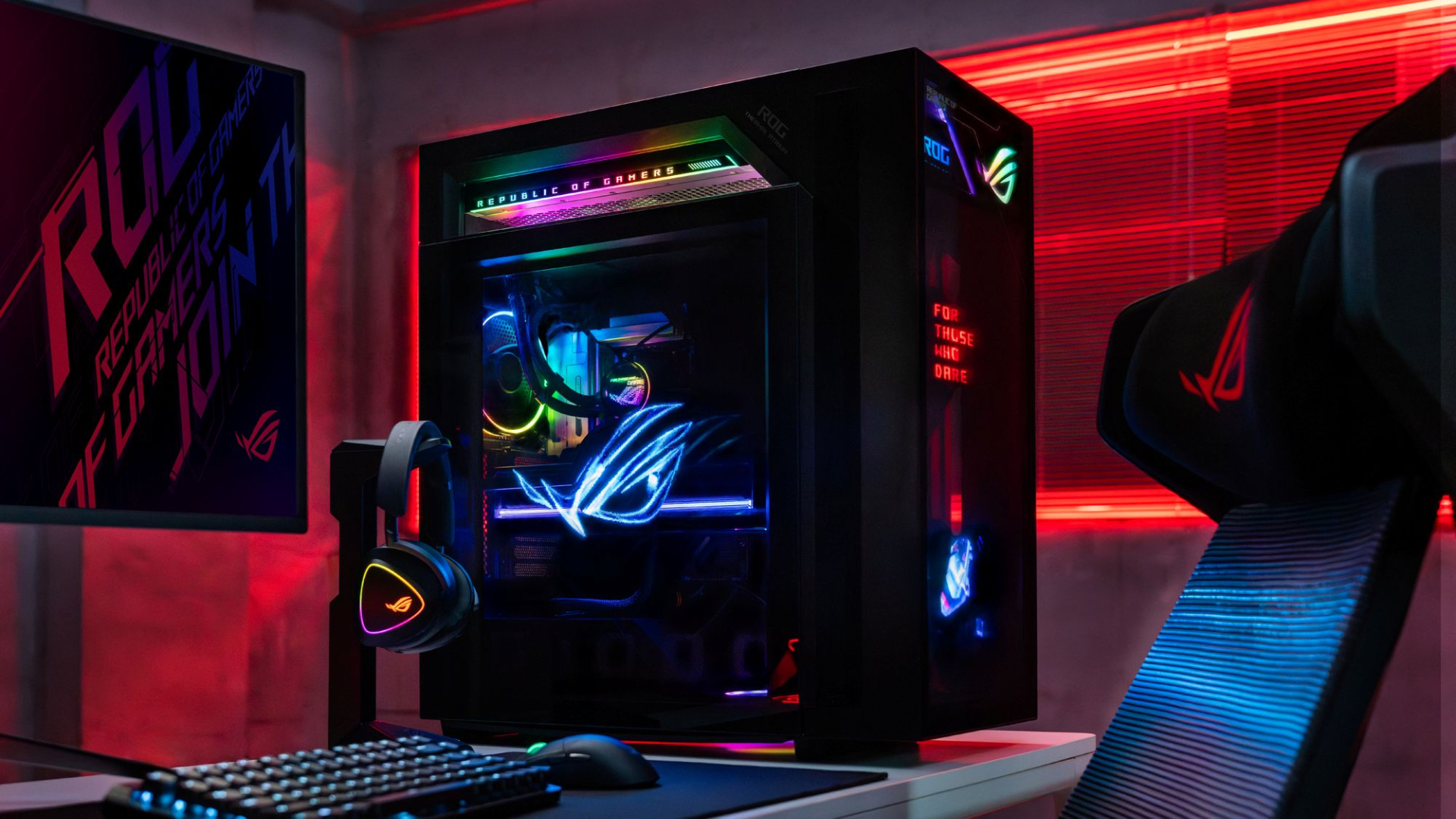
Now, the ROG G1000 isn’t just a pretty face. Inside, the 104L desktop comes with a Ryzen 7 9800X3D processor. It also comes equipped with the ROG Astral GeForce RTX 5080, up to 128GB DDR5 memory, and 1TB SSD for storage. New purchases will also come with a gaming keyboard and mouse, a year of Microsoft 365 Basic, Office Home 2024, and an ASUS No. 1 Quality and Service warranty.
The ROG G1000 will be available from ROG Exclusive Stores and will start at PhP 399,995.
Celebrating ROG at 20
Besides the new desktop, ROG is also launching a couple of storage and transport options for your prized gaming possessions. The ROG SLASH Backpack Edition 20 is a sleek backpack that can fit an 18-inch laptop with enough room for peripherals and accessories. It also comes with a custom FIDLOCK Magnetic quick-release, black-and-translucent-gold buckle. It will be available next quarter for PhP 10,995.
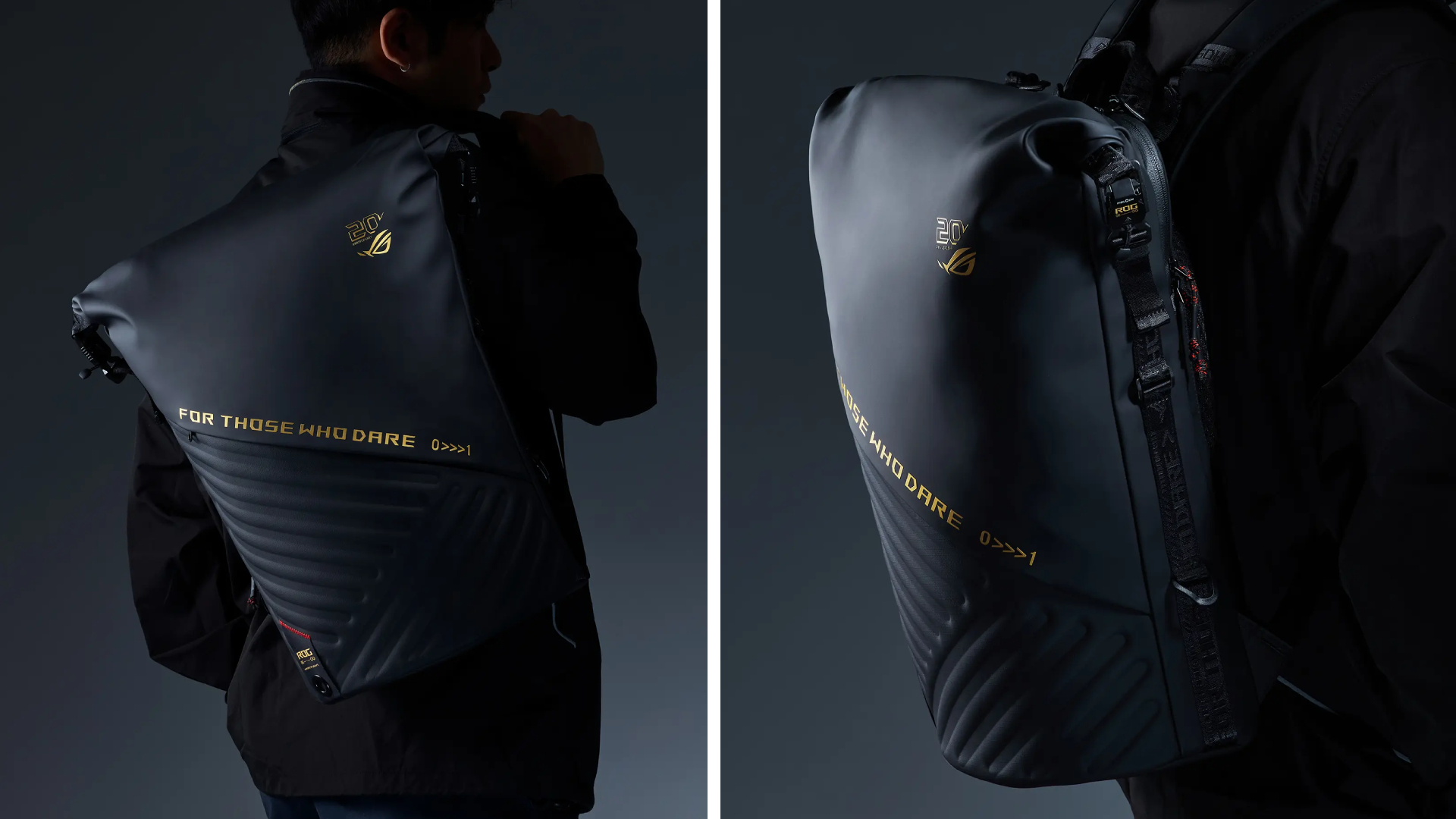
Meanwhile, the ROG SLASH Hard-Case Luggage Edition 20 is designed specifically for transporting your hard-earned gaming devices. The light-but-durable aluminum frame comes with a specialized compartment for laptops, handhelds, and accessories. It also has removalbe foam dividers to better customize the case for your needs. Finally, it has 360-degree silent skate wheels for smoother rolling. The luggage will be available starting next quarter for PhP 15,995.




Spotlight: Nori AI Family Hub

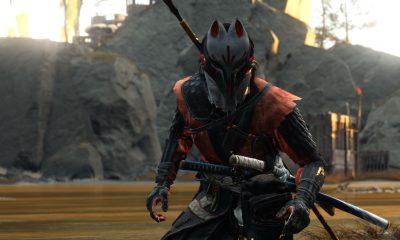
Ghost of Yōtei Complete Edition review: More of a great thing

TECNO CAMON Slim 5G: Price, availability in the Philippines

HONOR 600S review

HONOR 600S price, availability in the Philippines

HUAWEI Pura X View is 2026’s first WIDE slab-type smartphone

The CAMON Slim 5G is TECNO’s latest ultra-slim smartphone

iPhone 18 Pro series: Price, availability in the Philippines

DJI Osmo 360 II review: Going all-in on the ecosystem

iPhone 18 Pro series: Price, availability in Singapore


-
 News1 week ago
vivo X500 Series launches with major imaging upgrades
-

 News1 week ago
OPPO Find X10 Pro Max is the first phone with a triple 200MP camera system
-

 Automotive4 days ago
BYD says that way better EV batteries are coming next year
-

 Singapore2 weeks ago
Epson Lifestudio Grand Plus EH-LS970B with 4K projection, more launches
-

 News1 week ago
vivo introduces OriginOS 7 with smarter multitasking and AI features
-

 News3 days ago
HONOR Magic9 Pro Max launches in China with ARRI-powered imaging
-
 Accessories1 week ago
70mai launches the A900 series with 4K front, rear recording
-
 Smartphones5 days ago
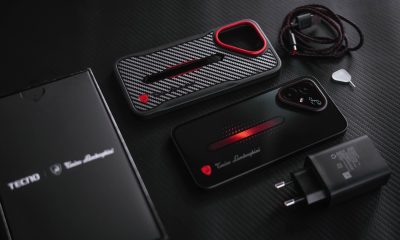
When TECNO-logy meets Tonino Lamborghini legacy