
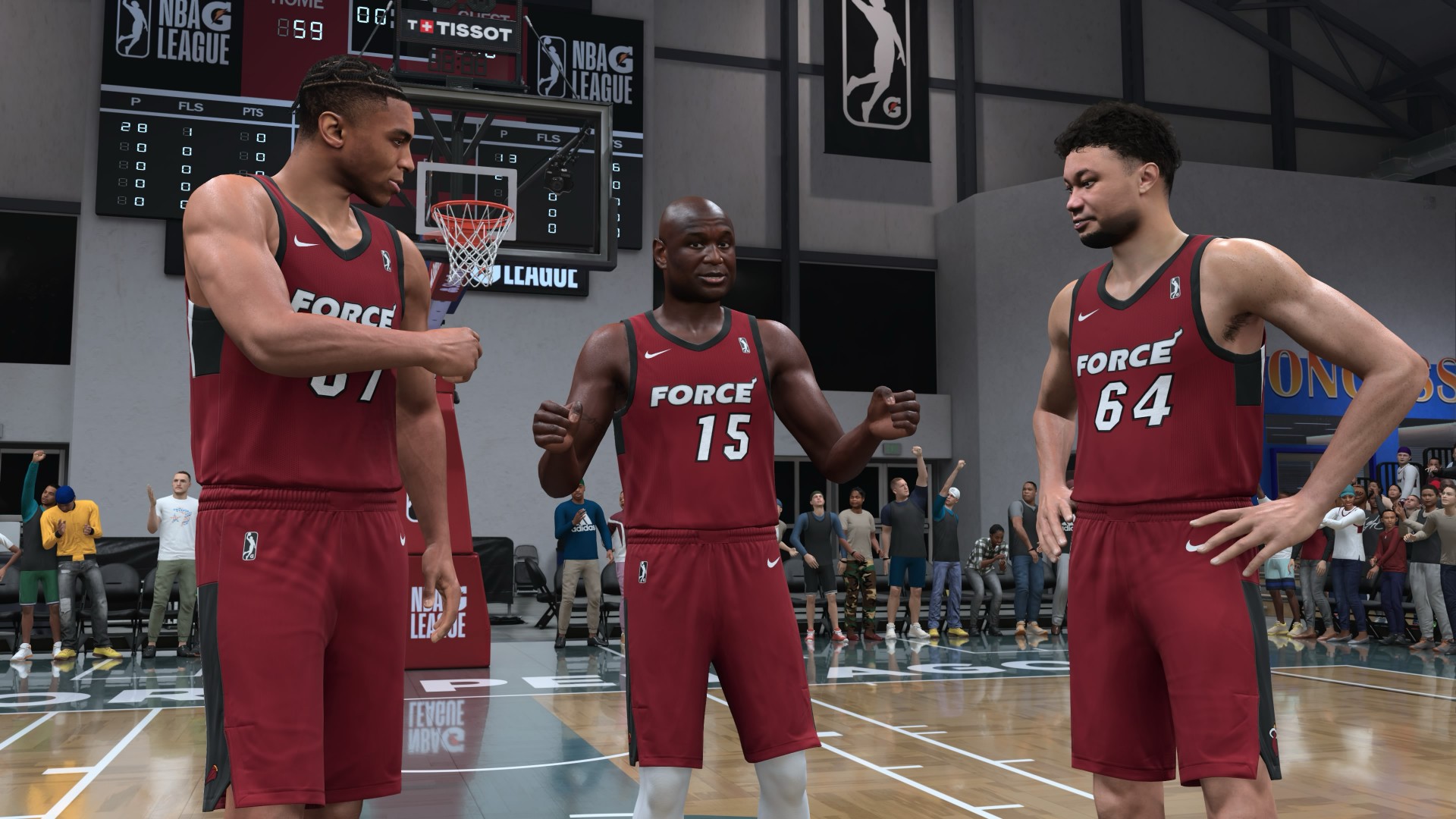

Six or seven hours into NBA 2K27’s MyCAREER, I found myself thinking about what happens next.
Not just the next chapter of Fire & Concrete. I mean what happens after I make it to the NBA. What kind of career can my player actually have?
That question kept getting louder the more I played.
NBA 2K has spent years refining the fantasy of building your own player. We’ve had different stories, progression systems, and ways to get into the league. Now, MyCAREER Eras lets us drop that player into some of the most iconic periods in NBA history.
But I think there’s a bigger idea hiding in there.
What if MyCAREER actually let me live a career?
I don’t mean making the mode longer for the sake of it. Give the basketball enough room to tell the story.
I don’t want less basketball. I want the basketball itself to become the RPG.
Fire & Concrete has a good foundation
I’m still making my way through Fire & Concrete, but the fact that I was itching to get back to it tells me something.
It’s nothing too new or major, but it’s engaging enough. There’s more basketball this time, too. For the most part, you’re watching cutscenes or playing basketball.
I get why 2K has gone in that direction. Most NBA 2K players probably want to spend more time hooping than walking around doing side activities.
Still, there is room for more.
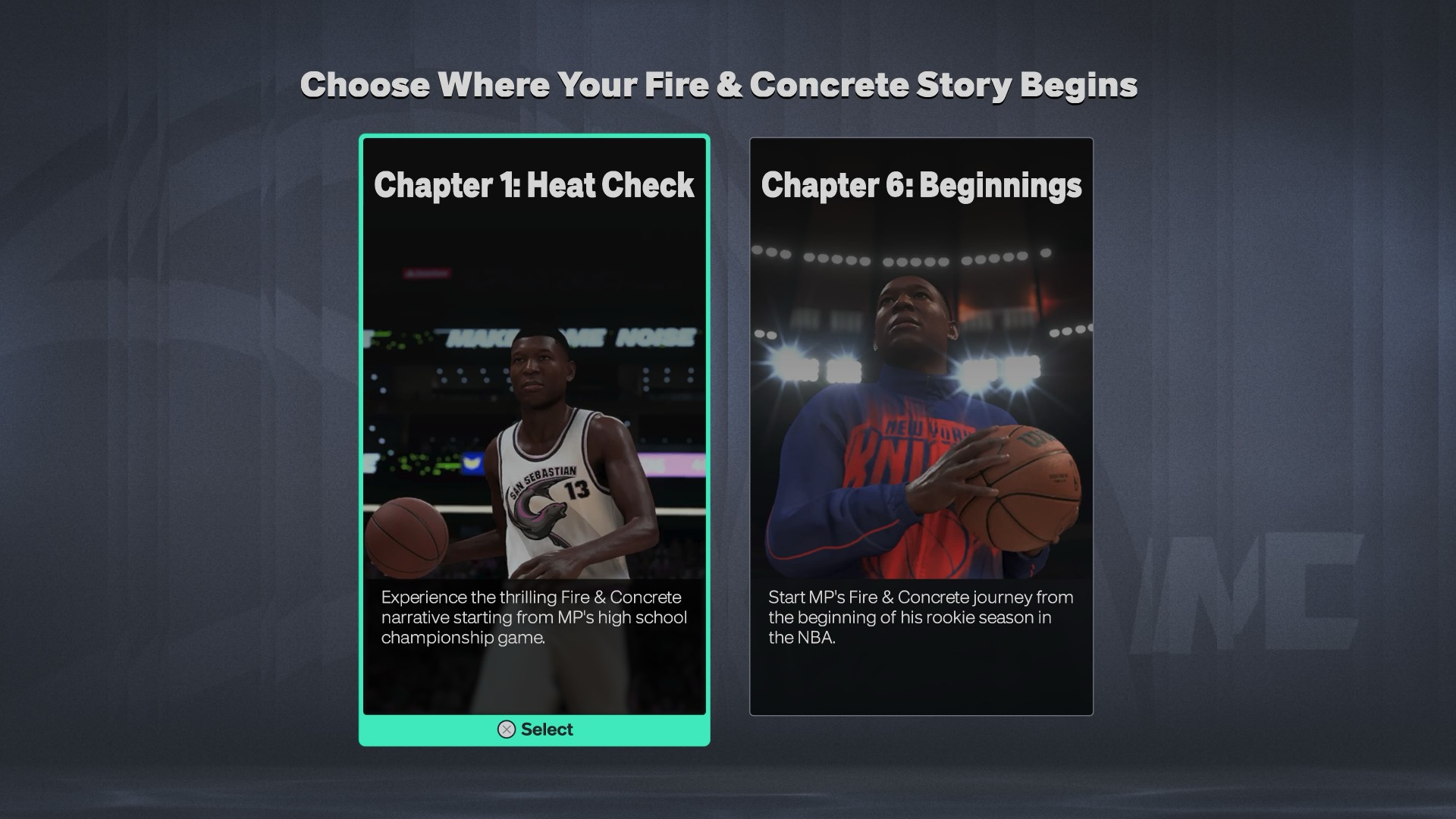
I’d love for the story to stretch into the NBA portion of MyCAREER instead of ending once you make it there. Give me choices that actually shape my career.
Even the little things could use more personality. I miss the days of Freq and Prez. Calling everyone MP for years just doesn’t have the same personality.
Give me less SGA and more Great Barrier Thief.
Let me earn my way into the NBA
The Draft could also be a much bigger part of the fantasy.
I haven’t reached it in my own playthrough yet, but I’ve seen that you can choose where you play anyway. That’s convenient, but I’d rather have more of a process.
Give me target teams. Let teams express interest. Put me through workouts and interviews, then let my performances influence where I land.
Maybe I dominate a workout and move up a team’s board. Maybe I struggle and fall to the second round. And maybe I don’t get drafted and have to fight through the G League.
Multiple paths would make each MyCAREER feel different.
More importantly, my path to the NBA should affect the career that follows.

Make the basketball part of the RPG
I don’t want NBA 2K to become a giant RPG where I’m spending hours managing menus and relationships instead of playing basketball.
The basketball itself should be the RPG.
Start me somewhere. Maybe I’m a fringe rotation player or a second-round pick. Perhaps I’m a highly touted lottery selection.
Then let me play my way forward.
Year one could be about earning a rotation spot. Year two might mean becoming a starter. By year three, perhaps I’m an All-Star. Later seasons can bring bigger expectations, roster changes, injuries, championships, and the question of what kind of player I want to become.
That’s progression that means something beyond XP and VC.
SEE ALSO: NBA 2K27 review: A two-way All-Star
Running Mate shows the potential
The Running Mate system gave me a glimpse of what this could look like.
At first, I found the objectives with Trace Miller annoying. Then I realized they were forcing me to be more deliberate and play better team basketball.
That’s a pretty neat tutorial for someone like me, especially since I built an Athletic Iso Savant who would rather create his own shot.
The co-op MyCAREER concept points in the same direction. I didn’t get enough time with a second player to properly judge it, but even the early objectives made me think about being a better teammate.
Imagine if those relationships evolved over several seasons. Your Running Mate could become a lifelong teammate, get traded, or force you to adjust your game as the roster changes.
The career itself can create the drama.
Let the progression breathe
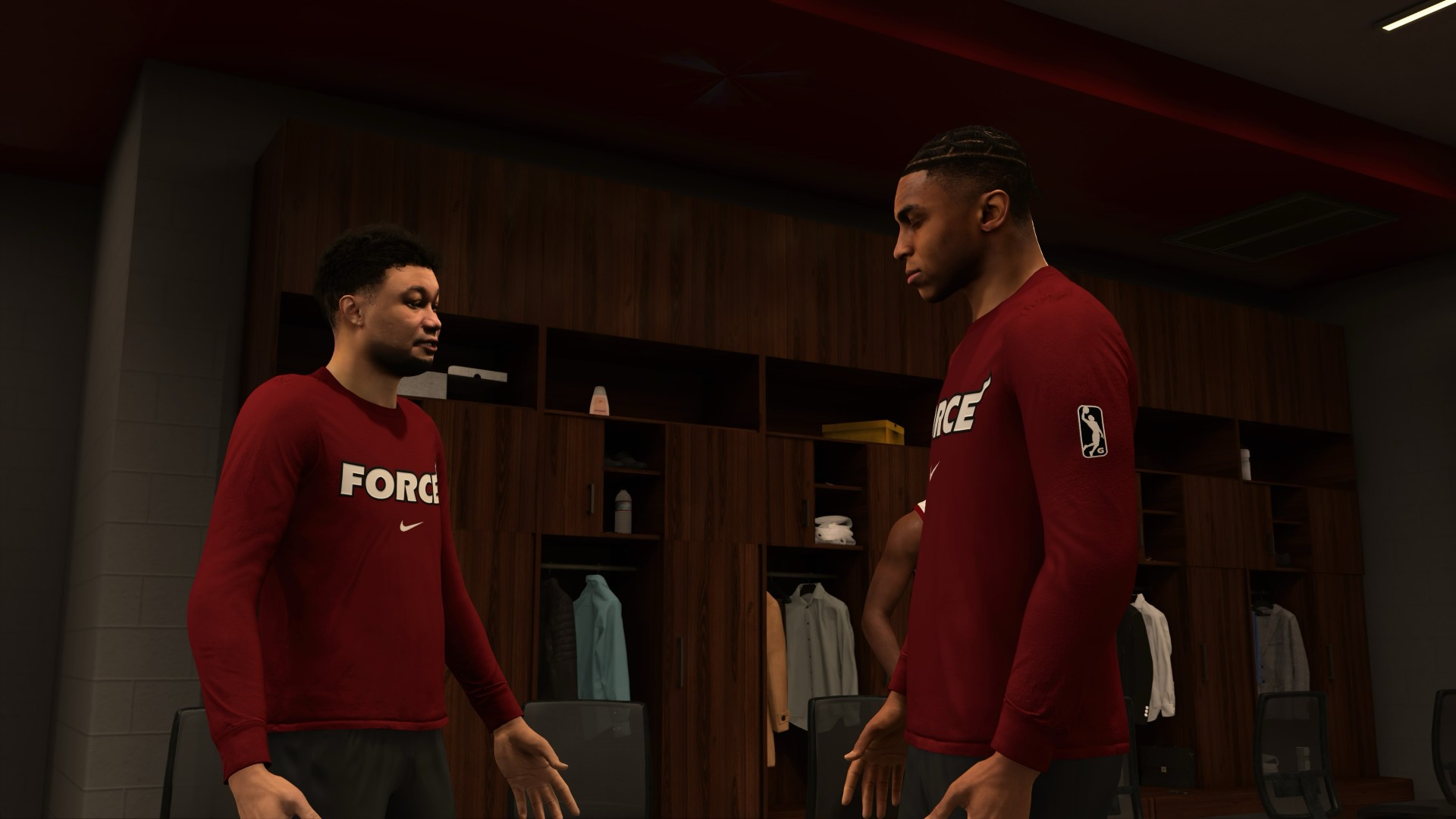
The starting rating of 60 is rough. If you don’t want to spend extra, you can grind activities like Casual Corner to reach the 73–75 range, where your player starts feeling like an actual NBA prospect.
But I’m not convinced the answer is simply starting everyone higher.
A 60 rating can make sense. The bigger issue is balancing progression for different kinds of players.
Some people have time to grind every game. Others don’t. Some will spend to speed things up. Others won’t.
NBA 2K27 already has Key Games, which lets you move through a season faster. The tradeoff is slower progression if you only play those.
I think that can work.
Want to become a Rookie MVP? Put in the work. Play more games. Perform better.
Want a more realistic career? Take your time and build your role naturally over several seasons.
That’s where MyCAREER Eras could really shine.
MyCAREER Eras is the Hail Mary
Introducing MyCAREER Eras showed me a potential time-travel, player-locked sandbox that’s waiting to be expanded upon.
I look at those historical eras and immediately think:
How else am I gonna help Allen Iverson get a ring?
That’s the kind of fantasy I want from NBA 2K.
The problem is that I can’t simply take my leveled-up build and jump into another era without having to level that build again through grinding or buying VC.
That’s the part that really rubbed me the wrong way.
If MyCAREER Eras is supposed to be an offline historical sandbox, it feels like the perfect place to take some of the live-service friction away.
Let me pick an era. Let me pick a year. And then let me bring in my player at the rating I’ve already earned.
Then let me play.
The City can remain the online, competitive side of NBA 2K. That’s clearly what a lot of players want, and that’s fine. It’s just not really my thing.
Give me an offline MyCAREER Eras sandbox focused on playing basketball and building a career.
And make it long.
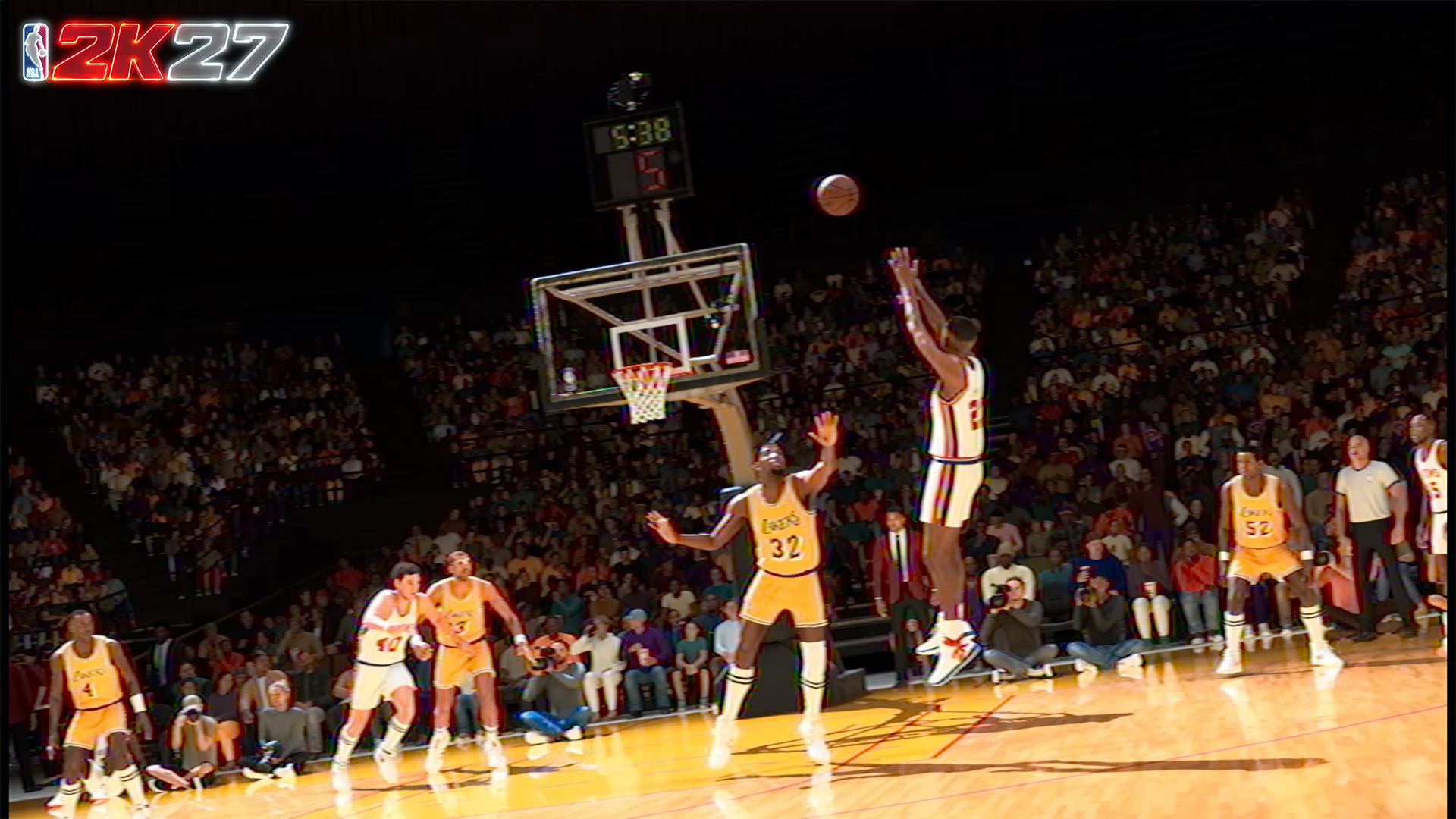
What if I could stay for five years?
This is probably the biggest change I’d want.
Let me play a full five-year NBA career with my player. Not because 2K needs to artificially stretch the mode, but because the career itself should evolve.
Maybe I start as a nobody and finish as a franchise player. Perhaps I get drafted by the wrong team and have to fight for a bigger role. Maybe I never become a superstar and instead become a sixth man who wins a championship.
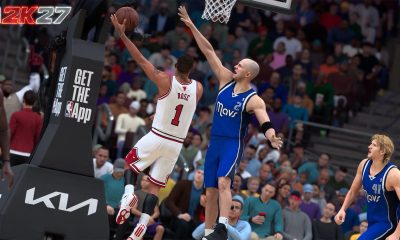
Maybe I become D-Rose’s Running Mate to a championship or two.
That’s where the fantasy becomes personal.
My suggested tweaks still need work. I’m not pretending I’ve figured out the perfect version of MyCAREER.
But MyCAREER Eras showed me something bigger than the feature itself: 2K has the beginnings of a time-travel, player-locked sandbox just waiting to be expanded.
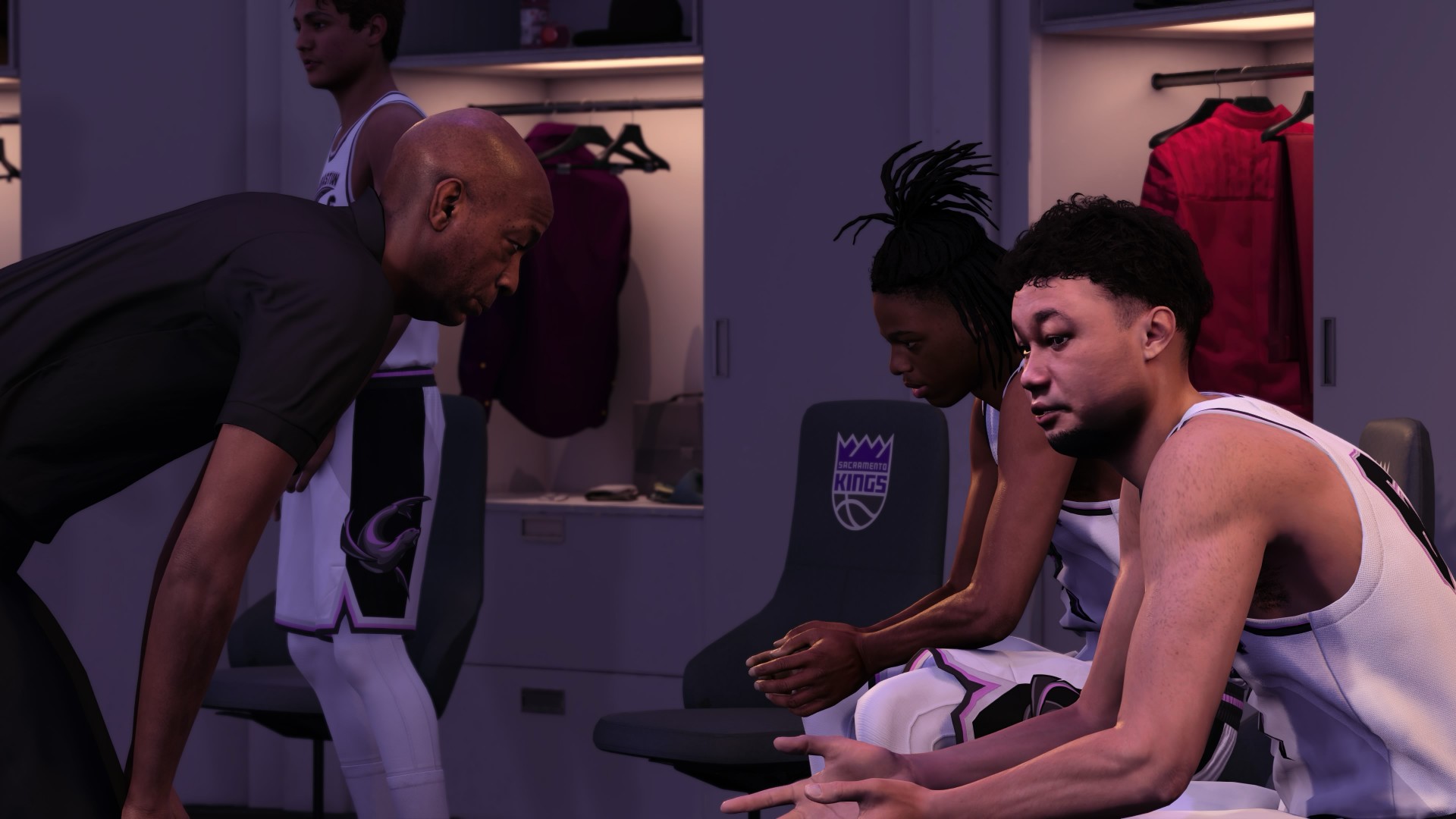
You’ve already made me care about my player. Now let me actually have a career.
Give me the basketball, the choices, and the time.
Then let me see where my career takes me.




Gaming
KINGDOM HEARTS Collection [I–III] now available on PS5, Switch 2
All-in-one collection launches

![KINGDOM HEARTS Collection [I-III]](https://www.gadgetmatch.com/wp-content/uploads/2026/10/kingdom-hearts-colletion-I-III-202610.png)
The KINGDOM HEARTS Collection [I–III] is now available on PlayStation 5, Nintendo Switch 2, Xbox Series X|S, and PC. Bandai Namco Entertainment Asia and Square Enix announced the collection’s launch on October 15, 2026, alongside the release of physical editions for PS5 and Nintendo Switch 2 in Southeast Asia.
The collection bundles three releases: KINGDOM HEARTS -HD 1.5+2.5 ReMIX-, KINGDOM HEARTS HD 2.8 Final Chapter Prologue, and KINGDOM HEARTS III + Re Mind (DLC). These include multiple games and cinematic compilations from the franchise, offering newcomers and returning fans a convenient way to experience Sora’s adventures.
The collection is available on Nintendo Switch 2, PS5, Xbox Series X|S, Steam, Xbox on PC, and the Epic Games Store. Individual titles are also available, while KINGDOM HEARTS -HD 1.5+2.5 ReMIX- will be available natively on the original Nintendo Switch.
Try Kingdom Hearts III for free
Newcomers can also try the free KINGDOM HEARTS III + Re Mind (DLC) demo on Nintendo Switch 2. It features two playable sections inspired by Disney’s Hercules and Disney-Pixar’s Toy Story.
Progress from the opening section through the early stages of Olympus carries over to the full game. However, save data from the Toy Box section does not transfer.
The Nintendo Switch 2 version also supports Japanese voiceovers through a separately downloadable Japanese Voice Pack DLC.
Platform-exclusive Keyblades
Players who purchase eligible editions of the collection or KINGDOM HEARTS III + Re Mind (DLC) can receive a platform-exclusive Keyblade.
- Nintendo Switch 2: Long Night
- PlayStation 5: Midnight Blue
- Xbox Series X|S: Phantom Green
The physical edition requires an internet connection to download additional game data. Digital pre-orders on PS5 and Xbox Series X|S also included 48-hour early access.
Players who own digital versions of the games on Nintendo Switch (Cloud Version), PS4, or Xbox One are eligible for discounts on digital purchases of the corresponding releases on Nintendo Switch 2, PS5, and Xbox Series X|S.
Nintendo Switch Cloud Version owners can also transfer their save data to Nintendo Switch 2. Other platforms do not support save data transfers.
The KINGDOM HEARTS series will celebrate its 25th anniversary in 2027.
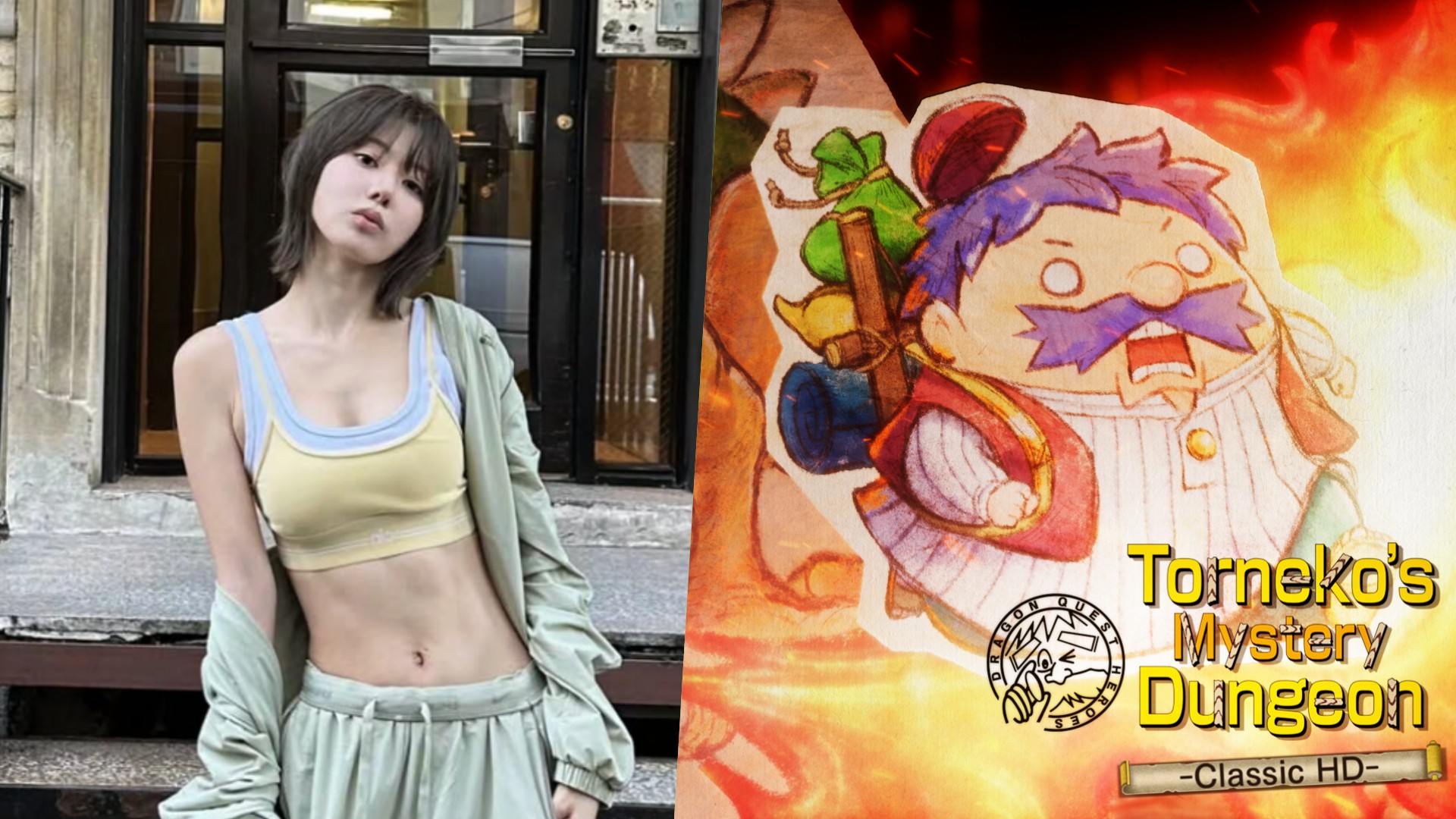
LE SSERAFIM member Sakura has a game recommendation for Nintendo Switch 2 owners, and it is an unexpected pick for fans looking for something to play.
During a fan send-off at the group’s PUREFLOW tour stop in Newark, New Jersey, a FEARNOT reportedly asked Sakura which Switch 2 game she would recommend. She pointed the fan toward Torneko’s Mystery Dungeon, a classic RPG from Square Enix.
The Newark concert took place at the Prudential Center on October 8, 2026. The game Sakura mentioned is now available internationally as Dragon Quest Heroes: Torneko’s Mystery Dungeon -Classic HD-.
What is Torneko’s Mystery Dungeon about?
The game follows Torneko Taloon, a merchant from Dragon Quest IV who dreams of becoming the world’s greatest weapons dealer.
Torneko hears rumors of a mysterious dungeon filled with incredible treasures. He ventures inside to collect valuable items, bring them home, and expand his shop.
The premise is straightforward, but surviving the dungeon is another story. Each expedition brings a new layout, different items, and new monsters. Torneko must make it out alive if he wants to keep the treasures he finds.
Source: Official Dragon Quest website
What kind of game is it?
Torneko’s Mystery Dungeon is a turn-based roguelike dungeon crawler with RPG and resource-management elements.
Every step counts as a turn. When Torneko moves, enemies move too. Players must decide when to fight, when to use items, and when to retreat. Poor decisions can quickly turn a promising run into a disaster.
Death also carries a hefty penalty. Torneko loses the items collected during a failed expedition and returns to the first floor at Level 1. However, successfully bringing items home helps expand his shop and provides a sense of long-term progression.
The game originally debuted in Japan in 1993. Its Classic HD release brings the pioneering dungeon crawler to international audiences with updated visuals, an official English localization, and adjustable difficulty options.
The game is available on Nintendo Switch 2, Nintendo Switch, PlayStation 5, Xbox Series X|S, and PC.
How long does it take to beat?
According to HowLongToBeat estimates reported by M4 Games, the main story takes around 7.5 hours to complete. A playthrough that includes additional content takes approximately 16 hours.
Those estimates offer a useful starting point, but the game’s procedural dungeons and punishing mechanics can affect how long individual players need to finish it.
What do critics and players think?
Torneko’s Mystery Dungeon -Classic HD- has received a mixed-to-positive response from critics.
Review aggregator listings put its critical reception around the high 60s to low 70s out of 100, depending on the platform and the aggregator. RPGFan awarded it an 80/100, praising its strategic dungeon runs, charming Dragon Quest monsters, and satisfying progression.
However, the game also shows its age. Critics have pointed to dated presentation, limited quality-of-life improvements, and pacing issues. Its demanding mechanics may also frustrate players who prefer more modern, forgiving roguelikes.
The general sentiment is that the core gameplay remains engaging, particularly for fans of classic RPGs and dungeon crawlers. However, this is a 1993 game at heart, and its remaster does not completely modernize the experience.
Sources: RPGFan, CriticDB, Steam player reviews
Would you play it because of the game or because of Sakura?
Let’s be honest. A recommendation from Sakura might be enough to make some FEARNOTs curious about a game they would otherwise overlook.
From a gameplay perspective, Torneko’s Mystery Dungeon -Classic HD- offers a glimpse into the roots of a genre that continues to thrive today. Its turn-based combat, randomly generated dungeons, and risk-reward loop could appeal to players who enjoy methodical RPGs.
Still, the game isn’t necessarily for everyone. Its old-school design and punishing mechanics may require some patience, especially for players accustomed to more modern dungeon crawlers.
Personally, I’d be tempted to give it a shot because of Sakura. 👀
Whether the game itself can keep me playing is another question. But if a FEARNOT is looking for a new Switch 2 game and Sakura recommends this one, that might be reason enough to take a closer look.
Would you play Torneko’s Mystery Dungeon because of the gameplay, or because Sakura recommended it?
Gaming
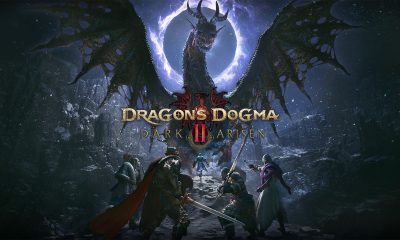
Dragon’s Dogma 2: Dark Arisen launches with new Official Pawns
Myrtle Sarrosa and Alodia Gosiengfiao join the adventure.
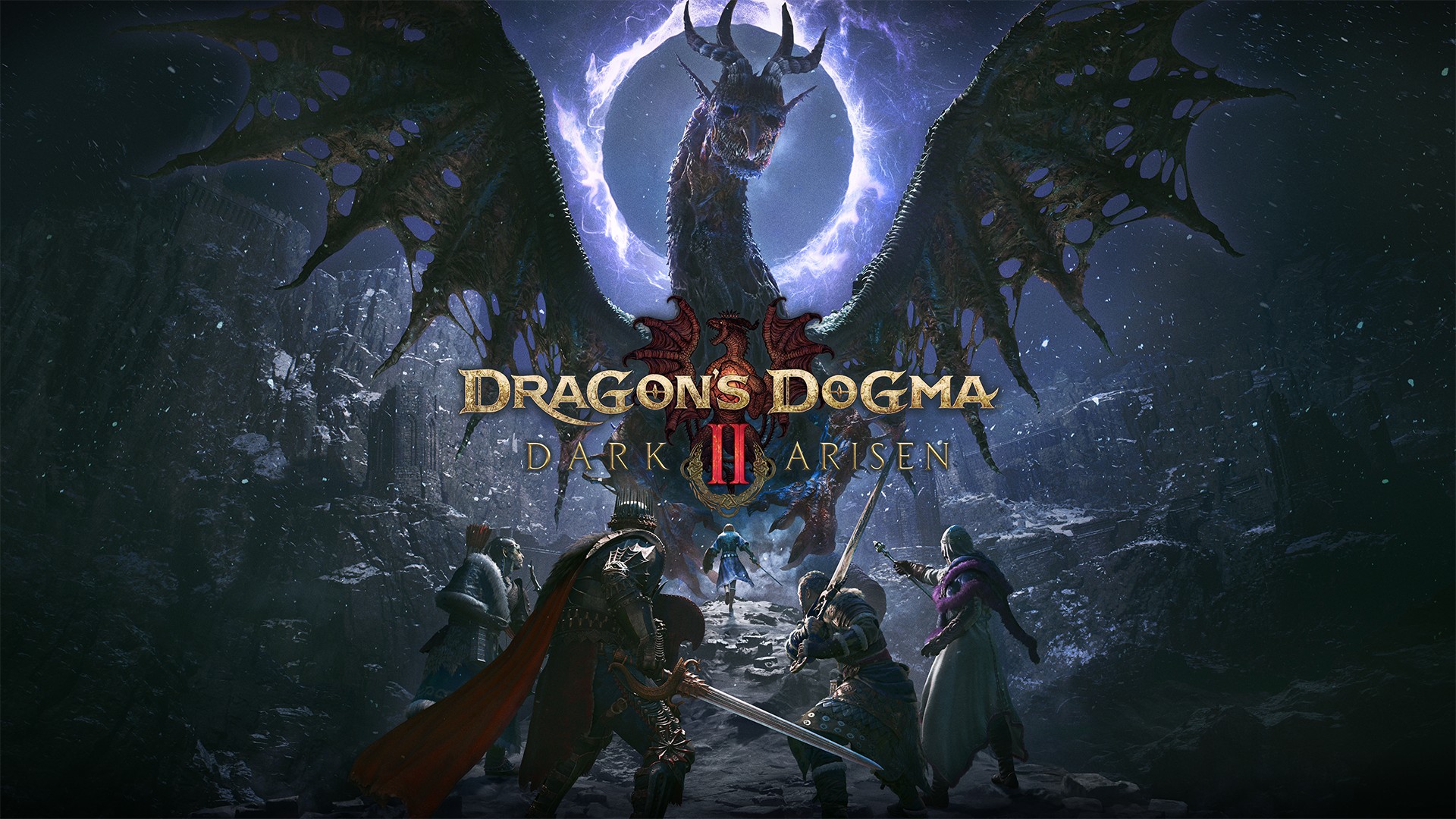
Dragon’s Dogma 2: Dark Arisen is now available, bringing new adventures, dungeons, and creator-inspired companions to the fantasy RPG.
The release introduces the Northern region of Norgan, where players must team up with the mysterious Eir to uncover the secrets of the undying Fallen Dragon. The expansion also adds new weapons, skills, character customization options, and 12 Lost Rites Dungeon Challenges.
Players can watch the official launch trailer below.
Watch the official launch trailer
Creators join the adventure as Official Pawns
Several gaming creators from across Asia are joining the game as summonable Official Pawns. These companions offer different combat roles and specializations to help players explore Norgan and take on its challenges.
New additions include Filipino cosplayer and gaming content creator Myrtle Sarrosa, whose Official Pawn, Myrtle Gail, specializes in frontline defense as a Fighter. Other new Official Pawns include BBS from Indian gaming creator BeastBoyShub, Mr.G from Thai creator Gssspotted, and Xyaa from Indian gaming creator Xyaa.
Each companion brings a distinct role to the party, from healing and defensive support to ranged attacks and high-speed melee combat.
Returning Official Pawns also receive upgrades. Filipino gaming personality Alodia Gosiengfiao returns with her Sorcerer Pawn, Alodia, featuring an updated appearance and powerful spells, including Meteoron.
Thai gaming creator HEARTROCKER also returns with FrungFringZ, a Sorcerer equipped with high-level skills and Augural Flare, a powerful spell designed to deal heavy damage to bosses.
Gaming channel The Jooomers brings back Rattlexnake, an evolving companion currently available on Steam. Its vocation, equipment, skills, and combat tactics adapt as its creator progresses through the game.
Players can learn more about the available companions through the official Pawn website.
Available on Nintendo Switch 2 and other platforms
Dragon’s Dogma 2: Dark Arisen makes its franchise debut on Nintendo Switch 2, bundling the base game with all Dark Arisen expansion content.
The complete package is also available on PlayStation 5, Xbox Series X|S, and PC via Steam. Players who already own the base game on these platforms can purchase the Dark Arisen Expansion separately.
The expansion introduces new challenges and equipment while expanding the original game’s world with the frozen Northern region of Norgan. Players can also customize their characters with additional hairstyles and tattoos.
Pricing and availability
Dragon’s Dogma 2: Dark Arisen is available now on Nintendo Switch 2, PlayStation 5, Xbox Series X|S, and PC via Steam.
The complete package has a suggested retail price of S$60.90, while the Dark Arisen Expansion is available separately for S$36.90 on PlayStation 5, Xbox Series X|S, and PC via Steam.
The complete package includes:
- Dragon’s Dogma 2: Dark Arisen
- Explorer’s Camping Kit
- Dragon’s Dogma Music & Sound Collection, featuring custom sounds





iPhone Duo Philippines: Prices, installments, and where to buy
![KINGDOM HEARTS Collection [I-III]](https://www.gadgetmatch.com/wp-content/uploads/2026/10/kingdom-hearts-colletion-I-III-202610-80x80.png)
KINGDOM HEARTS Collection [I–III] now available on PS5, Switch 2

TECNO CAMON Slim 5G gets launch discounts, free MagBadge

LE SSERAFIM Sakura recommends this game to a fan

Smart opens iPhone Duo pre-orders today

vivo X500 Series launches with major imaging upgrades

OPPO Find X10 Pro Max is the first phone with a triple 200MP camera system

TECNO CAMON Slim 5G: Price, availability in the Philippines

TECNO CAMON Slim 5G review: Slim on size, big on surprise

HONOR Magic9 Pro Max launches in China with ARRI-powered imaging


-

 News1 week ago
OPPO Find X10 Series launches globally October 21
-

 Features2 weeks ago
Nike’s new race-day system, explained
-

 News2 weeks ago
Sony teams up with Hello Kitty for exclusive limited-edition collection
-

 Wearables1 week ago
Garmin Enduro 4 promises up to 320 hours of battery life
-

 Gaming2 weeks ago
The Ace Combat 8: Wings of Theve launch event is happening this week
-

 News2 weeks ago
iPhone 18 series breaks records in Vietnam as pre-orders triple
-
 Gaming5 days ago
Dragon’s Dogma 2: Dark Arisen launches with new Official Pawns
-

 Wearables6 days ago
Garmin Approach S72 brings swing metrics, green reading to your wrist