


In a modern world dominated by flagships and midrangers, budget smartphones are often undervalued just because of the mere value they bring to the table.
But, let’s be real. Not everyone chases specs. There are users who simply need a phone they can afford without all the best-in-class bells and whistles often glorified but spec-obsessed nerds.
Well, the TECNO SPARK 50 5G might just be that handy-dandy everyday companion you need.
First Look
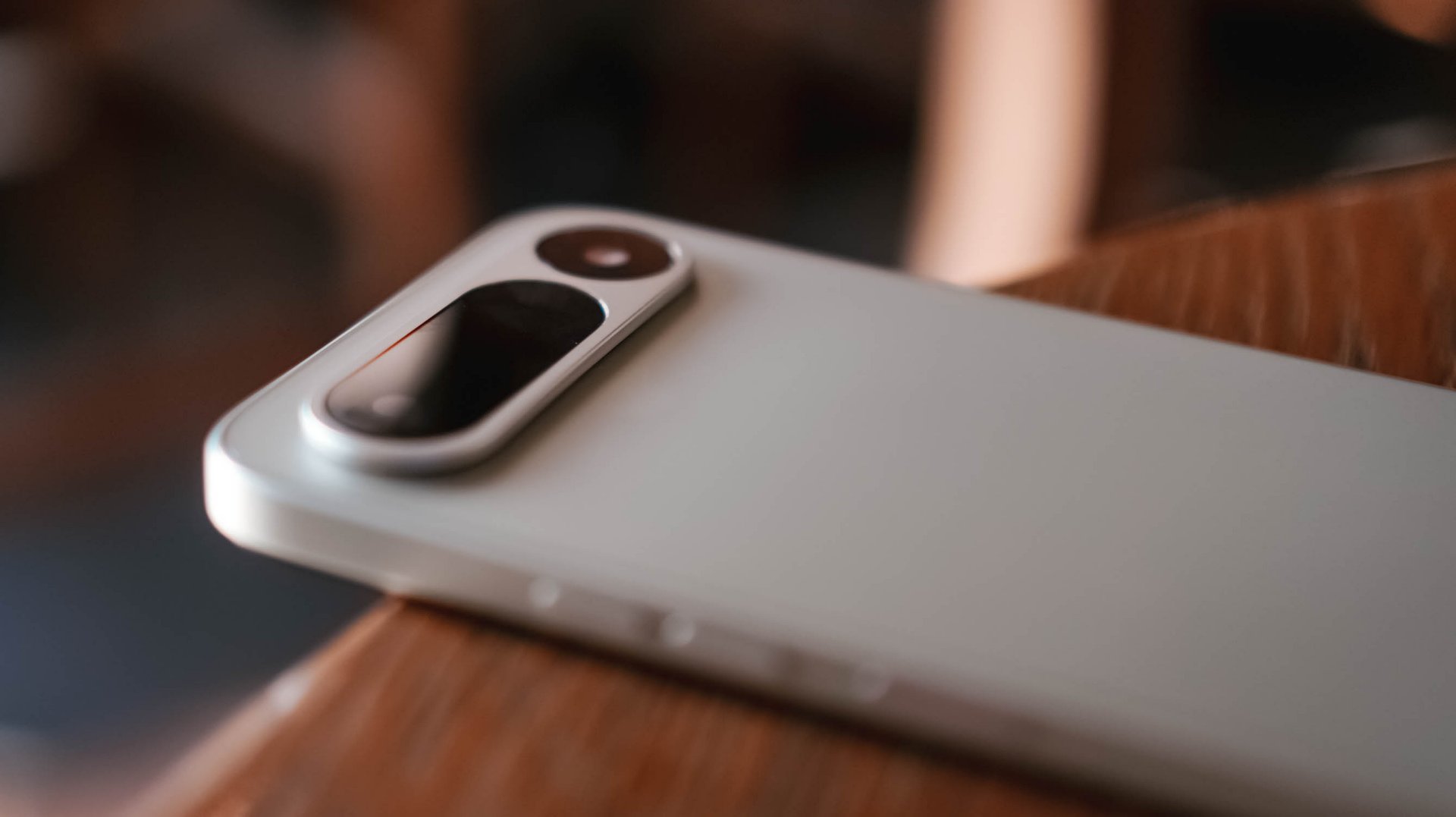
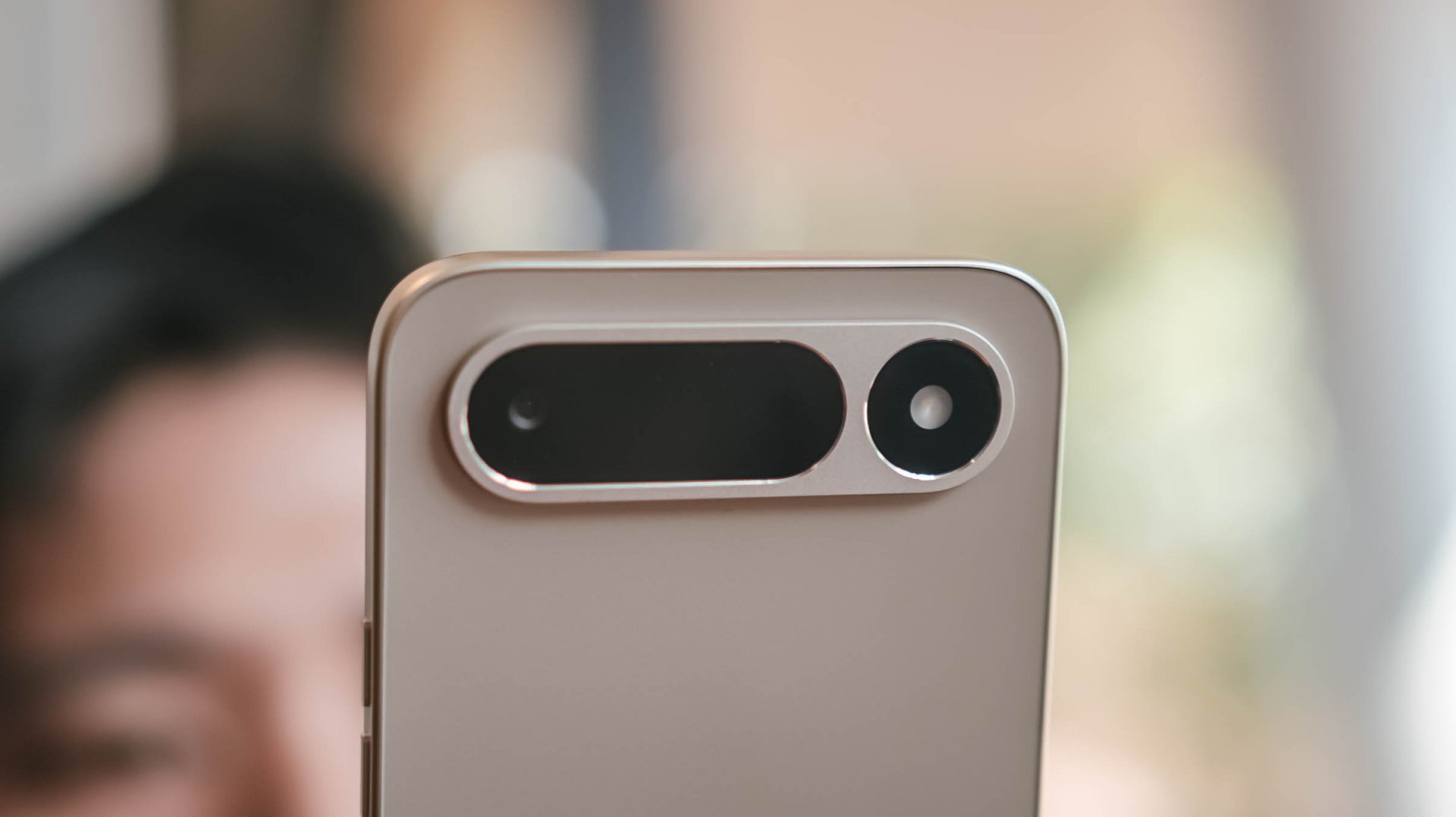
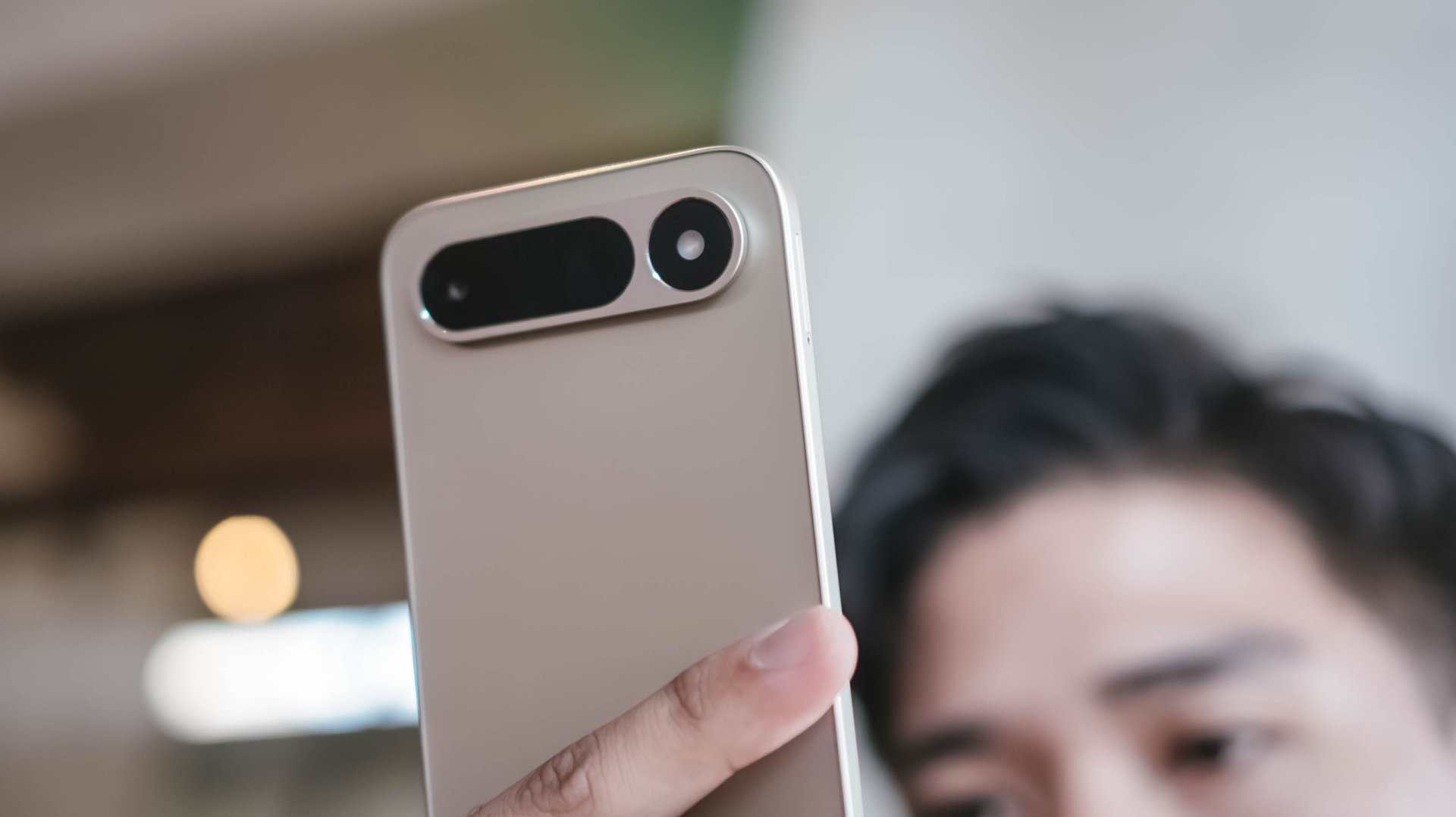
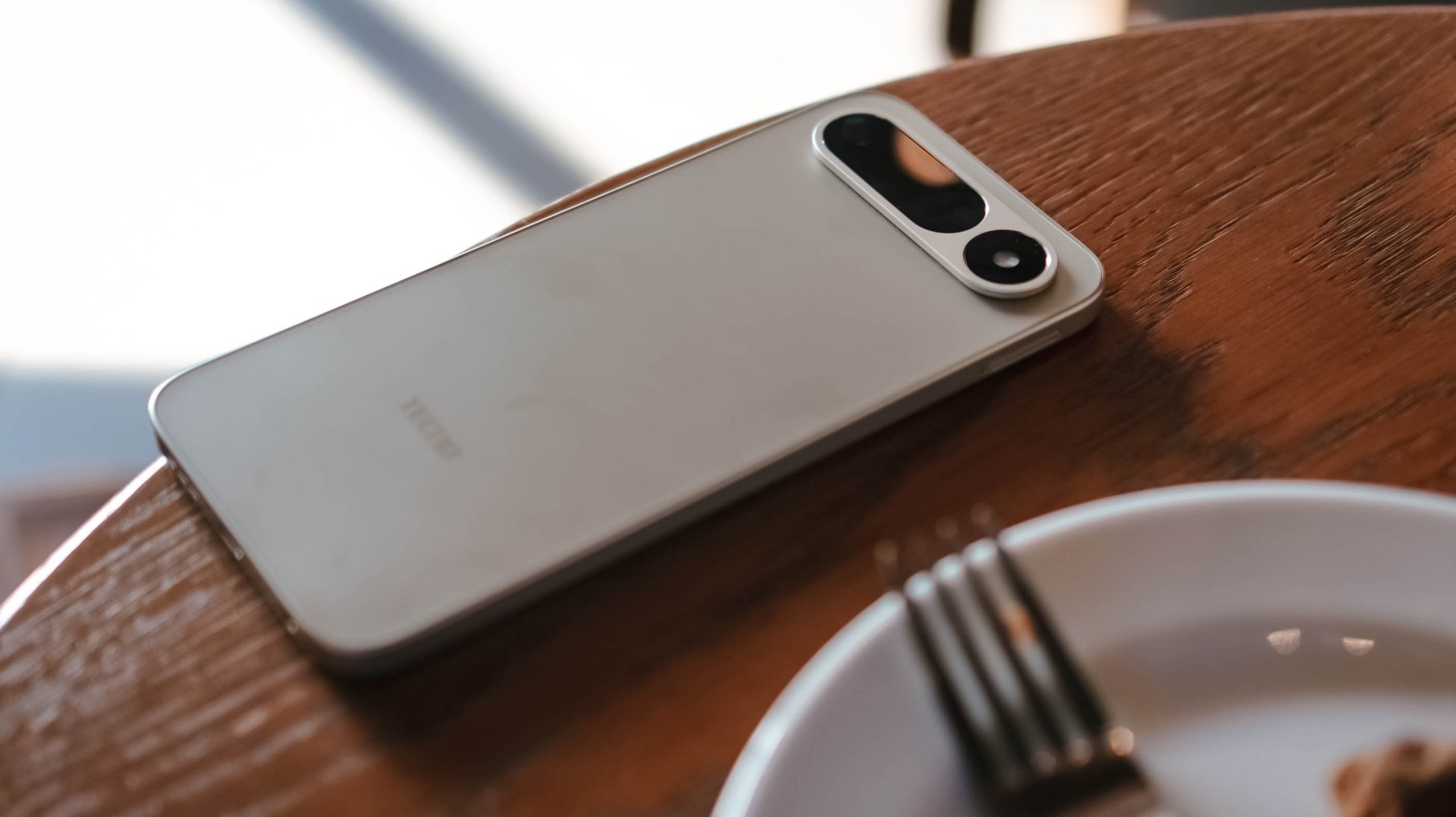
Right off the bat, the TECNO SPARK 50 5G will instantly remind you of Google’s recent Pixel phones. That camera bar is very reminiscent of the Pixel 9 and 10’s camera “visor.”
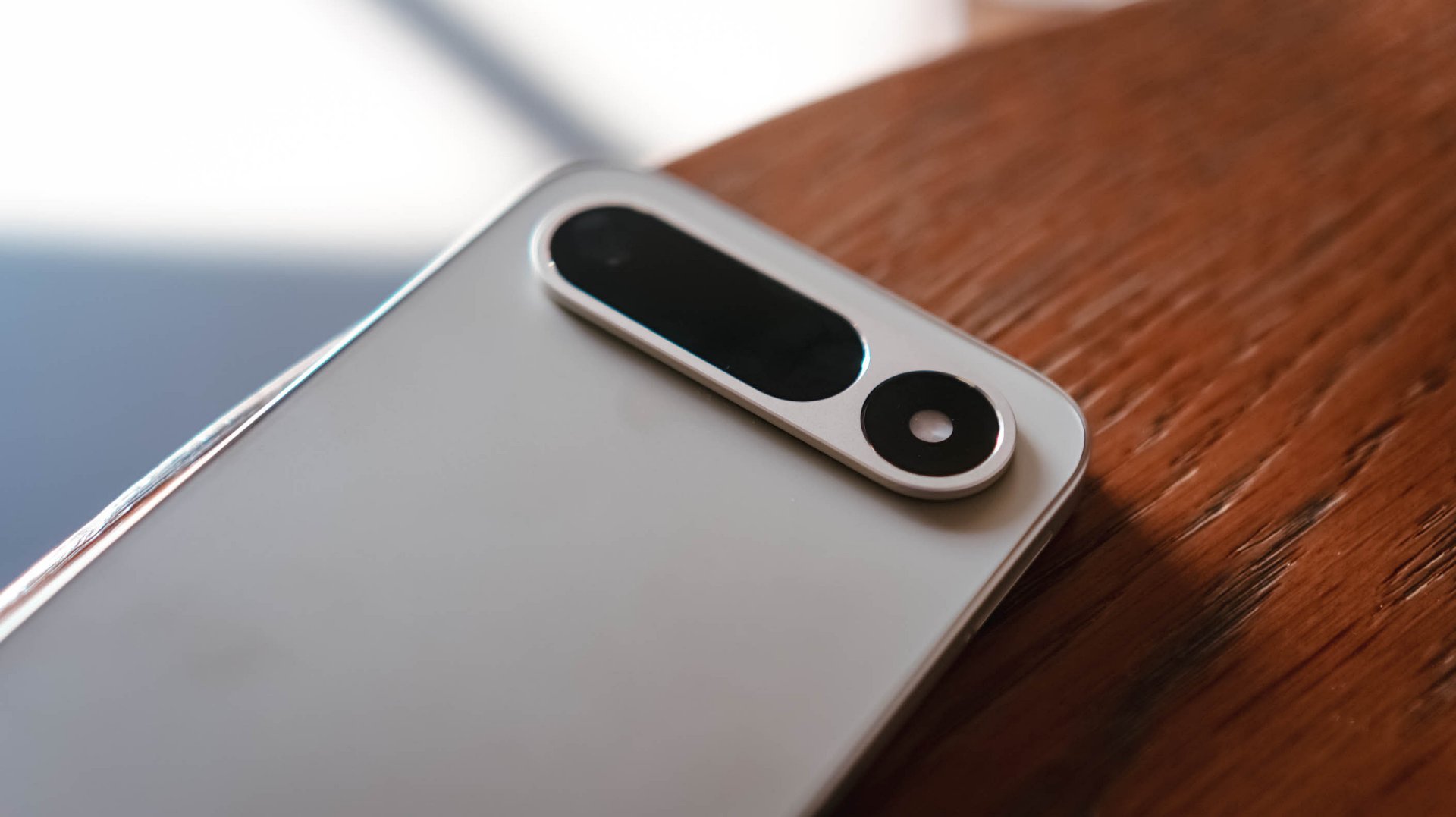
This isn’t a complaint. SPARK 50 5G’s camera island looks cleaner than that overly-used, left-justified square camera cutout popularized by Apple during the reign of their iPhone Pro series.
More so, it avoids joining the bandwagon of phones imitating the all-new “camera plateau” of the iPhone 17 Pro series.
Coincidental or not, it even reminds me of Apple’s pill-shaped Dynamic Island — or that interactive area around the punch-hole cutout that’s found among newer iPhones.
And now that we’re at it, let’s flip the SPARK 50 5G to its front.
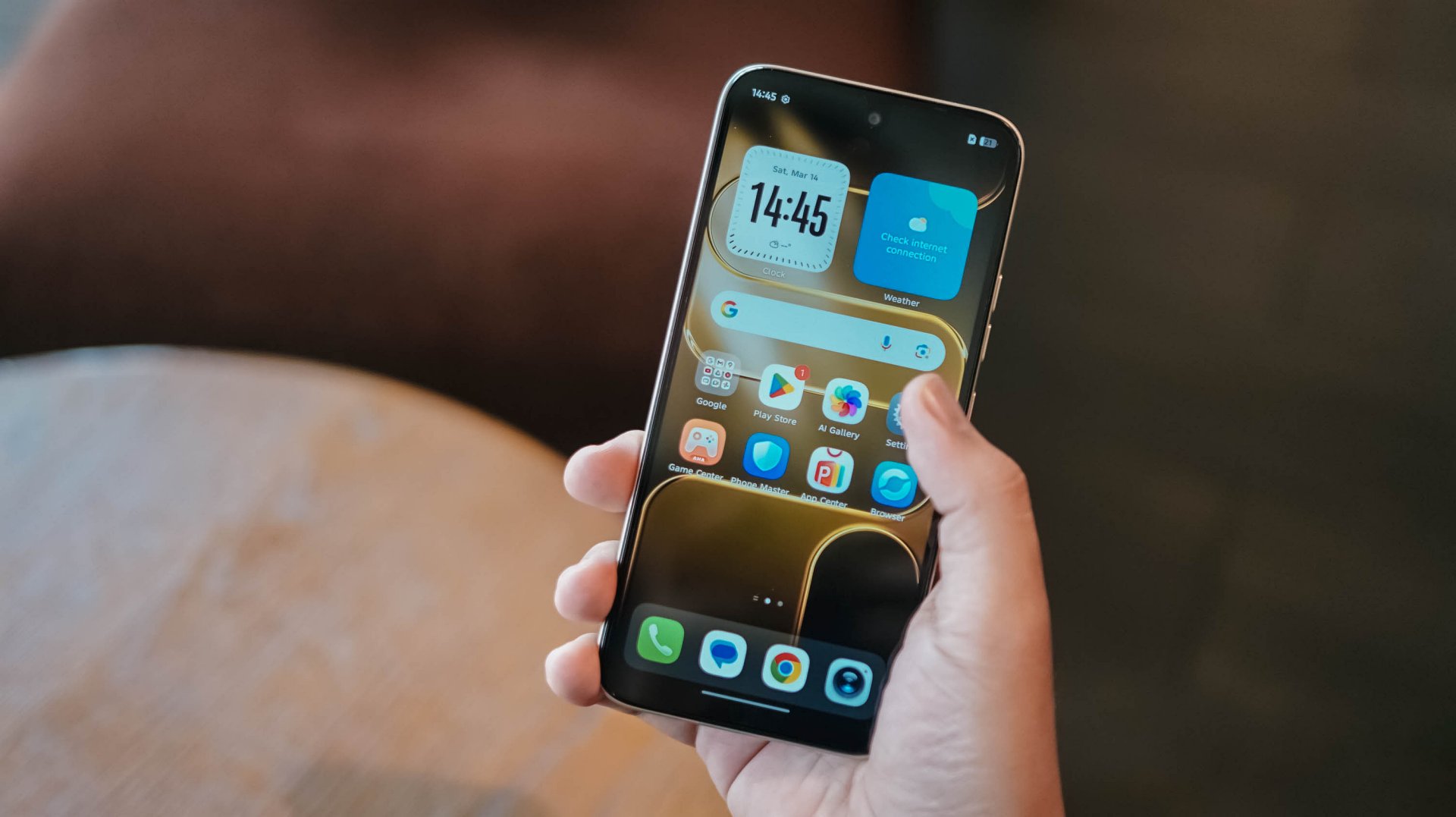
The moment you power on the device, you’d be welcomed by its large 6.78-inch punch-hole display. However, bigger doesn’t always mean better.
Not-so-thin bezels and that awfully-thicc bottom chin aside, I’m more concerned about its display quality.
I’m not trying to be very nit-picky but, my clear eyes can easily distinguish that its 720p screen resolution is quite a stretch for a screen this big.
Ain’t even expecting a class-leading OLED display (this is an IPS LCD type, BTW). However, a 1080p Full HD would have been more plausible.

Don’t even get me started with that subpar max brightness, backlight bleeding, alongside poor viewing angles and legibility.
And, even if it features a 120Hz refresh rate that smoothens day-to-day scrolling and switching, it doesn’t totally override the fact that the display is not up to par.
Still, the choice of punch-hole is heaps better than other phone makers continuously making phones with teardrop notches — which is turning almost a decade next year.
I’m just glad TECNO halted (if not completely stopped) putting it among their recent budget offerings.
First Date
While I have strong feelings against its display, the overall feel of the SPARK 50 5G is of the opposite. Holding the phone for the first time barely looked and felt cheap at all.
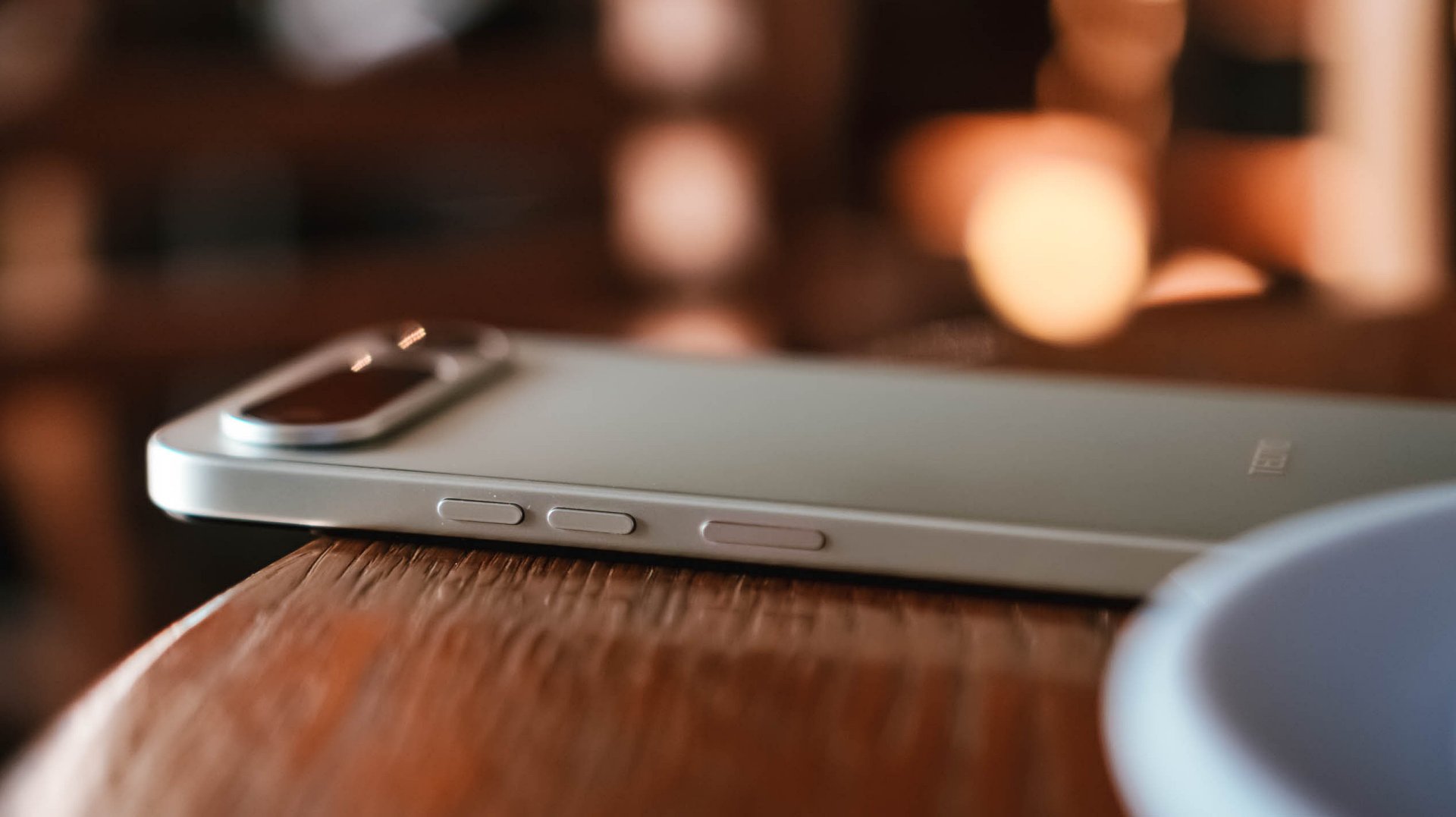
Setting the bar high, TECNO’s SPARK 50 5G is made from aviation-grade aluminum — which some other plasticky budget phones can only dream of.
With that durability talk, it’s also worth noting it’s also IP64-rated as well as MIL-STD-810H certified.
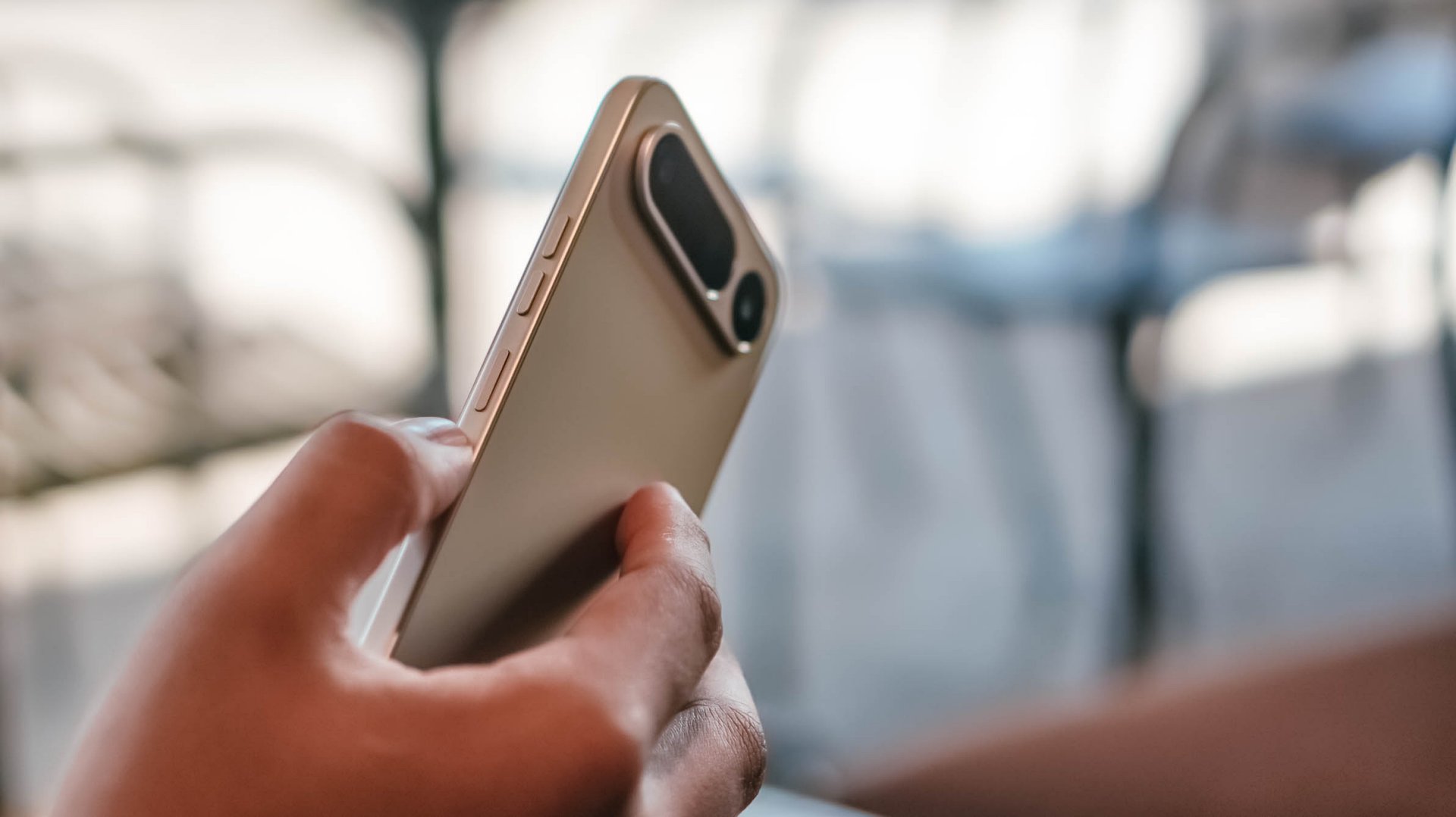
Personally, I love the classy and luxe Champagne Gold colorway that I’ve dated.
There are bolder colors too such as Mint Green and Fantasy Purple. More so, the subdued Titanium Grey and Ink Black options.
After setting everything up, the phone greets you with TECNO’s latest HiOS 16 based on Android 16.
Despite its price point, TECNO didn’t leave out all the usable AI feats originally announced in the recent CAMON 50 series.

Not only it includes the usual AI Tools and Ella (or its smart AI Assistant), the newer AI FlashMemo as well as AI MindHub are ever-present as well. These intelligently discern content you consume or whatever you’re curious about.
I’m not a total h-AI-ter as I believe that AI, when used responsibly, gives much leverage to users. It balances an individual’s time so s/he can work and focus more on things that need to be prioritized.
Still, I blame AI for the sharp price rise of components among all consumer devices imaginable.
Now that I’ve mentioned it, TECNO’s SPARK 50 5G comes in either 128 or 256GB of storage and memory choices between 4/8/12/16GB (region-dependent).
At its core lies MediaTek’s Dimensity 6400 SoC. For the market it tries to lure, this is a chipset capable of handling most tasks.
It’s a better option if you’re someone like me who relies on 5G connectivity most of the time. Its Helio G200 counterpart, while speedy and reliant, has 4G as its biggest drawback.
Gaming? Well, it’s obviously not built for that.
Still, it’s playable for the not-so-demanding-games: 60fps in PUBG while 90fps with the widely popular Mobile Legends: Bang Bang (MLBB).
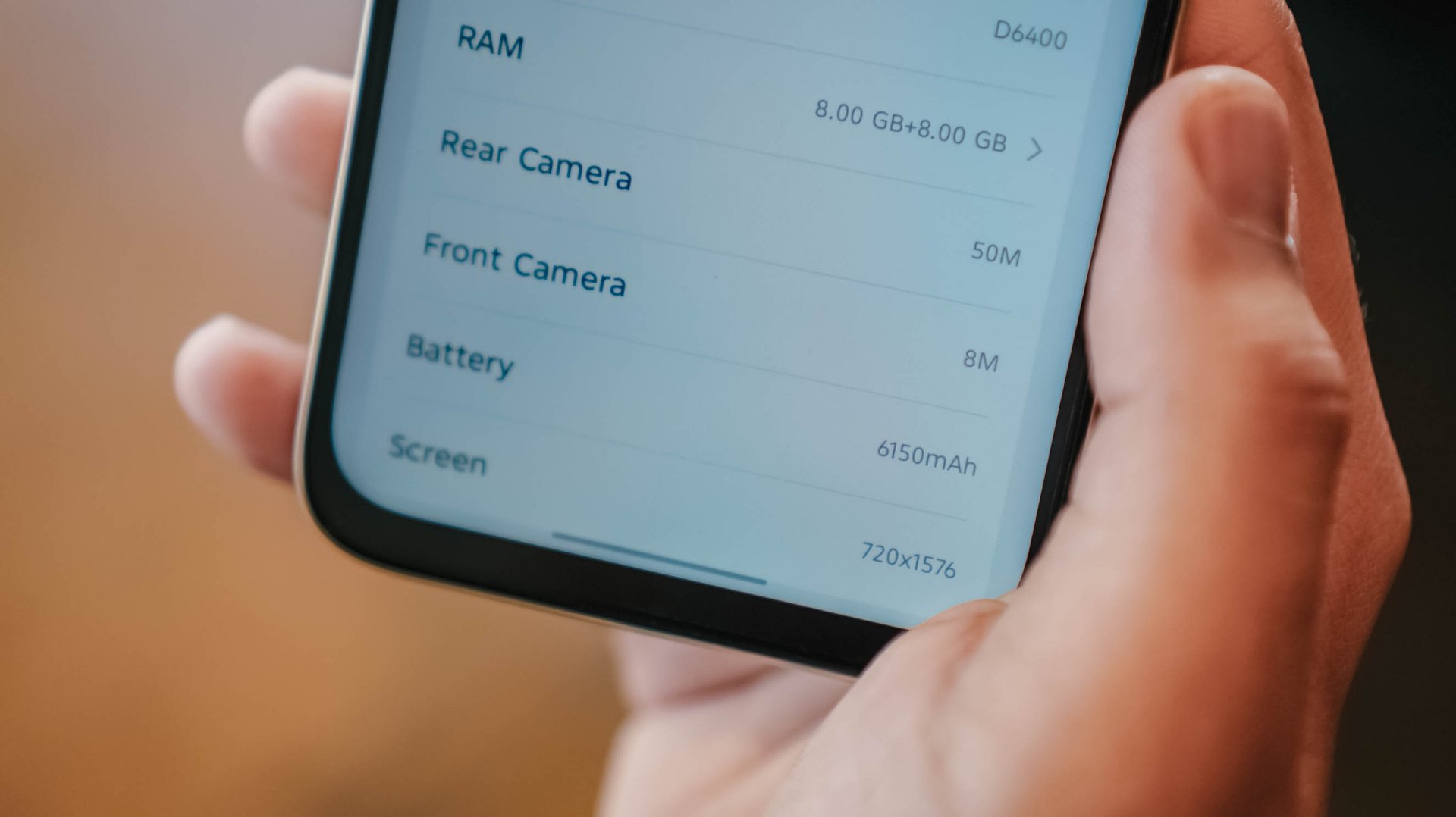
Even with just a chassis of 8.18mm, TECNO has managed to put in a 6500mAh single-cell battery (or a lesser 6150mAh dual-cell variant that I have with me).
Still, the TECNO SPARK 50 5G has outlasted me more — way past midnight after that full-day first date.
If you’re already in a pinch, the phone can be charged through its 45W fast-charging adapter bundled in its box. ICYMI, last year’s SPARK 40 5G relied on a painfully-slow 18W charging.

And, before I forget, I just missed the novelty of side-mounted fingerprint scanner. I still consider it better than the optical ones.
Lastly, despite that elongated camera bar at its rear, the SPARK 50 5G is only equipped with a lone 50MP camera.
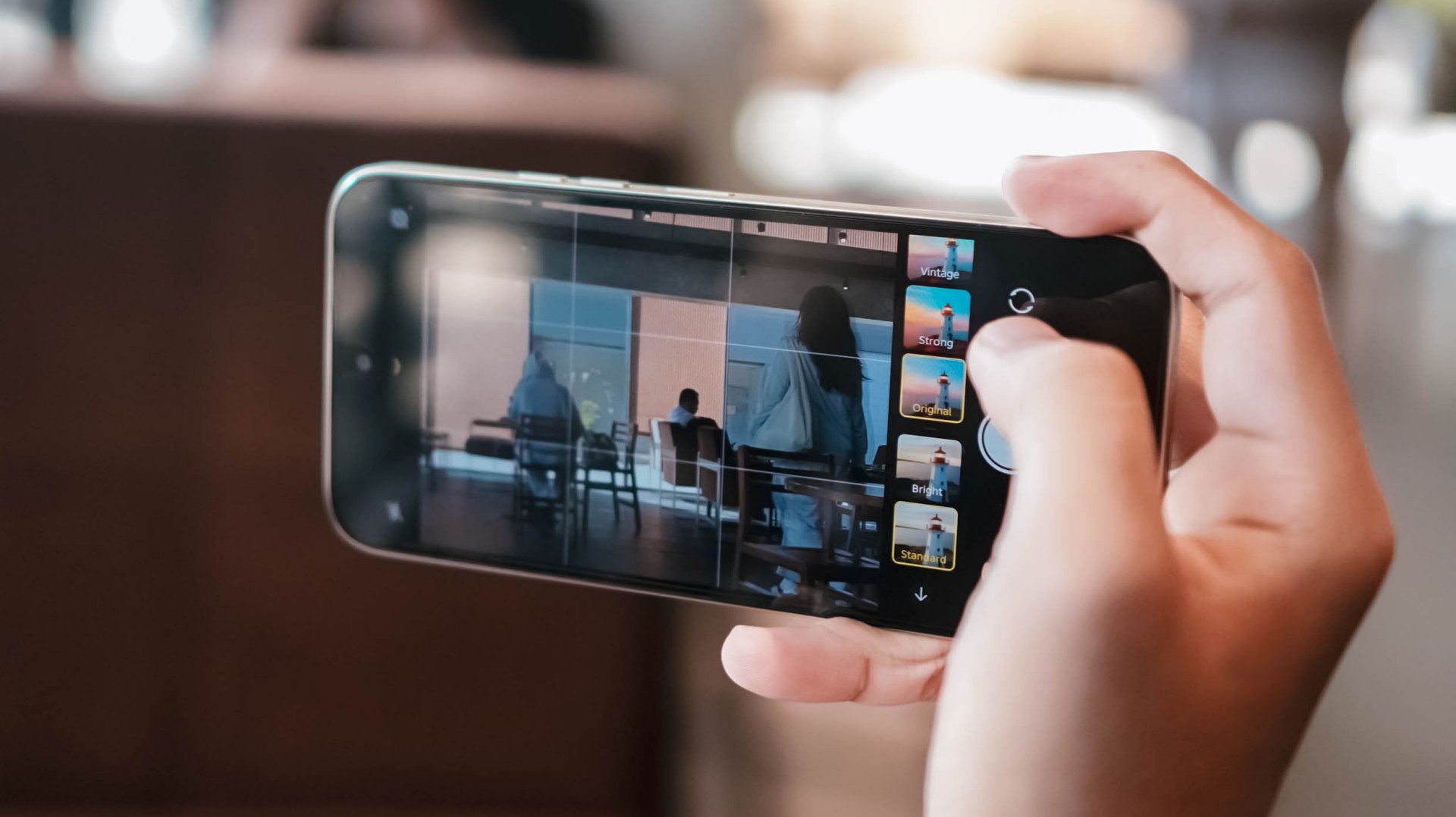
Although AI FlashSnap exists, the camera app being somewhat sluggish evades the purpose of that camera feature per se.
While cameras have never been the strong point of the SPARK series, it should be enough for users who just want a functioning rear camera not just for document-scanning, but for life moments as well.
Its 8MP shooter can still capture selfies — or just be used for those unavoidable school and/or work video calls.
First Impressions
With a starting price (4+128GB base config) of PhP 10,499 / INR 16,999 (approx. US$ 180 / EUR 160 / GBP 135 / SG$ 235 / MYR 735), the TECNO SPARK 50 5G isn’t the most well-rounded budget smartphone around.
However, that introductory price of PhP 8,299 is hard to resist to those who need it.
Overall, this phone will still satisfy the general, non-tech-savvy population. That sophisticated design, solid build quality, ginormous battery with reliable fast charging, smart AI-powered OS. Even 5G-capable chipset in this price range?
Did I even mention that it still rocks the almost obsolete microSD card slot and 3.5mm audio jack?
Obviously, I’m not the target user of this phone. Especially as a creative guy who values display and cameras a lot.

However, technophobes might get the hang of this phone when they take it out on a lovely, more intimate date more than twice. The phone is as straightforward as it can get. Sans, exploring the more complex AI tools within.
Still, this is a phone suitable for a wider range of user base consisting of kids, young students, the elderly, or even everyday workers who just need a reliable phone that they can bring around without sacrificing too much of their hard-earned savings — especially in an economy we live in right now.


Accessories
Jackery Explorer 300D: Power and portability in one
Uninterrupted workflows for digital nomads, freelance creatives, more

For digital nomads, freelance creatives, and even work-from-home professionals, staying productive on the move means carrying around multiple gadgets, cords, adapters, and power banks to survive the day.
Having to carry such weight, quite literally, is vital for maintaining workflow continuity.
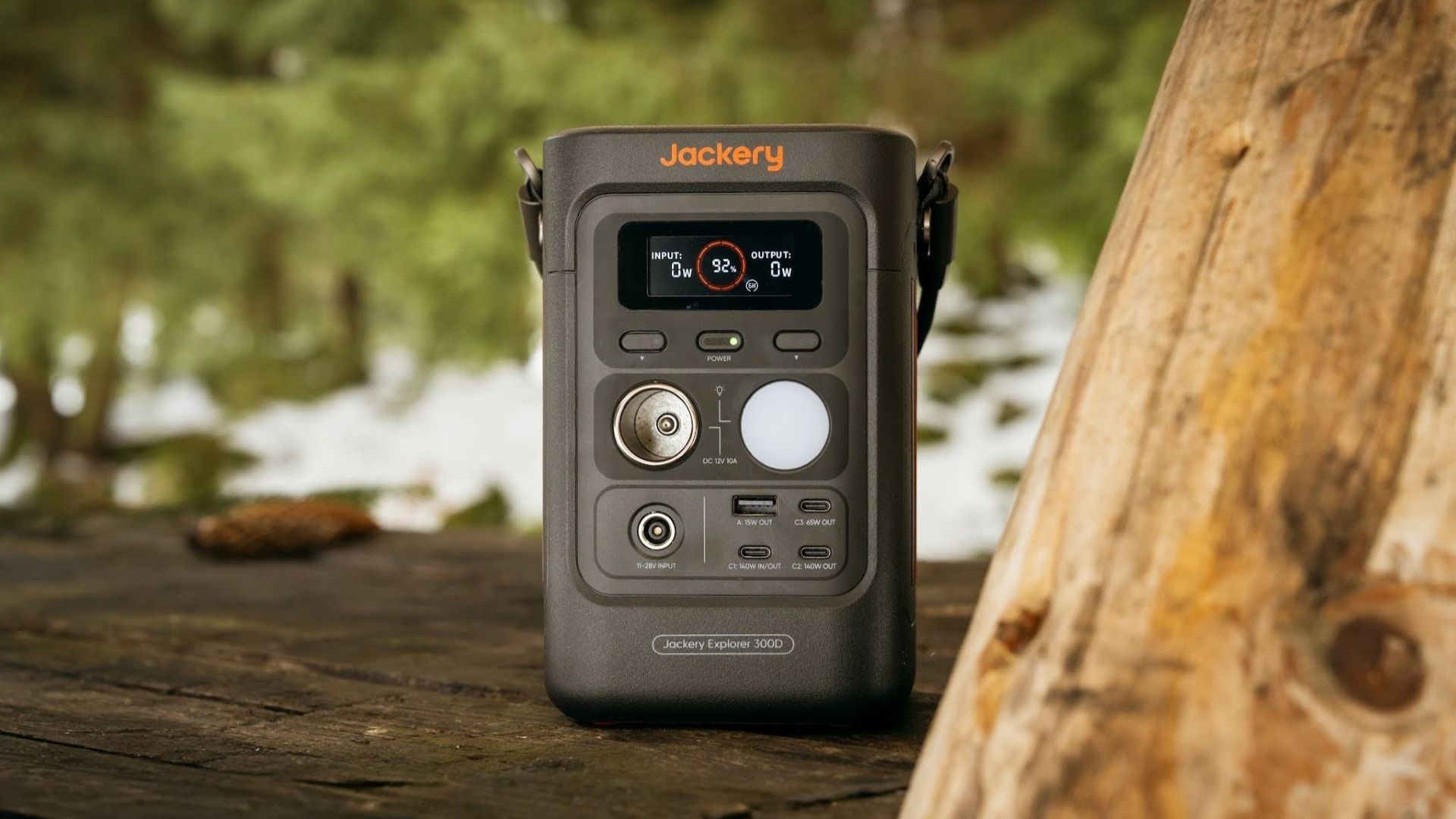
For a more seamless experience and to have just one extra portable device to power all working parts, there’s the Jackery Explorer 300D.
Launched just last month, this grab-and-go offering from Jackery is designed for the modern lifestyle.
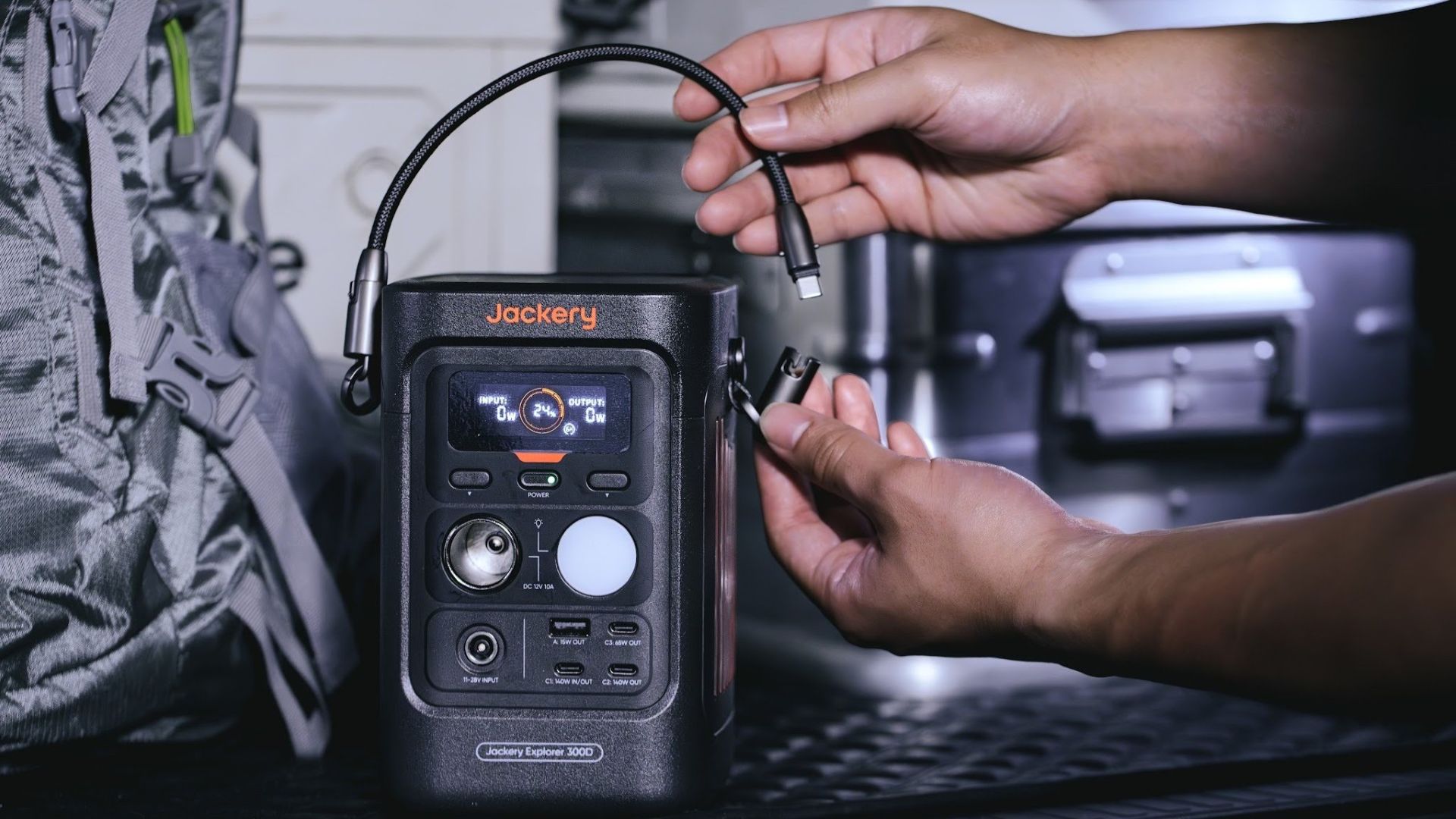
It moves away from Jackery’s traditional aesthetic with a sleek, speaker-like form factor. It weighs just 2.5 kilograms and is 64% smaller than standard 300W units in the market.
This ultra-compact size was made possible by a smart engineering choice of swapping bulky traditional AC wall outlets for highly efficient DC-only and USB-C ports — which also helps eliminate idle power loss.
With a 288Wh capacity, the Jackery Explorer 300D holds enough juice for up to nine power banks.
It can keep a Type-C fast-charging laptop for up to three to four full cycles, a Wi-Fi router alive for hours, and recharge cameras or drone batteries up to five times for a lengthy production day.
For smaller gadgets like smartphones and portable fans, the power station can juice them up for up to 22 times.

It can even charge five devices simultaneously with a total of three USB-C ports, a USB-A port, and a DC 12V car charger port.
All these ensure users are never disconnected, wherever they may set up their mobile office.
Another brilliant touch is the two-in-one shoulder strap that easily unclips to double as a heavy-duty 140W USB-C charging cable.
The everyday carry is available via Lazada and Shopee, and at the official Jackery kiosk in SM Fairview, as well as other partner stores.

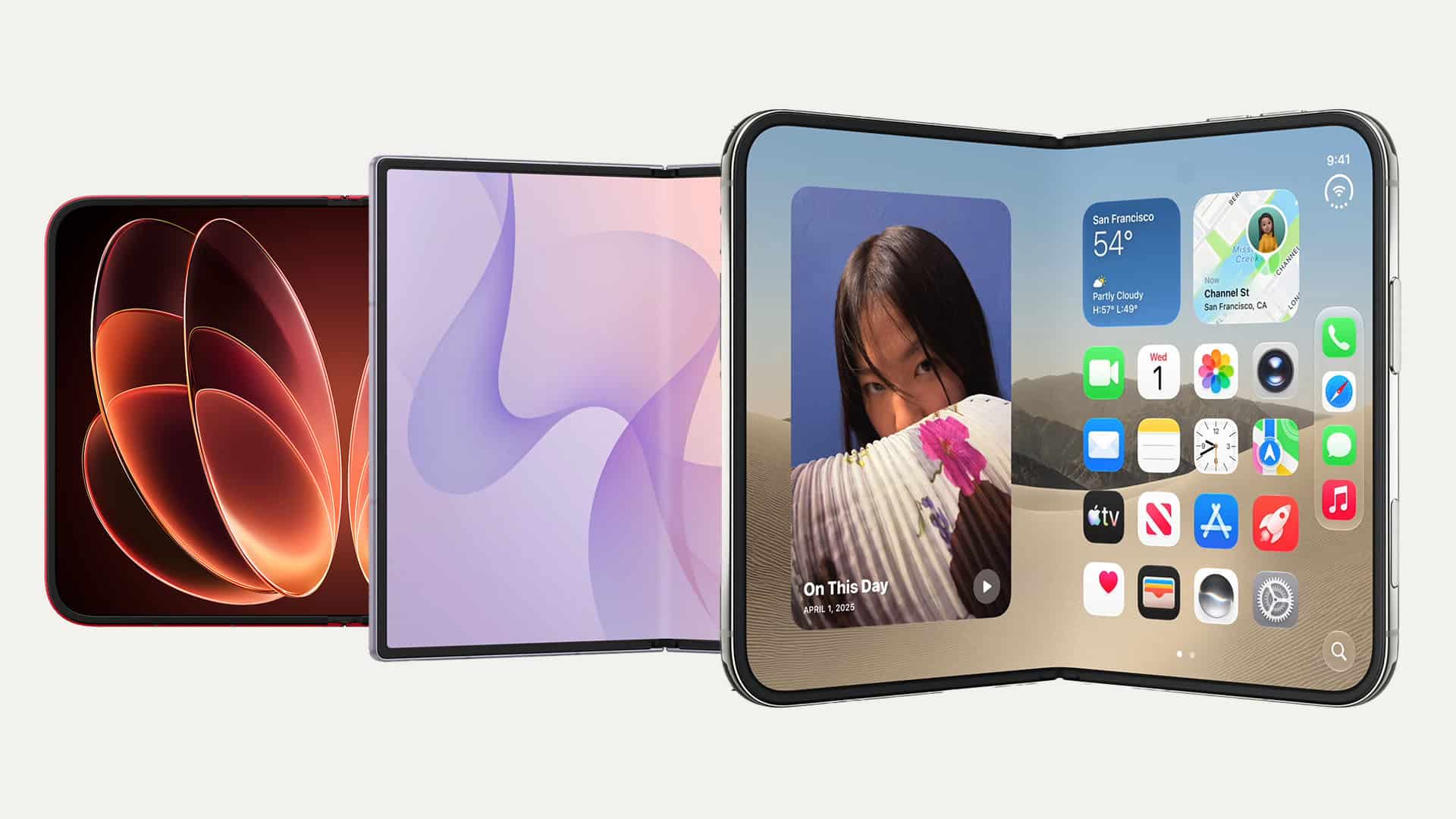
There’s a passport-sized revolution upon us, and we’re here for it.
After the HUAWEI Pura X Max and Samsung Galaxy Z Fold8, September 2026 showed us two more joining the fray: the Xiaomi 18 Fold and the much-awaited and plenty-rumored iPhone Duo.
While all four share a similar form factor, they don’t exactly all share the same approach to it. And while we’ve yet to spend significant time with most of them, we’re gonna go ahead and jump the gun and list what we think each one did right.
Think of this as more of a collective first impression or Match Pulse.
Samsung gets the weight right
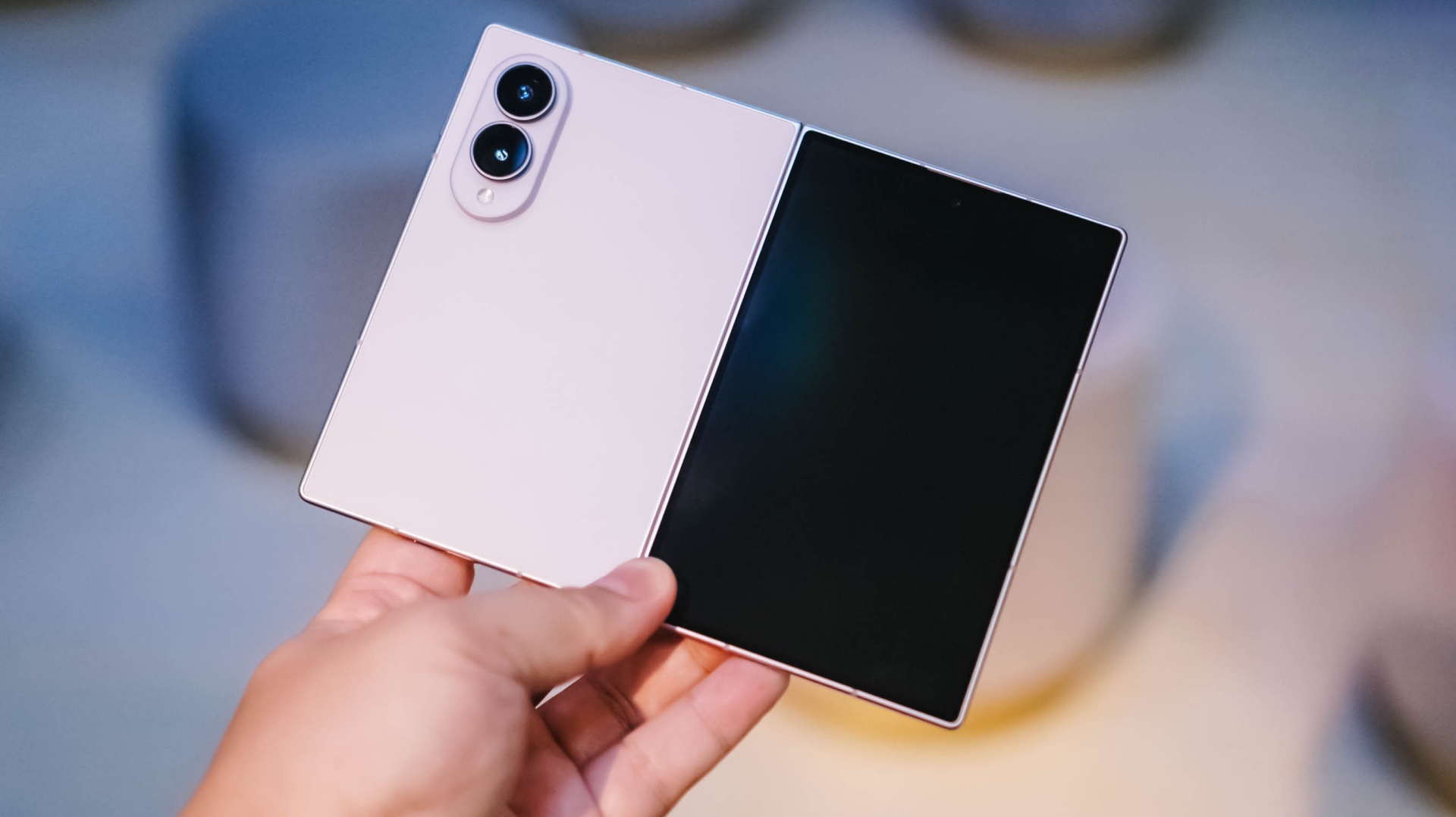
Samsung being a foldie veteran shows up here.
When I first held the Galaxy Z Fold8, I was pleasantly surprised by how light it was. At 201g, it’s the lightest of these four by a pretty significant margin. The Xiaomi 18 Fold comes in at 219g, the HUAWEI Pura X Max at 229g, and the iPhone Duo at 254g.
That’s thoughtful design, and definitely a result of Samsung having at it for years.
This is one of those things that doesn’t necessarily jump out on a spec sheet. But it matters when you actually have the phone in your hand. A passport-sized foldable is supposed to give you more screen without feeling like you’re carrying around a tiny tablet.
Samsung seems to understand that balance particularly well.
Xiaomi gets the cameras right
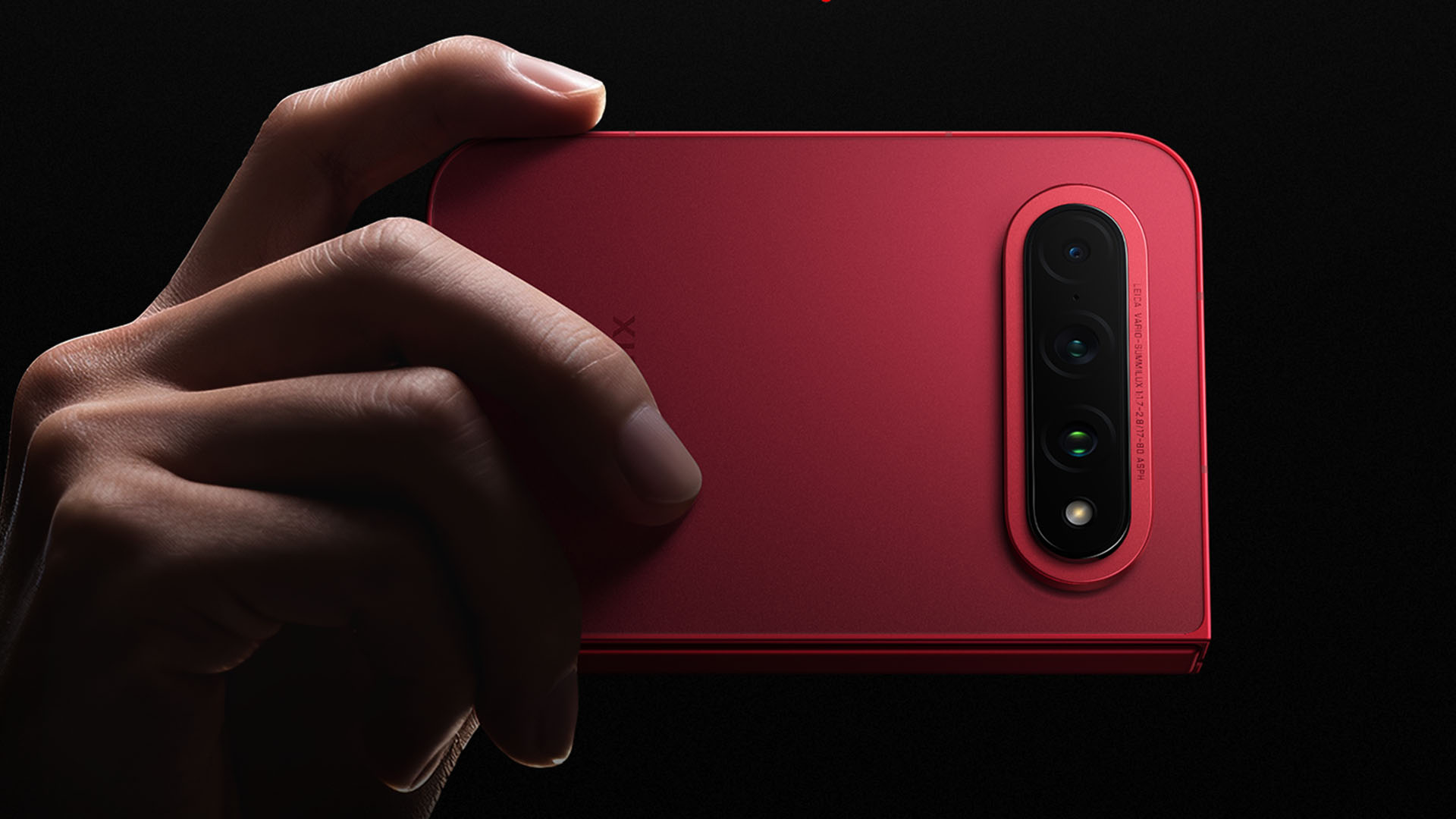
We’re not gonna talk about camera performance here. Just the cameras present and how they’re laid out.
In that regard, the Xiaomi 18 Fold is a runaway winner for me.
It has a 200-megapixel main camera, a 50-megapixel ultrawide, and a 50-megapixel 3.5x periscope telephoto. All three are part of Xiaomi’s Leica camera system.
That telephoto alone makes the setup feel much more complete than what some of the other passport-sized foldables are offering.
Then there’s the physical layout. Xiaomi puts the three cameras in a horizontal arrangement across the upper portion of the rear panel. It looks clean, but more importantly, it should help keep the phone from rocking around as much when you put it down on a flat surface.
That’s the kind of small design decision I appreciate.
You’re not just getting a foldable with cameras slapped onto the back. You’re getting a flagship-style camera system that also happens to fold.
Android gets the big screen right

This is where Android still has Apple beat.
The whole point of opening a passport-sized foldable is getting more screen. Android has spent years figuring out what to actually do with all that extra real estate.
On Samsung, you can run apps side by side, resize windows, use pop-up windows, save app pairs, and take advantage of Samsung’s broader Multi Window and DeX features. Huawei has also built out its own split-screen and floating-window tools.
Apple is finally entering that conversation with the iPhone Duo. Its iOS 27 implementation allows two apps to run side by side (you just can’t resize them like you can on Android), two windows of the same app, quick app swapping, and saved app pairs.
That’s actually a pretty big deal. But Android has been doing this for years.
The passport-sized foldable isn’t just a bigger screen. It should let you do more things at once. Android understands that part of the assignment.
Apple gets the transition right
@gadgetmatchiPhone Duo maxxing 😮💨♬ original sound – GadgetMatch
This might be Apple’s biggest contribution to the passport-sized foldable.
The iPhone Duo doesn’t simply take iOS and stretch it across a bigger display. Apple has reworked the experience around the fact that the phone can physically change shape.
Both displays share the same aspect ratio, which means content can move between the outer and inner screens without feeling like you’re jumping between two completely different phones. iOS 27 also moves controls to the side when the Duo is open, adjusts app layouts for the wider canvas, and introduces Split View for the first time on iPhone.
There’s also the rather clever StandBy implementation. Put the Duo down in a tent orientation and it can turn into a little smart display, even without being plugged in.
Apple Pencil support is coming later this year, too, and it works on both displays.
This is very Apple.
The hardware is new, but the software is doing a lot of the work to make the new thing feel familiar.
Samsung gets the overall shape right
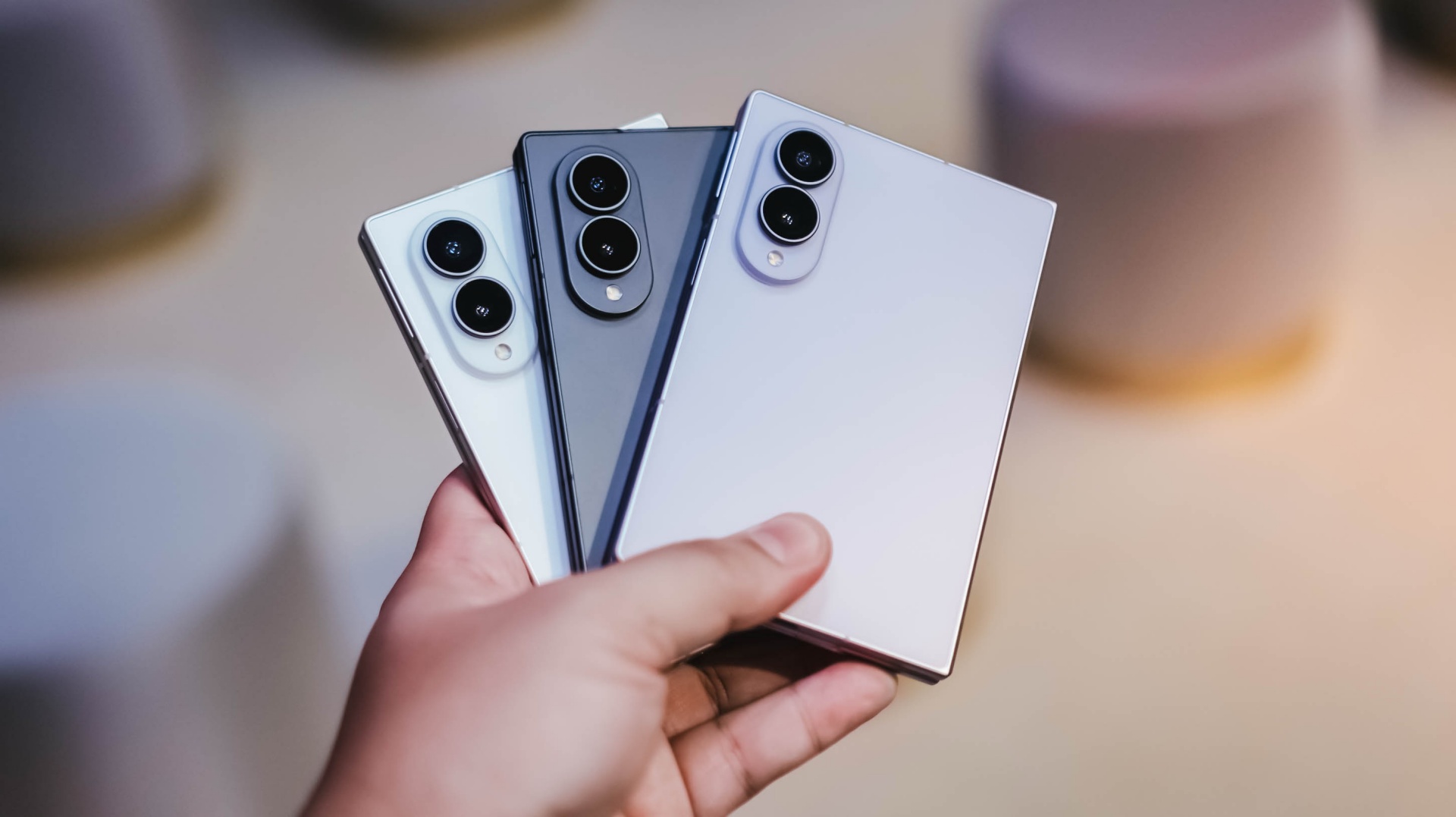
This one is completely subjective.
Personally, I prefer the square-ish, sharp-edge look of the Galaxy Z Fold8. I’ve seen plenty of people praising the D-like shape of the Duo — was that deliberate or just a happy coincidence? — and the more rounded look of the Pura X Max and Xiaomi 18 Fold.
But looks-wise, the Galaxy Z Fold8 just stands out to me.
There’s something about the balance and more symmetrical look of the Fold8 that seems more user-friendly compared to the no-love-for-lefties approach of the Duo, especially software-wise.
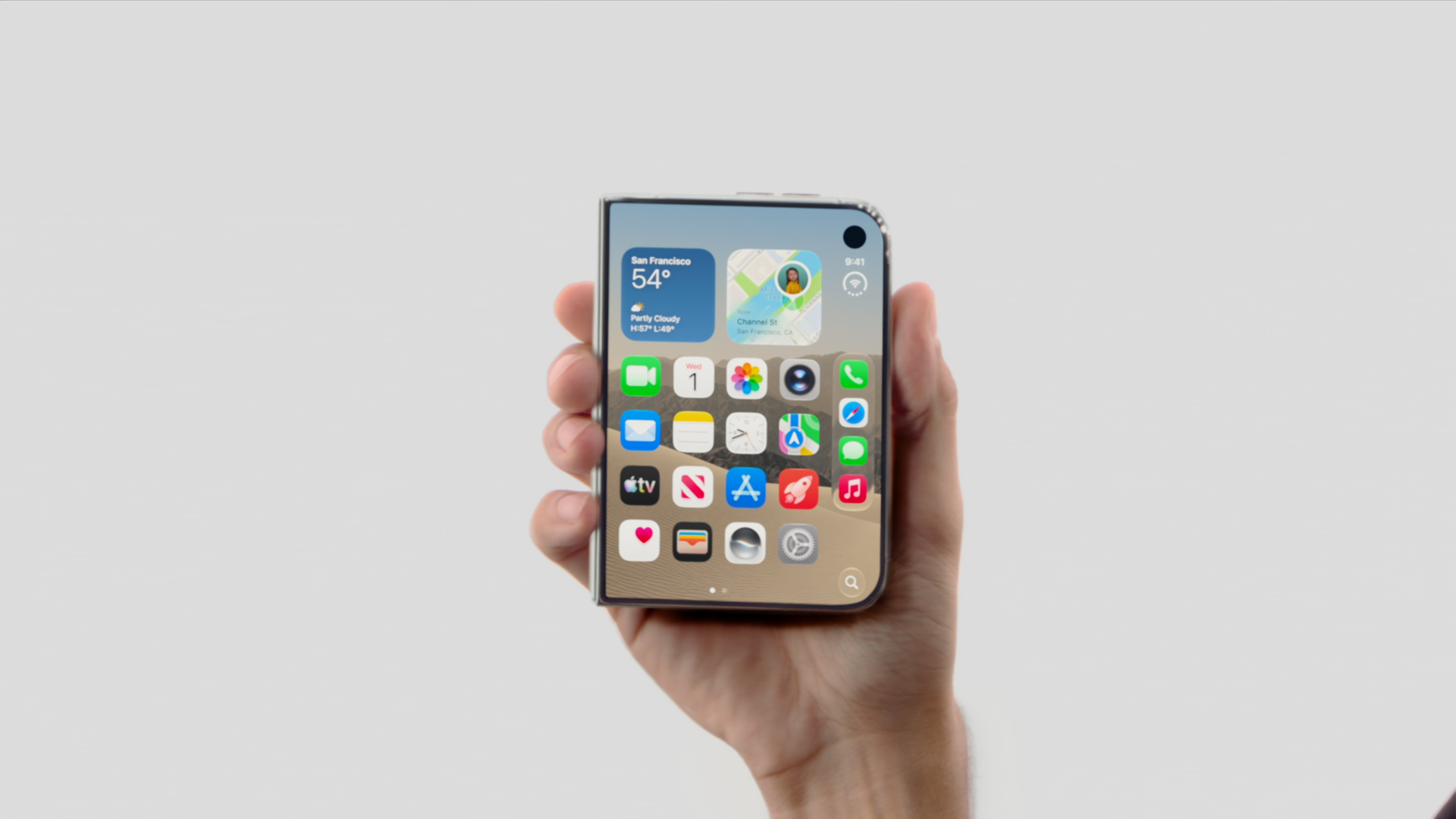
That’s obviously a personal preference. But that’s kind of the point.
We’re now at a stage where these devices aren’t all trying to look like the same thing.
The passport-sized foldable is becoming a design language of its own.
Android gets customization right
@rodneil Galaxy Z Fold8 – 3 different wallpapers: Folded, Landscape unfolded, Portrait unfolded #GalaxyZFold8 ♬ Kitty (MOMO) – MISAMO
Much has been said about the unfolding animation of the iPhone Duo. That’s cool for sure.
But if you’re after making a passport foldie truly feel like yours, Android is still the playground.
With Samsung specifically, Good Lock is your customization best friend.
You can tweak the interface, the lock screen, gestures, multitasking behavior, and plenty of little things that make a Galaxy feel less like the phone Samsung shipped and more like the phone you set up.
It’s not necessarily the sexiest feature to put on a spec sheet.
But after you’ve lived with a foldable for a while, those little things add up.
Samsung dropped the ball on the stylus
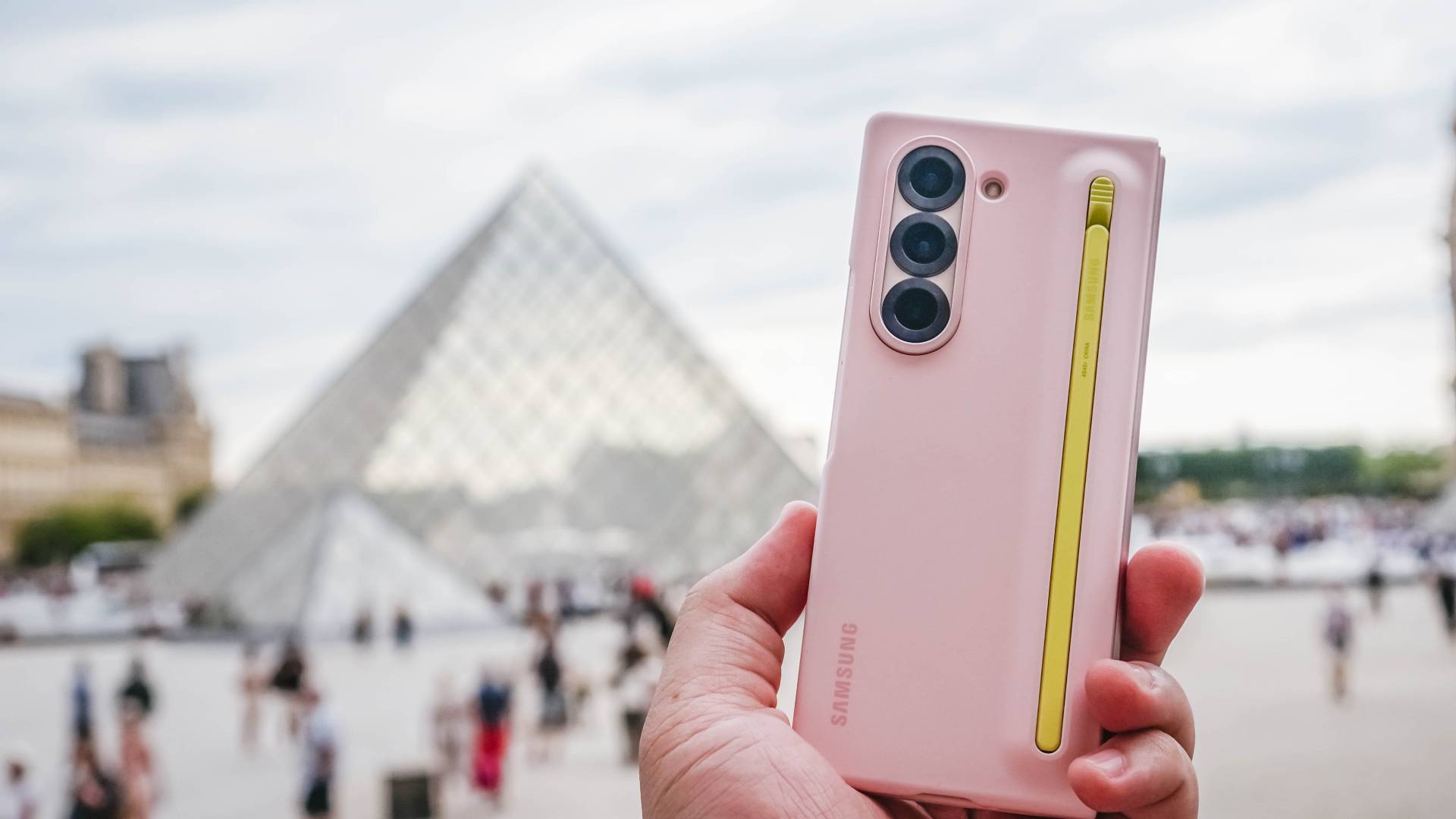
This is a weird one.
Samsung had S Pen support on the Galaxy Z Fold3, Fold4, Fold5, and Fold6. Then it dropped support with the Fold7. The Galaxy Z Fold8 and Galaxy Z Fold8 Ultra doesn’t support the S Pen either.
That’s a pretty significant omission for a device that unfolds into something approaching tablet territory.
The S Pen had plenty of fans. And you can absolutely argue that a stylus makes even more sense on a foldable because you suddenly have a much larger canvas for writing, drawing, editing, and annotating.
Apple, meanwhile, has promised Apple Pencil support for the iPhone Duo later this year.
Now, they’ve broken (or at least delayed) some promises before, so this is still a wait and see.
But it’s funny seeing Apple move toward a feature Samsung had already established on its Fold line.
The battery race is getting interesting
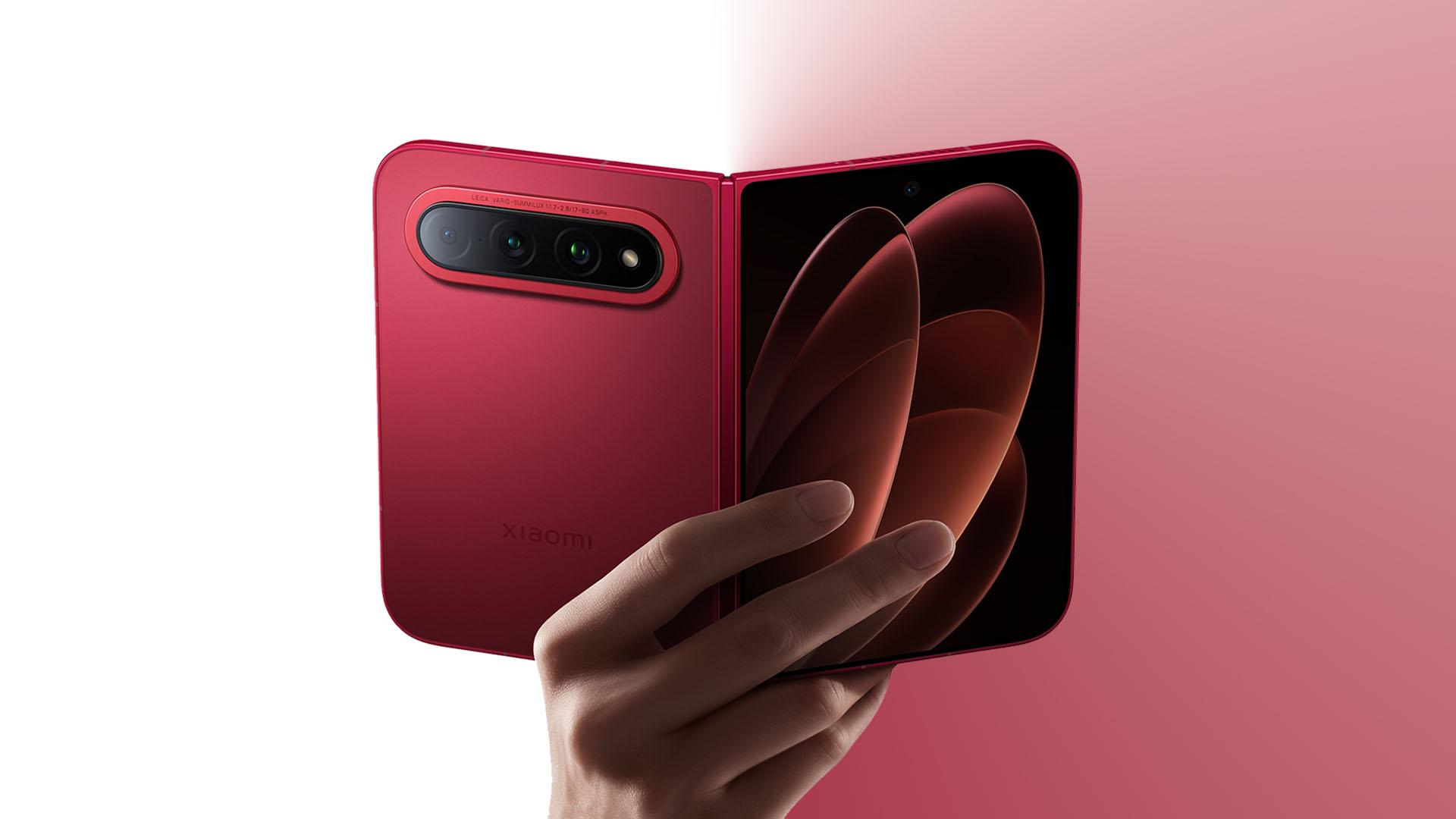
Graphics by Vincenz Lee | GadgetMatch
We still can’t fully compare this usage-wise. We haven’t spent enough time with all four devices to make any meaningful real-world battery call.
So we’re just gonna give you the numbers on paper.
The Xiaomi 18 Fold is the battery monster here with a 6,000mAh cell, alongside 67W wired and 50W wireless charging. Samsung’s Galaxy Z Fold8 has a 4,800mAh battery with 45W wired charging.
Apple doesn’t publish the iPhone Duo’s battery capacity in the same way, so we’ll leave the mAh comparison there rather than pretending the numbers are directly comparable.
This is one area where Xiaomi’s approach is particularly interesting.It has managed to put a 6,000mAh battery into a device that weighs 219g. That’s a pretty compelling combination on paper.
And then there’s performance
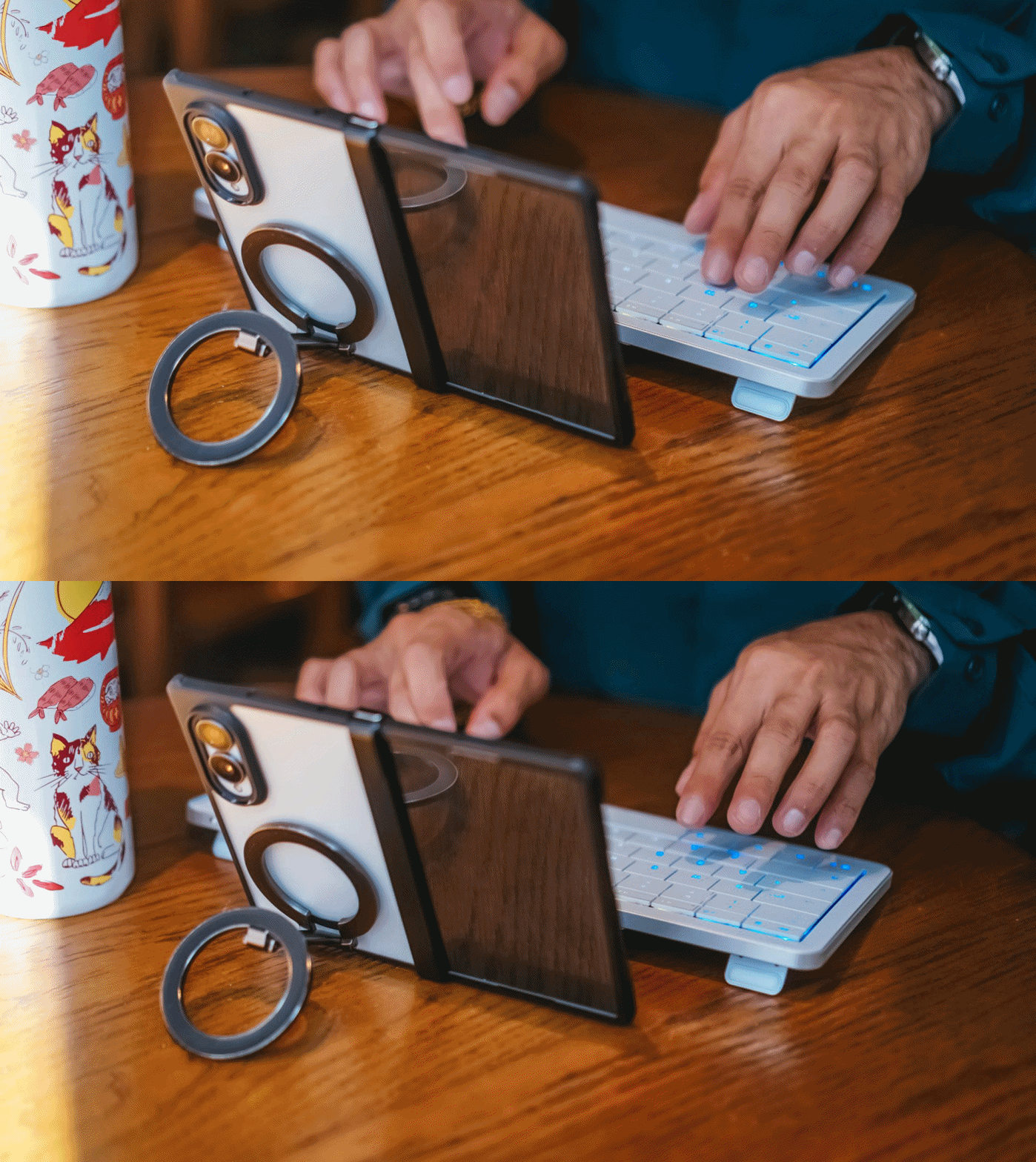
Same refrain as the battery here.
We’re not going to pretend that chipset names alone tell us which phone is going to be faster in actual use. Especially with four different platforms, operating systems, thermal designs, and software stacks involved.
But the hardware underneath is certainly no joke.
The Galaxy Z Fold8 runs on Snapdragon 8 Elite Gen 5 for Galaxy. The Xiaomi 18 Fold introduces Xiaomi’s own XRING O3 processor. And the iPhone Duo gets Apple’s A20 Pro, the same chip family used in the iPhone 18 Pro models.
The interesting part isn’t really which one wins the benchmark race. It’s that none of these companies seem to be treating the passport-sized foldable as a compromise device.
They’re putting flagship-class silicon, serious cameras, big batteries, and increasingly sophisticated software into this format.
And that’s probably the biggest thing to get right.
The passport foldable is becoming a thing
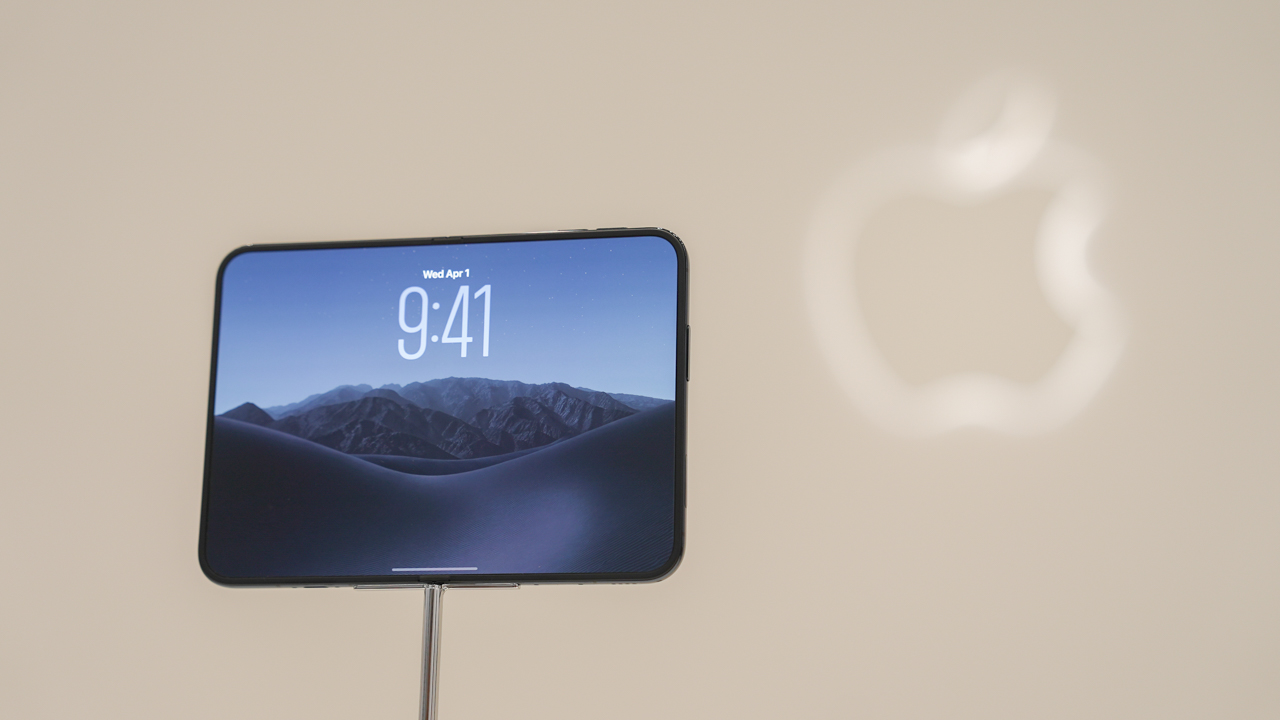
Exciting times are unfolding for the passport-sized foldable.
What’s interesting isn’t that these four phones are similar. It’s that they’re different.
Samsung has spent years figuring out how to make a big foldable thinner and lighter. Xiaomi is going all-in on cameras and battery. Huawei has its own interpretation of the compact, wide form factor. And Apple has arrived with a completely new take on how iOS should behave when the screen itself changes shape.
Between the Galaxy Z Fold8 being a big hit and the buzz generated by the iPhone Duo, it’s not far-fetched to think other brands will throw their own take at the form factor pretty soon.
And we’re totally here for it.

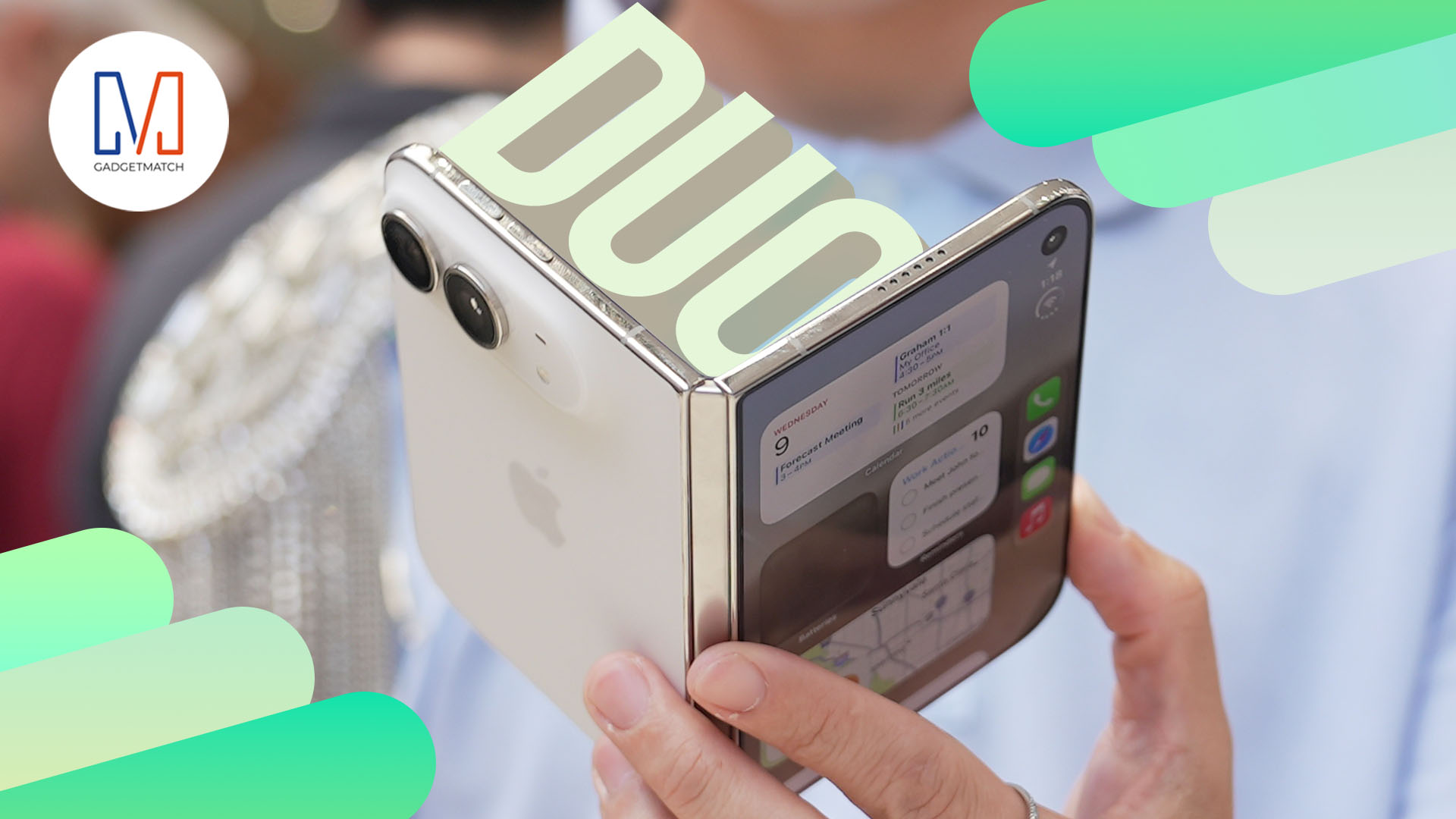
Apple’s first ever foldable is finally here! Say hello to the iPhone Duo.
In this video, THE Michael Josh shares his first impressions.
Those include the design, display, cameras, performance, and what it’s actually like to use Apple’s latest iPhone.
Is the iPhone Duo the future of the iPhone or just an interesting experiment?
We take a closer look and share everything that stood out during our hands-on experience.


Now Playing: ACE Combat 8: Wings of Theve
A refreshing change of pace

TECNO POVA 8 Pro Tonino Lamborghini review
Truly a rare gem in 2026


DJI Lito X1 review: Is this the best lightweight drone for creators?
Making a strong case as a travel companion and a capable B-cam!

Apple might not have given up on the Vision Pro yet

ROG brings out the ultra-stylish G1000 gaming desktop

God of War Laufey pre-orders are now live

Nothing launches the Headphone (1) Pro

HUAWEI WATCH GT 7 Pro: What’s actually under the hood?

HUAWEI Pura X View is 2026’s first WIDE slab-type smartphone

The CAMON Slim 5G is TECNO’s latest ultra-slim smartphone

iPhone 18 Pro series: Price, availability in the Philippines

DJI Osmo 360 II review: Going all-in on the ecosystem

iPhone 18 Pro series: Price, availability in Singapore


-
 News1 week ago
vivo X500 Series launches with major imaging upgrades
-

 News7 days ago
OPPO Find X10 Pro Max is the first phone with a triple 200MP camera system
-
 Reviews2 weeks ago
REDMI Note 17 Pro Max review: A new breed born from AI greed
-

 Singapore1 week ago
Epson Lifestudio Grand Plus EH-LS970B with 4K projection, more launches
-
Drones2 weeks ago
DJI Lito X1 review: Is this the best lightweight drone for creators?
-

 News1 week ago
vivo introduces OriginOS 7 with smarter multitasking and AI features
-
 Philippines2 weeks ago
REDMI NOTE 17 Series: Price, availability in the Philippines
-

 Automotive1 day ago
BYD says that way better EV batteries are coming next year