
News
A TikTok challenge has caused the death of a child
Her parents are looking to sue


Social media challenges have existed for a while now. Even now, a lot of social media trends, especially on TikTok, invite users to do something wacky on their own feeds. While most are innocent enough, some of these trends are dastardly harmful. One such trend, called the blackout challenge, has caused the death of one of its users. As a result, the deceased user’s parents are demanding recompense for the wrongful death.
In Pennsylvania, a 10-year-old TikTok user, Nylah Anderson, died after attempting the blackout challenge circulating on the social media platform, as reported by NBC News. The challenge is simple but obviously deadly. Users attempting the challenge have to hold their breath until they pass out. Nylah undertook the challenge and passed out in her bedroom. Her parents found her and rushed her to the hospital. Unfortunately, rushing her to the hospital wasn’t enough; Nylah died seven days after.
As a result, Nylah’s parents are suing the platform for allowing a harmful challenge to circulate on their platform. They are accusing TikTok’s algorithm of making the challenge attractive to young users.
Countering the lawsuit, TikTok alleges that the blackout challenge did not originate from their platform. “We remain vigilant in our commitment to user safety and would immediately remove related content if found. Our deepest sympathies go out to the family for their tragic loss,” the company said in a statement.
Despite the company’s statement, this isn’t the first death attributed to TikTok and the blackout challenge. Deaths have been reported as early as last year.
SEE ALSO: TikTok is experimenting with a dislike button for comments





Gaming
Leaked Grand Theft Auto VI footage surfaces online
The leakers says they are protesting the game’s lack of a physical release.

We’re nearing the dreaded date that all game publishers are rightfully fearing: the launch of Grand Theft Auto VI. Since we’re so near, it’s only right that Rockstar Games starts teasing their upcoming game, which is officially happening later this month via a special presentation on Netflix. However, ahead of that highly anticipated date, a leaker has apparently leaked the footage in protest of the game’s lack of a physical release.
Let’s parse that out piecemeal. First up, Rockstar Games is scheduled to release an extended first look at Grand Theft Auto VI through Netflix on August 27. If you don’t have the platform, the publisher will release the same footage on more public outlets six hours later. The footage will represent our biggest peek at the game after months of relative silence.
Secondly, a leaker has released the said footage ahead of time. Now, this isn’t the first time that a major leak spoiled details about the game. Previously, a leak was the first to reveal that the sixth entry in the series is getting two playable protagonists.
Third, the why: The leaker says that they will continue to reveal more information about the game to protest the game’s lack of a physical release. Like new PlayStation games next year, Rockstar Games does not plan to release a disc version of the game.
The footage itself
And, finally, the leak itself. Rockstar Games is currently issuing DMCA notices against anyone posting the leaked footage. It lends credence to the authenticity of the footage but also ensures that we can’t post the leaks themselves.
If anything, there are two reportedly legitimate clips, while others were seemingly generated with AI. The first clip has Jason, one of the two protagonists, playing basketball in his hideout, which gives him a stat boost. The clip confirms the return of minigames you can play in between missions.
The second clip sees Jason fight with a truck driver after a traffic incident. He kills the driver with a wrench, which earns him a two-star wanted level and summons a police chase as the series often does.
There’s not much to glean from these two short clips. In fact, it’s hard to say whether this footage represents the final release or something left over from previous leaks. Thankfully, Rockstar Games is releasing the official extended look soon on August 27.
After that, Grand Theft Auto VI launches on PlayStation 5 and Xbox Series X|S on November 19.
Accessories
Apple is working on AirPods with built-in cameras
References to the wearable were spotted inside a new macOS beta.
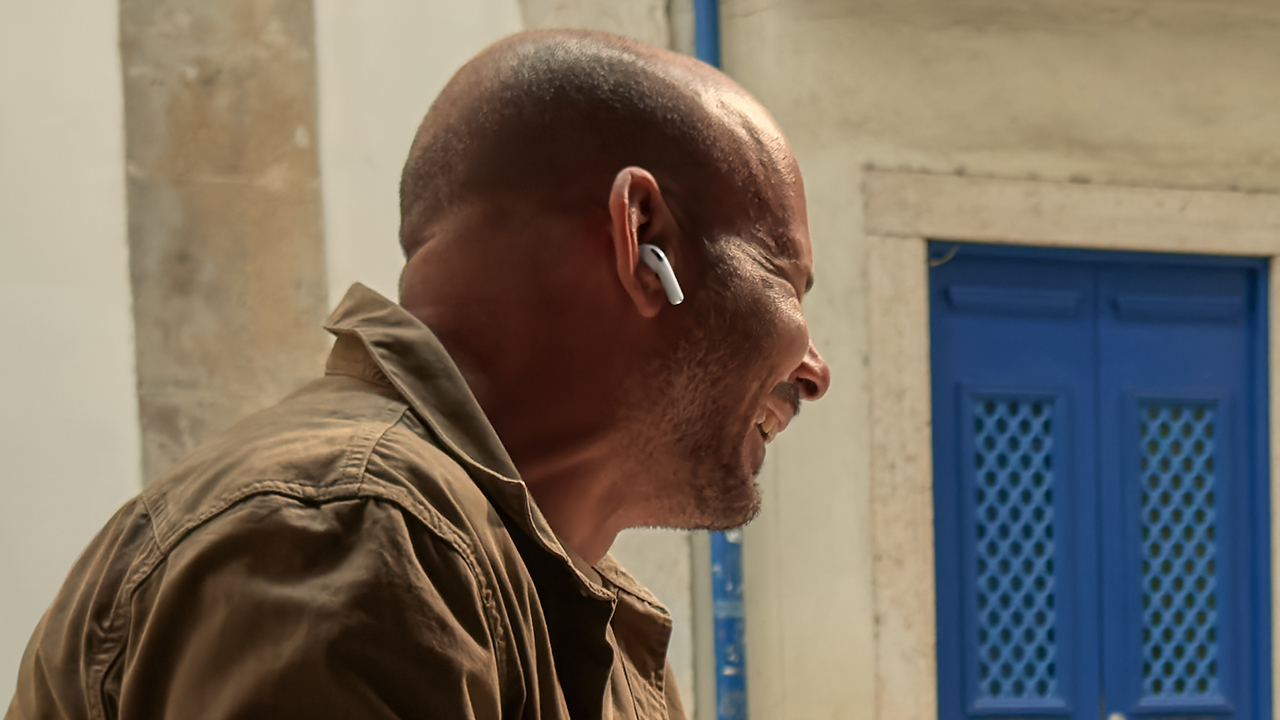
The launch of operating system betas is a cause of celebration for those digging into what’s next for a brand. No other company does that better than Apple. Today, Apple released a new release candidate for macOS Tahoe 26.7. As expected, the release has a treasure trove of references to unreleased devices, including a new type of AirPods with built-in cameras.
Let’s get the obvious out of the way first. The references include a slew of unreleased iPads, Macs, and HomePods. Since these devices are already expected to come out, they’re hardly worth nothing. This includes the iPhone 18 series. If anything, the references confirm the iPhone Ultra, the rumored entry into the foldable market, but that’s it.
Now, the more interesting inclusion is a pair of AirPods with cameras. Despite the controversies surrounding cameras on smart glasses, Apple is reportedly building audio-based wearables with cameras themselves.
In a short demo video (also obtained from the macOS beta via MacRumors), the AirPods can apparently “save” things that it sees, including a book you might want to search for later. In that way, the built-in camera acts more like a voice assistant, rather than a recording device.
Though the references don’t confirm a launch date, it’s likely that the camera-based AirPods will come out sometime soon. After all, why would a blatant reference be inside a publicly available beta?
SEE ALSO: The iPhone 18 might sell out for an unexpected reason
News
Samsung might be working on an even wider foldable
The success of the Galaxy Z Fold8 is pushing Samsung to its next steps.
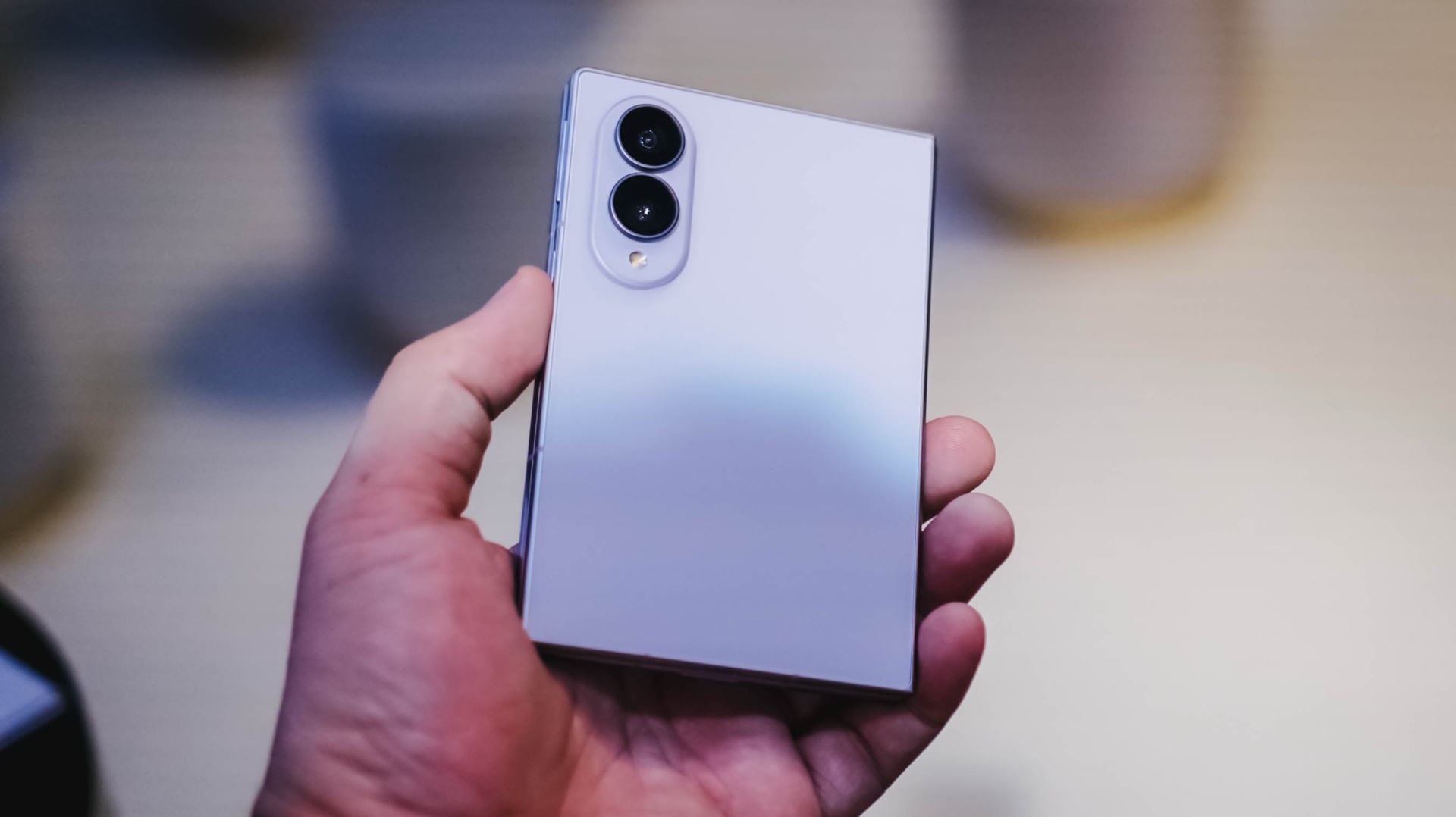
The passport-sized Galaxy Z Fold8 might be one of the best ideas for a foldable ever. Hardly anyone thinks that Samsung’s latest foldable type was a misstep for the brand. Other companies are even rumored to bring out their own passport-sized foldable soon. Now, Samsung is reportedly going further in the same direction by working on an even wider foldable.
Compared to traditional book-style foldables, the Galaxy Z Fold8 has a more squarish shape when folded. Naturally, the phone’s unfolded state is more rectangular, allowing for more screen real estate for full-screen content. It feels much more immersive to watch movies and shows on the foldable.
Now, according to ETNews, Samsung is working on an even wider foldable, potentially for next year. Though sparse on more technical details, the report hints that the next iteration will focus on better video playback, which does indicate a better aspect ratio.
Though foldables have been under the spotlight for a while now, this year might be the moment that the segment reaches its maturity. A lot of brands today have worthy alternatives for foldables. Some are also working on passport-style ones. Apple, the last holdout among the big names of the industry, is rumored to launch its first foldable later this year. There is no better time to try a foldable than this year.
SEE ALSO: Samsung Galaxy Z Fold8 Review


Now Playing: Assassin’s Creed Black Flag Resynced
Nostalgia does a lot of heavy lifting.


Samsung Galaxy Z Fold8 Review
8 Galaxy Folds later, Samsung finally nailed It!


30 days later with the ASUS ExpertBook Ultra: Like seeing an ex
Felt exactly as I remembered.

Tekken 8 brings Bob back with more Speed, Weight, and Power

Jackery expands Explorer Series portable power stations

Leaked Grand Theft Auto VI footage surfaces online

Pulse Elevate wireless speakers come to Southeast Asia this November

NBA 2K27 expands MyCAREER, MyPLAYER, MyNBA, more

Hands-on: Samsung Galaxy Z Fold8, Flip8, Ultra

VinFast debuts two-wheeler models, opens 21 e-motorcycle showrooms

Garmin launches its first screenless fitness band

Sony announces new FX5 full-frame camera

NBA 2K27 cover athletes unveiled: Wemby, Clark, DRose


-
 Laptops1 week ago
ROG STRIX G16 Review: Building for the moment
-

 Gaming2 weeks ago
Tides of Annihilation opens first public demo at Gamescom 2026
-
 News2 weeks ago
Google will force Android users to use Gemini next month
-
 Gaming2 weeks ago
Street Fighter 6 adds first Filipino fighter Yasmine to its roster
-

 Singapore3 days ago
REDMI Note 17 Series focuses on long-term reliability
-
Laptops1 week ago
30 days later with the ASUS ExpertBook Ultra: Like seeing an ex
-

 Deals2 weeks ago
nubia expands gaming lineup with Neo 5 Max, Neo 5 GT Special Edition
-
 News1 week ago
TCL expands mobile lineup with latest NXTPAPER series