
Smartphones
Under the hood: The HONOR Magic6 Pro’s cameras
The future of smartphone photography

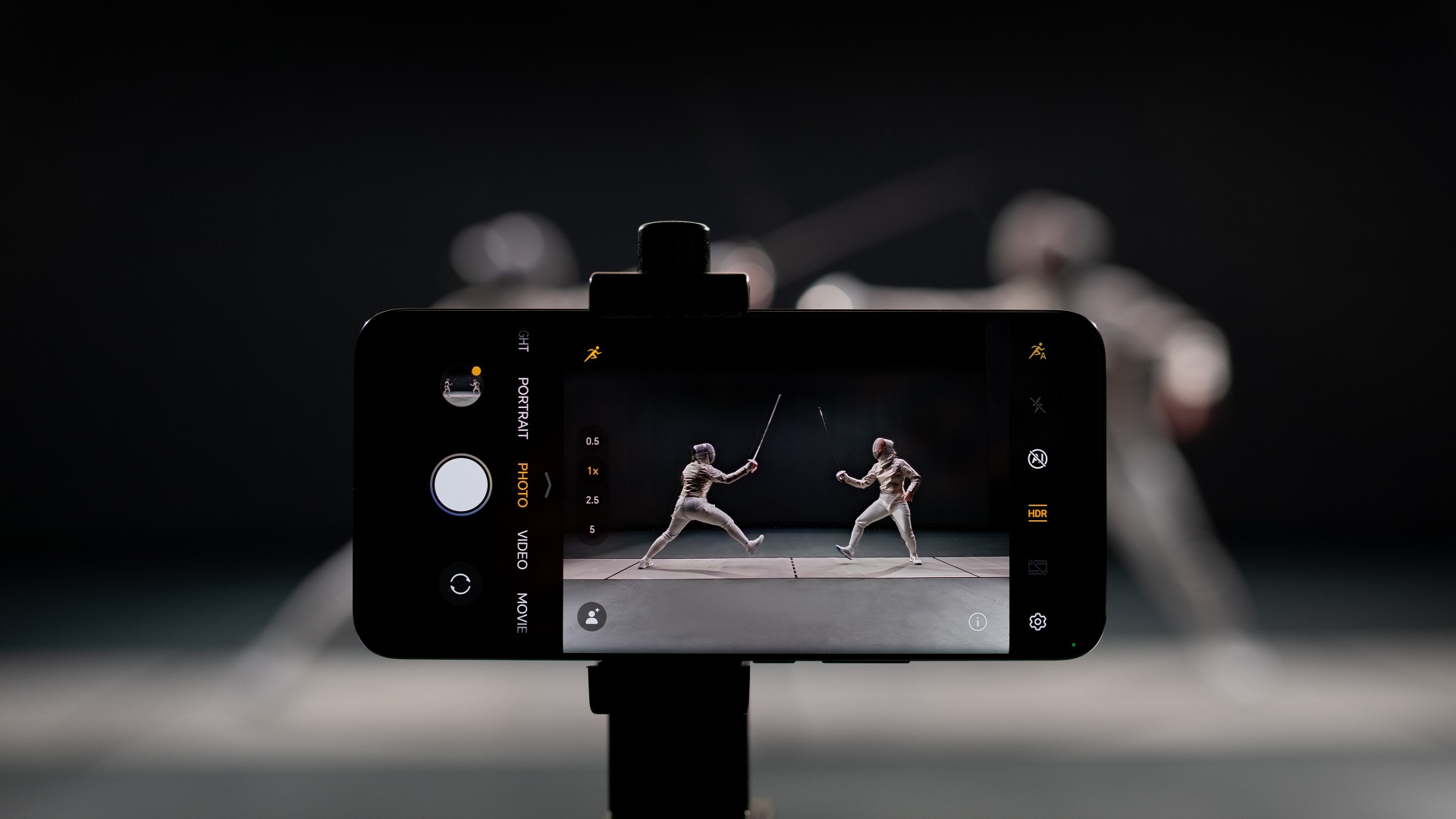
The HONOR Magic6 Pro is is launching globally later this month, as recently announced. It’s part of HONOR’s latest flagship smartphone series that also includes the HONOR Magic6.
The two devices are the latest iterations of HONOR’s flagship series smartphones. And just like its, the HONOR Magic6 Pro promises an entirely different level of mobile photography.
Historically, HONOR hasn’t shied away from promoting its flagship phones’ capable cameras. It can be recalled that the Guinness World Records partnered with the HONOR Magic5 Pro to showcase how it can capture a dunker mid-air.
Future of smartphone sports photography
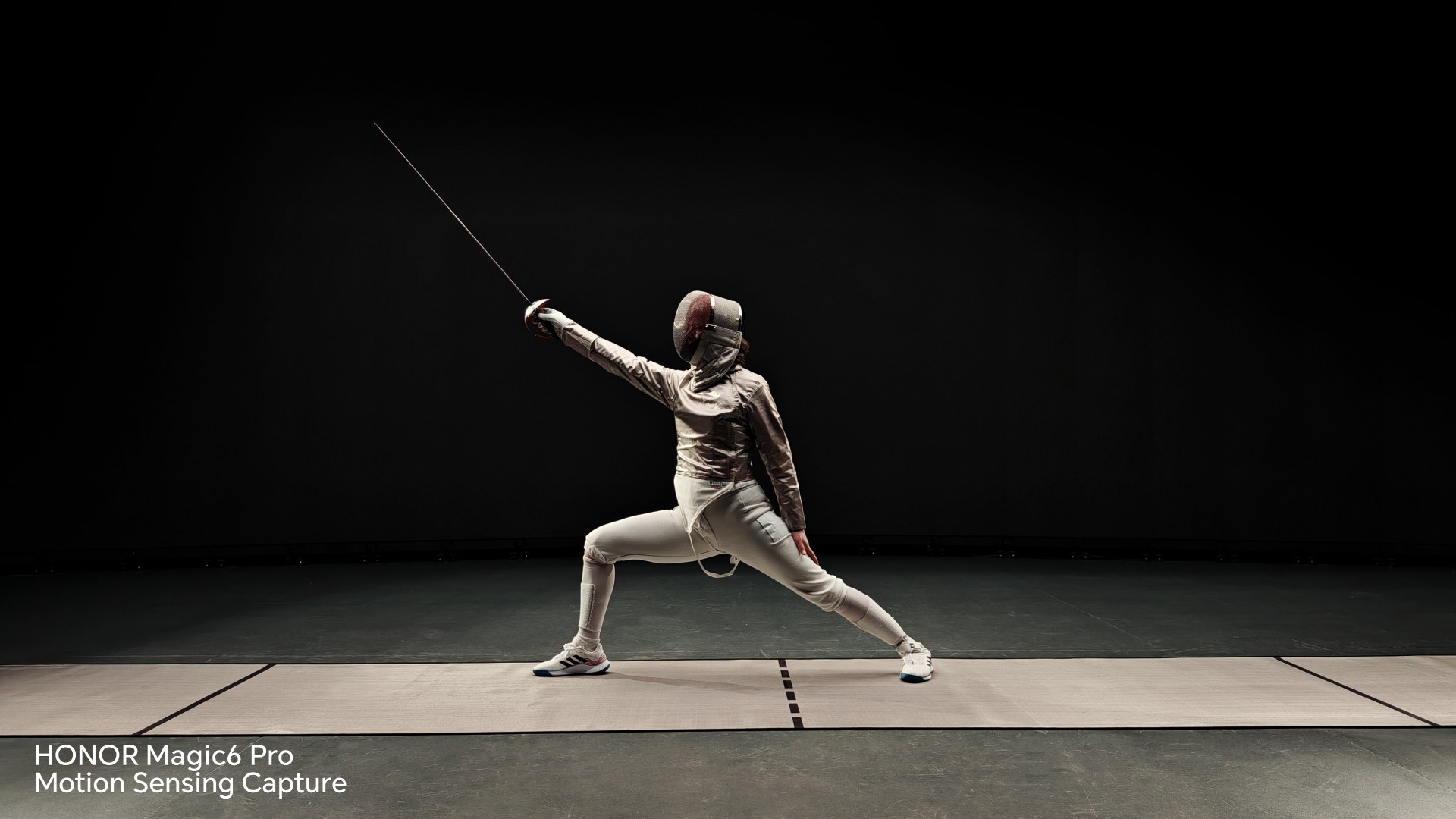
HONOR is doubling down on their commitment to that direction with the Magic6 Pro. The brand tapped three-time World Champion and two-time Olympian fencer Cécilia Berder this time for the project.
As you may have already guessed, the HONOR Magic6 Pro was used to capture her movements and highlight the phone’s capabilities.
In anticipation of the Magic6 Pro’s release, here’s a more detailed breakdown of its camera package.
Cameras
The HONOR Magic6 Pro will have the following cameras:
- 180MP f/2.6 OIS Periscope telephoto camera
- 50MP f/1.4 to f/2.0 OIS wide-angle camera
- 50MP f/2.0 AF ultra-wide angle camera
The telephoto camera has a 1/1.49-inch sensor, allowing a 400% enhancement in light sensing.
With a large sensor, the Magic6 Pro can effortlessly capture shots at 2.5X zoom at fast shutter speeds. The camera can also achieve 5X to 10X in-sensor zoom, and up to 100X super resolution.
The main camera, meanwhile, features a 1/1.3-inch HDR sensor. HONOR has two major innovations for the Magic6 Pro as part of an improved Falcon Camera System. One is its industry-first customized HDR sensor. The other is the Ultra-large Variable Aperture.
The second innovation can be seen when using the main camera, providing users intelligent light control. With the Ultra-large Variable Aperture, the Magic6 Pro’s system can intelligently switch between f/1.4 and f/2.0 apertures, depending on the environment.
Sport Portrait Algorithm
For fast-moving subjects like Cécilia Berder, the it’s the new AI motion sensing algorithm that did the work.
HONOR input a lot of data to work on this algorithm for the Magic6 Pro, including 270,000 images to identify jumping, walking, and running. The updated version, meanwhile, utilizes a vast training dataset of 8 million images and 10 different scenarios.




Magic is coming
The HONOR Magic6 series will be officially introduced via a live event at MWC 2024 in Barcelona on February 25.
The Magic6 Pro, in particular, is powered by the latest Qualcomm Snapdragon 8 Gen 3 platform. It also houses an enhanced 5,600mAh battery with 80W wired and 66W wireless charging.
In China, the Magic6 is priced starting at CN¥ 4,399, while the Magic6 Pro starts at CN¥ 5,699.






Reviews
Xiaomi 18 Pro Max review: A jetsetter’s dream
It’s got a cover screen that doesn’t need folding!


Being single and traveling alone comes with an inconvenience of its own. You get to go wherever you want, whenever you want, without having to send someone a play-by-play of your whereabouts.
It’s all very glamorous. Then you arrive somewhere breathtaking and realize you have no one to take your picture.
I recently found myself in this predicament while traveling. I was miles from home and surrounded by beautiful scenery, and I wanted a photograph of myself enjoying the view.
There were barely any people around, and even if I managed to find someone, there was always the possibility of a language barrier. Explaining the exact angle and framing I wanted would have required a PowerPoint presentation. Thankfully, I had my trusty white tripod and the Xiaomi 18 Pro Max.
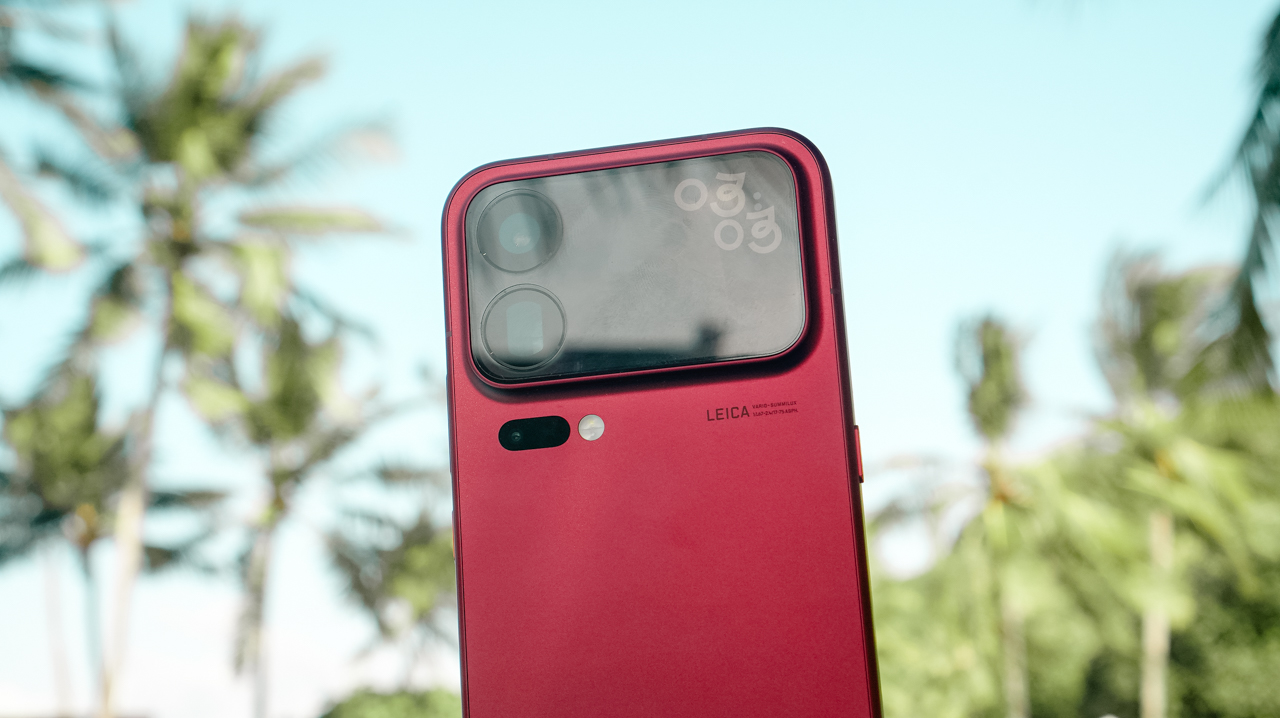
With its dual 200-megapixel cameras and a display on the back that lets me see myself before taking a photo, I suddenly had something resembling a personal photographer.
I didn’t have to approach strangers, and I didn’t have to settle for a photograph where my head occupies 80 percent of the frame. For someone who travels frequently and has an extensive camera roll to prove it, this was already a promising start.
Coordinates with the wardrobe
The Xiaomi 18 Pro Max feels suited to the modern jetsetter. Traveling alone means becoming your own photographer and navigator, and occasionally the person responsible for everyone’s luggage. Having a smartphone that makes documenting those experiences easier is a welcome addition to the itinerary.
I first encountered the Xiaomi 18 Pro Max at Xiaomi’s Science and Technology Park in Beijing, where its Back Display caught my attention. I was already imagining all the travel content I could create with it. Finally, my aspirations of becoming a travel vlogger could have a fighting chance.
The colorways were equally captivating. I was especially drawn to Pink, which had a beautiful blush finish reminiscent of the Xiaomi SU7 in Dawn Pink. It reminded me of the first golden rays of sunlight hitting snow-capped mountains, when everything looks cinematic and you consider extending your holiday indefinitely.
I wanted that Pink version with the same enthusiasm I’d reserve for a pair of Gucci boots discovered during a Black Friday sale. Unfortunately, my review unit came in Velvet Red. I suppose I could survive.
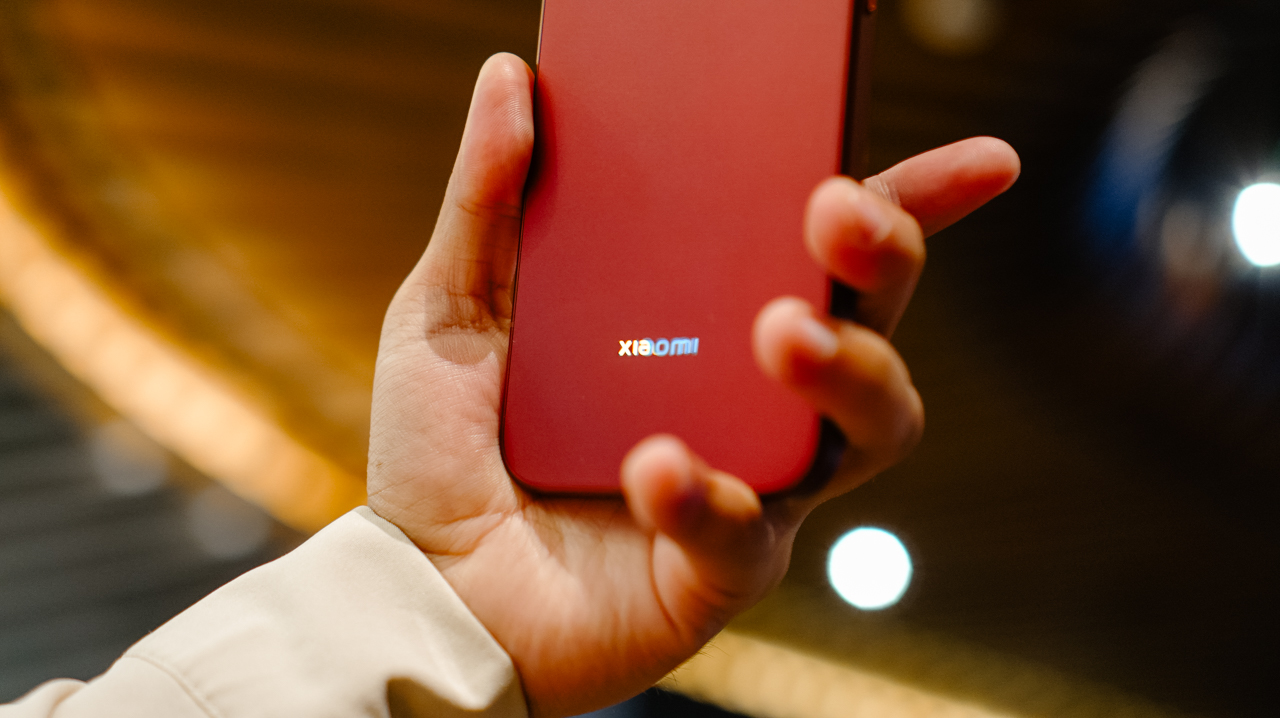
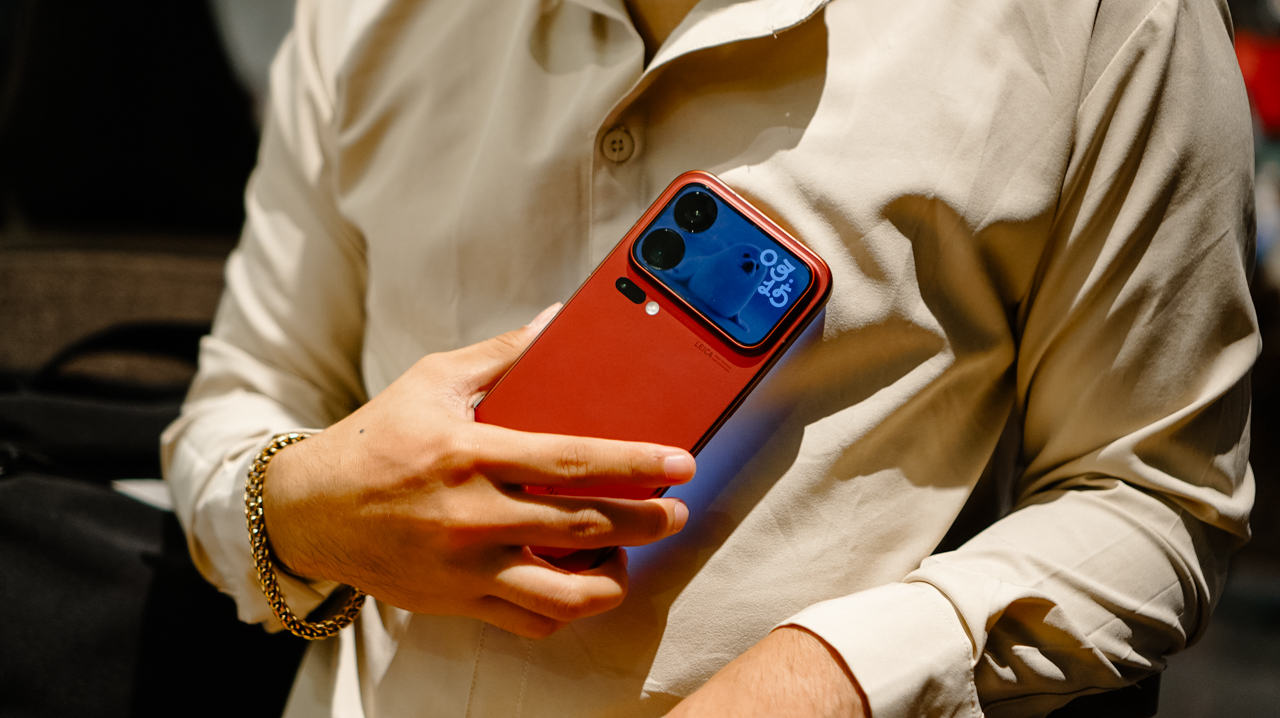
The sophisticated wine-red finish has an understated elegance that makes the phone look much more expensive than it already is. It’s a beautiful color in its own right, although I’d happily accessorize it with a prettier case to complement my outfits. A smartphone is a travel essential, after all, and it might as well coordinate with the wardrobe.
A cover screen without needing to fold
The biggest attraction of the Xiaomi 18 Pro Max is its Back Display. Built around a custom M11 panel, it offers up to 4,000 nits of peak brightness and a 1-120Hz LTPO refresh rate.
I’ll admit that I initially approached the idea with a little skepticism. I had already seen the leaks and theories surrounding the secondary display, and my first instinct was to wonder if this was another feature designed to make a smartphone look different on paper.
I’ve been reviewing technology for almost a decade. At this point, I’ve developed a healthy suspicion of anything marketed as revolutionary. This time, I was pleasantly surprised.
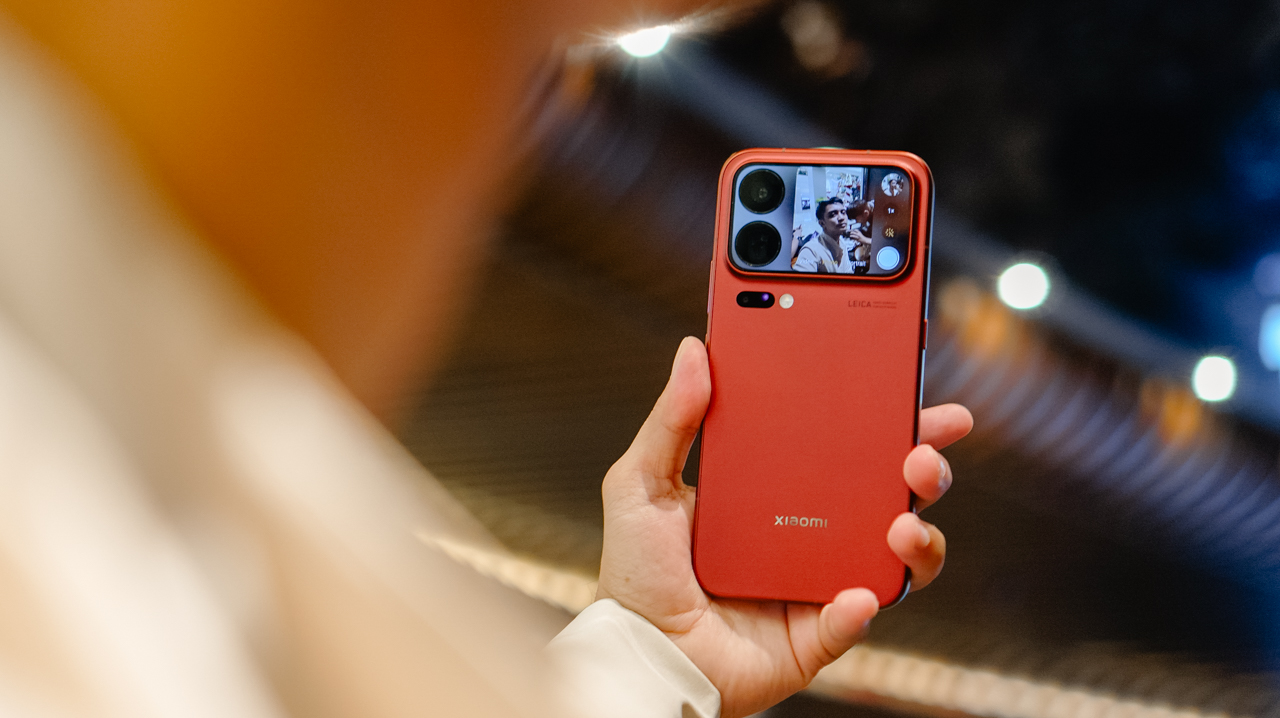
The Back Display gives the Xiaomi 18 Pro Max the convenience of a foldable phone’s cover screen without requiring the actual folding mechanism.
It doubles as a viewfinder for selfies and vlogs, allowing me to see exactly how I look before pressing the shutter. For solo travelers, this is a useful feature.
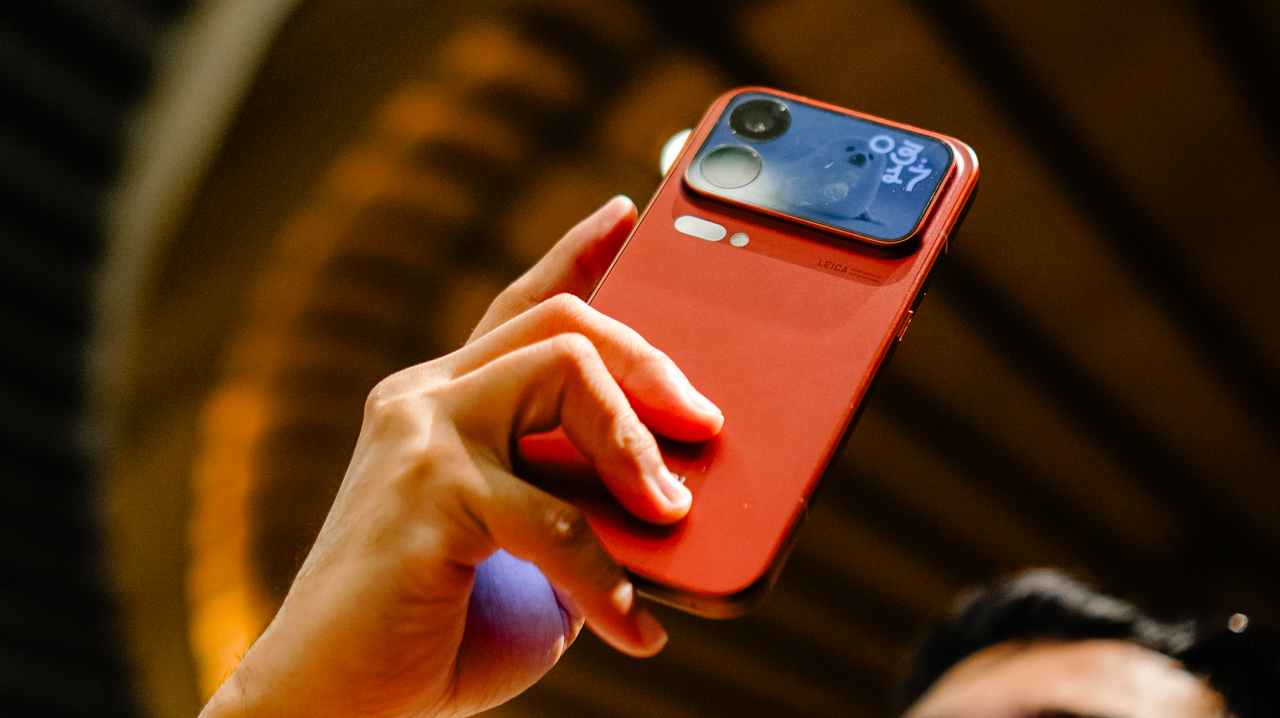
I could set up my tripod and position myself against a beautiful backdrop, then use the rear cameras while monitoring the composition from the Back Display.
It’s especially helpful when shooting 0.5x selfies, where getting the right framing can make the difference between a beautiful travel portrait and a photograph that accidentally includes half the pavement.
The phone can also record 8K video at up to 30fps with a real-time preview on the secondary screen.
When taking group selfies with more than three people, the camera automatically switches to an ultra-wide perspective. There are also hand gestures for triggering the shutter or starting video recording, which means I no longer have to awkwardly stretch my fingers toward the phone while trying to maintain a flattering pose.
Beyond photography, the Back Display can preview notifications and other important information. This comes in handy when the phone is resting on a restaurant table or beside me while I’m enjoying a conversation.
I can quickly check what’s happening without constantly turning the phone around.
A little personality on the Back Display
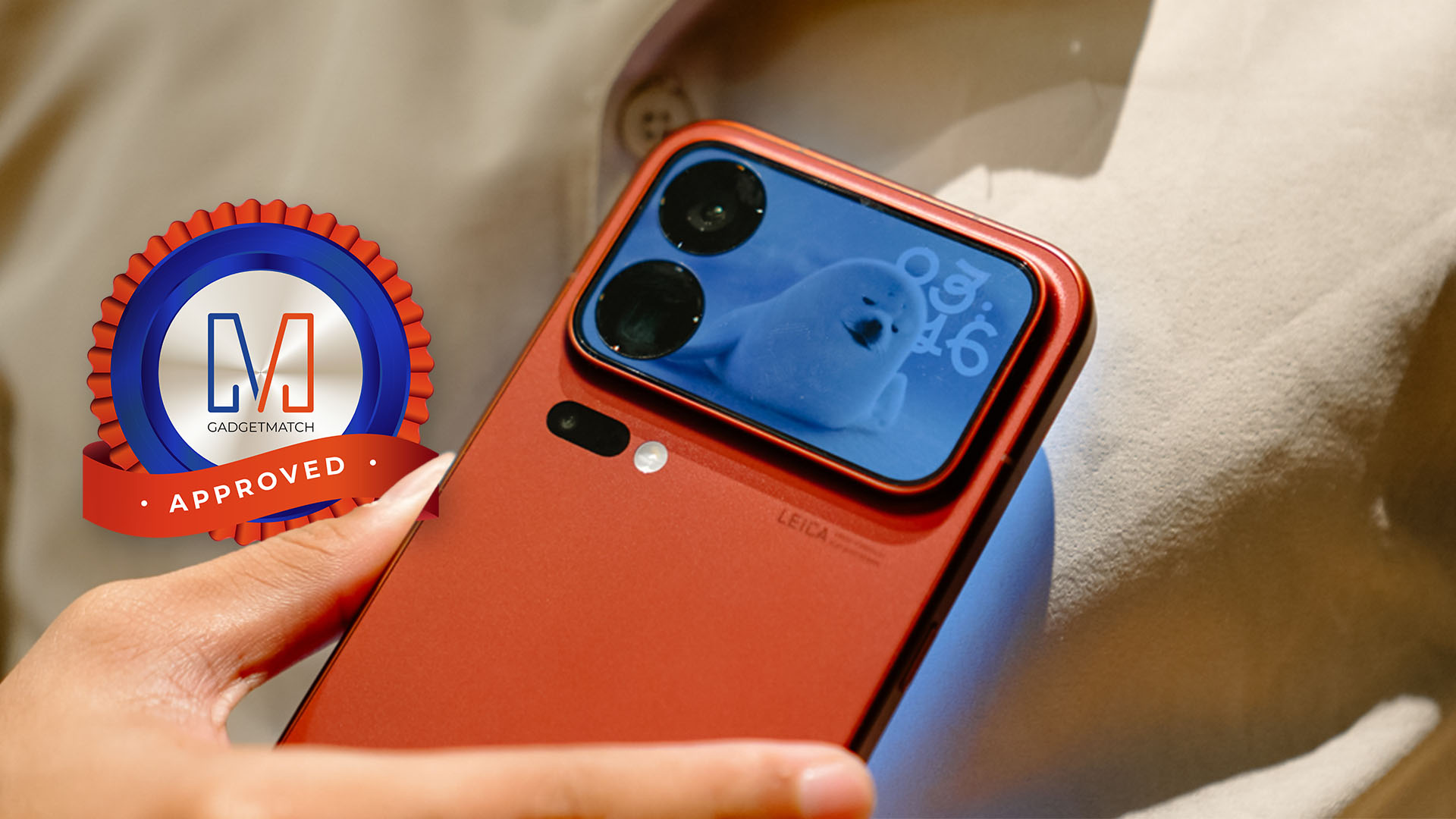
The Back Display is customizable, and naturally, I had to spend some time making it look presentable. Wallpaper options include creative clocks, nature, pets, signatures, oversized numbers, and weather forecasts.
My initial choice was a photograph of my own face because apparently, having a full-length mirror at home is no longer enough. I eventually replaced it with a cute seal, which felt more approachable.
The more interesting additions are the app cards. By default, Xiaomi includes a calendar, upcoming events, and countdowns.
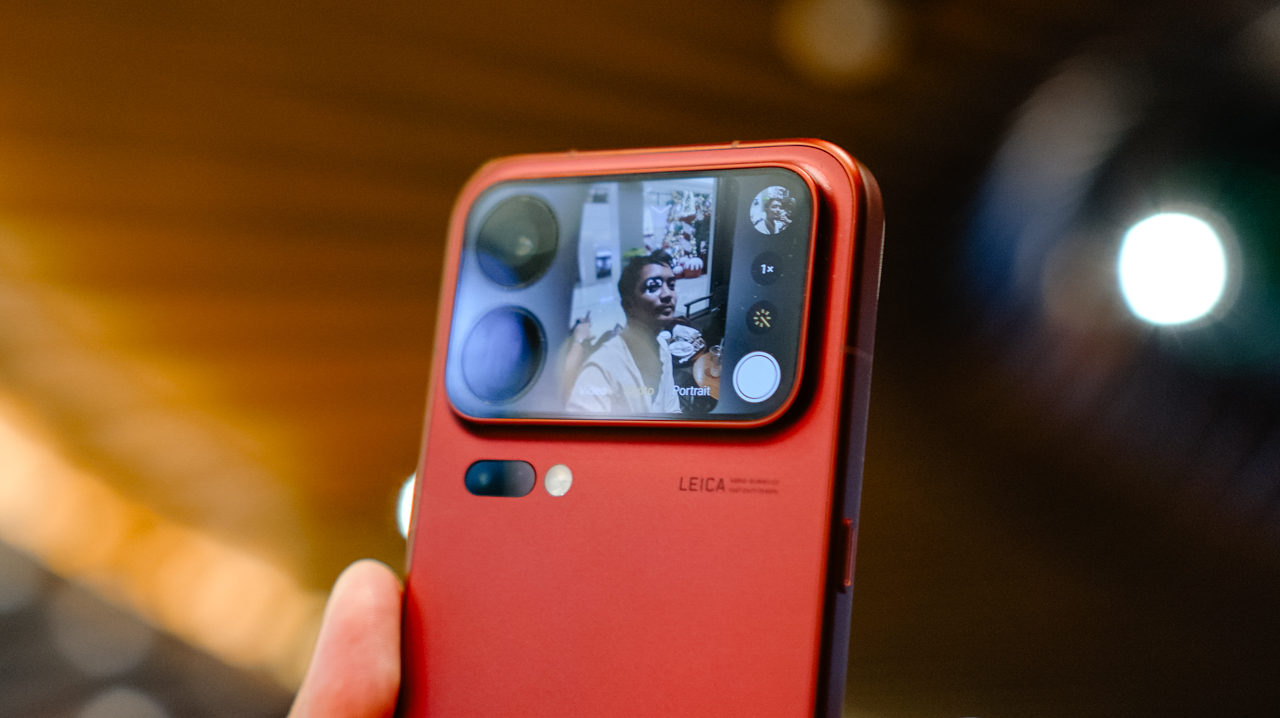
GenAI-powered customization expands these options with additional cards, including French vocabulary, an egg timer, training and rest schedules, and little games such as Gravity Ball, Fruit Slice, and Retro Bowling.
There are also wellness-oriented tools such as a focus timer, daily water tracker, and caffeine calculator. The possibilities extend further through AI-assisted app creation.
Powered by Qualcomm’s latest Snapdragon 8 Elite mobile platform, the Xiaomi 18 Pro Max allowed me to create a personalized card using prompts.
I uploaded my itinerary for a recent trip to Hon Tre Island in Nha Trang, Vietnam, and created something called Itinerary Digest. It displayed an overview of my trip and allowed me to tick off each activity as I completed it.
For someone who tends to save itineraries in several different places, from Notes to screenshots to random conversations with friends, having a quick overview on the back of my phone was a huge convenience.
I could check what was coming up without opening another application or scrolling through an entire conversation to find the address of our next destination. It’s a little travel assistant I didn’t know I needed.
200MP cameras for postcard-worthy memories
The Back Display and rear camera system share the same sheet of glass, giving the Xiaomi 18 Pro Max a seamless appearance.
Photography is a major part of the Xiaomi 18 Pro series, and the Pro Max comes equipped with a Leica Dual-200MP camera system. This consists of a 200-megapixel main camera and a 200-megapixel periscope telephoto camera.
The main sensor measures 1/1.28 inches, while the telephoto sensor measures 1/1.56 inches. The main camera also features the Light Fusion 960L sensor, offering up to 16.2EV of dynamic range.
These specifications translate into an impressive photography experience, even with the unpredictable lighting that comes with traveling.
Some of my favorite travel photographs are taken against the light. I love the atmosphere of a bright background, especially when photographing architecture and landscapes, where stretches of sunlight make a destination feel cinematic.
Unfortunately, this usually means spending much more time in post-processing to recover details on my face without washing out the background.
The Xiaomi 18 Pro Max handled these situations well. Even when photographing myself against bright surroundings, I could retain details in the highlights without turning myself into a silhouette or sacrificing the beautiful sky behind me.

My biggest complaint was the automatic exposure. The camera occasionally brightened the entire scene more than I wanted, requiring me to manually adjust the exposure before taking a photograph.
This happened across different focal lengths, including 1x, 2x, 3x, and 5x, as well as in Portrait, Essential Moments, and 200MP modes.
Shot via 200MP


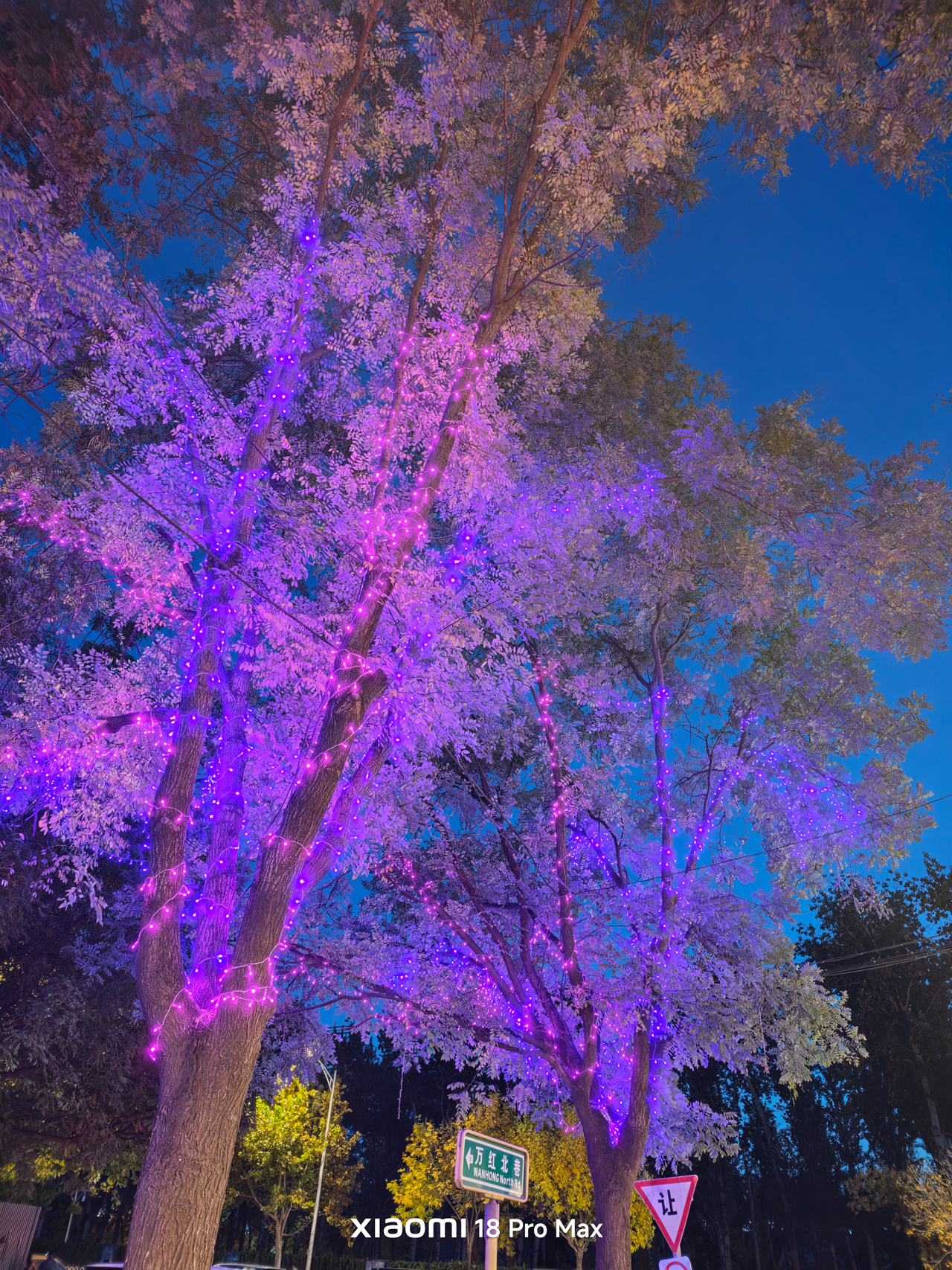
1x photos
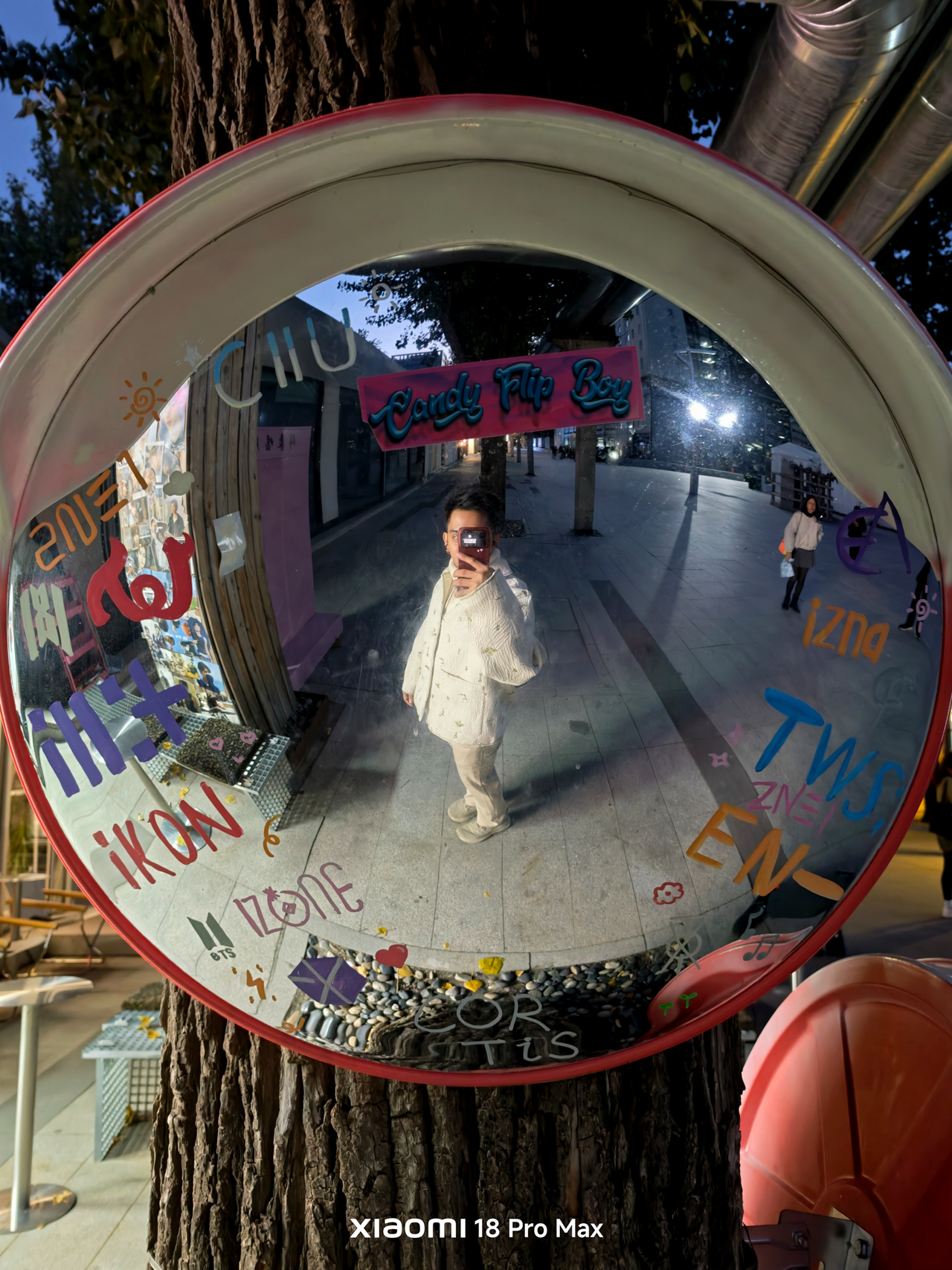

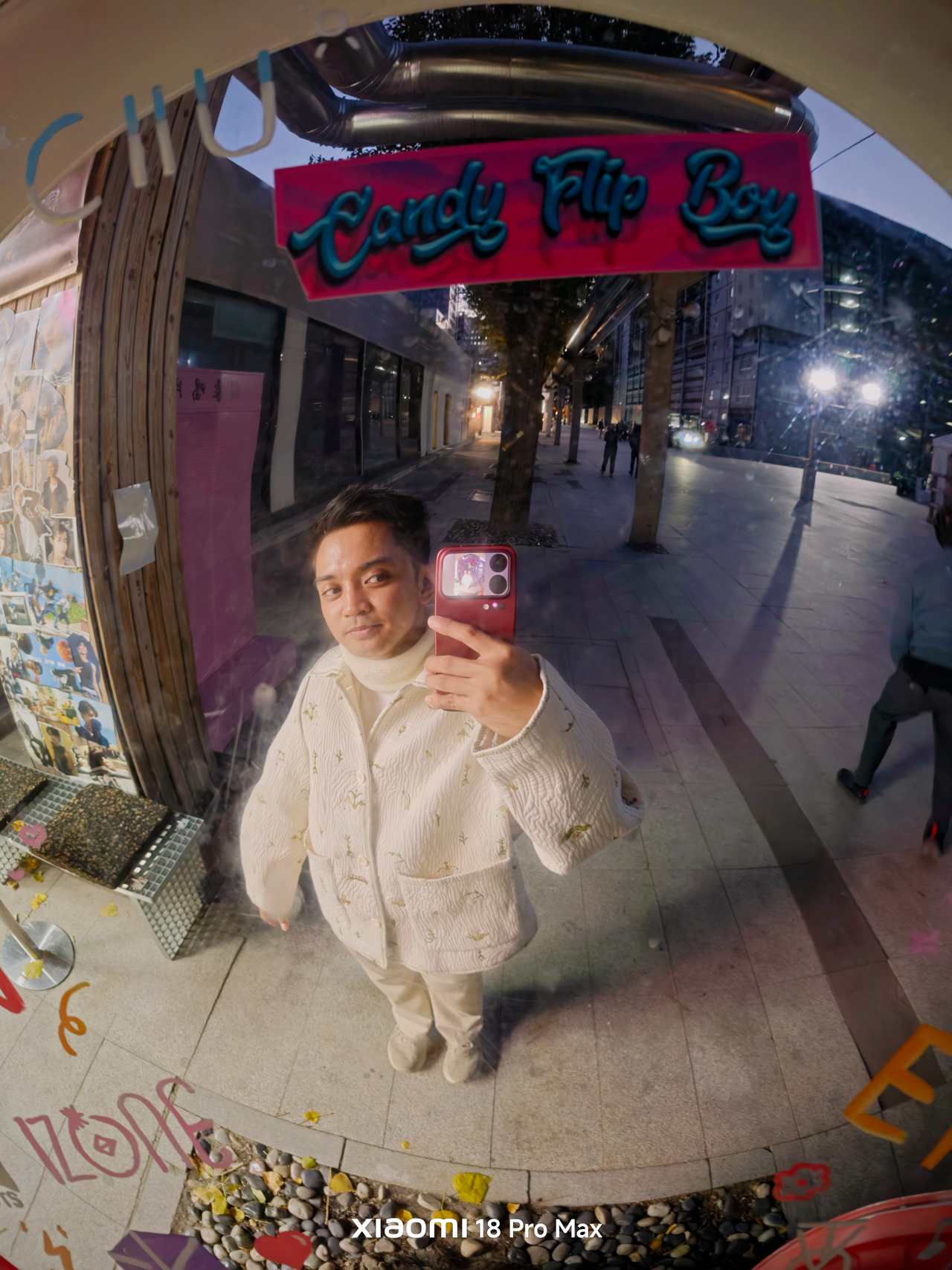
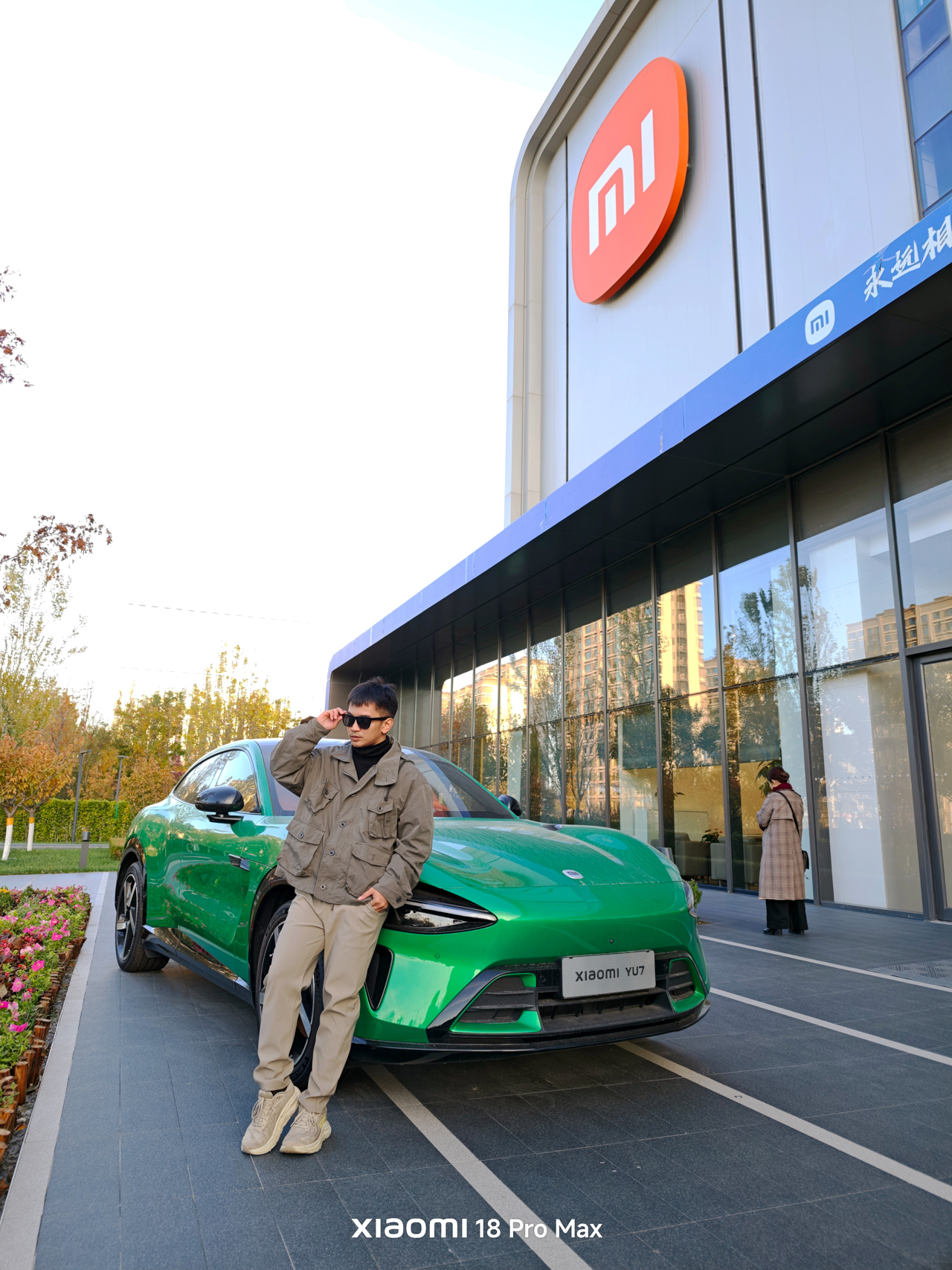


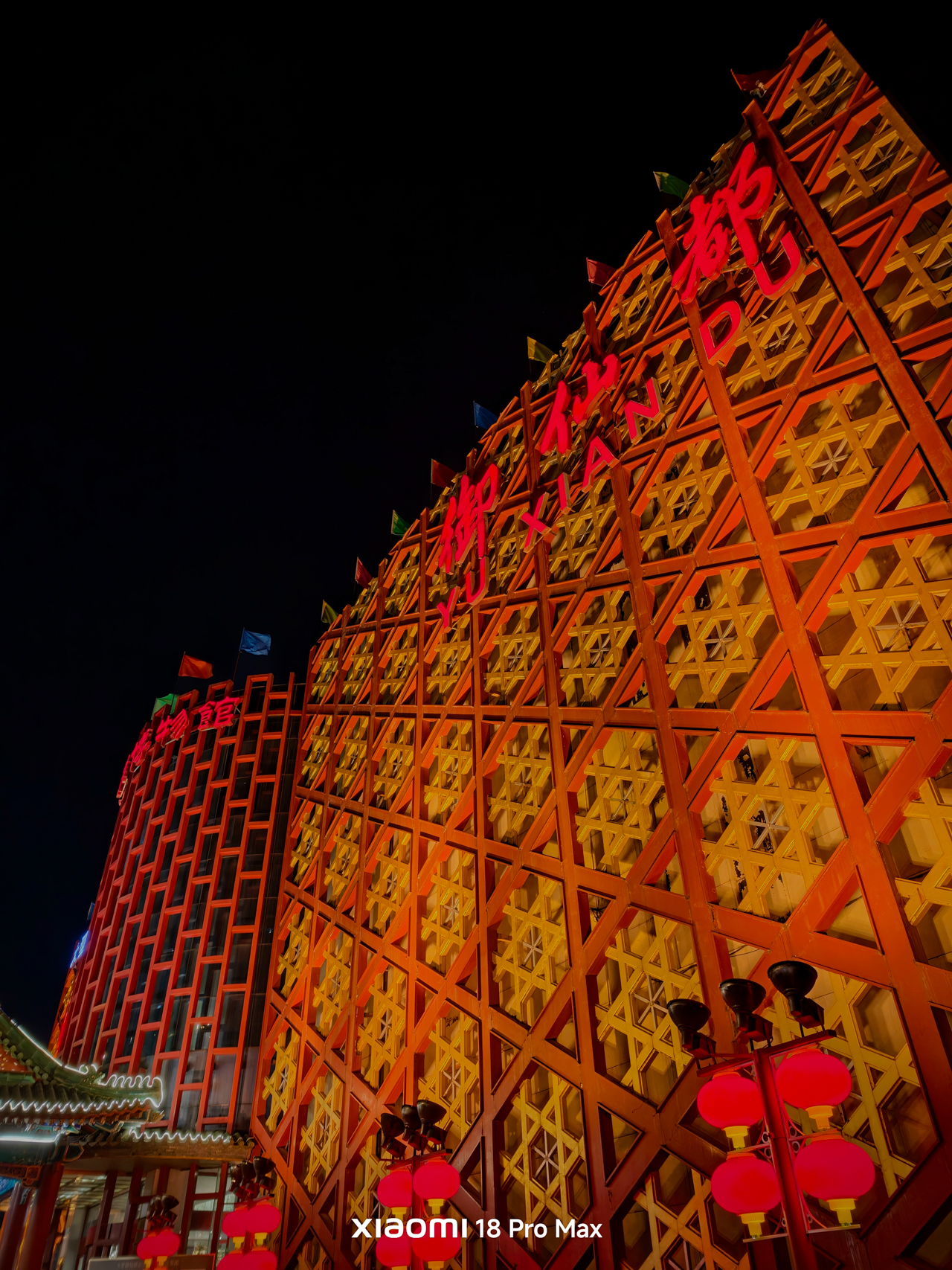
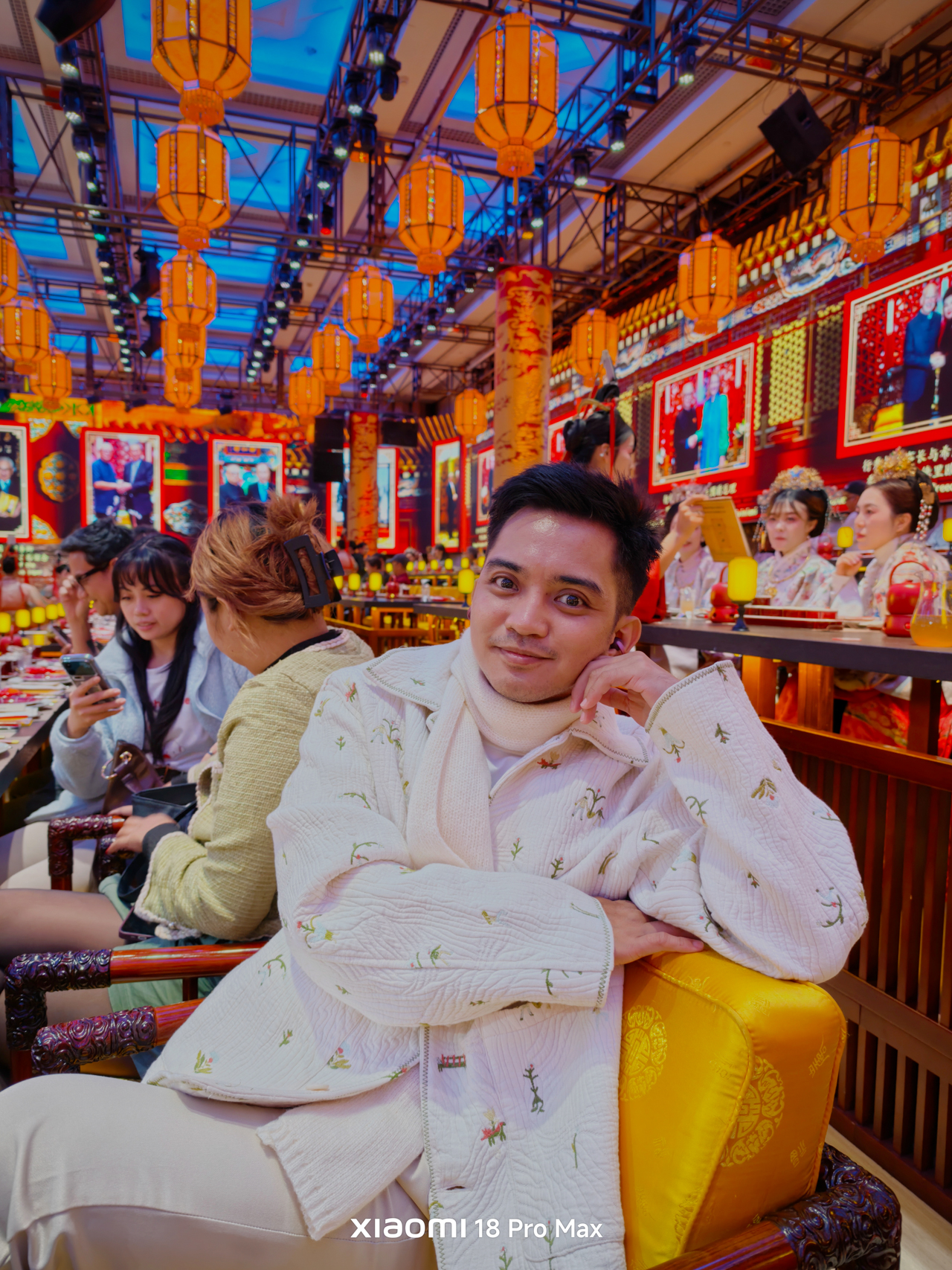


Once I got the exposure right, however, the results were detailed and vibrant. I mostly used Leica Vibrant as my preferred photography style, although Original and Leica Authentic are also available.
Even with the more vivid color profile, the photographs retained a lively yet natural appearance. The colors looked lovely when photographing destinations with contrasting scenery, where bright skies and colorful architecture could share a frame with natural landscapes.
The same goes for the photos taken with the front camera.




Collecting memories, one zoom at a time
For most of November, I brought the Xiaomi 18 Pro Max along on my travels through Beijing, China, and Nha Trang, Vietnam.
It was an interesting opportunity to test its cameras across two very different environments, from the cooler late-autumn atmosphere of Beijing to the tropical scenery of Vietnam.
I eventually settled on 3x zoom as my preferred focal length for everyday travel photography. It gave me a flattering perspective for portraits while allowing enough distance between myself and the subject.




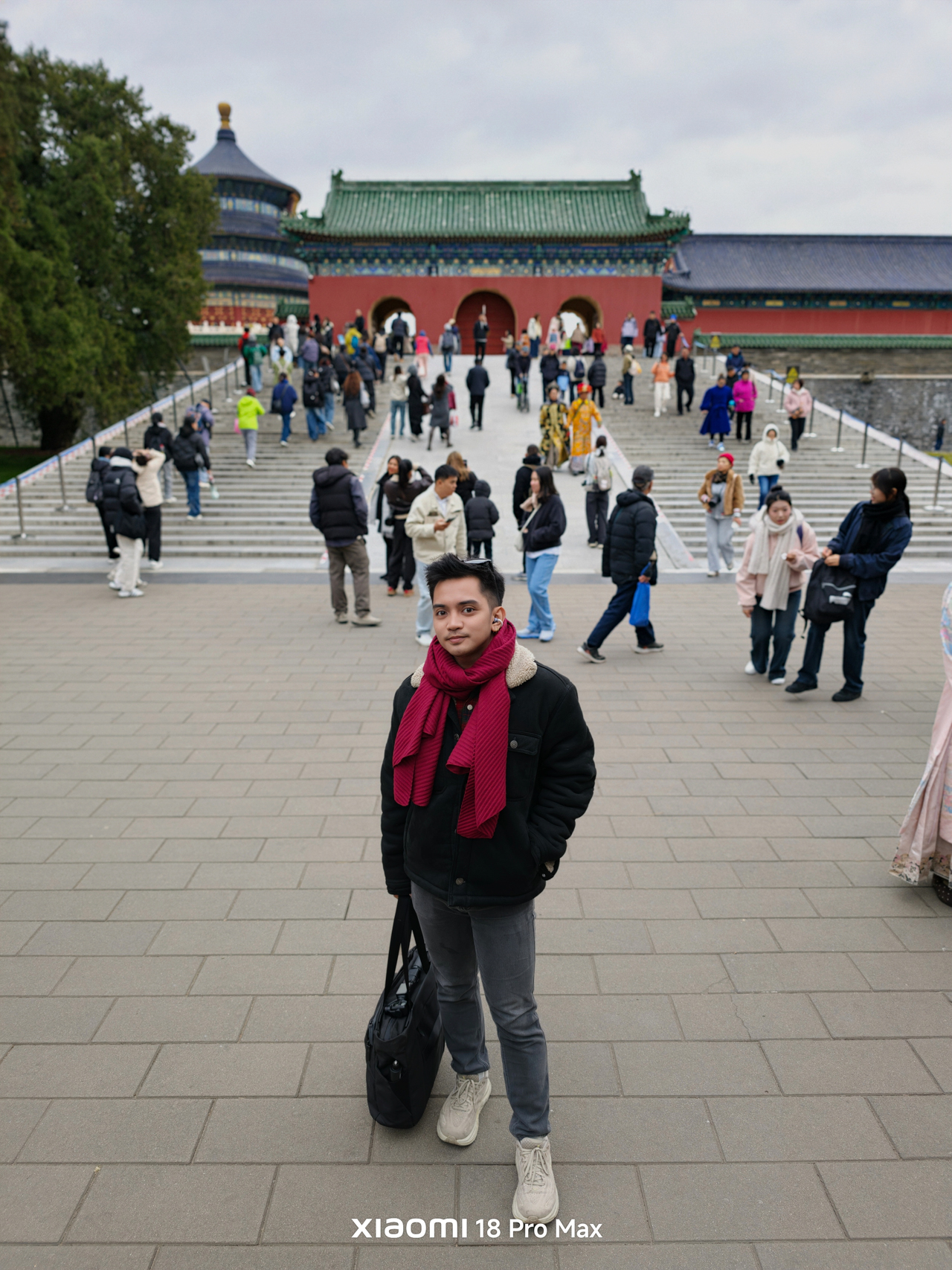



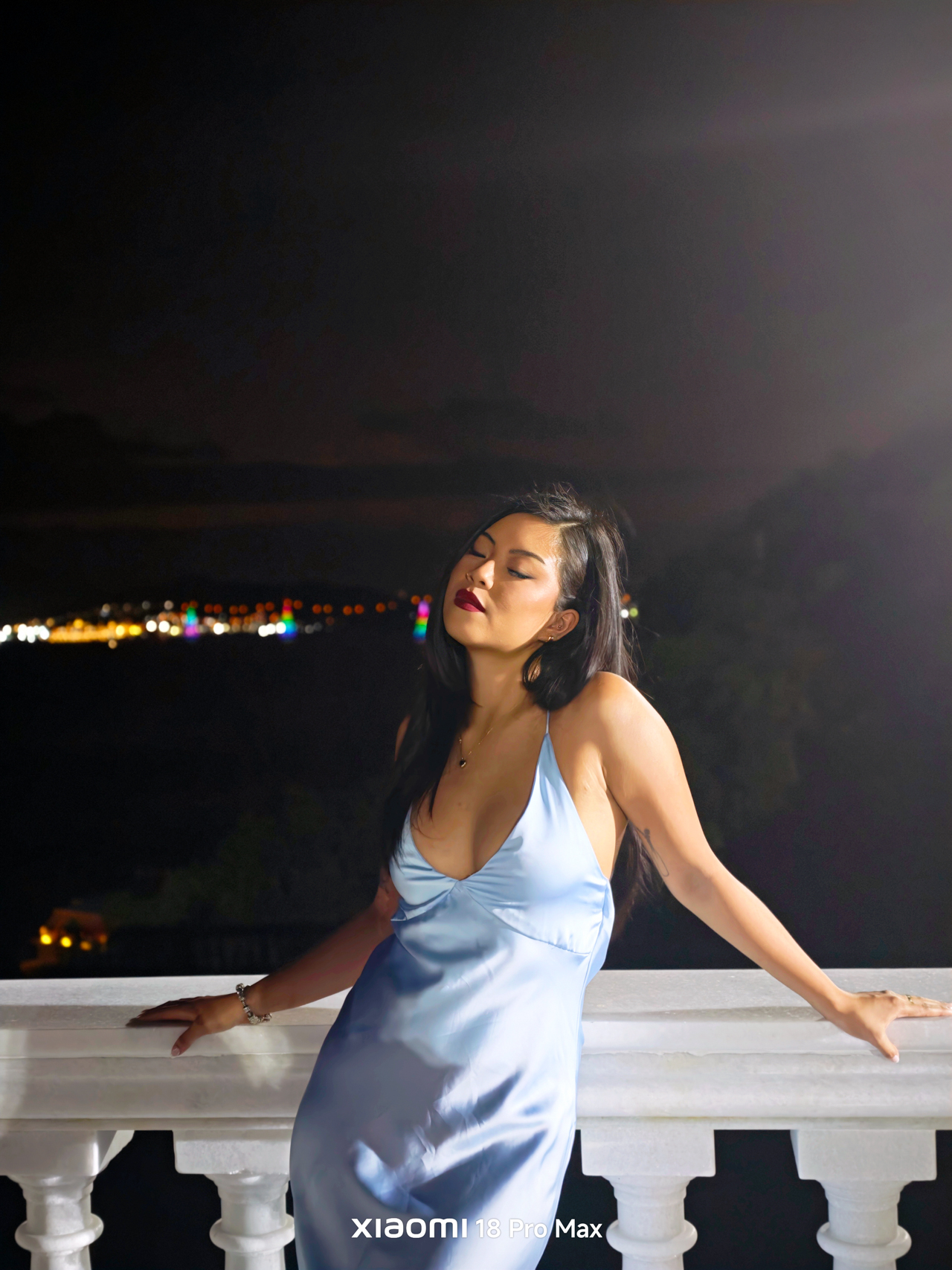
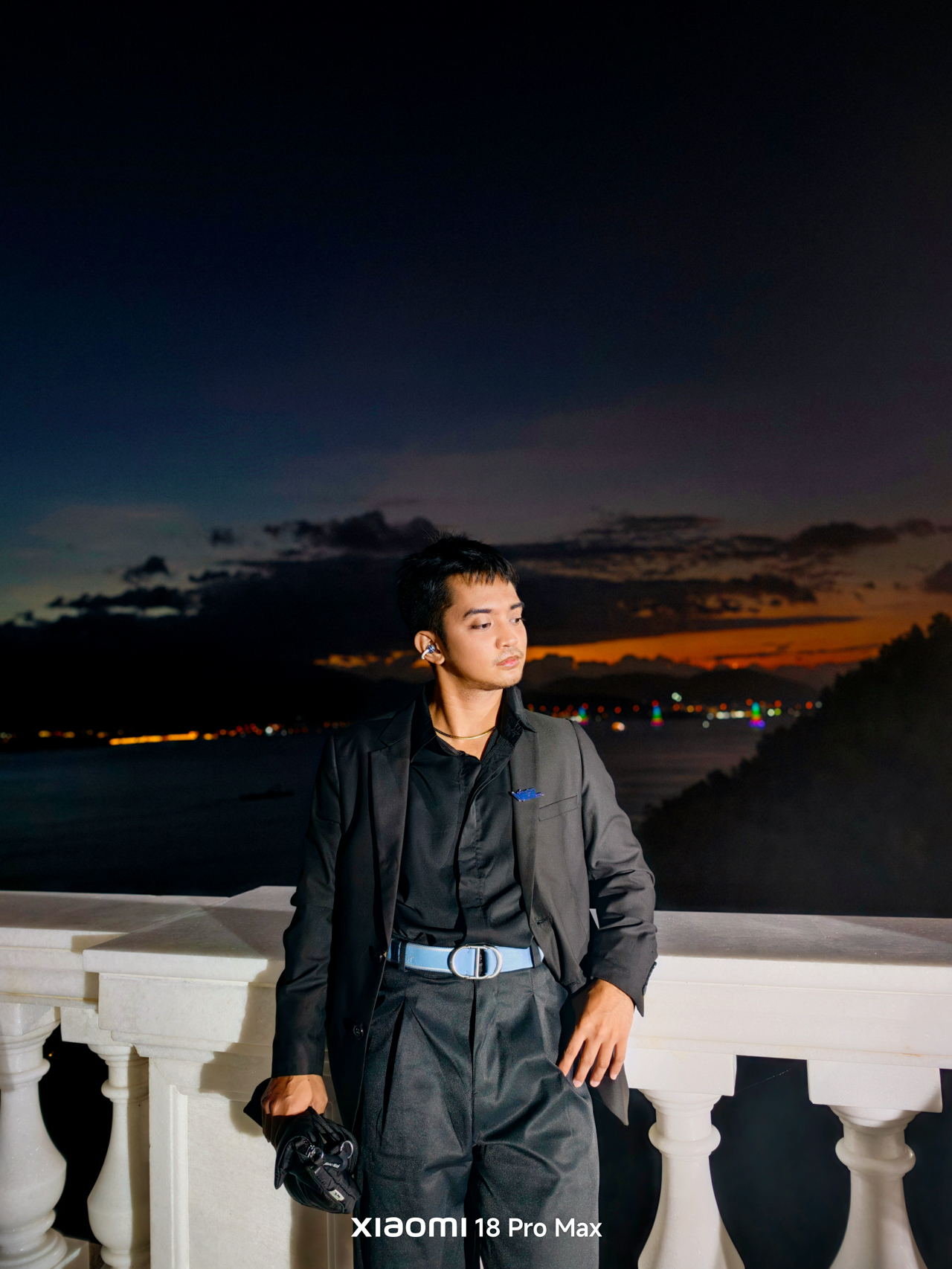
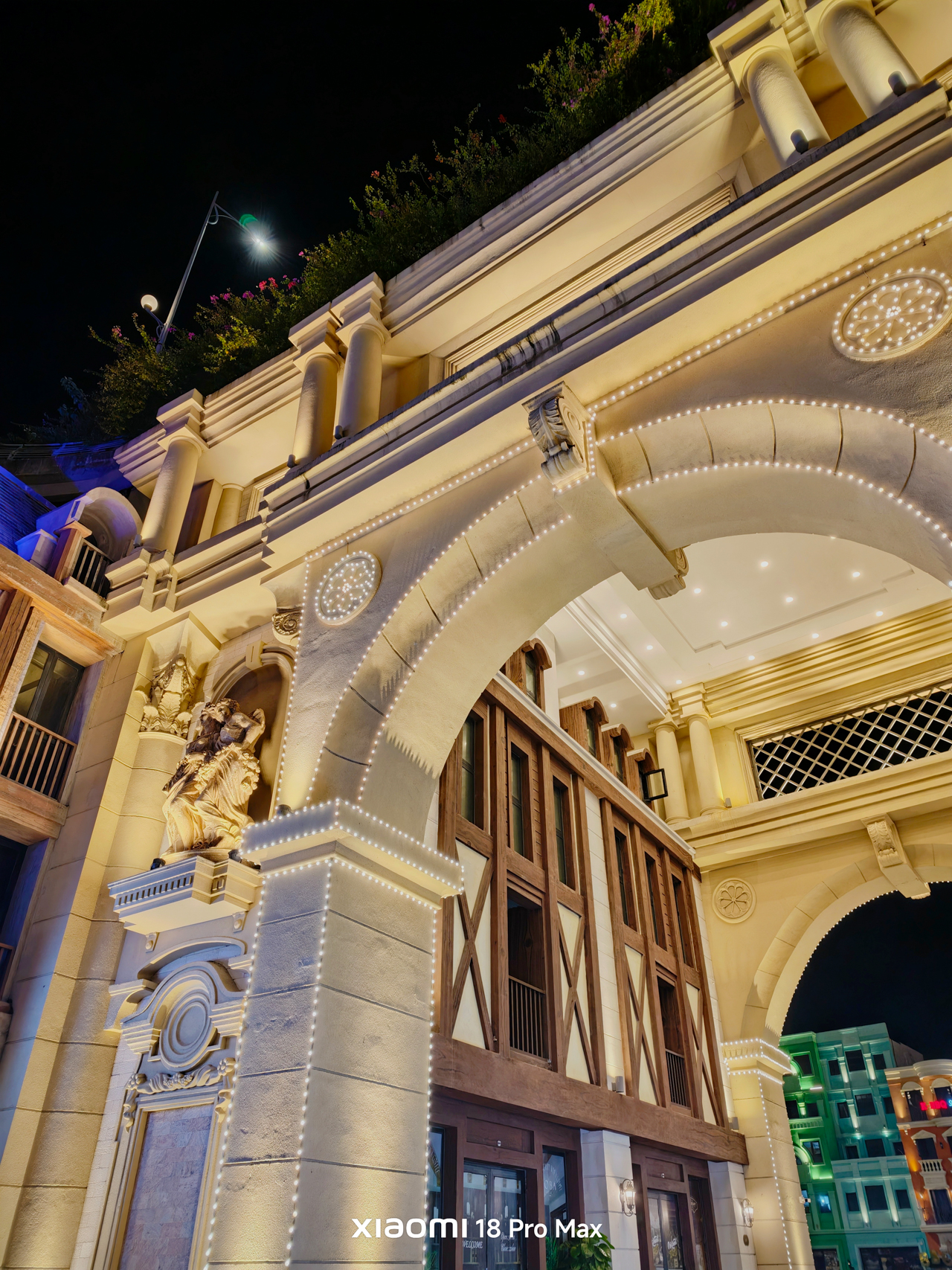

I also enjoyed using it for architectural details and interiors. The resulting background separation and depth looked natural, giving photographs a more polished appearance without requiring much additional editing.





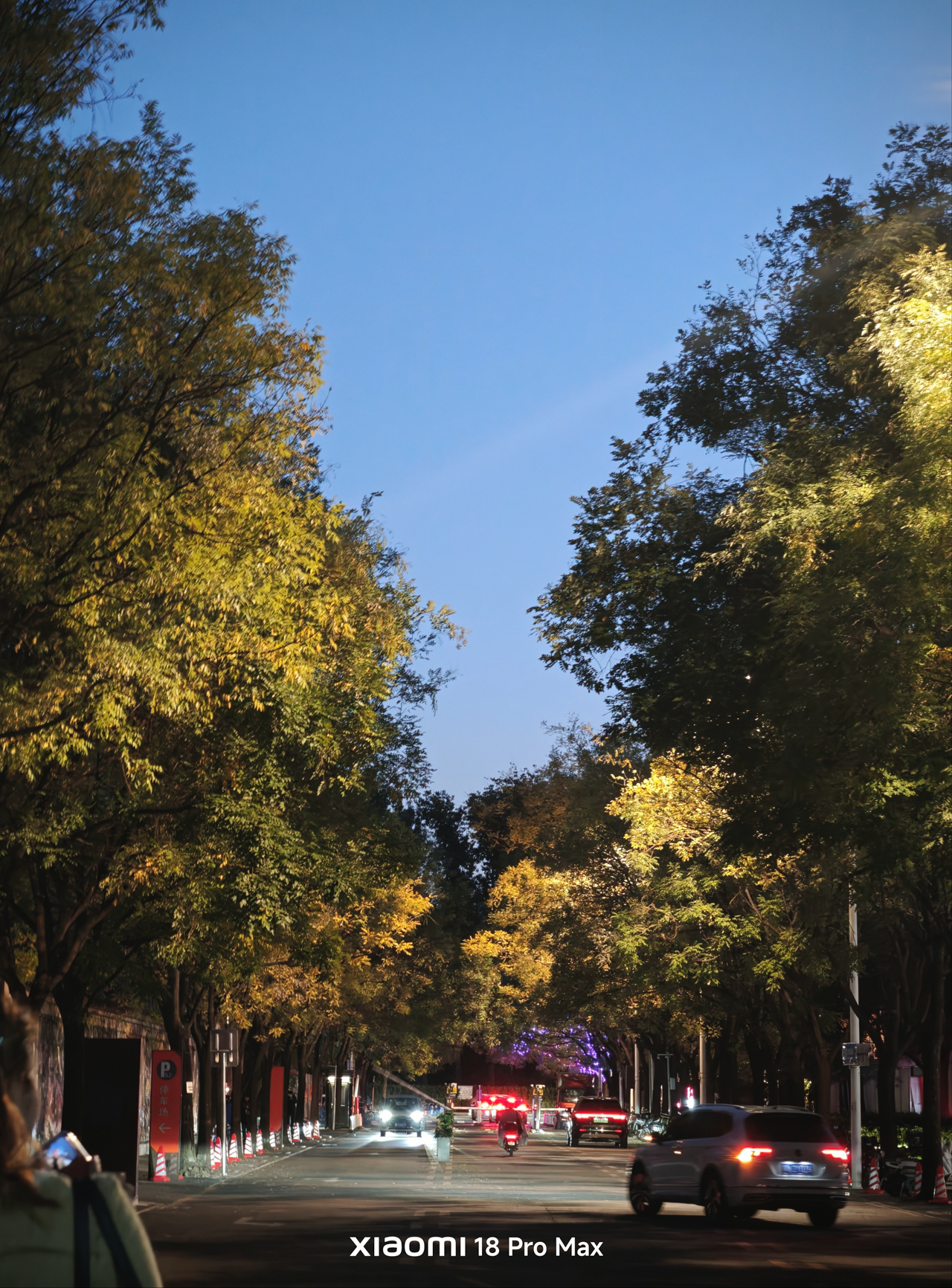
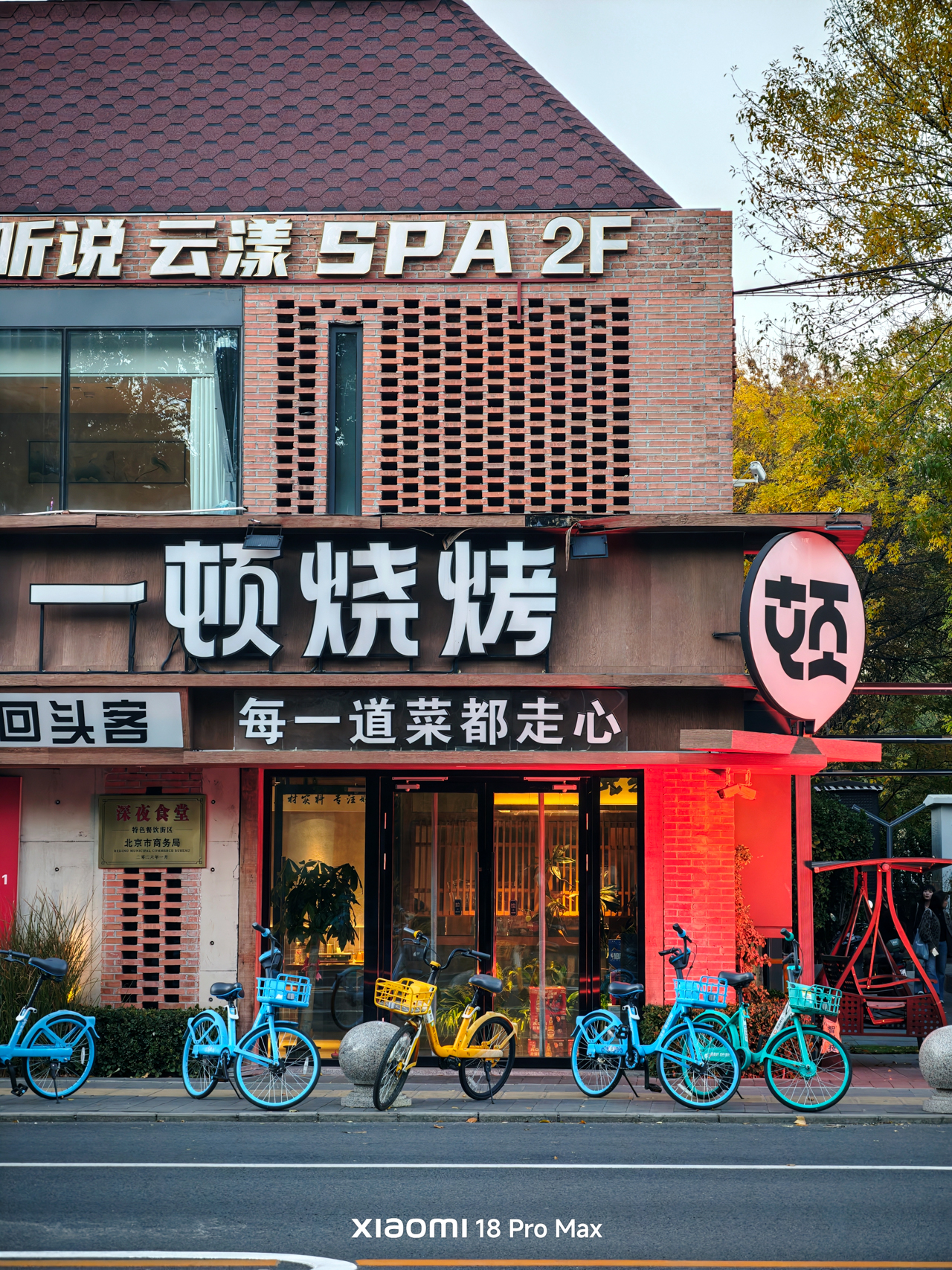

When something was farther away, I switched to 5x zoom, which offers up to 150mm optical-level zoom.
This was especially useful when photographing performances and events. During the Imperial Banquet in Beijing and the Tata Show at VinWonders in Nha Trang, I could capture performers from a distance without losing too much detail.


The images remained sharp and clear, even when I couldn’t get close to the action. This is a welcome advantage when traveling, since moving closer isn’t always possible.




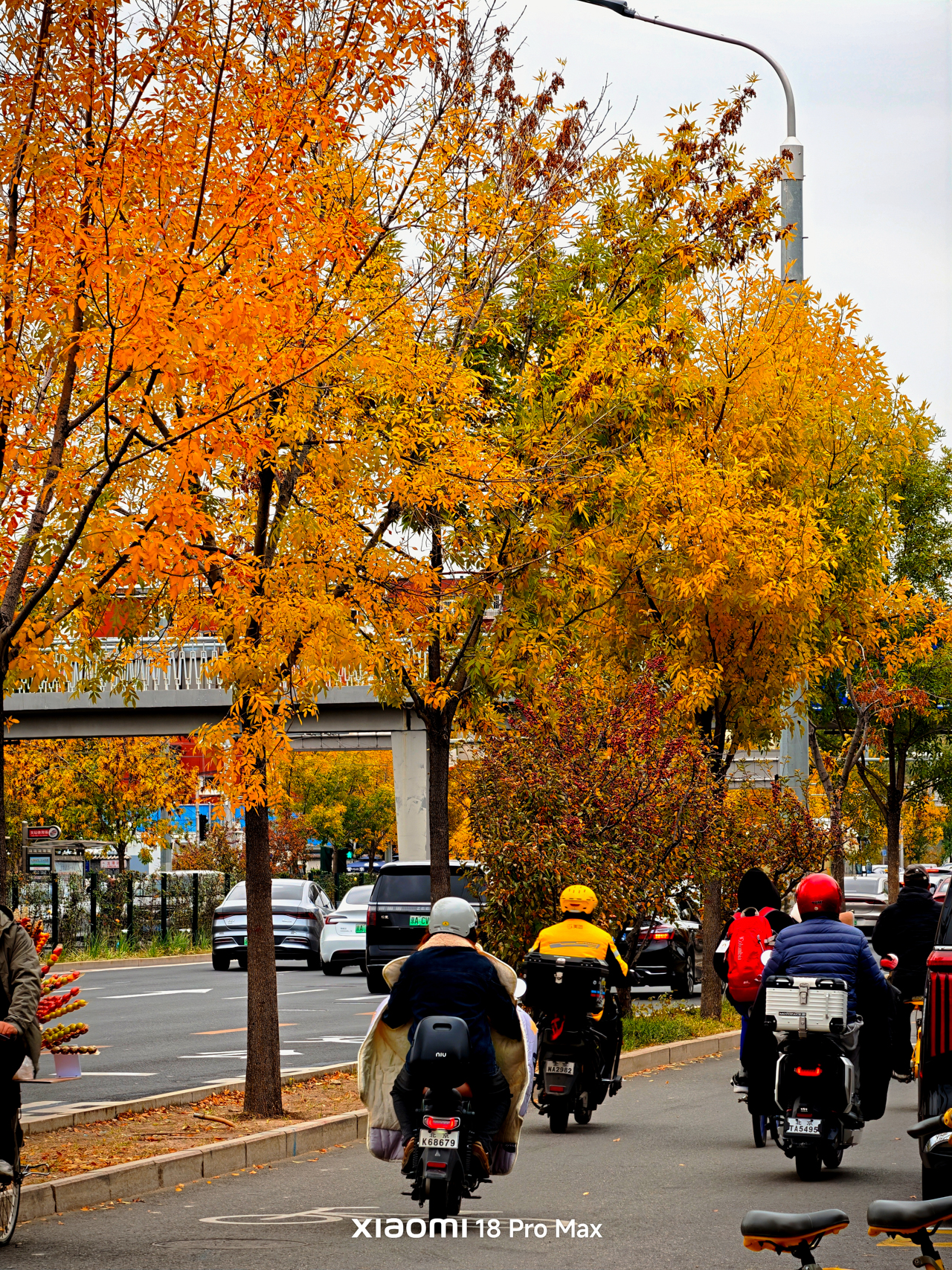


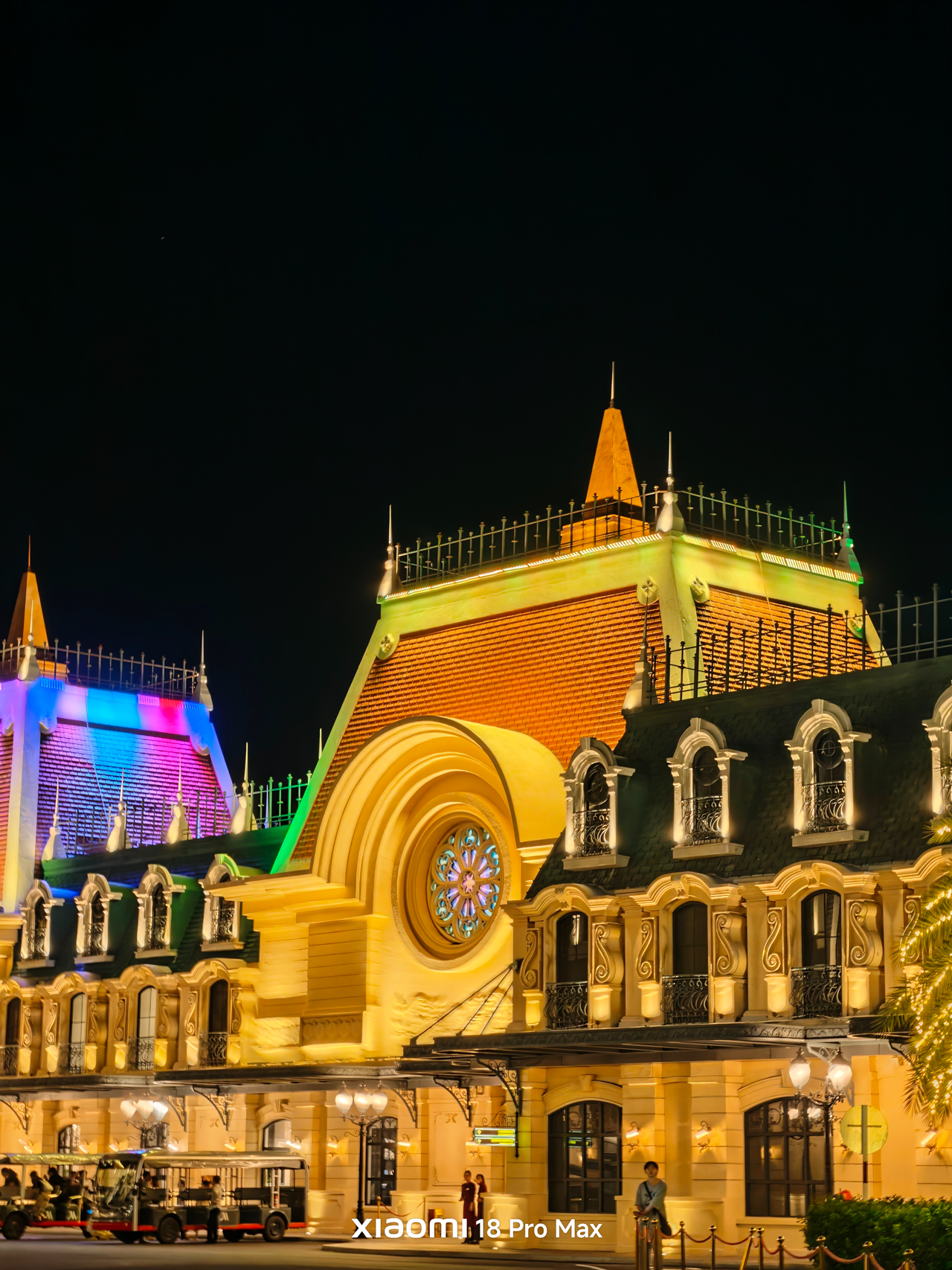
Sometimes there’s a crowd between you and the attraction. Other times there’s a very strict rope barrier reminding you that your photography ambitions have limits.
Either way, having a capable telephoto camera makes documenting those moments much easier.
Editing my memories, my way
Post-processing has always been an important part of my travel photography. I enjoy taking photographs, but I also enjoy the process of turning them into something that reflects my own visual preferences.
My editing style usually depends on my mood and the destination. I gravitate toward color harmony and tonal balance, lifting exposure and shadows to create an open, airy appearance. I prefer creamy whites over sterile highlights, while keeping skin tones natural and rich against brighter environments.


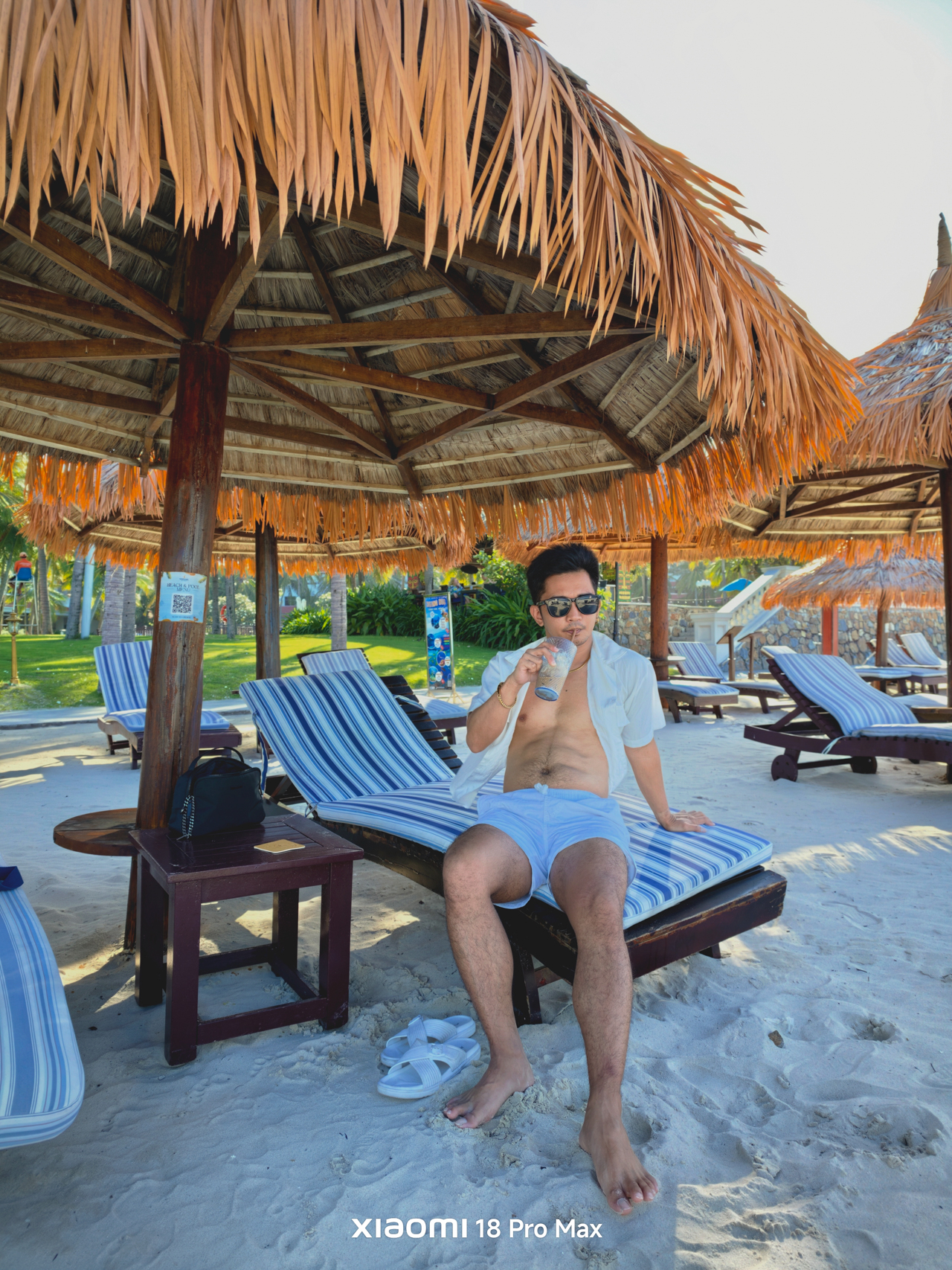
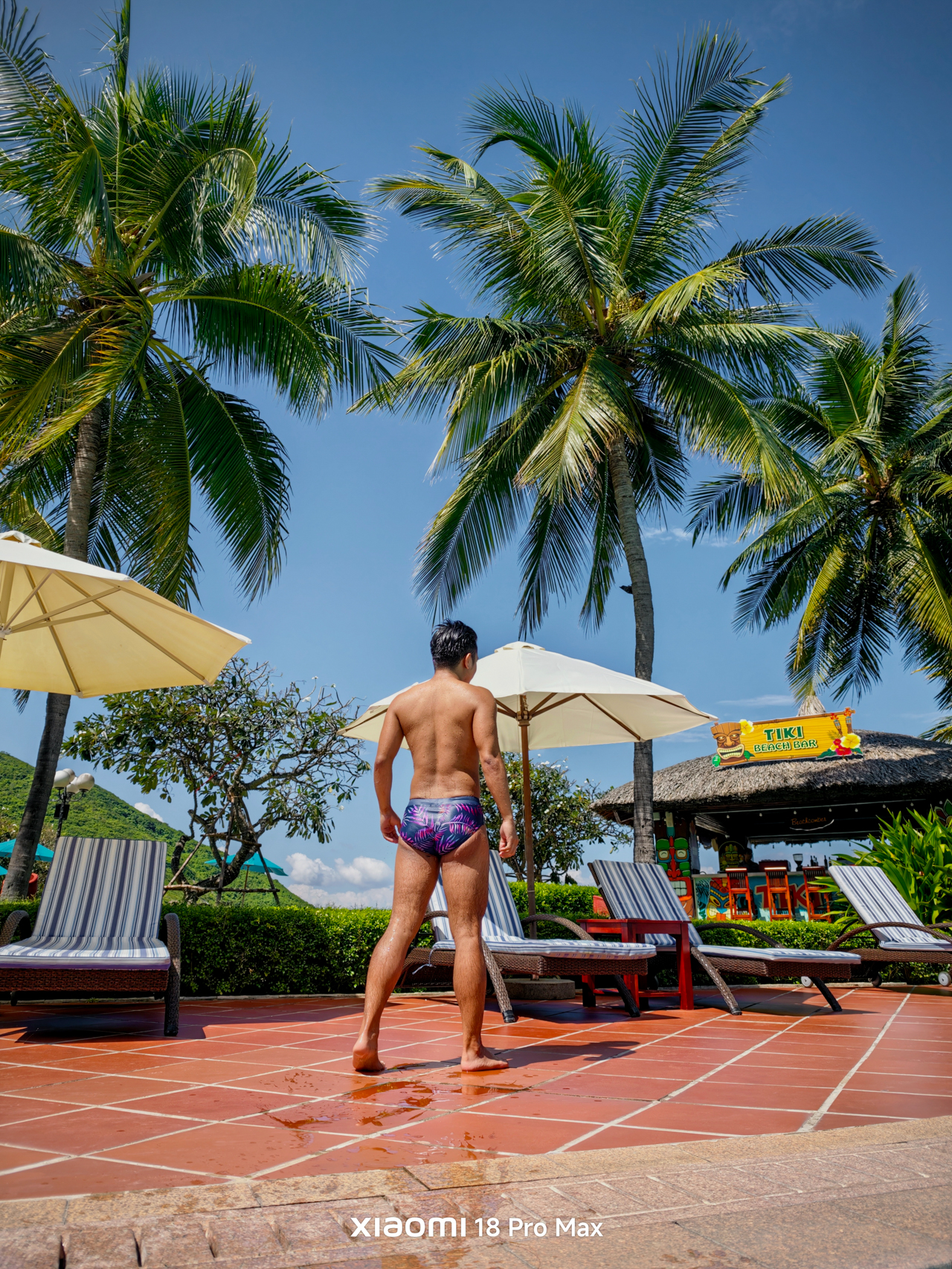
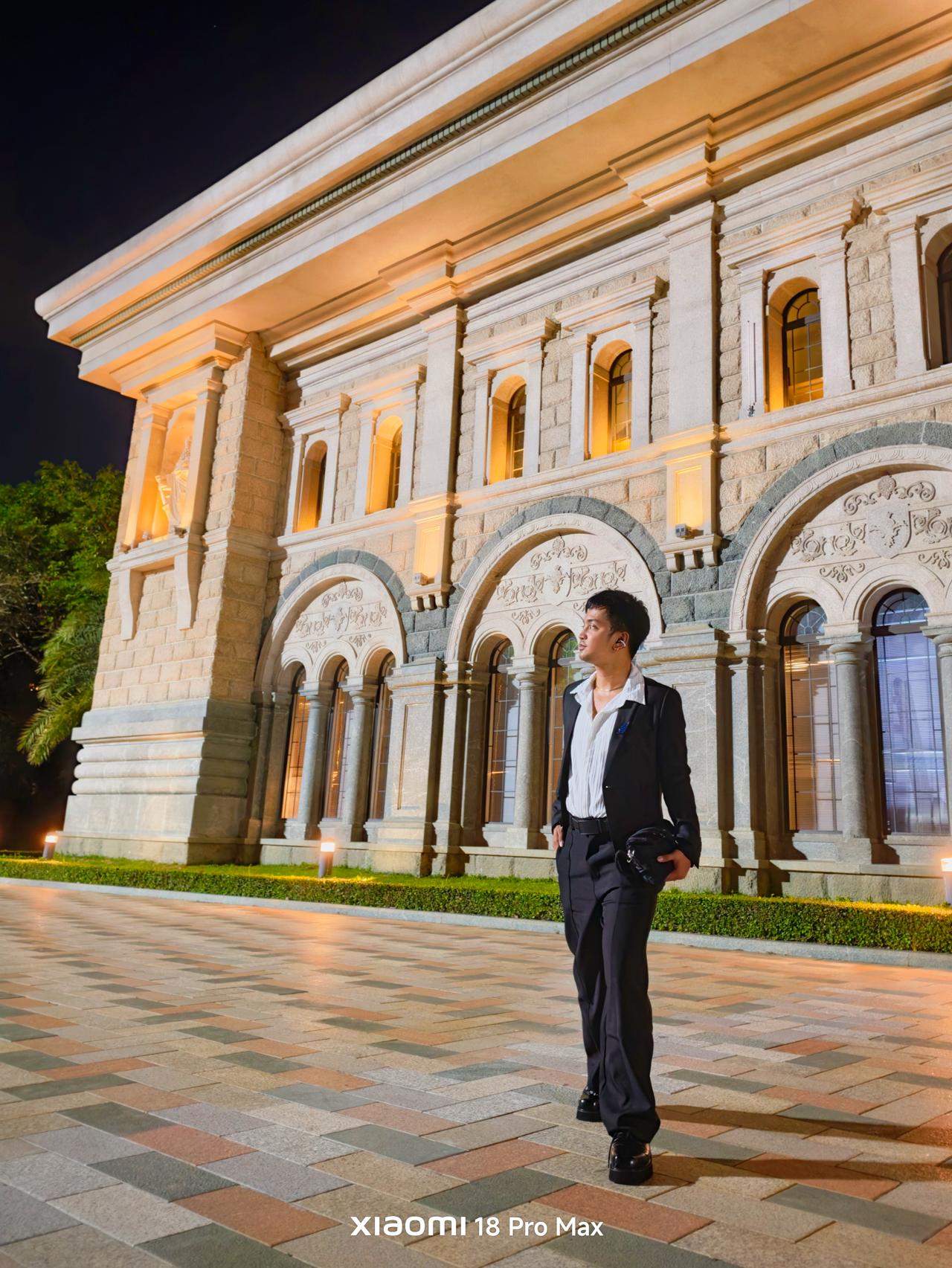

The overall aesthetic is timeless, with true-to-life colors and a slightly elevated finish.
Fortunately, Xiaomi’s built-in photo editor offers several tools that fit comfortably into my usual workflow. It has plenty of cropping options, aspect ratios, filters, and editing controls that make post-processing much more convenient.
My latest favorite is AI Beautify, which automatically detects facial features and optimizes the image’s color and tone. I found it useful for improving portraits taken in challenging lighting, giving them a more polished and cinematic appearance without requiring an extensive editing session.
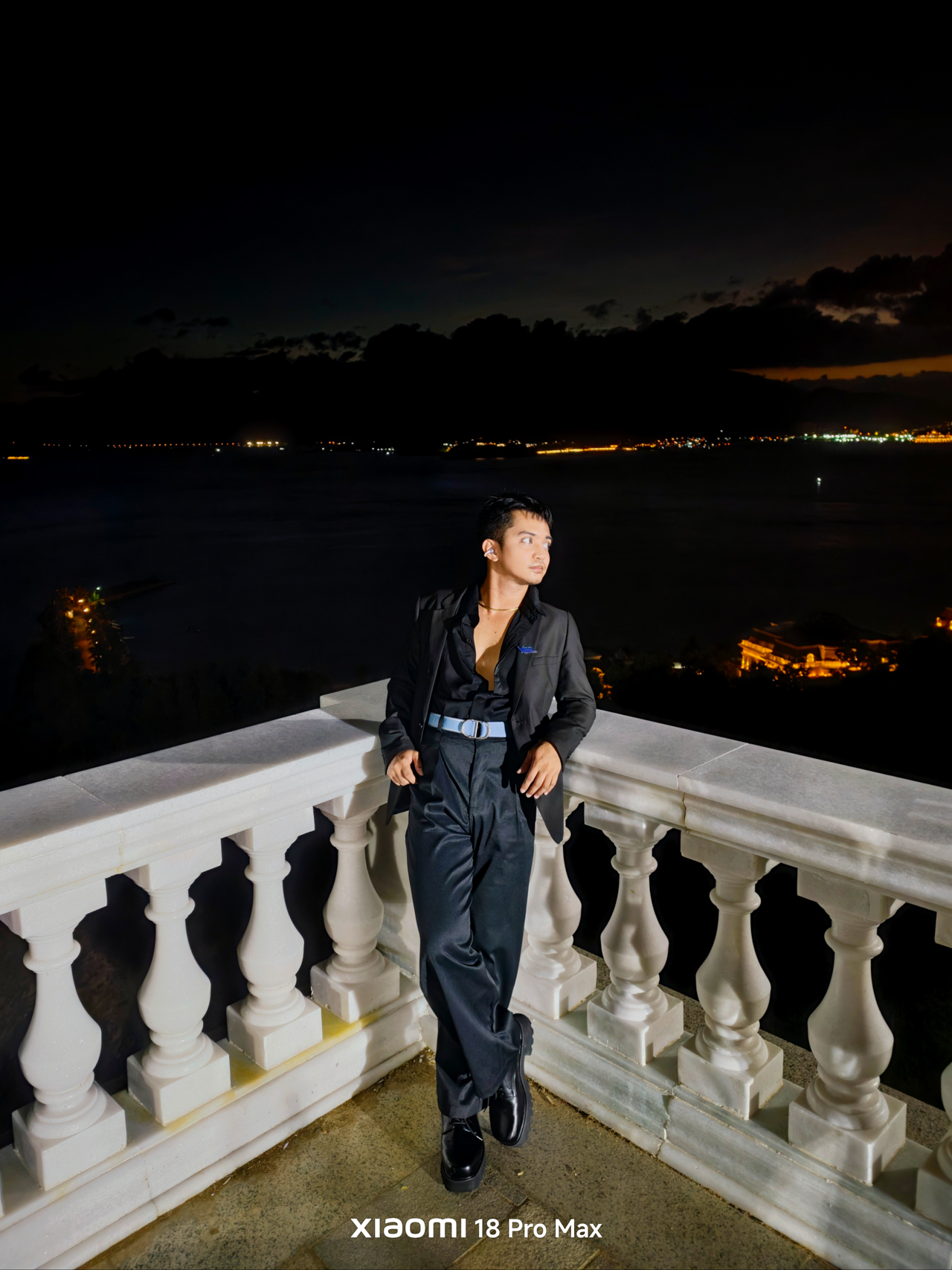
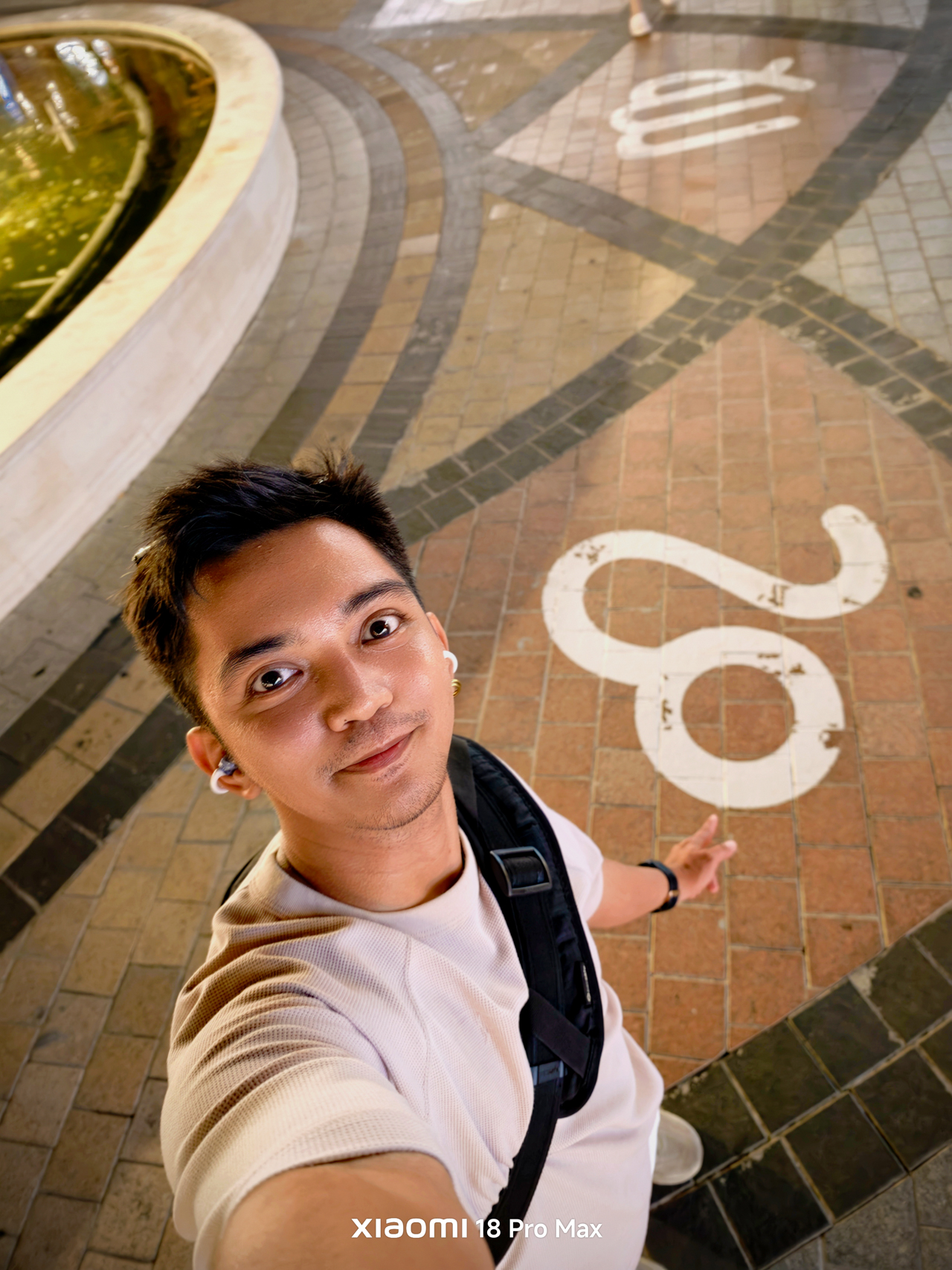
The AI Creativity Assistant also includes a comprehensive collection of editing tools. These include AI Erase Pro, AI Ultra HD, AI Composition, AI Deblur, AI Cutout, Expand, AI Bokeh, and AI Skyscaping.
I appreciate having tools that rescue photographs which would otherwise need several adjustments in Adobe Lightroom.
But I draw a line between using AI to improve a photograph and letting it take over the creative process. I still want my photographs to look and feel like mine. And of course, I want to retain the decisions behind the composition and the overall mood.
AI works best when it takes care of the tedious parts and leaves me with the creative freedom to shape the final image. This is the AI I can get behind.
Essential Moments and the beauty of imperfect memories
Beyond its camera hardware and editing capabilities, Xiaomi’s Essential Moments introduces three photography styles: B&W Film, Iconic CCD, and Modern Vintage.
Xiaomi also offers options to recreate the characteristics of 35mm Documentary and 75mm Portrait lenses, giving users more creative freedom when capturing different scenes.
View this post on Instagram
Michael Josh experimented with B&W Film when he brought the Xiaomi 18 Pro Max to Paris on a rainy day. His photographs had an evocative quality, capturing the atmosphere of the city through beautiful monochromatic compositions.
My own experience leaned toward Iconic CCD. During my stay in Beijing, I found myself photographing the little details inside my hotel room.

Sunlight spilling through the windows and the slightly messy setup that comes with living out of a suitcase all became interesting photographic subjects.
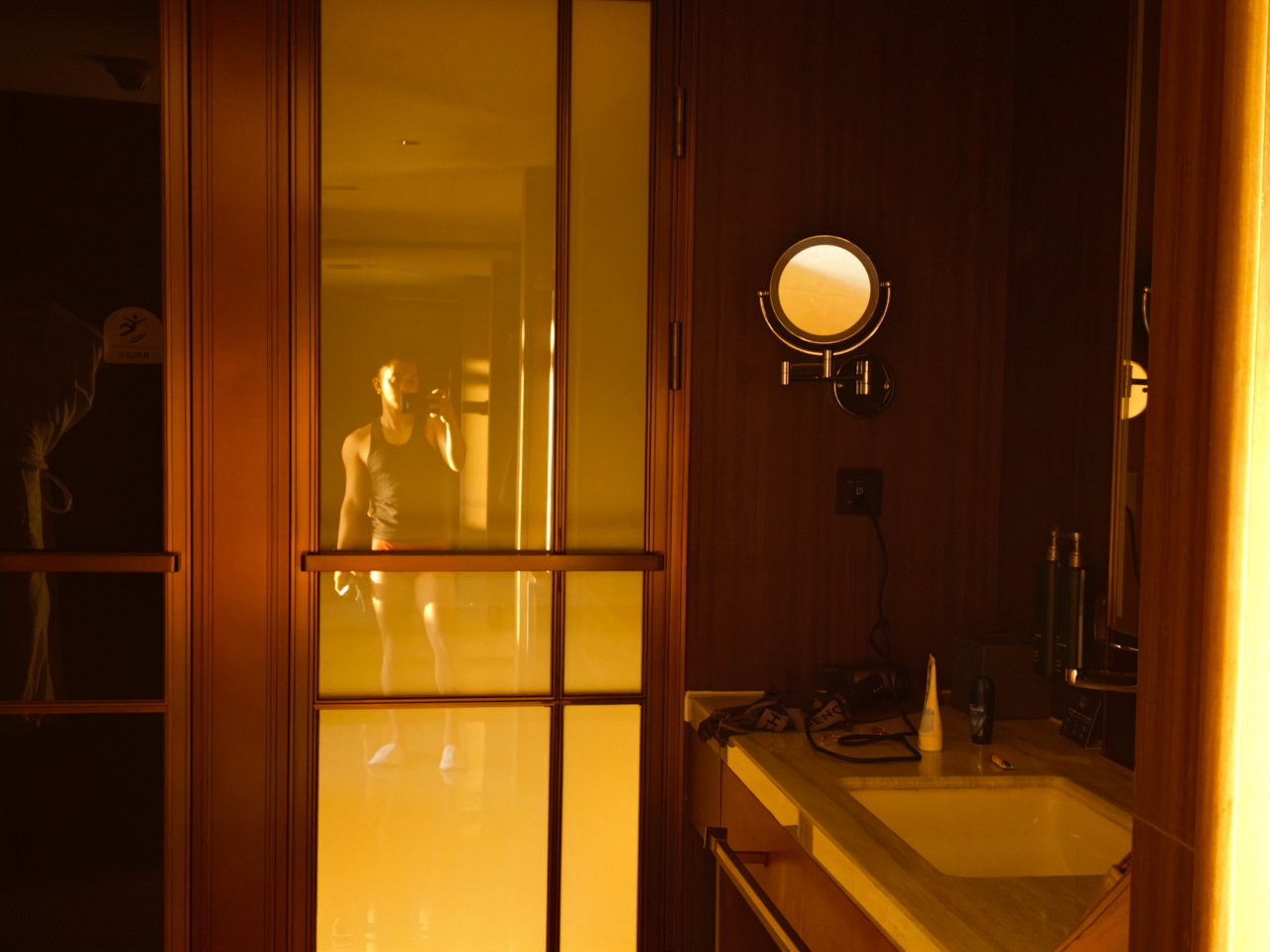

These everyday travel moments have a charm of their own. While the postcard-worthy landmarks usually dominate our camera rolls, these moments tell a more personal story about being somewhere.
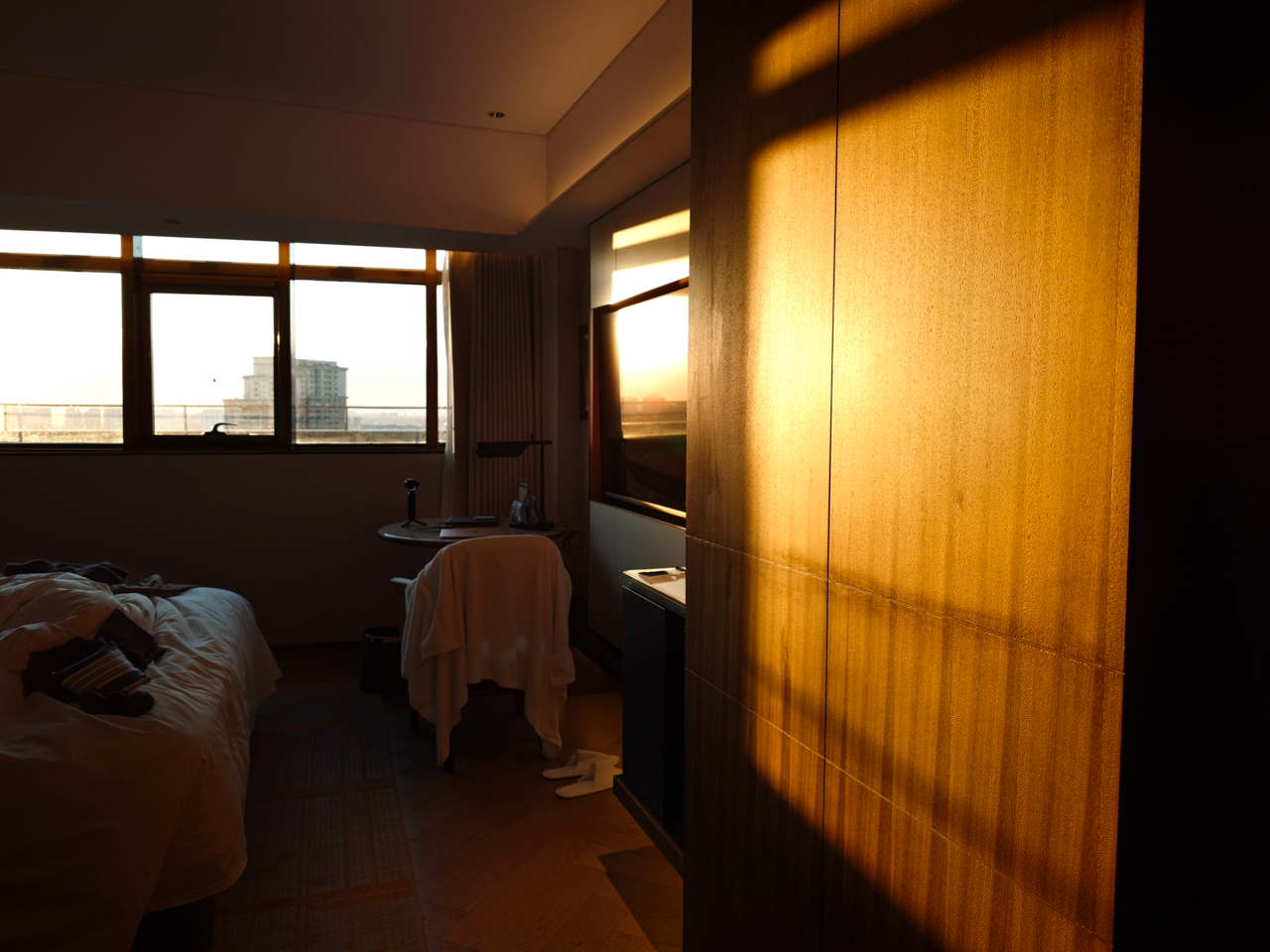
I enjoyed how Iconic CCD gave these photographs a nostalgic quality, almost reminiscent of scenes from an old film. It made even my messy hotel room look aesthetically pleasing, which is quite an achievement considering the number of outfits I had brought along.
A storytelling tool for the travel diary
The Xiaomi 18 Pro Max supports 4K video recording at up to 120fps in Dolby Vision, 10-bit Log, and 8K recording at up to 30fps.
At one point, I considered producing an entire YouTube travel video using the phone. It seemed like a fitting way to test its video capabilities, especially with the Back Display offering a convenient preview when filming myself.
However, traveling has a funny way of disrupting even the most carefully planned content schedules. Some of the best moments happened so quickly that I barely had time to pull out my phone, let alone switch to a more elaborate filming setup.
I ended up recording most of my videos vertically, which is how I naturally document my travels anyway.
I captured the Imperial Banquet performance in Beijing, the Tata Show at VinWonders in Nha Trang, our welcome and gala dinners at Vinpearl Convention Center during the V-Creator All Star Summit ’26, and plenty of spontaneous moments with friends along the way.
Everything was recorded in 4K at 30fps. These clips became little pieces of my travel diary. They were the spontaneous moments that might otherwise have disappeared into memory, from watching a performance to enjoying an evening with friends after a long day of activities.
The video capabilities are impressive, although I found myself appreciating the convenience of having a capable camera ready at all times more than the prospect of producing a full-fledged film.
Sometimes, the best travel footage is the one you actually manage to capture.
Privacy display (and the privacy notice)
Traveling also means spending plenty of time in public spaces, from airports and hotel lounges to restaurants and crowded tourist attractions. This makes smartphone privacy relevant.
Xiaomi introduced its Privacy Display technology, which uses dedicated privacy pixels to limit screen visibility from side angles. The feature can be applied to selected apps, notifications, floating windows, and split-screen views.
Unfortunately, my experience was less convincing than I expected. Even with Privacy Display enabled, my friends could still see what I was doing when looking over my shoulder.
Visibility became more limited when the screen was viewed from farther angles or when brightness was reduced to its lowest levels. It didn’t feel quite as effective as Samsung’s Privacy Display implementation.
Xiaomi also introduced a Privacy Notice feature that detects nearby onlookers and alerts users through discreet vibrations or the Xiaomi HyperIsland.
I tested this with friends who were more than happy to indulge their inner snoops, but the feature didn’t respond during my testing.
Hopefully, this improves with future software updates. I’d appreciate being able to check my flight details and personal messages without an audience.
Surviving a full travel day
The Xiaomi 18 Pro Max features a 6.9-inch display and a 7,050mAh battery. Considering its size and camera capabilities, the battery matters, especially when traveling.
A typical day can involve taking hundreds of photographs and navigating unfamiliar streets, with video recording and editing squeezed in between activities.
With the Back Display’s Always-On Display enabled, I noticed much higher battery consumption. During busy days of filming, photographing, and navigating, the battery could run down to very low levels before the day ended.
On standby, however, the Xiaomi 18 Pro Max comfortably lasted beyond a day before needing a recharge. Charging is another advantage. The Pro Max supports 100W wired charging, while the Pro variant supports 90W. Both also support up to 50W wireless HyperCharge.
Having access to such fast charging is reassuring when traveling. I could top up the phone during a short break before heading out again, which is far preferable to spending precious holiday time sitting beside a charging outlet.
The last thing I want is to discover that my phone has died just as I arrive at the most beautiful part of my trip.
A premium phone for frequent travelers
The Xiaomi 18 Pro Max is a premium flagship smartphone with a starting price of EUR 1,599. It’s an expensive purchase, although its Leica cameras and useful Back Display make it an interesting proposition for frequent travelers and content creators.
I enjoyed how the phone made documenting my travels easier. The Back Display gave me the freedom to take better self-portraits and videos without constantly relying on other people.
The telephoto camera offered flexibility when photographing distant subjects, while the editing tools helped me achieve the visual style I wanted without spending too much time processing every photograph.
A few things still need improvement. The automatic exposure needs better control, and the Always-On Back Display can be demanding on battery life. The Privacy Display also didn’t perform as effectively as I expected.
Personally, I’d probably consider the Xiaomi 18 Pro instead. Its smaller form factor appeals to me, especially when traveling with limited luggage space and trying to keep my everyday essentials manageable. Its EUR 1,399 starting price is also a little easier to justify.
Is the Xiaomi 18 Pro Max your GadgetMatch?
Swipe Left if you prefer a compact, pocket-friendly smartphone and rely heavily on automatic point-and-shoot photography. The occasional exposure inconsistencies might also frustrate you.
Swipe Right if you travel solo and regularly create content. The Back Display is a useful feature that gives you the convenience of a foldable phone’s cover screen without having to fold anything.
Super Swipe if you appreciate professional-grade zoom and Leica’s film-inspired color profiles, and want editing tools that let you retain your personal aesthetic.
The Xiaomi 18 Pro Max is the jetsetter’s personal cameraman. It gives you the freedom to capture the beautiful details of a destination and actually appear in your own travel photographs.
For someone who has spent years being the designated photographer in a group, having a phone that finally returns the favor feels wonderful.
After all, the best travel memories deserve photographs that include you, too. And with that, the Xiaomi 18 Pro Max earns the GadgetMatch Seal of Approval.

Xiaomi has revealed Philippine pricing for the Xiaomi 18 Pro Series, bringing its latest flagship smartphones to local consumers with a starting price of Php 99,999.
The lineup consists of the Xiaomi 18 Pro and Xiaomi 18 Pro Max. Both feature a Leica Dual-200MP Camera System, an AI-powered Back Display, and Qualcomm’s latest Snapdragon 8 Elite mobile platforms.
Price and availability
Both models come in 12GB RAM and 512GB storage configurations for the Philippine market.
Here are their local prices and pre-order offers:
- Xiaomi 18 Pro (12GB + 512GB)
- SRP: Php 99,999
- Pre-order price: Php 95,999
- Pre-order period: November 26 to December 17, 2026
- Xiaomi 18 Pro Max (12GB + 512GB)
- SRP: Php 109,999
- Pre-order price: Php 105,999
- Pre-order period: November 27 to December 17, 2026
Both phones feature a rear display
One of the biggest highlights of the Xiaomi 18 Pro Series is its AI-powered Back Display.
The secondary screen sits alongside the rear cameras and offers up to 4,000 nits of peak brightness with a 1-120Hz LTPO refresh rate.
It doubles as a viewfinder for selfies, group photos, and vlogs. Users can also view notifications, pin important information, and access additional AI-powered functions.
For group selfies, the camera automatically switches to an ultra-wide perspective when it detects more than three people.
The Back Display also supports AI Interpreter, which enables face-to-face translations in 29 languages. GenAI Apps lets users create mini apps through natural language prompts.
Leica Dual-200MP cameras headline the series
Photography is another major focus.
Both smartphones feature a 200-megapixel main camera and a 200-megapixel periscope telephoto camera.
The main camera uses a 1/1.28-inch sensor, while the 75mm telephoto camera features a 1/1.56-inch sensor. Both also come with a 50-megapixel ultra-wide camera.
The Xiaomi 18 Pro Max takes things further with its Light Fusion 960L main sensor, offering up to 16.2EV of dynamic range and LOFIC HDR support.
For video, both models support 4K recording at up to 120fps with Dolby Vision, 10-bit Log, and 8K recording at 30fps.
Snapdragon 8 Elite power and larger batteries
The Xiaomi 18 Pro Series uses Qualcomm’s latest 2nm Snapdragon platforms.
The Xiaomi 18 Pro runs on the Snapdragon 8 Elite Gen 6, while the Xiaomi 18 Pro Max gets the more powerful Snapdragon 8 Elite Extreme Gen 6.
Both feature Qualcomm Oryon CPUs with two prime cores and six performance cores. Their prime cores reach clock speeds of up to 5GHz.
The two phones also differ in display and battery sizes. The Xiaomi 18 Pro features a 6.4-inch display and a 6,000mAh battery. The Pro Max gets a larger 6.9-inch display and a 7,050mAh battery.
Wired charging reaches 90W on the Pro and 100W on the Pro Max. Both support 50W wireless charging.
Xiaomi also introduces Privacy Display technology, which helps limit screen visibility from side angles. Additional AI-powered privacy features include Privacy Mode and Privacy Notice, which can alert users when someone nearby is looking at their screen.

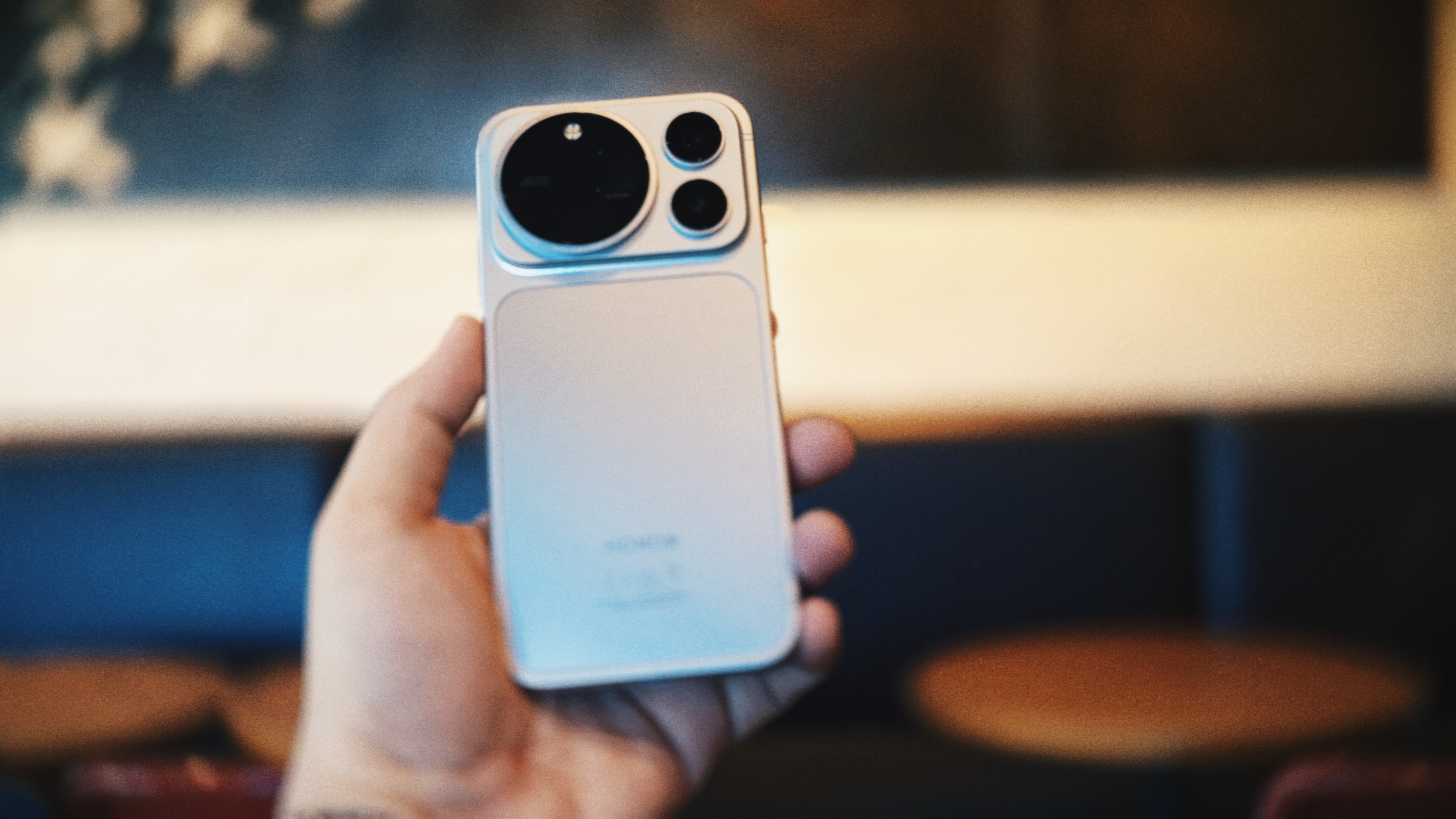
HONOR has launched the Magic9 Pro Max in Malaysia, bringing ARRI-powered cinematic imaging to smartphones. The flagship combines dual 200MP cameras, professional video tools, and an 8,000mAh battery.
The launch also marks the 10th anniversary of the HONOR Magic Series.
An end-to-end ARRI cinema workflow
HONOR developed the Magic9 Pro Max with ARRI, bringing elements of the professional cinema company’s imaging science and color workflow to mobile photography and videography.
The smartphone supports ARRI LogC3, ARRI Wide Gamut 3, and 10-bit color recording. Its ARRI CINEMA Mode captures video at up to 4K 60fps.
The device also supports APV 10-bit 4:2:2 video. HONOR claims the format reduces storage requirements by around 20% compared with ProRes at similar image quality.
Users can choose from 14 ARRI Looks, including two conversion Looks and 12 stylized options. They can also access the broader Look Library, which offers 87 color grades across nine themes. The phone also supports third-party LogC3 LUTs.
Dual 200MP cameras with HONOR Imaging Chip H1
The Magic9 Pro Max features two 200MP cameras. Its main camera uses a 1/1.28-inch sensor, an f/1.57 aperture, and optical image stabilization.
The 200MP telephoto camera uses a 1/1.4-inch sensor and an f/2.6 aperture. Both cameras feature OIS and CIPA 8.0 stabilization.
The phone also has a 50MP ultra-wide camera with an f/2.0 aperture.
HONOR’s Imaging Chip H1 processes images using AI noise reduction in the RAW domain. HONOR claims an 8dB improvement in signal-to-noise ratio and up to 14 stops of cinematic dynamic range.
Cinematic video and professional sound
The Magic9 Pro Max supports video recording at up to 4K 120fps in supported modes.
Cinematic LiveVideo captures three seconds of motion after users hold the shutter. It supports up to 4K resolution, 16:9 and 2.39:1 aspect ratios, ARRI Looks, and optional watermarks.
Magic Color for Video analyzes a reference clip’s color style and applies a coordinated look to new footage.
The phone also features a 55MP square-format front camera. Users can reframe portrait or landscape footage without changing their grip.
HONOR equips the device with four microphones. One directional microphone and three omnidirectional microphones capture audio from selected sources up to 20 meters away.
Users can choose from four directional presets or create custom settings. The system suppresses off-axis noise beyond a ±60-degree range.
The Magic9 Pro Max also features stereo Dual 1216 speakers.
HONOR will offer accessories through its partnership with SmallRig. The lineup includes the G200 teleconverter, which delivers a 200mm equivalent focal length. It measures around 81mm and weighs 88 grams.
The G500 teleconverter extends the phone’s reach to a 500mm equivalent focal length. HONOR claims it offers the longest focal length available for a smartphone teleconverter.
Cinema-inspired design
HONOR draws inspiration from the three-lens turret cameras of classic ARRIFLEX cameras dating back to 1937.
The Magic9 Pro Max adopts a 1+2 camera arrangement and an all-metal unibody design. Its camera module reflects the styling of professional cinema equipment.
Flagship performance and battery
The Magic9 Pro Max runs on Qualcomm’s Snapdragon 8 Elite Extreme Gen 6 processor, built on a 2nm process.
Its Oryon CPU reaches a peak clock speed of 5GHz. Qualcomm claims 13% higher CPU performance, 44% higher GPU performance, and 40% better GPU efficiency.
The Hexagon NPU delivers a claimed 35% performance improvement. Qualcomm also claims a 33% improvement in performance per watt for generative AI workloads.
The phone packs an 8,000mAh battery, rated at 7,745mAh. It supports 100W wired and 80W wireless HONOR SuperCharge.
HONOR also includes its third-generation RF Enhanced Chip C3. Its seven-chip RF architecture improves connectivity and network selection.
The Magic9 Pro Max features a 6.8-inch LTPO OLED display with an anti-reflective coating. HONOR claims the display can reach 10,000 nits peak brightness and reduce reflectance to 1.5%.
The phone also features HONOR NanoCrystal Shield protection and IP68, IP69, and IP69K ratings.
MagicOS 11 adds AI and cross-device features
The Magic9 Pro Max runs MagicOS 11 and introduces an AI Button for shortcuts to AI Screen Suggestions, AI Settings Agent, AI Photos Agent, Google Lens, and AI Memory.
Its Camera Button provides quick access to camera controls and capture.
Google Gemini can also use the phone’s camera and screen context. It can perform supported actions across apps.
MagicOS 11 adds notification summaries and HONOR Connect features. These include compatibility with Apple Watch and AirPods, one-tap sharing with Insta360, and file sharing through an AirDrop-compatible framework.
Price and availability in Malaysia
The HONOR Magic9 Pro Max comes in Shadow Black, Glacier Silver, and Moss Green.
Malaysia gets the 24GB RAM configuration, which includes 12GB of HONOR Turbo RAM, paired with 512GB of storage.
The phone is priced at RM5,999 (approximately US$1,320). It will be available in stores beginning December 4, 2026.
Preorders run from November 24 to December 3. Buyers will receive a bundle worth RM4,009 (approximately US$880), which includes:
- RM300 instant rebate
- RM300 coupon for the Professional Imaging Kit
- Harman Kardon Aura Studio 5 speaker, exclusive to preorder customers
- HONOR Magic9 Pro Max Magnetic Swap Case
- One-year liquid damage, screen, and back cover protection
- One-year extended warranty
- Two-year battery replacement
- Three months of Google AI Pro with 5TB of cloud storage
Customers can preorder through HONOR Experience Stores, the HONOR Malaysia Online Store, and HONOR’s official Shopee, Lazada, and TikTok Shop stores.
The device will also be available through Harvey Norman, Senheng, SenQ, and Urban Republic.

Xiaomi 18 Pro Max review: A jetsetter’s dream
It's got a cover screen that doesn't need folding!


Now Playing: The Legend of Zelda: Ocarina of Time (2026)
It's a true labor of love.


My latest fashion accessory happens to play music
The JBL Soundgear Clips are the finishing touch my outfits needed!

Smart advances AI-powered mobile experiences with 5G
Xiaomi 18 Pro Max review: A jetsetter’s dream

Apple might be working on a foldable iPad worth $5,000

CASETiFY has a new Pokémon collection

Salmon launches basketball-themed virtual card designs

Your coffee nook is getting a makeover with Starbucks’ holiday collections

Sticker season is back, and so is the planner your ~friends~ might fill in for you

Wild Rift Patch 7.3, celebrates K/DA comeback

vivo X500 Pro Max review: 500+ hours later

Five new (and better) games you can play instead of GTA VI


-
 Reviews2 weeks ago
vivo X500 Pro Max review: 500+ hours later
-
 Gaming1 week ago
Five new (and better) games you can play instead of GTA VI
-

 Cameras6 days ago
Fujifilm instax Pal 2 review
-

 Smartphones2 weeks ago
Spotlight: OPPO Find X10 Pro Max
-

 Entertainment5 days ago
Spider-Man: Brand New Day returns to cinemas with new scenes
-
 Smartphones1 week ago
The iPhone Duo is replacing my Kindle
-

 Buyer's Guide2 weeks ago
Buyer’s Guide: 2026 Amazon Kindle
-

 News1 week ago
Xiaomi launches Watch S5, Smart Band 11, and Clip earbuds