
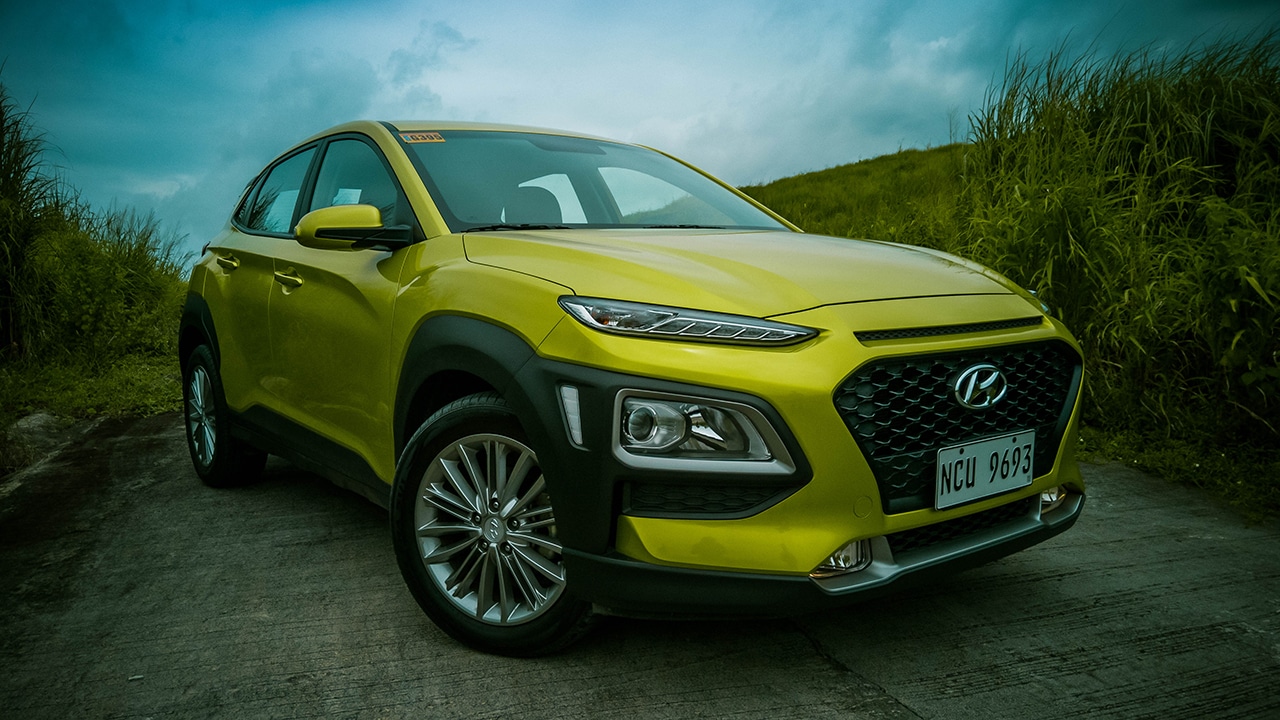

Is it a crossover? Is it a hatchback? Is it an APV? I, too, was confused when I first laid eyes on the 2019 Hyundai Kona. It was one of a kind, unique from any segment I was familiar with.
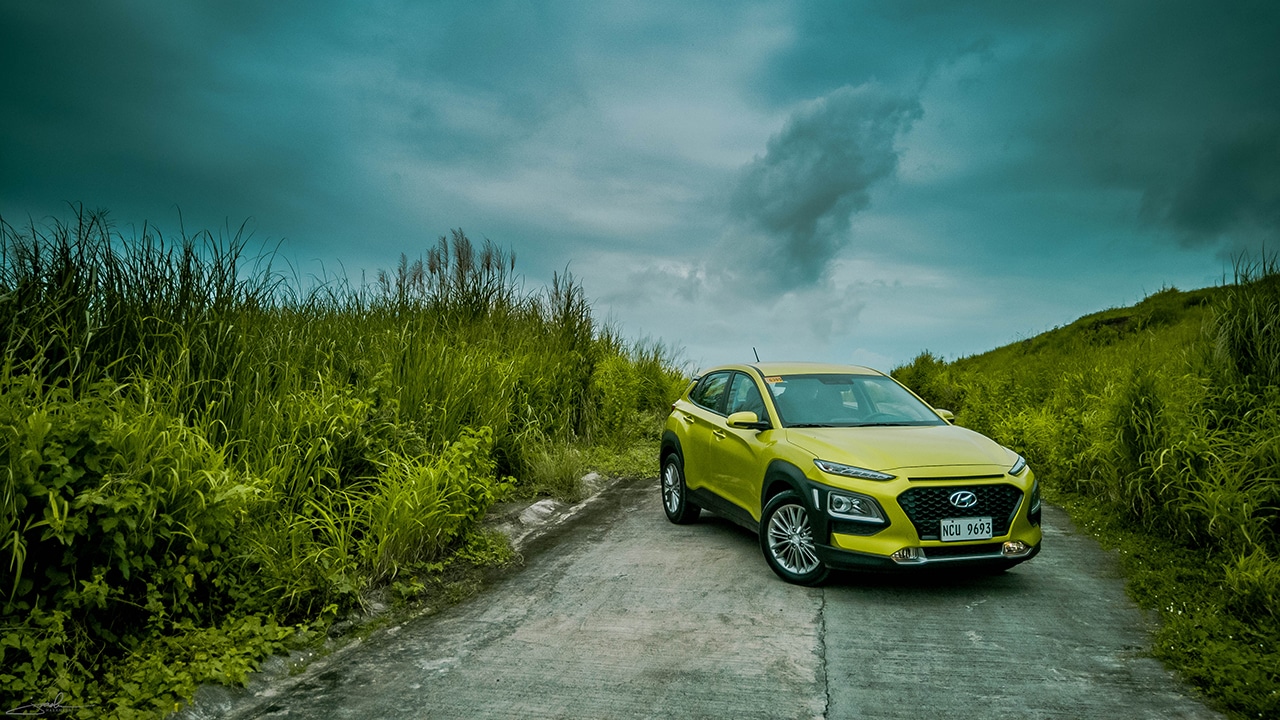
In line with the Mazda CX3 and Honda HRV, the Kona is a subcompact crossover SUV.

This vehicle is a true head-turner. I highly appreciate car companies whose designs are bold and thought of outside the box. In short, designs that make a statement.
The sleek and futuristic look of the Kona is best complemented in the flagship color Acid Yellow that gave my child-like imagination the impression of a glowing radioactive spaceship.

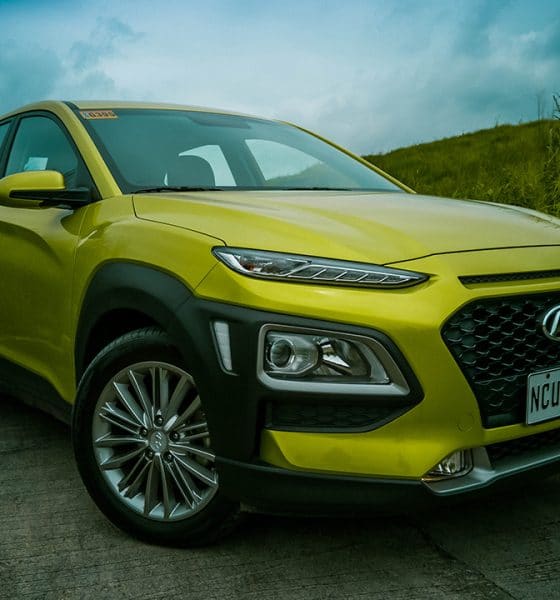
From the front, its fascia is exciting and modern in style with the growing trend of separated headlight design (like the Nissan Juke), streamlined daytime running lights, and low set fog lamps all go together with Hyundai’s trademark grille design.
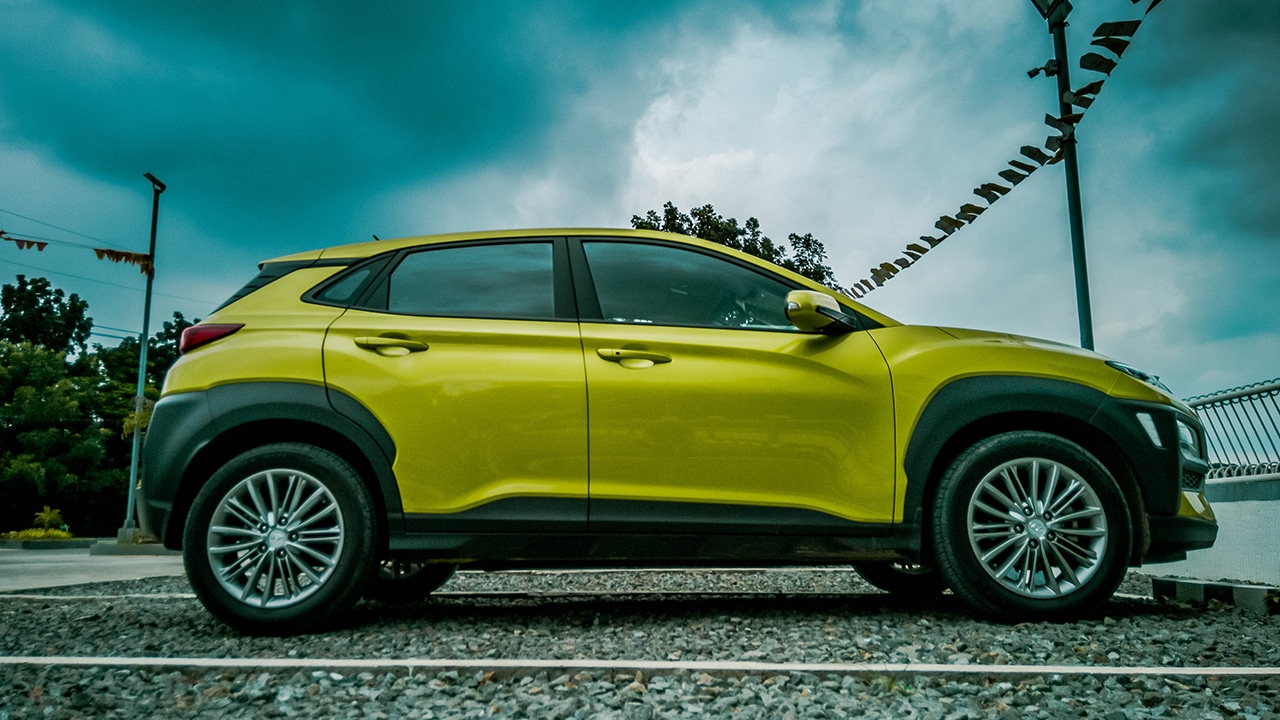
Side profiles are matched with dynamic character lines as well as accents of matte black plastic cladding around the wheel arches and rocker panels.
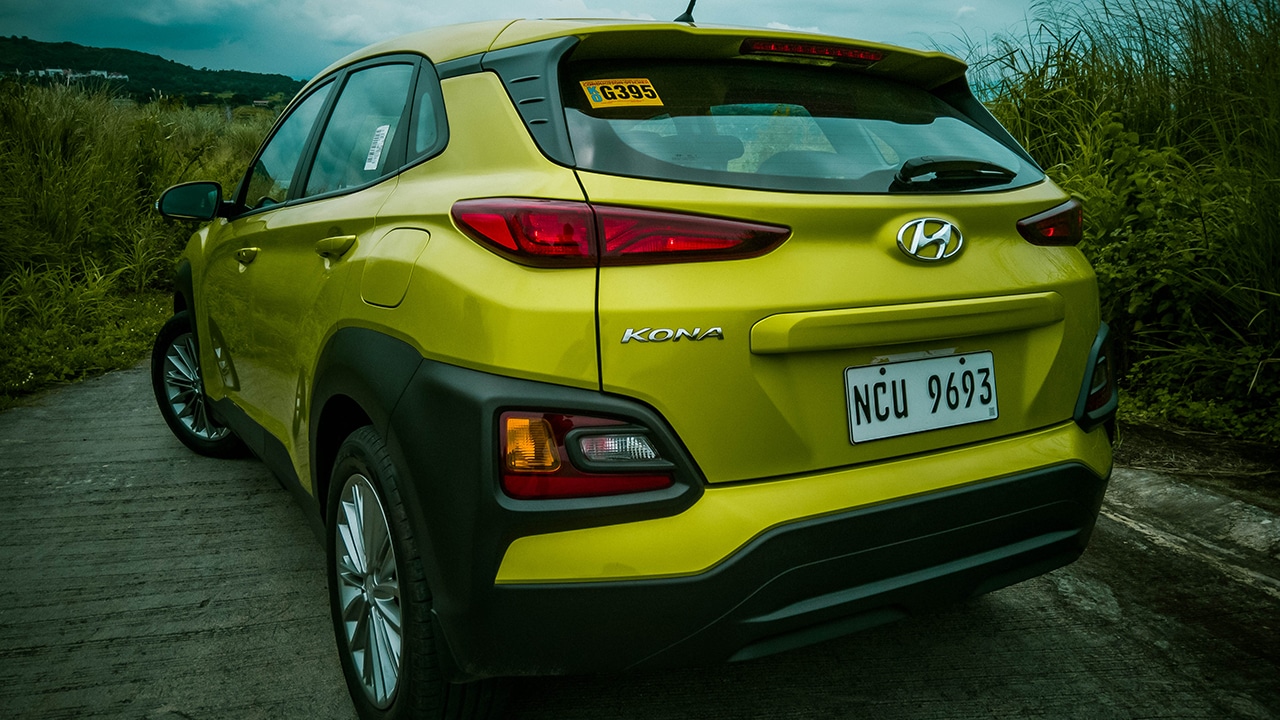
Walking around to the back, you will find a design that is very consistent with the front. It’s almost identical and probably has one of the best looking rear-ends in its segment.
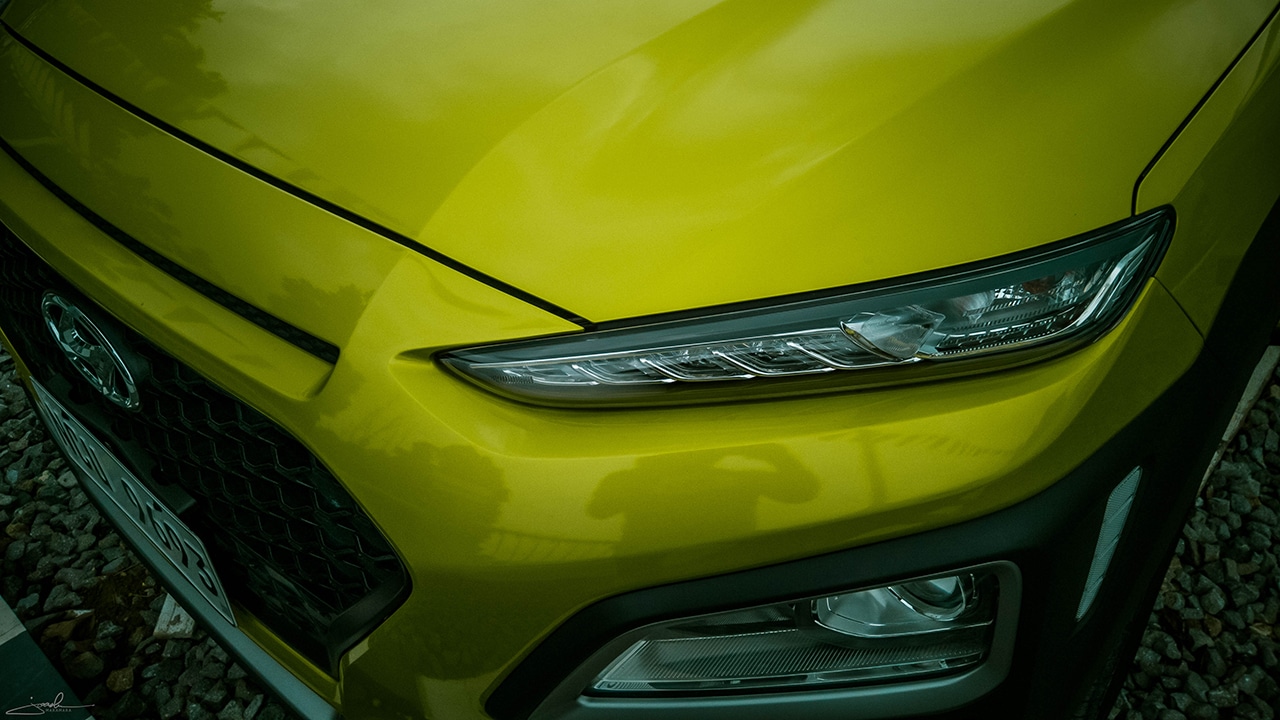
If we were to personify this Kona, it would undoubtedly be an extrovert. He’d be that kind of guy who’s not afraid of being a little flashy and would confidently come up to you to get your attention.

What I’m not a big fan of is the unnecessary amount of plastic cladding. Anyone who has ever owned a vehicle with this type of material will agree when I say it demands high maintenance since it tends to fade quickly.
Overall, the exterior feels exciting and fun, but stepping inside is a different story.
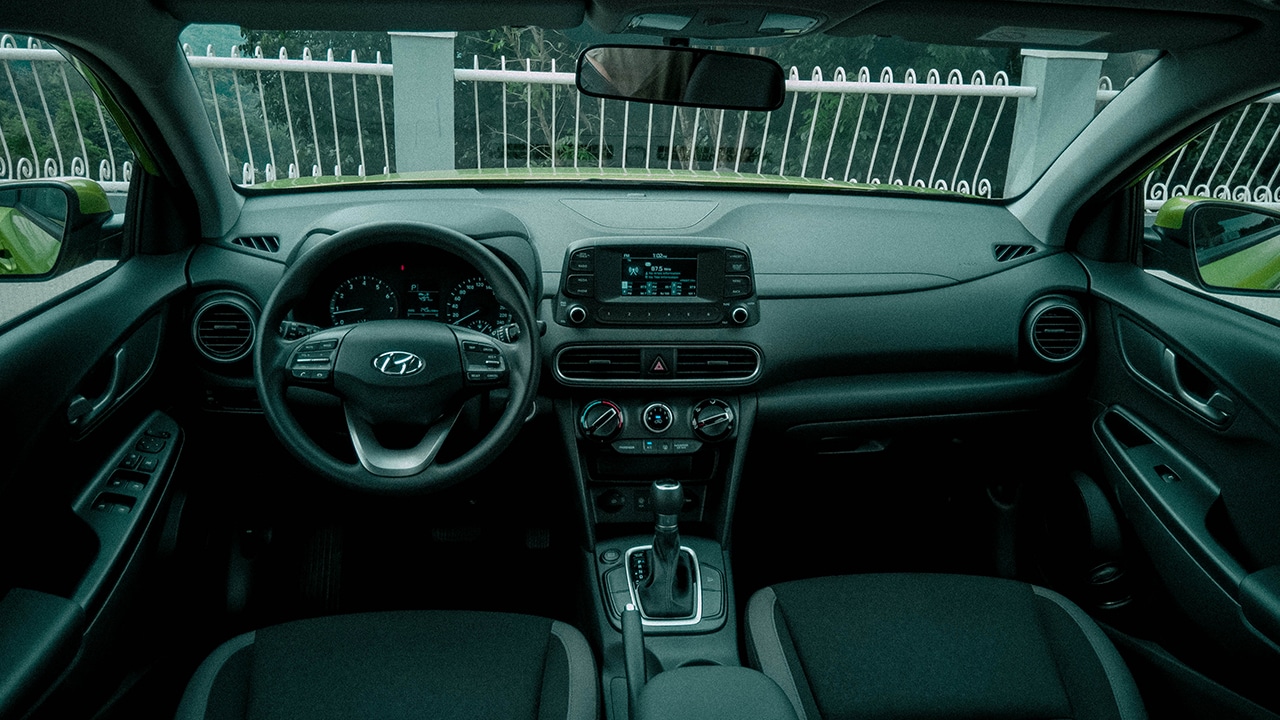
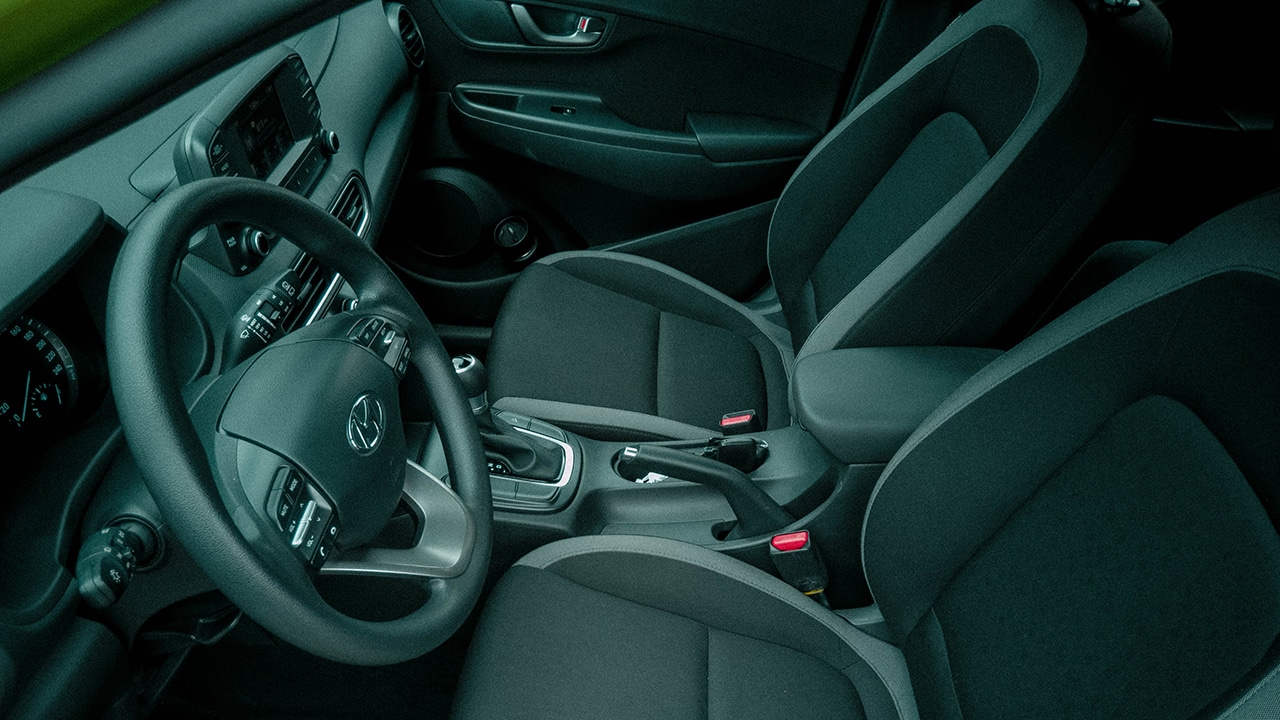
The interior is, well, basic. Scratchy-hard and soft plastic, fabrics, and polyurethane are the main materials used for the interior. It doesn’t give you the same exhilaration as the exterior and sadly feels like it stepped out of character.
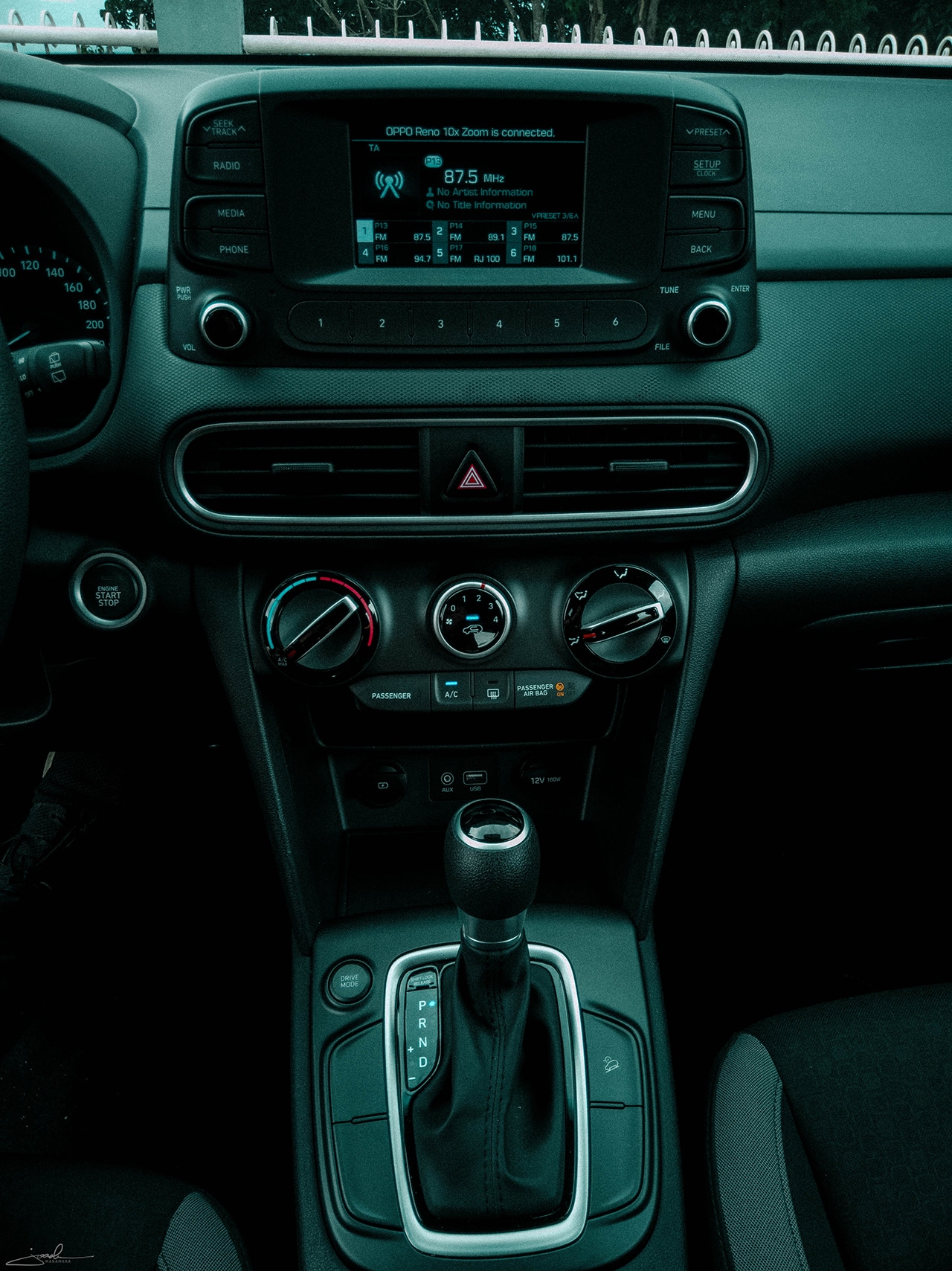
Mounted on the dashboard, you will find a somewhat unappealing infotainment system — A non-touchscreen mono LCD unit that’s initially confusing to use while underneath is its manual climate control. Oh, and its instrument panel didn’t help spice the interior up, either, as it seemed a little too straightforward for this car’s asking price.
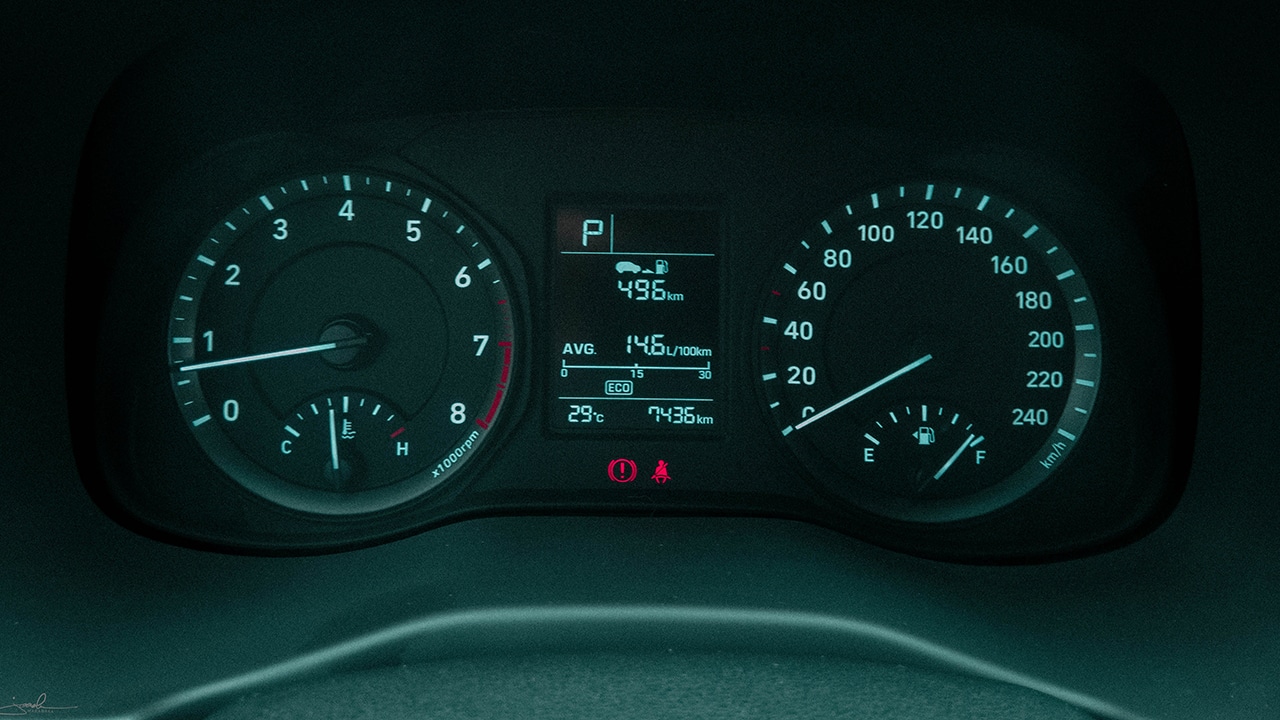
On the up-side, cabin space and comfort are not lacking whatsoever. With head and legroom to spare and plenty of cargo space for everyone. Cup holders, USB ports, and 12V sockets also come as standard.
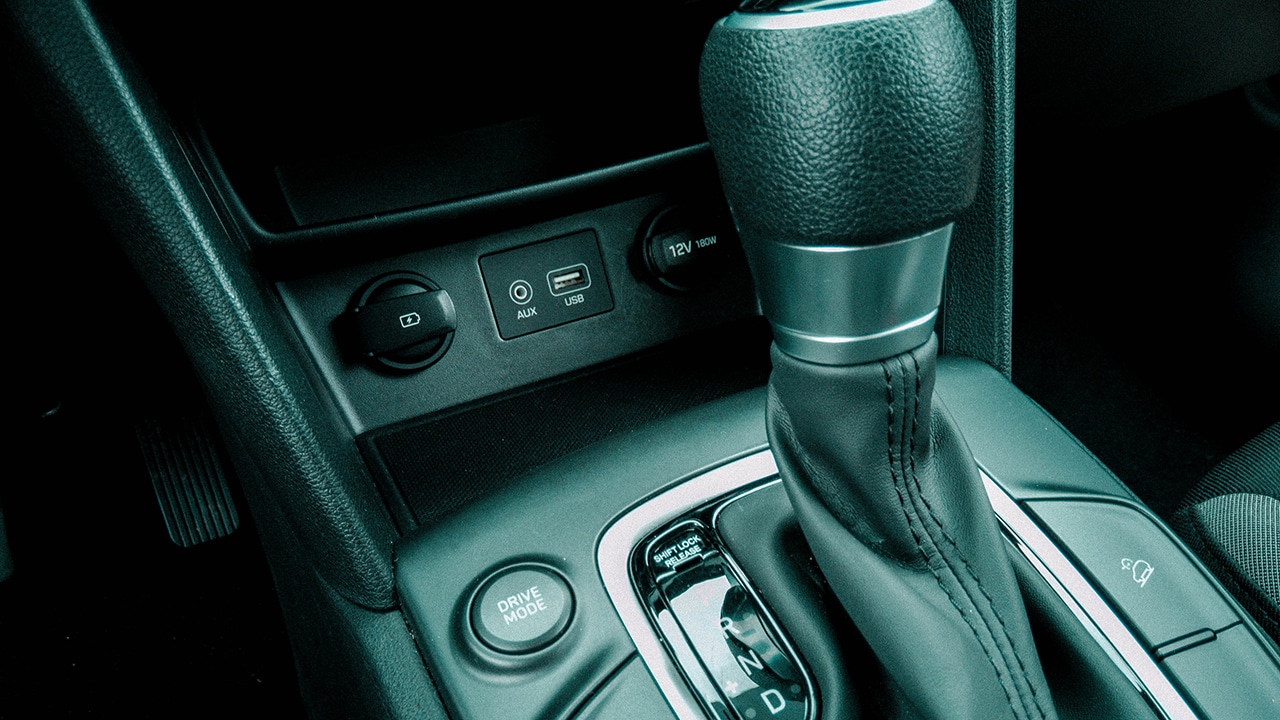
When it comes to safety, Hyundai didn’t skimp on this crossover as it earned a high safety rating in the United States. With a score of 9.8, it has been given the Top Safety Pick+ award. It has Anti-Lock Braking System, traction control, dual airbags, and side curtain airbags as standard.
The ride is decently high with a ground clearance of 170mm, nearly as much as its bigger brother, the Tucson. Firing up the engine via keyless push-start button, you hear a smooth running 2.0 DOHC engine.
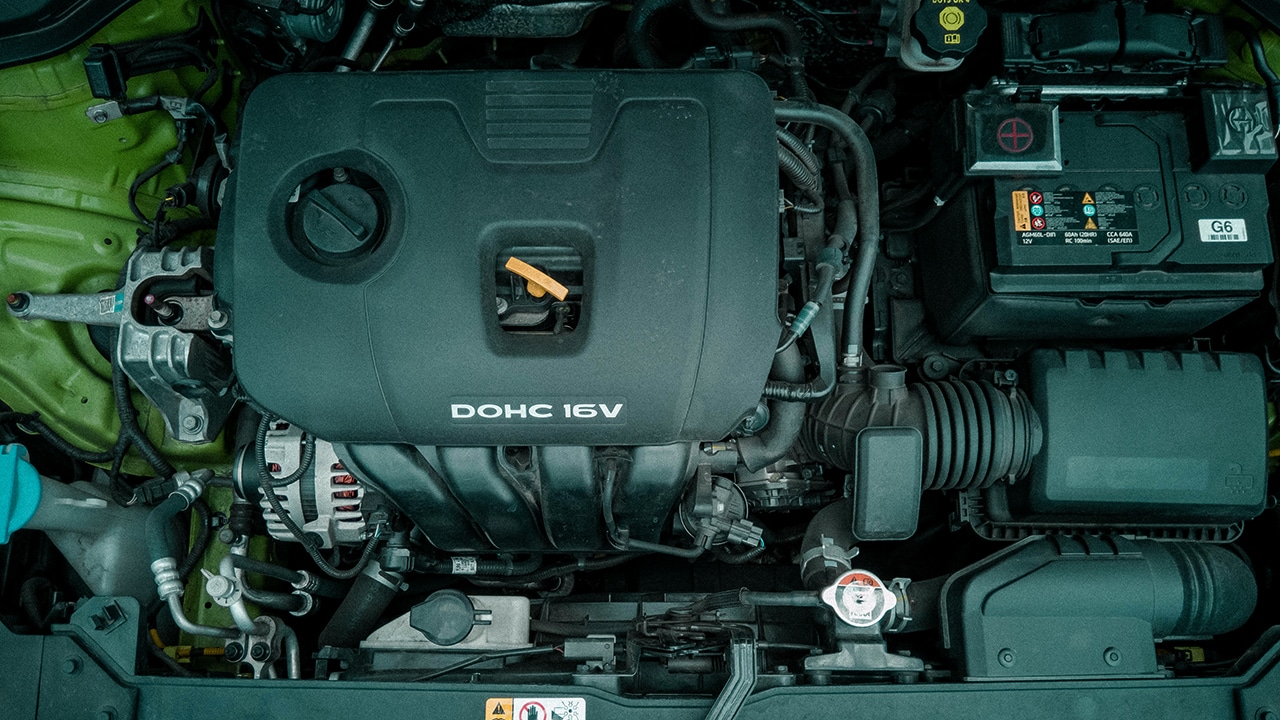
This is then mated to a 6-speed automatic transmission that produces 147hp and 179nm of torque. It’s not the most powerful but is definitely one of the most economical, giving you up to 20km per liter (at best) on highways.
The Kona has three different driving modes you can shift through with a push of a button. You have Normal, Eco and Sport modes which just basically times gear changes differently to give you better responsiveness.

Driving this vehicle is very simple with no unneeded drama. The ride felt smooth and quiet while steering felt properly firm. You do get a bit of body roll around the corners, though.
Lacking from this vehicle is a reverse camera and proximity sensors and, from its price point, you would expect these features as standard. A feature I didn’t find necessary was the hill descent control which would be useful on its AWD variant but not on the FWD version that we have.
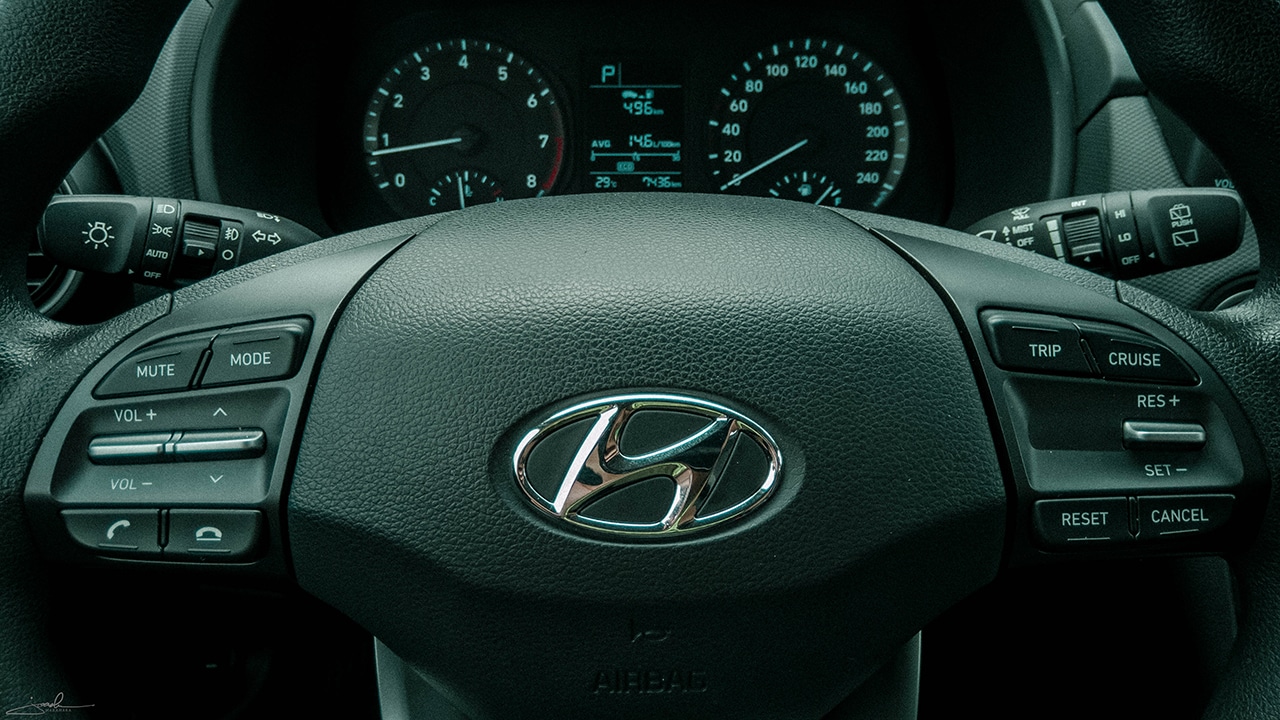
For now, the 2.0 GLS is the only variant available here in the Philippines. A straightforward, rather basic but economical ride that would make a perfect daily driver. Although if I were to choose between the two Kona models, I would probably go for the higher AWD 1.6 turbo Ultimate trim model which is a better option than the GLS trim.
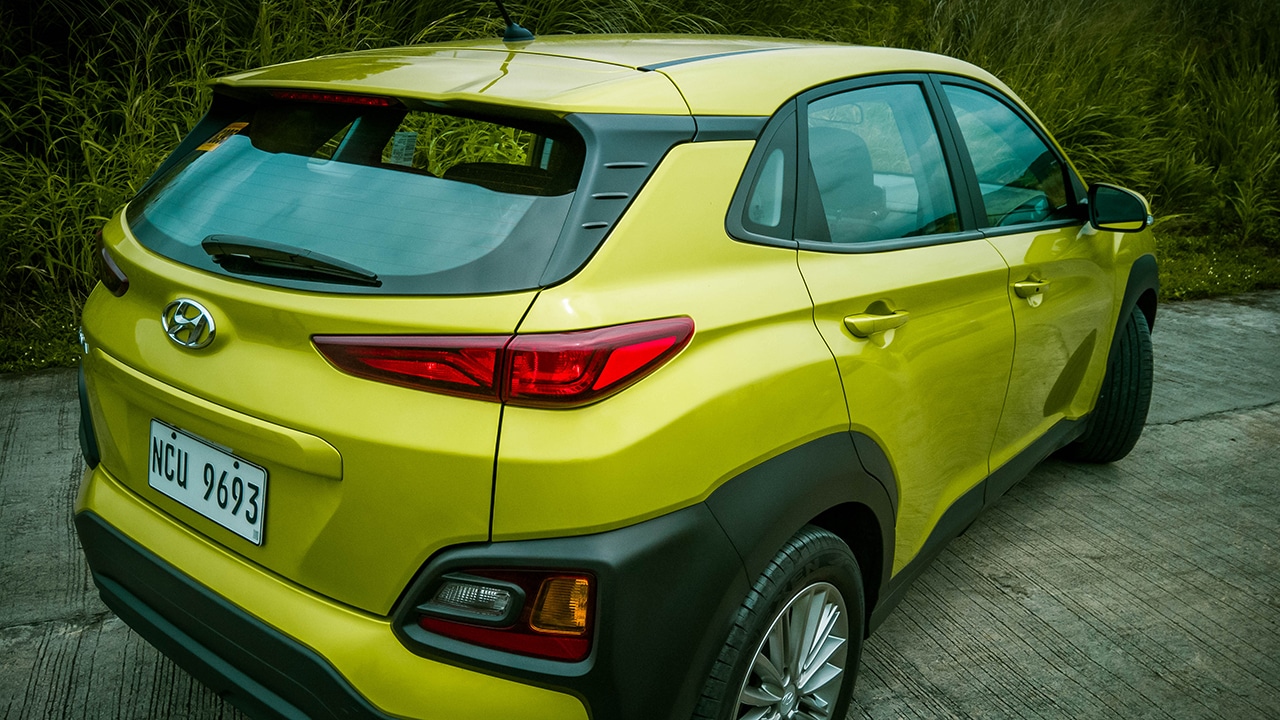
To sum it up, it’s a bit of a bummer that it lacks a reverse camera, proximity sensors, and still runs a sub-par infotainment system in this age of touchscreens and Android Auto. What I do like, though, is how it looks. This car unquestionably wins in the looks department. And factoring in its safety achievements and fuel economy, we can easily overlook its shortcomings.





BYD Group premium sub-brand DENZA is officially entering the Philippine market.
The move marks a strategic shift to capture the luxury “new energy vehicle” (NEV) segment, beyond the company’s existing mass-market offerings.
This expansion follows a period of rapid growth for BYD in the Philippines under its distributor, ACMobility.
By introducing DENZA, the group aims to offer a tiered ecosystem of electrified transport that ranges from budget-friendly options to high-output luxury ones.
The sub-brand’s initial lineup could possibly include the high-end MPV, DENZA D9.
It features a triple-motor system and high-capacity batteries that provide significant electric-only range before the gasoline generator engages.
Potentially, SUVs DENZA B5 and DENZA B8 will also be introduced locally, positioned as plug-in hybrid EVs.
Offerings under the DENZA sub-brand will be distributed locally by BYD Philippines Corp.
Advanced technology, comfort
DENZA’s entry focuses on “passenger-centric engineering” rather than traditional luxury excess.
The vehicles will feature two of BYD’s flagship technologies: the DiSus system and e3 platform.
The first is an intelligent body control system that manages vehicle motion to balance executive-level ride comfort with sharp handling.
Meanwhile, the e3 Platform is a high-performance architecture utilizing a three-motor drivetrain.
This setup lets drivers pull off advanced maneuvers such as “crab-walking” and “compass turns,” while enhancing stability during high-speed travel or emergency situations.
Strategic presence
DENZA will establish a dedicated retail network separate from standard BYD showrooms to support its positioning.
The sub-brand is planning four initial locations in Makati, Greenhills, Alabang, and Cebu.
Once it officially rolls out, DENZA expects to compete against luxury vans like the Toyota Alphard and Lexus LM.
Automotive
Ford Philippines kicks off the year with Drive Now, Pay Later
Get offers up to three months of free amortization!

Ford Philippines opens the year with a strong push for drivers ready to start fresh. Introducing Drive Now, Pay Later, the program is designed to make stepping into a new Ford feel lighter and more timely.
At the center of the offer are two of Ford’s most in-demand nameplates. Customers can take home the Ford Everest Trend today with three months of free amortization.
Meanwhile, the Ford Ranger lineup brings even more flexibility. The Ranger Wildtrak 4×2 comes with four months of free amortization, and the Ranger Sport 4×4 is offered with three months free.
These offers allow buyers to drive their new vehicle now and begin bank financing only after several months. This eases the transition into ownership at the start of the year.
More ways to save this January
Beyond deferred payments, Ford Philippines is extending a wide range of January offers that focus on value and flexibility.
The Ford Everest comes with cash savings of up to PhP 95,000 this month, alongside an all-in option priced at PhP 69,000 on select variants for customers seeking simpler entry costs.
Across the Ranger lineup, buyers can enjoy cash discounts reaching up to PhP 155,000 or opt for a PhP 69,000 all-in down payment on select variants.
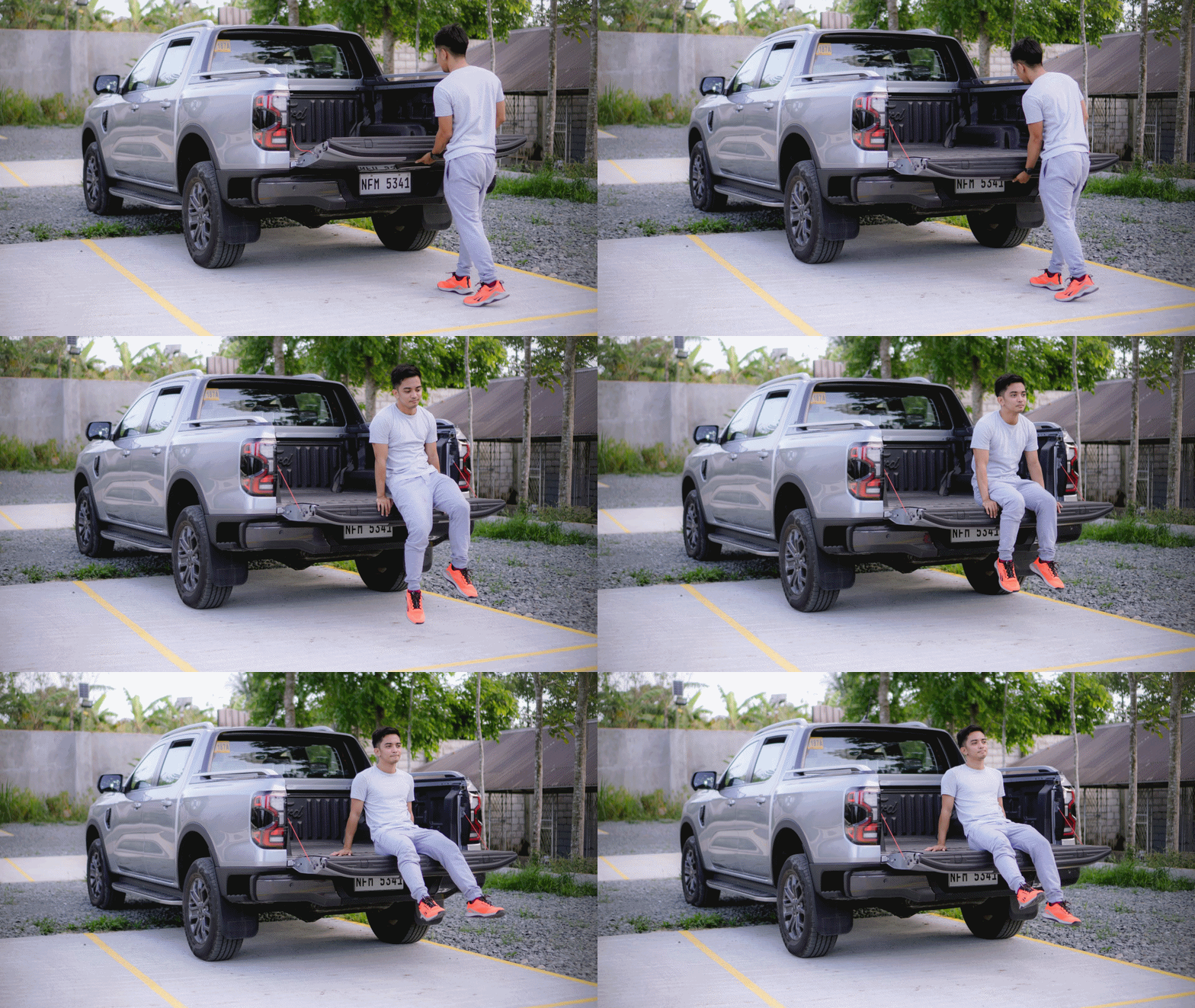
The Ranger XLS AT remains one of the most accessible ways to enter the lineup, with a starting price of PhP 1,379,000.
Performance-focused customers can also take advantage of extended January offers for the Ford Raptor. Options include cash discounts or bundled savings with the 5-Star Care Package, depending on the variant.
Electrified and premium options
For drivers ready to explore electrified mobility, the Territory Hybrid Trend starts at PhP 1,399,000. This January, customers may choose between a PhP 20,000 discount or a complimentary three-year Scheduled Service Plan.
Ford’s larger SUVs are also part of the month’s offerings. The Ford Explorer is available with a PhP 99,000 all-in option or 0 percent interest with 20% down payment for 60 months. The Ford Bronco carries the same flexible choices, too.
Availability
The Drive Now, Pay Later program runs across all Ford dealerships nationwide until January 31, 2026. Customers can visit Ford Philippines’ official website or social media channels to explore the full details.

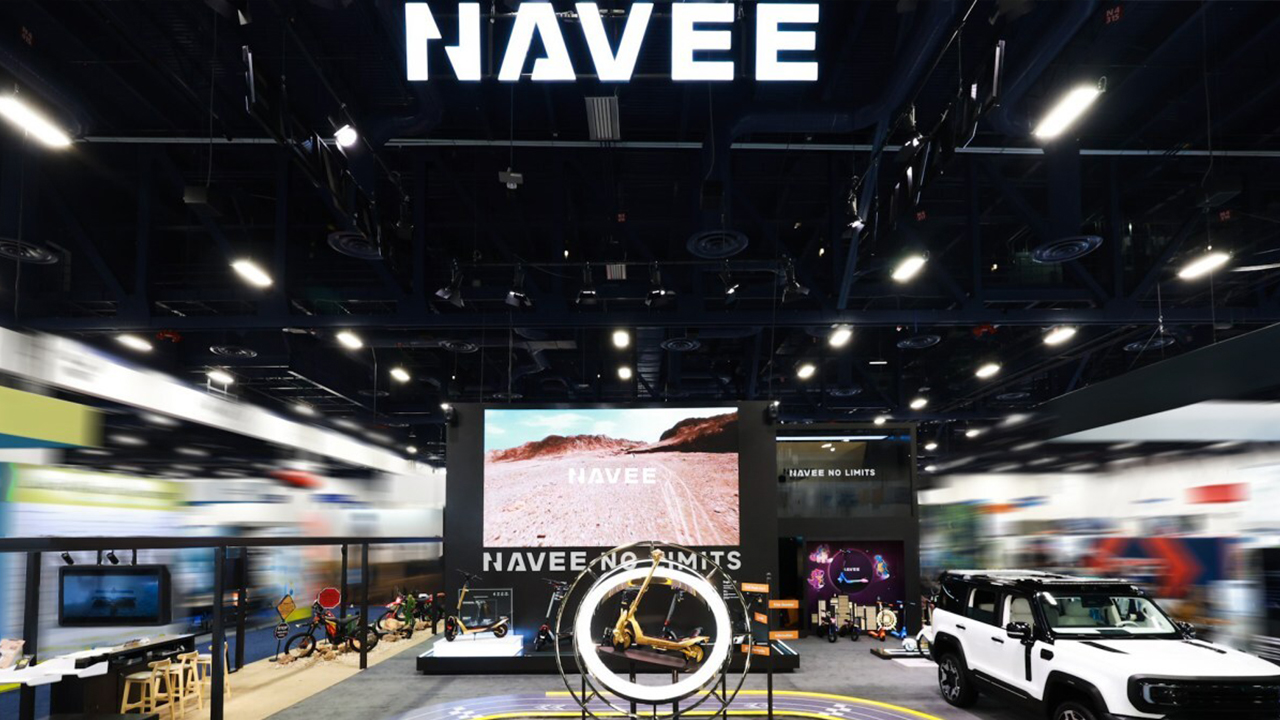
At CES 2026, NAVEE signaled a clear shift in direction. Known for smart urban mobility, the global brand used the Las Vegas stage to show how its technology now stretches beyond city streets and into outdoor living, recreation, and adventure.
Rather than focusing on a single hero product, NAVEE presented a growing ecosystem built around intelligent engineering and lifestyle flexibility. The message was simple and confident. Mobility today is not limited to commuting. It is part of how people move through work, play, and downtime.
A smarter take on electric mobility
Leading NAVEE’s CES lineup was the UT5 MAX electric scooter. Built on the UT5 platform, it was designed with both urban reliability and outdoor capability in mind.
With a range of up to 100 kilometers and support for fast charging and external batteries, the UT5 MAX feels ready for longer rides, varied terrain, and real-world use that goes beyond short city hops.
The focus here is practicality. It’s a scooter that fits daily routines while also making room for spontaneous outdoor plans.

Technology finds its way onto the fairway
NAVEE also stepped into a more unexpected space with the Birdie 5X electric golf push cart. An evolution of the Birdie 3X, this new model introduces ultra-precise UWB-powered automatic follow.
The result is a smoother, more intuitive experience on the course, where the tech quietly supports the game rather than distracting from it.
It’s a clear example of how NAVEE is applying intelligent mobility thinking to lifestyle-specific environments.
From land to water, and everything in between
The outdoor expansion didn’t stop on the road or the green. NAVEE revealed the WaveFly Flyer Car, a playful take on water-based mobility designed to bring a sense of adventure to lakes and coastal settings.
Alongside it was a high-end electric camping wagon built for hauling gear, supplies, and everything that comes with outdoor weekends.
Together, these products paint a bigger picture. NAVEE is positioning itself as a brand that supports movement across different terrains and moods, from utility to leisure.
A broader vision for mobility
What stood out at CES 2026 was not just the hardware, but the intention behind it. NAVEE is building toward a future where intelligent mobility blends naturally into everyday life, whether that means navigating city streets, spending time outdoors, or finding new ways to enjoy familiar activities.
As the brand continues to grow its portfolio, the direction is clear. Mobility is no longer confined to getting from point A to point B. It’s becoming part of how people experience their lifestyle, wherever that may take them.


Now playing: Final Fantasy VII Remake INTERGRADE on Switch 2
Final Fantasy VII Remake, handheld again


HONOR X9d 5G review: Tougher, more long-lasting and optimized
Beyond all the marketing, it's a compelling all-around smartphone that actually works well


Redmi Note 15 Pro+ 5G review: The midrange fashion piece
Work-ready and style-friendly!

OBSBOT launches AI-powered 4K Tiny 3 series webcams

Soundtrack for the city: HIDDEN.NY x AIAIAI TMA-2 headphones

HUAWEI FreeBuds 7i to launch in the Philippines

MediaTek unveils Dimensity 9500s, 8500 mobile processors

Samsung teases anti-shoulder surfing privacy feature

HONOR X9d 5G launches in the Philippines: Price, preorder, availability

OPPO A6 Pro: Adequate tool, no definitive punch

POCO M8 Pro review: Goin’ loco over this POCO

Infinix NOTE Edge debuts: High-end features for accessible pricing

HONOR Magic8 Pro review: What sorcery is this?


-
 News1 week ago
Infinix NOTE Edge debuts: High-end features for accessible pricing
-
Reviews2 weeks ago
Redmi Note 15 Pro+ 5G review: The midrange fashion piece
-

 Reviews2 weeks ago
Mijia Smart Audio Glasses review: Immerse yourself in the music
-
 Features2 weeks ago
Can the REDMI Note 15 Pro+ 5G Survive?
-
 News2 weeks ago
REDMI Note 15 Series unveiled: Price, availability in the Philippines
-
Reviews7 days ago
HONOR X9d 5G review: Tougher, more long-lasting and optimized
-

 Gaming2 weeks ago
Civilization VII coming to Apple Arcade this February 5th
-

 News2 weeks ago
Two new Xiaomi audio wearables join REDMI Note 15 Series