


Are you still bothered by slow internet in your country? Even with the advancements and supposed improvements in infrastructure, we’re all living in a 4G world. The current generation of internet connectivity is still present in today’s mobile and telecommunication networks. But now, a new generation has emerged, and it has the potential of taking the whole world by storm.
Let’s stop and ask first: What really is this new generation? How different is it from the existing generation’s internet? And, what needs to be done to welcome the change?
What really is 5G?
5G is the new generation we’re speaking of here. Specifically, it’s the next level of mobile network connectivity being rolled out at the moment. What 5G offers to everyone is pretty straightforward: faster internet speeds, close to zero latency, and improved accessibility. It’s expected that 5G will replace existing 4G technology once fully deployed in the near future.
Currently, 5G is still in its early stages of deployment — much like an early-access game. Companies are given plenty of time to integrate the 5G connectivity interface on their devices, or at least until March 2019. Once the initial deployment is done, 5G will be available in more devices, whether it’s your phone or your smart device.
A connection that comes in waves
Remember that one science class you had about the electromagnetic spectrum and visible light? Basically, devices that emit electromagnetic waves fall under a spectrum depending on their frequencies and wavelengths. For most network connections, their waves follow a similar concept, with 4G found on the leftmost and 5G in the middle.

There are two ways that 5G can work in any place at any time, and one of them includes waves. This strand of 5G is called the millimeter wave (mmWave), and is currently present in most research facilities and military devices. With mmWave, 5G connections are ideally faster (peaking at 10Gbps) and provide lag-free services because it adds additional bandwidth for devices to use. Although, it is held back by obstacles such as walls and floors that just bounce the signal off.
The second way is through a sub-6GHz spectrum. Unlike mmWave, the sub-6GHz spectrum is more of a middle-of-the-pack approach to 5G connectivity. Basically, 5G signals will strengthen connections that currently exist in the world like 3G and 4G. This is mostly because 3G (2.4GHz) and 4G (5GHz) fall under the 6GHz limit. This method is the more cost-effective approach, and it doesn’t easily experience interference.
How different is it really from 4G?
We always talk about how 5G is faster than 4G in terms of data transfer, which is true. But, there are other things that differentiate 5G from its predecessor. For starters, 5G connections can cover a wider area than 4G. This means that even if you’re far from your router or cell tower, you can still access 5G networks at the same speed. Just don’t be too far away, as the technology isn’t capable of reaching that far yet.
Apart from that, 5G is less prone to interference compared to 4G networks. Even if mmWave is hampered with the presence of obstacles, it still doesn’t stop it from performing relatively better than 4G. For example, even if there were several other antennas in your area, you still experience better speeds while on a 5G network compared to 4G. 5G targets devices directly, instead of spreading the waves across the whole area.

Finally, with 5G connections, more devices have access to the network. Currently, 4G networks still have a cap when it comes to the number of devices simultaneously connected. As more devices connect to the same 4G network, internet speeds tend to get slower. With 5G, however, adding more devices won’t hamper its overall performance mostly because of additional bandwidth and wider coverage.
What’s next for the new generation?
Believe it or not: We’re living in the early-access world of 5G. We hear about major telecommunication companies starting to adopt 5G in their mobile networks, and things are about to get bigger. While their data plans are available to the general public, several improvements to network infrastructure are to follow. We’re talking better signal towers, and more of them across the world.
In the future, 5G may not be limited to just mobile networks. Car companies are looking at the possibility of applying 5G to smart cars, especially for navigation. Cars on the road will be able to share data like traffic situation, road hazards, and other delays. Even things like virtual and augmented reality can make use of 5G for better simulations.
By March 2019, the early deployment of 5G will be finished. Hopefully by then, we can get more information on what 5G can do for the world. The new generation is here, but we still have to wait and see how far 5G will take us.








With a huge change in naming scheme, Apple promises a big leap ahead.
The all-new Liquid Glass design isn’t just breath of fresh air — it’s a bold redesign ever since the iOS 7 came out.
It’s not limited just to the iPhone. It’s coming to the iPad, Mac, and even the Apple Watch!
And with latest Public Beta now available across all devices, now is the perfect time to try ’em out.
Here are our favorite features, design updates, and hidden gems in Apple’s latest OS 26 series of software updates.
Namely iOS 26, iPadOS 26, watchOS 26, visionOS 26, and macOS Tahoe.
Shopping for a new Windows laptop?
With so many choices out there, it can be tough to know where to start.
Should you prioritize performance, battery life, or portability? Can you find something affordable and premium-looking?
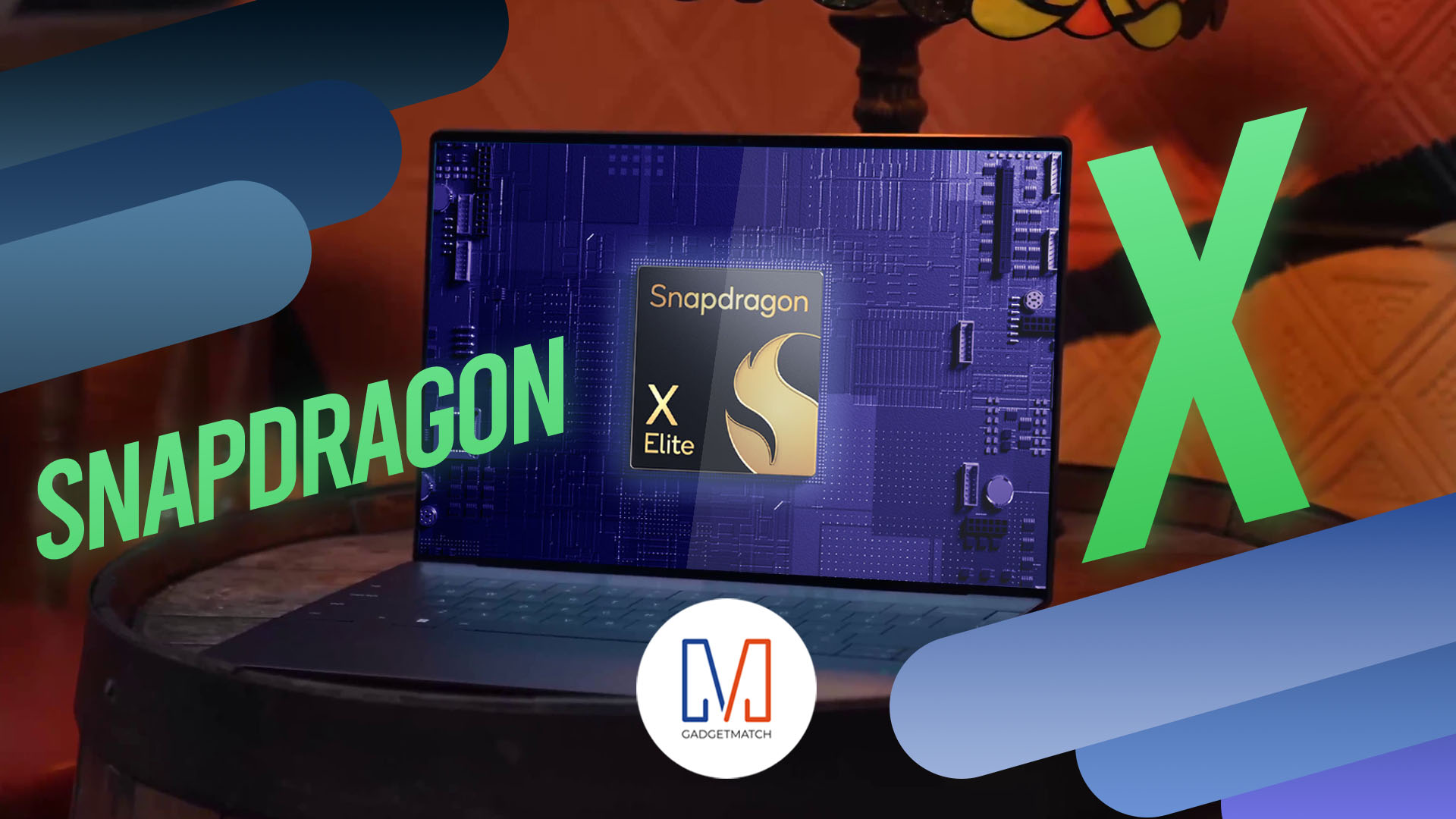
In this video, we break down everything you need to know about the new Snapdragon X Series laptops — a new category of Windows PCs that promise power, efficiency, and sleek design in one package.
Whether you’re a student, creative, or just looking to upgrade, this buyer’s guide will help you decide if a Snapdragon X Series laptop is right for you.

Apple dropped a ton of surprises in this year’s WWDC — and there’s more than just the Liquid Glass redesign.
From Workout Buddy, to game-changing Apple Intelligence features.
All the way to collaborative visionOS updates, and the next generation of iOS 26, macOS 26, and iPadOS 26.
Watch to see the top announcements NEED to know from the WWDC 2025 keynote!
Here are Michael Josh’s biggest takeaways from WWDC 2025 in one video — with the help of some TechTuber friends!


Now Playing: Iron Lung
The premise will leave you wanting for more.


Infinix NOTE Edge: Stellar at street photography
Despite trailing in other specs, the Infinix NOTE Edge was built for point-and-shoot photography.


OPPO Reno15 Pro: Camera Review
Why is this even considered a "Reno"?

Smart opens pre-orders for Samsung Galaxy S26 series
Now Playing: Iron Lung

TECNO resurrects modular phones with this new concept

Privacy Display | Galaxy S26 Ultra

Audio Eraser now works on third-party apps | Galaxy S26 Ultra

Breaking up with Adobe Photoshop after 20 years

TECNO will showcase the CAMON 50 and POVA 8 series at MWC 2026

PlayStation, LE SSERAFIM Chaewon team for the ‘Love of Play’ campaign

VinFast updates battery subscription policy for large upfront savings

Xiaomi SU7 Ultra makes Gran Turismo 7 debut


-

 Reviews2 weeks ago
The art of being in and behind the frame
-

 Gaming2 weeks ago
God of War Greek trilogy remake in development, Sons of Sparta out now
-
 India2 weeks ago
TECNO POVA Curve 2 5G packs an 8000mAh battery
-

 Gaming2 weeks ago
New Resident Evil Requiem trailer teases a return to the RPD
-

 Accessories2 weeks ago
Apple AirTag 2 Review
-

 Gaming2 weeks ago
John Wick, Kena sequel, more new games showcased at State of Play
-
 First Look1 week ago
Match Pulse: Infinix NOTE 60 Pro
-

 Cameras1 week ago
Osmo Pocket 4 makes a surprising appearance in public