
Automotive
I rode in a PhP 25-million Defender OCTA, and it changed how I think about luxury
You don’t need to baby something that’s capable of so much more.

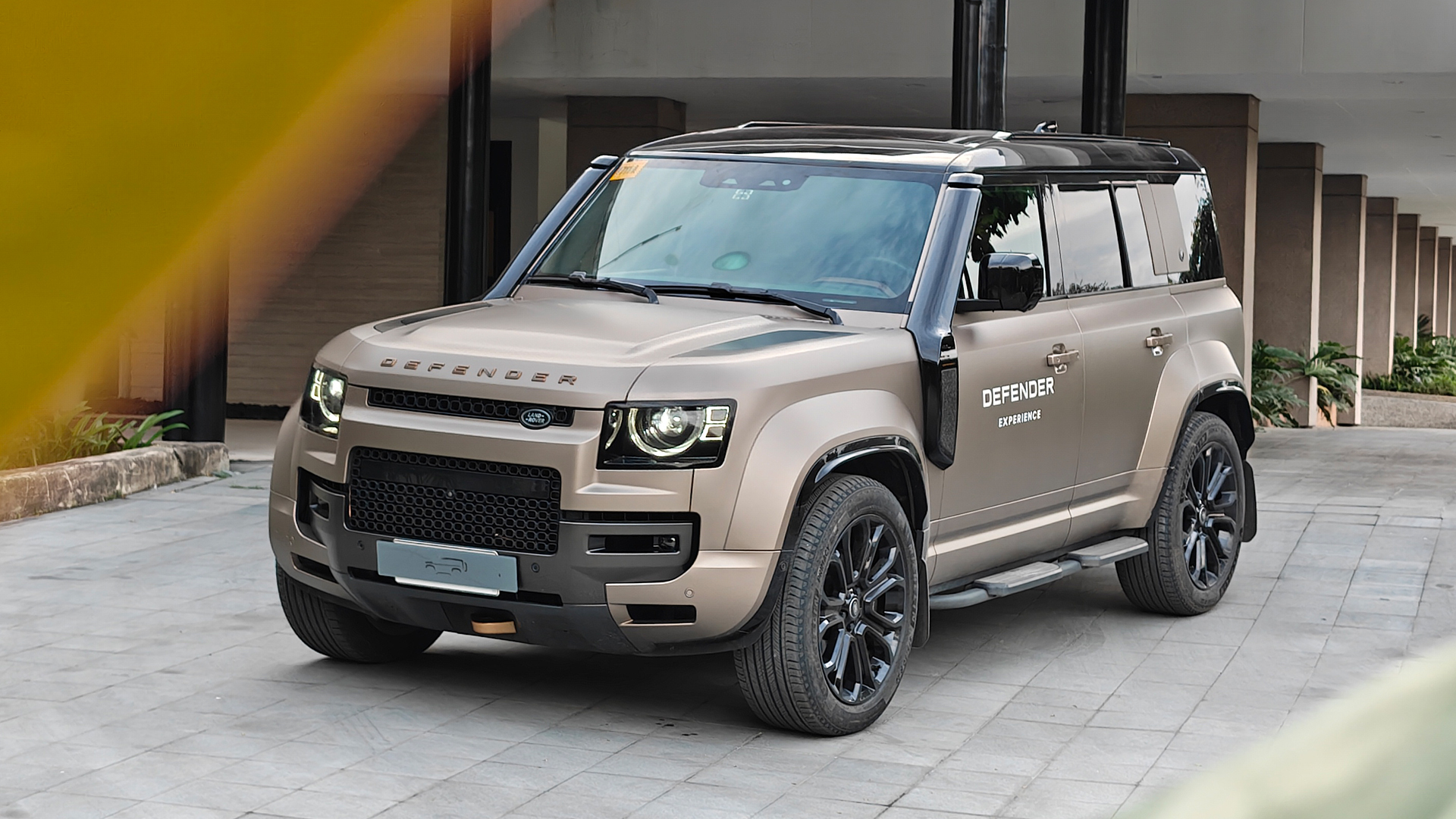
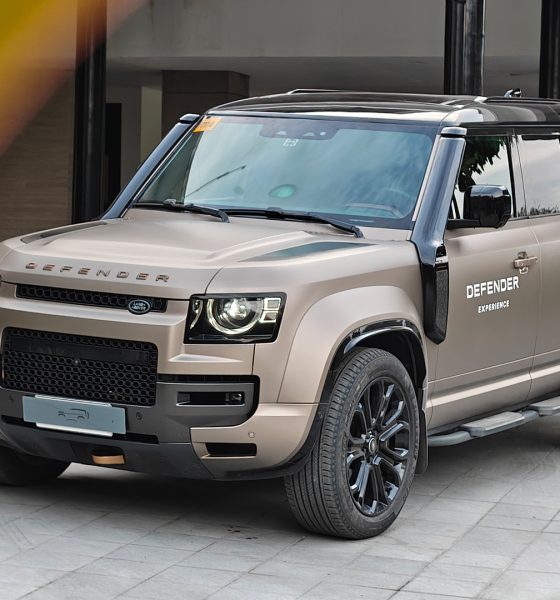
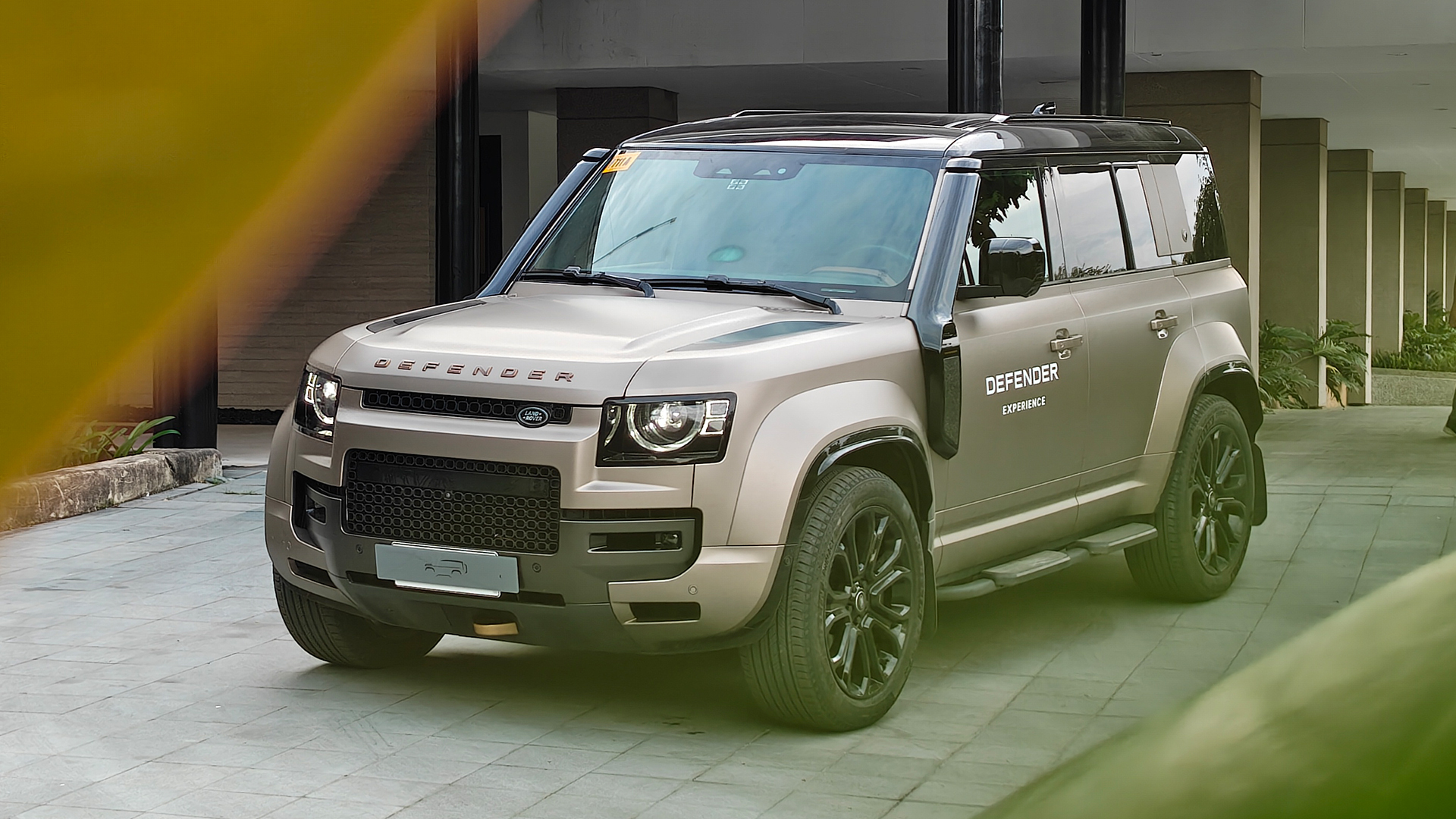
Have you ever wondered what riding a PhP 25-million car feels like? Obviously, only a scant handful of people would ever dream about (or, much less, own) such a car. And, if you’re one of the few who have one, you would probably treat it like a baby. Well, that’s not what the Land Rover Defender OCTA, which is a PhP 25-million car itself, wants you to do.
I learned this firsthand when I spent a day with the Defender and the Defender OCTA. Far more than a simple driving test, the day showed off what the car can do under more extreme circumstances.
Under more controlled conditions
As much as I would have loved to find the Defender’s limit myself, the multi-million-peso price tag was just too much to swallow. So, I went with Land Rover’s more controlled tracks and experience to check out the capabilities of the offroad-focused vehicle.
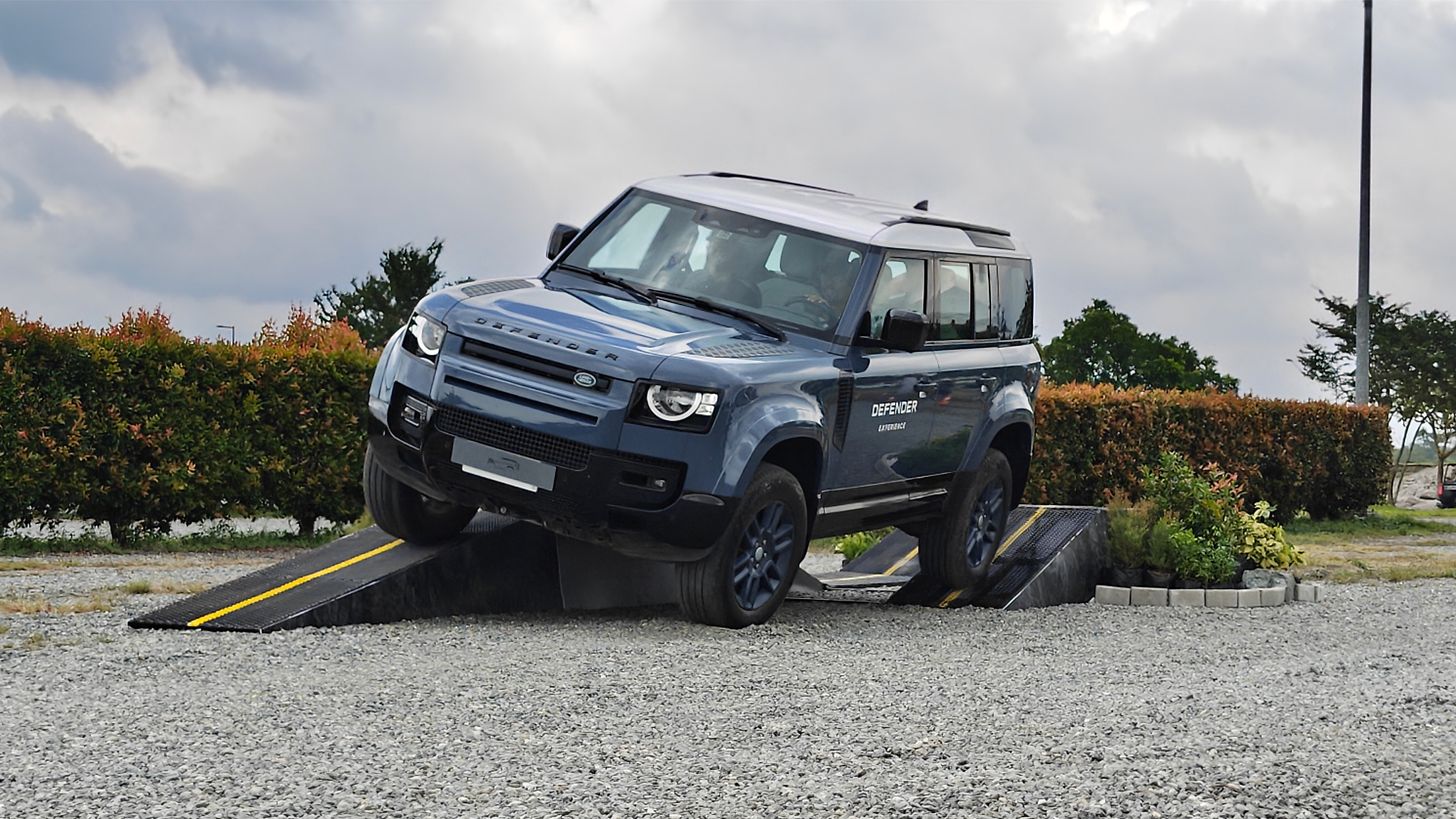
First up were a series of artificial slopes and an elevating ramp. Now, going on offroad trails is fun; actual emergencies, however, are not. While Land Rover is naturally unable to manufacture an emergency, a series of humps that tilt the car 20 to 30 degrees to its side is a close enough estimate. Another, a series of alternating humps, lift one or two wheels of the ground. Finally, the ramp lifts the entire car up by its rear.
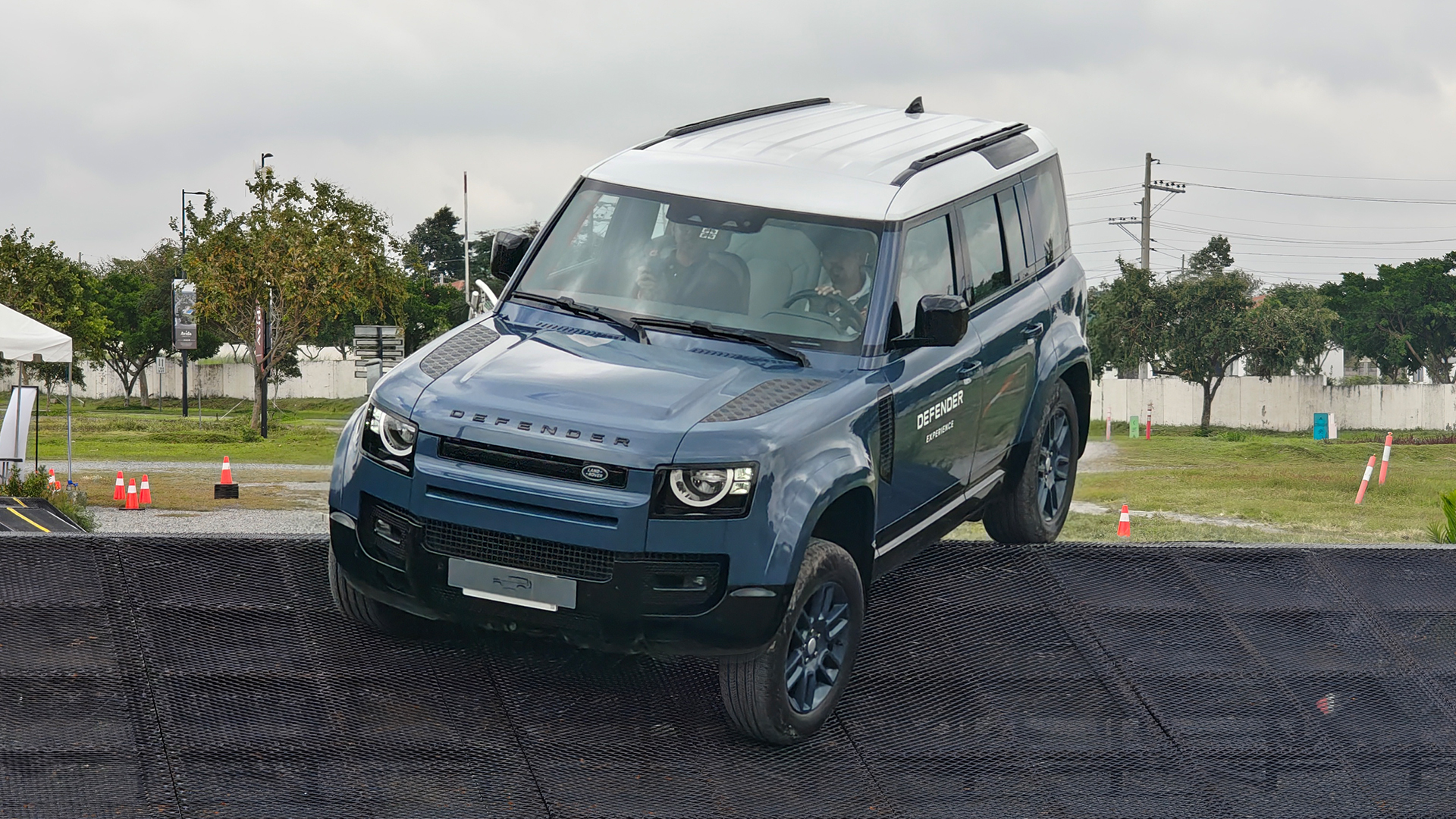
Though a mere blip in Land Rover’s extensive suite of offroad modes, the Mud Ruts mode is an essential part of the Defender’s toolkit to guide the car through uneven, slippery terrain. For other situations, the Defender also has Grass/Gravel/Snow Mode, Sand Mode, Rock Crawl Mode, Wade Mode, and Auto Mode.
But enough of the technicals for now. The Defender thrives on doing the work for you. All you have to do is point it in the right direction and apply a bit of power. The car pushes by itself. While us humans fear the unnatural feeling of having wheels off the ground, the Defender does this with ease. It was the face of stoicism.
Much of the same happened with the admittedly frightening ramp. Though we were suspended at a perilous angle, the Defender looked like an adrenaline junkie who can just ride a roller coaster with a straight face. Its powerful Hill Descent Control kept its wheels stuck to the ramp.
Now on the trail
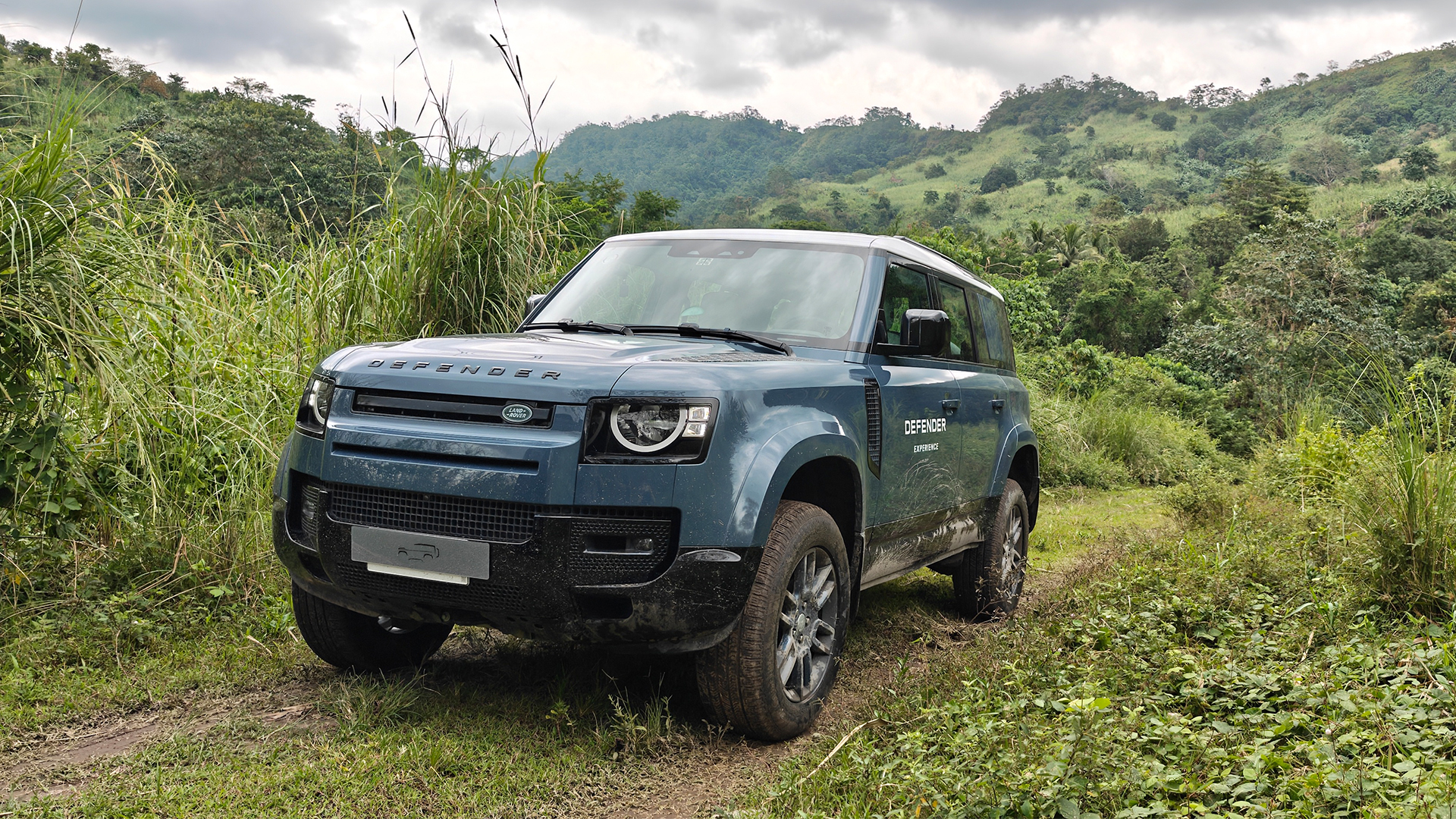
Artificial circumstances are all well and good, but how about real-life situations? For that, we took the Defender to an offroad track made especially for the car.
Now, to be fair, yes, it was a customized trail that had little risk of unexpected incidents. But it was rugged enough to be a representation of what you might encounter in the real world. We went through rough roads, more realistic descents, and the occasional stream of water.
We also had a qualified instructor with us, but getting what you need from the car is as easy as flipping a switch. Just as in the artificial obstacle course, the offroad trail was something that the car can handle on its own.
In the likelier event that you don’t have an instructor with you, the Defender can offer all the information you might need to get past an obstacle. As I’ve said, the car can do the work for you, but it’s not an unseen force that does the talking. Among all the cars that I’ve tried with similar features, the Defender has the most comprehensive assortment of displays, including pitch, roll, and bank angle. It also has an impressive series of cameras to ensure that your prized possession escapes a situation relatively unscathed.
Interlude: All about that BASS
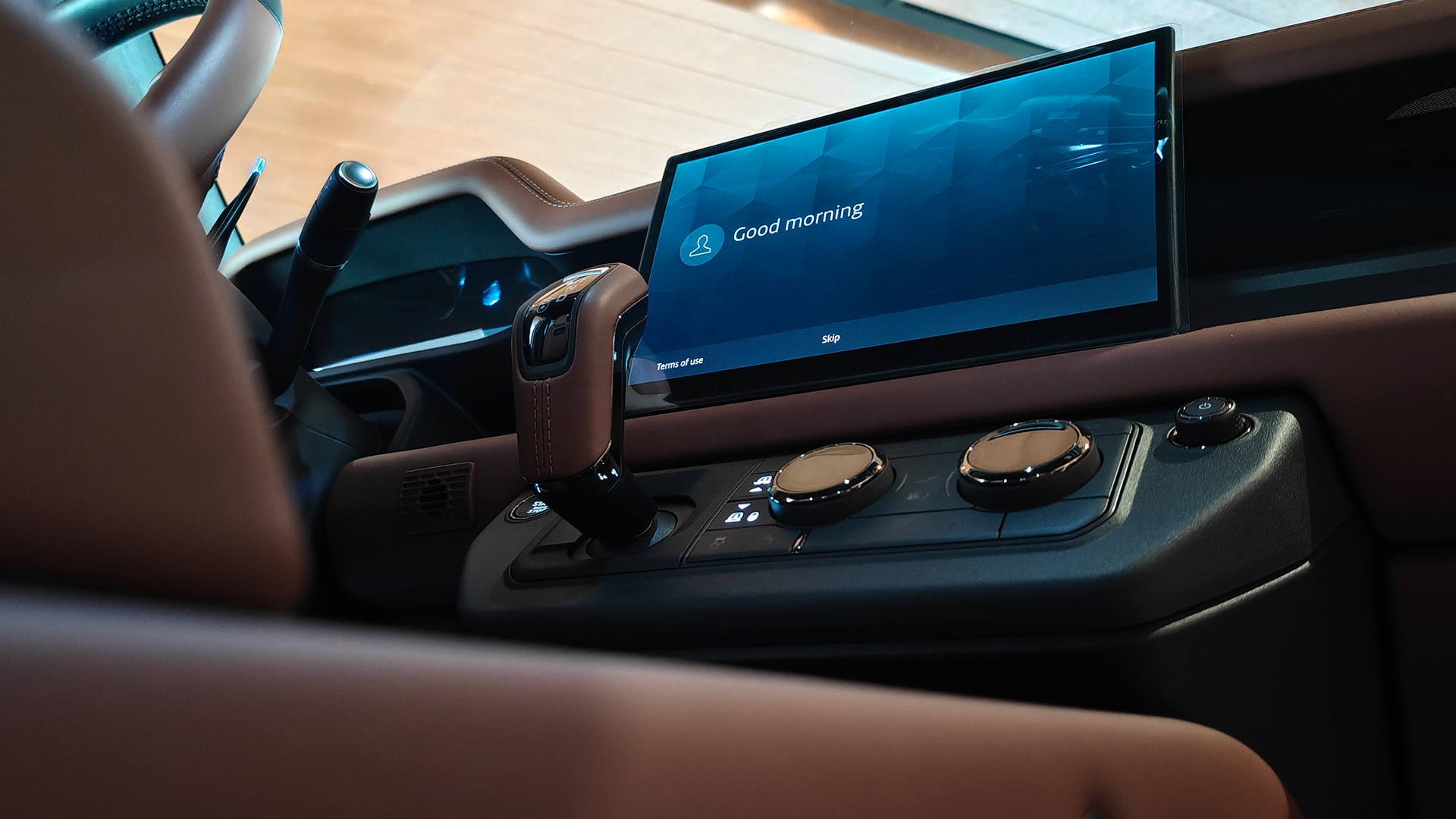
If it was built purely for offroad trails, the Defender will have a hard time justifying its high price tag. Thankfully, it’s not just a prize for the great outdoors. The car also has a luxurious suite of comfort and convenience features baked inside.
It’s easy to name the standard array of features, like the infotainment panel or the air conditioning, but the real pièce de résistance is what Land Rover calls the Body and Soul Seats (or BASS, for short).
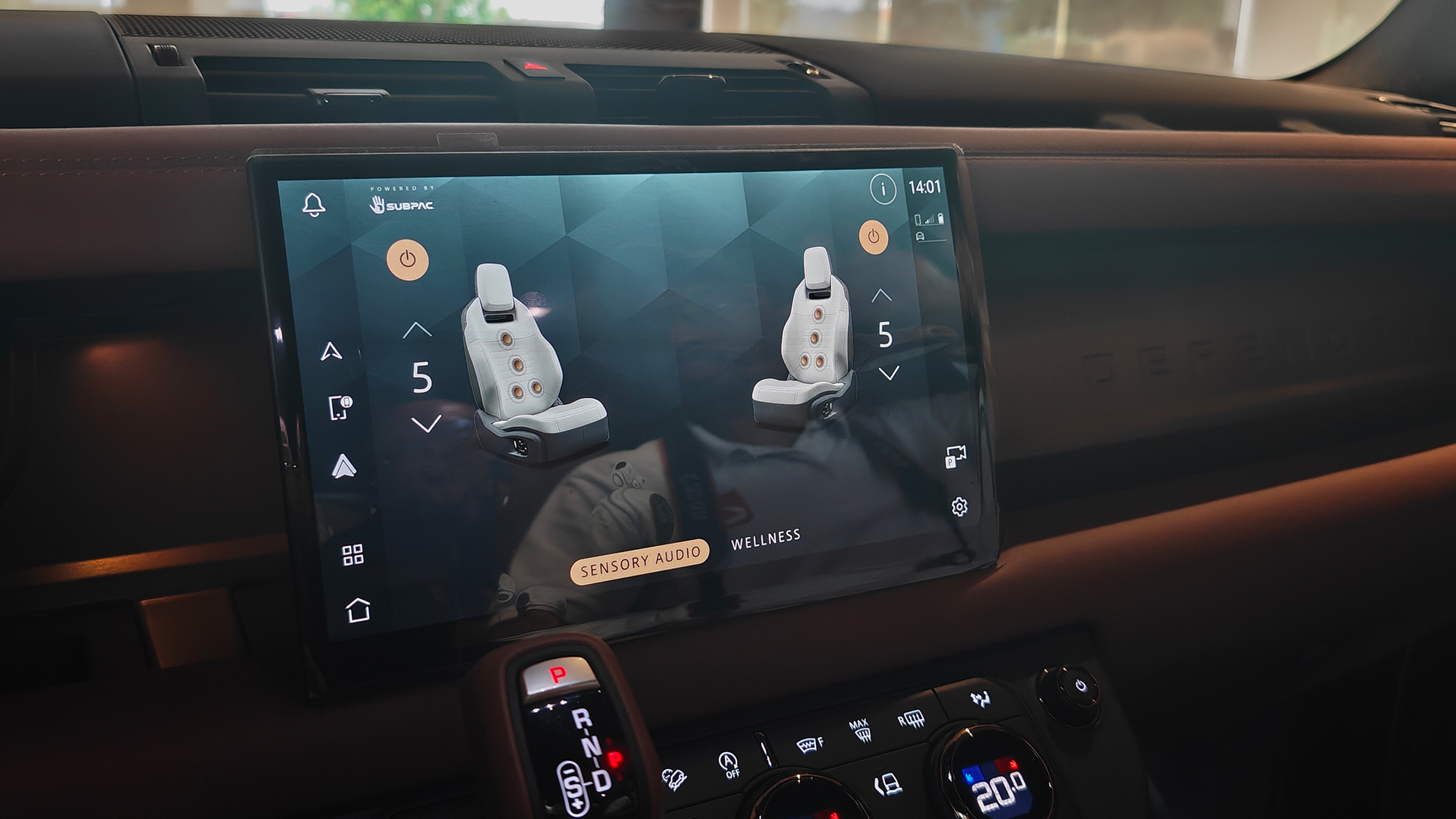
Available only on the OCTA models of the Defender, the BASS offers immersive sound technology embedded inside the seats themselves. It vibrates according to the song you’re listening to. It’s very immersive and much like strapping a subwoofer to your back.
Alternatively, it also comes with a wellness mode that has six presets designed to keep you calm in tough traffic. As opposed to the immersive mode that can keep your blood pumping for exhilarating drives, wellness mode is more relaxing.

How to turn your Defender into a rally car
I’m not going to pretend that I have any sort of rally experience. So, when the final leg of my day with the Defender was announced as a high-speed, loose-gravel trail, I was frankly frightened… and a little bit excited.
Before we get into the experience, a short introduction to OCTA Mode is necessary. On its own, the Defender is as sporty as it gets. However, OCTA Mode, available only on the eponymous model, is what you might consider a sport mode on steroids, a beast unleashed. As the appointed driver said to me, it’s designed to reduce grip and enable power-sliding, making it perfect for trails like this. Though that sounds unsafe, it makes for a much more exciting experience out on the track.
Imagine telling a 635hp beast to run free. That’s what OCTA is.
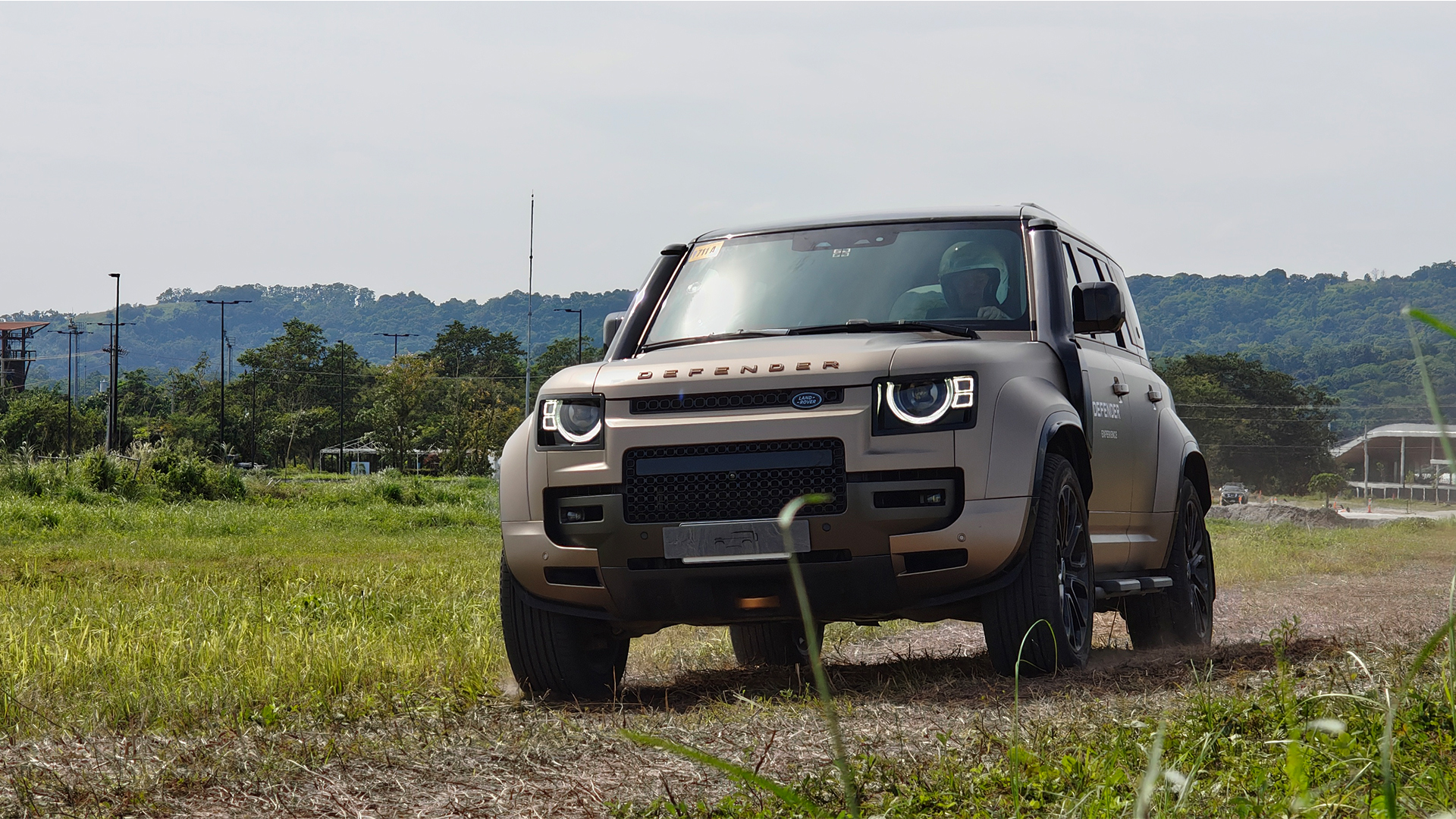
And exciting, it was. As scared as I was at first, I learned to trust the car by this point. The experience was without compare.
For one, the Defender OCTA’s 0-60 is just an absurd 3.8 seconds. In no time at all, we were already barreling through the course at blinding speeds. Secondly, braking and cornering were also smooth. At no point did I feel that the car was out of control.
We also tried the mode on paved roads. Though it was less grippy, we still had the feel of the road underneath our tires. We weren’t skating on ice.
How I learned to stop worrying and love the Defender
The beauty of the Defender series is in how it melts fear. When you first see a beast like the Defender, you rarely have any idea of what to expect. However, the car quickly teaches you to let go of your fear.
There is no need to baby the Defender. Yes, it costs upwards of PhP 6 million (and PhP 25 million for the OCTA), but the ability to conquer rough terrain is part of what you’re paying for with the Defender. As they say, “when you’ve got it, flaunt it.” In this case, flaunting it isn’t just about leaving it out in the open; it’s about unleashing the beast and letting it roar.







Automotive
Electric luxury reimagined: XPENG launches next-gen EV lineup
XPENG’s PH lineup spans the X9 MPV and the L03, with prices starting at PhP 1,548,000

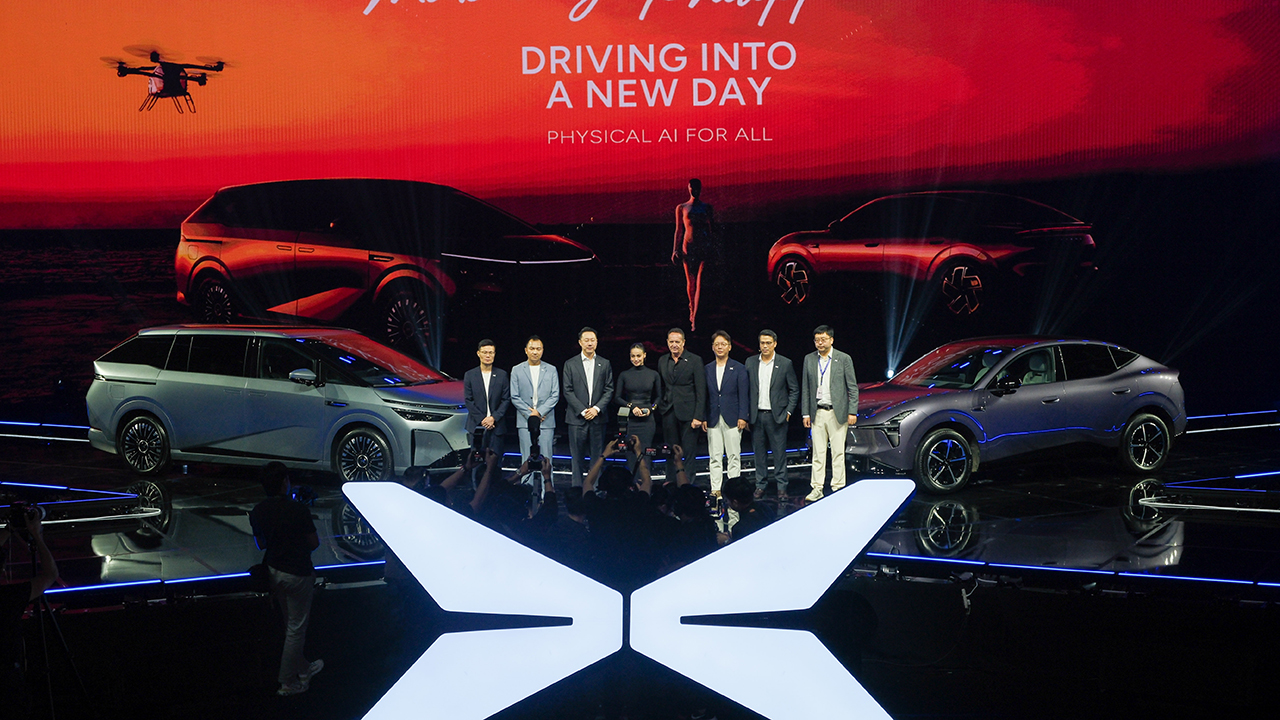
XPENG has officially entered the Philippine EV market. Over 3,000 guests attended the brand’s grand local debut. During the launch event, the automaker introduced a six-variant lineup.
The lineup features the flagship X9 MPV and the sleek L03 SUV Coupé. Prices start at an accessible PhP 1,548,000.
Brand ambassador Anne Curtis joined the celebration on stage, while XPENG showcased its X2 Flying Car and IRON Humanoid Robot. These futuristic displays highlighted the company’s “Physical AI” vision.
XPENG X9: First-class travel for seven
The XPENG X9 serves as the brand’s flagship seven-seater MPV.
It turns luxury mobility into a private lounge experience. Buyers can choose between two Long Range variants. The base X9 Long Range costs PhP 3,858,000. It features zero-gravity second-row seats with a central aisle. This layout ensures quick access to the third row. The Premium Seat Package costs PhP 4,058,000.
It upgrades the middle row to individual captain’s chairs. These chairs feature four-way powered headrests and 16-point massage.
Both variants share identical mechanical hardware. A front-wheel-drive motor produces 235 kW and 450 Nm of torque. A massive 110 kWh battery provides up to 615 km of range.
A compatible DC fast charger boosts power from 10 to 80 percent in 12 minutes. Active rear-wheel steering delivers a tight 5.4-meter turning radius. Dual-chamber air suspension ensures maximum ride comfort.
A powered third row folds completely flat beneath the floor. Color options include Midnight Black, Arctic White, Matte Gray, and Silver Frost. Inside, buyers can select Meteorite Black or Coffee.
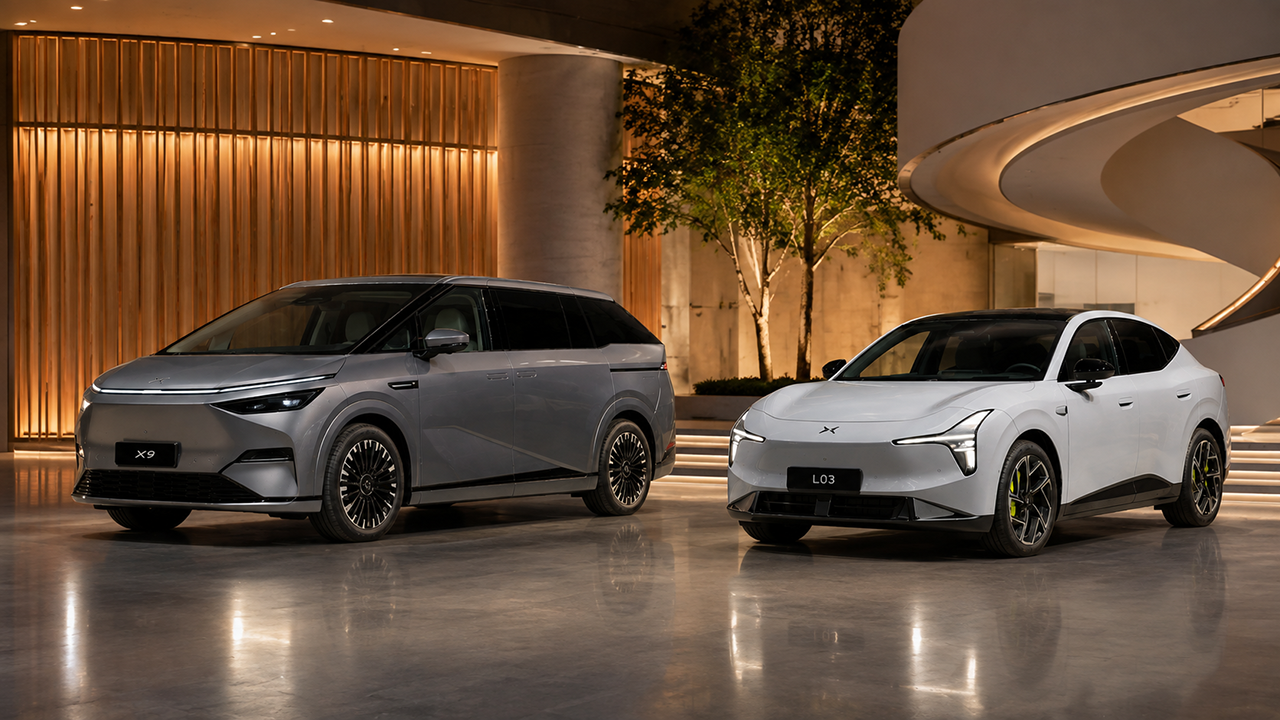
XPENG L03: Sleek versatility meets electric freedom
The L03 SUV Coupé blends striking aesthetics with daily utility. XPENG offers four distinct variants. Three models use pure battery-electric powertrains. One model features a range-extended electric setup (REEV).
The L03 EV Standard Range costs PhP 1,548,000. Its 58.3 kWh battery delivers up to 445 km of range. The L03 EV Long Range costs PhP 1,698,000 and offers up to 520 km.
The top-tier Long Range Ultra costs PhP 2,058,000 with 480 km of range. This Ultra trim adds front-seat massage, upgraded audio, and intelligent driving tech.
The L03 REEV costs PhP 1,598,000. It uses an onboard gas engine as an electric generator. Its 37.2 kWh battery delivers 215 km of pure electric driving. Total WLTP combined range reaches up to 1,017 km.
All L03 models feature rear-wheel drive. Fast charging takes roughly 20 minutes to reach 80 percent. Every model includes a 15.6-inch touchscreen and 539 liters of cargo space.
Available colors include Arctic White, Midnight Black, Rock Gray, Silver Frost, and Phantom Purple.
Ownership packages, reservation details

XPENG pairs each model with generous ownership perks. X9 buyers receive five years of free preventive maintenance. The package includes five years of roadside assistance.
XPENG adds a five-year bumper-to-bumper warranty. An eight-year warranty covers the battery and motor. X9 buyers also receive a complimentary 7kW wall charger.
L03 buyers receive two years of free preventive maintenance. The L03 includes identical roadside, bumper-to-bumper, and battery warranties. L03 EV buyers get a 7kW wall charger. The REEV variant comes with a 3.5 kW portable charger.
Reservations cost PhP 25,000 for the X9 and PhP 10,000 for the L03. Buyers can reserve through @xpengphilippines on social media.
XPENG showrooms in Greenhills, Makati, North EDSA, and Cebu are accepting reservations now. Local customer deliveries will begin in the fourth quarter.
Automotive
BYD says that way better EV batteries are coming next year
Solid-state batteries will debut with higher-end models in 2027.

With gas prices reaching the edges of believability, electric and hybrid vehicles are turning into worthy upgrades. That said, the more casual consumer still has a lot of questions about going electric, primarily about the durability of the battery and range anxiety. Well, a major battery technology upgrade is coming in the next few years, and BYD has just committed to it for next year.
Via the Spanish outlet Carwow, BYD EVP Stella Li confirmed that the company will launch its first vehicle with a solid-state battery in 2027. Now, if you’re a regular consumer, a solid-state battery probably doesn’t make much sense to you. But here’s the basics: it’s smaller, safer, and can last longer on a single charge.
If you’re fine with technical explanations, a solid-state battery uses more solid components, as opposed to the liquid solution used by the current standard of lithium-ion batteries. Because it’s more solid, it has better energy density. Higher energy density means a smaller size is needed to achieve the same battery capacity as modern batteries. In turn, this means that a vehicle can pack more batteries inside, allowing for better capacity. Oh, and let’s not forget that these batteries are generally safer and less prone to incidents.
In the same interview, BYD says that the first model will arrive next year. Unfortunately, because of the battery’s cost to produce, the component will likely debut with the company’s higher-end models. Still, it’s an exciting sight to behold. The electric and hybrid market is already quite the temptation for users, so an even better battery will further push the segment to better heights.
SEE ALSO: BYD adds the facelifted Seal 5 DM-i to its hybrid sedan lineup
Accessories
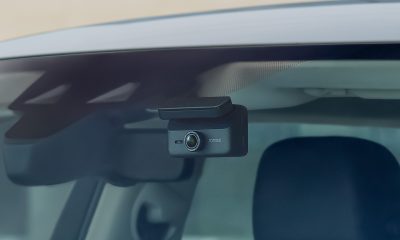
70mai launches the A900 series with 4K front, rear recording
Two new 4K dual-channel dash cams, both with 4G
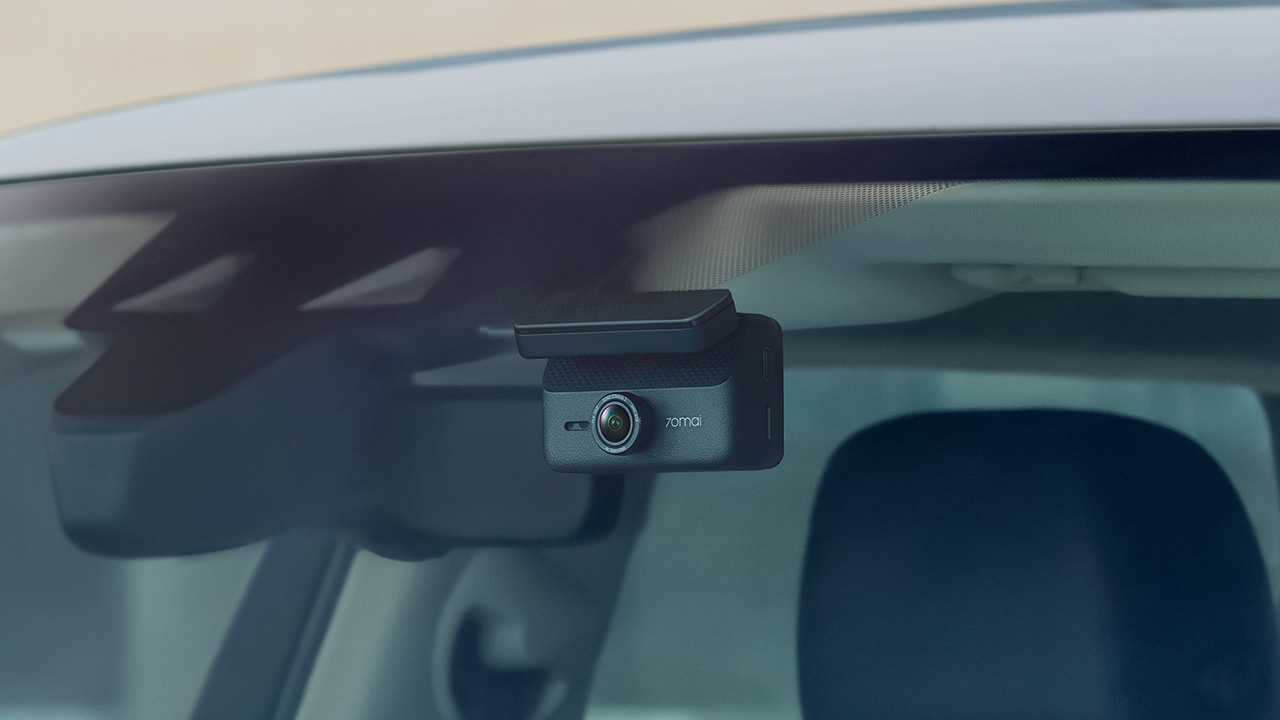
70mai has launched the A900 Series, led by the flagship 70mai Dash Cam 4K A900 Ultra, with the 70mai Dash Cam 4K A900 joining it in the lineup.
Both models record in 4K from the front and rear cameras, and both support 4G, so your footage stays reachable from your phone even when you’re away from the car.
4K recording from both cameras
The A900 Ultra uses dual Sony STARVIS 2 IMX678 sensors to capture clear 4K footage from both directions. As a result, details like license plates and road signs remain sharp.
Smart HDR balances bright and dark areas under shifting light. Users can also adjust color tones and contrast. To keep feeds synced, the rear camera uses LVDS digital transmission. This tech sends a lossless 4K feed with just 20ms of latency.
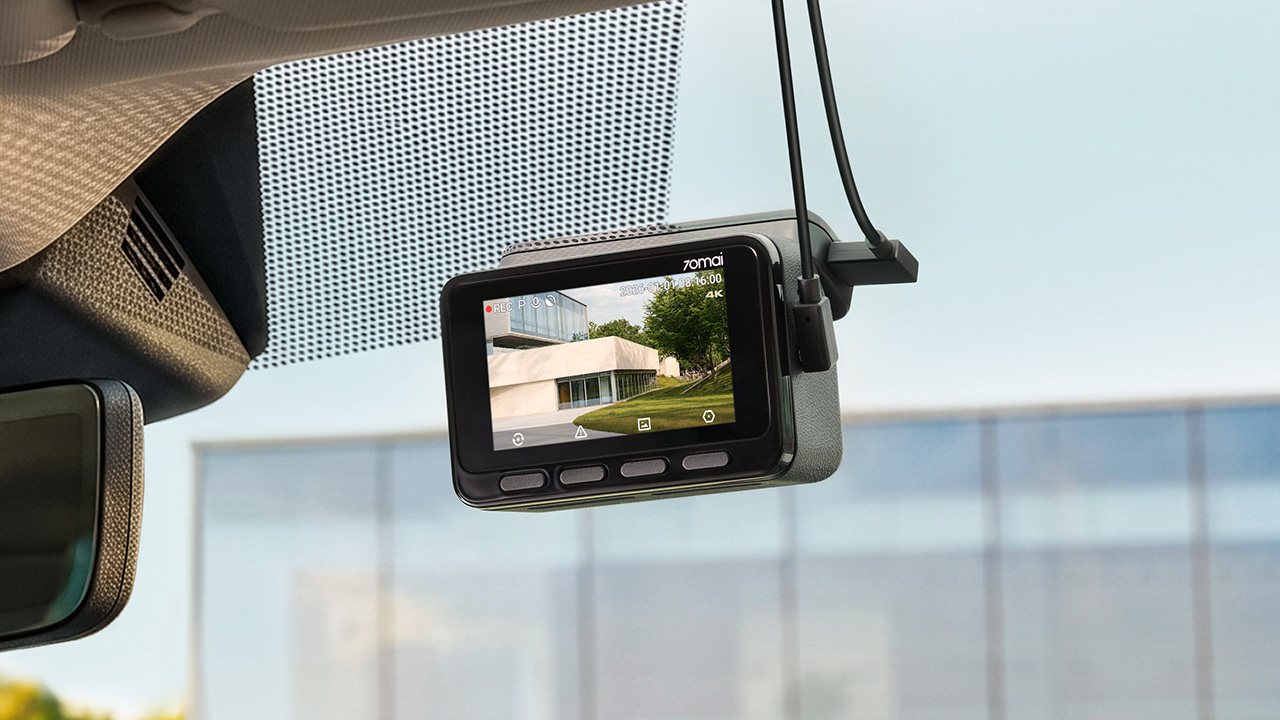
Handling changing light
Driving into a tunnel or under the shadow of a tall building changes the lighting quickly, and 70mai built three imaging technologies into the A900 Ultra to deal with it.
MaiColor Vivid+ Solution 2.0 is meant to give more natural colors and finer detail, along with smarter scene adaptation. Night Owl Vision 2.0 reduces noise and glare to help with nighttime clarity.
Lumi Vision is made for parking surveillance in near-total darkness, where it automatically adjusts exposure and gain and applies noise reduction. 70mai says this produces clear, full-color footage in extremely low light.
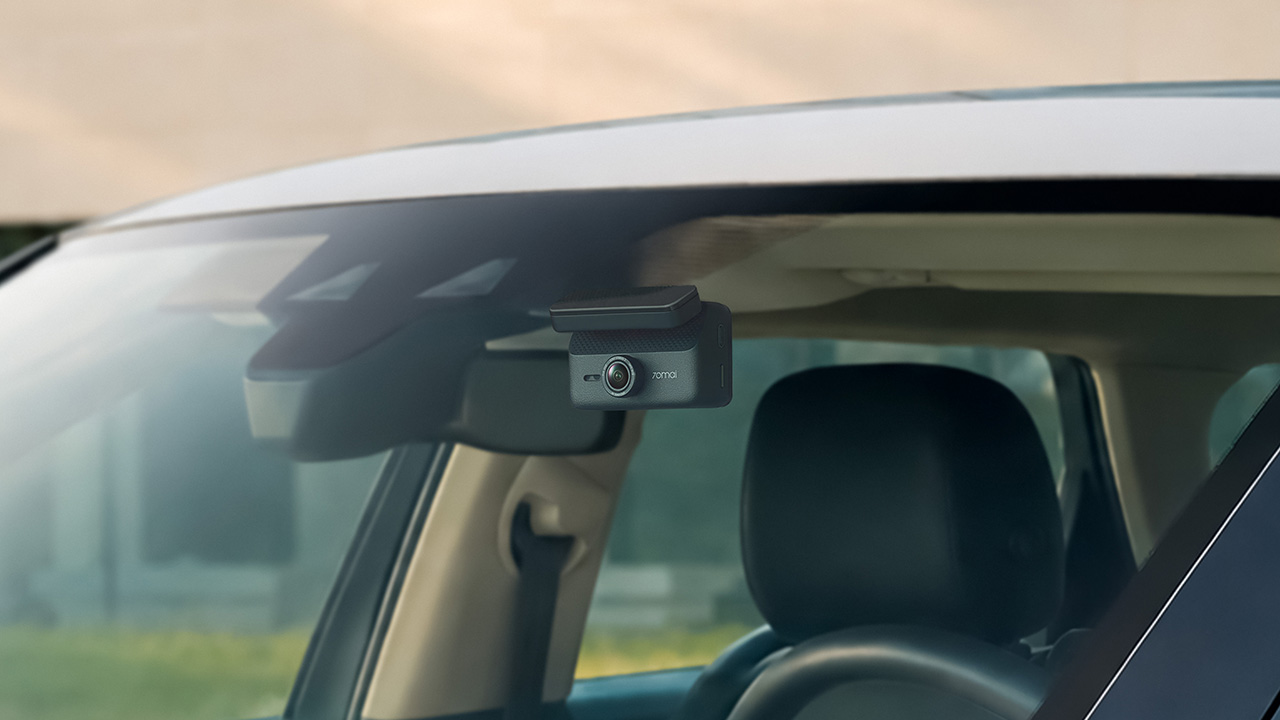
Parking mode and remote access
Smart Parking Guardian Mode 2.0 protects your vehicle while parked. It combines AI motion detection, dual-channel collision detection with pre-recording, and time-lapse options.
The system draws just 5mA on standby to prevent battery drain. For extended coverage, the optional 70mai Battery Pack Mini powers surveillance for up to 30 days.
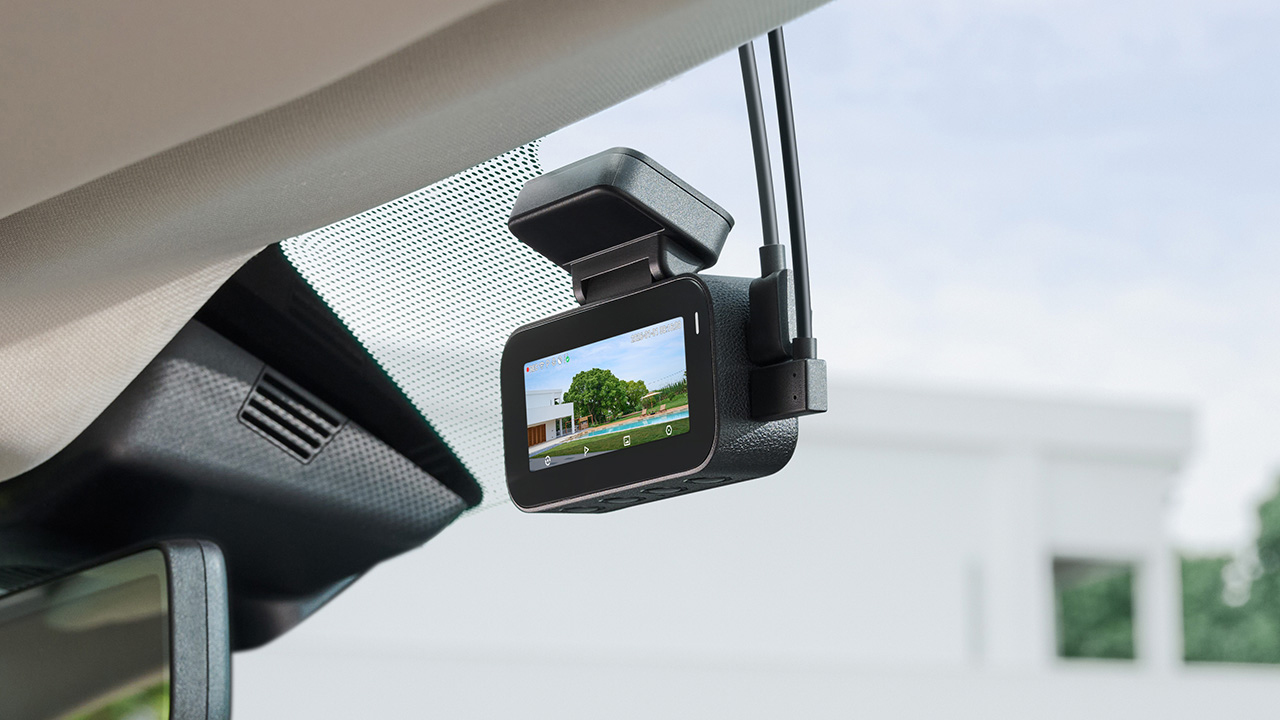
In photo: A900
Pairing the camera with the 4G Hardwire Kit unlocks 70mai 4G Cloud+ 2.0 features on the app. Enhanced Buffered Emergency Recording saves up to 190 seconds before an incident and 30 seconds after.
It automatically uploads this footage to the cloud for immediate remote viewing.
The 70mai Dash Cam 4K A900
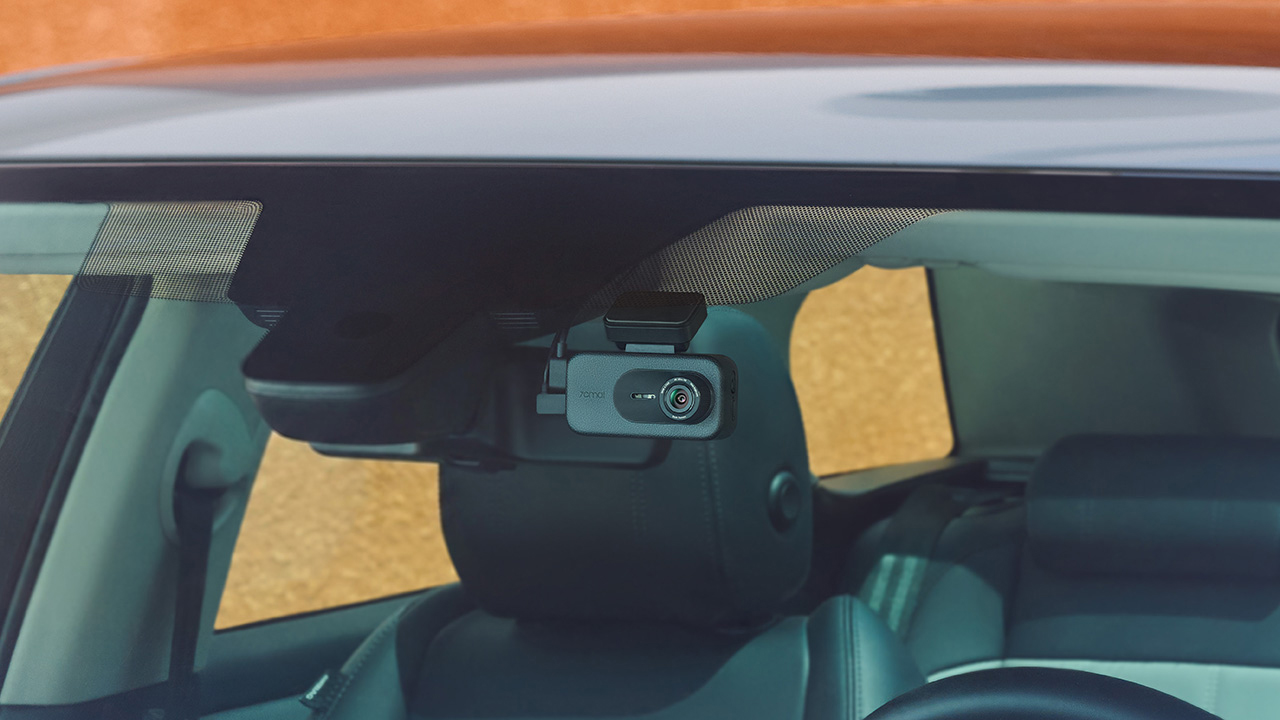
In photo: A900
The A900 sits alongside the Ultra as the more accessible option. It records True 4K HDR at 30FPS from both the front and rear cameras, and Smart HDR can be scheduled to turn on at set times.
Its f/1.55 aperture is meant to help in low light, and 4G Cloud+ 2.0 keeps the dash cam connected to the 70mai App. It’s the model for drivers who want dual-channel recording and 4G connectivity at a lower price.
The 70mai Dash Cam 4K A900 Ultra retails for US$ 300, available for pre-order at US$ 240. Meanwhile, the A900 is priced at US$ 200, currently 20% off at US$ 170.






Linkin Park: Unshatter is the band’s kintsugi

Bambu Lab opens first Authorized Store in the Philippines

Lenovo tech behind DreamWorks Animation hit ‘Forgotten Island’

Samsung joins the clip-on earbud trend with the Galaxy Buds On

vivo X Fold6 makes global debut with 200MP camera and 6900mAh battery

HUAWEI Pura X View is 2026’s first WIDE slab-type smartphone

The CAMON Slim 5G is TECNO’s latest ultra-slim smartphone

iPhone 18 Pro series: Price, availability in the Philippines

vivo X500 Series launches with major imaging upgrades

iPhone 18 Pro series: Price, availability in Singapore


-
 News2 weeks ago
vivo X500 Series launches with major imaging upgrades
-

 News2 weeks ago
OPPO Find X10 Pro Max is the first phone with a triple 200MP camera system
-
 Automotive7 days ago
BYD says that way better EV batteries are coming next year
-

 News2 weeks ago
vivo introduces OriginOS 7 with smarter multitasking and AI features
-

 News6 days ago
HONOR Magic9 Pro Max launches in China with ARRI-powered imaging
-
 Accessories2 weeks ago
70mai launches the A900 series with 4K front, rear recording
-

 Smartphones7 days ago
TECNO CAMON Slim 5G teases an ultra-slim design ahead of launch
-
 Smartphones1 week ago
When TECNO-logy meets Tonino Lamborghini legacy