

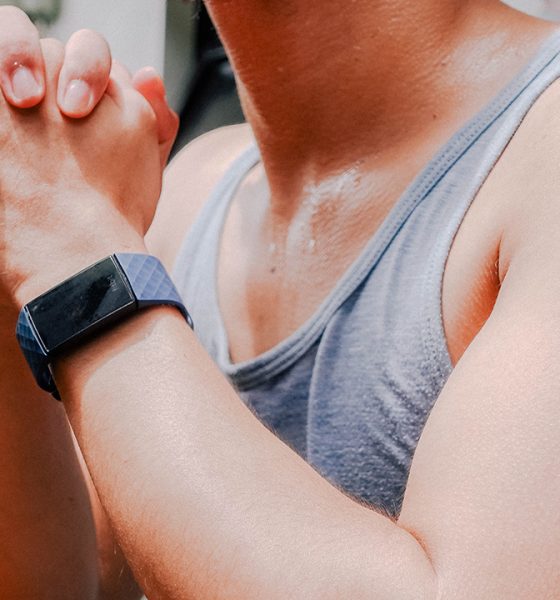
Health
Fitbit Charge 4 review: An extra ingredient to becoming fit and healthy
Aside from determination, dedication, and motivation

Imagine drinking for five to seven days straight, no exercise, drinking less water than usual, and eating whatever was available. It was a recipe for disaster — for my body, that is. Back in 2019, I spent a week being sick. I was severely dehydrated that I needed to pump in gallons of Pocari Sweat and Gatorade.
That stressful experience led me to take care of myself seriously. Before and at the start of 2020, I made an effort to achieve a healthy and fit lifestyle. I enrolled in a gym, started cooking healthy meals, and packed lunch for work instead of eating at fast-food restaurants.
Finding the right companion
But the pandemic struck, and my plans were derailed. My hopes of having a healthy and fit body were slightly crushed. I found myself switching smart bands — Samsung Galaxy Fit E, Honor Band 5, and Garmin’s Forerunner 235 — while trying to follow a workout and meal plan.
Of course, it wasn’t a smooth ride. There are days where I got sick due to stress caused by the pandemic, burning out from work, and a whole lot of other things. My desire to get healthier intensified.

When the Fitbit Charge 4 arrived, I had second thoughts about whether a tracker can undeniably help me achieve my goals. I used the Fitbit Charge 3 before and nothing happened. It was such a gag, trying my best to be healthy and fit, and I only lasted for three weeks.
Yet this time around, I had the Charge 4 for two months and I could say I had a great time using it. Unlike before, I was able to continuously develop my body and follow my workout plan.

Pairing it with phone and colors
Having a tracker was the last thing I considered before starting my journey. At first, I bought a water bottle, quick-dry towel and gym clothes, and wireless earbuds so those gym activities won’t be boring.
Moving to home workouts during the quarantine didn’t make any changes to my usual equipment, except now I have extra dumbbells, a yoga mat, mini bands, and a resistance band.
When I got the Charge 4, I paired it quickly with my phones. Back then, I had a hard time pairing it with my Samsung Galaxy S20, but it was easy when paired with my Huawei Mate 20 Pro — which I used with previous Fitbit wearables.
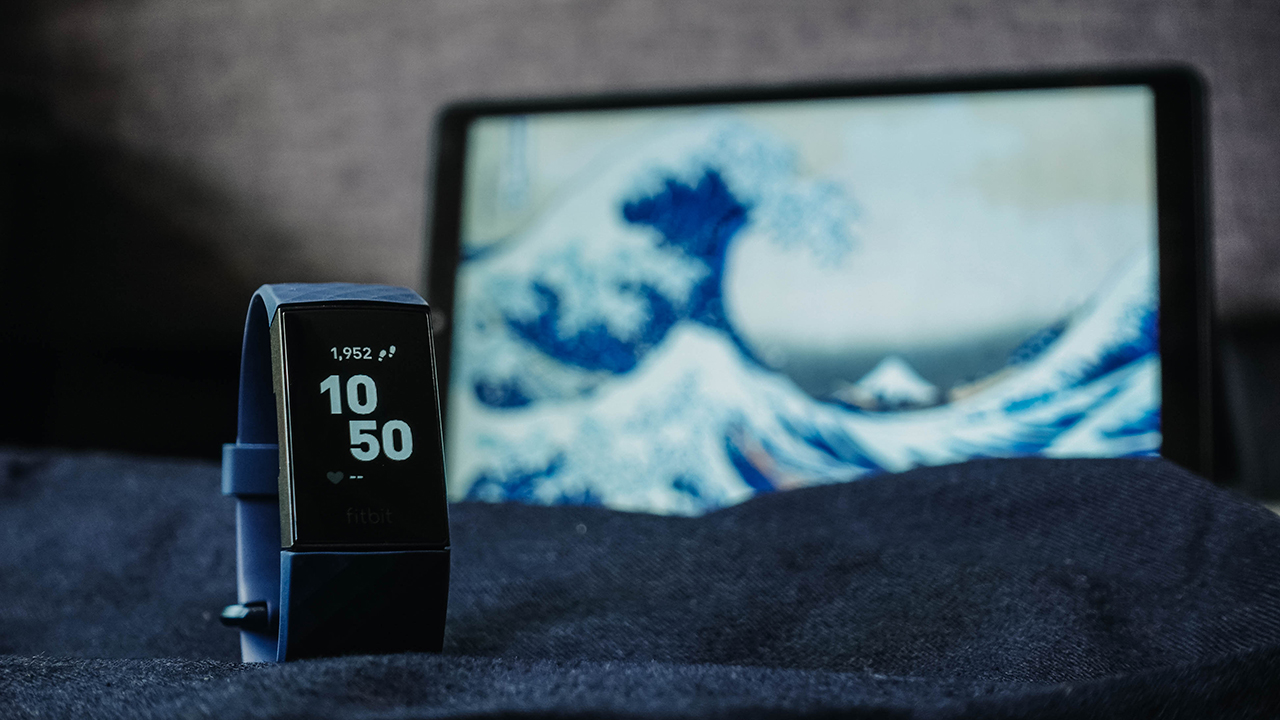
Thankfully, it didn’t come in a striking hue. The band’s color is named Storm Blue, reminiscent of Prussian Blue or Parisian Blue, if you’re into fine arts — a color prominently seen in the Hokusai’s famous artwork The Great Wave off Kanagawa.
The material used for the band is comfortable and water-resistant, I had no problems wearing it in the shower or while sweating during my exercises.
Like a fitness BFF
This smart tracker wasn’t the sole reason I’m starting to get healthier and fitter now. It was discipline and commitment that got me through — something I lacked last year.
Relying on a wearable — smart tracker, smart band, or a smartwatch — won’t get you anywhere in reaching your fitness goals. It’s not their job to make you healthy and fit, only guide you through it.

But to say the Charge 4 didn’t help in reaching my fitness goals is unfair. While determination, dedication, and motivation are necessary ingredients, having a wearable can help you pull yourself together.
Its effects were like having a best friend reminding you of your goals; that’s just how it feels wearing its weight around my wrists. It doesn’t snap at you for not being able to follow through your goals, it simply nudges you to try to do your best.

The right workout
If you’re a Fitbit user, you’d know the magic isn’t at its trackers or smartwatches. It’s the smooth connection between your devices, the Fitbit app, and Fitbit Premium.
ICYDK, Fitbit Premium is filled with guided programs, health and fitness content from partner brands, and fitness challenges to stay active. I’ve tried some, but I realized these workouts aren’t for me.
Finding the right workout is always subjective and personal — what’s working for you might not work for someone else.

I crafted my own workout plan to achieve my goal: gaining weight, toning my muscles to achieve a lean figure, and of course, look sexy in my thirst trap photos on Instagram. Also, so I feel good about myself.
Luckily, Fitbit knows the value of personalization through Active Zone Minutes. It’s a metric calculated using your age and resting heart rate, providing you a more personalized measurement. There are also real-time alerts on your wrist to help you become more efficient in your workouts.
To a hydrated body and better heart
When I was living a sedentary lifestyle, my resting heart rate reached 100 bpm (beats per minute) compared to having 60-70 bpm during my active days. Since I’m still just starting again, I made it a goal to get a better resting heart rate.
Having a lower heart rate is a sign of good cardiovascular fitness. As of writing, I’m back at 65-75 bpm — that’s because sometimes I still fail to do consecutive workouts because of my job and I’m still high on caffeine intake.
If you can’t exercise regularly, you need to walk around. The Fitbit Charge 4 buzzes every hour to remind you to get up and walk, and it was a habit I enjoyed doing in my working hours.
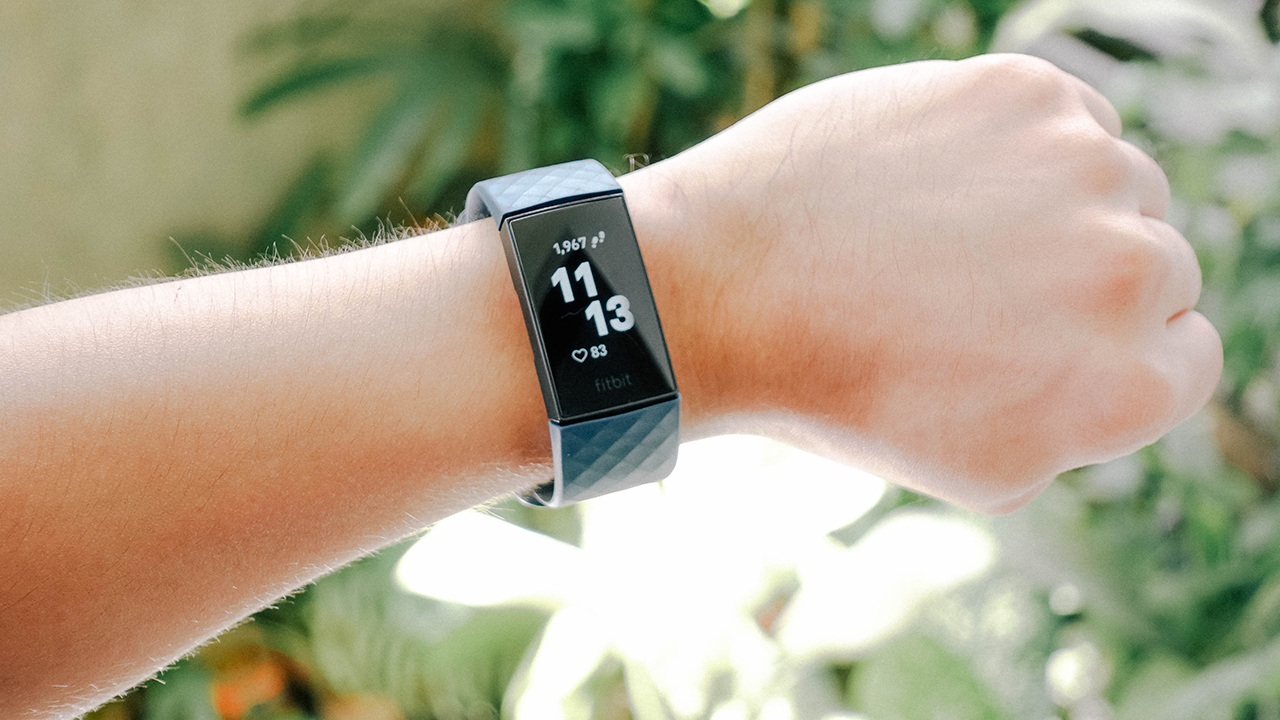
When my Charge 4 buzzes, I walk to the kitchen to refill my water bottle and drink my water. I also stretch my hamstrings while I wait for the bottle to be refilled. Talk about hitting three birds with one stone: moving around, drinking water, and stretching my tight hamstring from too much sitting.
The struggle to exercise
Ask anyone. The hardest thing to do is always getting out of the bed to exercise. Sometimes, you just want to lie down, roll over to watch Netflix, get up to eat and drink, then find your way to bed again. Sounds tempting, right?
I’ve been a victim of this situation, many times especially last year. Committing to a regular workout is such a daunting task. When you’re bogged down with work and your mind is heavily preoccupied, it’s easy to give up on exercise and tell yourself to do it tomorrow.
But you keep saying that until you realize it’s been a month since you last worked out then beat yourself up for not trying hard.
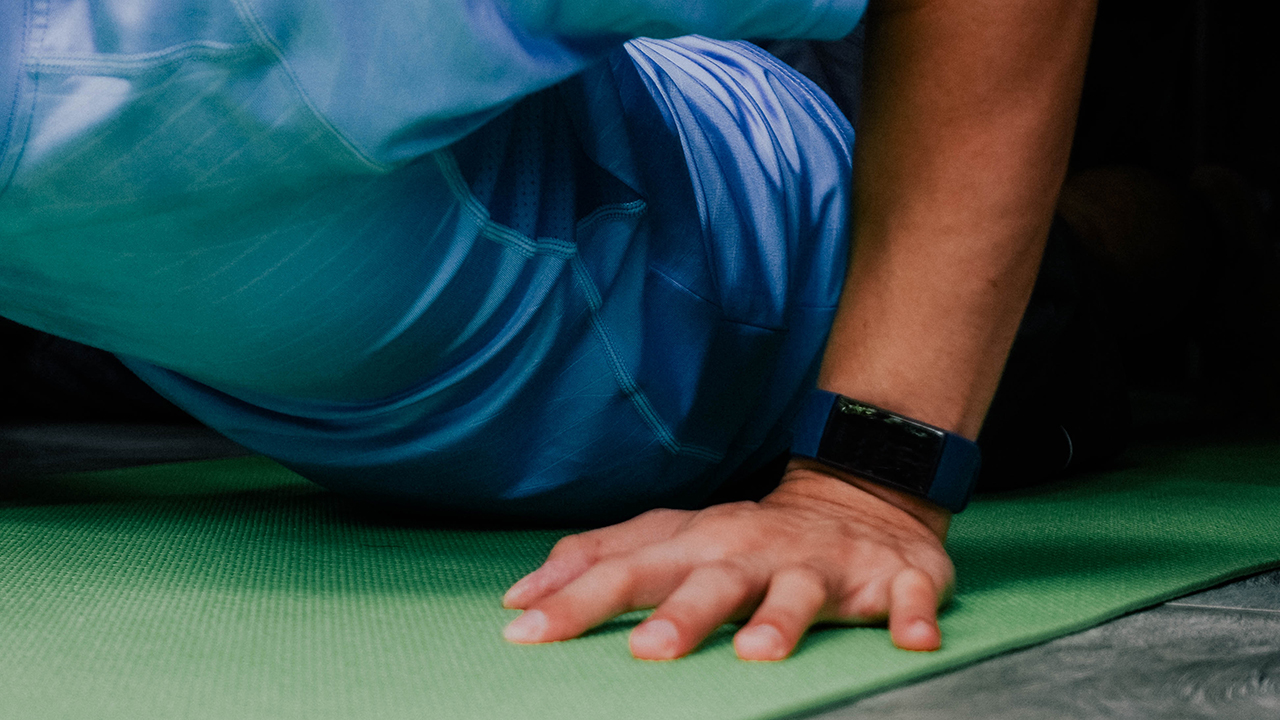
Trying to reach fitness goals was never an easy task. It requires mind tricks and mental fortitude. The struggle in discipline and commitment during your health and fitness journey mostly stems from your emotional and mental health.
How we feel can manifest physically, which is why we need to be in a better headspace so we can push ourselves to work out.
Taking care of our mental health won’t be easy in this pandemic, but you can take little steps. I’ve done yoga and meditation, and it helped me breathe easier.

What I’m doing might be a little bit intimidating. For beginners, you can start with guided meditations accessible through the Fitbit app, Headspace, or Spotify. If you want to really start with something easy, the tracker has a breathing exercise that you can follow easily.
Unplugging made me happier
When you learn how to be mindful, you’ll realize the importance of unplugging and disconnecting. Being glued to our smartphones can wear our minds and extremely take our time. Sometimes, all we need is to step away from our smartphones.
The Fitbit Charge 4 can preview a few notifications on your screen. This helped me disconnect and focus on my tasks that require concentration such as painting, writing, and working out.
I tend to get distracted by my phone and other messages, and having a few notifications can help me decide which one requires immediate response and which one can wait later.
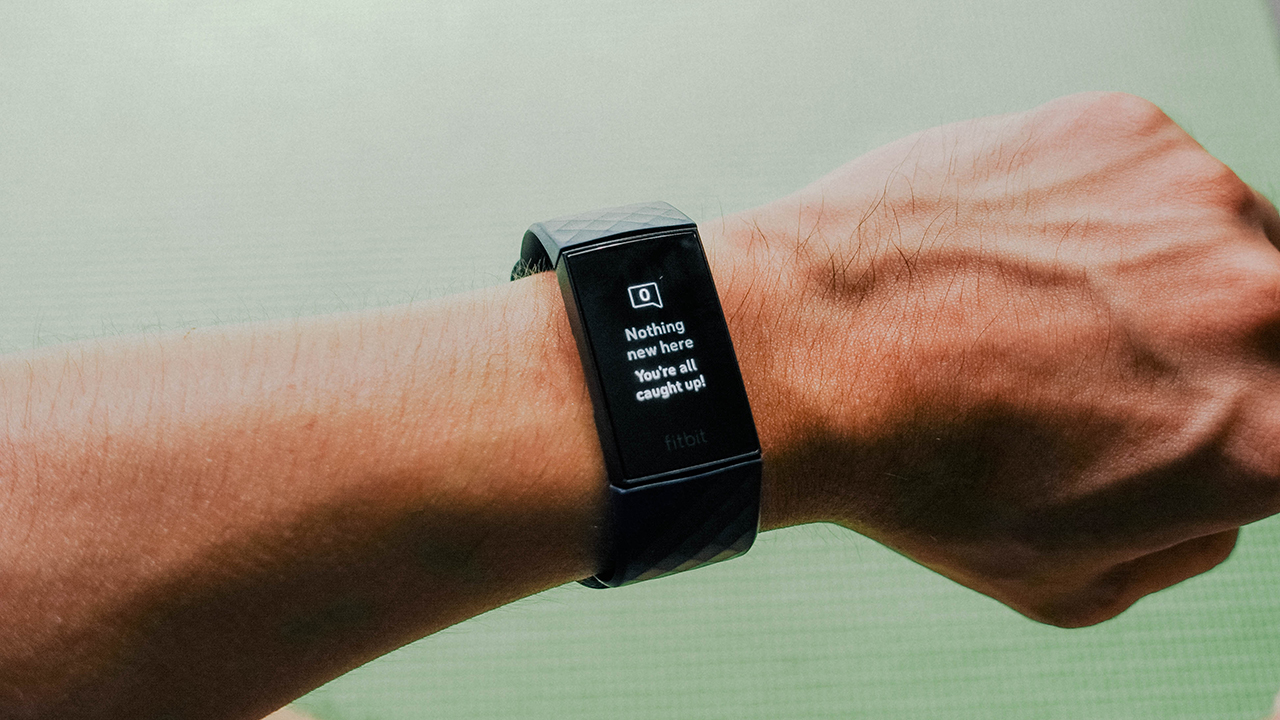
You can customize your notifications through the Fitbit app, and you can sync your messages, emails, and calendar, which appears in the tracker’s notifications bar.
You can also connect Spotify so you can easily control your music without using your phone. It worked seamlessly with my Galaxy Buds and my phone, and this disconnection definitely made me happier.
Give me a good night’s sleep
The most important thing I realized, later on, is the importance of a good night’s sleep. No matter how much working out or mindfulness practices you do in life, you won’t see any results when you’re hellbent on sleeping past midnight.
The tracker has a Sleep Mode to ensure you won’t be disturbed in your sleep (unless you have nightmares from your trauma wherein I have to ask you to go see a therapist).
Kidding aside, it turns off the notifications and disables the screen display. I didn’t find any use for this feature since I find it easy to sleep whenever I meditate or turn off my gadgets and put it away from the bed.

To ensure I had a good night’s sleep, I track my Sleep Score every morning through the app. The data might be taxing to look at, but it’s rich in insight based on your heart rate, restlessness, time awake, and your sleep stages. Although, the summary can be checked easily through your wrist.
Frankly, getting better sleep is what I’m still working on. Adults usually need seven to nine hours of sleep, but six hours can be enough. At most, I usually get six to seven hours of sleep.
However, I tend to sleep at 12 midnight recently, caused by watching Lucifer, chatting with friends, reading a book, or painting. I tend to wake up at five or six and seven in the morning, depending on what time I slept.
Is this your GadgetMatch?
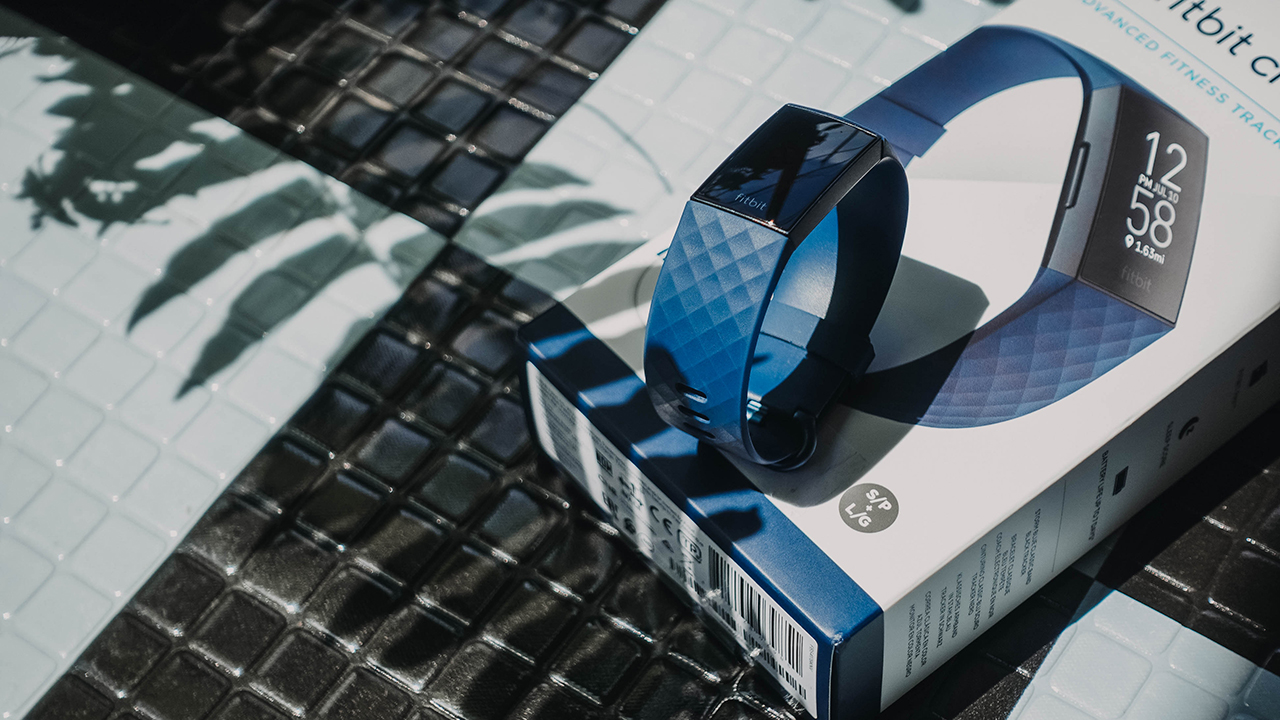
The Fitbit Charge 4 offers a lot of features to help anyone starting on their health and fitness journey. It’s an advanced fitness tracker that detects your heart rate and improves your sleep. Moreover, it measures pace and distance through a built-in GPS, and packs with essential features.
It’s a worthy companion, since it lasted seven to eight days on a single charge based on my experience. Fully charging it takes only just an hour and a half. There’s a lot more to explore, but there’s one thing for sure: The Fitbit Charge 4 is a tracker made for everyone.
The Fitbit Charge 4 retails for PhP 9,590 (US$ 198). It’s available in black, rosewood, storm blue, and storm black. You can purchase it through Fitbit’s authorized retail stores like Digital Walker.




Features
The Death of BMI: Why the world’s most popular health metric is lying to you
Muscle mass, body fat percentage, and visceral fat tell you more about your health than BMI ever could, and your watch can finally measure them.
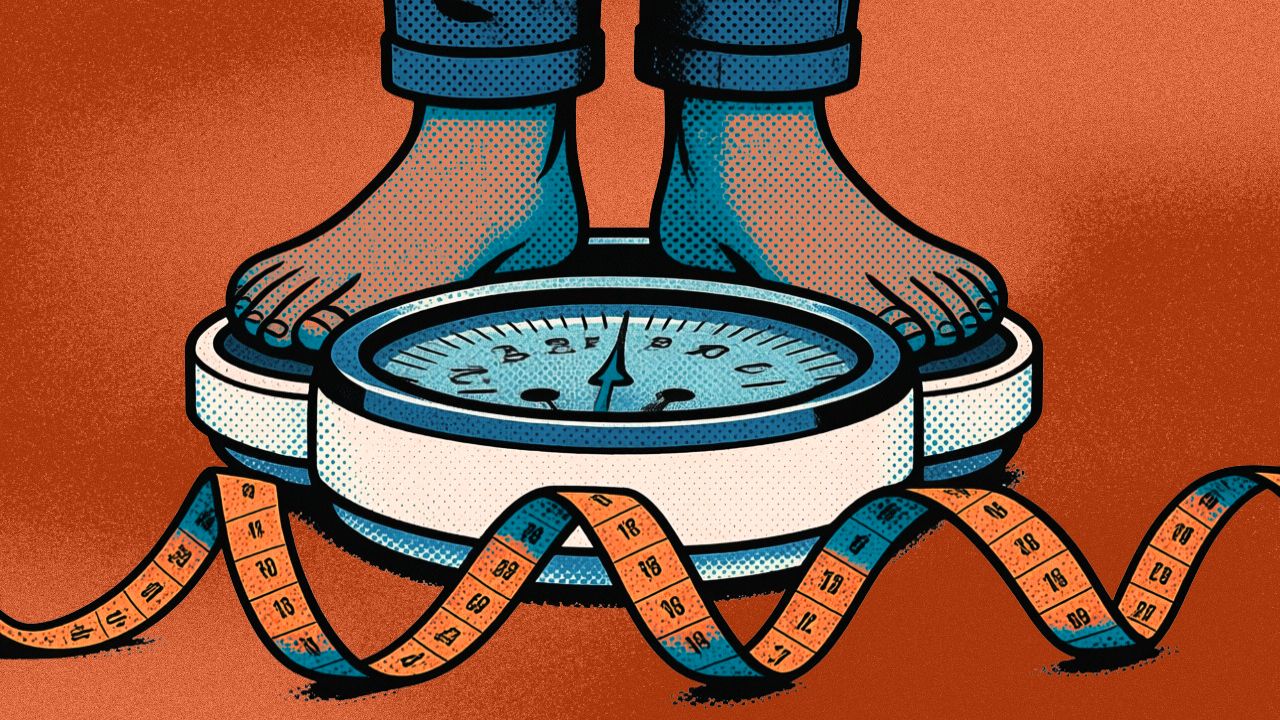
Step on a scale at a doctor’s office and your health usually gets summed up in one number. Weight divided by height squared. That’s your BMI, and it’s been the default health metric for almost 200 years.
It was never built for that job. BMI was invented in the 1830s as a statistical shortcut for studying populations, not for telling an individual person anything meaningful about their body. It can’t tell the difference between a muscular athlete and someone who’s out of shape but happens to weigh the same. It ignores bone density, body water, and where fat actually sits in the body, which matters more than most people realize.
The metrics that actually matter are the ones BMI was never designed to catch: how much of your body is muscle, how much is fat, and where that fat is sitting.
The muscle question BMI can’t answer
Skeletal muscle is the body’s metabolic engine. It’s what keeps your resting metabolic rate up, what protects your joints, and what determines how well you move as you get older. Losing it quietly, without knowing, is one of the bigger blind spots in how people track their own health.
Fat isn’t one thing either. Subcutaneous fat, the kind just under the skin, carries far less risk than visceral fat, which wraps around internal organs and is directly linked to cardiovascular problems. A person can lose weight and still be carrying dangerous levels of visceral fat. BMI has no way of showing that.
This is also why short-term weight drops can be misleading. A lot of what shows up on the scale in the first week or two of any diet is water loss, not real change in body composition. The number moves, but it doesn’t mean much yet.
Why this is showing up in headlines right now?
Part of why this conversation is happening now, rather than five years ago, comes down to the rise of GLP-1 weight-loss drugs like Ozempic, Wegovy, and Zepbound.
GLP-1, or glucagon-like peptide-1, is a natural gut hormone that signals fullness to the brain. These medications mimic it, slowing digestion and dulling appetite, which lets people eat significantly less and lose weight fast.
That speed is exactly what exposed the problem. Rapid weight loss burns fat and muscle together, not just fat. Lose 20 pounds on a GLP-1 drug, and both the scale and a BMI calculator will call it a clean win.
If a meaningful chunk of that was skeletal muscle, metabolic rate drops, joint support weakens, and the risk of physical frailty goes up, none of which shows up in that one number.
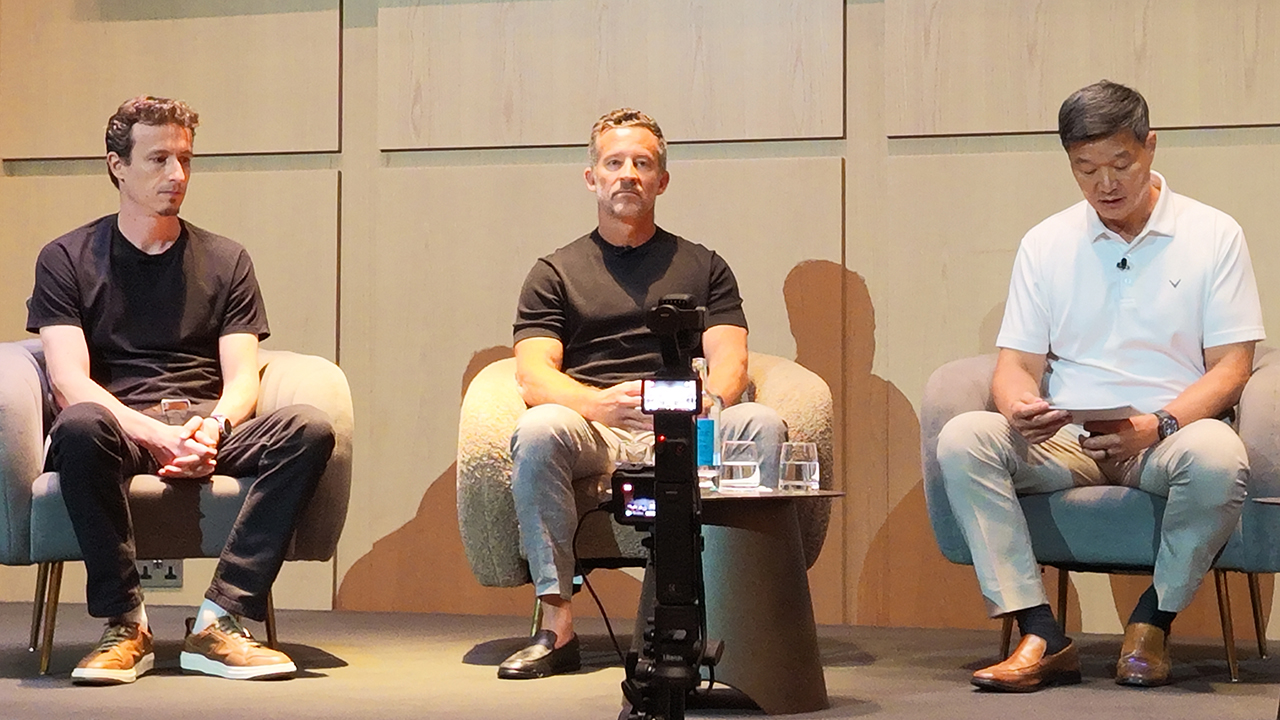
Dr. Hon Pak, Head of Digital Health Globally at Samsung Electronics, has pointed out that with GLP-1 therapies in the picture, raw weight lost can’t be the metric that defines success anymore. The focus has to shift to what kind of weight is being lost.
Kevin Duffy, CEO of iFit, has made a similar point: BMI stuck around because it’s easy to calculate from just height and weight, not because it’s the right thing to track. Muscle mass and body fat percentage matter far more, they’ve just historically been hard to measure outside a lab.
What your watch can measure now
Getting real numbers on muscle mass and visceral fat used to mean an expensive clinical scan. That’s the part that’s changed.
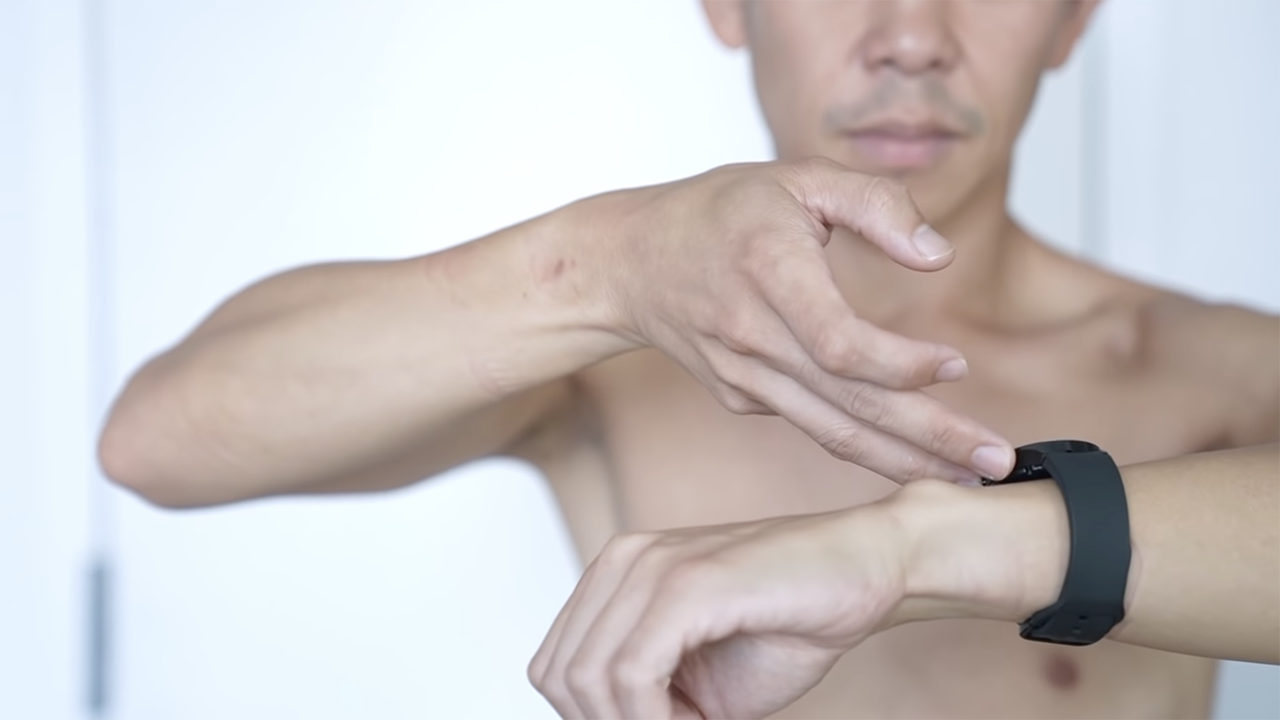
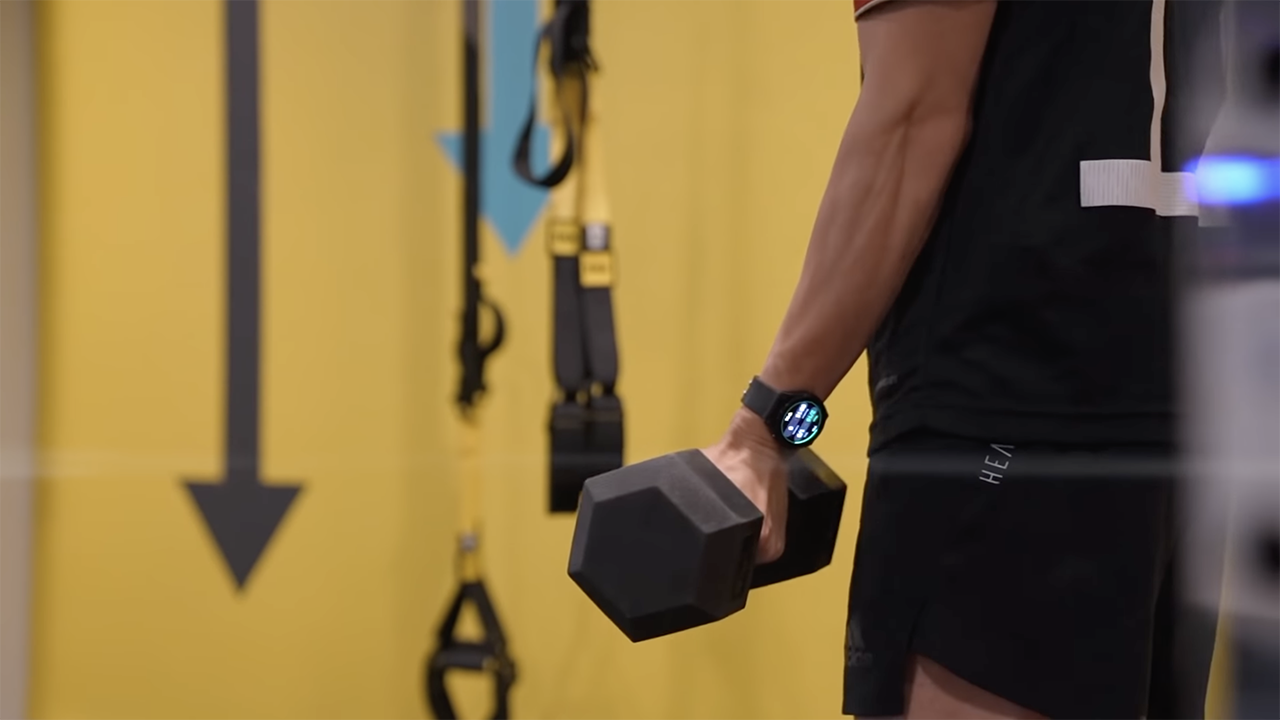
Samsung has built Bioelectrical Impedance Analysis sensors into the Galaxy Watch, sending a low-level microcurrent through the body to estimate skeletal muscle mass, body fat percentage, body water, and basal metabolic rate, all from your wrist.
For anyone losing weight, whether through a GLP-1 medication or a more traditional route, that gives real visibility into whether the weight coming off is fat or muscle.
It’s the kind of feedback that lets someone actually adjust, adding resistance training or upping protein intake, instead of finding out the hard way months later.
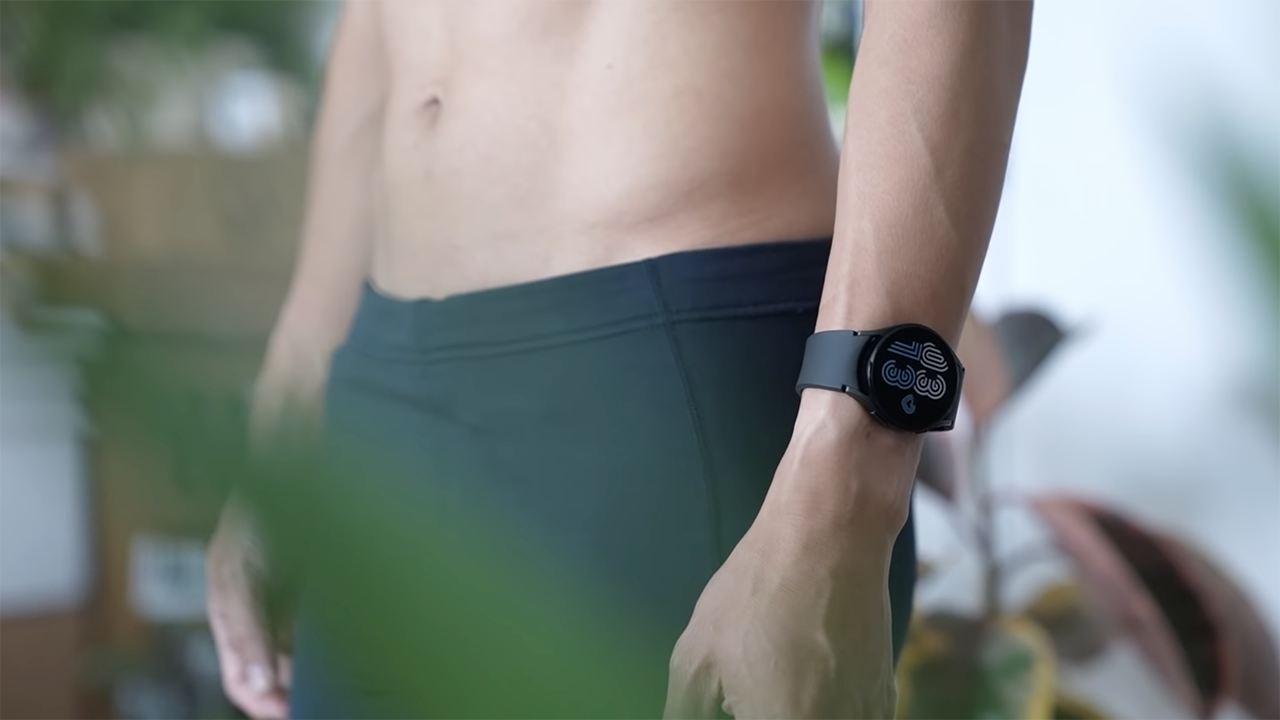
Samsung pairs this with Samsung Food, which uses AI to look at what’s actually in someone’s kitchen and suggest protein-forward meals that support muscle retention.
Karthik Poriya, Head of Product at Samsung Food, has noted that people tend to fixate on small day-to-day food decisions when what actually moves the needle is the trend over weeks and months. AI is what makes it possible to zoom out and see that trend instead of getting lost in it.
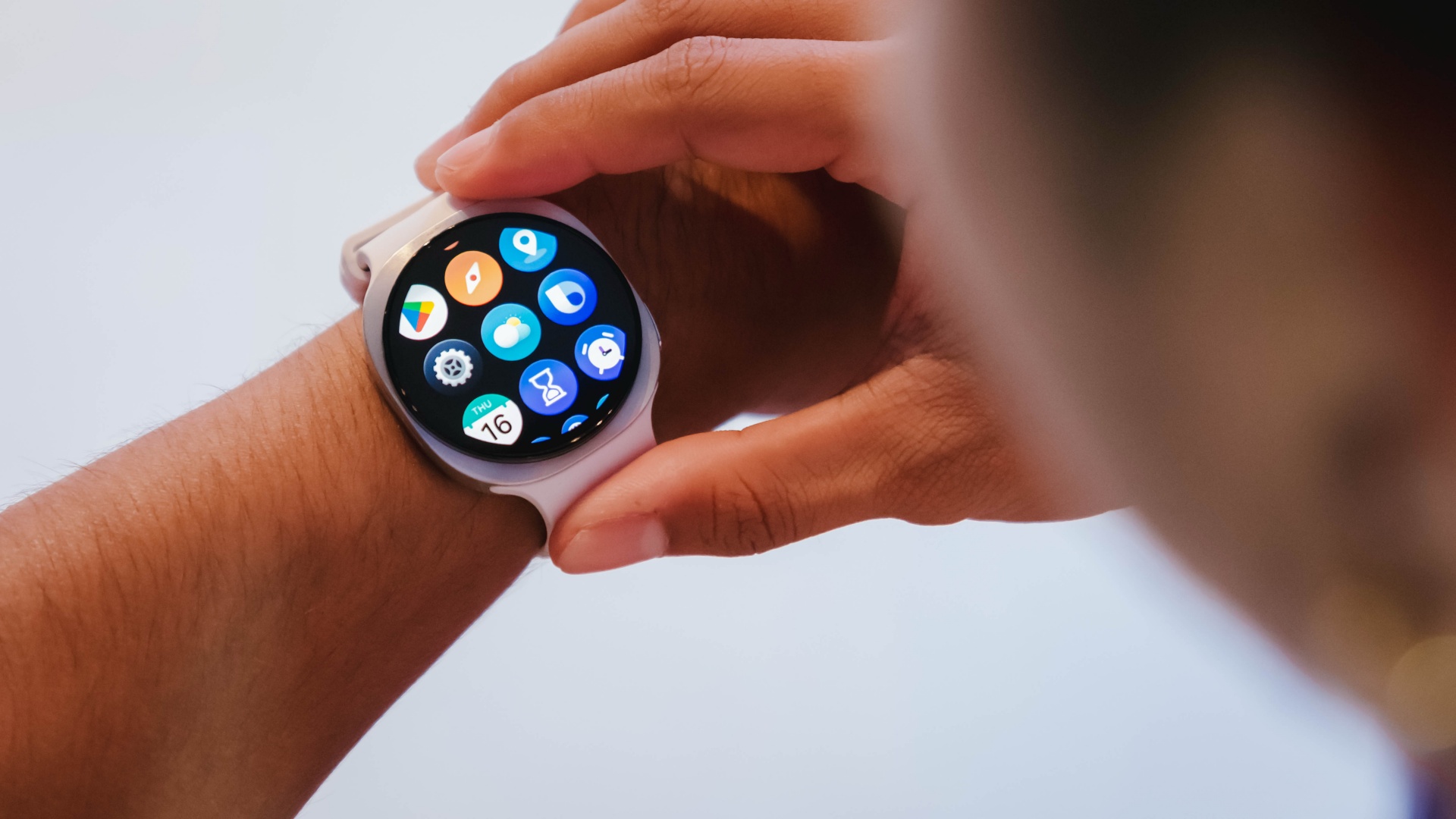
Combine body composition data with sleep tracking, activity monitoring, and a broader Energy Score, and the whole framework shifts. It’s no longer about getting lighter.
It’s about getting stronger, protecting muscle, and extending healthspan rather than chasing a number that was never built to measure any of that in the first place.
Features
Your wearable could warn you about illness before you feel a thing
The next big AI breakthrough isn’t a chatbot. It’s your heartbeat.
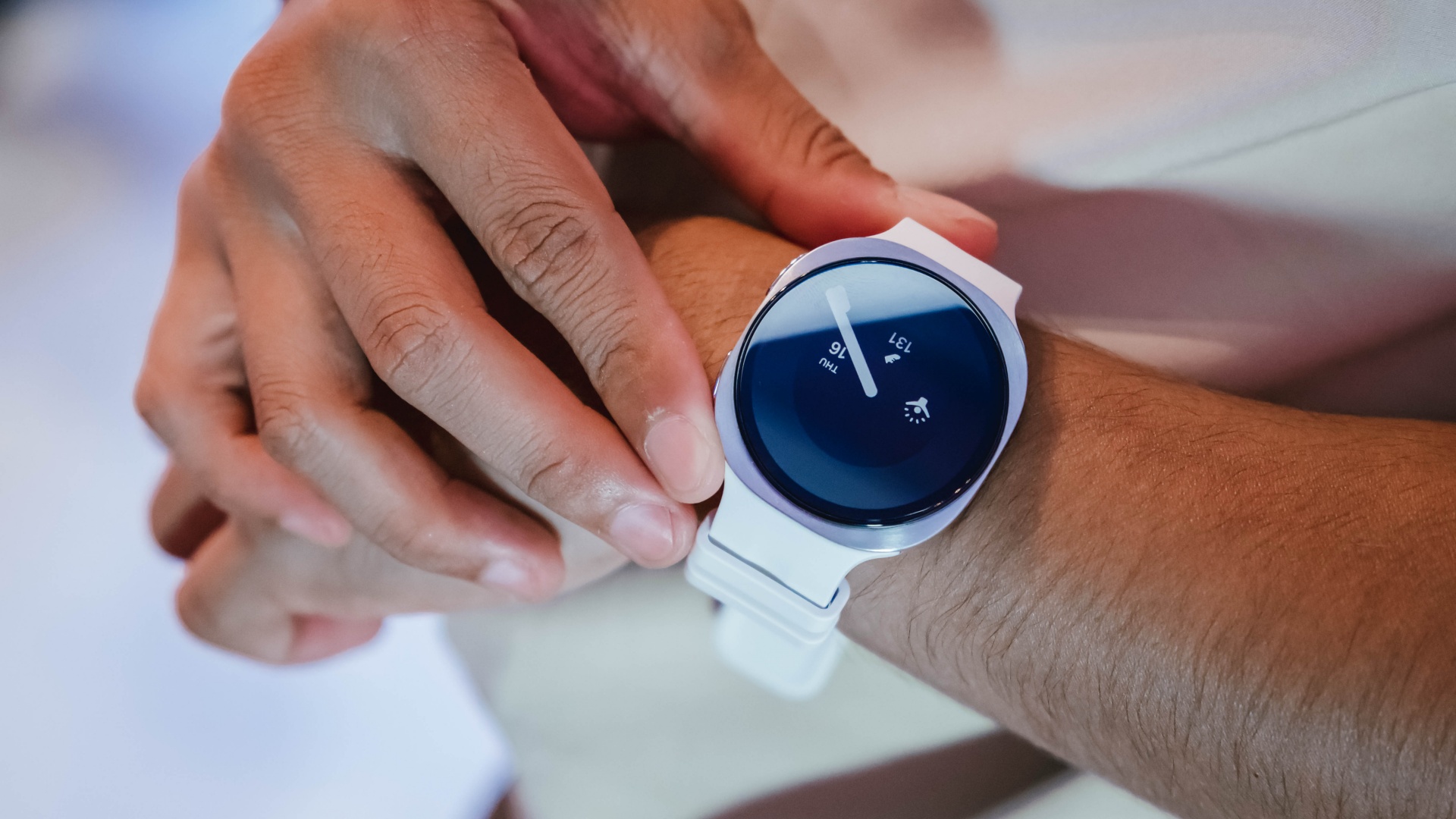
Most of the conversation around artificial intelligence right now revolves around chatbots. Tools that write your emails, summarize long PDFs, or spit out blocks of code in seconds. That is the AI most people interact with daily.
Behind the scenes in health research labs, however, a profound shift is taking place that has nothing to do with words.
Scientists are training AI models to read raw human biology instead: optical heart rate signals, ECG readings, movement patterns, and sleep data. The goal is teaching AI to understand what is happening inside your body long before you ever feel sick.
During Samsung’s panel discussion on the future of Connected Health at the Pan Pacific London, Otavio Penatti, Samsung’s Head of Health AI R&D, captured this vision simply: “Your body speaks, Samsung Health translates.”
So what makes this different from your average fitness app?
Most health apps you already use run on basic rules. Your heart rate crosses a certain number while you’re resting, so the app sends an alert. That’s about as sophisticated as it gets.
These new models work on a different level entirely. Researchers feed them massive amounts of raw biometric data without labeling any of it first.
No doctor has to sit there and tag every second of heart rate or movement data by hand. The AI figures out the patterns on its own, essentially learning the basic language of how a human body functions.
Once a model has been trained on millions of hours of this kind of data, it can then be fine-tuned for a long list of specific medical uses.
And it’s not just watching for one odd spike in your heart rate. It’s cross-referencing your heart rate variability, skin temperature, movement, and sleep patterns all at once to build a detailed picture of what’s normal for you specifically.
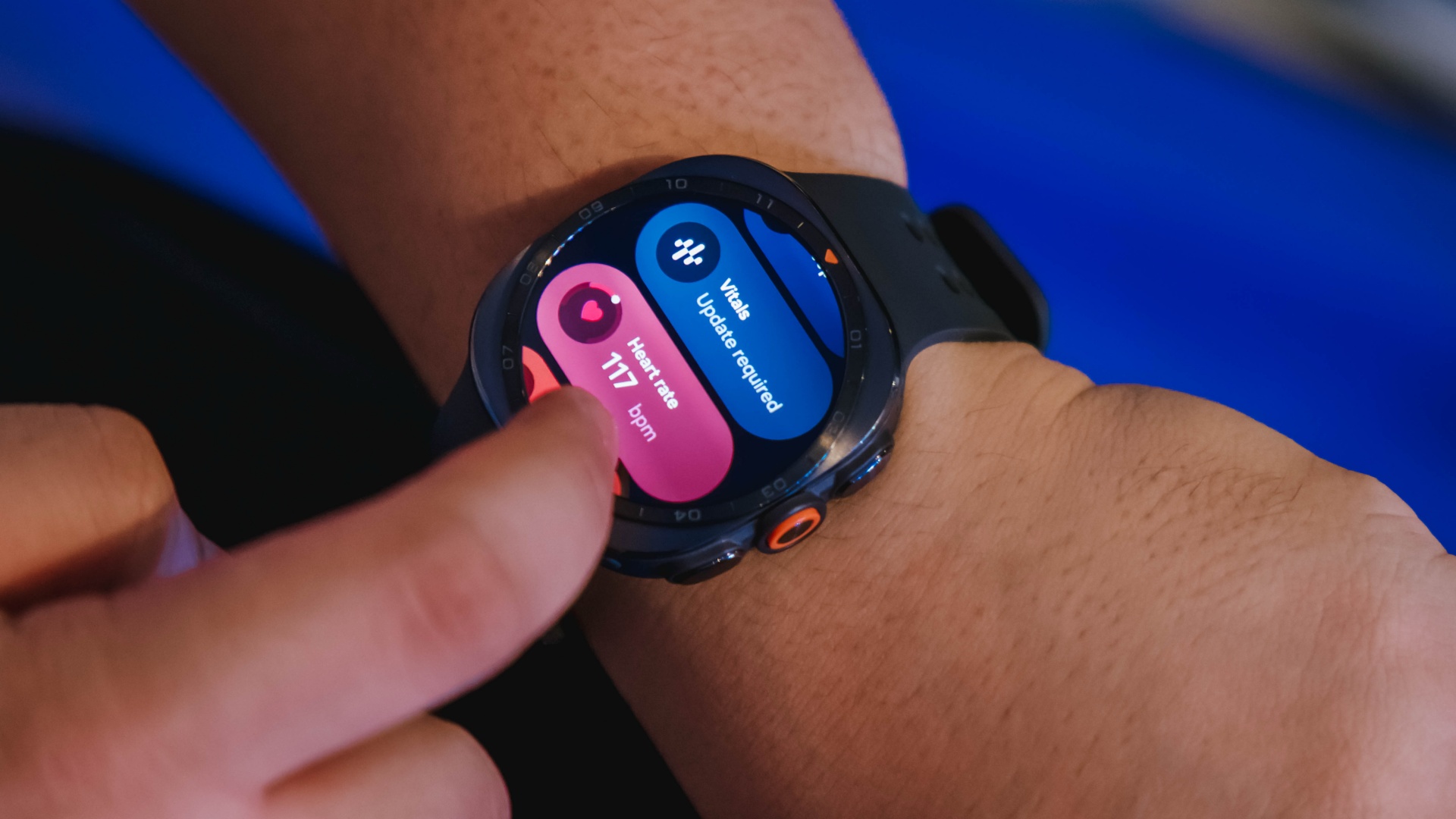
One night of sleep data, over 130 diseases
Here’s where it gets interesting. Researchers at Stanford built a foundation model trained specifically on sleep data, using both raw polysomnography (the kind of detailed sleep study done in a lab) and data from wearables.
When they compared just 24 hours of sleep data against years of longitudinal health records, the model was able to flag onset risk for more than 130 different diseases. From one night of sleep.
Dr. Hon Pak, who leads Digital Health globally at Samsung, described where this is headed: “We are collecting data right now in which we have clear signals of things to come. We just don’t know what it is right now. But through the work that we’re doing, we’ll be able to share these insights early and in the right, meaningful way.”
The missing link: your wearable talking to your medical chart
Right now, your Apple Watch or Galaxy Watch has no idea what your last blood test looked like. Your wearable data and your actual medical records live in two completely separate worlds.
That’s the real opportunity here. If continuous biosignal data from your wearable gets linked with your actual health records, prescription history, and lab results, AI could start catching subtle shifts in your body that even your doctor might miss during a routine checkup.
Not because your doctor isn’t paying attention, but because a once-a-year appointment simply can’t compete with data collected every single day.
Instead of catching a heart attack or a metabolic crisis after it’s already happened, the idea is to catch the early warning signs years before that. It’s a shift from reacting to illness to catching it early enough that it might never become a crisis at all.
It’s worth noting that most of this is still in research stages. How it eventually shows up in the health apps on your phone will depend a lot on how these companies handle the data, and how accurate these predictions actually turn out to be in practice.
But the direction is clear enough: the next major leap in AI might not be about how well it writes. It might be about how well it listens to you.
Apps
Samsung’s bet on the future of connected health: Less data, more action
Inside Samsung’s plan to close the gap between your wearable and your doctor
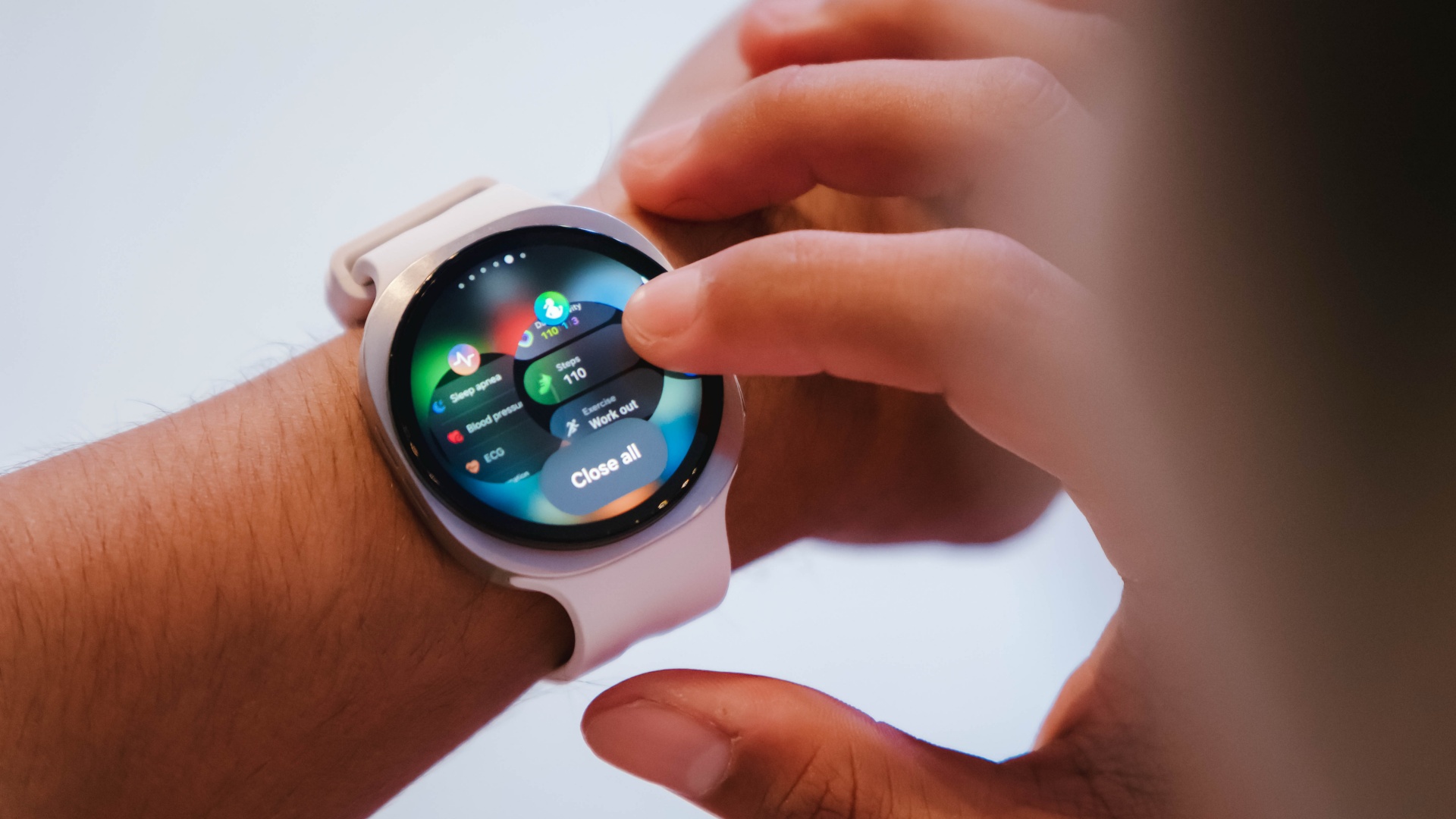
Here’s a paradox worth sitting with: Wearable adoption keeps climbing. A lot of people now walk around with a sensor on their wrist, tracking heart rate, sleep, steps, sometimes ECG. And yet chronic disease rates haven’t moved.
That’s the problem Dr. Hon Pak, Samsung’s Head of Digital Health globally, opened with at a recent panel on the future of connected care. More data hasn’t meant better healthcare. His diagnosis: a first-mile, last-mile issue.
The first mile is that all this wearable data rarely makes it to a doctor in any usable form. The last mile is that even when a doctor says “lose weight, eat better, move more,” that advice tends to dissolve the moment real life takes over.
Picking up kids, caring for parents, getting through a Tuesday, it’s not that people don’t know what to do. It’s that knowing and doing are two different problems.
Samsung’s answer involves three things it says connected care needs to mature: meeting people where they actually are, building enough trust that people rely on the data, and using AI to turn that data into something a person can act on rather than just look at.
The Tuesday evening problem
Karthik Poriya, Head of Product at Samsung Food, framed the everyday failure point clearly. Picture it: long day, you’re tired, staring into the fridge. You’re not reaching for the healthiest option in that moment, you’re reaching for whatever’s fastest and most satisfying.
For years, nutrition tracking has focused on logging what already happened. Poriya’s team wants to intervene right at that decision point instead, pairing Samsung Health’s underlying data (BMI, antioxidant index, glycation markers) with Samsung Food’s recipe index of roughly 40,000 dishes mapped across 34 nutrients, so a health number turns into an actual dinner suggestion rather than another stat to check later.
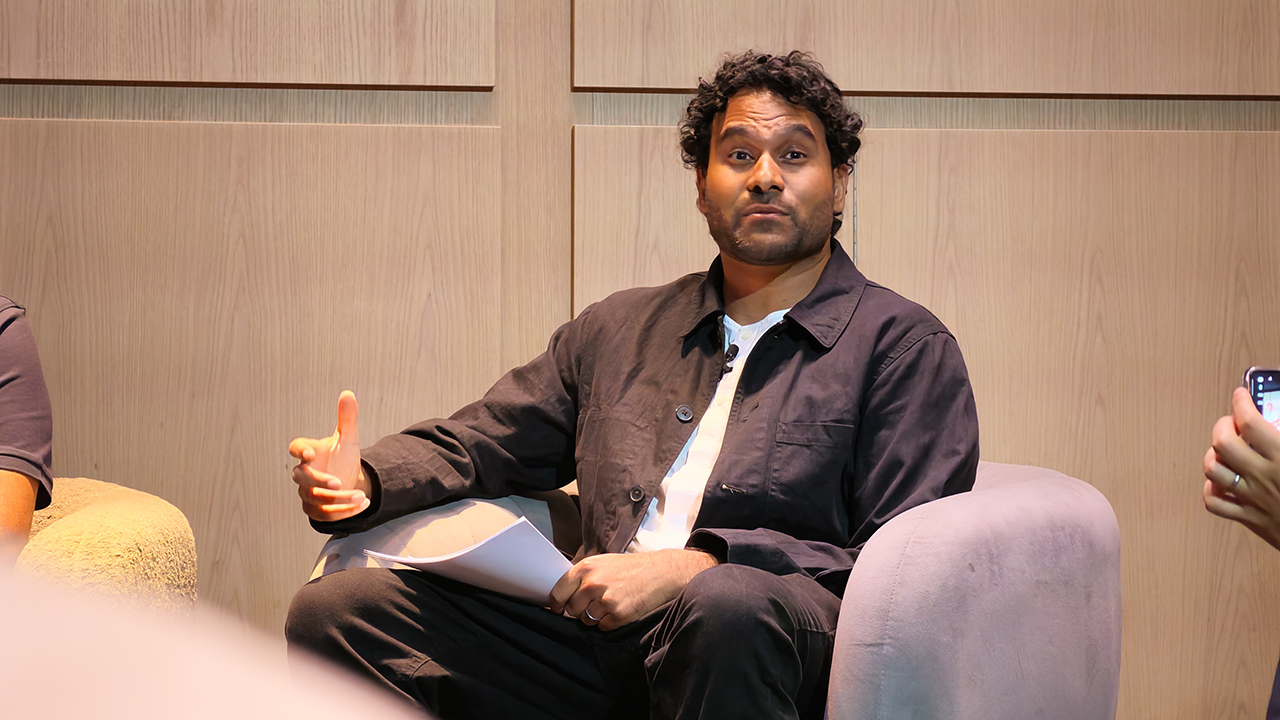
Dr. Pak backed this with a small, concrete example from his own family: moving leftover cheesecake out of eye-level in the fridge and putting washed, sliced carrots there instead.
Kevin Duffy, CEO of connected fitness company iFit, made a similar point about exercise. The most effective tool for sticking to a fitness plan is a personal trainer, he said, citing roughly 80% higher adherence compared to going it alone.
The problem is cost: US$100 an hour or more in a major city puts that out of reach for most people. iFit’s bet is that AI can deliver something closer to a personal trainer’s precision and motivation at a price that isn’t elitist.
Duffy pointed to three reasons his company partners with Samsung specifically: reach (Samsung hardware is already in people’s homes, on their wrists and TVs), access to the biomarker data needed to build an accurate plan, and the fact that fitness goals don’t exist in isolation from sleep and nutrition data.
Trust has to come before any of this works
None of the behavior-change ambitions matter if people don’t trust the data or the company holding it. Rohit R. L., who heads Samsung’s Technology Innovation Lab in the UK, laid out how his team approaches that.
Privacy comes first: Samsung, he said, treats itself as a custodian of user data rather than an owner of it. On top of that sits clinical validation, meaning published, peer-reviewed evidence that a feature actually works in the real world, not just in a lab.
He gave a specific example: Samsung’s ECG and irregular heart rhythm notifications have been clinically validated and cleared by regulators to detect signs of atrial fibrillation. He was careful with the wording there, detect signs of, not diagnose, since that distinction matters both medically and legally.
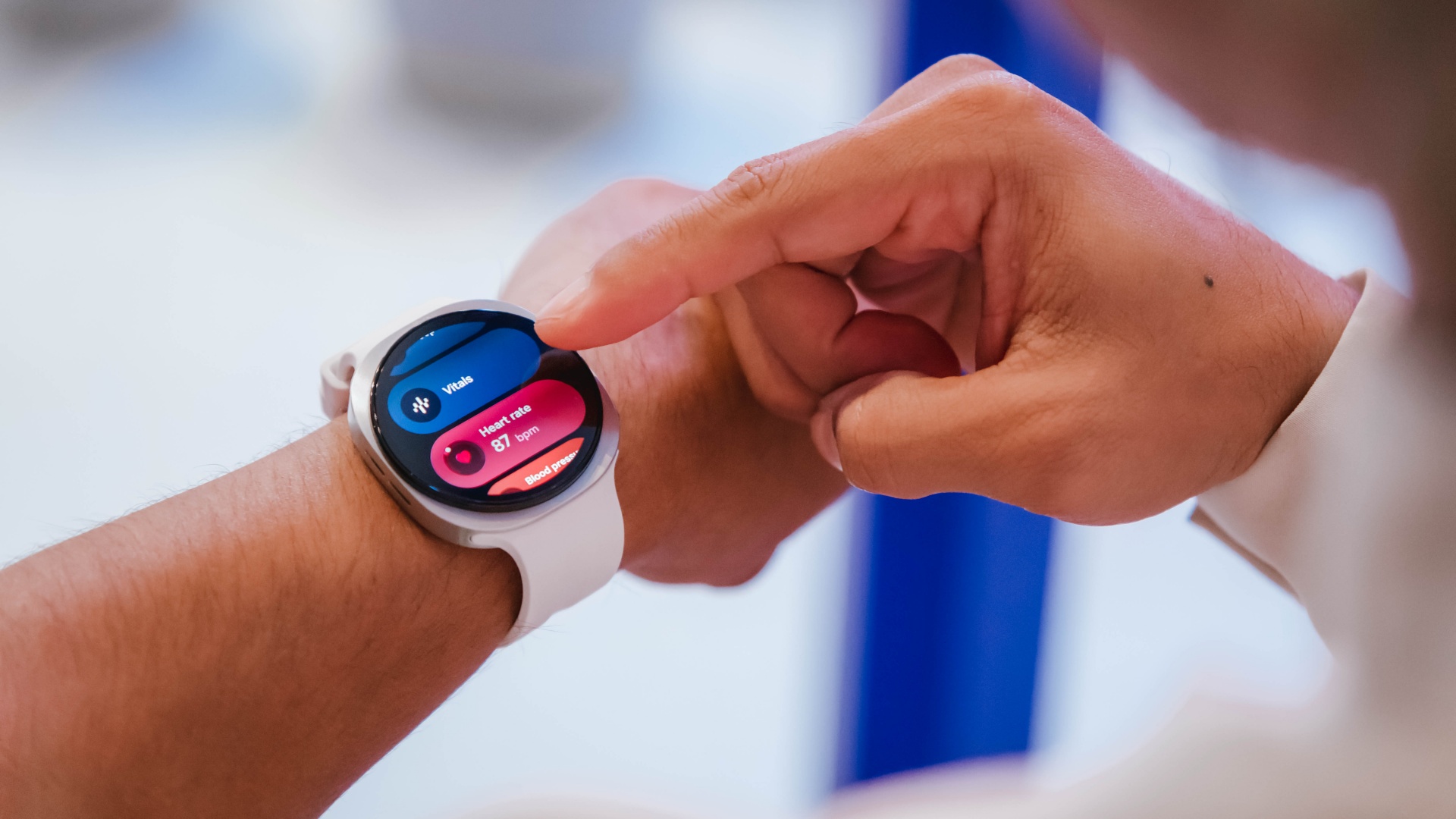
A separate study on fall detection for elderly users turned up a more human finding. The detection algorithm worked well in testing, but in real life people don’t wear their watches around the clock, and falls don’t happen on a schedule.
Dr. Pak drew a useful comparison: nobody tells their MRI technician they’re going to fidget through the scan, but with a wearable, you don’t get to control how or when someone wears it. Real-world validation has to account for that.
On the infrastructure side, Rohit described a three-layer privacy approach: on-device protection through Samsung’s Knox security framework, GDPR-compliant data handling, and alignment with the European Health Data Space, including a decentralized clinical trial system where patient identity stays with the hospital rather than moving to Samsung’s side.
Where AI actually comes in
The most technically dense part of the discussion came from Otavio Penatti, who leads Samsung’s Health AI R&D team in Brazil.
His team works on foundation models, the same category of large-scale AI models trained on unlabeled data that underpin most of today’s popular AI systems. Trained once on a huge amount of sensor data, these models can then be fine-tuned for many specific health applications, which tends to make them more accurate than models built for a single narrow task.
Penatti’s team is training these models on wearable sensor data (PPG, ECG, accelerometer) with the goal of getting the model to, as he put it, understand the body’s own signals well enough to translate them into something useful. Longer term, he sees potential in correlating that sensor data with clinical records to flag disease risk before symptoms show up.
Dr. Pak added a striking data point from Stanford research: a foundation model trained on sleep study data was able to look at just a 24-hour window of sleep and predict risk across more than 130 different diseases.
His takeaway was that the signals for a lot of future health problems are already sitting in the data being collected today, we just don’t yet know how to read all of them.
He closed this part with a number worth sitting with. A recent American Medical Association survey found that 97% of physicians have looked at wearable data at some point. Only 15 to 16% actually use it in day-to-day practice.
The top reason cited wasn’t distrust of the data, it was that the data doesn’t plug into existing clinical workflows. That’s part of why Samsung acquired health data platform Xealth, to build a pipeline that gets wellness data into the systems doctors already use.
Five years out
Asked to look five years ahead, each panelist’s answer tracked closely to their own corner of the problem. Poriya described a proactive dietitian in your pocket, one that doesn’t wait to be asked.

Rohit pointed to connected care that clinicians actually trust and patients fully control. Penatti envisioned AI that continuously links everyday behavior to clinical outcomes, catching problems before they start. Duffy’s version was a constant personal wellness coach, sifting through the data noise to tell you exactly what to do next.
The throughline across all four answers is the same: less raw data, more action. Samsung’s panel made the case that the wearable industry has spent the last decade solving for collection, more sensors, more metrics, more dashboards, while the harder problem, turning that information into something a tired person actually does on a Tuesday night, has barely been touched.
Whether foundation models and better clinical integration actually close that gap is still an open question. But it’s clearly the one Samsung is choosing to spend its next five years on.


30 days later with the ASUS ExpertBook Ultra: Like seeing an ex
Felt exactly as I remembered.

ROG STRIX G16 Review: Building for the moment
Setting it up however you want to make the most out of it

realme C100: Enduring and durable in spite of entry-level realities
Enough power but needs more agility

New EV player XPENG to launch in the Philippines in September

Box office: Brand New Day set to surpass US$ 2 billion, drives Marvel’s Spider-Man 2 resurgence

Insta360 X6 brings 8K 360 Capture, AI-powered editing

Ghost of Yotei gets a story expansion in October

Pixel 11 Pro Fold brings an improved foldable experience

Hands-on: Samsung Galaxy Z Fold8, Flip8, Ultra

VinFast debuts two-wheeler models, opens 21 e-motorcycle showrooms

Garmin launches its first screenless fitness band

Samsung releases teaser with Spider-Man: Brand New Day Easter eggs

Most of the world’s PlayStations will be officially useless by 2028


-
 Automotive1 week ago
VinFast debuts two-wheeler models, opens 21 e-motorcycle showrooms
-

 Automotive2 weeks ago
Xiaomi debuts SkyNomad Series featuring new Kunlun platform
-

 News1 week ago
OnePlus officially leaves the United States and Canada
-

 Gaming2 weeks ago
Call of Duty: Modern Warfare 4 clip shows Losing Ground 1st look
-

 Automotive2 weeks ago
GAC launches new trio of MPVs
-
 News2 weeks ago
TECNO unveils the world’s first 0mm bezel-less phone
-

 Gaming2 weeks ago
Genshin Impact opens Snezhnaya in Version 7.0 this August 12
-
 News1 week ago
Google will force Android users to use Gemini next month