
Gaming
Genshin Impact version 1.6 brings a new character, new adventures
The Midsummer Island Adventure is coming to you on the next update!

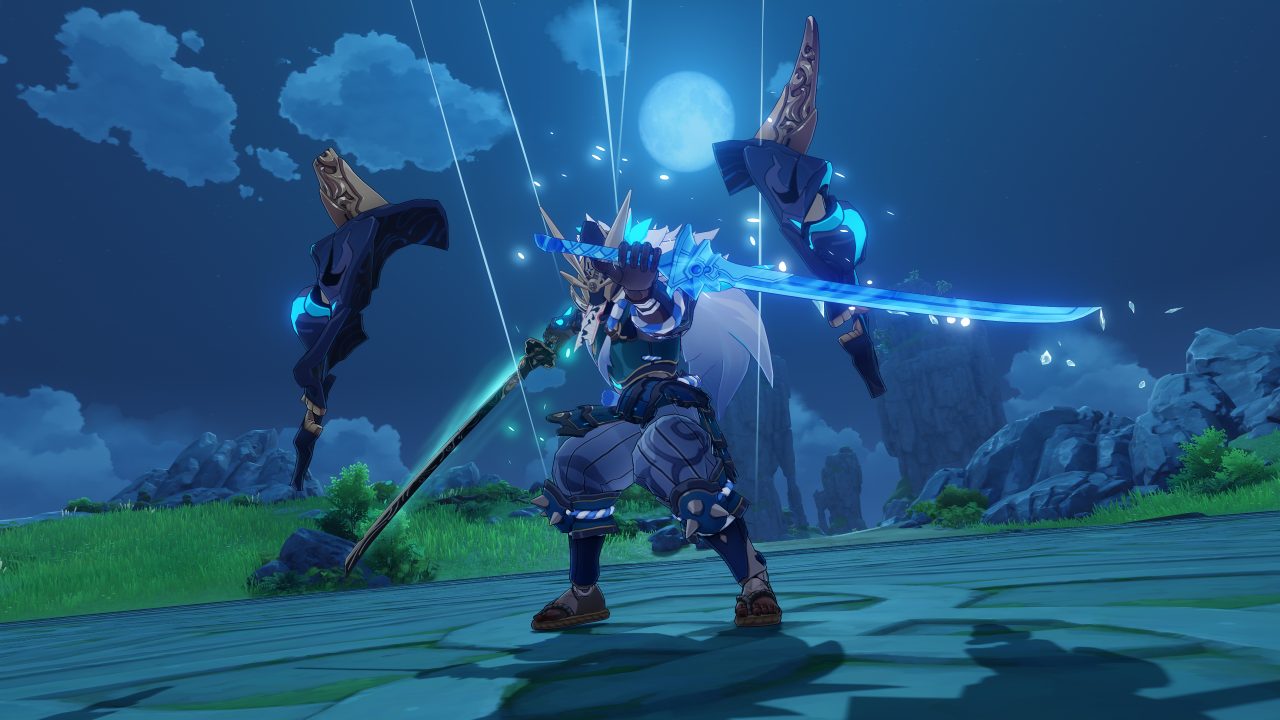
Genshin Impact, a mobile, PC, and PlayStation game loved by many, is releasing an update. Come version 1.6, you will be met with surprises and new additions to the game.
For the first time, the game will have various character attire as well as a new playable character in the region of Inazuma. Players may also accompany Klee and other characters in a series of entertaining adventures. Set on the remote seas as the land of Teyvat enters the scorching summer season.
To give you a little bit more info, you need to watch the trailer of the
“Midsummer Island Adventure”.
Version 1.6
The visually beautiful world of Tevyat exists in the game of Genshin Impact, a free-to-play RPG game that has been downloaded by many players so far. As of now, players may explore both Mondstadt and Liyue Harbor, two of Teyvat’s seven major cities. Each with their own culture, stories, and vast and beautiful scenery, as well as a rich variation of creatures, monsters, secrets, and hidden treasures for them to find. As the game progresses, more and more parts of the map will be made available for exploration.
Hop in the “Waverider” as you, traveler, will be on a quest to aid Klee and Dodoco. Venturing the seas on the way to find “Dodoland“, the traveler must be ready for any unforeseen circumstance. Throughout the hunt, players’ abilities will be truly tested in a number of obstacles, including a confrontation with Maguu Kenki. The antagonist may conjure phantoms that deal Anemo and Cryo damage and can only be defeated in close-range battle. So hold on for dear life, it’s going to be a chilly fight in the midsummer! After completing challenges, players will be able to redeem the four-star catalyst “Dodoco Tales”
Two new summer-themed outfits will be made available, you may dress up as Jean with the “Sea Breeze Dandelion”. Jean’s outfit will be on sale for a limited time, only at the in game store. However, to obtain Barabra sporting the “Summertime Sparkle” this will be free to claim by completing certain tasks in the Echoing Tales event.
Kaedehara Kazuha
Making his debut at the newest update, Kazuha is a formidable five-star character that wields the power of Anemo and a sword and can provide strong control and additional boosts to the squad. Additionally, both of his elemental skill and elemental burst deal additional elemental damage if they come into contact with Hydro, Pyro, Cryo, or Electro, in addition to dealing Anemo damage and effectively controlling foes. Simultaneously activating a Swirl response, Kazuha will provide his teammates with an elemental damage bonus for their appropriate Element.
Availability
Genshin Impact can be downloaded for free on PS4 and PS5 from the PlayStation Store, on Android from Google Play, on iOS from the App Store. You can download it for PC only from the Genshin Impact official website.






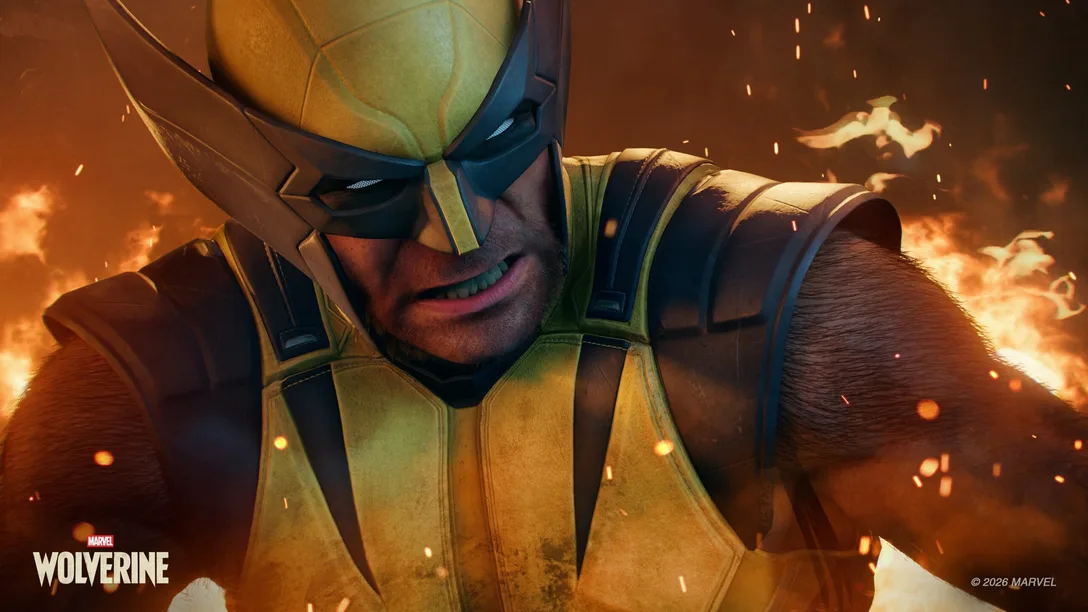
Insomniac Games has shared more details about Marvel’s Wolverine, highlighting Logan’s combat abilities, progression systems, exploration features, customization options, and accessibility settings.
The developer shared the details alongside a new Features Trailer ahead of the game’s September 15 release on PlayStation 5.
Wolverine fights with momentum
Marvel’s Wolverine puts aggressive combat at the center of its gameplay.
Logan can attack enemies with his claws, kicks, barrages, and critical strikes. Players can also unlock Techniques to enhance his combat moves.
Special Techniques add more options during fights. Players can equip up to four at a time, including moves such as Tornado Spin, Knee Breaker, and Spiral Strike.
Logan can further customize his combat style through Adaptations. These can improve his ability to absorb bullets, increase the effectiveness of Rage, expand parry windows, and provide other combat advantages.
His Rage system has three tiers. It focuses on survivability, resilience, and fury. Players can use it to survive dangerous encounters or unleash more brutal attacks.
Logan travels around the world
The game features an original story that takes Logan across different locations.
He and Jean Grey will work alongside members of Team X to stop Bolivar Trask and his plans against mutantkind. Logan will also face enemies such as Omega Red and Deathstrike.
Exploration will offer activities outside the main story. Players can discover Nightmare Doors with combat and traversal challenges. They can also find whisky bottles that reveal more about Logan’s forgotten memories.
Material crates can unlock suits inspired by Wolverine’s appearances across comics, movies, and animation.
Suits and claws add customization
Players can unlock a variety of Wolverine suits, including versions inspired by Weapon X, Old Man Logan, Ultimate Wolverine, and Patch.
The game also features more casual looks, including a tank top and leather jacket. Players can toggle some cowls and hats on or off.
Different claw designs are also available. These include bone, notched, curved, reflective, and angled claws.
The game will also feature Logan’s Nightmare Cabin. It includes New Game Plus with exclusive Techniques and level caps, Mission Replay, Nightmare Challenges, and Photo Mode. Photo Mode will be available through a day-one update.
More accessibility options included
Insomniac says Marvel’s Wolverine will include more than 100 new, returning, and improved accessibility features.
These include High Contrast visuals, English audio description, Global Game Speed, and Strong Haptic Signals.
The game also gives players more control over its violence and adult language. Separate options can alter dynamic blood and dismemberment, while language filters can limit adult language in English.
Marvel’s Wolverine launches on PlayStation 5 on September 15, 2026.

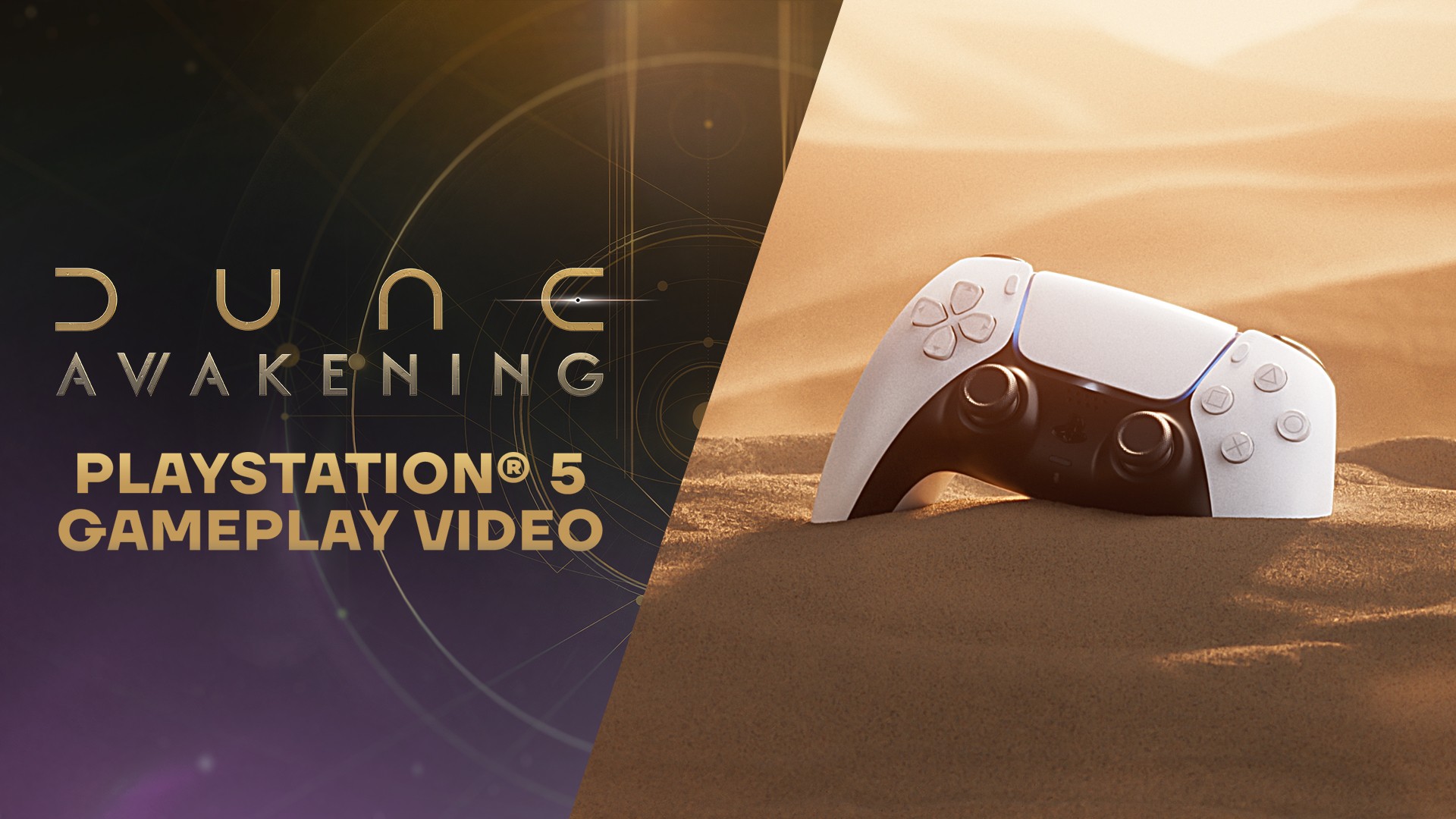
Dune: Awakening is getting ready for its September 22 launch on PlayStation 5 and Xbox. At Gamescom, Funcom showed seven minutes of new PS5 gameplay and announced new DLC inspired by the Dune films.
The studio also confirmed that PC and console cross-play is coming after launch. It has not announced a release date for the feature yet.
PS5 gameplay revealed
Funcom premiered seven minutes of Dune: Awakening gameplay captured on a PlayStation 5 Pro.
The footage gives players a look at how the open-world survival game runs on Sony’s consoles. Gamescom attendees can also get hands-on with the PS5 version at the show.
On the base PS5, Performance Mode targets 60fps with dynamic resolution. The PS5 Pro also runs Performance Mode at 60fps.
Quality Mode runs at 30fps on both consoles. Both PS5 models use upscaled 4K resolution in Performance and Quality Mode.
The PS5 and Xbox versions will launch on September 22. The console release will also bring several major additions to the game.
These include a full single-player mode, the conclusion to its story, more customization options, and adjustable difficulty levels.
Funcom says console players will also get a year’s worth of PC additions and enhancements on day one.
Dune movie-inspired DLC arrives
Funcom also announced Filmic Archive, a new DLC featuring outfits and building pieces inspired by Denis Villeneuve’s Dune films.
The DLC launches September 22 on PC, Xbox, and PlayStation. It will cost ₱615.92 ($9.99).
Among its additions are the Aegis of the Unwalked Path armor. It is inspired by Paul Atreides’ visions of Fremen holy warriors in Dune: Part One.
The DLC also includes the Caladan Stormcoat worn by Paul and Duke Leto in the film.
Other movie-inspired outfits are included as well. Players can also build with a 73-piece set styled after the Sardaukar.
Funcom will reveal more of Filmic Archive during the Xbox Broadcast on August 28.
Cross-play is coming after launch
PC and console cross-play was one of the community’s most requested features after Funcom announced the console versions.
The studio has now confirmed that the feature is in development.
However, Funcom has not committed to a release date. It will share more details once they are available.
Dune: Awakening originally launched on PC in June 2025. The PS5 and Xbox versions arrive on September 22, bringing the game’s latest additions and improvements to consoles.
The game will also launch on Xbox Game Pass on the same day.
Players who purchase the Deluxe or Ultimate Edition can start playing five days early. Early access begins September 17.
Funcom will also release a physical PS5 edition through its distribution partners. Pre-orders are already available at select retailers.
Bandai Namco Entertainment Europe will distribute the physical edition across Europe, the Middle East, Africa, Australia, and New Zealand. Solutions 2 GO will handle North and South America.
In Japan, Spike Chunsoft will publish the game digitally and at retail. Its Japanese release is scheduled for October 29.
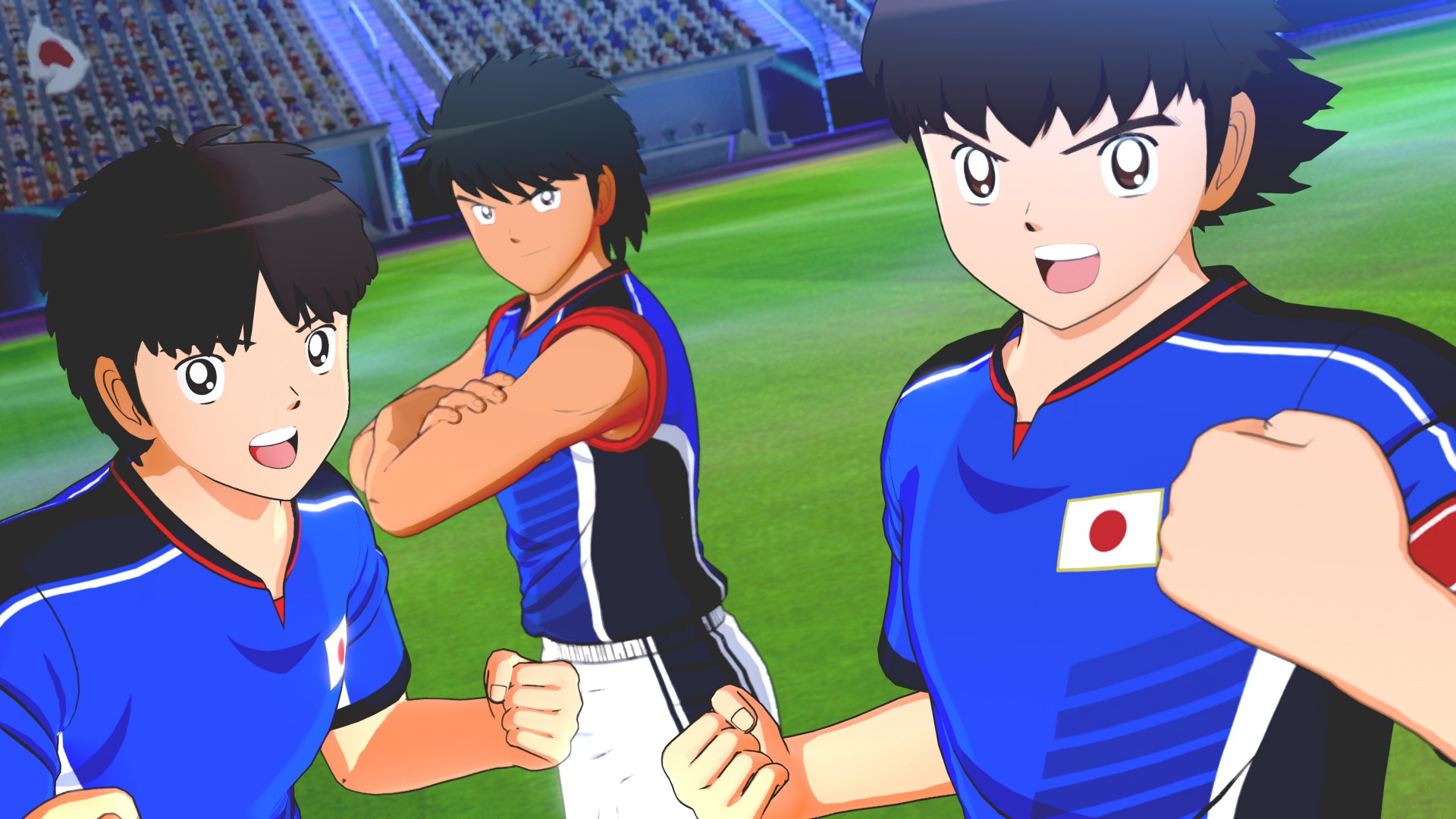
CAPTAIN TSUBASA 2: WORLD FIGHTERS is out now on PlayStation 5, Nintendo Switch, and Xbox Series X|S. The game is also available on PC via Steam.
Bandai Namco Entertainment Asia brings back the popular series with its signature Super Action Soccer gameplay. Players can take control of more than 110 characters and compete across 22 national teams.
Tsubasa Ozora once again represents Japan as they take on national teams from around the world. The goal is to overcome their rivals and win the highly contested World Youth Championship.
The game is available in Standard, Deluxe, and Ultimate Editions on consoles and PC.
Super Action Soccer returns
CAPTAIN TSUBASA 2: WORLD FIGHTERS brings back the series’ over-the-top soccer action with enhanced visuals and new supercharged moves.
Players can pass, dribble, tackle, and unleash powerful strikes. Each character also brings signature techniques inspired by their abilities from the anime and manga.
The sequel adds a new system that pits goalkeepers directly against shooters. Players can attack and counter signature shots and blocks in dramatic sequences.
The game also features more than 150 new cutscenes that highlight some of these special skills and moves.
Composer Tadayoshi Makino also returns for the sequel. He created more than 80 new tracks for the game.
A bigger World Youth Championship
CAPTAIN TSUBASA 2: WORLD FIGHTERS features more content than any previous game in the series.
Its Story Mode features a new original story written by series creator Yoichi Takahashi. The story draws from the World Youth Championships arc of the original manga.
Beyond the main story, players can compete in a variety of game modes. These include battles against rivals both online and offline.
With its mix of traditional soccer tactics and exaggerated special moves, the game aims to deliver the unpredictable “neo-soccer” action that defines Captain Tsubasa.
CAPTAIN TSUBASA 2: WORLD FIGHTERS is out now on PlayStation 5, Nintendo Switch, Xbox Series X|S, and PC via Steam.


REDMI Note 17 Pro review: What a rollercoaster ride!
The serious series of ups and downs are NOTEworthy of your attention

Insta360 Luna Ultra review: My new solo coverage camera
Changed my workflow

TECNO MEGAPAD 2 review: Eyes on the size
The MEGA pad for two base users

Marvel’s Wolverine details combat, abilities, and features

The designated photographer’s new favorite phone: OPPO Reno16 Series 5G

NBA, Salmon team up for multi-year partnership

realme 16T 5G with 8000mAh battery, IP69 Pro rating launches in PH

Dune: Awakening gets new PS5 gameplay, movie DLC
TECNO MEGAPAD 2 review: Eyes on the size

VinFast debuts two-wheeler models, opens 21 e-motorcycle showrooms

REDMI Note 17 Series focuses on long-term reliability

realme 16T to come with 8,000mAh battery, 7-year battery health guarantee

OnePlus officially leaves the United States and Canada


-
Reviews1 week ago
TECNO MEGAPAD 2 review: Eyes on the size
-

 News2 weeks ago
HUAWEI Pura X View is 2026’s first WIDE slab-type smartphone
-
 News3 days ago
realme 16T 5G with 8000mAh battery, IP69 Pro rating launches in PH
-

 Accessories2 weeks ago
Jackery expands Explorer Series portable power stations
-

 Cameras1 week ago
30 days with the DJI Osmo Pocket 4P
-

 Gaming2 weeks ago
NBA 2K27 expands MyCAREER, MyPLAYER, MyNBA, more
-

 Singapore5 days ago
REDMI Note 17 Series: Price, availability in Singapore
-
Cameras6 days ago
Insta360 Luna Ultra review: My new solo coverage camera