
News
Meta is working on AR glasses set for 2024 launch
More devices coming in 2026 and 2028

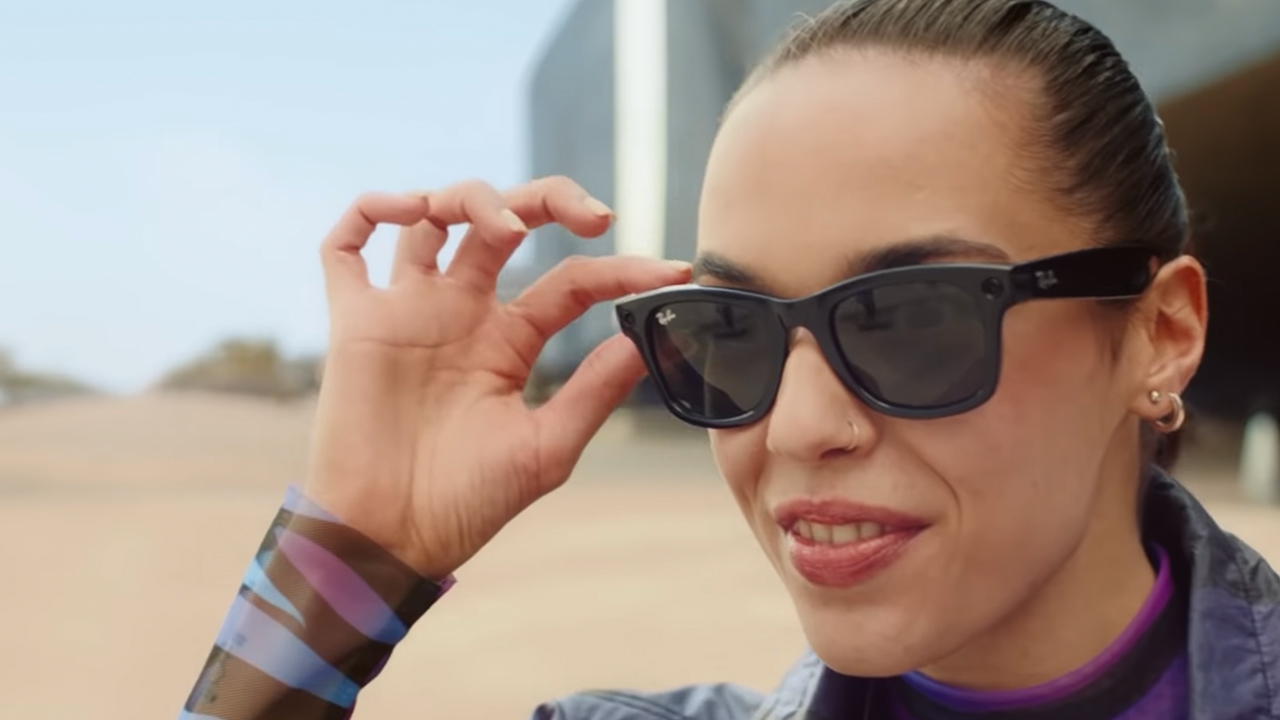
What’s next after virtual reality headsets? While some companies are still trying to catch up to the current leaders in virtual reality, the latter are already thinking of next steps. Meta, the owners of Oculus Quest, have still not given up on making augmented reality a thing. Under Mark Zuckerberg’s dream, Meta is working on a pair of AR glasses coming in 2024.
According to sources close to The Verge, Meta already has a roadmap ready for its AR offerings. Currently named Project Nazare, the upcoming headset will come out in 2024. A more advanced version will come out in 2026 and a third iteration will come in 2028.
The upcoming lineup will reportedly function separately from a smartphone. It will be its own device outside of traditional device pairing. Naturally, it will tie in with Meta’s social media platforms. In terms of hardware, the first iteration of the device will work only indoors and will carry a four-hour battery life. It will also have eye-tracking and front-facing camera capabilities. As such, it will take a while before the device makes it to the mainstream.
Besides Project Nazare, a cheaper device, nicknamed Hypernova, will also come out in 2024. Compared to the Nazare lineup, Hypernova will connect with a smartphone, offering a more integrated ecosystem of devices.
Accordingly, Zuckerberg is investing a lot of resources on the project. The CEO had been dreaming of a mainstream AR headset for a while now. With Nazare, Zuckerberg wants to create an “iPhone moment,” ushering in a new era for technology going forward.
SEE ALSO: Facebook changes name to Meta







News
Samsung might launch the Galaxy S26 FE next week
A new event is hinting at the smartphone’s debut.

It wasn’t too long ago when Samsung launched the new Galaxy Fold and Flip series. Historically, the brand is done for the year after two major Galaxy Unpacked events. However, if you’re still hankering for a few more morsels of Galaxy devices, Samsung is hosting another event next week, which might mean the debut of the Galaxy S26 FE.
This week, Samsung has just released an official invite for a Galaxy Event on August 27. The invite itself looks like a tray with two glasses of matcha and a coaster in between them. It’s visually similar to a modest camera setup, hinting at a new smartphone coming during the event.
Because Samsung has already filled its usual quota of flagships and foldables, it’s highly likely that the event is meant for the Galaxy S26 FE. The Galaxy FE series is Samsung’s way of extending the life cycle of the current generation of Galaxy phones, while also catering to another segment of the market.
As for what the Galaxy S26 FE might hold, it looks like AI might be a prime focus. Samsung confirms that the invite graphic has AI-generated images. The text accompanying the graphic also indicates that AI will be a part of the event.
It’s only a week left before the August 27 event, so we’ll get to know more about everything soon.
SEE ALSO: Samsung Galaxy Z Fold8 Review
Gaming
Leaked Grand Theft Auto VI footage surfaces online
The leakers says they are protesting the game’s lack of a physical release.

We’re nearing the dreaded date that all game publishers are rightfully fearing: the launch of Grand Theft Auto VI. Since we’re so near, it’s only right that Rockstar Games starts teasing their upcoming game, which is officially happening later this month via a special presentation on Netflix. However, ahead of that highly anticipated date, a leaker has apparently leaked the footage in protest of the game’s lack of a physical release.
Let’s parse that out piecemeal. First up, Rockstar Games is scheduled to release an extended first look at Grand Theft Auto VI through Netflix on August 27. If you don’t have the platform, the publisher will release the same footage on more public outlets six hours later. The footage will represent our biggest peek at the game after months of relative silence.
Secondly, a leaker has released the said footage ahead of time. Now, this isn’t the first time that a major leak spoiled details about the game. Previously, a leak was the first to reveal that the sixth entry in the series is getting two playable protagonists.
Third, the why: The leaker says that they will continue to reveal more information about the game to protest the game’s lack of a physical release. Like new PlayStation games next year, Rockstar Games does not plan to release a disc version of the game.
The footage itself
And, finally, the leak itself. Rockstar Games is currently issuing DMCA notices against anyone posting the leaked footage. It lends credence to the authenticity of the footage but also ensures that we can’t post the leaks themselves.
If anything, there are two reportedly legitimate clips, while others were seemingly generated with AI. The first clip has Jason, one of the two protagonists, playing basketball in his hideout, which gives him a stat boost. The clip confirms the return of minigames you can play in between missions.
The second clip sees Jason fight with a truck driver after a traffic incident. He kills the driver with a wrench, which earns him a two-star wanted level and summons a police chase as the series often does.
There’s not much to glean from these two short clips. In fact, it’s hard to say whether this footage represents the final release or something left over from previous leaks. Thankfully, Rockstar Games is releasing the official extended look soon on August 27.
After that, Grand Theft Auto VI launches on PlayStation 5 and Xbox Series X|S on November 19.
Accessories
Apple is working on AirPods with built-in cameras
References to the wearable were spotted inside a new macOS beta.
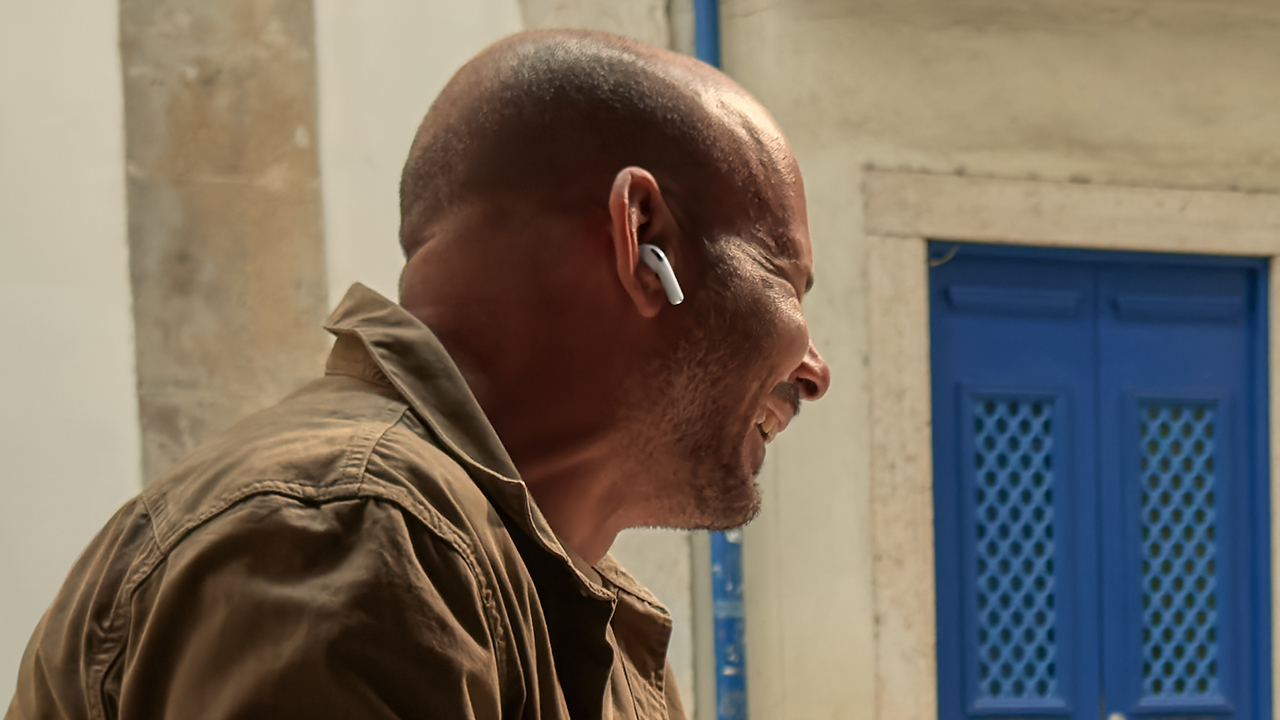
The launch of operating system betas is a cause of celebration for those digging into what’s next for a brand. No other company does that better than Apple. Today, Apple released a new release candidate for macOS Tahoe 26.7. As expected, the release has a treasure trove of references to unreleased devices, including a new type of AirPods with built-in cameras.
Let’s get the obvious out of the way first. The references include a slew of unreleased iPads, Macs, and HomePods. Since these devices are already expected to come out, they’re hardly worth nothing. This includes the iPhone 18 series. If anything, the references confirm the iPhone Ultra, the rumored entry into the foldable market, but that’s it.
Now, the more interesting inclusion is a pair of AirPods with cameras. Despite the controversies surrounding cameras on smart glasses, Apple is reportedly building audio-based wearables with cameras themselves.
In a short demo video (also obtained from the macOS beta via MacRumors), the AirPods can apparently “save” things that it sees, including a book you might want to search for later. In that way, the built-in camera acts more like a voice assistant, rather than a recording device.
Though the references don’t confirm a launch date, it’s likely that the camera-based AirPods will come out sometime soon. After all, why would a blatant reference be inside a publicly available beta?
SEE ALSO: The iPhone 18 might sell out for an unexpected reason


MARVEL Tōkon: Fighting Souls review: Easy to pick up, hard to put down
Welcomes casual and experienced fighting game players


Now Playing: Assassin’s Creed Black Flag Resynced
Nostalgia does a lot of heavy lifting.


Samsung Galaxy Z Fold8 Review
8 Galaxy Folds later, Samsung finally nailed It!
MARVEL Tōkon: Fighting Souls review: Easy to pick up, hard to put down

Samsung might launch the Galaxy S26 FE next week

Tekken 8 brings Bob back with more Speed, Weight, and Power

Jackery expands Explorer Series portable power stations

Leaked Grand Theft Auto VI footage surfaces online

Hands-on: Samsung Galaxy Z Fold8, Flip8, Ultra

VinFast debuts two-wheeler models, opens 21 e-motorcycle showrooms

Garmin launches its first screenless fitness band

Sony announces new FX5 full-frame camera

NBA 2K27 cover athletes unveiled: Wemby, Clark, DRose


-
 Laptops1 week ago
ROG STRIX G16 Review: Building for the moment
-
 News2 weeks ago
Google will force Android users to use Gemini next month
-

 Singapore3 days ago
REDMI Note 17 Series focuses on long-term reliability
-

 Laptops1 week ago
30 days later with the ASUS ExpertBook Ultra: Like seeing an ex
-

 Deals2 weeks ago
nubia expands gaming lineup with Neo 5 Max, Neo 5 GT Special Edition
-

 News1 week ago
TCL expands mobile lineup with latest NXTPAPER series
-

 News3 days ago
realme 16T to come with 8,000mAh battery, 7-year battery health guarantee
-

 Philippines1 week ago
Smart opens HUAWEI Pura 90s Series pre-orders with exclusive freebies