
Enterprise
OPPO, Huawei sign cross-licensing agreement
Global patent including 5G

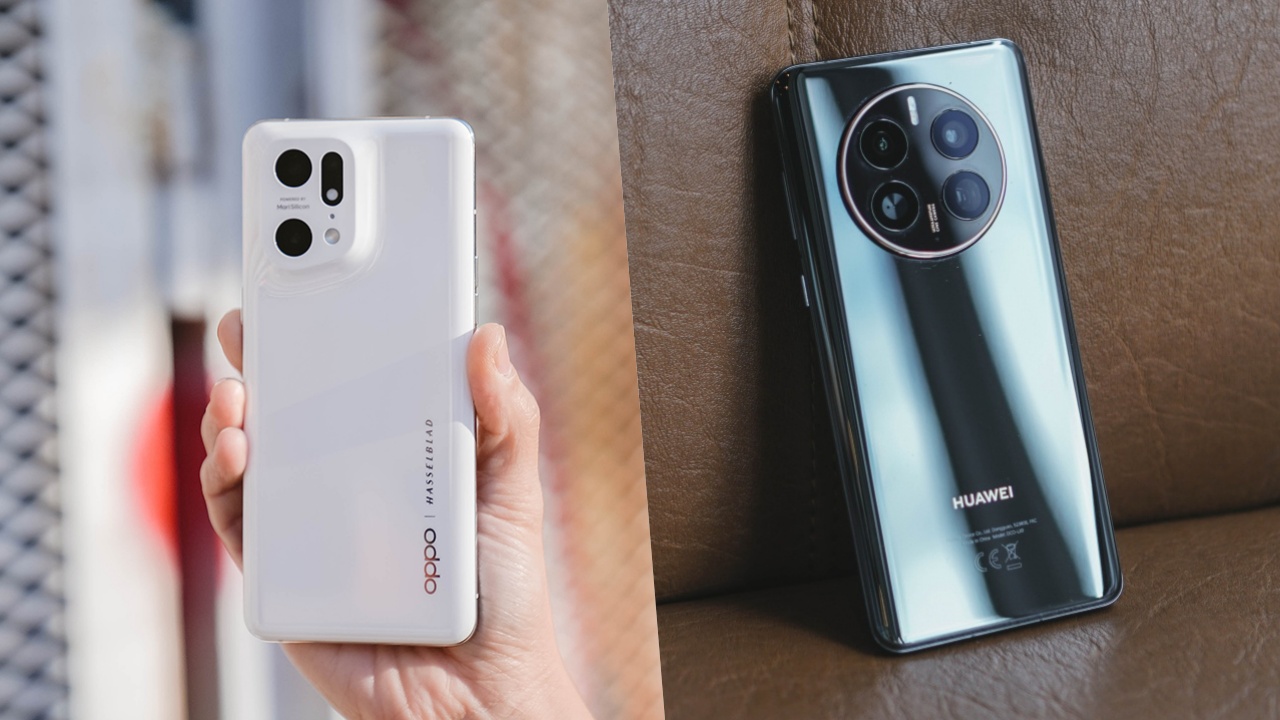
OPPO and Huawei just released a joint statement saying that they signed a global patent cross licensing agreement. The agreement covers cellular standard essential patents including 5G.
The two companies didn’t detail the entire agreement in the official release. But executives from the respective companies did share a few words.
OPPO’s Chief Intellectual Property Officer Adler Feng said, “”We will, as always, advocate for the establishment of a sustainable, healthy intellectual property ecosystem, where intellectual property licenses can be resolved through amicable negotiations, and where every company’s patent value is highly respected.”
Meanwhile, Head of Huawei’s Intellectual Property Department Alan Fan added that they are “delighted to have reached a cross-licensing agreement with OPPO. The mutual recognition of intellectual property value between companies is a major step towards fostering a positive cycle of innovation and research in high-value standards: investing, receiving returns from investment, and then reinvesting. This will enable our industry to keep innovating and provide consumers with more competitive products and services.”
OPPO and Huawei are two big players in the smartphone and expanded smart home industry. OPPO started as a smartphone company and eventually expanded to more smart home devices. Huawei, on the other hand, started by making information and communications technology (ICT) infrastructure and smart devices.




Enterprise
AGIBOT just topped the medal table at the World Humanoid Robot Games
The robots that did it are already clocking in at real factories.
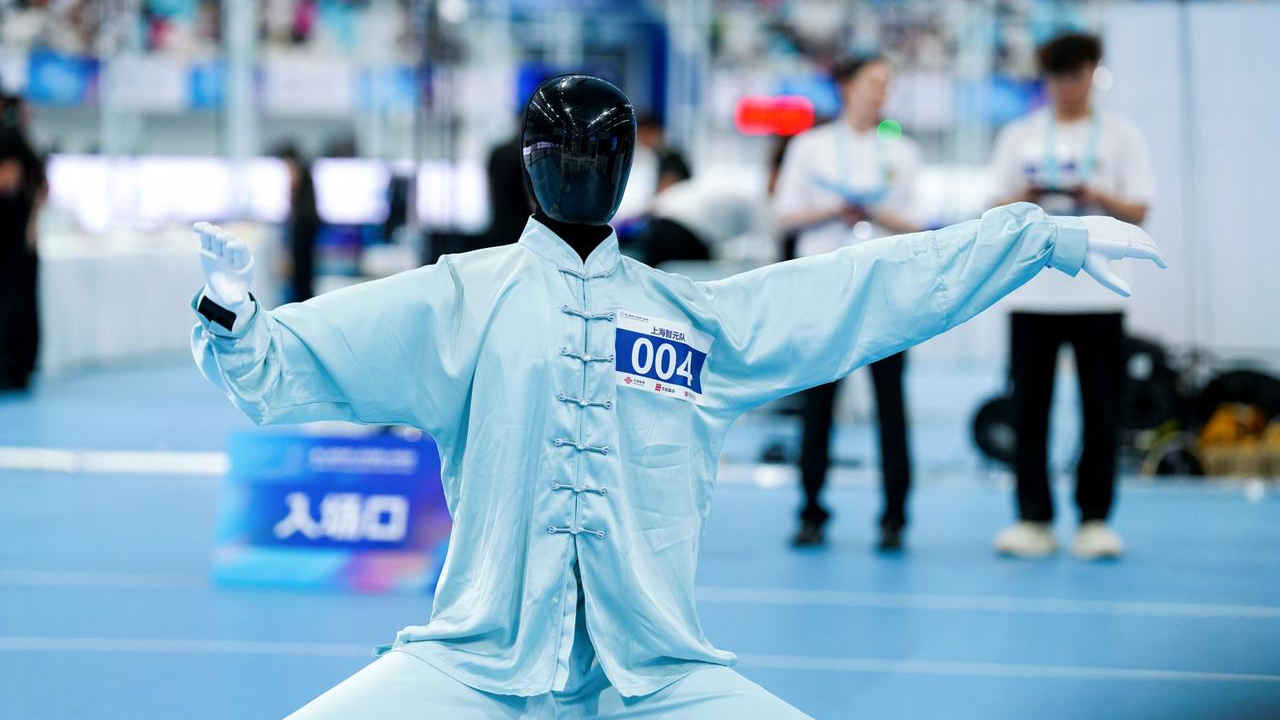
AGIBOT entered its first World Humanoid Robot Games in Beijing on August 26 and walked away with a dominant victory.
The company claimed 18 gold, 16 silver, and 12 bronze medals, securing 46 total podium finishes and topping both the gold and overall medal standings.
Designed to stress-test humanoid machines in sports, fine manipulation, and real-world duties, the Games evaluated robots across events ranging from martial arts to hotel service and emergency response.
AGIBOT swept through these categories, earning top spots in motion control, obstacle racing, and daily practical tasks.
The true triumph lies in what remained unchanged on competition day. AGIBOT fielded its standard production lineup, including the OmniHand, G2, A3, and X2.
None of these units were custom-built to win medals, as every machine came straight from active commercial deployments.
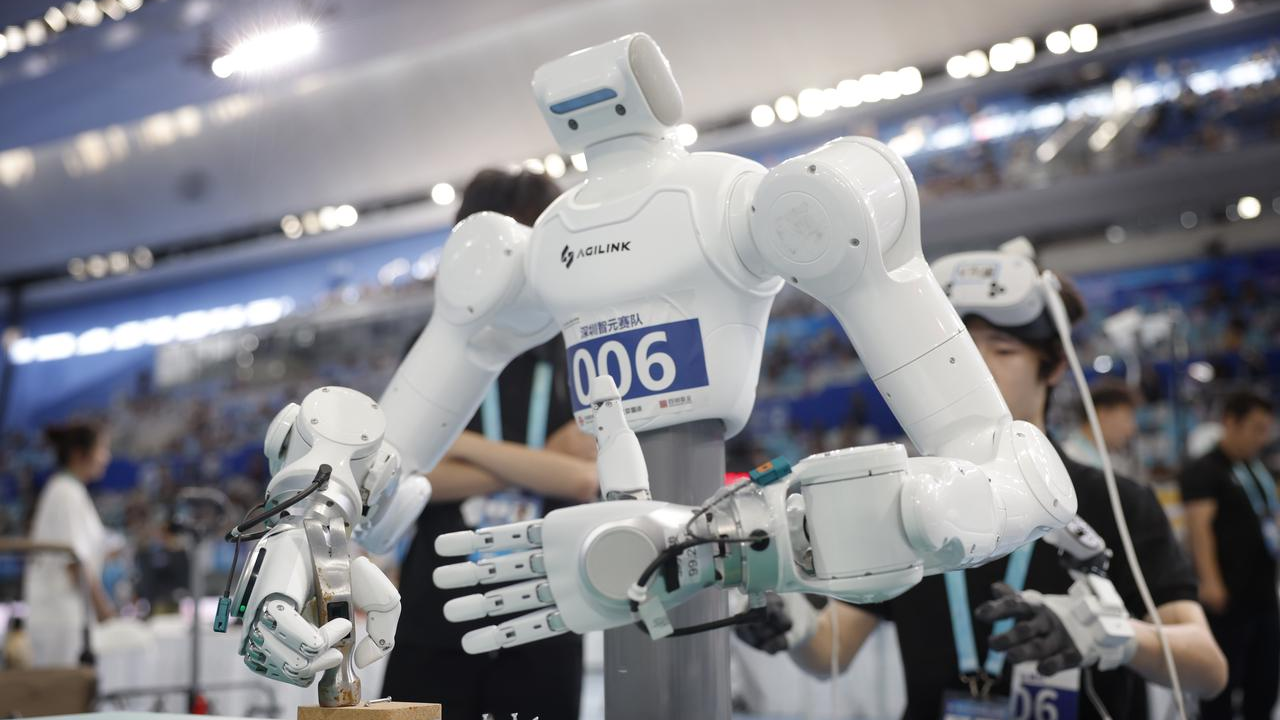
Precision and agility straight off the assembly line
The OmniHand reached the finals in all eight dexterous manipulation events and brought home seven gold medals.
It aced delicate challenges like Block Building, Powder Weighing, and Bean Picking with Tweezers, proving that fine motor control matters just as much as raw power.
In motion control, the AGIBOT X2 captured gold in the 100m obstacle race while adding silver and bronze in the 400m sprint.
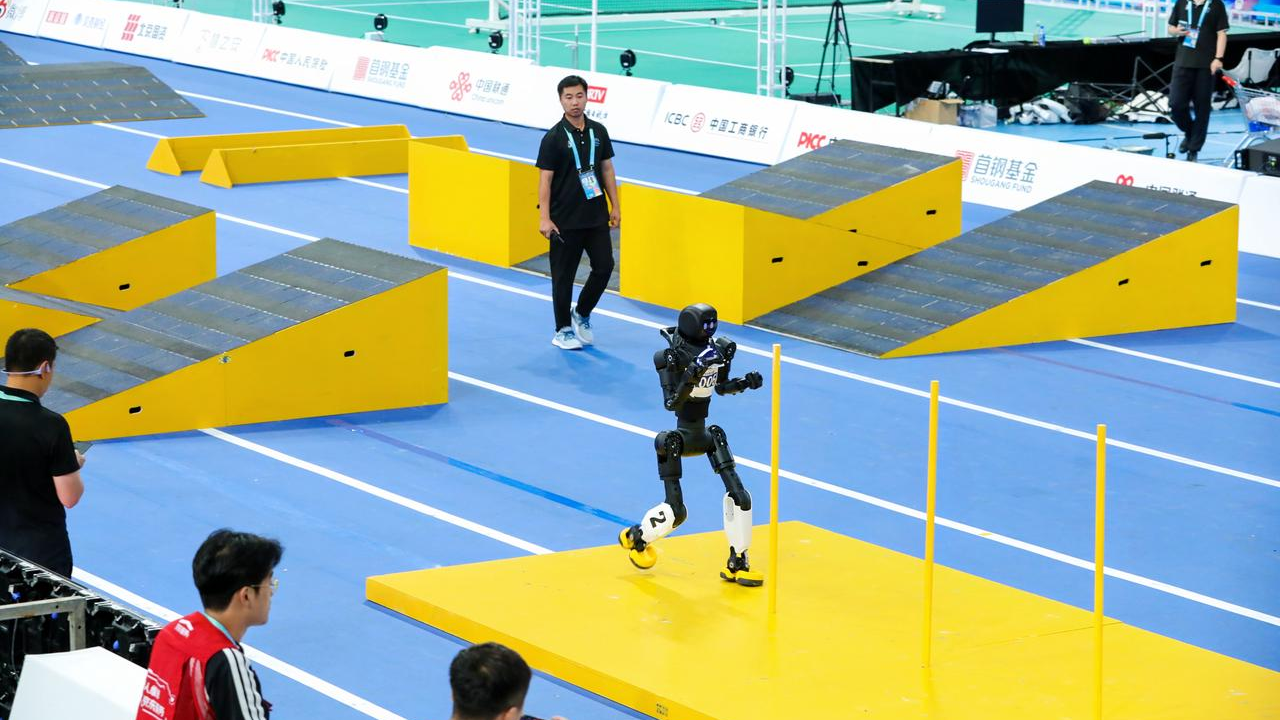
Meanwhile, the AGIBOT A3 secured gold in Tai Chi. The X2 competed in its standard commercial configuration without any hardware modifications.
Powering the X2 is AGIBOT’s proprietary AGILE framework, short for AgiBot Generative Intelligent Locomotion Engine.
This system blends real-time environmental perception with autonomous decision-making to navigate sudden obstacles and changing terrain.
By combining precise parameter identification with seamless simulation-to-reality transfer, the framework maintains rock-solid stability when transitioning from code to physical ground.

Proven intelligence on actual factory floors
AGIBOT earned five golds in real-world scenarios, dominating tasks across library operations, hotel services, and emergency response.
The G2 robot behind these wins is the exact same model currently operating on factory floors for manufacturers like Longcheer and SAIC.
Its operational intelligence stems from AGIBOT’s ViLLA embodied foundation model GO, the world model GE, and its RW-RL system. These combined technologies sharpen perception and planning inside unpredictable work environments.
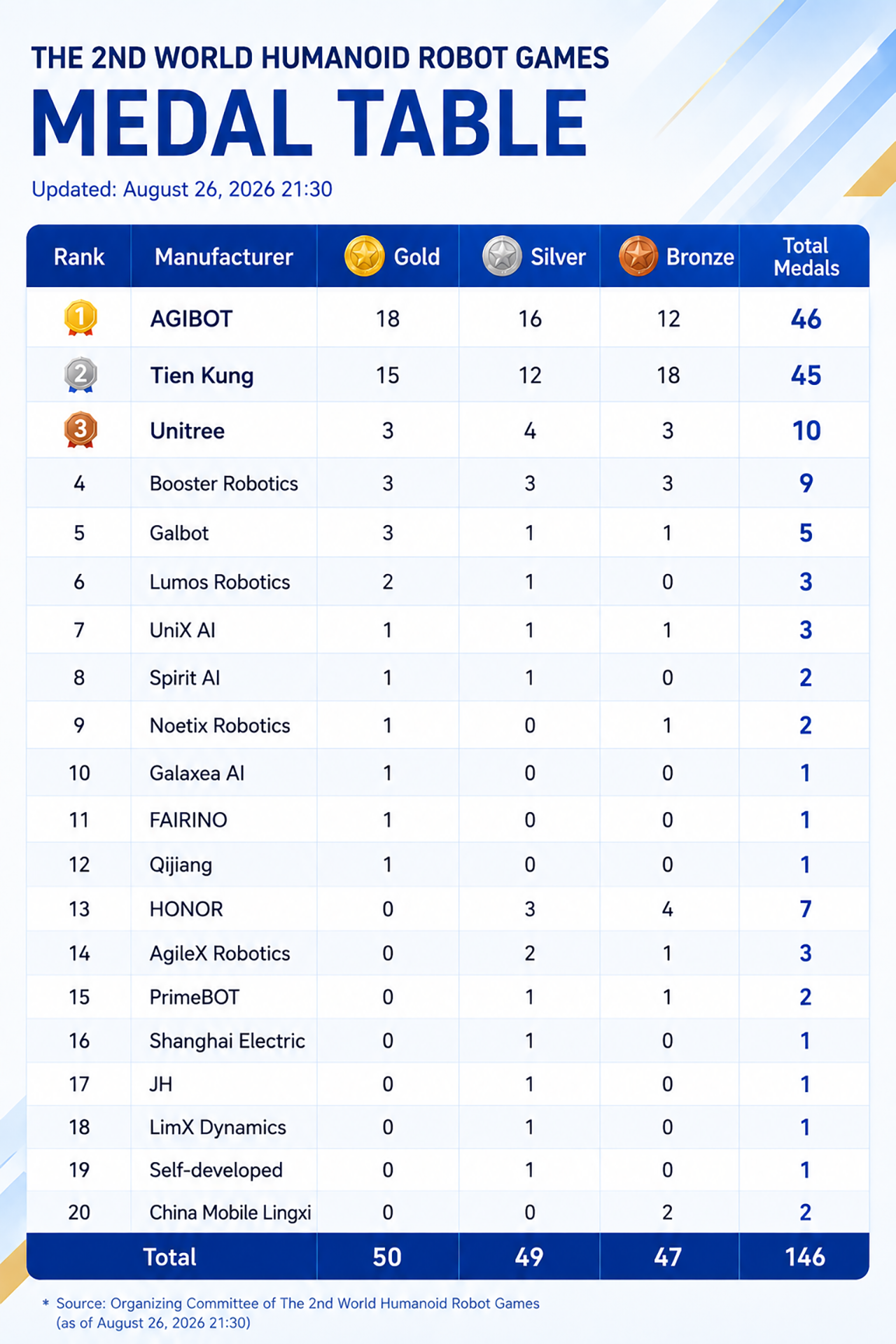
While the 46-medal tally commands headlines, the deeper story is that mass-produced robots won without special modifications.
AGIBOT proves that general-purpose intelligence paired with commercial hardware can adapt across varied scenarios. Embodied AI is finally stepping out of isolated lab demos and into consistent, repeatable work where it matters most.
Enterprise
Cebu Pacific becomes 1st SEA low-cost carrier with Starlink Wi-Fi
Rollout expected to begin in 2027

Cebu Pacific has introduced Starlink, making it the first low-cost airline in Southeast Asia to bring Wi-Fi in the sky for passengers.
The rollout is expected to begin in 2027. Starlink delivers an unparalleled broadband experience inflight, with high-speed, low-latency Wi-Fi capable of HD streaming, online gaming, productivity and more.
Beyond enhancing the passenger experience, Starlink will also support improved operational connectivity for Cebu Pacific’s flight crews and operational teams. This enables better operational efficiency.
The collaboration is a significant milestone for Philippine aviation. The rollout forms part of Cebu Pacific’s continued investment in customer experience and digital innovation.
As part of the partnership, Cebu Pacific and Indigo Partners portfolio airlines, Wizz Air, and JetSMART expect to install Starlink on over 1,000 aircraft.
Enterprise
Google ordered to pay EUR 4.1 billion in fines
The EU alleges that Google uses its apps to establish an unfair dominance.

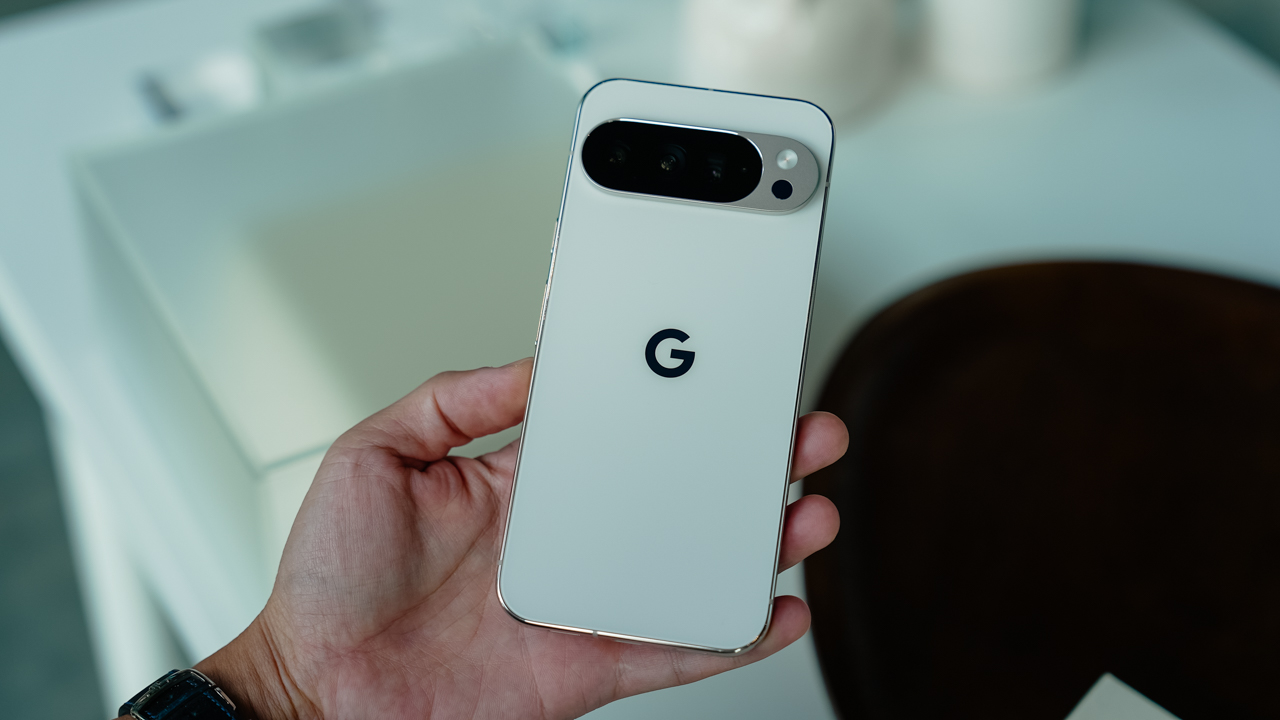
European fines have unintentionally become a normal part of doing business in the American technology space. For too long have American companies paid paltry fines to prevent harsher regulation in the European Union. Now, for the first time, Google is about to pay a record-breaking fine that goes beyond “paltry.”
Today, via CNBC, Google has been ordered to pay an astonishing EUR 4.1 billion (or approximately US$ 4.67 billion) in fines. The fine is in response to an anti-competition case.
This has been a long time coming for Google. The original case started in 2018. At the time, the European Union accused the brand of using anti-competitive practices to ensure its dominance in the smartphone market. According to the courts, the company’s bundling of first-party apps for every Android smartphone gives them an unfair advantage in the market and lessens the user’s choice in selecting apps.
For years, Google has fought the fine to seemingly no avail. Now, the company has lost its final attempt, which means that the fine still stands. On the bright side, they did get it reduced from the original EUR 4.34 billion fine.
The European Union is the scourge of every American tech company (and a godsend to consumers). Most notably, the continent’s government forced Apple to adopt USB-C, leading to a more universal experience across brands.
Google’s hefty fine aims to do the same. And it is quite hefty. Whereas previous fines were in the millions (and hence, negligible for most companies), a fine in the billions is more tangible.


DJI Lito X1 review: Is this the best lightweight drone for creators?
Making a strong case as a travel companion and a capable B-cam!


REDMI Note 17 Pro Max review: A new breed born from AI greed
Welcome to the new normal


Marvel’s Wolverine review: When the claws come out
A brutal, cinematic superhero adventure

Xiaomi 18 Pro series is launching globally, Xiaomi confirms

Google Photos can now censor your kid’s face better

CRISIS CORE -FINAL FANTASY VII- REUNION physical edition now available for Switch 2

Smart launches AI.Smart, an affordable AI workspace

A Discord ban won’t save your kids

realme 16T 5G with 8000mAh battery, IP69 Pro rating launches in PH

HUAWEI Pura X View is 2026’s first WIDE slab-type smartphone

REDMI reveals the refreshed Note 17 and Note 17 Pro series

REDMI Note 17 Series: Price, availability in Singapore

The CAMON Slim 5G is TECNO’s latest ultra-slim smartphone


-
 News4 days ago
vivo X500 Series launches with major imaging upgrades
-
 Hands-On2 weeks ago
Apple iPhone 18 Pro Series Hands-on
-

 Gaming2 weeks ago
BlizzCon 2026 announces World of Warcraft: Forever and Diablo V
-

 Singapore6 days ago
Epson Lifestudio Grand Plus EH-LS970B with 4K projection, more launches
-
Reviews1 week ago
REDMI Note 17 Pro Max review: A new breed born from AI greed
-

 News3 days ago
OPPO Find X10 Pro Max is the first phone with a triple 200MP camera system
-
 Gaming1 week ago
Valve unveils price of the Steam Frame
-

 News4 days ago
vivo introduces OriginOS 7 with smarter multitasking and AI features