
News
iPhone SE 4 is back on track
Despite cancellation rumors

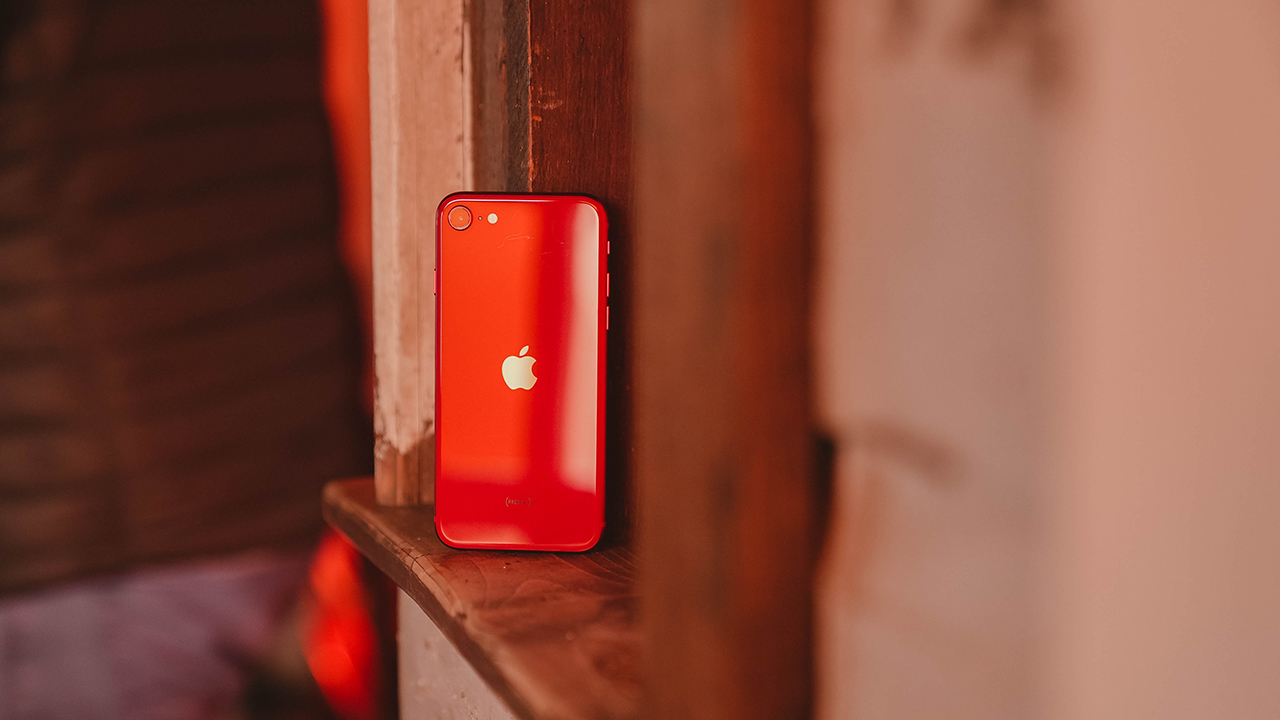
For those who follow the brand from outside, Apple is currently a hodgepodge of seesawing rumors. One of those rumors involves the odd future of the iPhone SE series. According to a report earlier this year, Apple has given up on the affordable series. However, a report today claims that the series is back on.
According to Ming-Chi Kuo, Apple has restarted the iPhone SE series. The upcoming fourth generation of the more affordable iPhone lineup will still be launched sometime in the future.
In terms of differences, the iPhone SE 4 will swap the LCD screen for a more updated OLED screen. It will also feature the spirit of the 6.1-inch iPhone 14 with a few minor modifications. Plus, as was planned before, Apple will use the upcoming smartphone as a training ground for its in-house 5G baseband chip.
Kuo predicts manufacturing to start in the first half of 2024. If all goes well, the iPhone SE 4 might launch later that year.
Now, where does that leave the old reports of the series’ demise? Of note, it was also Kuo who initially reported on the death of the iPhone SE. With the ephemeral nature of the industry behind the scenes, one report can easily change in the blink of an eye. Besides the mysterious iPhone SE 4, conflicting reports have also emerged surrounding the brand’s unannounced mixed-reality headset.






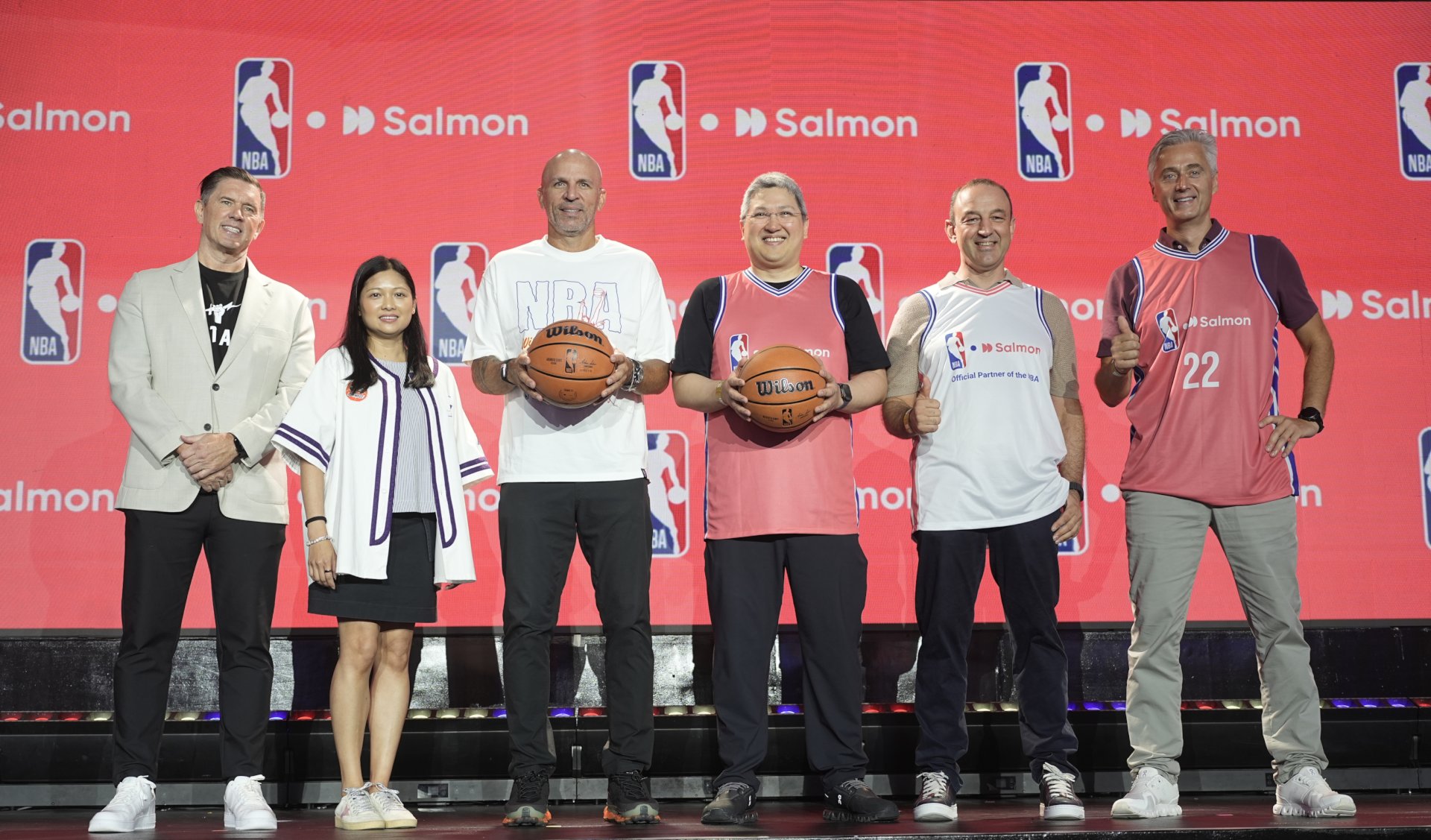
The National Basketball Association (NBA) and Salmon have announced a multi-year marketing partnership that makes the financial technology company an Official Partner of the NBA in the Philippines.
The announcement was made on August 29 at NBA House Philippines 2026 presented by Gatorade in Makati City. NBA Head of Southeast Asia and Asia Marketing Sheila Rasu, NBA Asia Head of Growth and Innovation Ed Winkle, and Salmon Co-Founders George Chesakov, Pavel Fedorov, and Raffy Montemayor attended the announcement.
Bringing NBA experiences closer to fans
Through the partnership, Salmon will engage basketball fans through NBA-themed consumer promotions, fan events, and NBA-branded premiums.
Salmon will also have a presence at major NBA events in the Philippines. This includes serving as a Supporting Partner of NBA House Philippines 2026, a free basketball experience and fan event at SPACE in One Ayala on August 29 and 30.
Starting with the 2026-27 season, Salmon will also become the Presenting Partner of the NBA 3X Philippines Open. The tournament features men’s and women’s 3-on-3 teams alongside NBA entertainment.
“Basketball is a part of our daily lives as Filipinos, from the courts in our barangays to the TV screens in our homes,” said Salmon Co-Founder Raffy Montemayor.
Montemayor said the company wants Salmon to become a reliable partner for Filipinos’ everyday money moments. He added that working with the NBA gives the brand a way to connect with Filipinos through something they already love.
Rasu said Salmon shares the NBA’s commitment to using basketball to bring Filipinos together. She added that the partnership will create new touchpoints for fans through events such as NBA House and the NBA 3X Open.
NBA continues its PH presence
Filipino fans can watch NBA games through One Sports, RPTV, NBA TV Philippines, Disney+, Pilipinas Live, Prime Video, and NBA League Pass through the NBA App. The league also maintains localized social media accounts on Facebook, TikTok, and X.
The partnership comes as the NBA continues to deepen its presence in the Philippines, one of the league’s major basketball markets.
Salmon is a financial technology brand in the Philippines owned by Salmon Group. Its local operations include Salmon Bank (Rural Bank) Inc., a BSP-regulated entity, and Salmon Finance Inc., an SEC-licensed financing company.
News
realme 16T 5G with 8000mAh battery, IP69 Pro rating launches in PH
Pre-order perks include discount, extended warranty, more

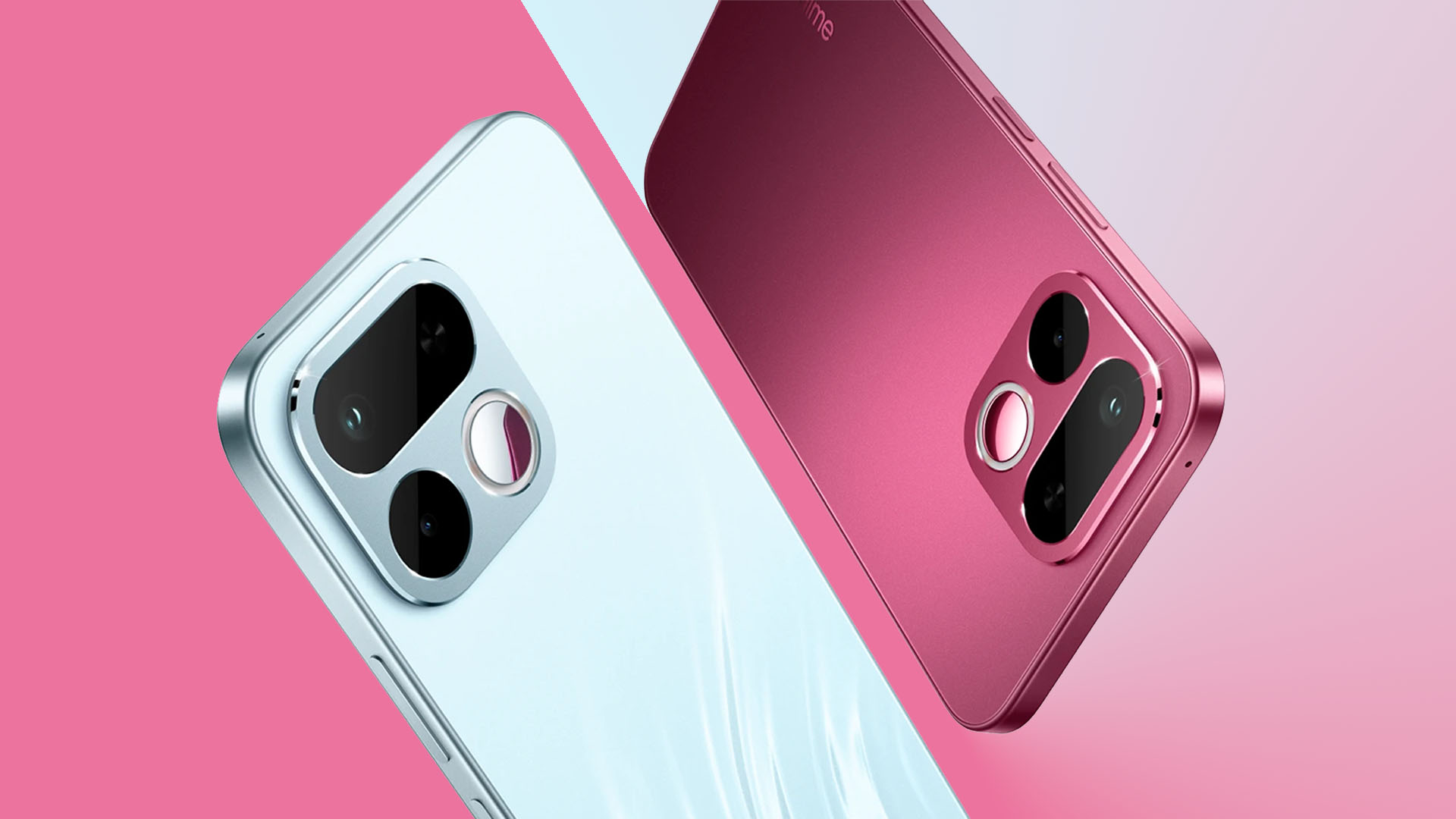
The realme 16T 5G has officially launched in the Philippines. This midrange device is headlined by an 8,000mAh battery, 50MP main camera, and IP69 ruggedness.
Available in Aurora Green and Starlight Black, the realme 16T 5G is priced at:
- PhP 22,999 (8GB+128GB)
- PhP 24,999 (8GB+256GB)
But starting August 28, customers can get the lower-priced variant for as low as PhP 15,731.
At all official realme stores nationwide, customers who pre-order the realme 16T 5G from August 28 to September 3 and claim their reserved unit from September 4 to 15 can enjoy offers worth PhP 7,298.
Pre-order perks include:
- Free Laifen SE Lite Hair Dryer
- Free Privilege Card with 6-Month Extended Warranty and 6-Month Damage Protection
- Instant PhP 2,000 off
Meanwhile, customers who purchase the smartphone during the First Selling Period from September 4 to 15 can enjoy offers worth PhP 3,499, including an instant discount.
Furthermore, the device is available for flexible payment options via Home Credit (0% at up to 18 months).
More power, more moments
As previously teased, the realme 16T 5G comes with power and endurance designed to last for years. The 8,000mAh Titan Battery’s large battery capacity enables users to wield the device for up to two days on a single charge.
This battery also comes with a 7-Year Battery Health Guarantee, retaining at least 80% capacity even after being with the owner for years. When it is time to recharge, the battery supports 45W SUPERVOOC charging.
On its back is a 50MP Sony IMX852 main sensor, running on TÜV Rheinland-certified LumaColor IMAGE Algorithm. This is built for accurate skin tones and balanced exposure between subject and background.
The camera package’s standout feature is Vibe Master Mode, which gives shots a classic film camera look straight out of the app. Users can also switch to Pro mode and shoot in RAW DNG for extra editing room.
They can also tweak settings directly before pressing the shutter so captures would be ready for posting.
The realme 16T 5G also comes with NEXT AI imaging suite for quick AI-powered editing features. This suite includes AI Edit Genie 2.0, AI Perfect Shot, AI Eraser, AI Portrait Glow, and AI Instant Clip.
In front, the phone comes with a 6.8-inch 144Hz display with up to 1,200 nits of peka brightness. The phone also carries an IP69 Pro rating for water and dust protection, as well as Armor Shell and military-grade shock resistance.
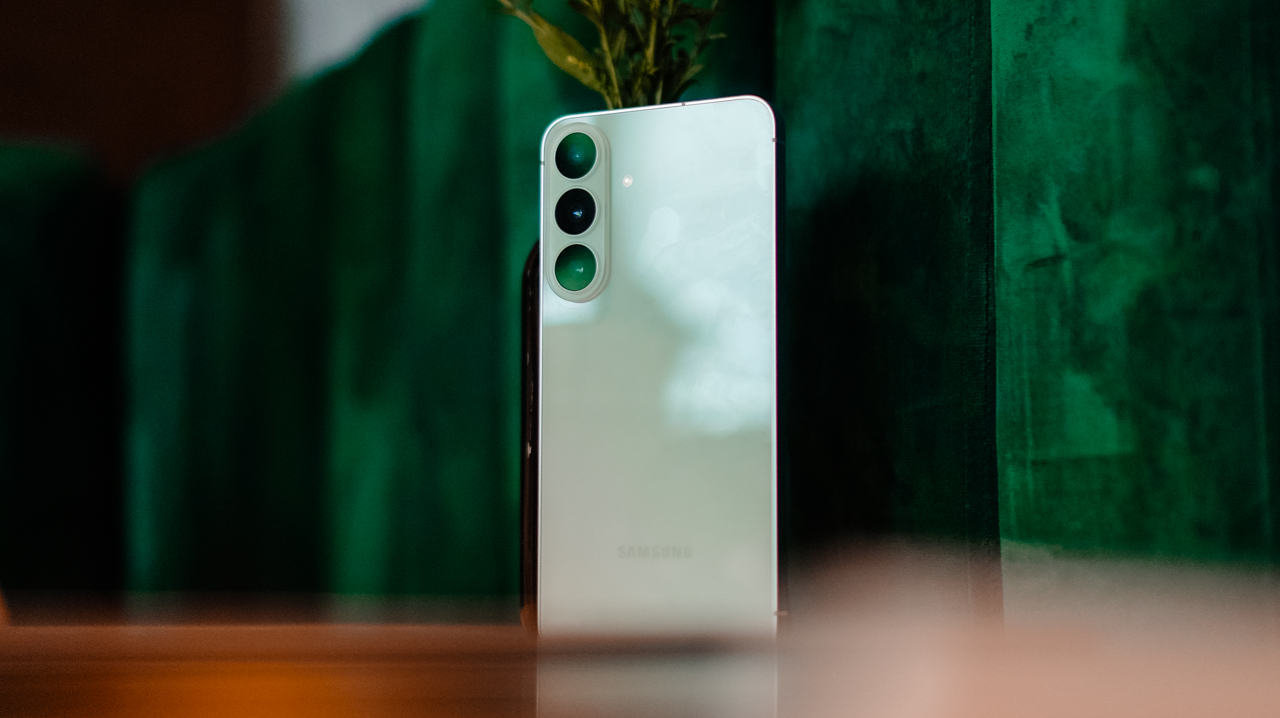
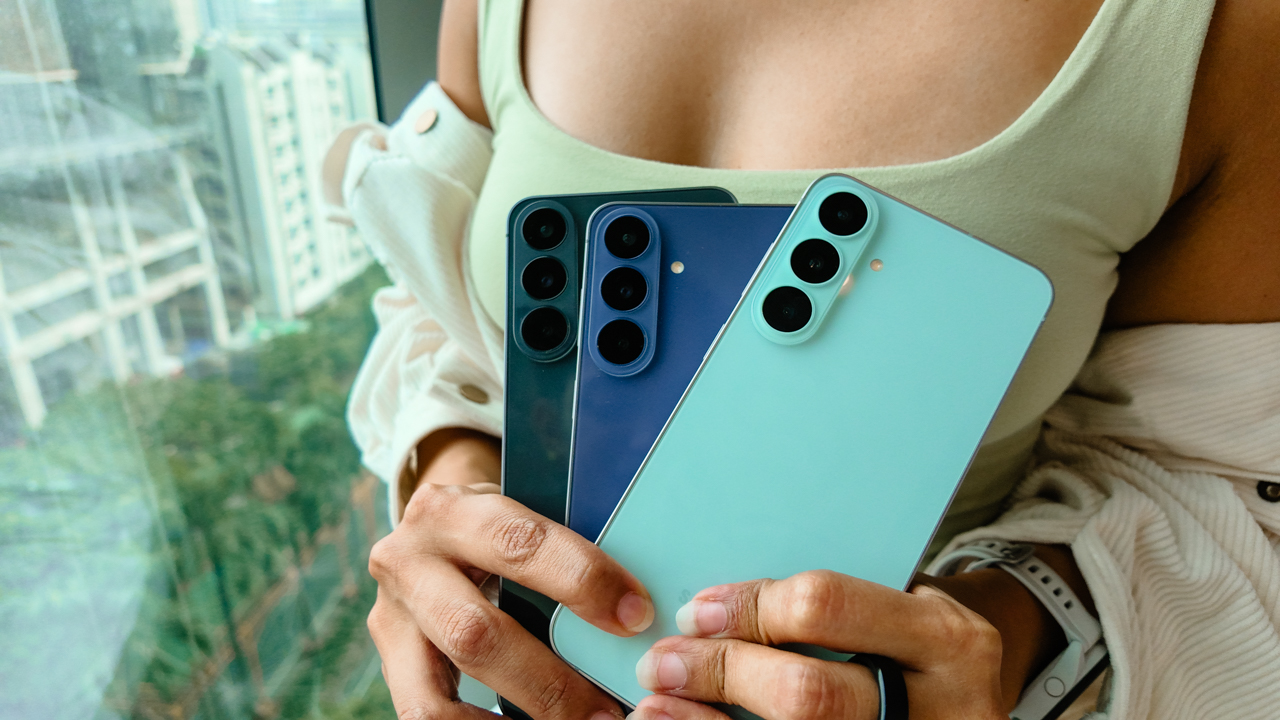
Samsung has announced the Galaxy S26 FE, the newest addition to its Galaxy S26 lineup. It is also the first phone in the series to launch with One UI 9.
Samsung says the phone focuses on the features users value most. It combines enhanced cameras, more context-aware Galaxy AI, and a thin and light design.
Sharper capture and easier editing
The Galaxy S26 FE features an enhanced triple rear camera system. Samsung says its improved image processing helps users capture both still scenes and fast-moving subjects.
The phone also gets My FanCam, which first appeared on Samsung’s latest foldables. The feature automatically tracks a selected person and keeps them centered in the frame. It can then reframe the video as the scene changes.
For video, Super Steady with Horizontal Lock helps keep footage smoother and more level. Samsung positions it for everything from fast-moving activities to travel and everyday scenes.
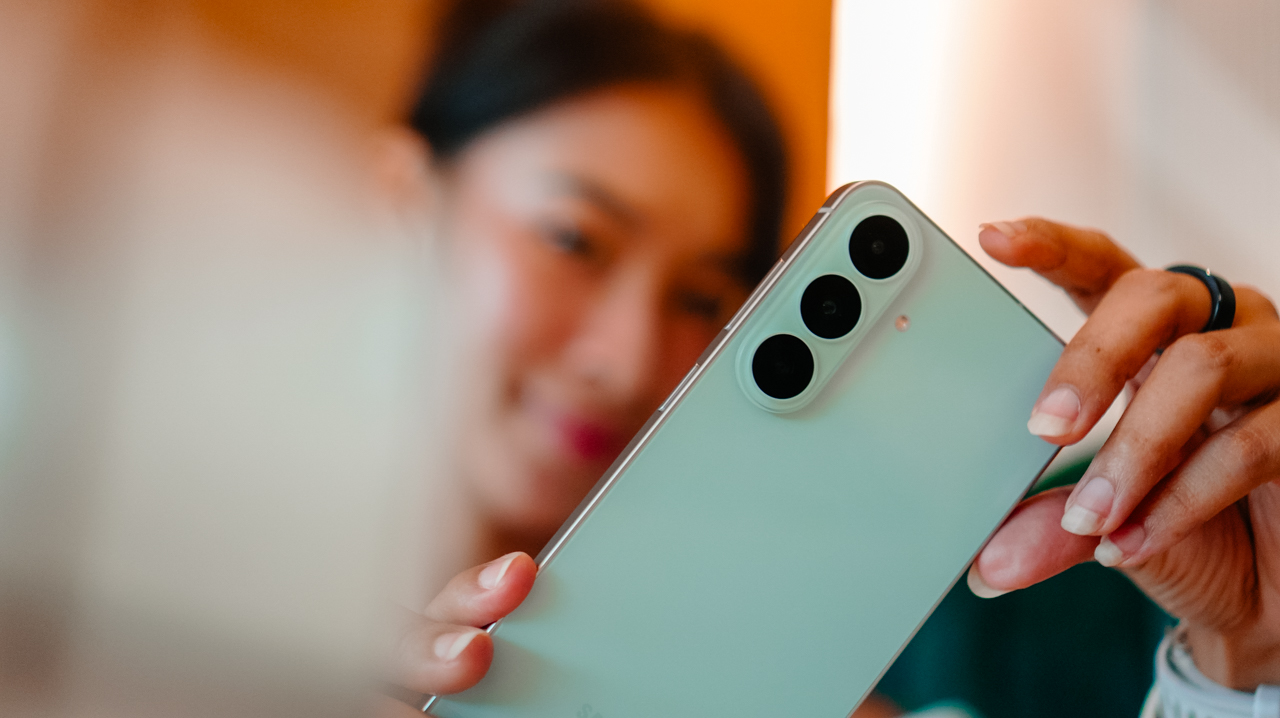
The Galaxy S26 FE also supports 3x optical zoom. Its upgraded 12-megapixel front camera captures a wider 80-degree field of view.
Samsung’s Nightography returns for low-light photography. It aims to produce brighter and clearer shots while retaining detail in challenging conditions.
Photo Assist also makes its way to the phone. Users can edit photos with natural language prompts. They can change the time of day, add elements, or restore missing parts. Samsung also lets users review edits step by step and undo them.
The phone also supports Gemini Omni for creating and editing video clips from photos and videos stored in the Gallery. Samsung says this can turn existing media into polished, ready-to-share videos.
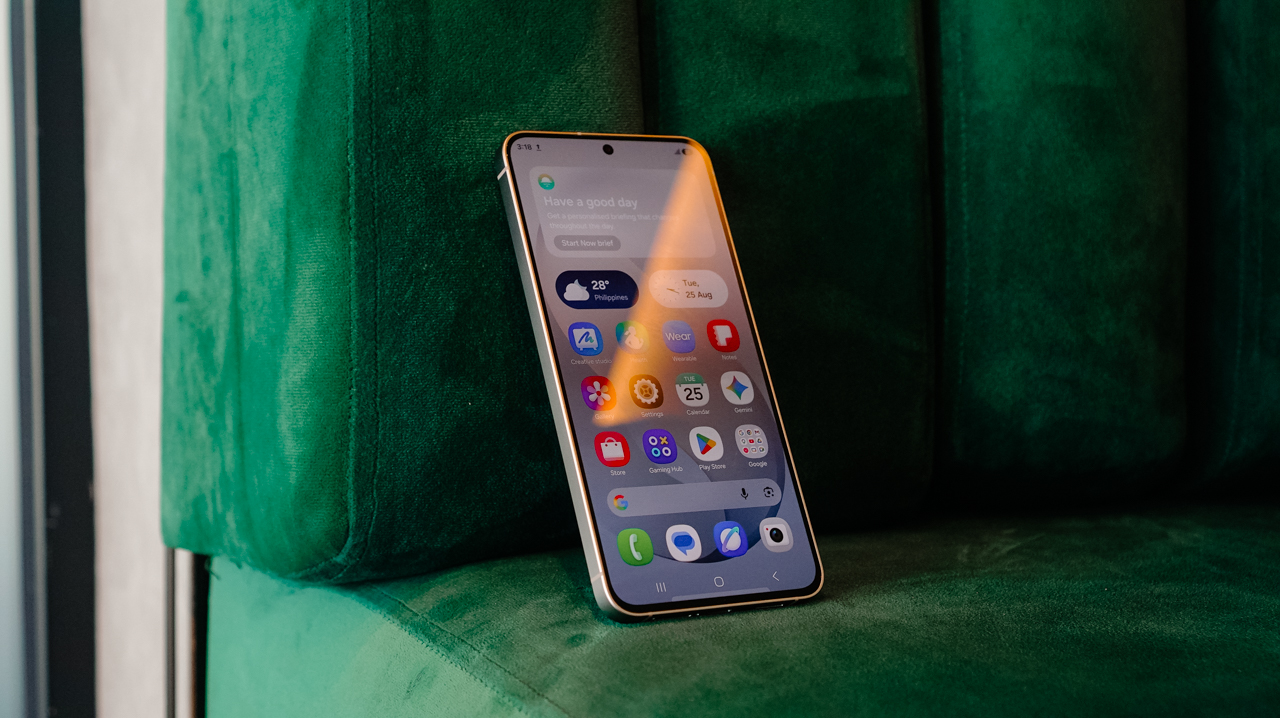
One UI 9 brings smarter AI
The Galaxy S26 FE launches with One UI 9 and a range of context-aware Galaxy AI features.
Samsung has updated Now Brief with customizable briefing cards. These can include information such as weather and wellness insights. Users can also create their own cards with a simple prompt.
Now Nudge now extends to select third-party apps and notifications. It surfaces timely suggestions throughout the day to help users act on relevant information.
Samsung has also expanded Circle to Search with Google. Users can now search for multiple items in an image at the same time.
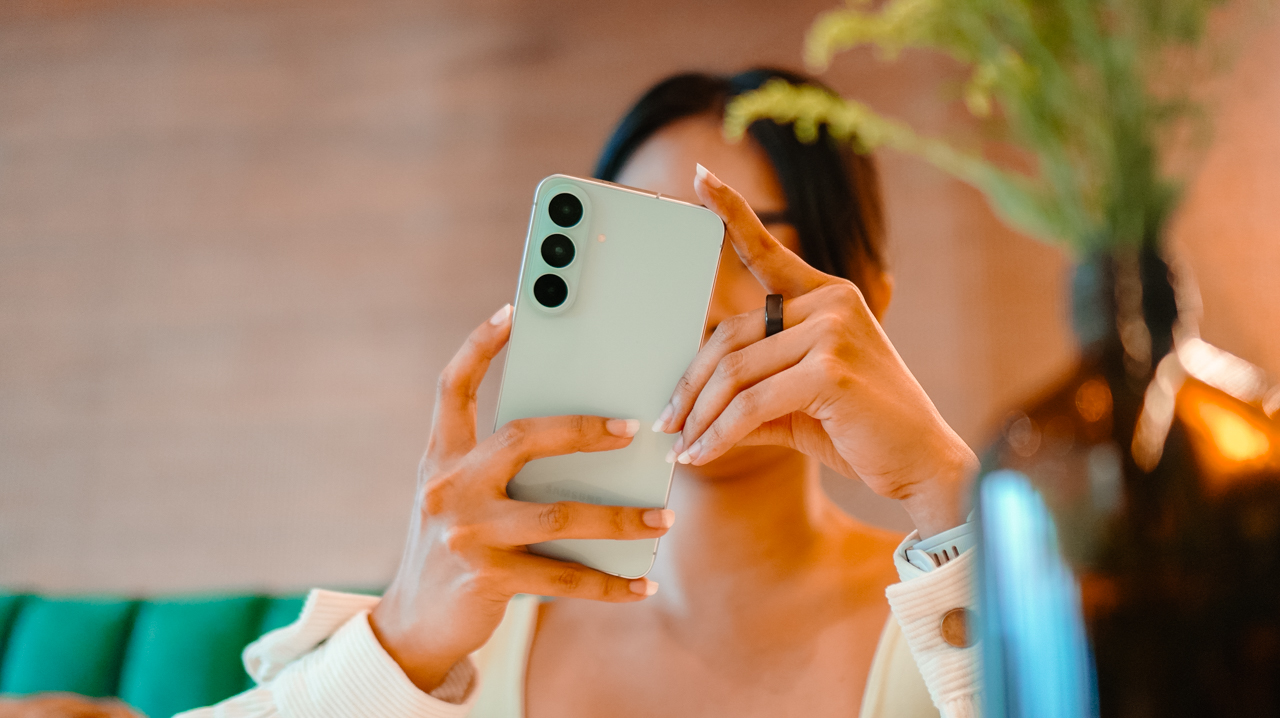
Built for all-day use
The Galaxy S26 FE packs a 4,900mAh battery. Samsung says it can reach up to 69 percent charge in around 30 minutes with a 45W adapter.
It also has a 6.7-inch AMOLED display with a refresh rate of up to 120Hz. Samsung says the screen is designed for streaming, gaming, browsing, and creative work.
Samsung has also improved the setup experience. Smart Switch can wirelessly transfer data from Android and iOS devices by scanning a QR code. This includes passwords, passkeys, call history, accessibility settings, and eSIM data.
The company promises up to seven generations of OS upgrades and seven years of security updates. Samsung Care+ also provides additional coverage and device support.
The phone also comes with a six-month trial of Google AI Pro. The offer includes expanded AI capabilities and 5TB of cloud storage.
Price and availability
In the Philippines, the Galaxy S26 FE starts at PhP 46,990 for 128GB. The 256GB model costs PhP 53,990, while the 512GB model costs PhP 67,990.
The phone comes in Blueberry, Graphite, and Pistachio. It is now available at Samsung Experience Stores nationwide. Samsung.com availability begins September 11.
Samsung is also offering introductory discounts until November 30. The 512GB model gets PhP 7,000 off, while the 256GB model gets PhP 5,000 off. The release also lists a PhP 4,000 discount for 256GB, which appears to be a duplicate in the supplied press release.
Customers can also get up to 15 percent off for up to 36 months through select bank partners. Trade-ins come with up to PhP 6,000 in guaranteed savings.

REDMI Note 17 Pro review: What a rollercoaster ride!
The serious series of ups and downs are NOTEworthy of your attention

Insta360 Luna Ultra review: My new solo coverage camera
Changed my workflow

TECNO MEGAPAD 2 review: Eyes on the size
The MEGA pad for two base users

Marvel’s Wolverine details combat, abilities, and features

The designated photographer’s new favorite phone: OPPO Reno16 Series 5G

NBA, Salmon team up for multi-year partnership

realme 16T 5G with 8000mAh battery, IP69 Pro rating launches in PH

Dune: Awakening gets new PS5 gameplay, movie DLC
TECNO MEGAPAD 2 review: Eyes on the size

VinFast debuts two-wheeler models, opens 21 e-motorcycle showrooms

REDMI Note 17 Series focuses on long-term reliability

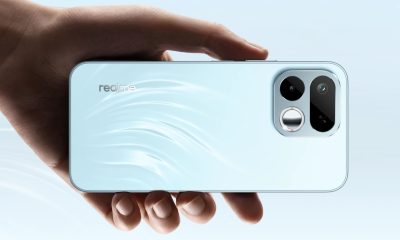
realme 16T to come with 8,000mAh battery, 7-year battery health guarantee

OnePlus officially leaves the United States and Canada


-
Reviews1 week ago
TECNO MEGAPAD 2 review: Eyes on the size
-
 Singapore2 weeks ago
REDMI Note 17 Series focuses on long-term reliability
-
 News2 weeks ago
realme 16T to come with 8,000mAh battery, 7-year battery health guarantee
-

 News1 week ago
HUAWEI Pura X View is 2026’s first WIDE slab-type smartphone
-

 Accessories2 weeks ago
Jackery expands Explorer Series portable power stations
-
 Cameras1 week ago
30 days with the DJI Osmo Pocket 4P
-

 Gaming2 weeks ago
NBA 2K27 expands MyCAREER, MyPLAYER, MyNBA, more
-

 Gaming2 weeks ago
Now Playing: Assassin’s Creed Black Flag Resynced