

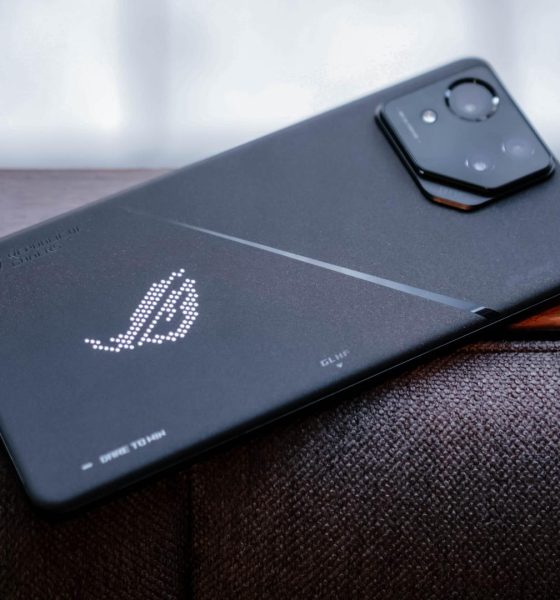

When we first saw renders of the ROG Phone 8 and ROG Phone 8 Pro, we weren’t particularly enthused. But once real-life photos came out during CES 2024, it started getting us curious. The ROG Phone 8 fits the “better-in-person” description.
Other than the looks, ROG also made significant quality of life improvements. Some of which are features not previously seen on a gaming smartphone of its caliber.
@gadgetmatch Different skin, same beast 💪 #ROGPhone8 #ROGPhone #ASUS #ASUSROG
Like usual, the ROG Phone 8 Pro remains one of the most fun devices to unbox. The box is quirky and has a few gimmicks here and there. You certainly feel like you’re getting a premium package.

A less ‘gamer’ look

I feel like ROG has previously said that they’ve toned down the gamer aesthetics of a particular ROG Phone version. But the ROG Phone 8 Series might be the truly first one to live up to the billing.
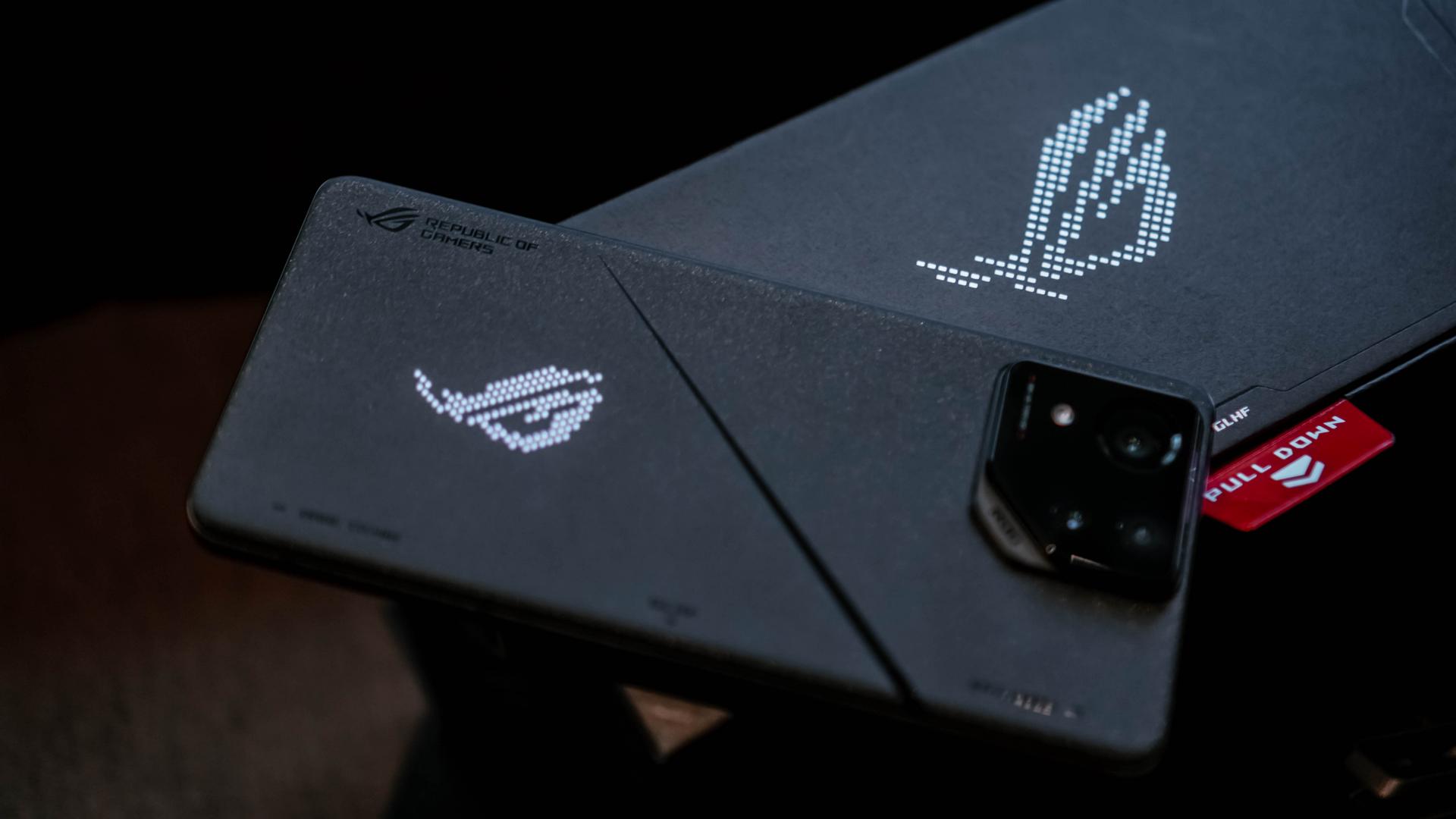
Gone are the lines and details that evoke a mecha anime aesthetic. Instead, there’s just a single line that cuts across the back of the device. And then there are just a few ROG branding spread along the sides.
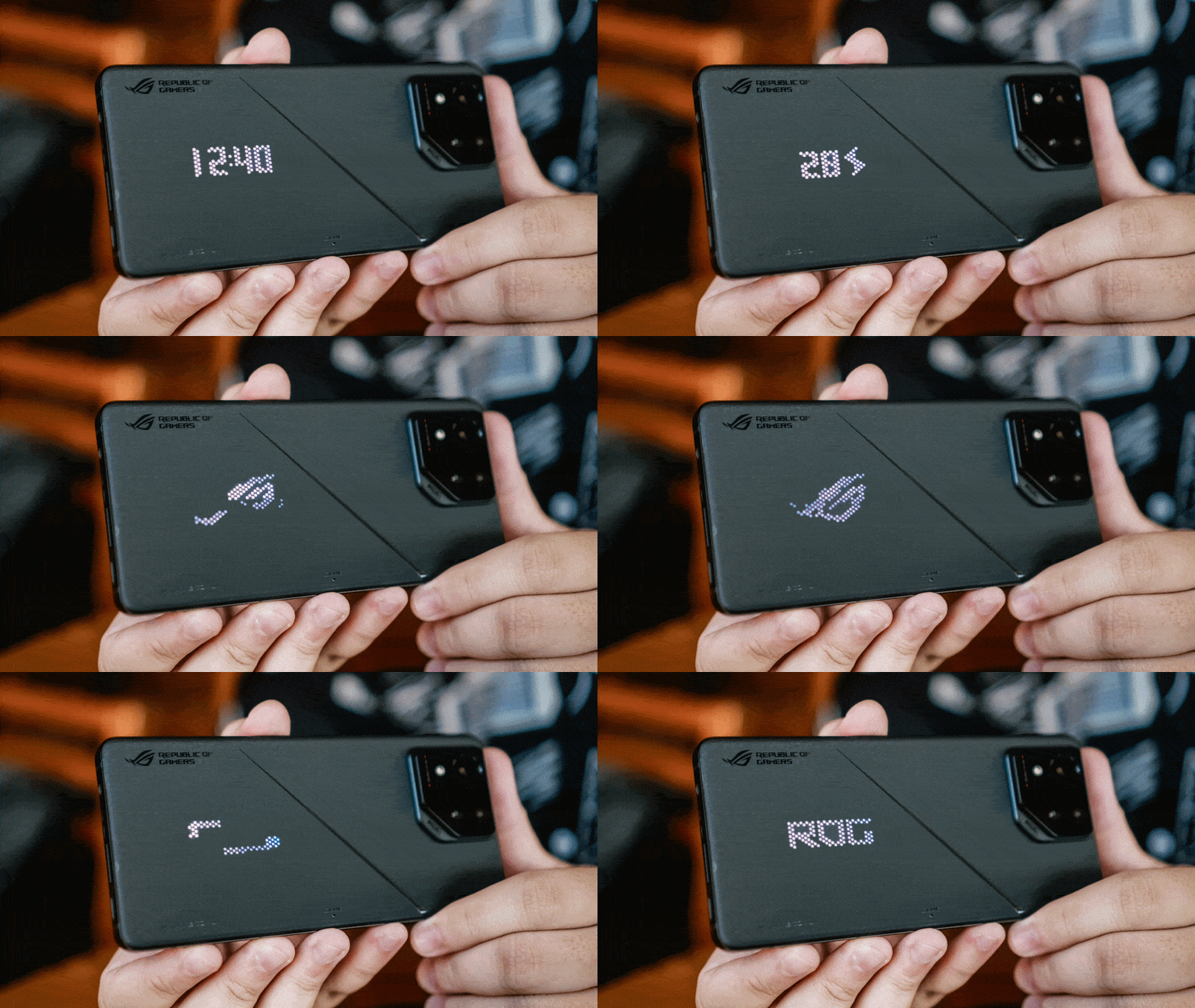
The AniMe Vision display was replaced with the AniMe Matrix. A more subtle display mechanic that certainly fits the vibe of the phone. It changes depending on what you’re doing on the phone. For instance, it shows a timer when you’re taking a photo and it indicates when you are playing a game.
Just as well, you can just turn it off altogether if it’s not your thing or to conserve battery.
Better cameras?
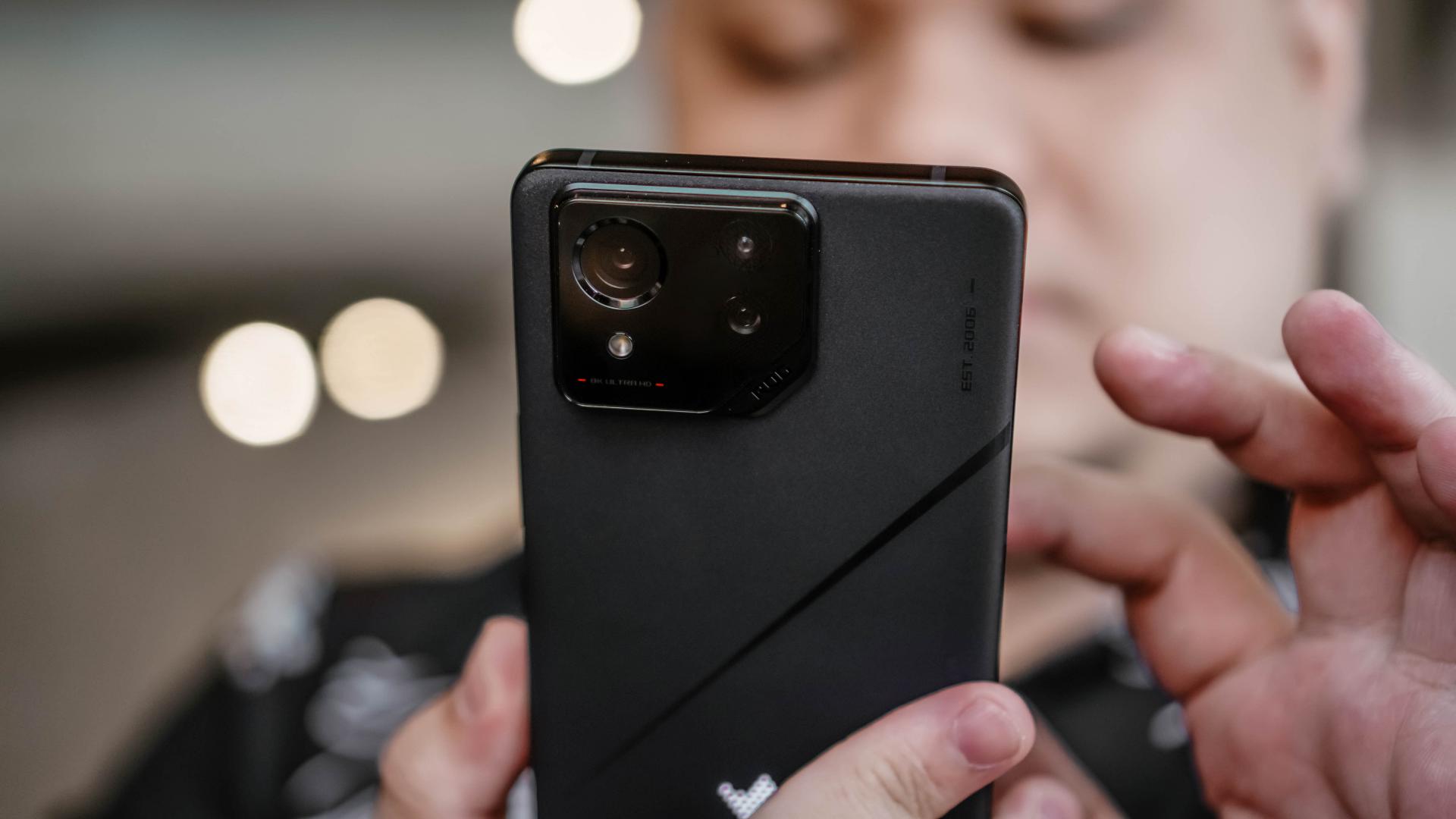
I haven’t had many opportunities to take decent looking photos so you’ll have to settle for the very few samples here from which you can tell I wasn’t even really trying. I guess having a gaming phone in hand, taking pictures just kind of takes a backseat in my mind. Initial impressions? The cameras mayhaps still need some work?





Still the same beast inside
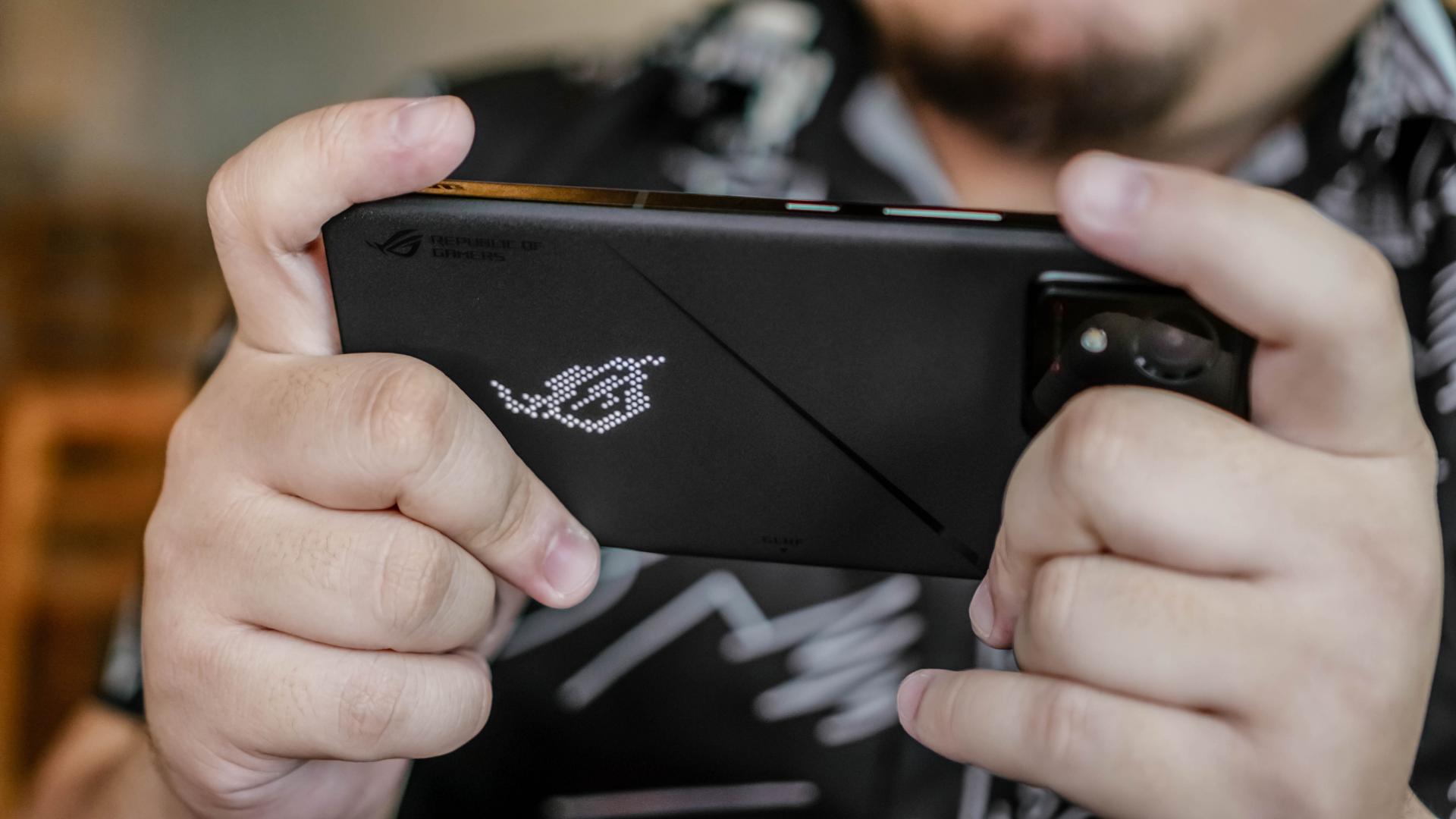
I’ve only really been playing Honkai: Star Raili so far but everything was in high settings. I had a grand time. I’ve stepped away from the game for a while but it’s good to come back using a machine that can truly handle it.
For usual browsing and doom scrolling, the ROG Phone 8 Pro is incredibly fast and smooth. I’ve been juggling a couple of smartphone review units over the past few weeks but this one definitely stands out in that department.

I also stuck with the ROG Launcher which certainly has a more ‘gamer’ feel. If you want it to feel more like vanilla Android, you can easily make the switch either during the setup or in Settings.
Overall first impressions

As far as regular slate smartphones I’ve had the pleasure of using so far in 2024, the ROG Phone 8 Pro is easily my favorite. I’ve tried an OPPO Reno Phone, the iPhone 15 Pro Max, the Samsung Galaxy S24 Ultra, and a few more. But for regular slates, the ROG Phone 8 Pro is my personal favorite to use mostly for gaming, social scrolling.
Everything else it has to offer, I still have to test further. Leave a comment on GadgetMatch’s socials to let us know what else you want to find out about the ROG Phone 8 Pro.







Tides of Annihilation will make its public playable debut at Gamescom 2026.
Developer Eclipse Glow Games announced that attendees can try an extended demo of the upcoming action-adventure game during the event in Cologne, Germany. Players can find the demo at Hall 6, Booth B-050 inside Koelnmesse.
The studio will also reveal a new trailer during Gamescom Opening Night Live on August 25, before the show floor opens.
Demo offers more exploration and combat
The Gamescom demo gives players a longer look at Tides of Annihilation. It features branching paths that lead to different exploration routes and combat encounters. Players can also explore key locations and experience several of the game’s biggest set pieces.
“Gamescom will be an incredibly important moment for our team since this will be our first global playtest and we’re excited to see how first-time players experience our game,” said Ary Chen, Game Director and Co-CEO of Eclipse Glow Games.
“The team has poured heart, soul, and maybe even a few tears into developing the game over the last few years, and it’s finally our opportunity to share it with players. We’re looking forward to seeing their reaction.”
Members of the press and content creators can also schedule private hands-on sessions with the development team during the event.
Arthurian-inspired adventure
Tides of Annihilation blends fast-paced action with a Neo-Medieval vision of modern London. The story follows Gwendolyn after an Outworld invasion leaves the city in ruins.
Driven by a mission to save her sister, she travels between a shattered London and the mythical realm of Avalon. Along the way, she uncovers the mystery behind her newfound powers. She must also decide the fate of reality itself.
Eclipse Glow Games is developing Tides of Annihilation for PC via Steam and the Epic Games Store, Xbox Series X|S, and PlayStation 5.
Gaming
Street Fighter 6 adds first Filipino fighter Yasmine to its roster
Eskrima fighter joins battle
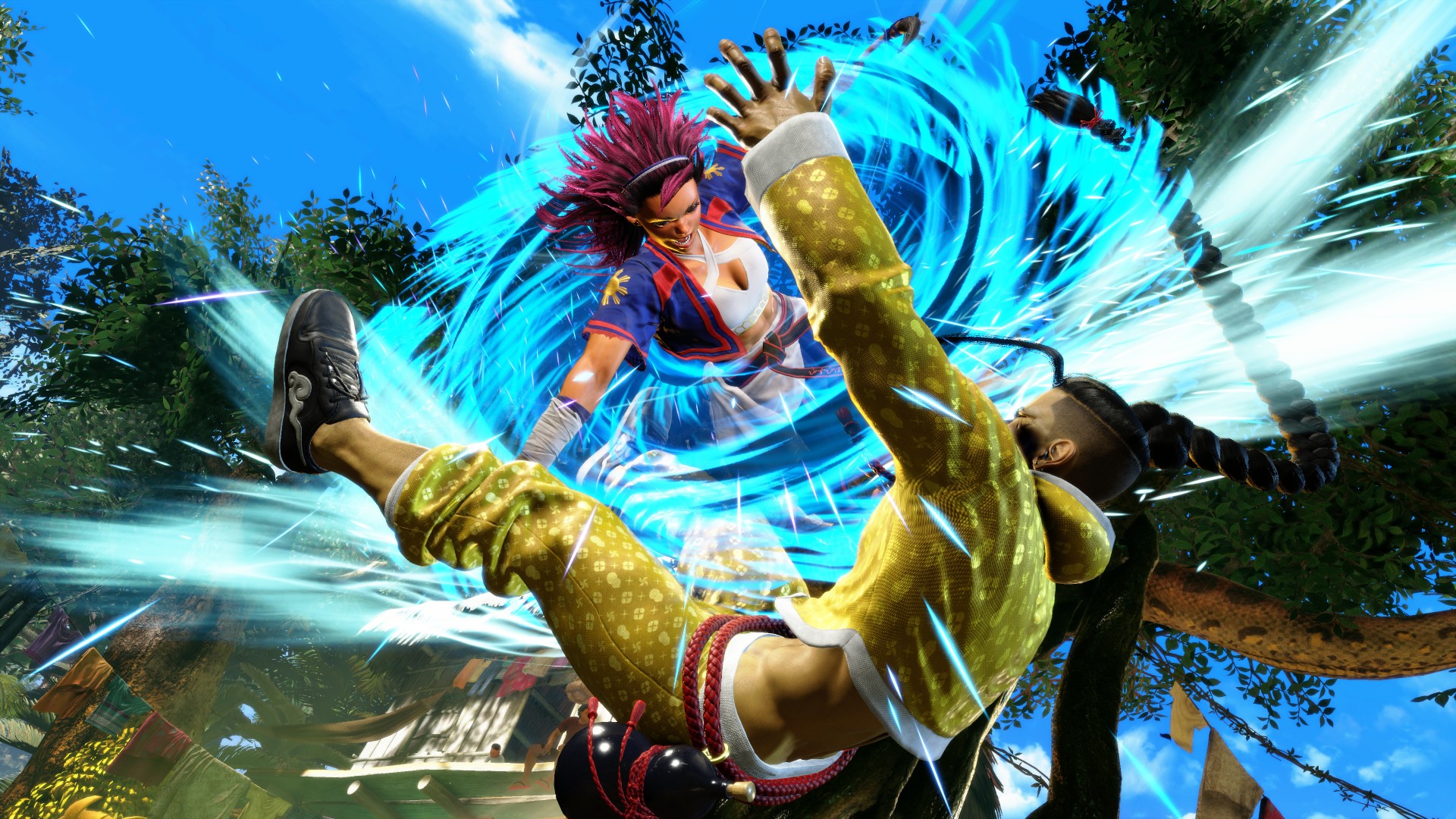
Street Fighter 6 has officially welcomed Yasmine, making history as the first Filipino martial artist to join the franchise’s playable roster. The new character is now available across PlayStation 5, PlayStation 4, Xbox Series X|S, PC, and Nintendo Switch 2 as part of the game’s Year 4 content.
Yasmine practices Eskrima, having learned the Filipino martial art alongside her older brother under their grandfather’s guidance. She wields Karambit knives in battle and embarks on a journey to find her missing brother.
Players can access Yasmine by purchasing the Year 4 Character Pass or Year 4 Ultimate Pass. Her default outfit features traditional Eskrima-inspired combat attire, while a school uniform serves as her second costume. In combat, she specializes in fast, aggressive attacks that build toward an enhanced Bayani Mode.
Yasmine is the first of four Year 4 fighters, followed by Arjun, Tifa from the Final Fantasy VII Remake series, and Bosch. Her release also arrives alongside battle balance adjustments affecting the entire roster.
Onimusha crossover arrives this week
Capcom also announced a limited-time collaboration between Street Fighter 6 and Onimusha. Running from August 7 to August 31, 2026, the event introduces Oni EX character colors, themed Battle Hub decorations, avatar items, and additional rewards for players who log in during the event.
The update also adds new Avatar Arcade courses, additional ending scenes, a Frame Meter option for Avatar Random Match, and refreshed Master ACT rewards.
Philippine launch event set for August 9
Capcom will celebrate Yasmine’s debut with an official Philippine community launch event on Sunday, August 9, at Salud! by Primera Bar & Restaurant in Palanan, Makati. The event runs from 2:00 PM to 9:00 PM and features a double-elimination tournament, gameplay showcases, giveaways, and community activities.
Attendees can also receive limited-edition Yasmine merchandise, including event T-shirts, lanyards, and collectible keychains while supplies last. Special guests and cosplayers are also scheduled to appear. Admission will be on a first-come, first-served basis and is subject to venue capacity.
Gaming
Gangstar Mirage City launches on August 20 with SEA localization
Join a faction now for a chance to win rewards


Gangstar Mirage City is set for a full regional launch on August 20, with localization for the Southeast Asia region.
Published by Level Infinite, the free-to-play multiplayer, urban, open-world action game is available for download on iOS and Android.
The full regional release features an expanded open world, a new PvP Arena mode, and local languages.
In Gangstar Mirage City, players can team up for up to 4-man co-op heists, drive powerful vehicles, customize their arsenal, build an empire, and fight for control of Rooklyn City.
Players can register on gangstarmiragecity.com for in-game rewards.
In Southeast Asia, players can also register as a member of their respective local faction and get an exclusive in-game Avatar to represent their loyalty:
- Philippines: Manila Brigade
- Indonesia: War Kanda
- Malaysia: Taiko Tedung
- Thailand: SIAM APEX
Factions will be ranked based on how many players join and support them. The winning faction will enable all members to get 300 Diamonds, sent directly to their accounts.
Meanwhile, all players, including those who already began their journey in Rooklyn City with the soft launch last July, are invited to join the Global Vault Heist.
Reaching the final Registration Milestone will unlock the Full Tilt Vehicle Pack. These are the rewards up for grabs per milestone:
- 5 million players: 100 Diamonds
- 10 million players: 200 Diamonds
- 20 million players: Vehicle Upgrade Vouchers x5
- 30 million players: Full Tilt Vehicle Pack
All Global Vault Heist and Faction rewards can be claimed via the in-game mail system on August 20.


30 days later with the ASUS ExpertBook Ultra: Like seeing an ex
Felt exactly as I remembered.


ROG STRIX G16 Review: Building for the moment
Setting it up however you want to make the most out of it


realme C100: Enduring and durable in spite of entry-level realities
Enough power but needs more agility

Getting the latest Samsung Galaxy Z Flip8 at 0% Interest with Maya Mini Payments
30 days later with the ASUS ExpertBook Ultra: Like seeing an ex

TCL expands mobile lineup with latest NXTPAPER series
ROG STRIX G16 Review: Building for the moment

Smart opens HUAWEI Pura 90s Series pre-orders with exclusive freebies

Hands-on: Samsung Galaxy Z Fold8, Flip8, Ultra

Garmin launches its first screenless fitness band

VinFast debuts two-wheeler models, opens 21 e-motorcycle showrooms

Samsung releases teaser with Spider-Man: Brand New Day Easter eggs

Most of the world’s PlayStations will be officially useless by 2028


-
 Automotive1 week ago
VinFast debuts two-wheeler models, opens 21 e-motorcycle showrooms
-

 Computers2 weeks ago
AMD launches Radeon RX 9050 graphics card
-

 Automotive1 week ago
Xiaomi debuts SkyNomad Series featuring new Kunlun platform
-

 News6 days ago
OnePlus officially leaves the United States and Canada
-

 Gaming2 weeks ago
NBA 2K27 gameplay trailer showcases new dunk mechanics, Rucker Park, and more
-

 Gaming1 week ago
Call of Duty: Modern Warfare 4 clip shows Losing Ground 1st look
-

 Automotive2 weeks ago
BYD Atto 2 launches with EV, plug-in hybrid options
-

 Automotive1 week ago
GAC launches new trio of MPVs