
Smartphones
vivo V40 5G price, availability in the Philippines
The ZEISS Portrait Master

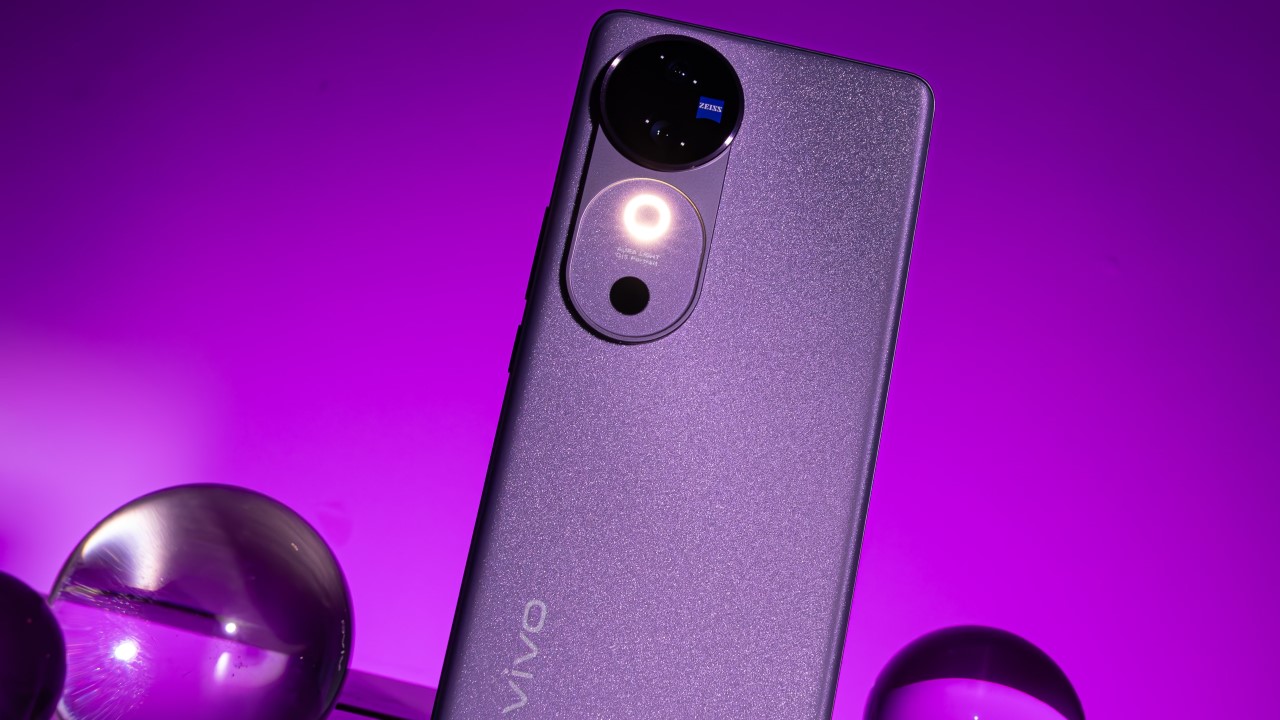
The vivo V40 5G has been officially launched in the Philippines. vivo’s latest ZEISS smartphone comes in three configurations, and starts at PhP 26,999.
Customers can preorder the vivo V40 5G from September 17 to 27, 2024 for just a PhP 500 down payment. Preordering comes with an exclusive PhP 2,000 discount voucher, which can be redeemed from September 28 to October 16.
The phone will be available in vivo concept stores and kiosks nationwide. It will also be available online via the vivo website, Lazada, and Shopee.
The vivo V40 5G features another redesign, where the rear touts a Gemini Ring. The device boasts of three 50MP cameras — two at the back and one in front — all developed with ZEISS optics standards.
For enthusiasts, the phone’s camera system also supports features like ZEISS Multifocal Portrait, ZEISS Style Portraits, and ZEISS Cinematic Portrait Video.
Meanwhile, the distinctive AI Aura Light is back. It is joined by an AI 3D Studio Lighting feature to ensure studio quality on every portrait capture.
Elsewhere, the handset uses a Qualcomm Snapdragon 7 Gen 3 mobile platform. It has up to 12GB of base RAM and 512GB of internal storage. The phone also has a 5,500mAh battery which supports 8oW of fast charging.
In front is a 1.5K 120Hz Ultra Clear Sunlight display with a 3D curved panel. This screen has up to 4,500 nits of peak brightness. Moreover, the phone has IP68 and IP69 dust and water resistance ratings for added protection.



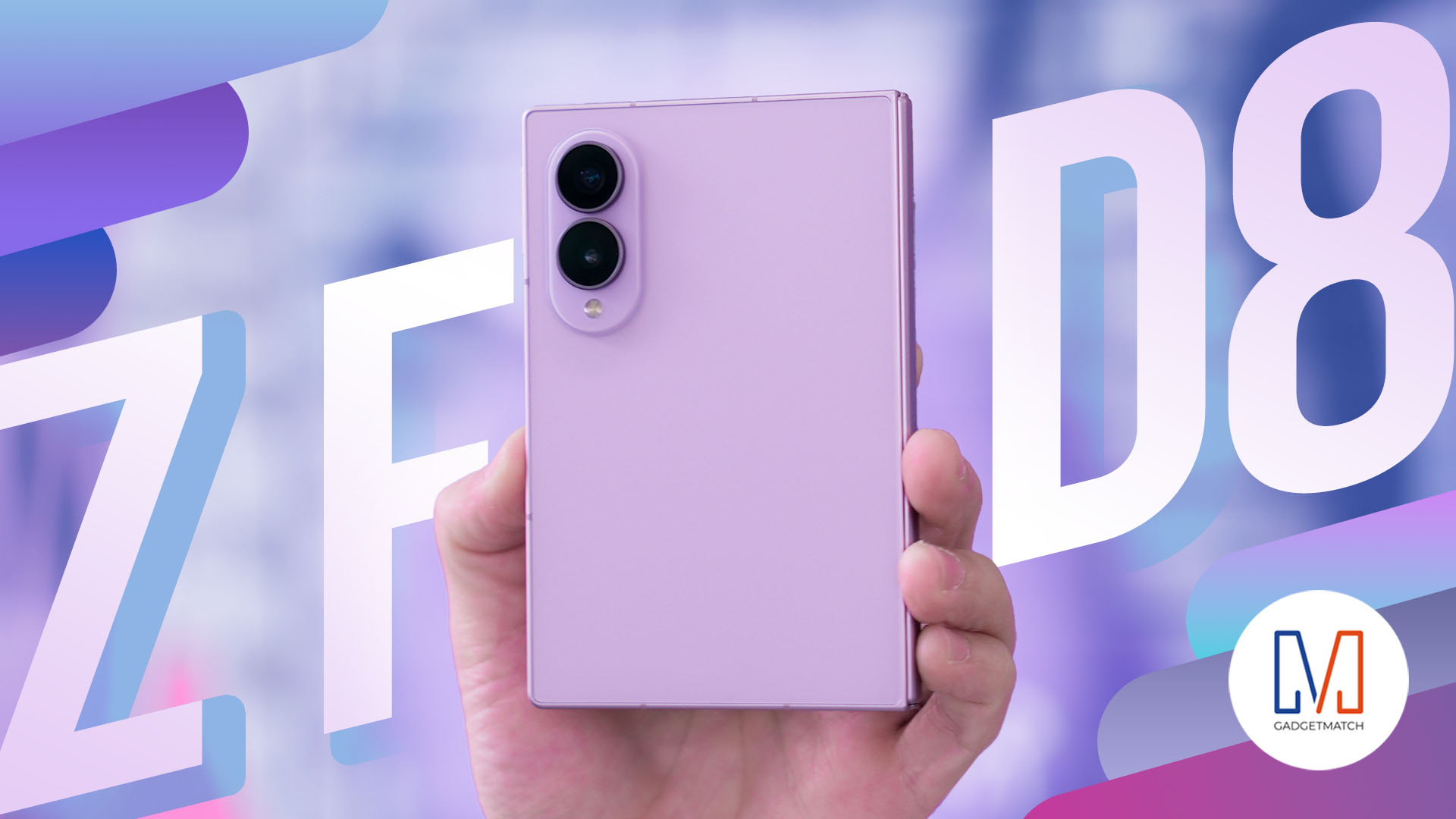
THE Michael Josh has reviewed every Galaxy Fold since the beginning. But, for almost three weeks, the Samsung Galaxy Z Fold8 has been the phone he reaches for every single day.
In this Galaxy Z Fold 8 review, he is sharing what it’s actually like to live with Samsung’s latest foldable. From the size and multitasking to the cameras, battery, software, durability, and all the little things that become more obvious after weeks of daily use.
Here’s our long-term review on the newest Samsung Galaxy Z Fold8.
Her GadgetMatch
What your smartphone color choice reveals about you
Eight colors, eight personalities. Here’s how to pick.

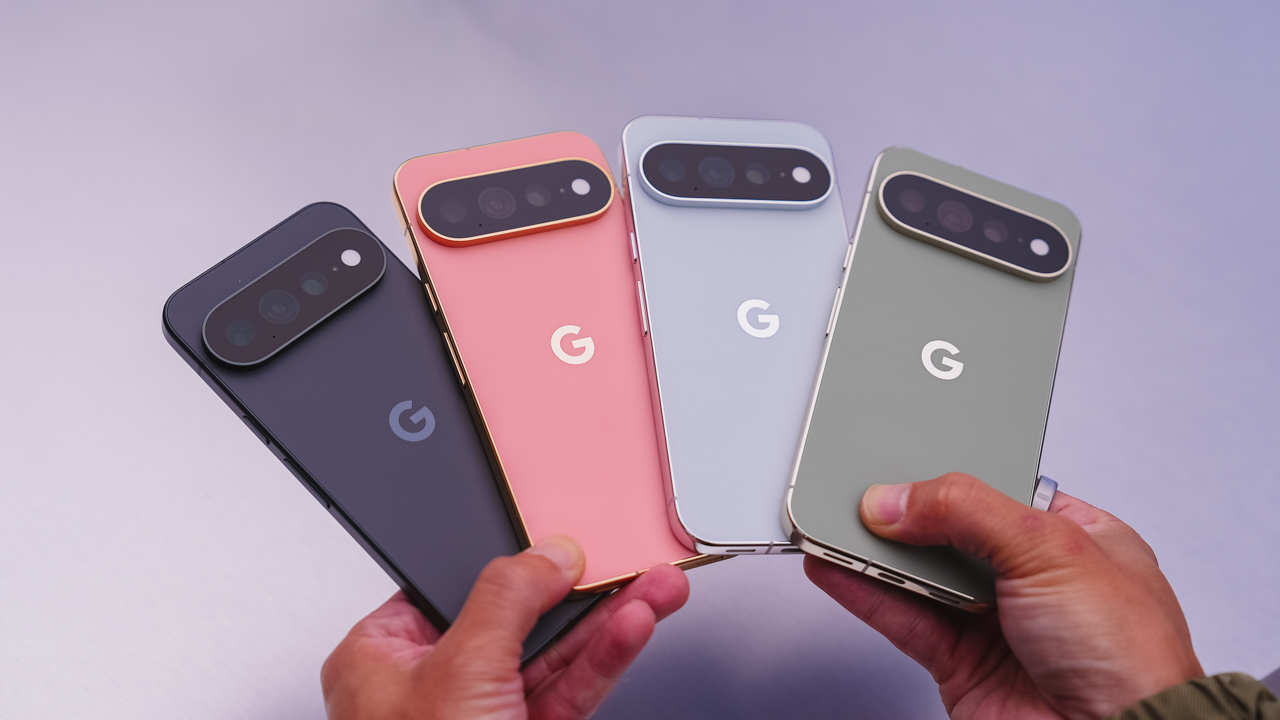
Your phone color says more than you think. With the Pixel 11 series, Google’s giving you eight ways to make that statement, and there’s genuinely one for every kind of person.
Hibiscus
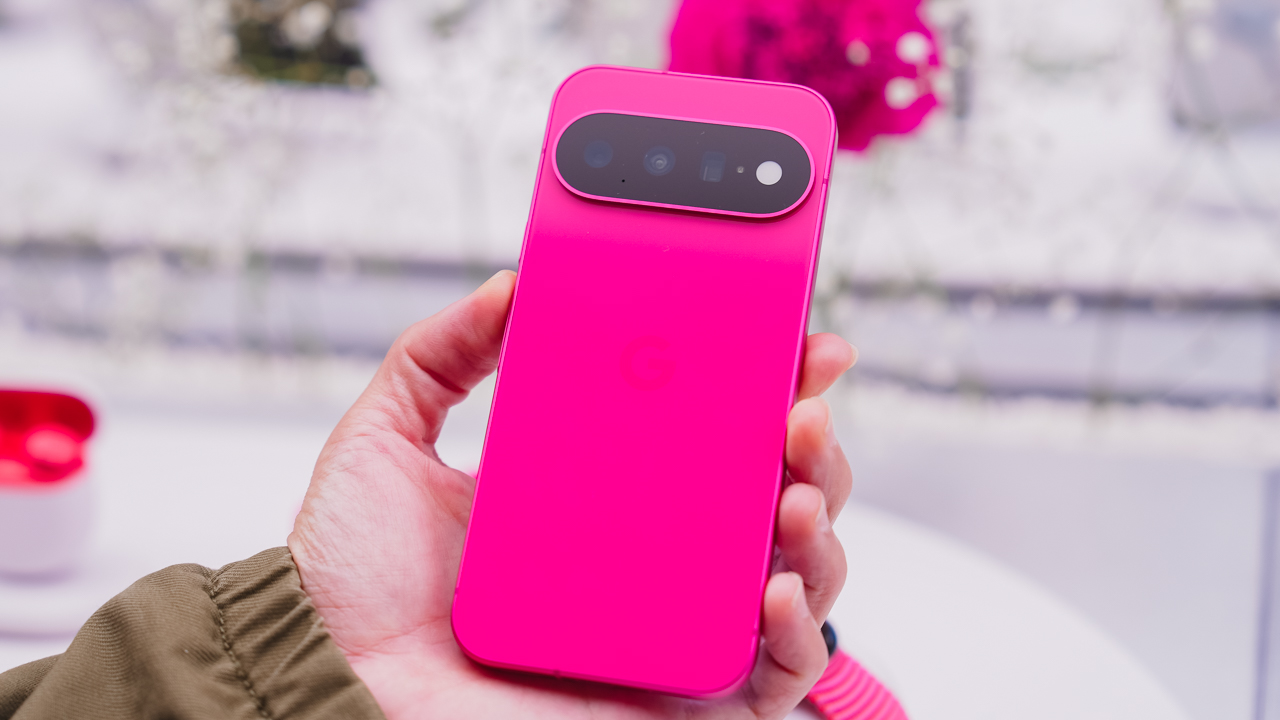
You’re never the quiet one in the room. Hibiscus doesn’t ask for attention; it just takes it, and if that sounds like you, you’re probably not planning to start hiding now. This is the pick for anyone who’d rather stand out than blend in.
Pistachio
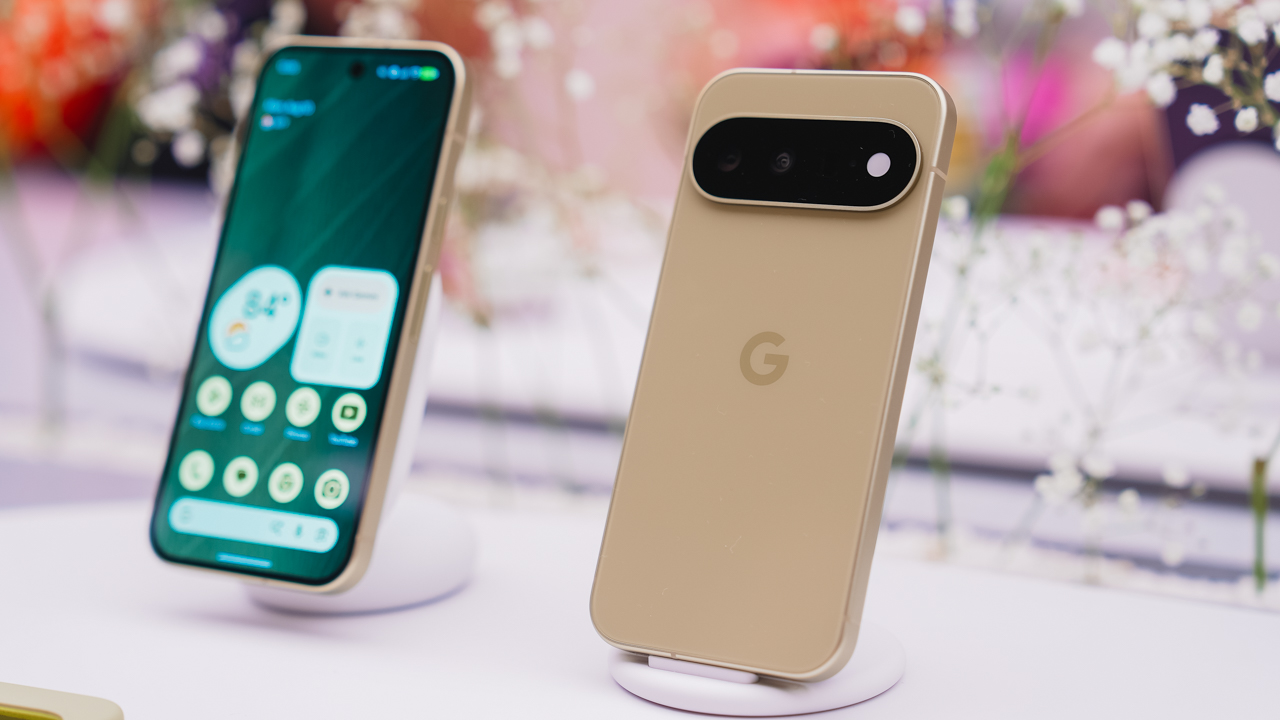
You’re the one who remembers everyone’s coffee order. Pistachio is soft and easy; the one whom people gravitate toward without quite knowing why. It doesn’t try hard to be liked. It just is.
Frost
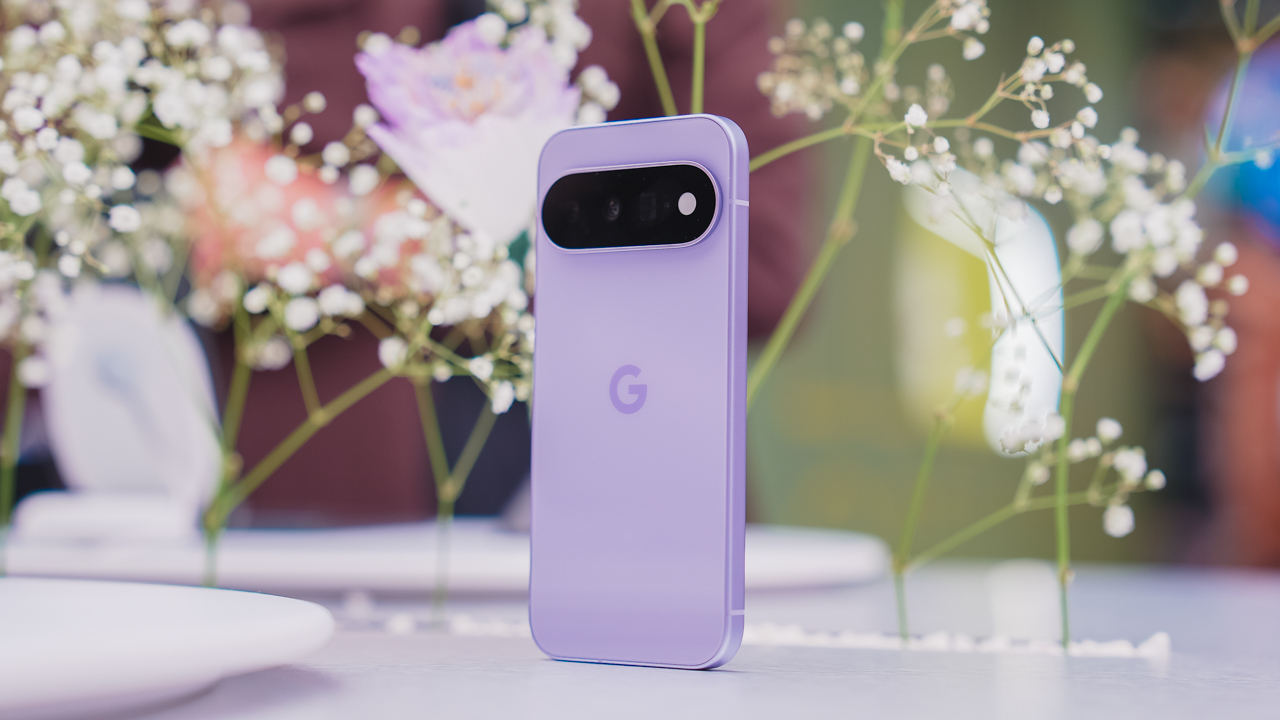
You like things a little too organized. Frost means clean lines and a clear head, the color equivalent of a camera roll with zero mess in it. If your notes app has color-coded folders, this one’s calling your name.
Obsidian
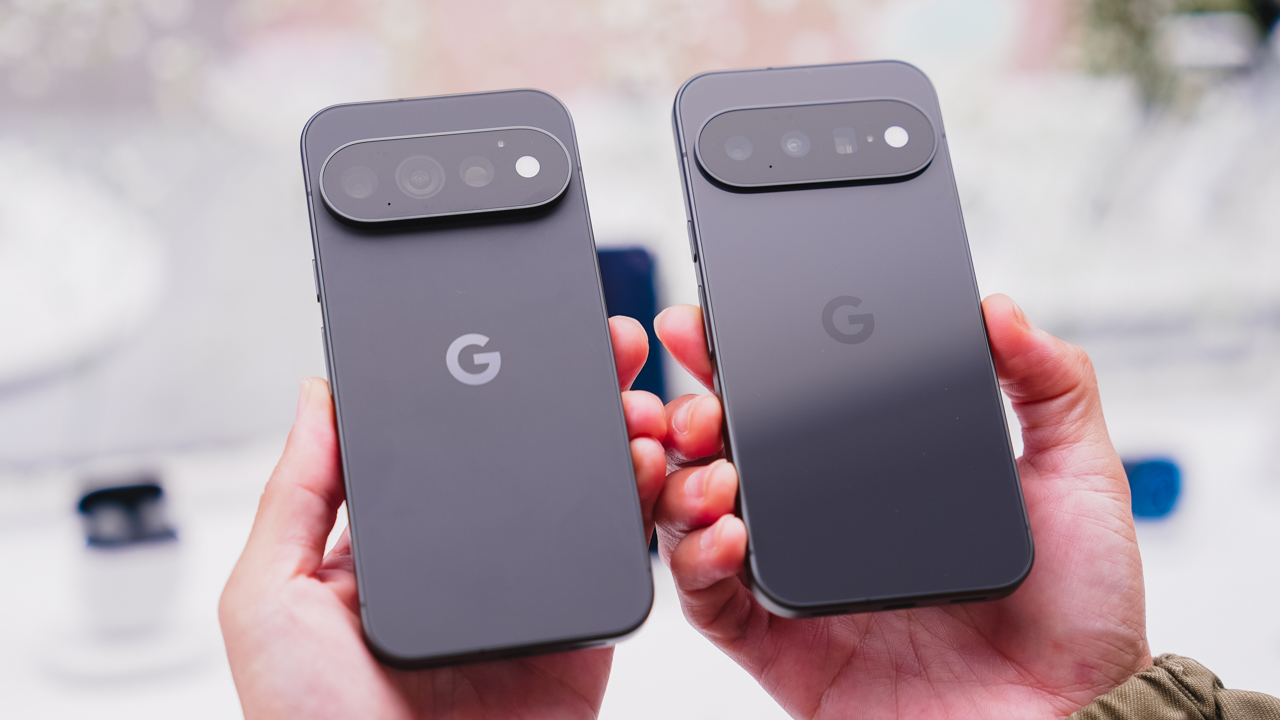
You let the work speak for itself. No flash needed, because when you show up, the room adjusts anyway. Obsidian is the classic choice, the one that’s never trying too hard because it doesn’t have to.
Canyon
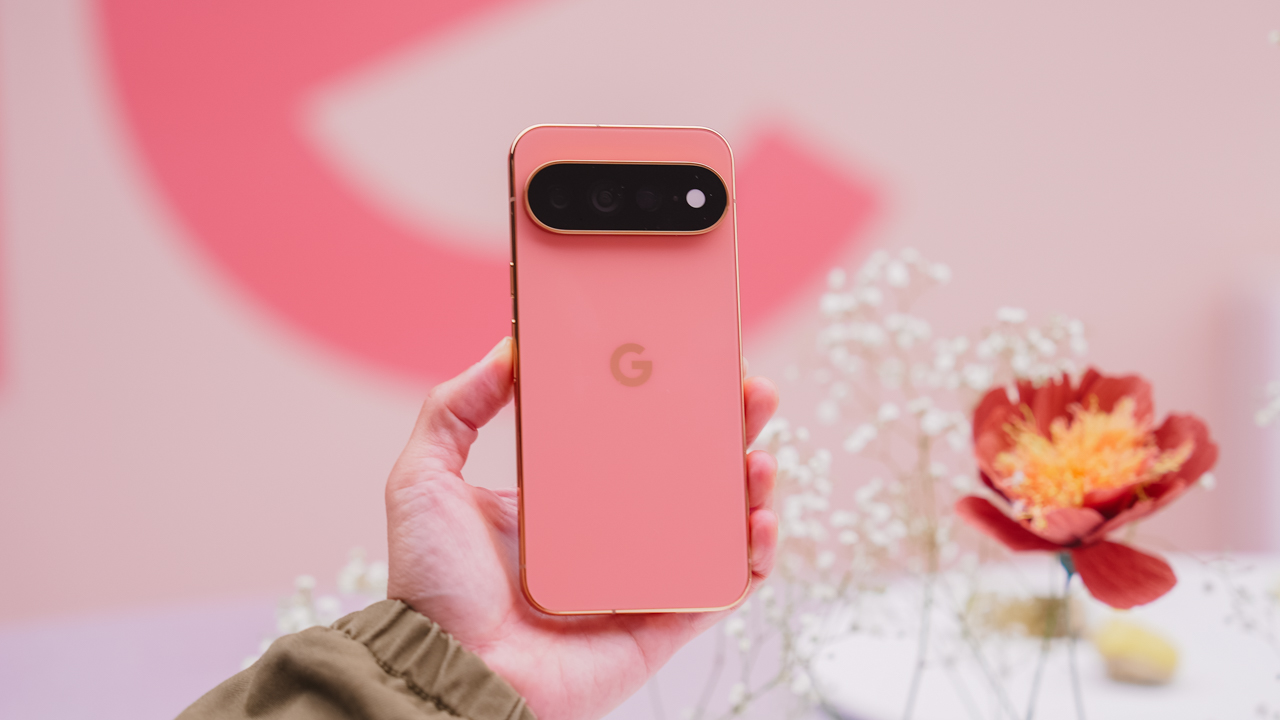
You’re the one who suggests the sunset drive. Canyon is warm and a little restless, always chasing golden hour whether or not anyone else is up for it. Available on the Pro and Pro XL, it’s built for people who treat every evening like it might be a good one.
Olive
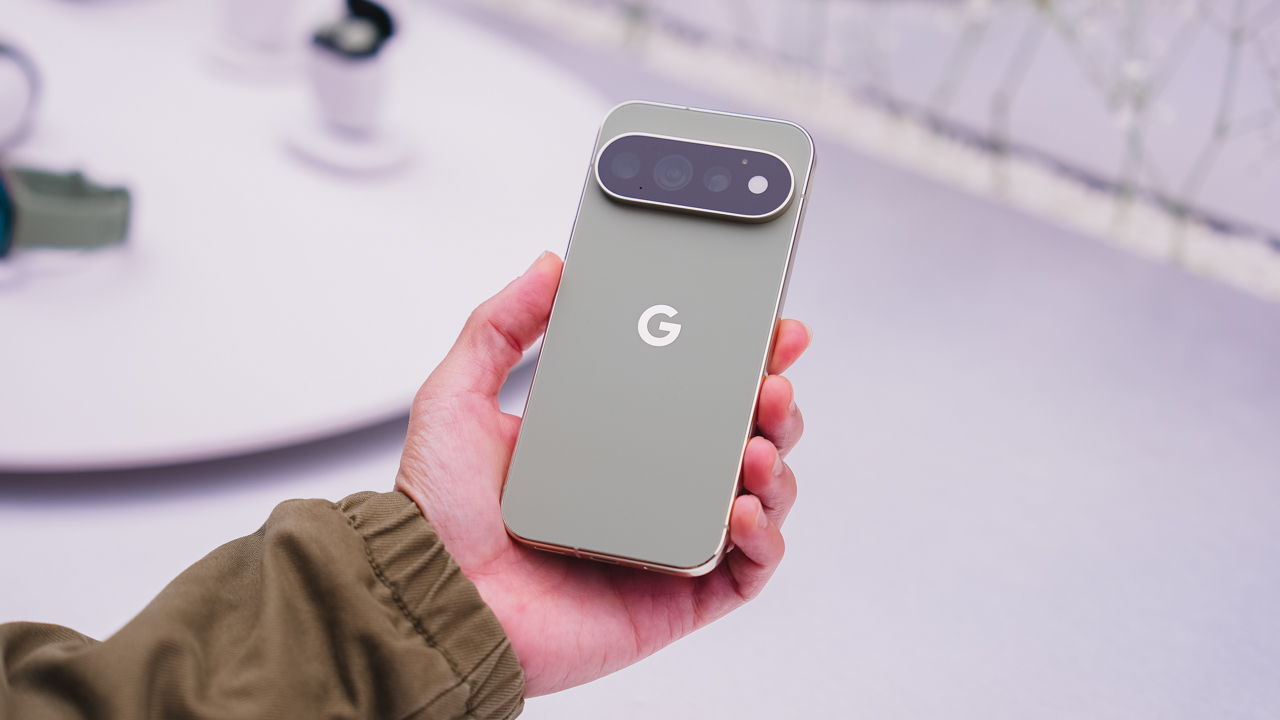
You’re outdoorsy, but you’ll still show up looking put together. Olive is low-key and grounded, the one who doesn’t try too hard because it’s already comfortable in its own skin. Another Pro and Pro XL exclusive.
Fog
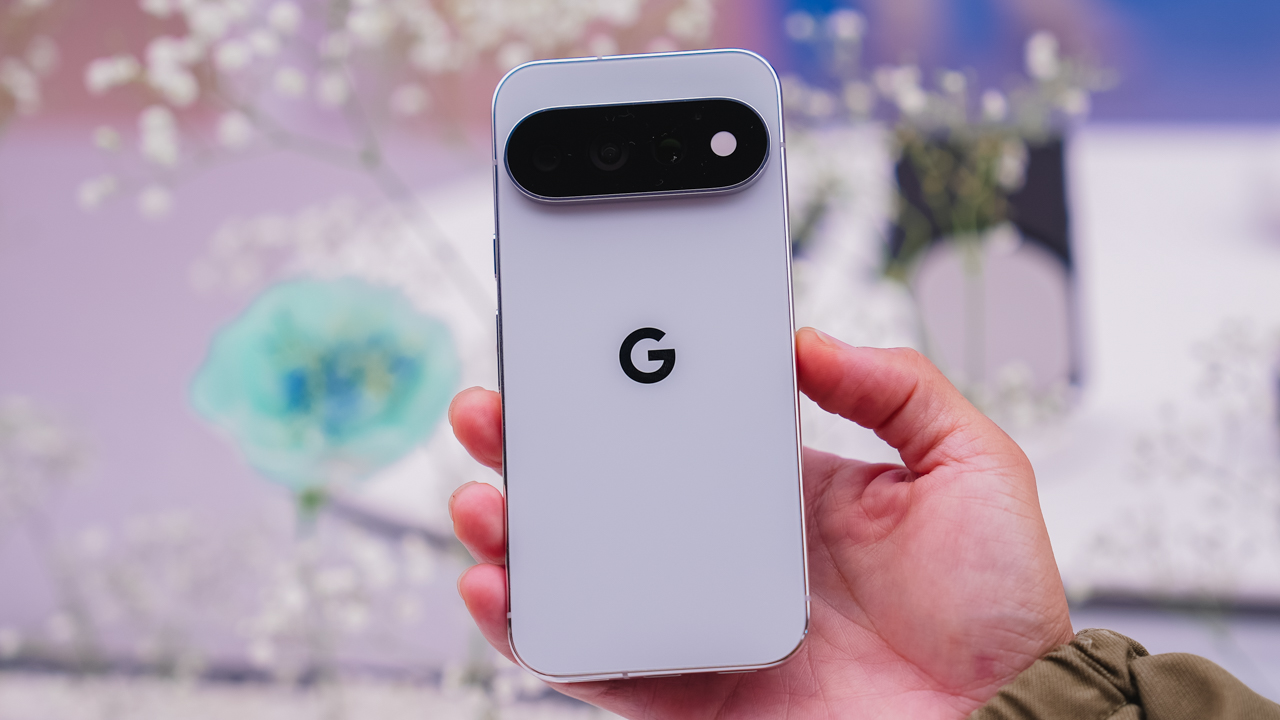
You’re hard to read, and you like it that way. Fog is understated on purpose, a Pro and Pro XL colorway for anyone who’d rather keep people guessing.
So, which one’s you?
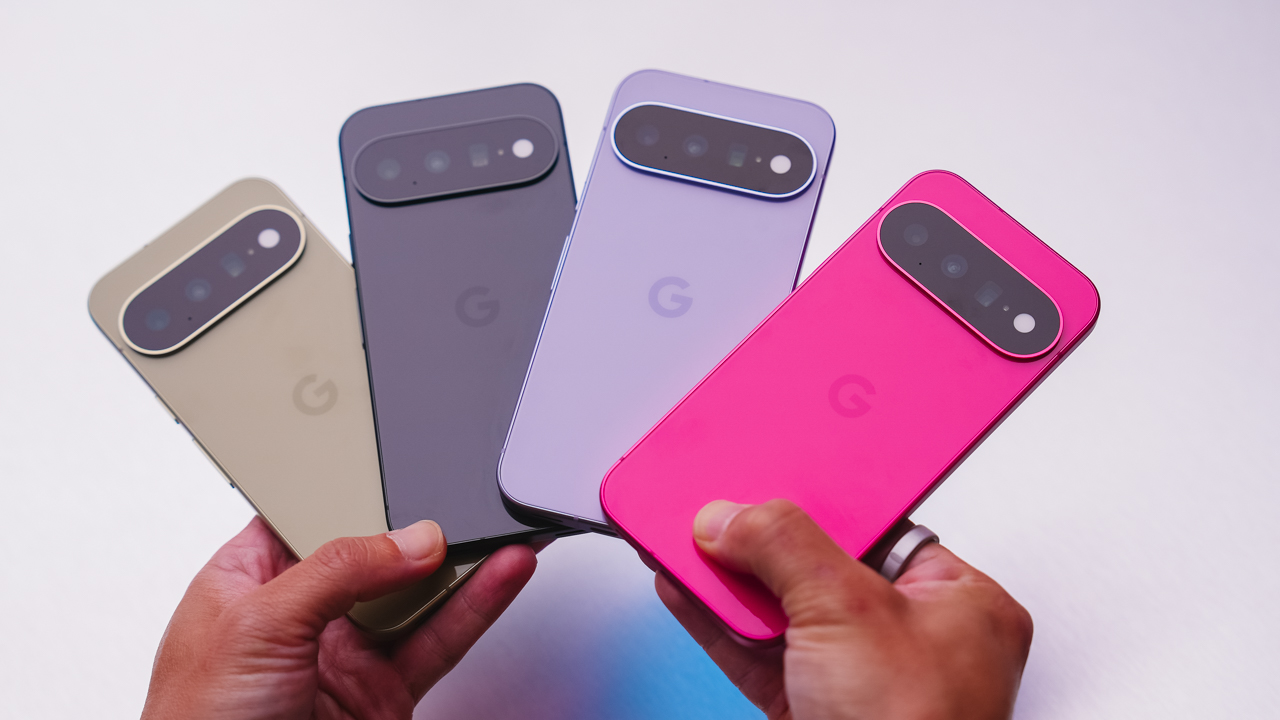
Eight colors, three phones, one very personal decision. Pixel 11, Pixel 11 Pro, and Pixel 11 Pro XL goes on sale starting August 20 — with Pistachio, Hibiscus, Frost, and Obsidian on the base model; and Canyon, Fog, Olive, and Obsidian on the Pro line.
Which one’s calling your name?

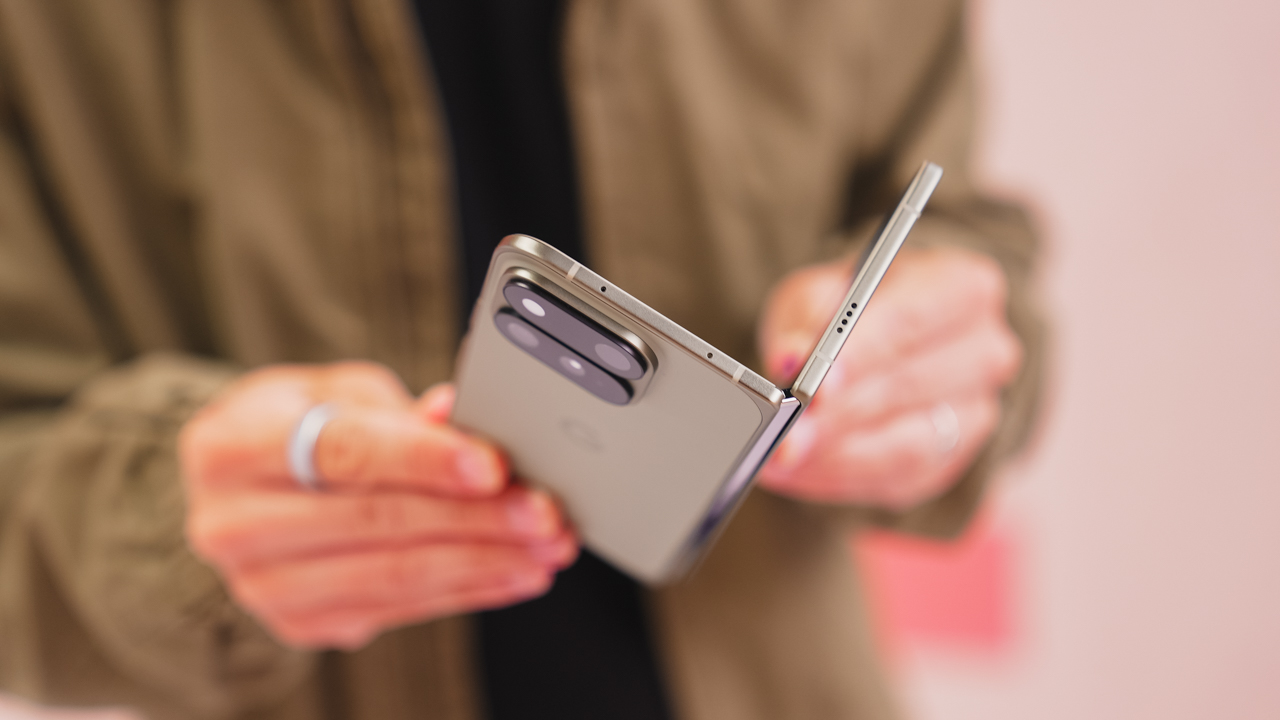
Today, Google launched three different flavors of the Pixel 11 series. If three levels of flatness aren’t enough, the series has a fourth option for you: a new and improved Pixel 11 Pro Fold.
Like the rest of the series, the Pixel 11 Pro Fold is lighter than its predecessor. It’s almost 10 percent lighter and around 1mm thinner than the Pixel 10 Pro Fold.
For a foldable, it’s also Google’s most durable. The foldable has the new scratch-resistant Super Actua display, touting 3600nits of brightness. Plus, the rear has a new glass fiber composite back cover, which Google says is “nearly impossible to crack.” It also has IP68 dust and water resistance.
Inside, the Pixel 11 Pro Fold comes with the new Tensor G6 chipset paired with 16GB of RAM.
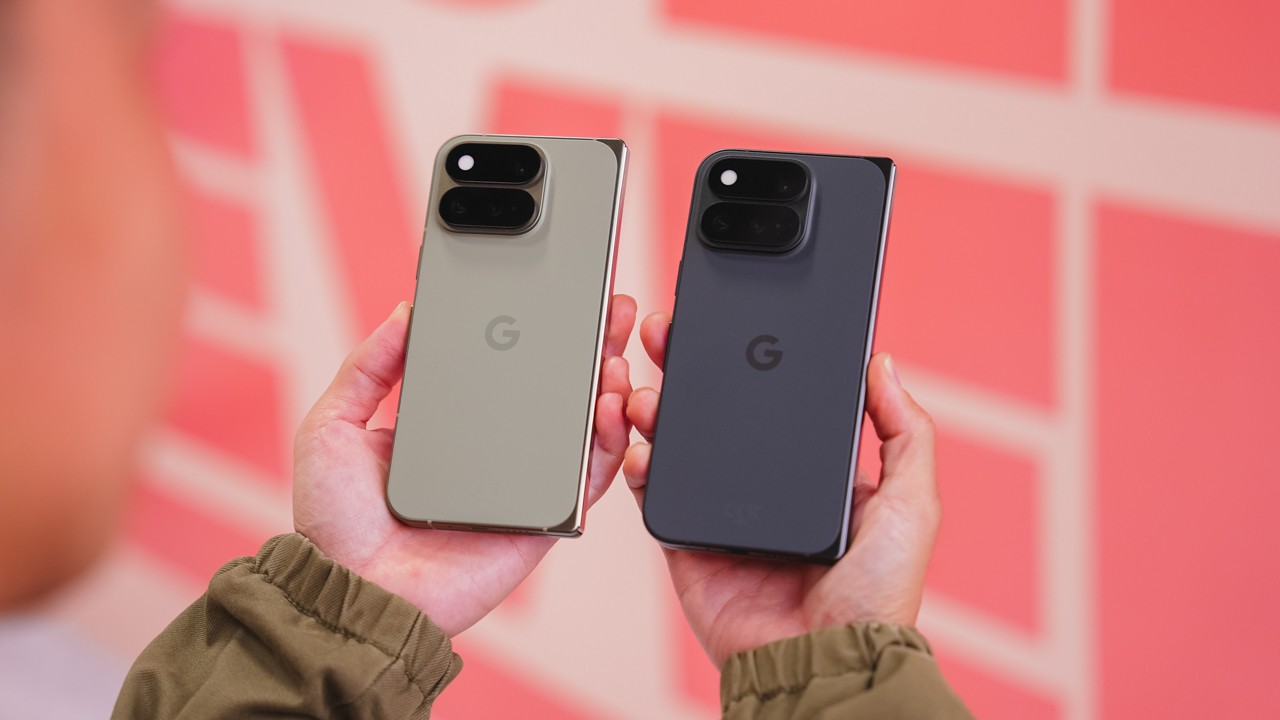
For cameras, the foldable has the new 48-megapixel main sensor and a telephoto lens that touts up to 30x Super Zoom. The camera bar then comes in a smaller format on the top left corner of the rear.
Much like the regular phones, the Pixel 11 Pro Fold comes with the new HiLight feature, a notification dot that lights up (and can be customized) whenever notifications pop up.
Finally, the foldable has faster wired charging, promising half of the battery’s capacity in only 30 minutes of charging time. It’s also 20 percent faster with 25W Qi2.2 wireless charging built inside.
The Pixel 11 Pro Fold comes in two colorway options: Obsidian and Olive. It hits shelves in August 20.


Samsung Galaxy Z Fold8 Review
8 Galaxy Folds later, Samsung finally nailed It!


30 days later with the ASUS ExpertBook Ultra: Like seeing an ex
Felt exactly as I remembered.

ROG STRIX G16 Review: Building for the moment
Setting it up however you want to make the most out of it

OBSBOT Meet Flip Hands-on
Samsung Galaxy Z Fold8 Review

Smart showcases cloud gaming platform in partnership with Blacknut

What your smartphone color choice reveals about you

New EV player XPENG to launch in the Philippines in September

Hands-on: Samsung Galaxy Z Fold8, Flip8, Ultra

VinFast debuts two-wheeler models, opens 21 e-motorcycle showrooms

Garmin launches its first screenless fitness band

Sony announces new FX5 full-frame camera

NBA 2K27 cover athletes unveiled: Wemby, Clark, DRose


-
 Automotive2 weeks ago
VinFast debuts two-wheeler models, opens 21 e-motorcycle showrooms
-

 News2 weeks ago
OnePlus officially leaves the United States and Canada
-

 Gaming2 weeks ago
Genshin Impact opens Snezhnaya in Version 7.0 this August 12
-
Laptops6 days ago
ROG STRIX G16 Review: Building for the moment
-

 Gaming1 week ago
Tides of Annihilation opens first public demo at Gamescom 2026
-
 News1 week ago
Google will force Android users to use Gemini next month
-

 Gaming1 week ago
Street Fighter 6 adds first Filipino fighter Yasmine to its roster
-
 Accessories2 weeks ago
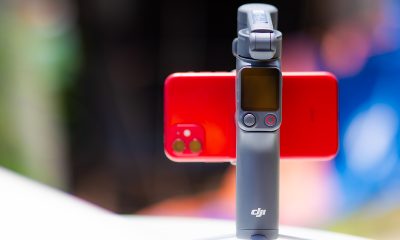
DJI Osmo Mobile 8P: From a videographer’s perspective