
Gaming
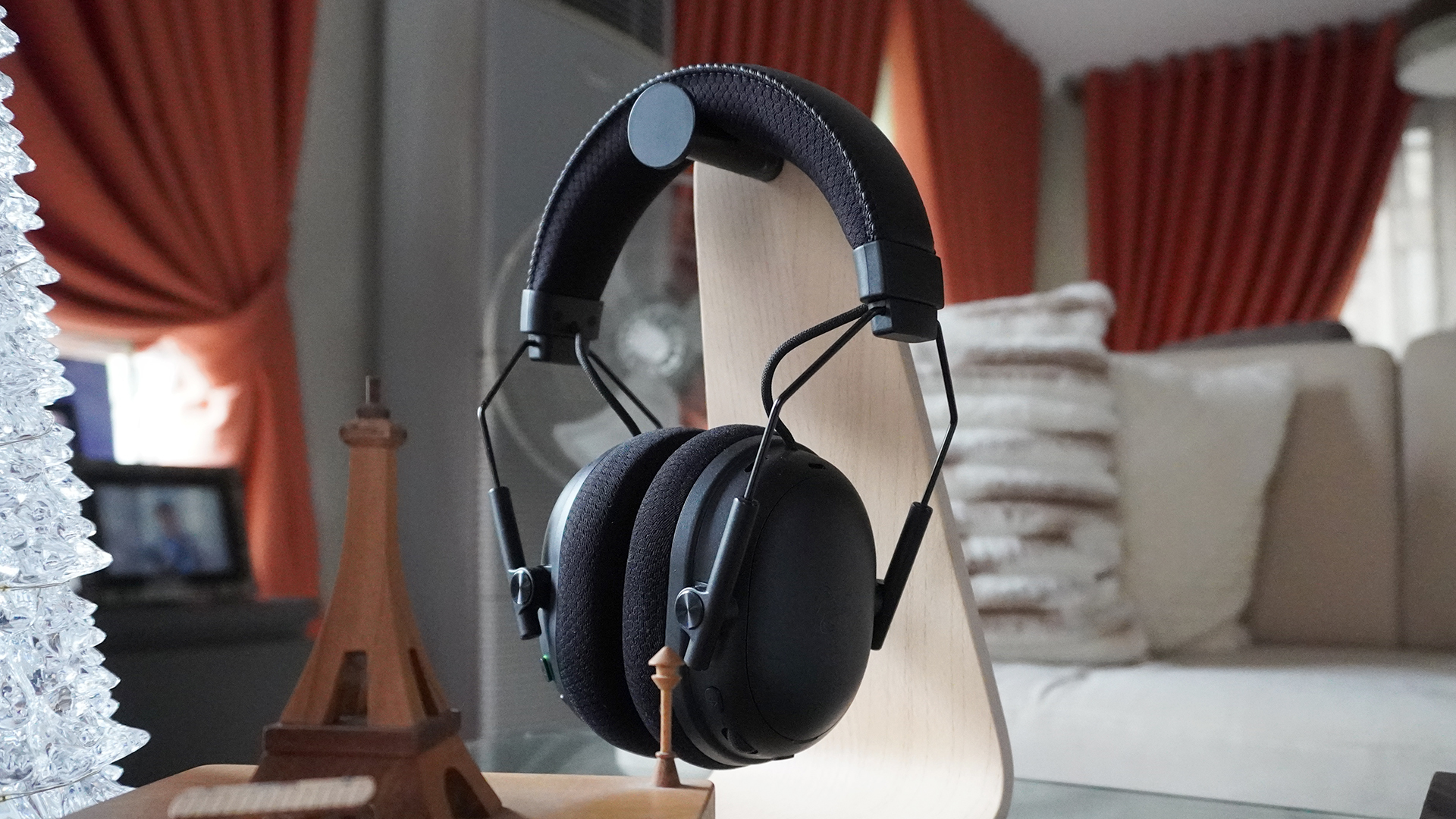
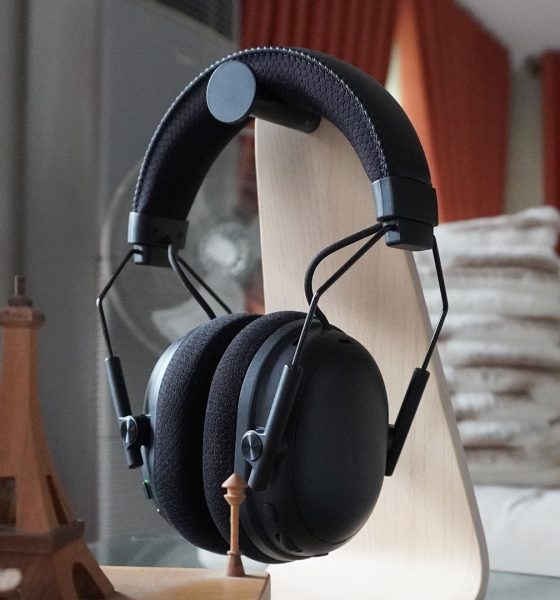
The Razer BlackShark V3 Pro might be the comfiest headphones I’ve tried
The memory foam cushioning is divine.

Despite being a self-professed audiophile, I have always had a problem with wearing headphones the whole day. Sooner or later, the weight just becomes too much. So, when I saw the Razer BlackShark V3 Pro with its thick cushioning, it was love at first sight.
But will that love last?
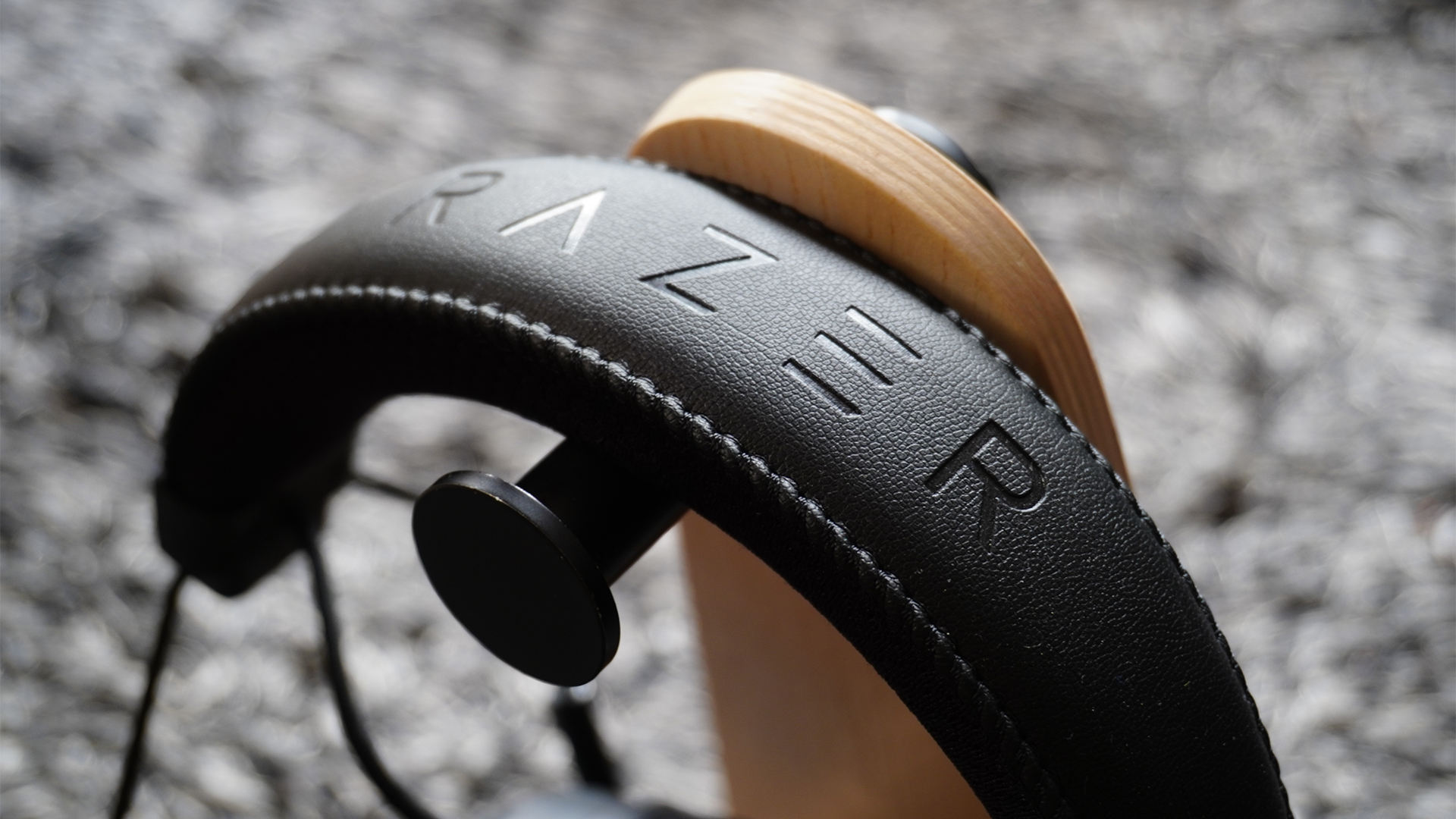
Lookin’ like a succulent pork belly
Obviously, I’m exaggerating, but the head strap really does look like a pork belly because of how thick it is. And that’s not a complaint, either.
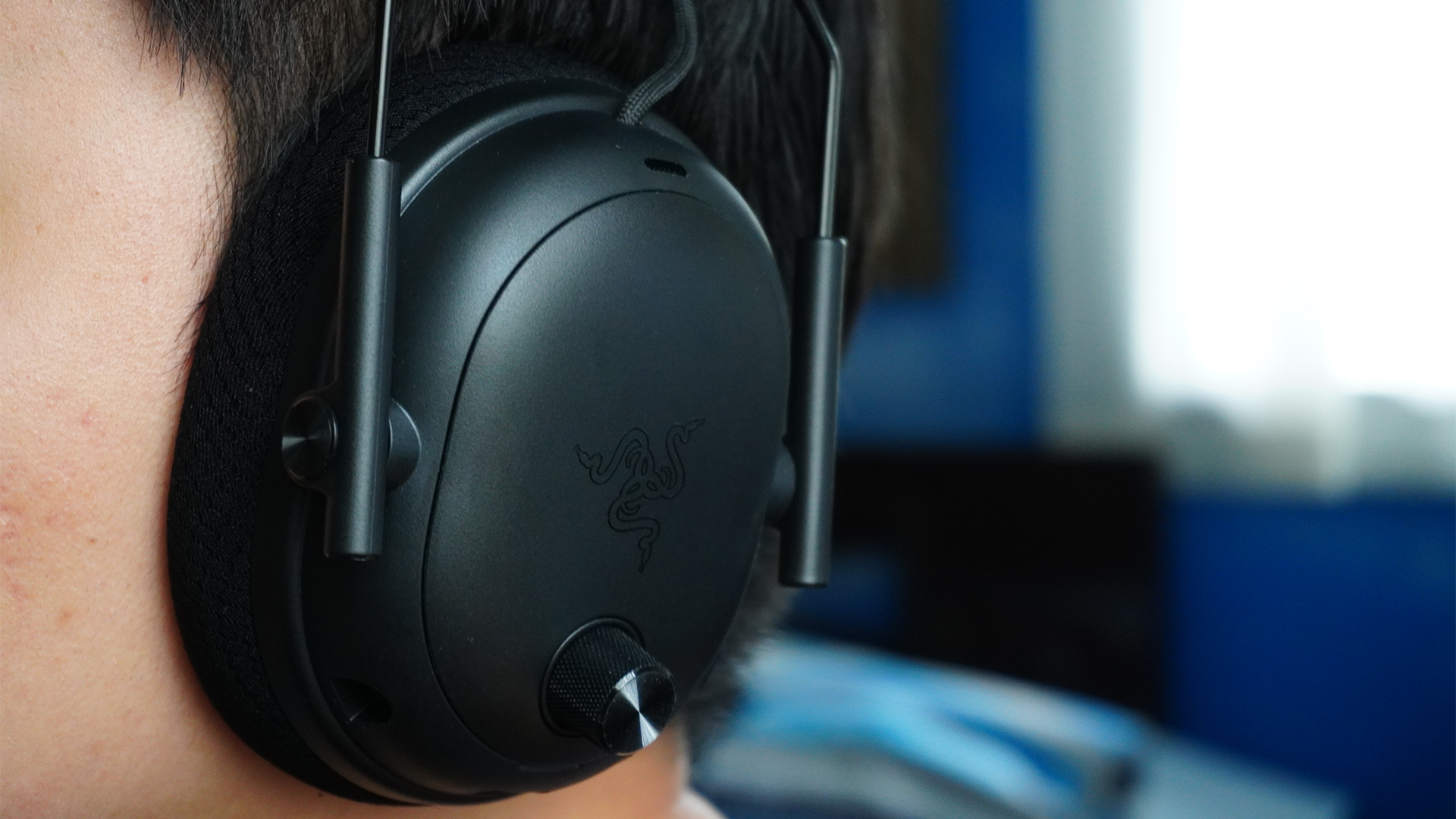
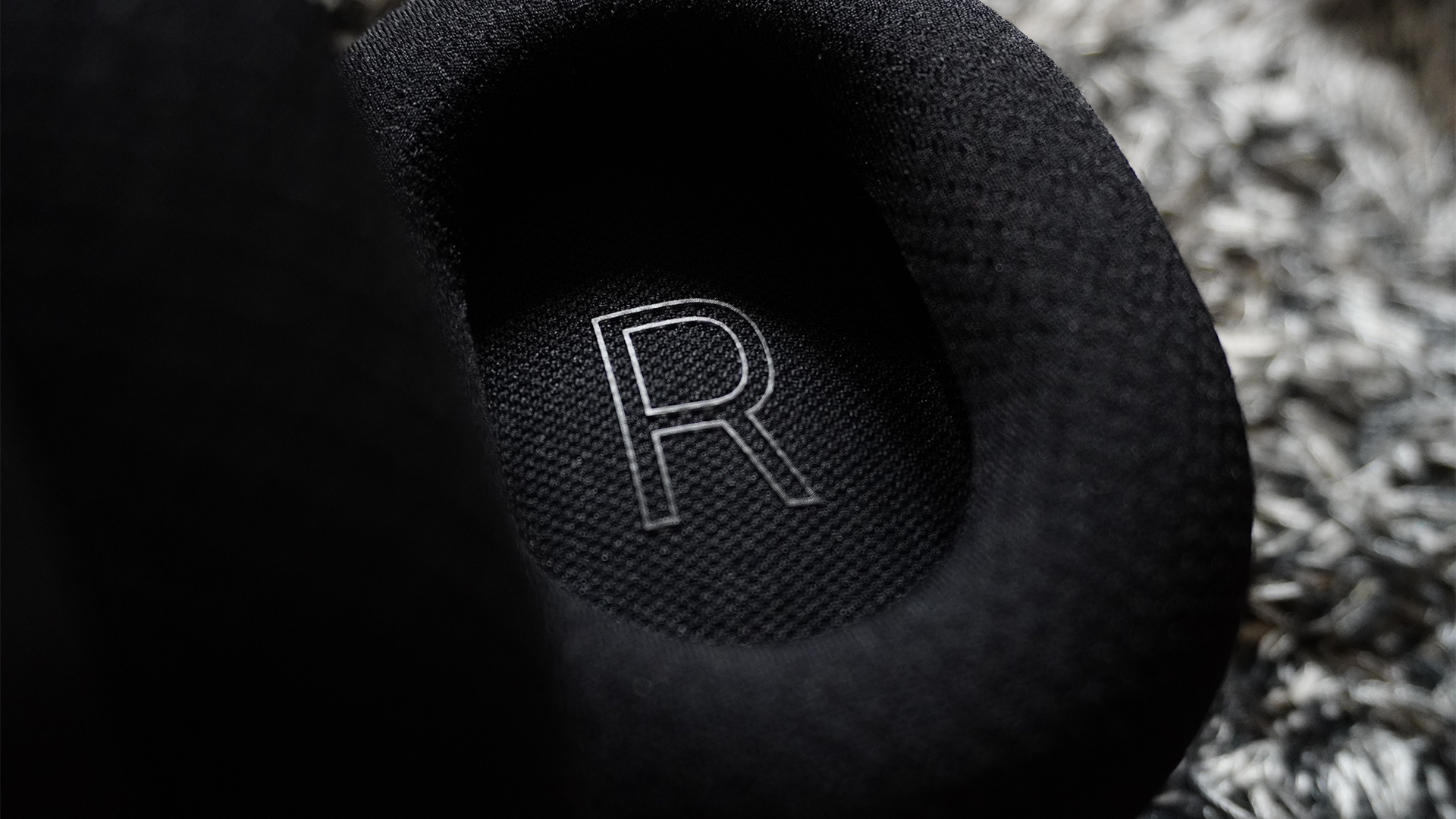
The BlackShark V3 Pro has one of the most comfortable cushioning I’ve ever experienced from a pair of headphones. Plus, both the head strap and the earcups use memory foam, so it feels like new every single time.
Over time, I can barely feel the headphones bearing down on the top of my head because of the thick cushioning. I lasted more than five hours before I felt anything. Even after taking it off for a spell, I was ready to get back into the game. For me, that’s an absurdly good record.
The earcups, on the other hand, fit perfectly. For reference, I have an average ear size. A lot of headphones I’ve tried often leave my ears in pain from all the flexing, but the BlackShark’s fit is just right.
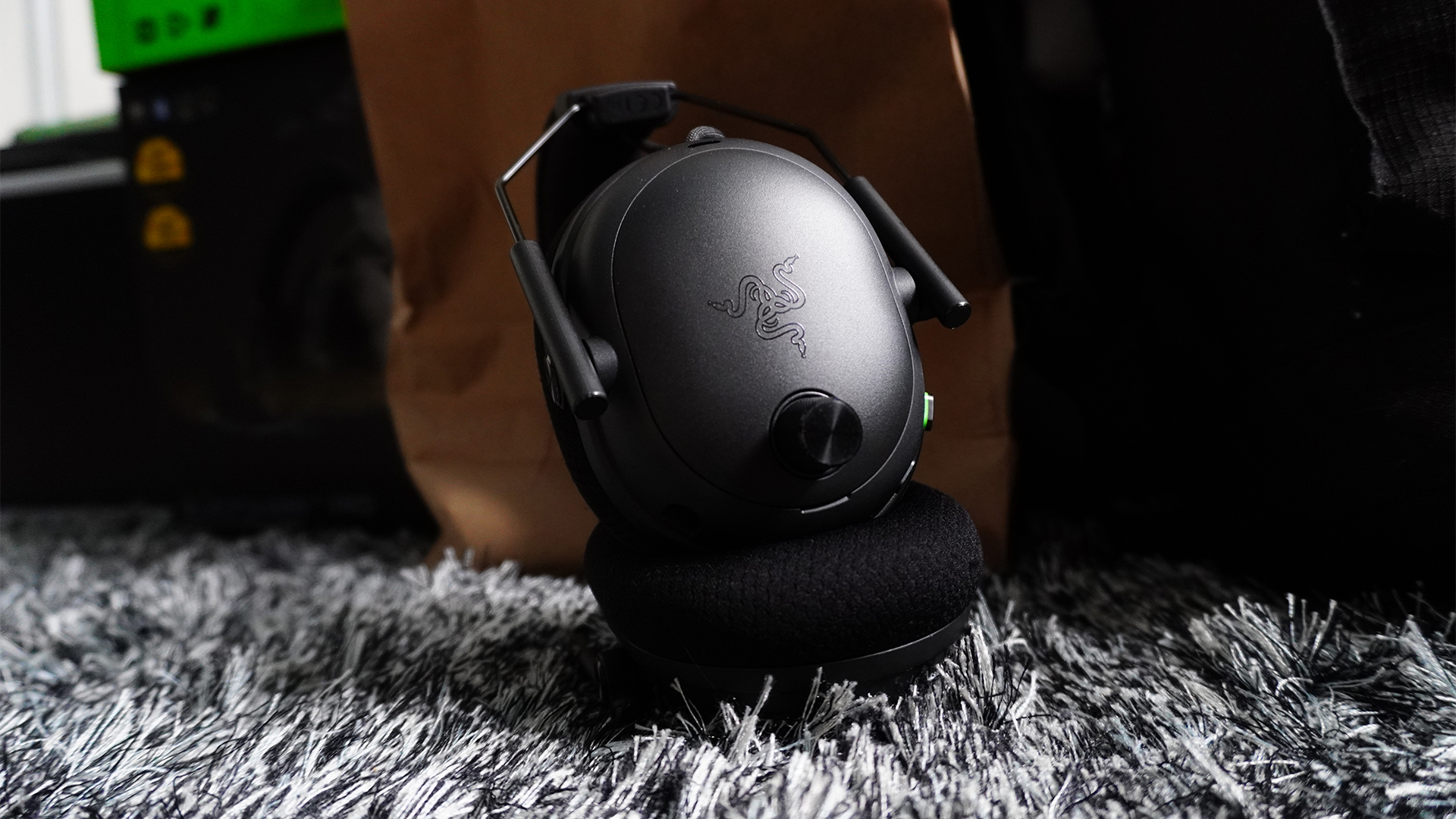
A minimalist but elegant design
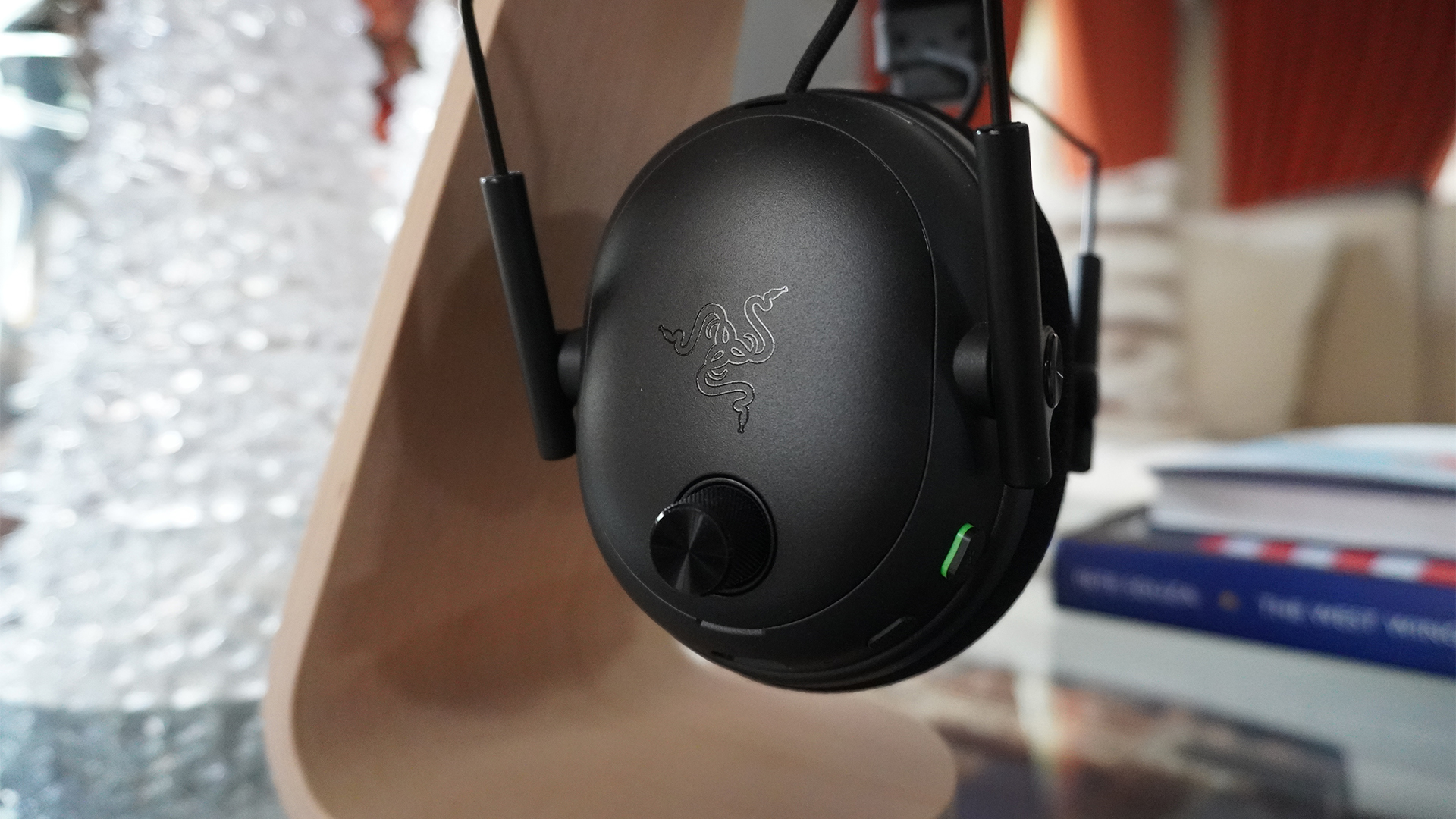
Besides the nice cushioning, the rest of the headphones exude that elegant look you might expect from more premium headphones. Except for incredibly subtle Razer branding and a thin ring of lime green around the mic button, there’s nothing to indicate that this is a pro gaming headset.
The earcups are connected to the strap via thin metal arms and a braided cable. The same arms offer 15-degree maneuverability to ensure the most comfortable fit.
Unfortunately, they don’t fold, so it’s harder to take these headphones outside. It’s a slight wrinkle in an otherwise stellar design.
Going back to analog
A lot of headphones today prefer using gesture controls over actual buttons and knobs. Getting rid of buttons does help make designs look sleeker. However, it comes with the added frustration of fiddling around with often-finicky gestures.
Thankfully, the BlackShark V3 Pro has a wealth of buttons and knobs for, in my opinion, easier control. This also lends to its credence as a gaming peripheral. When I’m in the zone, I don’t want to mess around with gestures that might not even work.
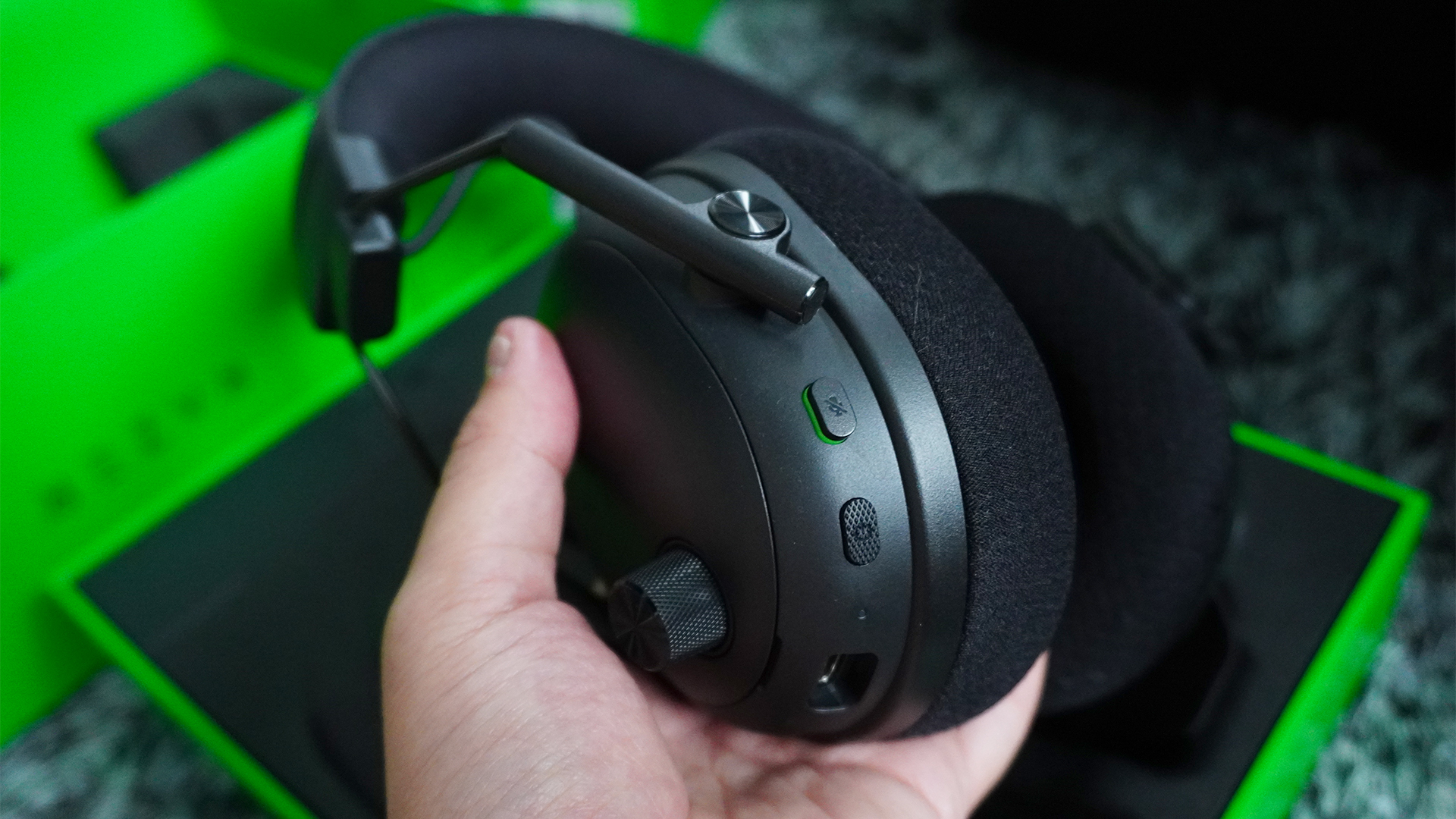
The left cup has a dedicated power button, a microphone button, a USB-C slot, and a 3.5mm port (for both input and output). It also has a nifty knob for volume control.
Meanwhile, the right cup has an equalizer button, a noise cancelling button, and a dial to adjust the ANC levels. There’s also audio feedback that lets you know exactly what you’ve pressed.
I love this layout. Though you can argue that all these buttons seem like overkill, there’s just something about manually pressing buttons and turning knobs, especially when you’re focused on gaming. It’s like a palpable feeling of turning it to 11 that you just don’t get with gesture controls.
Premium for gaming, a step less for everything else
The BlackShark V3 Pro is a bass-leaning headset. That’s pretty much what you’d expect from a gaming-focused device. A premium on bass helps you feel the immersive thump of gunshots, explosions, and even simple footsteps.
Personally, I don’t prefer bass-heavy devices. However, this pair refreshingly does not tear with high bass level. It offers a pretty rich output for the deeper end of the audio spectrum. An extensive listening session of metal created thrumming breakdowns and heavy drum solos.
However, there’s a clear step down when it comes to treble. It’s only one step down, though, because I can hear that these cans are capable of impressive treble. However, the focus on bass can drown out the other end. I’ve tried adjusting the equalizer, but it made too little difference to elevate the experience for audiophiles.
Additionally, the soundstage feels more centered than immersive. This pair isn’t what I’d pick for long listening sessions. Then again, this wasn’t made for that. This shines more brightly for gamers.
With THX Spatial Audio, these headphones feel more alive during FPS gaming sessions. Another audio enhancement can amplify footsteps, too. The audio adjustment feels weird at first, but it does give a competitive edge for shooters. It’s also compatible with a few other games, including Civilization VII, which gave a pleasant auditory experience.
A much better mic than I expected
The BlackShark V3 Pro comes with a detachable microphone you can snap on to the 3.55mm port. As a pro gaming peripheral, the attachment is expected but not even necessary for a headset of this caliber already.
It’s a fairly decent, well-thought-of accessory. The audio input was, according to people I played with, clear for in-game comms.
Even better, the Razer Synapse app comes with its own equalizer just for the mic. If you need more control over how you want your voice to be broadcast, these headphones give a surprising level of customization. Being easily accessible through the app is a huge plus, too.
In terms of quality, I might still default to a dedicated external mic. However, if you don’t have one, Razer’s premium pair is a great alternative.

Battery good enough for almost two weeks
Razer promises that the BlackShark V3 Pro can last around 70 hours on a single charge. This is a fairly accurate prediction which aligned with how I used the headphones.
As I mentioned, I can withstand around five hours straight of using the headphones. By the end of the first week, I still had a lot of juice. And if I didn’t push it to my absolute limit, I could make this last even longer than two weeks.
Ultimately, the battery’s life depends on how you use the headphones, which differ greatly from person to person. And, at the end of the day, I had no problems with keeping the headphones connected to the long and braided wire.
Is the Razer BlackShark V3 Pro your GadgetMatch?
The Razer BlackShark V3 Pro is one of the most comfortable pair of headphones I’ve ever tried. It’s also a premium gaming peripheral that reflects its price point well at US$ 249.99.
Sure, you won’t get a pair of headphones worthy for an audiophile, which makes this a Swipe Left if you are. But as a gamer, these are more than what you need, which makes it a hardy Swipe Right.
As someone who’s both, I’d still give this a Swipe Right. My audiophile side already has a more balanced alternatives, after all. But the BlackShark V3 Pro is excellent as a tough-as-nails daily driver.







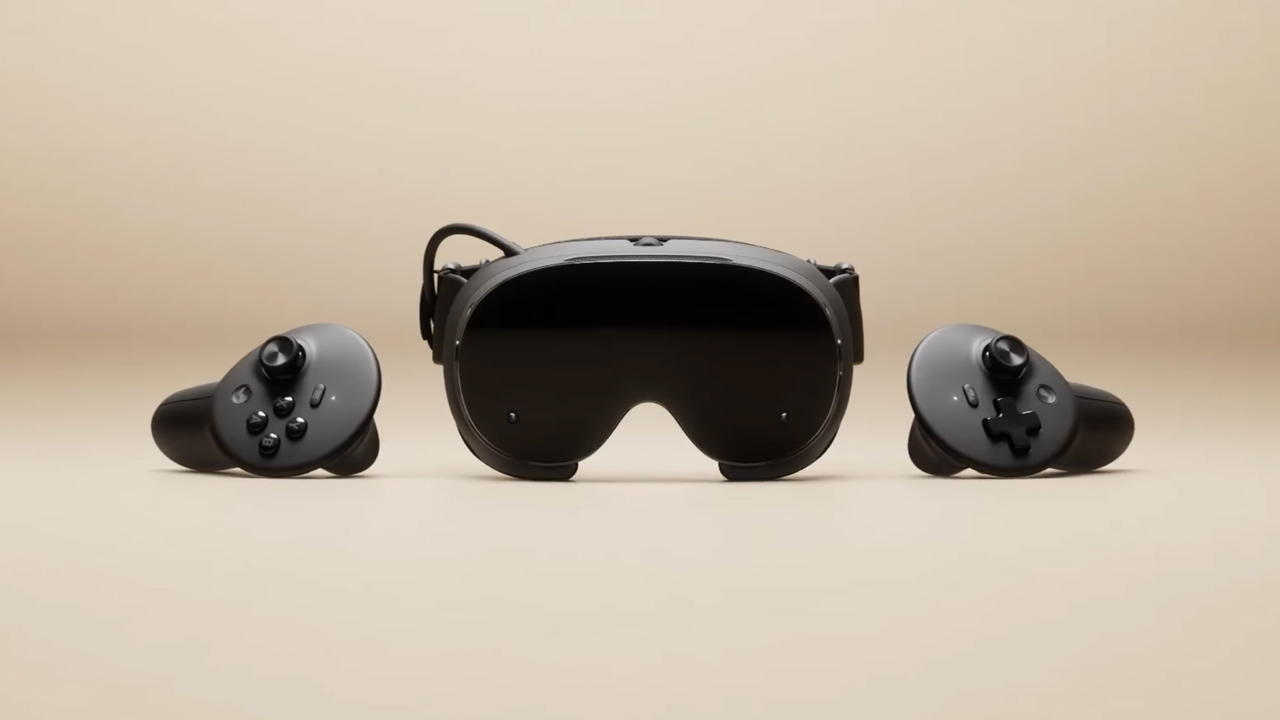
The trifecta is complete. Almost a year after announcing their new hardware, Valve has finally unveiled the price tag of the Steam Frame, complementing the Steam Machine and Steam Controller revealed a few months ago.
Whereas the Steam Machine is a console of its own, the Steam Frame is a traditional VR headset with a pair of controllers for both hands. Unfortunately, despite being in a different segment, the headset is not immune to the rising prices of technology. The Steam Frame will start at US$ 1,059 for a 256GB model and can go up to US$ 1,299 for the 1TB model. On the plus side, each box will come Half-Life: Alyx packaged along with the headset.
Here’s a more detailed rundown of what you’re getting. The Steam Frame will ship with the Snapdragon 8 Gen 3 chipset, paired with 16GB of RAM. Each eye comes with a 2160 x 2160 LCD screen, putting out images at up t0 a 144Hz experimental refresh rate. As mentioned above, the headset will start with 256GB of storage but can go up to 2TB. It will come packaged with SteamOS 3 and a rechargeable 21.6Wh battery.
This might be a hard buy for some. The industry currently has more affordable options, for one. Also, virtual reality isn’t the most thriving segment of gaming today.
If you’re still decided on buying one, however, Valve is using its lottery system. Interested customers can sign up from now until September 17. The company will then randomize the purchasing order. Those who draw the first ones in the lottery can get a purchase email as soon as September 18. Meanwhile, anyone who registers after September 17 will automatically be put at the back of the queue.
SEE ALSO: Valve announces its own console called the Steam Machine
Gaming
BlizzCon 2026 announces World of Warcraft: Forever and Diablo V
StarCraft, Overwatch, Hearthstone, and more also get news


Blizzard Entertainment kicked off BlizzCon 2026 with a packed Opening Ceremony featuring new games, major expansions, updates, and other announcements across its biggest franchises.
Blizzard Entertainment President Johanna Faries opened the event at the Anaheim Convention Center, celebrating the community behind the company’s games and the teams that bring its worlds to life.
World of Warcraft: Forever and Diablo V
The biggest announcement was World of Warcraft: Forever, a new World of Warcraft experience launching November 5 AEDT, with its beta beginning September 18 AEST. The new experience will feature three zones, more than 1,000 quests, nine dungeons, two raids, and a new Skyborne race.
Blizzard also officially announced Diablo V, marking the next era of the franchise. The game is set to launch in North America in Spring 2029, with Sanctuary having fallen and Diablo having won.
StarCraft is also returning with a new story-driven, open-world shooter. The game is currently planned for a Spring 2030 release in North America.
Beyond games, Blizzard revealed that an animated series set in the Diablo universe is in development with Netflix. The company says this is only the beginning of its plans to expand its universes beyond gaming.
For Warcraft III Reforged, the new Forsaken Kingdom campaign is available today. It marks the Warcraft RTS series’ first new storyline in more than 23 years and explores the fall of Lordaeron and the origins of the Undercity. The accompanying 3.0 update also brings graphical improvements and a revamped World Editor.
Heroes of the Storm is adding Xal’atath as its newest Hero. She arrives in the Nexus on September 29 AEST, with her PTR release scheduled for September 15 AEST.
Existing games updates
Meanwhile, Diablo IV is preparing for its next major content drop. Season of Hell’s Legacy begins September 16 AEST and celebrates the franchise’s 30-year history with the return of the Prime Evils and Deckard Cain, alongside themed rewards and gear.
The legendary Amazon class will also arrive in the first half of 2027 as part of Diablo IV’s first class pack. The Diablo IV: Age of Hatred Collection is additionally coming to Nintendo Switch 2 on September 16 AEST with cross-platform play and cross-progression.
For World of Warcraft, Blizzard teased the next major update for Midnight. Eclipse (12.2) will see Xal’atath move closer to her goal of claiming Azeroth’s Worldsoul. Blizzard also offered another look at The Last Titan, the next expansion in the Worldsoul Saga and a major culmination of more than two decades of Warcraft storytelling. More information is coming early next year.
Overwatch is getting a major update with Season 5. The season introduces new Support Hero Doctrine, reworks for Sombra and Roadhog, and the new Watchpoint: Grimsvötn map. It will also conclude The Reign of Talon, Overwatch’s first year-long narrative arc.
LE SSERAFIM & YOASABI
BlizzCon also featured performances from YOASOBI and LE SSERAFIM. YOASOBI will perform during the first-ever esports halftime show at BlizzCon, while LE SSERAFIM will return to the Main Stage to close the weekend. A new LE SSERAFIM in-game collaboration is available now, with another Overwatch Spotlight scheduled for February 2027.
Finally, Hearthstone is getting its first new class in more than six years. The Monk arrives in 2027, while the upcoming Reign of the Black Empire expansion takes players back to the earliest age of Azeroth. It introduces the Assemble keyword, which combines two cards into a new one. Battlegrounds is also adding Aberrations as a new minion type.
BlizzCon 2026 is now underway, with Blizzard promising more announcements and details throughout the weekend.
Gaming
Just Dance: Decades of Hits to launch on October 13
All-new Just Dance experience that brings every generation together

Just Dance: Decades of Hits will launch on modern consoles on October 13, Ubisoft has announced.
This will offer fans of the franchise a new experience across eras of music. The game will be available on PlayStation5 , Xbox Series X|S, and Nintendo Switch on the launch date.
Nintendo Switch 2 users, meanwhile, will be able to enjoy the title by November 10, 2026.
Just Dance: Decades of Hits brings together every generation to one dance floor with 25 iconic songs across six different decades:
- Mamma Mia by ABBA
- Uptown Girl by Billy Joel
- It’s Tricky by Run-DMC
- No Scrubs by TLC
- Wannabe by Spice Girls
- Bye Bye Bye by *NSYNC
- Feel Good Inc. by Gorillaz
- Turn Down for What by DJ Snake and Lil Jon
- Danza Kuduro by Don Omar feat. Lucenzo
- Manchild by Sabrina Carpenter
- NUEVAYoL by Bad Bunny
- And more!

Bringing every generation together
Songs, visuals, and an all-new Adventure Mode are all designed to immerse players in the spirit that made each decade unforgettable.
From the funky ’70s disco floors and the electrifying ’80s rock scene to the glossy 2000s pop and beyond, travel through time and share the joy of rediscovering iconic moments with friends and family.
In Adventure Mode, follow Lyra, Dr. Gigavolt’s daughter, in a playful journey through time to rescue her father.
Explore the decades through six themed worlds, enjoy fun mini activities, and unlock exclusive rewards.

For unpredictable, chaotic fun where the rules change every round, players can jump into Party Mode. Or they can get moving with the Workout Mode, which tracks calories burned with each dance.
Up to six players can dance locally in the game, with no extra accessories needed.
In addition those who own Just Dance: Decades of Hits as well as Just Dance 2023-2026 editions will be able access all their songs in one place on the same console without having to switch games or separate menus.
This also includes songs from purchased Music Packs and songs available through an active Just Dance+ subscription.


DJI Lito X1 review: Is this the best lightweight drone for creators?
Making a strong case as a travel companion and a capable B-cam!


REDMI Note 17 Pro Max review: A new breed born from AI greed
Welcome to the new normal


Marvel’s Wolverine review: When the claws come out
A brutal, cinematic superhero adventure

Epson Lifestudio Grand Plus EH-LS970B with 4K projection, more launches

Jackery Explorer 300D: Power and portability in one

Nike’s Alphafly 4 is built for the part of the marathon ~that actually hurts~

SEGA, Netflix announce Crazy Taxi film adaptation

Smart launches LiveSmart App for exclusive deals

TECNO MEGAPAD 2 review: Eyes on the size

realme 16T 5G with 8000mAh battery, IP69 Pro rating launches in PH

HUAWEI Pura X View is 2026’s first WIDE slab-type smartphone

REDMI reveals the refreshed Note 17 and Note 17 Pro series

REDMI Note 17 Series: Price, availability in Singapore


-
 News2 weeks ago
HUAWEI Pura X View is 2026’s first WIDE slab-type smartphone
-

 News2 weeks ago
The CAMON Slim 5G is TECNO’s latest ultra-slim smartphone
-
 News2 weeks ago
iPhone 18 Pro series: Price, availability in the Philippines
-
 Singapore2 weeks ago
iPhone 18 Pro series: Price, availability in Singapore
-

 News2 weeks ago
iPhone Duo: Price, availability in the Philippines
-
 News2 weeks ago
HUAWEI Mate XT 2 tri-fold launches with Kirin 9050 Pro
-

 News2 weeks ago
vivo introduces refurbished versions of X300 FE, X300 Ultra for less
-

 News2 weeks ago
iPhone Duo: Price, availability in Singapore