
News
The most popular emoji is also the happiest


Emoji changed how we communicate. It’s fun to use and expressive at the same time. With all the available emoji on our phones, have you ever wondered which one’s the most popular?
Surprisingly, no matter how often we see people send the poop emoji for fun (or even turn into one), it’s not the most popular — at least with Apple in the United States. Among English-speaking users of iOS and Mac in the US, the most popular is the “face with tears of joy” emoji.

I gotta admit, I also use this emoji a lot, especially when sending funny posts and what not. Who doesn’t?
The second most popular emoji is the heart, and not far behind in the third spot is the “loudly crying face.” Based on Apple’s simple bar graph, the most popular emoji is way ahead of its siblings. Looks like Americans love to reply with such enthusiasm.
Apple was able to come up with the most famous emoji thanks to its anonymous data and user analytics, which is all disclosed in their differential privacy overview booklet.
SEE ALSO: Animoji karaoke is a thing and it’s all sorts of awesome
[irp posts=”23542″ name=”Animoji karaoke is a thing and it’s all sorts of awesome”]





News
HUAWEI Pura X View is 2026’s first WIDE slab-type smartphone
2026’s first non-foldable WIDE smartphone makes its surprising debut

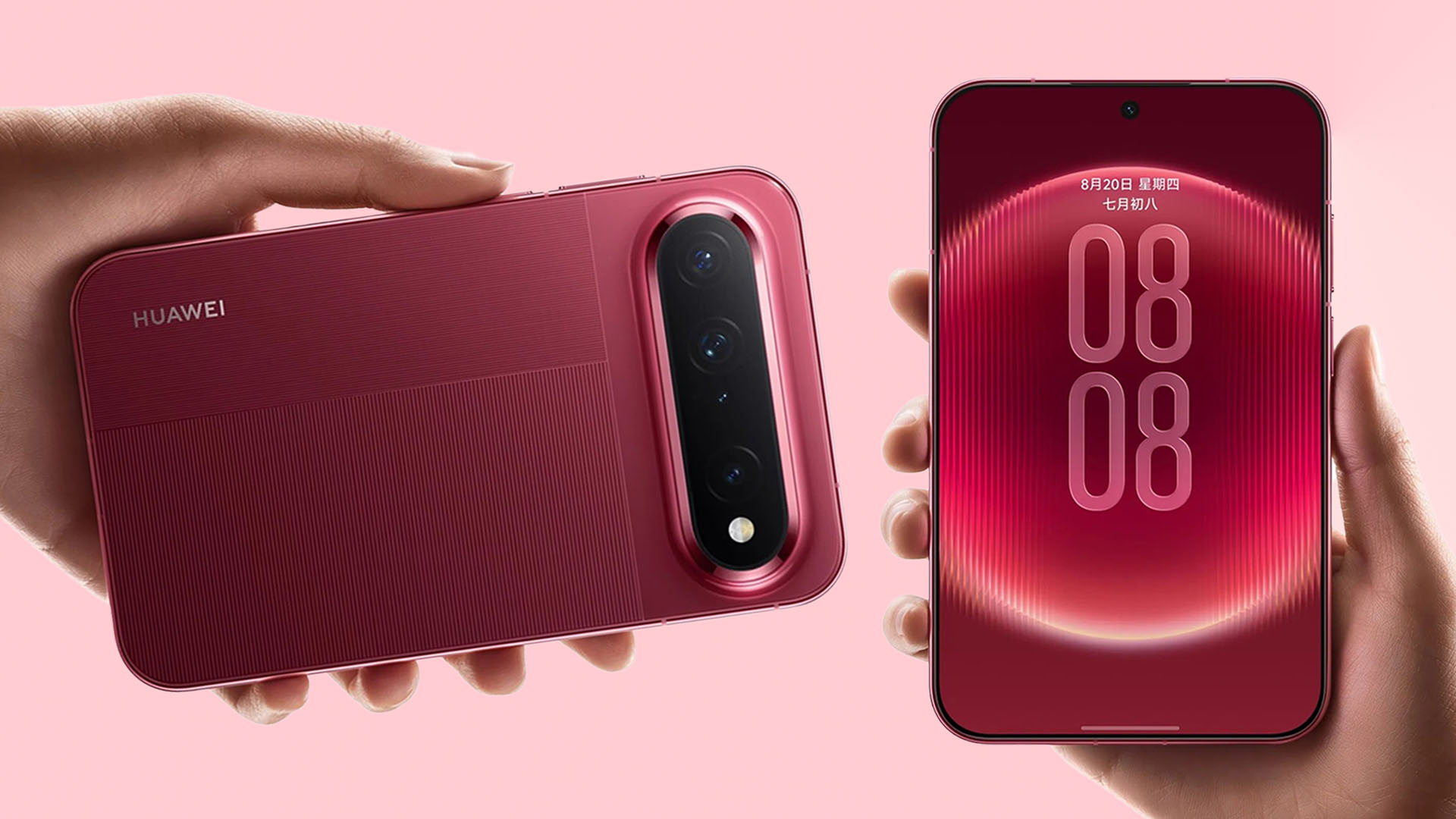
It seems like the WIDE smartphone craze is getting out of hand.
Surprise, surprise! Out of nowhere, HUAWEI reveals the Pura X View — 2026’s first WIDE smartphone that does not fold at all.
Tied to WIDE
With the massive success of HUAWEI’s Pura X Max as well as the newly-released Samsung Galaxy Z Fold8, it’s hard to ignore the sudden trend behind WIDE smartphones. Let alone, Apple’s much-awaited iPhone foldable (dubbed the “iPhone Ultra”) will be announced in less than a month.
Graphics by Vincenz Lee | GadgetMatch
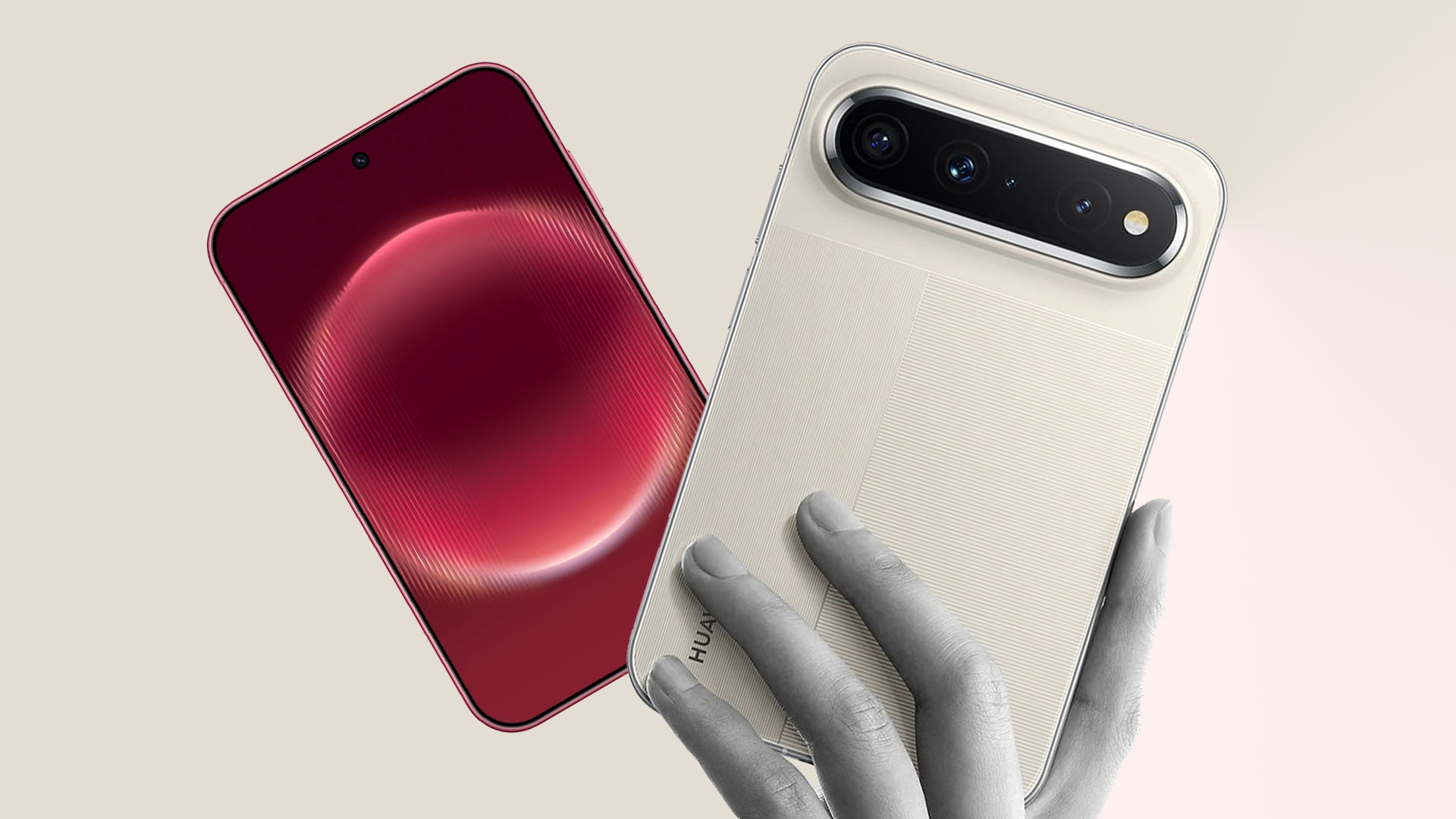
Opposed to the usual tall and narrow form factor, the Pura X View comes in a wider body with a 16:9.5 aspect ratio. Display bezels are extremely narrow too at just 1.09mm and StB (Screen-to-Body) ratio reaches a whopping 96.1%.
This wider than usual body means better ergonomics with better content consumption — from images, books, documents, all the way to movies and shows, as well as games.
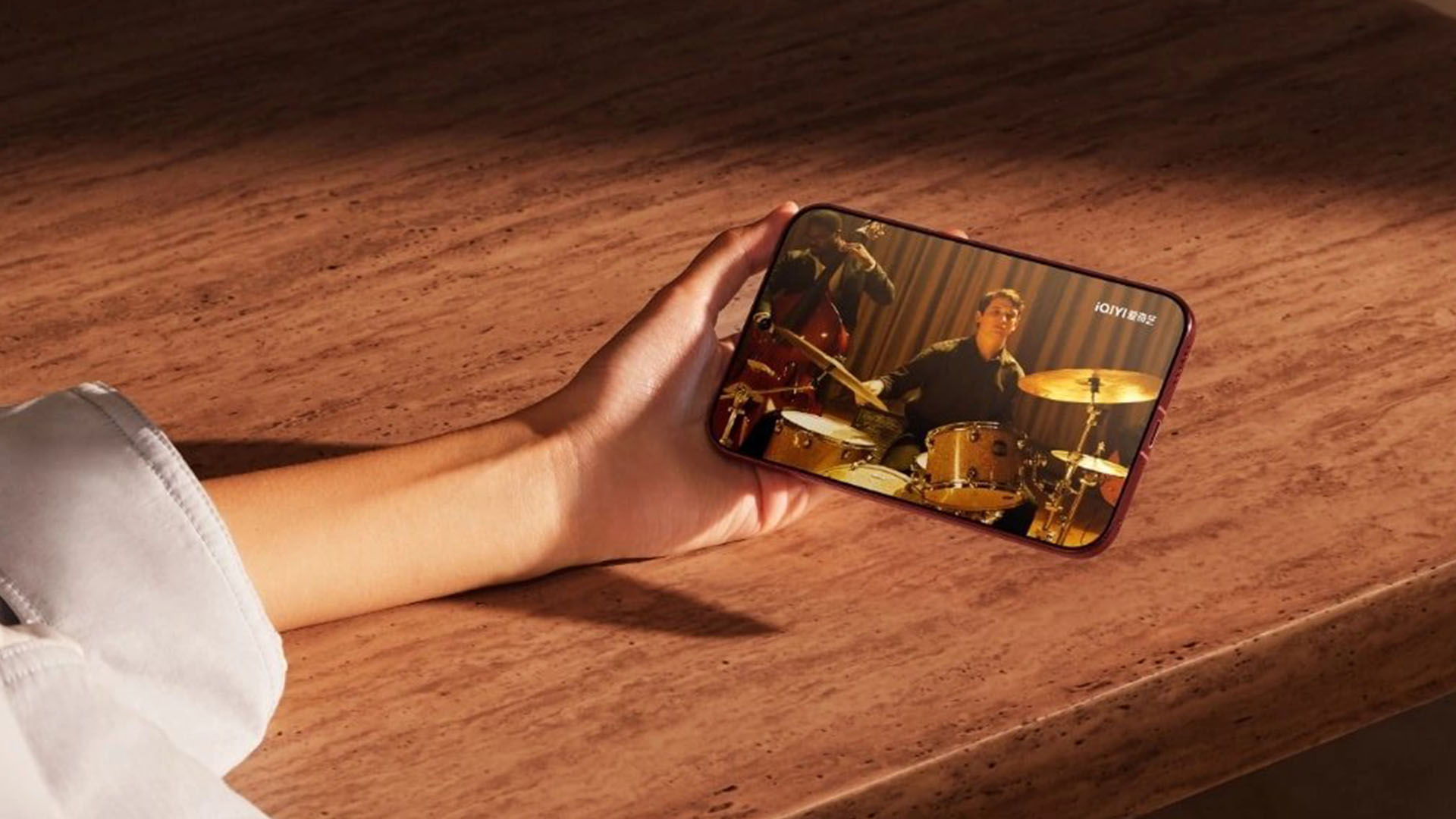
While it has a smaller 6.39-inch display, the Chinese electronics giant says it has greater content area compared to 6.9-inch flagship smartphones.
Other display feats include a 2160Hz PWM Dimming, resolution of 2232 × 1320, and max brightness of up to 6500 nits.
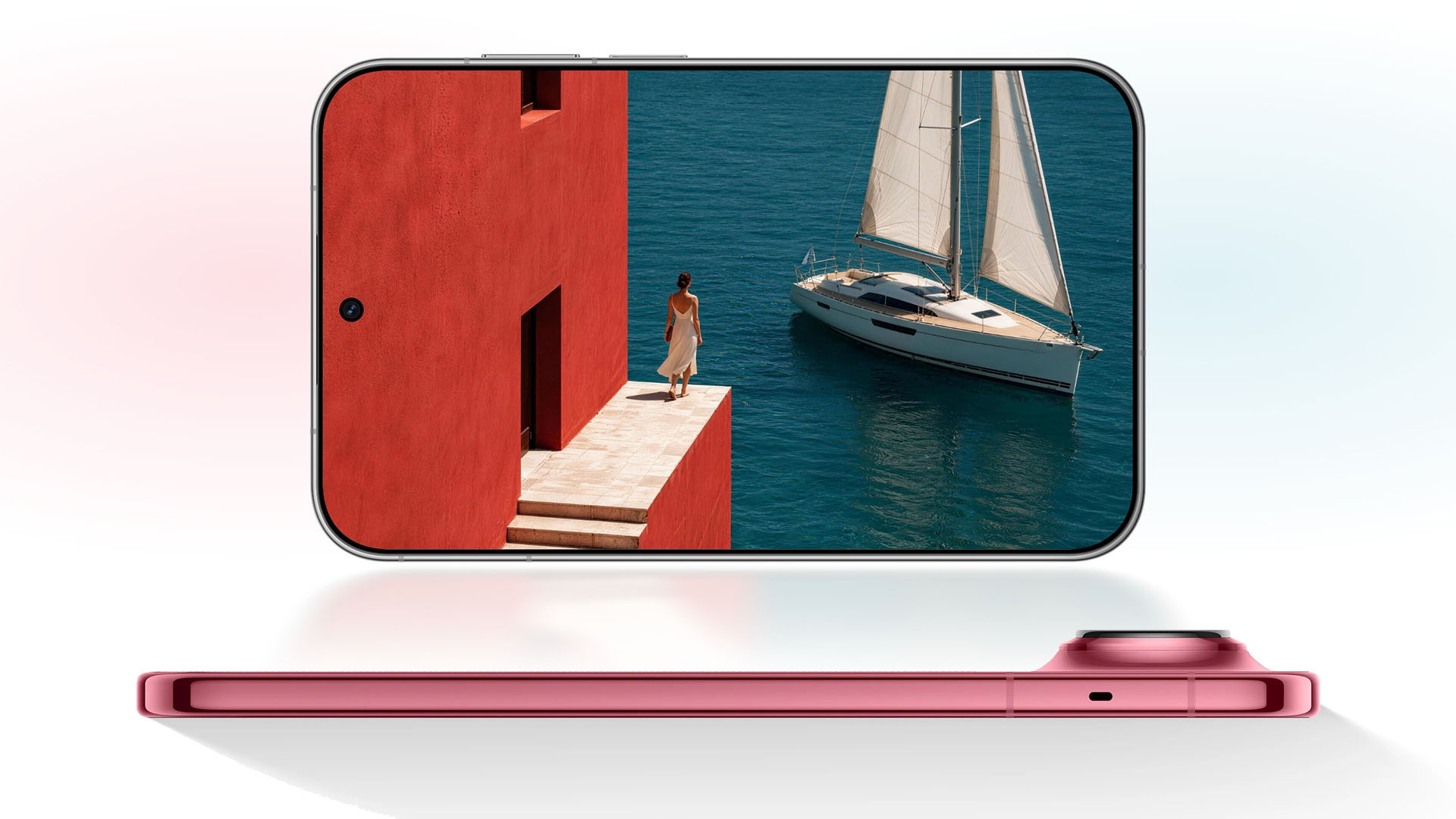
Graphics by Vincenz Lee | GadgetMatch
Despite all these, HUAWEI still managed to put a monstrous 7000mAh battery capacity inside its super slender 6.68mm chassis — which also happens to be lightweight at only 201 grams.
Unfortunately, at the time of this writing, HUAWEI did not reveal every bit of spec on their website.
Pricing and Availability
The HUAWEI Pura X View comes in four colorways: Illusion Dark Night, Zero-degree White, Leap Shadow Red, and Linen Ash.
It’s currently open for pre-orders in China alongside three configurations:
- 12+256GB
- 12+512GB
- 12+1TB
Just like its unrevealed specifications, HUAWEI did not reveal the exact pricing of the Pura X View.
Make GadgetMatch.com your daily habit so you don’t miss out on these updates!
News
Samsung might launch the Galaxy S26 FE next week
A new event is hinting at the smartphone’s debut.

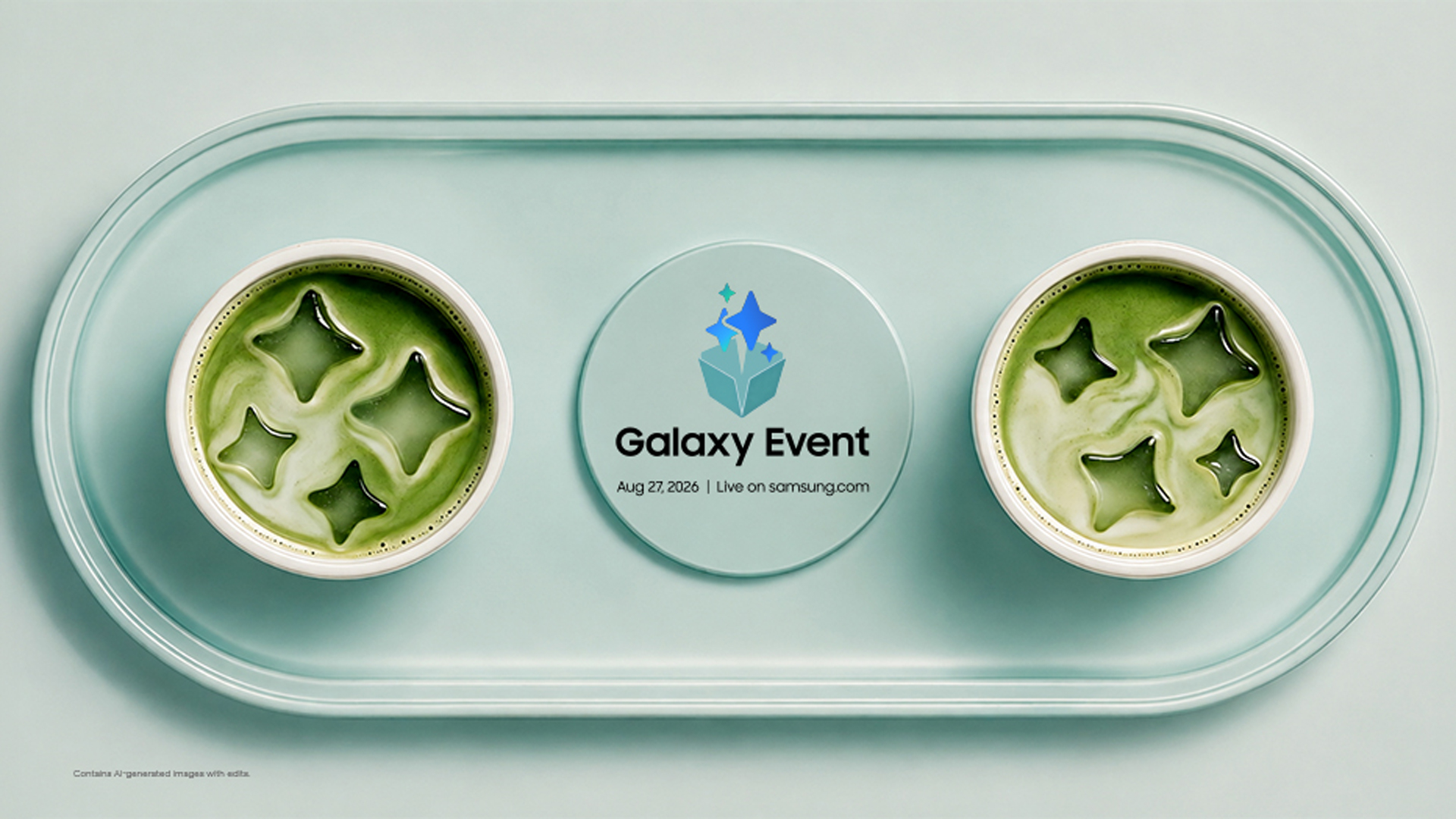
It wasn’t too long ago when Samsung launched the new Galaxy Fold and Flip series. Historically, the brand is done for the year after two major Galaxy Unpacked events. However, if you’re still hankering for a few more morsels of Galaxy devices, Samsung is hosting another event next week, which might mean the debut of the Galaxy S26 FE.
This week, Samsung has just released an official invite for a Galaxy Event on August 27. The invite itself looks like a tray with two glasses of matcha and a coaster in between them. It’s visually similar to a modest camera setup, hinting at a new smartphone coming during the event.
Because Samsung has already filled its usual quota of flagships and foldables, it’s highly likely that the event is meant for the Galaxy S26 FE. The Galaxy FE series is Samsung’s way of extending the life cycle of the current generation of Galaxy phones, while also catering to another segment of the market.
As for what the Galaxy S26 FE might hold, it looks like AI might be a prime focus. Samsung confirms that the invite graphic has AI-generated images. The text accompanying the graphic also indicates that AI will be a part of the event.
It’s only a week left before the August 27 event, so we’ll get to know more about everything soon.
SEE ALSO: Samsung Galaxy Z Fold8 Review
Gaming
Leaked Grand Theft Auto VI footage surfaces online
The leakers says they are protesting the game’s lack of a physical release.

We’re nearing the dreaded date that all game publishers are rightfully fearing: the launch of Grand Theft Auto VI. Since we’re so near, it’s only right that Rockstar Games starts teasing their upcoming game, which is officially happening later this month via a special presentation on Netflix. However, ahead of that highly anticipated date, a leaker has apparently leaked the footage in protest of the game’s lack of a physical release.
Let’s parse that out piecemeal. First up, Rockstar Games is scheduled to release an extended first look at Grand Theft Auto VI through Netflix on August 27. If you don’t have the platform, the publisher will release the same footage on more public outlets six hours later. The footage will represent our biggest peek at the game after months of relative silence.
Secondly, a leaker has released the said footage ahead of time. Now, this isn’t the first time that a major leak spoiled details about the game. Previously, a leak was the first to reveal that the sixth entry in the series is getting two playable protagonists.
Third, the why: The leaker says that they will continue to reveal more information about the game to protest the game’s lack of a physical release. Like new PlayStation games next year, Rockstar Games does not plan to release a disc version of the game.
The footage itself
And, finally, the leak itself. Rockstar Games is currently issuing DMCA notices against anyone posting the leaked footage. It lends credence to the authenticity of the footage but also ensures that we can’t post the leaks themselves.
If anything, there are two reportedly legitimate clips, while others were seemingly generated with AI. The first clip has Jason, one of the two protagonists, playing basketball in his hideout, which gives him a stat boost. The clip confirms the return of minigames you can play in between missions.
The second clip sees Jason fight with a truck driver after a traffic incident. He kills the driver with a wrench, which earns him a two-star wanted level and summons a police chase as the series often does.
There’s not much to glean from these two short clips. In fact, it’s hard to say whether this footage represents the final release or something left over from previous leaks. Thankfully, Rockstar Games is releasing the official extended look soon on August 27.
After that, Grand Theft Auto VI launches on PlayStation 5 and Xbox Series X|S on November 19.


MARVEL Tōkon: Fighting Souls review: Easy to pick up, hard to put down
Welcomes casual and experienced fighting game players


Now Playing: Assassin’s Creed Black Flag Resynced
Nostalgia does a lot of heavy lifting.

Samsung Galaxy Z Fold8 Review
8 Galaxy Folds later, Samsung finally nailed It!

UNDERTALE: The Determination Symphony gets two more shows

HUAWEI Pura X View is 2026’s first WIDE slab-type smartphone

These Polaroid x Pokémon cameras are just the cutest things
MARVEL Tōkon: Fighting Souls review: Easy to pick up, hard to put down

Samsung might launch the Galaxy S26 FE next week

Hands-on: Samsung Galaxy Z Fold8, Flip8, Ultra

VinFast debuts two-wheeler models, opens 21 e-motorcycle showrooms

Sony announces new FX5 full-frame camera

NBA 2K27 cover athletes unveiled: Wemby, Clark, DRose

CASETiFY revives Spider-Man collection for Brand New Day


-
 Laptops2 weeks ago
ROG STRIX G16 Review: Building for the moment
-

 Singapore4 days ago
REDMI Note 17 Series focuses on long-term reliability
-

 Laptops2 weeks ago
30 days later with the ASUS ExpertBook Ultra: Like seeing an ex
-

 News4 days ago
realme 16T to come with 8,000mAh battery, 7-year battery health guarantee
-

 News2 weeks ago
TCL expands mobile lineup with latest NXTPAPER series
-

 Philippines2 weeks ago
Smart opens HUAWEI Pura 90s Series pre-orders with exclusive freebies
-
 Gaming1 week ago
Marvel Wolverine Limited Edition PS5 bundle SEA pricing
-
 Deals2 weeks ago
Apple Watch, AirPods get exclusive offers via Beyond the Box