
News
Honor 20 Pro goes official with four rear cameras and 30x digital zoom
Taking some cues from Huawei’s P30 Pro


Honor has just announced its new flagship phone: the Honor 20 Pro. Like with its predecessor, Honor brings all the latest features into a more affordable package. The Honor 20 Pro is part of the company’s new Honor 20 series and since it has the “Pro” name, this is certainly their best offering yet.
For starters, the Honor 20 Pro sports a 6.26-inch All-View display with a Full HD+ resolution. Unlike other manufacturers, Honor favors the hole-punch over a notch. This makes the Honor 20 Pro’s display similar to the Honor View 20 from a few months ago.
While the Honor 20 Pro’s screen is virtually borderless, it’s still an LCD panel and not OLED. This means an in-display sensor is not possible, so Honor placed a capacitive fingerprint scanner on the side similar to the Galaxy S10e and older Xperia models.

Inside the phone is a Kirin 980 chipset, the same one that powers Huawei’s latest P30 series. Moreover, it has 8GB of memory and 256GB of internal storage, which makes it a true flagship-specced phone. It also has Graphene Cooling Sheet technology to keep the phone’s temperature in check.
What makes the Honor 20 Pro shine above other premium phones in the market today is its new quad camera setup on the back. It has a main 48-megapixel sensor with an f/1.4 lens aperture (the biggest opening we know on mobile phones), optical image stabilization, PDAF, and laser autofocus. It also has AI tricks like Ultra Clarity and Super Night modes.

The phone’s main camera is accompanied by a 16-megapixel ultra wide-angle shooter and an 8-megapixel telephoto camera with OIS. The zoom lens can do 3x lossless optical zoom, 5x hybrid zoom, and up to 30x digital zoom. Lastly, there’s a special 2-megapixel sensor for macro photography. It can sharply focus on things as close as 4cm.
For selfies, it’s got a 32-megapixel front-facing camera in the hole of the display. The front shooter supports AI beauty modes and 3D Portrait Lighting.

Aside from powerful specs, Honor also made sure their new high-end phone looks beautiful. The Honor 20 Pro has what the company calls Dynamic Holographic Design: a two-stage process using Honor’s Triple 3D Mesh technology. Aside from the gradient color effect, the miniature prisms show depth-inducing optical effect.
A 4000mAh battery will be able to keep the lights on for a whole day, while the 22.5W SuperCharge fast charger (included the phone’s retail box) could quickly recharge the battery from zero to 50 percent in just 30 minutes.
The phone runs Magic UI 2.1 which is based on Android 9 Pie. It’s very similar to Huawei’s EMUI and has GPU Turbo 3.0 out of the box for improved gaming performance on select titles like Fortnite, PUBG Mobile, Vainglory, Arena of Valor, and NBA 2K18.
If there’s a Pro model, there’s got to be a normal one. The regular Honor 20 is practically identical to the Honor 20 Pro with the same display, processor, fingerprint reader, and software. Of course, it has a few downgrades like the lesser memory and storage option at 6GB+128GB and smaller battery at 3750mAh.
Camera difference between the Honor 20 and Honor 20 Pro, the pro model has 4 cameras, standard, ultra wide, 3X zoom and macro. #Honor20Series pic.twitter.com/s9iF84BErD
— Michael Josh (@michaeljosh) May 21, 2019
However, the big difference between the Pro and non-Pro is found in the camera department. The main 48-megapixel camera remains, but it now only has an f/1.8 aperture. The 16-megapixel ultra wide-angle shooter and 2-megapixel macro camera are untouched, but the telephoto lens is swapped for a depth sensor.
The Honor 20 Pro will be initially available in the UK for GBP 550 or EUR 599 (~US$ 670) in other European countries and it’ll come in Phantom Blue and Phantom Black colors.
The regular Honor 20, on the other hand, is cheaper at EUR 499 or roughly US$ 555 when converted. It has three color options: Sapphire Blue, Midnight Black, and Icelandic White.



Gaming
AMD FSR Upscaling 4.1 now available for Radeon RX 7000 Series
Update drops earlier than expected, powering more than 300 supported games


PC and handheld gamers can officially skip the wait, as AMD has launched its FSR 4.1 upscaling technology for Radeon RX 7000 series (RDNA 3) GPUs.
Computing and Graphics Group Senior Vice President and GM Jack Huynh made the announcement on X (formerly Twitter). This development brings machine learning powered gaming to millions of players across more than 300 games.
By downloading the latest AMD Software: Adrenalin Edition 26.6.2 driver, users can unlock the new AI upscaling suite on existing RX 7000 series desktop graphics cards.
(The driver can be downloaded here.)
The update drastically sharpens image reconstruction, delivers far superior temporal stability, and keeps motion ghosting to an absolute minimum. That’s across a massive library of supported titles.
Beyond optimized frame rates out of the gate for those two blockbusters, the release packs vital architecture stability improvements and bug fixes for the broader Radeon ecosystem.
Huynh added that AMD is actively engineering lightweight machine learning models to expand FSR 4.1 optimizations to a wider base of gamers. More details are to come.
Moreover, the driver for the FSR 4.1 upscaling technology will deliver day-one support for two highly anticipated releases: Assassin’s Creed Black Flag Resynced and DOOM: The Dark Ages | Revelations.
if you are wielding an RDNA 3 desktop rig or an RDNA 3-powered handheld, like the ROG Ally X or Lenovo Legion GO, simply open up the AMD Software suite, get the update, and test the new AI tech.


TECNO is giving its experimental AI assistant, EllaClaw, a major upgrade.
Still in its Beta stage, EllaClaw is evolving from a simple AI chatbot into a more proactive Agentic AI (not to confuse with AI Agent) that can manage your phone, learn your habits, and even interact with third-party apps on your behalf.
From chatbot to personal phone caretaker
TECNO says EllaClaw now goes beyond answering questions and can actively help optimize your smartphone.
Graphics by Vincenz Lee | GadgetMatch
Powered by over 40 Smart Skills, the AI agent can perform tasks such as:
- Cleaning up RAM and CPU resources to reduce lag
- Identifying apps that consume excessive battery power
- Optimizing background activity to cool down the device during heavy use
- Monitoring mobile data consumption based on your usage habits
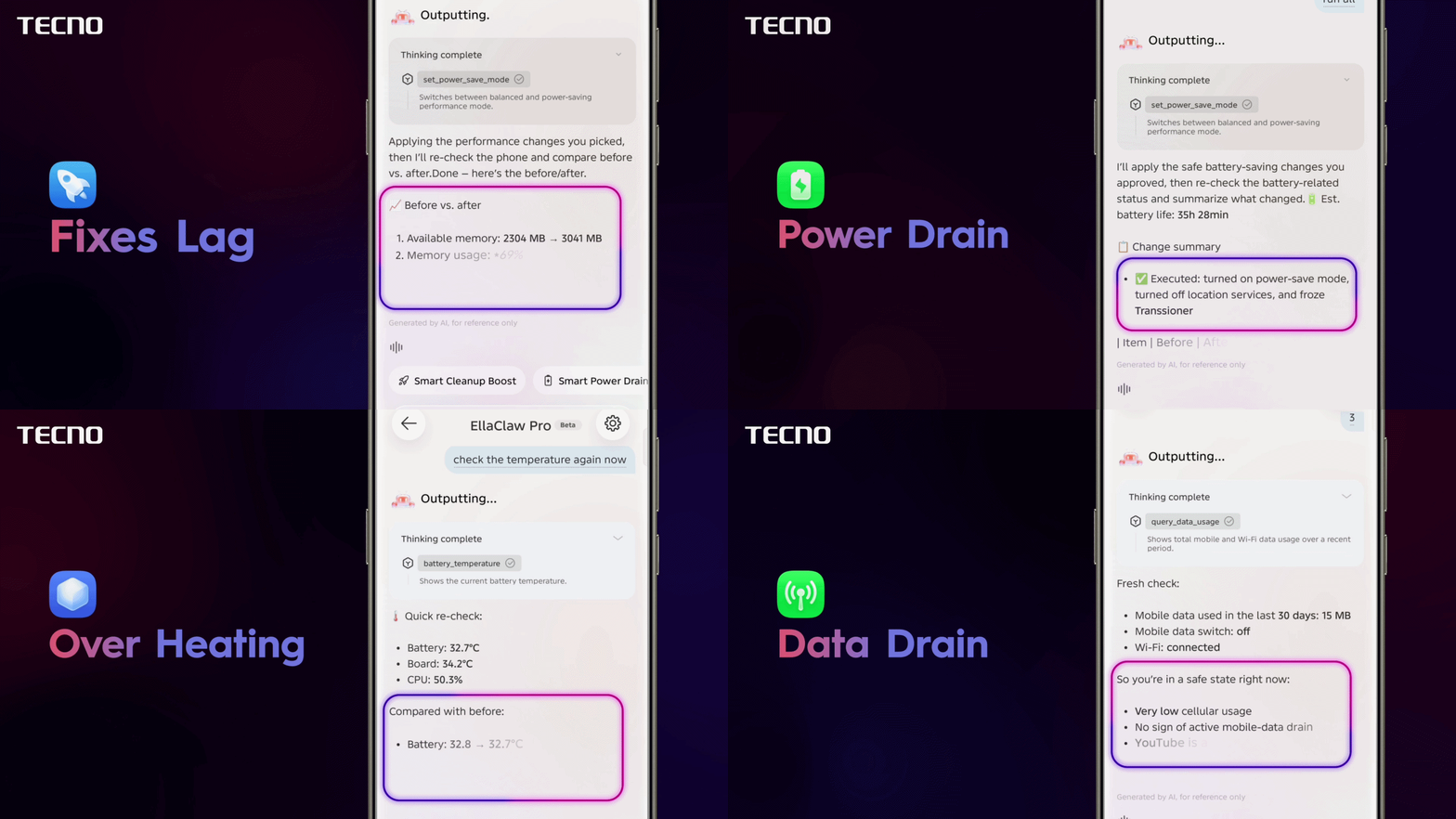
Importantly, major changes still require user approval, keeping people in control before any action is executed.
Learning your routines
EllaClaw is also gaining persistent memory capabilities, allowing it to remember user habits and preferences over time.
This enables more personalized features such as morning briefings, combining your calendar, weather, travel plans, and news updates in one.
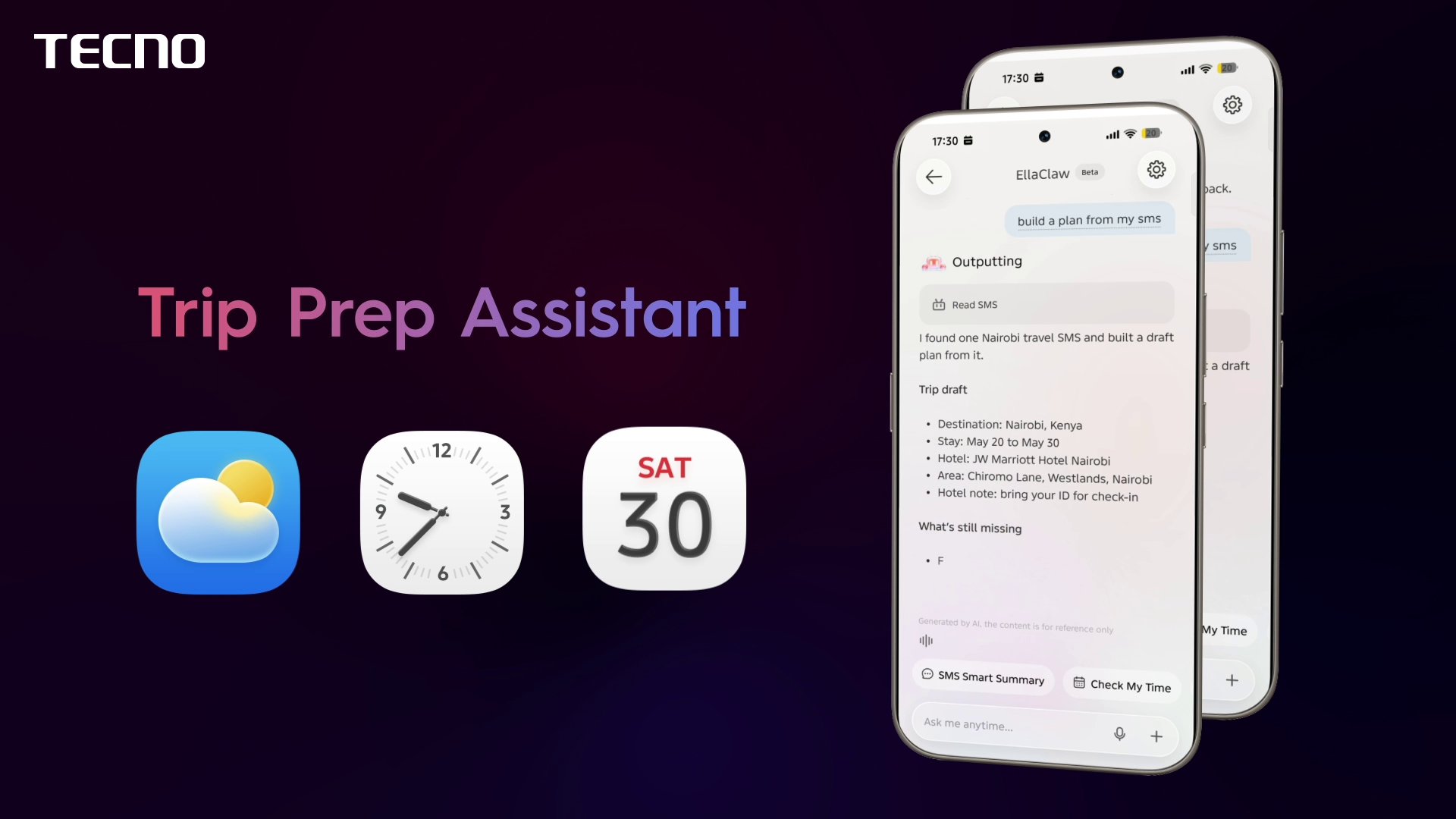
There’s also Trip Preparation Assistance that can arrange transportation and set departure reminders. Moreover, context-aware reminders to stay connected with family members and loved ones.
The idea is to transform EllaClaw into a digital companion that proactively helps organize daily life.
Cross-app support
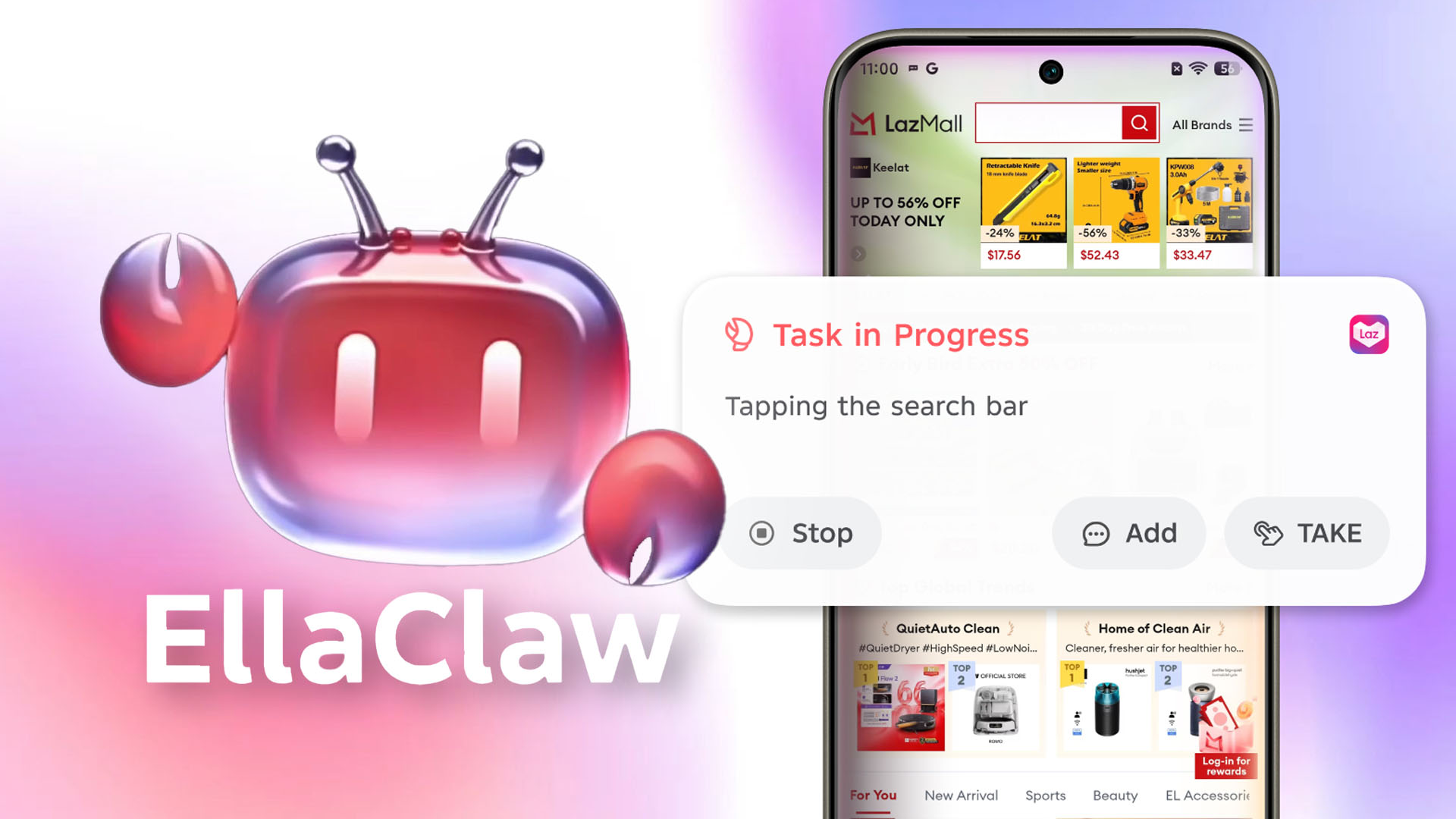
Perhaps the biggest leap forward is EllaClaw’s ability to work across different apps. With user permission, it can interact alongside shopping apps, transportation services, food delivery platforms, as well as smart home ecosystems.
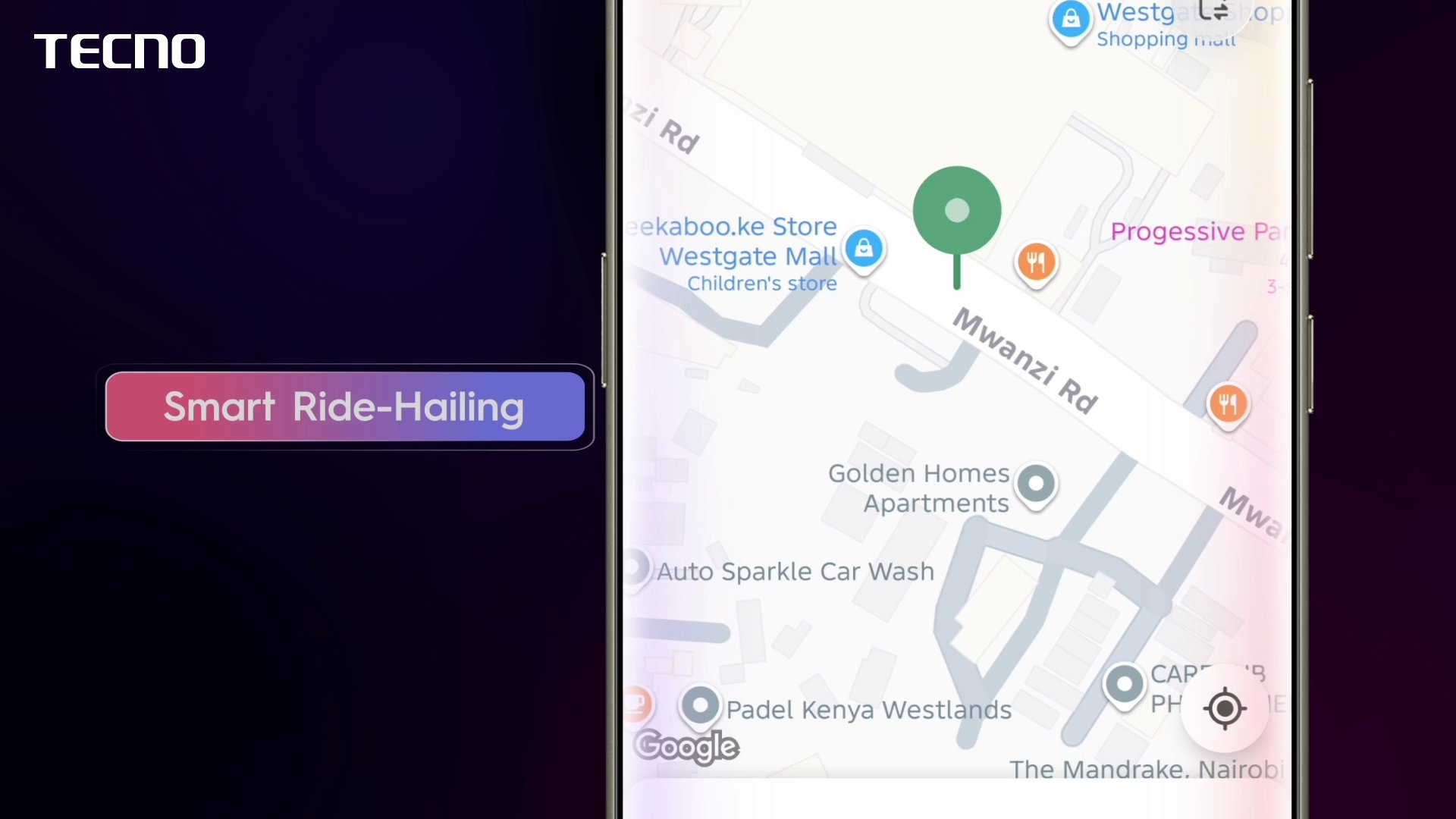
Rather than operating invisibly in the background, TECNO says EllaClaw uses a visible, human-like interface that lets users see every action it takes which include:
- Booking rides through a single voice or text command
- Monitoring connected smart home devices
- Acting as a shopping assistant that finds products inside e-commerce apps such as Lazada
The future of Ella?
TECNO emphasizes that EllaClaw remains an exploratory project undergoing internal testing and closed beta development.
The move is part of TECNO’s broader “Practical AI” strategy, which aims to make advanced AI features more useful and accessible, particularly for users in emerging markets.
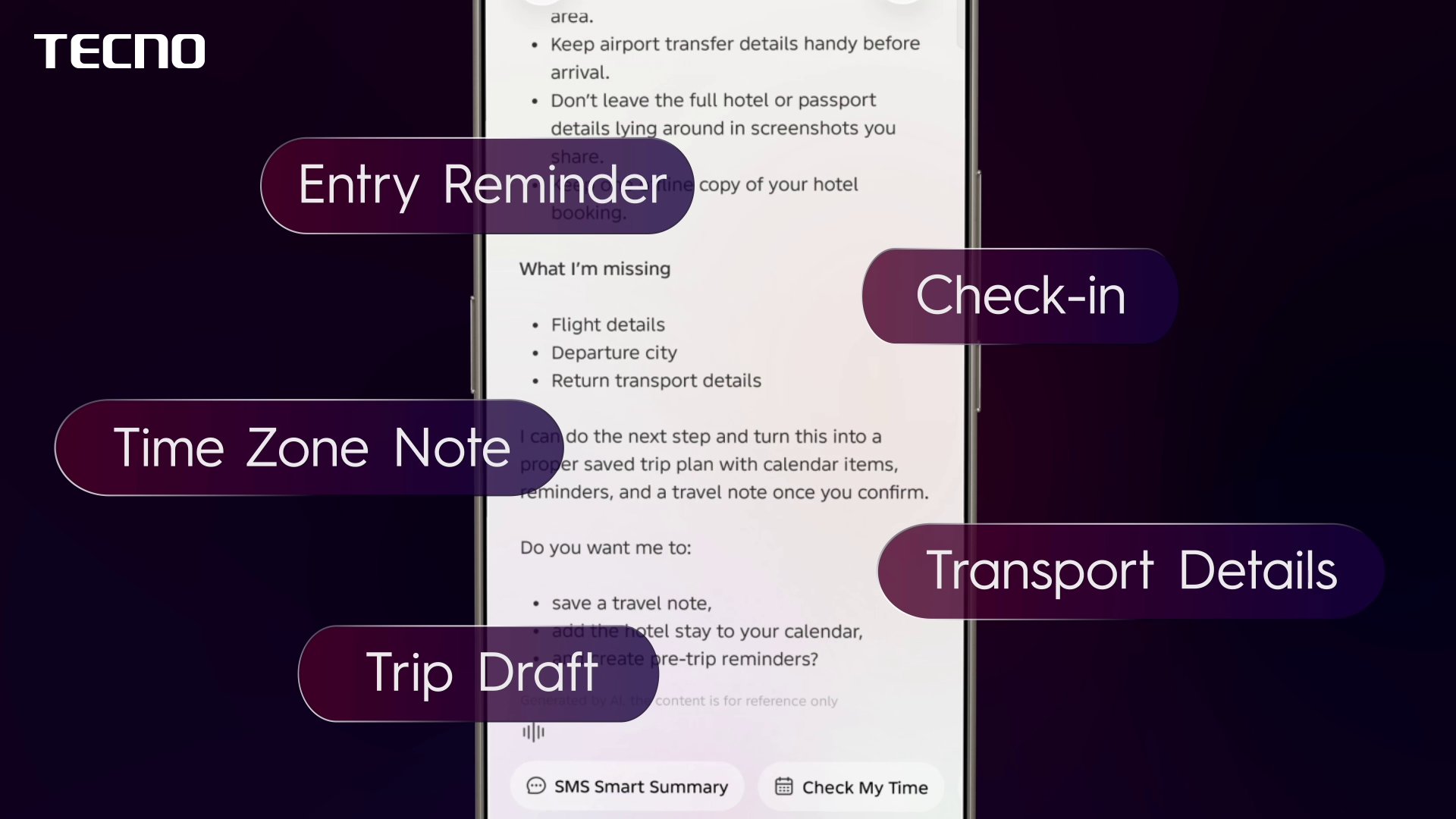
While there’s no official release date yet, the company says more details about future availability and additional capabilities will be announced as its development continues even further.
Still, with the latest update, it offers a glimpse at where mobile AI is headed: less about asking questions and more about having an assistant that can proactively get things done for you.
Apps
Honor, Xiaomi are working on their own Privacy Displays
Samsung’s Privacy Display is apparently very popular.

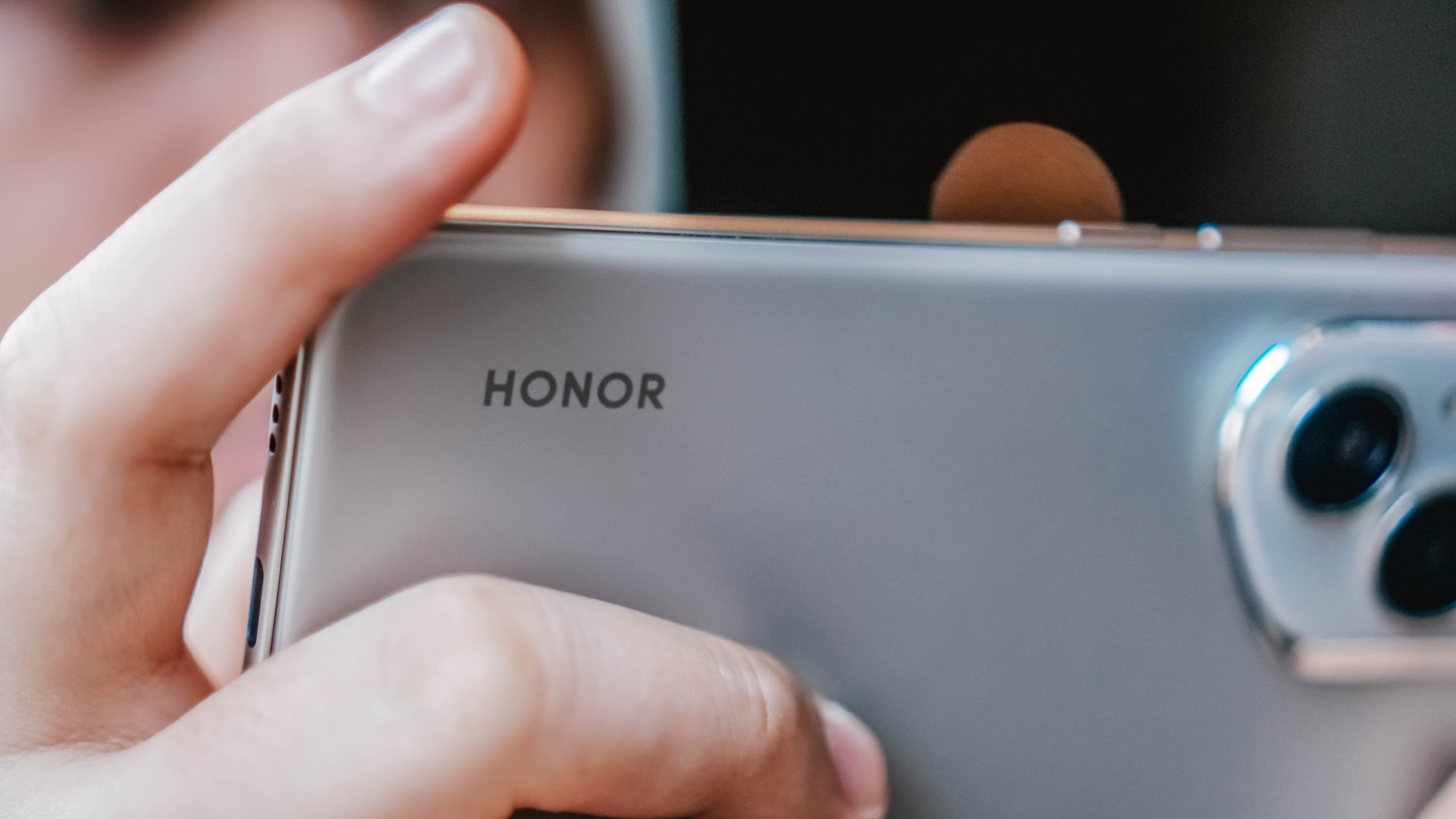
Normally, a smartphone brand’s blatant copying of another brand’s feature is not a good practice. Today, however, there is a new feature that we wish other brands would copy: Samsung’s Privacy Display. Thankfully, some brands, like Honor, have finally gotten the message and are working on version of the feature.
As reported by Digital Chat Station on Weibo, Honor is reportedly working on a privacy screen for its smartphones. Likewise, Xiaomi is working on the same thing, potentially launching the feature for the Xiaomi 18 Pro.
For the uninitiated, the Samsung Privacy Display is a built-in feature that blocks visibility of the screen at certain angles. If you’re not looking at the screen from the front, all you’ll see is a black void. It’s a built-in version of those protective screens that you can buy separately. Besides adding a nice layer of protection against scratches, it’s also meant to prevent snooping from your shoulder.
Samsung’s take was widely acclaimed for being insanely useful. When it arrives, this feature will be a godsend to more brands. Even better, users will no longer need to rely on third-party screen just to enjoy the privacy.
That said, there’s still no indication as to when these features will arrive on either Honor or Xiaomi.
SEE ALSO: LE SSERAFIM Chaewon flexes Galaxy S26 Ultra Privacy Display






AMD FSR Upscaling 4.1 now available for Radeon RX 7000 Series

GTA VI: New images unveiled as pre-order details, price finally announced

TECNO EllaClaw is your next-gen Agentic AI

HONOR continues APAC expansion, to launch 600 series in Taiwan

Honor, Xiaomi are working on their own Privacy Displays

TECNO’s POVA 8 5G is both futuristic and future-ready

Close without crossing: A Xiaomi 17T Pro photo essay

realme launches P4 Series 5G, including Power with 10,001mAh battery

The Xiaomi Watch S5 proves you don’t have to take it off

Buyer’s Guide: Xiaomi Pad 8 Series


-
 India2 weeks ago
TECNO’s POVA 8 5G is both futuristic and future-ready
-

 Gaming2 weeks ago
Kingdom Hearts IV gets new trailer, confirms Switch 2 release
-

 Gaming2 weeks ago
Final Fantasy fans have two big reasons to look forward to 2026
-

 Smartphones2 weeks ago
Upcoming realme C100 series to feature 8,000mAh battery
-
 News1 week ago
TECNO’s SPARK 50 Pro is the latest budget smartphone battery beast
-

 Buyer's Guide7 days ago
Buyer’s Guide: TECNO SPARK 50 Pro vs SPARK 50 5G
-

 News7 days ago
Budget smartphone realme C100 Series launches
-

 Laptops1 week ago
ROG launches 2026 Strix gaming laptop series