
Features
Mobile Legends: Bang Bang roles and the best ones
A quick guide, in case you’re just starting out

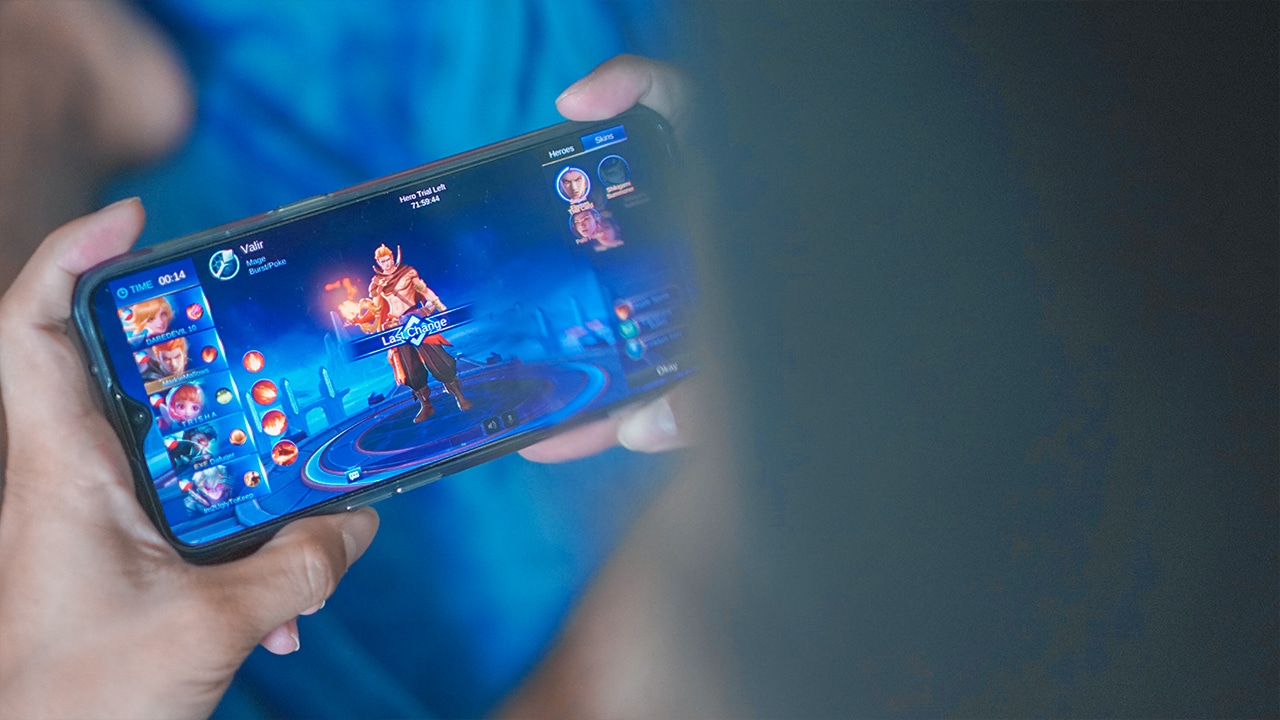
Mobile Legends: Bang Bang (MLBB/ML) is a mobile multiplayer online battle arena (MOBA) developed by Moonton. There are roles or classes in Mobile Legends that have their own distinct specialty. This ultimately affects the effectiveness and functionality of the team you and your teammates construct.
A role or class is a category that your hero plays throughout a game of MLBB. There are a total of 85 heroes you can choose from six roles: Tank, Fighter, Assassin, Mage, Marksman and Support. Some of these heroes fall into two roles sometimes; each of them having their own unique abilities, skills, and stats that work to both their advantages and disadvantages. It depends from hero to hero.
How well you can manage a hero and their role as well as their specialty depends on your familiarity to the hero as well as your capacity to be willing to learn to play other heroes, the more you play ML.
As mentioned before, heroes have their own set of skills, abilities, and stats that inevitably help a team win a game. Think of roles as the basic facets your hero has and through it, you can determine your hero’s specialties and limitations.
Tank
Tanks are naturally bulkier. What I mean by bulky is that they have higher Health Points (HP), armor, and magic resistance. On the other hand, their attacks don’t hurt as much on their own.
If you like being buff and beefy, then try the tank role. They’re the walking shield of your team. They can take a beating from the enemy team so other roles can do the wrecking for them. Tanks can do Crowd Control (CC) with stuns, slows, hooks, and barriers which help save teammates and trap enemies.
Sometimes having a tank in your team can make or break a game. Most other roles have attacks that hit harder but if all of your teammates have naturally lower HP, it won’t take long for the opposing team to target you one by one and wipe your team out.
If we’re being realistic though, if you’re the person who prefers sticking to the meta and everyone picks marksmen, you’re the kind soul that worked on getting good at playing this role and probably more. Tanks are essentially the guys and gals who protecc, while his/her team attacc. Yes, with two c’s because remember, tanks and crowd control.
Fighter
Fighters are melee heroes who have a good balance of HP, armor, magic resistance and attack damage. They usually attack by jumping into and out of enemy range.
Fighters are semi-tanks. They have significant attack damage while racking up a good amount of magic resistance, HP, and armor. This role often takes the jungle and can single-handedly accomplish objectives within the game.
Not every team needs a fighter, but it can help to have someone who has a good balance between attack damage and the damage they can take. It can be a little daunting to play fighter if you’re non-confrontational since they’re melee heroes.
If you think being tank is a little too tough since the role relies on teammates for damage, you can take the fighter role. Basically, if you like hitting hard, surviving hits, and also dealing significant damage yourself, use a fighter.
Assassin
Assassins are pretty much the role you’d think an assassin would take. They’re quick and deal a painful amount of damage. Assassins normally roam and jungle, but they essentially take marksmen and mages down when they linger with low HP or overextend.
As the name of the role would imply, they like to catch people off-guard by sneaking and roaming around the map and making sure they punish any overextensions, secure kills and maybe sometimes steal skills from other teammates. Assassins are often equipped with multiple blinks and flashes — sticking true to their name and their role.
Remember: Assassins have mobility, stealth and damage at their advantage, but they can falter with not as much armor, magic resistance, and HP.
If you like roaming around the map, dealing significant damage to enemies, and sneaking in and out of clashes to execute the killing blow or prevent yourself from dying, play the assassin role. They’re slippery heroes that are tough to deal with.
Marksman
This is the role you’re taught to play from the get go. ML let’s you play Layla, a marksman, to learn the basic mechanics of the game so it doesn’t seem to be a difficult role to place. But what does a marksman have over other roles? Marksmen have high attack damage, high changes of critical hits, and range.
Marksmen are similar to Assassins with damage and attack speed but the marksman has range and skills with an Area of Effect (AoE). These default abilities and skills for heroes under this type enable them to hit hard, fast, and from far.
Marksmen are often referred to as Attack Damage Carry (ADC) heroes. They’re heroes that hit hard which, by default, allow them to rack up a good number of kills in the game. Although they do stack up a ton of damage, marksmen can be soft.
They have the advantage or range, but if someone gets up close, they don’t have that much HP, magic resistance, and mobility to often save themselves alone. If you’re the type to push and deal a ton of damage yet have the capacity to feel out when you’re being targeted and stay reasonably cautious, play marksman.
Mage
Mages are ranged heroes like marksmen but, instead of physical damage, they deal a painful amount of magic damage. They are similar to a marksman with their disadvantages: mobility and low HP.
They do find their strengths in the same category: attack damage or for mages, magic damage. On top of that, instead of solely magic damage, mages have a variety of spells, stuns, and slows that cripple both selected enemy targets and any area of effect they cast their spells on. Their spells depend on mana so mages preserve mana until they can burst spells down on an enemy target.
A fair warning though: if anyone so much as sneezes your way, you are absolutely done for. Mages hit hard but are soft. They are also significantly slow. Almost anything that can chase mages down and nibble at its HP is it’s kryptonite.
They are good at crowd control and mages do well when asserting their dominance by consistently harassing their opponents and by bursting them down with spells.
Support
Supports are often healers. Think of them as medics in your team. They help heroes heal, as well as increase their chances of survivability in a fight. Their varied skills can often stun, slow down, and throw targets back but unlike mages, supports don’t often prioritize their attack damage.
Support roles efficiently partner with roles that are disadvantaged with HP, magic resistance, and mobility to help heroes farm and take kills.
Supports are an essential part of team dynamics, but they aren’t necessarily crippled of attack damage or magic damage. Many supports are capable of tanking kills. Although it isn’t their primary objective, they can still take kills and rack up quite a number themselves.
If working around your teammates, cheering them on, and healing them is what you’d like to do, play a hero under the support role.
What is the best role to play in Mobile Legends: Bang Bang?

That’s a trick question. The answer is all of them and none of them. If you and your teammates work on synergy, cooperation and teamwork, all of the roles are the best. A game like Mobile Legends: Bang Bang can foster the importance of diversity in teamwork when working towards winning.
Each role has its strengths and weaknesses but that is ultimately why it’s important to have a healthy mix of different roles in your team. If your team were to play the same role, you’ll find the role’s and their heroes default weaknesses become amplified — making it easy for enemy teams to win.
If you’re just starting out playing Mobile Legends: Bang Bang, ease into one role and maybe expand your skill set little by little. It’ll help you grasp the significance of each role and what they can give to the larger objective of the game: teamwork, fun, and practice.






Hands-On
Apple iPhone 18 Pro Series Hands-on
And everything announced during Apple’s September 2026 Event

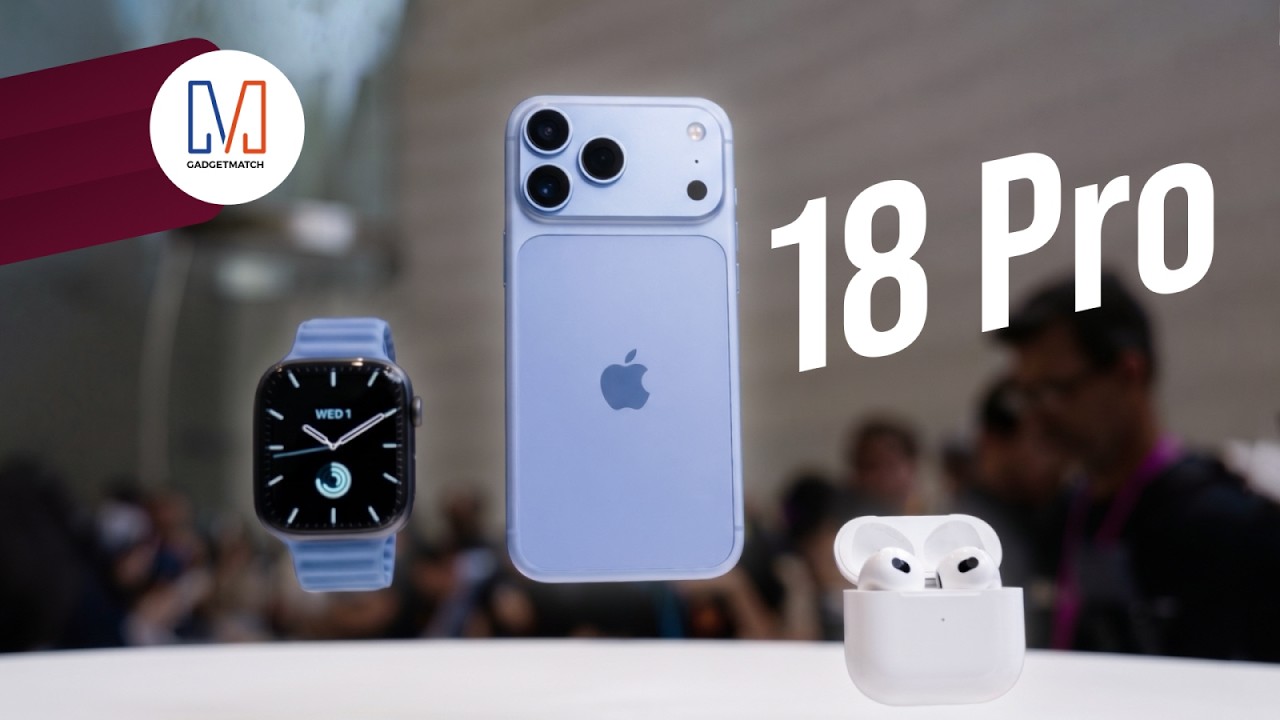
The latest Apple event isn’t just about the shiny new Apple Duo. There’s a lot to talk about!
In this video, we break down everything Apple has announced during their September 2026 keynote.
First, there’s the updated iPhone 18 Pro and 18 Pro Max. That’s alongside their design and color changes, battery and performance improvements. Even that massive camera upgrade.
There’s even the ANC-infused AirPods 5 alongside the newer Apple Watch Series 12 and Apple Watch Ultra 4. Plus, the latest software updates coming to both these wearables.
So, are these worth the upgrade?
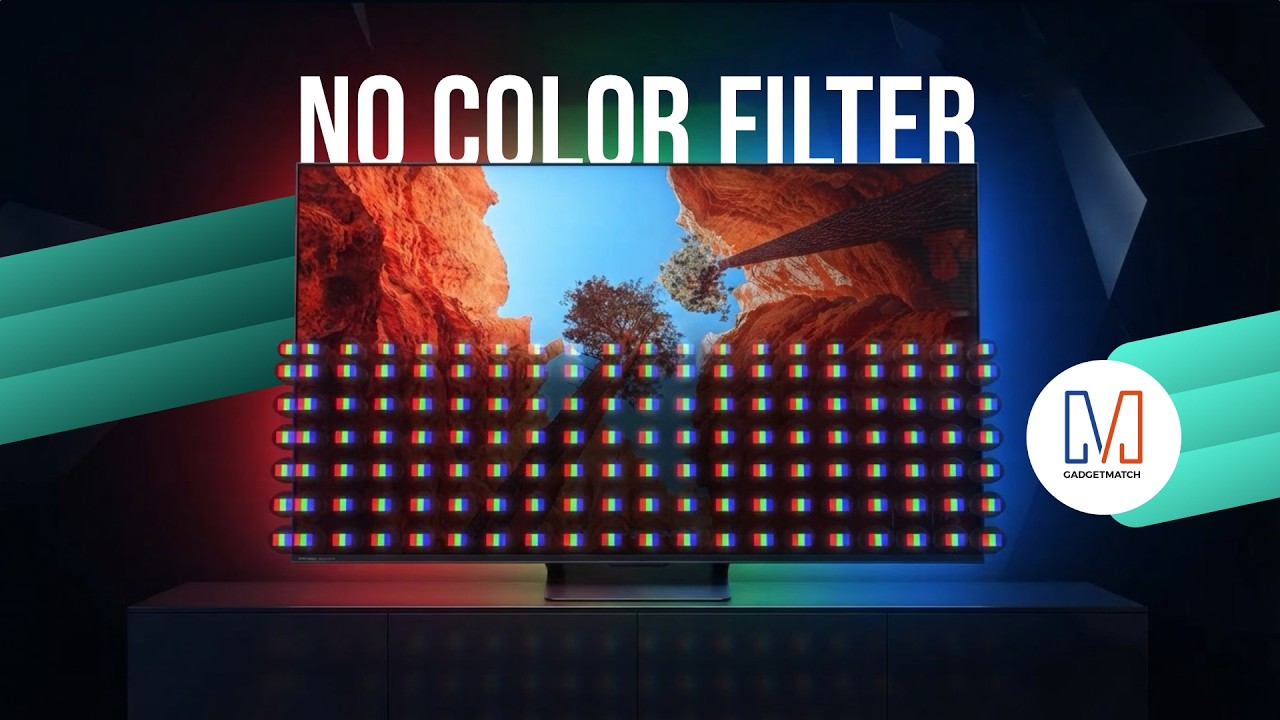
TV technology is changing in a way you can’t see. And it starts with how color itself is made.
Hisense’s new RGB MiniLED technology could change the way we see TVs.
Here’s our spotlight on their latest Hisense UR8 offering.
Check out the Hisense UR8 TV: https://bit.ly/4cxo6xl
Features
How did new CEO John Ternus do for his first Apple event?
Is a new golden age coming for Apple?


For a brief moment, I thought Tim Cook was refusing to step down as Apple’s CEO.
Apple’s “Surprise and shine” event, which heralded the coming of the foldable iPhone Duo, started bombastically with a montage of cinematic moments spanning different genres. The main point was: “what’s the best way to start an opening scene?”
After what felt like an age, the all-too-familiar voice of Tim Cook came on, perhaps for the very last time. But rather than overstaying his exit as the former CEO, he describes that the perfect opener should be classic, as a car that is, quite symbolically, riding off into the sunset. He then explains that he’s not the main character anymore.
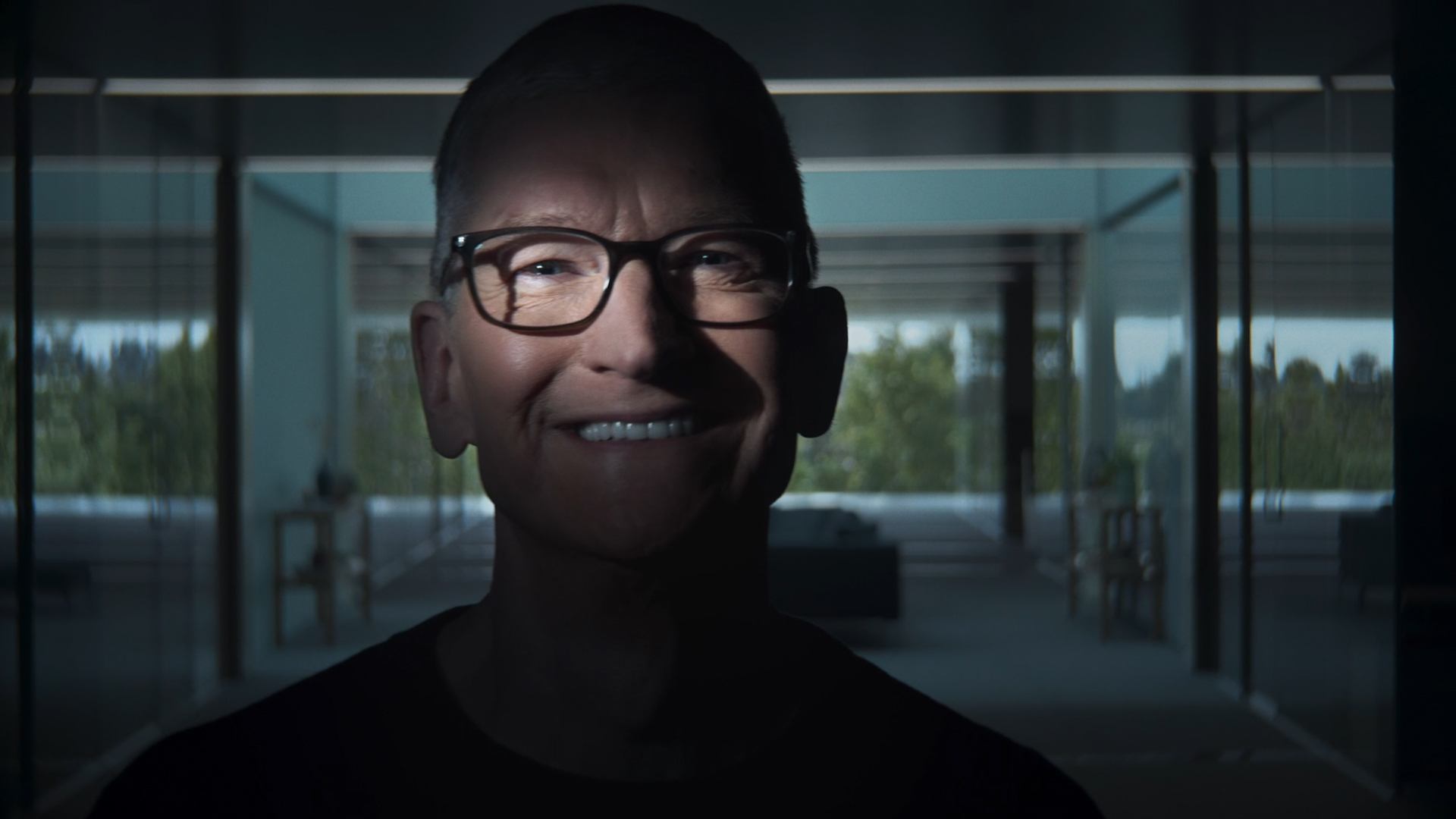
Last shot of Tim Cook at the Surprise and Shine event
“That’s your guy,” he said, before pointing to John Ternus, who steps into frame without an introduction or even a name card. It’s hard to image that this guy is the new face of Apple.
It’s the perfect end to Tim Cook’s tenure and as perfect a start for John Ternus’s.
Moving from an age of crisis to a golden age
After a decade and a half of being the face of the brand, Tim Cook stepped down from his tenure as CEO. He leaves the company in a much better state than when he took over. Thanks to him, the iPhone is now a household item. It’s a ubiquitous phone that draws millions of fans every time a new one comes out every year.
But his tenure didn’t start on a bed of roses. When he took over in 2011, it was in response to Steve Jobs’s failing health, who passed away soon after. He inherited a company constantly threatened by competitors trying to eat into Apple’s slice of the pie.
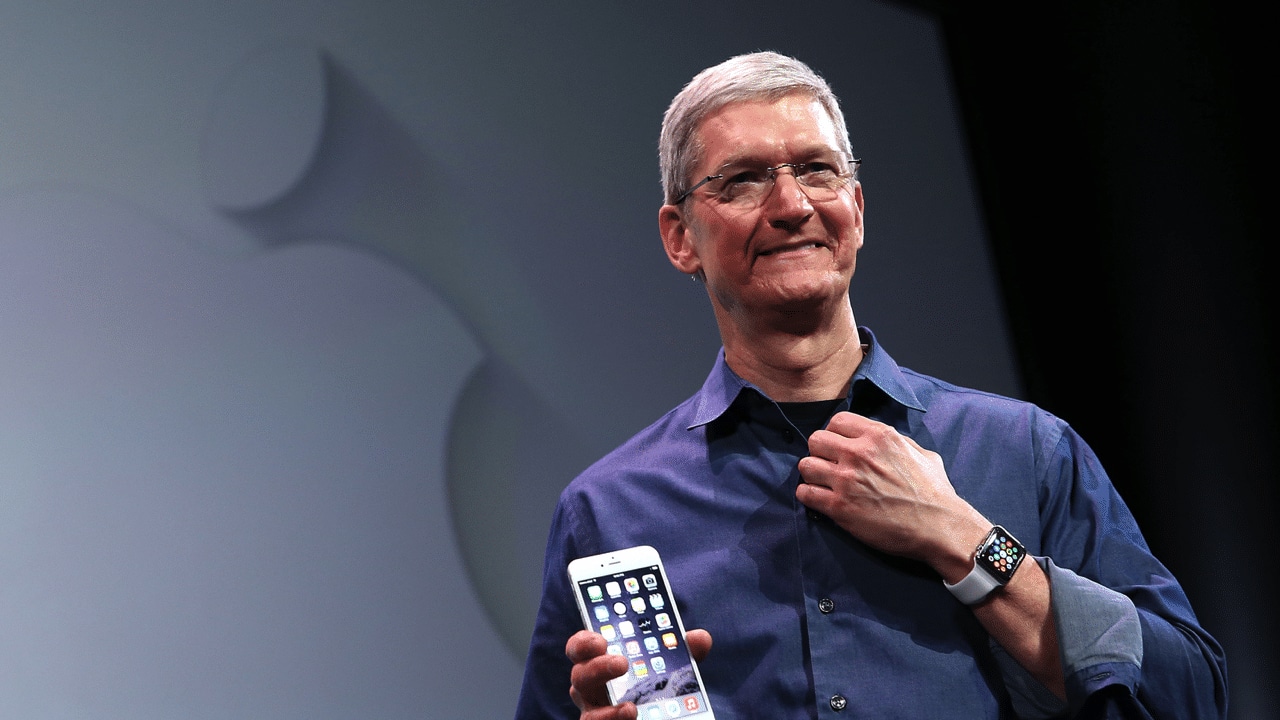
Indeed, Cook’s tenure was peppered with crises. He had to navigate Trump’s first reign, destructive as it was towards relationships in China. He had to figure out survival during the tempestuous pandemic years. Finally, he had to carefully build a strategy for the dawn of AI.
Cook is, first and foremost, a businessman. While the Jobs era was typified by innovation after innovation, Cook built upwards, turning Apple into a trillion-dollar company. Although we didn’t see a lot of new exciting segments introduced, the company built on what it was already good at, delivering a premium and refined experience.
John Ternus comes at an opportune time. Though the brand will always have a healthy share of diehard fans, Apple must now find the next big thing and rediscover the spice of years past.
A time for AI?
After his nonchalant introduction, Ternus immediately goes on the offensive and describes his vision for Apple Intelligence. Rather than dwell on NPUs, TOPS, and other metrics that a regular user can’t make heads or tails of, he described Apple Intelligence and Siri AI as a personal assistant. Usage versus performance, in other words.
If you’re an AI enthusiast, the renewed push towards Apple Intelligence should give you hope that the iPhone won’t just be a receptacle for other AI software. Rather, it’s building its own. Wherever the AI industry is going, Apple looks like it can keep up.
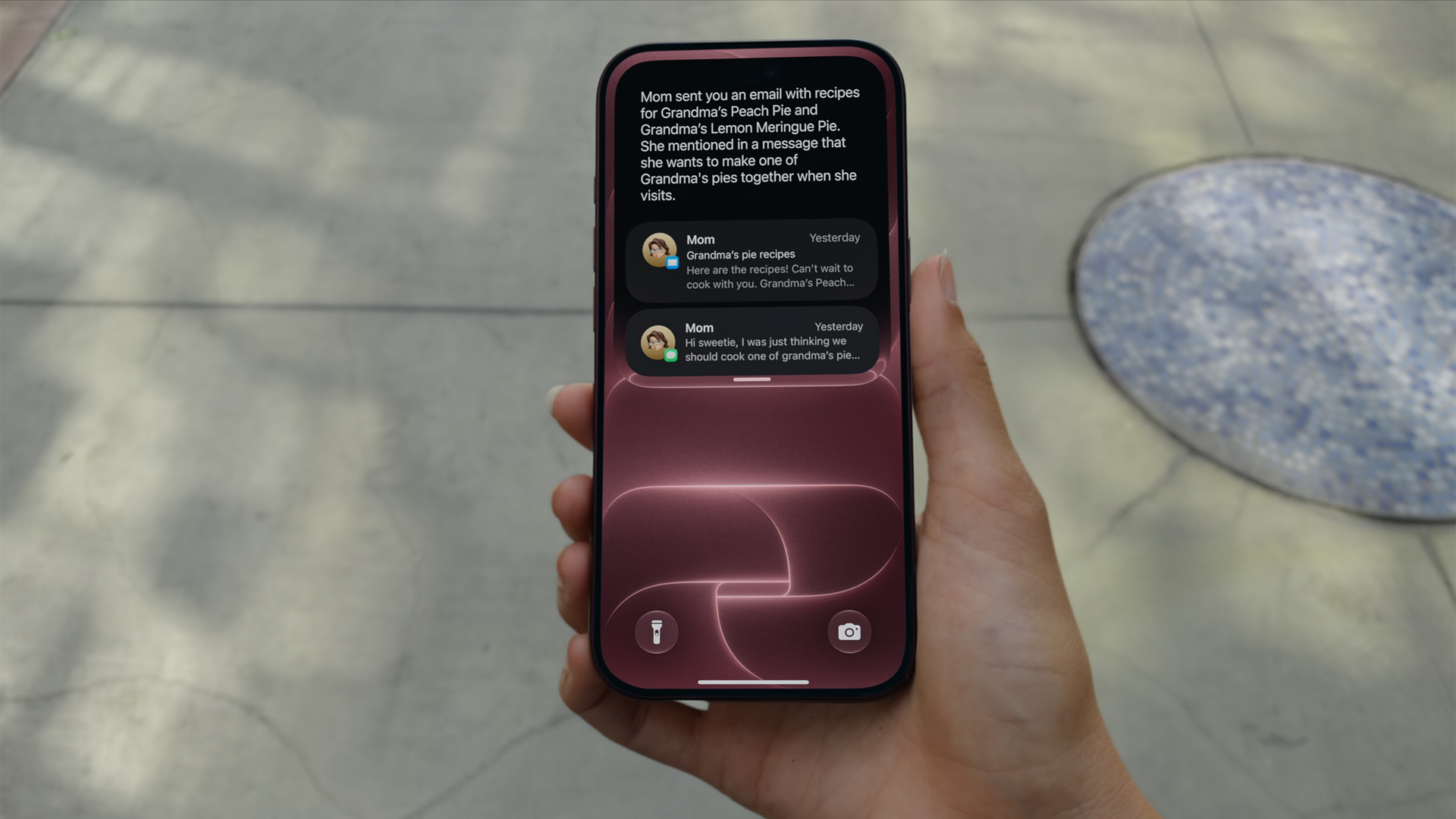
Now, if you don’t like AI at all, that’s fine, too. Ternus isn’t there just for the AI.
Unlike Jobs or Cook, Ternus comes from a strictly engineering background. In today’s world, hardware complements AI. The software must use NPUs after all. But, when the AI bubble finally pops, Ternus isn’t out of a job. In fact, if his track record is any indication, it’s just getting started.
Or a time for new hardware?
This year is absolutely monumental for Apple. Earlier this year, the company launched the MacBook Neo, its first budget-friendly notebook built for everyone. If you were looking to get into the MacBook lifestyle, now is the perfect time to buy in. A lot of users felt a subtle changing of the guard.
From there, you can feel Ternus’s influence already seeping in. And if it wasn’t obvious back then, it’s more than apparent now.
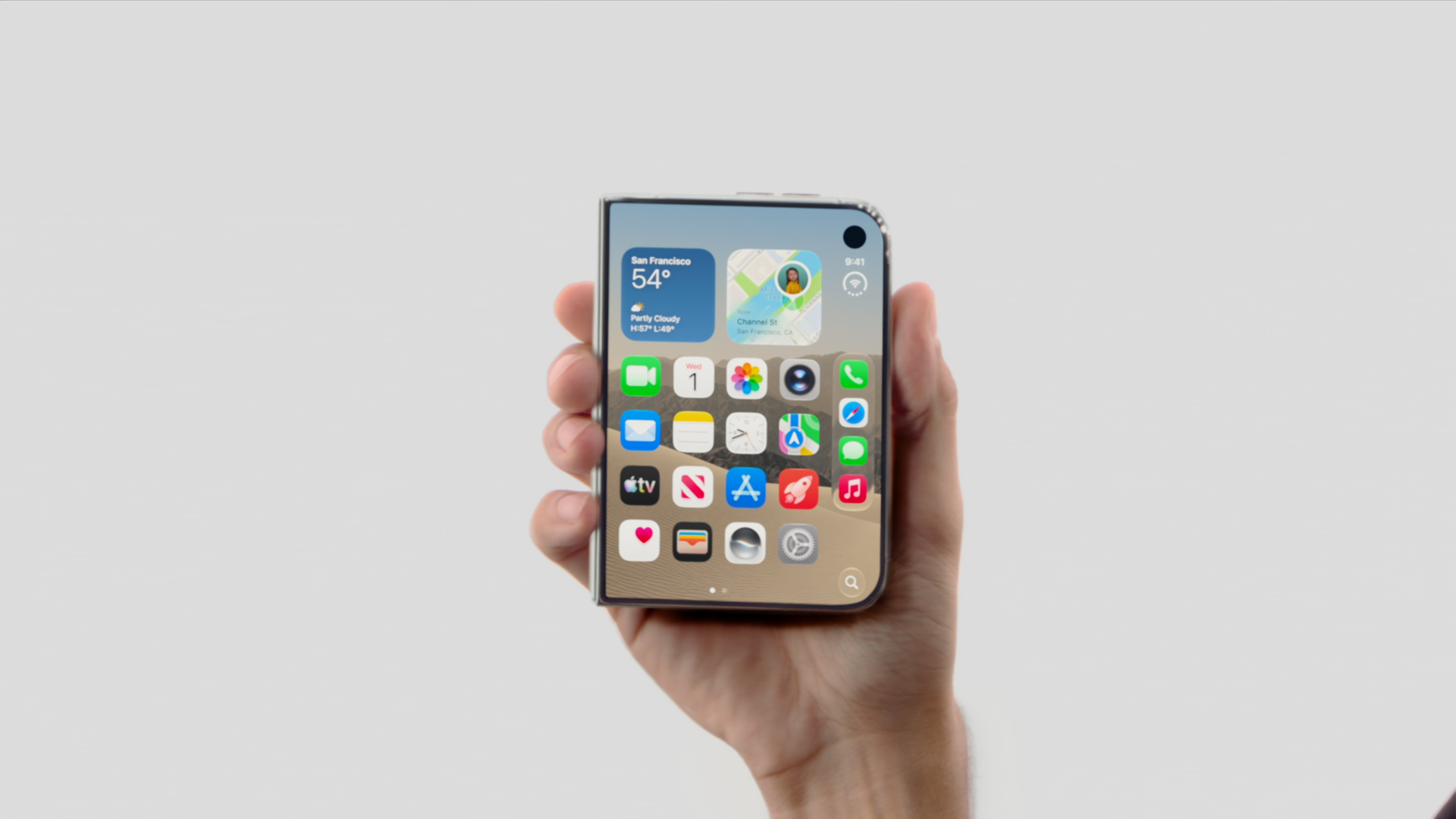
In his first ever “One More Thing,” Ternus started his tenure strong with the introduction of the iPhone Duo. Almost twelve hours since the phone’s announcement, I’ve never seen a more visceral reaction to the launch of a new iPhone.
Whereas most of their annual releases reveled in more incremental improvements that primarily tickled already dedicated fan, the iPhone Duo is something new. Everyone’s talking about it. It’s gotten so crazy that even Samsung, often more nonchalant with its prodding, openly attacked the foldable after teasing the brand to go foldable last year.
Though it’s technically not a new segment, the iPhone Duo is patching up the mistakes of past foldables. Rather than just pasting two screens together, Apple’s take feels like a unified whole, emphasized by an interface that seamlessly changes from folded to unfolded.
Where Tim Cook failed to illicit more than a modest ripple with the Vision Pro, Ternus flew to new heights with the iPhone Duo’s announcement. And the phone isn’t even out yet.
Now, there’s still a chance that the Duo won’t be a hit with sales, especially because of the price. But this is still a strong opener for Ternus.
Who is the main character?
“That’s your guy,” Tim Cook pointed.
I don’t think he was pointing in the right direction. Though the camera cut to Ternus himself, his first outing clearly states that the main character is no longer whoever is handling the reins. His decision to skip an official introduction feels intentional. The main character, after all, is the hardware itself: the iPhone 18 Pro, the iPhone Duo.
The entire event started with a bold declaration that everything was shot with an iPhone. It ended, in fact, with the same declaration. Channeling their inner Marshall McLuhan, Ternus’s Apple wants you to believe in the iPhone again.
Even as someone who doesn’t use Apple products mainly, I’m stoked to see what the new era will bring to the table. This is an exciting time for Apple. We might be in the first year of a new golden age.


Marvel’s Wolverine review: When the claws come out
A brutal, cinematic superhero adventure

Setting your bedsheets ablaze with the Lovense Solace Pro
The closest proxy I could find where I'm guilty as sin

Now Playing: Elden Ring Tarnished Edition
Is the Switch 2 port worth the price?

Apple is reportedly working on its own gaming controllers

BlizzCon 2026 announces World of Warcraft: Forever and Diablo V

Apple iPhone 18 Pro Series Hands-on

Spotlight: Hisense UR8 + RGB MiniLED Explained

First Look: Apple iPhone Duo

TECNO MEGAPAD 2 review: Eyes on the size

realme 16T 5G with 8000mAh battery, IP69 Pro rating launches in PH

HUAWEI Pura X View is 2026’s first WIDE slab-type smartphone

REDMI reveals the refreshed Note 17 and Note 17 Pro series

REDMI Note 17 Series focuses on long-term reliability


-
 News7 days ago
HUAWEI Pura X View is 2026’s first WIDE slab-type smartphone
-

 News1 week ago
The CAMON Slim 5G is TECNO’s latest ultra-slim smartphone
-
 Cameras2 weeks ago
DJI Osmo 360 II review: Going all-in on the ecosystem
-
 IFA 20262 weeks ago
TECNO MEGABOOK T15 360 unveiled at IFA 2026
-

 Gaming2 weeks ago
NBA 2K27 review: A two-way All-Star
-
 Reviews2 weeks ago
Samsung Galaxy Z Fold8 Ultra review: It’s time to get a foldable
-
 News4 days ago
iPhone 18 Pro series: Price, availability in the Philippines
-

 IFA 20261 week ago
TECNO’s POVA 8 Pro gets a stealthy makeover