
Enterprise
India will let Huawei demo its 5G technology
Huawei is leading the 5G race


On the consumer side, Huawei is known for making smartphones and wearables. However, the Chinese company is currently leading research and development of 5G — the next generation of wireless mobility.
It has gotten approval to participate in the demonstration of 5G use cases during the three-day India Mobile Congress to be held in New Delhi, even as the government is yet to take a decision on allowing the firm to participate in the upcoming 5G field trials.
The Department of Telecommunications (DoT) has assigned telecom service providers with spectrum in the 3400-3600Mhz band range to demonstrate India-specific 5G technology-use cases.
Huawei will present the demos with Airtel and Vodafone-Idea, who currently use Huawei and ZTE equipment for their network operations in India.
The Chinese giant has been barred by the US due to alleged security concerns. Earlier this year, there were revelations that Huawei is embedding snooping software in the source code of its serves to spy and access the data of other countries. The US is also lobbying its close allies to boycott Huawei.
On the other hand, Huawei currently leads the 5G revolution due to its massive investment in research and development. Experts say the global rollout of 5G will be delayed by a couple of years if Huawei is barred in multiple markets. Competing companies include Ericsson and Nokia.
India is yet to give Huawei a clean chit for an actual rollout though. For now, the nod is seen as more of a diplomatic move by the Indian government ahead of Chinese President Xi Jinping’s visit to India.



Enterprise
Google ordered to pay EUR 4.1 billion in fines
The EU alleges that Google uses its apps to establish an unfair dominance.

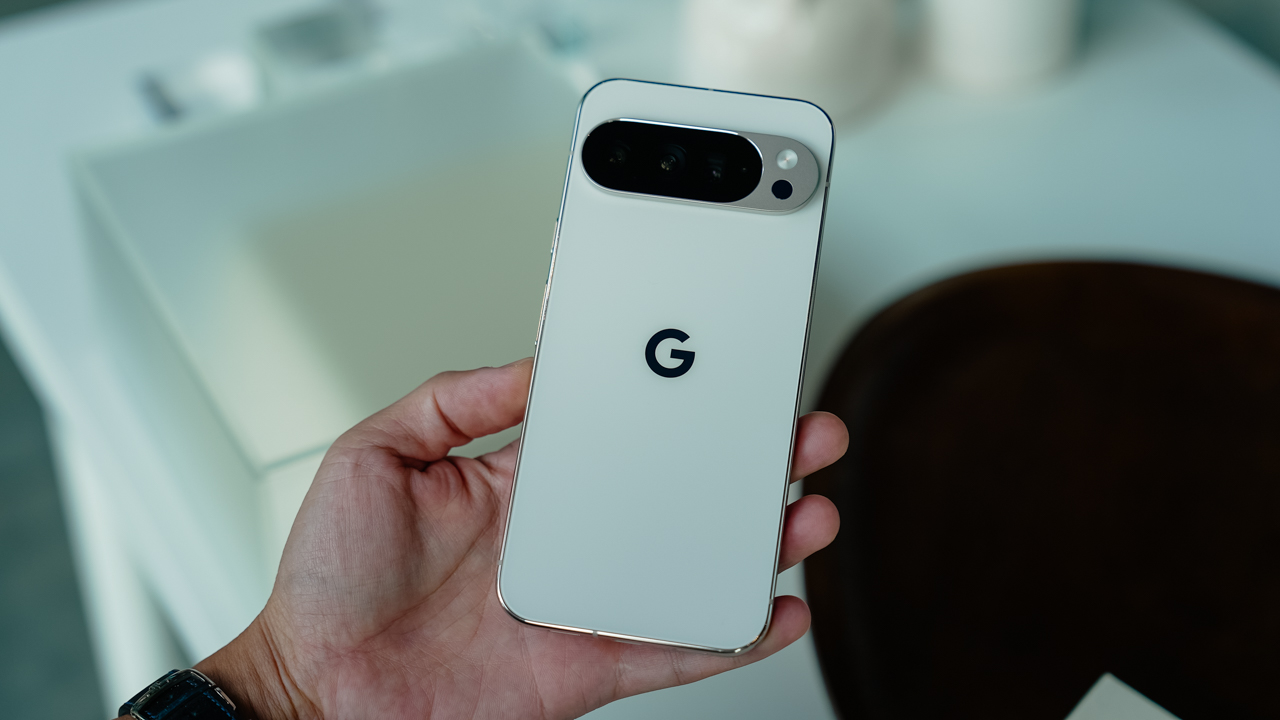
European fines have unintentionally become a normal part of doing business in the American technology space. For too long have American companies paid paltry fines to prevent harsher regulation in the European Union. Now, for the first time, Google is about to pay a record-breaking fine that goes beyond “paltry.”
Today, via CNBC, Google has been ordered to pay an astonishing EUR 4.1 billion (or approximately US$ 4.67 billion) in fines. The fine is in response to an anti-competition case.
This has been a long time coming for Google. The original case started in 2018. At the time, the European Union accused the brand of using anti-competitive practices to ensure its dominance in the smartphone market. According to the courts, the company’s bundling of first-party apps for every Android smartphone gives them an unfair advantage in the market and lessens the user’s choice in selecting apps.
For years, Google has fought the fine to seemingly no avail. Now, the company has lost its final attempt, which means that the fine still stands. On the bright side, they did get it reduced from the original EUR 4.34 billion fine.
The European Union is the scourge of every American tech company (and a godsend to consumers). Most notably, the continent’s government forced Apple to adopt USB-C, leading to a more universal experience across brands.
Google’s hefty fine aims to do the same. And it is quite hefty. Whereas previous fines were in the millions (and hence, negligible for most companies), a fine in the billions is more tangible.
Apps
foodpanda relaunches cult-favorite roast chicken brand after 8 years of persistent search queries
Heritage chain Andok’s returns to the platform, driven entirely by long-term user analytics.


In the world of e-commerce and food delivery, platform algorithms usually dictate what consumers see. But occasionally, consumer behavior is so relentless that it shapes the platform’s strategy.
In a move driven entirely by long-term user analytics, foodpanda has officially relaunched Andok’s, one of the Philippines’ most iconic heritage rotisserie chains, back onto its platform after an eight-year absence.
The search bar as a digital wishlist
The decision to ink the partnership wasn’t just a marketing play. It was a response to an ongoing data anomaly. Despite being offline from the foodpanda platform for eight years, Andok’s consistently ranked as one of the most-searched merchants on the app.
Year after year, users treated the empty search results page as an unofficial wishlist. This persistent search intent gave foodpanda a clear, data-backed signal of pent-up demand.
Prior to the official digital rollout, teaser campaigns on social media validated this demand, generating thousands of organic interactions from users anticipating the return.
Bridging heritage flavor with digital infrastructure
For foodpanda, onboarding a merchant with this level of built-in demand fits its broader strategy of marketplace optimization and hyper-local network expansion, turning a heritage brand into another data point for how legacy retail plugs into delivery infrastructure.
For Andok’s, the integration works as a fast track to digital scale. A legacy quick-service chain skips years of independent app development and reaches customers already using foodpanda’s existing logistics network, on a platform they already check daily.
Andok’s built its following on charcoal spit-roasted chicken, a slow-cooked technique that’s stayed largely unchanged since the brand’s early days, alongside seasoned grilled pork belly.
More recently, the Dokito line extended that following into crispy fried chicken and chicken burgers, broadening the brand’s appeal beyond its original rotisserie format and giving foodpanda a menu with both heritage pull and everyday fast-food convenience.
Enterprise
Global Connect Show Shenzhen empowers Chinese enterprises
Opportune time for new Chinese enterprises to go global

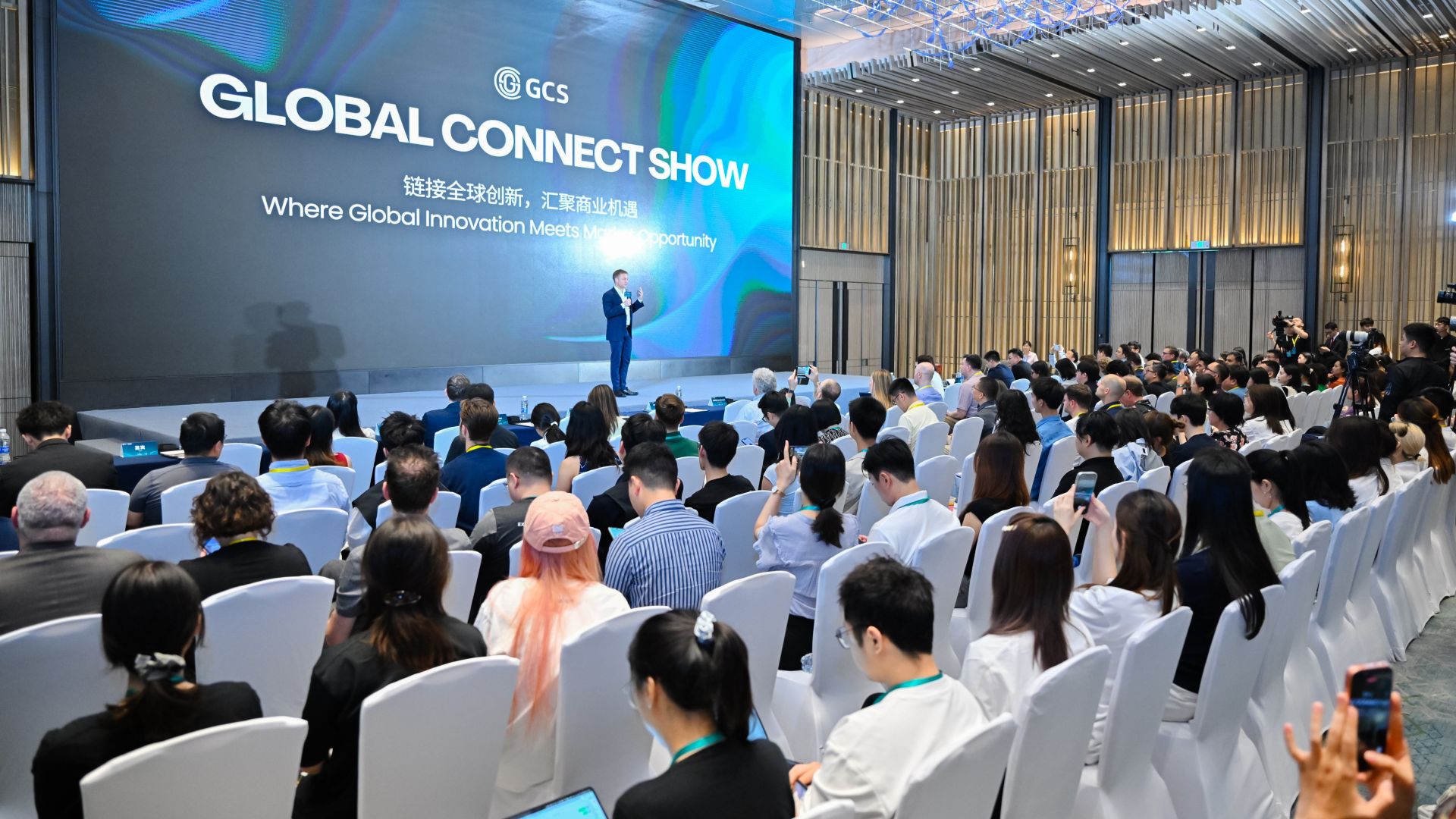
The Global Connect Show Shenzhen 2026 (GCS SZ 2026) was successfully held on June 1 at China’s innovation hub.
More than 100 Chinese enterprises joined the event, encouraged to expand into international markets.
The program focused on three core pillars:
- Chinese brand going global
- Global channel connection
- Dedicated “Into the Enterprise” series
China has developed a new generation of internationally competitive companies across various sectors, including:
- consumer electronics
- smart hardware
- artificial intelligence
- robotics
As these companies enter a new phase of going global, demand is growing for global communications, brand building, market trust, and localized business networks.
As such, the Global Connect Show is one of the platforms to be able to strengthen the relationship across enterprises, partners, business associations, and even media and influencers.
It is a significant window for innovative brands to enter global retail channels by building compelling brand narratives and developing strong localized operations.
This year’s GCS is the third staging of the show, which consistently aims to match Chinese brands with partners through a results-first approach. Such an approach includes hands-on product experiences, presentations, and one-on-one meetings.

realme C100: Enduring and durable in spite of entry-level realities
Enough power but needs more agility

The ASUS ExpertBook Ultra wins you over
The laptop sneaks up on you


vivo X300 Ultra review: A “Whole Different Animal”
Got the beast (finally) unleashed!

GoTyme Bank grows to 10 million users in the Philippines

Spotlight: HUAWEI WATCH GT Runner 2 Racing Legend Edition

FIFA World Cup: Lenovo’s Referee View received positively by fans

Assassin’s Creed Black Flag Resynced comes to life at Skypark Macau

Netflix suddenly resurrects 30-day free trials

Buyer’s Guide: TECNO SPARK 50 Pro vs SPARK 50 5G

TECNO’s SPARK 50 Pro is the latest budget smartphone battery beast
vivo X300 Ultra review: A “Whole Different Animal”

DJI Osmo Pocket 4P launches with dual lenses and a 1-inch sensor

Lenovo says RAM prices are not coming back down again


-

 News5 days ago
New York becomes first state to ban smart glasses
-

 Singapore4 days ago
Sony launches IER-M500 in-ear monitors
-
Laptops2 weeks ago
The ASUS ExpertBook Ultra wins you over
-

 Gaming2 weeks ago
PlayStation goes all-digital in 2028
-

 Computers6 days ago
GIGABYTE releases new AORUS RTX 5080 INFINITY graphics cards
-

 Gaming5 days ago
Microsoft dictates that a new Fallout game is coming
-

 Laptops2 weeks ago
ASUS launches the ExpertBook Ultra
-
 Gaming2 weeks ago
Xbox might get rid of physical discs too