
Gaming
A first-timer’s perspective on Ghost Recon: Breakpoint
Of all the games in the series I tried first, it’s this

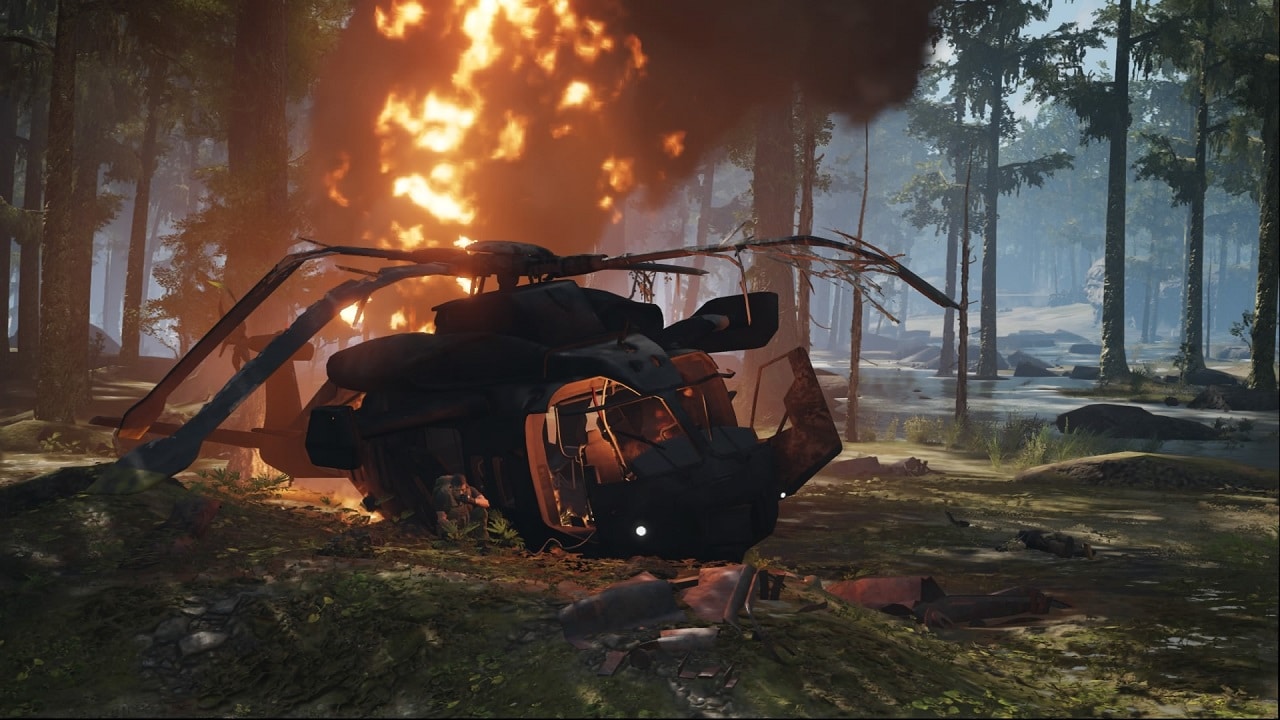
I haven’t had a chance to play any Tom Clancy game in many years, and I wanted to scan the field first on which one I should start with. I decided that I should probably give the Ghost Recon franchise a good crack at it, and went with the latest release.
Tom Clancy’s Ghost Recon: Breakpoint is the latest installment in this action-packed series. It is set three years after the events of its predecessor, Ghost Recon: Wildlands and features a returning cast of characters.
Ubisoft promised some key differences in terms of the overall story arch and terrain while bringing the same gameplay older players know. It hopes to bring something fresh for the newbies like me who plan on getting invested in the franchise.
Except maybe that was all it was — an idea
In terms of terrain, I really couldn’t say anything more. It’s honestly fantastic to see how much effort animators put into the vivid imagery seen on the overworld. From the trees and the humidity of the forests to the fiery crash sites and abandoned camps, it looks realistic in every sense.
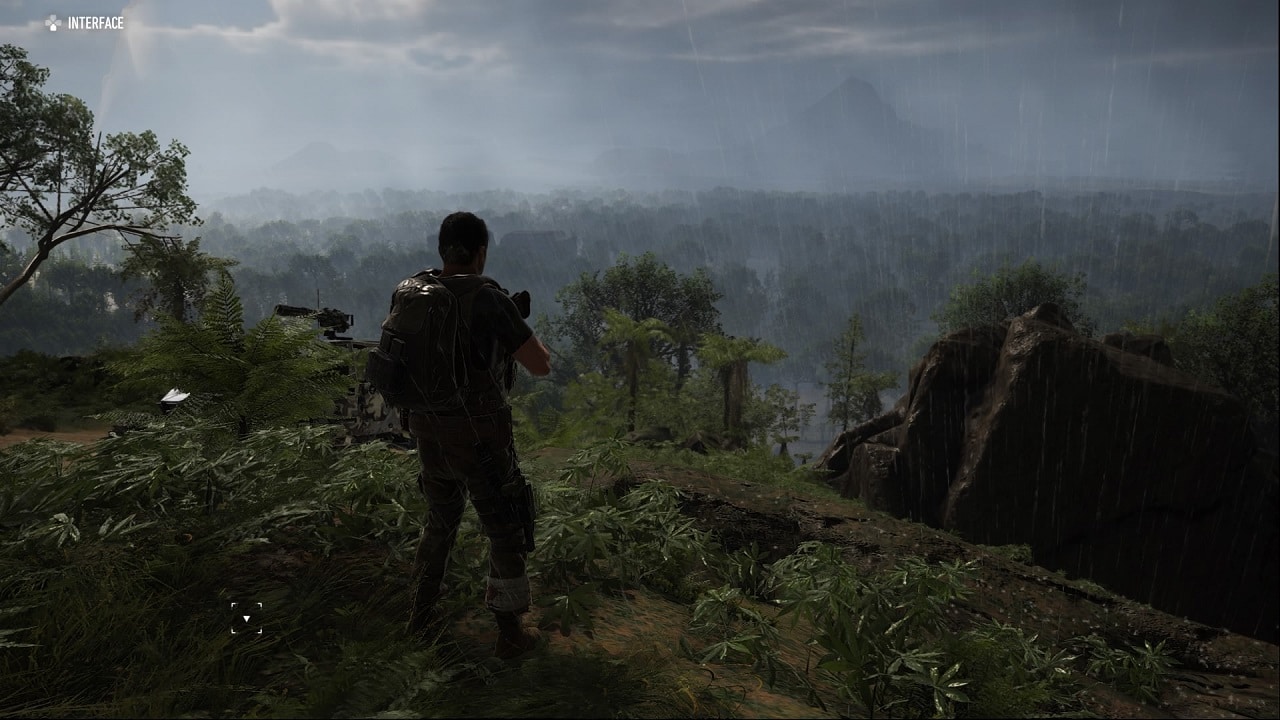
The realistic rainy mountain view provided the realism I needed for this game
In terms of story arch though, it seems fairly different. The game takes place in Auroa, a forest-laden island in the South Pacific. It follows the franchise’s lead character “Nomad” after his team’s drug bust in Bolivia from Ghost Recon: Wildlands. The team was sent to Auroa to investigate the sinking of a US cargo ship near the island.
While it does present something relatively different, I felt that the way I progressed through the game seemed bland and confusing. Throughout the game, I come across military-like entities, secret mountain camps, and several characters that reveal little important information on my objective. More often than not, I’m off fighting enemies than figuring out how to get survivors out of the island.
It’s the kind of rescue mission that just puts more emphasis on the action-packed scenery, and also on deep-rooted conflicts in the past. I had to read up on the premise of Wildlands before bridging the pieces together on the relationship between Nomad and the main antagonist, Walker. And for some reason, that’s one of the main takeaways I had from the storyline of Breakpoint.
You’re only sure of where you’re going in the beginning
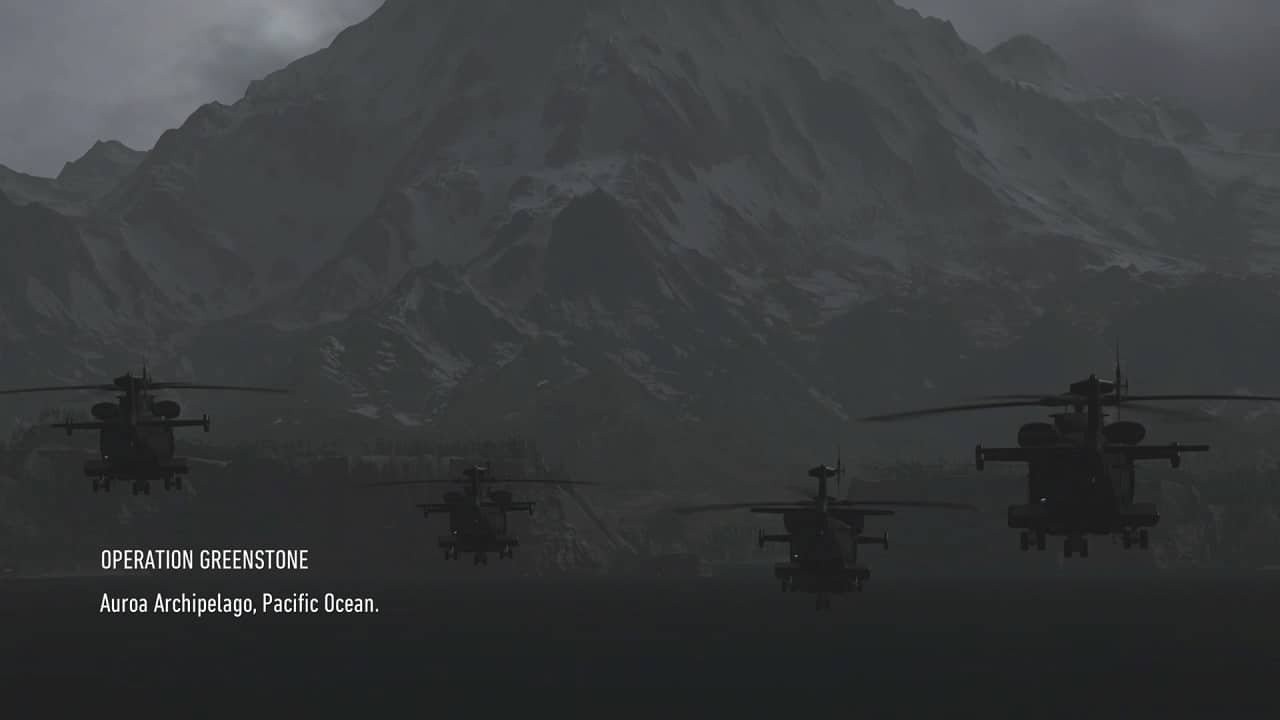
The main setting for Ghost Recon: Breakpoint of the mountainous Auroa
The moment you jump right into the game, you find yourself by your totaled helicopter ride. As you gain consciousness, you slowly become aware of the basic controls of the game. Apart from that, you get a glimpse of your objectives and the general locations of these objectives. Seems pretty straightforward to start the game, right?
The thing is, that’s honestly the only straightforward thing I found. The moment you are off doing your objectives, I felt like I knew where I needed to be. From checking out crash sites to going to the hidden camp of Erewhon, this open world game offered you the simplest objective to start out.
Every other mission after that, it was basically left to you to decide where to go. The good thing about the missions HUD for the game is it actually tells you which one follows the main storyline. But, I ended up exploring everything else just to see the whole map first.
In-game mechanics that are either simple or weird
As much as I wanted to explore the main storyline at first, I literally needed a tutorial on how this game operates. First off, this is the only game I’ve played in my life where I literally had to access the map every 20 minutes. You know how games with missions show you a pathway towards the locations of your missions? Breakpoint doesn’t know this, as you are basically coming into every location-based mission blind.
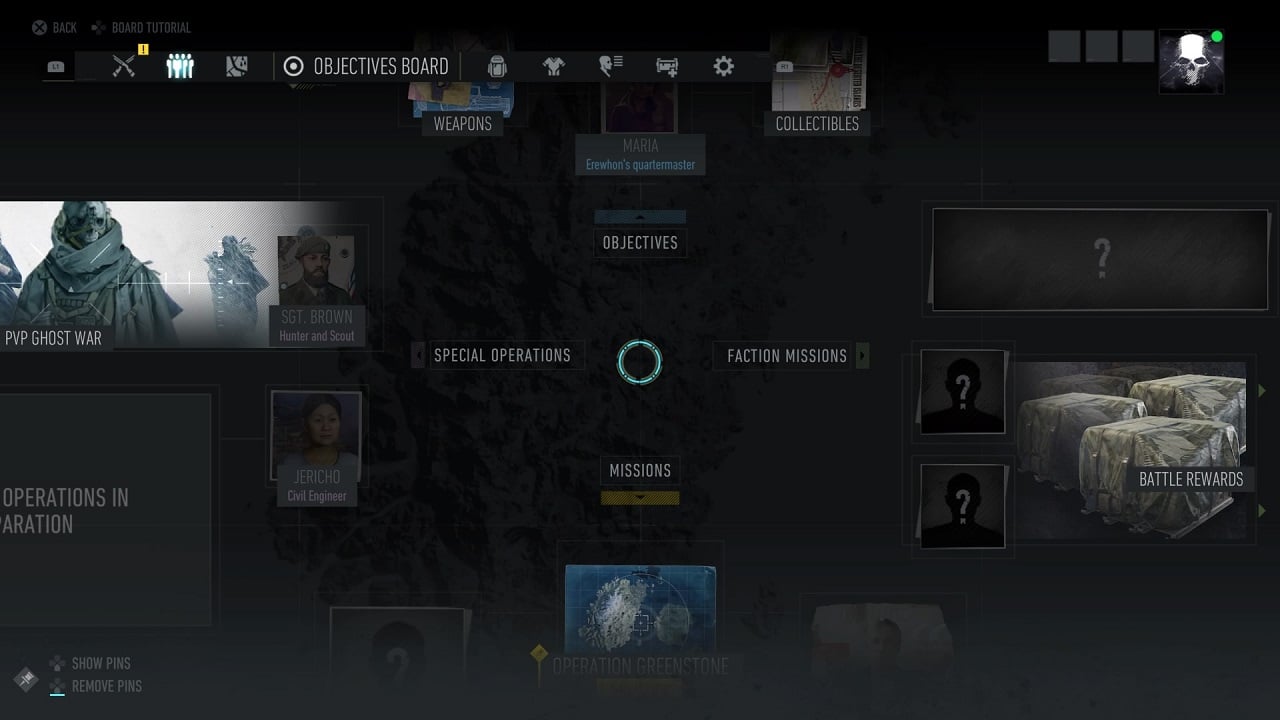
One-stop access hub for your missions, objectives, and navigation to different screens (top)
I appreciate that you can see where each mission is on the map, and that you can tick on it so there’s easier access to it. But the moment I leave the Map screen and proceed with the game, I should have memorized how to get to that place first. It’s tedious to open the Map every now and then, and that’s just weird to me.
Second, I enjoyed the fact that you could organize your loadout before every battle. As you keep fighting and completing missions, you gain experience to unlock certain loadout slots. To me, it’s actually important to prepare for all your missions. Plus, the loadout screen seems simple and easy to understand.
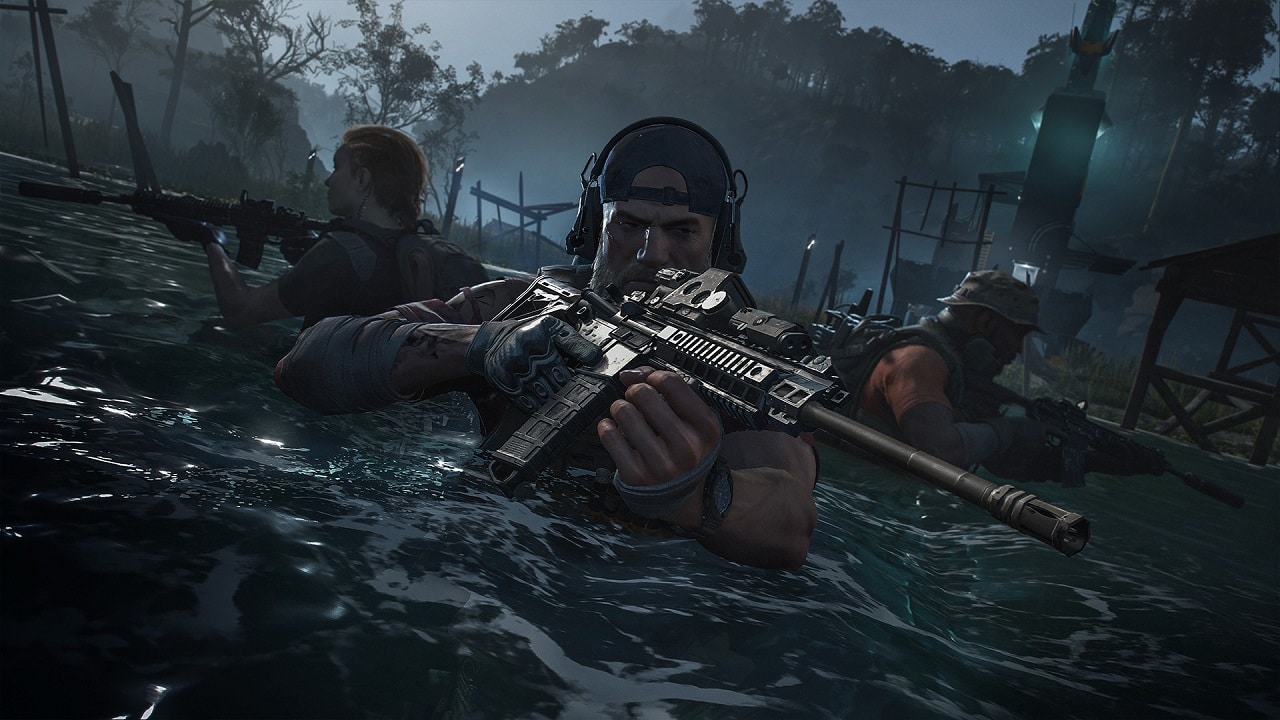
A wide variety of weapons at your disposal
Finally, combat is just what you expect from any game involving weapons. I have to admit that aim in this game was fairly difficult to master, but nothing a quick sniper can’t fix. But honestly, you’d be spending a ton of combat time healing your injuries than actually shooting people in the head. I spent a lot of time hiding just to heal wounds to fight again, and thank God the stealth mechanic works well.
Bringing it all together
Tom Clancy’s Ghost Recon: Breakpoint is a peculiar game to start getting into a series for the first time. On one hand, you’re taken away by improved visuals, additional combat mechanics and the same style of combat you see from any other shooter game. As someone who particularly likes the combination of shooters and adventures, it’s something to try.
But, as a storyteller, I felt like I needed something worth investing time in. The storyline for Breakpoint felt different than its predecessors, but it never fully takes a deep dive into more pressing conflicts. As great as the action could be, it gets in the way of the more crucial element of the game.
Overall, Ghost Recon: Breakpoint serves you with the no-nonsense action in a personality-driven plot. Ubisoft promised something different than the last, and I honestly felt they fell short by a few notches. But, nothing like a good patch to fix those, right?
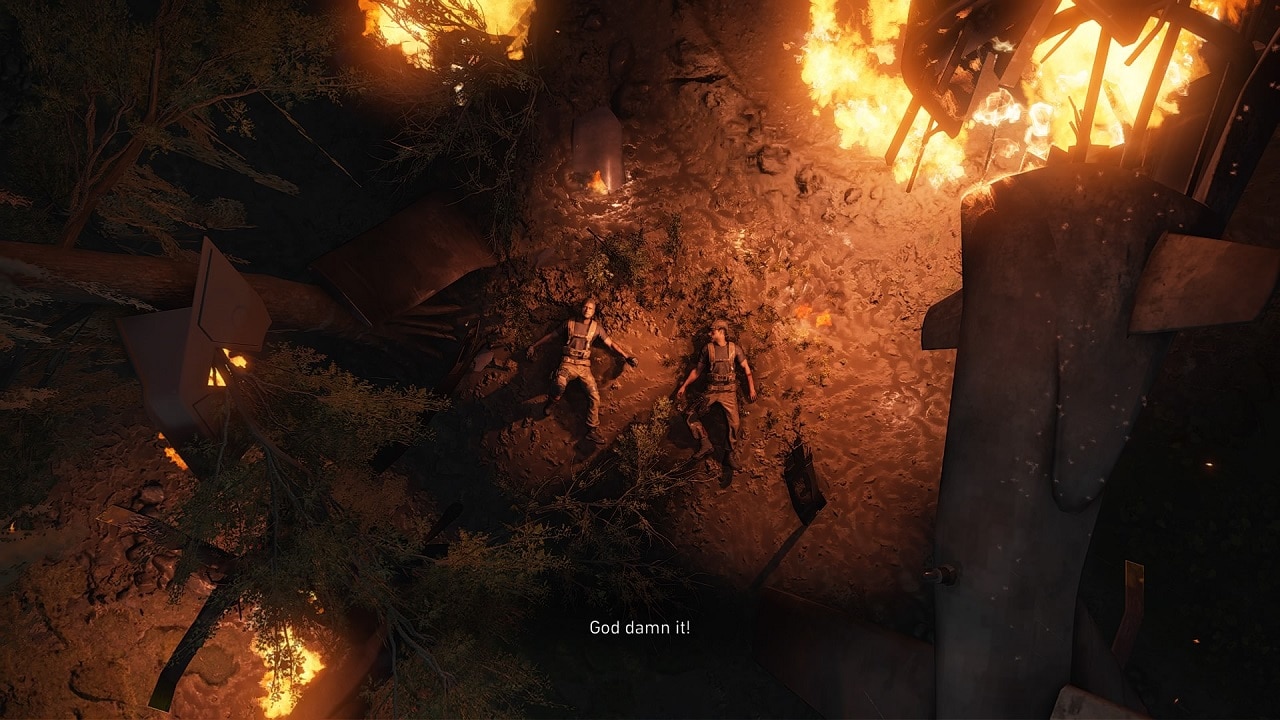
Me wanting something more out of this game



Gaming
MARVEL Tōkon: Fighting Souls review: Easy to pick up, hard to put down
Welcomes casual and experienced fighting game players

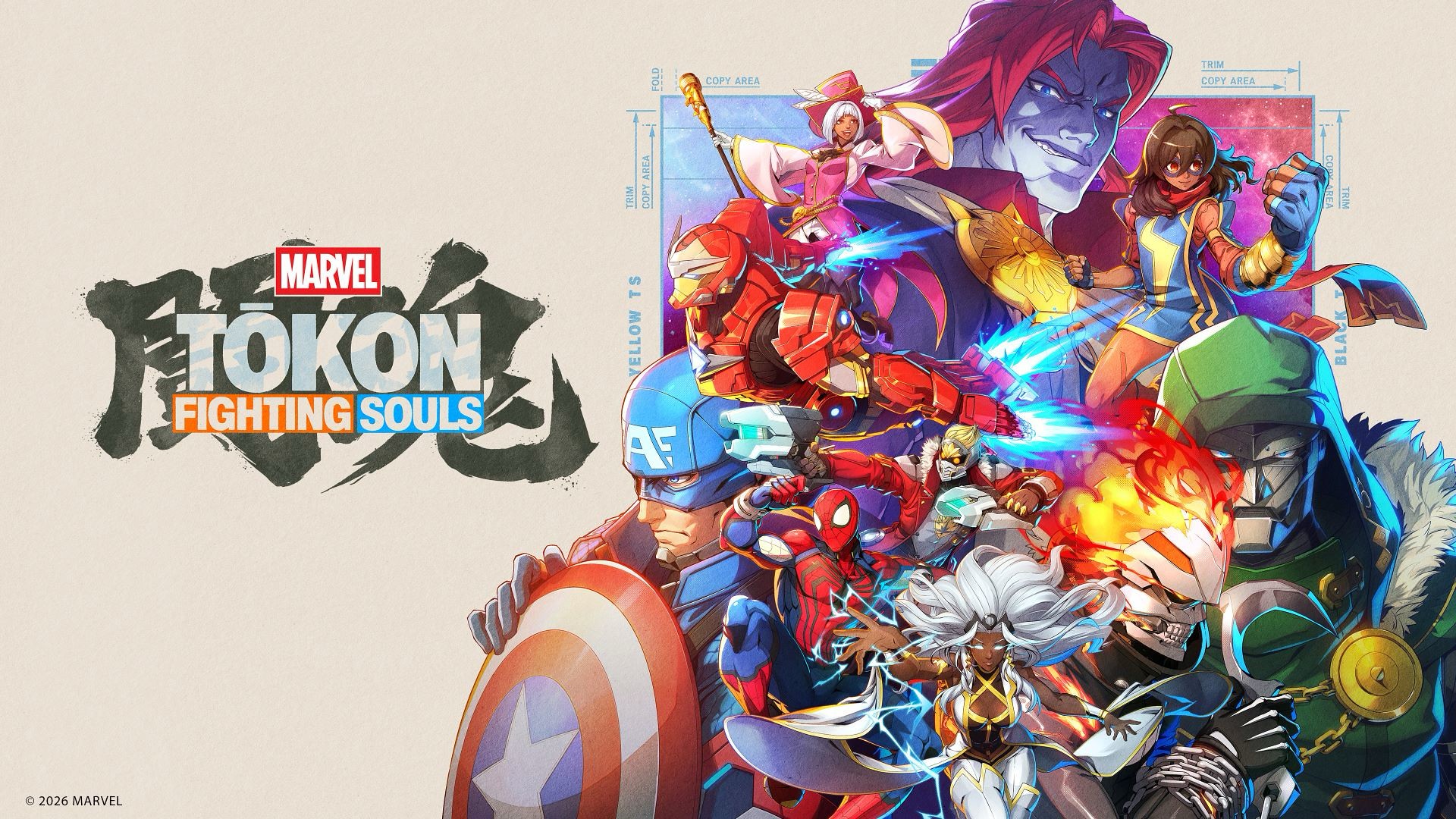
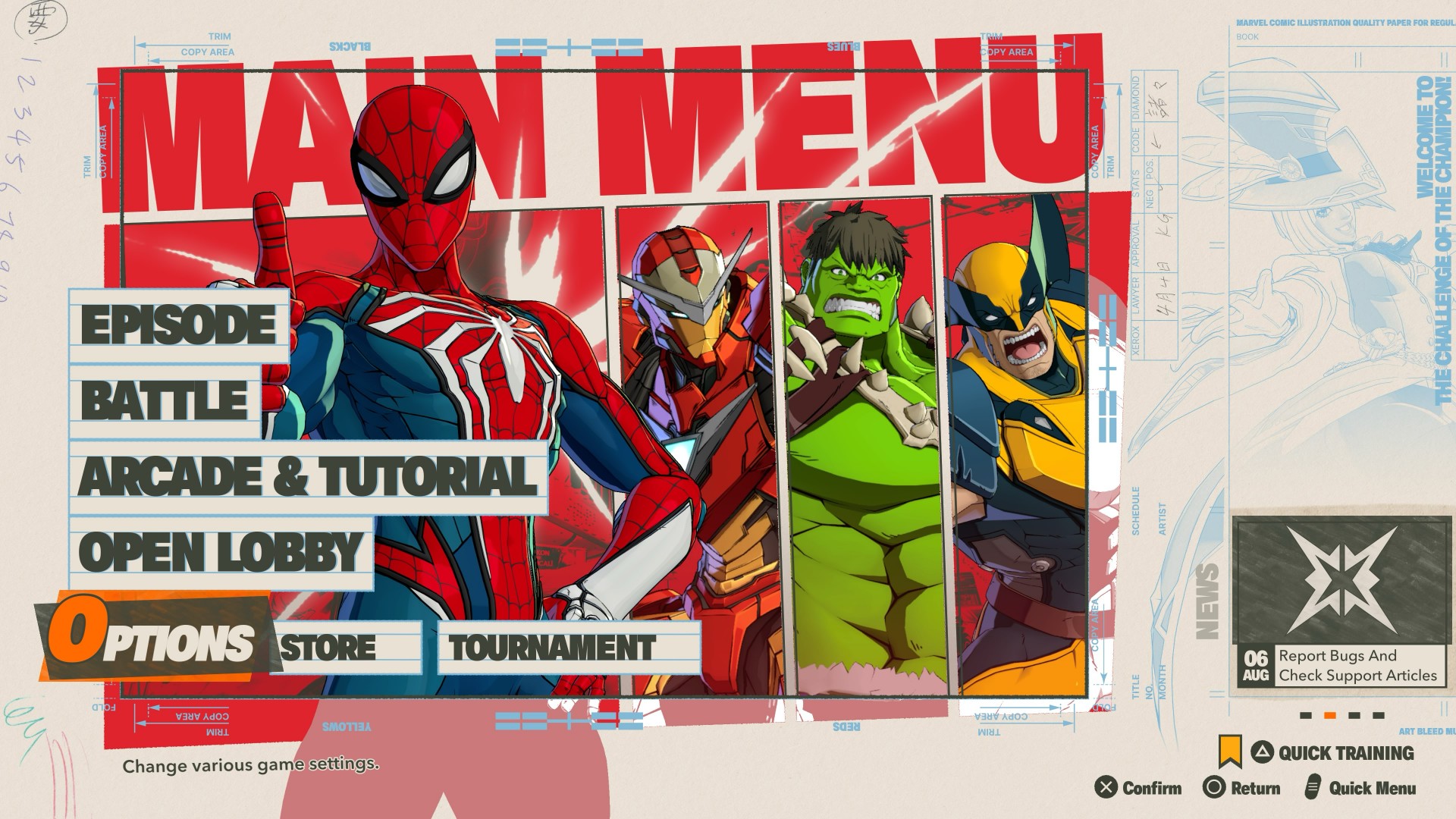
MARVEL Tōkon: Fighting Souls feels like a spiritual successor to the Marvel vs. Capcom fighting games of old — just without the Capcom bit, obviously.
That comparison isn’t just because it features a roster of Marvel heroes and villains throwing hands at each other. Tōkon captures that same feeling of putting together a team of characters you love, watching them bounce off one another, and slowly figuring out how to make them work together.
I’ve always been a casual fighting game player. I can play a little bit, but I’m a benchwarmer at best. I do watch tournament matches every now and again, though, and I can tell when real skill is involved.
It’s kind of like basketball to me. I may not be particularly good at it, but I know a good play when I see one.
After spending some time with Tōkon, I can see the appeal.
It’s welcoming enough for someone like me to jump in and have fun, but there’s enough depth underneath the simple controls to reward players who want to take the time to master it.
The tutorial is important
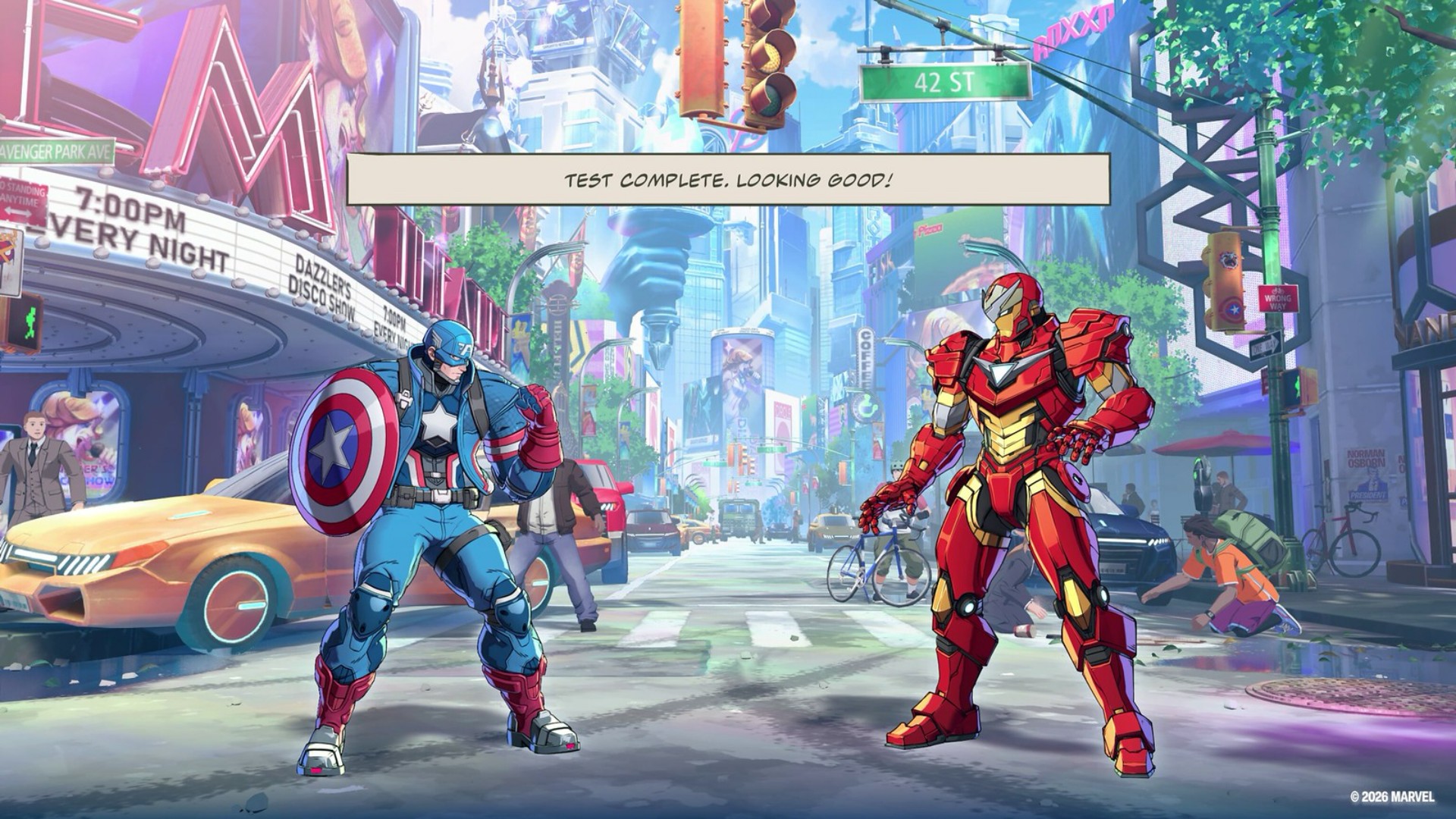
I handled the tutorial portion during the demo, so when I got the full game I jumped straight into Story Mode.
That said, the tutorial is very important.
The button presses seemed easy enough to follow at first. But the deeper the tutorial went, the more complex it started to feel.
That’s not necessarily a bad thing. In fact, it does a good job of gradually guiding you through the game’s mechanics instead of throwing everything at you at once.
Anyone who’s ever played a fighting game at any capacity will have an understanding of how the general mechanics work.
But Tōkon layers its own systems on top of those familiar fundamentals.
The tutorial essentially takes you through the Training Mode. It’s great for getting a feel for how to execute the unique moves per character.
I’m a firm believer that you should just throw yourself at a match and only go back to training if you hit a wall and can’t advance or seem unable to overcome your opponent.
That’s how I prefer to learn.
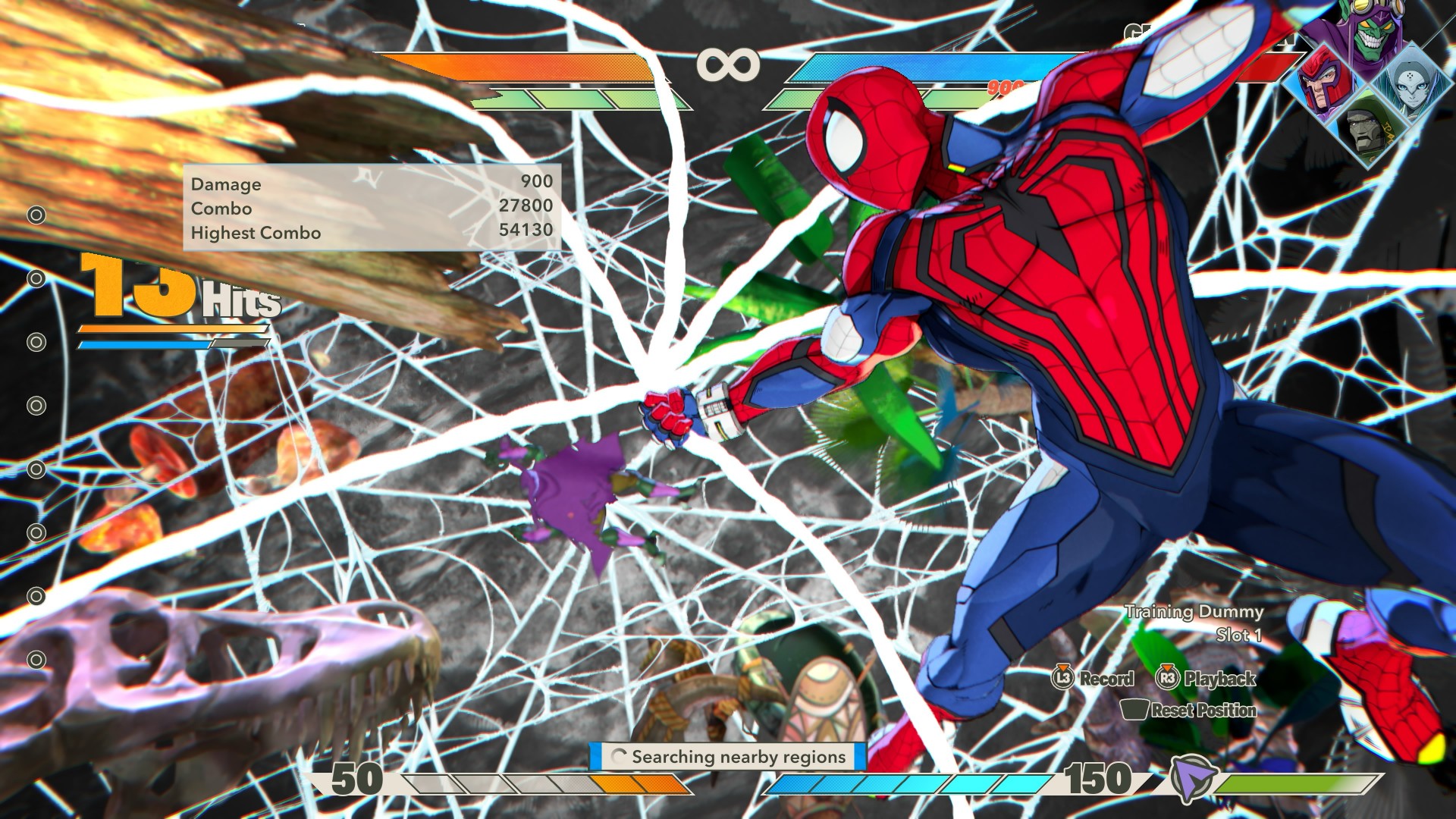
MARVEL Tōkon: Fighting Souls OPEN BETA_20260726134748
And Tōkon makes that approach viable because the fundamentals don’t feel intimidating.
The game’s official materials also emphasize this balance. It offers adjustable controls, traditional and quick inputs, easy chain combos, character guides, training, and other ways to learn the game’s systems.
There’s more than enough here that the game should feel welcoming to both casual and hardcore fighting game fans.
Four characters, one fight
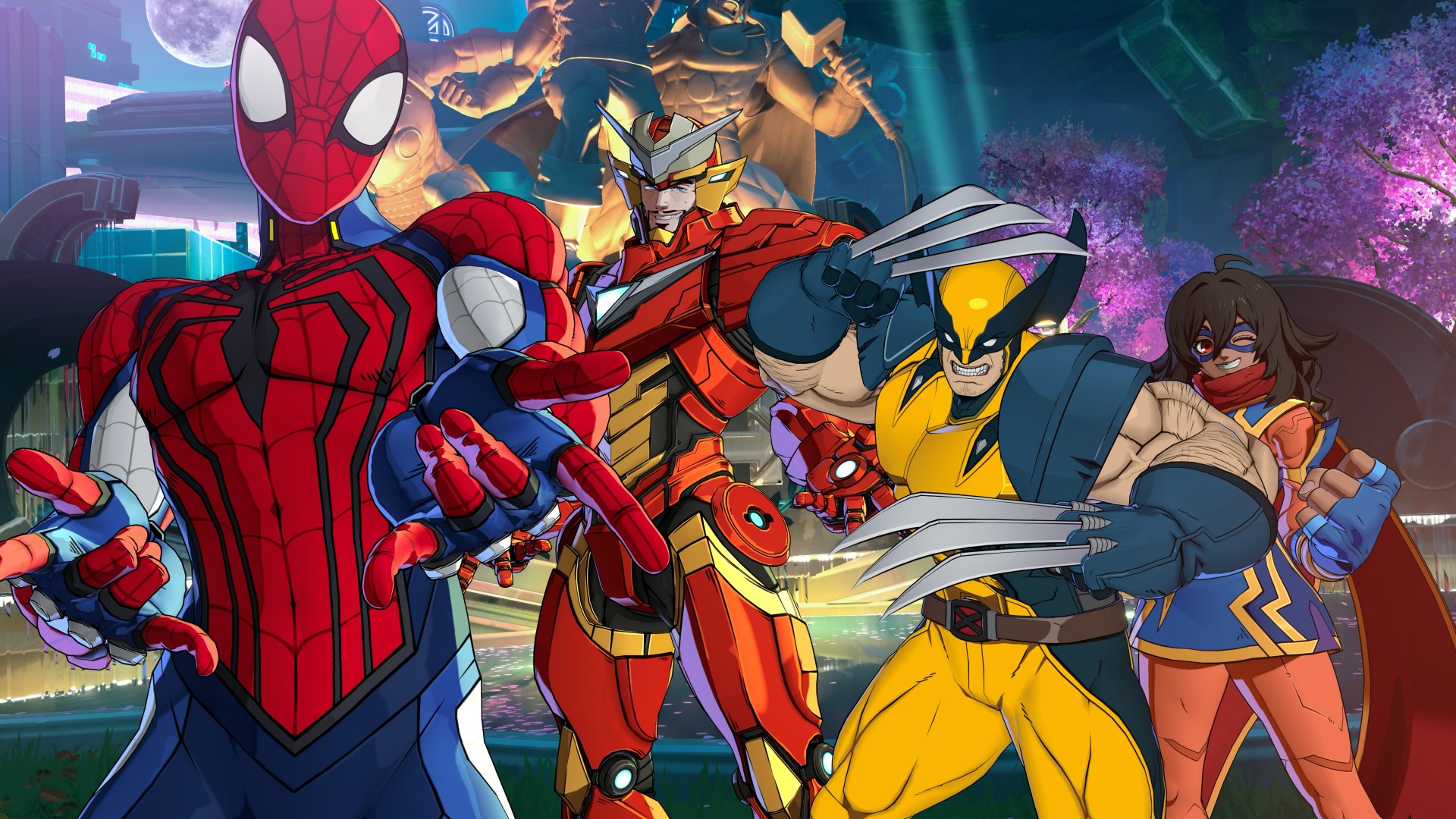
The biggest thing to wrap your head around is probably the game’s 4v4 structure.
You pick four characters: one main fighter and three assists. But you don’t immediately have access to your entire team.
You only get access to the first assist initially. You unlock the other two after a Stage Break happens in a match. A Stage Break is when you finish a combo with the opposing character flying through an extended area of the fighting stage.
So it’s entirely possible to go an entire match without unlocking all your assist characters.
Now that I’ve spent more time with it, though, getting to a Stage Break is actually fairly easy. Landing and chaining combos doesn’t feel too complicated to pull off, so you can get access to the rest of your team without having to perform some impossibly technical sequence.
The assists are great.
You simply hit X or Cross (or the bottom-most face button) for a generic assist, but combining right + X or down + X gives you long-range and air-launch assists.
These are great for opening up your opponents to combos or countering their moves.
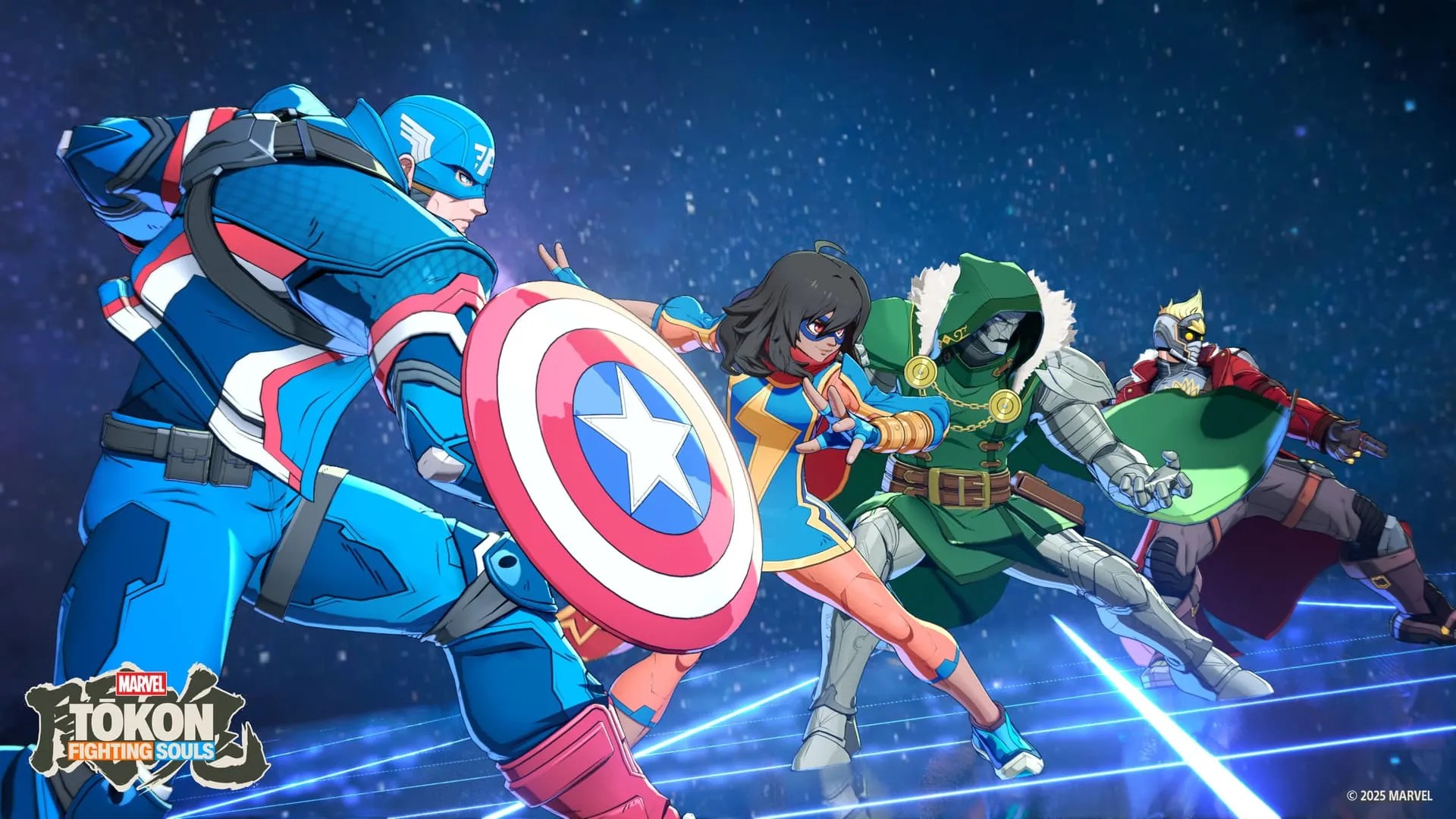
Once you have all your assists available and fill the gauge all the way up to 150, you can execute a Super Attack with every single one of your characters joining the assault.
It’s a fantastic payoff for building up your team.
This is also where Tōkon starts feeling like more than a simple fighter.
The controls are easy enough to understand, but the deeper you get into a fight, the more you start thinking about when to call an assist, how to extend a combo, when to counter, and when to save your resources.
It’s the same kind of satisfaction I get from Dragon Ball FighterZ or Guilty Gear Strive.
Simple controls can get you started.
The complexity comes from figuring out what you can actually do with them.
Spider-Man is my guy
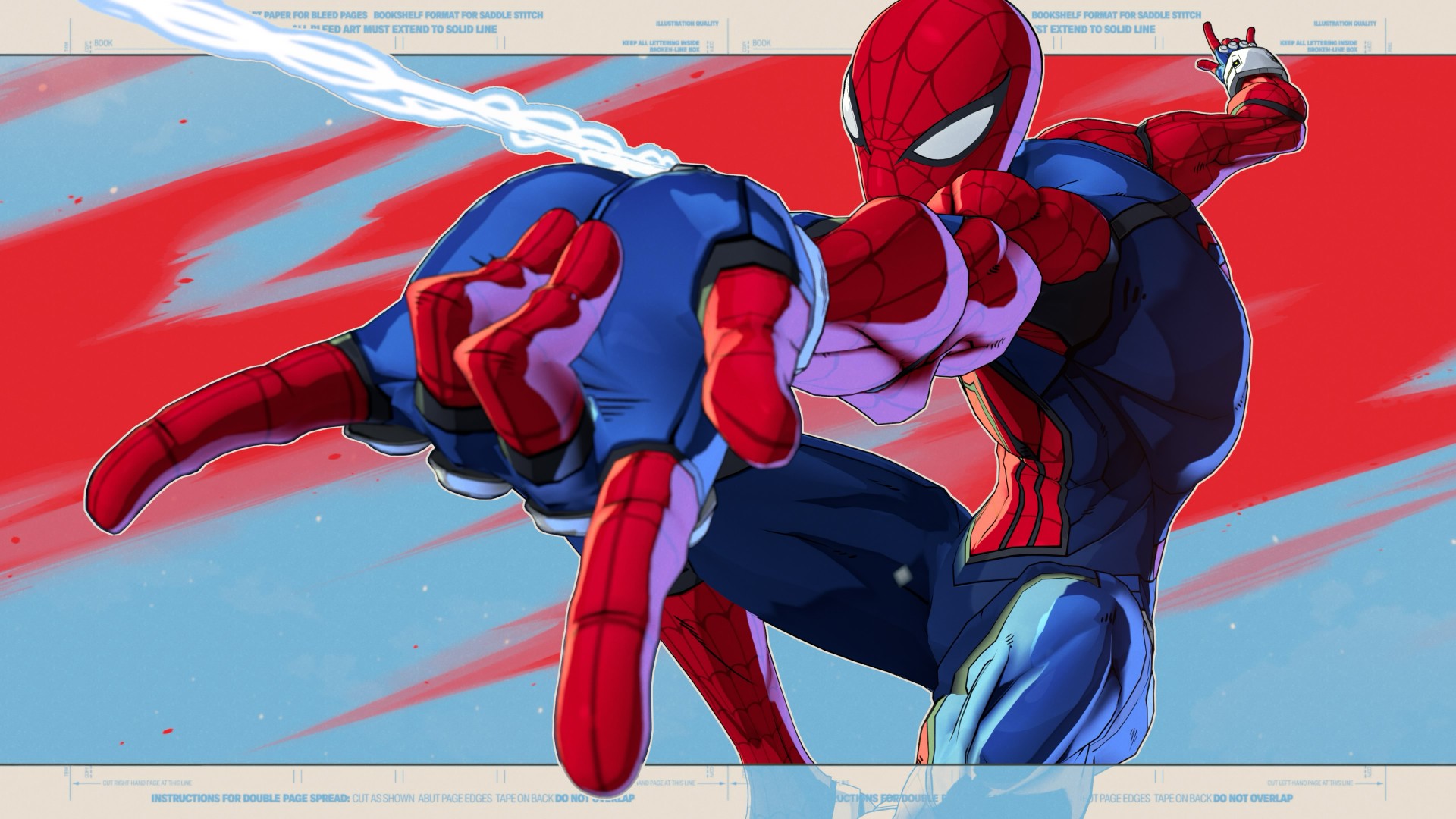
I spent most of my play time using my favorite character of all time: Spider-Man.
Honestly, he feels a little trickier to play than most.
His special move involves him shooting a web, and you can either follow it up with a combo or use it to swing away from attacks.
That little bit of flexibility makes him feel very Spider-Man.
You’re constantly darting around the fight, looking for an opening while also having a way to get yourself out of trouble.
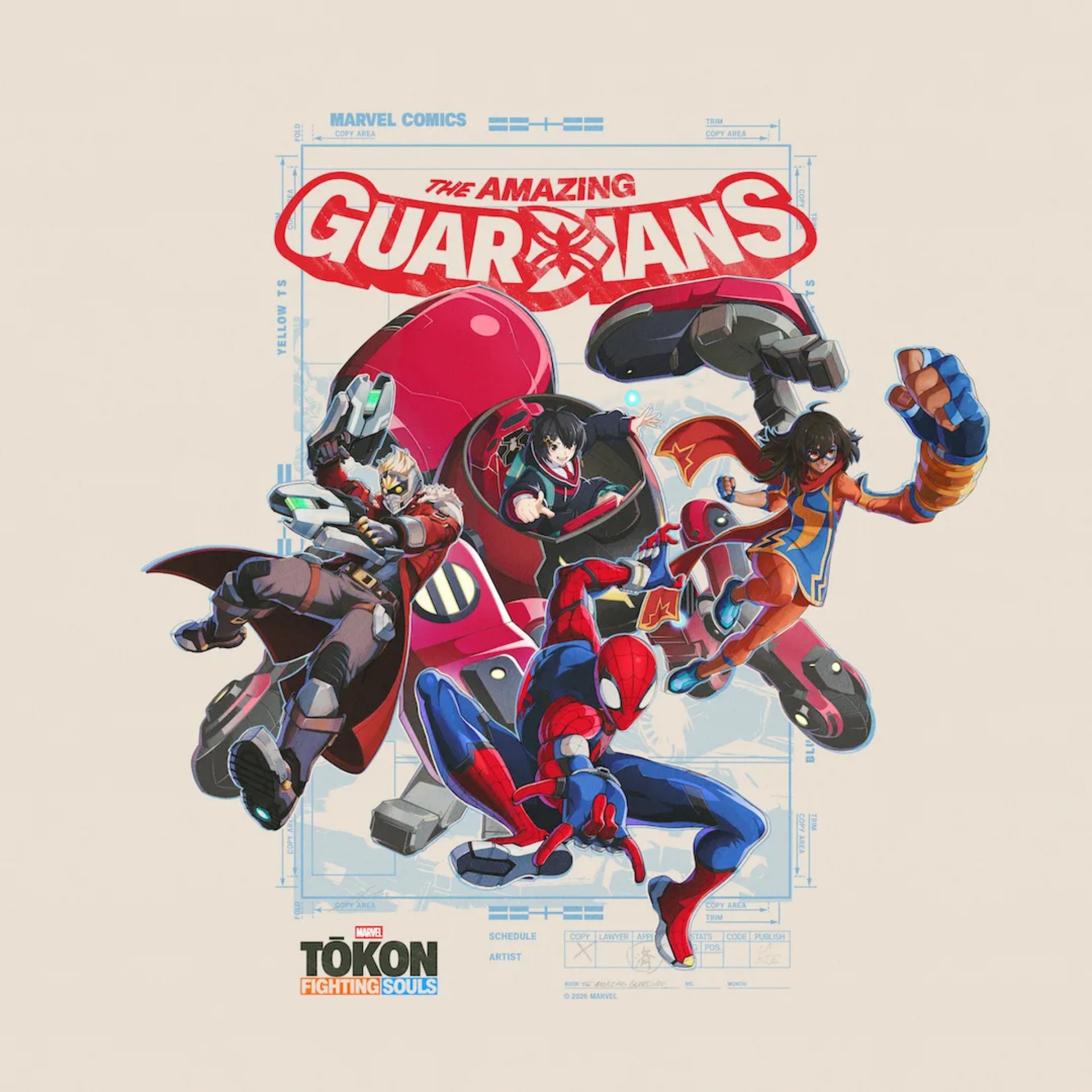
I initially played him with his teammates set by the game: Ms. Marvel, Peni Parker, and Star-Lord.
But outside of the story, I usually always have Wolverine up next.
He’s an aggressive damage dealer and a button masher’s delight.
That’s part of what makes Tōkon’s roster work.
Going through Story Mode gives you a chance to get a feel for how each character handles and who fits your style the most.
With 20 characters available at launch, there’s enough here to mix and match, and you’re bound to find a set that you feel at home using.
And sometimes the character you expect to like isn’t the one you end up enjoying the most.
The characters change how you play
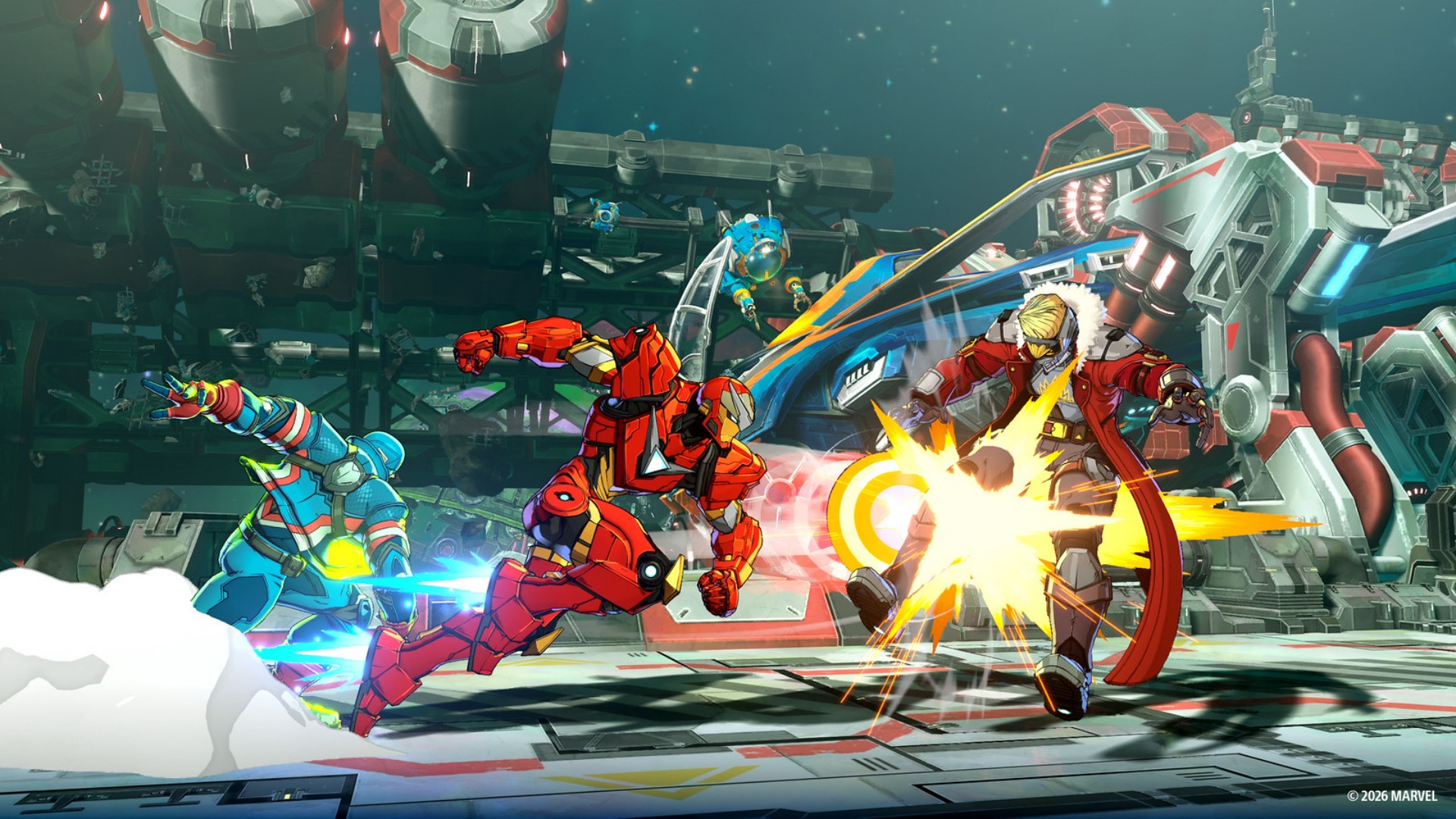
The character I wasn’t particularly interested in but was surprisingly fun for me to use was Blade.
It probably has to do with the types of movement I associate with each character.
With Spidey, I’m always darting around.
With Wolverine, I’m always rushing the enemy.
But with Blade, I suddenly move with more measure.
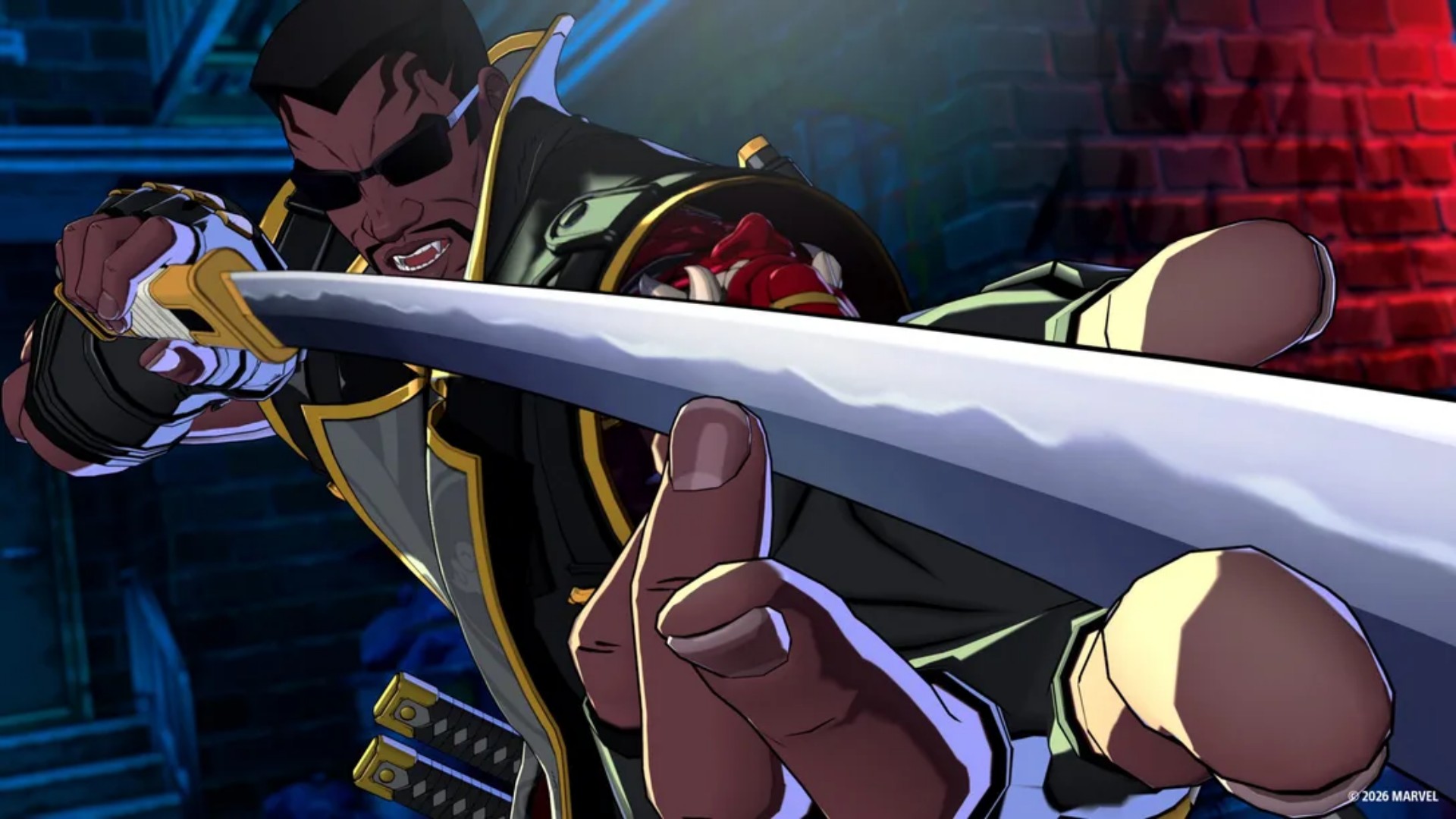
Something about his stance and attacks makes me want to approach the fight a little more deliberately.
Ms. Marvel was also a character I didn’t care much for at first but ended up enjoying using.
Mostly also because she forces me to dial back a bit and be more deliberate with my movements.
That’s one of the more enjoyable things about Tōkon.
The roster doesn’t just give you different characters with different movesets. It encourages you to approach fights differently.
You’re not necessarily going to play the same way with every character. And that makes finding the right team more rewarding.
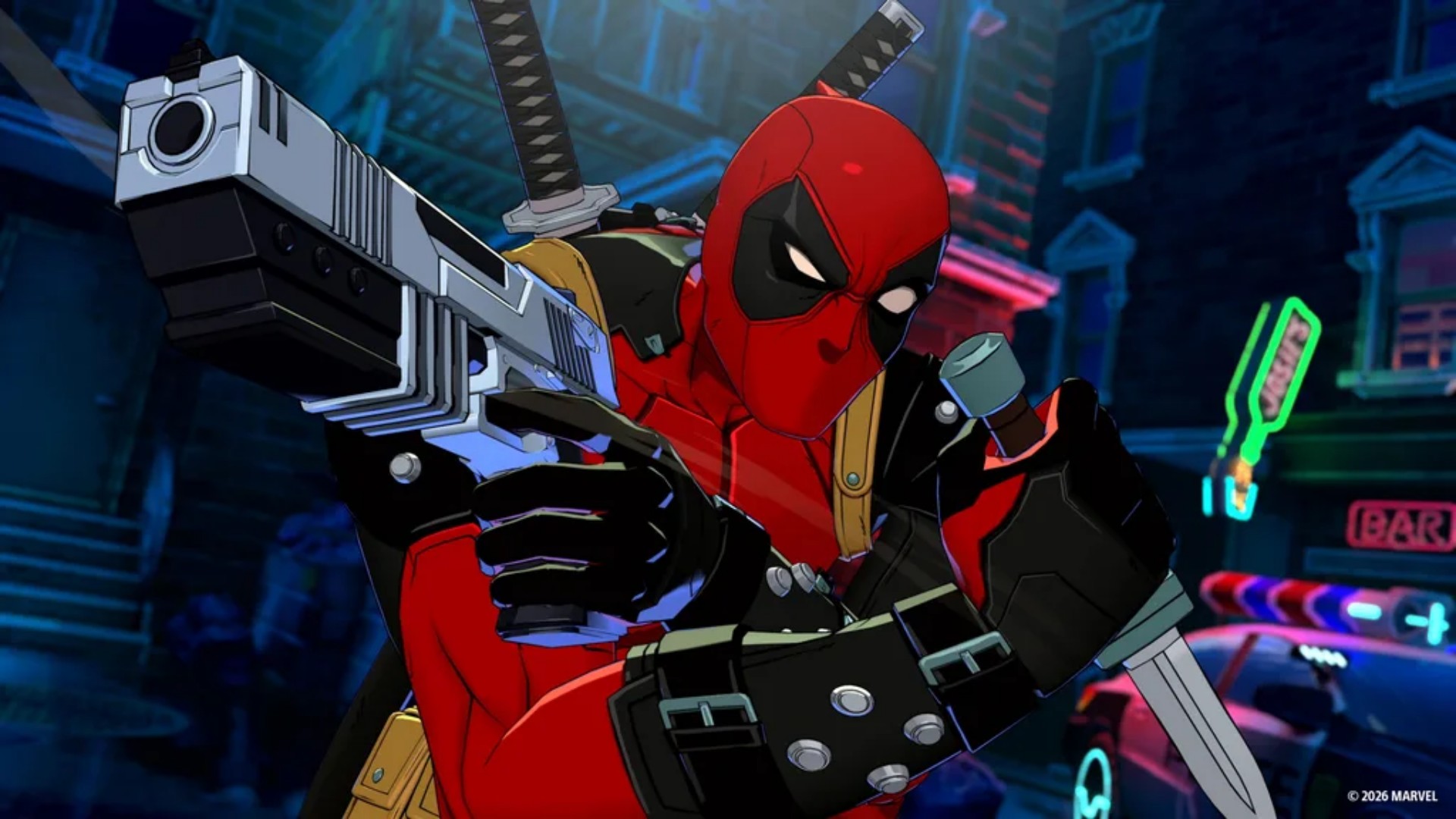
Deadpool, meanwhile, has a lot of Easter egg references from other games and franchises.
I haven’t seen them in my own playthrough, though, so it’s frustrating me a bit.
View this post on Instagram
That probably says something about how much Marvel fan service Arc System Works has packed into the game.
Even when I’m not finding the references myself, I know I’m probably missing something.
Losing doesn’t feel cheap
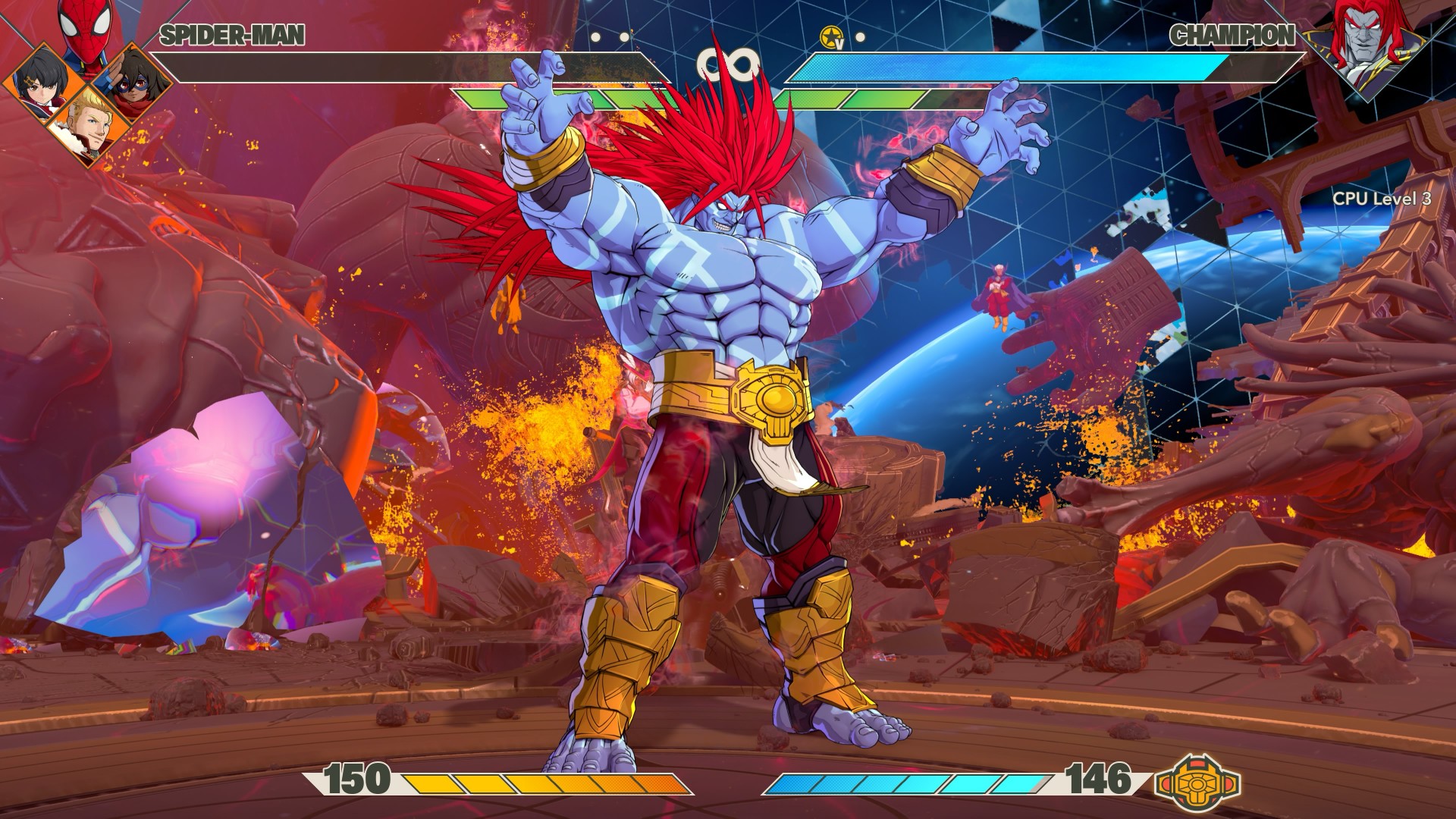
This might be one of the biggest compliments I can give Tōkon.
When I lose matches, it never feels like it’s because the opponent got some sort of buff or something.
I can clearly see where I mistimed a block or a counter, and that led to a devastating string of combos that led to my demise. I don’t mind losing when I understand why I lost.
There’s a difference between getting beaten and feeling like the game simply decided that you were going to lose. Tōkon generally makes me feel like the former.
I’m not suddenly going to pretend I’m good at fighting games. I’m still a casual player. But I can recognize when I made a mistake.
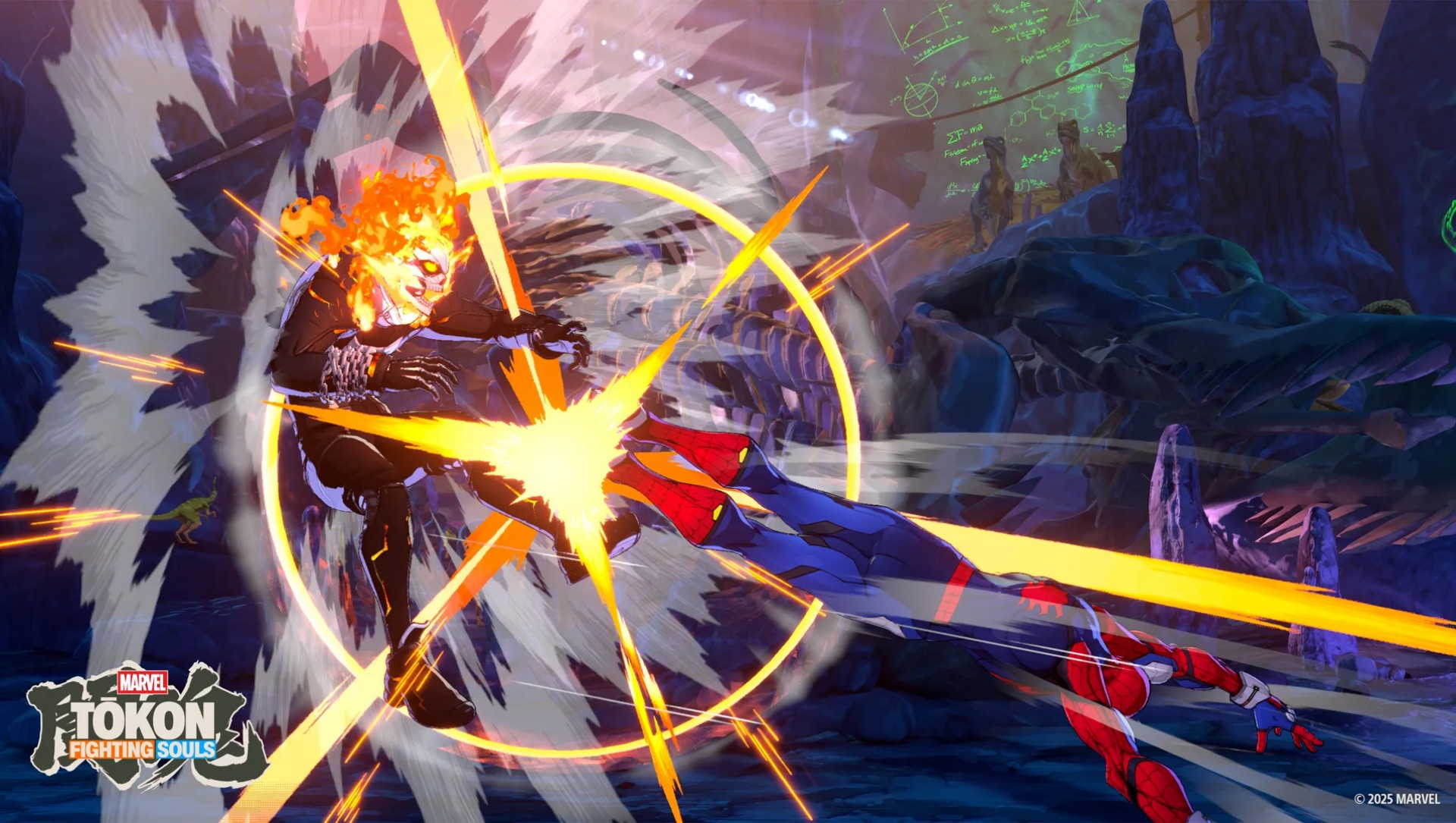
And when I watch a really good player put together a sequence, I can appreciate the skill involved even if I have absolutely no idea how to replicate it.
That’s where I think Tōkon strikes a good balance.
The game lets me enjoy fighting games at my level while leaving the door open for players who want to take things much, much further.
It’s anime as hell
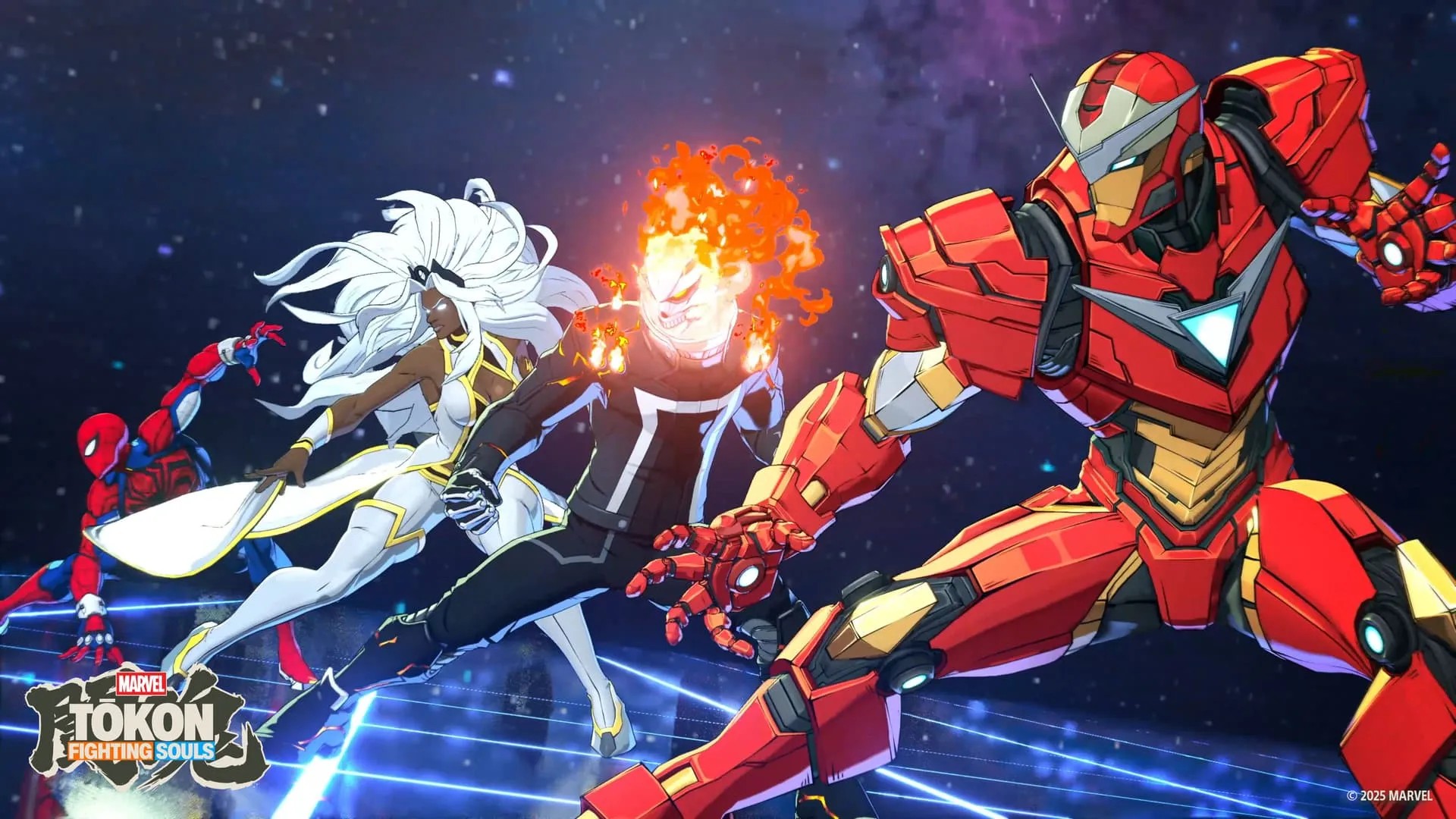
The anime-coded art style has been telegraphed since the game was first announced, so there shouldn’t be any surprises here.
There are plenty of character costume color combinations to choose from, while the animations are truly eye-popping without feeling extremely overwhelming.
The characters move with the kind of exaggerated energy you’d expect from an Arc System Works fighter, but it still feels distinctly Marvel.
Every fight feels like a comic book panel suddenly came to life.
The presentation is particularly good at making the big moments feel big without turning every attack into visual noise.
And then there’s the opening sequence. It is so anime intro-coded and I NEVER skip it. It’s so hype!
Don’t expect a deep Marvel story
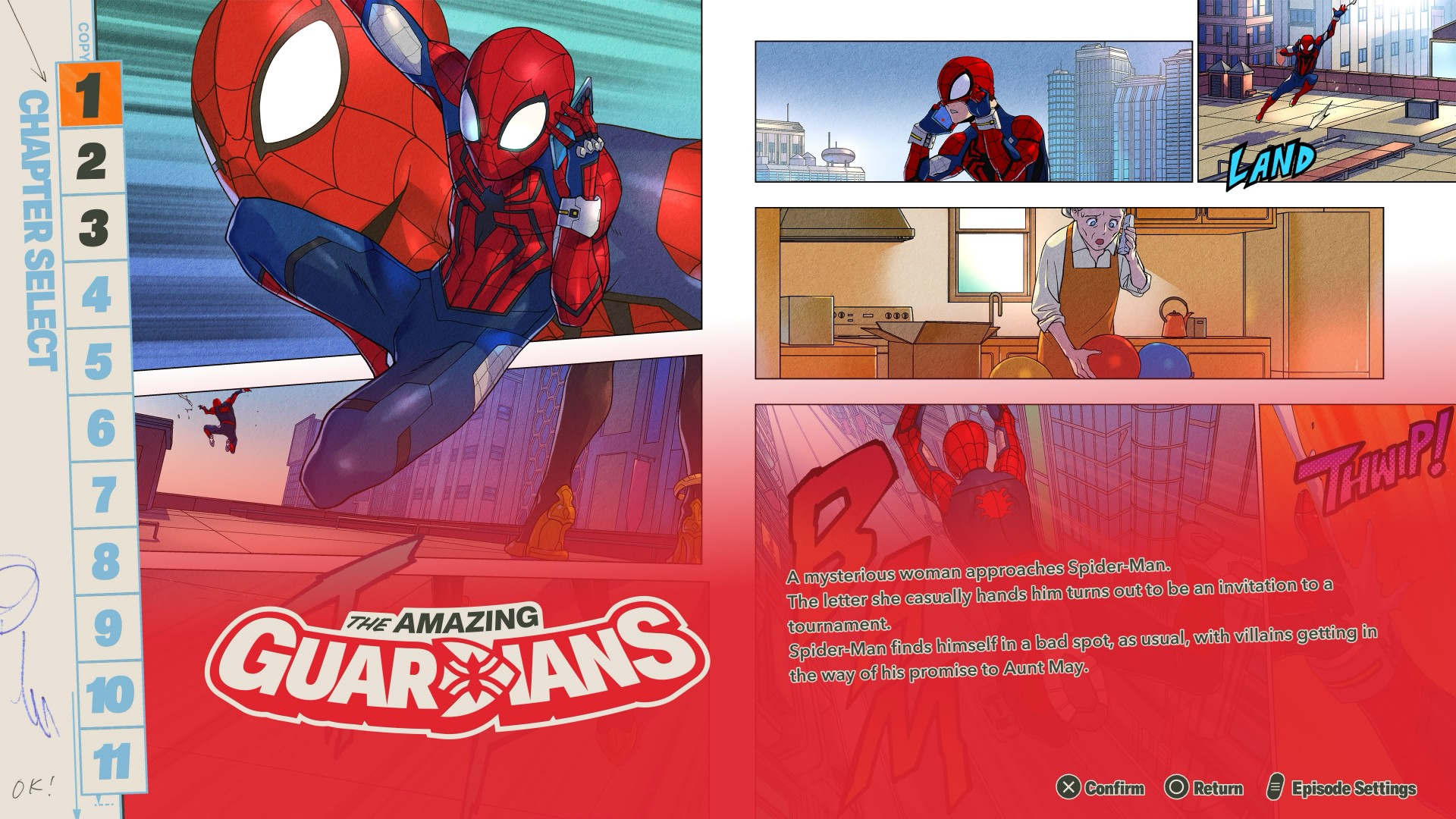
You don’t have to play through each character for Story Mode.
The characters are divided into teams of four, giving each group its own story. The presentation is a mix of anime cutscenes and comic-book-panel-style storytelling.
It’s… alright.
If you’re after any real deep storytelling here, you’re not playing the right game.
There’s enough to keep you mildly entertained, but halfway through your third team you’d probably be over it and would want to just jump straight into fighting — which is the core of the game anyway.

The story gives you an excuse to spend time with different teams and characters.
It lets you learn how they play while giving you a little context for why they’re fighting together.
But Tōkon’s real appeal isn’t its story. It’s what happens when the fight starts.
The fighting is the story

The more time I spend with Tōkon, the more I think this is where the Marvel vs. Capcom comparison makes the most sense.
You pick characters you love, put them together, and figure out how they work.
Then you discover that the character you weren’t interested in is suddenly the one you can’t stop playing.
That’s the loop. And it’s a good one.
Tōkon feels like it understands that a fighting game doesn’t need an elaborate narrative to make you care about its characters.
Sometimes all you need is a character you like, a team that feels good, and a fight that makes you want to hit rematch.
The sound of a good fight
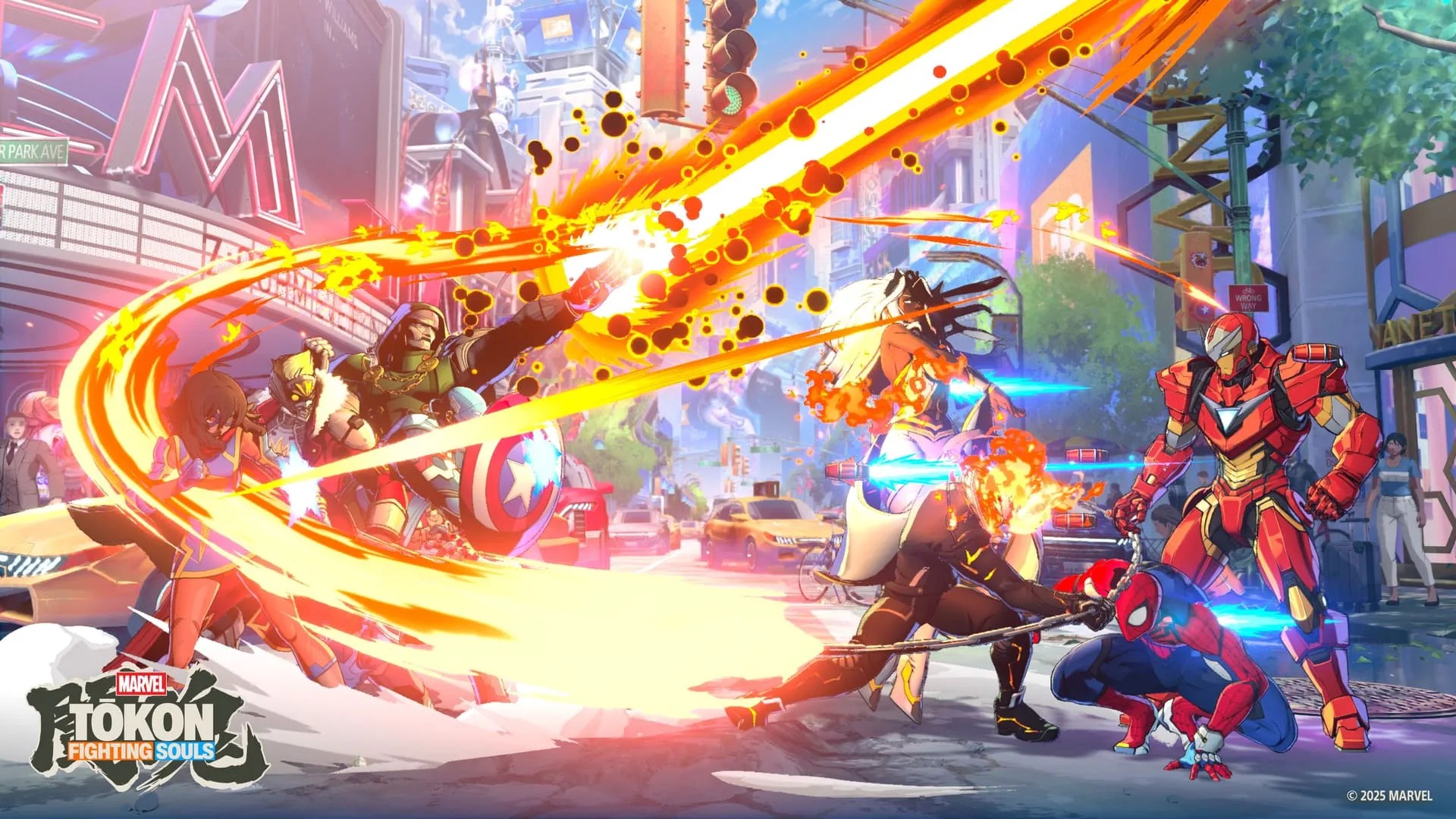
I have to be honest — and a bit embarrassed — I love listening to music, but audio is almost always the last thing I notice when I review games.
I want to say the audio here perfectly complements the visuals.
Nothing feels jarring or out of place.
The music feels appropriate for every stage of the fight, while the in-fight dialogue matches the reactions to what’s happening on screen.
(My setup is an LG C2 TV with a Samsung soundbar. Suffice it to say, I FEEL every hit adequately).
Arc System Works also specifically called out music and sound as areas of focus for Tōkon. After playing it, I can see why.
It runs excellently on PS5
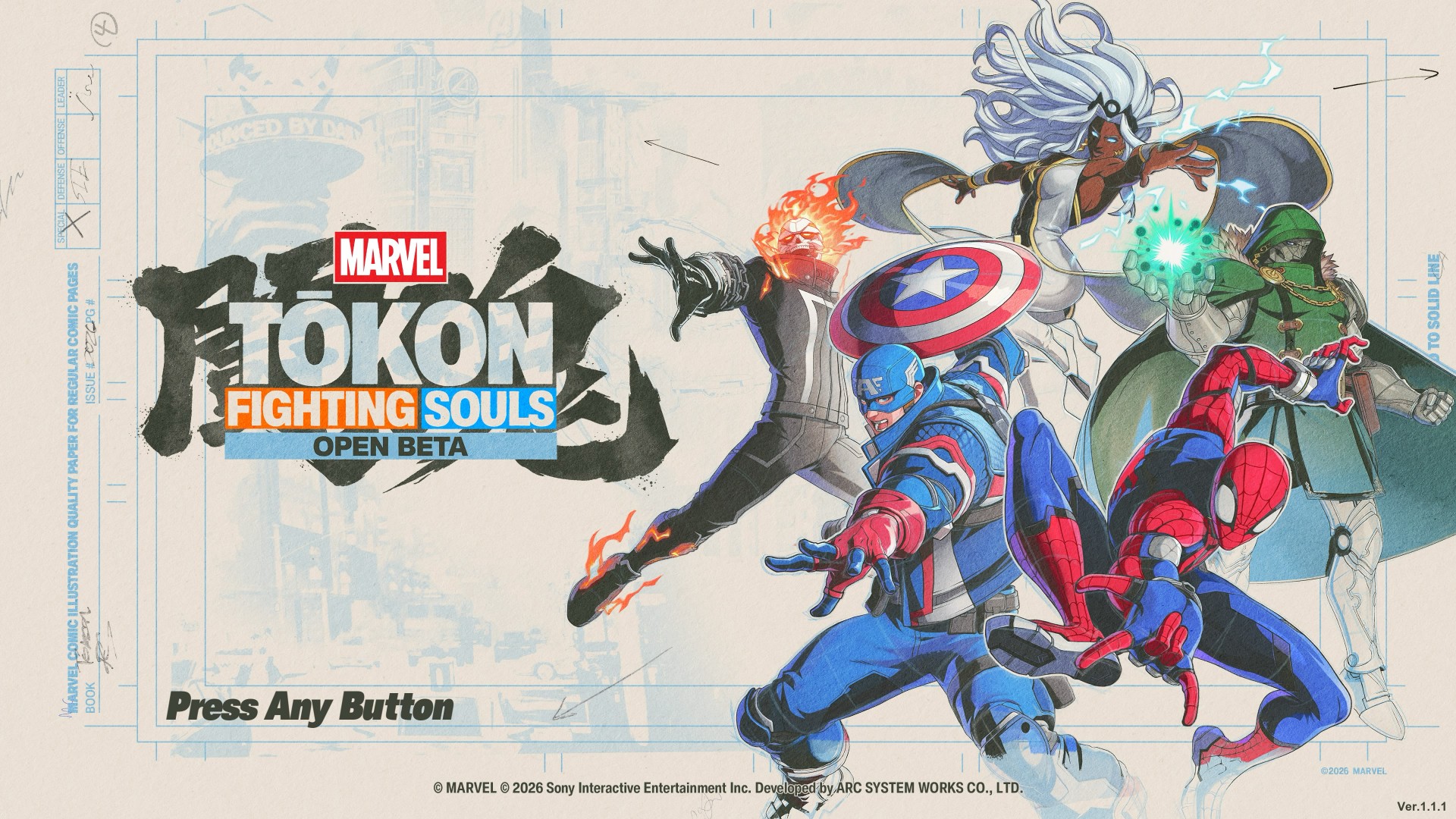
MARVEL Tōkon: Fighting Souls OPEN BETA_20260726110851
On PS5, MARVEL Tōkon: Fighting Souls runs excellently.
My runs were mostly PvE, and I encountered no issues whatsoever.
Any input lag is just me having stubby fingers — nothing to do with the game’s performance.
The game also benefits from the PS5’s presentation, with its colorful effects and huge character animations looking particularly good on a big screen.
I played on a 55-inch TV and it made those big super attacks especially satisfying to watch.
The PC version, however, had a much rougher launch.
It was only recently that a patch was released, and we also had challenges redeeming the PC version.
So if you’re deciding between platforms, the PS5 version is the one I can comfortably speak for based on my experience.
Online is where I struggle
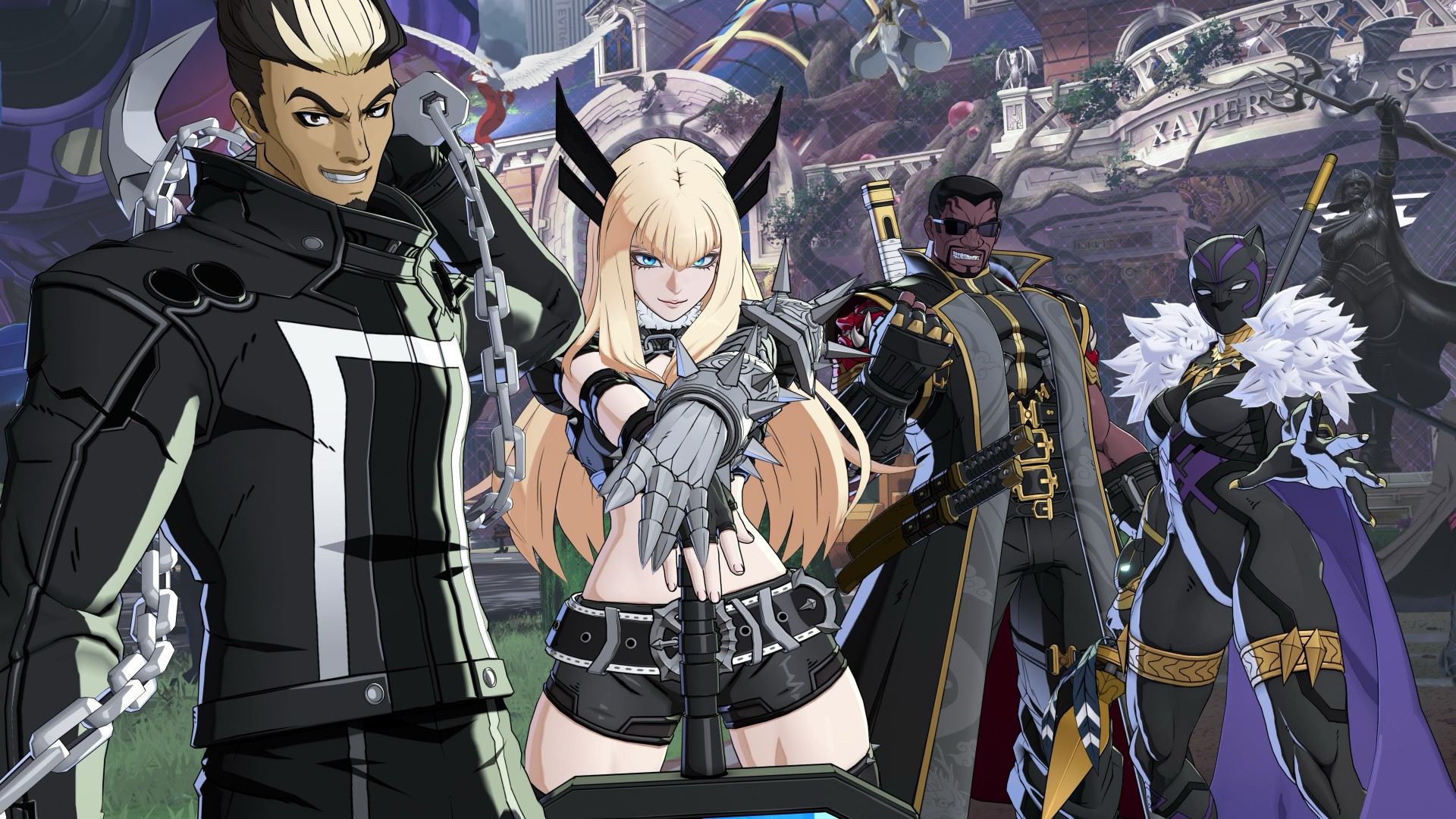
MARVEL Tōkon: Fighting Souls OPEN BETA_20260726140314
I don’t like talking about this. I get my ass handed to me too much. But if you’re talking about getting into matches, it does get challenging.
I wait a good five to seven minutes before I can hop into online matches.
And once I do get into a fight, let’s just say my win rate isn’t exactly something I’m going to frame on the wall.
The game’s online offering includes Casual and Ranked matches, along with online lobbies and Room Matches.
The real question for more competitive players will be whether the online community can sustain quick matchmaking as the player base settles after launch.
For a casual player like me, though, the bigger hurdle is simply finding someone willing to beat me up.
A cute little detour
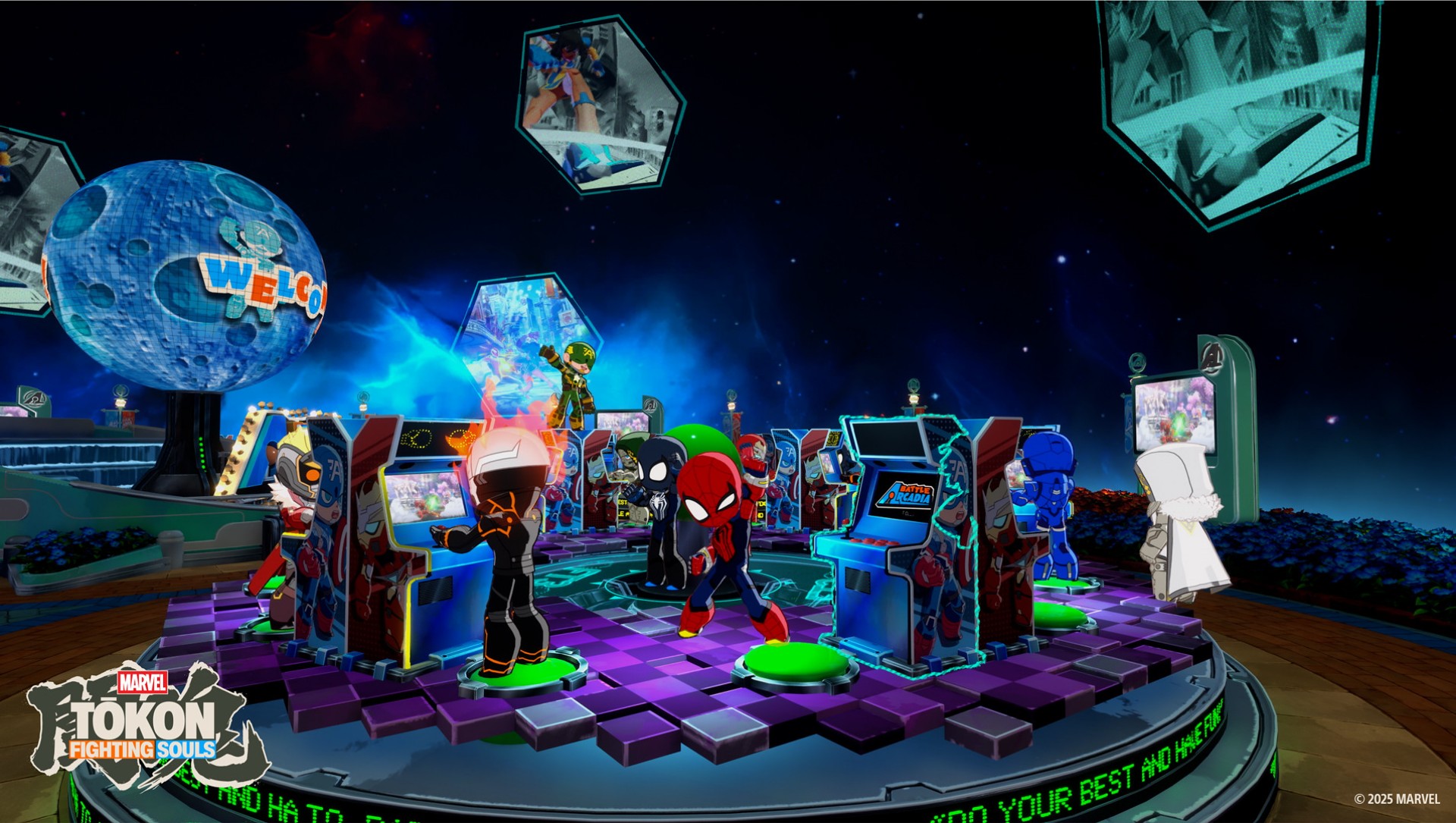
There’s also Arcadia Rumble, a bit of a platformer-type game with the characters rendered in chibi form.
It’s nothing groundbreaking. But I particularly enjoyed the chibi looks as a chibi enjoyer.
The chibi version is an Arc System Works staple, and it’s a cute little change of pace from the much more intense main game.
You don’t need to play it to appreciate Tōkon. But I like that it’s here.
I’m already looking forward to more
The launch roster is already substantial, but I’m particularly excited about the first DLC character: Phoenix Cyclops.
Scott Summers is my guy. And we’re getting the cosmic version? I am waiting with bated breath.
That’s probably the best place to leave Tōkon.
I came into this expecting a fun Marvel fighting game.
What I got was a fighter that is easy enough for a casual player like me to pick up, while constantly reminding me that there is a much deeper game waiting underneath.
It’s not that Tōkon is simple.
It’s that it does a good job of making complexity feel approachable.
You can mash buttons with Wolverine and have a great time. You can swing around with Spider-Man and look for openings. And you can slow things down with Blade or Ms. Marvel and learn to be more deliberate.
If you want to go deeper, the systems are there waiting for you.
Now pickup a controller and take on MARVEL Tōkon: Fighting Souls

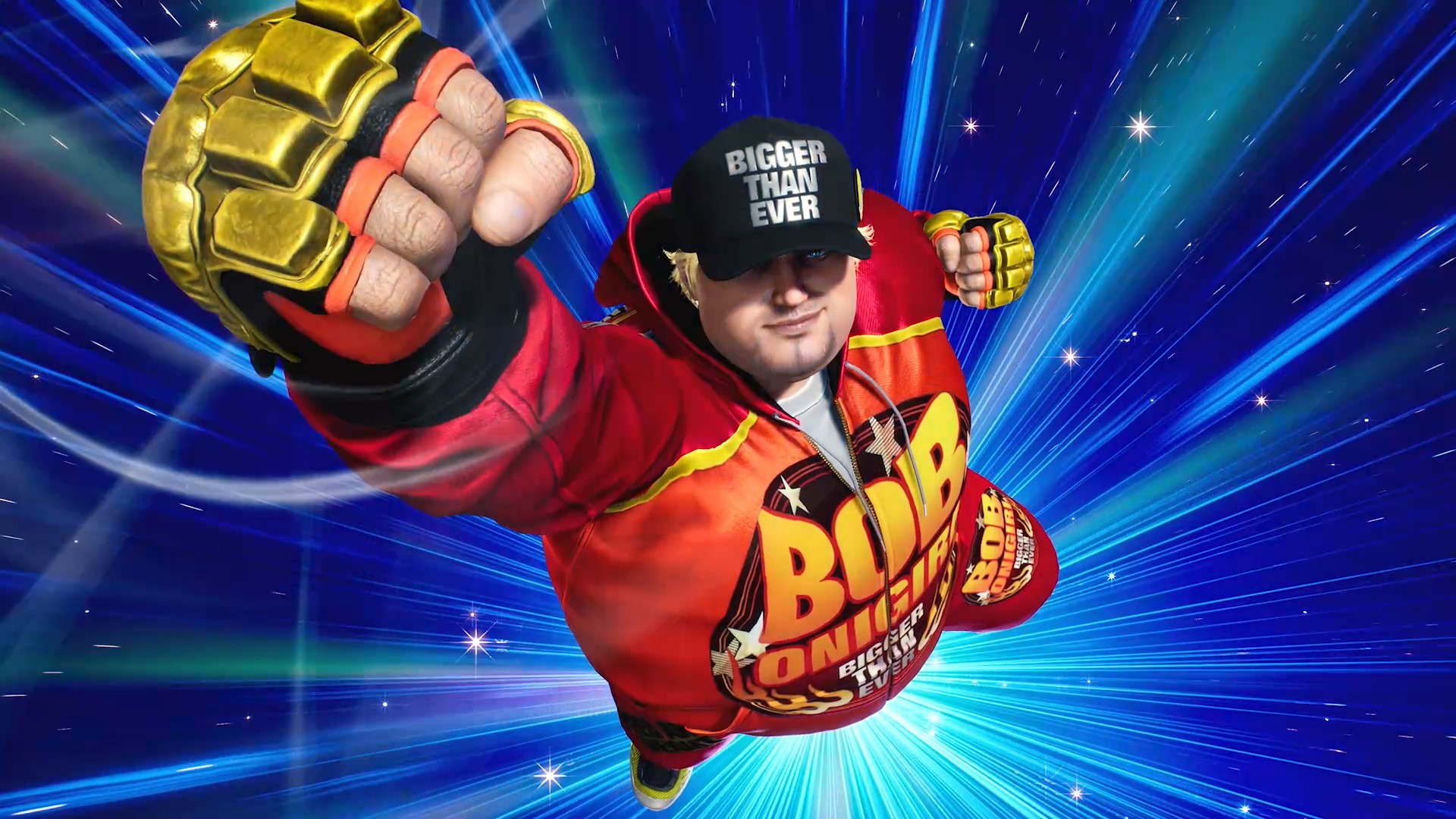
Bob is back in Tekken 8, bringing his unusual combination of size, speed, and power to the game’s aggressive combat system.
The Season 3 character keeps the identity that made him a fan favorite. However, the development team has also given him new tools that fit Tekken 8‘s Heat system and faster pace.
The result is a Bob that should feel familiar to longtime players while giving newcomers plenty of reasons to pick him up.
- “We’ve carefully maintained Bob’s symbolic ‘Speed. Weight. Power.’ battle style, as well as his character—one that combines both a sense of justice and humor.”
The team also expanded his role outside the ring. Bob is now an investigator for the Manhattan District Attorney’s Office, adding a stronger sense of justice to his story.
This preview is based on a pre-release build of Tekken 8 that remains under development. Features and gameplay details may change before release.
Bob keeps his signature style
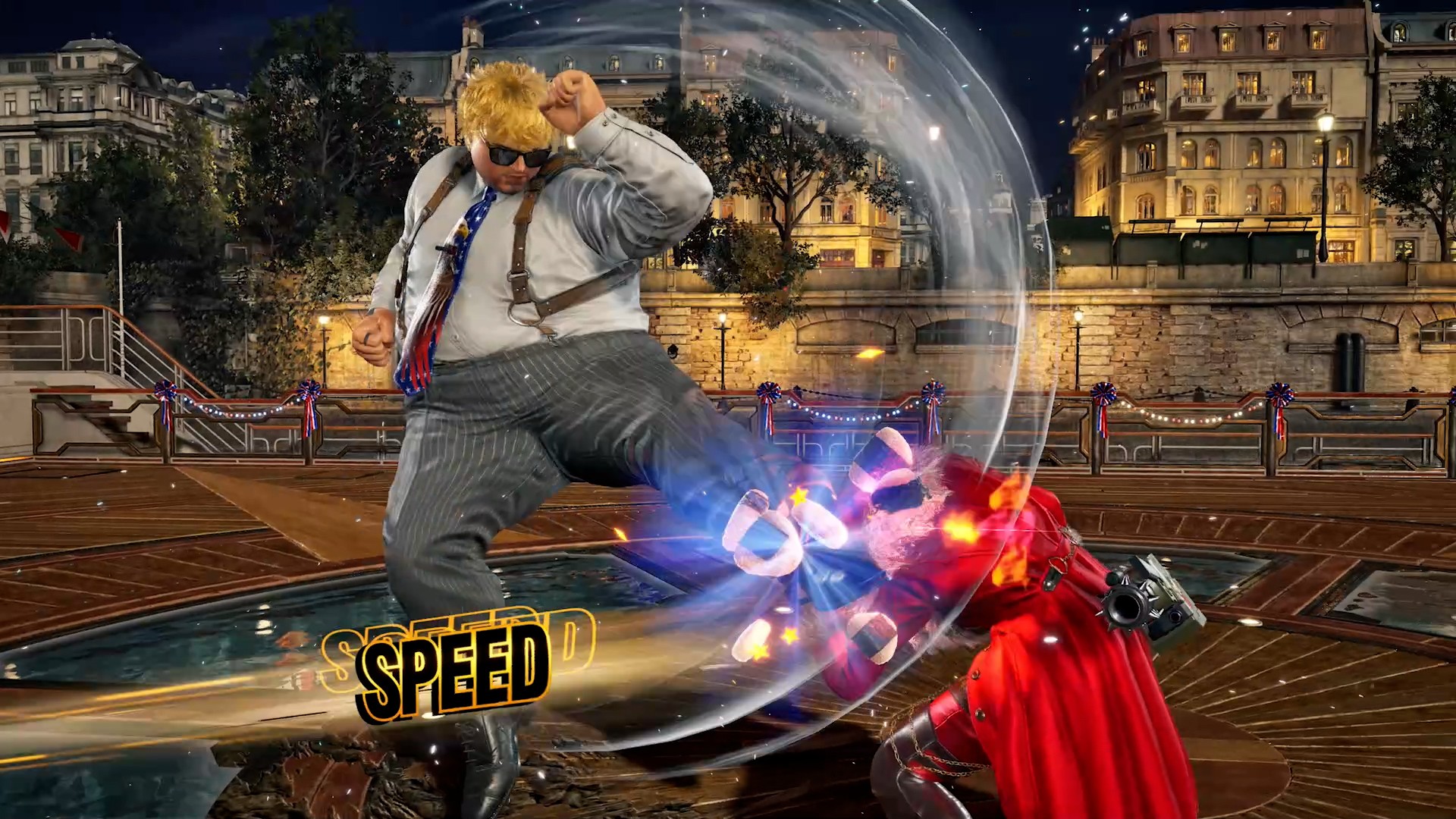
Bob’s defining contradiction remains at the heart of his design. He’s a large fighter who can move with surprising speed.
The development team says this remains central to his identity.
“Speed and Weight’ is one of the concepts that symbolizes Bob. We believe that Bob’s unique appeal lies in his ability to move nimbly in a way that seems to contradict the weight and power of his large frame.”
That philosophy carries into Tekken 8. Bob combines powerful attacks with mobility and long-reaching pokes. He can also use Spinner Ball to enter his stance and build pressure.
The team specifically reworked Spinner Ball for the new game.
- “Spinner Ball’ has been revamped to be more easily incorporated into both neutral play and combos, with new moves and Heat synergies added as well.”
That makes Bob more than a collection of familiar moves. His classic tools now have to work within Tekken 8‘s more aggressive battle system.
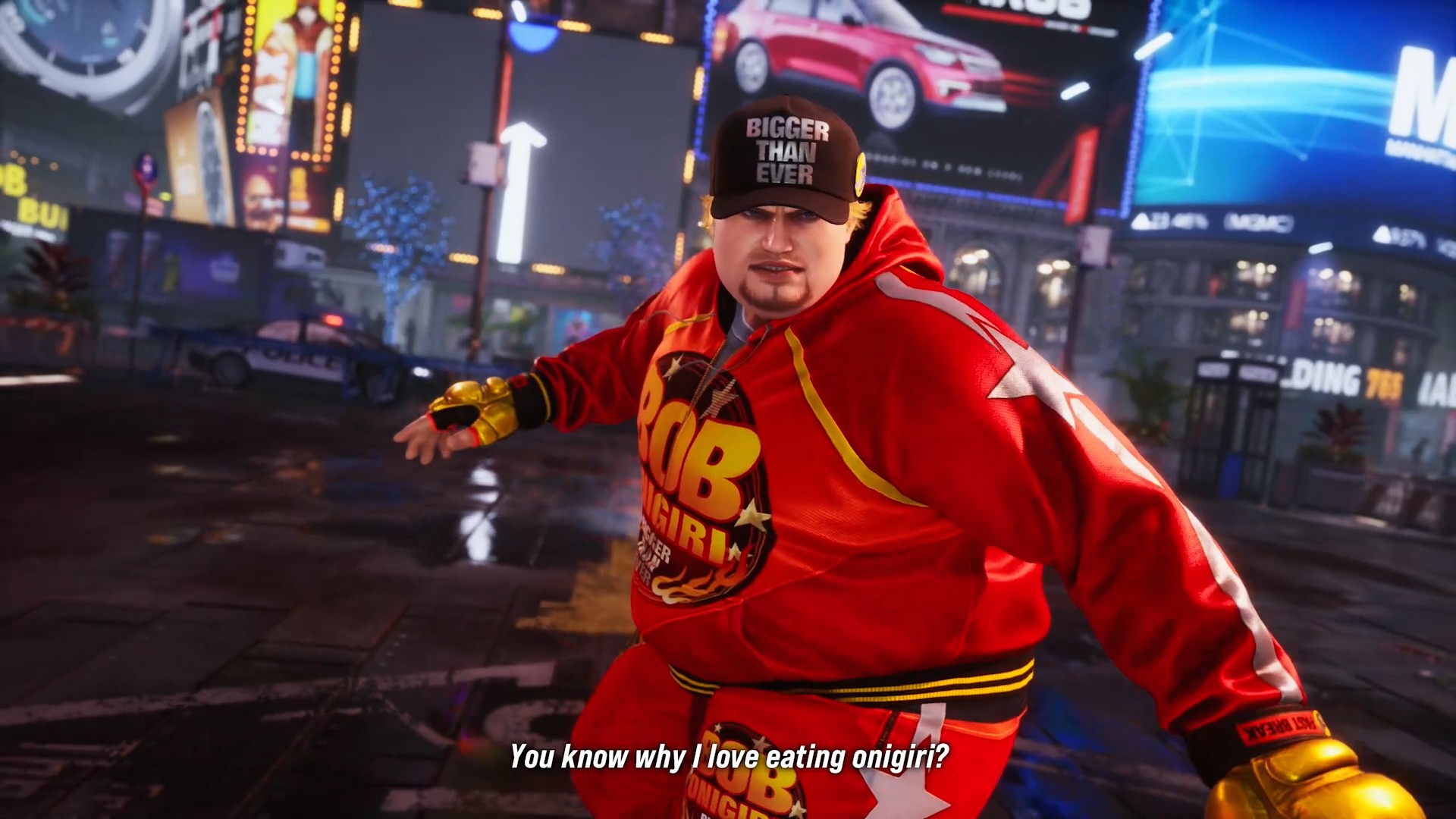
The team says it wanted returning players to recognize him while still giving them new things to discover.
- “While preserving Bob’s trademark character from previous titles, we’ve reviewed the performance and behavior of his existing moves so that players can enjoy more dynamic and aggressive battles in TEKKEN 8.”
The same philosophy applies to his new moves. “Onigiri Bomber,” for example, brings his new food-business identity into his moveset.
Heat adds more depth
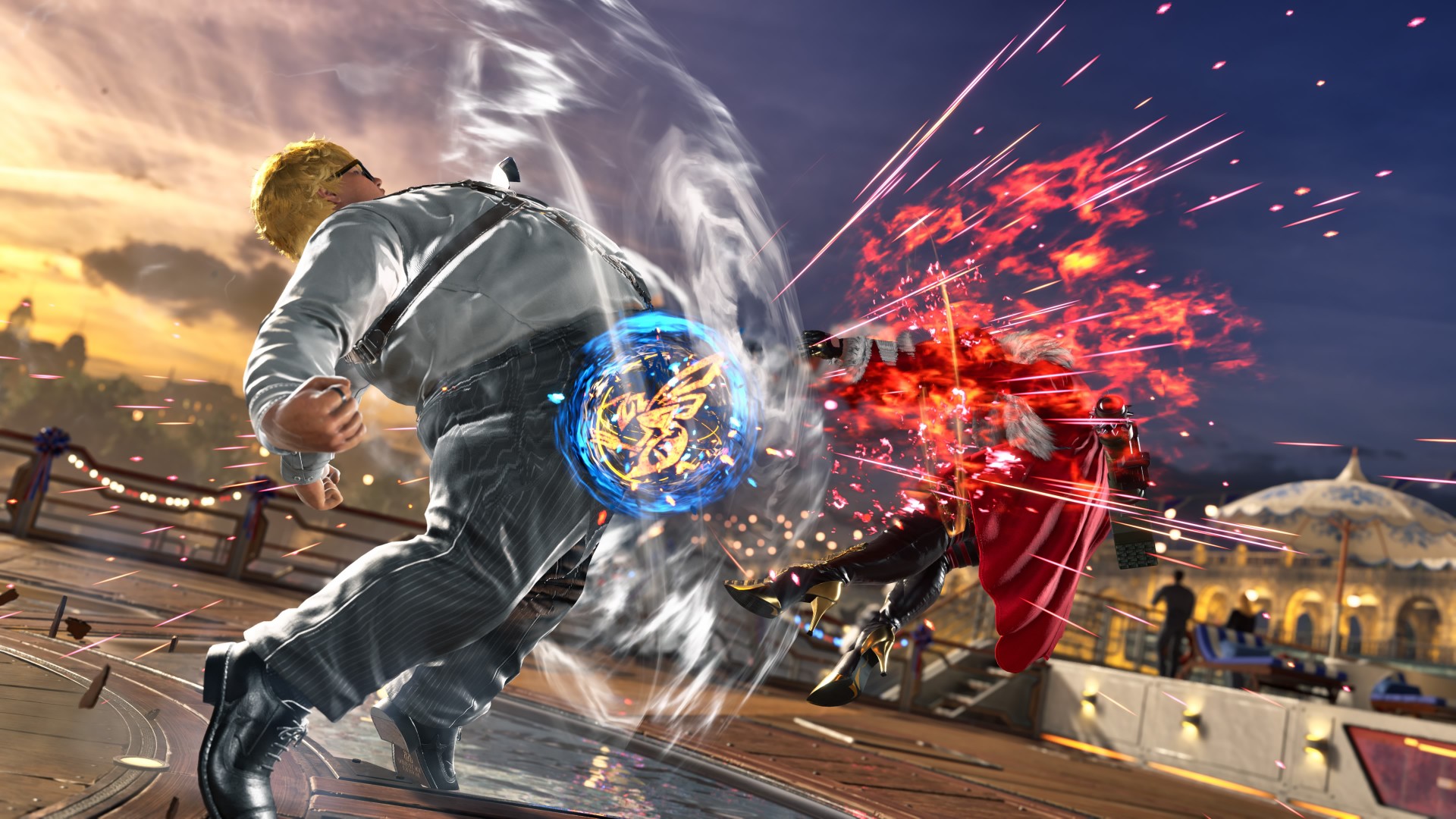
Bob’s biggest gameplay evolution comes from the Heat system.
The development team designed Heat to address one of Bob’s weaknesses while making his existing strengths more threatening.
“The Heat system is designed to compensate for Bob’s weakness in his Punishment while further enhancing his forte in grounded combat and offense.”
Bob can build new offensive sequences from Spinner Ball and access additional follow-ups while in Heat.
His Heat Smash also adds a layer of precision. Players can land Perfect frame inputs that increase its damage and change its animation and voice lines.
The team wanted that precision to feel rewarding to both players and spectators.
- “When the Perfect frame input succeeds, his voice lines and Animation change as well, so that not only the player but also spectators can tell that it ‘succeeded’—we wanted to make Bob a character that everyone can get excited about together.”
The approach gives Bob a higher skill ceiling without making him inaccessible.
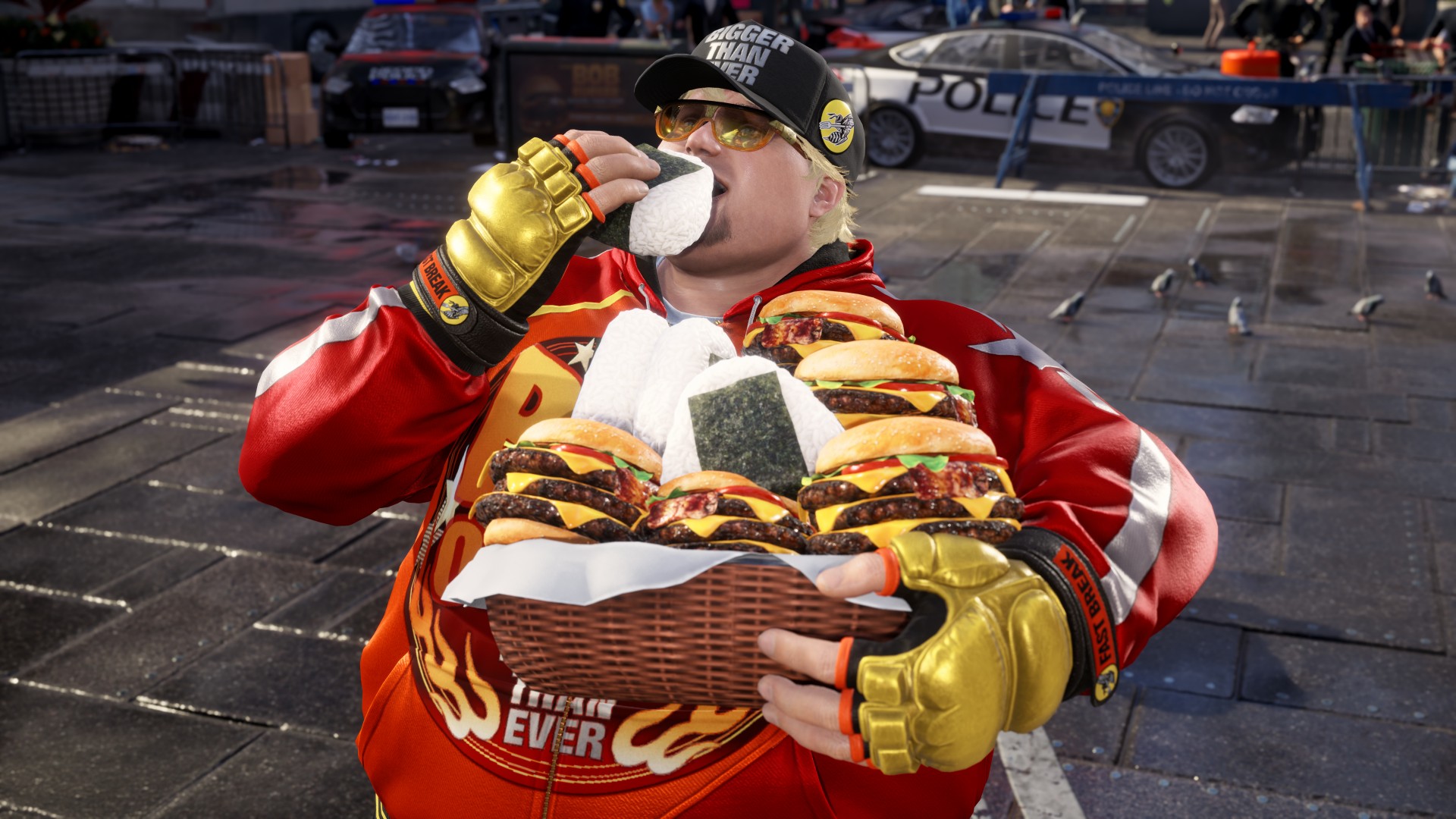
That balance seems intentional. The development team describes Bob as an all-rounder who can appeal to both new and experienced players.
- “He’s a character who reveals greater depth the more you play him, so please give him a try!”
That may be Bob’s biggest strength in Tekken 8. You can pick him up and immediately access his powerful attacks. You can also spend more time learning his movement, stance options, and precise inputs.
A familiar Bob with a new story
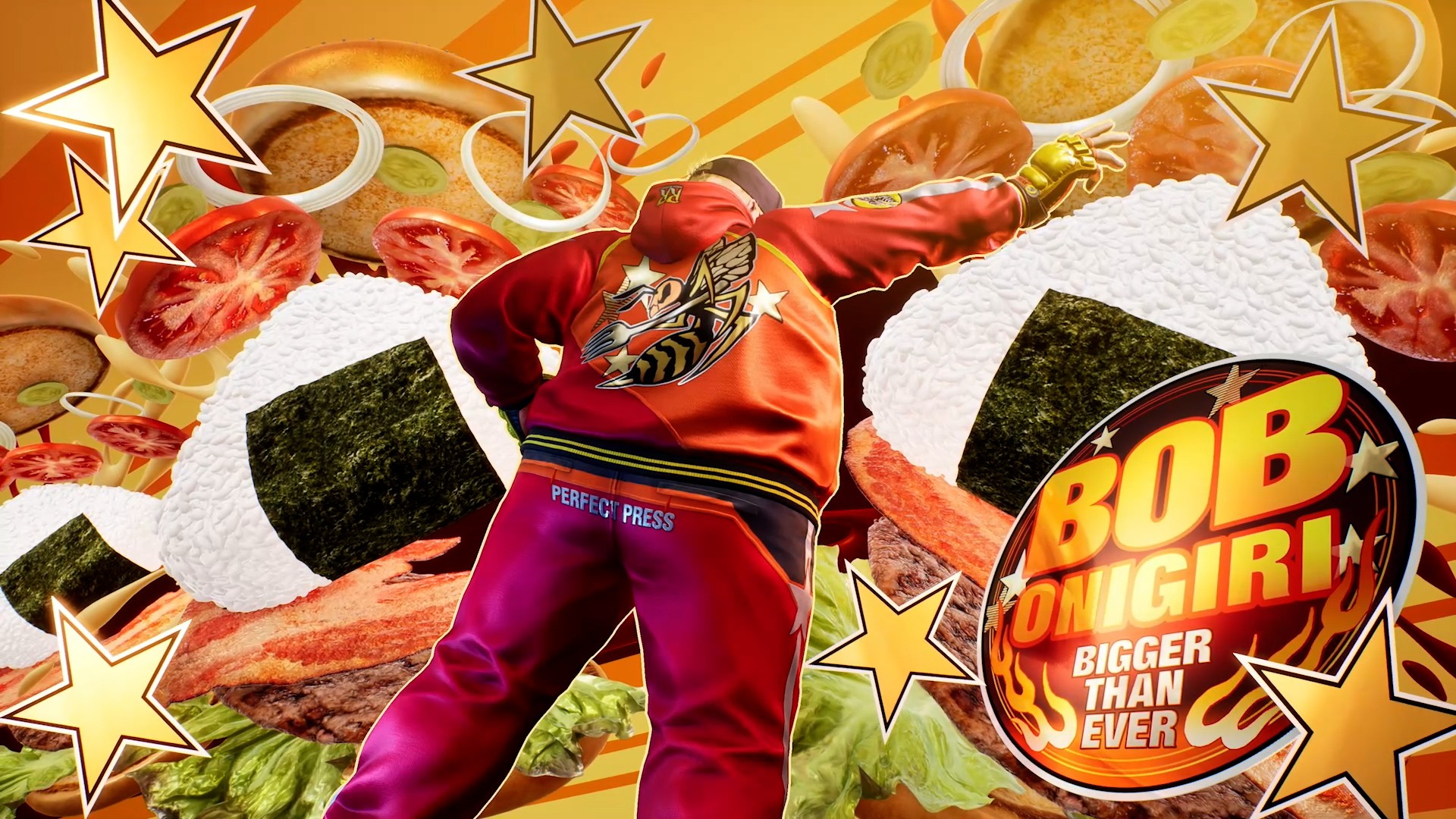
Bob’s gameplay isn’t the only thing that evolved.
His new role as an investigator builds on the sense of justice that has always been part of his character. His story now also includes his success as a hamburger-chain owner and his work running a food bank.
The development team wanted to explore that side of him more deeply.
- “While cherishing Bob’s signature sense of humor, in this title we wanted to portray more deeply the strong sense of justice he has always possessed.”
That identity also shows up in his new costume. His training outfit features the Bob’s Onigiri logo, turning his business into part of his visual identity. The development team describes it as a playful bit of self-promotion.
Even his attacks incorporate the theme. Perfect inputs for moves such as Prix Fixe Justice Beat and Perfect Body can trigger hamburger and onigiri-inspired effects.
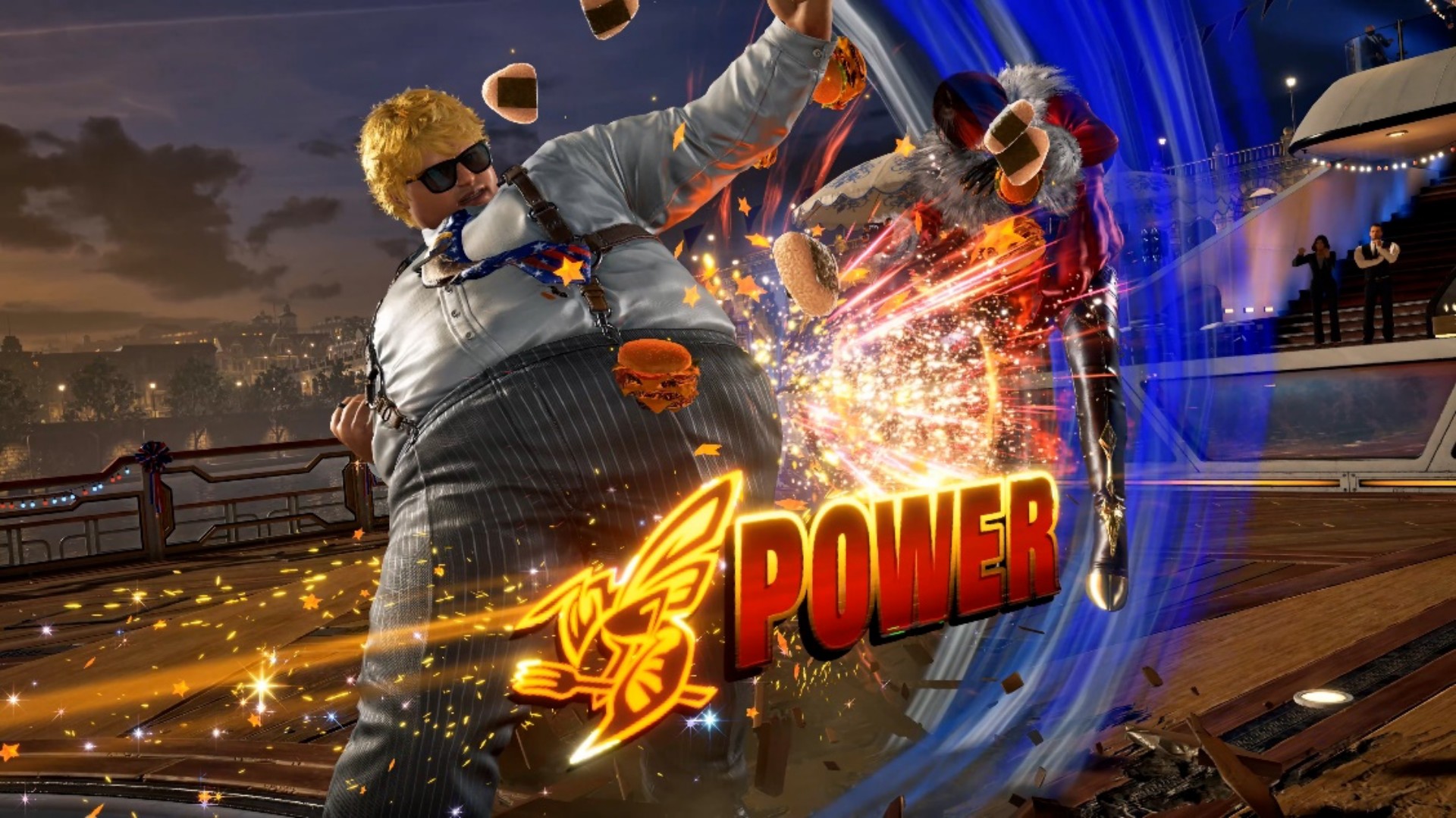
But the development team doesn’t want Bob’s new identity to overshadow what made him work in the first place.
- “While retaining Bob’s mobility and power that made Bob who he was up through TEKKEN 7, he has evolved into a character who can more easily continue his offense thanks to new moves and the ‘Heat’ system.”
That makes Bob’s return feel less like a simple nostalgia trip.
He is still the large, surprisingly nimble fighter built around Speed. Weight. Power. But Tekken 8 gives him more ways to express those traits.
And according to the development team, that’s exactly what they wanted.
“Bob is what you might call a ‘standard, top-of-the-class type.’ Since he has the moves necessary for TEKKEN’s fundamental ‘rock-paper-scissors’ dynamic all present at a high level, he’s a character we highly recommend even for beginners.”
For returning players, that means there’s a familiar Bob waiting to be rediscovered. For newcomers, there’s a straightforward all-rounder with plenty of room to grow.
Gaming
Leaked Grand Theft Auto VI footage surfaces online
The leakers says they are protesting the game’s lack of a physical release.


We’re nearing the dreaded date that all game publishers are rightfully fearing: the launch of Grand Theft Auto VI. Since we’re so near, it’s only right that Rockstar Games starts teasing their upcoming game, which is officially happening later this month via a special presentation on Netflix. However, ahead of that highly anticipated date, a leaker has apparently leaked the footage in protest of the game’s lack of a physical release.
Let’s parse that out piecemeal. First up, Rockstar Games is scheduled to release an extended first look at Grand Theft Auto VI through Netflix on August 27. If you don’t have the platform, the publisher will release the same footage on more public outlets six hours later. The footage will represent our biggest peek at the game after months of relative silence.
Secondly, a leaker has released the said footage ahead of time. Now, this isn’t the first time that a major leak spoiled details about the game. Previously, a leak was the first to reveal that the sixth entry in the series is getting two playable protagonists.
Third, the why: The leaker says that they will continue to reveal more information about the game to protest the game’s lack of a physical release. Like new PlayStation games next year, Rockstar Games does not plan to release a disc version of the game.
The footage itself
And, finally, the leak itself. Rockstar Games is currently issuing DMCA notices against anyone posting the leaked footage. It lends credence to the authenticity of the footage but also ensures that we can’t post the leaks themselves.
If anything, there are two reportedly legitimate clips, while others were seemingly generated with AI. The first clip has Jason, one of the two protagonists, playing basketball in his hideout, which gives him a stat boost. The clip confirms the return of minigames you can play in between missions.
The second clip sees Jason fight with a truck driver after a traffic incident. He kills the driver with a wrench, which earns him a two-star wanted level and summons a police chase as the series often does.
There’s not much to glean from these two short clips. In fact, it’s hard to say whether this footage represents the final release or something left over from previous leaks. Thankfully, Rockstar Games is releasing the official extended look soon on August 27.
After that, Grand Theft Auto VI launches on PlayStation 5 and Xbox Series X|S on November 19.

TECNO MEGAPAD 2 review: Eyes on the size
The MEGA pad for two base users

MARVEL Tōkon: Fighting Souls review: Easy to pick up, hard to put down
Welcomes casual and experienced fighting game players

Now Playing: Assassin’s Creed Black Flag Resynced
Nostalgia does a lot of heavy lifting.
TECNO MEGAPAD 2 review: Eyes on the size

UNDERTALE: The Determination Symphony gets two more shows

HUAWEI Pura X View is 2026’s first WIDE slab-type smartphone

These Polaroid x Pokémon cameras are just the cutest things
MARVEL Tōkon: Fighting Souls review: Easy to pick up, hard to put down

VinFast debuts two-wheeler models, opens 21 e-motorcycle showrooms

OnePlus officially leaves the United States and Canada

Xiaomi debuts SkyNomad Series featuring new Kunlun platform

REDMI Note 17 Series focuses on long-term reliability

ROG STRIX G16 Review: Building for the moment


-
 Singapore6 days ago
REDMI Note 17 Series focuses on long-term reliability
-
 Laptops2 weeks ago
ROG STRIX G16 Review: Building for the moment
-

 Laptops2 weeks ago
30 days later with the ASUS ExpertBook Ultra: Like seeing an ex
-

 News6 days ago
realme 16T to come with 8,000mAh battery, 7-year battery health guarantee
-

 Philippines2 weeks ago
Smart opens HUAWEI Pura 90s Series pre-orders with exclusive freebies
-

 News2 weeks ago
TCL expands mobile lineup with latest NXTPAPER series
-
 Gaming2 weeks ago
Marvel Wolverine Limited Edition PS5 bundle SEA pricing
-
 Reviews1 week ago
Samsung Galaxy Z Fold8 Review