
News
Samsung Galaxy S20 Ultra’s DxOMark scores are out now
Just what you’d expect from a flagship

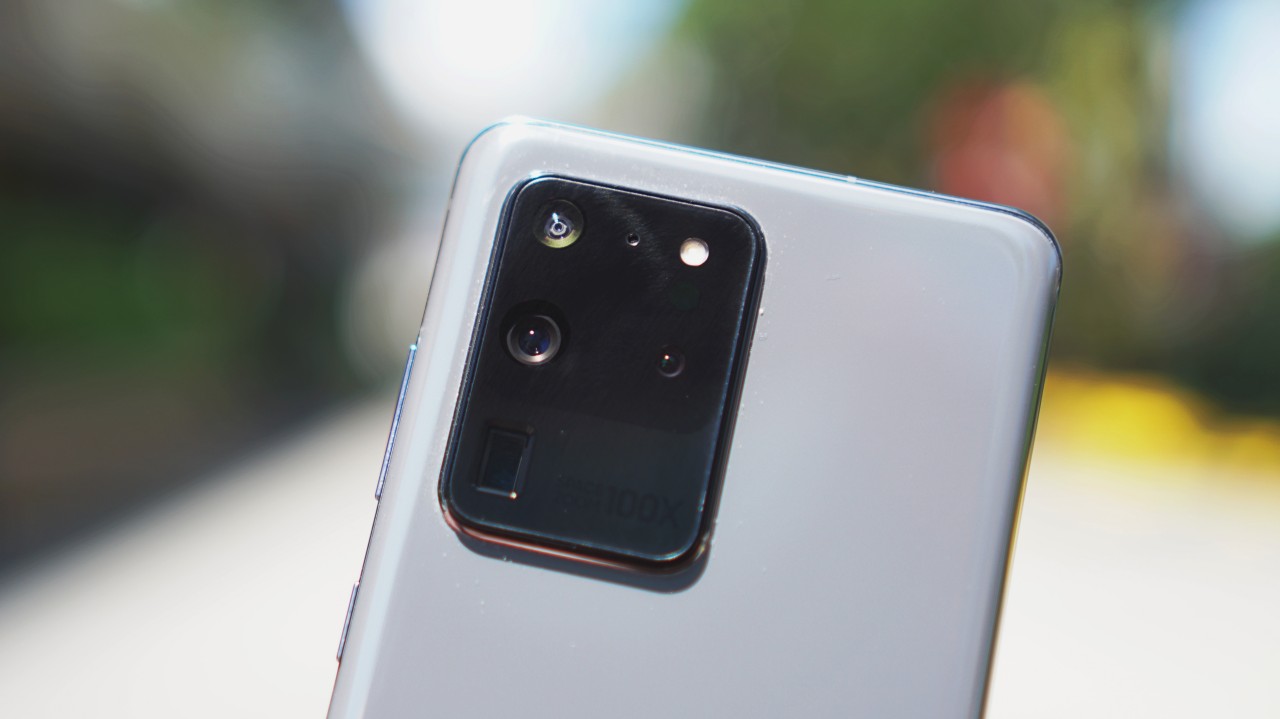
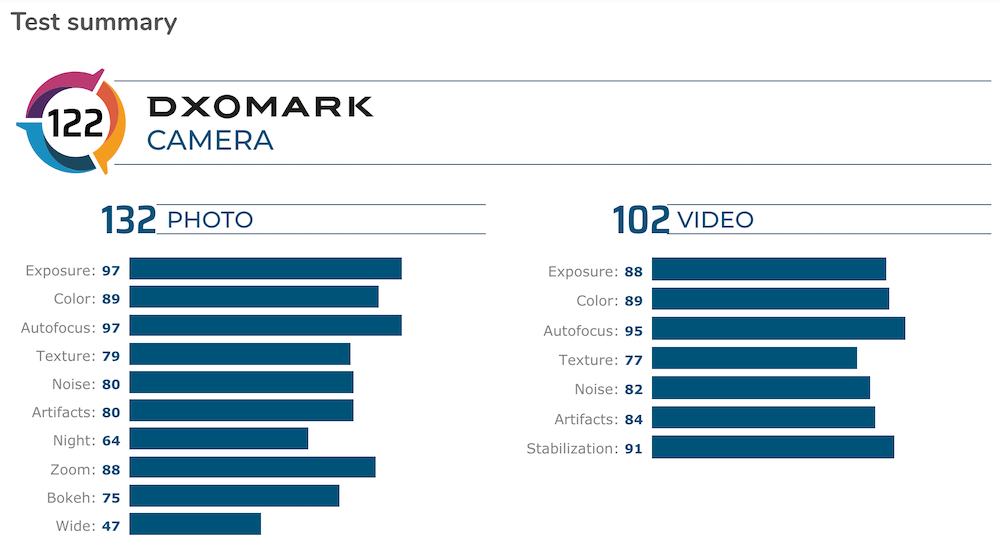
The DxOMark results of the Samsung Galaxy S20 Ultra are out now and the camera setup has scored 132 in the photo segment and 102 in the video department. This gives it a rank of the sixth most powerful smartphone camera setup commercially available right now with an average of 122.
Currently, the leaderboard is headed by the Huawei P40 Pro with an average score of 128. The OPPO Find X2 and Xiaomi Mi 10 Pro, both have scored slightly higher at 124. The gap between these points is practically negligible, making them all practically stellar phones with class-leading cameras.
Coming to the Galaxy S20 Ultra, it does an amazing job in accurately gauging exposure, autofocus, as well as c0lors. The telephoto camera delivers up to 4x optical zoom and does an excellent job in medium to long-range photos. However, there is a slight issue close-range zoom shoots where the edges don’t look perfectly fused.
On the other hand, the wide-angle lens is a top-scorer in the category and with well balanced geometric distortion. Even low-light shots have no flaws and pixel binning technology works seamlessly. For portrait shots, DxOMark says they are among the best they’ve seen and strong blur is also created unblemished.
On the video side, Samsung’s cameras are known for quick autofocus and top-notch stabilization. This is where it scores the highest. But, the videos show a slight amount of noise in lowlight.
It’s very important to note that these are extremely scrutinized scores and the practical experience of using a phone will be best-in-class. Except for a photography pundit, pretty much every user will be amazed by the camera and won’t be able to easily point out these flaws or drawbacks.
Benchmarks help in understanding the raw power of a component and the phone as a whole. AnTuTu is one of the most popular tools for gauging the power of a mobile processor. Similarly, the DxOMark score has long been an industry-leading benchmark to test a phone’s camera capability. But, shouldn’t be equated to real-life usage.
Read Also: Mi 10 Pro vs OnePlus 8 Pro vs Huawei P40 Pro vs OPPO Find X2 Pro: Camera shootout






India
TECNO’s POVA 8 5G is both futuristic and future-ready
8000mAh battery, Sony LYTIA 600 camera, Alive Matrix display, and more

Four months after the POVA Curve 2 5G, TECNO adds the POVA 8 5G to their performance-focused arsenal.
Futuristic vibe
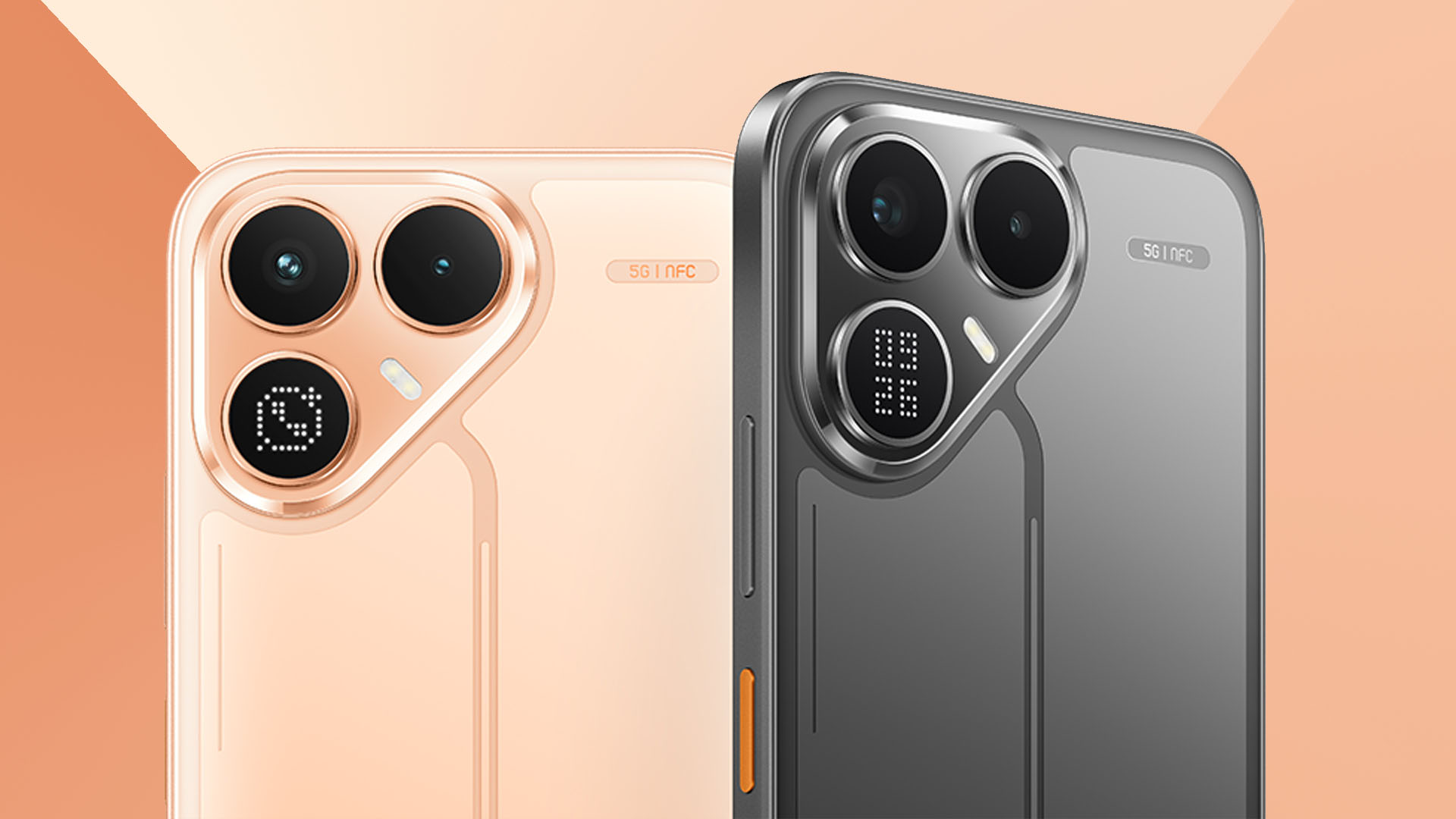
TECNO’s POVA 8 5G continues the series’ signature sci-fi-inspired design language. The latest smartphone features sharp geometric elements and a semi-transparent rear panel.
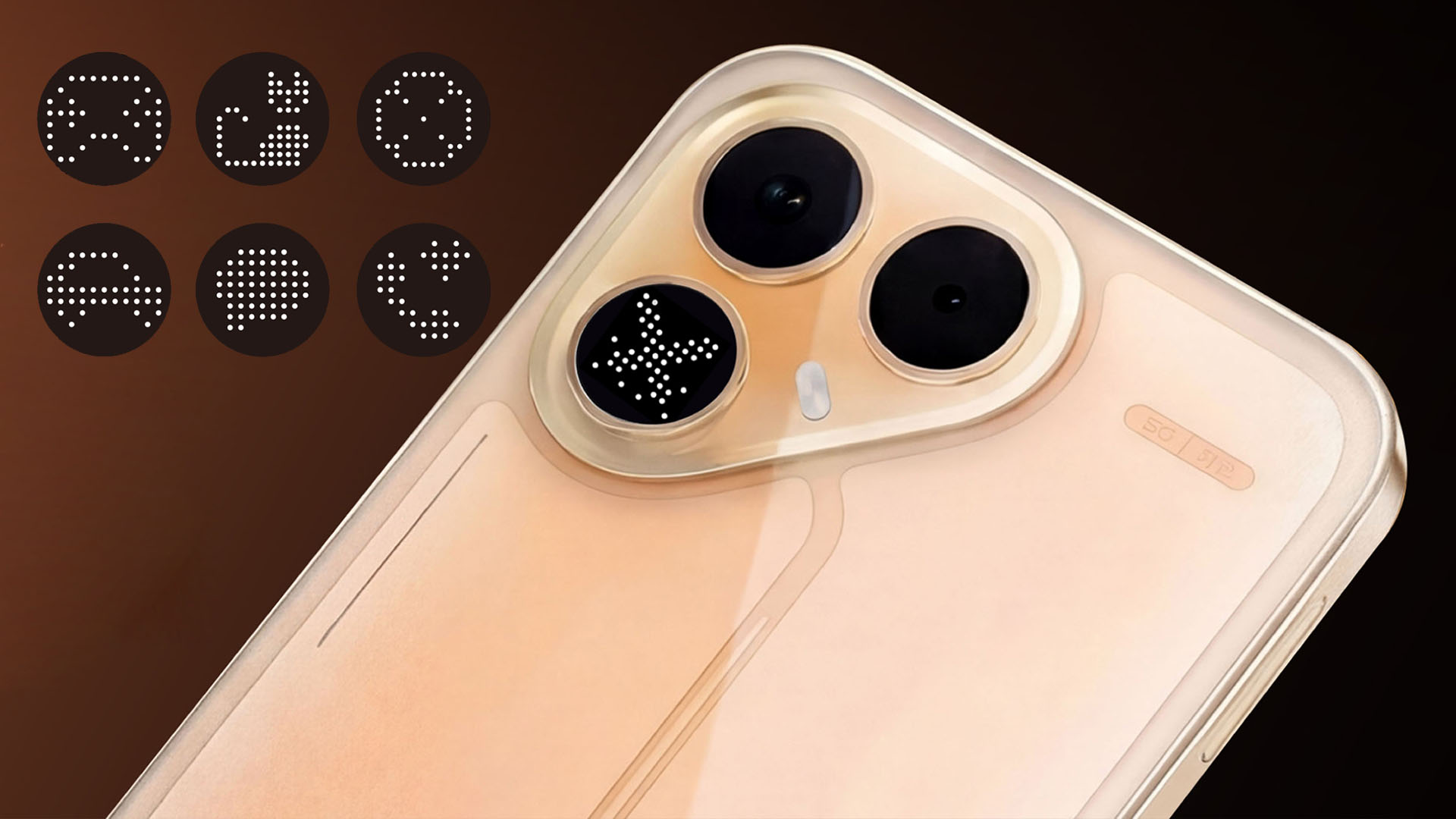
Graphics by Vincenz Lee | GadgetMatch
One of its standout features is none other than the new Alive Matrix Display. It’s a customizable light panel on the back that can display up to 49 animations for incoming calls, notifications, charging status, gaming sessions, and more. Prospective users can also personalize the lighting effects to match their style.
Beside that LED display lies the 50MP main rear camera based on Sony’s LYTIA 600 (or LYT-600) sensor. The said sensor offers improved light capture for brighter and more detailed photos. It also supports 2x lossless zoom. Up front, you’ll get a 13MP front-facing shooter.
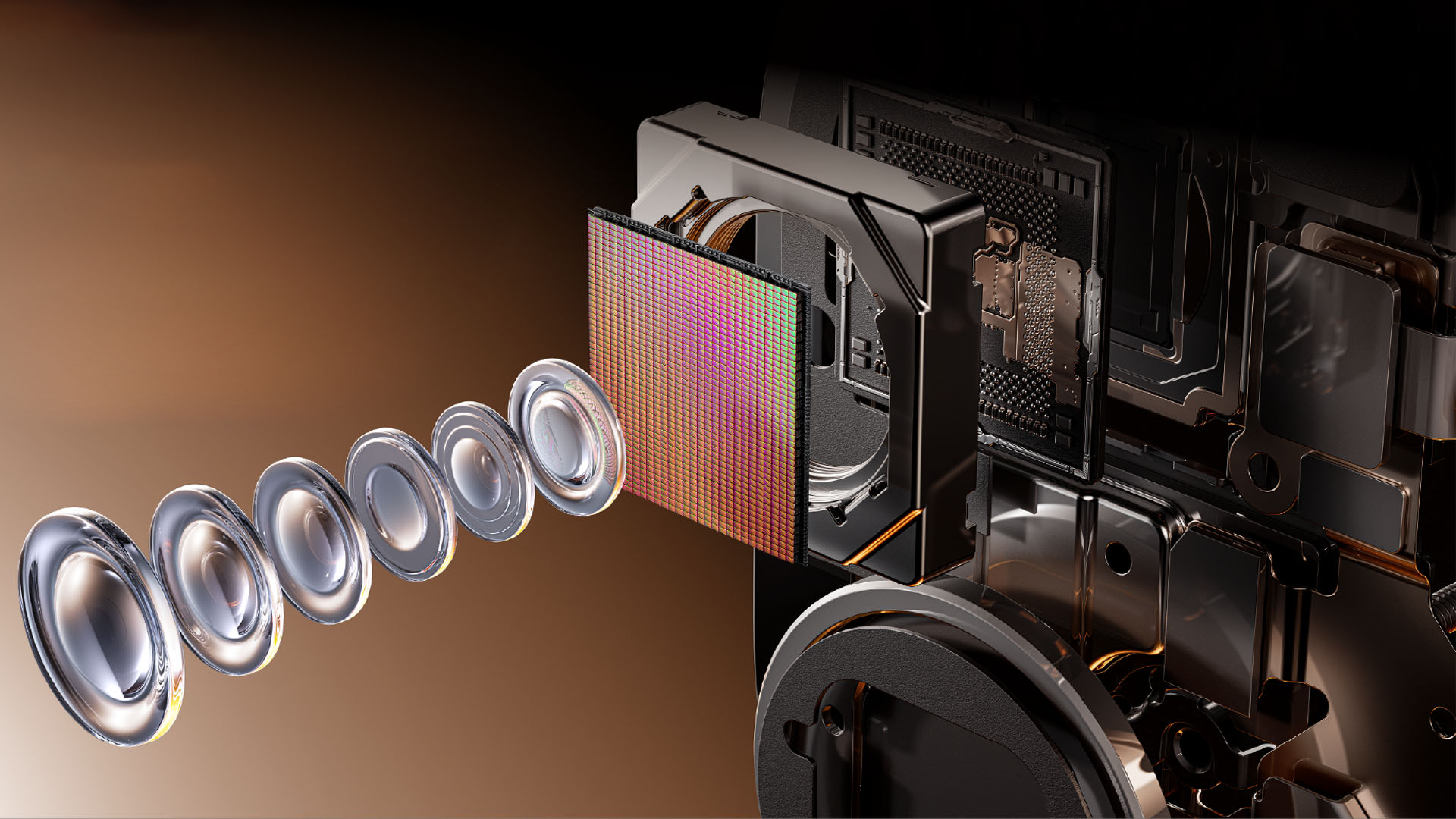
Graphics by Vincenz Lee | GadgetMatch
Powering the device is MediaTek’s Dimensity 7100 SoC. That’s paired together with TECNO’s in-house G1 Signal Enhancement Chip and SE1 Wi-Fi Enhancement Chip — making it a triple chipset smartphone.
TECNO says these chips help improve connectivity in challenging environments such as elevators and basements while boosting Wi-Fi reception.
The phone also features a 144Hz display with TÜV Rheinland Low Blue Light Certification and military-grade durability.
Last but definitely not the least, its 8000mAh battery that can last as much as two days. For some measure, TECNO says the phone can last up to 85+ hours of music playback, 29+ hours of YouTube streaming, 26+ hours of WhatsApp, or 14+ hours of playing Mobile Legends: Bang Bang (MLBB).
Future-ready
Aside from the beastly battery packed inside, TECNO is also bringing several practical AI tools to the POVA 8 5G.
Among them is AI YouTube Summary. This turns lengthy videos into concise notes with key points and timestamps. The device also features AI-powered noise cancellation that helps isolate the speaker’s voice during calls, recordings, and meetings.
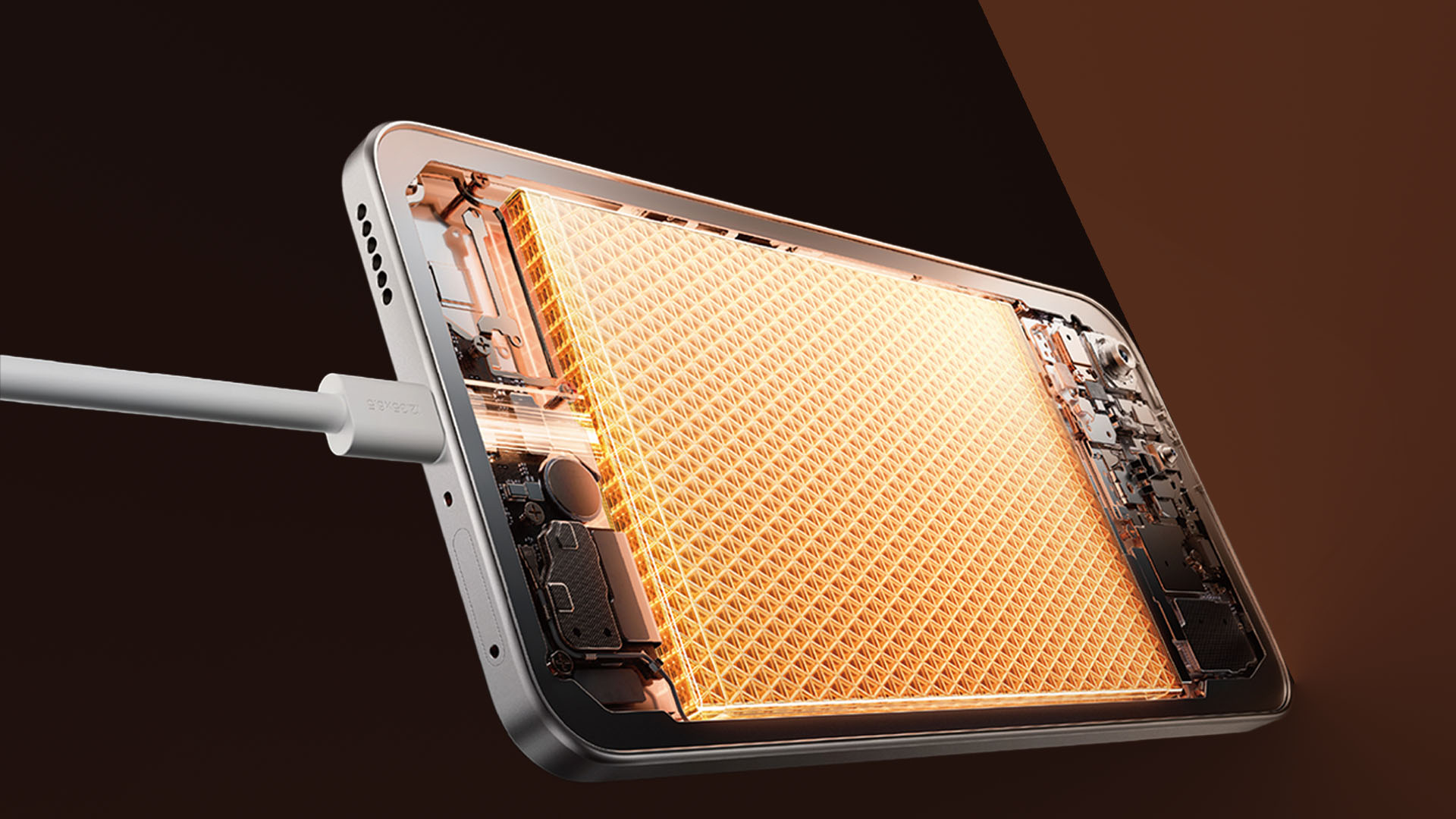
Graphics by Vincenz Lee | GadgetMatch
For photography, AI LightMaster 2.0 can remove unwanted reflections, lens flare, and shadows. The phone also supports uploading Live Photos directly to Instagram as Boomerang.
In select markets, users can even access AI Health features that estimate metrics such as heart rate, blood oxygen levels, and respiration through facial scanning technology.
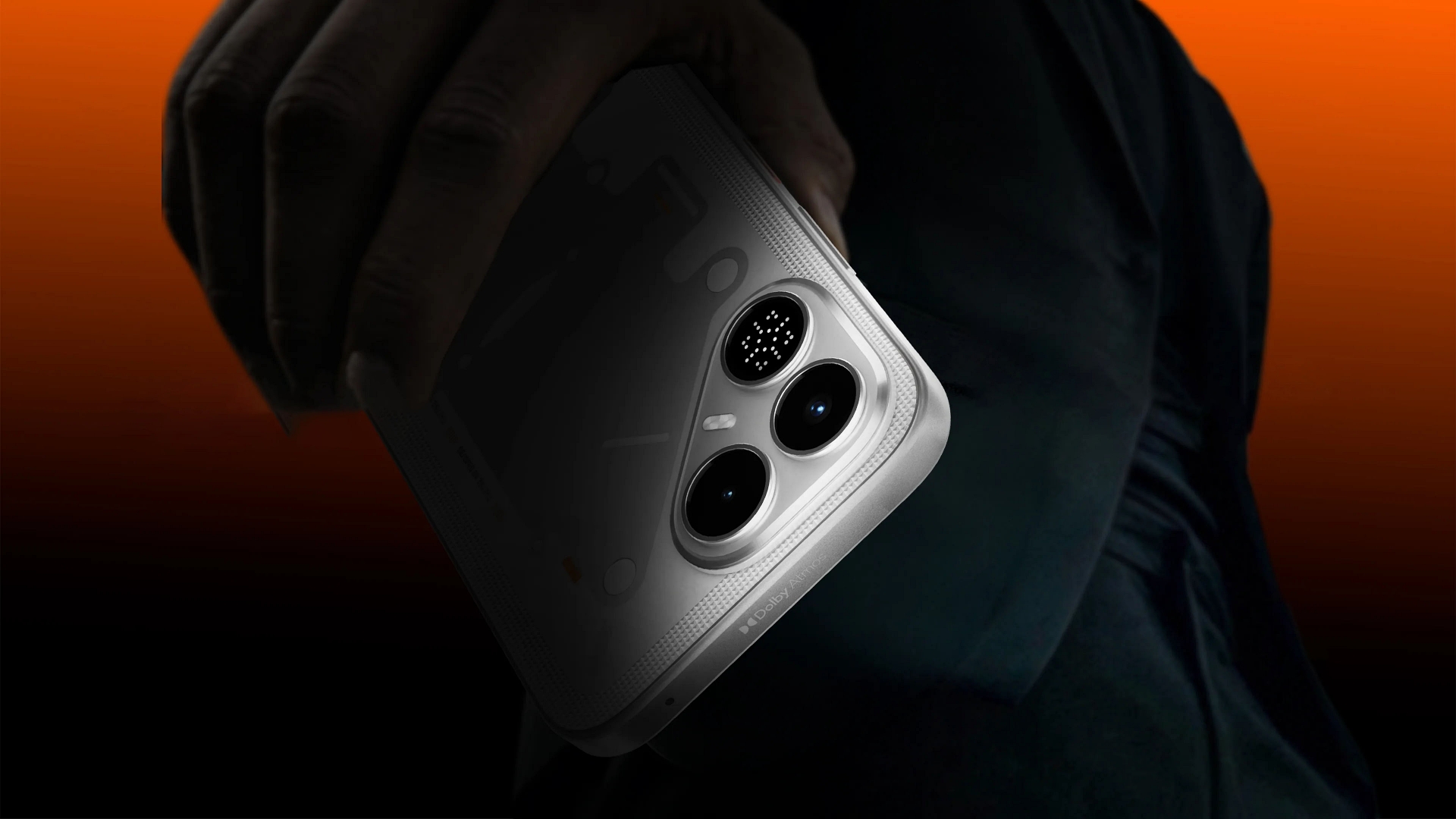
Graphics by Vincenz Lee | GadgetMatch
Further solidifying its future readiness, TECNO promises two major Android OS upgrades and three years of security updates.
The company is also bundling three years of FREE 256GB cloud storage for POVA 8 5G users. Eligible markets can also receive a 3-month Google AI Plus trial which includes 2TB of cloud storage.
Pricing and Availability
The TECNO POVA 8 5G debuts first in India and is available in 16-Bit White, Terminal Green, and Plasma Orange colorways.
Specific pricing and availability in global markets are yet to follow along these four color choices: Arc White, Graphite Black, Echo Green, and Helios Orange.

There are a few titles that an overwheling majority of gamers consider as an absolute must-play for other gamers. One of those titles is The Legend of Zelda: Ocarina of Time. Originally launched for the Nintendo 64, it’s not easy to play the iconic game today. But, later this year, the game is about to get much more accessible. Nintendo has officially announced a remake of Ocarina of Time.
Modern gamers might not realize the effect of the original Ocarina of Time on the RPG genre. Besides adding a third dimension to the then-fledgling Legend of Zelda series, the 1998 game also revolutionized the gaming world by popularizing targeting systems. That, and the refining of the formula in Majora’s Mask, makes Ocarina an essential in gaming history.
During today’s Nintendo Direct, the company capped off the hour-long presentations by announcing a remake of the game. Though the short, short trailer didn’t reveal any gameplay, it did confirm that the remake will retain the original’s more whimsical art style, as opposed to the realism put forth by the Breath of the Wild duology.
It’s not the first re-release for the game, though. In the past, Nintendo released remastered versions of the game for the GameCube and the 3DS. This is, however, the first official remake of the title for a much more modern system.
We didn’t know when the remake will officially launch, but it’s coming out within this year.
News
Apple has essentially confirmed the launch of the iPhone Fold
Some hidden references were not hidden enough.

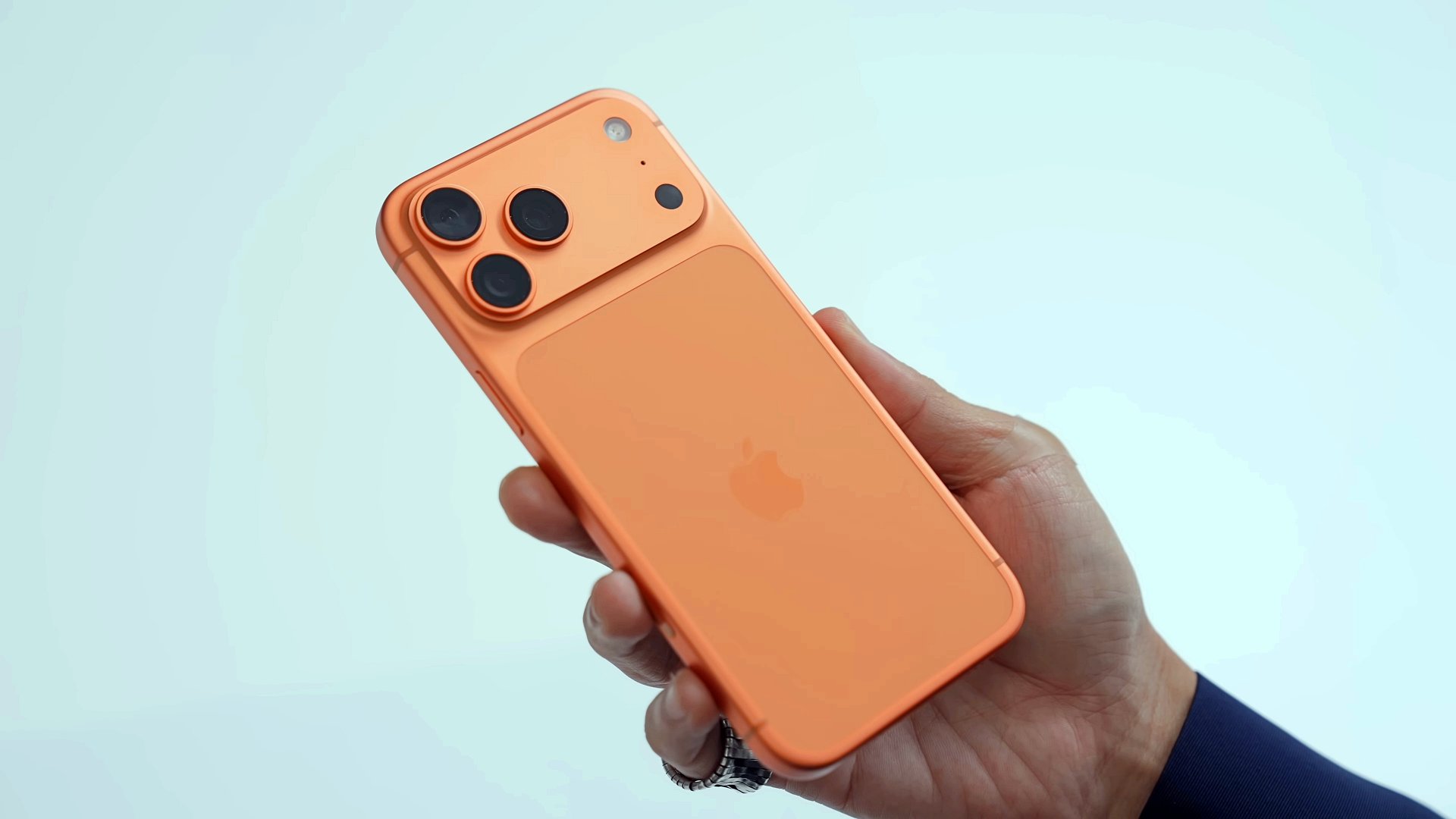
No, Apple did not officially launch the iPhone Fold yet.
However, WWDC 2026 had a few surprises for those attentive enough to go deeper into the event’s announcements. And it all revolves around iOS 27.
Of course, the main event of WWDC 2026 is the first peek into the upcoming mobile operating system. Though we already covered everything that Apple visibly announced, something hidden has essentially confirmed the band’s first foldable phone.
On X, Sam Henri Gold, an engineer, spotted a few crucial references to a foldable form factor. Hidden underneath the recently released iOS 27 beta are mentions of “foldState” and “angleDegrees.” The code also includes references to the number of displays a single device has.
Notably, iOS 26 did not include such mentions. It can’t be purely coincidental. Unless Apple is suddenly shipping iOS 27 out to foldables from other brands (highly unlikely), this is the prelude to an iPhone Fold coming later this year.
Now, rumors of an iPhone Fold have been making the rounds for a while now. But they haven’t been as strong as this year. There’s heavy speculation that the brand’s first foldable phone is coming later this fall.
There’s still a nonzero chance that it makes an appearance during WWDC 2026, but don’t put all your eggs in this basket. Apple traditionally reserves the conference for software developments. Fall is the usual playing ground for Apple’s hardware.


HONOR Magic V6 review: The best version of a book-style foldable?
Little left to sacrifice

Close without crossing: A Xiaomi 17T Pro photo essay
Distance and closeness are not always opposites.


Spring reset: Growing more at home with Auk Mini
From kitchen counter experiment to everyday habit

Kingdom Hearts IV gets new trailer, confirms Switch 2 release

Final Fantasy fans have two big reasons to look forward to 2026

TECNO’s POVA 8 5G is both futuristic and future-ready

Upcoming realme C100 series to feature 8,000mAh battery

What HYROX Hong Kong looks like up close

HONOR 600 Pro review

The Infinix GT 50 Pro has the most inspired design for a gaming phone

Sony Xperia 1 VIII arrives with AI Camera Assistant, bigger telephoto sensor

UGREEN MagFlow Air review: Airy Yet Mighty

The UGREEN Nexode Air 65W is the only charger I travel with now


-
Reviews2 weeks ago
Close without crossing: A Xiaomi 17T Pro photo essay
-

 Accessories2 weeks ago
UGREEN launches FineTrack Series with Apple Find My support
-

 News7 days ago
realme launches P4 Series 5G, including Power with 10,001mAh battery
-
 Philippines2 weeks ago
Xiaomi 17T series Philippines price, availability, offers
-

 Hands-On1 week ago
The Xiaomi Watch S5 proves you don’t have to take it off
-

 Computex 20261 week ago
ASUS ROG XBOX Ally X20 debuts at COMPUTEX 2026
-
 Gaming2 weeks ago
Acer unveils Predator Atlas 8 handheld with Intel Arc G-Series power
-

 Gaming2 weeks ago
Call of Duty: Modern Warfare 4 has been officially announced