








Less than a year after the launch of the ZenFone 4 series, we already have a successor to ASUS’ popular ZenFone lineup.
As the base model ZenFone 5 starts rolling out across the globe, we take a closer look at what you can expect out of the box. This unboxing, however, is a little bit out of the ordinary as ASUS sent us a special box.







Apple’s first ever foldable is finally here! Say hello to the iPhone Duo.
In this video, THE Michael Josh shares his first impressions.
Those include the design, display, cameras, performance, and what it’s actually like to use Apple’s latest iPhone.
Is the iPhone Duo the future of the iPhone or just an interesting experiment?
We take a closer look and share everything that stood out during our hands-on experience.
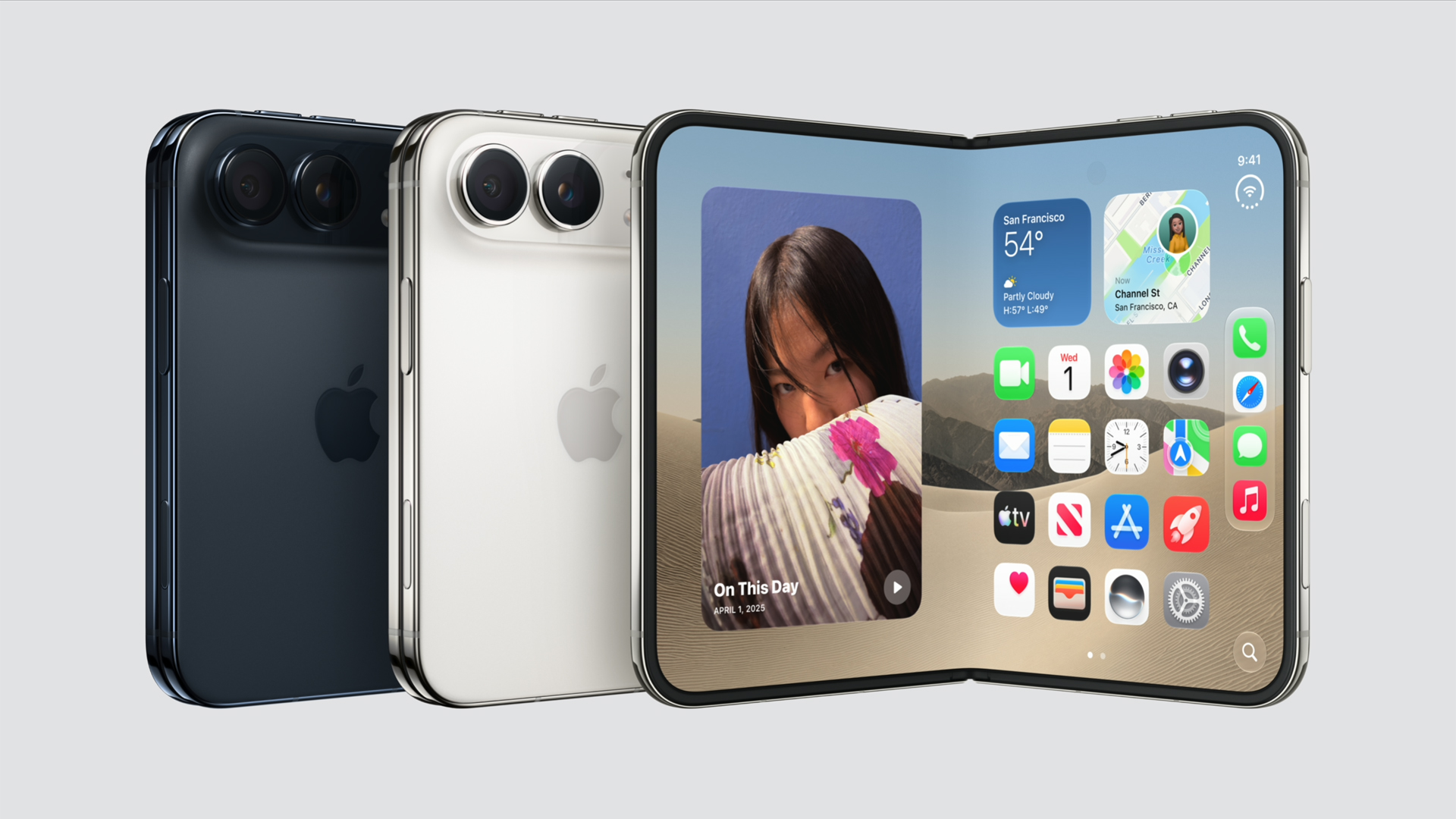
Apple has officially entered the foldable smartphone market with the iPhone Duo, its first foldable iPhone. It uses a passport-style design that opens into a larger display while retaining a more conventional smartphone experience when folded.
Price and availability
The iPhone Duo starts at PhP 159,990 in the Philippines for the 256GB model as listed on the Apple website.
Here’s the full local pricing:
- 256GB — PhP 159,990
- 512GB — PhP 175,990
- 1TB — PhP 207,990
- 2TB — PhP 254,990
The iPhone Duo comes in Star White and Night Sky.
Actual availability in the Philippines has yet to be officially announced.
A foldable design with two displays
The iPhone Duo has a 5.4-inch outer display when folded and expands to a 7.6-inch main display when opened. Both orientations use the same aspect ratio, allowing iOS to transition between them seamlessly.
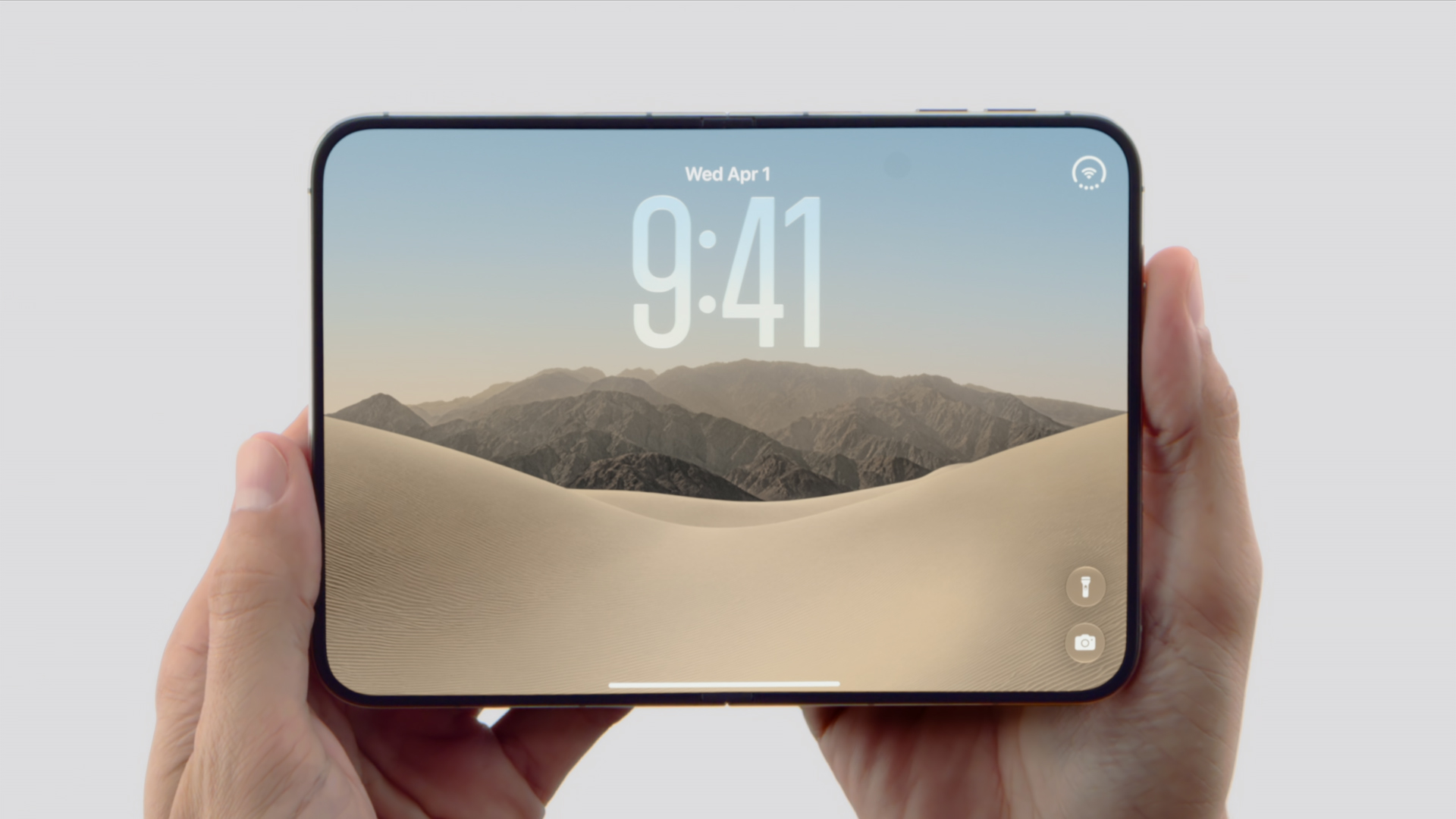
The rear chassis uses Ceramic Shield, while the front display gets Ceramic Shield 2. The device is also IP68-rated for dust and water resistance.
Its hinge uses carbon fiber supports and magnets that produce an audible click when the phone is folded.
A20 Pro brings flagship performance
The iPhone Duo is powered by the A20 Pro, the same chip found in the iPhone 18 Pro series. Apple says the chip delivers 35 percent better sustained performance than the iPhone 17 Pro.
It also comes with the new C2 cellular modem, which provides up to 50 percent faster uploads. Like other foldables, the Duo can be used in different configurations, including tent mode and a partially folded book-like position.
48-megapixel camera system
The iPhone Duo gets a 48-megapixel Fusion Main camera alongside a 12-megapixel 2x telephoto camera.
For selfies and video calls, it has a 12-megapixel Center Stage camera. The inner display also uses an under-screen camera for a cleaner look.
Battery life goes beyond a day
The iPhone Duo offers up to 31 hours of video playback using the inner display and up to 44 hours using the outer display.
Charging is also quick. Apple says a 20-minute charge can replenish half the battery, while a five-minute charge can provide up to five hours of video playback.
For the complete specifications and first-look details, check out our main iPhone Duo launch coverage.
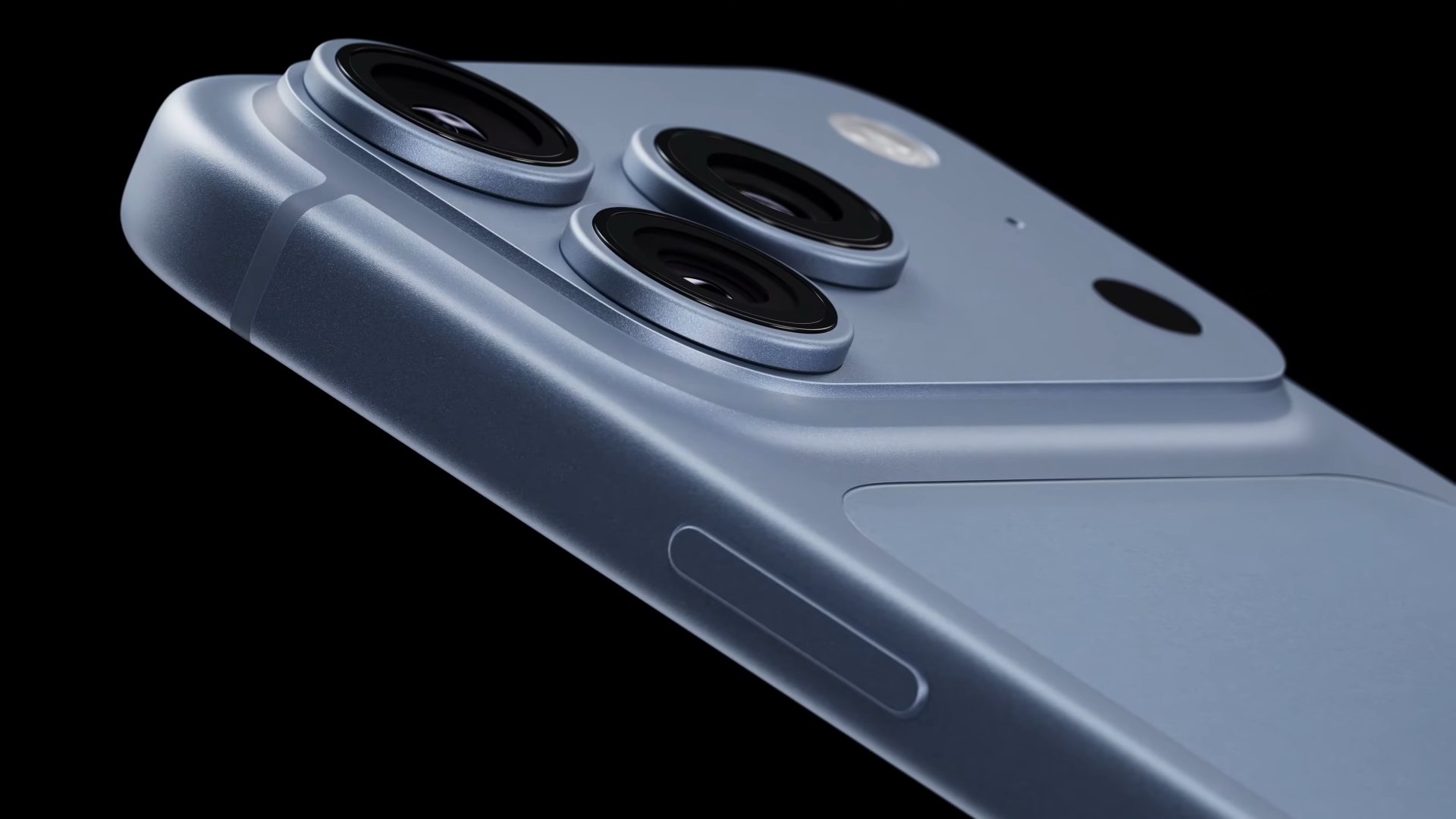
Apple’s latest Pro iPhones are now listed on the Philippine Apple website, with local pricing starting at PhP 94,990. The iPhone 18 Pro and iPhone 18 Pro Max bring a new A20 Pro chip, a variable-aperture main camera, longer battery life, and a redesigned Dynamic Island. (Apple)
iPhone 18 Pro and Pro Max price in the Philippines
The iPhone 18 Pro starts at PhP 94,990 for 256GB. The iPhone 18 Pro Max starts at PhP 99,990.
| Storage | iPhone 18 Pro | iPhone 18 Pro Max |
|---|---|---|
| 256GB | PhP 94,990 | PhP 99,990 |
| 512GB | PhP 110,990 | PhP 115,990 |
| 1TB | PhP 142,990 | PhP 147,990 |
| 2TB | PhP 189,990 | PhP 194,990 |
Both models come in black, silver, glacier, and burgundy. Apple offers both Pro models with up to 2TB of storage.
A variable-aperture 48-megapixel camera
The iPhone 18 Pro series gets a new 48-megapixel Fusion Main camera with variable aperture. It can open as wide as ƒ/1.48 for low-light photography, while narrowing to ƒ/4 can keep more of a group in focus.
Apple also adds Pro controls that let users manually adjust aperture, shutter speed, white balance, and exposure through a histogram.
A20 Pro brings more performance
Both models run on Apple’s A20 Pro, built on a 2nm process. It has a six-core CPU, seven-core GPU, and a Dual 16-core Neural Engine.
Apple says the GPU is up to 40 percent faster than A19 Pro, while memory bandwidth increases by 50 percent. A redesigned vapor chamber also has three times the surface area of the previous generation, enabling up to 40 percent higher sustained performance.
A smaller Dynamic Island
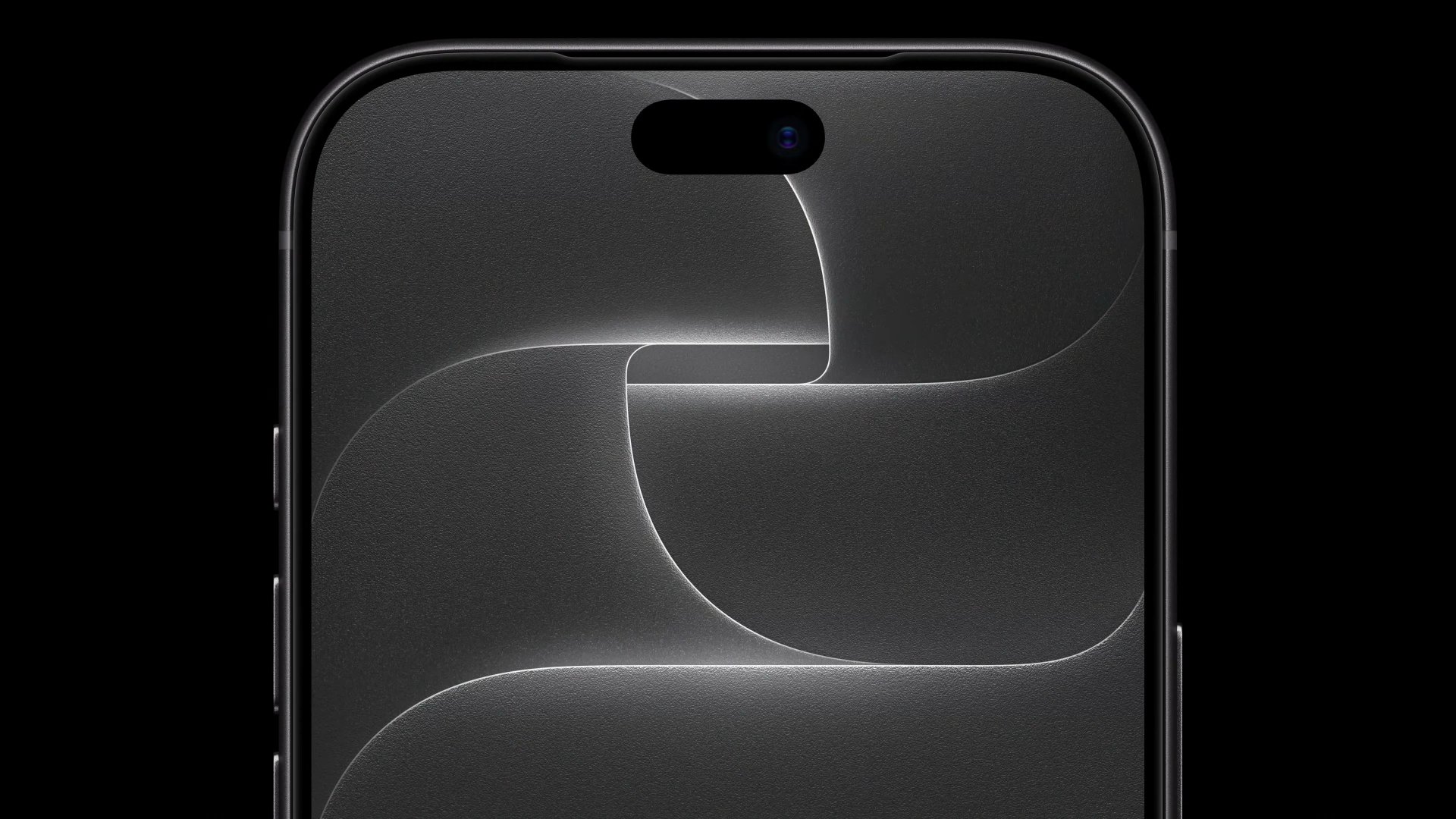
Apple redesigned the Dynamic Island to make more room for information. It can now display up to three Live Activities at once while retaining Face ID for authentication and unlocking.
Battery life gets a major boost
The iPhone 18 Pro delivers up to 36 hours of video playback, while the iPhone 18 Pro Max reaches up to 45 hours on eSIM-only models.
The Pro can reach 50 percent charge in around 15 minutes, while the Pro Max can get around seven hours of video playback from five minutes of wired charging.
Philippine availability
Apple has confirmed September 18 availability for more than 65 countries and regions, including Singapore. It also says the iPhone 18 Pro and Pro Max will reach another 20 countries and regions starting September 25. However, Apple has not yet specified the Philippines in its published launch-day country list, so a Philippine release date has not been officially confirmed.
The Philippine Apple website does list the iPhone 18 Pro as a new model with local pricing, however.


Marvel’s Wolverine review: When the claws come out
A brutal, cinematic superhero adventure

Setting your bedsheets ablaze with the Lovense Solace Pro
The closest proxy I could find where I'm guilty as sin


Now Playing: Elden Ring Tarnished Edition
Is the Switch 2 port worth the price?

First Look: Apple iPhone Duo

Xbox saves Kojima’s PHYSINT after PlayStation drops support
Marvel’s Wolverine review: When the claws come out

PH to celebrate 1st ever National Cinema Day; movies start at less than $2

New AGON gaming monitor features up to 1000Hz refresh rate

TECNO MEGAPAD 2 review: Eyes on the size

realme 16T 5G with 8000mAh battery, IP69 Pro rating launches in PH

HUAWEI Pura X View is 2026’s first WIDE slab-type smartphone

REDMI Note 17 Series focuses on long-term reliability

REDMI reveals the refreshed Note 17 and Note 17 Pro series

-
 News2 weeks ago
realme 16T 5G with 8000mAh battery, IP69 Pro rating launches in PH
-
 News4 days ago
HUAWEI Pura X View is 2026’s first WIDE slab-type smartphone
-
 Cameras1 week ago
DJI Osmo 360 II review: Going all-in on the ecosystem
-

 Features2 weeks ago
The designated photographer’s new favorite phone: OPPO Reno16 Series 5G
-

 News4 days ago
The CAMON Slim 5G is TECNO’s latest ultra-slim smartphone
-

 IFA 20261 week ago
TECNO MEGABOOK T15 360 unveiled at IFA 2026
-

 Gaming1 week ago
NBA 2K27 review: A two-way All-Star
-
 Reviews1 week ago
Samsung Galaxy Z Fold8 Ultra review: It’s time to get a foldable