
Drones
8 underwater drones that you must check out


Drones have become a regular sight in the sky and soon they’re going to be taking over the waterways.
I think of them as unmanned submarines and my imagination runs wild with images of 20,000 Leagues Under the Sea. But, the idea of owning my own submarine, in my mind, would make me a real-life Bond villain. And, when you see the price tags that go along with them you might have to be a supervillain to afford them!
At StartUp Launch Pad at the Global Sourcing Fair in Hong Kong, I came across a number of underwater drones. They got me thinking of just how much is happening under the sea.
BIKI
This is the world’s first bionic robot fish. This Kickstarter campaign is currently in production and has not yet shipped to any backers.
The single fin for propulsion on the back might seem too basic, but BIKI is equipped with sonar for obstacle avoidance. It comes with a 4K wide-angle camera, can descend to 196 feet and should last you one to 1.5 hours depending on what the water conditions are like.

If you’re looking to take BIKI into the sea, it’s already been to Antarctica to help explore unknown territory. There is even a light if things get a little dark down there.
BIKI is controlled by an iOS or Android app and it one of the few underwater drones that doesn’t come with a tether. With the return to base feature, you should never lose it.
Currently available for US$ 599 on pre-order and US$ 999 when it officially goes on sale, even at it’s higher price tag it’s one of the most affordable underwater drones on the list.
Gladius Underwater Drone
https://www.youtube.com/watch?v=yu9vukonTII
The Gladius is what I expect an underwater drone to look like. It’s bright yellow and reminds me of the ones I used to play with in tub as a kid. The 16MP camera takes 4K photos and streams 1080p video. It can reach 100 meters in depth and has a three-hour battery life. Gladius has quad thrusters which have it moving at four knots or two meters/6.6 feet per second. It has a controller, or can be controlled by an Android or iOS app. It’s tethered to a floating buoy that has an integrated wireless module to make for easier smartphone connectivity.
It’s got a heftier price tag than its US$ 599 Indiegogo campaign would have you believe. It retails for US$ 1,999 in the US and EUR 2,049 in Europe.
Blueye Robotics Pioneer
The Blueye Pioneer drone comes from the same Norwegian technology that makes professional underwater drones aimed at serious divers and fishermen. The drones can get to a depth of 150 meters with a minimum battery life of two hours and is capable of inspecting underwater sea cables or checking offshore wind farms. Its Android or iOS app controls the tethered drone which can stream 1080p video and take HD photos.

Blueye also has VR goggles, which you can use to control it and share what you see to your favorite social network.
You’ll have to really want the deep sea capabilities of the Blueye Pioneer, as you can pre-order it with a US$ 100 deposit now for US$ 3,550 plus tax and shipping. Estimated delivery is in 2018.
Deep Trekker
Deep Trekker has been creating underwater drones that have been used for search and rescue for years. This is a professional drone, so the build is quite rugged.

The maximum run time is eight hours so this is a real working drone. It comes in five different varieties starting at US$ 4,873 and heading up to US$ 12,000. They’re a Canadian company, so we’ve obviously got a soft spot.
OpenROV Trident
PowerRay
The PowerRay is a drone for fisherman. The Power Ray Explorer, Angler, and Wizard come with a FishFinder, a detachable sonar pod that provides information on fish distribution, water temperature, depth, and landscape. The drone also has a fish-luring light that uses a flickering LED to lure fish in (pun intended).

This power-seeking fish finder can be used with VR goggles. It’ll cost you a pretty penny, as the range is around US$ 1,500 to 2,300.
iBubble
This is a hands-free drone that’s designed to follow you around while you’re underwater and capture amazing photos and video of you living your mermaid dreams. The iBubble is a fully autonomous diving drone — it tries to be your floating GoPro with a built-in cameraman.
You wear a tracking bracelet to control the video modes so the iBubble can track you. It can move up to 25 meters away from the divers and descend up to 60 meters
It’s available for pre-order for US$ 1,999 with estimated delivery around July 2018.
If you’ve read this far down the article it means that you really, really want an underwater drone. Here’s a fun water-friendly gadget that will hold you over until the prices come down on the real deal:
Silverlit Spy Cam Aqua Submarine with Camera
If you’re just looking for something to play around with in the pool and aren’t looking to break the bank, the Silverlit Spy Can Aqua Submarine is only US$ 50. But, the price tag means you’re making a lot of concessions. The channel remote is UV-operated, so it could have trouble outdoors or on very sunny days.
This article originally appeared on Mobile Geeks. Nicole Scott, who was GadgetMatch’s companion and guide to its very first StartUp Launch Pad experience, shared her experience on the bi-annual conference at the Global Sourcing Fair in Hong Kong.
SEE ALSO: Ideebank Mic is a portable karaoke machine
SEE ALSO: Nemonic mini printer prints sticky notes, doesn’t need ink!
[irp posts=”23754″ name=”Gululu water bottle is also a virtual pet”]

Drones
HOVERAir AQUA: Meet the world’s first 100% waterproof self-flying drone
Meet the first-ever self-flying drone that floats, flies, and films in 4K.

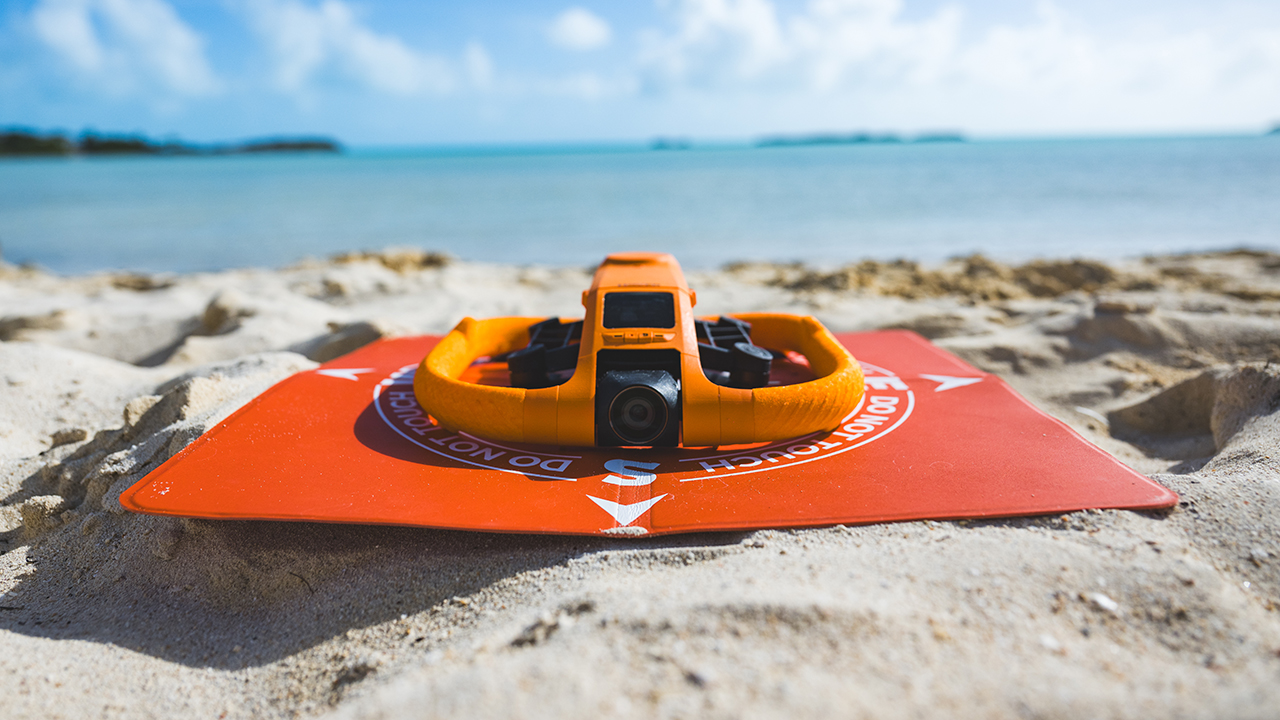
Zero Zero Robotics has finally answered the call of the modern traveler with the HOVERAir AQUA, a self-flying camera that is as much a piece of high-end kit as it is a 100% waterproof marvel.
Designed for those who find their best selves on the open sea, this device offers a perspective that is as limitless as the horizon itself.
Award-winning design
Weighing in at under 250 grams, this compact powerhouse has the hidden strength to navigate Level 7 winds and reach spirited speeds of 55 km/h.
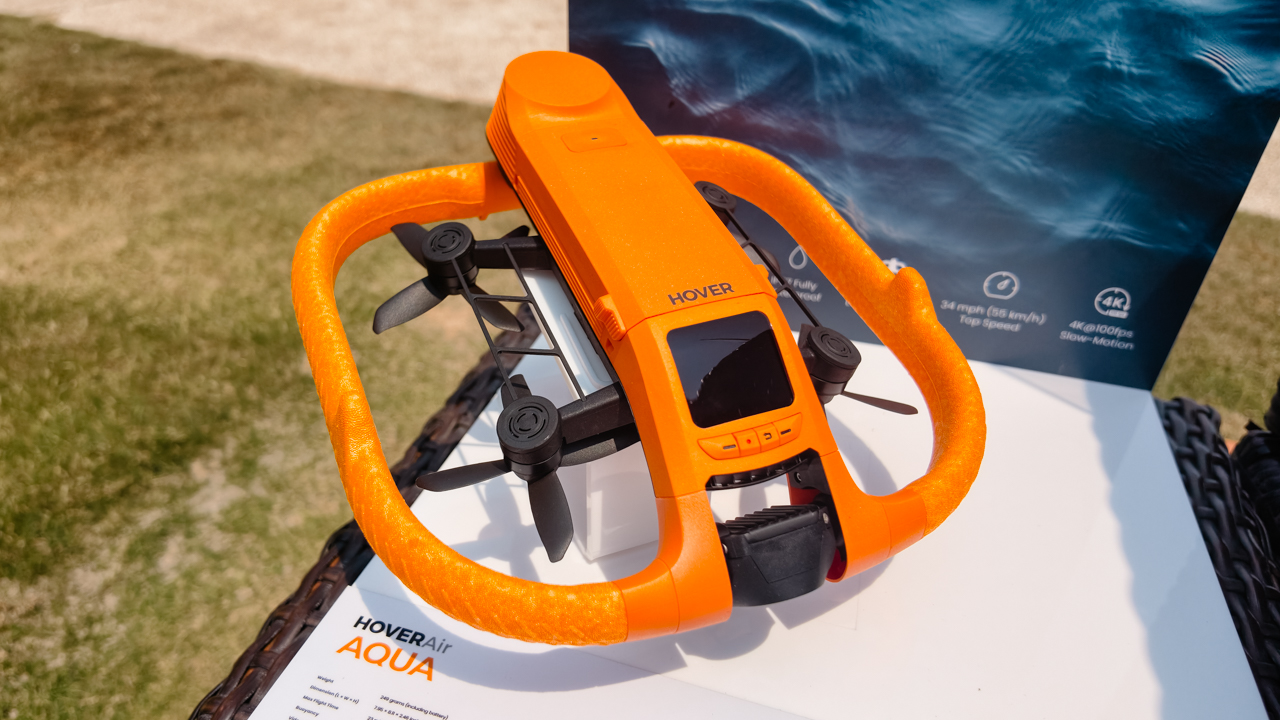
In photo: HOVERAir AQUA | Image by MJ Jucutan
This peerless innovation secured the prestigious Red Dot Award, a testament to its triumph of form and function. While traditional drones are famously hydrophobic, the AQUA was built specifically for the elements.
It’s fully waterproof with an IP67 rating, ensuring reliability in both mirror-still freshwater lakes and salt-laden coastal air.
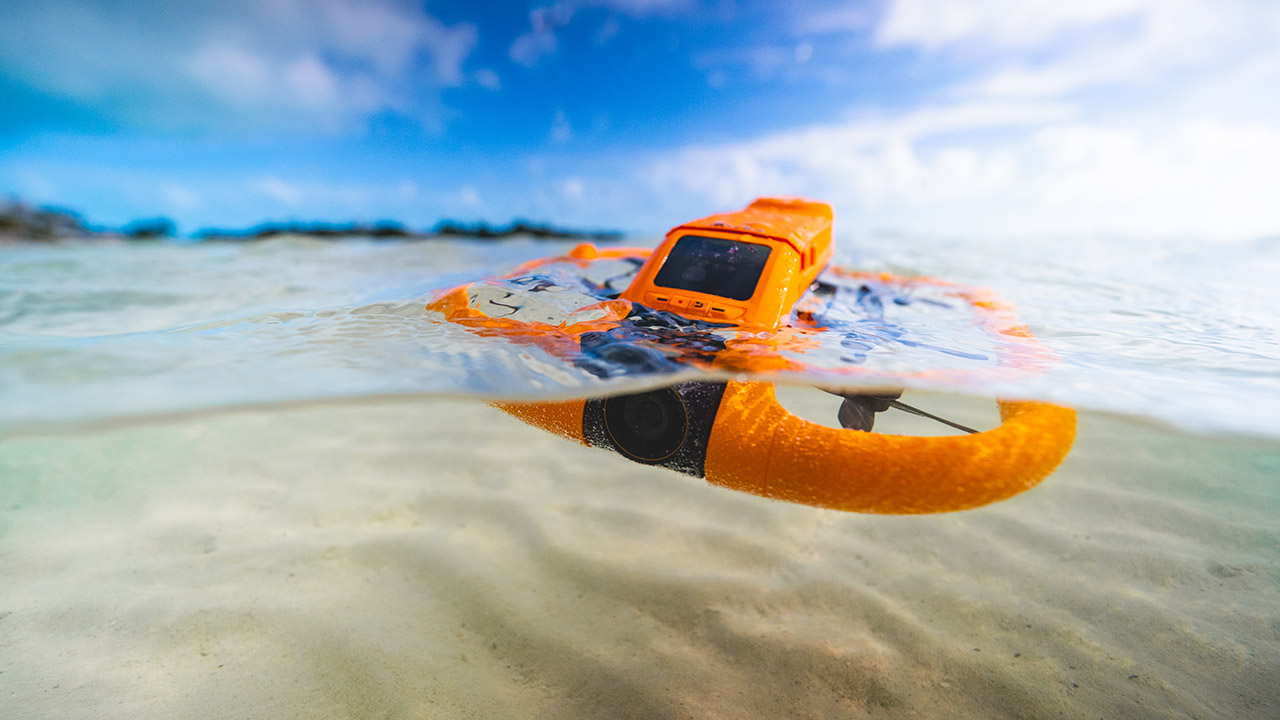
What’s truly clever is its positive buoyancy; the AQUA floats gracefully upon the surface and is capable of taking off or landing directly on the water.
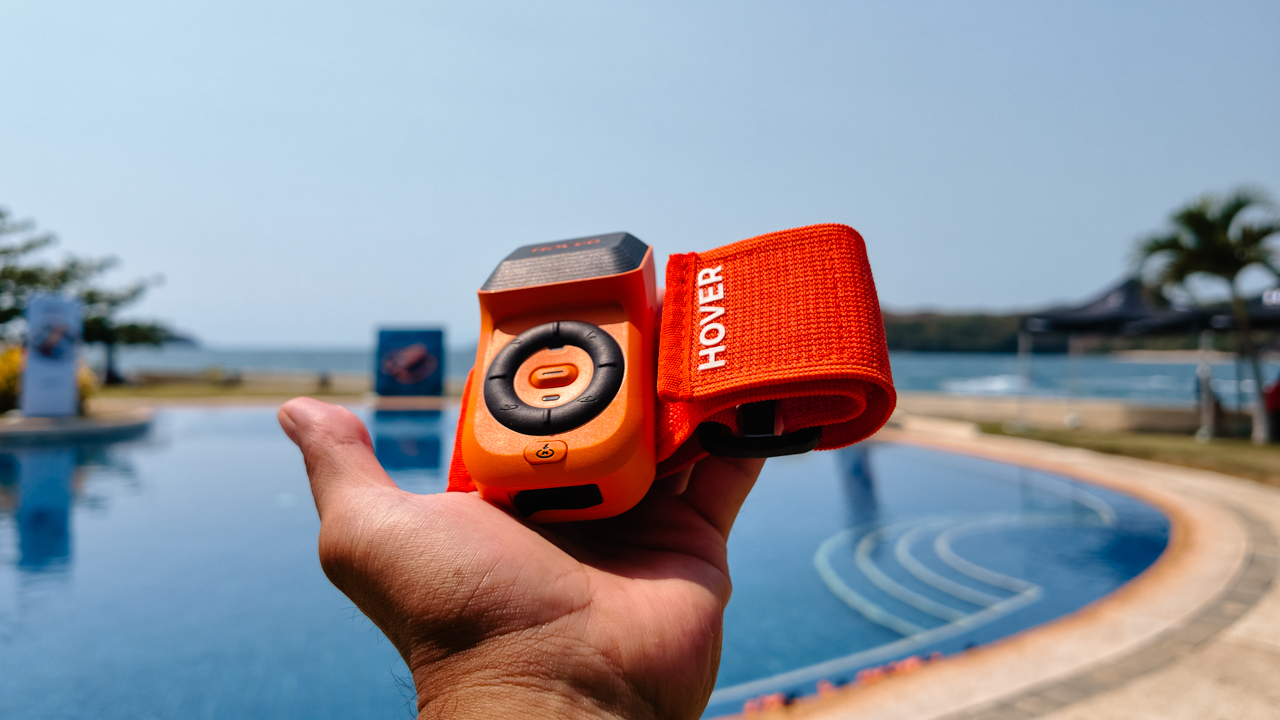
In photo: Controller for the HOVERAir AQUA | Image by MJ Jucutan
Every frame remains crystal clear thanks to a hydrophobic lens and anti-fog technology, so you never have to worry about sea spray or humidity ruining the shot.
Crystal-clear shots
Under the hood, you’ll find a 1/1.28-inch CMOS sensor capable of recording breathtaking 4K video at 100fps. This allow for the creation of cinematic, slow-motion sequences that render every wake and wave in exquisite detail.
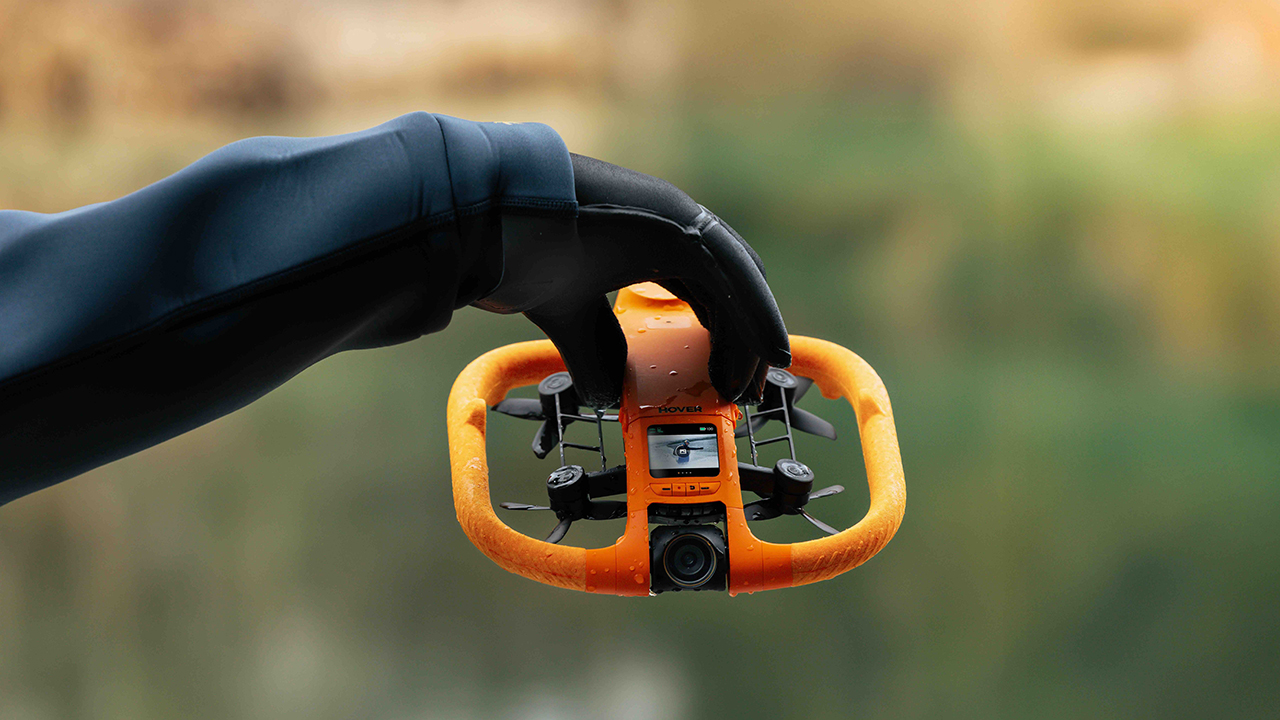
With over 15 intelligent flight modes — including specialized settings for surfing, kayaking, and paddling — the AQUA essentially acts as your own personal, invisible cinematographer.

Its SmoothCapture stabilization system keeps your footage as steady as a calm horizon, even in choppy conditions.
For professional wakeboarders and surfers, the AQUA completely removes the need for a follow-cam crew. Now, athletes can head out on the water and capture epic, professional-grade footage entirely on their own.
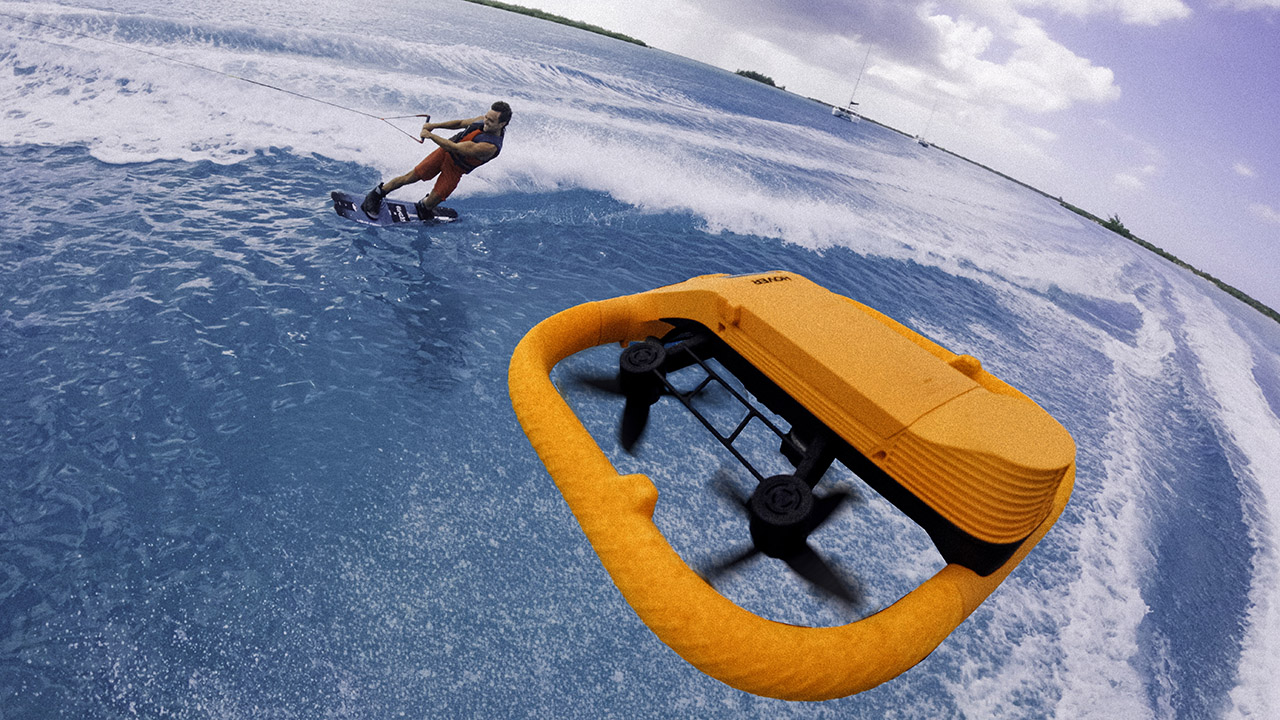
The HOVERAir AQUA Basic Combo is now available through select luxury retailers and online boutiques in the Philippines, priced at PhP 87,990.
Drones
DJI Avata 360 review: Capture now, decide later
Shifting the focus from technical precision to pure immersion!


I have never been particularly fond of heights, yet I always find myself pulled to stand on a mountain ridge. The world feels vast and slightly intimidating from that vantage point.
When I put on the DJI Goggles 3 and enable head tracking, that physical boundary disappears. I’m no longer standing on a ridge holding a controller. I’m inside the flight, soaring at an altitude that makes my stomach drop in a way that feels visceral and real.
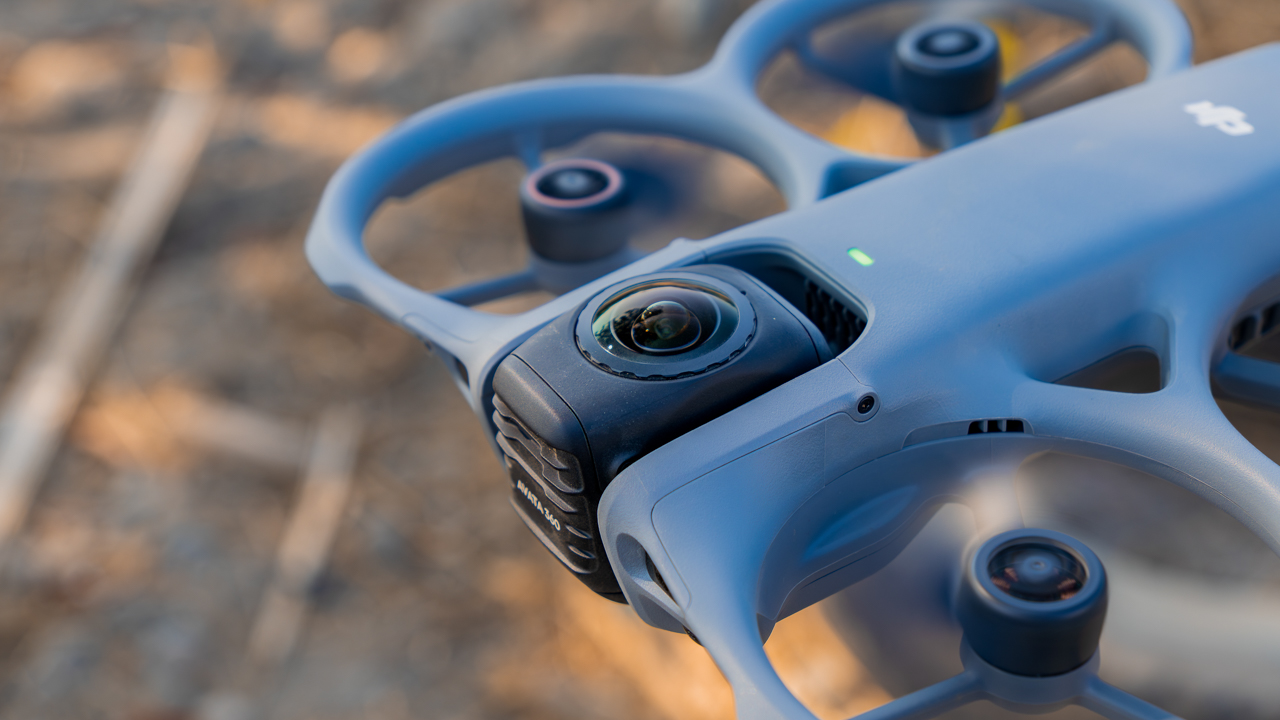
This is the core of the DJI Avata 360 experience: It’s about piloting a machine while inhabiting a new perspective.
Seamless transition into flight
The first time you take the DJI Avata 360 up, it meets you where you are. Using the standard RC controller feels familiar right away because the system behaves exactly how a pilot expects it to.
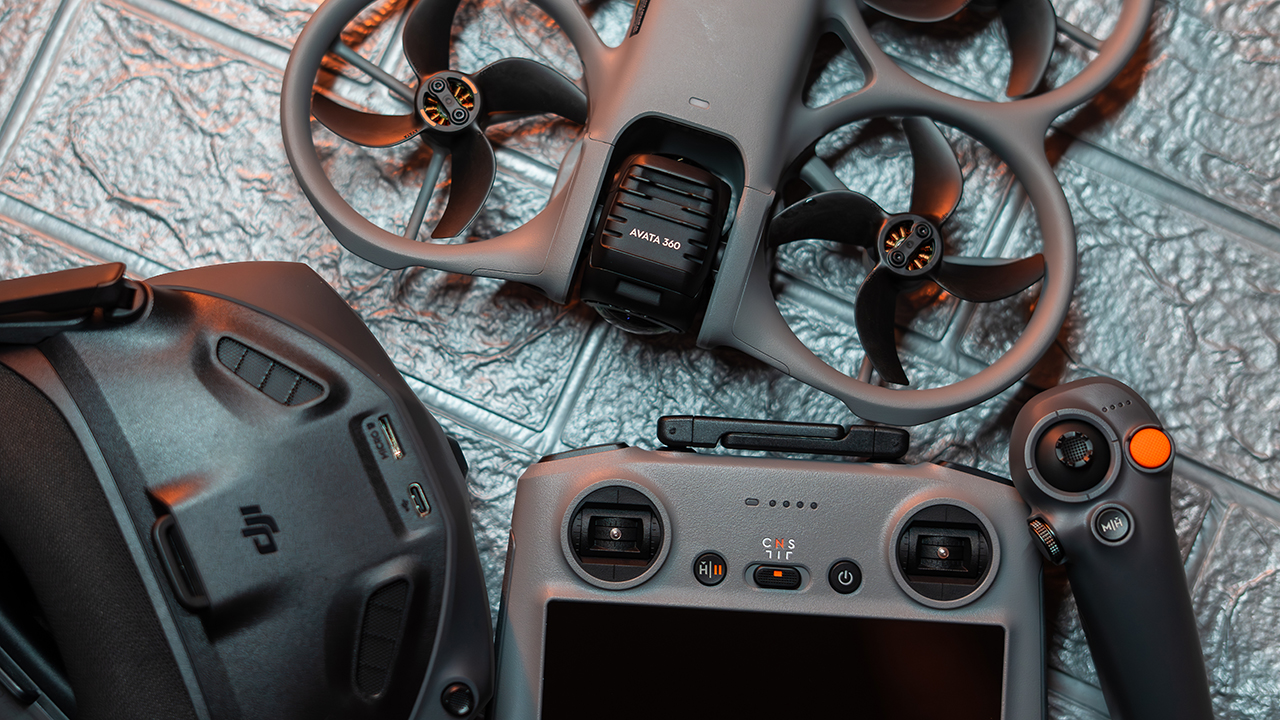
The flight remains stable and predictable, which allows for a high level of trust during the initial minutes in the air. Getting started follows a familiar routine of firmware updates and device pairing.
While the process is not instant, the interface is intuitive enough that most users will reach a comfortable flying state quickly.
Finding creative safety in the open sky
The experience shifts when you enable head tracking and unlock the full 360-degree view. You are no longer just watching the drone fly, but instead, you feel as though you are part of the movement.
This immersion is especially powerful at higher altitudes. This drone fundamentally changes the creative workflow because it allows you to capture the moment first and decide on the framing later.
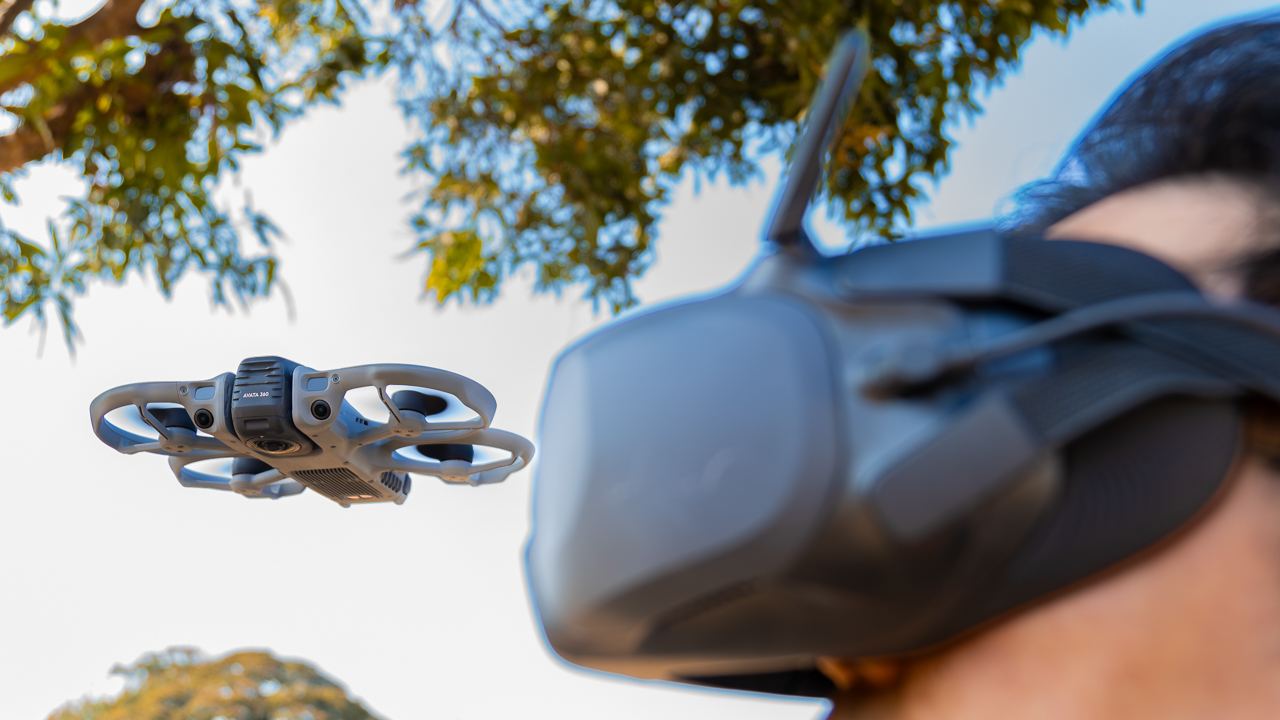
Traditional shooting requires careful planning and repeated takes to ensure you nailed the angle. With the Avata 360, that pressure is reduced.
Because the sensor captures everything, you can focus on the movement of the drone rather than the boundaries of the frame.
Each battery provides around 15 minutes of flight time, which sounds limiting on paper but proves to be manageable in practice.

Because the shooting style is so efficient, I often capture exactly what I need within a single flight. This drone is a partner for those who document fast-moving situations like races or extreme sports where moments happen only once.
View this post on Instagram
Refining the story in post-production
The visual output feels polished and gives the editor plenty of room to work. Colors are clean and balanced straight out of the camera, which provides flexibility during the grading process.
While the sharpness can lean slightly artificial, dialing it down creates a much more organic look. The inclusion of D-Log and 8K resolution at 60fps provides enough detail to build slow-motion edits without sacrificing quality.
Tracking remains reliable in good lighting, though the system requires more manual awareness once the sun goes down and the obstacle avoidance sensors lose their effectiveness.
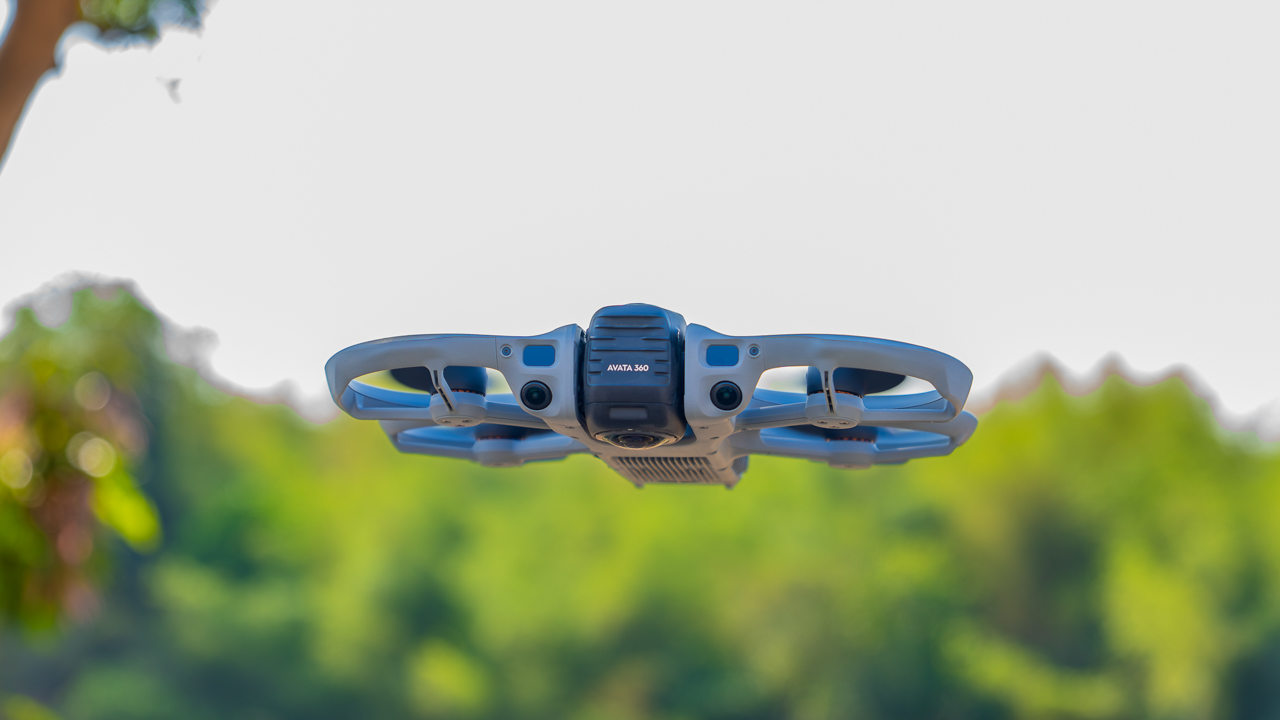
Though, the flight experience is strong, but the editing workflow currently introduces some friction. Editing relies heavily on DJI Studio, and the lack of seamless integration with professional tools like Adobe Premiere Pro on Windows creates extra steps.
You often need to pre-render angles before you can bring clips into a main timeline. When compared to the Antigravity A1, the DJI ecosystem still feels more polished and easier to integrate into a working setup, yet the software gap remains a point of frustration.
Is this your GadgetMatch?
The DJI Avata 360 offers a different way to tell a story by shifting the focus from technical precision to complete immersion. It allows the creator to stop worrying about missing the shot and start thinking about how to feel it.
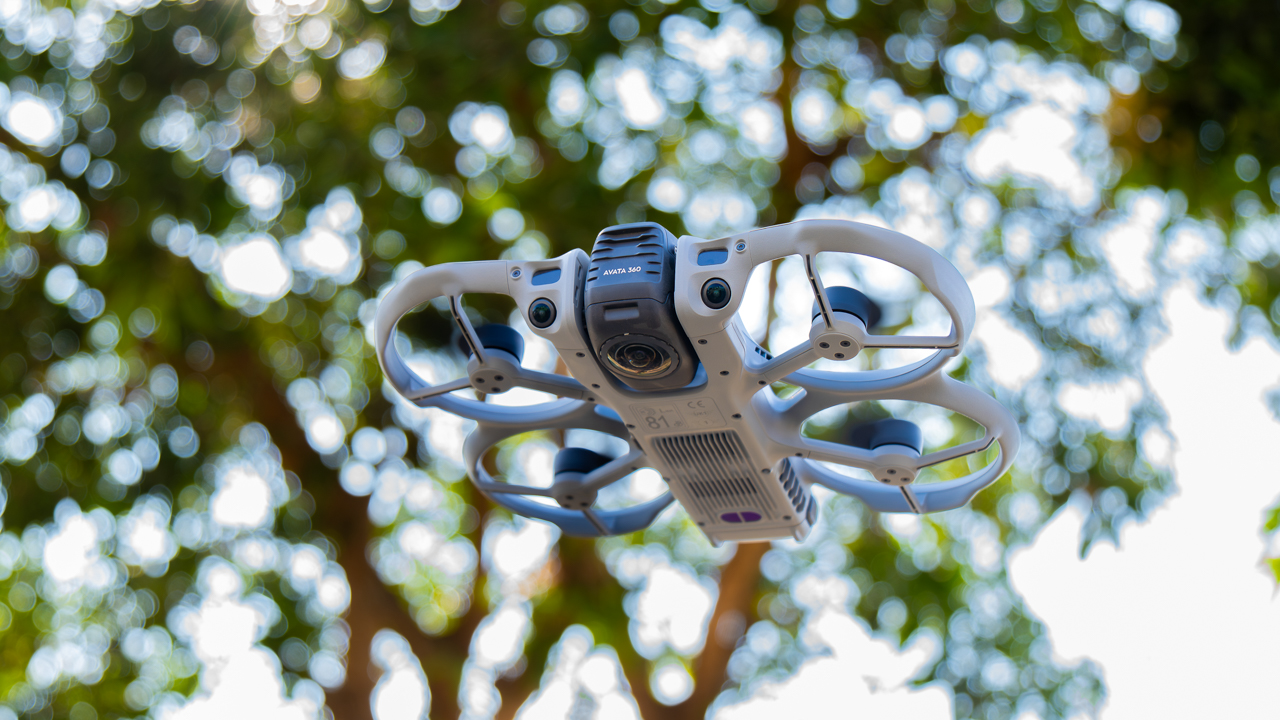
Swipe Right if your life involves fast-paced environments like extreme sports or travel where moments only happen once.
This is for the person who wants to feel like they are flying rather than just operating a camera. It fits the routine of a creator who values creative safety nets and the ability to reframe a story in post-production.
Swipe left if your workflow requires a fast, seamless turnaround on Windows without extra processing steps. It’s not the ideal choice for those who primarily shoot in low-light conditions or urban areas with high interference.
If you prefer the traditional control of a specification-heavy technical breakdown, the reflective nature of this system may feel less efficient.
Price, availability
The DJI Avata 360 starts at PhP 38,290. With the Fly More Combo (DJI RC 2) or the Motion Fly More Combo (DJI Goggles N3), it retails for PhP 47,890.
Drones
DJI officially launches the Avata 360 with 8K immersive imaging
The new flagship drone introduces 1-inch sensors and 360-degree capture to the FPV world.
DJI just redefined the “single take.”
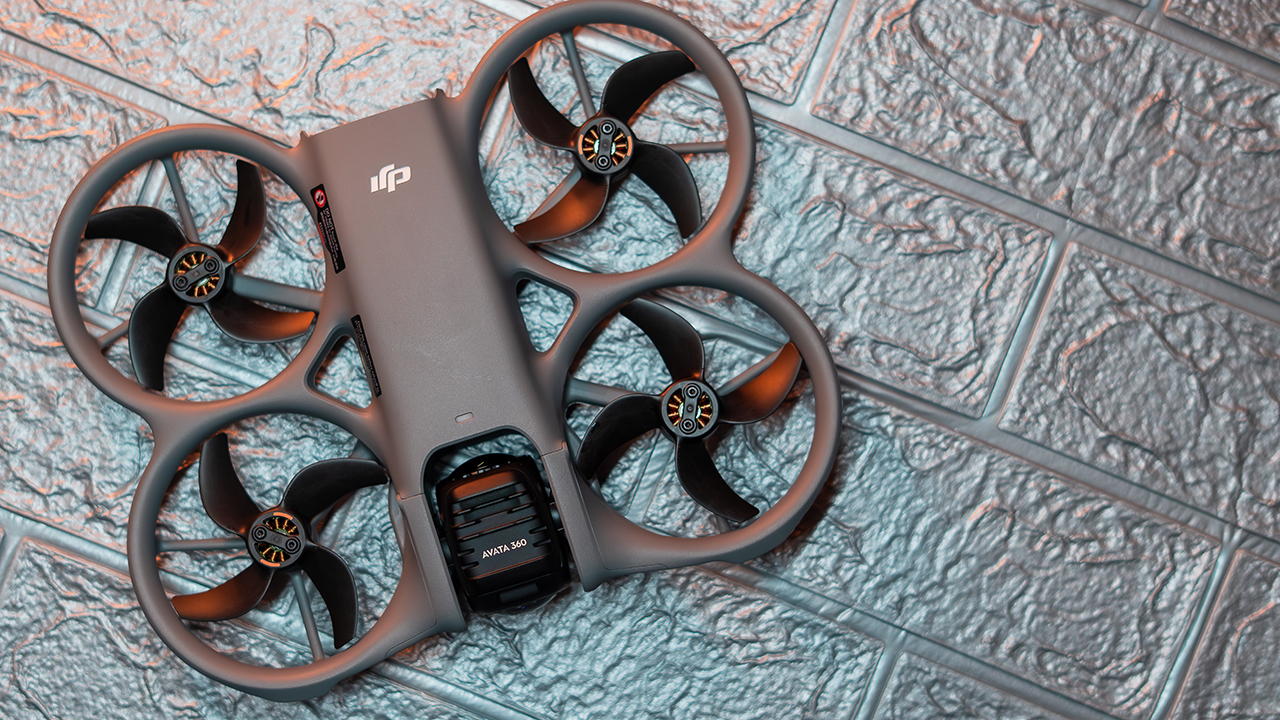
The new DJI Avata 360 combines the raw thrill of FPV flight with a flagship 8K 360° camera system. It effectively gives creators a flying virtual camera that sees everything at once.
This means you no longer have to worry about pointing a gimbal while flying at high speeds. You can simply record the entire environment and choose your favorite angles later in post-production.
Brilliant imaging, post-flight freedom
The headline feature is the imaging, which utilizes dual 1-inch-equivalent sensors capable of 8K/60fps HDR video and 120MP stills.
These massive 2.4 μm pixels handle low light and high dynamic range like a pro, ensuring light and shadow are captured with exquisite clarity.
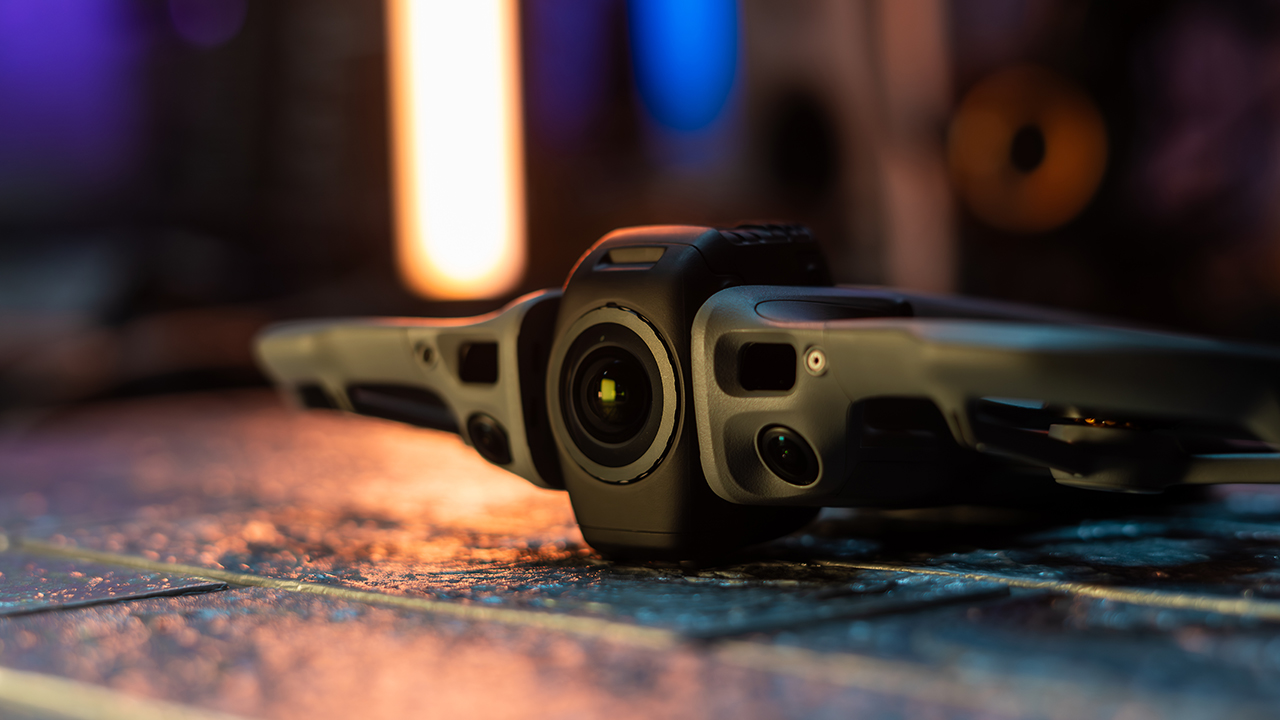
If you prefer a more traditional look, you can switch to Single Lens mode to capture classic Avata-style cinematic lines in 4K/60fps.
Because the drone records in a full sphere, the Virtual Gimbal feature allows for infinite rotation and tilt during editing.
You can fly in one direction while digitally rotating the horizon or shifting the perspective to look directly behind the drone without ever changing your actual flight path.
Flagship transmission, smarter safety
DJI didn’t just slap a new camera on the old frame. They beefed up the internals to ensure the flight experience is as stable as the footage.
The drone leverages the flagship O4+ video transmission system to deliver crystal-clear 1080p/60fps feeds with a massive 20 km range and strong anti-interference capabilities.
Safety has also seen a major upgrade with Nightscape omnidirectional obstacle sensing. This makes sunset and low-light flights significantly less stressful.
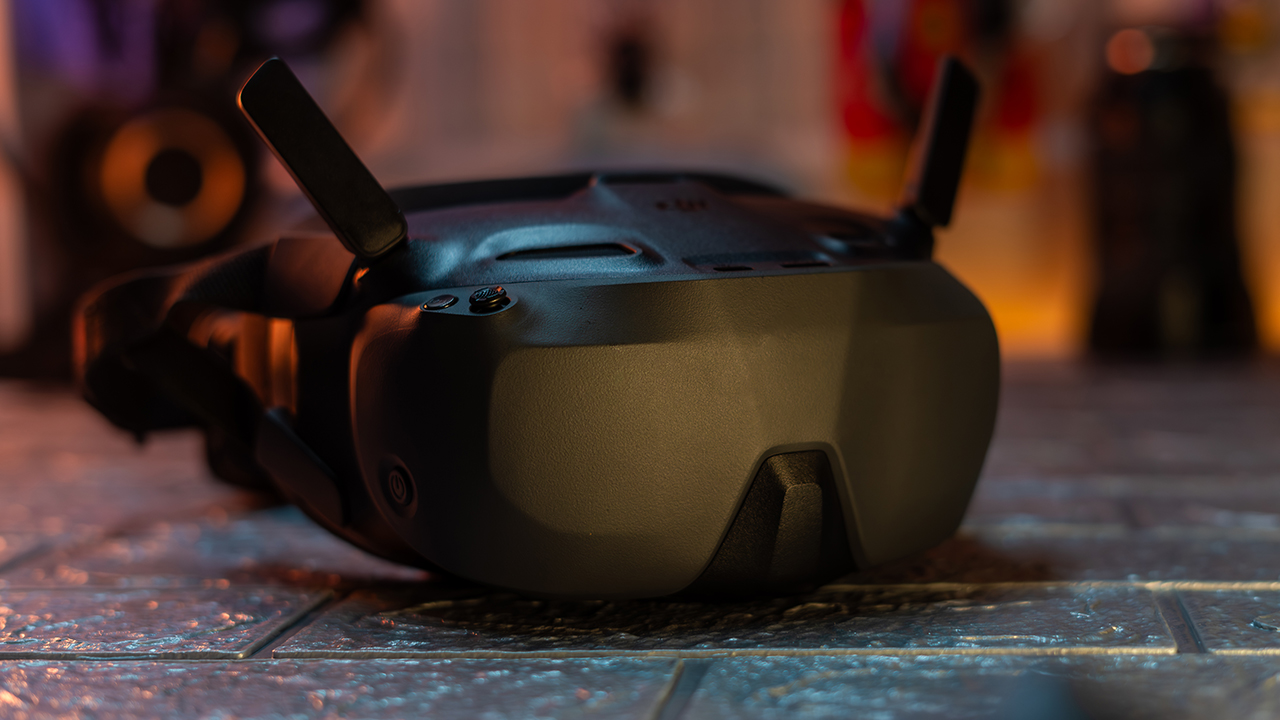
Plus, the front lens element now features a user-replaceable design. If you push a gap a little too hard and scratch the glass, you can swap it out yourself instead of shipping the whole unit back for repairs.
Intelligent tracking, high-speed workflow
The magic continues once the drone is back on the ground through the DJI Fly and Studio apps.
Features like ActiveTrack 360° and Spotlight Free allow the drone to lock onto subjects and replicate sophisticated camera movements that usually require a professional dual-operator setup.
With 42GB of internal storage and high-speed Wi-Fi 6 transfer, you can capture 30 minutes of 8K footage without an SD card and beam it to your phone at up to 100 MB/s.
Price, availability
The DJI Avata 360 is compatible with DJI Goggles, the RC Motion 3, and standard RC 2 controllers, with pre-orders live today and shipping starting in April 2026.
- DJI Avata 360 (DJI RC 2): PhP 38,290
- DJI Avata 360 Fly More Combo (DJI RC 2): PhP 47,890
- DJI Avata 360 Motion Fly More Combo (Goggles N3): PhP 47,890


Marvel’s Wolverine review: When the claws come out
A brutal, cinematic superhero adventure

Setting your bedsheets ablaze with the Lovense Solace Pro
The closest proxy I could find where I'm guilty as sin


Now Playing: Elden Ring Tarnished Edition
Is the Switch 2 port worth the price?

First Look: Apple iPhone Duo

Xbox saves Kojima’s PHYSINT after PlayStation drops support
Marvel’s Wolverine review: When the claws come out

PH to celebrate 1st ever National Cinema Day; movies start at less than $2

New AGON gaming monitor features up to 1000Hz refresh rate

TECNO MEGAPAD 2 review: Eyes on the size

realme 16T 5G with 8000mAh battery, IP69 Pro rating launches in PH

HUAWEI Pura X View is 2026’s first WIDE slab-type smartphone

REDMI reveals the refreshed Note 17 and Note 17 Pro series

REDMI Note 17 Series focuses on long-term reliability


-
 News6 days ago
HUAWEI Pura X View is 2026’s first WIDE slab-type smartphone
-

 News6 days ago
The CAMON Slim 5G is TECNO’s latest ultra-slim smartphone
-
 Cameras2 weeks ago
DJI Osmo 360 II review: Going all-in on the ecosystem
-

 Features2 weeks ago
The designated photographer’s new favorite phone: OPPO Reno16 Series 5G
-

 IFA 20261 week ago
TECNO MEGABOOK T15 360 unveiled at IFA 2026
-

 Gaming1 week ago
NBA 2K27 review: A two-way All-Star
-
 Reviews2 weeks ago
Samsung Galaxy Z Fold8 Ultra review: It’s time to get a foldable
-

 IFA 20261 week ago
TECNO’s POVA 8 Pro gets a stealthy makeover